Outdoor Benches for Small Spaces
Outdoor Benches for Small Spaces offer a stylish and practical way to enhance your patio, balcony, or compact garden. These benches are designed to fit seamlessly into smaller areas, making it easy to create a cozy seating nook or add extra functionality without overwhelming your space. Whether you’re looking to relax with a book or entertain guests, discover a variety of options that blend comfort and versatility for any outdoor setting. Transform even the most limited outdoor areas into inviting retreats with the right bench to suit your needs.
Sort
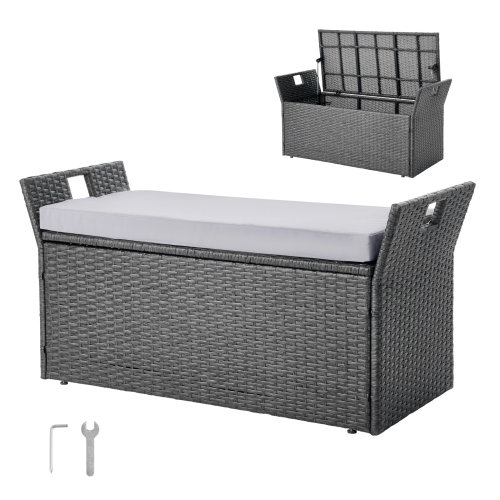
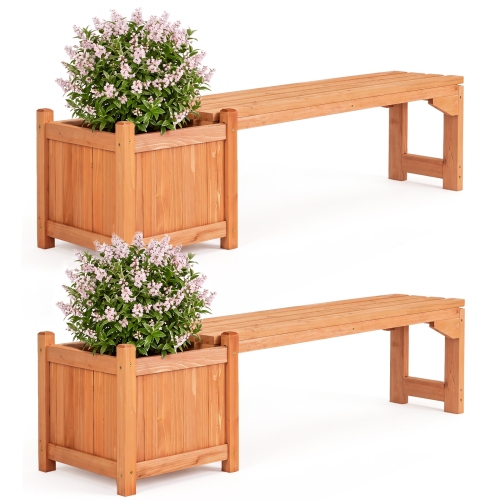
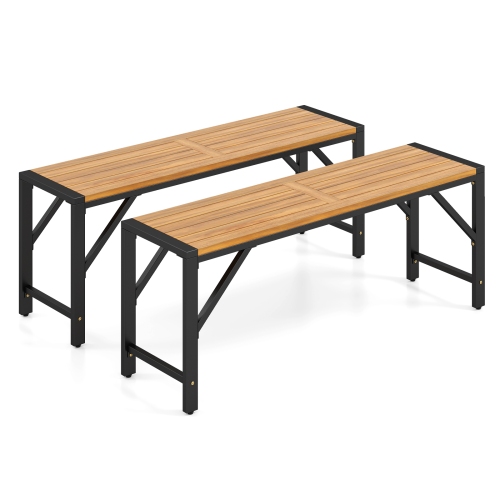
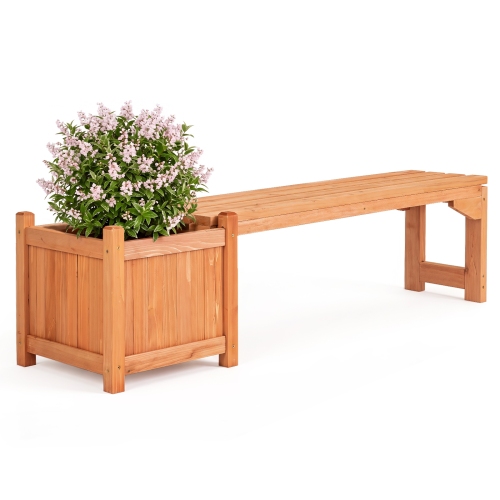


Bench comfort goes beyond a compact footprint
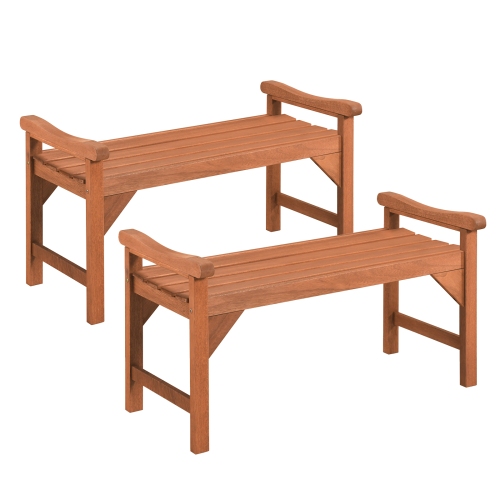
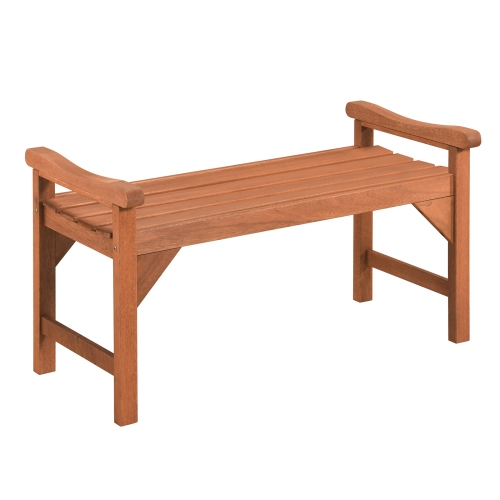
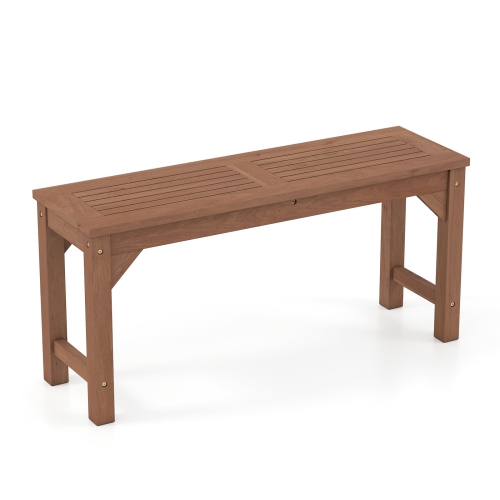
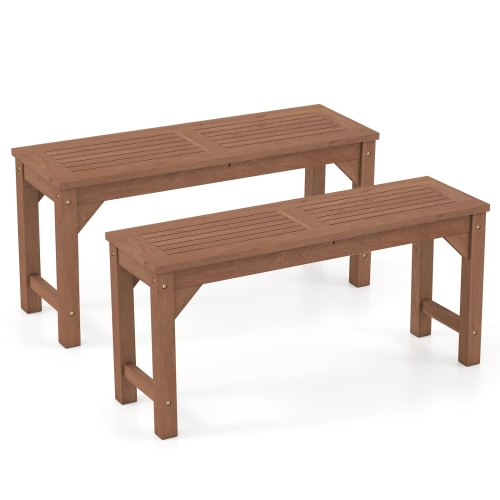
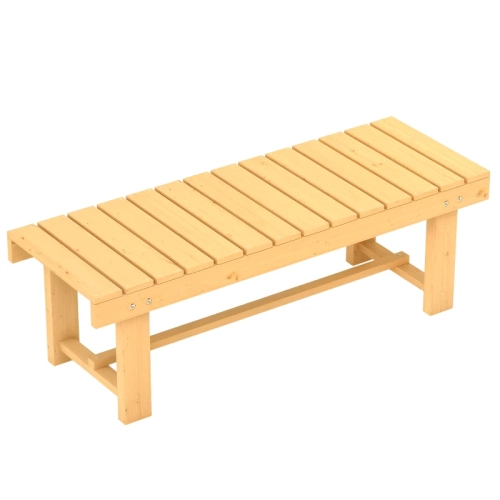
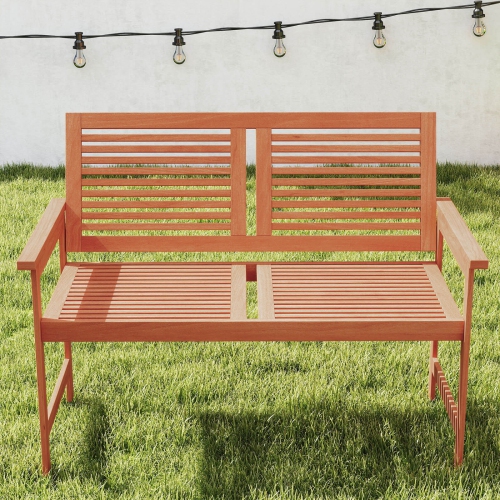
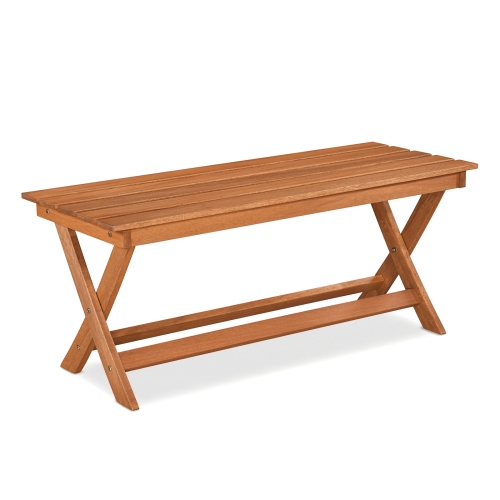
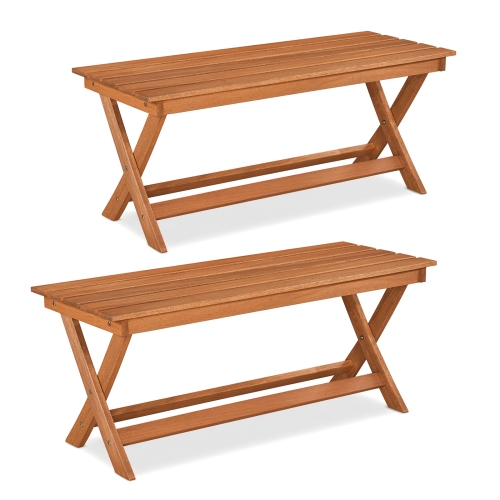
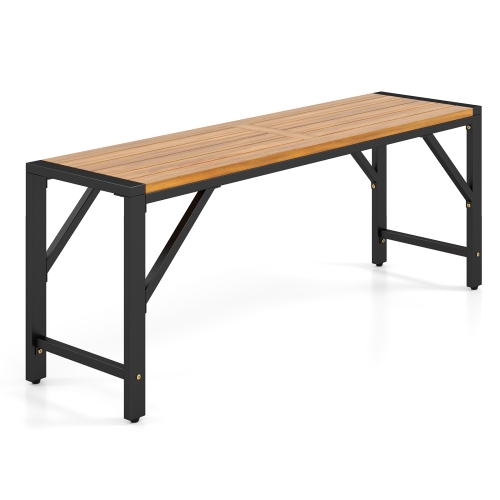
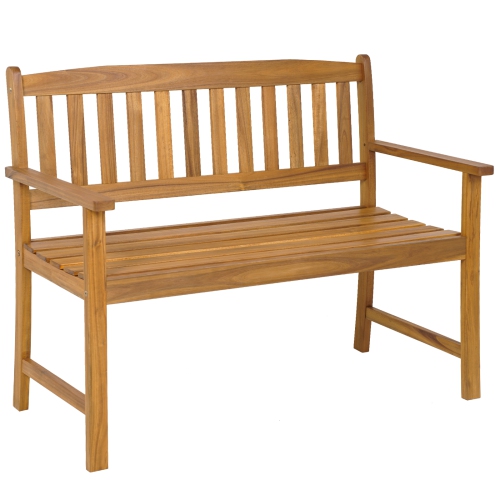
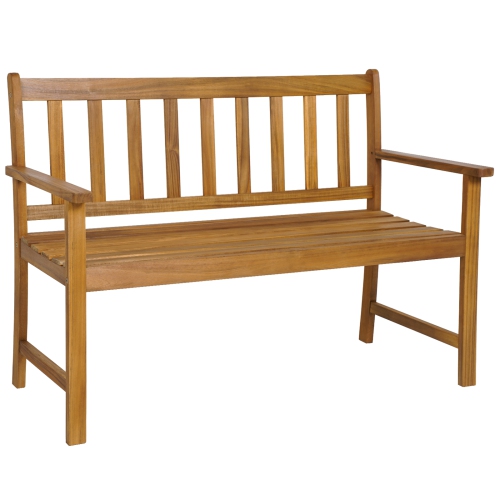
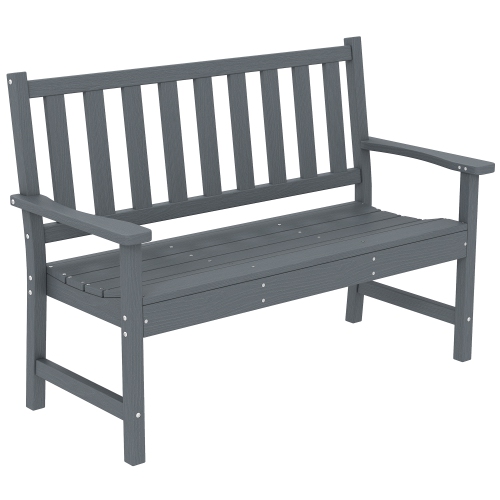
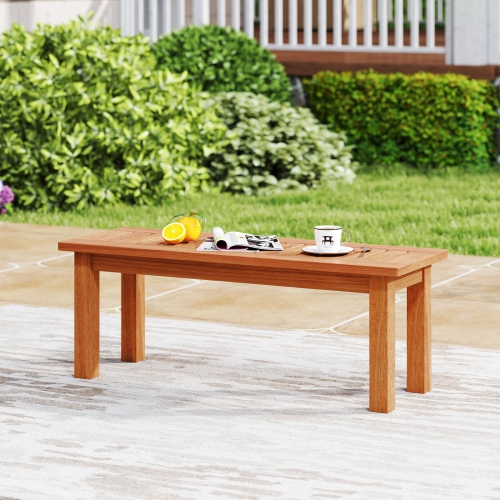
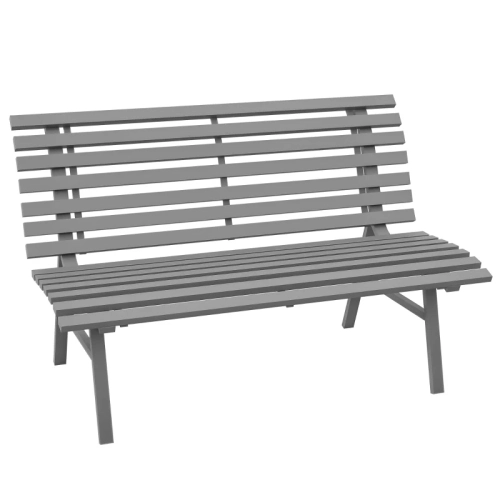
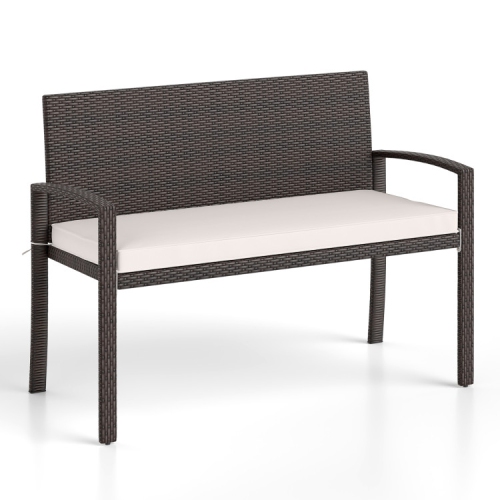
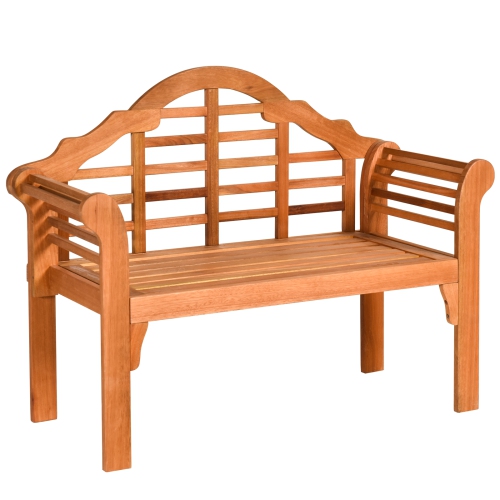
Outdoor benches for small spaces bring useful seating to balconies, narrow patios, compact courtyards and front porches without requiring the footprint of several separate chairs. Compact, low-profile designs work particularly well where a seating area shares space with a doorway, planters or a frequently used walkway. A slim backless bench can sit neatly against a solid wall, while a small bench with a backrest creates a more defined place to settle with a book or enjoy a quiet coffee. Overall dimensions matter more than the seat width alone: projecting armrests, angled legs and a reclining back can make a bench occupy more space than expected. A backless design with an overall depth of about 16 inches or less may suit a shallow nook, although a deeper seat can offer more support for longer periods of sitting. The right balance depends on how the space is used and who will be sitting there. A perch for taking off garden shoes has different comfort requirements from a bench used for relaxed conversation. Measuring the intended footprint, including room for knees and an opening door, helps distinguish a genuinely compact fit from one that only looks small in a photograph. Seat height also affects comfort, especially when pairing a bench with a table or choosing seating for someone who finds very low furniture difficult to use. Armrests can provide a convenient place to rest the elbows, but they also reduce usable sitting width. Backless styles offer access from either side and can sometimes tuck beneath a compatible table when not in use. Seating capacity should always follow the stated dimensions and weight rating rather than an assumption based on width. For apartment residents, townhouse owners and anyone furnishing a modest outdoor corner, these details make the difference between a bench that simply fits and one that feels comfortable to use.
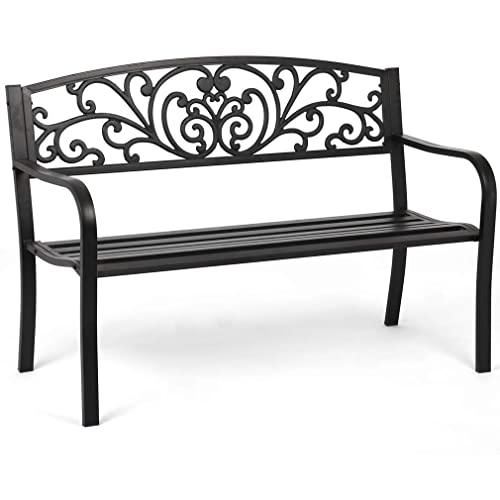
Materials influence both the appearance of a small outdoor bench and the attention it needs over time. Wood introduces natural grain and warmth, making it a familiar match for planted courtyards, brick walls and understated patio arrangements. Different wood species vary in hardness and resistance to moisture, and even wood intended for outdoor furniture may need periodic cleaning and a suitable protective treatment. Acacia and teak are commonly used for outdoor seating, but their care requirements depend on the construction and finish. Some wood develops a grey patina with exposure; maintaining its original colour may require treatment recommended by the manufacturer. Metal benches often have slender frames that leave more of the surrounding floor visible, which can help a tight seating area feel less crowded. Aluminium is generally lighter than steel and does not develop the red rust associated with iron, while steel frames can provide substantial weight and a sturdy feel. Protective coatings still deserve attention, particularly around joints, scratches and fasteners. Resin and plastic benches offer another option for straightforward cleaning, though resistance to fading, brittleness and surface marks varies by formulation. No material is entirely maintenance-free, and outdoor suitability should be confirmed in the product specifications. Slatted seats and drainage openings can reduce standing water, but cushions and recessed corners may still hold moisture. A gentle clean with a product appropriate to the material is usually preferable to abrasive scrubbing that could damage a finish. On a small balcony, the weight of the bench matters when it needs to be moved for cleaning; in an exposed location, a very light design may require additional care to keep it secure. Stable legs, sound joints and intact hardware are practical signs of construction quality, while feet suited to the surface help limit rocking and unwanted marks on decking or tile.
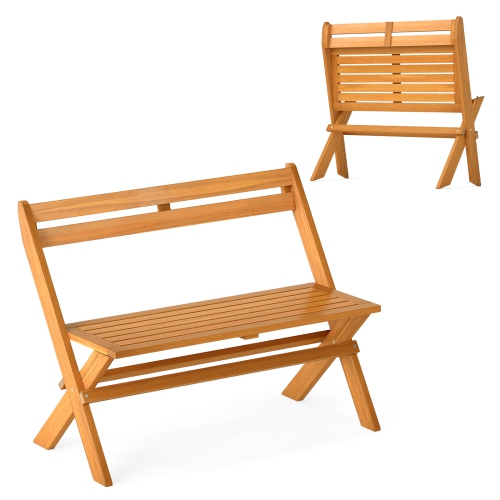
The most useful compact benches often serve more than one purpose, although each function should be supported by the design. A storage bench can keep suitable outdoor accessories close at hand, reducing the need for a separate storage box. Its lid needs clearance to open, and a backrest or nearby wall should not obstruct the hinges. Storage compartments described as weather-resistant are not necessarily waterproof, so cushions and fabrics may still need separate protection. A folding bench offers flexibility when an outdoor area also needs to accommodate exercise, plant care or occasional guests; folded dimensions and the locking mechanism matter as much as the open footprint. A firm backless seat may also provide a temporary spot for a tray or a few lightweight planters, provided the surface and load rating allow it. Keeping soil and trapped water away from the finish helps protect that seating surface. For a coordinated arrangement, Outdoor Tables for Small Spaces can complement a compact bench without overwhelming the area, especially when tabletop height and leg placement leave comfortable room to sit. A narrow rectangular table may suit a wall-side layout, while a small round table can soften a corner and eliminate projecting tabletop corners. Cushions add another layer of comfort, but their thickness changes the effective seat height and can reduce support from a low backrest. Removable covers and clearly stated cleaning instructions make everyday upkeep easier. Covers for the bench itself should fit securely and allow ventilation, and furniture should be thoroughly dry before extended covered storage. On balconies, placement also needs to respect building rules, door access and safe clearance from railings, particularly where children use the space. A compact bench can make a thoughtful housewarming gift when the recipient’s measurements, seating needs and care preferences are known. Whether used for a short morning pause, a shared conversation or a convenient place to sit near the garden, the strongest choice is one whose size, construction and comfort suit the space without making it harder to move through.
Top selling and popular products
-
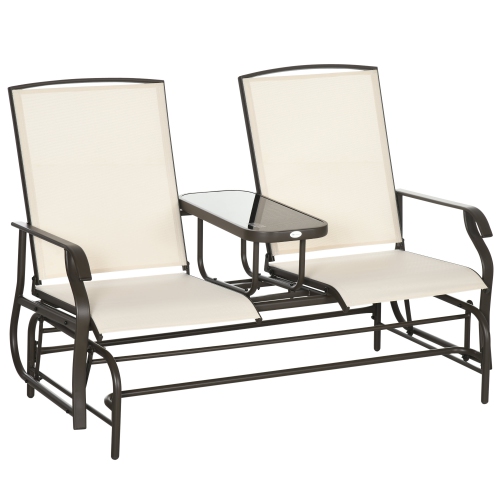 Your price for this item is $209.99
-
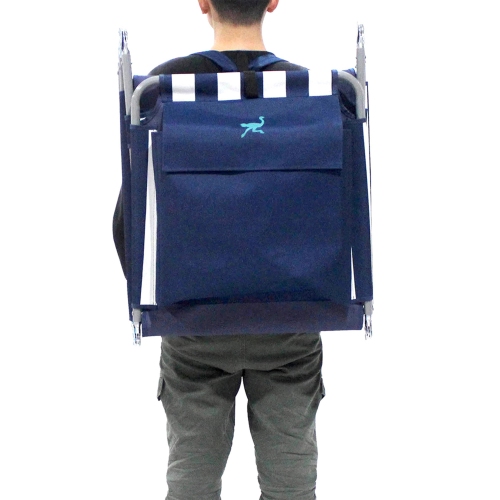 Your price for this item is $222.99
-
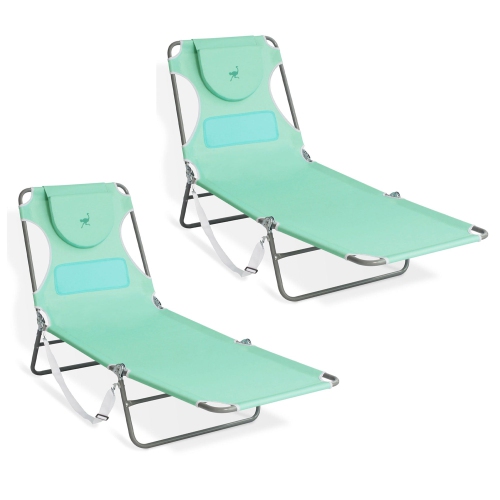 Your price for this item is $407.99
-
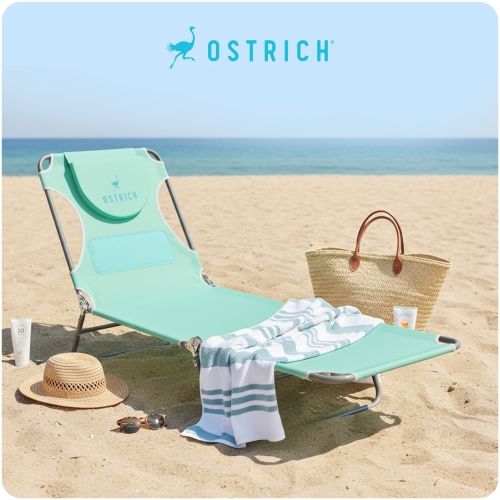 Your price for this item is $187.99
-
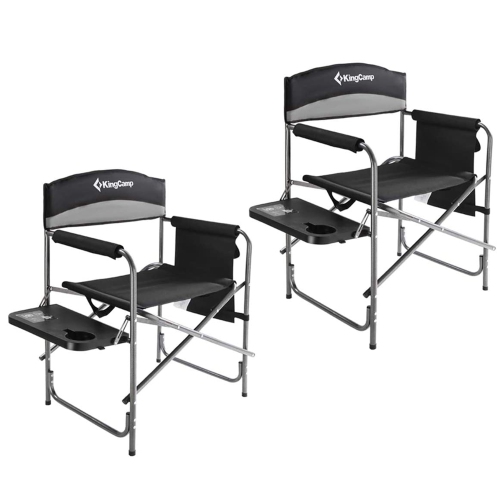 Your price for this item is $254.99
-
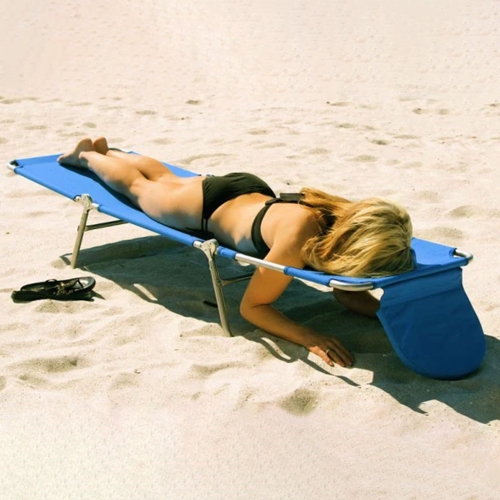 Your price for this item is $712.99
-
 Your price for this item is $177.99
-
 Your price for this item is $459.99
Discover more categories related to Outdoor Benches for Small Spaces
Top Collections:
Best Black Friday Deals This Year, Best Black Friday Deals On Electronics, Kindle Devices, Dyson Airwrap, Best Cameras for Sports Photography, Best Budget Office Chairs, Canon G7X Cameras, PS5 Pro Consoles, Best Black Friday Deals On Apple Products, XBOX One S Consoles
Some products may be subject to Environmental Handling Fees
(EHF) depending on your province.
Learn more about EHFs.