Outdoor Seating for Small Spaces
Outdoor Seating for Small Spaces offers stylish and practical solutions designed to maximize comfort without sacrificing valuable square footage. Whether you have a cozy balcony, petite patio, or compact backyard, discover options that help you create an inviting outdoor retreat. Explore a range of seating choices perfect for relaxing, entertaining, or simply enjoying the fresh air in any small outdoor area.
Sort
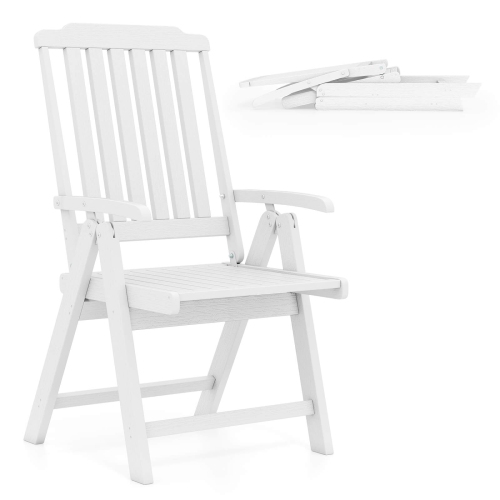
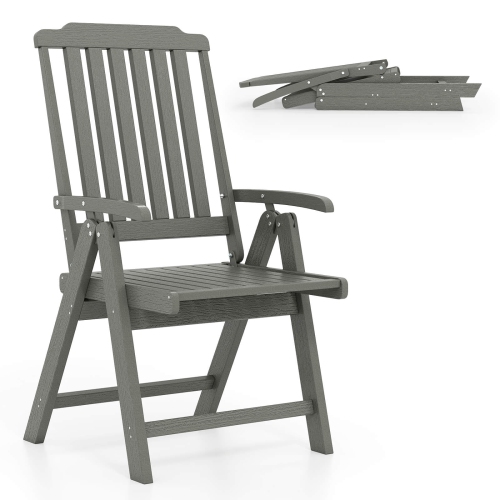
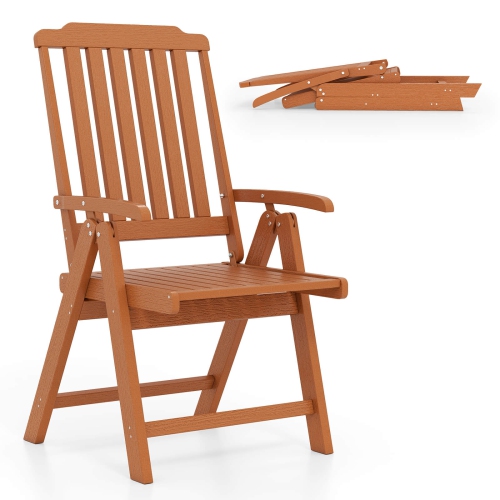


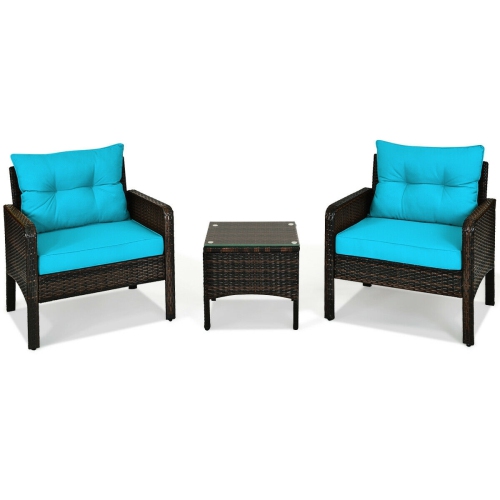
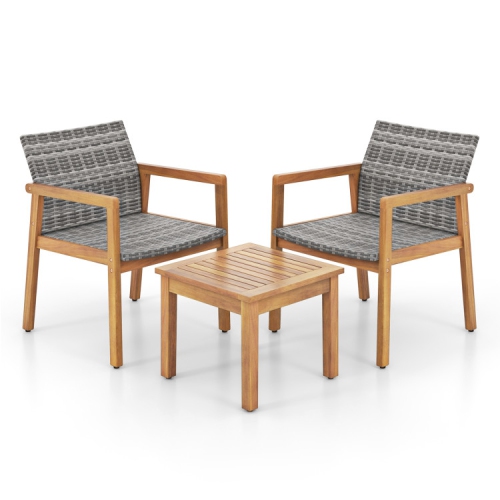
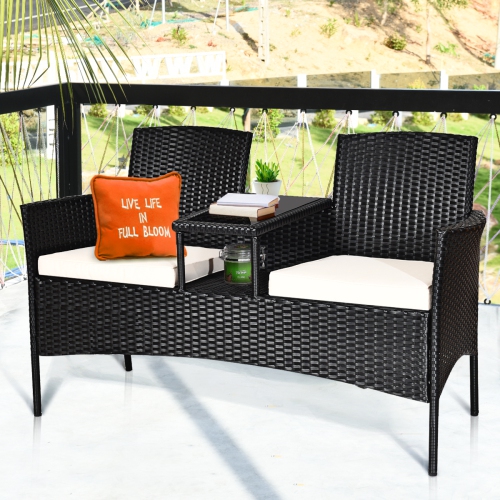
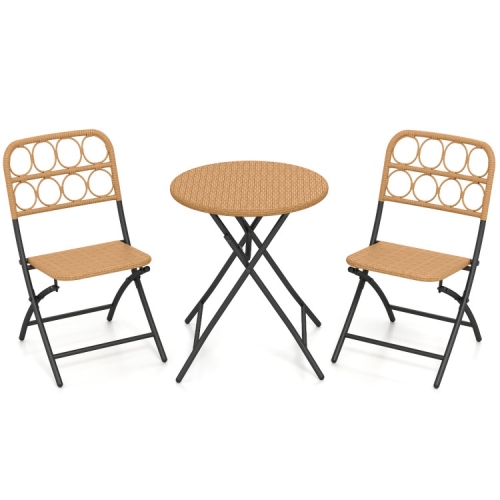

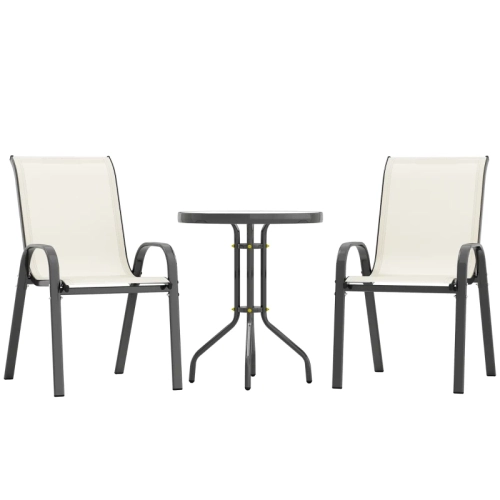




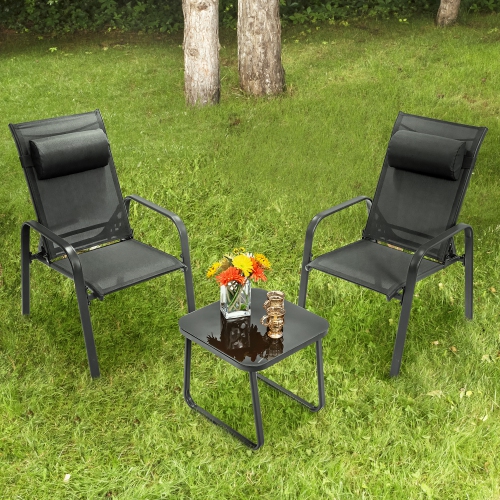


Comfortable seating leaves room for more than sitting
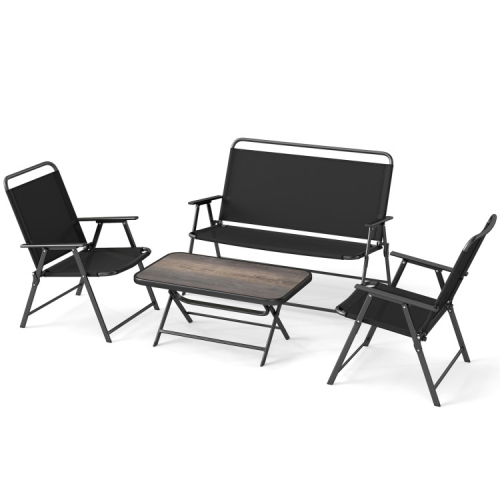
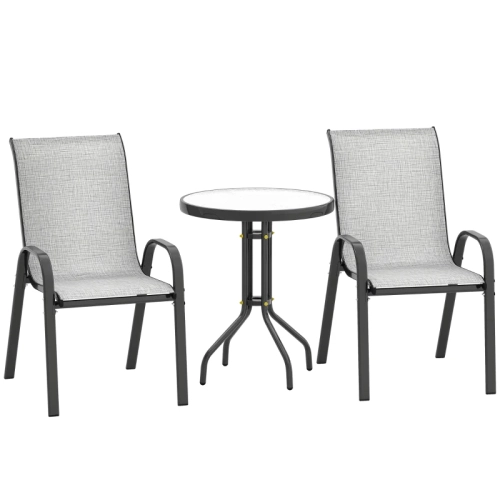
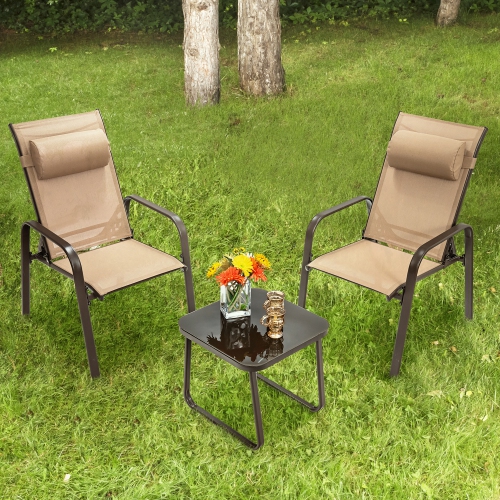
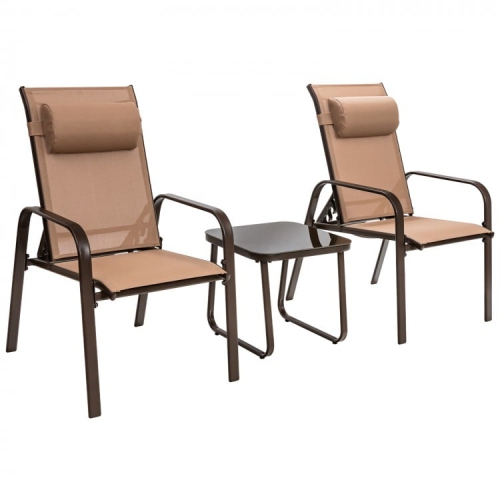
Outdoor seating for small spaces brings comfortable places to sit to balconies, narrow patios, compact decks, and modest front porches without taking over the entire floor. Folding chairs, stackable seats, slim benches, and compact loveseats each make sense for different layouts, while a small bistro arrangement combines seating with a convenient surface for drinks or meals. The most useful choice depends on how the space functions day to day: a balcony used for morning coffee needs a different arrangement from a porch where two people regularly sit and chat. A chair’s footprint is only part of the fit. There also needs to be room to sit down, move elbows comfortably, pull a chair away from a table, and walk past without squeezing between furniture and a railing. Door swings, sliding-door access, and the route from indoors to outdoors all affect how much seating feels practical. Slim arms and open frames can leave a compact area feeling less crowded, while a deeper lounge chair may be worthwhile when stretching out matters more than seating several people. Folding designs are useful where the same floor space serves several purposes, although their folded dimensions still need to suit the intended storage spot. Stackable chairs can simplify tidying, provided there is enough height and a suitable place for the stack. The Outdoor Bistro Sets for Small Spaces collection centres on the familiar table-and-chair arrangement suited to a shared coffee or a casual meal. Round tabletops can make movement around corners easier, while square tables may sit neatly beside a wall. In either case, table legs and chair arms need to work together so the chairs can tuck in rather than remain halfway across the walkway. For balconies, building rules and permitted loads also matter; furniture weight, occupants, and other contents all contribute to the overall load. Keeping exits clear and seating away from positions that could encourage climbing near a railing helps preserve the space’s everyday function.
Materials influence the weight, feel, upkeep, and long-term appearance of compact outdoor furniture. Aluminium frames are generally lighter to move than comparable steel frames, which can be helpful when chairs are brought indoors or rearranged frequently. Powder-coated steel can provide a sturdy feel, but scratches in the finish deserve attention because exposed metal may rust. Neither material choice removes the need to follow the furniture’s care directions, particularly around joints, fasteners, and areas where water can collect. Wood offers a warm appearance and a firm seating surface, with grain and colour that vary from piece to piece. Depending on the wood and its finish, routine cleaning and occasional treatment may be needed to maintain the intended appearance. Leaving wooden furniture standing in pooled water can shorten its useful life, so feet, drainage, and placement deserve consideration. Resin wicker usually refers to woven synthetic strands over a supporting frame rather than natural wicker; its durability depends on both the weave and the frame beneath it. Tight, even weaving and neatly finished edges matter on a seat that gets frequent use. Moulded resin seating can be straightforward to wipe clean, while sling-style seats offer a different feel without relying on thick cushions. Across these materials, stated weight capacities and assembly requirements are more useful than judging strength by appearance alone. Outdoor fabrics also vary. Resistance to fading or moisture does not mean a cushion is waterproof, and removable covers are not necessarily machine washable. Care labels determine whether covers can be laundered, spot cleaned, or treated another way. Brushing away grit, wiping spills promptly, and allowing cushions to dry thoroughly before storage help keep seating pleasant to use. Where furniture stays outside, a properly fitted cover can limit exposure to dirt and moisture, but ventilation remains important. Covers and cushions also need somewhere to go when removed, a practical detail that can make a substantial difference on a balcony with very little spare storage.
Comfort in a small outdoor space comes from matching the seating to the activity, not simply fitting the greatest number of seats into the available area. Upright chairs with supportive backs suit meals, conversation, and a short break with a cup of tea. A compact loveseat creates a shared place to settle with a book, although its overall width may leave less flexibility than two separate chairs. Seat height, depth, back angle, and arm placement all affect how easy furniture is to use. Someone who prefers firm support or finds low seats difficult may be better served by a higher, more upright design than a deep lounge seat with soft cushions. Armrests can offer useful support, but they should not prevent a chair from fitting under the intended table. Cushions add softness and colour, though thick padding reduces usable seat depth and takes up storage room when brought inside. Ties or other suitable attachments can help keep them positioned on the seat. For flexible arrangements, an outdoor-rated ottoman may provide a footrest or an extra seat when its stated purpose and weight capacity allow; it should only serve as a table if its construction provides a stable, suitable surface. A storage bench can combine seating with room for accessories, but the storage compartment should not be assumed watertight unless specified. These details are especially useful for apartment residents, people furnishing a smaller home, or anyone making one compact area serve several routines. Two easy-to-move chairs might frame an evening conversation, then shift aside to leave room for everyday tasks. A narrow bench beside a wall can keep the centre open, while a modest side table gives a mug or glasses a reliable resting place. Coordinated colours and restrained proportions can tie the arrangement together without requiring a matching set. The result is an outdoor sitting area that feels deliberate and comfortable, with enough open space left to move naturally.
Top selling and popular products
-
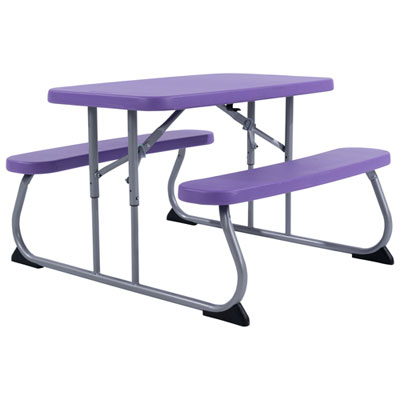 Your price for this item is $123.98
-
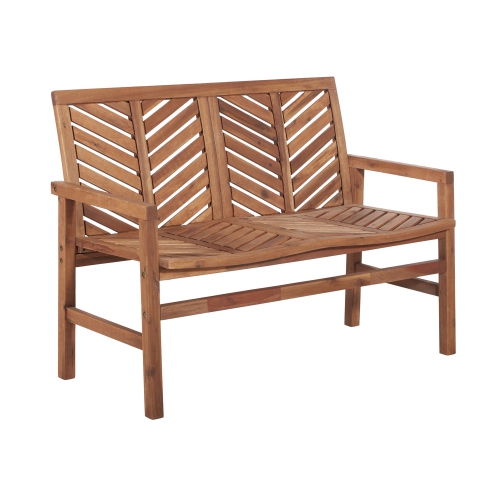 Your price for this item is $482.34
-
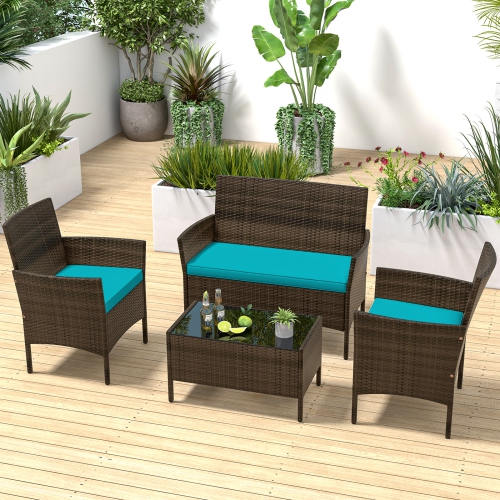 Your price for this item is $236.99
-
 Your price for this item is $246.99
-
 Your price for this item is $629.99
-
 Your price for this item is $236.99
-
 Your price for this item is $220.99
-
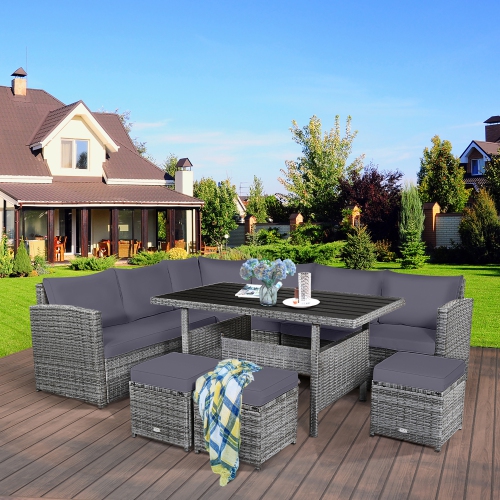 Your price for this item is $899.99
Discover more categories related to Outdoor Seating for Small Spaces


Top Collections:
Pokemon Centers, Kindle Devices, Best Cameras for Sports Photography, Pokémon 30th Celebration Cards, Canon G7X Cameras, Samsung Galaxy Phones, iPhone 15 Apple, Best Black Friday Deals On Electronics, Jackery Power Stations, Solar Generators for Home
Some products may be subject to Environmental Handling Fees
(EHF) depending on your province.
Learn more about EHFs.