Outdoor Benches With Cushions
Create a cozy and inviting outdoor seating area with our collection of outdoor benches with cushions. Whether you're looking to add a touch of elegance to your garden, create a comfortable spot on your patio, or simply enhance your outdoor space, our range of outdoor benches with cushions offers both style and comfort. From sleek and modern designs to classic and timeless options, you'll find benches to suit your personal taste and complement your outdoor decor. With durable materials and cushions, these benches are built to withstand the elements while providing a relaxing place to sit back, unwind, and enjoy the great outdoors.
Sort

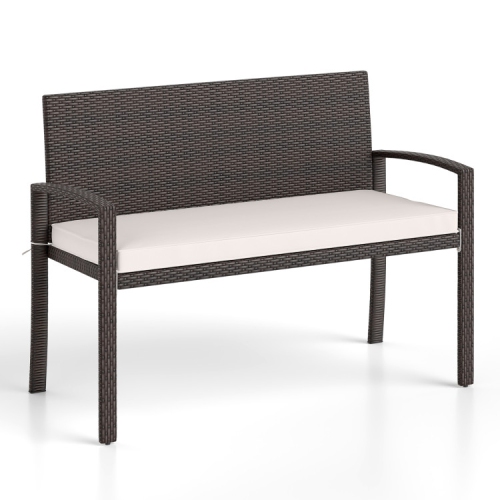
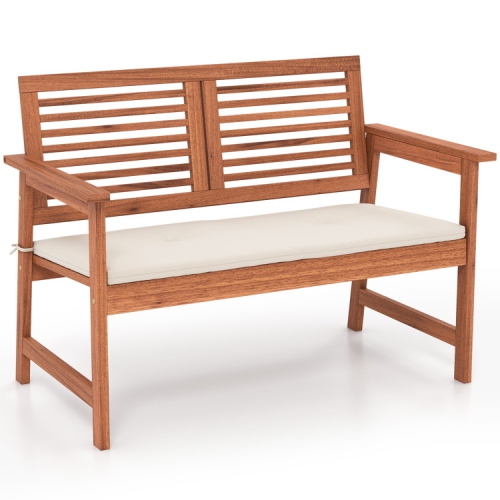
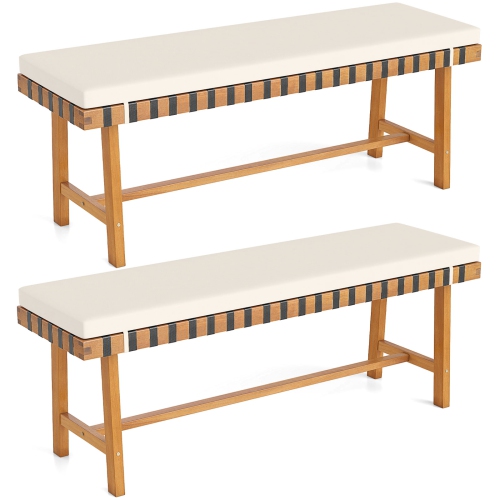
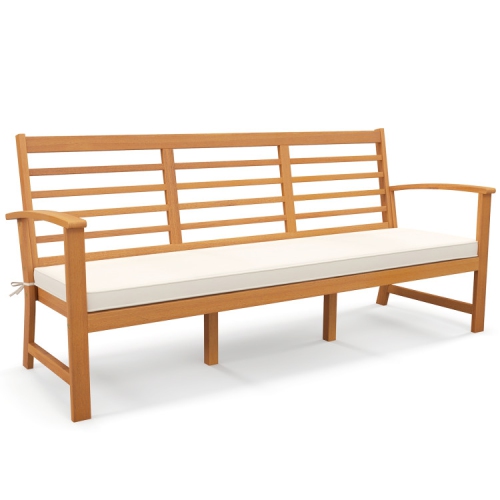
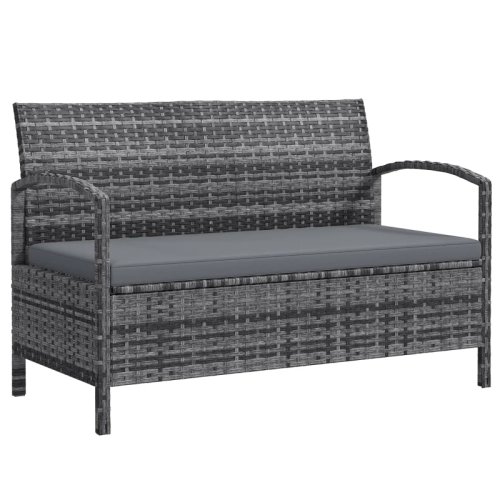
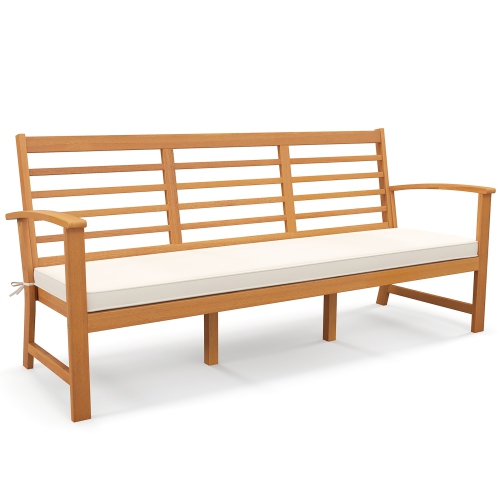
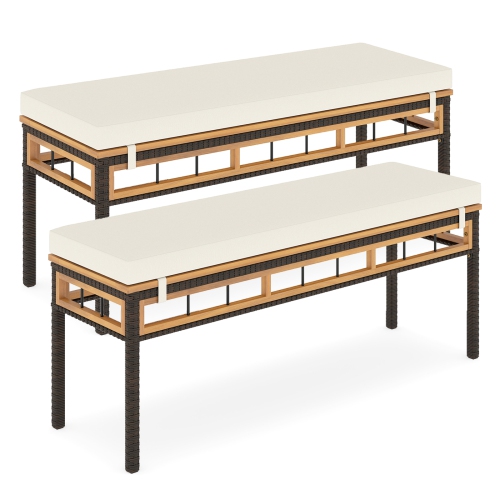
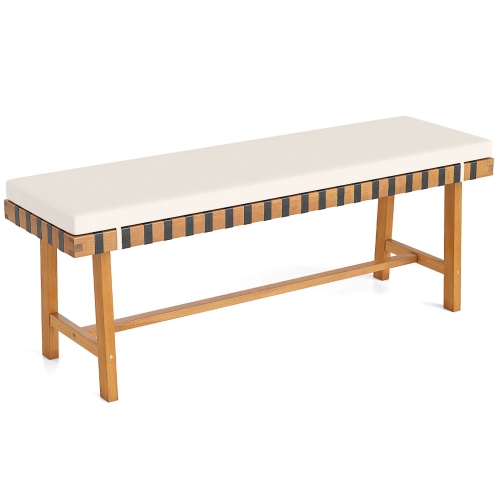
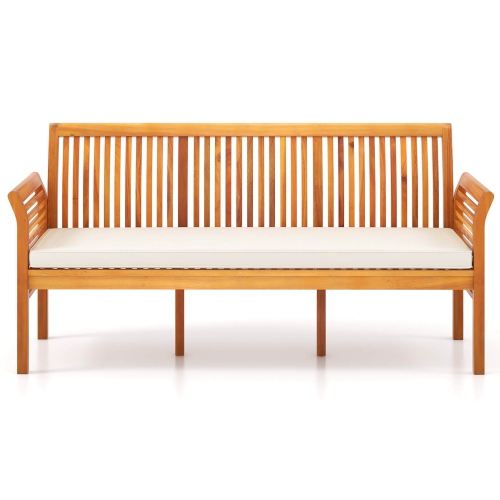
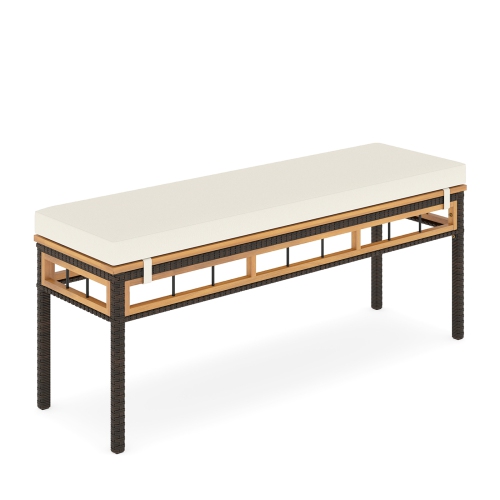
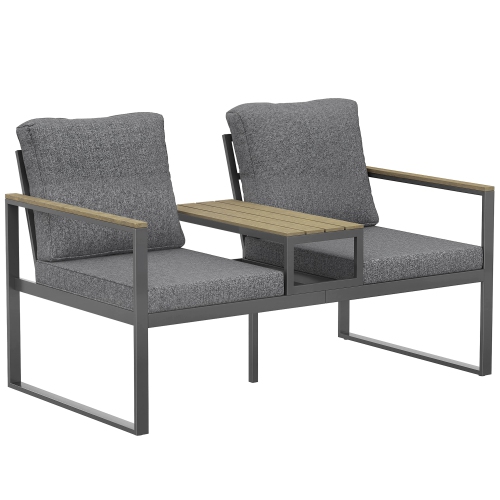
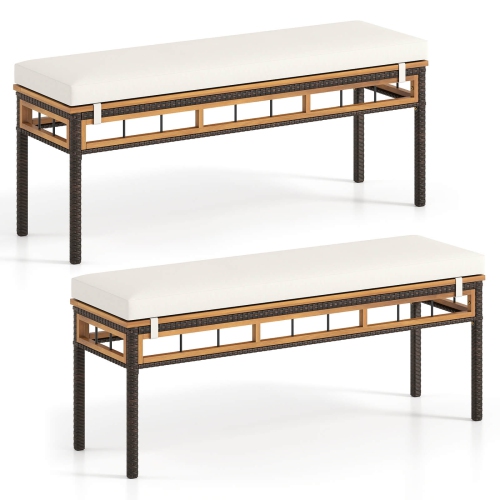
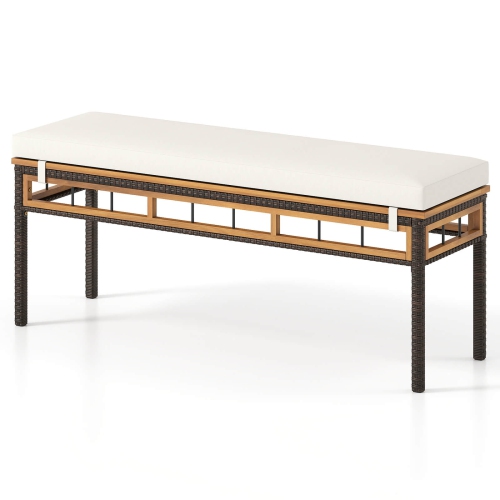

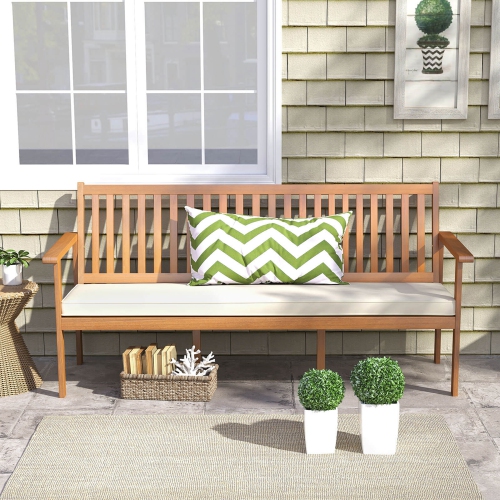
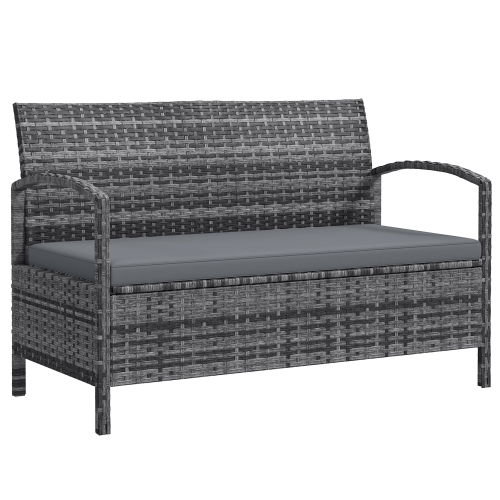
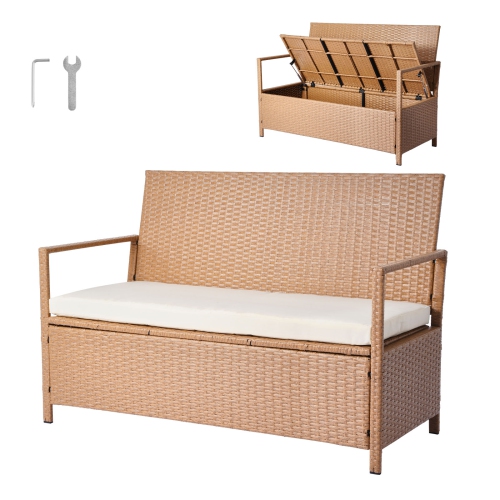
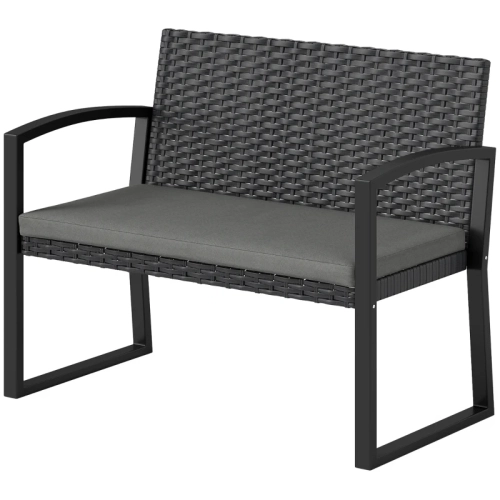
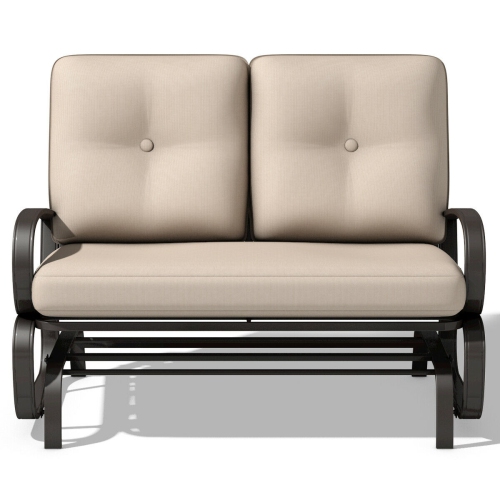
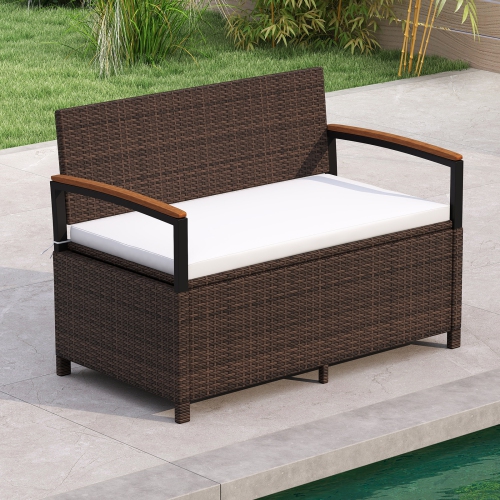
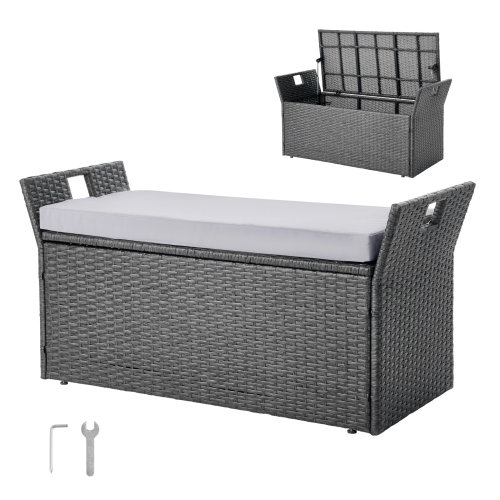
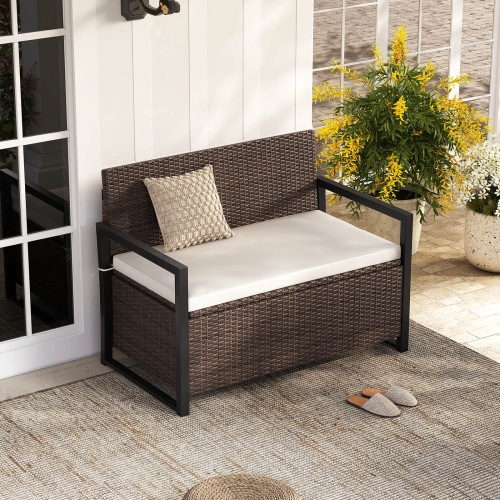
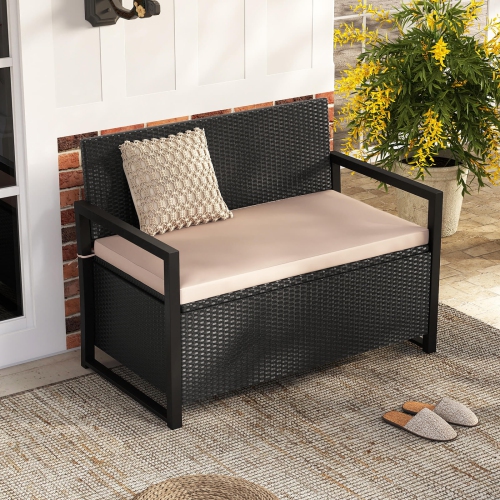
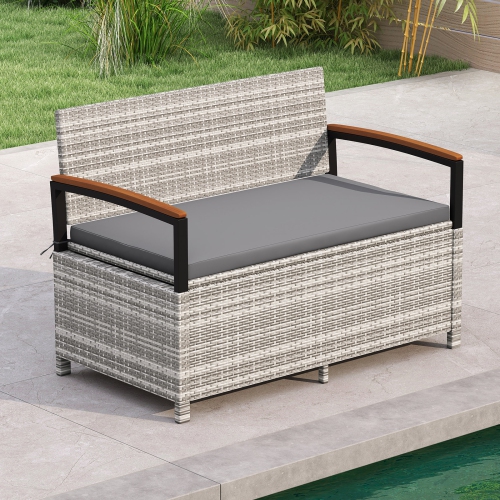
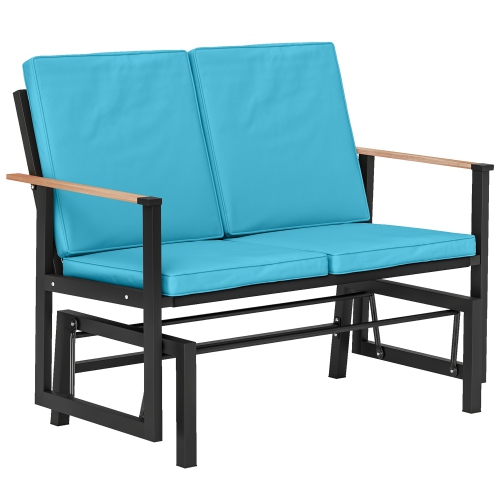
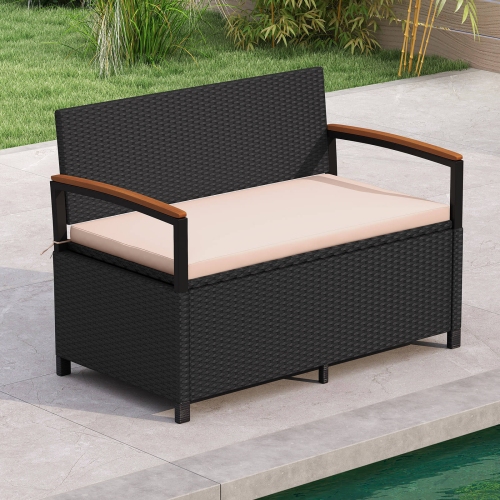
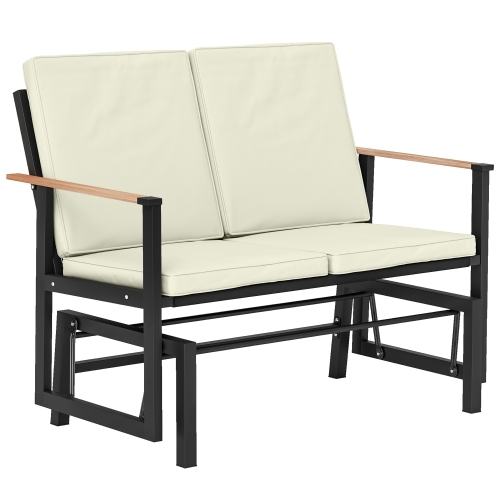
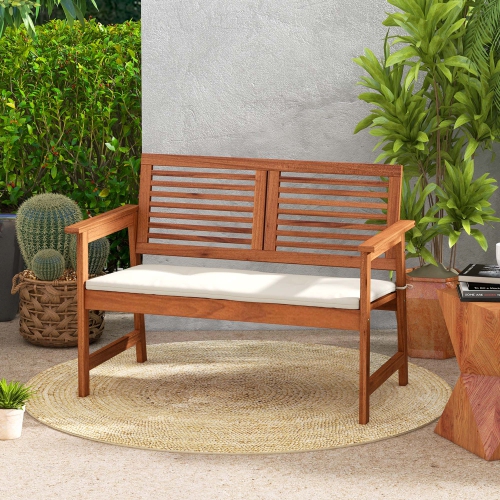
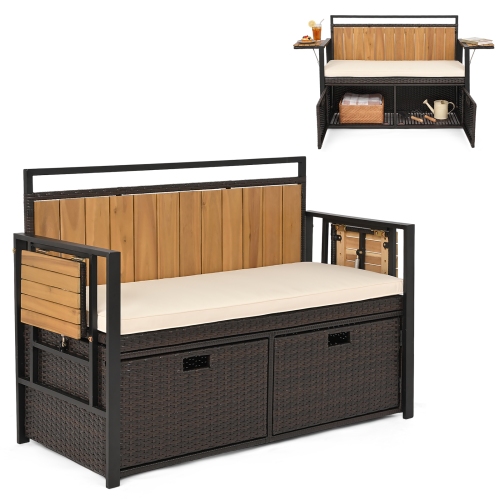
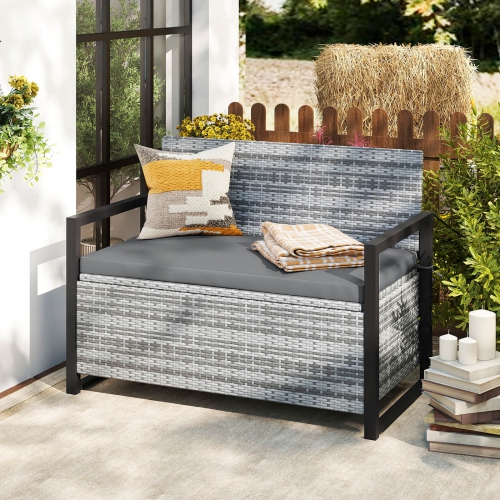
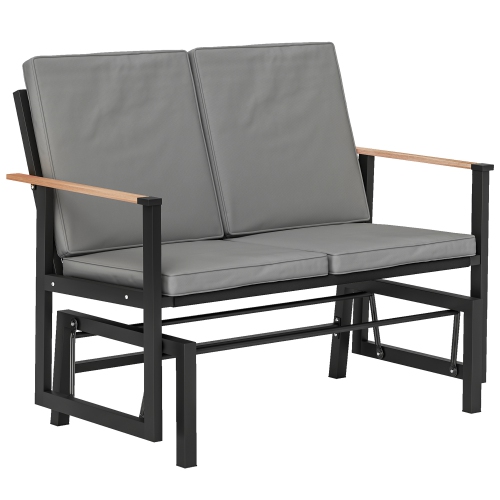
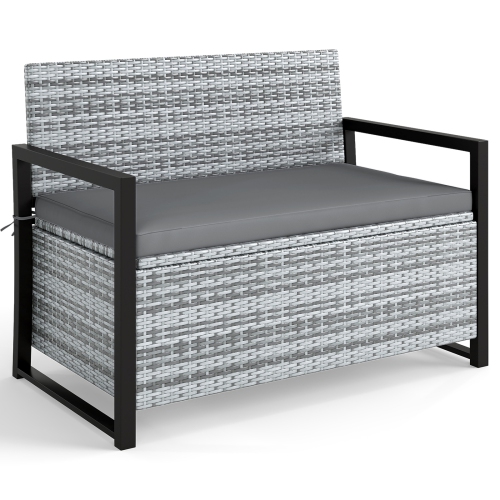
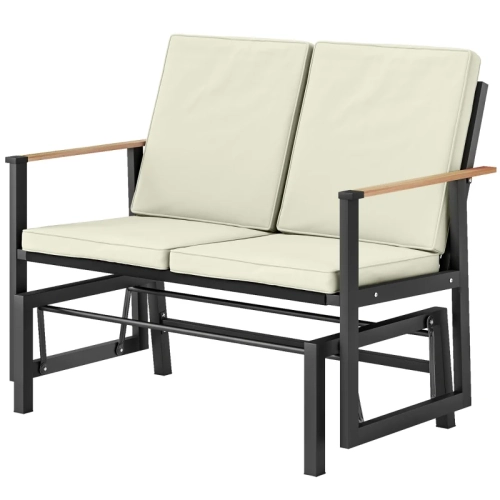
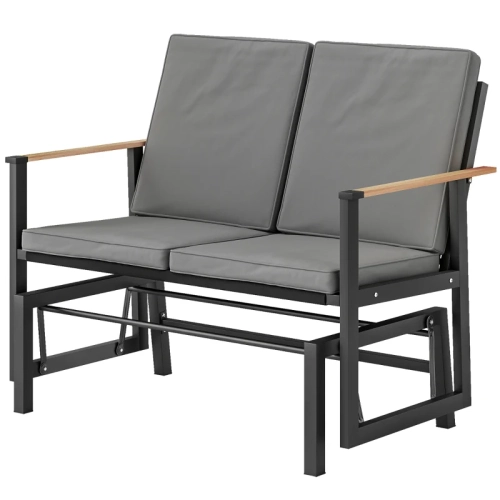
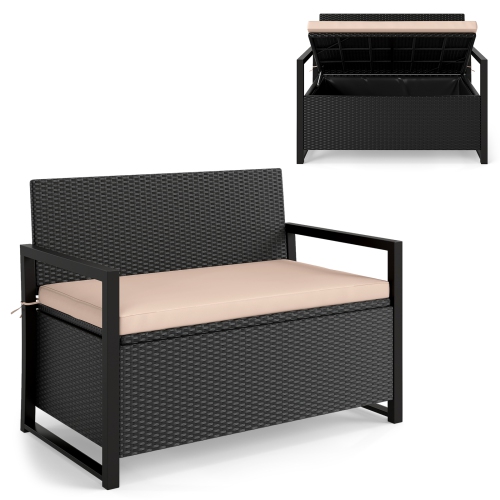
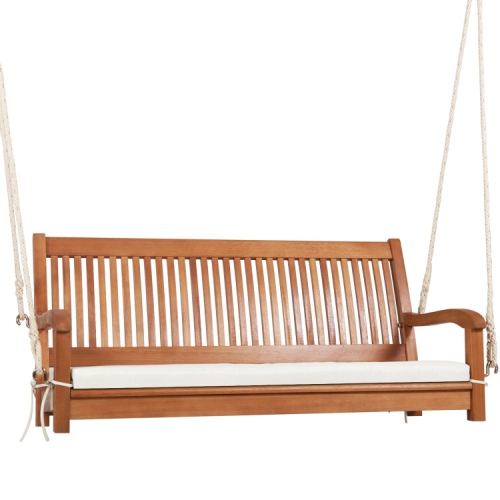
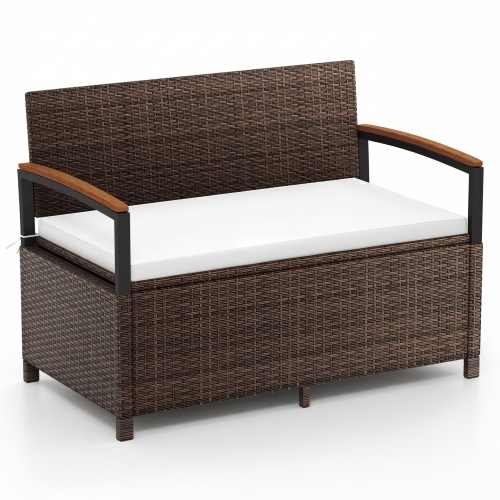
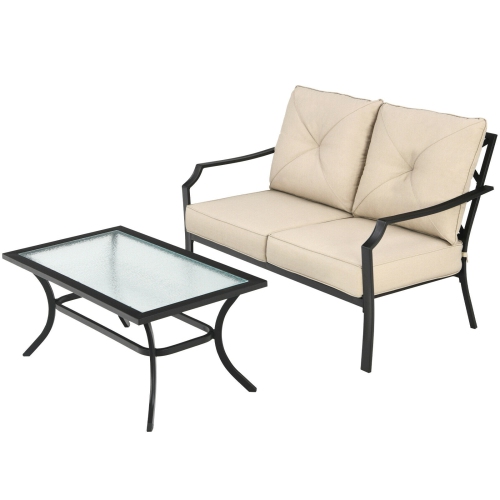

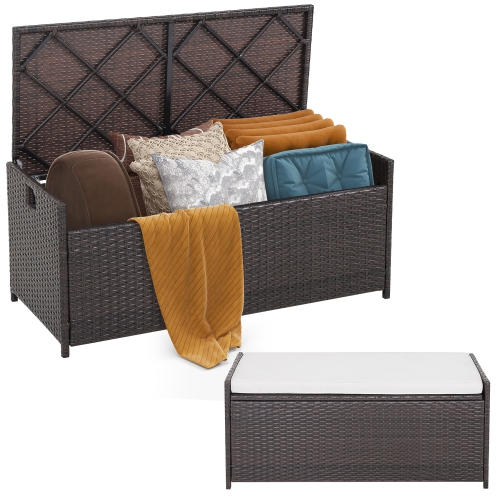

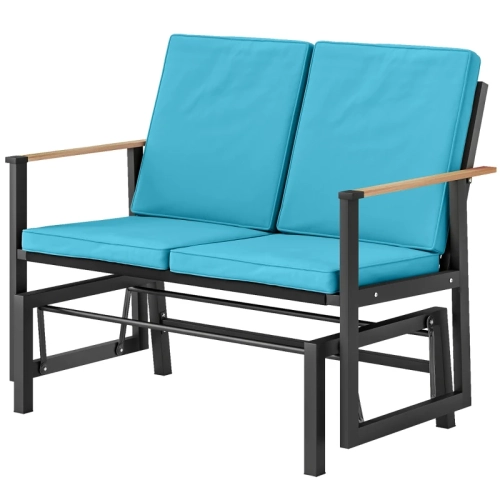
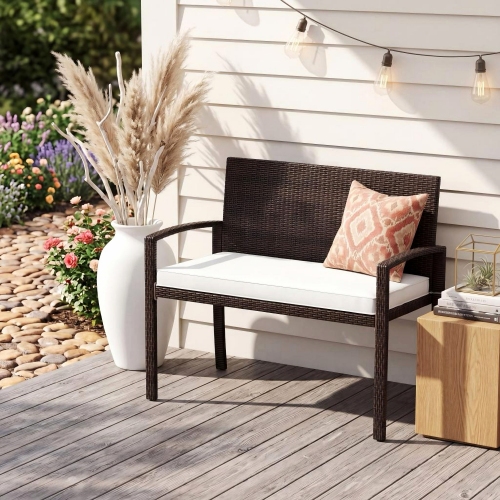

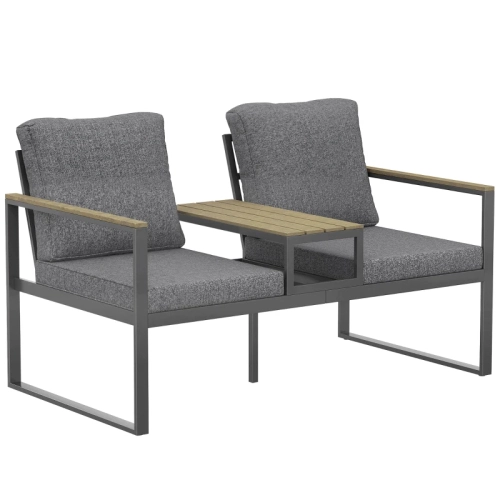

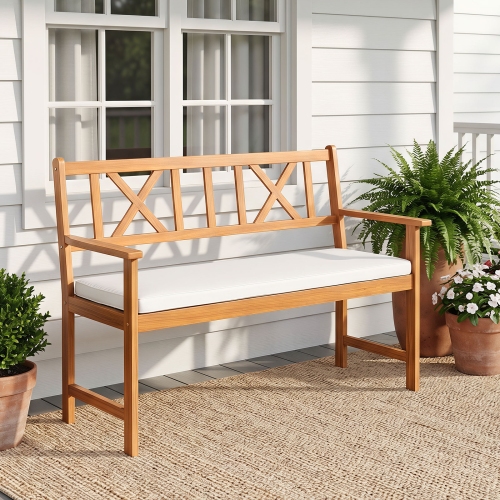
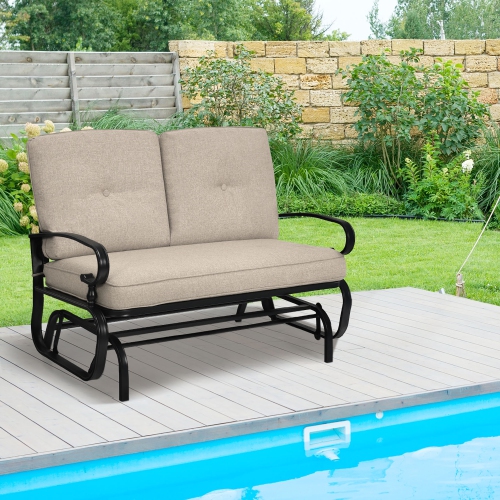
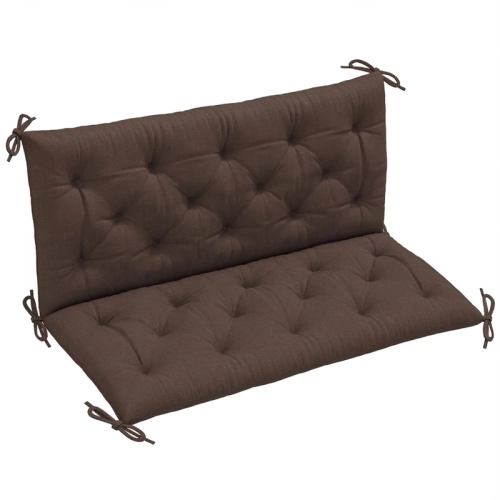
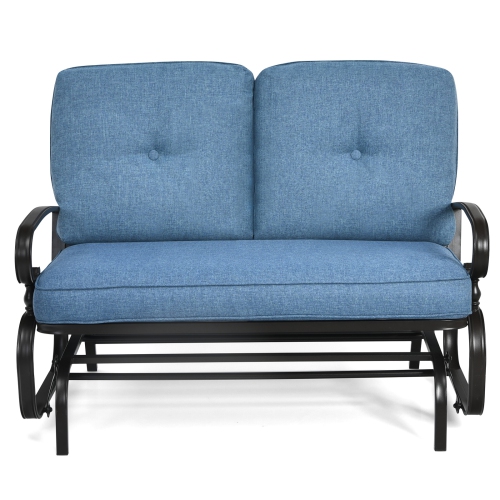
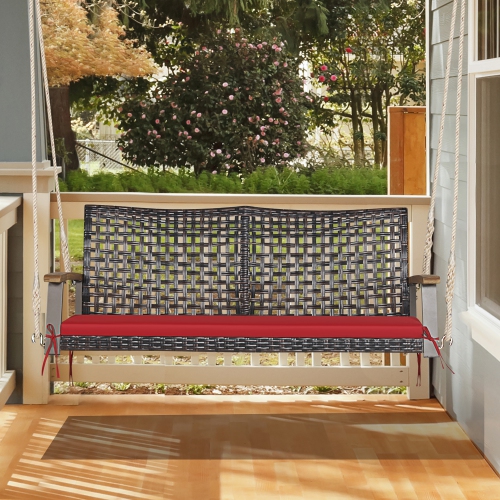

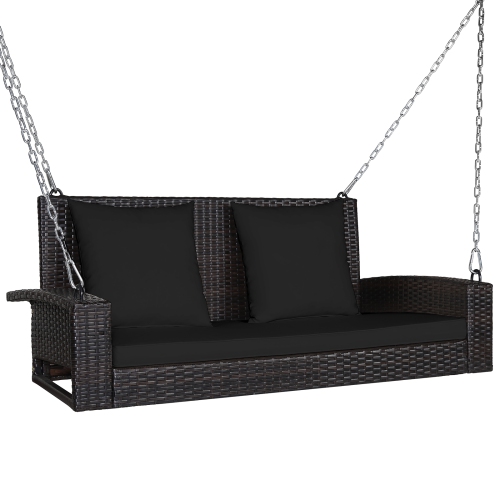
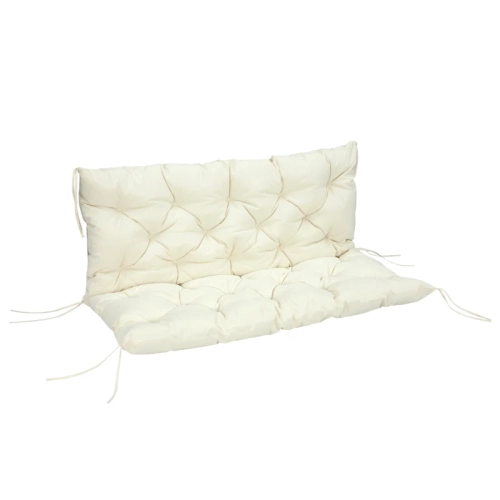
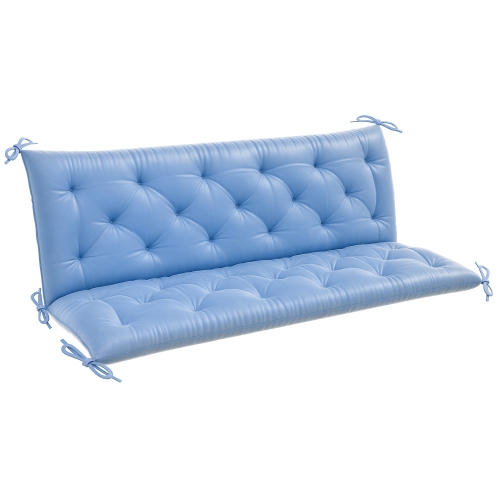
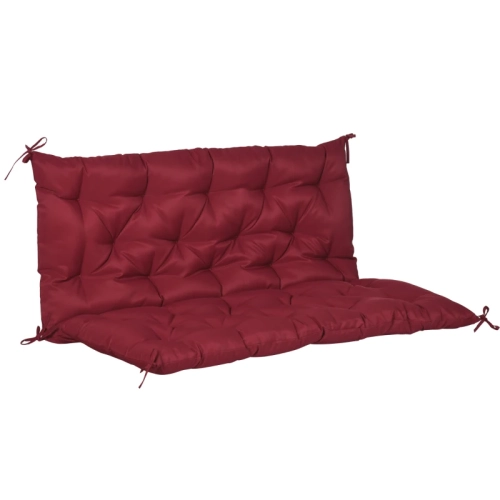
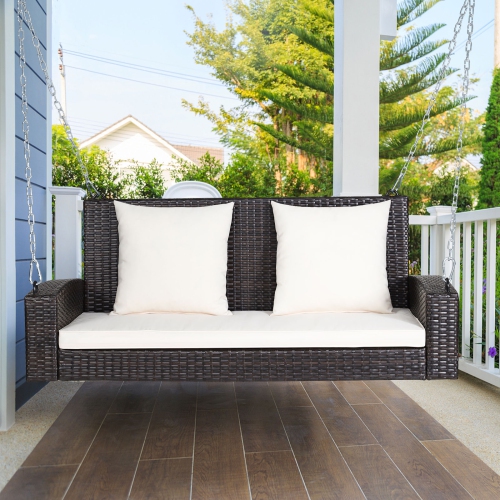
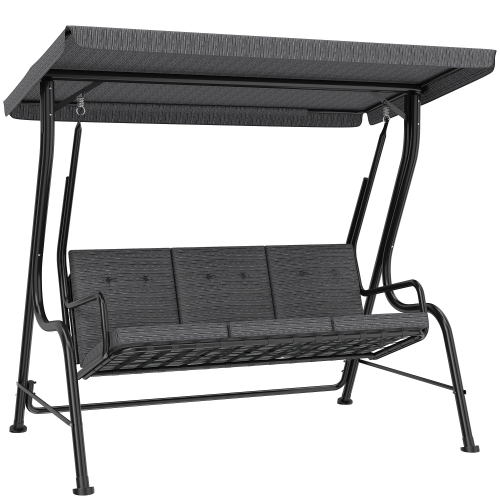
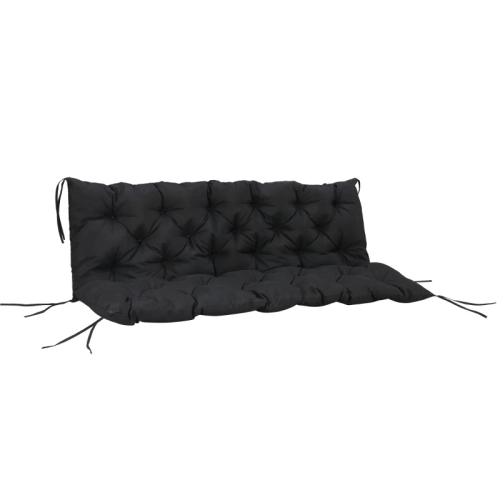
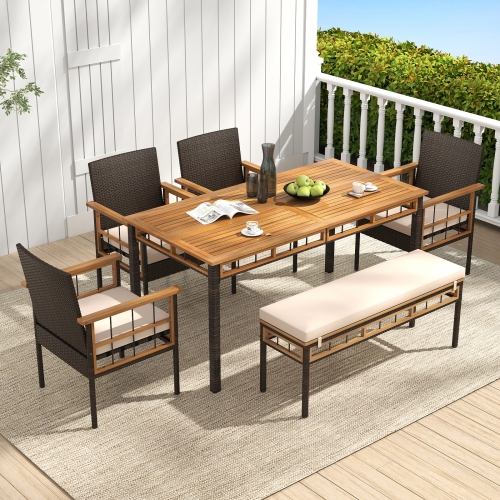
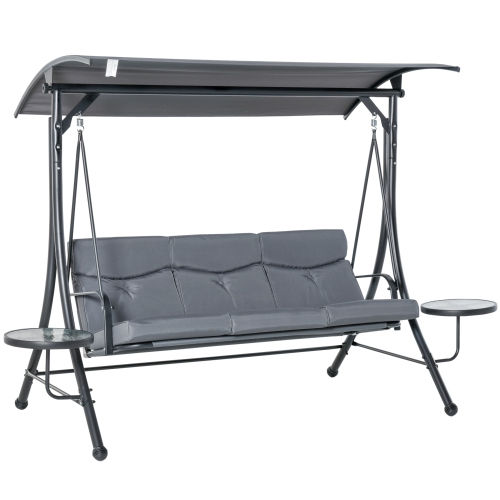
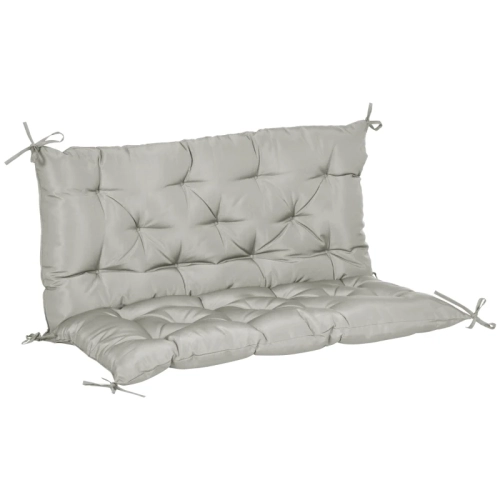
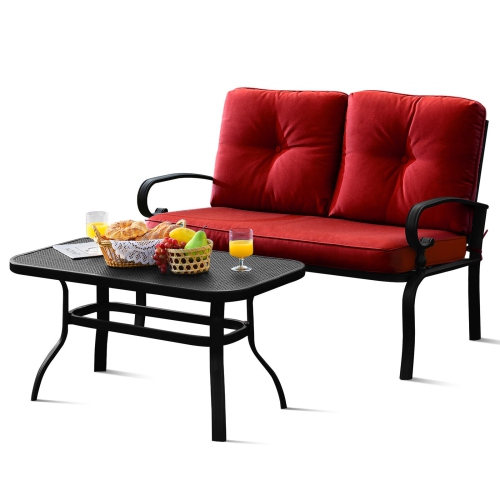

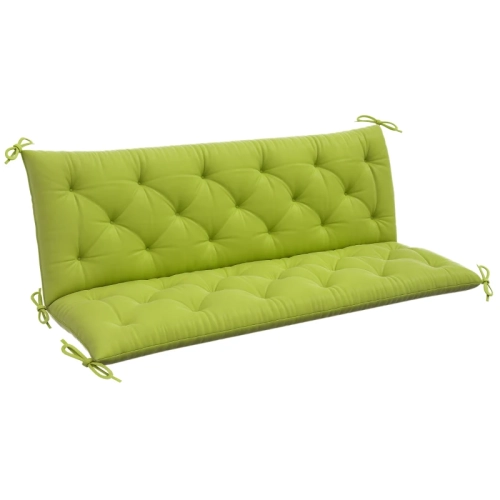
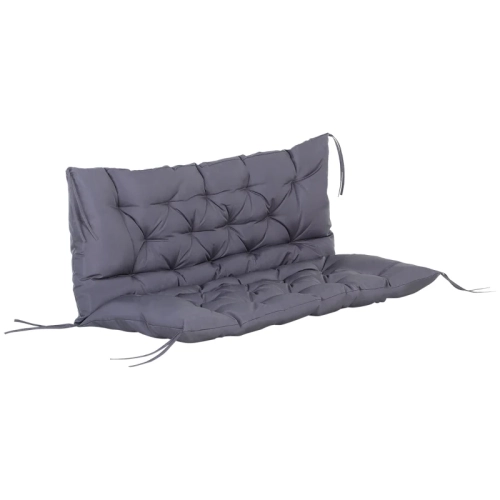
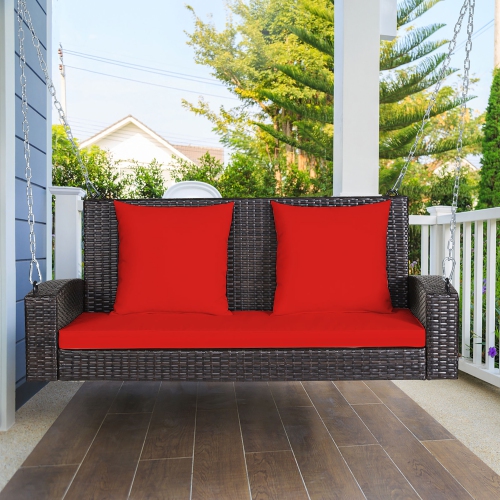
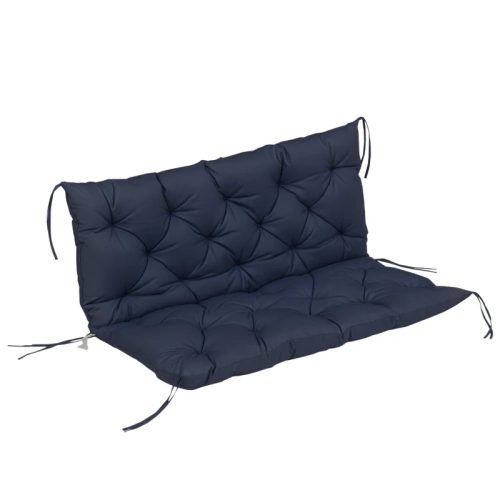
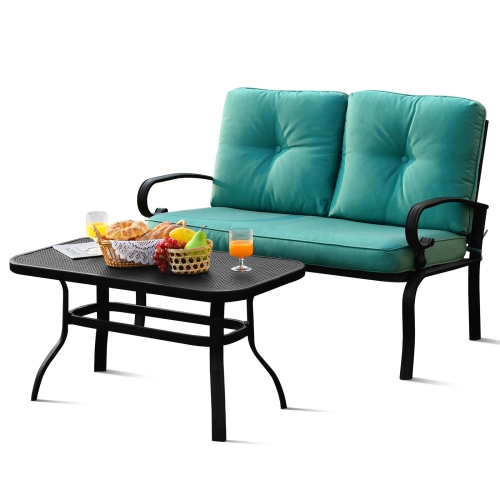
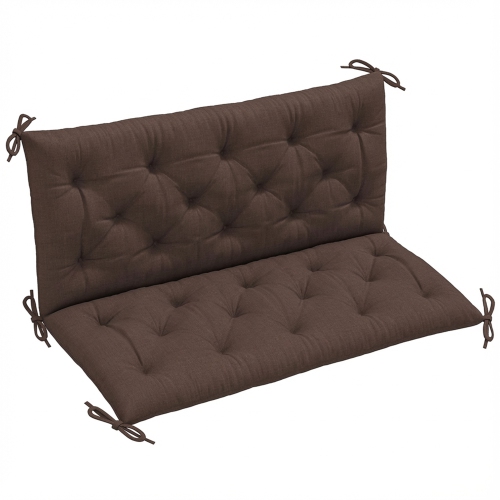
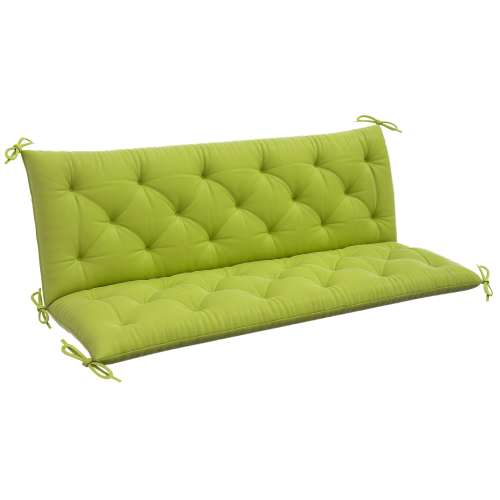
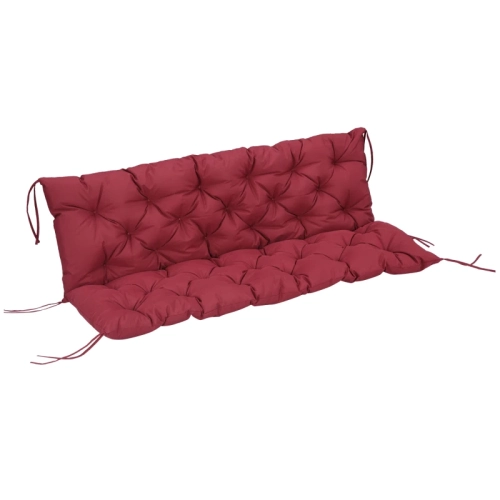
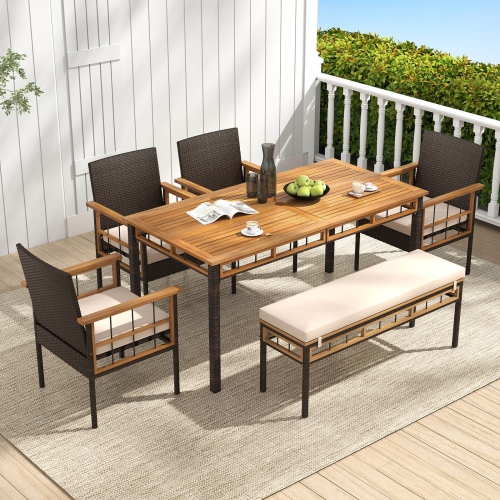
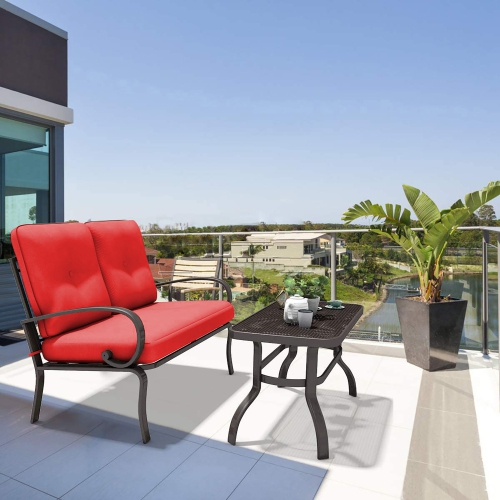
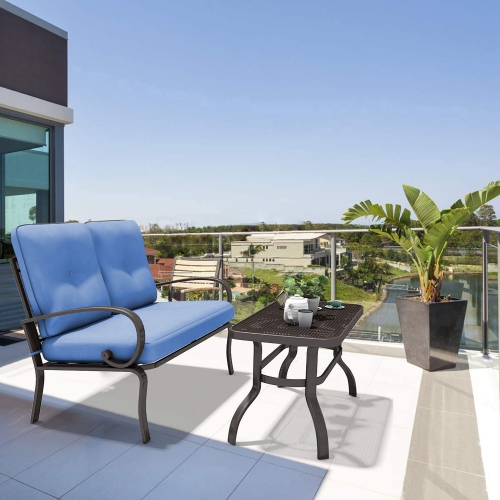
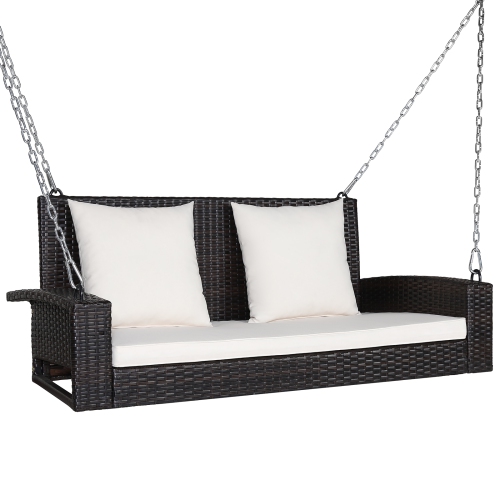
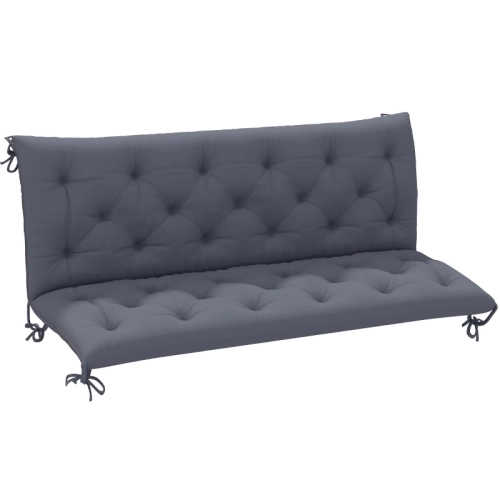
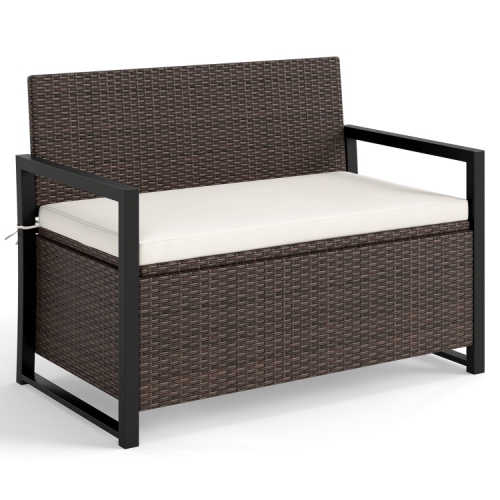
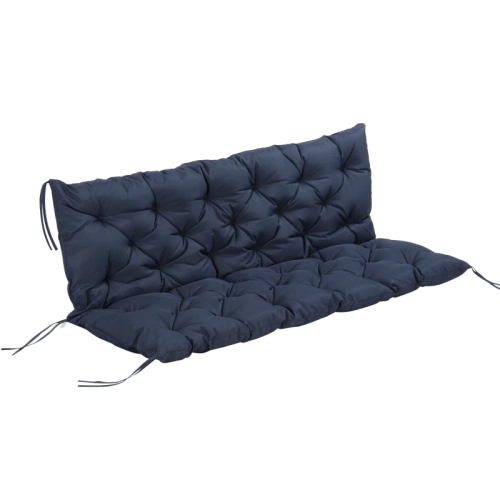
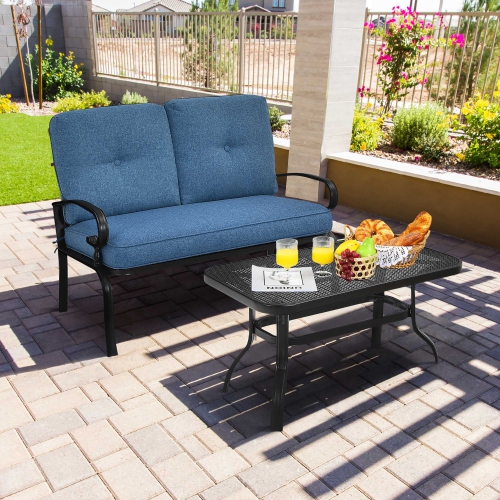
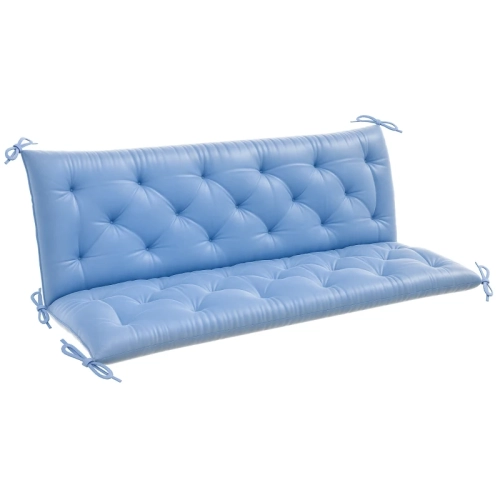
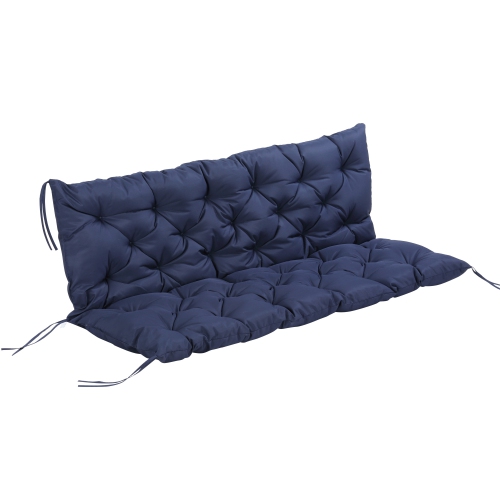
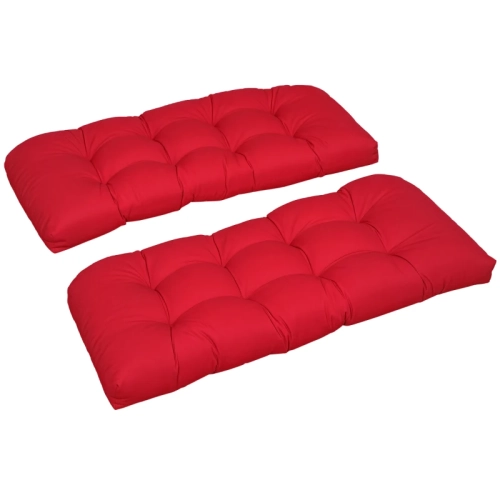

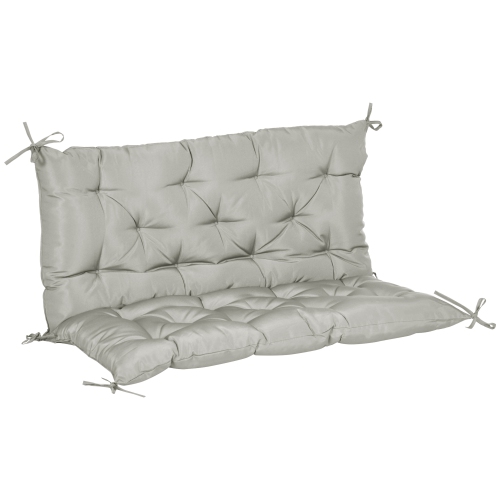
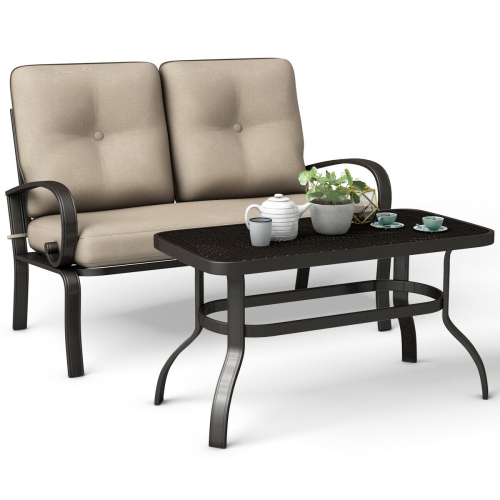
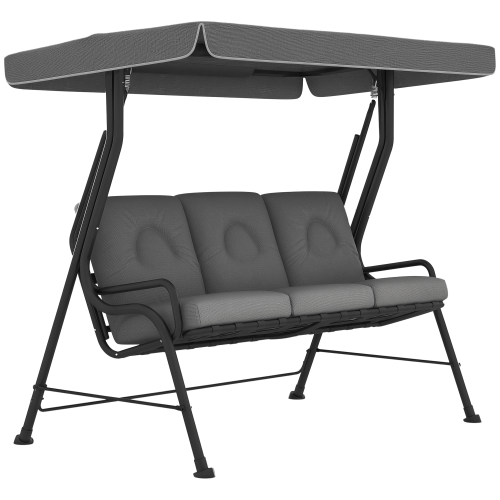
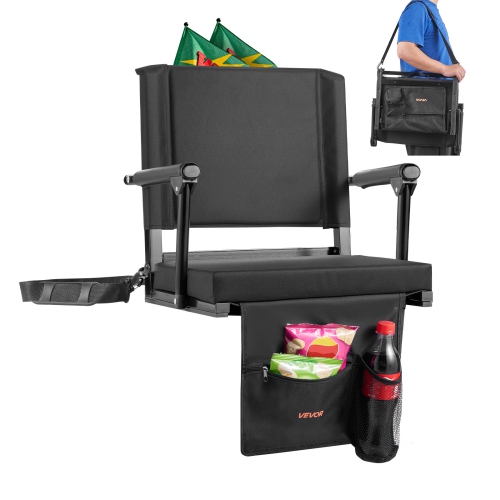
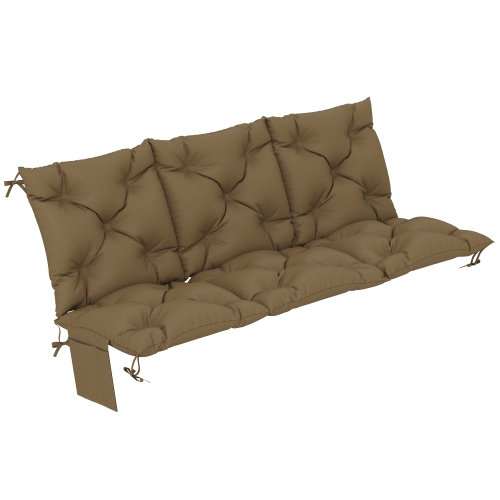
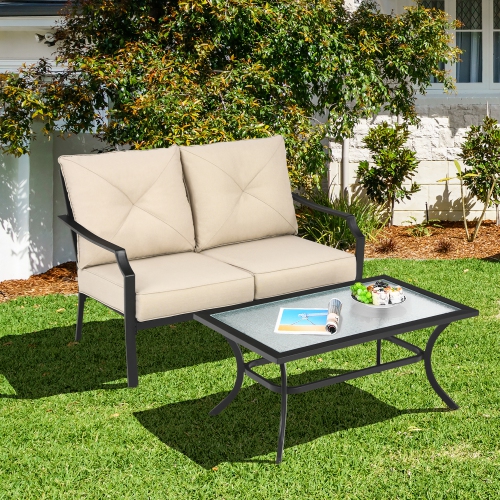
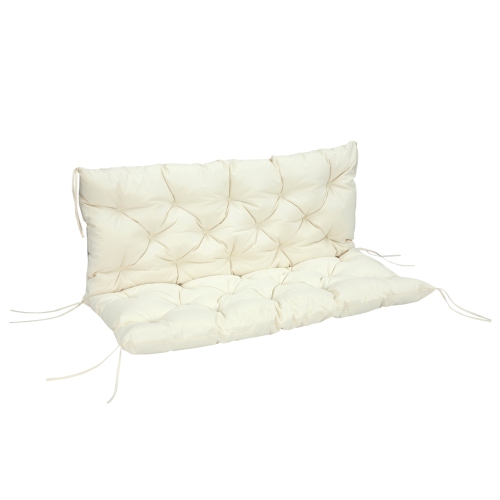
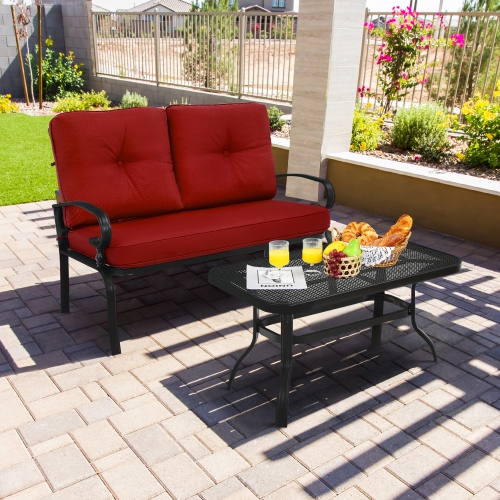
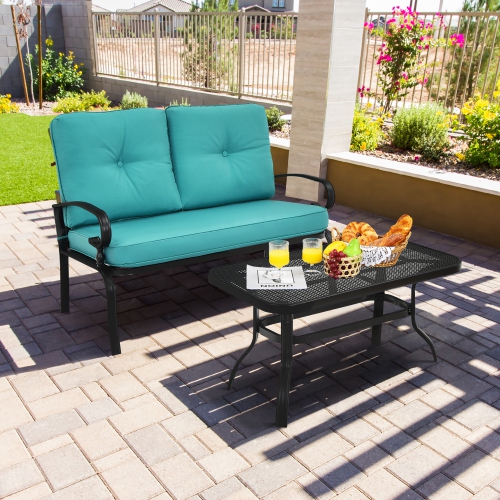
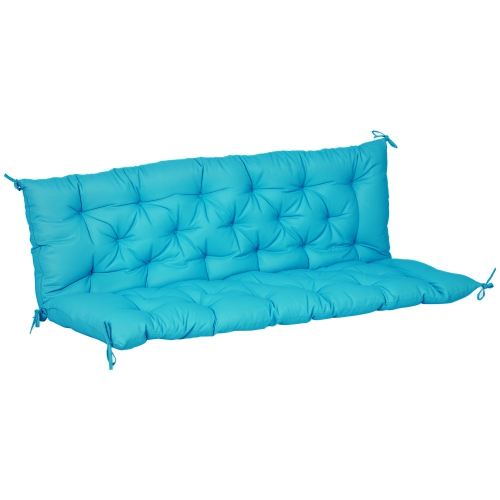
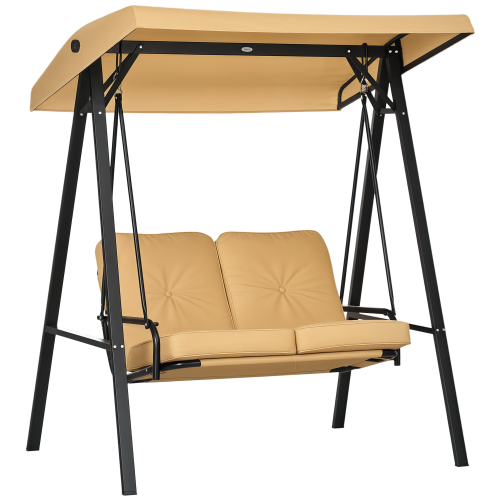
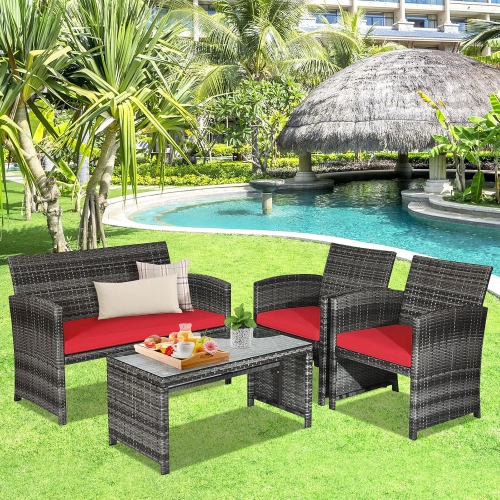
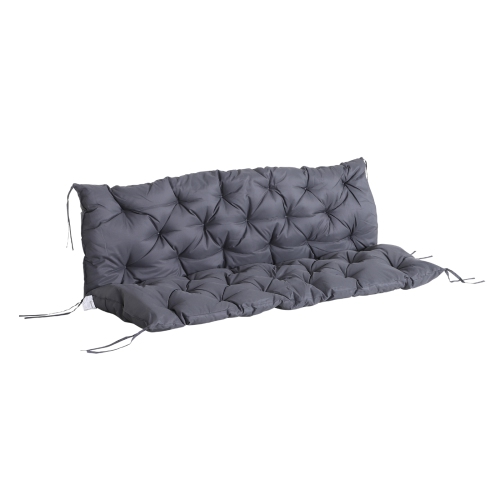
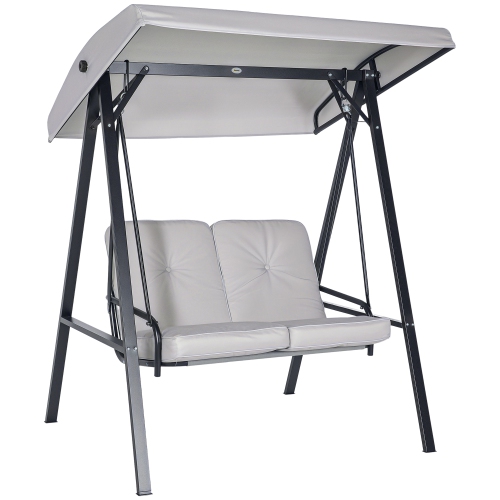
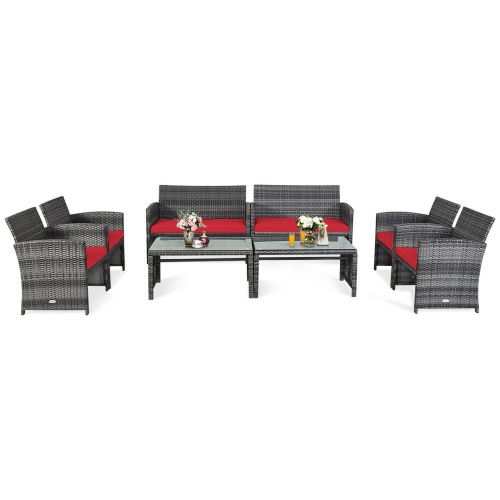
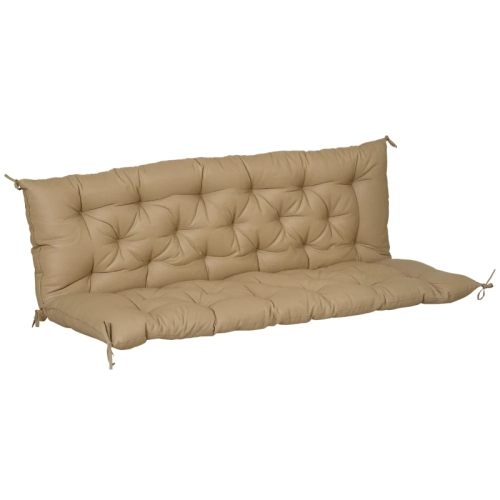

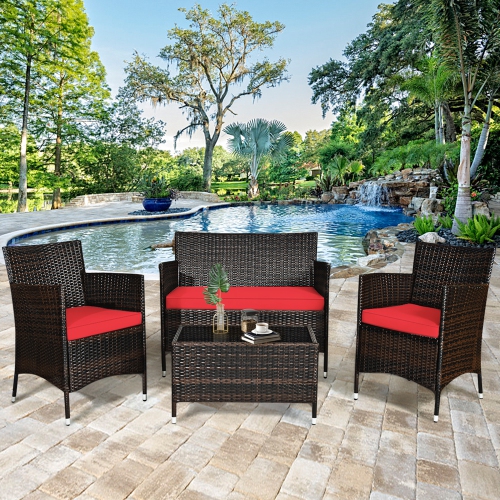
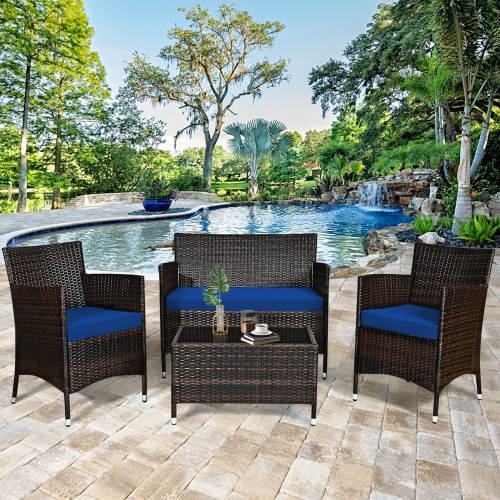
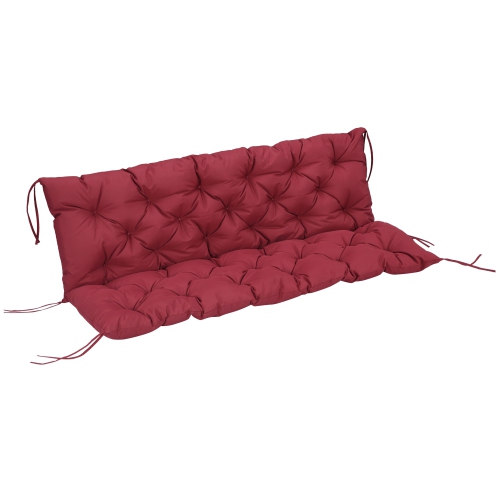
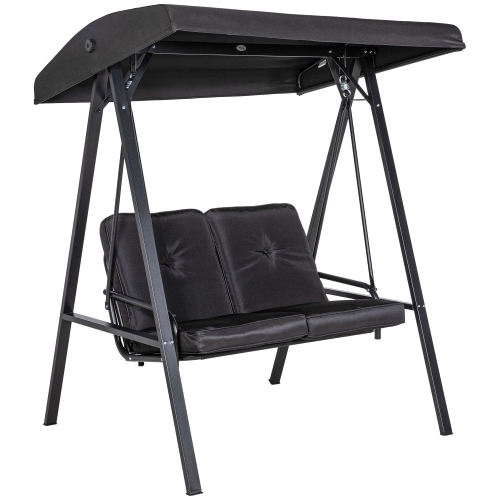

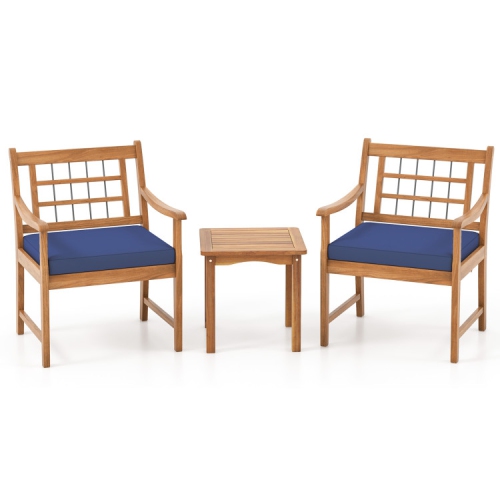
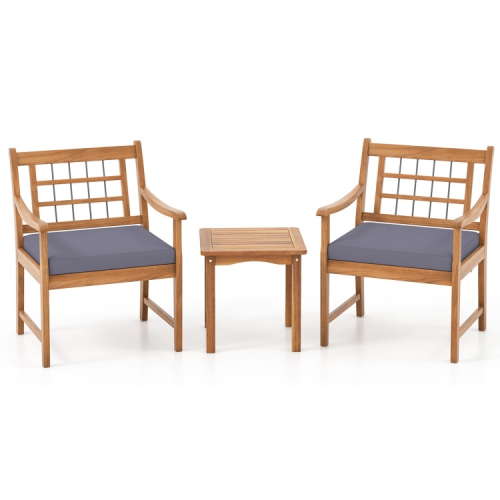
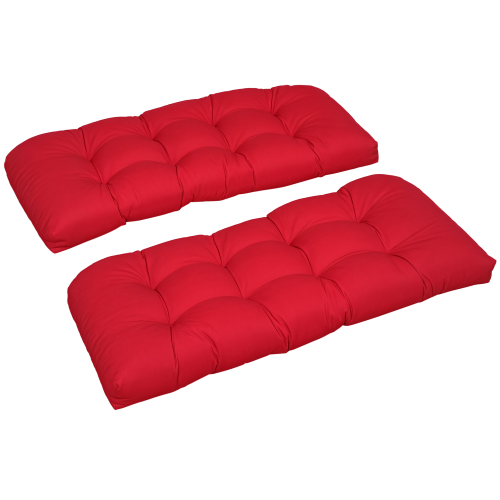
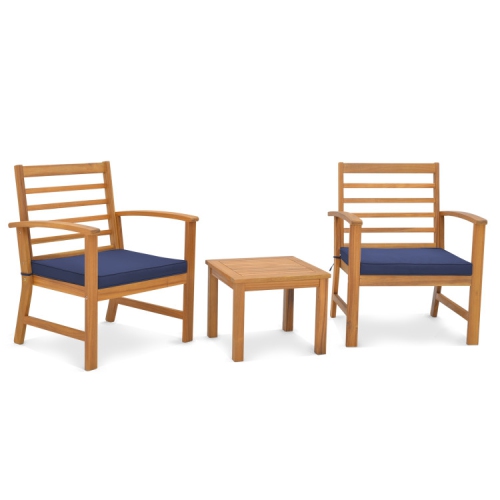
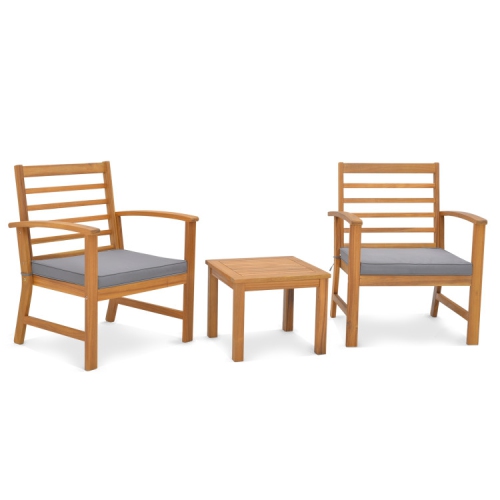
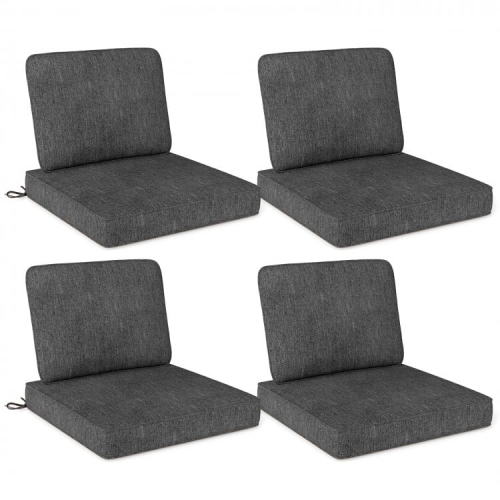
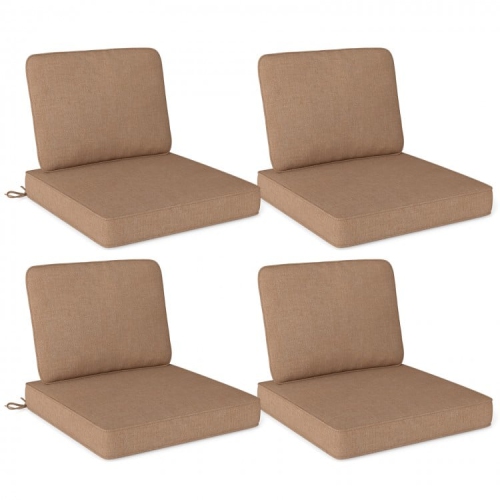
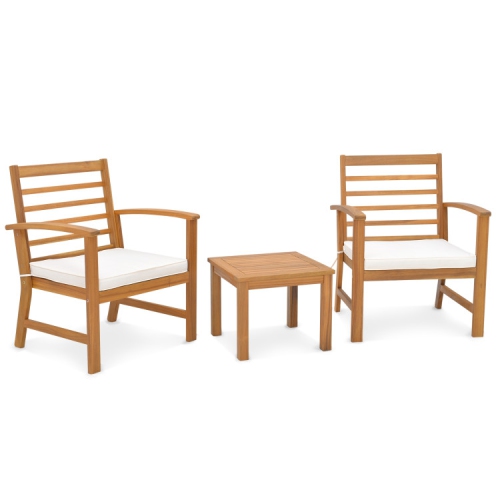
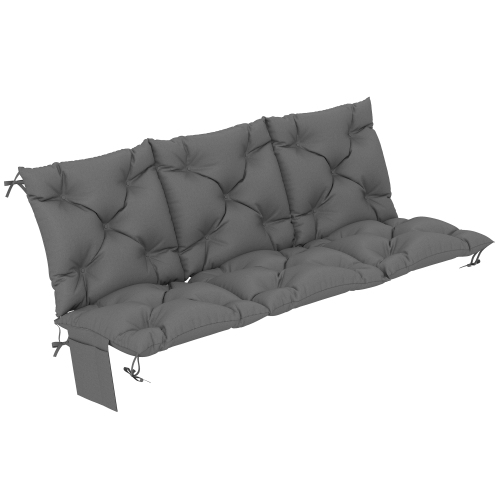
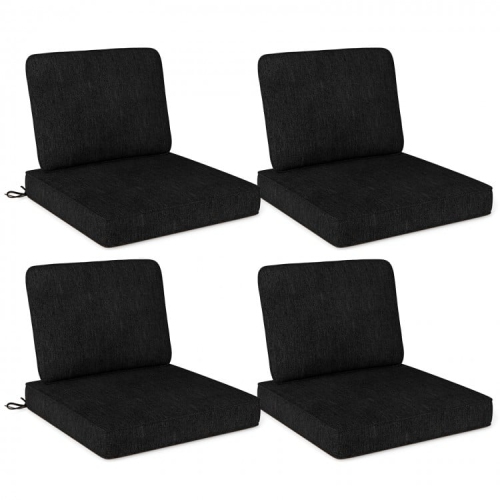
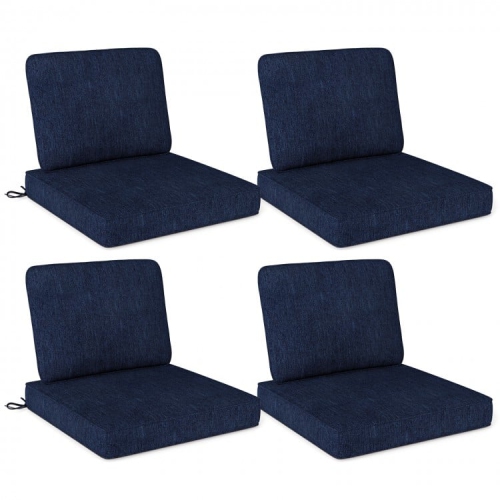
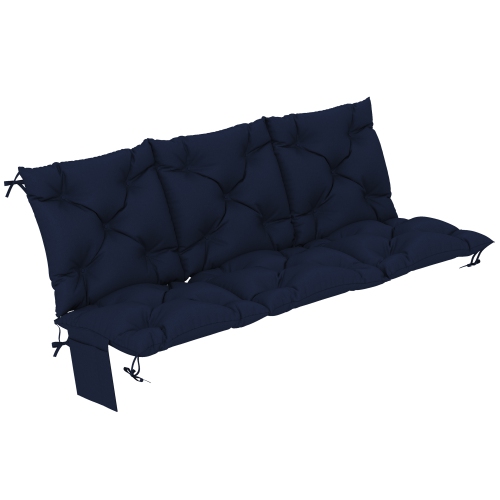
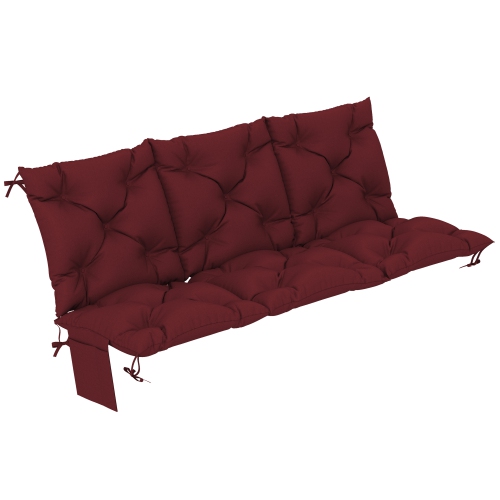
There’s more to bench comfort than soft cushions
Outdoor benches with cushions bring comfortable shared seating to patios, balconies, porches, and garden paths without the separate footprint of several chairs. A bench beside a patio table can make space for family meals, while one tucked against a fence creates a quieter spot for reading or conversation. On a covered front porch, a cushioned seat offers a place to pause with a coffee or sit while taking off muddy footwear. The right proportions depend on both the space and how the bench will be used. Overall width matters, but the usable seating area between the arms is a better indication of how comfortably two or more people can sit together. A deep seat can feel inviting for lounging, especially with a supportive back cushion, while a shallower seat may suit a compact balcony or a dining arrangement. Seat height also changes once the cushion is in place, which matters when pairing a bench with a table or choosing seating that is comfortable to get into and out of. Arms can provide a resting place for elbows, though their height and shape may prevent a bench from sliding beneath a tabletop. In narrow spaces, clearance around doors, gates, and walking routes deserves as much attention as the bench itself. A long bench may fit neatly along a wall yet leave little room to pass once someone is seated. Backless designs keep sightlines open and can work alongside a dining table, while a backrest provides support for longer conversations. For households with children or frequent visitors, the stated weight capacity and the stability of the frame are important considerations. Renters may favour a lighter bench that is easier to move, whereas a bench intended to stay in one garden nook may benefit from a more substantial frame. Cushions soften the seating surface, but the underlying dimensions, back angle, and frame design still shape everyday comfort.
Frame materials give outdoor benches much of their character and influence the care they need. Wood offers visible grain and a warm, textured appearance that sits naturally beside planting beds or stone paving. Its finish and maintenance requirements vary by species and treatment, and some wood surfaces change colour with exposure. Where recommended by the manufacturer, cleaning and refinishing help maintain the intended appearance. Powder-coated steel can provide a sturdy structure with slim lines, although scratches in the coating may need attention to help limit rust. Aluminum is generally lighter and resists rust, making it useful where seating needs to be repositioned, but joints, fasteners, and the condition of the finish still deserve attention. Resin wicker adds a woven texture, usually over a metal frame; the weave, frame construction, and stated outdoor suitability matter more than appearance alone. Plastic and composite frames may be straightforward to wipe clean, with differences in weight, surface feel, and resistance to fading. Cushions introduce another set of practical details. A firm seat pad can offer a more supported feel for meals and conversation, while a thicker, softer cushion may suit relaxed lounging. Thickness alone does not establish comfort: filling density, construction, and the support beneath the cushion all contribute. Outdoor fabrics vary in their resistance to sunlight, moisture, and staining, so care information and material specifications are useful points of comparison. Water-resistant fabric can shed light splashes, but that does not mean the entire cushion is waterproof or suitable for prolonged soaking. Seams, zippers, and the underside can allow moisture to reach the filling. Ties, straps, or other attachments help keep cushions aligned on the seat, particularly on smooth frames or in exposed locations. Removable covers can make cleaning more manageable when their care instructions allow washing, while piped edges, tufting, and textured weaves offer different looks and may require more attention around seams and folds.
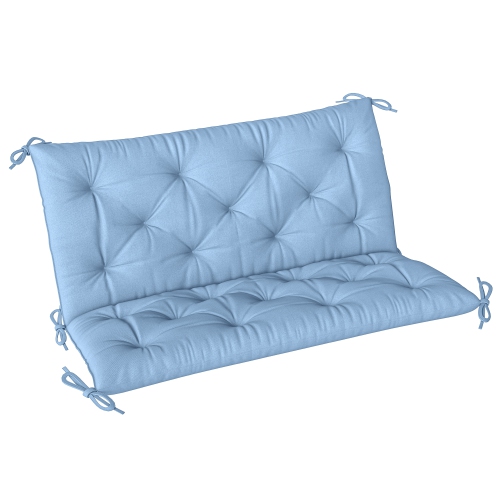
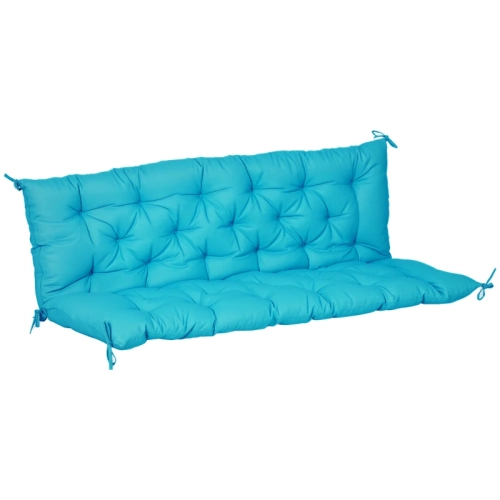
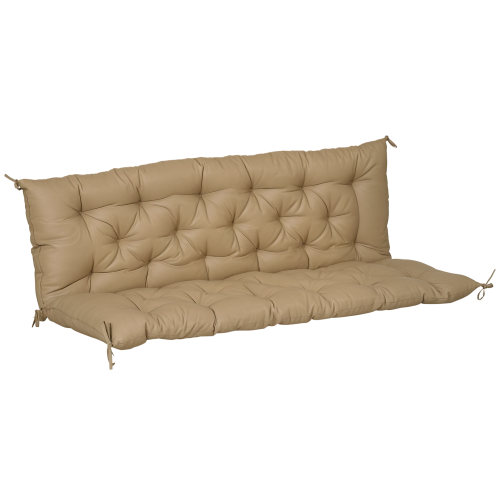
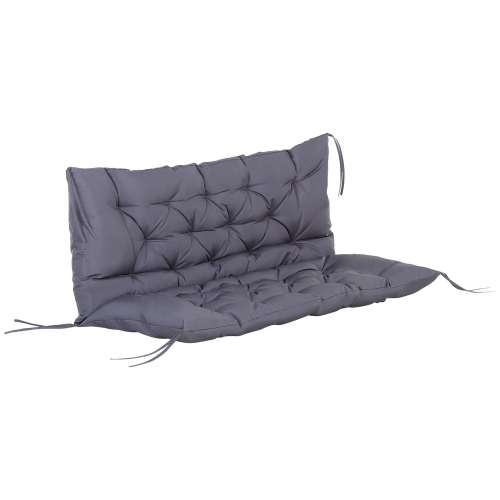
Colour and cushion shape help a bench feel connected to the rest of an outdoor seating area. Soft neutrals can sit comfortably beside brick, timber, and stone, while a stronger colour can draw attention to a bench at the end of a path or beneath a window. Patterns may make small marks less noticeable, though fabric performance and cleaning requirements remain more important than colour alone. A single long seat cushion creates an uninterrupted surface, while separate pads can be easier to lift, reposition, or store. Back cushions add softness but also reduce usable seat depth, a detail that matters on a bench with a relatively shallow frame. For seating shared by people with different preferences, a supportive seat cushion with a few smaller back pillows allows some adjustment without overcrowding the bench. Keeping the set comfortable also depends on ordinary care. Loose dirt and leaves are easier to remove before they settle into seams, and spills are best addressed using the cleaning method specified for the fabric. Harsh cleaners, abrasive brushes, and pressure washing can damage finishes or textiles unless expressly permitted by the manufacturer. Cushions should be fully dry before being placed in a storage box or covered for an extended period, since trapped moisture can lead to odours and mould. A furniture cover should fit the bench and allow ventilation rather than hold damp fabric tightly against the frame. Where freezing conditions are a concern, manufacturer guidance can clarify whether the bench may remain outside and which parts need sheltered storage. Over time, cushion filling may flatten or a different colour may better suit the space, even when the frame remains in good condition. Matching replacement Outdoor Bench Cushions to the usable seat dimensions, back shape, and attachment points helps preserve a comfortable fit without excessive overhang. A well-proportioned bench with suitable cushioning can serve as a practical dining seat, a welcoming porch perch, or a comfortable place to linger beside the garden.
Top selling and popular products
-
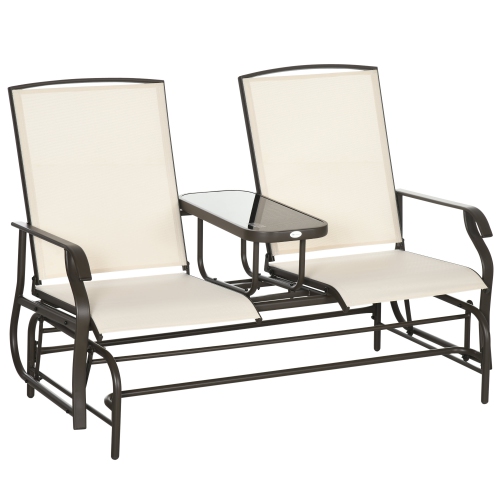 Your price for this item is $209.99
-
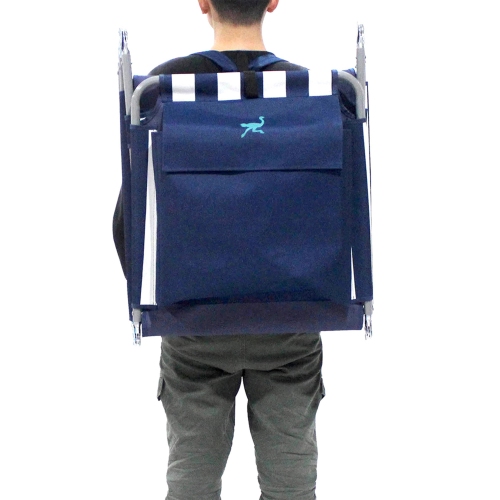 Your price for this item is $222.99
-
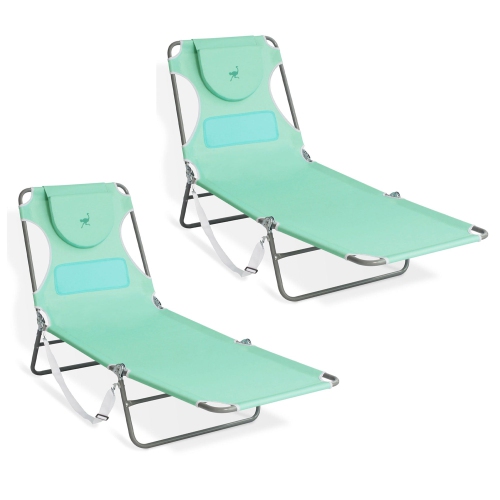 Your price for this item is $407.99
-
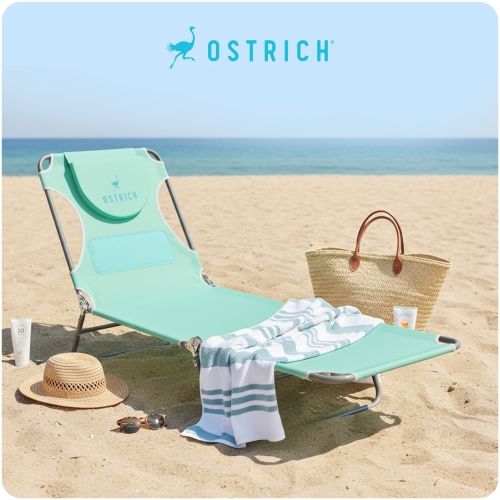 Your price for this item is $187.99
-
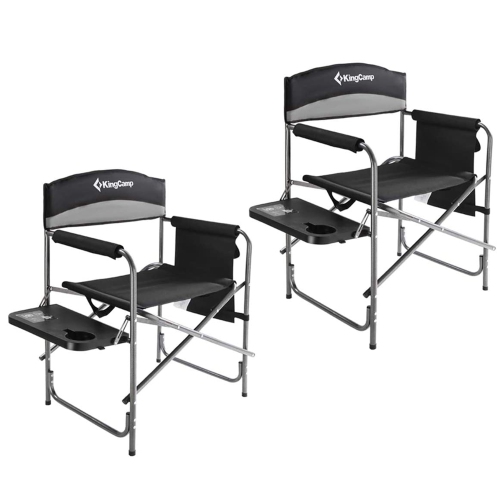 Your price for this item is $254.99
-
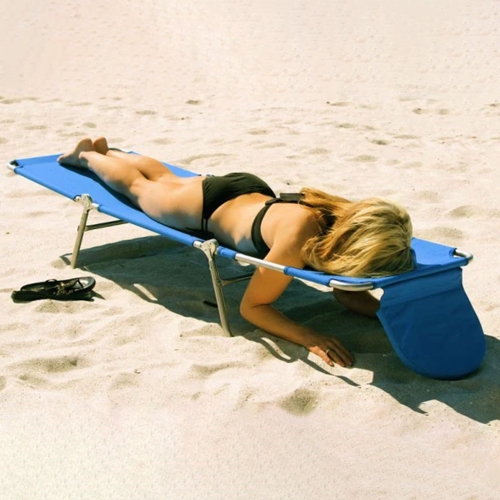 Your price for this item is $712.99
-
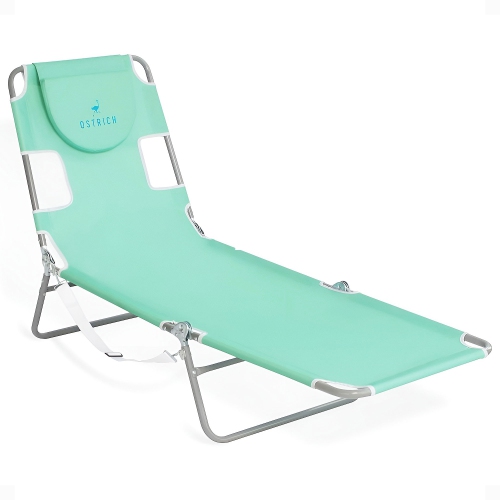 Your price for this item is $177.99
-
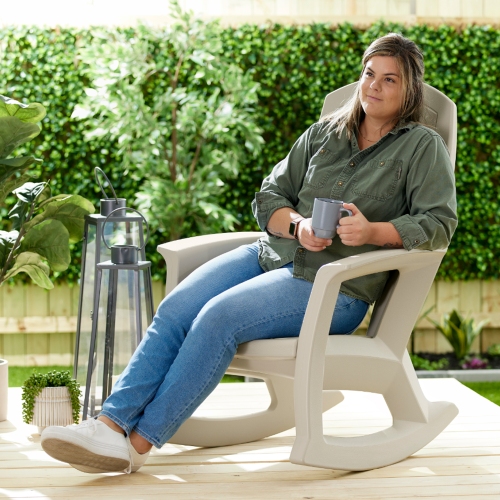 Your price for this item is $459.99
Discover more categories related to Outdoor Benches With Cushions

Top Collections:
Best Black Friday Deals This Year, Best Black Friday Deals On Electronics, Kindle Devices, Dyson Airwrap, Best Cameras for Sports Photography, Best Budget Office Chairs, Canon G7X Cameras, PS5 Pro Consoles, Best Black Friday Deals On Apple Products, XBOX One S Consoles
Some products may be subject to Environmental Handling Fees
(EHF) depending on your province.
Learn more about EHFs.