Outdoor Storage Benches With Cushions
Outdoor Storage Benches With Cushions offer a stylish and practical solution for maximizing your outdoor space. Perfect for patios, gardens, decks, or balconies, these benches seamlessly combine comfortable seating with convenient storage. Designed to help keep outdoor essentials organized and easily accessible, they add both function and charm to any setting. Discover how Outdoor Storage Benches With Cushions can enhance your outdoor living area while providing extra comfort for family and guests.
Sort
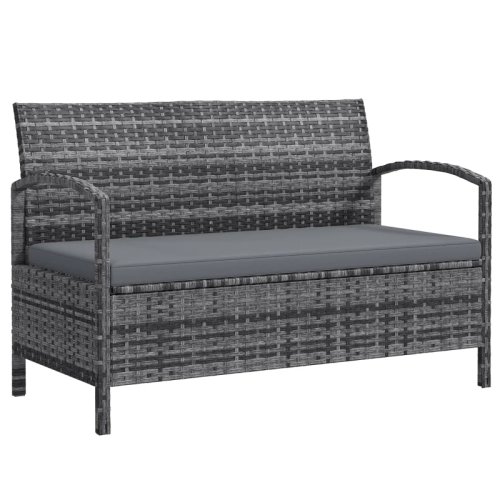
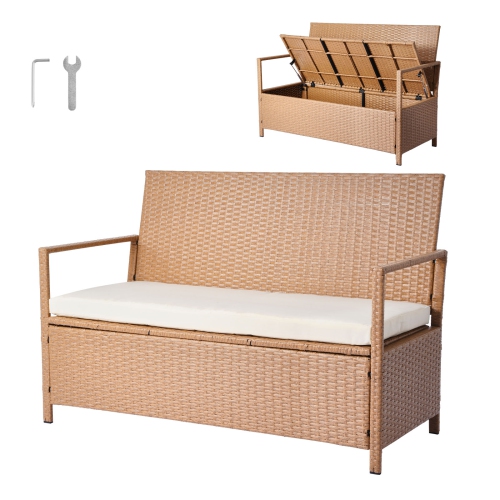
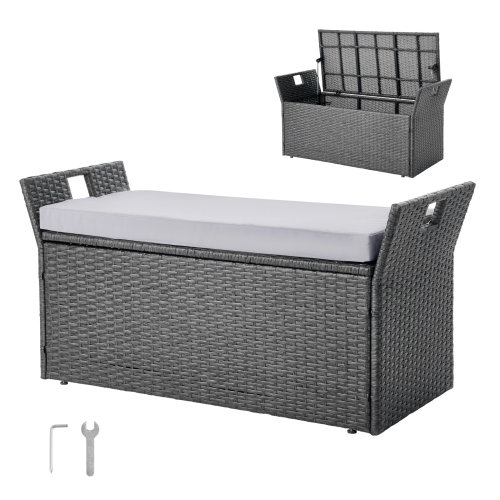
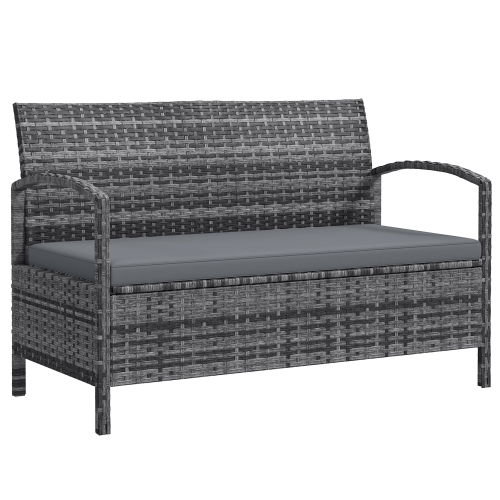
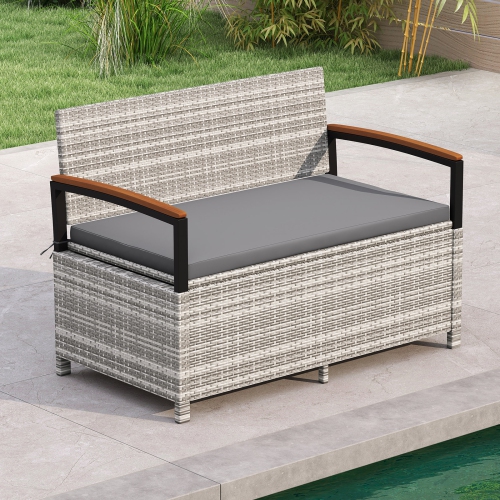
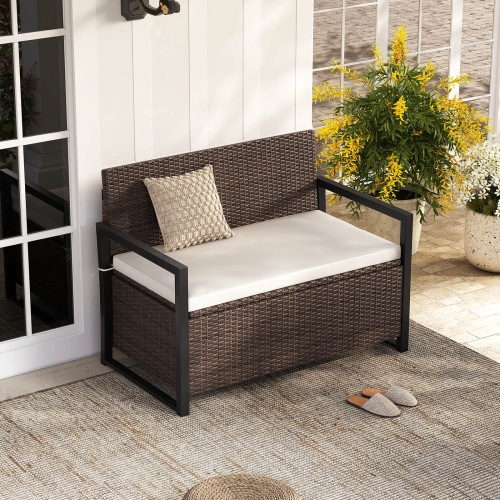
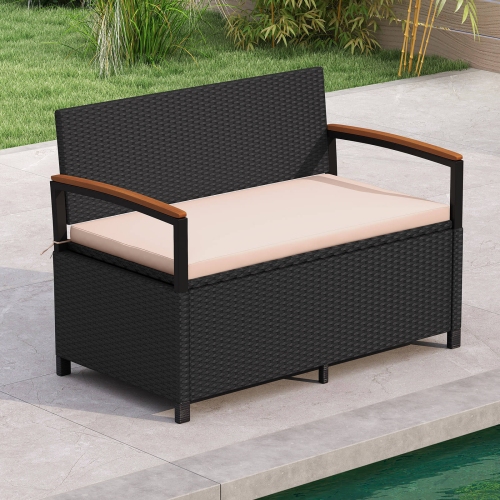
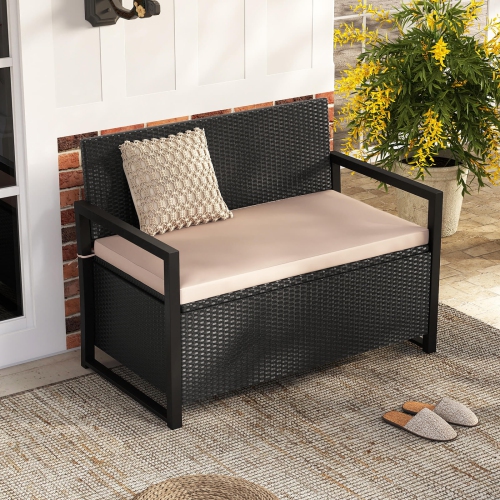
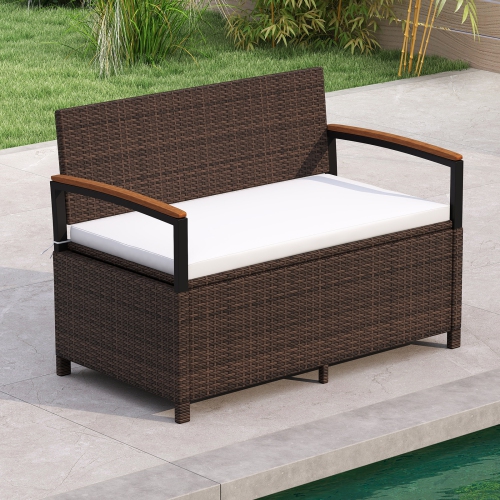
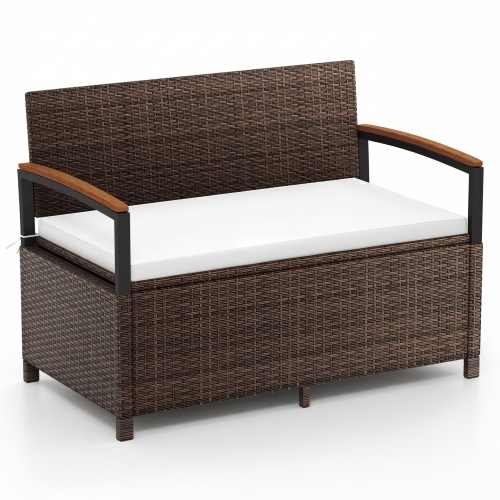
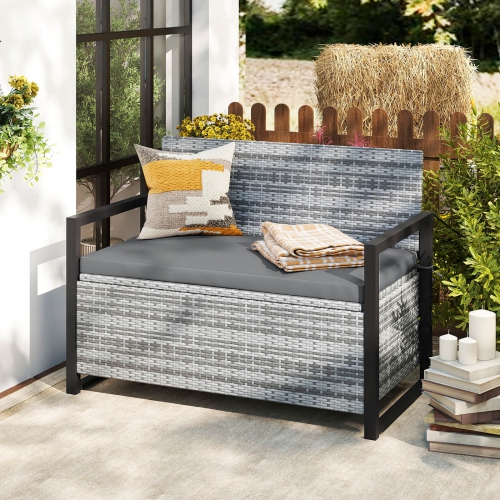
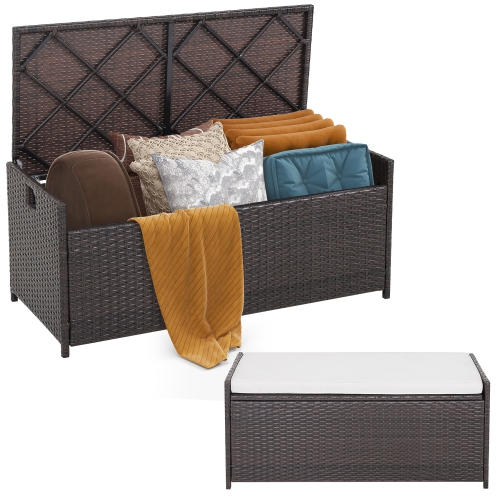
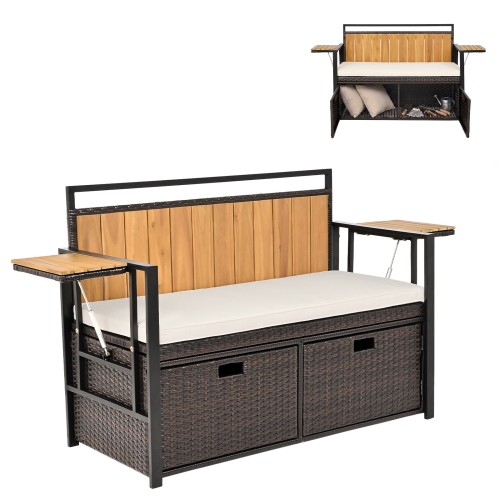
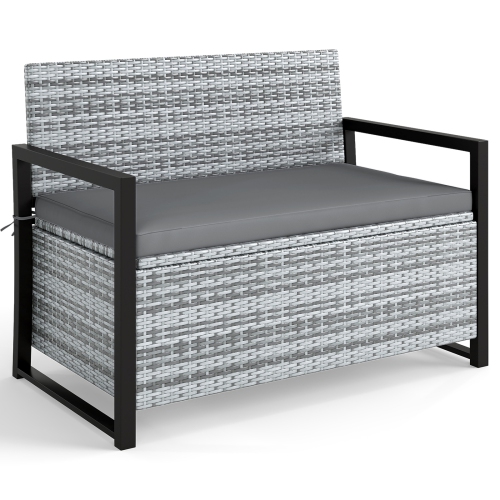
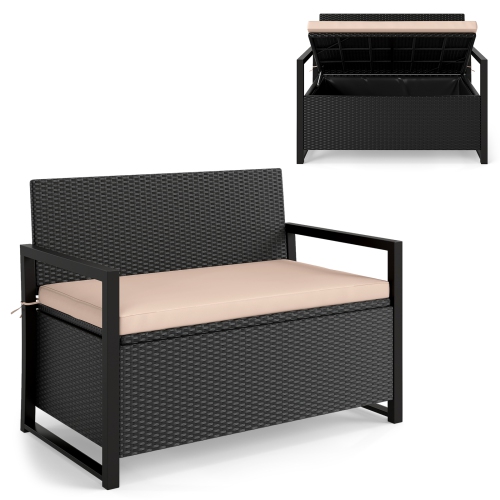
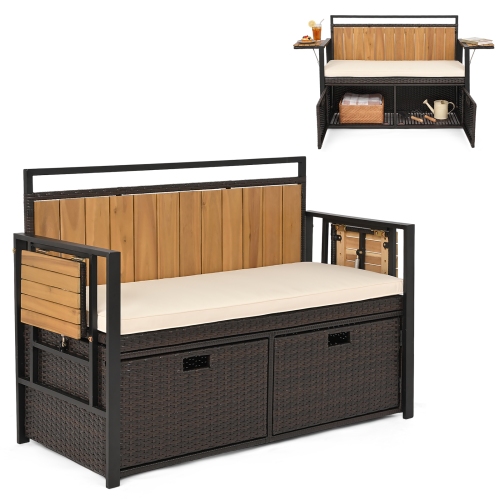
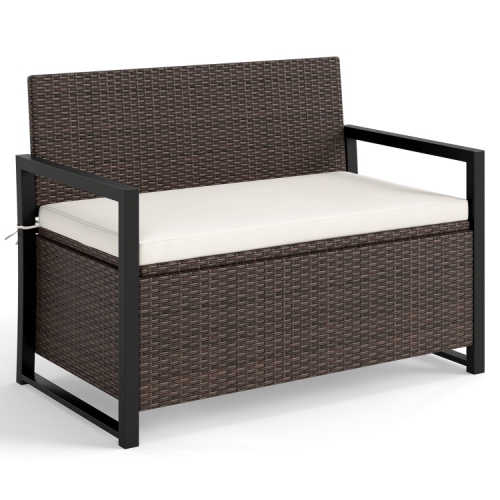
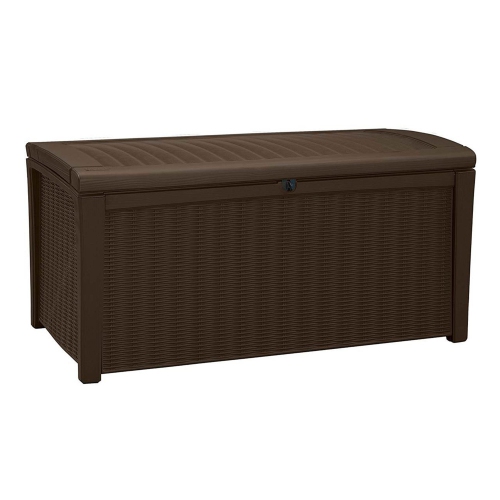
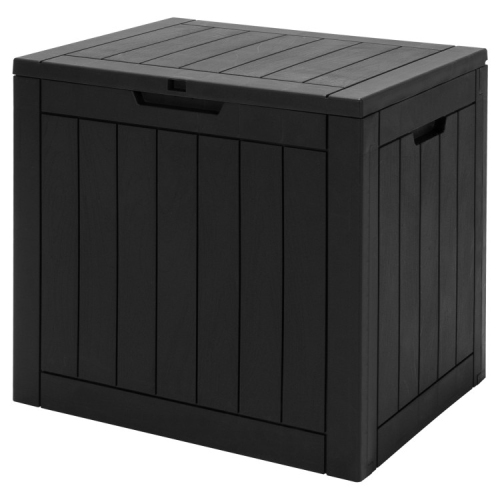
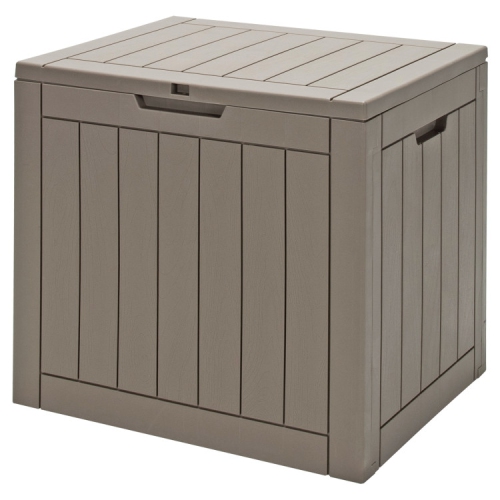
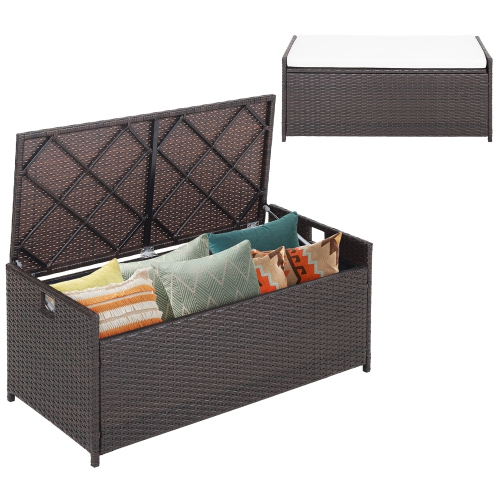
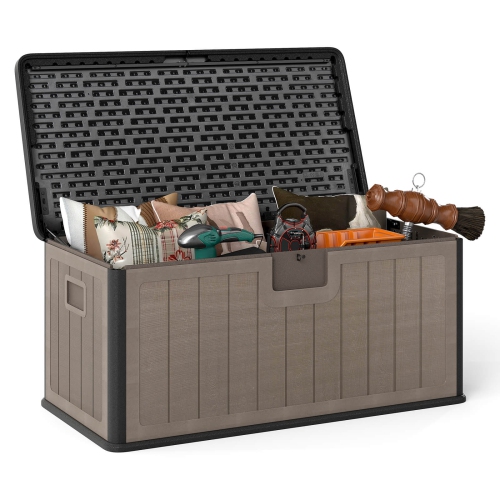
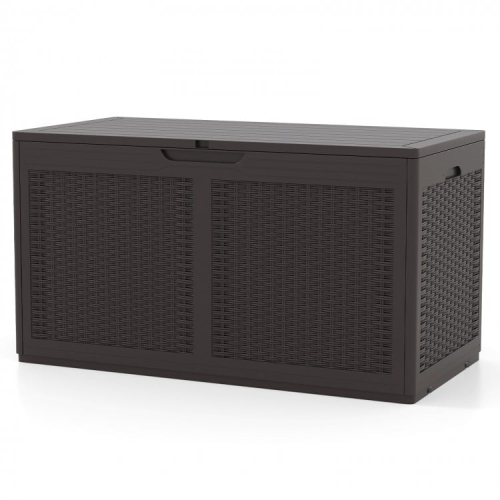
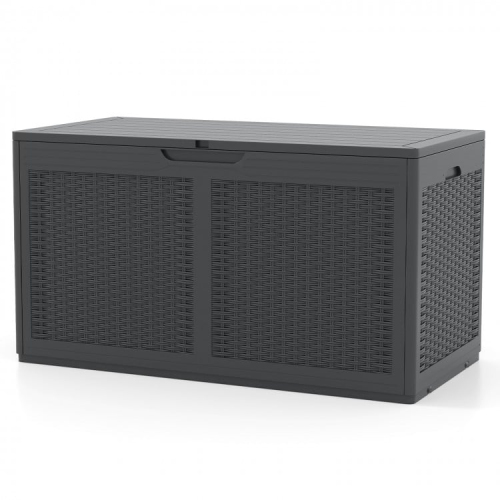
Comfortable seating and hidden storage for compact patios
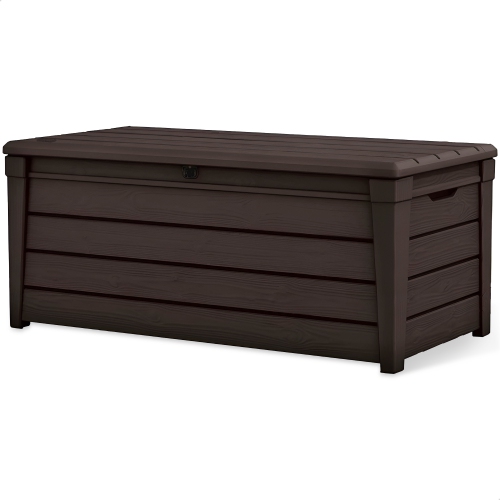
Outdoor storage benches with cushions combine a place to sit with a built-in compartment for keeping outdoor essentials close at hand. Often accessed through a lift-up seat, the storage space can hold smaller patio cushions, furniture covers, outdoor games, or clean gardening accessories, depending on its dimensions and construction. The cushioned top makes the bench useful for a quiet coffee on the patio, a pause beside the garden, or extra seating when friends gather outdoors. That combination is particularly useful on a compact deck or balcony, where a separate storage box could take up valuable floor space. Beside a back door, a bench provides somewhere to sit while changing footwear; near an outdoor dining area, it can keep frequently used accessories within easy reach. Outdoor Benches With Cushions bring comfort to these settings, while an integrated compartment gives the same footprint another purpose. The most practical fit depends on more than the bench’s overall width. Seat depth, backrest height, armrests, and cushion thickness all affect how it feels to use, particularly for longer conversations rather than a brief stop. A deeper seat may suit lounging, while a shallower one can make sitting upright and standing up easier. Around the bench, there needs to be enough room for walking, opening nearby doors, and raising the lid without hitting a wall, railing, or window ledge. Interior measurements matter just as much: a compartment that holds folded covers may not accommodate bulky chair cushions, and hinges or internal supports can reduce usable space. On a narrow balcony, the bench’s depth and lid clearance can be more important than its length. A level, stable surface helps the seat feel secure and allows the lid to close properly. For households sharing one outdoor space, a cushioned storage bench can also create a convenient home for small accessories that would otherwise end up spread across chairs and tables.
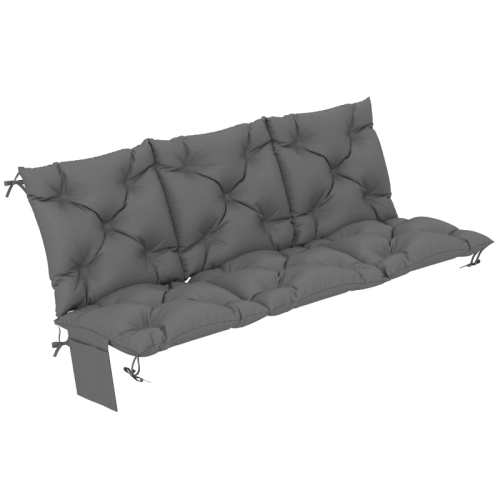
Materials shape both the appearance of an outdoor storage bench and the attention it needs over time. Resin and plastic designs can offer wipe-clean surfaces and resistance to moisture, although their finish, rigidity, and load capacity vary. Wood brings visible grain and a warmer furniture-like appearance, with care requirements that depend on the species and protective finish. Painted, stained, or oiled surfaces may need periodic attention to limit cracking, fading, or moisture damage. Metal frames provide structural support, but their suitability for exposed locations depends on the metal, coating, hardware, and care specified by the manufacturer. Woven resin finishes add texture, though the weave itself does not establish how well the compartment keeps out rain. A solid inner box, lid overlap, seals, and drainage details all influence protection. Weather-resistant storage should not be assumed to be waterproof; wind-driven rain or moisture entering around the lid can still affect stored contents. Cushions deserve equally close attention because they provide the comfort that distinguishes these benches from a plain storage chest. Seat padding can range from a slim pad suited to short rests to a thicker cushion intended for more relaxed seating. Thickness alone does not determine comfort: foam firmness, the supporting seat underneath, and the cushion’s dimensions also matter. Outdoor-rated fabric is designed for exterior use, but resistance to water, fading, and stains varies by material and treatment. Water-resistant covers can shed light splashes without keeping the filling dry through prolonged exposure. Removable covers may simplify cleaning when their care labels permit washing, while ties or straps help keep cushions positioned during everyday use. A cushion that fits closely within the seat keeps edges supported and leaves armrests usable. Colour and texture also affect the overall setting: lighter shades create a softer contrast against dark frames, while patterned or textured fabrics can make small marks less noticeable between cleanings. Coordinating these details with nearby chairs, a dining table, or a balcony railing gives the bench a place in the layout without requiring every piece to match.
Everyday usefulness often comes down to the smaller construction details and how the bench is cared for. A lid that stays securely open makes it easier to put away a folded cover or retrieve a game without balancing the seat overhead. Controlled-closing hinges can help reduce sudden movement, but fingers still need to stay clear of the closing edge, particularly when children use the seating area. Any cushion may need to be removed or repositioned before the compartment opens, so that detail can affect how convenient the storage feels when accessed frequently. The stated seating capacity and weight limit should suit the intended users, and a storage lid should only serve as seating when the bench is designed for that purpose. For storage, dry and reasonably clean contents help prevent trapped moisture and unwanted odours. Damp cushions, wet towels, and soil-covered tools are better kept out until they have been dried or cleaned as appropriate. Soft goods can be protected from dust with suitable storage bags, provided they are dry before being enclosed. Routine care usually involves removing loose debris, wiping surfaces with a cleaner suitable for the material, and allowing cushions and compartments to dry thoroughly. Seams, hinge areas, and the underside of cushions are worth checking because moisture can linger there after exposed surfaces appear dry. Covers can help protect the bench when it is not being used, but they should fit the furniture properly and allow the ventilation specified by the manufacturer. Where outdoor exposure is prolonged, separate dry storage for cushions may help preserve their appearance and comfort. A cushioned storage bench is well suited to households that want comfortable seating without dedicating additional space to a cabinet or chest. From keeping a small patio orderly to creating a resting spot beside a garden path, its value lies in making one piece of furniture useful in two distinct ways.
Top selling and popular products
-
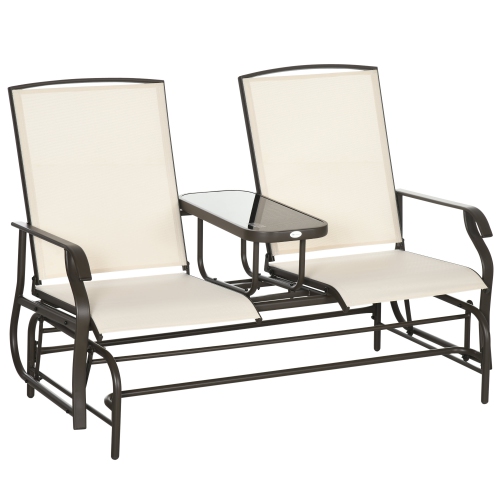 Your price for this item is $209.99
-
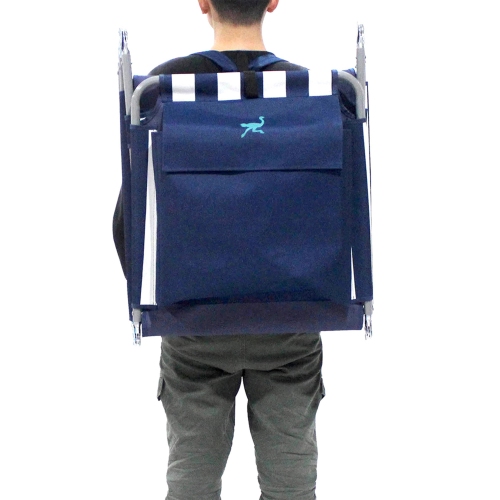 Your price for this item is $222.99
-
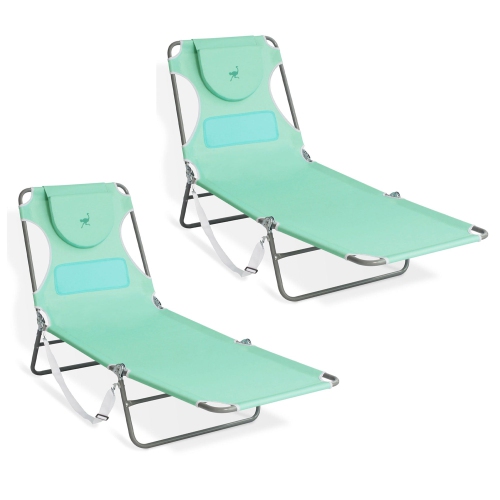 Your price for this item is $407.99
-
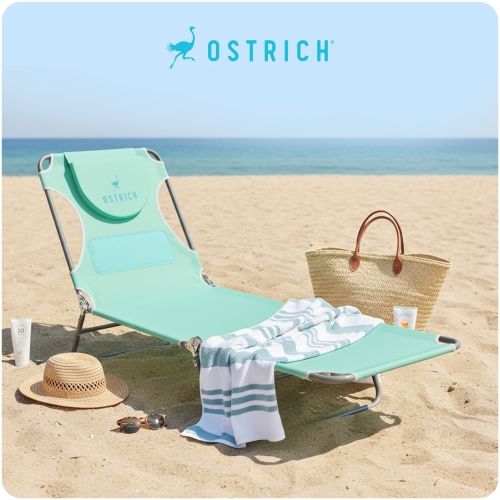 Your price for this item is $187.99
-
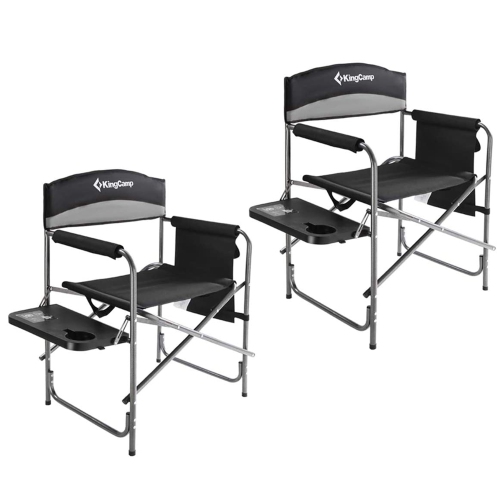 Your price for this item is $254.99
-
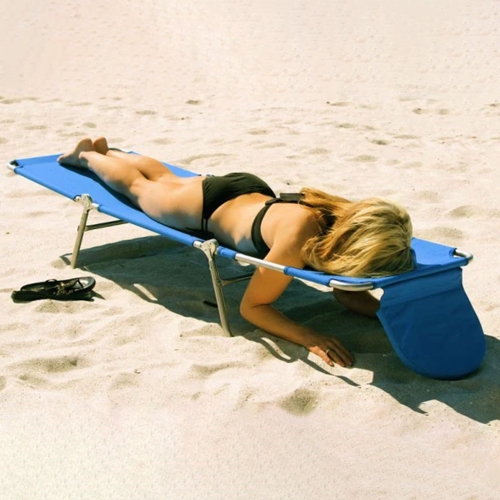 Your price for this item is $712.99
-
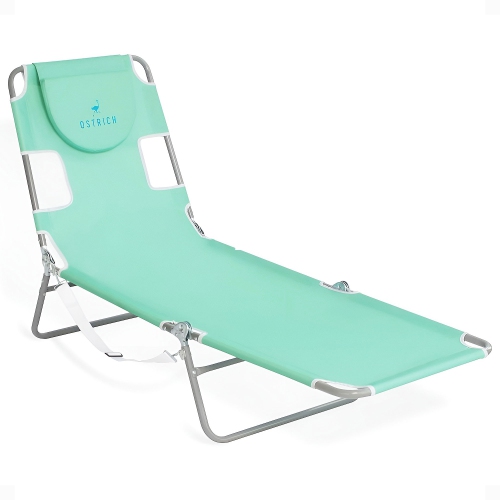 Your price for this item is $177.99
-
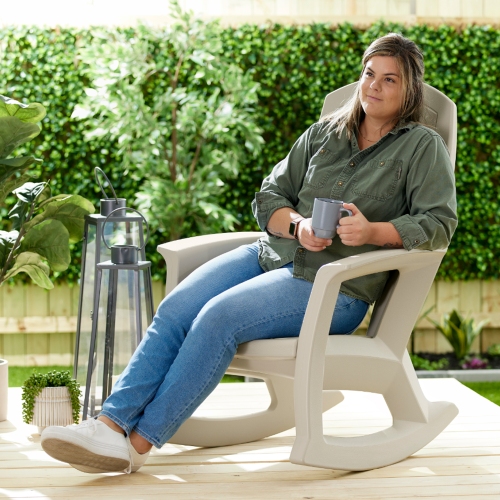 Your price for this item is $459.99
Discover more categories related to Outdoor Storage Benches With Cushions

Top Collections:
Best Black Friday Deals This Year, Best Black Friday Deals On Electronics, Kindle Devices, Dyson Airwrap, Best Cameras for Sports Photography, Best Budget Office Chairs, Canon G7X Cameras, PS5 Pro Consoles, Best Black Friday Deals On Apple Products, XBOX One S Consoles
Some products may be subject to Environmental Handling Fees
(EHF) depending on your province.
Learn more about EHFs.