Outdoor Bug Zappers
Transform your outdoor space into a bug-free oasis with these outdoor bug zappers. Whether you're hosting a backyard barbecue, lounging on your patio, or camping under the stars, this range of bug zappers will help keep those unwanted guests at bay. Designed to attract and eliminate flying insects, these outdoor bug zappers are a must-have addition to almost any outdoor setting.
Sort











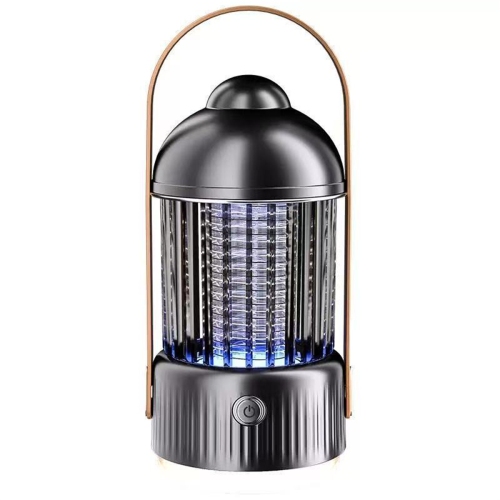

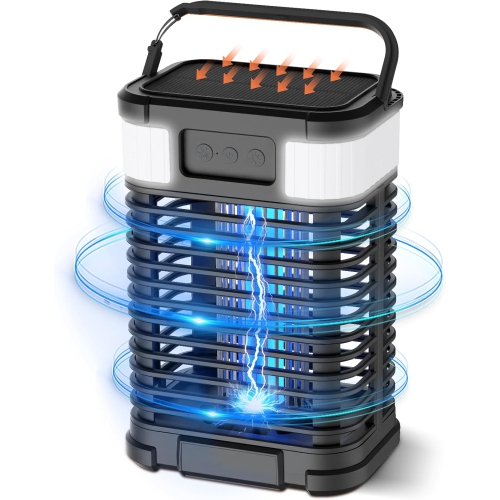


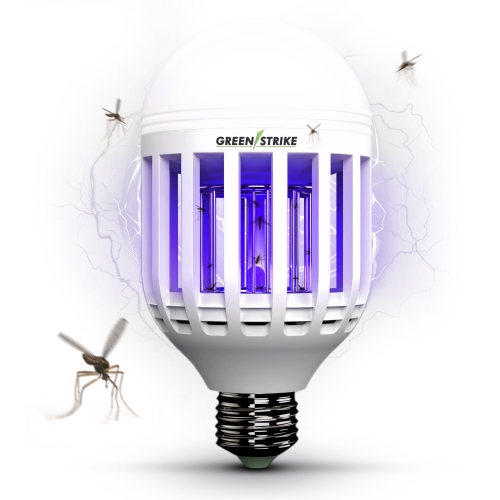
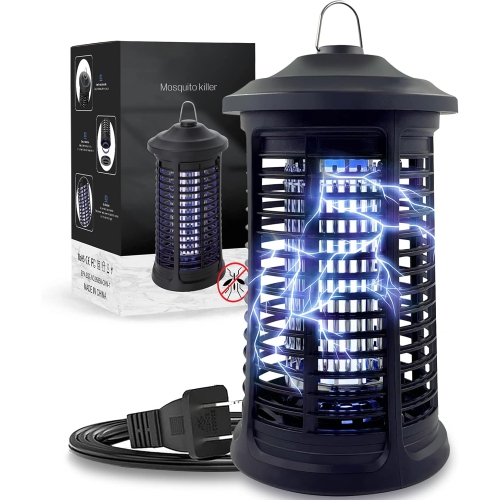










What to know about coverage, placement, power, and safe use
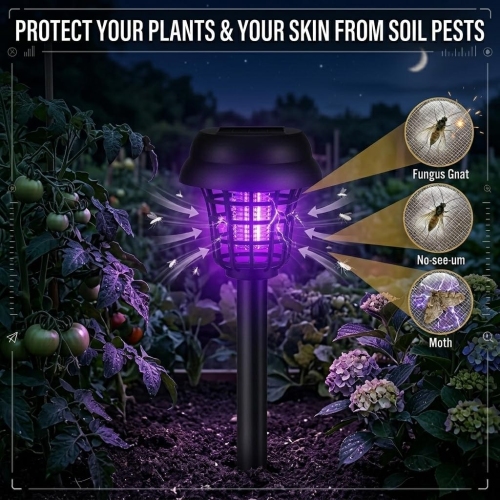
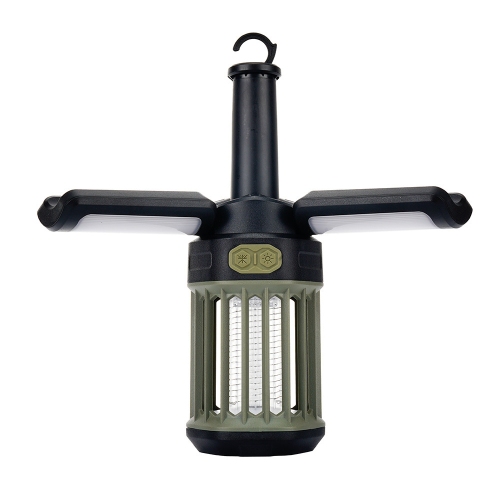
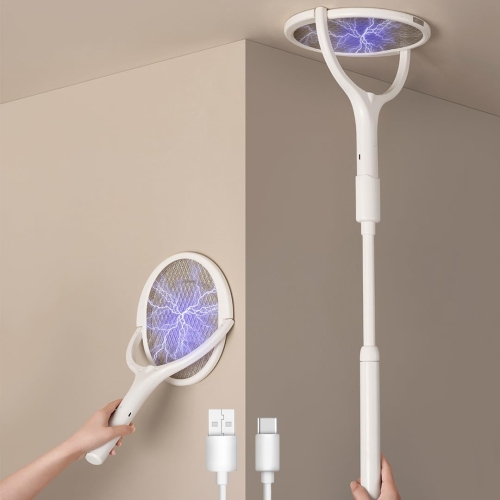
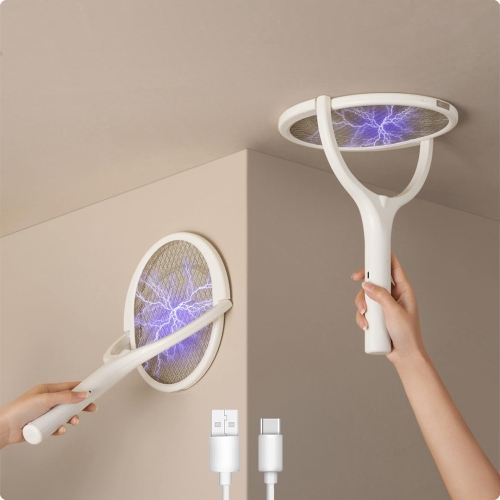
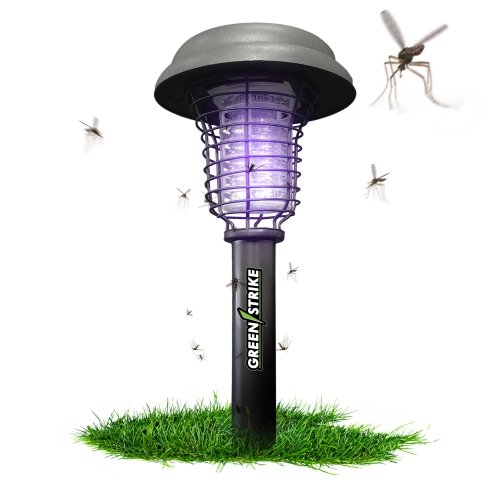
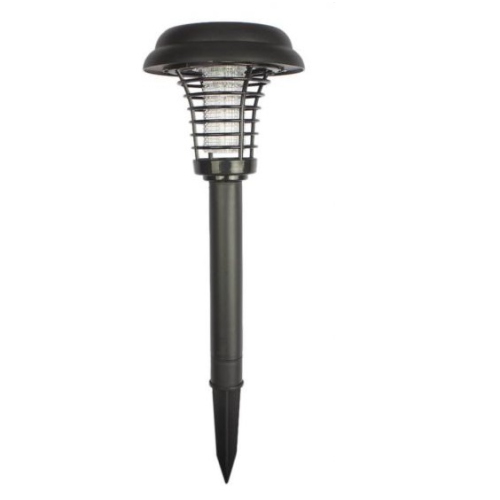
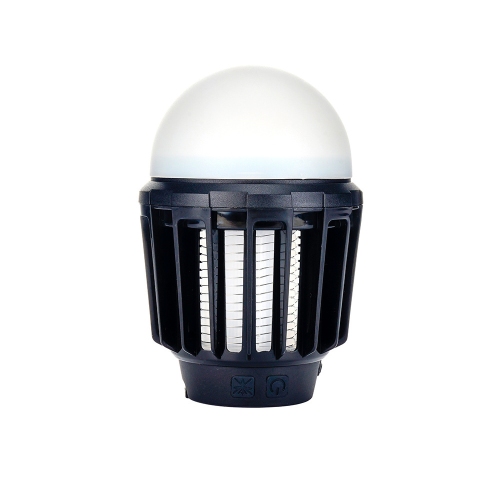
Outdoor bug zappers can make patios, decks, balconies, porches, campsites, and other open-air areas more comfortable by attracting and eliminating many flying insects. Most models use ultraviolet light to draw insects toward an internal high-voltage electrical grid, where contact ends the attraction. They are designed to target a broad range of flying pests, including flies, moths, gnats, and other light-sensitive insects. Traditional UV technology can help reduce general flying insect activity, although it may not be equally effective for every pest. Mosquitoes, in particular, are not always strongly attracted to UV light alone, so shoppers who are primarily concerned about mosquitoes may want to look for compatible attractant cartridges, such as octenol, if the unit supports them. A bug zapper is best viewed as one part of a more comfortable outdoor setup rather than a complete substitute for screens, covered seating, removing standing water, or keeping food and rubbish covered. Placement has a noticeable effect on performance. Hanging or positioning the unit approximately 10 to 25 feet away from the main seating or dining area can draw insects away from guests instead of bringing them directly beside a table. A location between the area people use and the direction insects are coming from may work well, provided the light remains visible and the unit is not blocked by walls, dense foliage, umbrellas, or other outdoor furniture. Avoid placing it immediately beside doors, windows, or heavily used walkways, where insects may gather close to entrances or where people could accidentally bump into it. Since flying insects are often most active around dusk and after dark, a clear line of sight for the light can be especially useful during evening meals, gatherings, and quiet time outdoors.
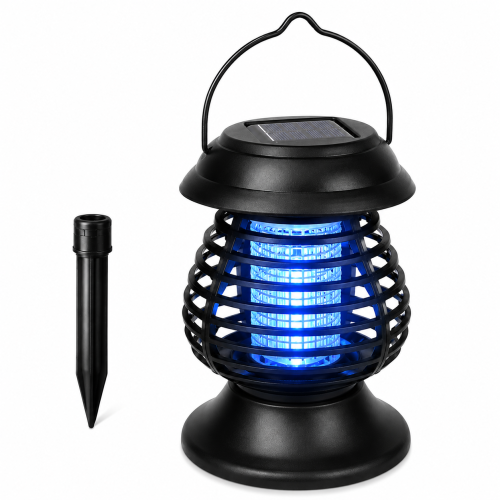
Choosing the right outdoor bug zapper starts with the size and layout of the space. Smaller tabletop, compact, or solar-powered units can suit a balcony, a small patio, a tenting area, or a seating nook, while larger plug-in models are generally better suited to spacious decks, gardens, pool areas, and open yards. Check the manufacturer's stated coverage area and compare it with the space you want to use, keeping in mind that real-world performance can vary with wind, surrounding light, vegetation, humidity, and the number of insects present. A stronger light or larger electrical grid does not automatically make one unit ideal for every setting; the best choice balances coverage with convenient placement and access to power. Plug-in models can provide steady operation where an outdoor-rated outlet is available, but cord length and cable routing deserve attention. Keep cords away from standing water, hot surfaces, lawn equipment, and places where people walk. Cordless and solar-powered options offer more flexibility for sheds, campsites, remote corners of a yard, and areas without a nearby outlet, though their operating time depends on battery capacity, sunlight, temperature, and charging conditions. Weather resistance is another essential consideration for outdoor use. Look for a model with a weatherproof or waterproof design and review its stated rating before leaving it exposed to rain, snow, or damp conditions. Even weather-resistant equipment should be installed according to the instructions, with drainage openings kept clear and the power connection protected as directed. During cooler months, some owners may bring units indoors for storage; disconnecting the power, cleaning away debris, and keeping the zapper in a dry location can help prepare it for the next period of outdoor use. For a broader selection of light-based options, shoppers can also explore UV Bug Zappers.
Maintenance and safe handling are important parts of owning an outdoor bug zapper. Before cleaning, moving, or inspecting a unit, switch it off, unplug it, and follow the manufacturer's instructions for allowing any residual charge to dissipate. Many models include a removable collection tray or access panel that makes it easier to clear away insects and dust. Regular cleaning helps keep the light and grid unobstructed, which may support more consistent operation. A soft brush or the recommended cleaning method is preferable to spraying liquid into the housing, and the unit should be completely dry before it is reconnected. Position the zapper where children and pets cannot reach the electrical grid, and avoid touching internal components even when the lamp appears to be off. These products can be useful for households that enjoy evening meals outdoors, people who spend time tending a garden, campers who want a compact source of insect control near a campsite, and hosts who regularly welcome friends and family to a backyard gathering. They can also be a practical housewarming, cottage, camping, or patio gift for someone who enjoys making the most of their outdoor space. When selecting one as a gift, consider whether the recipient has access to an outdoor outlet, how much area they need to cover, whether they prefer a hanging or freestanding design, and how much maintenance they are comfortable handling. As the weather warms, an outdoor bug zapper can be set up before regular patio use begins; during the cooler months, it may remain useful in enclosed outdoor areas or be cleaned and stored until more time is spent outside again. A thoughtful choice combines suitable coverage, dependable power, weather resistance, easy cleaning, and safe placement for the way the recipient actually lives and entertains outdoors.
Top selling and popular products
-
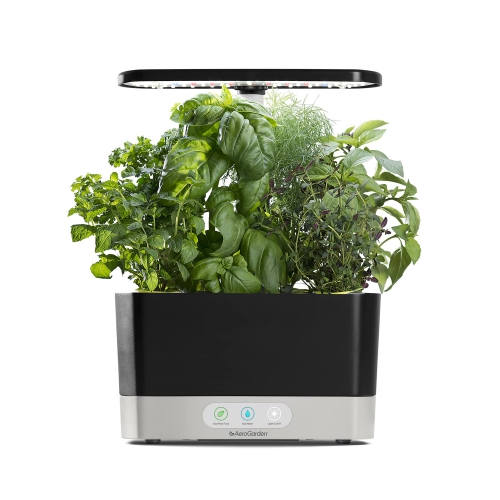 Your price for this item is $199
-
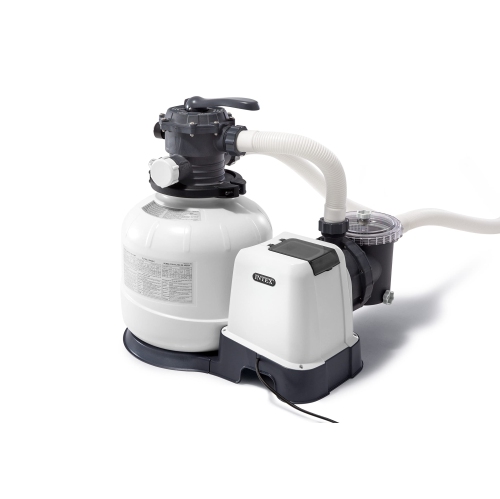 Your price for this item is $430.99
-
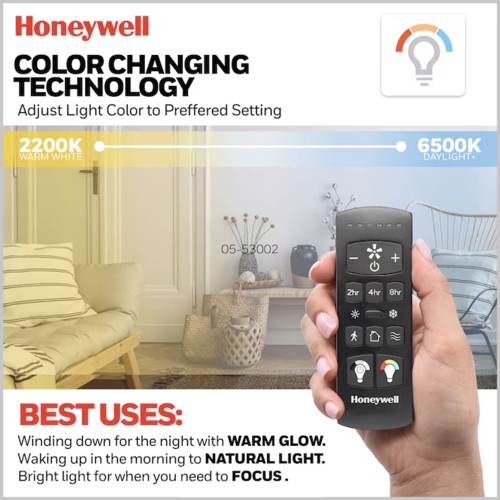 Your price for this item is $480.99
-
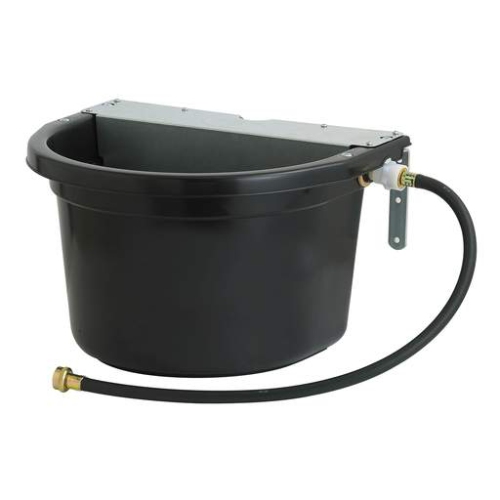 Your price for this item is $130.99
-
 Your price for this item is $221.99
-
 Your price for this item is $69.45
-
 Your price for this item is $520.99
-
 Your price for this item is $26.99
Discover more categories related to Outdoor Bug Zappers
Top Collections:
Pokemon Centers, Kindle Devices, Best Budget Office Chairs, Canon G7X Cameras, Apple iPhones 16, Samsung Galaxy Phones, Refurbished Apple Laptops, Laptops for Students, iPhone 15 Apple, Budget Smartphones
Some products may be subject to Environmental Handling Fees
(EHF) depending on your province.
Learn more about EHFs.