Outdoor Dining Tables Metal
Transform your outdoor space into a stylish and functional haven with our collection of metal outdoor dining tables. Crafted with durability and design in mind, these tables are perfect for hosting gatherings, enjoying family meals, or simply lounging in the sun. Here are some great options available.
Sort





















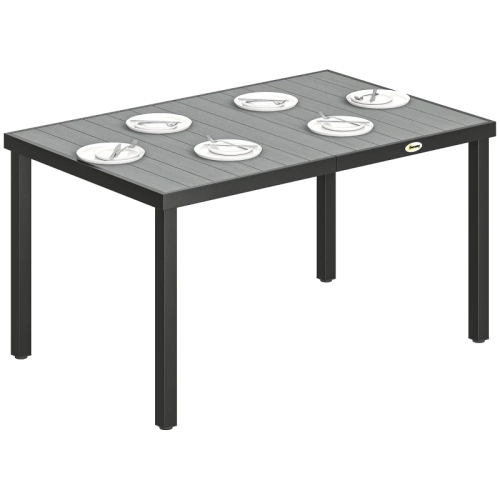


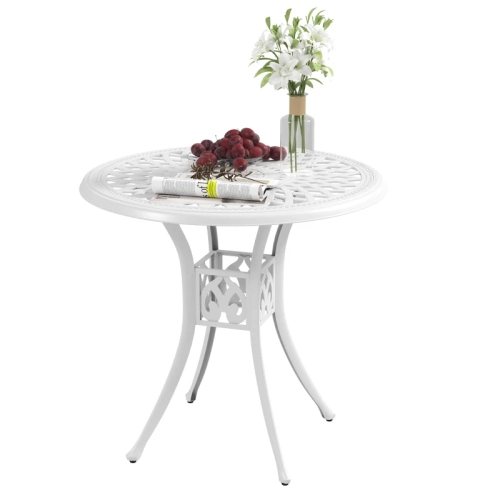


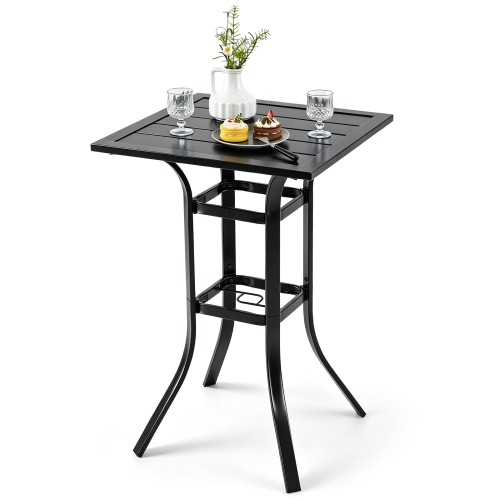


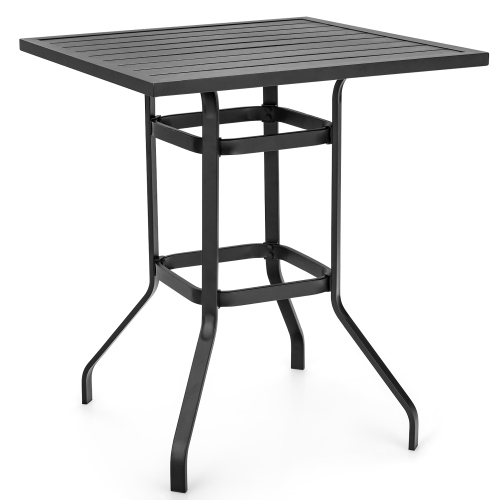

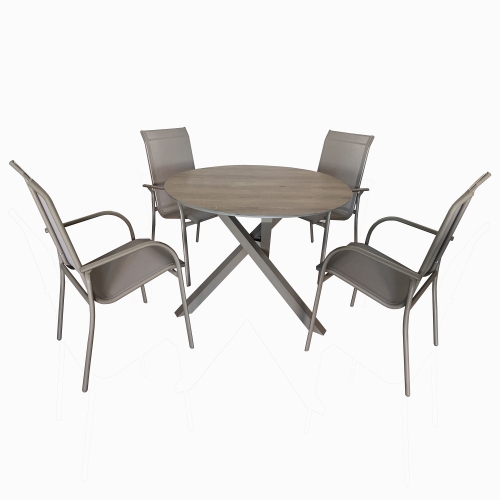
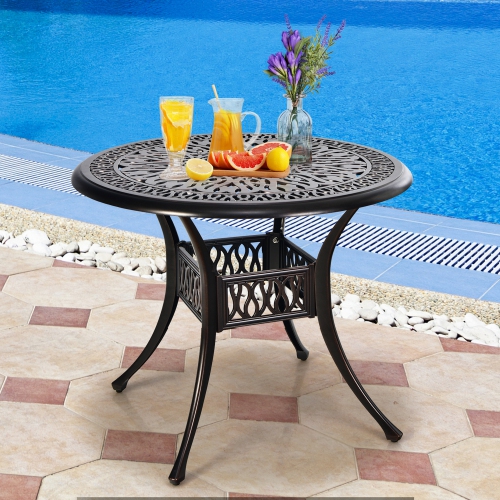
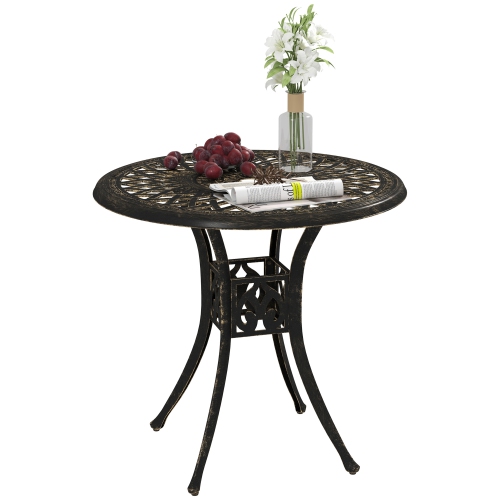


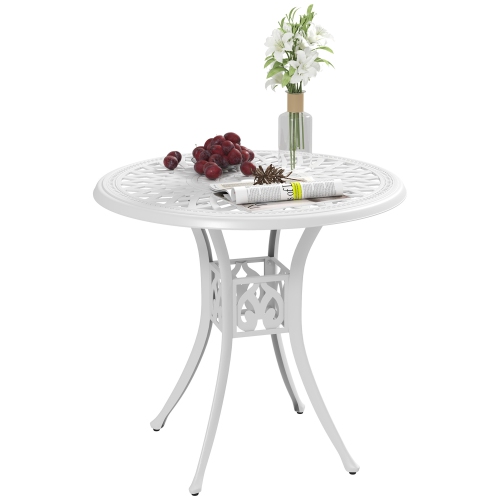


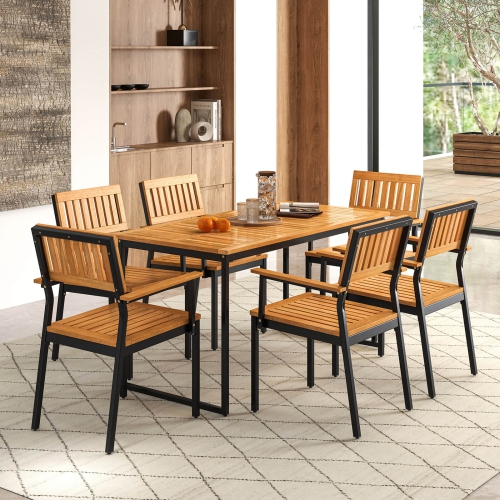


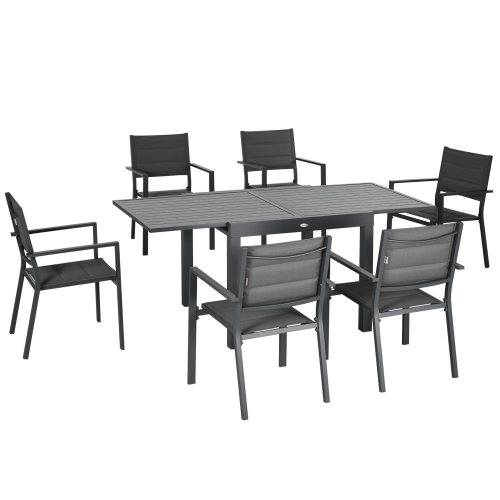


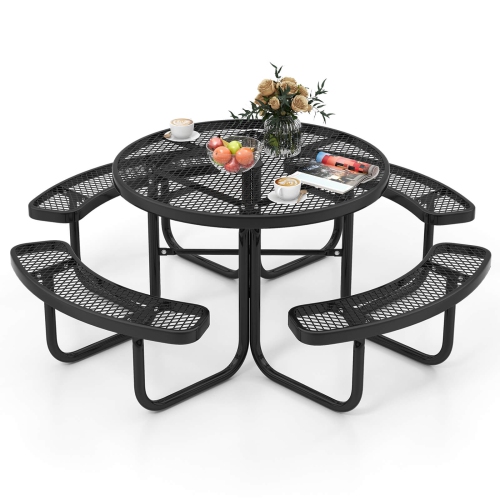


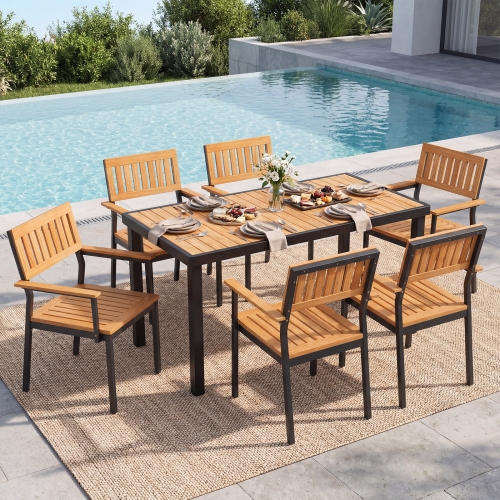


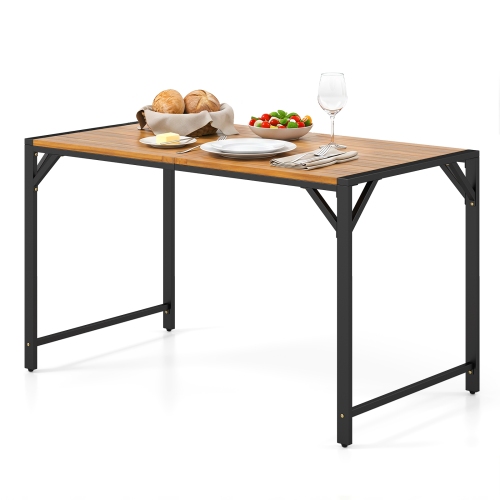


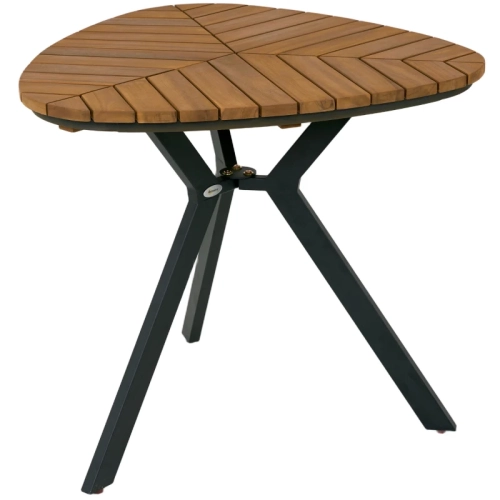


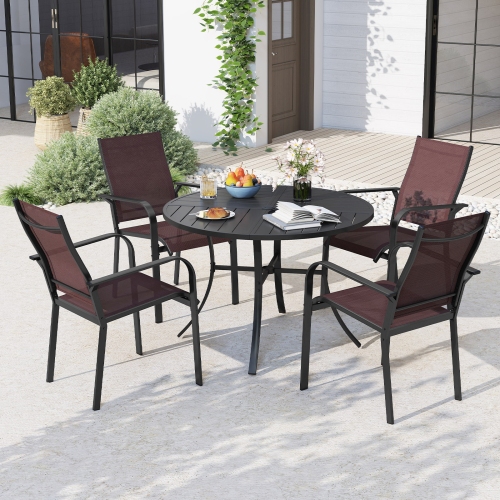


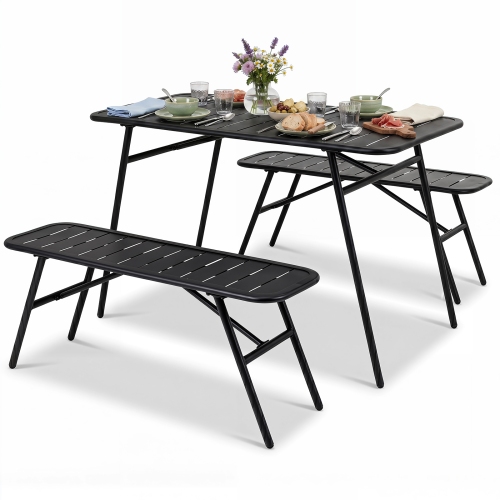

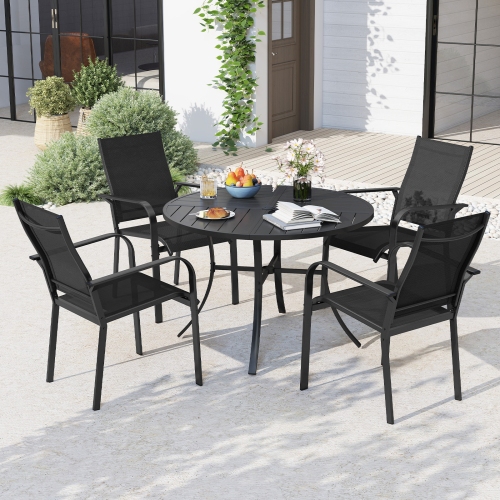
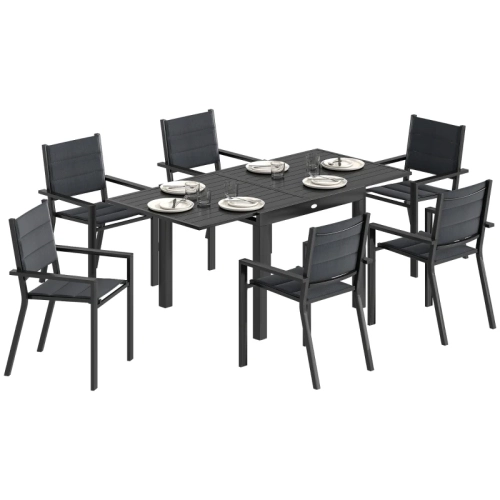

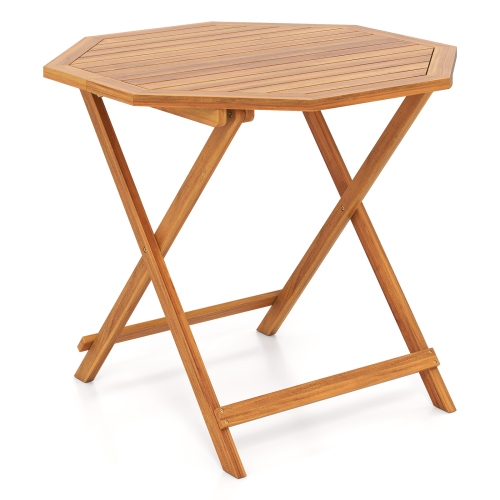

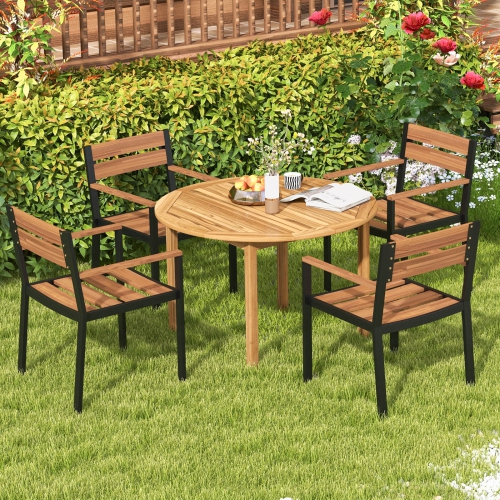


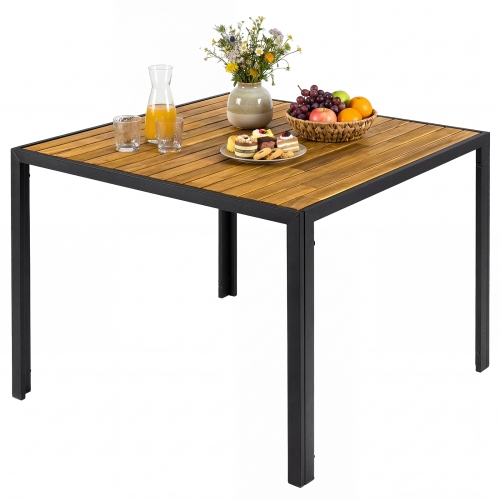


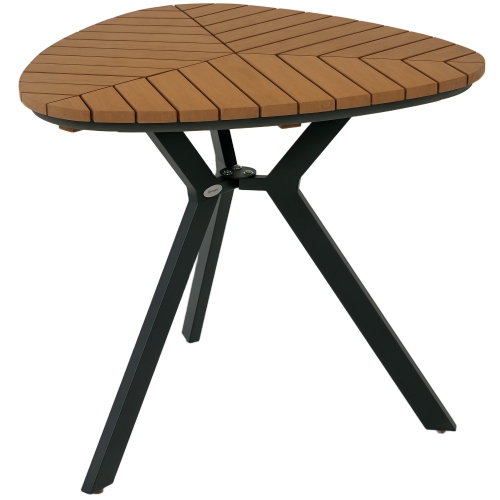

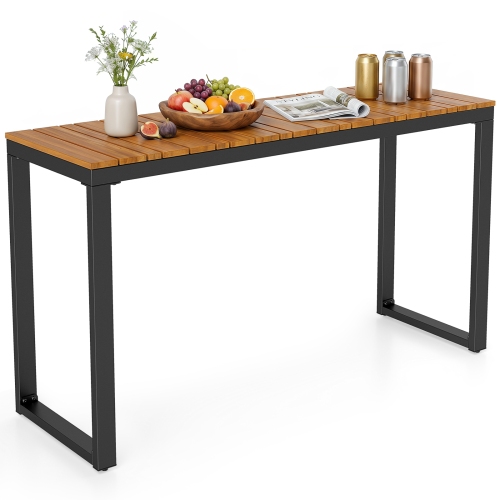
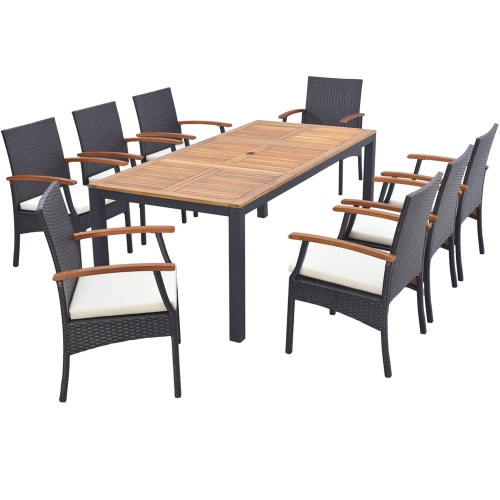


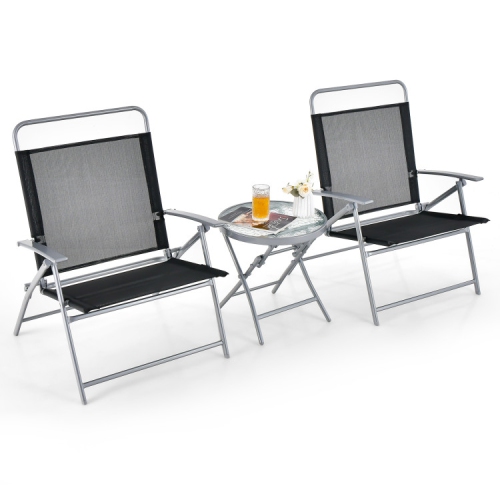

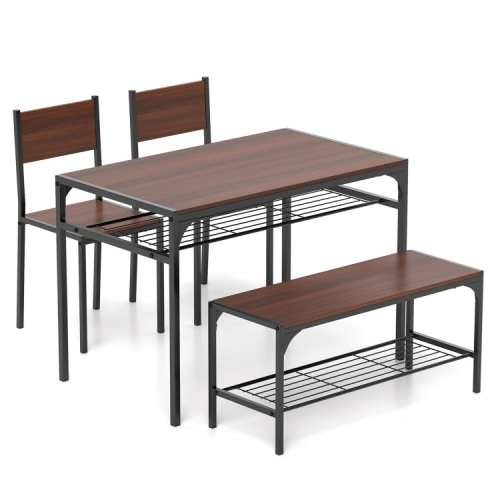
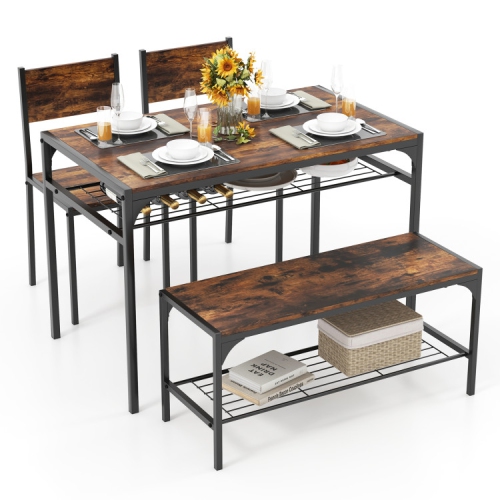
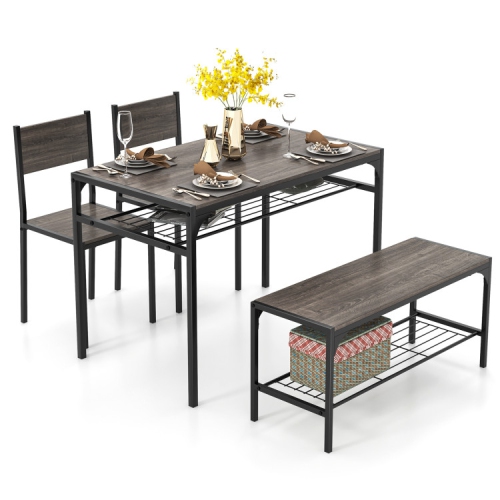
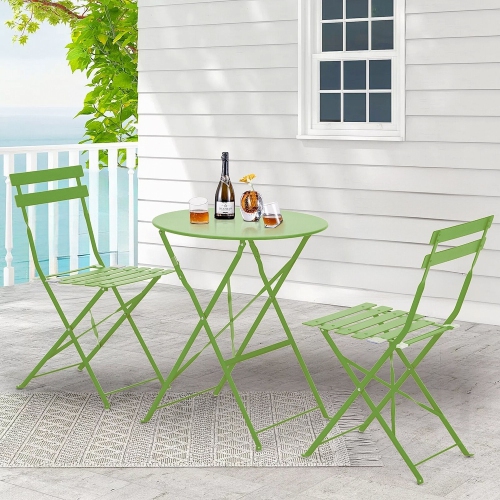


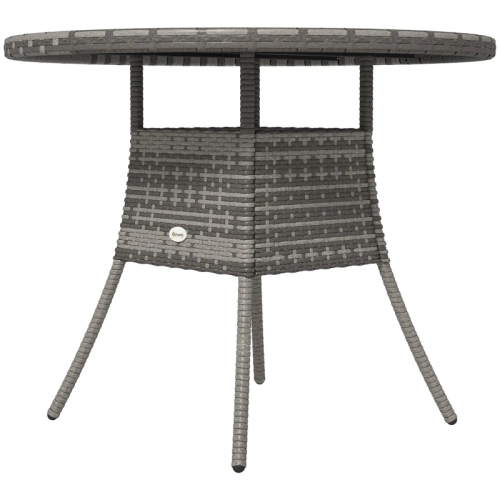

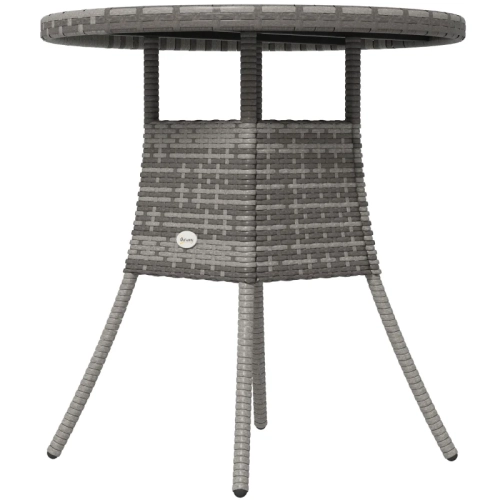


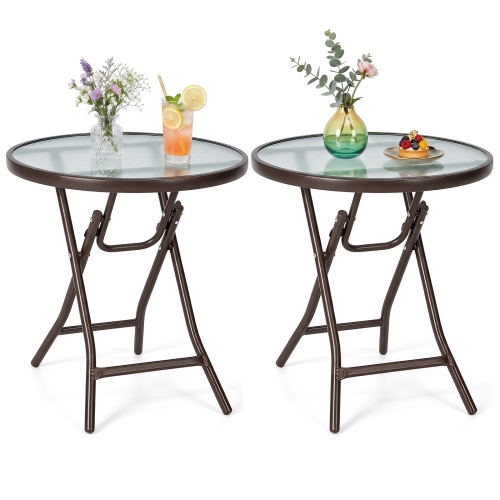

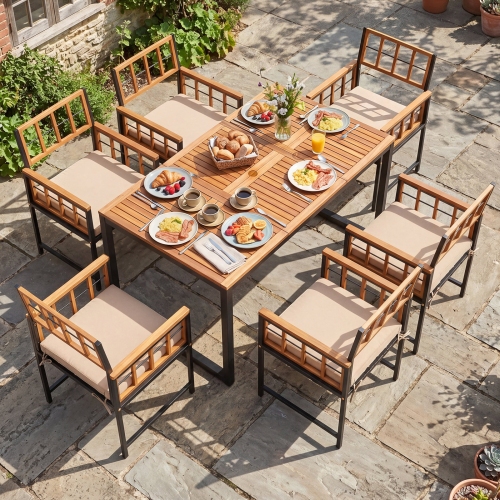


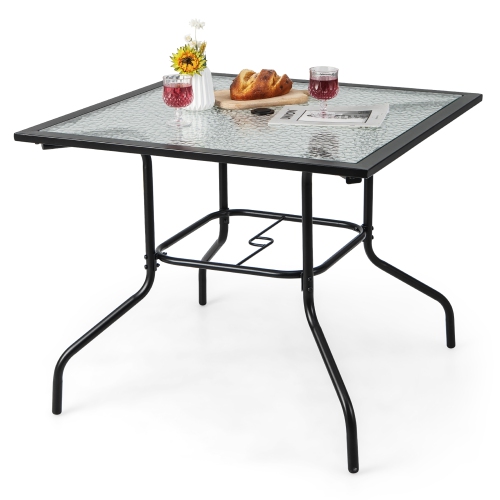

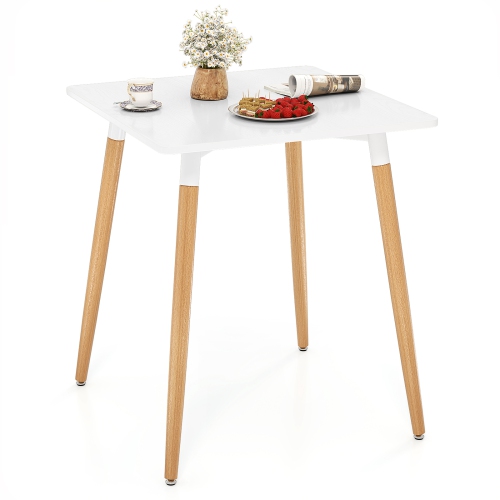

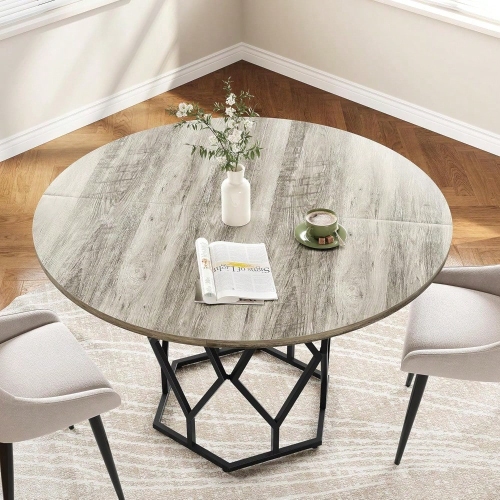


Why table construction matters for everyday outdoor meals
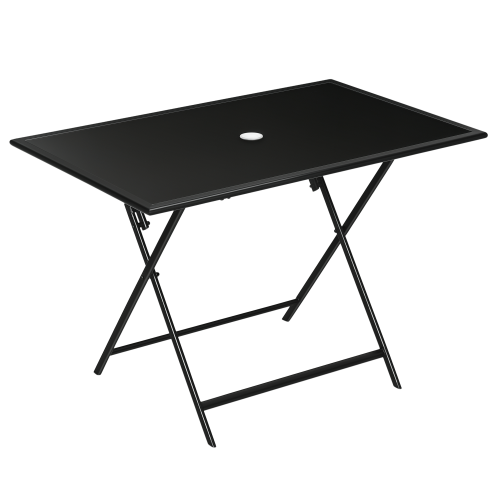
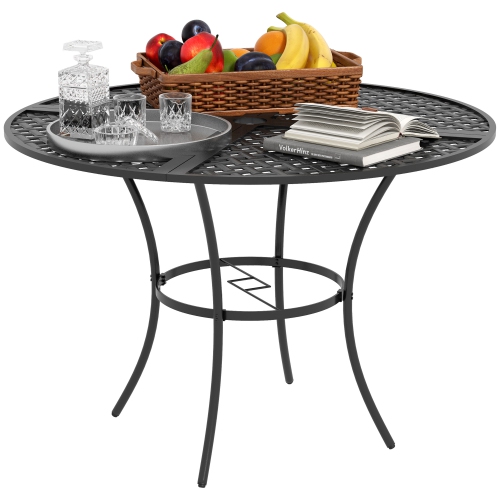
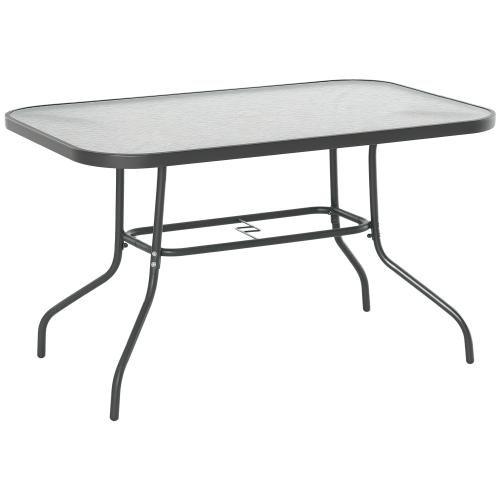
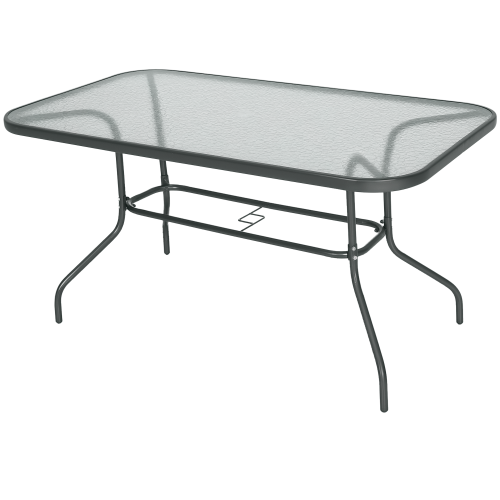
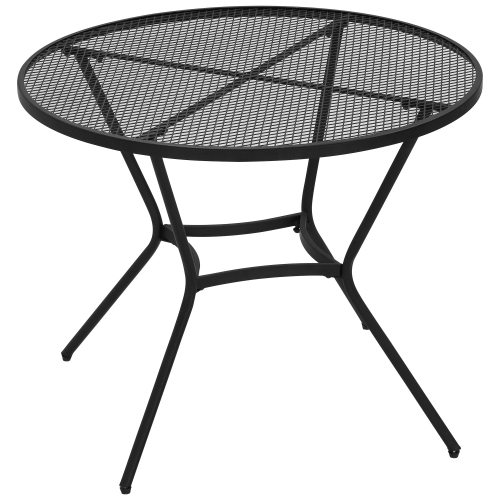
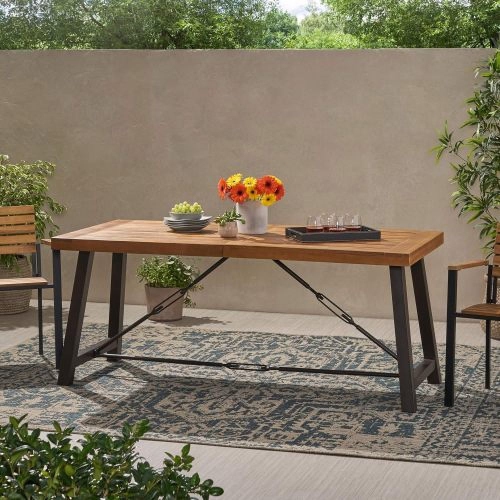
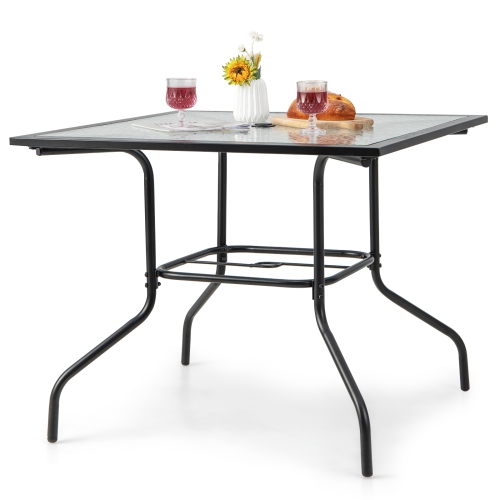
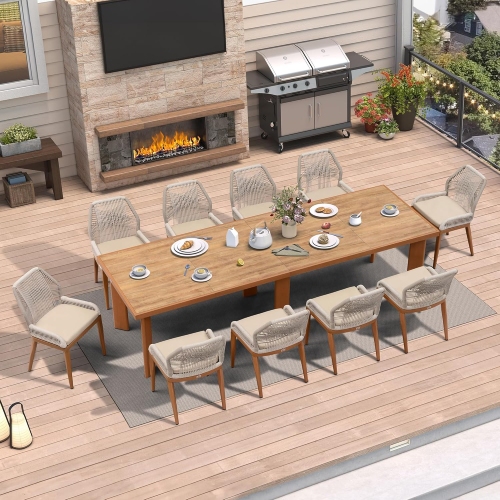
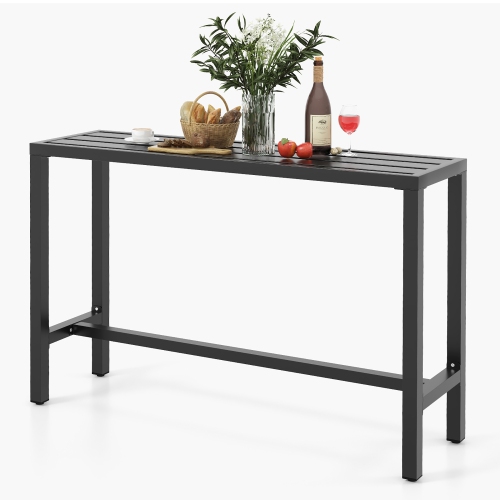
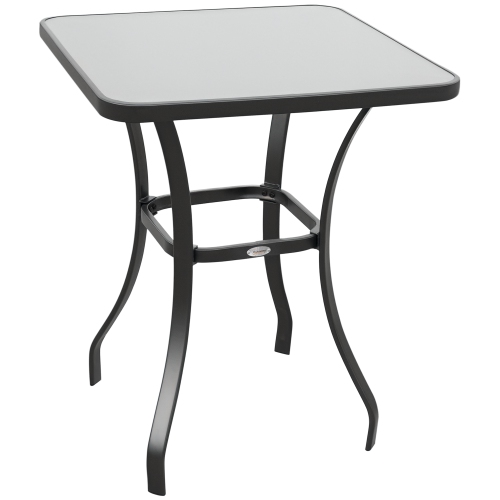
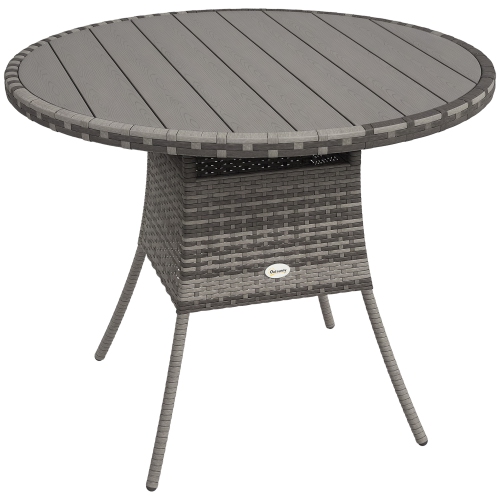
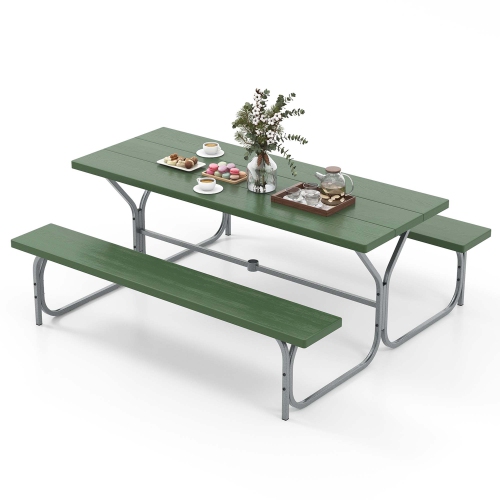
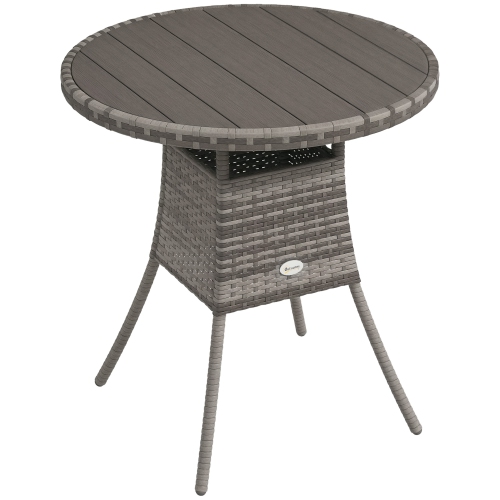
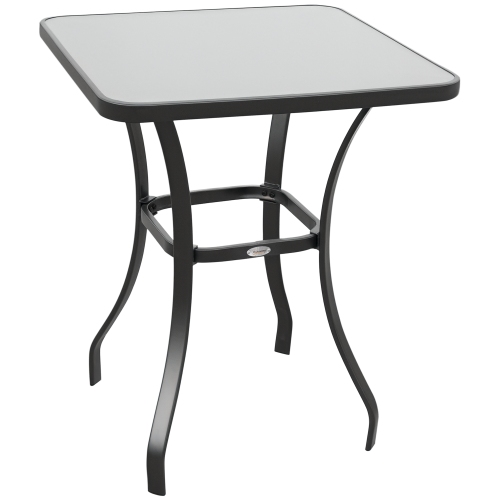
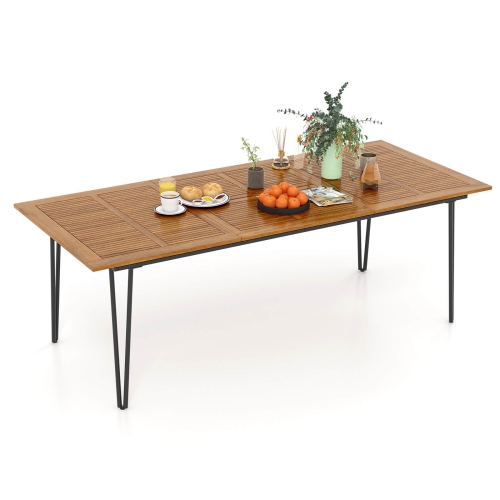
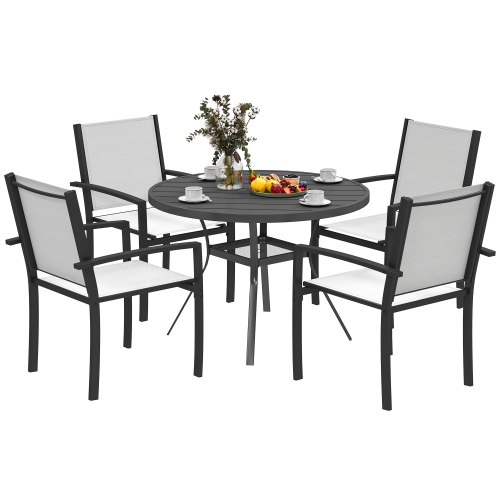
Metal outdoor dining tables bring a practical, defined gathering place to patios, decks, balconies, and backyard seating areas. A sturdy tabletop gives everyday meals a comfortable place outdoors, whether that means breakfast beside a sliding door, a family lunch on a covered deck, or dinner with friends under patio lighting. The main differences between metal tables come down to their construction, finish, weight, and proportions. Aluminum is relatively lightweight and does not develop the red rust associated with iron and steel, making it useful for spaces where furniture needs to move for cleaning or storage. It can still corrode or show surface wear, so a protective finish and routine care remain important. Steel generally offers more weight and rigidity, while iron can suit substantial furniture with curved details or a more traditional appearance. Both steel and iron need protection from moisture because exposed areas can rust, particularly where a coating has chipped or worn away. Powder coating creates a protective surface and can provide a smooth or textured finish, but it does not make a table immune to scratches, standing water, or harsh weather. Material thickness, frame design, weld quality, and hardware also affect how solid a table feels; weight alone is not a complete measure of durability. An all-metal table offers a different look and care routine from a metal-frame table with a glass, tile, or wood top, so the tabletop material matters as much as the base. Slatted metal tops allow some rainwater to pass through, while solid tops provide a continuous surface for plates, serving bowls, and smaller objects. Narrow, evenly spaced slats are often more convenient for dining than broad gaps that leave narrow glass bases unsteady. From clean-lined frames to patterned cast-metal surfaces, outdoor metal dining tables can suit both simple everyday setups and more formal arrangements without requiring the same visual style throughout the rest of the outdoor space.
The right fit depends on how people sit, move, and serve food around the table, not simply on whether its outline fits on the deck. A compact round table can make conversation easy on a small patio, while a rectangular table often works well along a longer deck or in an outdoor dining area beside the kitchen. Square tables provide a balanced layout for smaller groups, although their corners still need clearance from doors and nearby furniture. Oval shapes offer a longer dining surface with rounded ends, which can help soften the layout of a narrow space. Seating capacity should be checked against the table’s dimensions and leg placement rather than assumed from its shape. As a general starting point, allowing about 24 inches of table edge per person provides room for a place setting, though wider chairs and generous armrests may require more. Roughly 36 inches between the table edge and a wall or railing can help with pulling out chairs; a route that people regularly walk through may need additional space. Table aprons, crossbars, and inward-angled legs can reduce knee room even when the tabletop looks spacious. Existing chairs should have enough clearance beneath the table, especially if they have arms or thick cushions. A pedestal base may free up space around the edge, but its footprint can still affect where diners place their feet. For meals that involve shared platters, tabletop width is particularly useful: room for plates does not always leave room for a salad bowl and serving dishes in the centre. Households furnishing the whole area can also explore Metal Outdoor Dining Sets for coordinated table-and-chair arrangements. An umbrella opening can add flexibility where shade is needed, provided its diameter matches the pole and the umbrella has suitable support. The opening itself is not a substitute for a properly sized, compatible umbrella base. Adjustable feet can help steady a table on slightly uneven pavers, while suitable protective glides can reduce scraping on deck surfaces.
Care and placement have a direct effect on how a metal outdoor dining table holds up through repeated meals and changing weather. A sheltered patio offers different conditions from an exposed balcony or a deck where rain collects, and even furniture described as weather-resistant benefits from regular attention. Mild soap, water, and a soft cloth are usually suitable for everyday cleaning, subject to the manufacturer’s care directions. Food residue, fallen leaves, and bird droppings are best removed promptly rather than left against the finish. Abrasive pads, aggressive cleaners, and pressure washing may damage coatings or force water into joints, so they should not be used unless specifically permitted. Drying the tabletop and checking areas around screws, seams, and feet can help reveal small problems before they spread. If a steel or iron surface becomes chipped, an approved touch-up treatment may help protect the exposed metal; the right approach depends on the original finish. Hardware can loosen with movement and use, making occasional checks worthwhile, particularly after the table has been moved into or out of storage. During the cooler months, a well-fitted cover can limit direct exposure to precipitation and debris, but it should allow ventilation and should not trap moisture against a wet tabletop. Clearing pooled water and following any instructions for snow removal or indoor storage are important in Canadian conditions. Lightweight aluminum tables are often easier to relocate, while heavier steel or iron frames may take two people to move safely. Lifting rather than dragging helps protect both the feet and the surface beneath them. Metal can also become hot in direct sunlight and cold in lower temperatures, so shade, placemats, and suitable table linens can make meals more comfortable. For families, smooth edges, stable construction, and easy-to-wipe surfaces can matter more than intricate detailing. Frequent hosts may value generous serving space and unobstructed seating, while a smaller household may prefer a compact table that leaves room for planters and a clear walkway. A thoughtfully sized metal dining table supports all of these uses, providing a dependable place to gather whenever conditions are comfortable outdoors.
Top selling and popular products
-
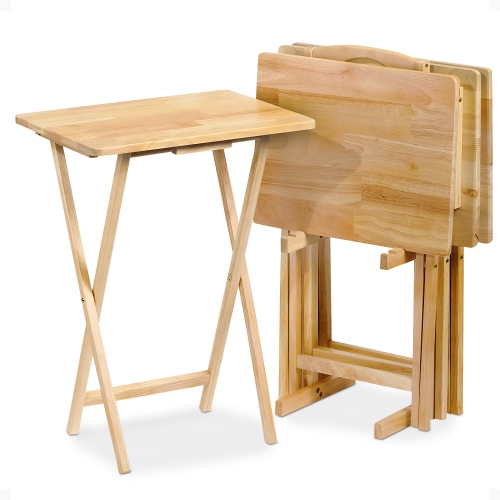 Your price for this item is $162.99
-
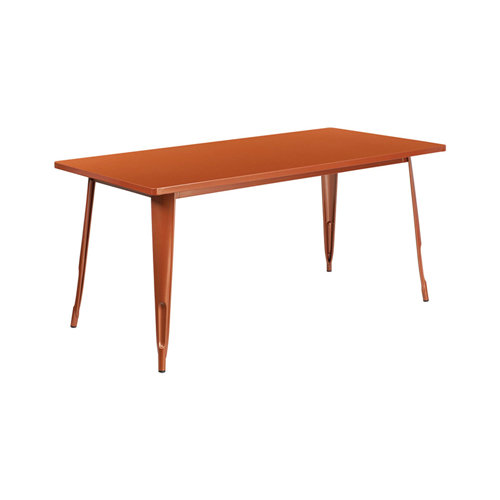 Your price for this item is $515.33
-
 Your price for this item is $115.99
-
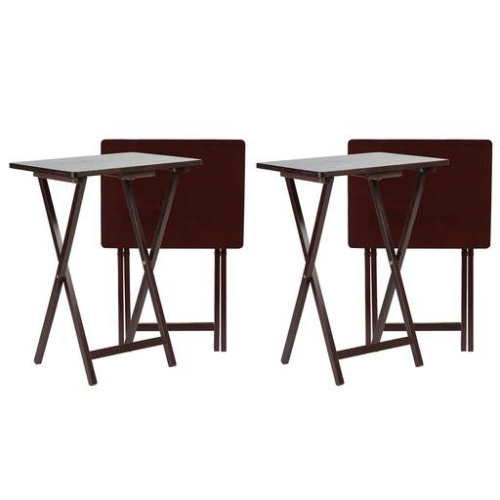 Your price for this item is $180.99
-
 Your price for this item is $149
-
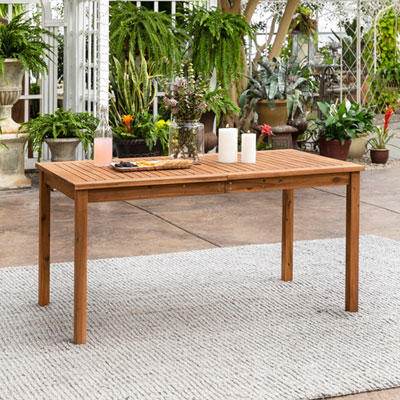 Your price for this item is $550.99
-
 Your price for this item is $259.99
-
 Your price for this item is $399.95
Discover more categories related to Outdoor Dining Tables Metal
Top Collections:
Pokemon Centers, Kindle Devices, Best Cameras for Sports Photography, Pokémon 30th Celebration Cards, Apple iPhones 16, Canon G7X Cameras, iPhone 15 Apple, Flip Phones, Samsung Galaxy Phones, Alarm Clock
Some products may be subject to Environmental Handling Fees
(EHF) depending on your province.
Learn more about EHFs.