Outdoor Garden Sheds
Transform your backyard into a clutter-free oasis with this wide selection of outdoor garden sheds. Whether you need extra storage space for your gardening tools, patio furniture, or seasonal decorations, this range of garden sheds offers the perfect solution. From compact designs for smaller yards to spacious options for larger storage needs, we have a variety of sizes and styles to suit every outdoor space.
Sort
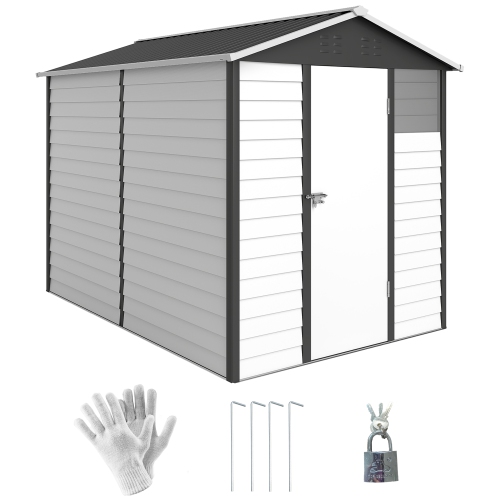
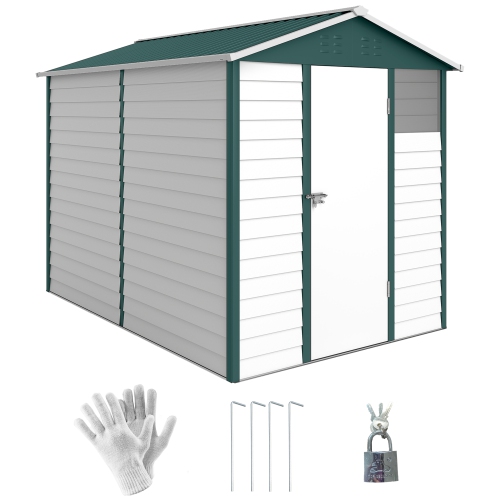
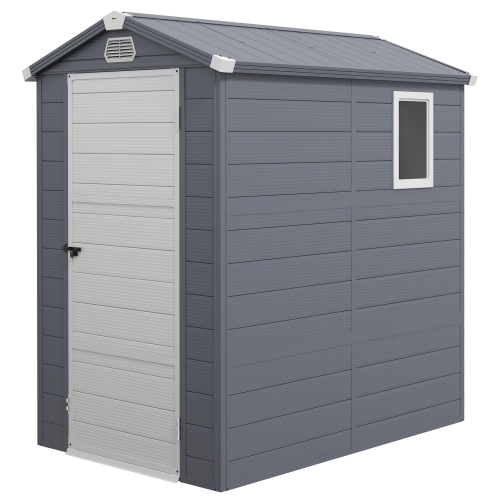
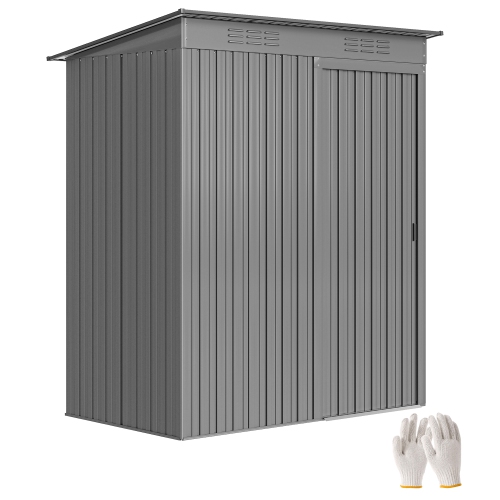
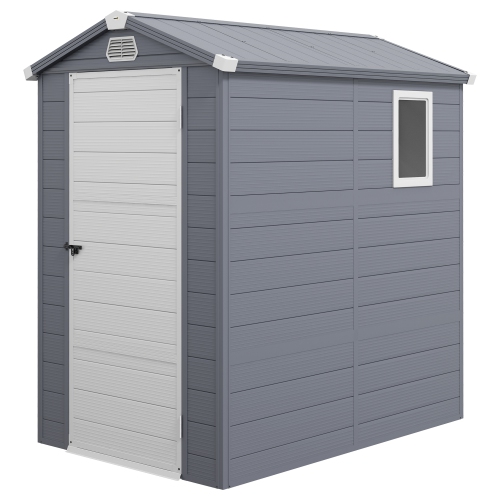
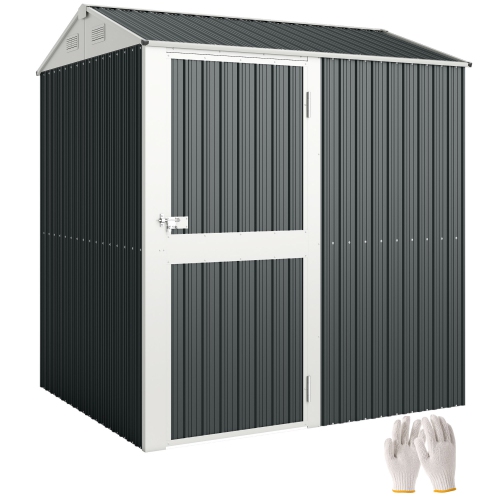
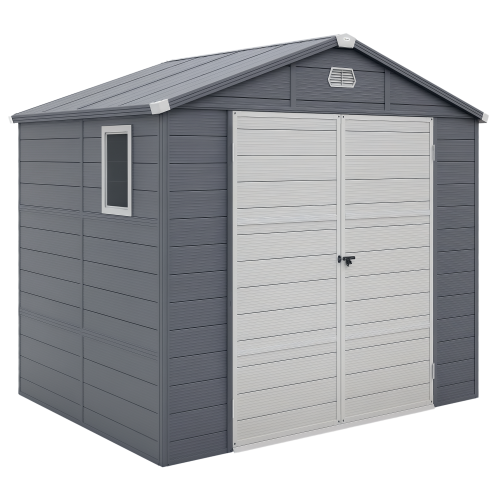
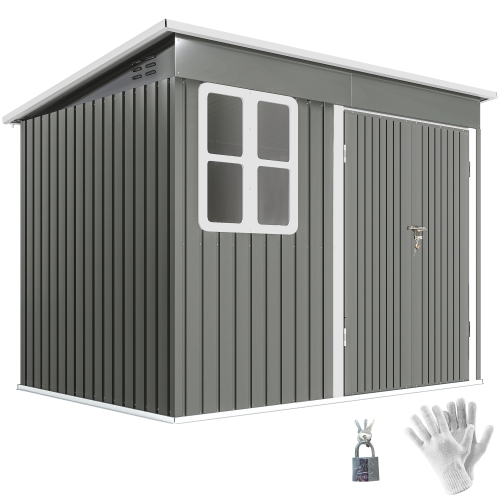
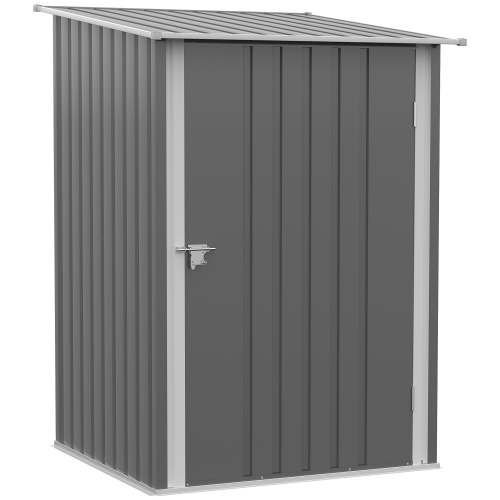
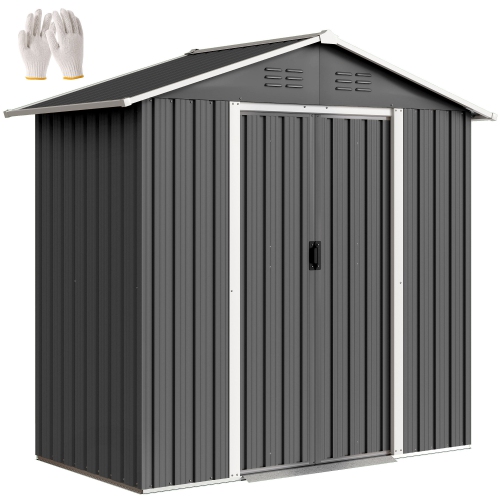
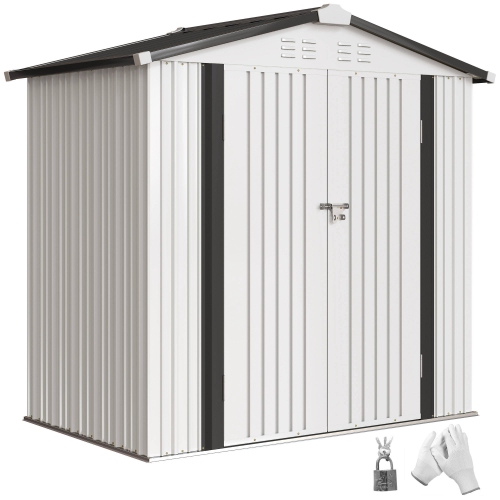
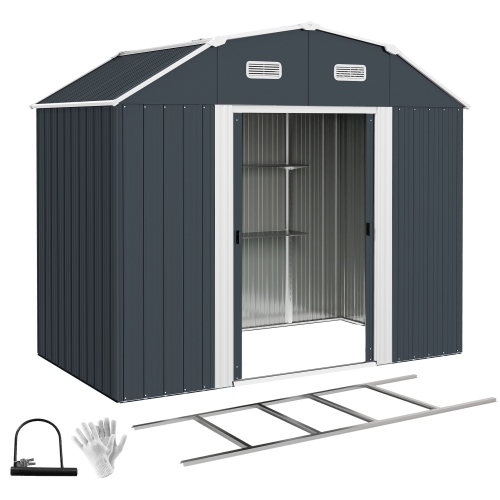
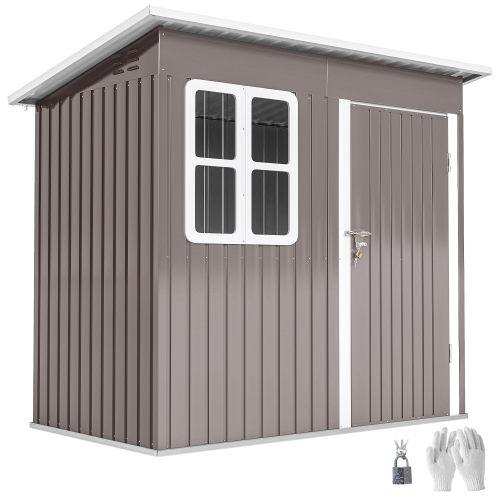
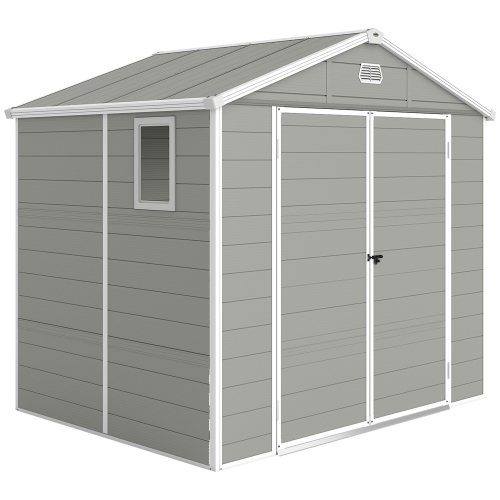
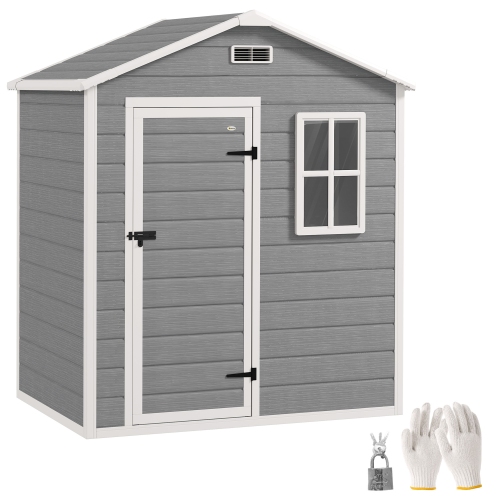
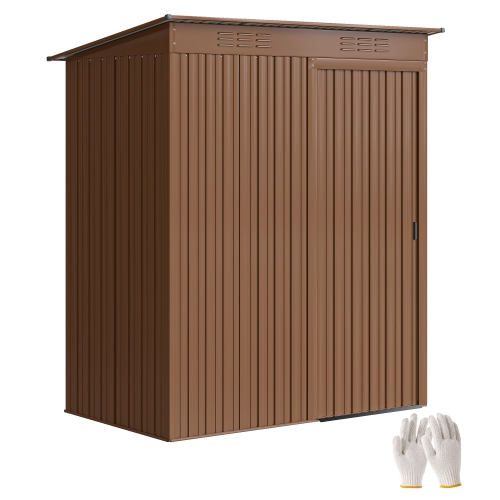
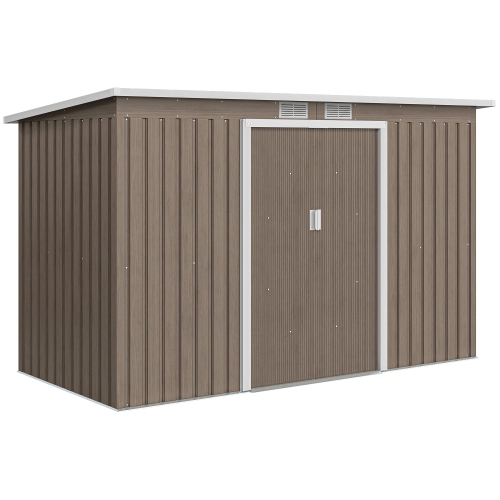
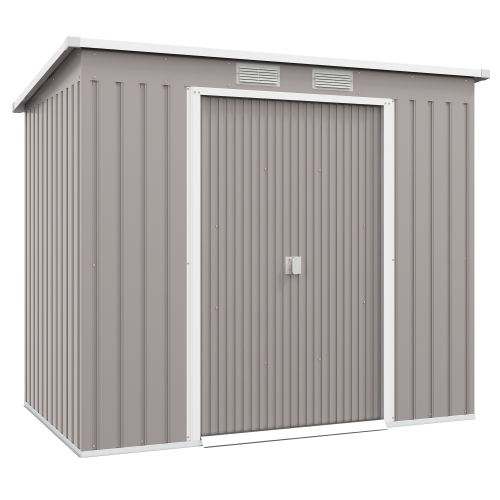
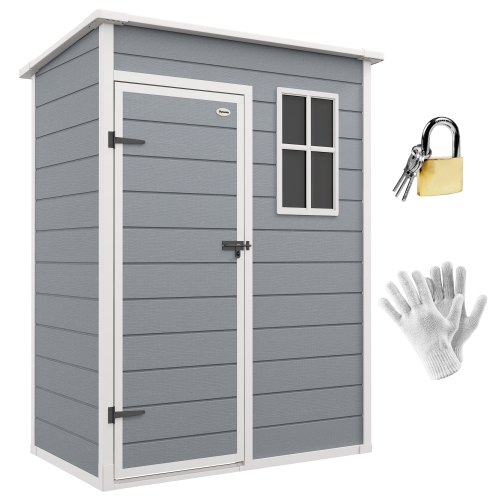
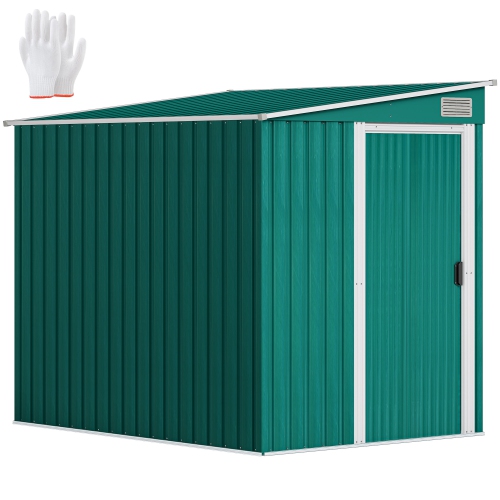
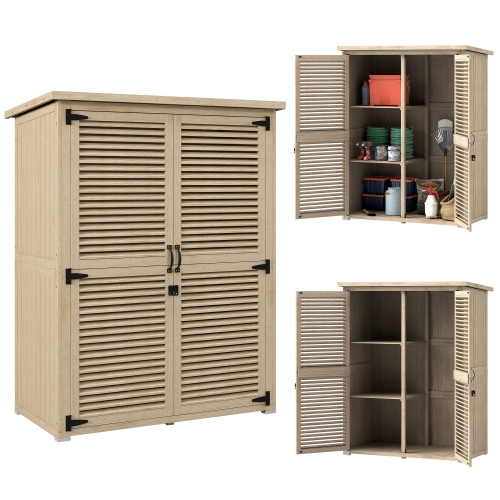
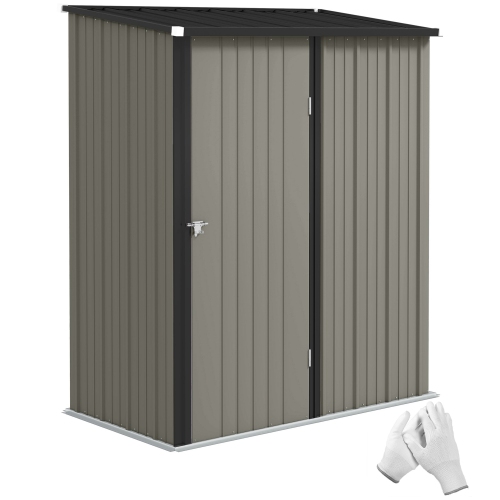
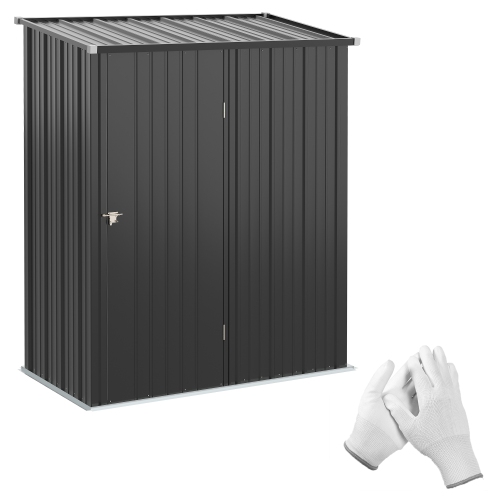
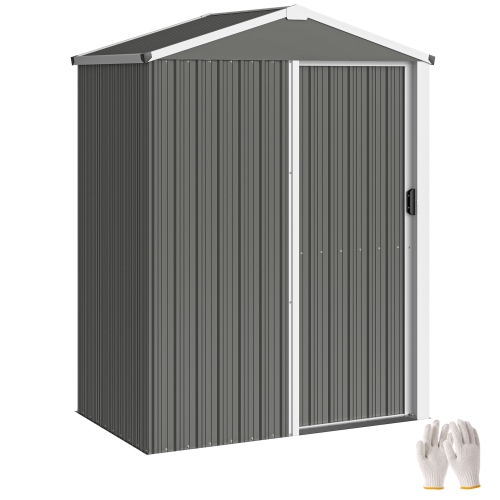
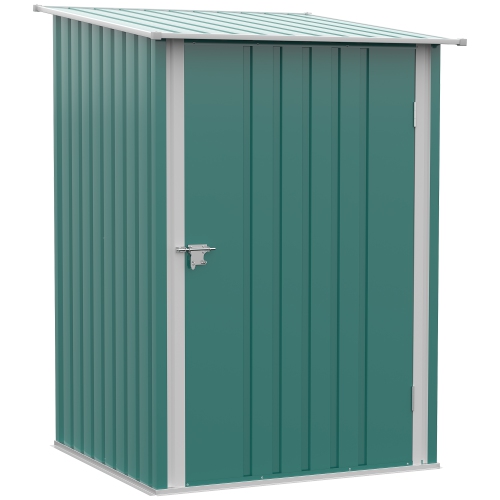
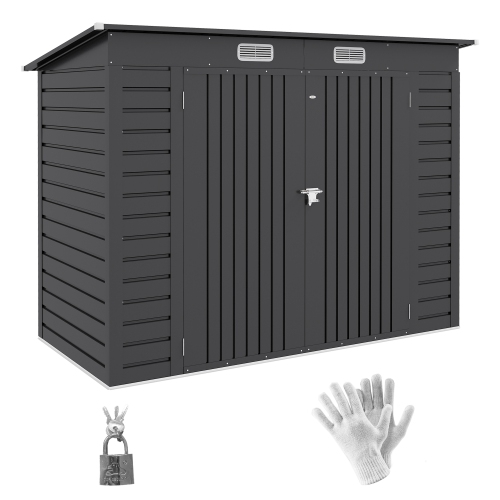
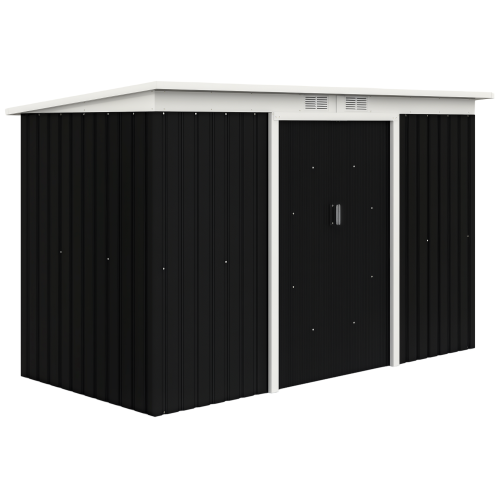
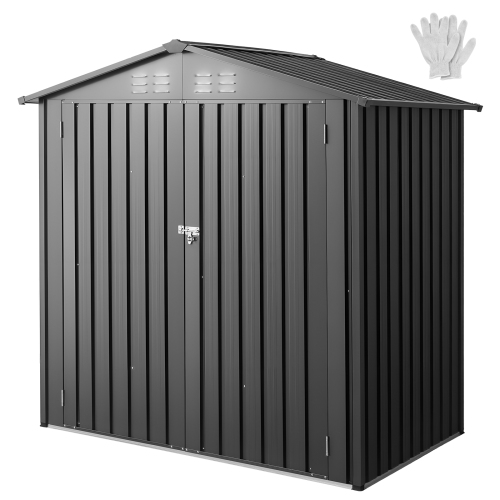
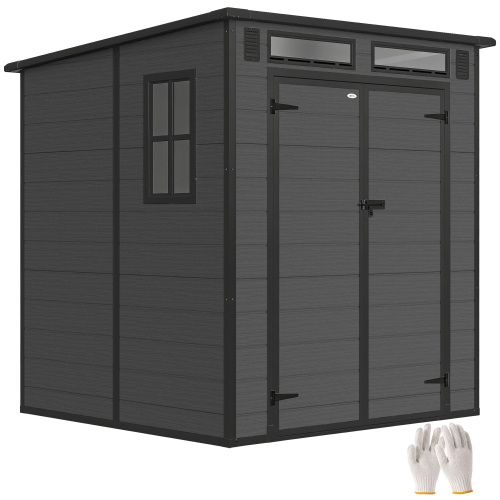
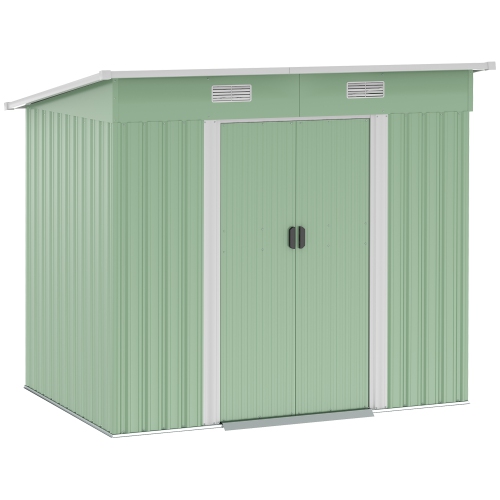
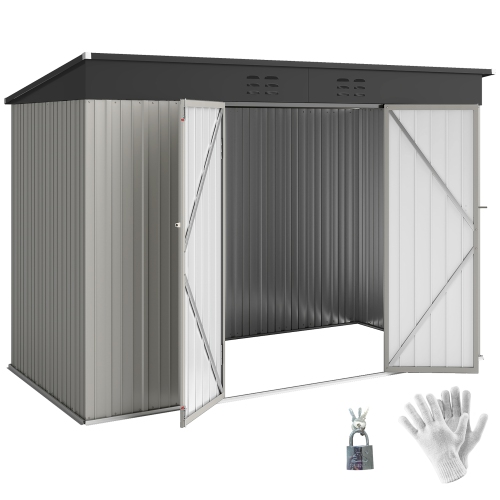
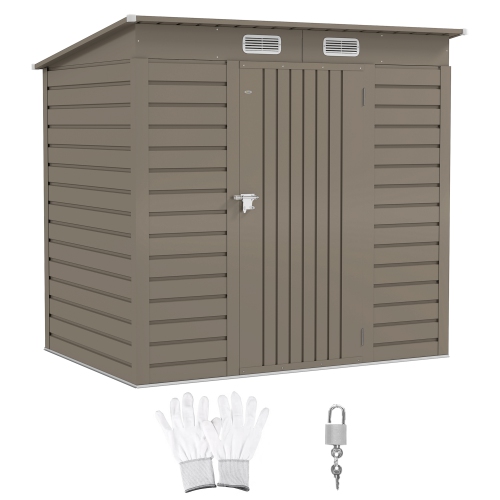
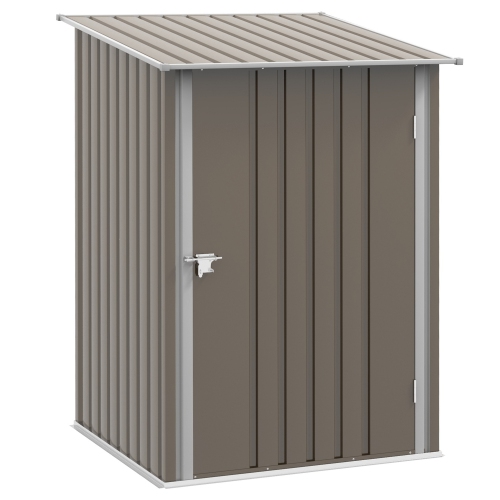
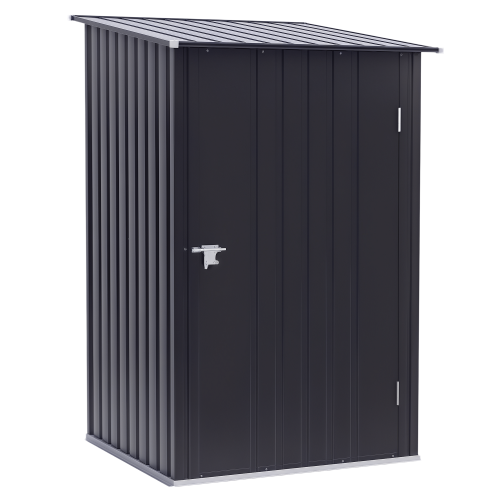
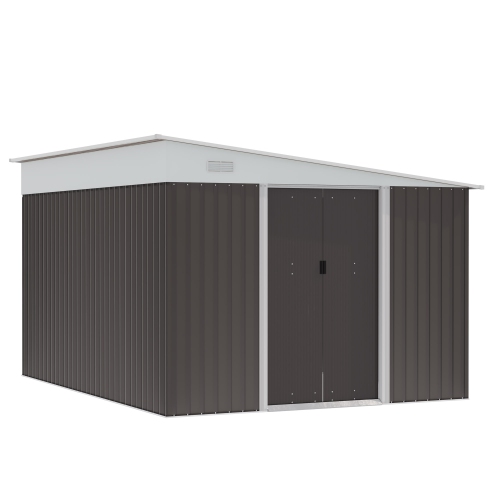
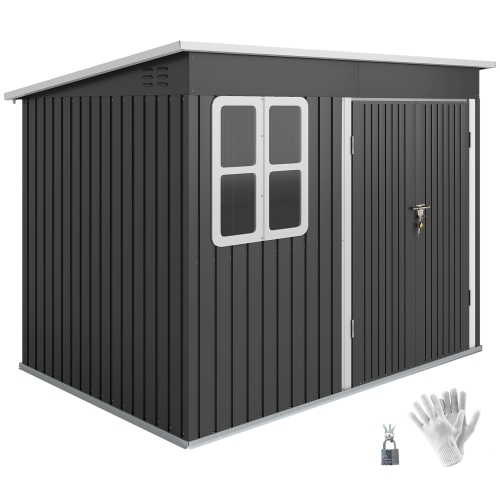
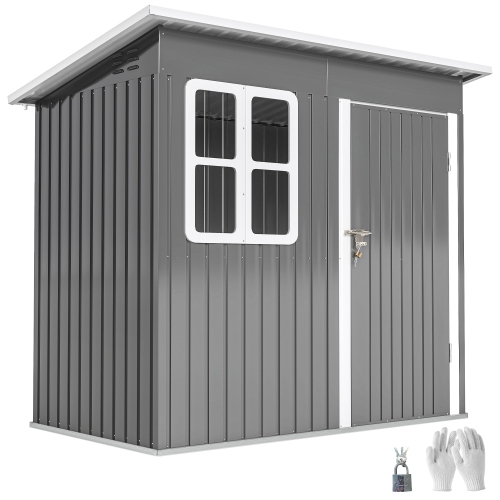
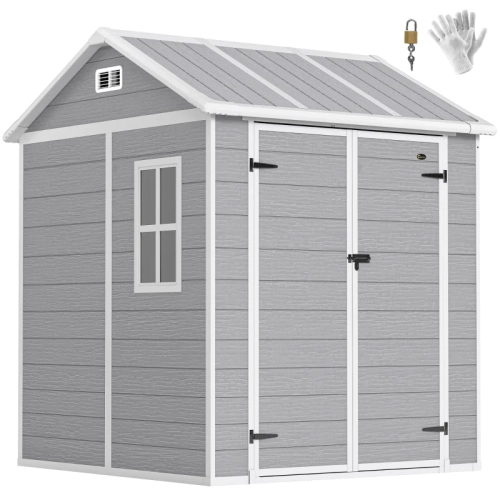
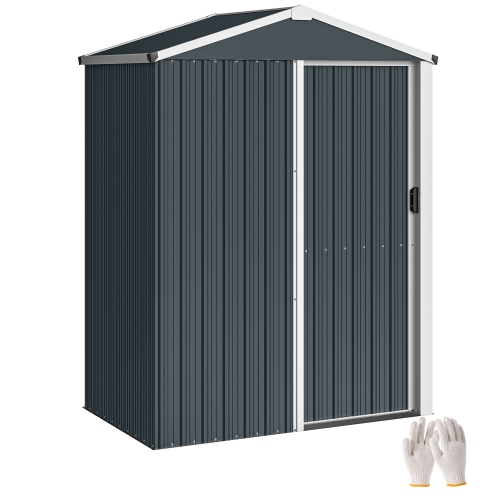
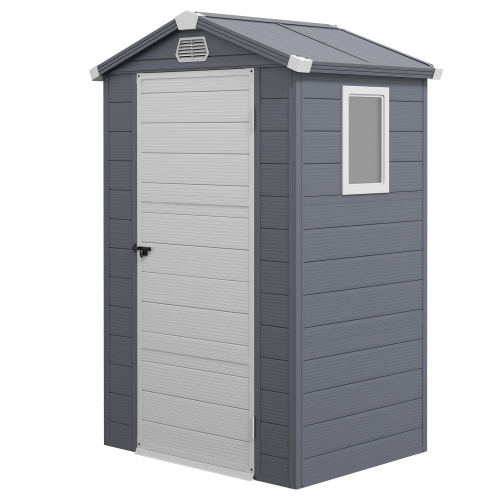
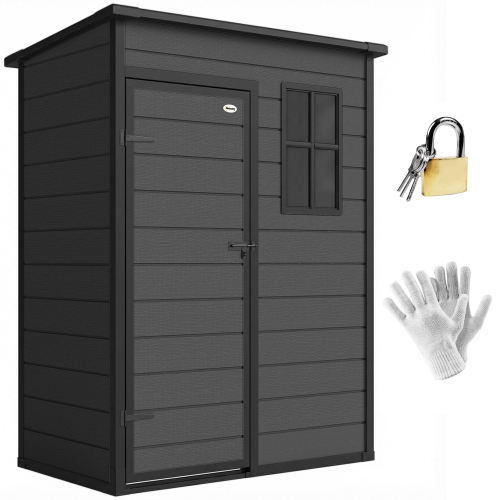
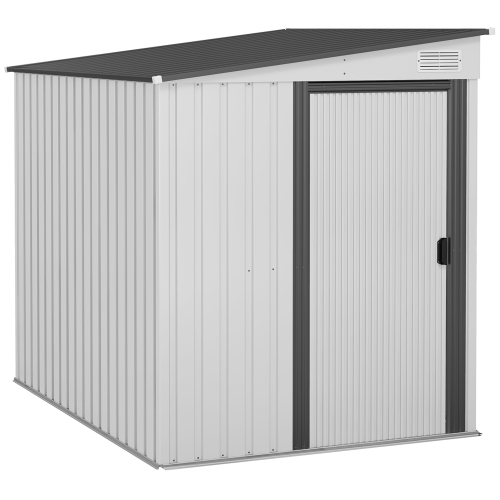
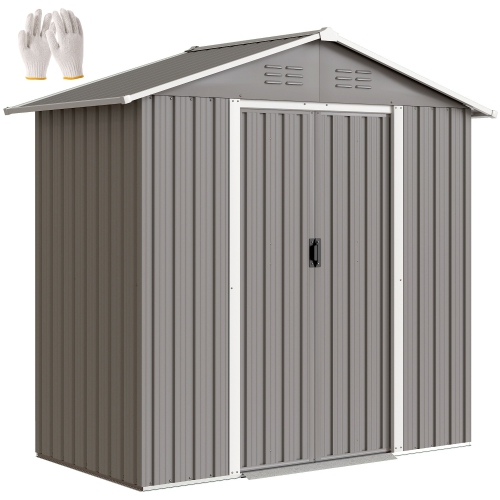
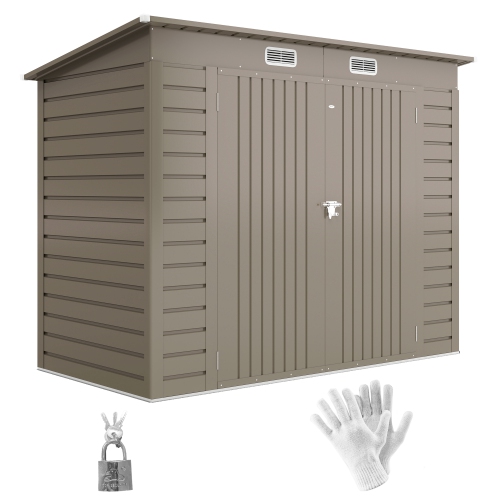
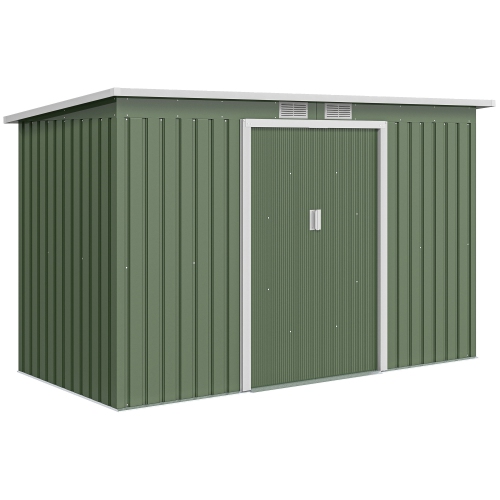
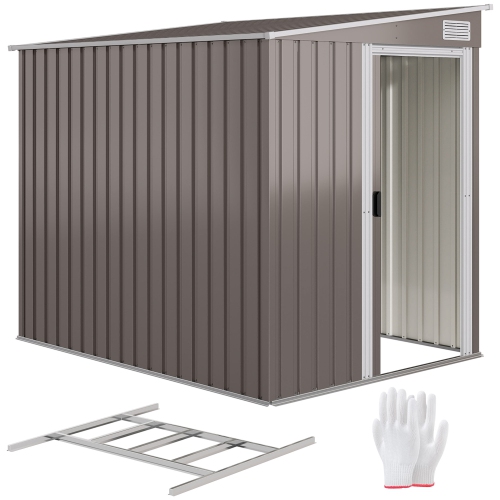
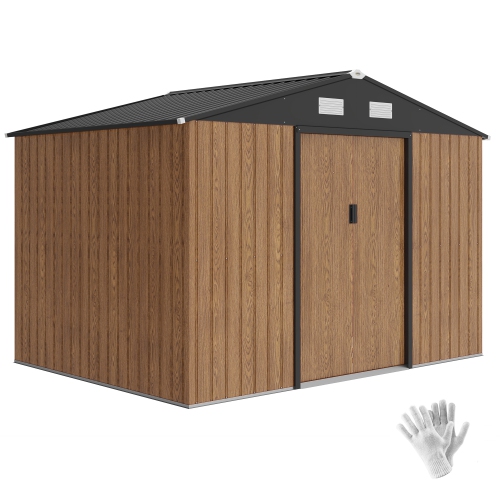
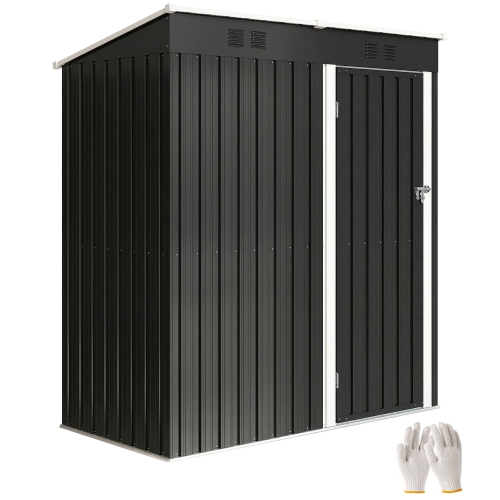
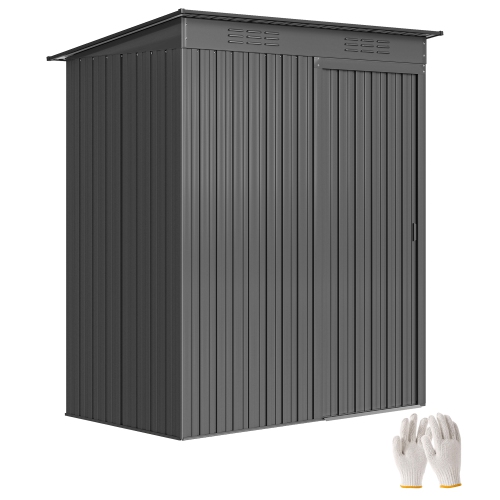
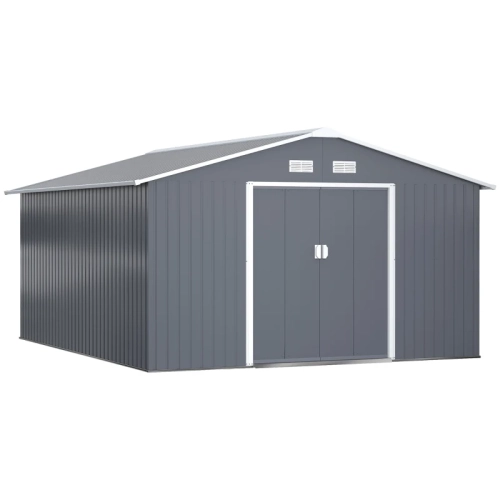
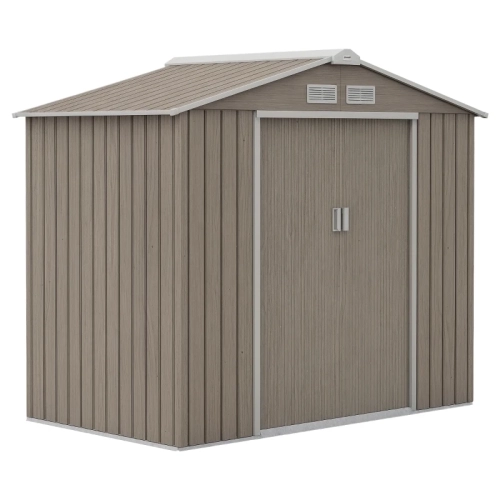
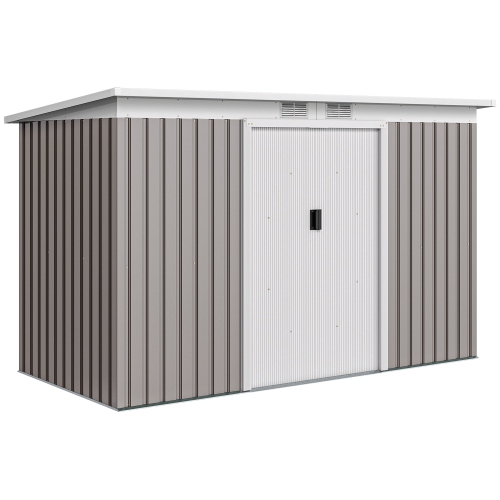
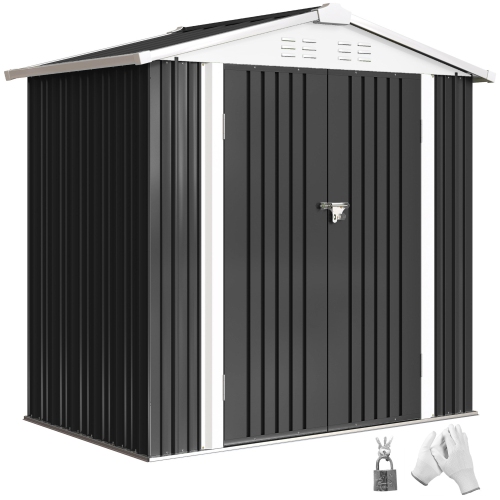
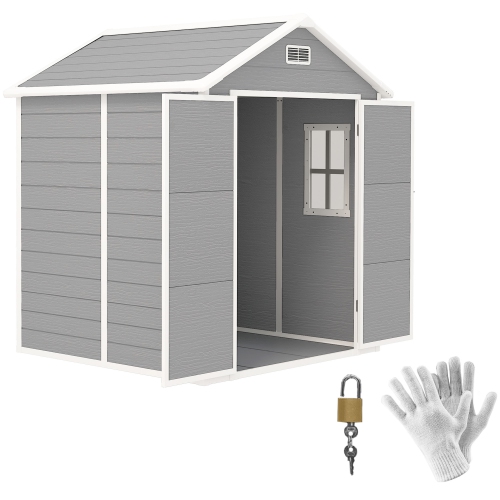
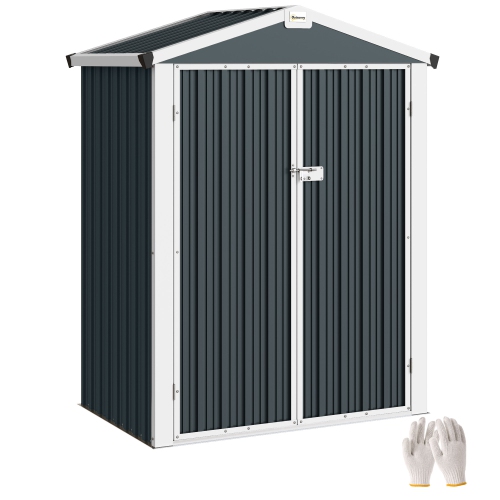
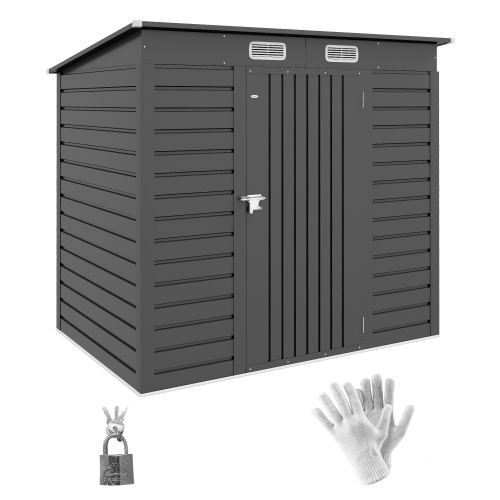
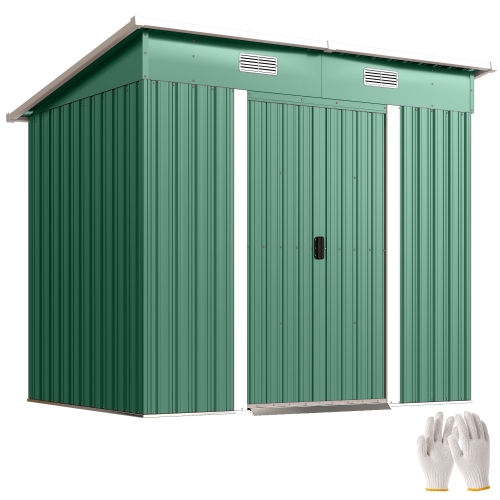
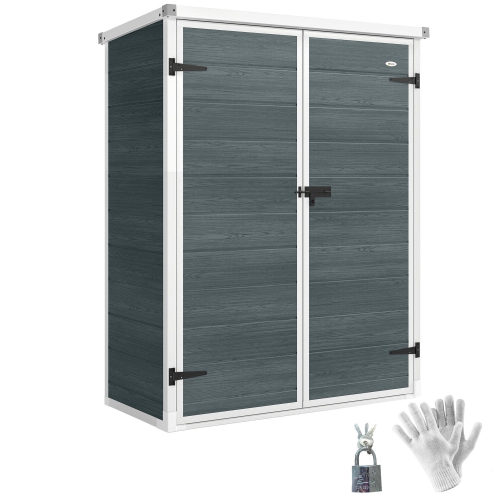
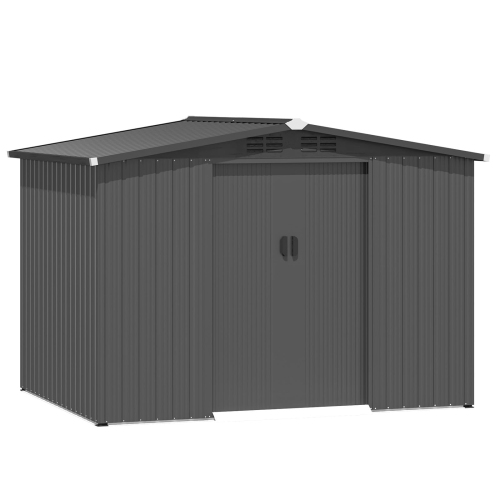
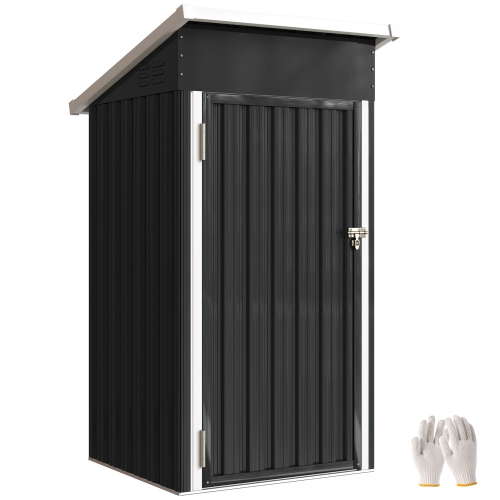
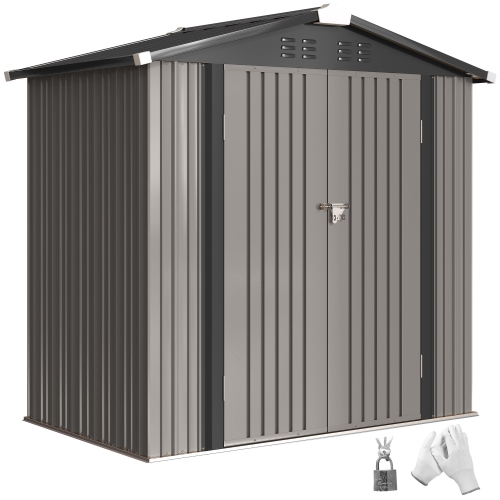
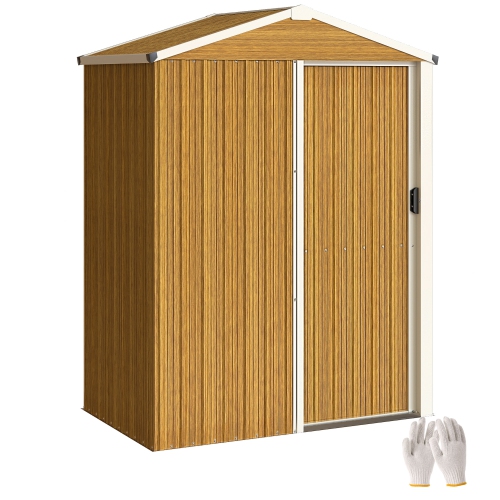
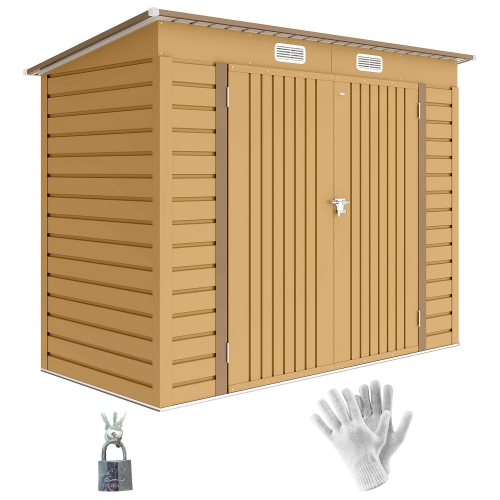
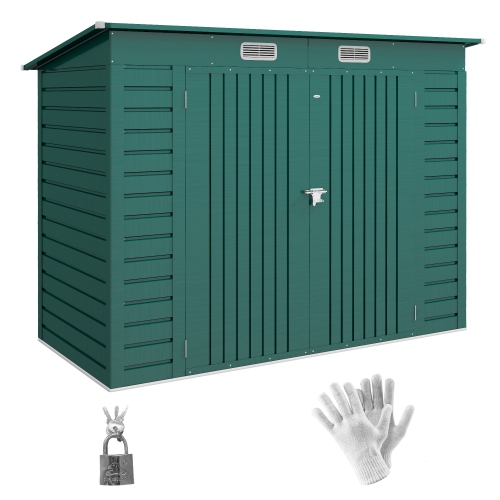
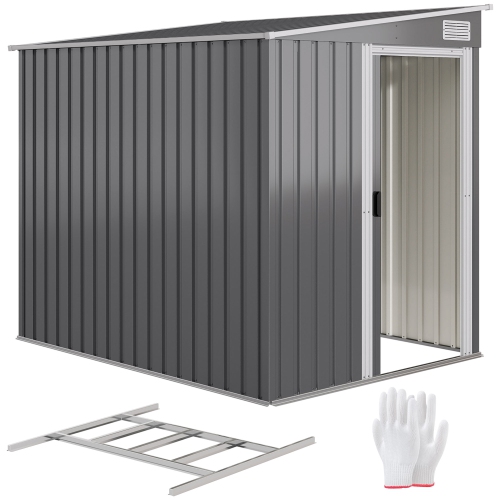
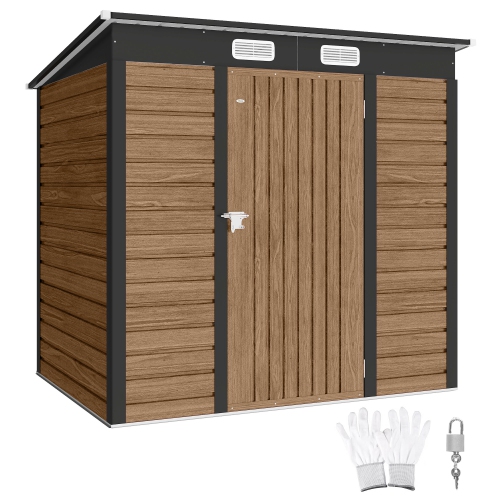
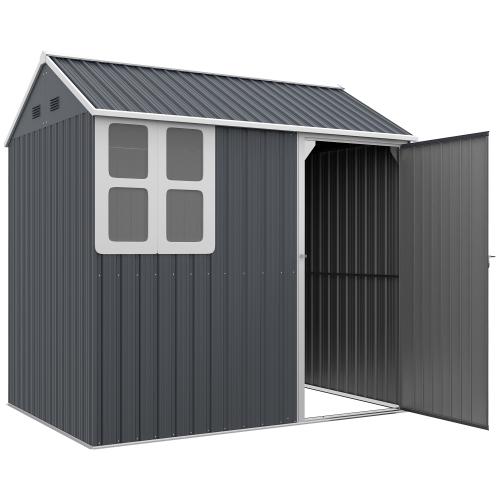
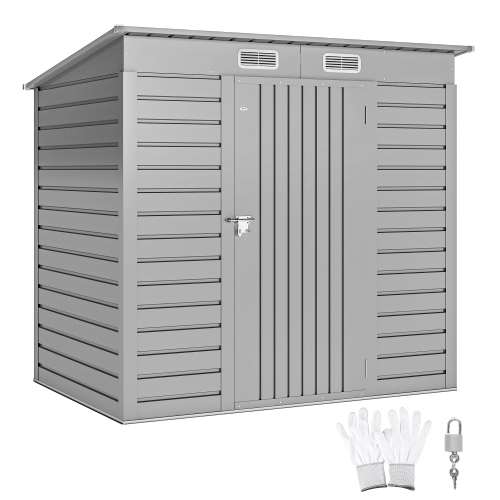
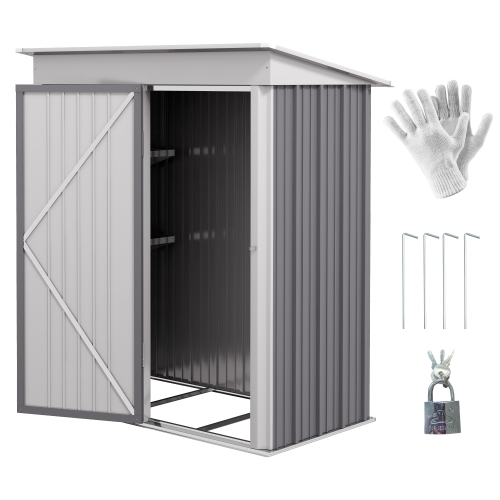
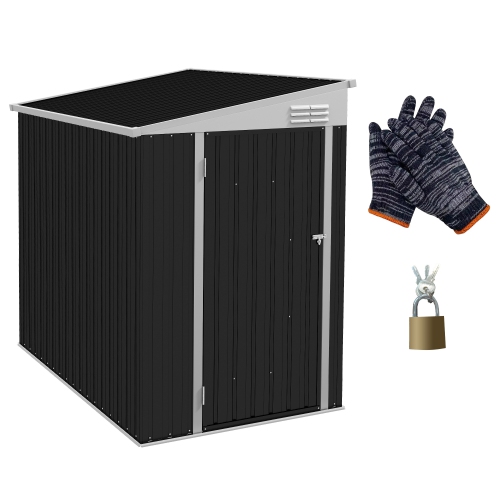
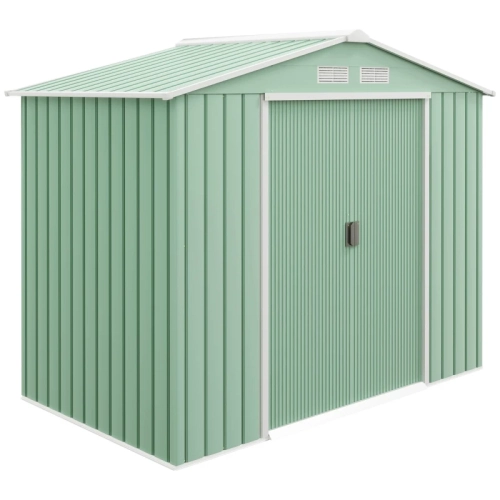
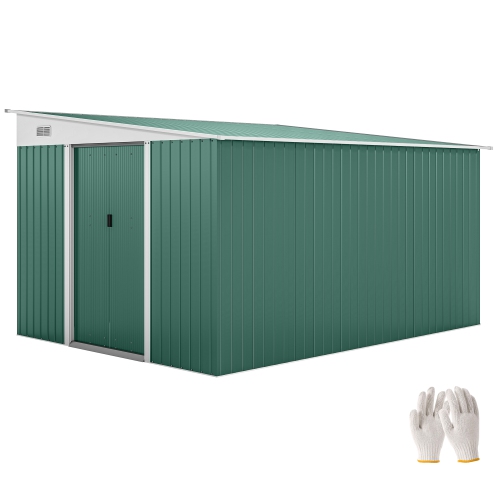
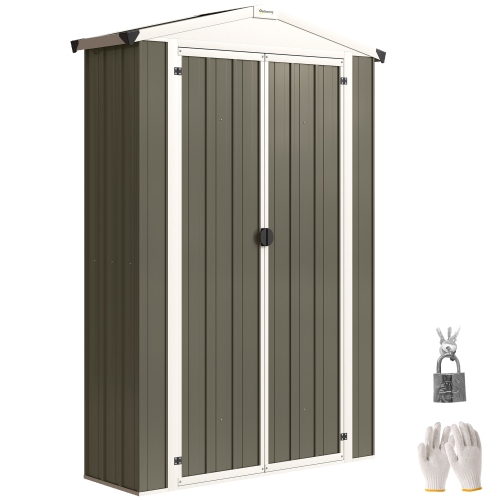
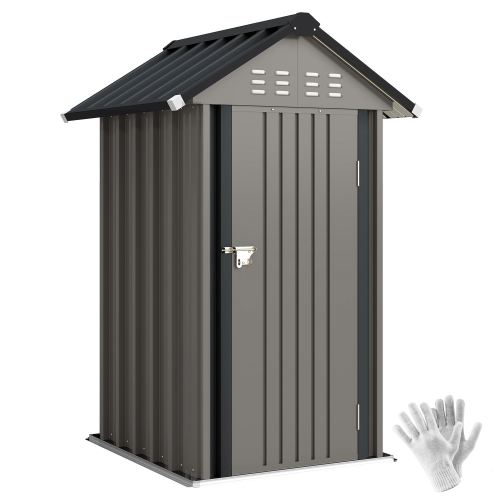
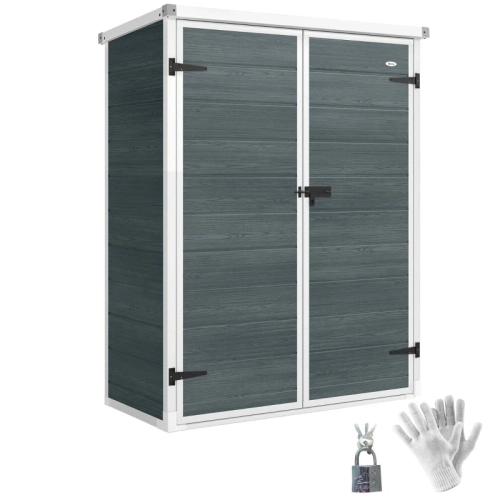
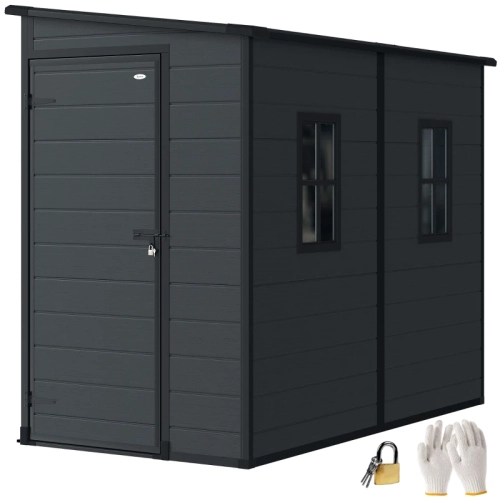
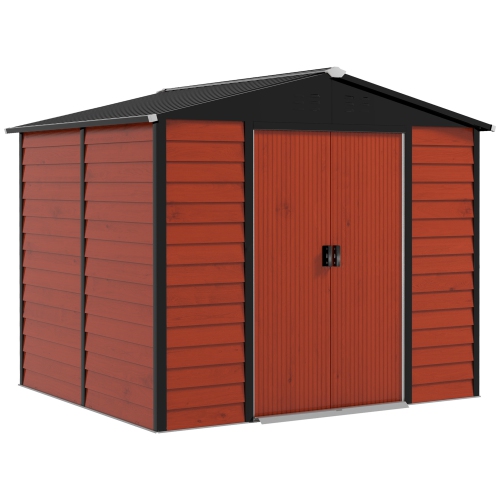
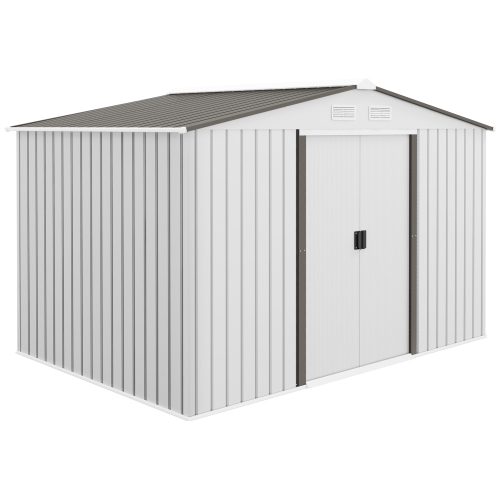
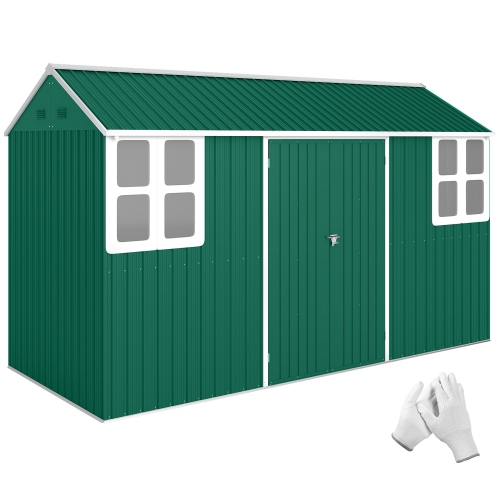
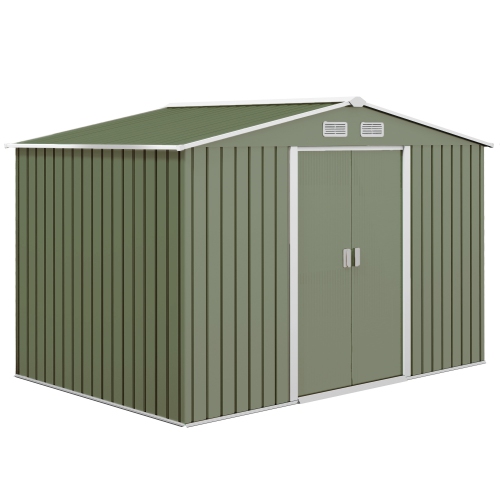
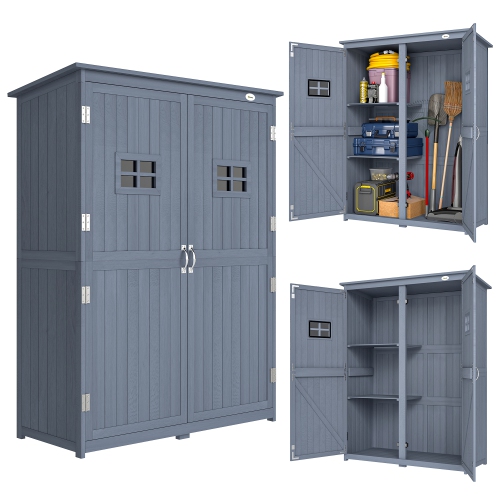
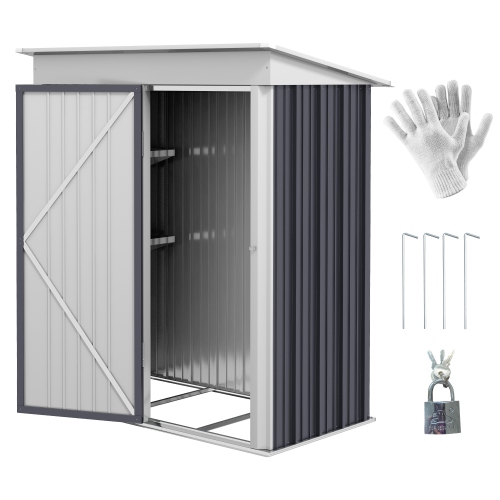
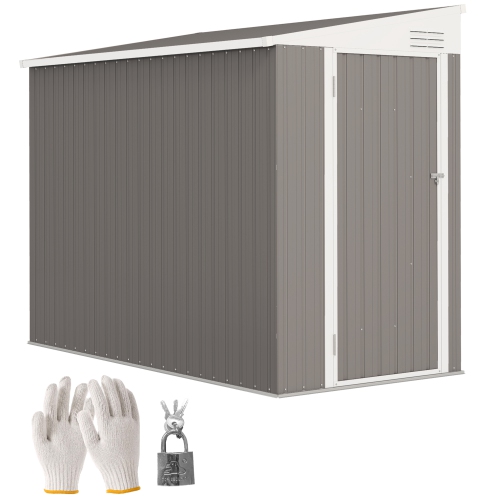
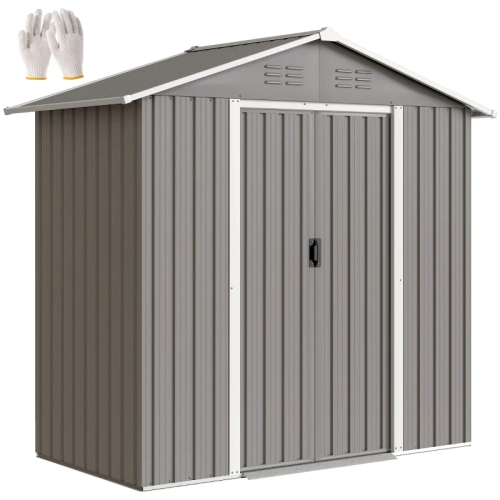
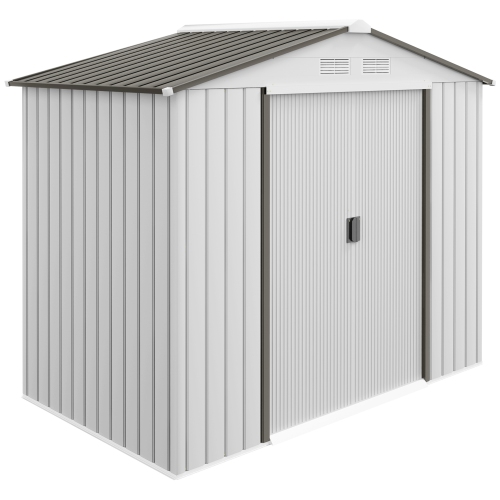
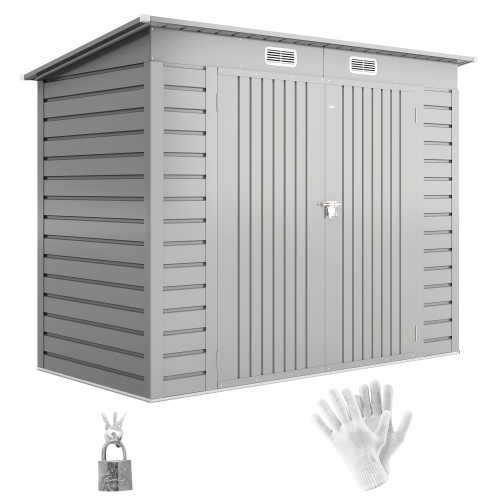
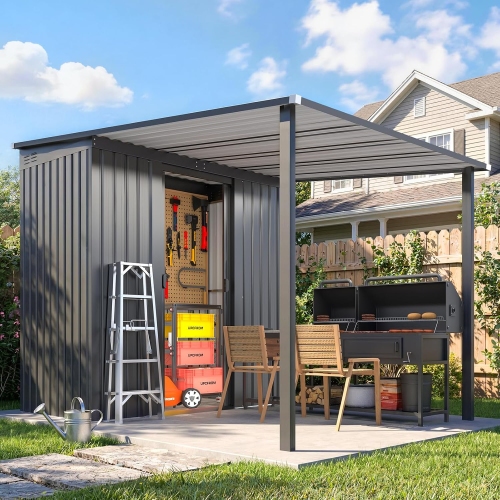
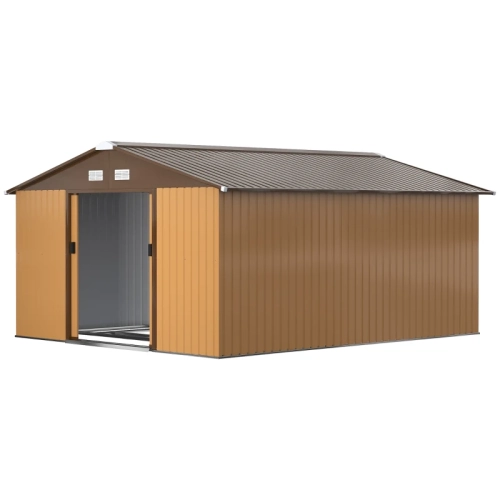
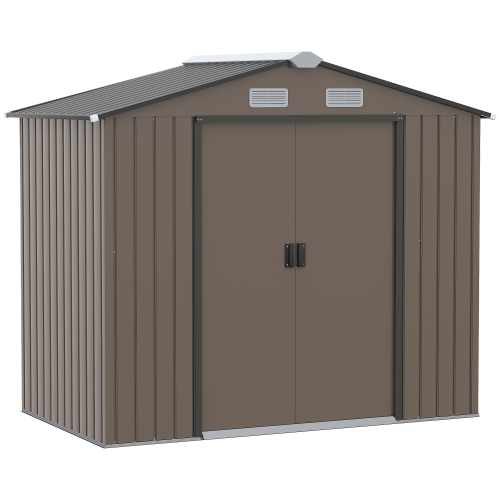
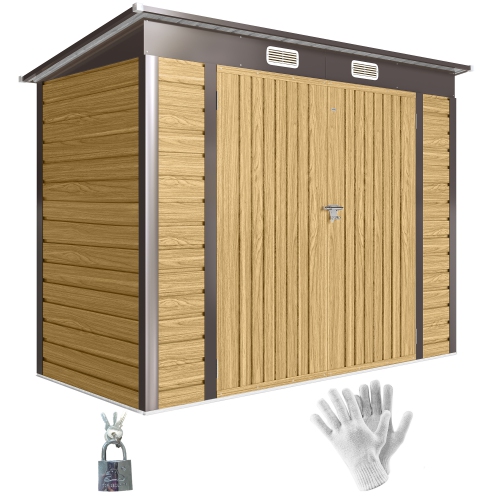
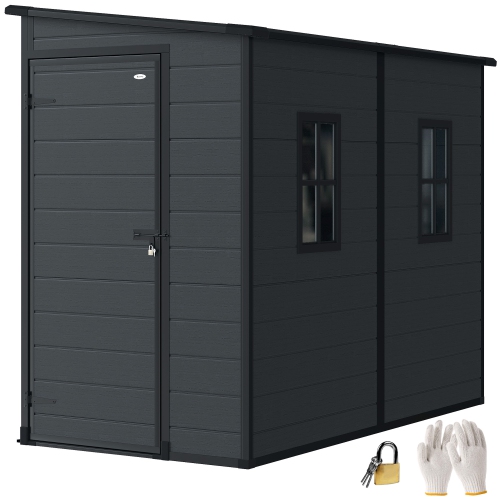
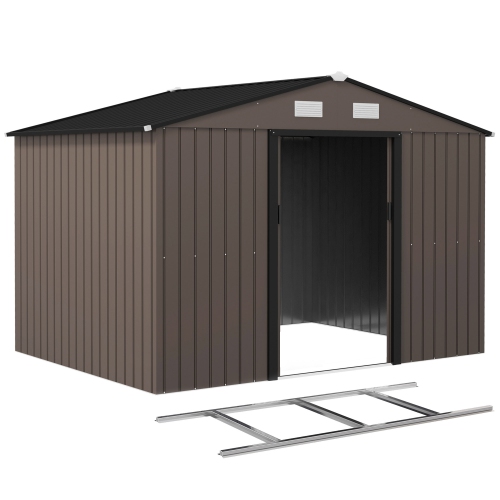
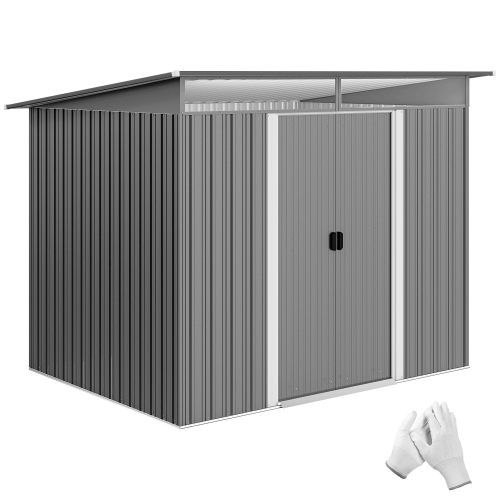
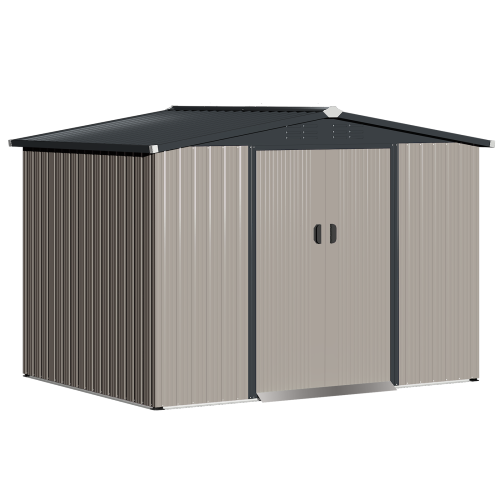
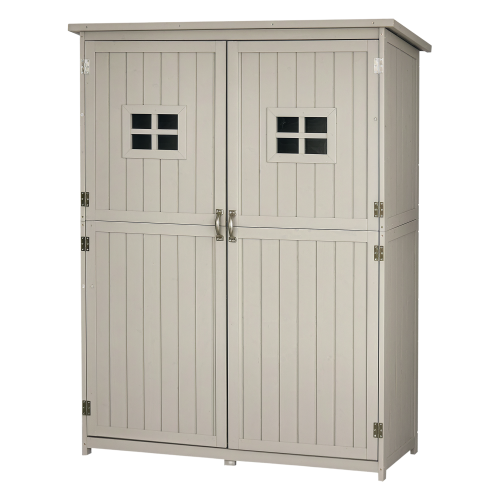
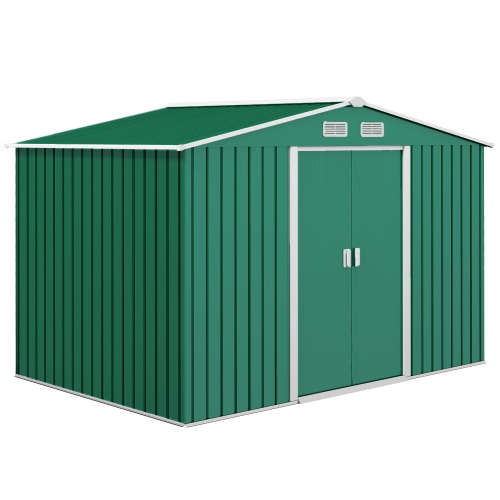
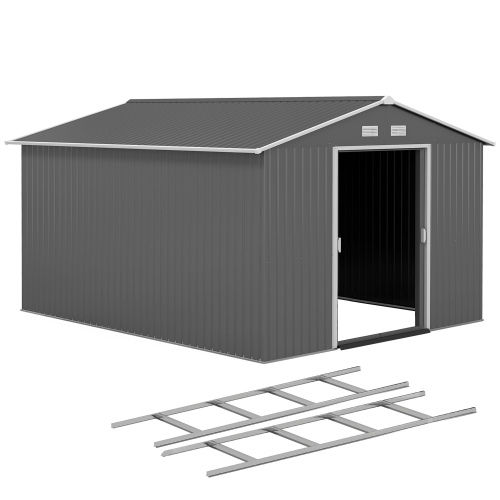
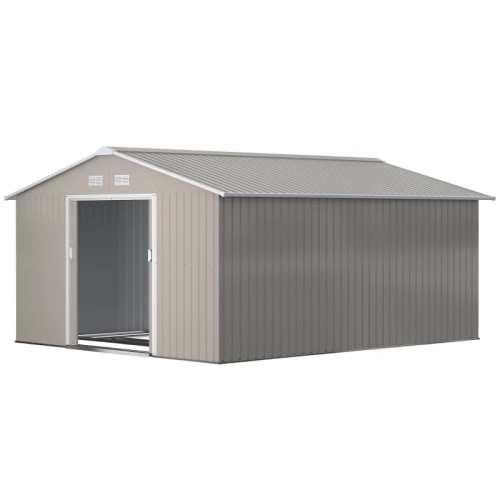
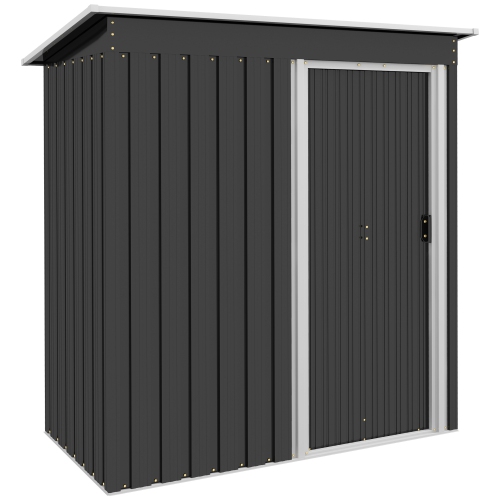
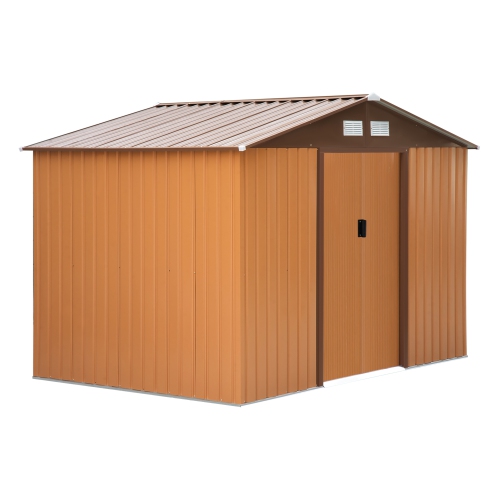
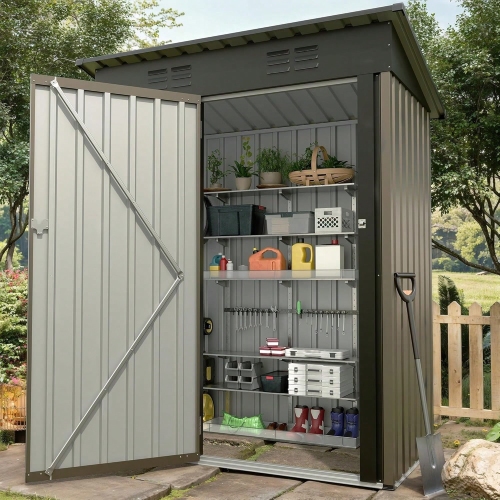
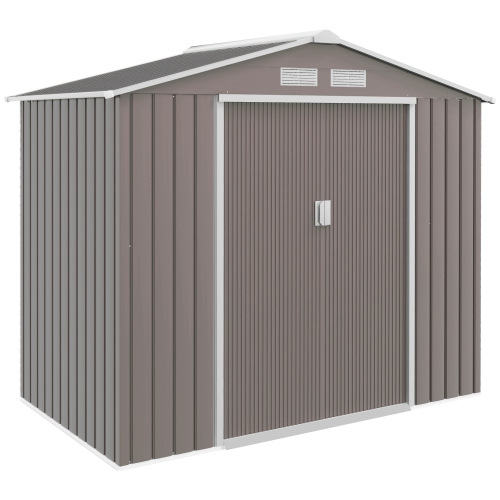
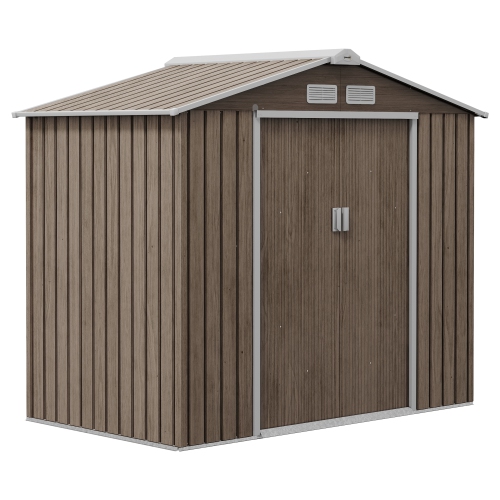
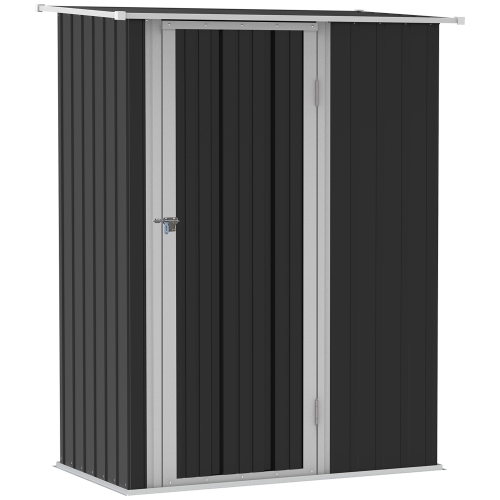

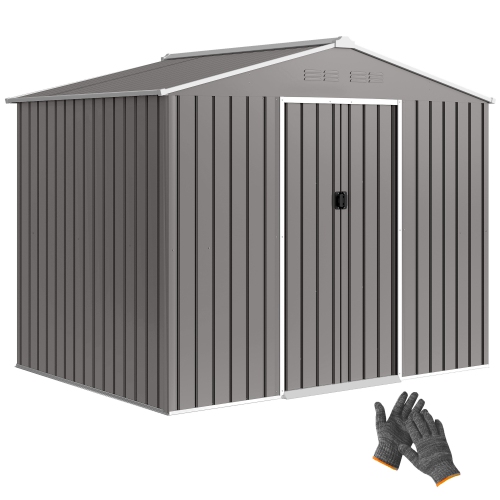
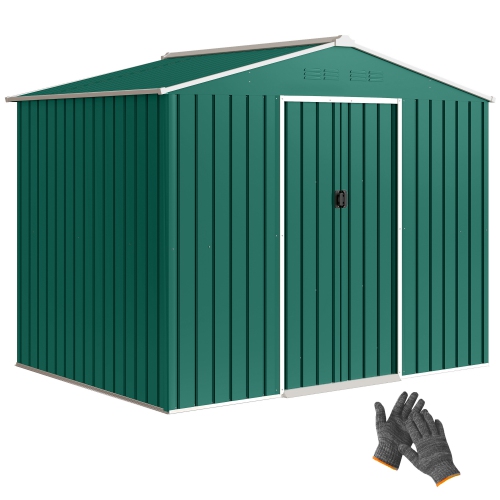
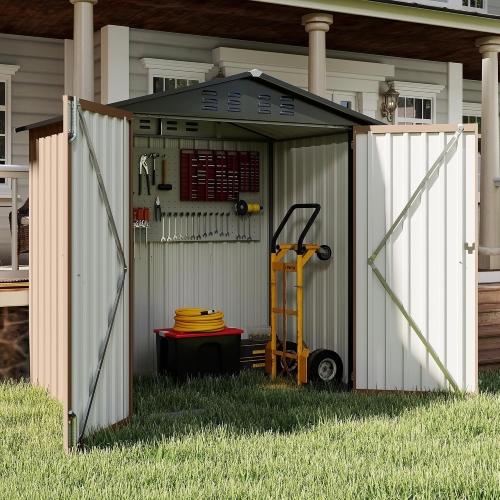
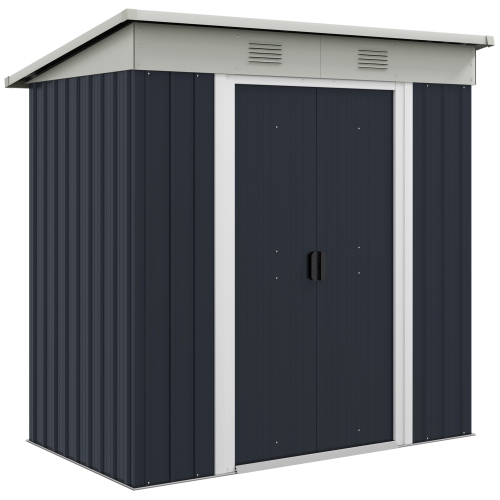
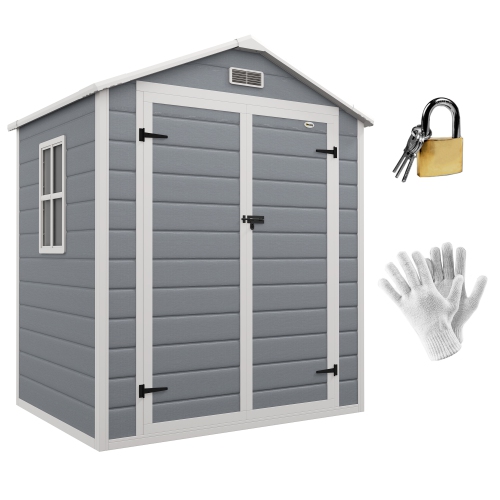
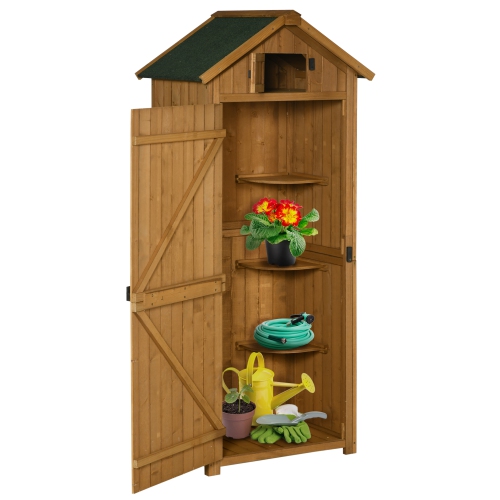
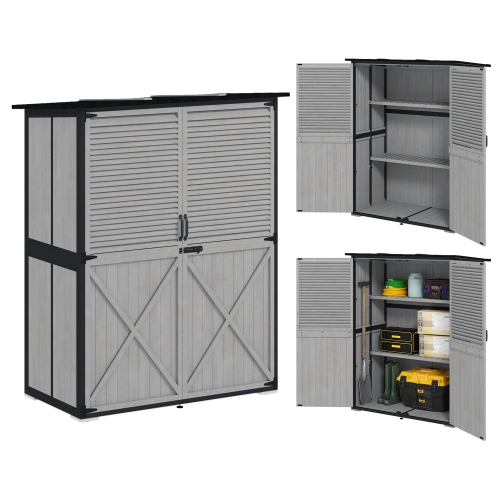
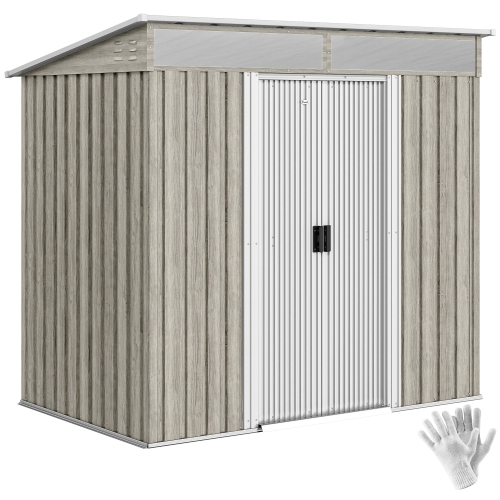
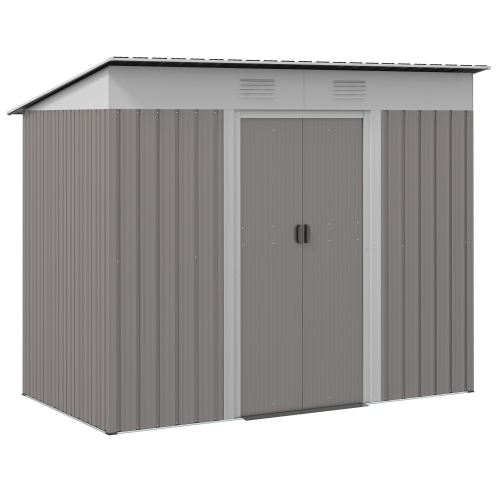
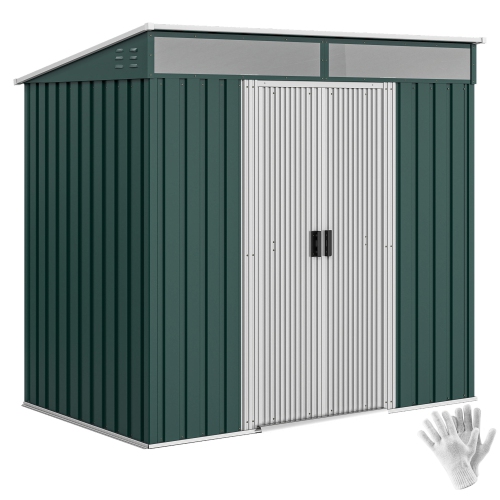
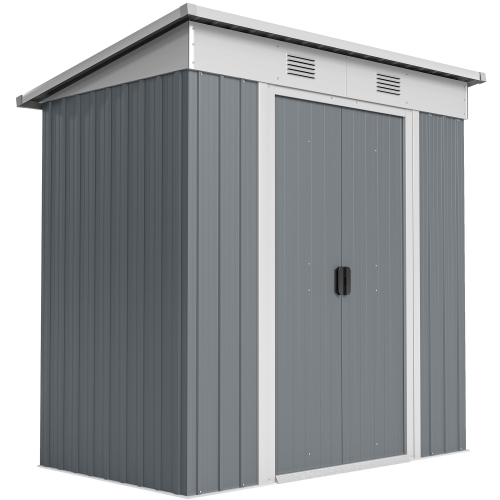
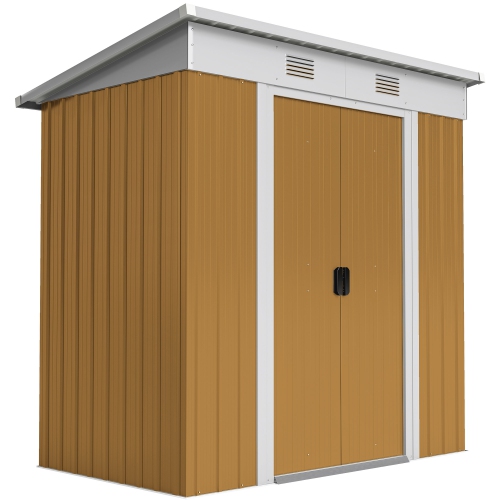
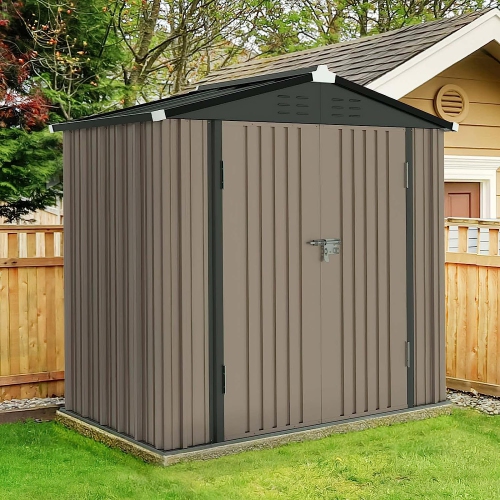
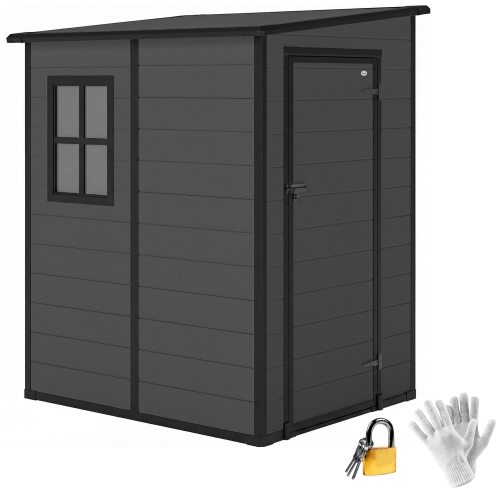
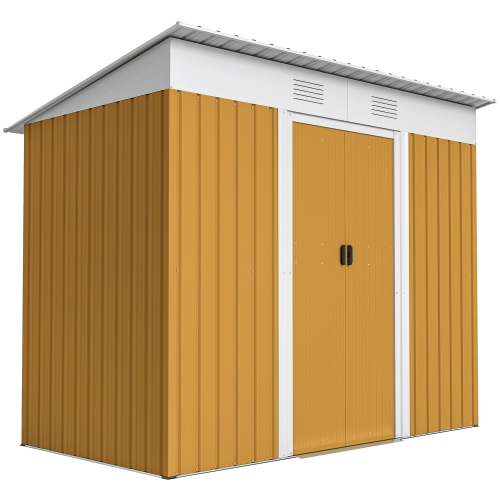
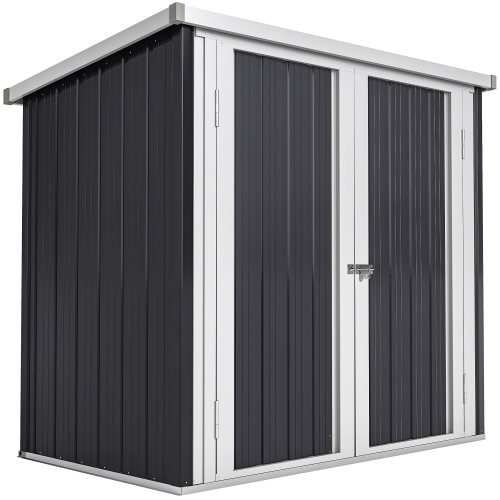
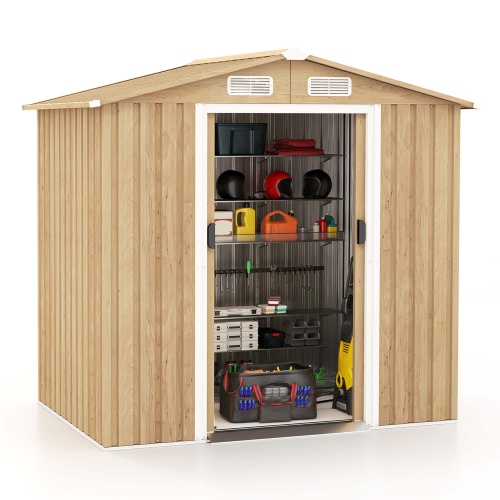
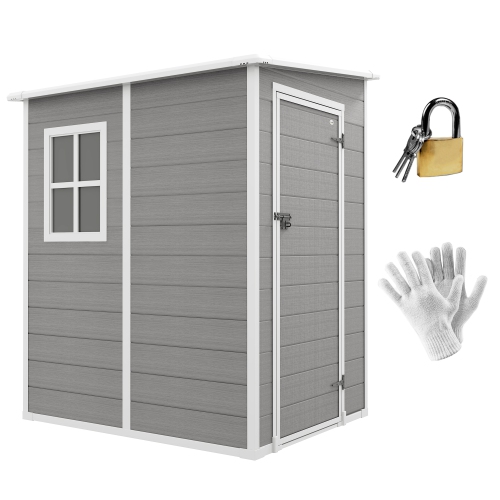
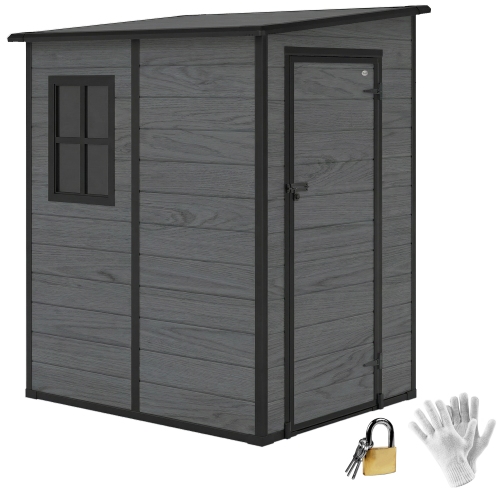
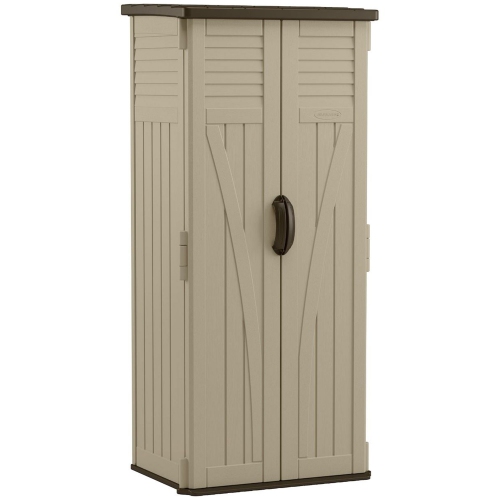

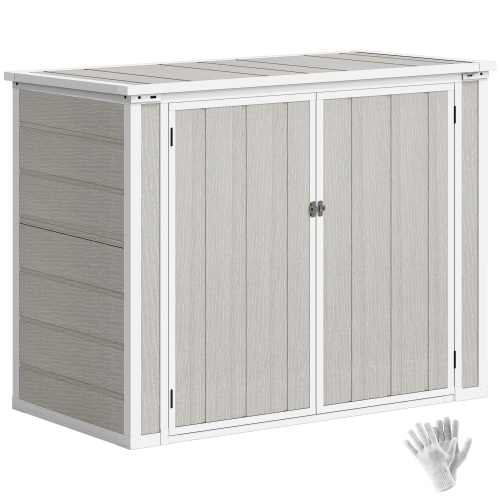
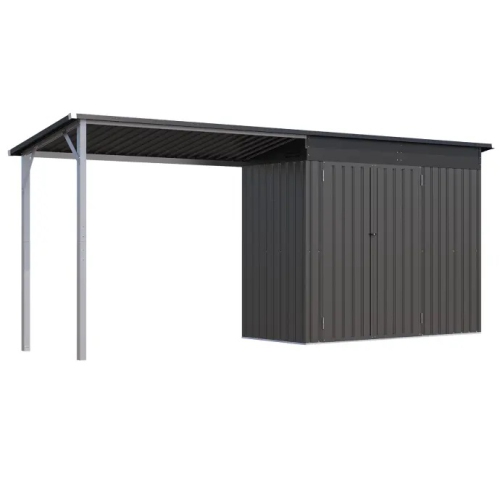
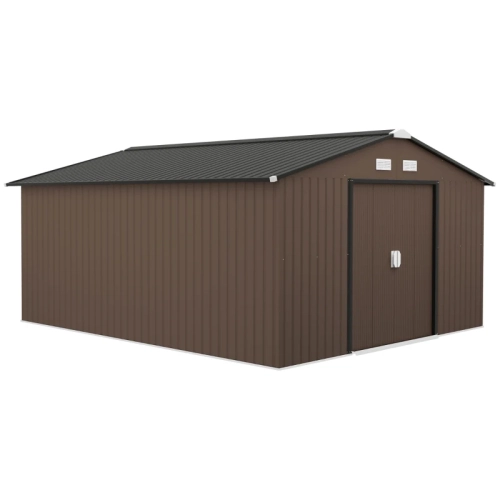
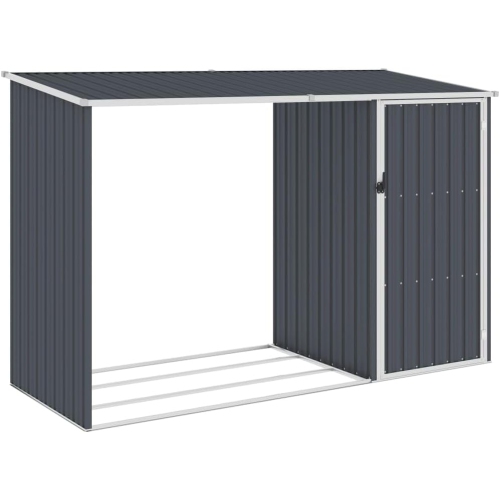
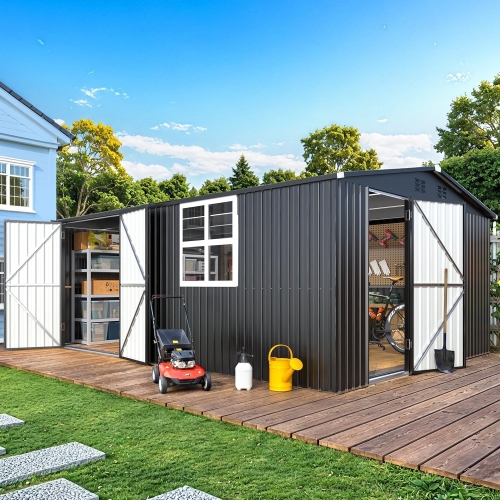
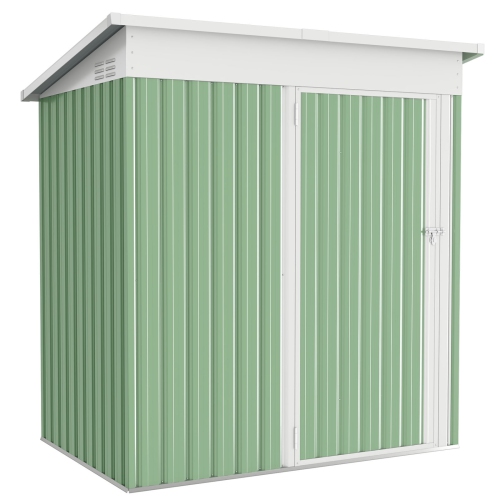
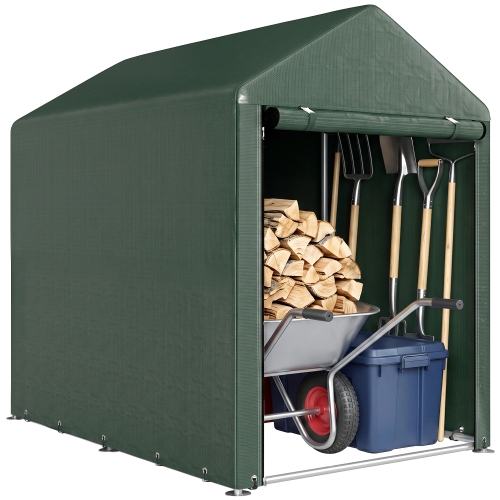
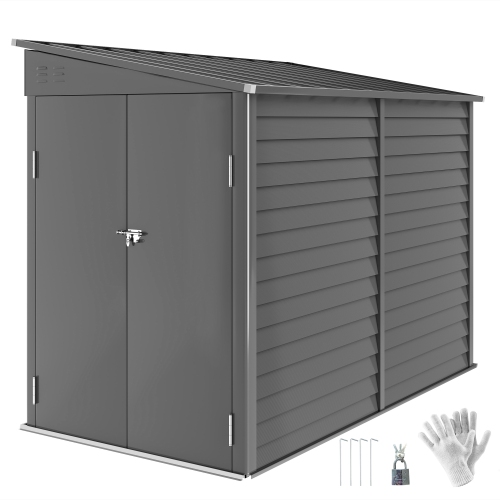
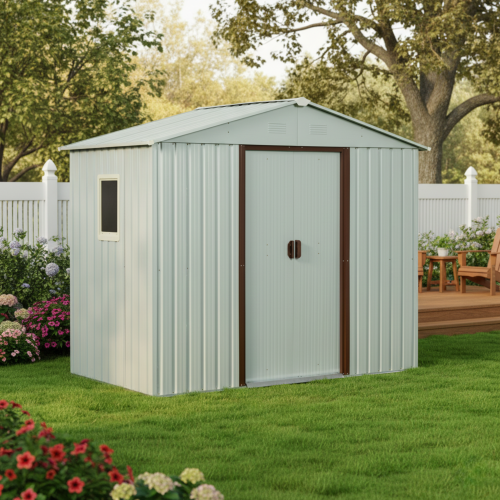
There’s more to a useful shed than size
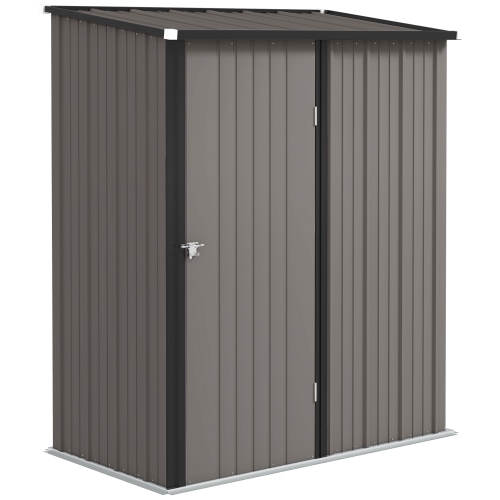
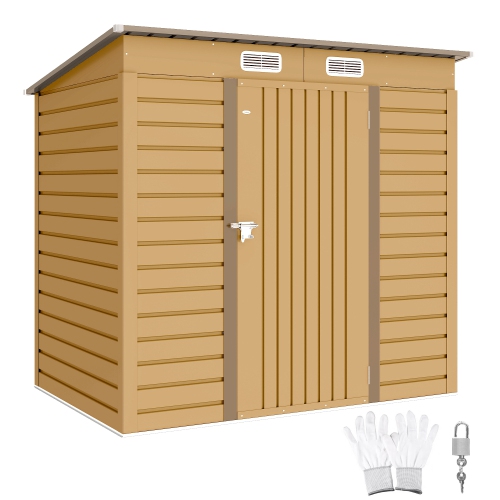
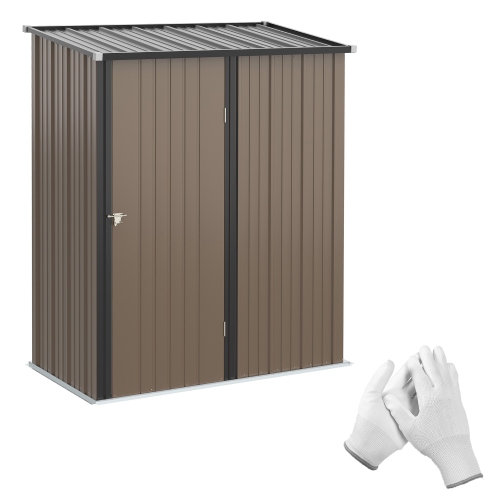
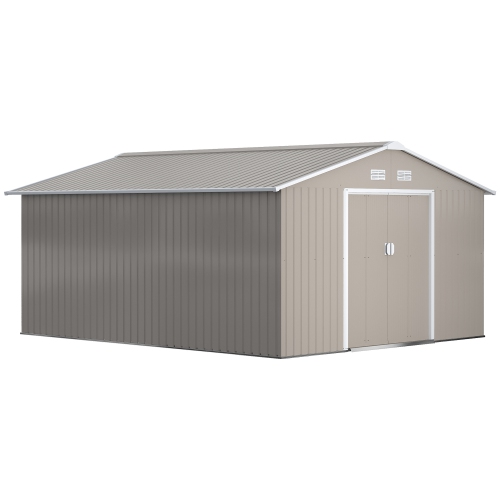
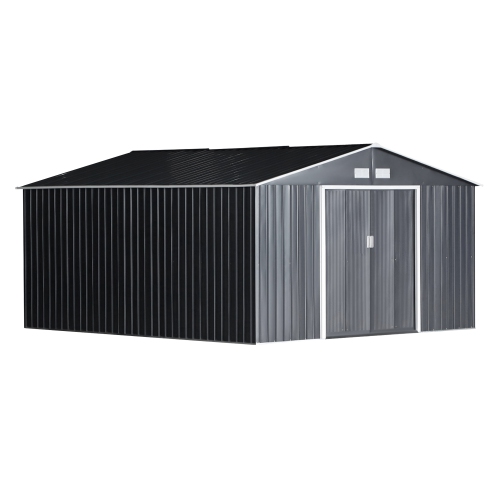
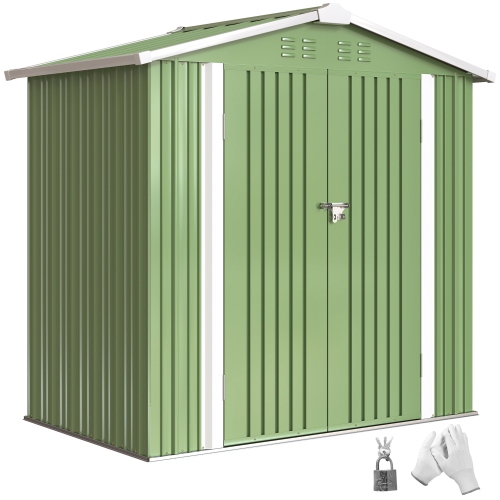
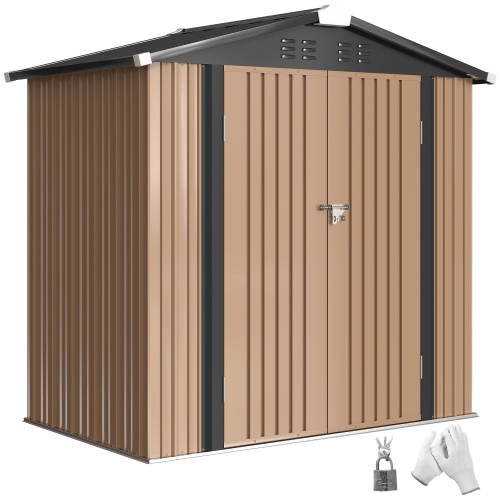
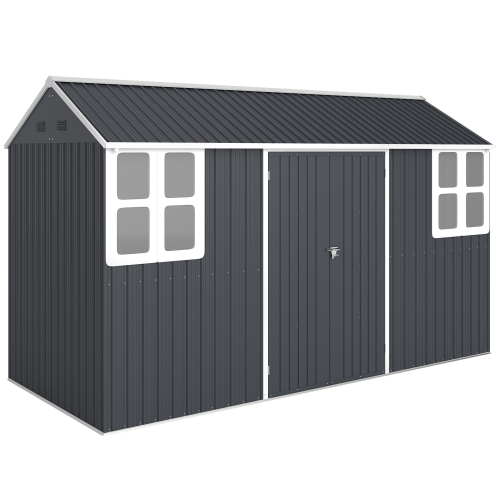
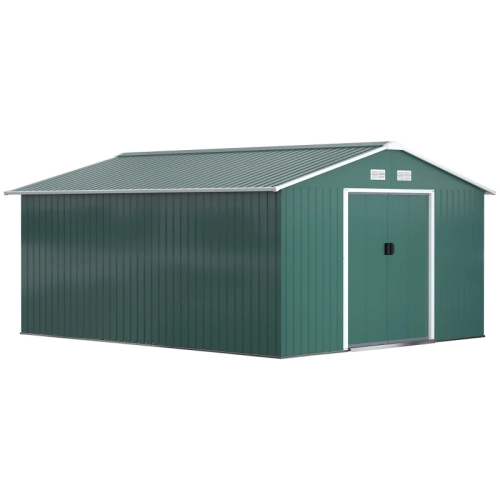
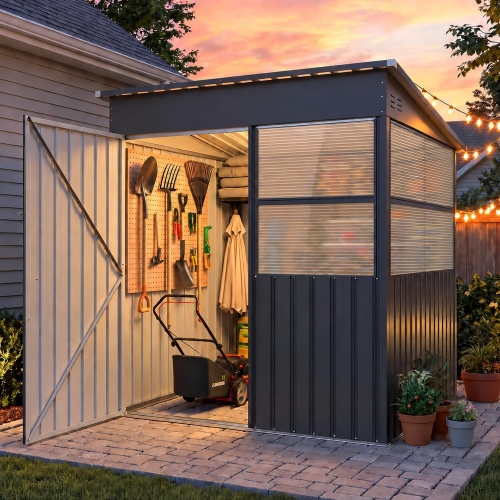
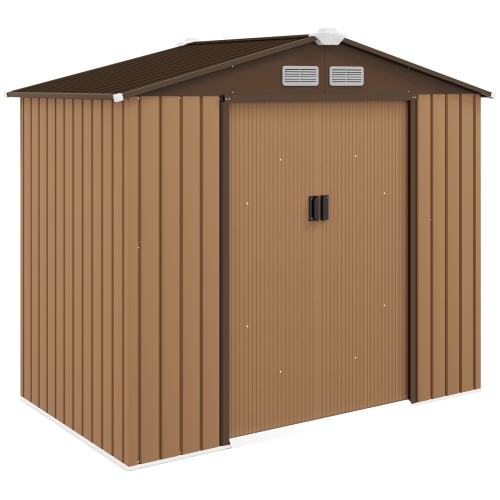
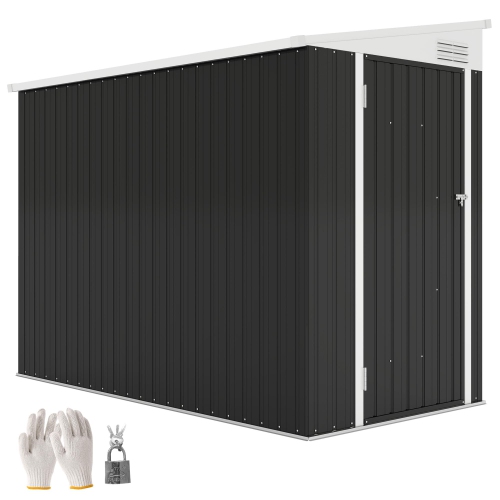
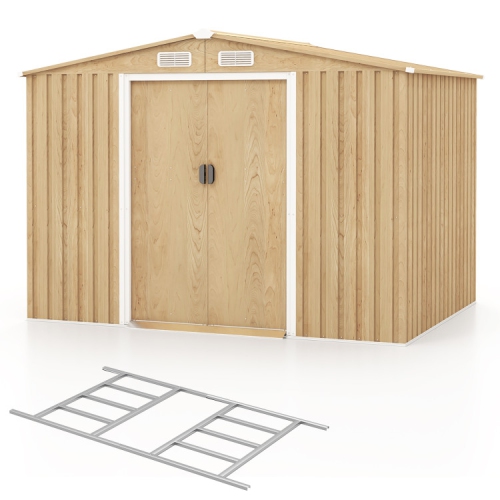
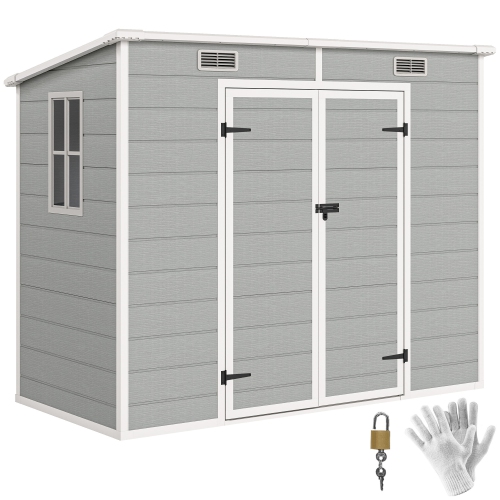
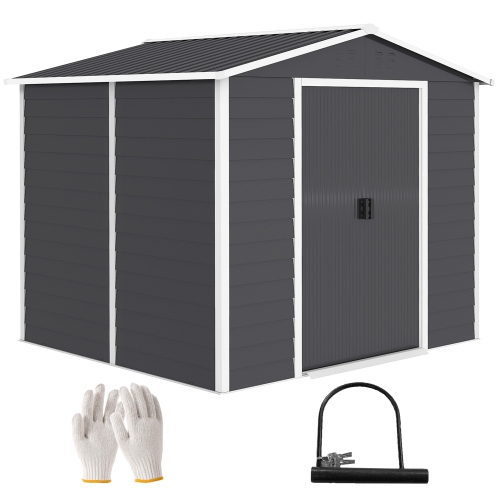
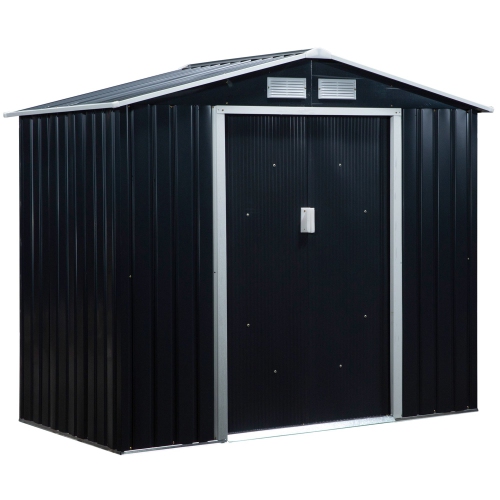
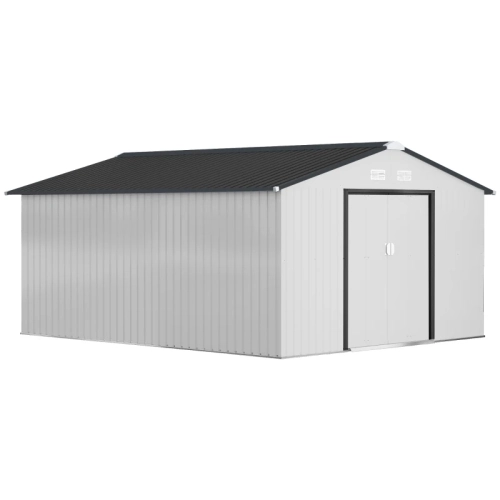
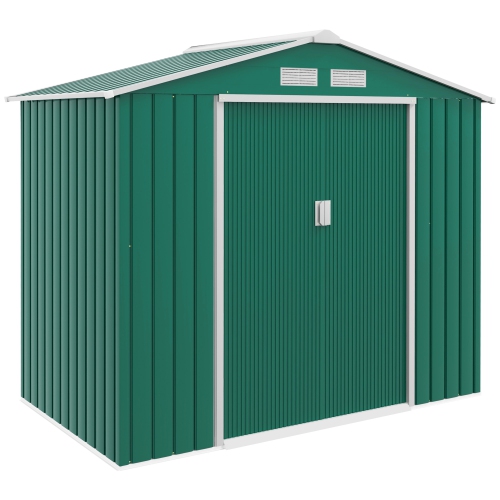
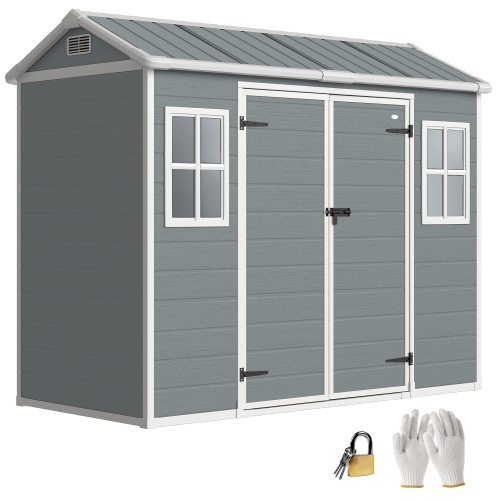
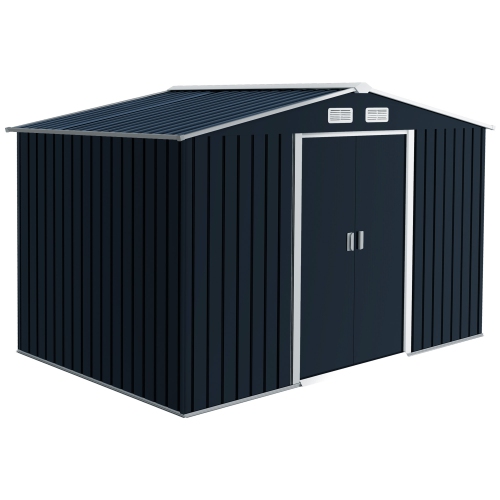
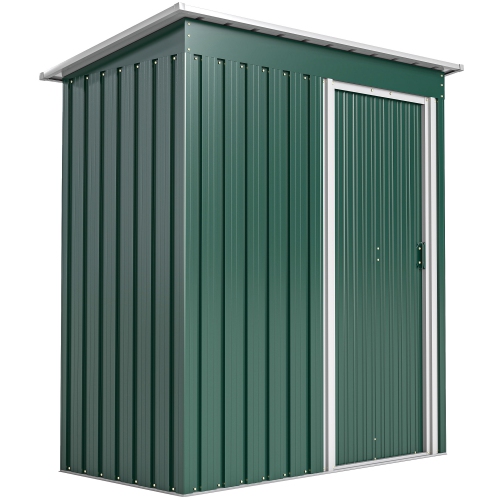
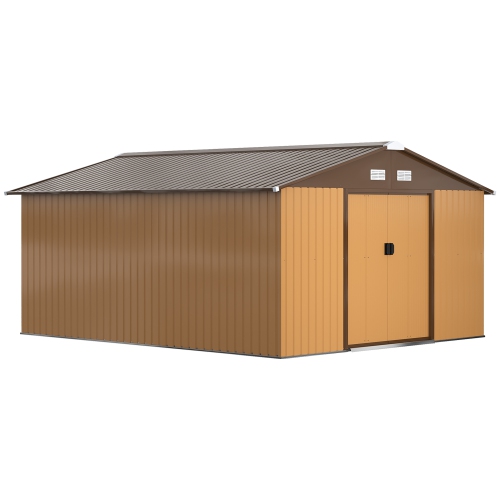
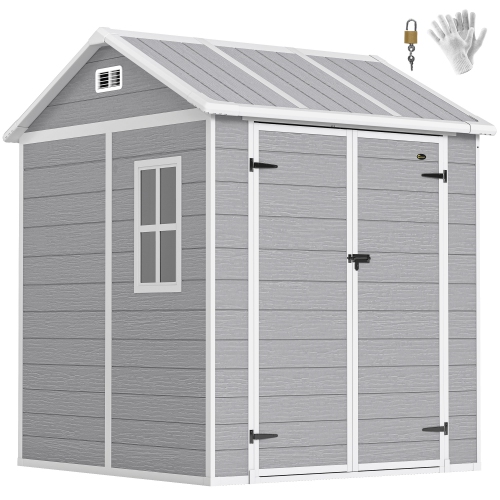
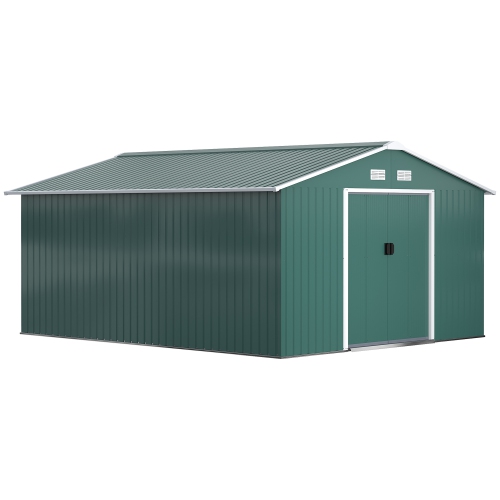
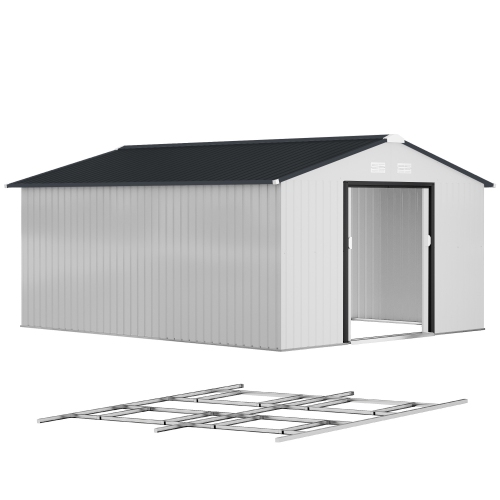
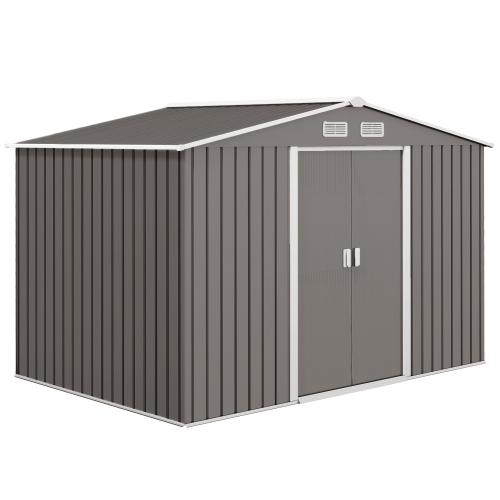
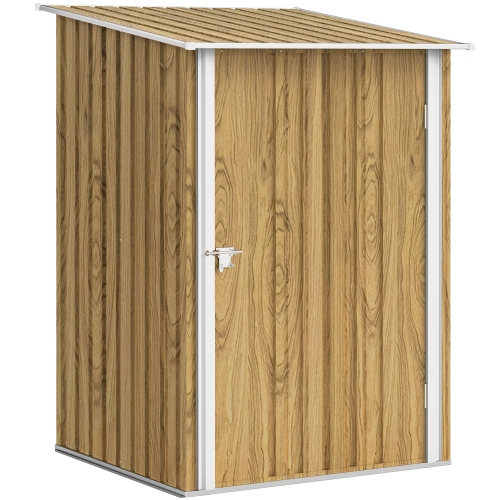
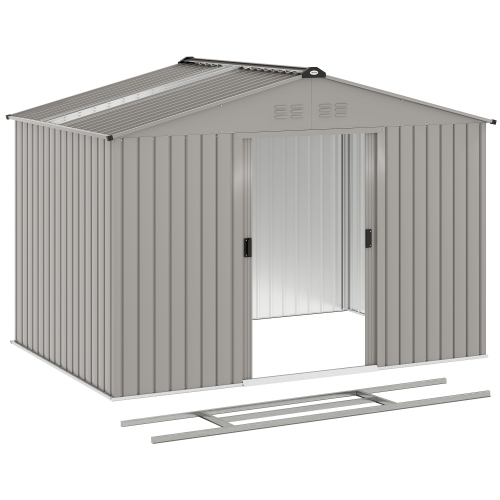
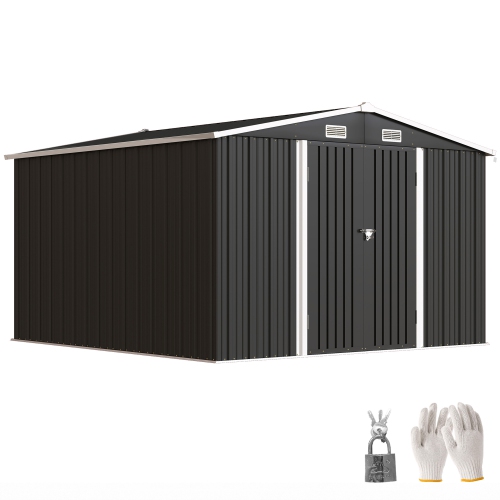
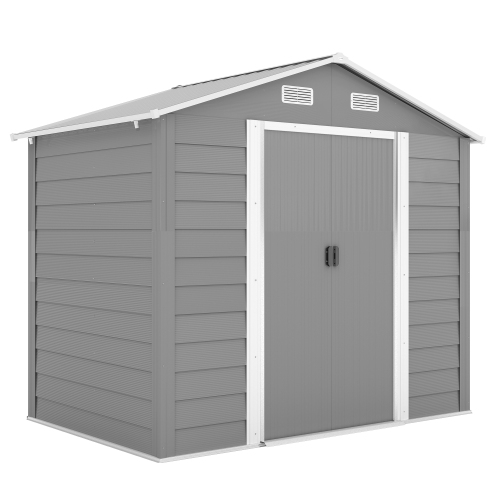
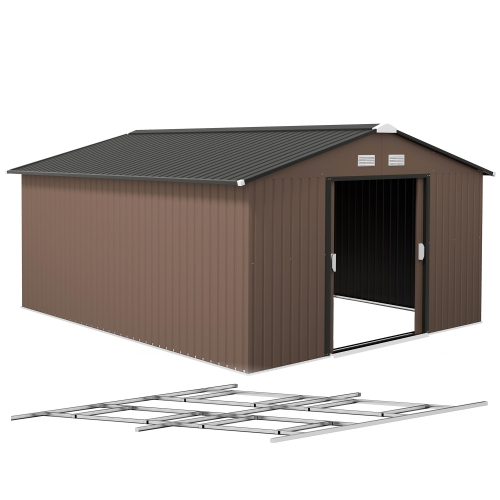
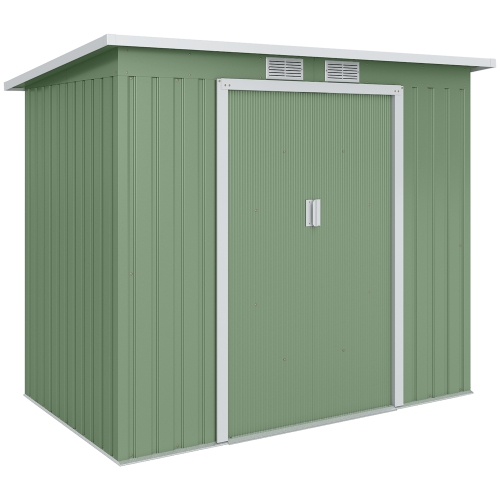
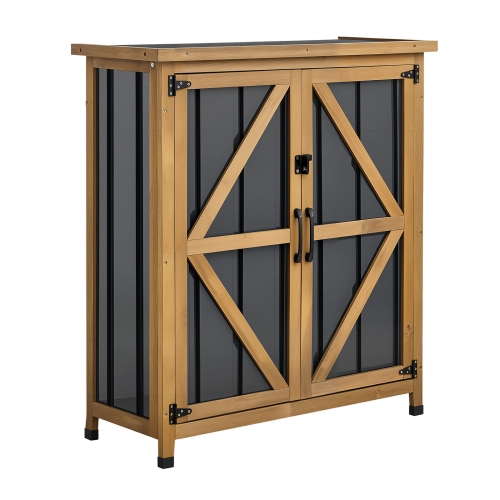
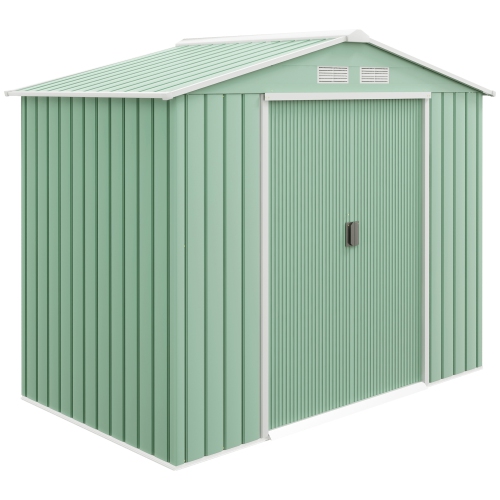
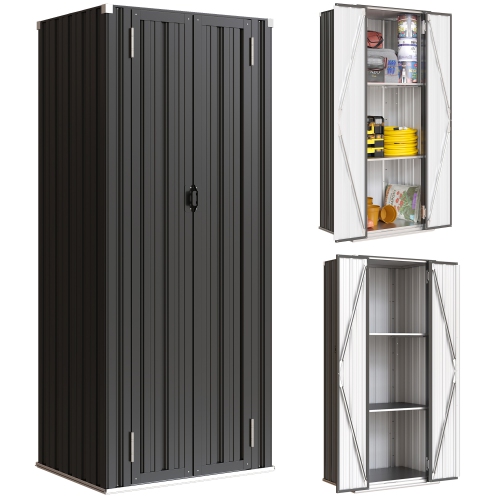
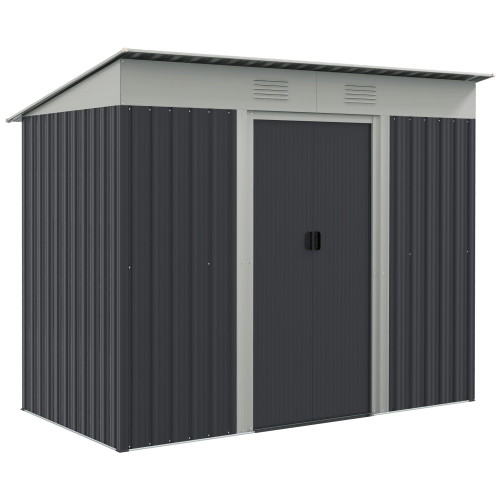
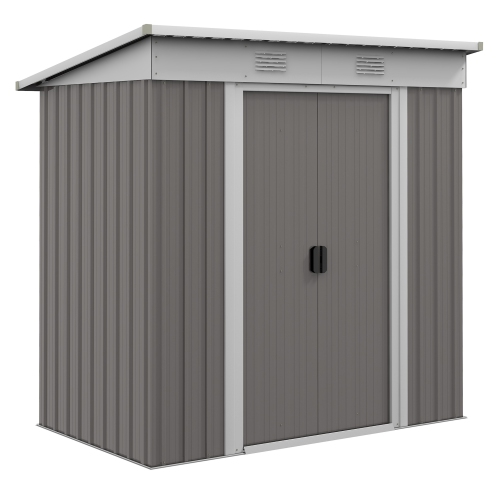
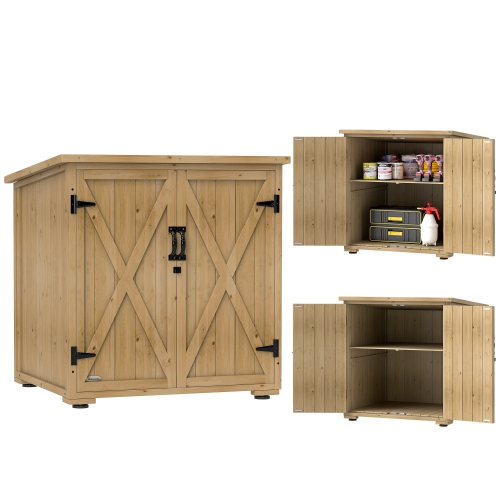
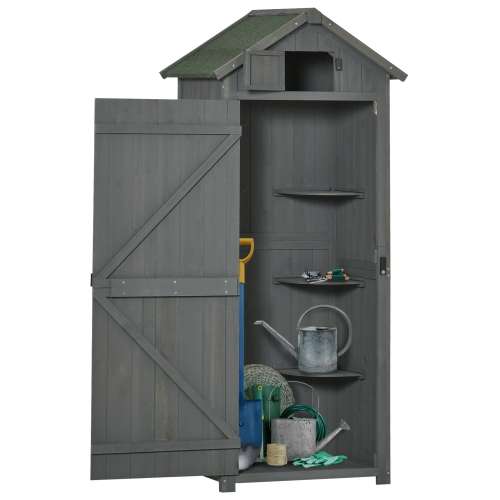
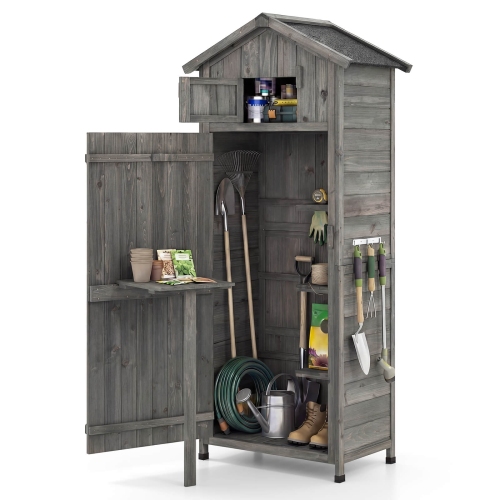
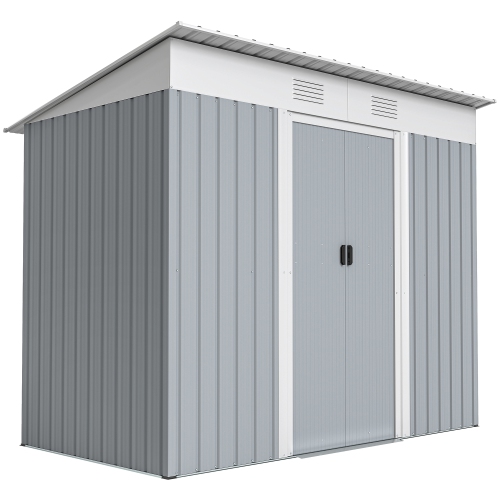
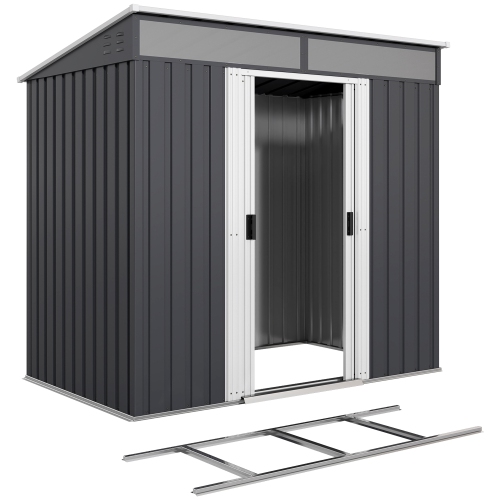
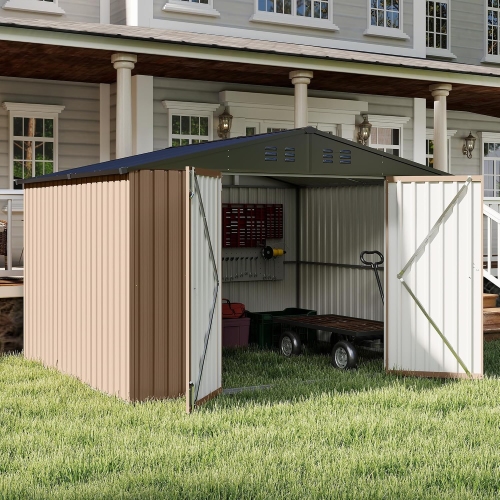
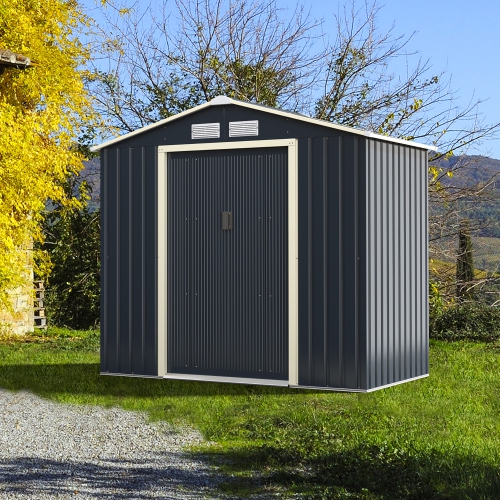
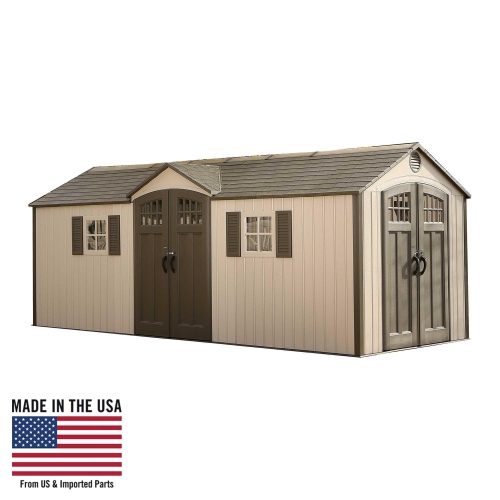
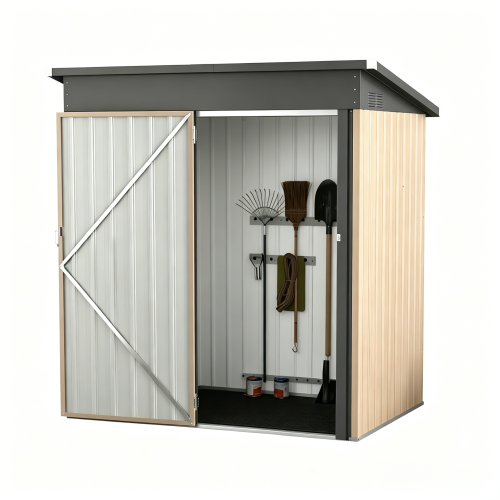
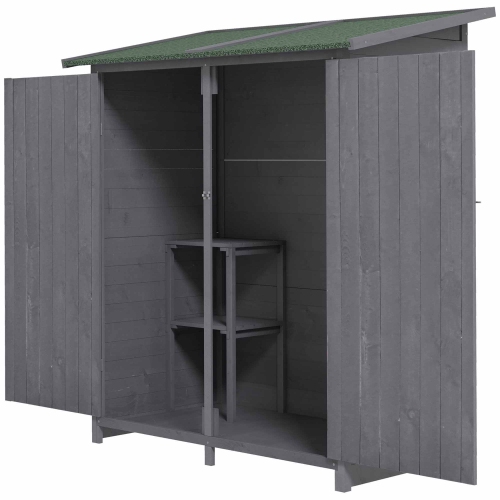
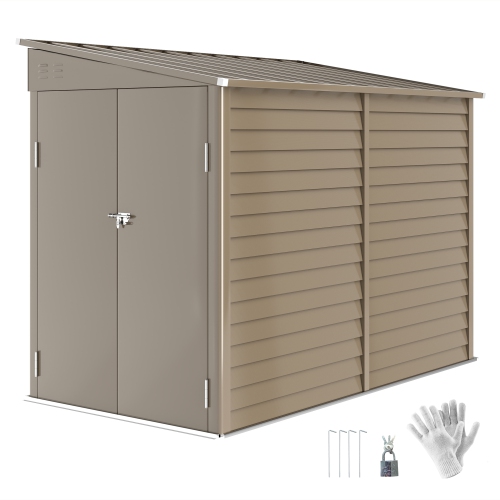
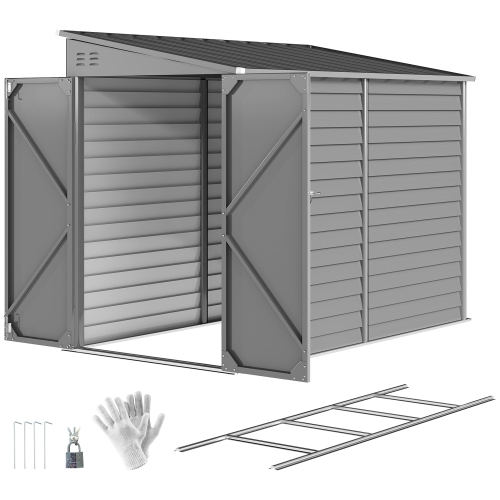
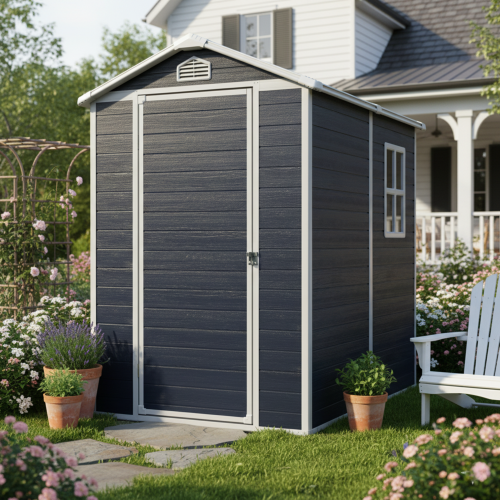
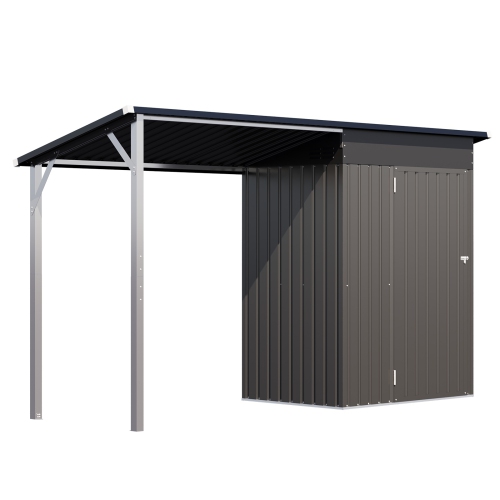
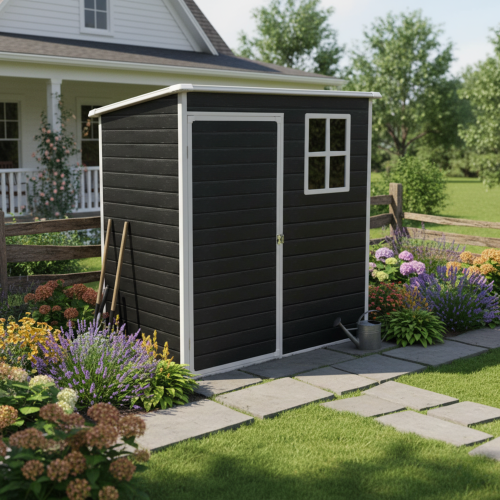
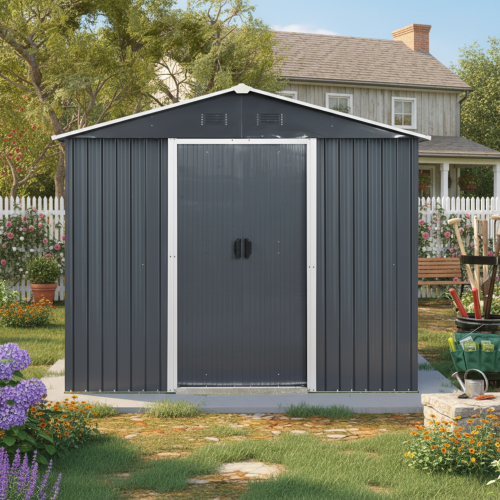
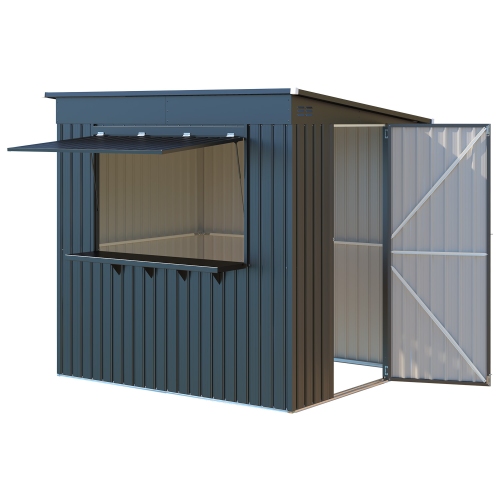
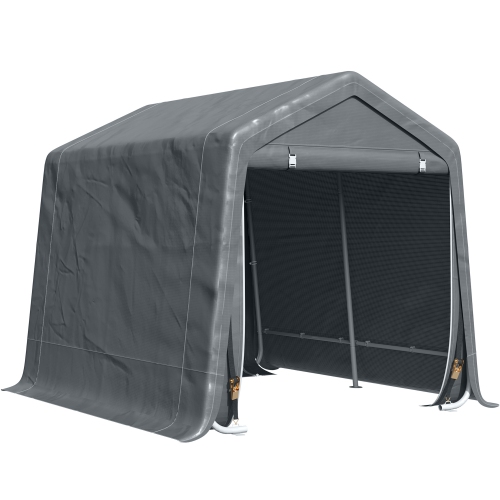
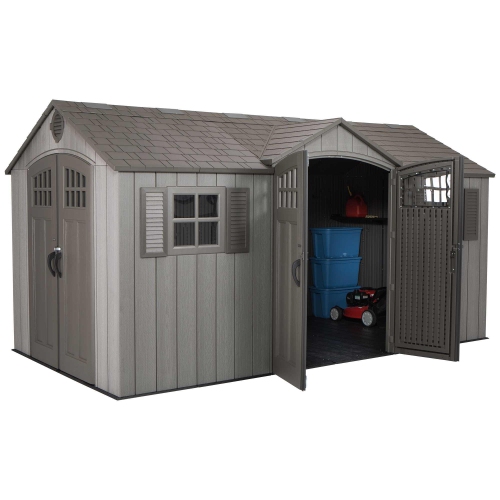
Outdoor garden sheds provide a dedicated place for tools, lawn equipment, planting supplies, and backyard accessories, keeping bulky or muddy belongings separate from indoor living spaces. They range from compact, upright storage lockers for hand tools to walk-in structures with room for a mower, shelving, and larger equipment. The main material choices are wood, metal, and resin, each with a different appearance and maintenance profile. Wood sheds have a traditional look that suits many gardens and can often be painted or stained to complement nearby fencing or a home’s exterior. Their suitability for added shelves, hooks, or work surfaces depends on the framing and construction, while exposed wood generally needs periodic attention to its protective finish. Metal sheds commonly use steel panels with protective coatings and offer a practical enclosure without the painting requirements of unfinished wood. Panel thickness, framing, fasteners, and corrosion protection all contribute to how a metal structure holds up outdoors. Resin sheds use moulded plastic panels, sometimes with metal reinforcement, and are often chosen for surfaces that do not need painting. Resistance to fading, impact, and warping varies by construction, so material alone does not tell the whole story. Across all three types, a sturdy frame, well-supported roof, properly fitted doors, and a secure base matter as much as the exterior finish. For a small garden, a shallow shed may be enough to keep a spade, rake, and watering can together without taking over the yard. A household storing a wheelbarrow or lawn mower will usually need more usable floor area and a wider entrance. The broader category of Garden Storage Sheds covers these different layouts, making the distinction between simple tool storage and a larger backyard storage space especially useful when considering the right size.
A shed’s fit depends on more than the patch of ground beneath it. Exterior dimensions describe its overall footprint, while interior dimensions determine how much space remains for equipment once the walls and framing are accounted for. Roof overhangs, door clearance, and access around the structure can add to the space required. Double doors are useful for wheeled equipment, but their opening width and height need to suit what will pass through them. A mower may fit comfortably inside yet be awkward to move through a narrow doorway or over a raised threshold. Hinged doors also need clear space to swing open, whereas sliding doors can suit tighter layouts when their tracks are kept free of debris. Inside, enough headroom and a clear aisle make a walk-in shed easier to use, particularly when longer tools are stored upright against a wall. The route from the yard to the entrance matters, too: a shed tucked behind a gate is less convenient if every trip involves moving patio furniture. Beneath the structure, a level, stable base helps support the floor and allows doors to operate as intended. Depending on the shed’s requirements, that support may involve a prepared gravel base, paving slabs, or a concrete pad. Some designs include a floor, while others require a separate floor or foundation system; these are distinct parts of the installation rather than interchangeable terms. Floor load capacity is especially relevant for heavy equipment or densely packed storage. Ground drainage, anchoring requirements, and the manufacturer’s installation specifications also affect long-term performance. Roof design influences how water runs off, but a pitched roof alone does not establish a shed’s snow-load capacity. Local building requirements, property-line setbacks, easements, and any applicable permits can influence where a structure belongs. These details help distinguish a shed that merely fits on a site from one that remains accessible, properly supported, and practical to use.
Inside an outdoor garden shed, useful storage comes from matching the layout to everyday routines. Someone who regularly tends flower beds may value a place near the entrance for gloves, hand tools, and a kneeling pad, with taller space reserved for rakes and spades. A household sharing the shed for gardening and outdoor recreation may need separate zones so that retrieving a folding chair does not involve shifting a mower. Shelves can keep smaller supplies visible, while suitable wall-mounted storage frees floor space for larger equipment. Any shelves or hooks need to be compatible with the wall system and installed within the stated load limits; lightweight panels are not automatically suitable for supporting heavy tools. Windows or translucent roof sections can make it easier to find belongings without artificial lighting, although their placement also affects privacy and how much of the interior is visible from outside. Vents help air circulate, but a standard shed is not a humidity-controlled space, and ventilation does not eliminate condensation. Drying damp tools before storage and keeping materials off a potentially damp floor can help reduce moisture-related problems. Paper records, delicate electronics, and other moisture-sensitive belongings are generally better suited to indoor storage. Lockable doors can add a measure of security, though the strength of the hinges, latch, frame, and anchoring also matters. Garden chemicals belong in their original labelled containers and require storage that follows label directions, particularly where children or pets could gain access. Routine care varies by material but commonly includes removing debris from the roof and around the base, keeping drainage paths clear, and inspecting doors, seals, fasteners, and protective finishes. Wood may need refinishing, damaged metal coatings may need attention to limit rust, and resin panels benefit from cleaning methods suited to their surface. With an appropriate layout and regular upkeep, a garden shed can make outdoor tasks more manageable by giving frequently used equipment a consistent, accessible home.
Top selling and popular products
-
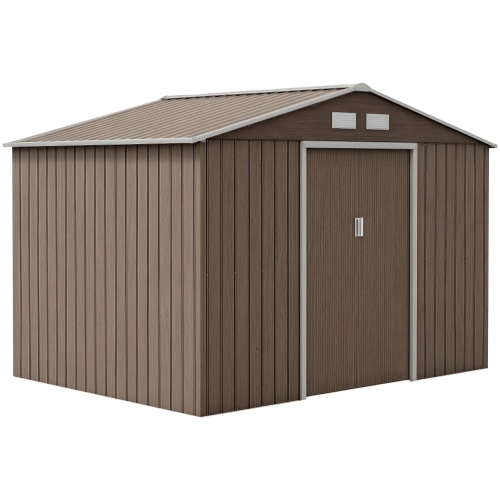 Your price for this item is $599.99
-
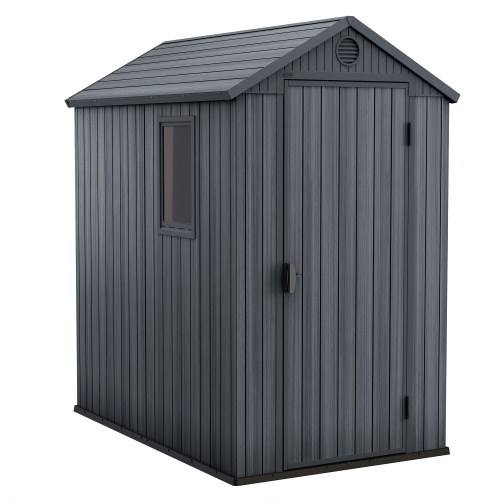 Your price for this item is $1418.99
-
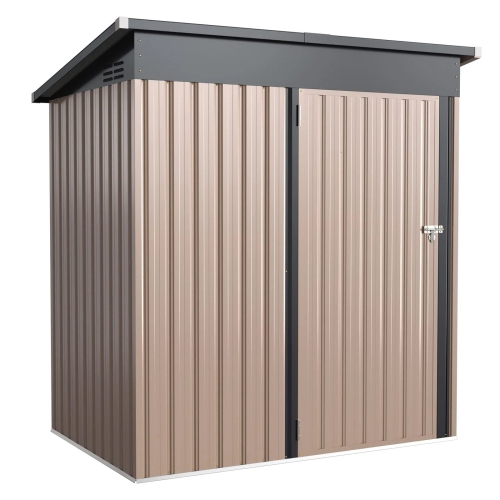 Your price for this item is $179.99
-
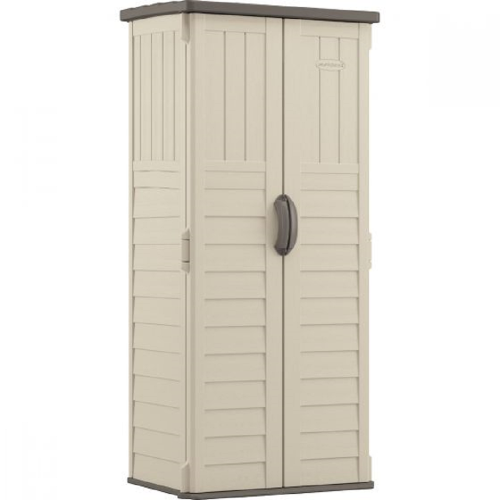 Your price for this item is $385.99
-
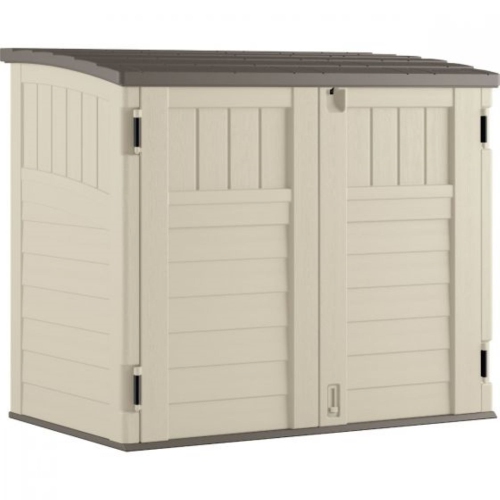 Your price for this item is $459.99
-
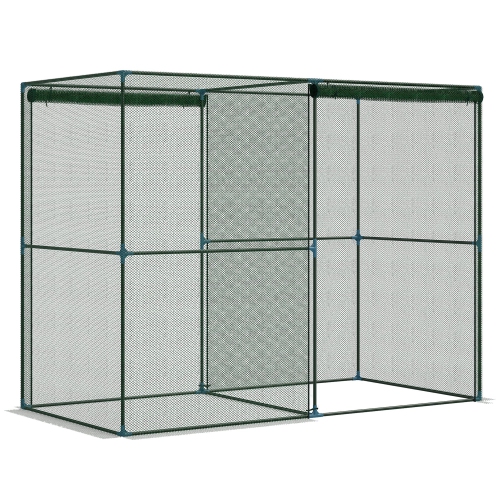 Your price for this item is $79.99
-
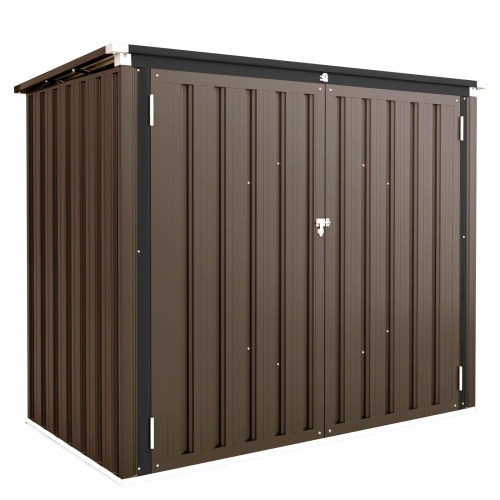 Your price for this item is $204.99
-
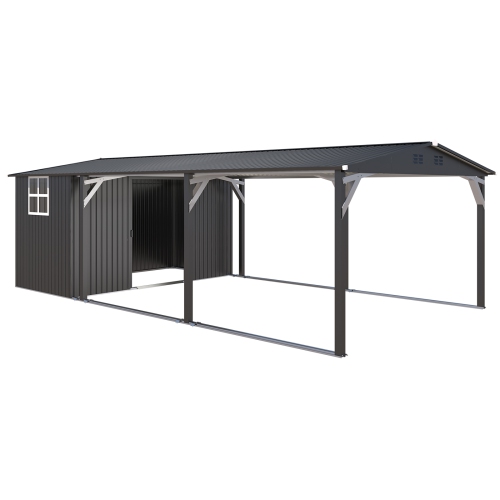 Your price for this item is $1199.99
Discover more categories related to Outdoor Garden Sheds
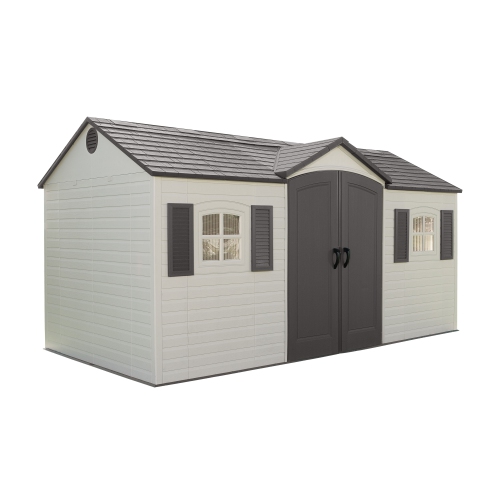
Top Collections:
Best Black Friday Deals This Year, Best Black Friday Deals On Electronics, Kindle Devices, Pokemon Centers, Best Black Friday Deals On Apple Products, Best Cameras for Sports Photography, Dyson Airwrap, Pokémon 30th Celebration Cards, Apple iPhone 17 Pro, Canon G7X Cameras
Some products may be subject to Environmental Handling Fees
(EHF) depending on your province.
Learn more about EHFs.