Home Lighting Fixtures
Illuminate your living spaces with our diverse selection of home lighting fixtures. From sleek and modern designs to classic and elegant styles, we offer a wide range of options to suit every room in your home. Whether you're looking to create a cozy ambiance in the bedroom, brighten up your kitchen workspace, or add a touch of sophistication to your dining area, our collection has something for everyone. Explore our assortment of ceiling lights, pendant lights, chandeliers, wall sconces, and more to find the perfect lighting solution that complements your decor and enhances the overall atmosphere of your home.
Sort


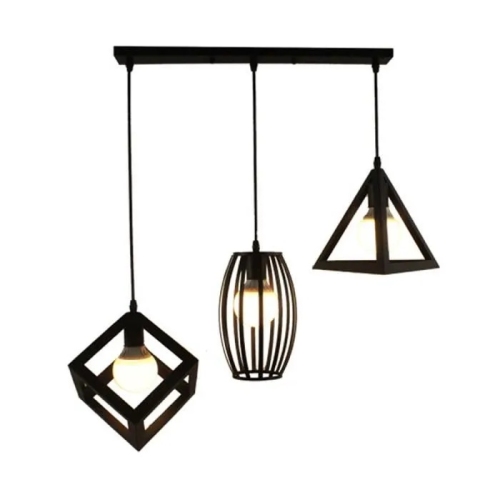
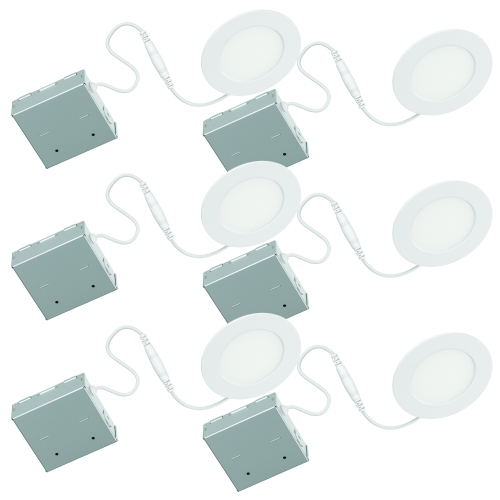
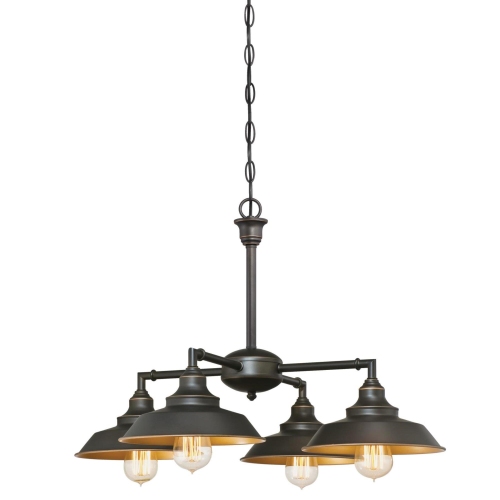
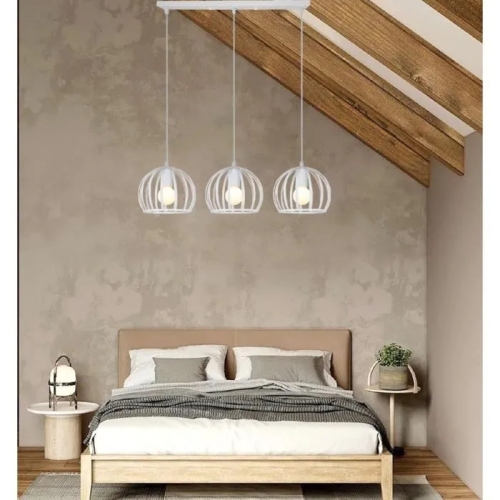



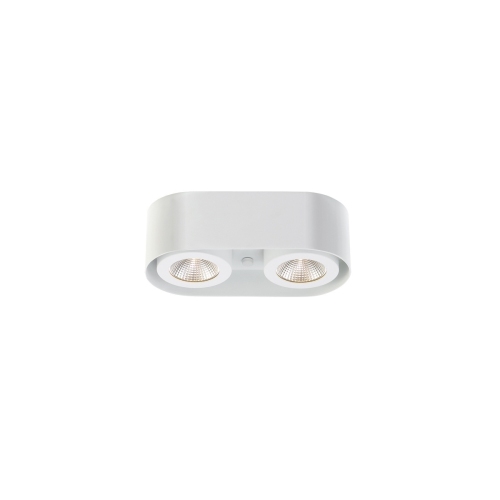
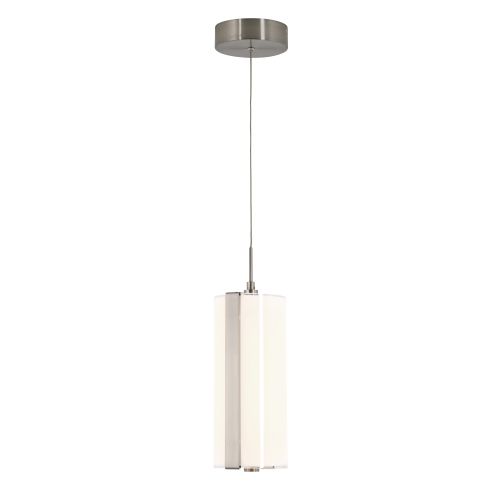

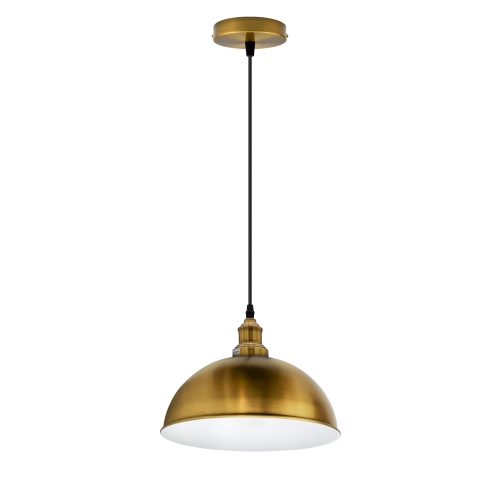

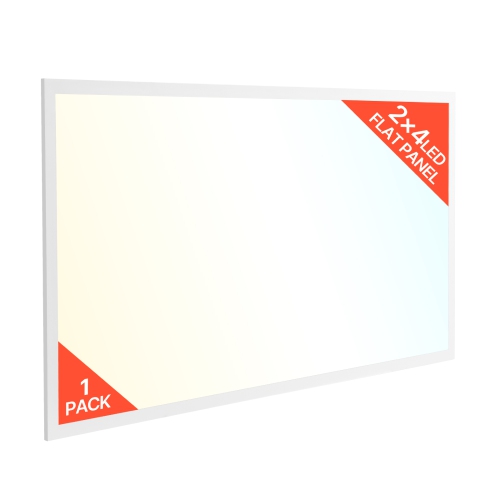

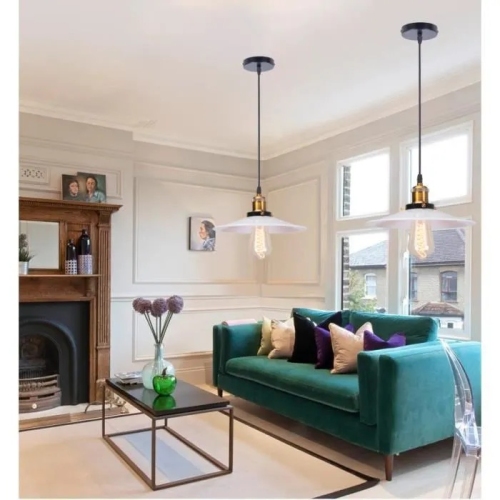
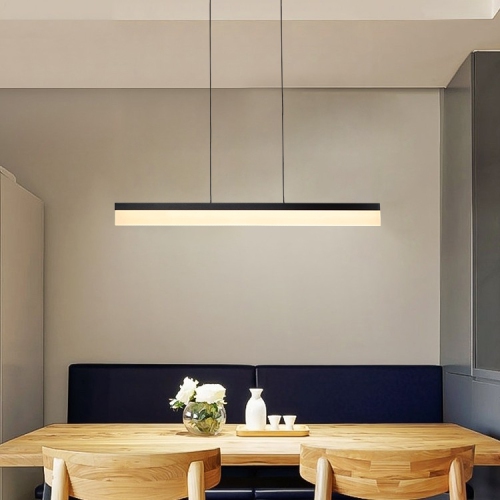
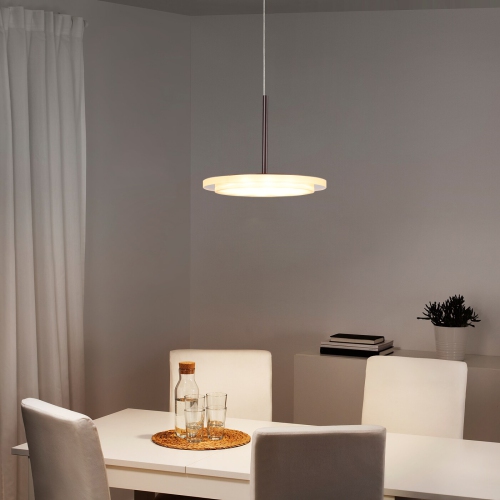


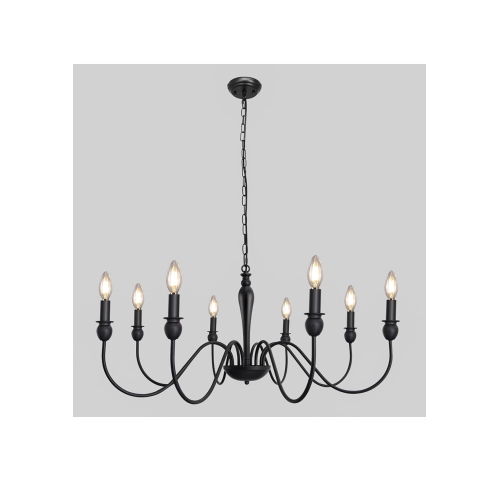
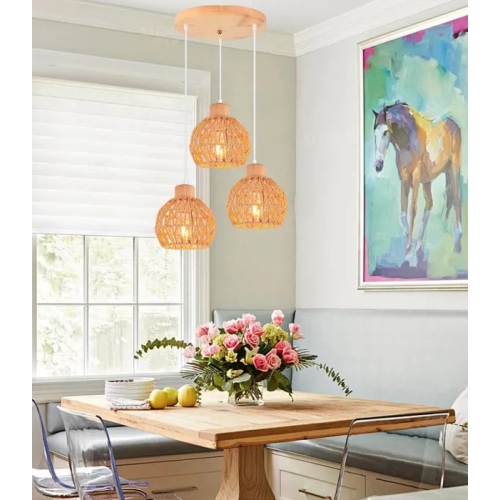
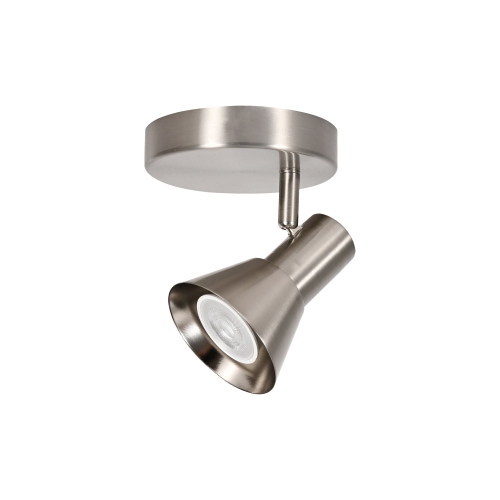
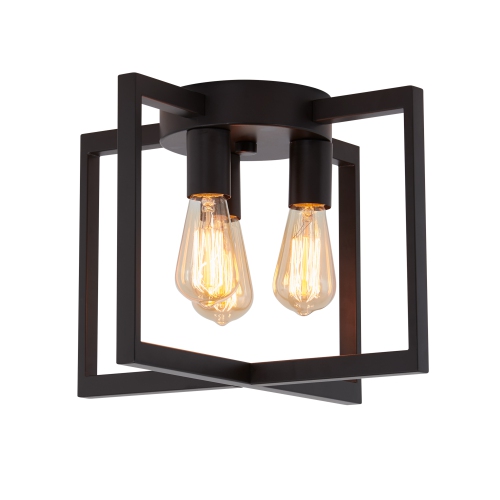


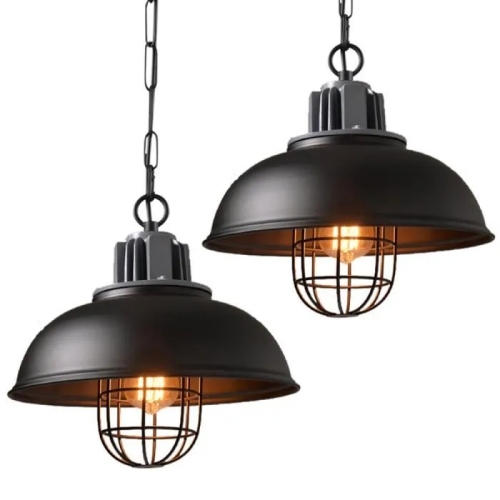


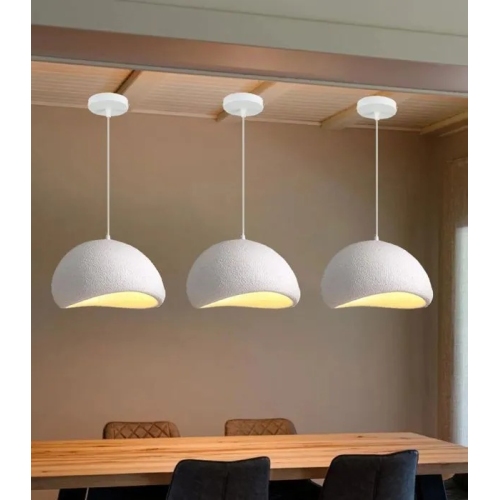

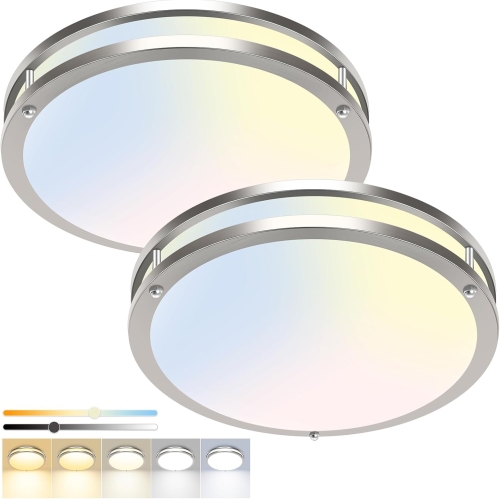
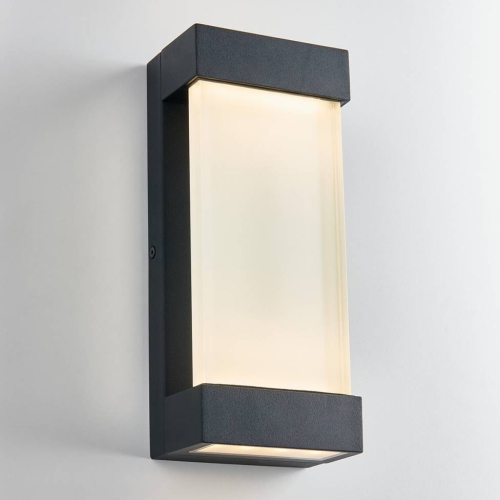
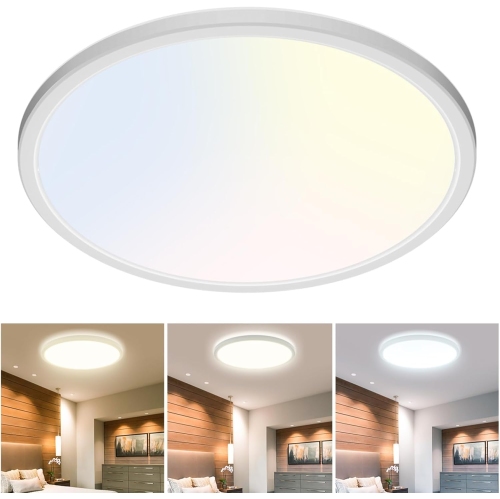
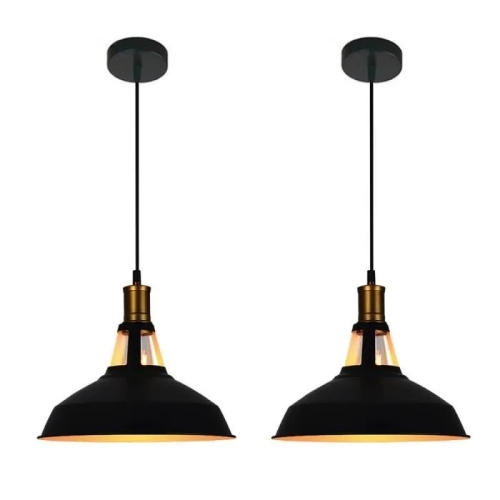
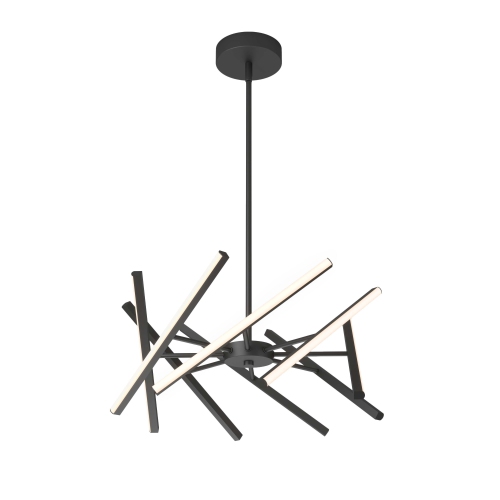


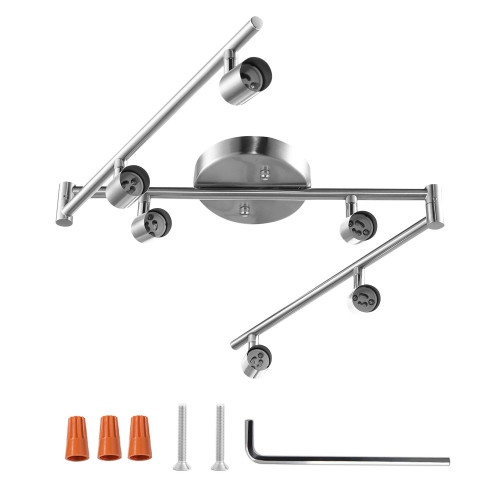
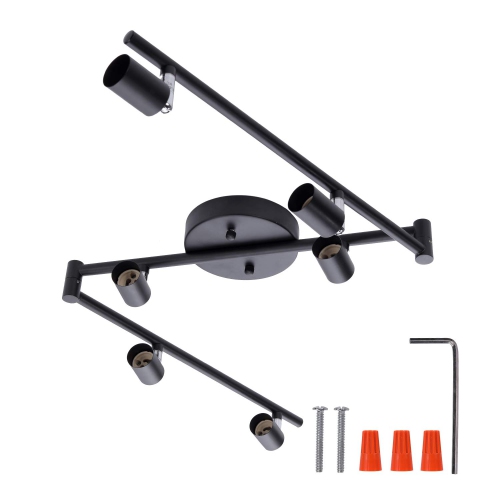
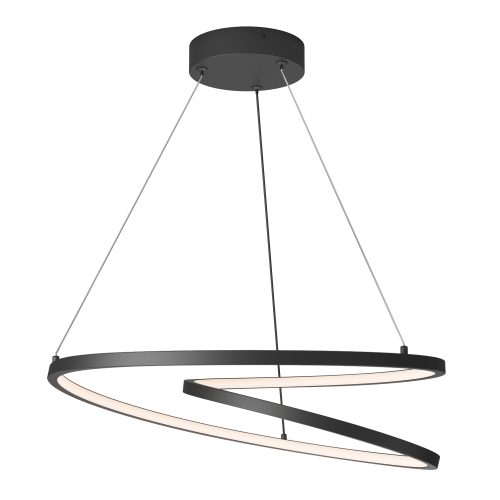
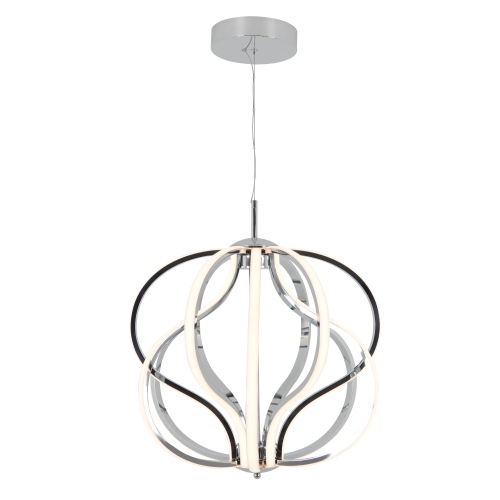
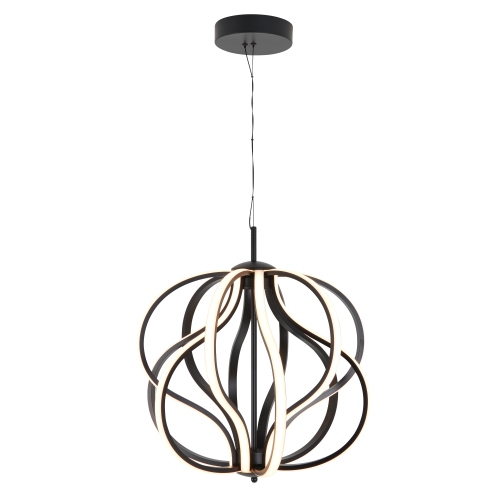
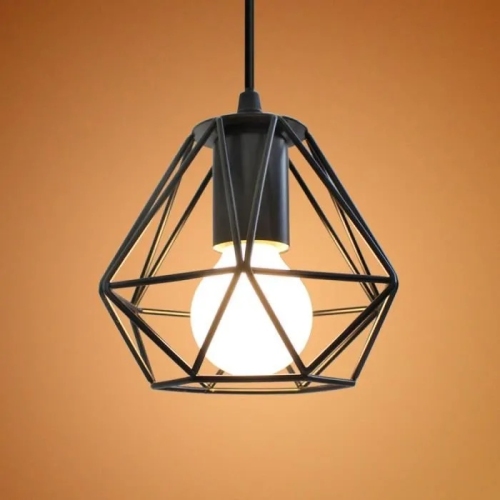





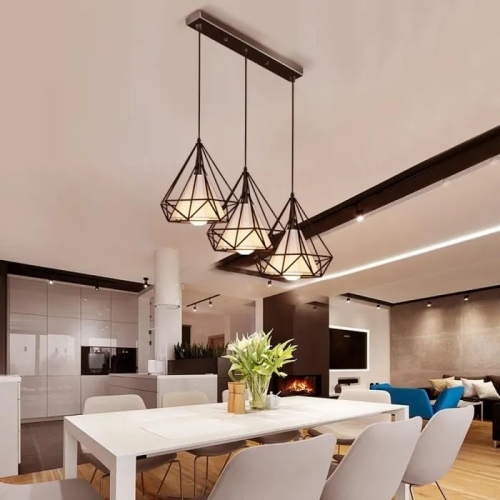
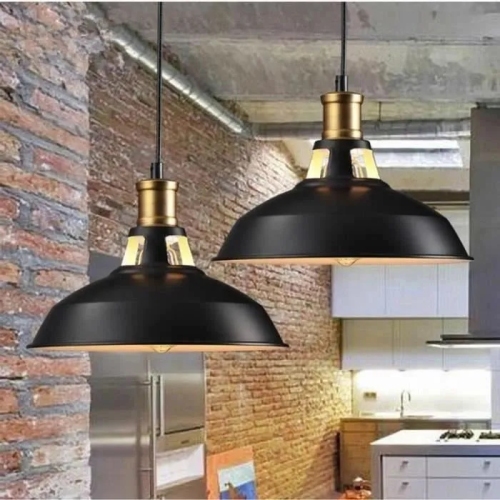
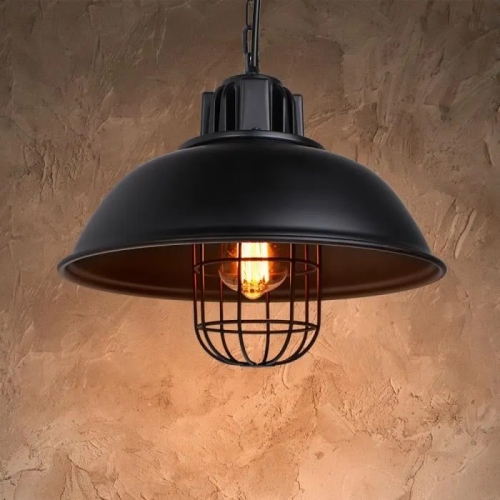
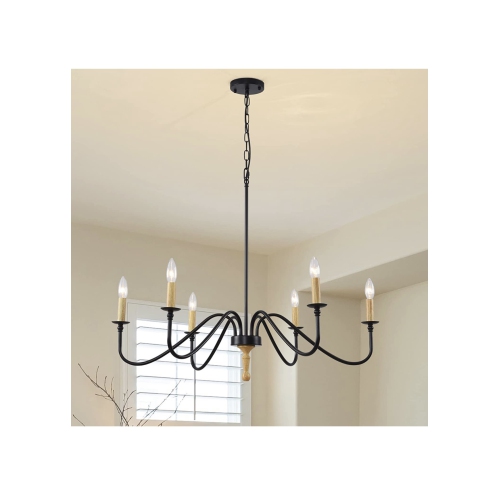

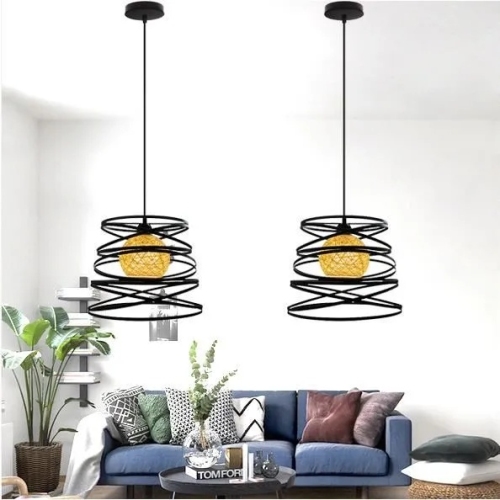
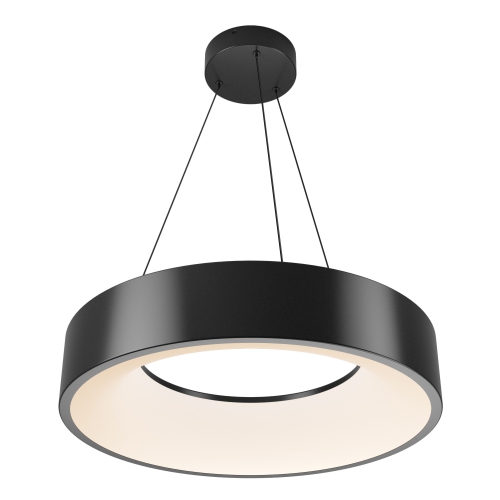
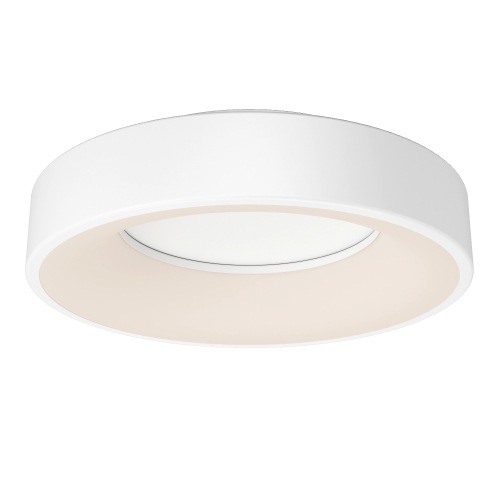


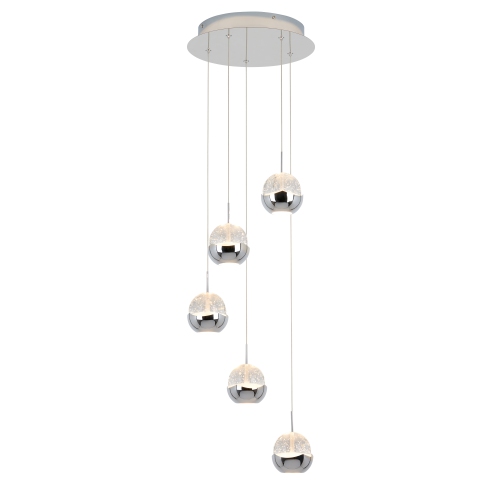

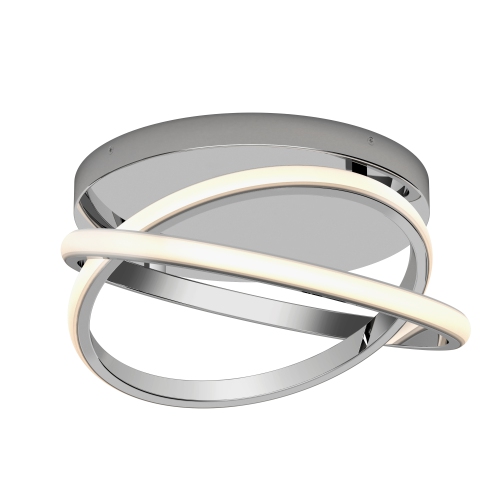
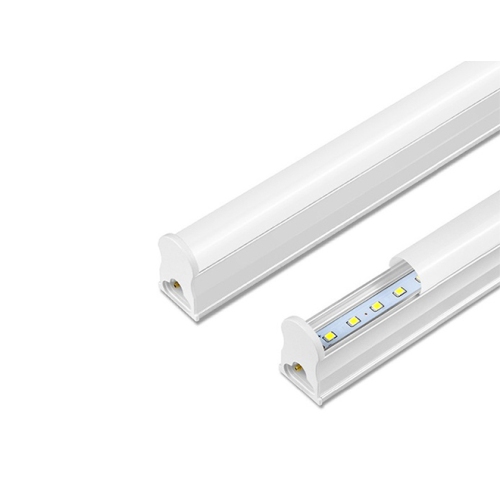
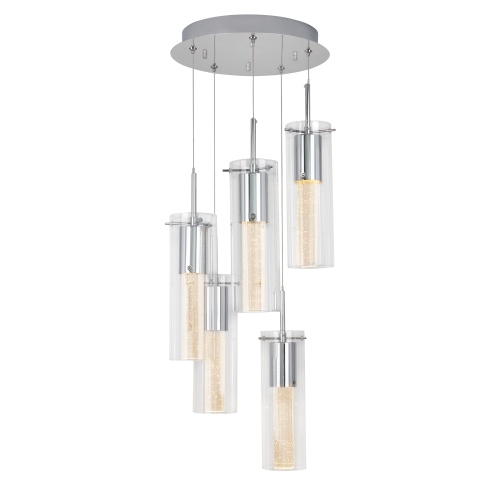
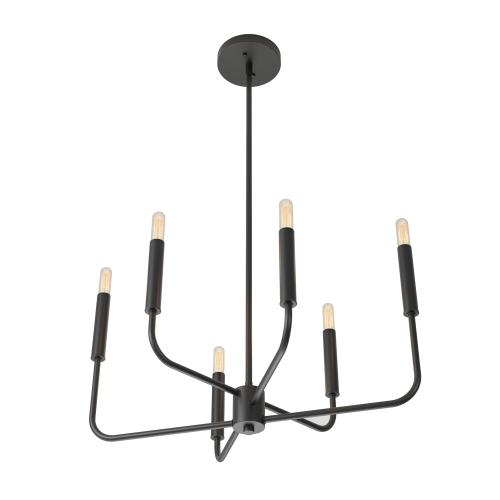

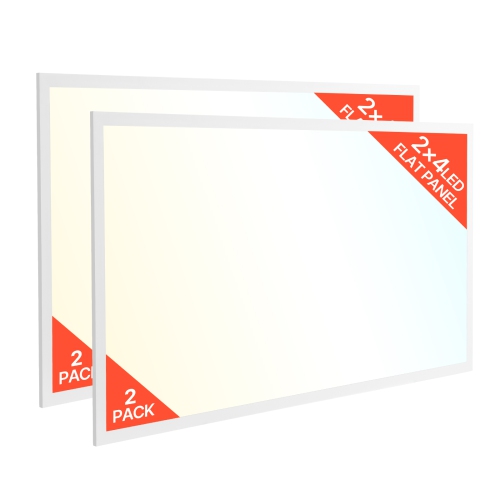


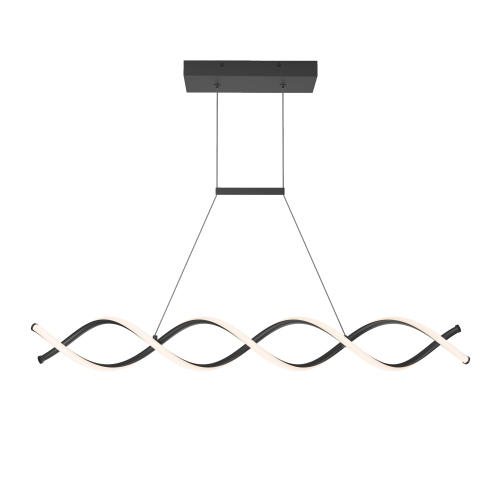
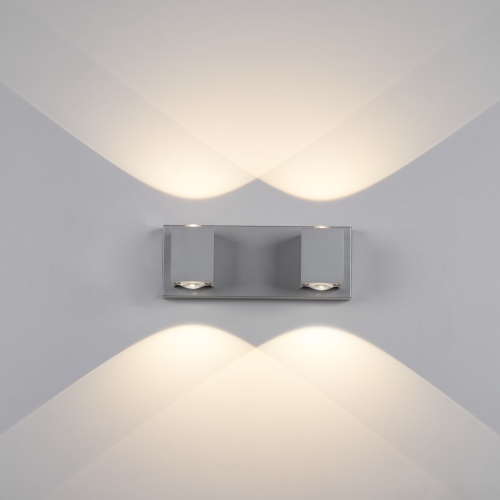
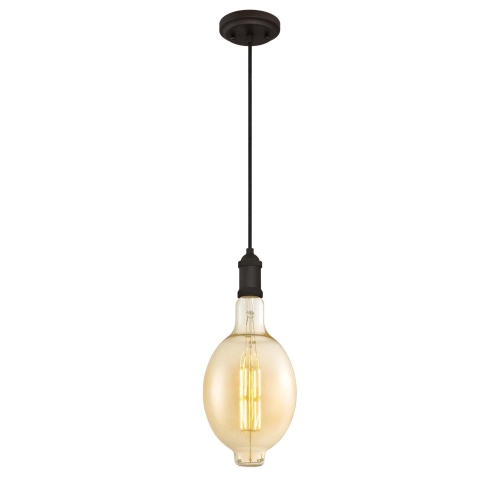
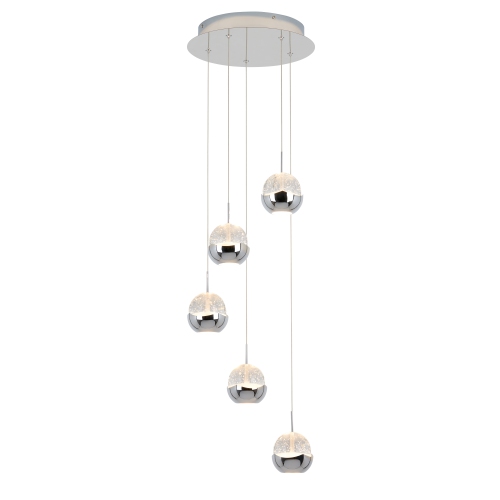

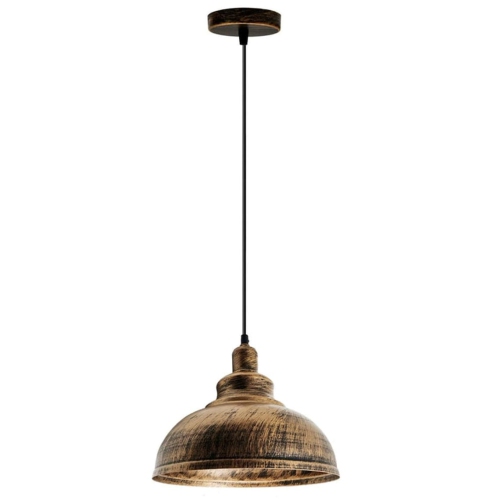
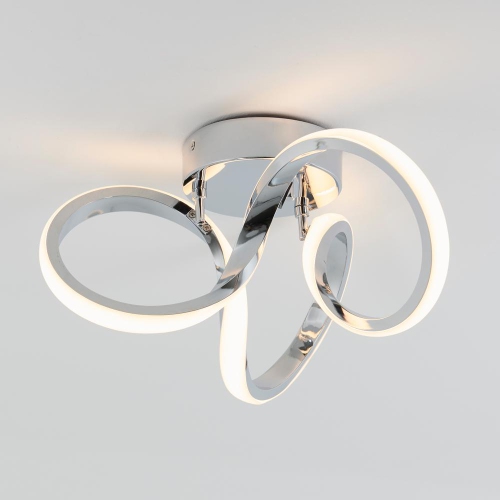
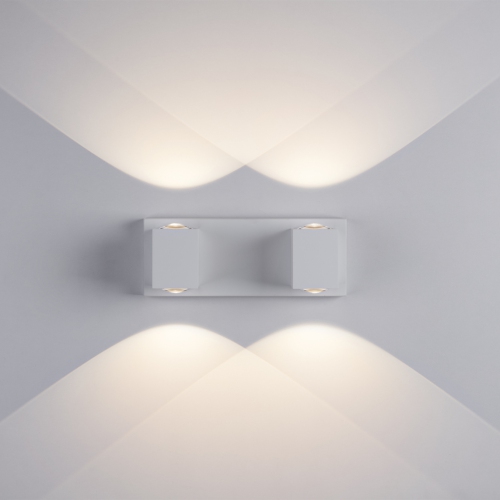



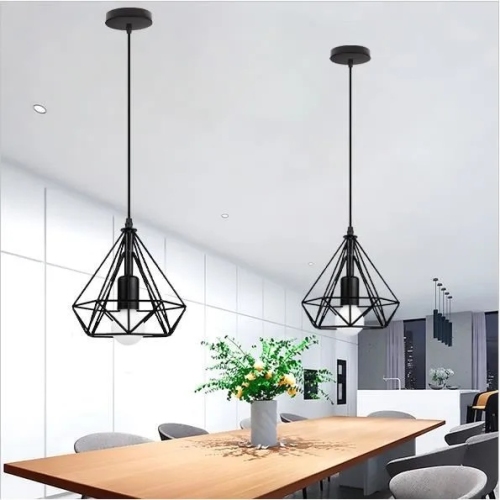
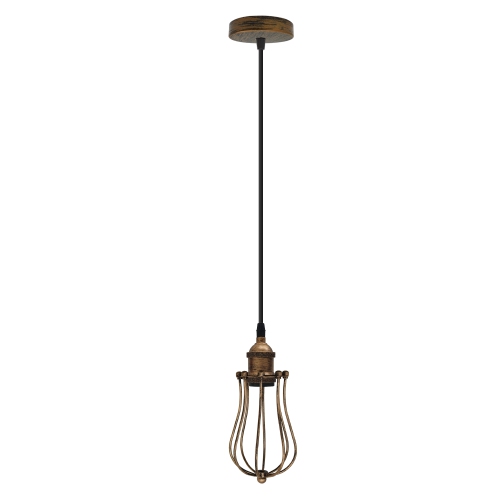
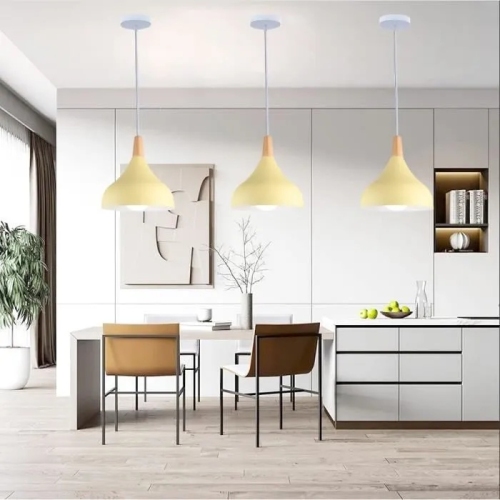
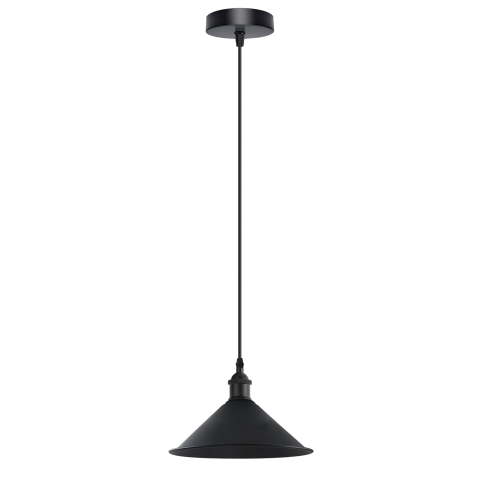
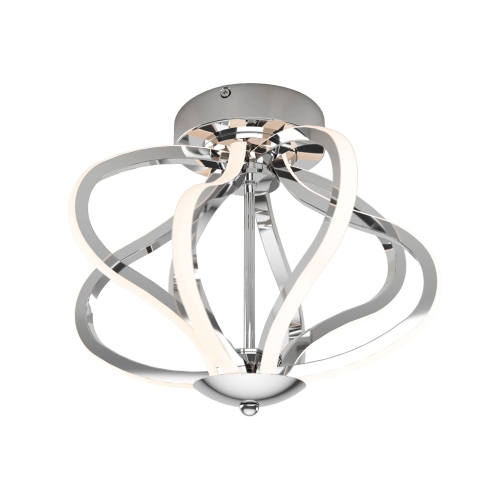
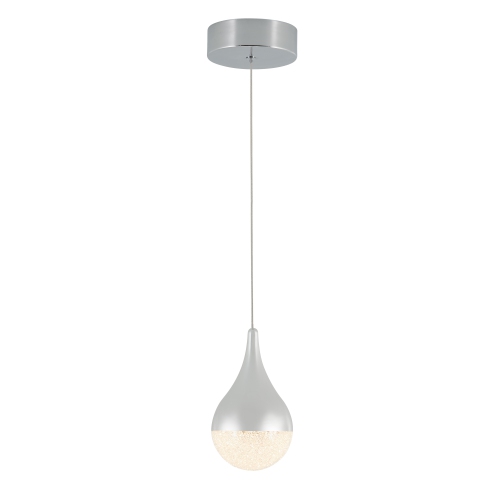


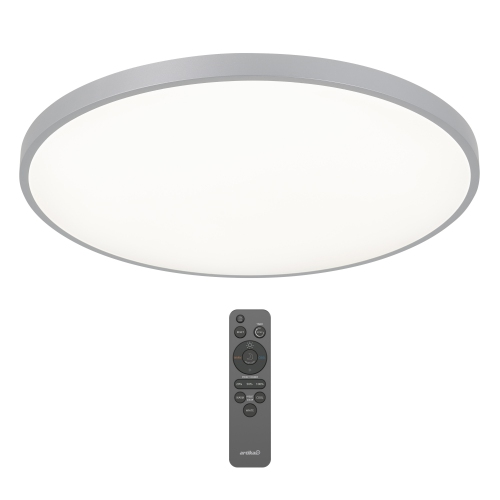
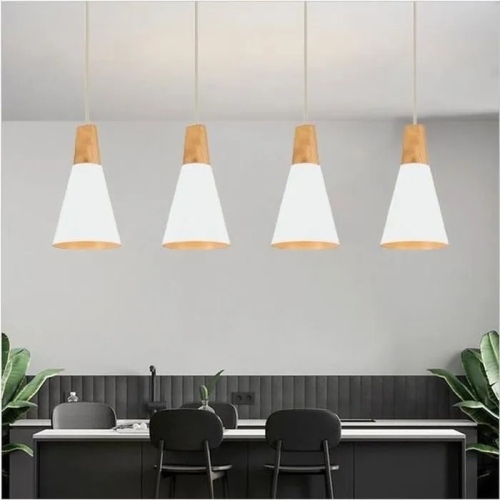

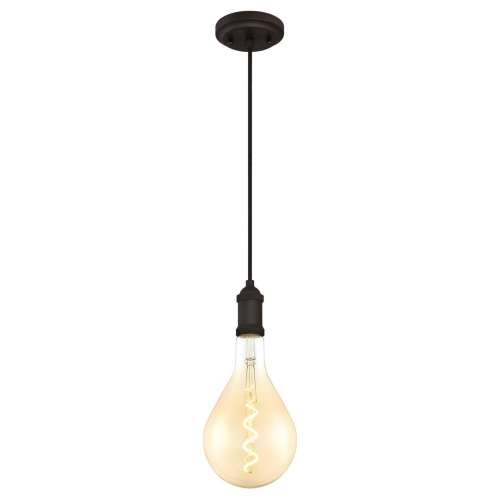
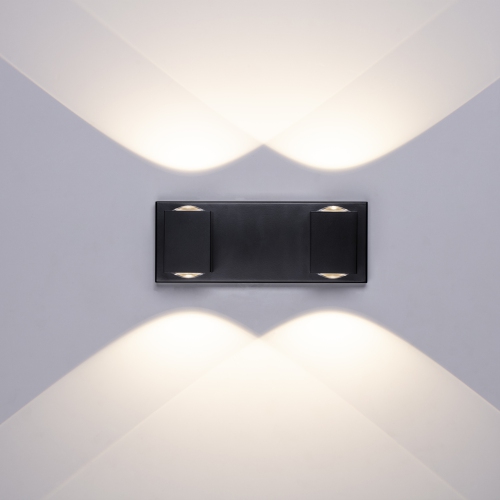
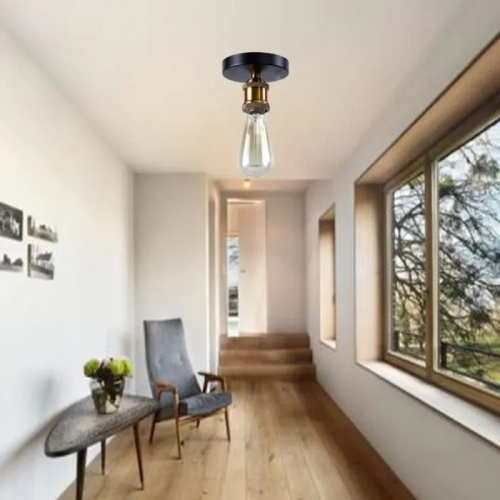

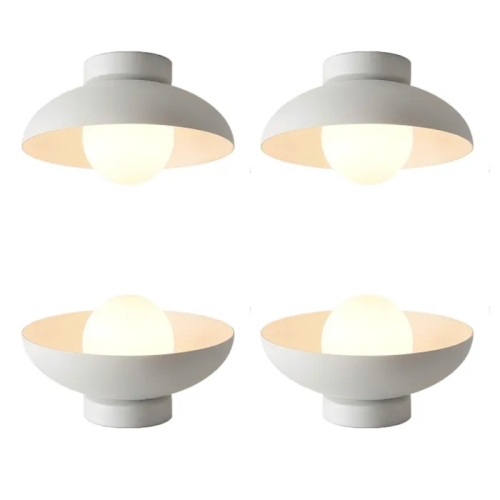

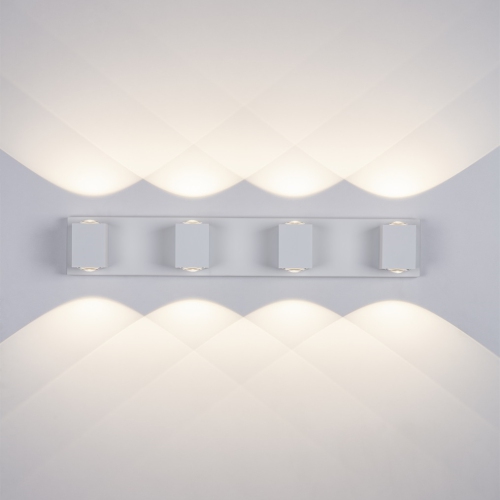

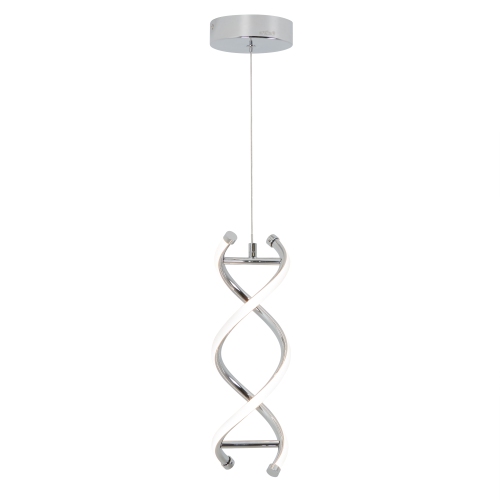
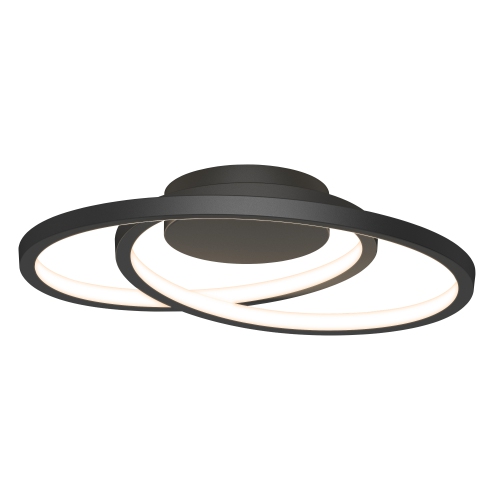
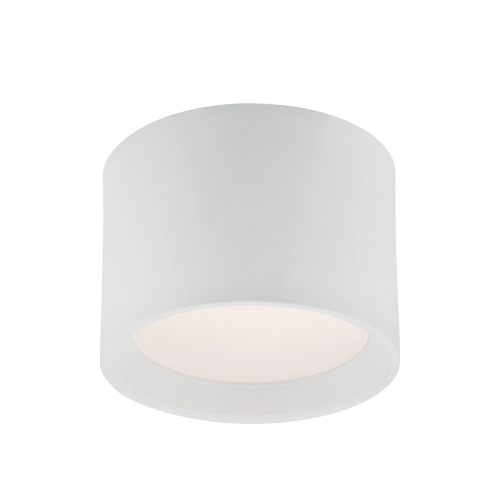
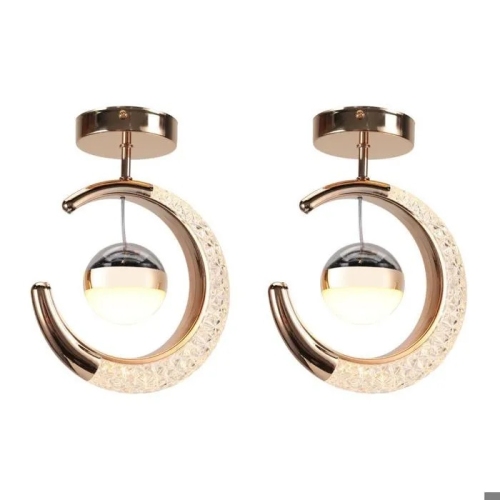
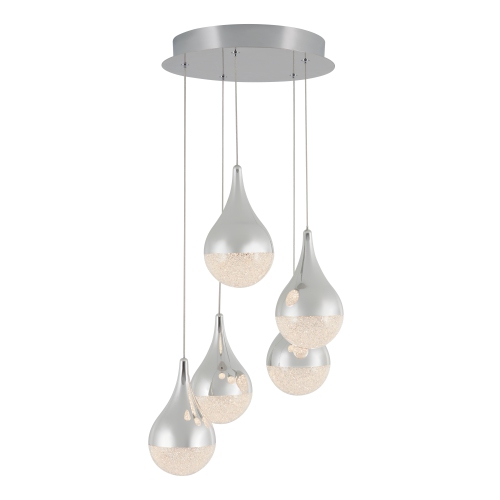

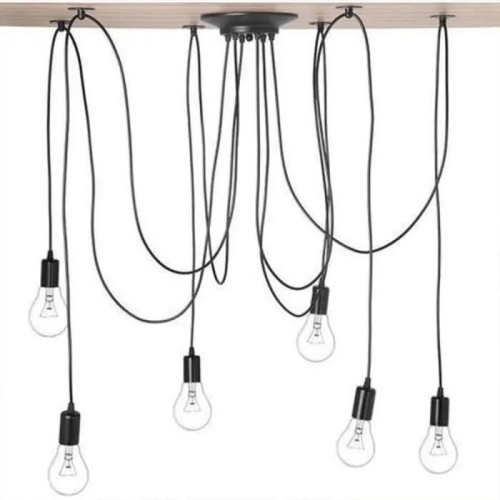


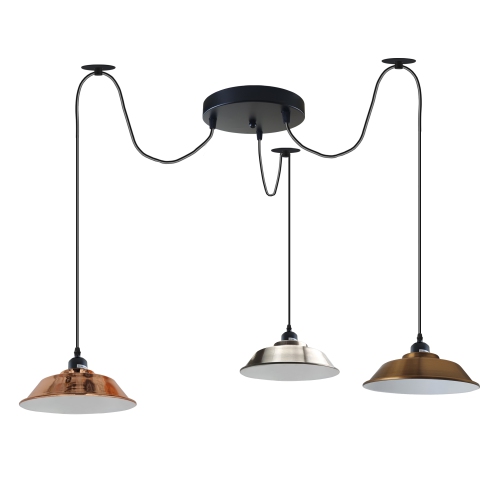
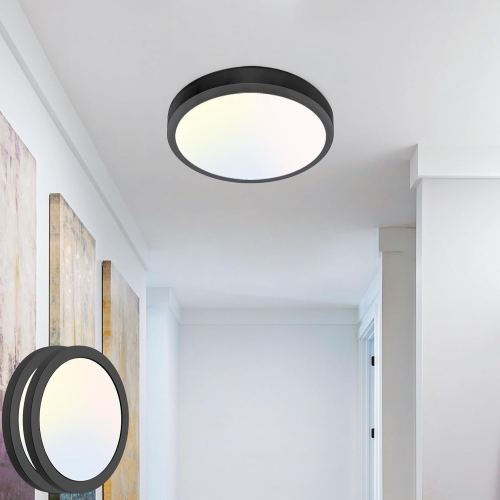
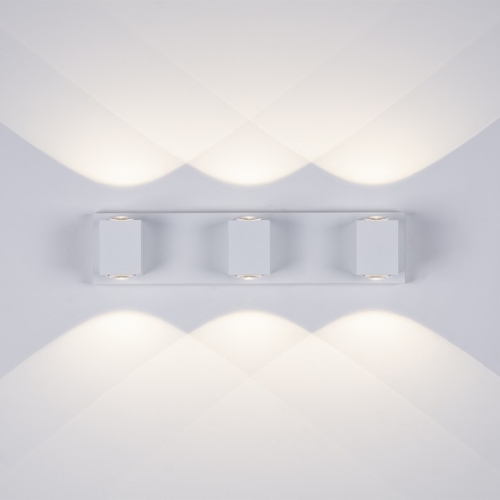
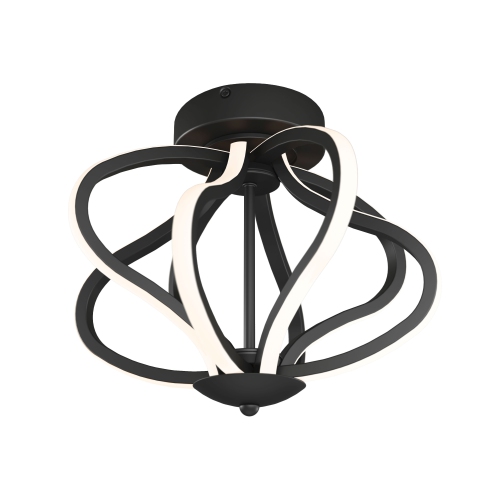
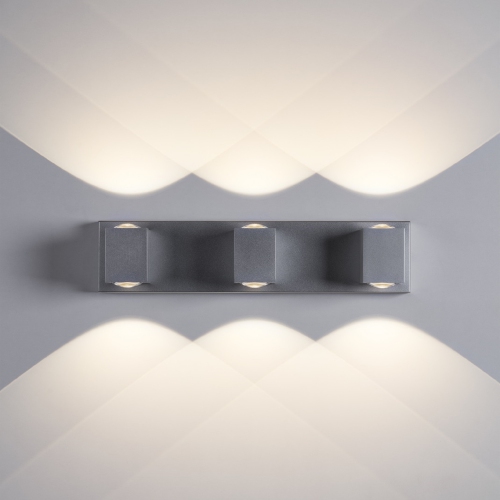


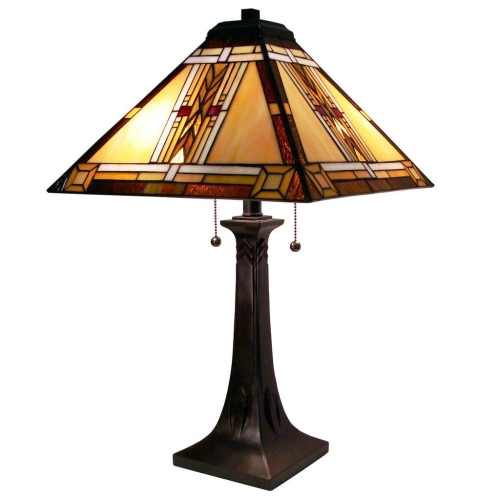


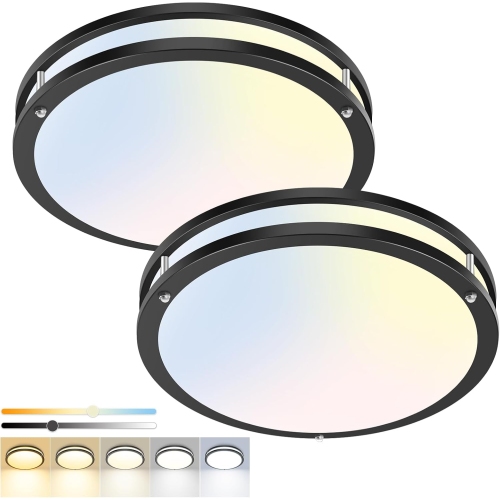
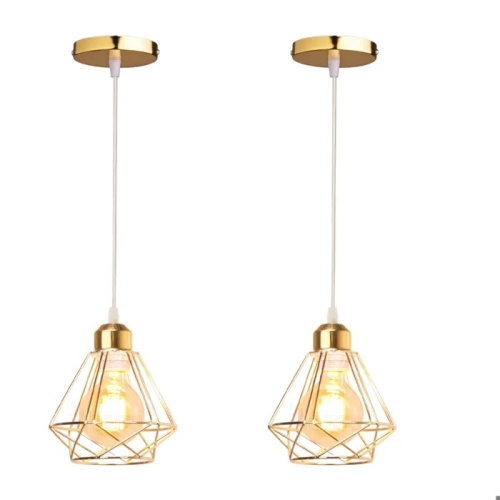
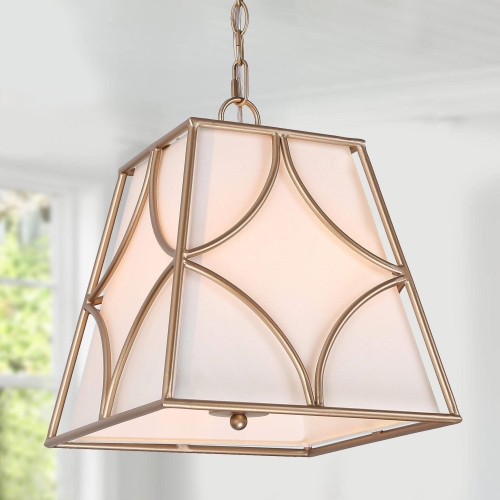







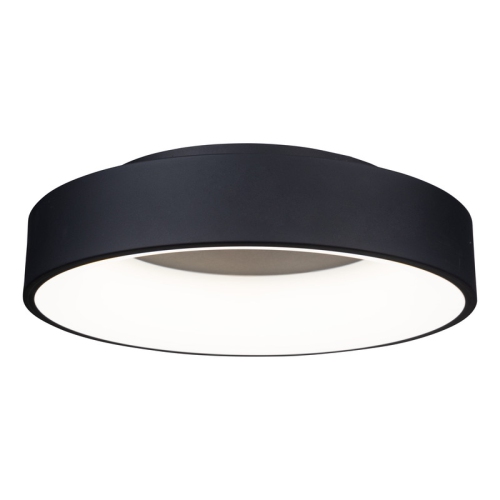
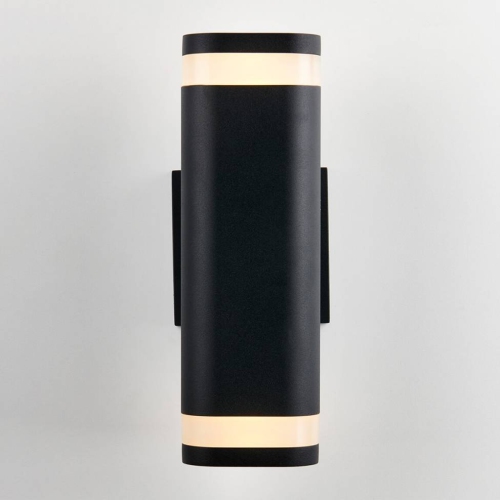

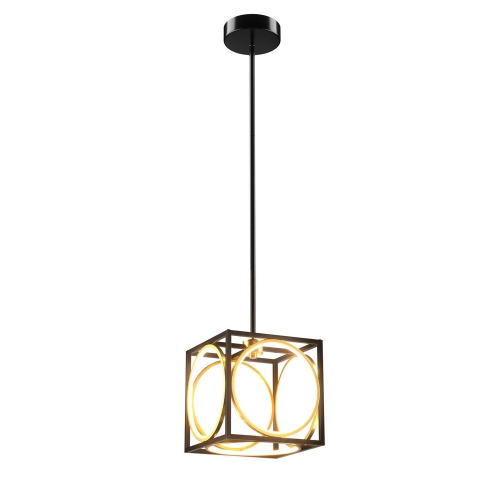
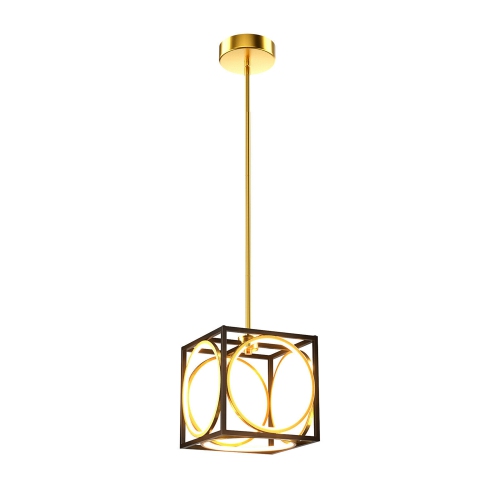

How layered lighting makes everyday tasks easier
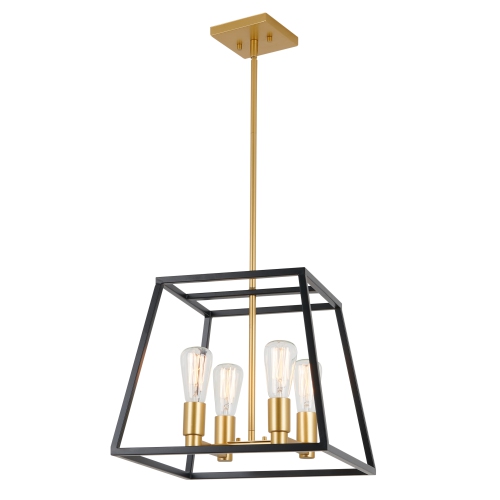
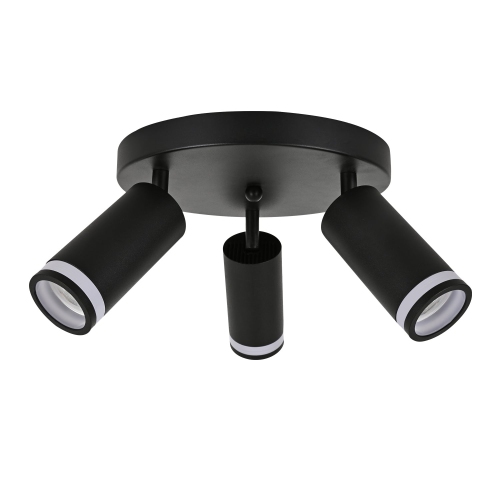
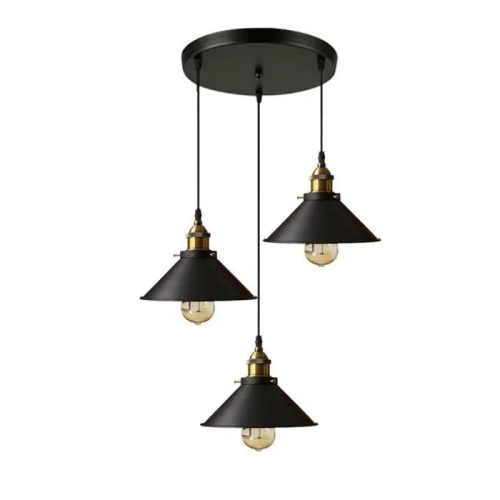
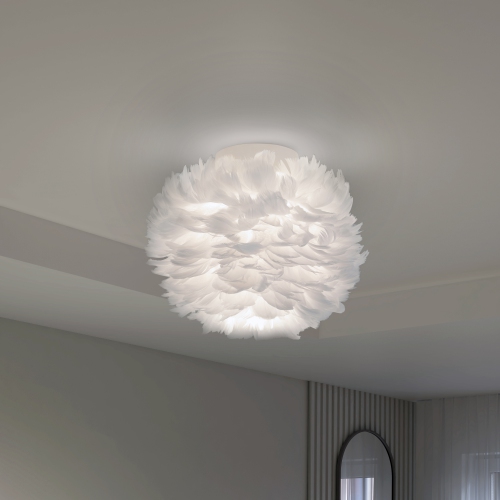
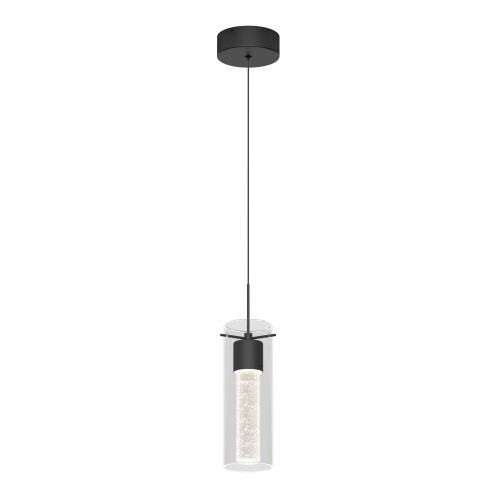
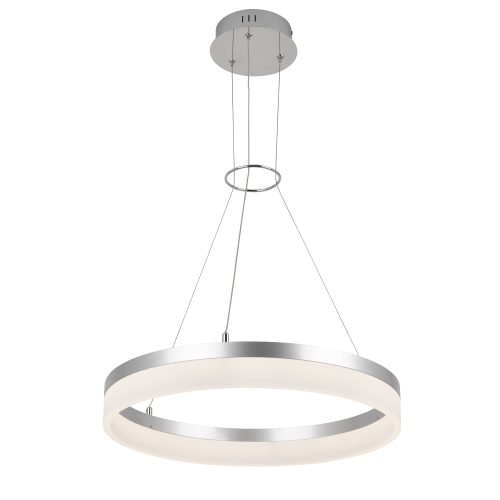
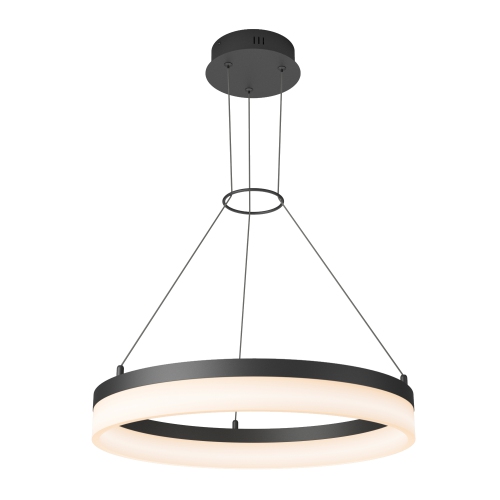
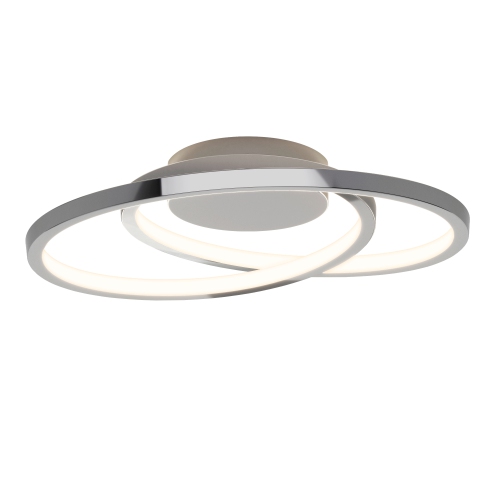
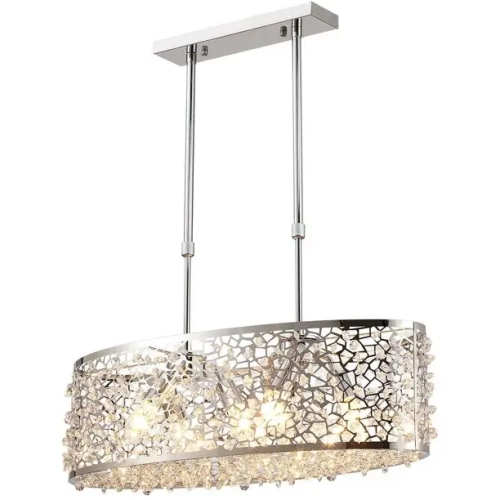
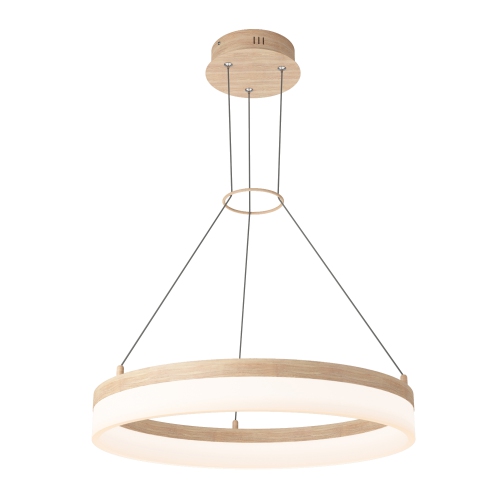
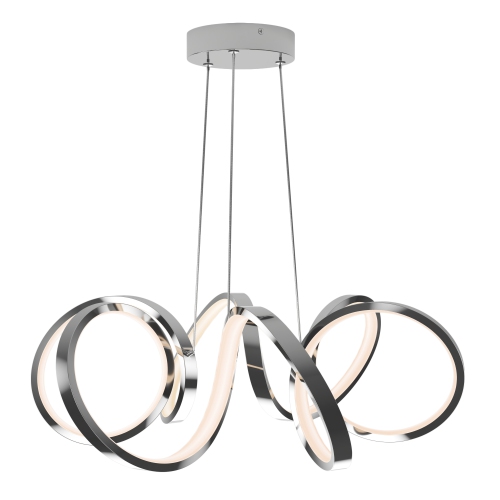
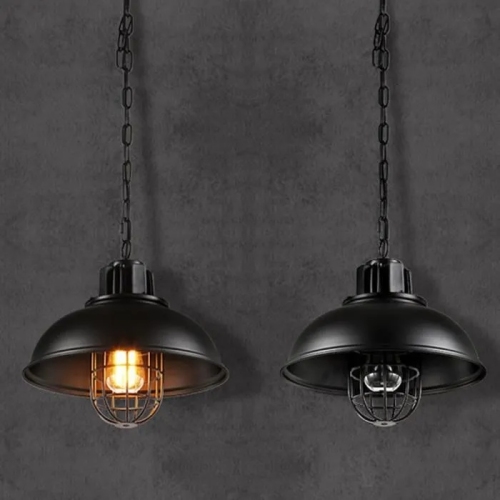
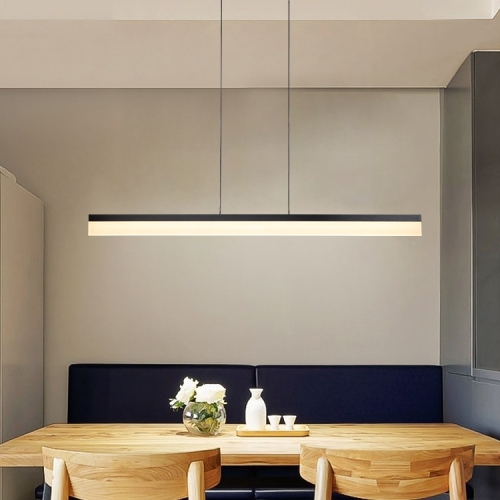
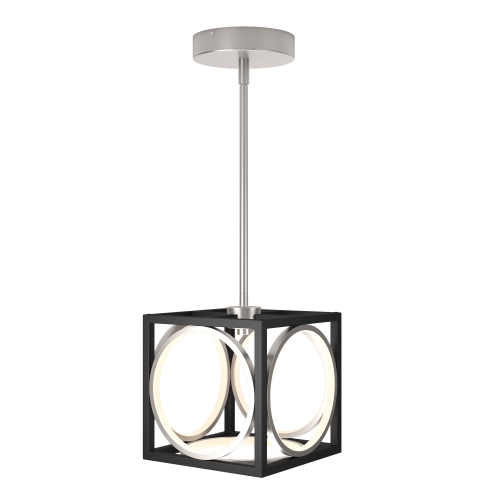
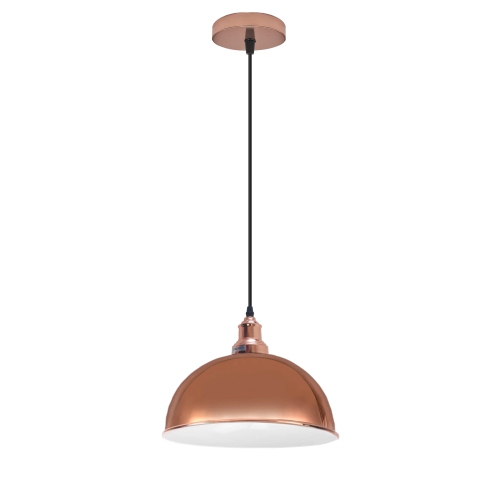
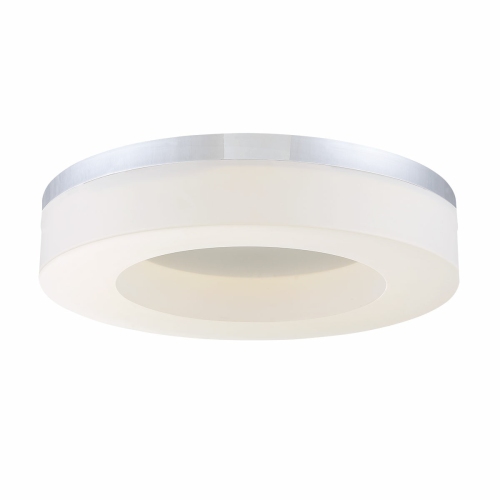
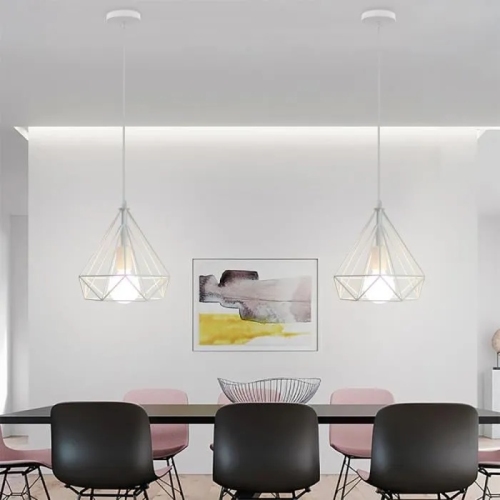
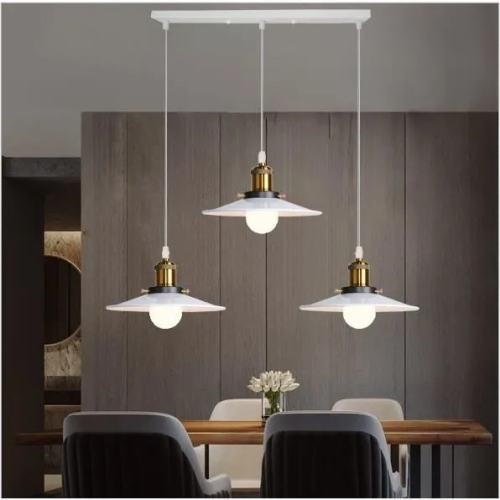
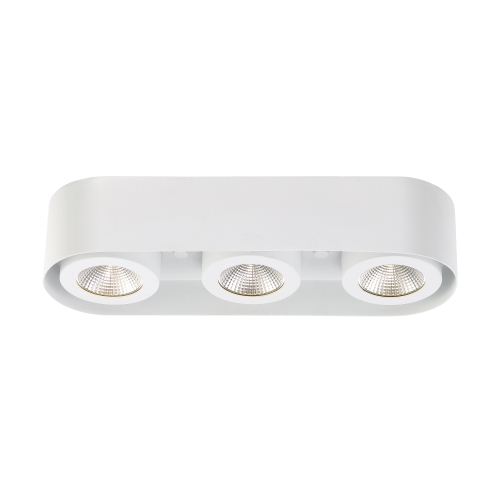
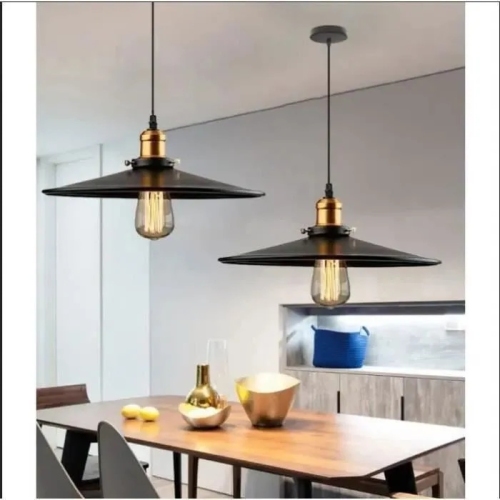
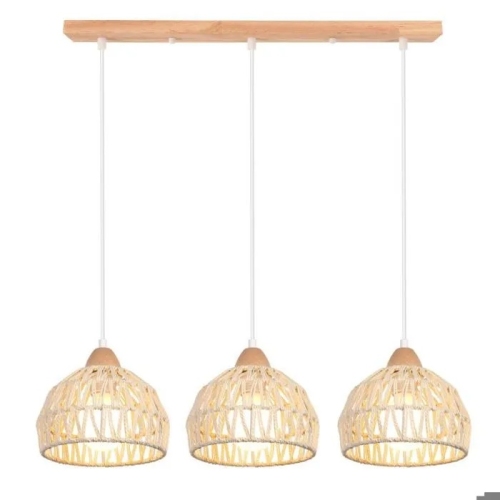
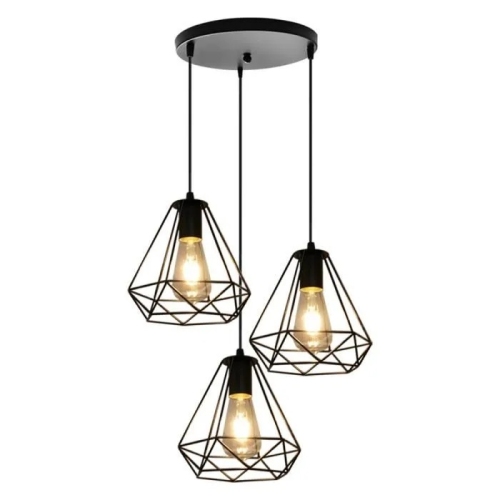
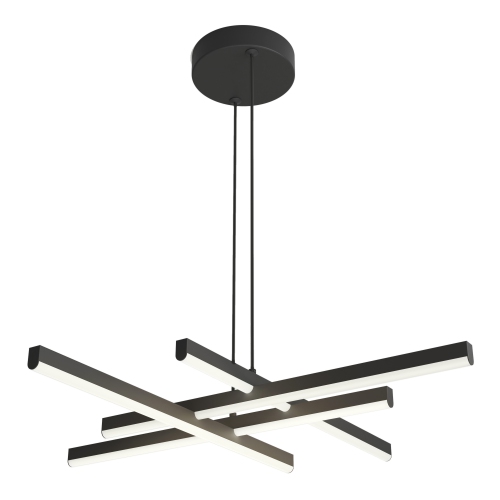
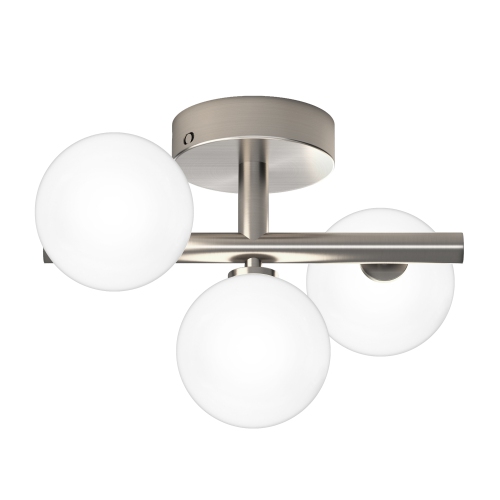
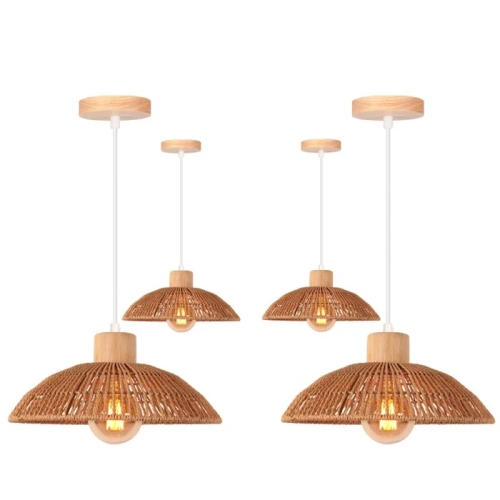
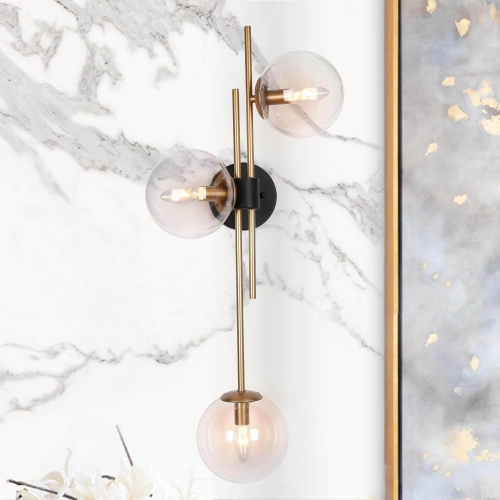
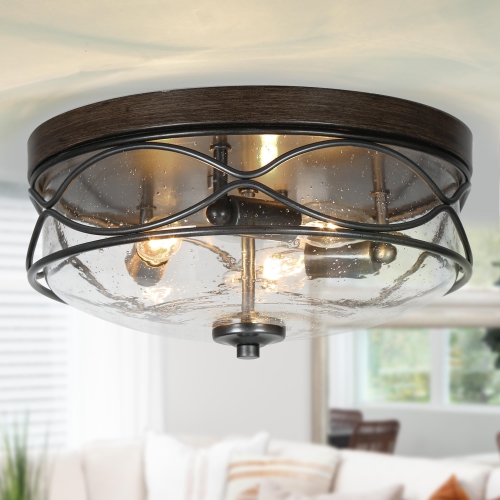
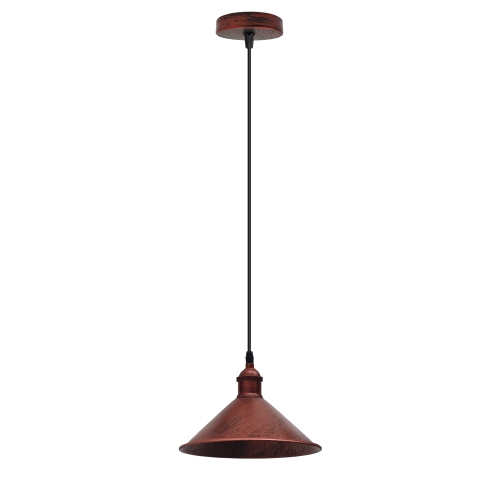
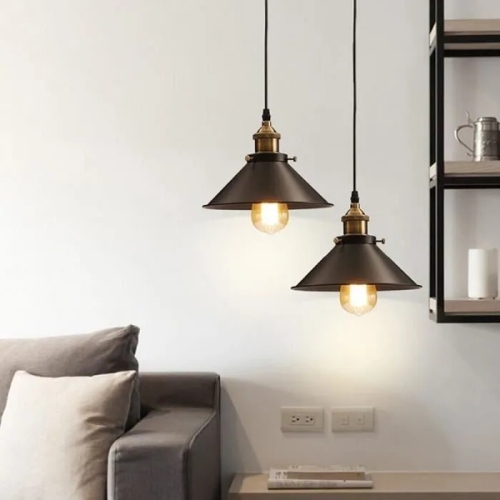
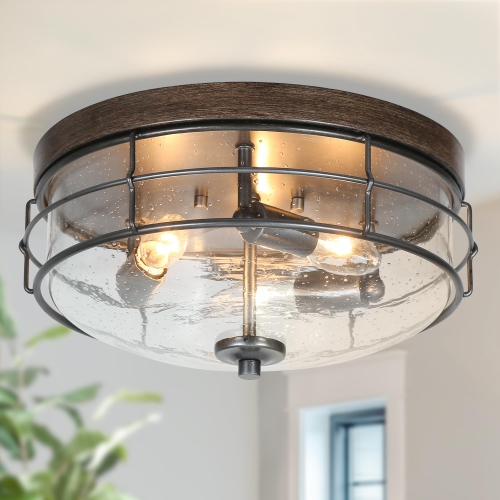
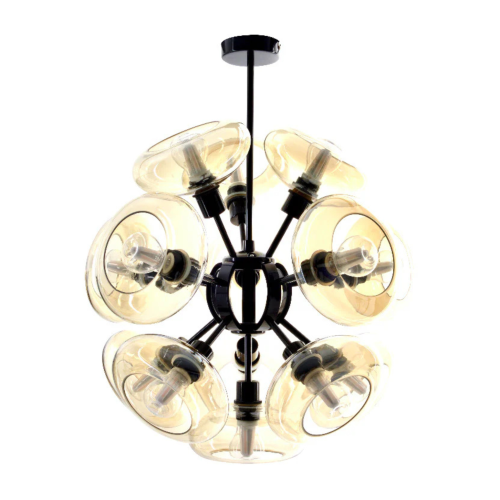
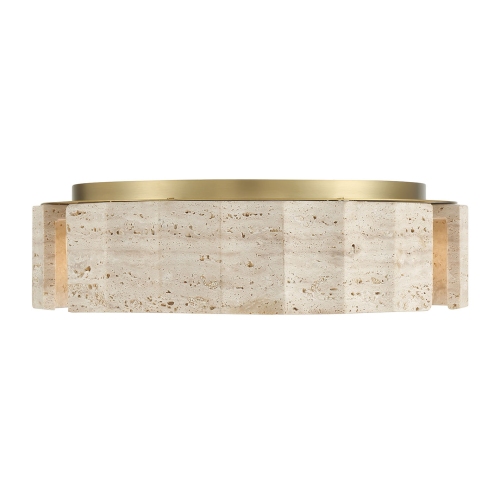
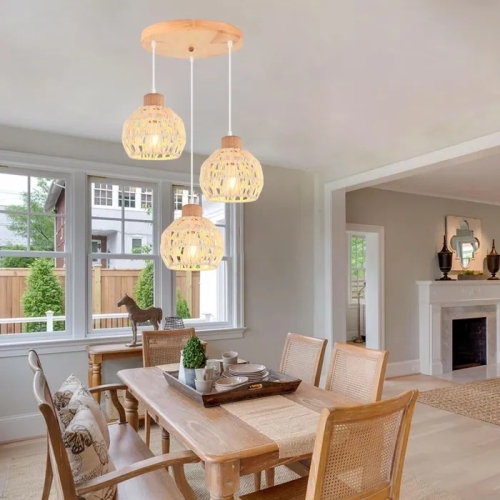
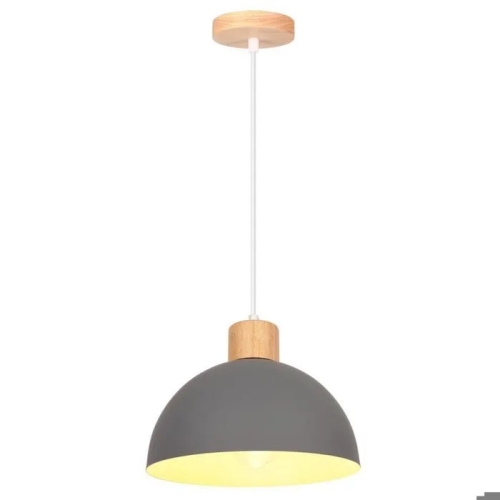
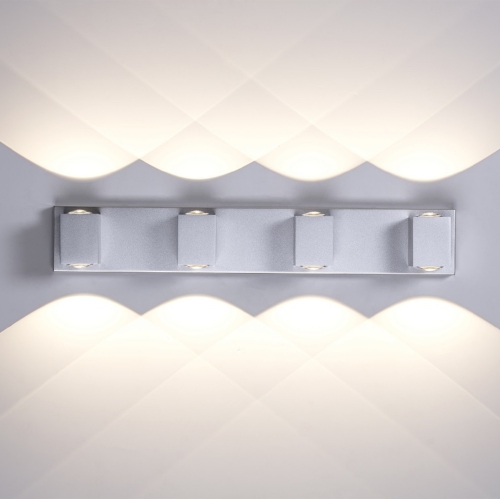
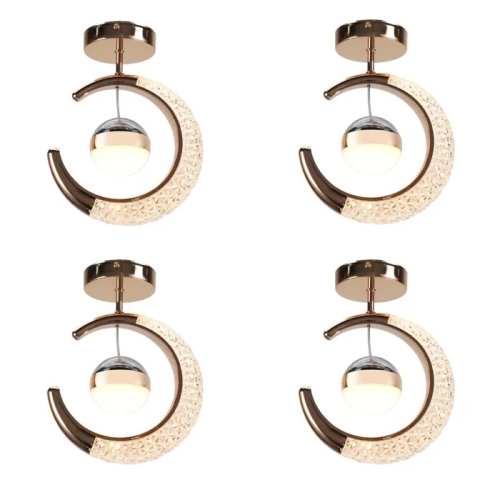
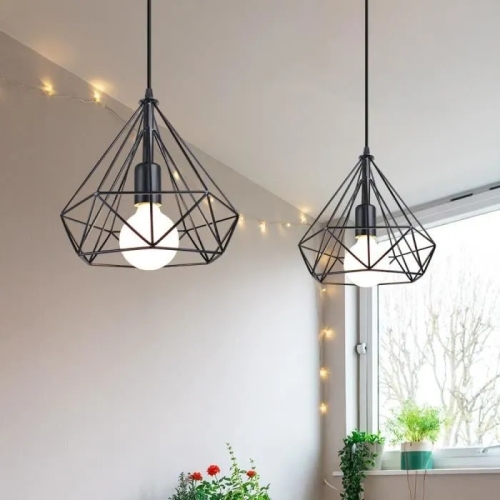
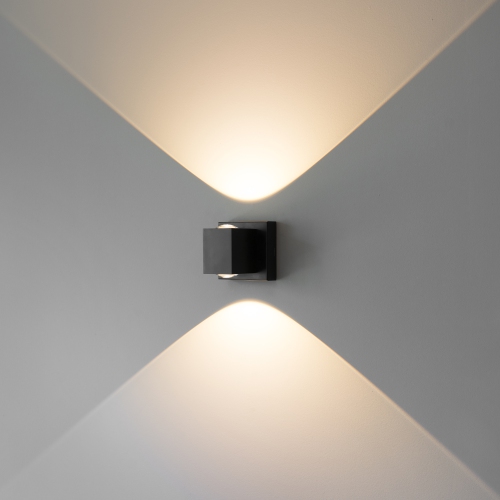
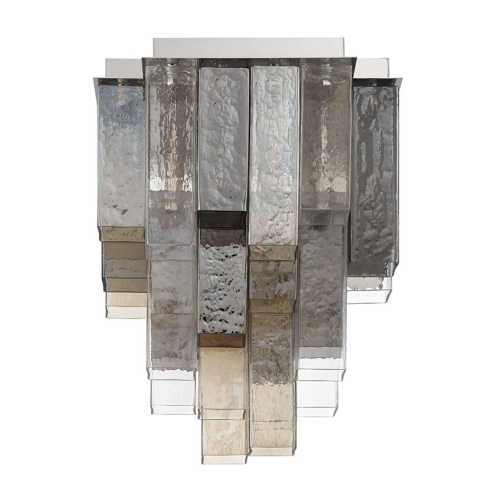
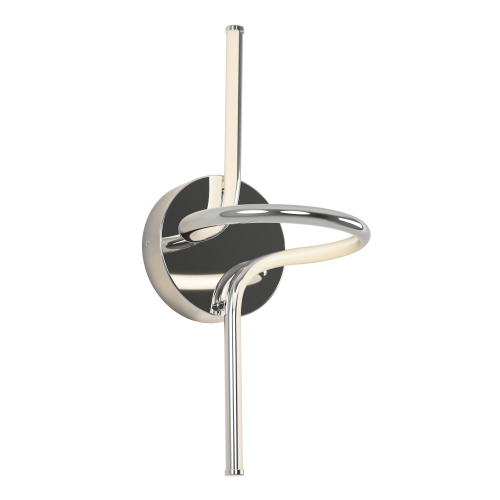
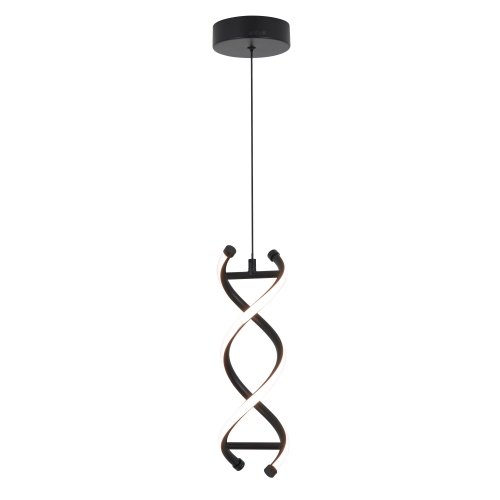
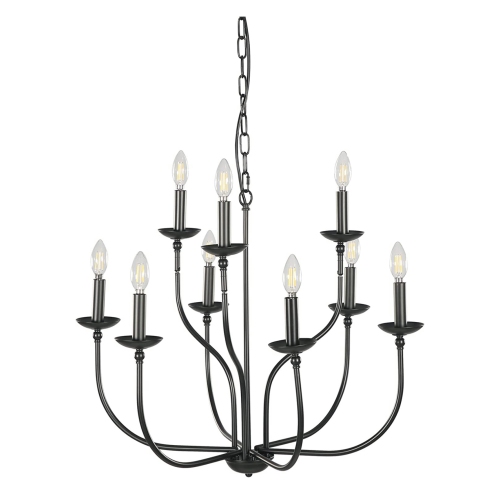
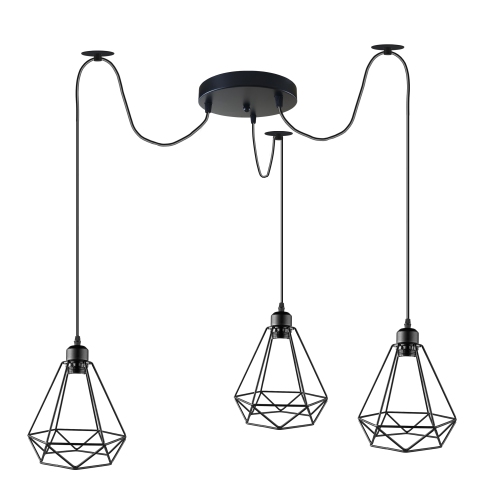
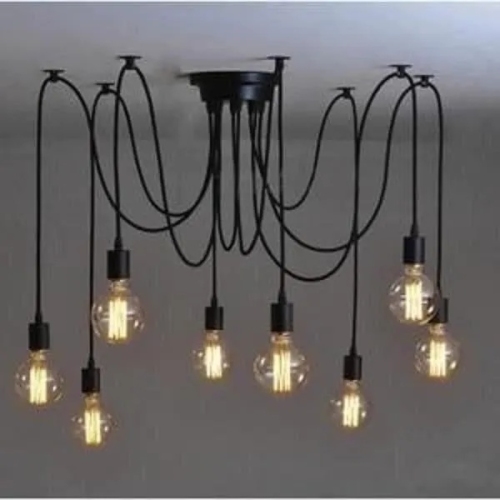
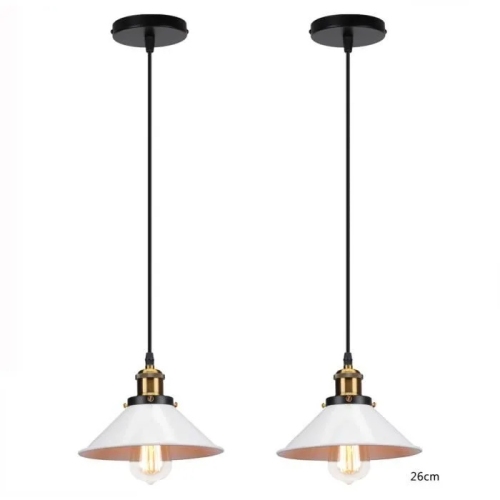
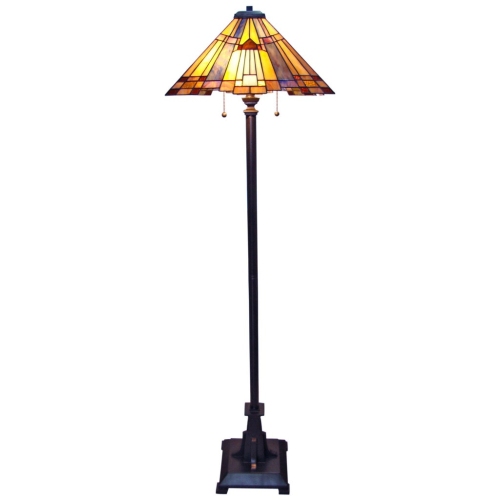
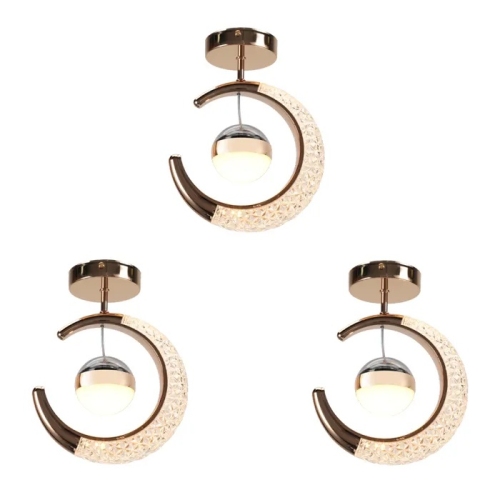
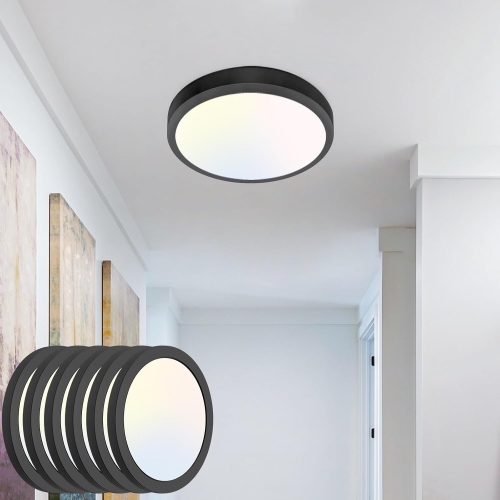
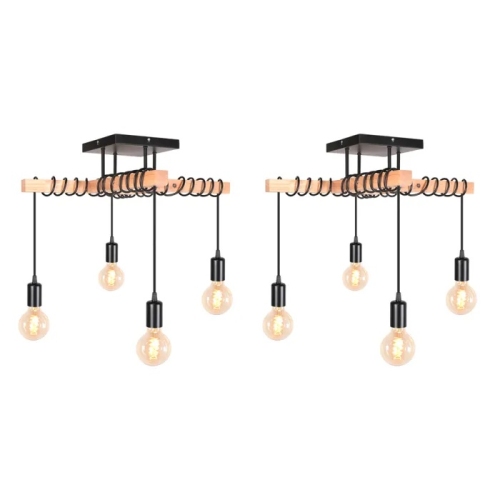
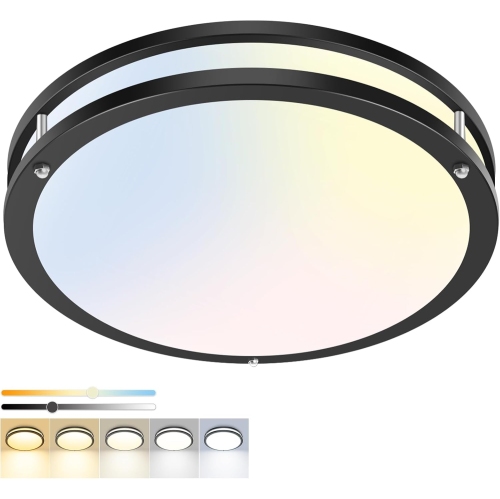
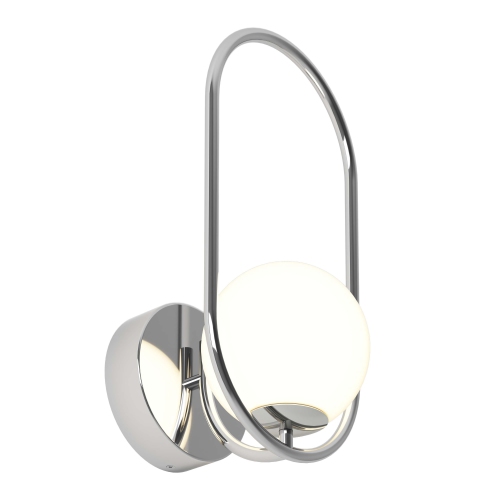
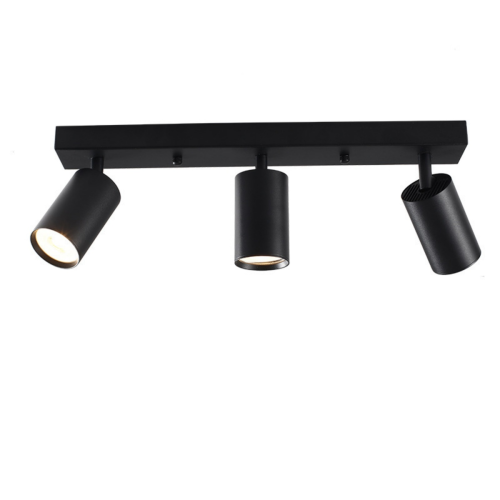
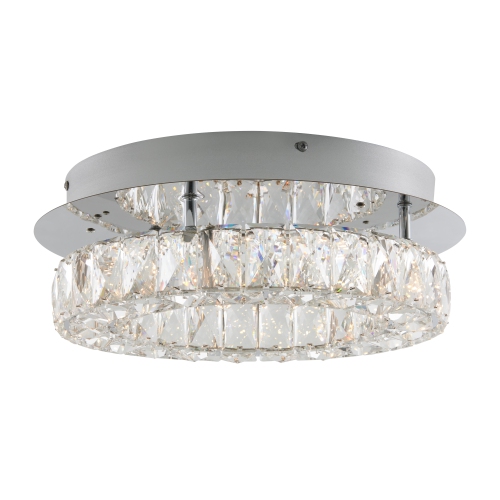
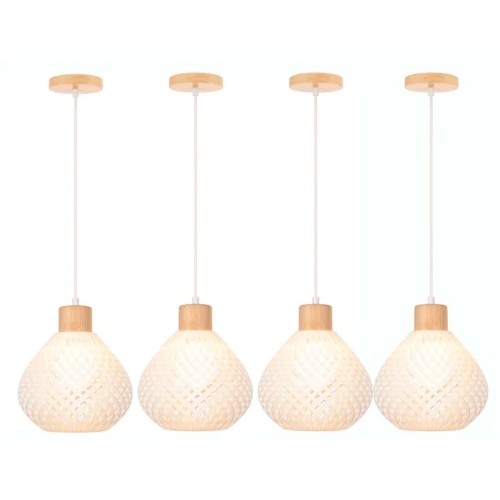
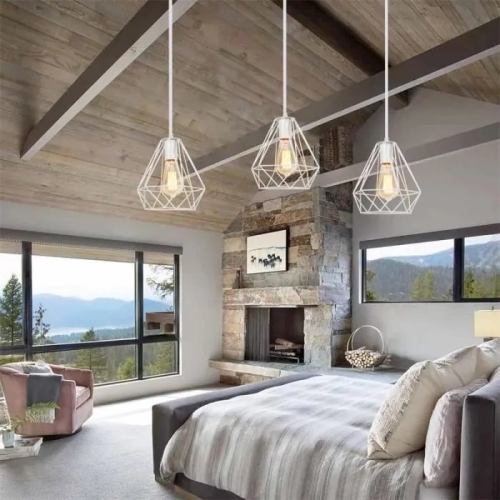
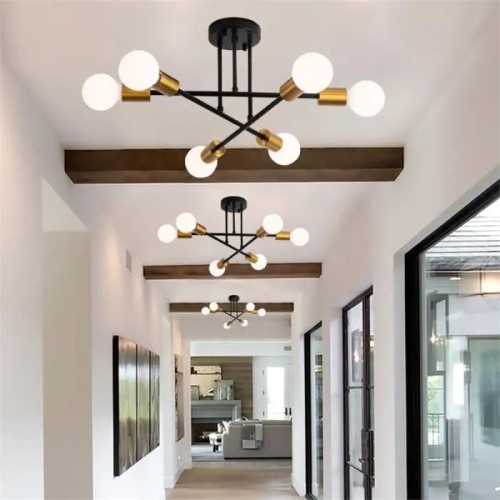
Home lighting fixtures provide general illumination, focused light for everyday activities, and accents that bring out a room’s character. Ceiling lights, pendants, chandeliers, wall sconces, and recessed lighting each serve a different purpose, with the best fit depending on ceiling height, room layout, and how the space is used. Flush-mount fixtures sit close to the ceiling, making them practical for hallways, bedrooms, and other spaces where a hanging light could feel intrusive. Semi-flush mounts leave a small gap between the fixture and ceiling, adding dimension without the longer drop of a pendant. Pendants direct attention towards kitchen islands, breakfast counters, or reading corners, while chandeliers can give dining rooms and entryways a strong visual centre. Recessed lights sit within the ceiling for an unobtrusive appearance, and adjustable track heads can direct light towards shelving, artwork, or work surfaces. These fixture types often work together rather than competing for the same job. Ambient lighting establishes overall visibility; task lighting concentrates illumination where someone reads, prepares food, or works; and accent lighting highlights selected features. In a living room, that might mean a diffused ceiling fixture for general light, a wall-mounted reading light beside a favourite chair, and a directional light aimed at a textured wall. In a kitchen, overhead fixtures illuminate the room while under-cabinet lighting helps prevent a person’s shadow from falling across the countertop. Bedrooms often benefit from separately controlled bedside lights, especially when one person wants to read while another rests. A home office needs comfortable illumination across the work surface without a bright reflection on the monitor. For households with children, older adults, or people who need more light for detailed tasks, layered lighting offers flexibility without relying on a single intense overhead source. Thoughtful placement also makes ordinary moments easier, from finding shoes in an entryway to seeing the contents of a deep cupboard.
The size and construction of home lighting fixtures influence both their appearance and their suitability for a room. A broad dining table can visually support a larger suspended fixture, while a narrow passage usually calls for a more compact profile. The fixture’s width matters alongside its height: a light that looks balanced in an open entryway may overwhelm a small bedroom. For pendants and chandeliers, the listed dimensions may describe the fixture body separately from the overall hanging length, so adjustable cords, rods, or chains are useful details to check. Ceiling slope compatibility is another consideration in rooms with angled ceilings. Above a table or island, a suspended light should leave a comfortable view across the surface; in a walkway, it needs sufficient clearance for people passing underneath. Materials contribute just as much to the finished effect. Clear glass keeps a fixture visually open and exposes the shape of the bulb, while frosted or opal glass softens the light and helps conceal bright points. Metal shades tend to direct light more deliberately, making them useful where illumination is needed below rather than throughout the room. Fabric shades create a softer appearance in bedrooms and sitting areas, though they are generally better suited to locations away from cooking splashes and moisture. Matte black, brushed metal, and warm metallic finishes can coordinate with cabinet handles, door hardware, and furniture without requiring every surface to match exactly. Wood details and woven shades add texture, but open patterns may cast noticeable shadows on nearby walls. Durability depends on the fixture’s construction, finish, and intended placement, not simply its weight. Smooth surfaces and accessible shades are often easier to keep clean than intricate frames with numerous small parts. Glass can show fingerprints, fabric can collect dust, and textured finishes may need gentle cleaning to preserve their appearance. Following the manufacturer’s care directions, switching off power before cleaning, and allowing lamps to cool helps protect both the fixture and the person maintaining it.
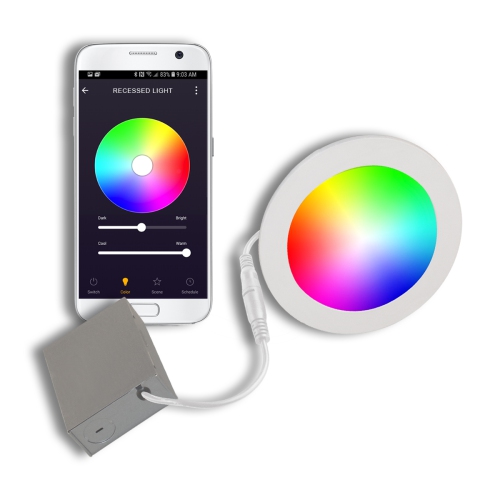
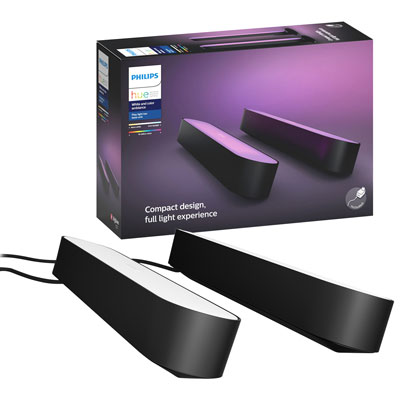
Light quality and compatibility are central to how a fixture feels in daily use. Lumens describe light output, while watts describe power use, so bulb brightness is better compared by lumens than by wattage alone. The amount of light reaching a surface also depends on the shade, beam direction, mounting height, and room finishes. A dark wall absorbs more light than a pale one, and a deeply shaded pendant produces a different effect from an open fixture with the same bulb output. Colour temperature, measured in kelvins, describes whether white light appears warmer or cooler. Warm white light often suits bedrooms and lounge areas, while a more neutral white can provide a crisp appearance in kitchens and workspaces. Keeping the light colour consistent across connected areas helps an open-plan room feel cohesive. Colour rendering matters, too, particularly around bathroom mirrors, wardrobes, and food preparation areas where accurate colours are useful. Dimmable lighting allows a dining space to shift from bright illumination for homework to a softer setting for a meal, but the fixture, bulb, and dimmer must be compatible. Replaceable-bulb fixtures require the correct bulb base, shape, and permitted wattage; enclosed fixtures may also require bulbs specifically rated for enclosed use. Integrated LED fixtures have built-in light sources, making expected service life, warranty terms, and component replacement options worth considering. Smart lighting adds scheduling or remote control where supported, with some systems requiring Wi-Fi or a separate hub. Installation requirements deserve equal attention: fixture weight, electrical box support, ceiling construction, and wiring compatibility all affect suitability. Hardwired installation is best handled by a qualified electrician in accordance with applicable local requirements, and electrical certification accepted in Canada is an important detail. Bathrooms and other moisture-prone locations need fixtures rated for their specific placement. For entrances, patios, and other exterior spaces, Outdoor Lighting Fixtures are a separate category, with damp- or wet-location ratings suited to the exposure. Matching these practical details to the room helps create lighting that is comfortable to use, straightforward to maintain, and well proportioned to the home.
Top selling and popular products
-
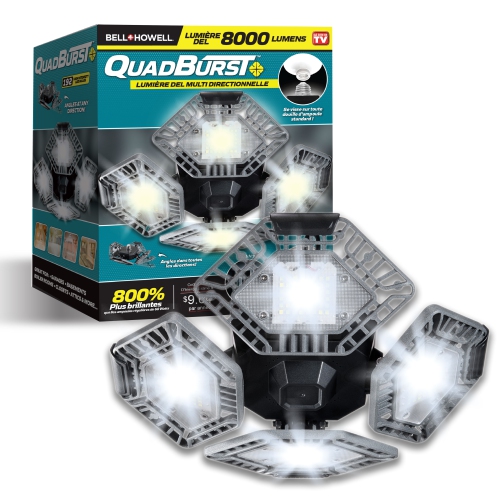 Your price for this item is $49.95
-
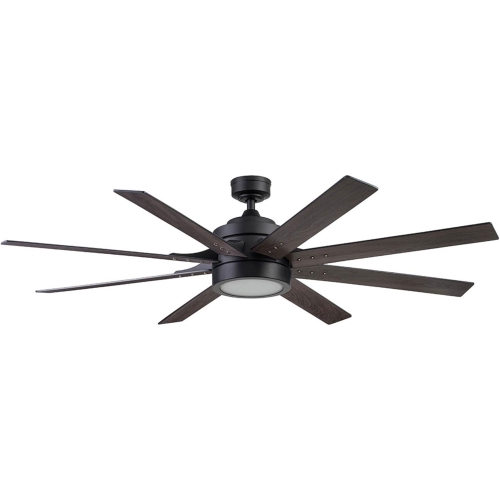 Your price for this item is $385.99
-
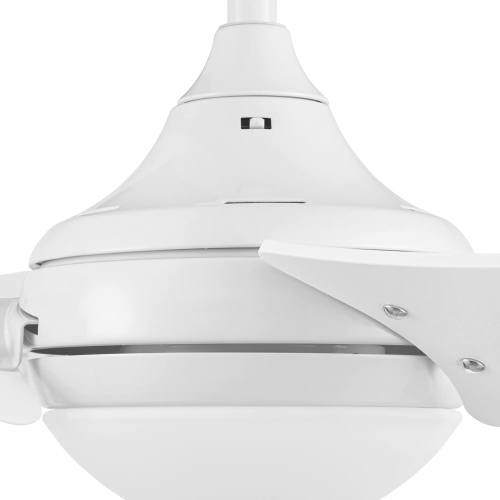 Your price for this item is $187.99
-
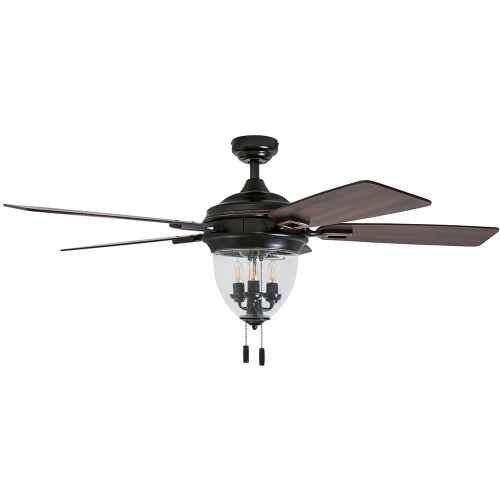 Your price for this item is $287.99
-
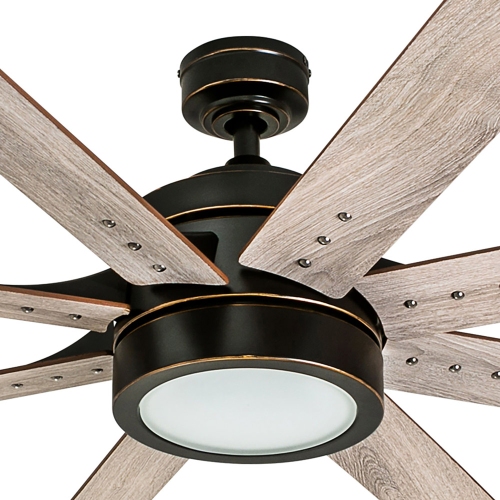 Your price for this item is $427.99
-
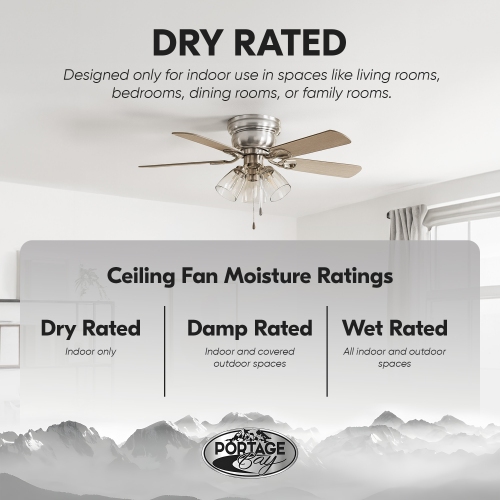 Your price for this item is $174.99
-
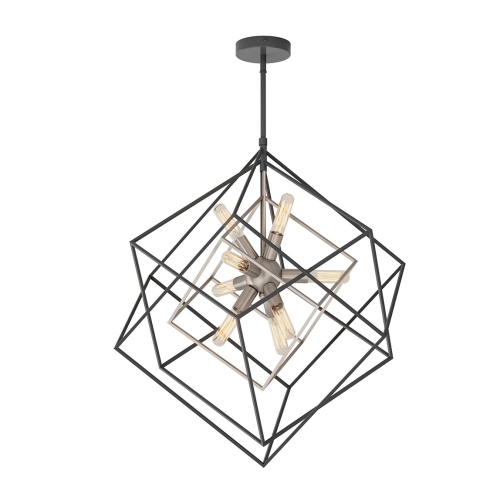 Your price for this item is $299
-
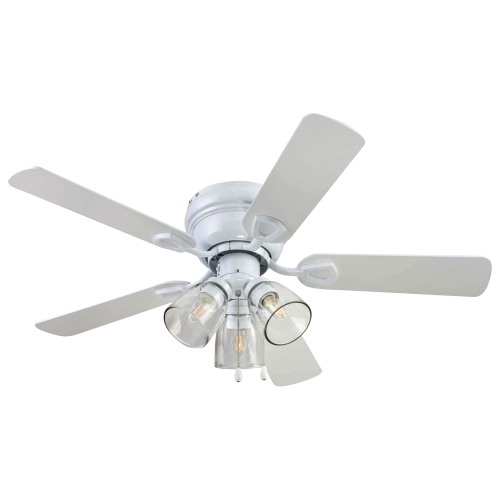 Your price for this item is $166.99
Discover more categories related to Home Lighting Fixtures
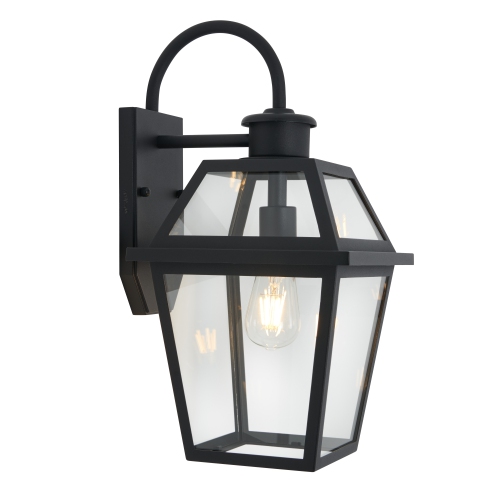
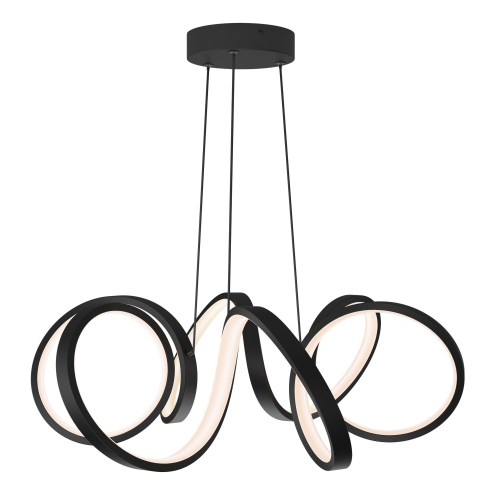
Top Collections:
Pokemon Centers, Kindle Devices, Best Budget Office Chairs, Canon G7X Cameras, Apple iPhones 16, Samsung Galaxy Phones, Refurbished Apple Laptops, Laptops for Students, iPhone 15 Apple, Budget Smartphones
Some products may be subject to Environmental Handling Fees
(EHF) depending on your province.
Learn more about EHFs.