Outdoor Square Ottomans
An outdoor square ottoman is a great way to add extra seating to your outdoor living space. These ottomans are also a great place to rest your feet while you're enjoying your outdoor furniture. Here are some excellent choices for outdoor ottomans available today.
Sort


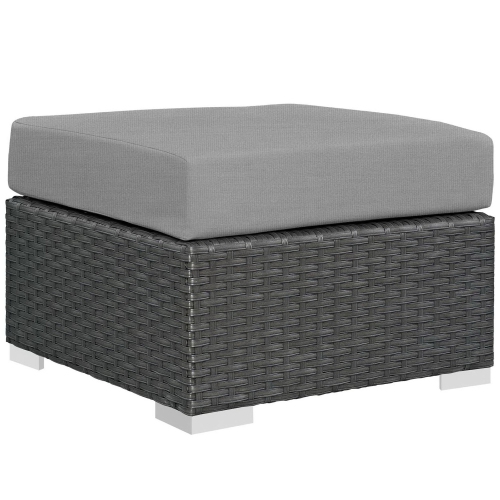
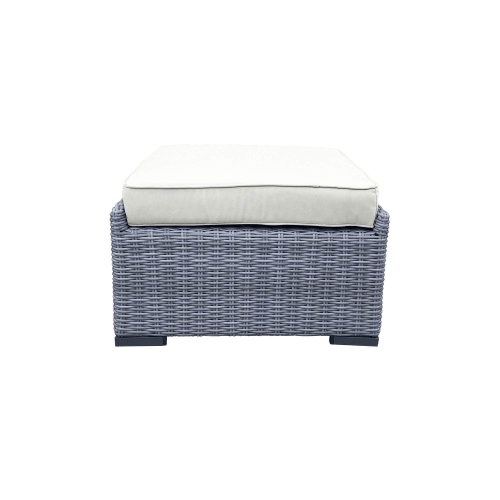
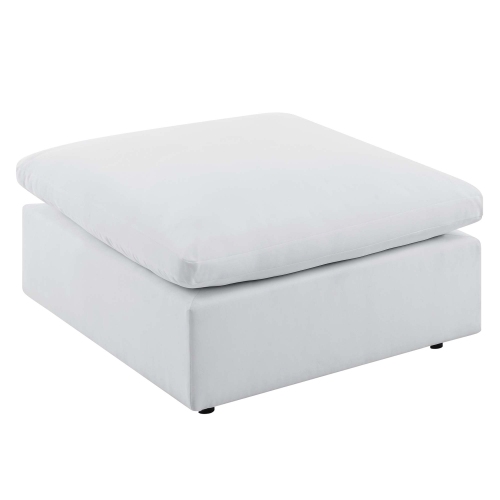

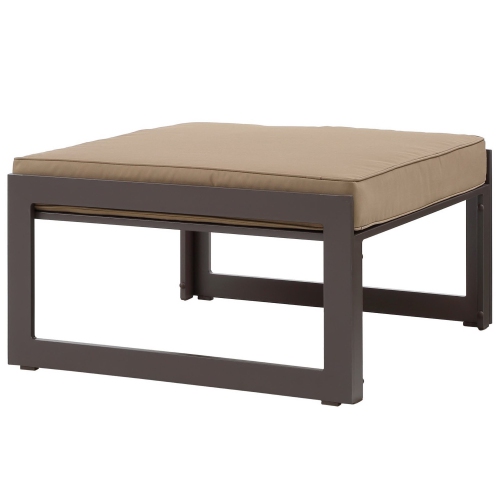
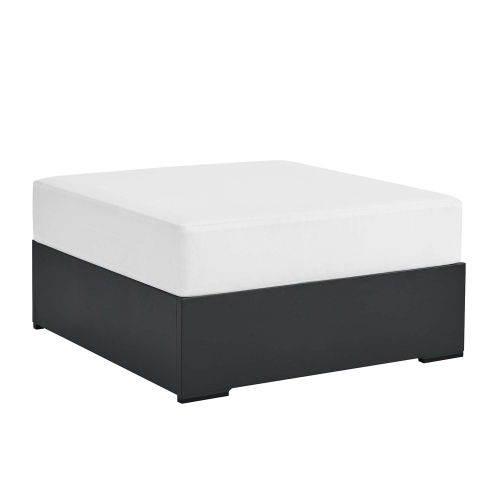
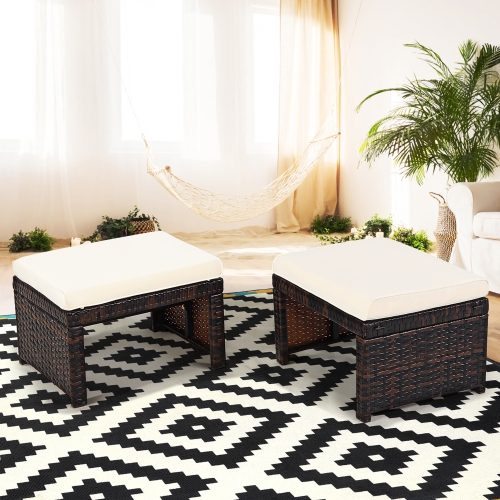
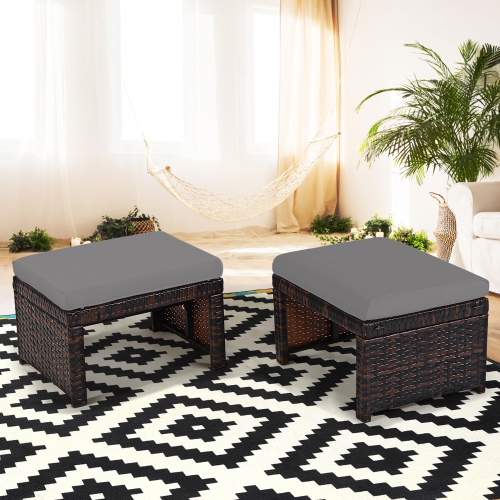

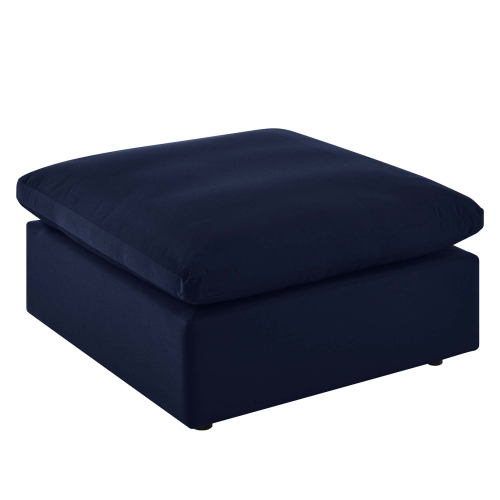

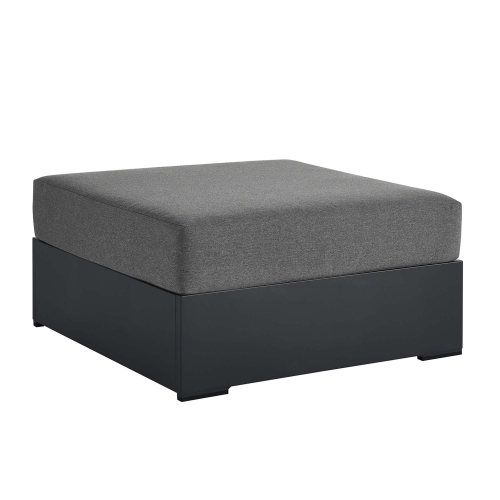
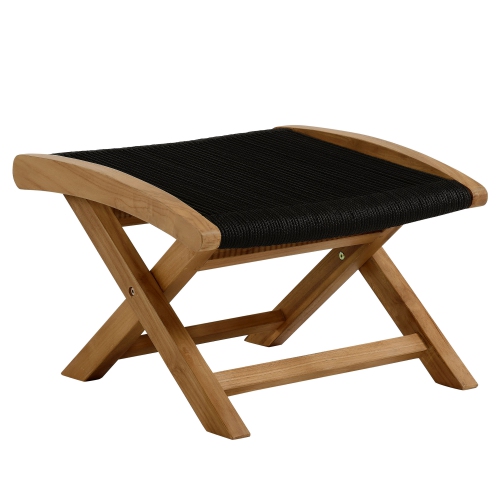
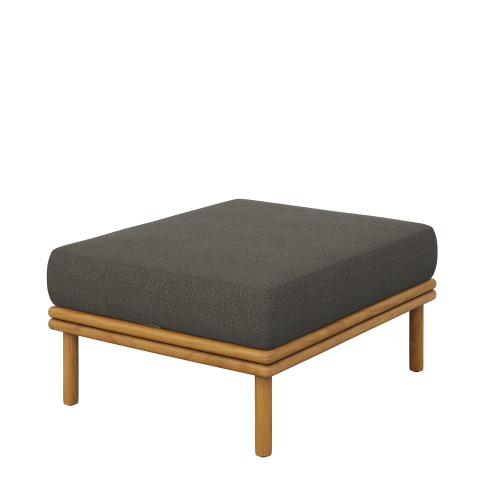
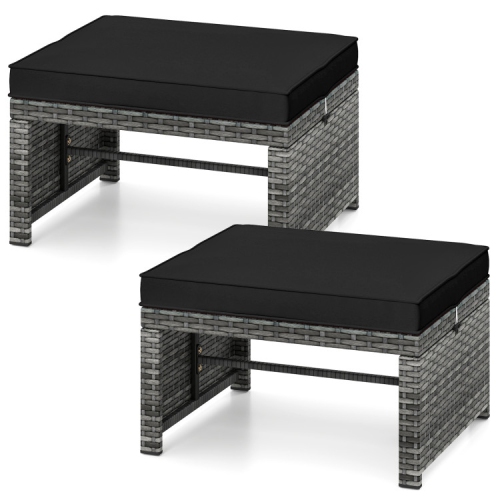
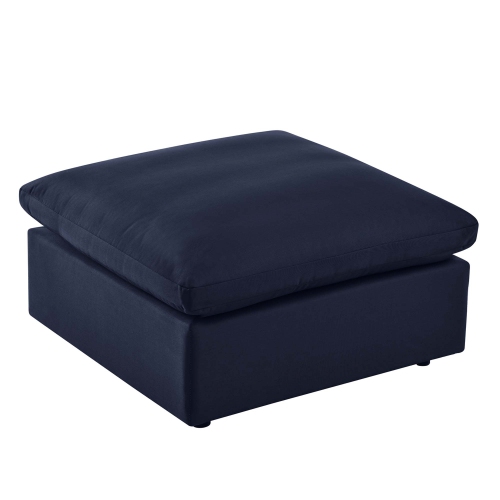
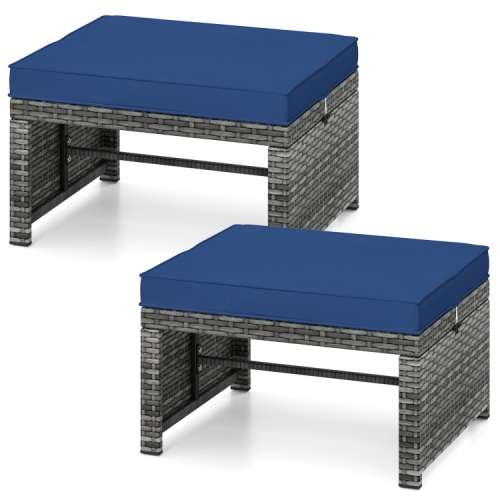
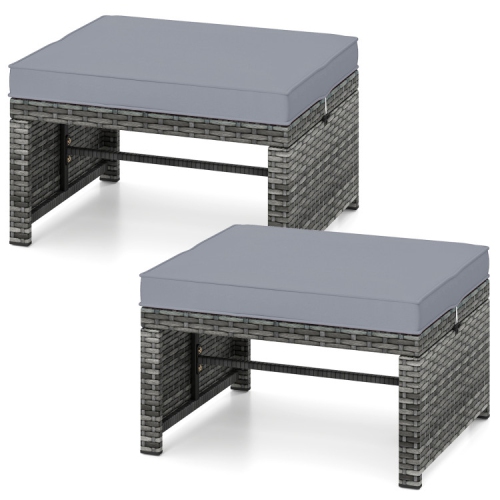
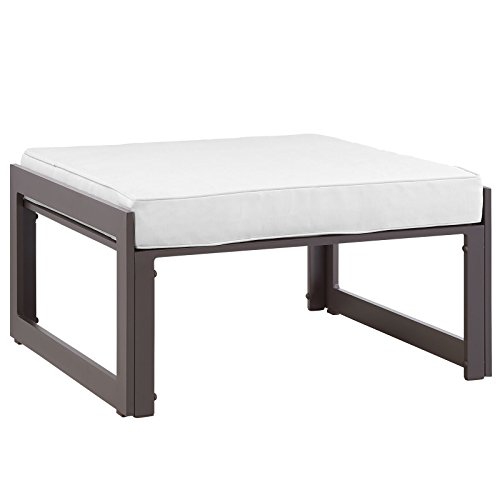
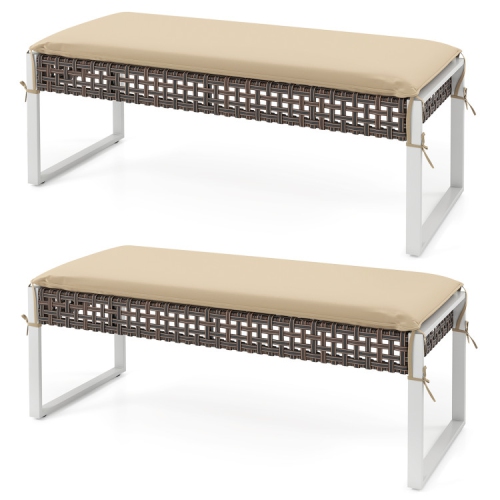
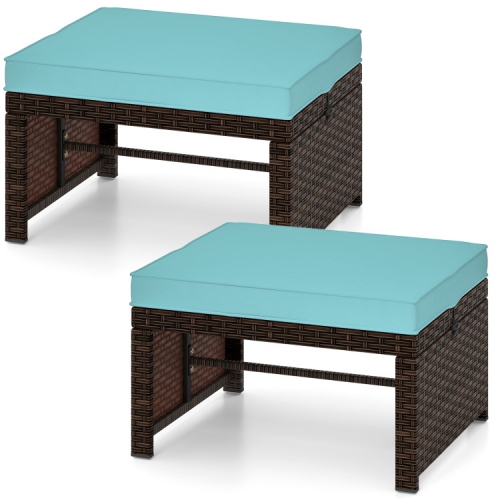
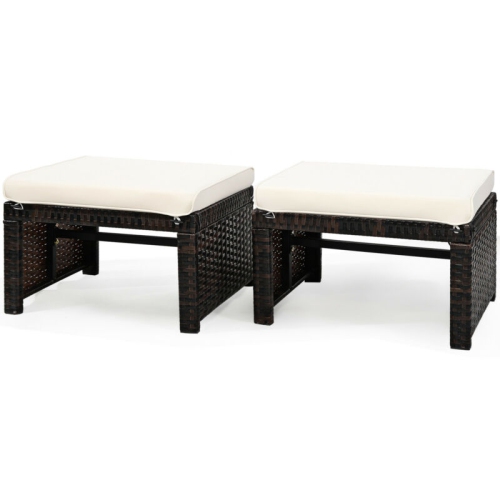
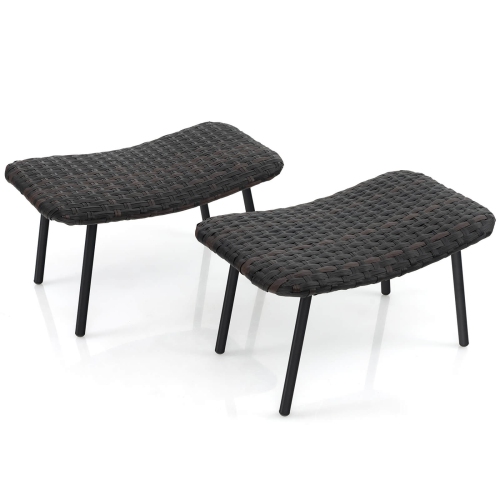
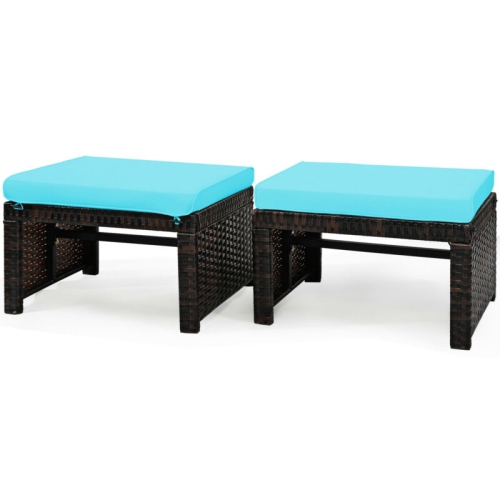
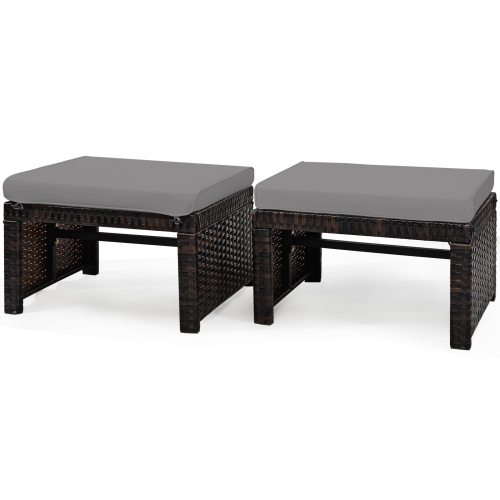
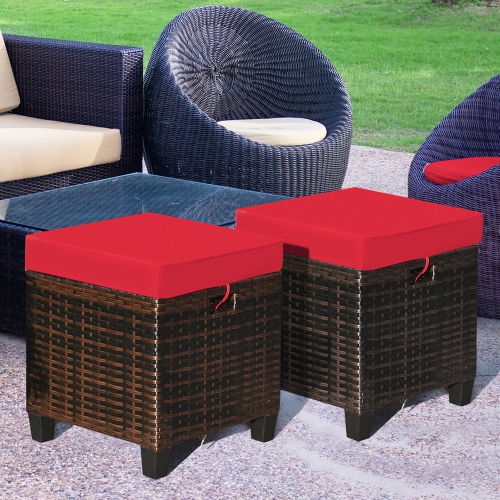

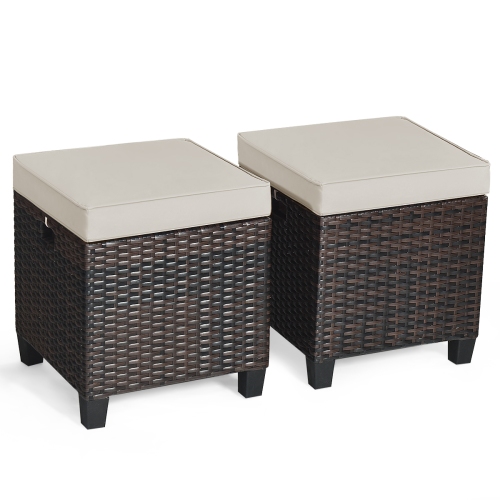
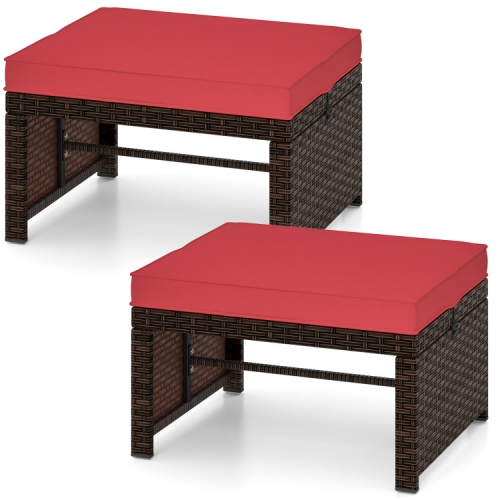
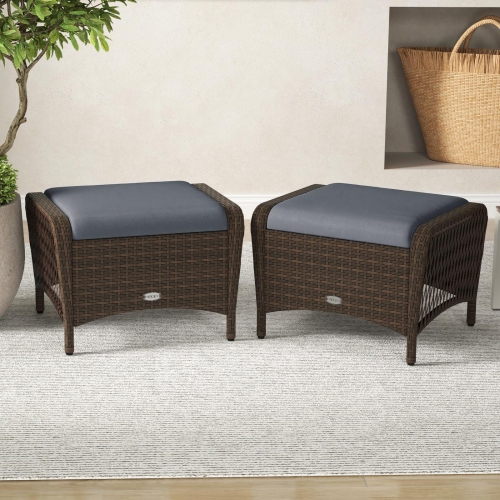
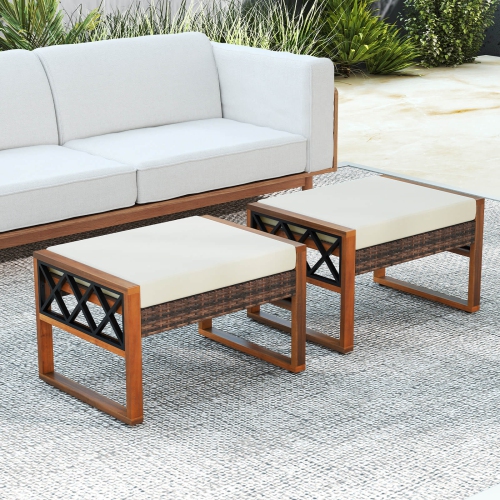
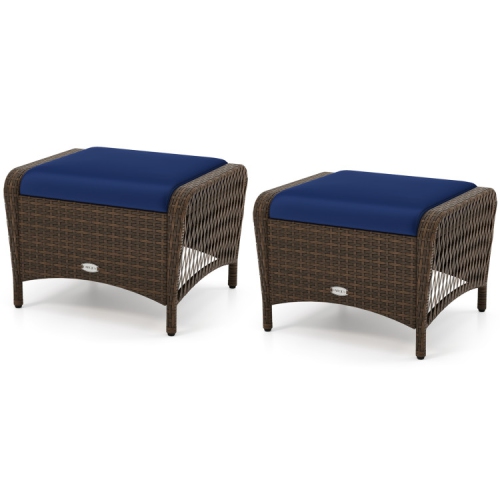
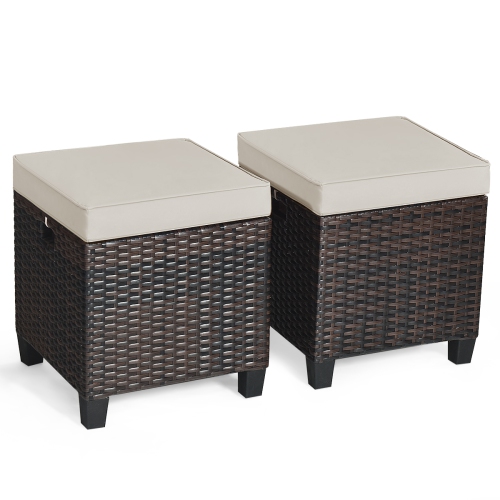
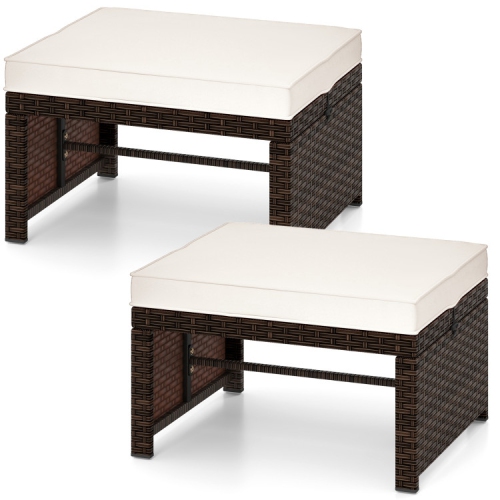
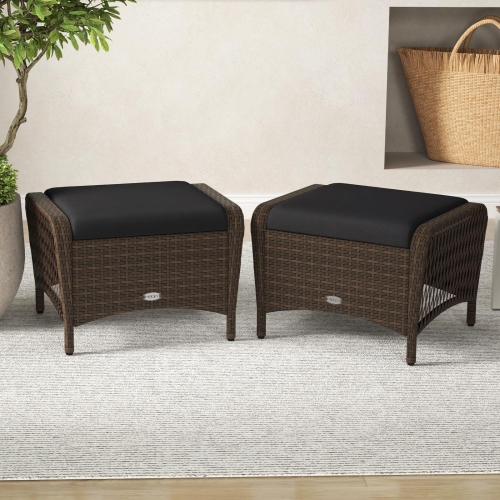
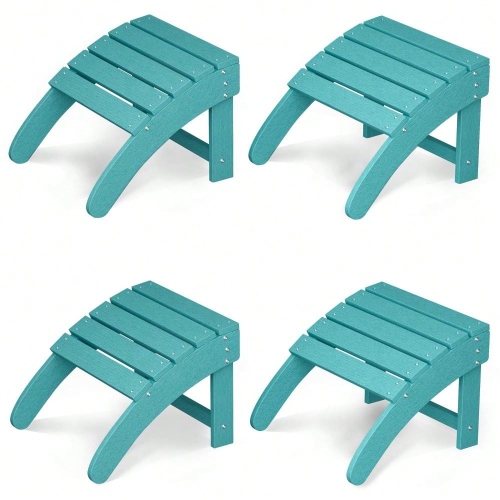
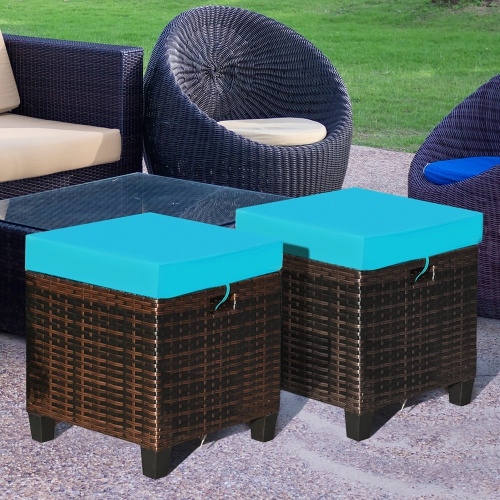
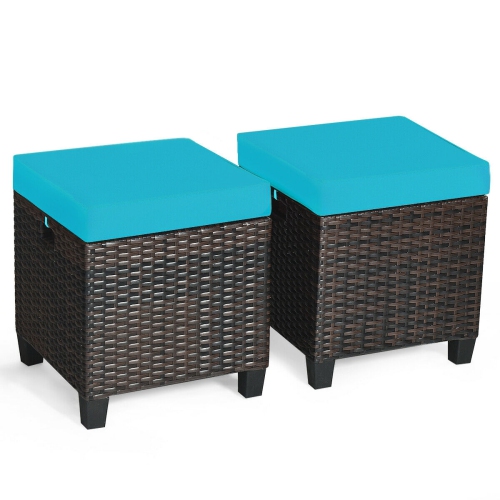
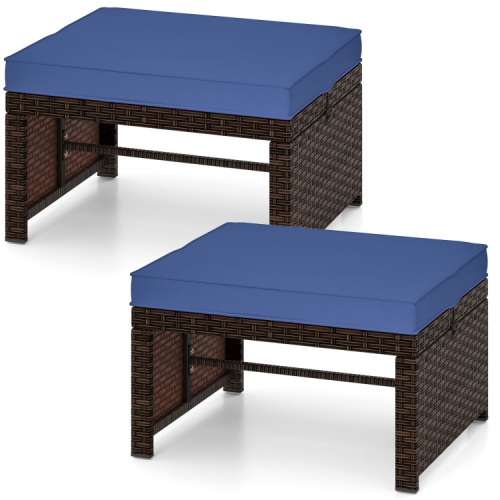

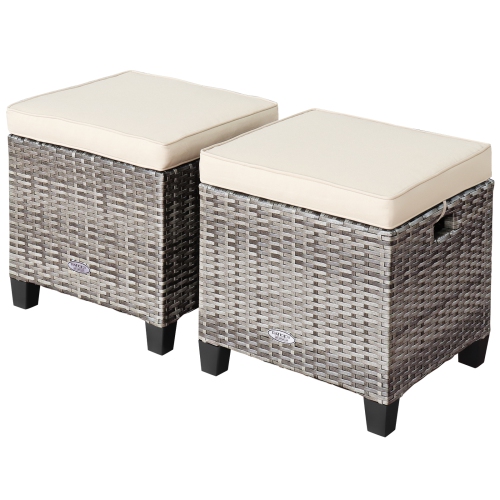
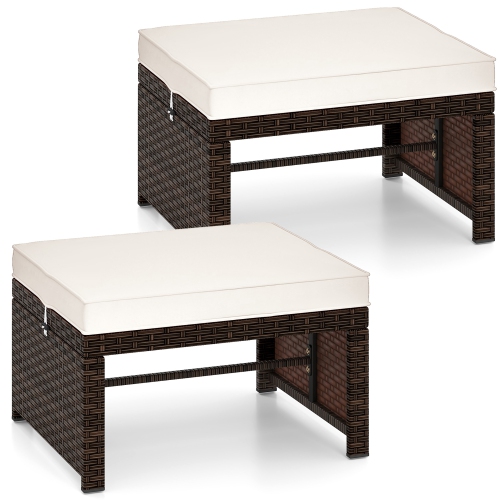
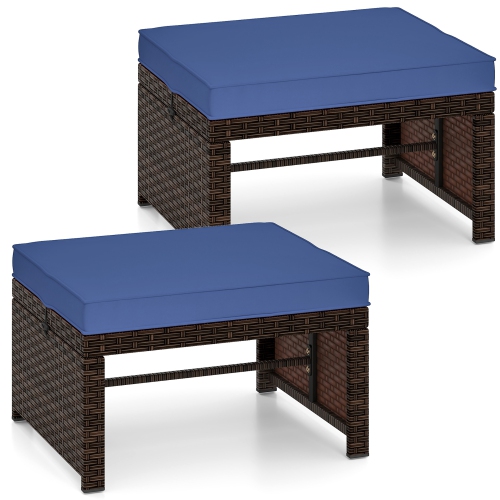
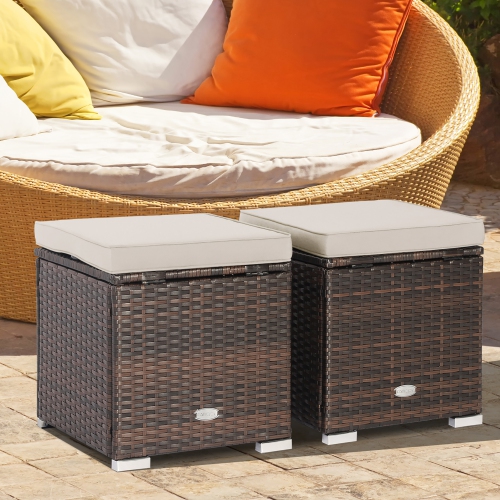
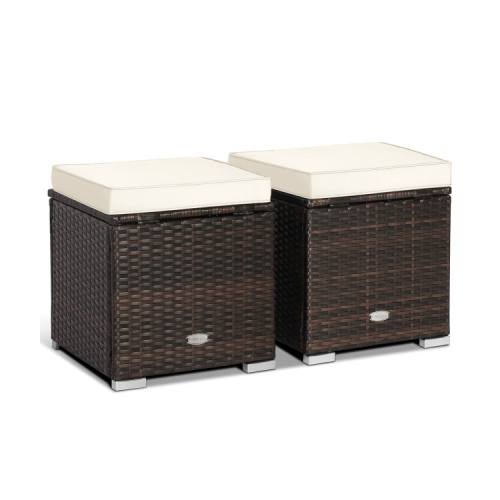
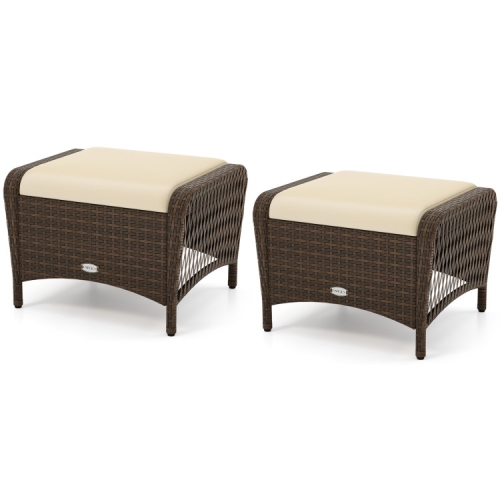
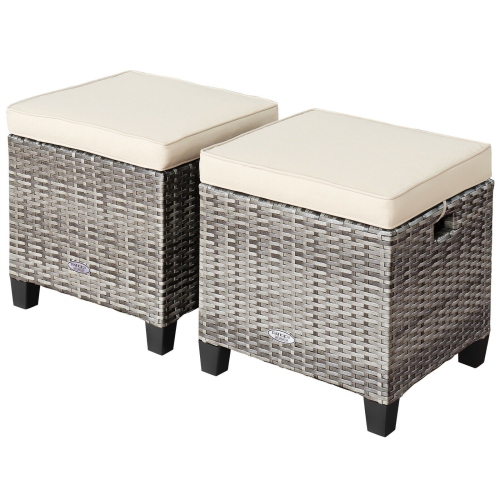
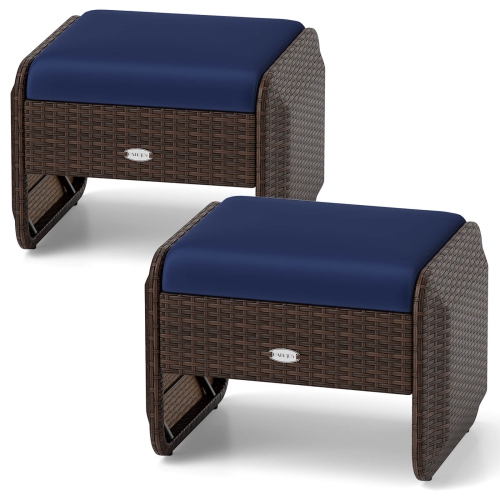
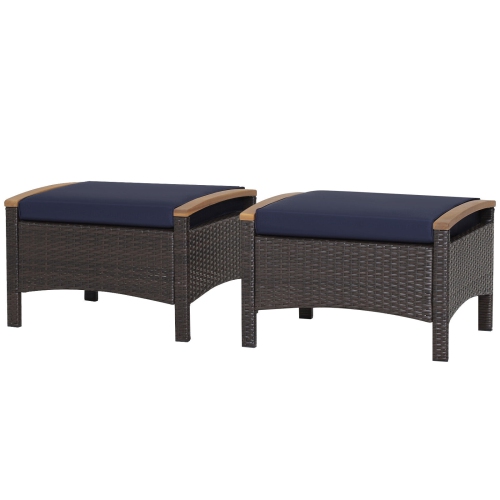
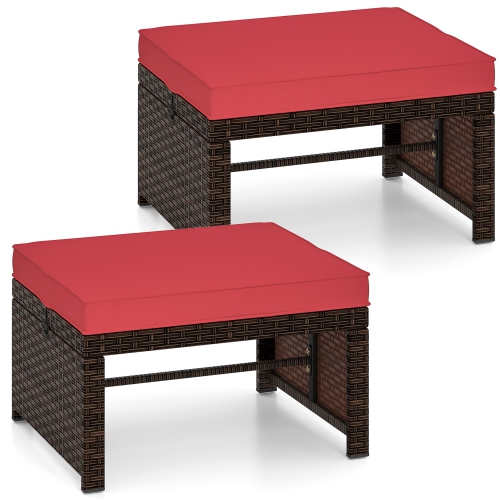
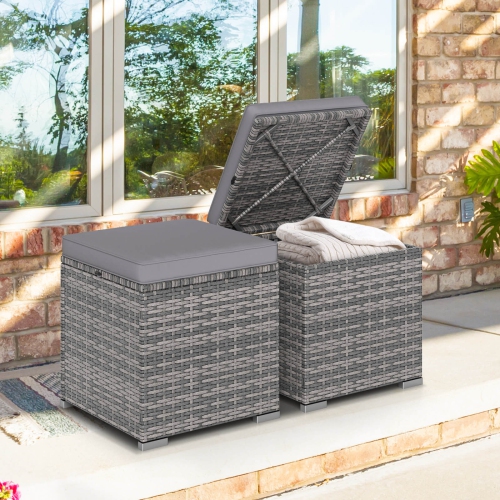
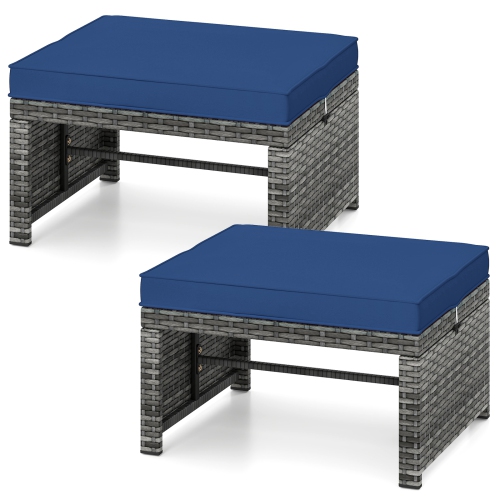
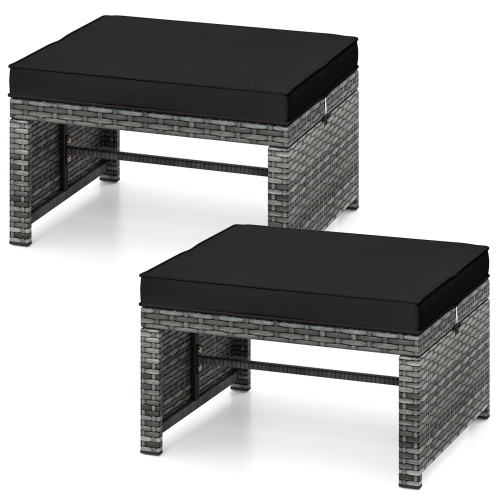
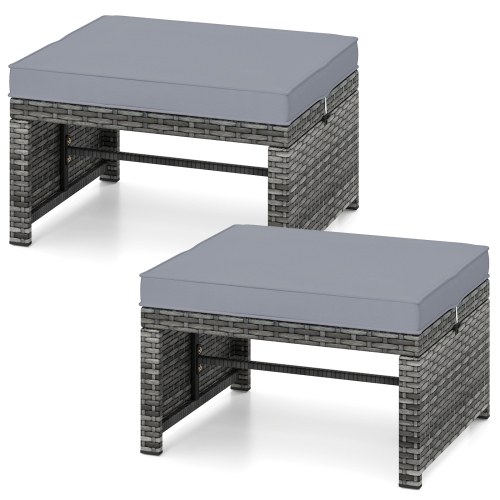
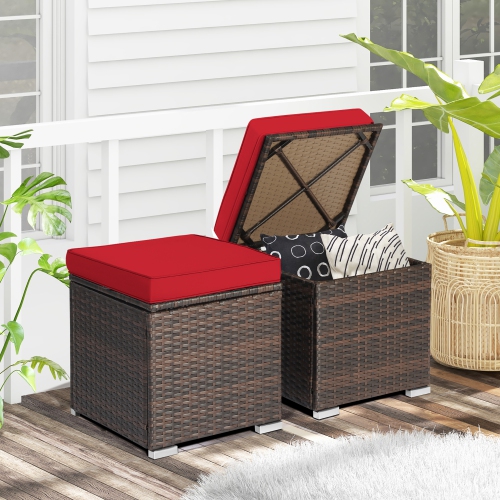
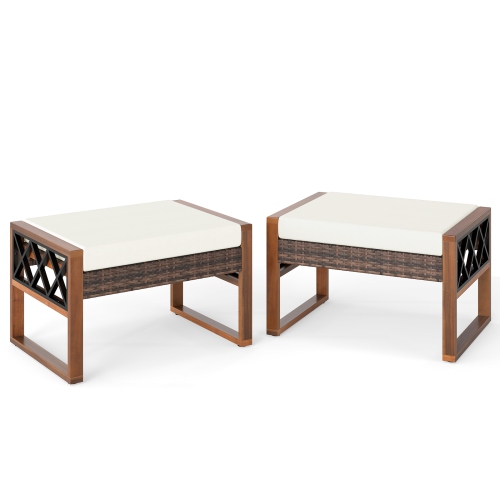
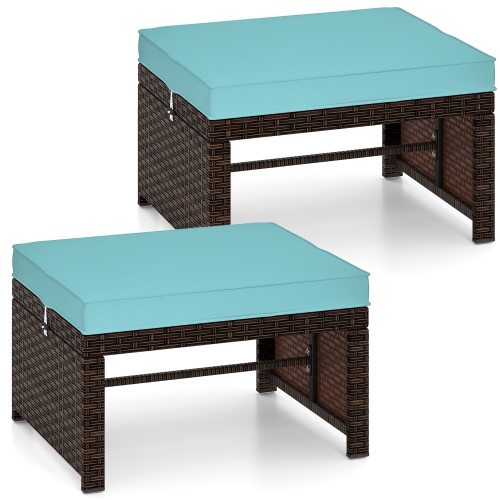


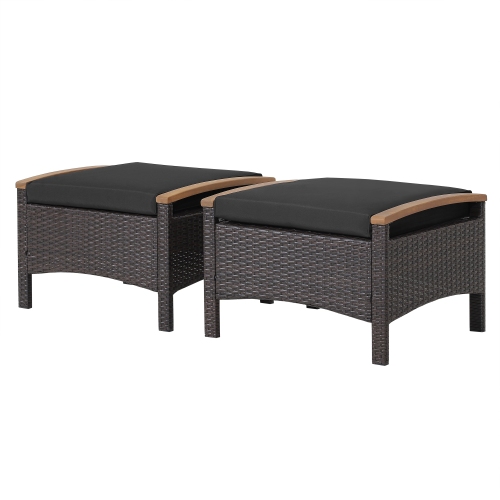
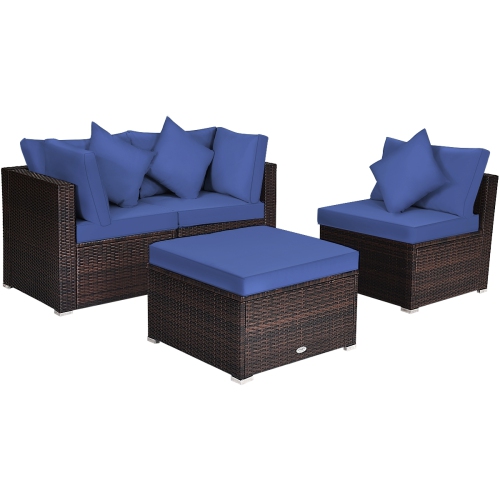
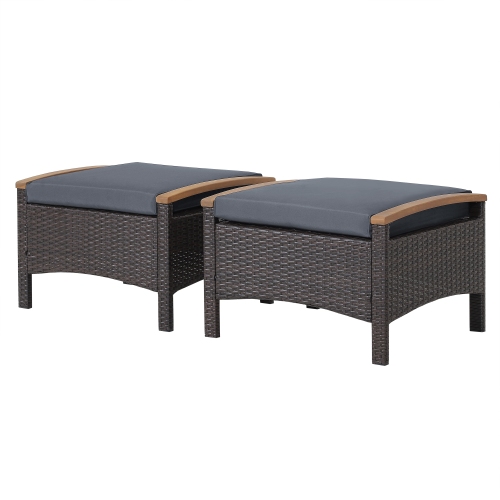
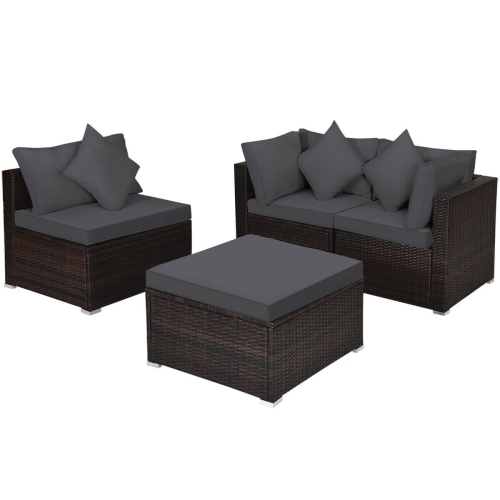

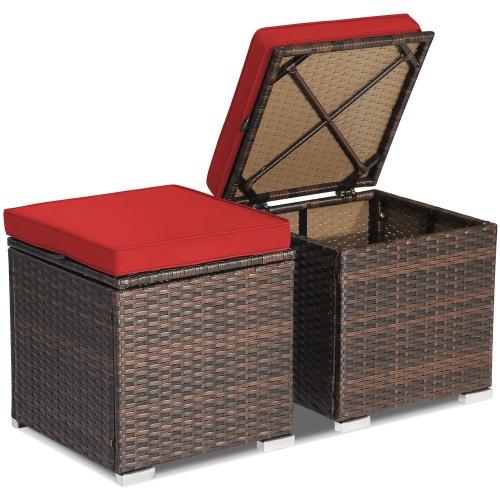
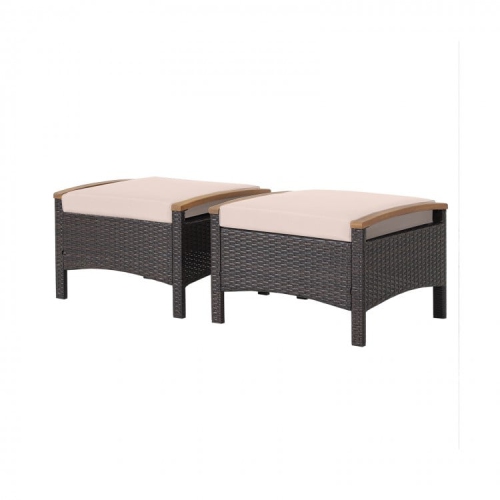
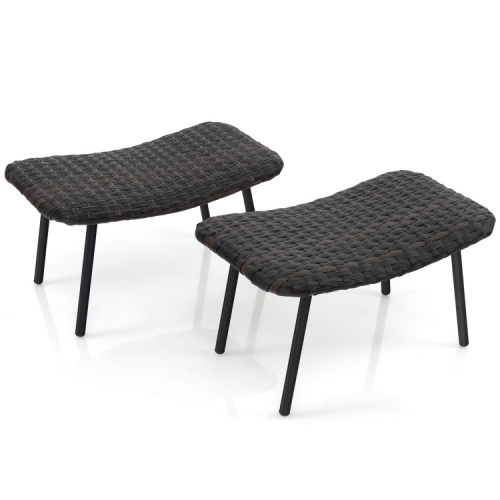
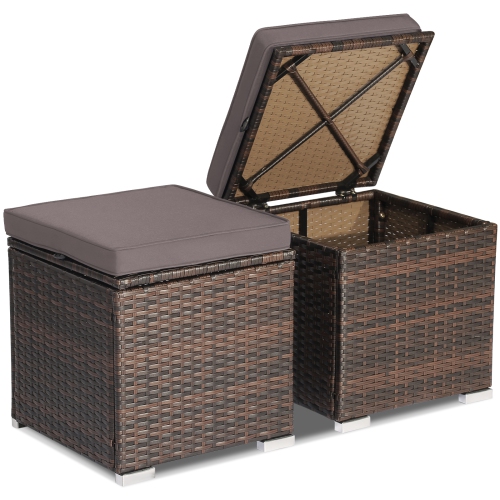
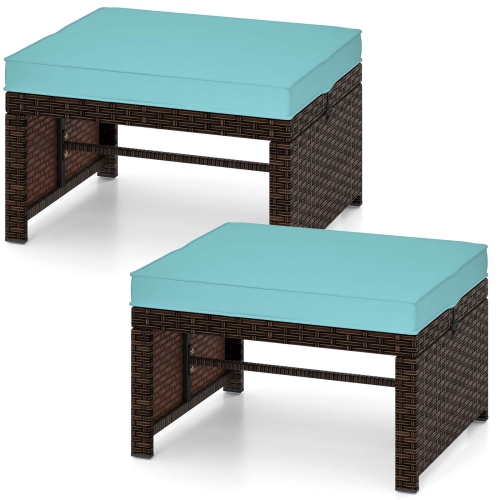
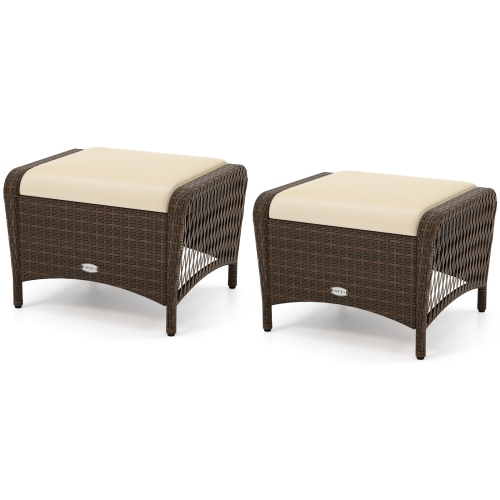
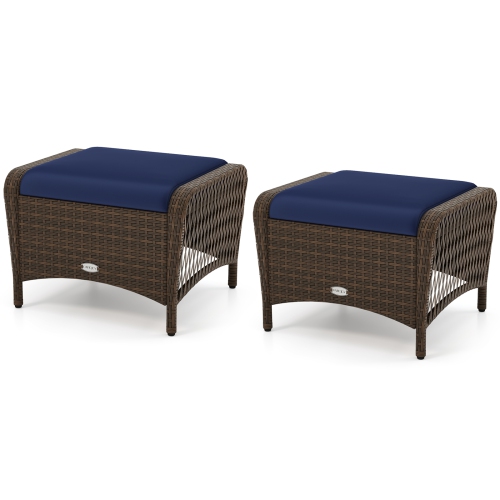
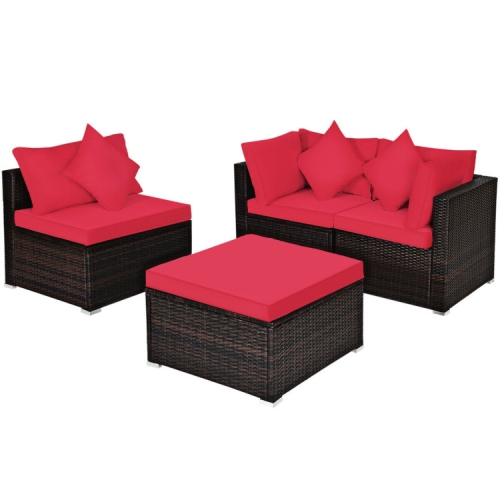
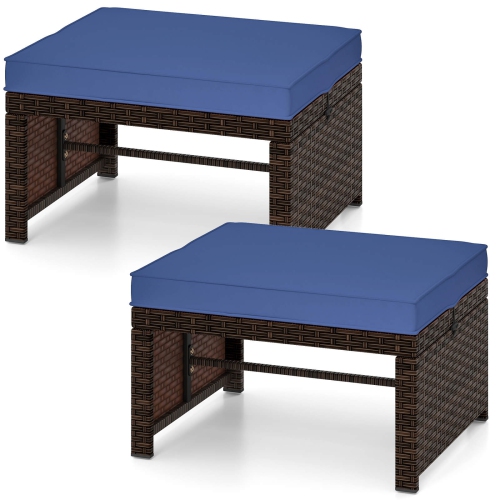
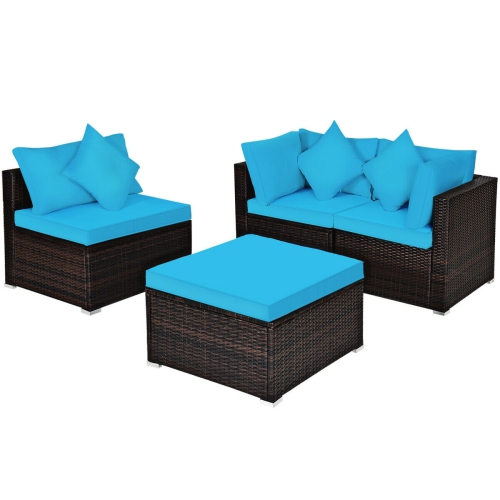
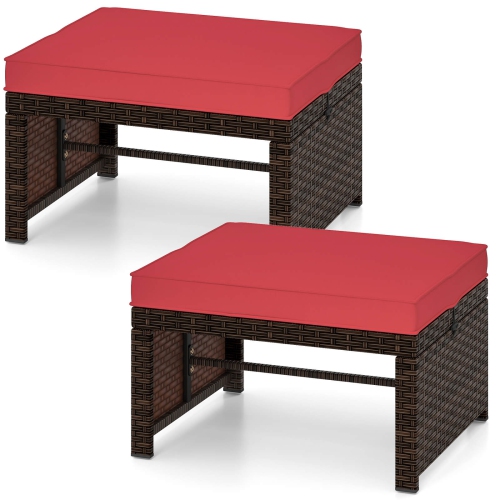
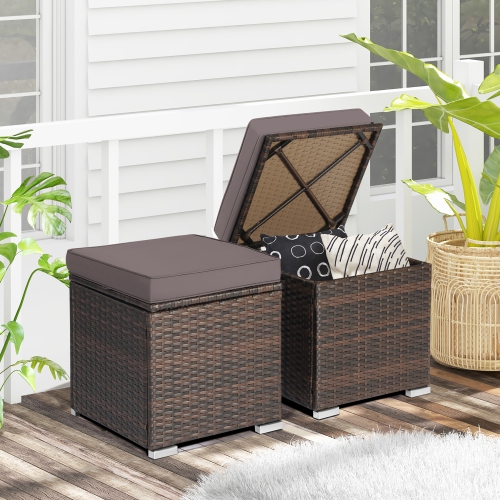
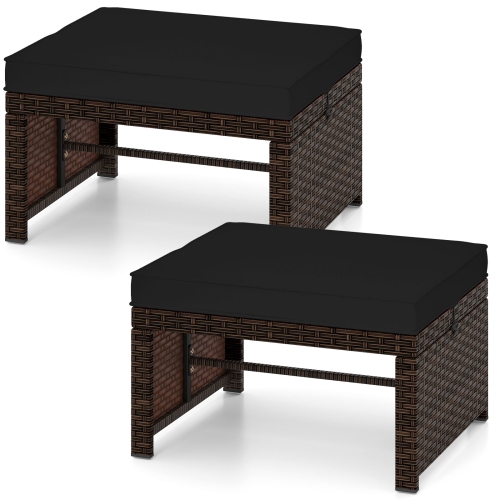
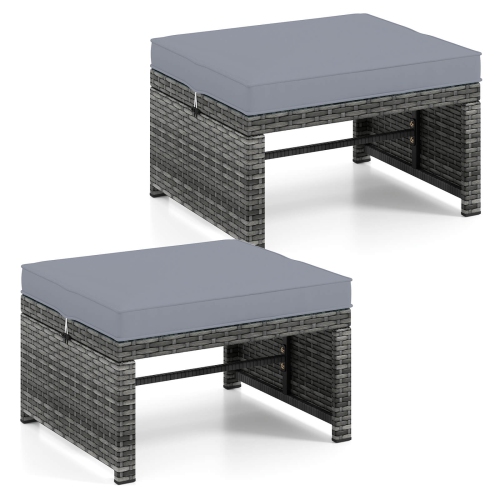
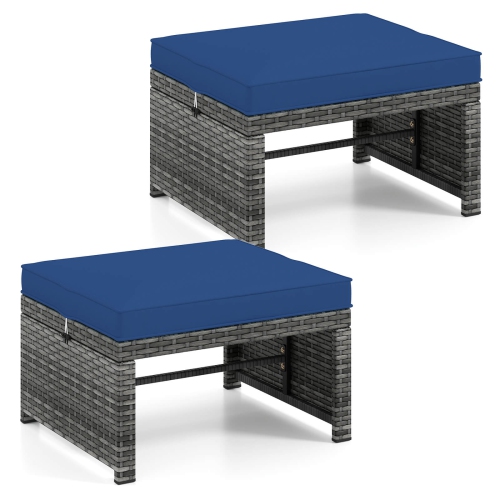

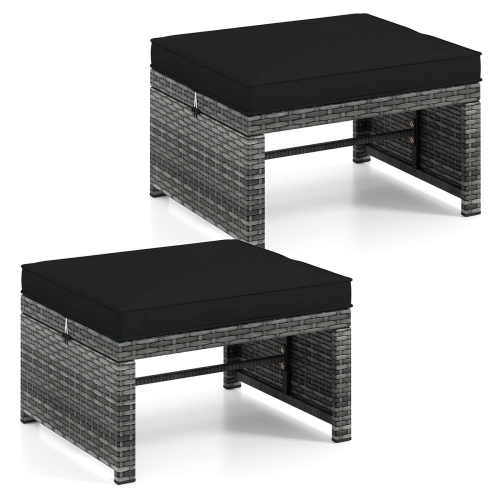


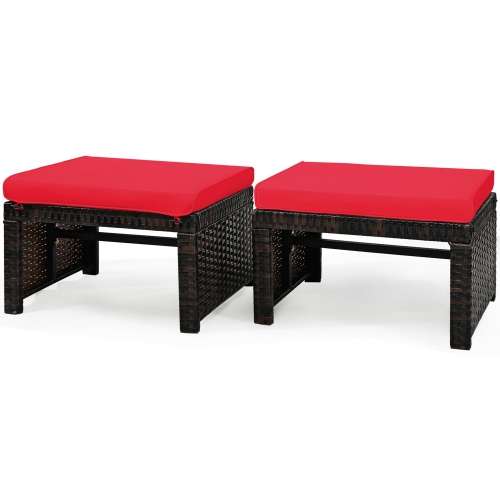
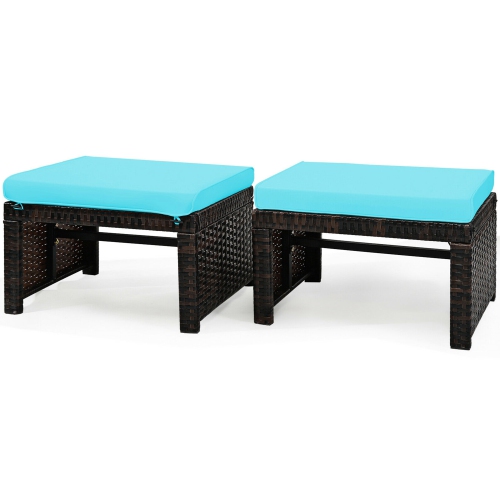

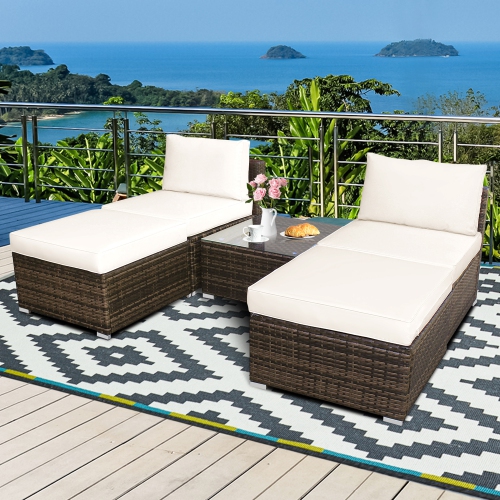
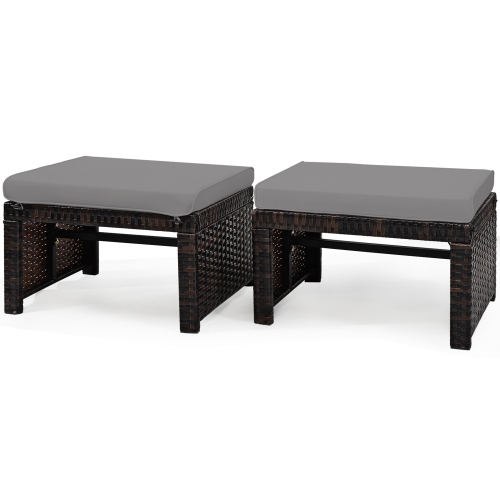


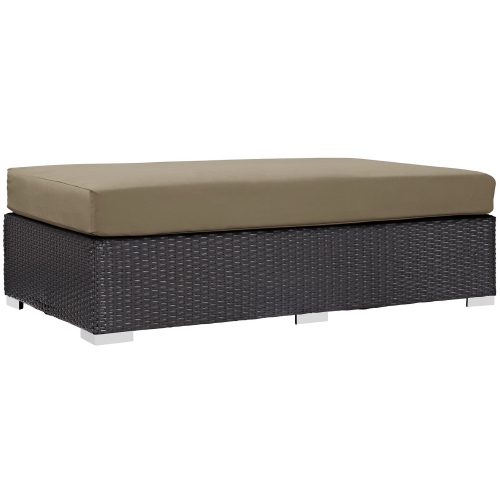

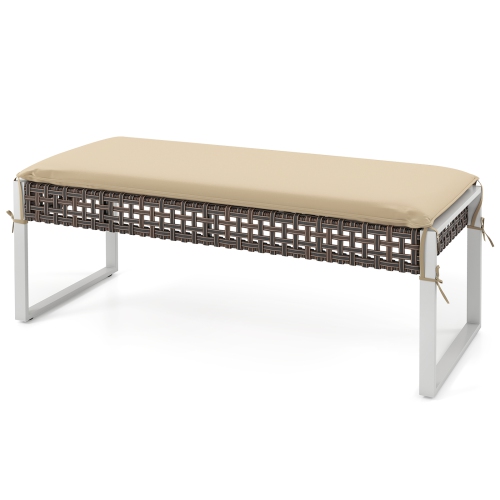
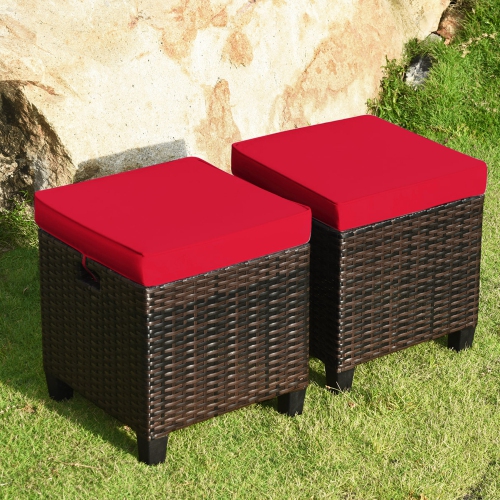
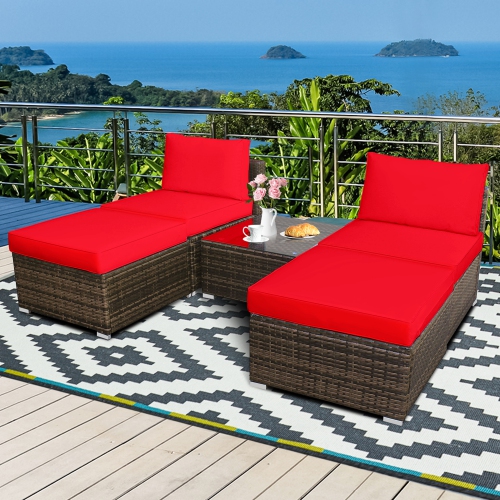
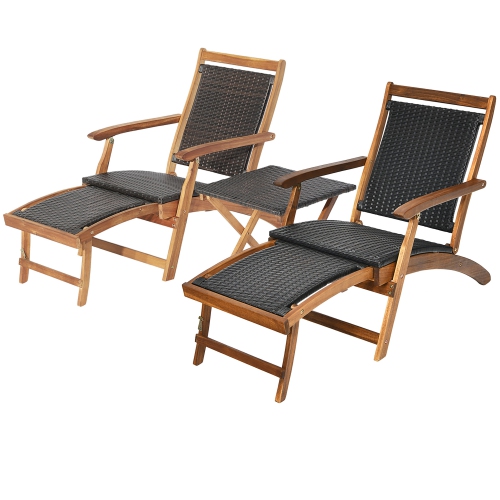
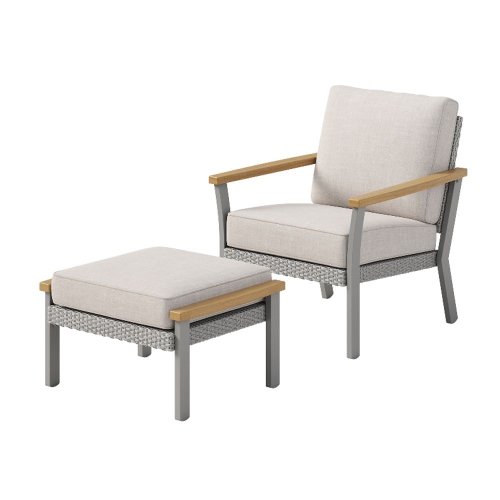
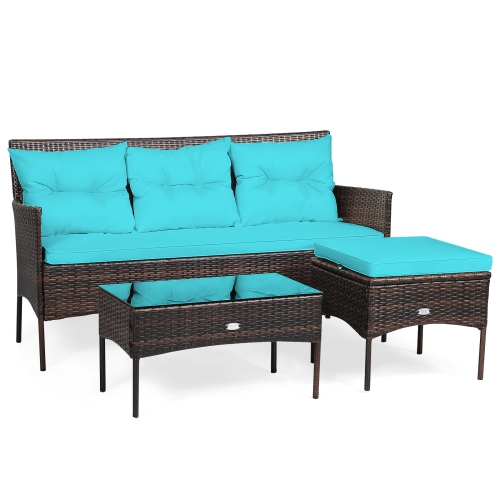
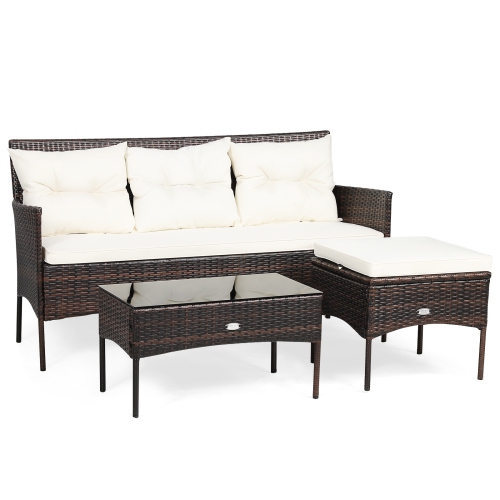

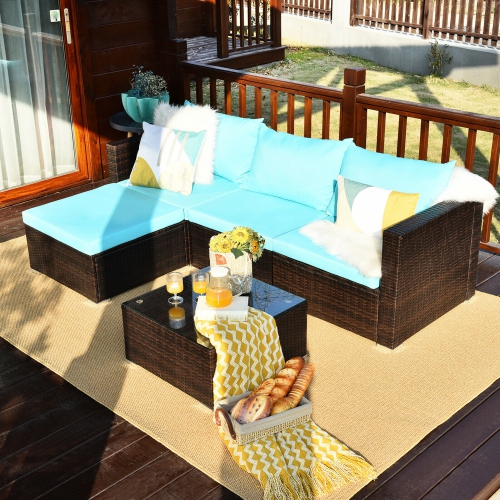

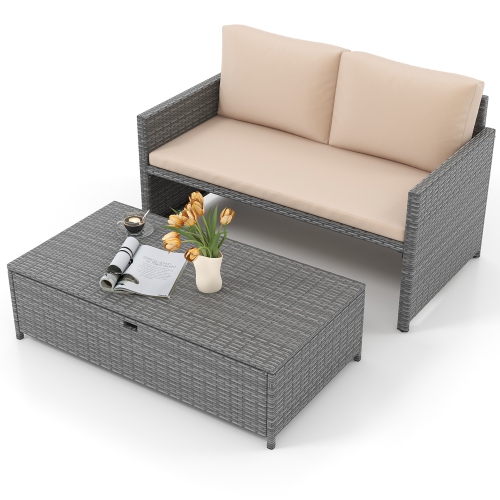
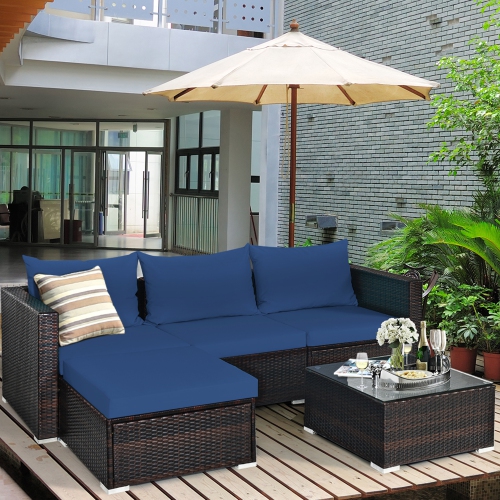
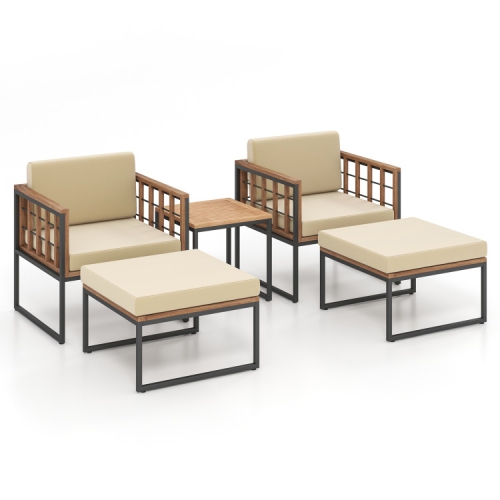

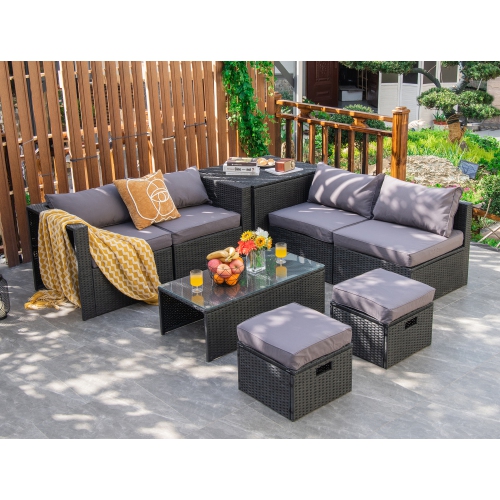
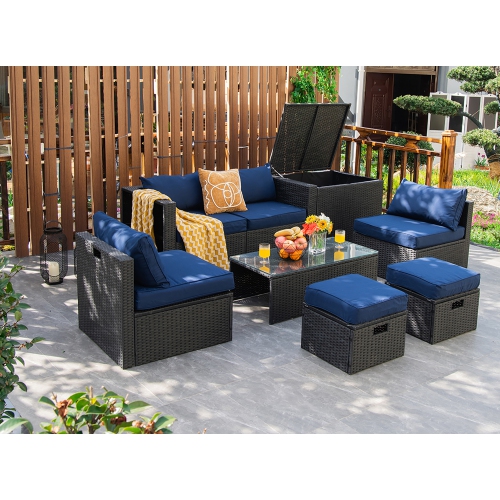

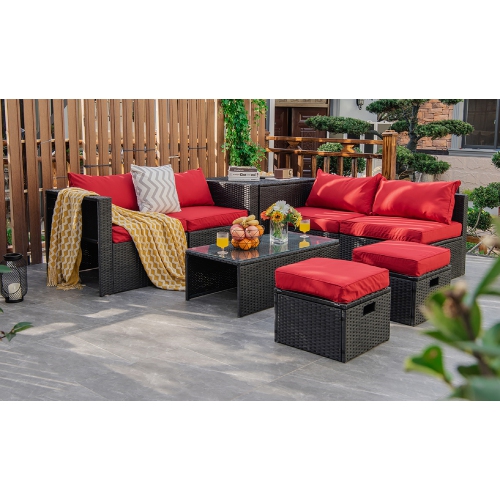
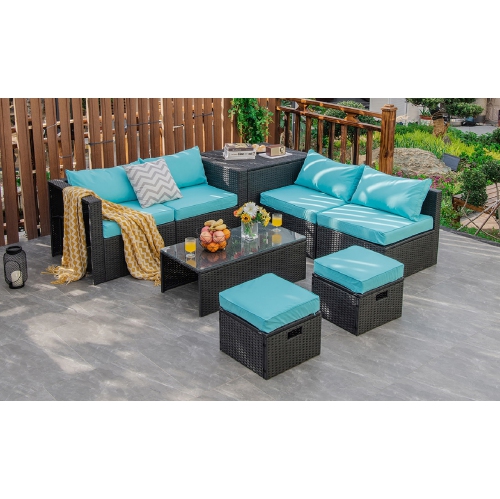
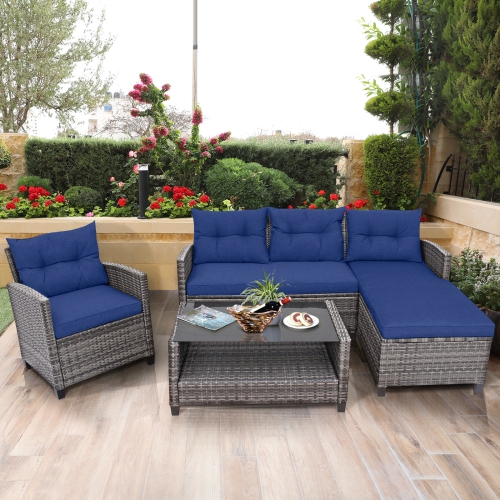
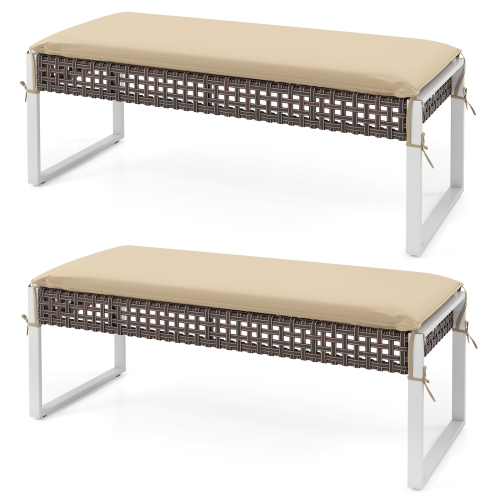
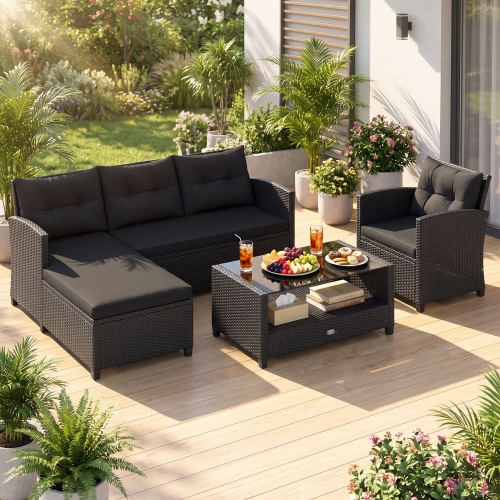
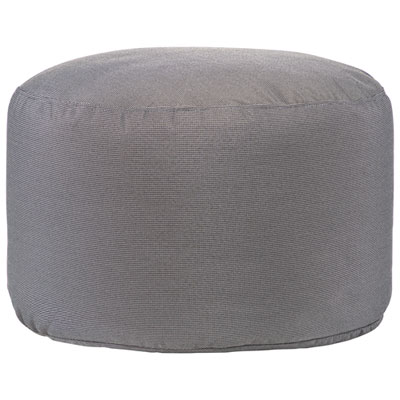
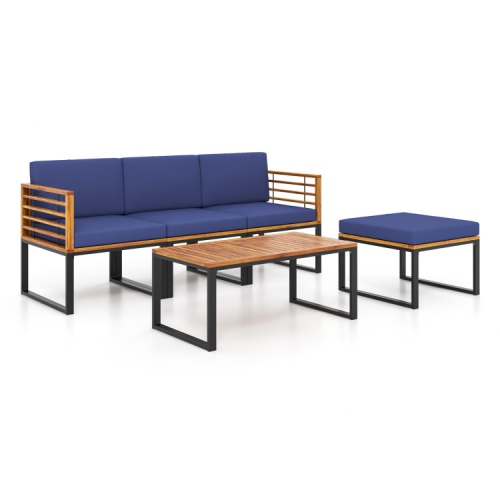
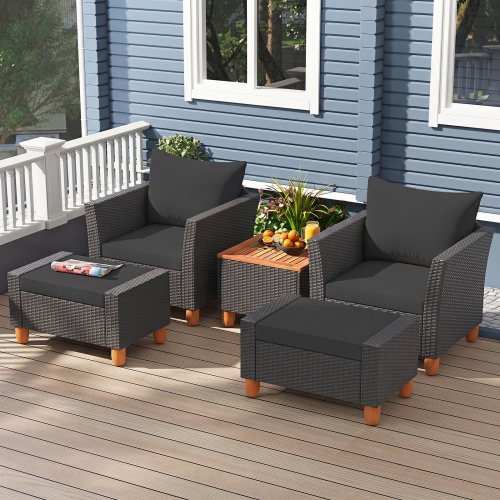
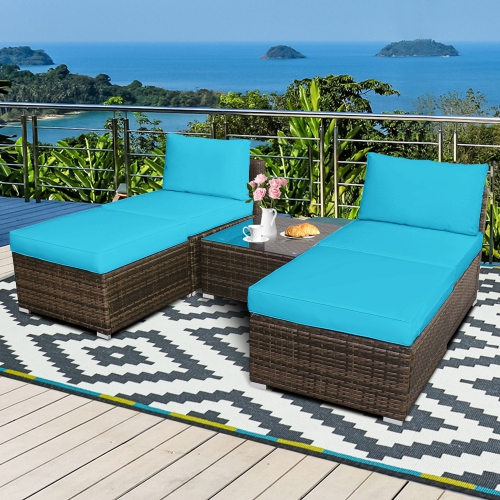
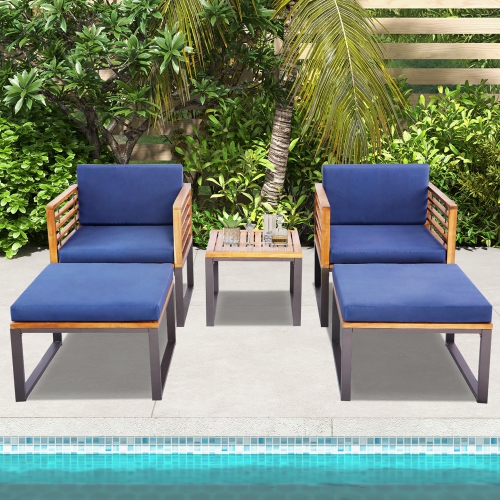
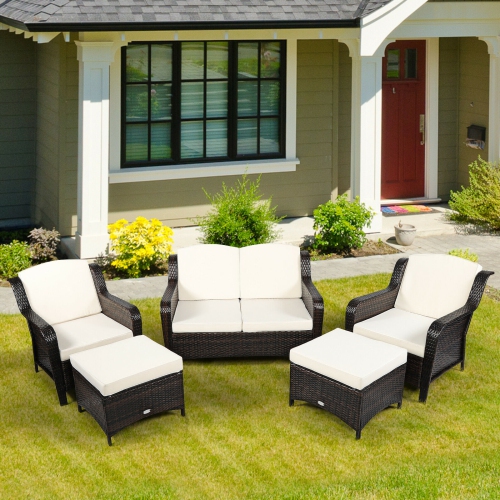

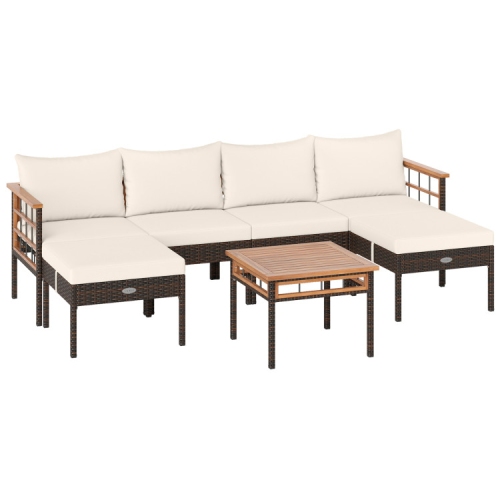
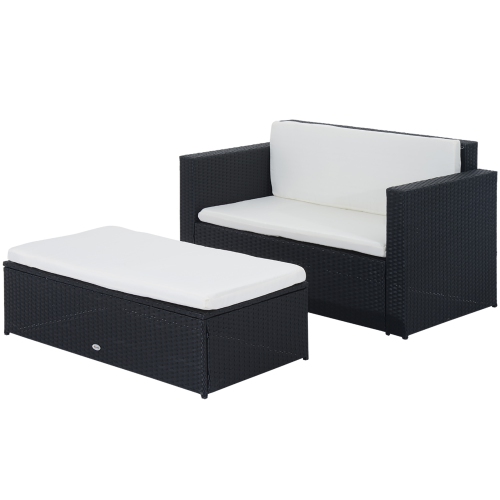
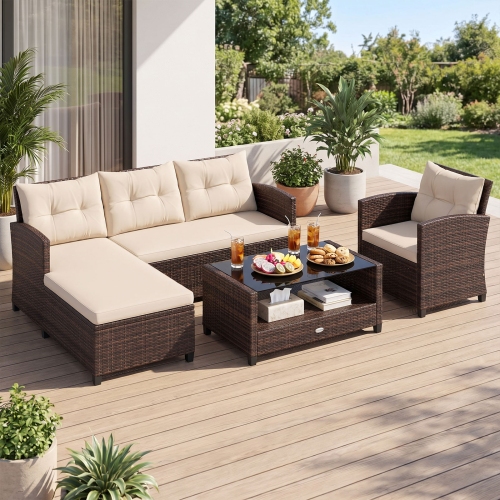
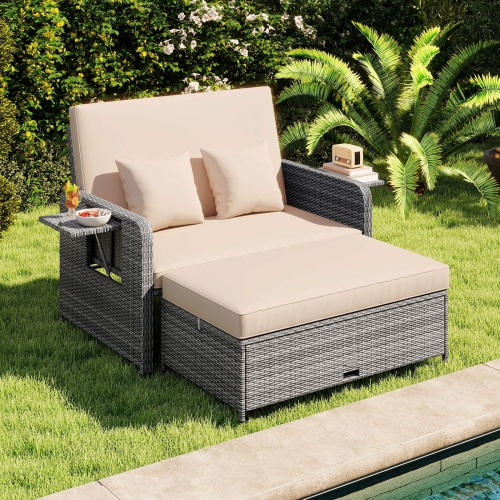

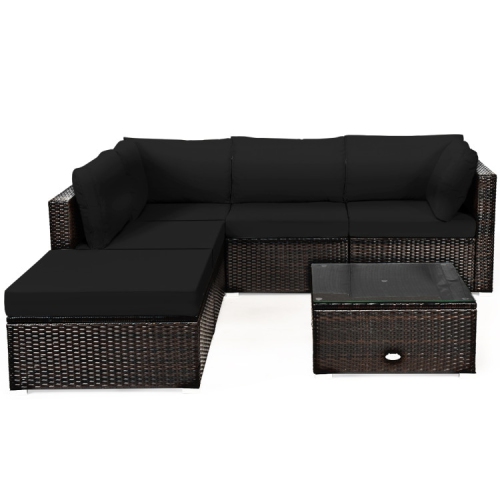
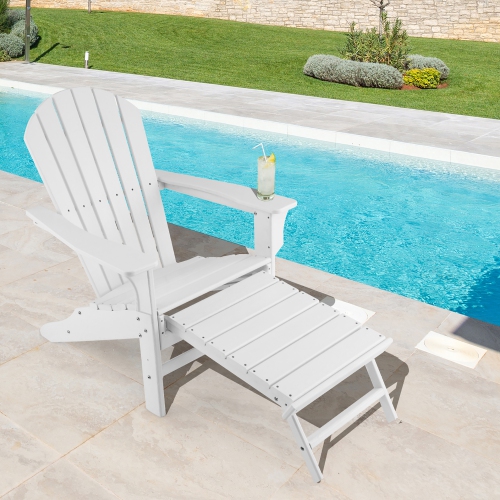

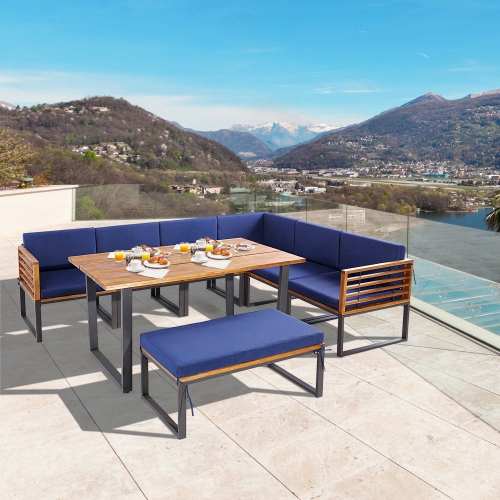
A place to stretch out without crowding your patio
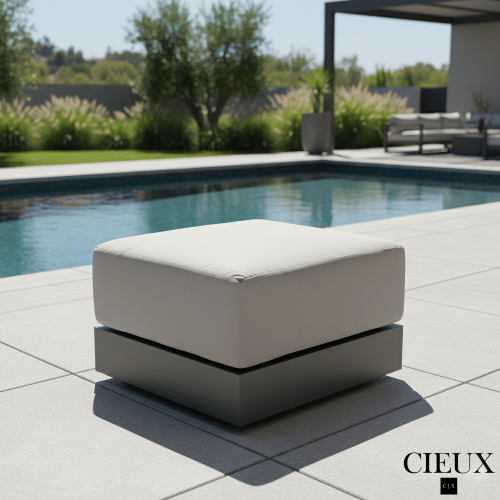
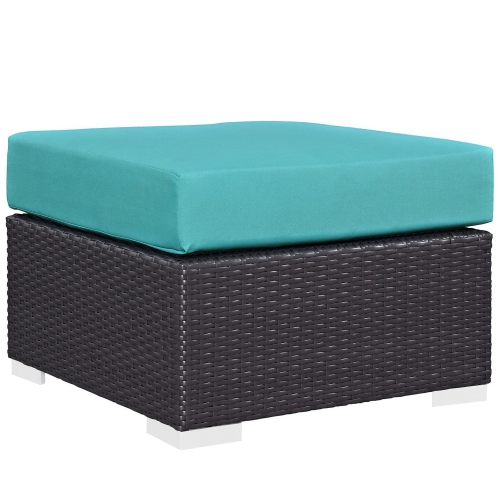
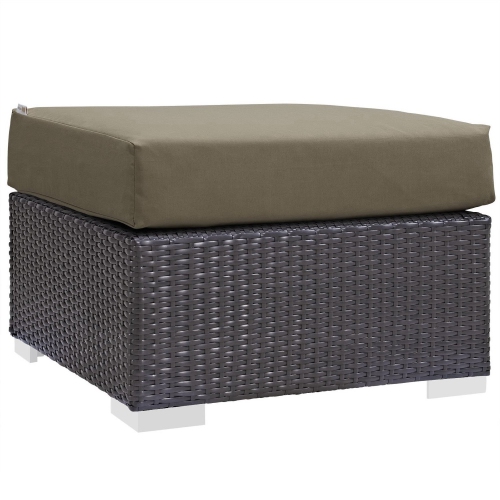
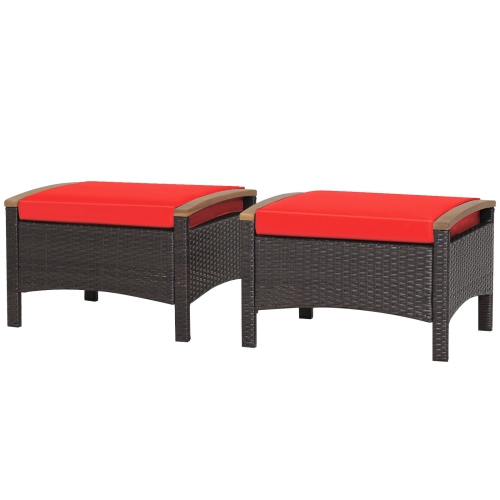
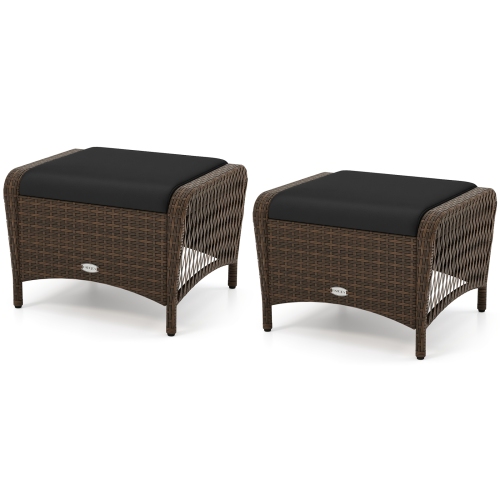
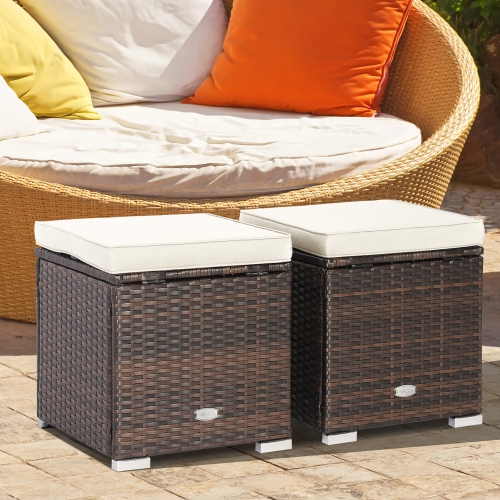
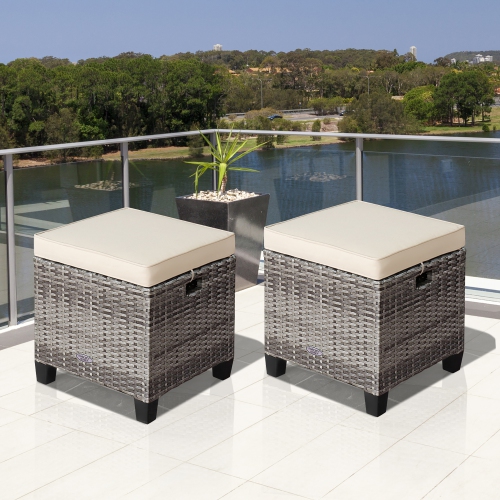
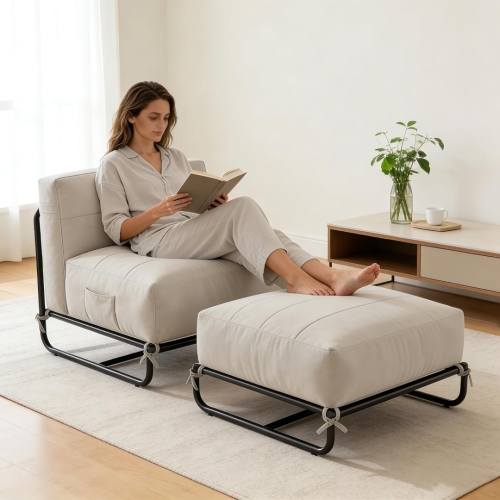
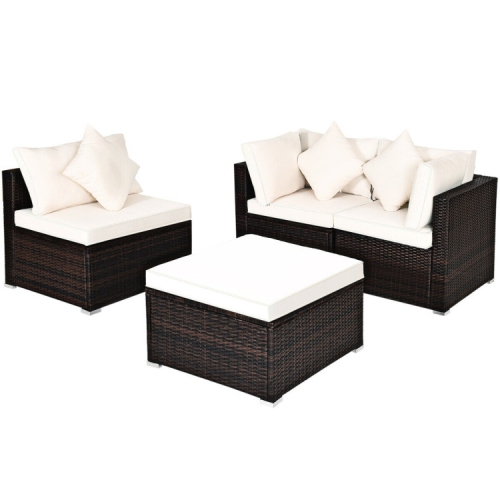
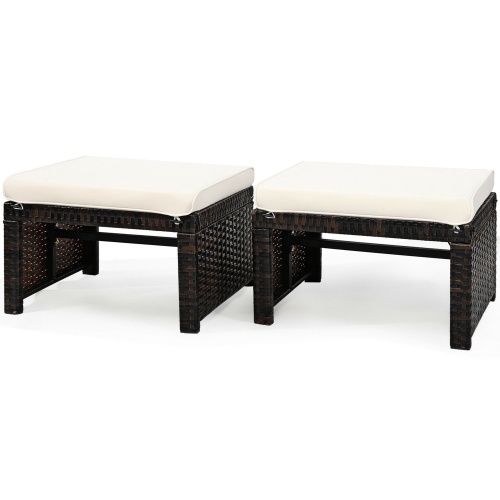
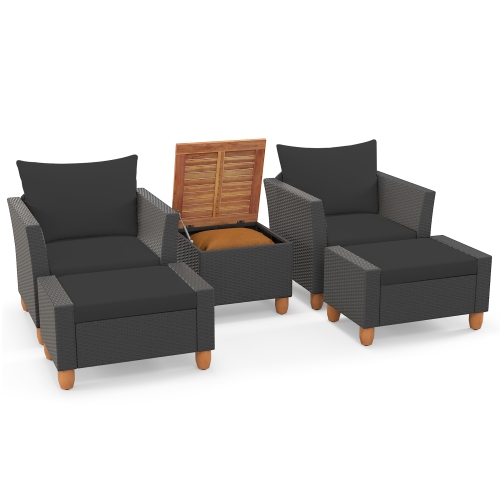
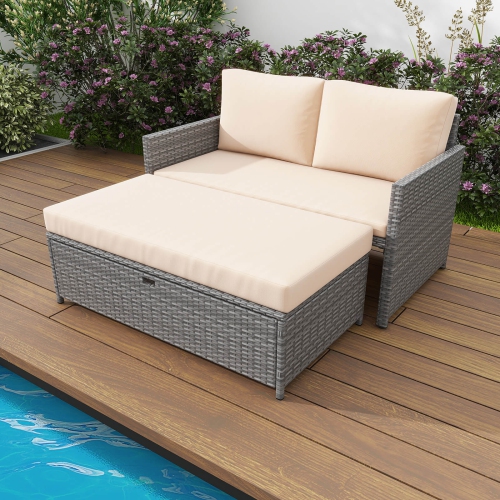
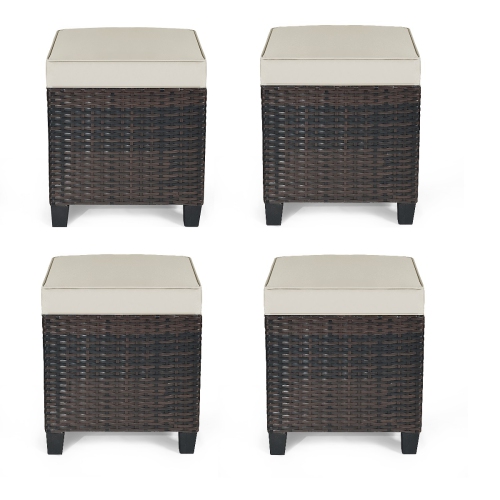
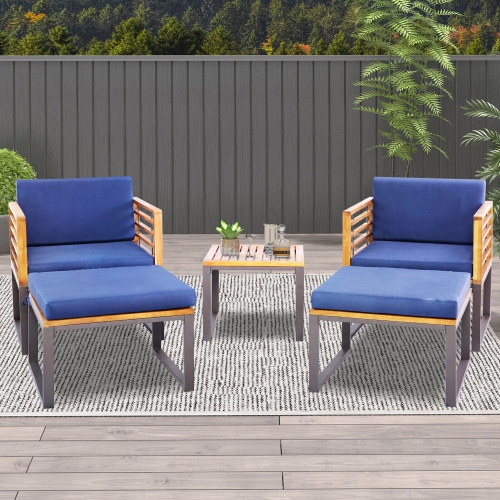
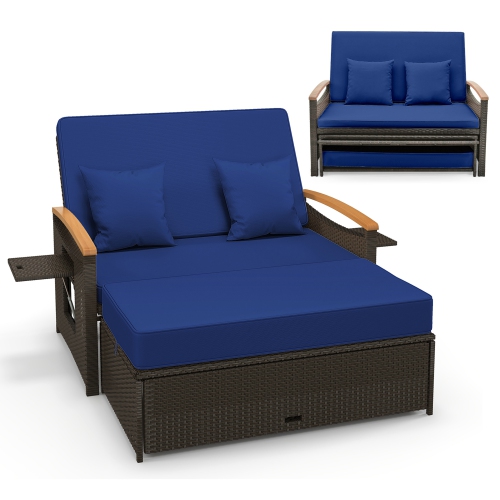
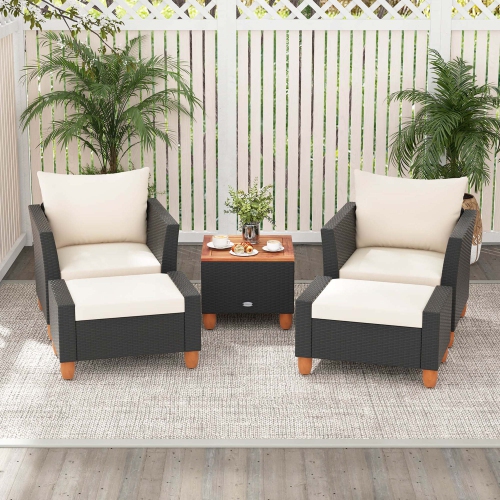
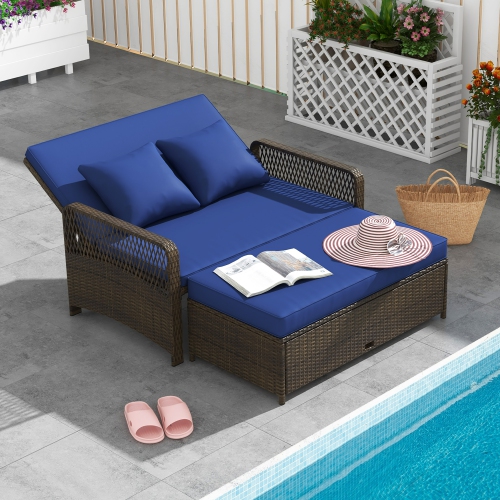
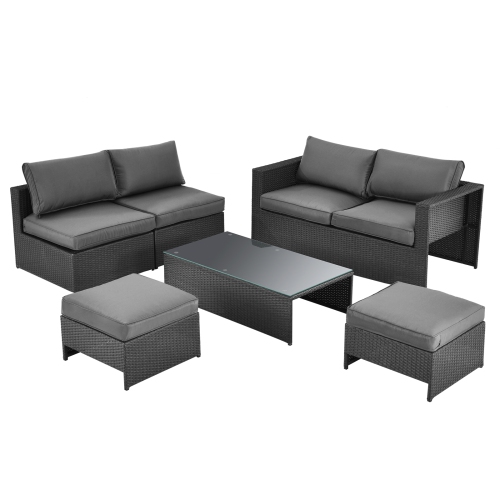
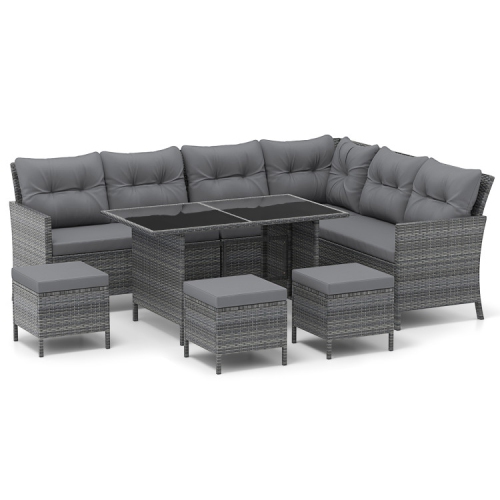
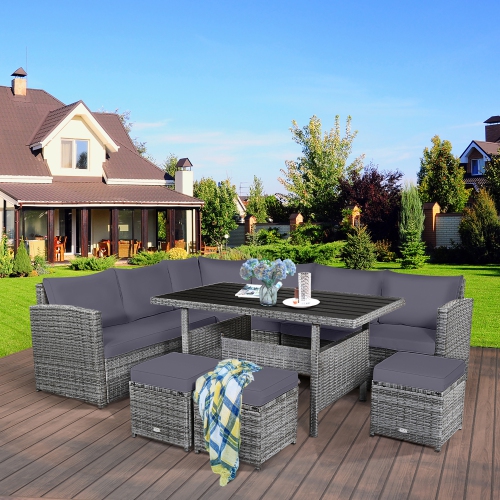
Outdoor square ottomans are versatile patio furniture pieces that provide a place to rest your feet, extend a lounge chair, or support a serving tray when their construction allows. Their equal-sided shape fits neatly beside outdoor sofas and armchairs, making them useful on balconies, decks, terraces, and covered porches. A square ottoman can create a relaxed chaise-style arrangement in front of a chair, then move aside when the space needs a more open layout. Some models are also designed for occasional seating, but that use depends on the stated weight capacity and whether the manufacturer identifies the ottoman as suitable for sitting. A cushioned footrest should not automatically be treated as a stool or step. Size matters just as much as shape: an oversized ottoman can suit a deep outdoor sectional, while a compact design leaves more room around a small bistro arrangement. Comparing the ottoman’s height with the chair’s seat height helps create a comfortable position for your legs; a footrest that sits noticeably higher may feel awkward over a longer stretch. The usable cushion surface matters, too, particularly for someone who likes to stretch out with both feet supported. On a narrow balcony, enough clearance should remain for doors to open and for people to pass without stepping around furniture. Two smaller square ottomans can offer more flexibility than one large piece, allowing each person to position a footrest independently. A firm, level top may accommodate a broad tray for a book or snacks, although a separate side table is generally better for hot drinks or anything that could spill. For shared spaces, manageable weight and an easy-to-grip frame make rearranging simpler. Heavier construction may feel more settled in an exposed location, but weight alone does not establish stability or resistance to wind. The best fit balances everyday comfort with the room needed to move comfortably through the seating area.
Materials influence how an outdoor square ottoman feels, looks, and holds up to repeated use. Resin wicker typically consists of synthetic strands woven over a supporting frame, creating a textured appearance without relying on natural wicker fibres that are generally better suited to sheltered indoor use. The quality of the weave, its resistance to ultraviolet exposure, and the frame beneath it all contribute to durability. Closely finished edges are worth considering where bare legs or hands might brush against the furniture. Aluminum frames are relatively light and do not rust like steel, although their finish and connecting hardware still benefit from proper care. Powder-coated steel can provide a solid structure, but chips and scratches may expose the underlying metal to moisture. Wood brings visible grain and a warmer feel, with maintenance needs that vary by species and finish. Some wood surfaces gradually change colour outdoors, while others require periodic treatment to maintain their intended appearance. Fully upholstered ottomans and soft outdoor poufs offer a different feel, often with fewer exposed frame edges, but their fabric, seams, filling, and base still need to be appropriate for outdoor use. Polyester, acrylic, and other outdoor fabrics differ in texture, fade resistance, and cleaning requirements; the fibre name alone does not confirm how a cushion will perform. Water-resistant upholstery can help with light splashes, but it is not necessarily waterproof, and moisture may enter through seams or zippers. Quick-drying foam or other drainage-focused construction can reduce how long a cushion stays damp, provided the entire design allows water to escape. For a spot near a pool, splash exposure and drying time deserve particular attention. Raised feet can help keep the base away from small amounts of surface water, while non-marking glides may help protect decking. Any feet should rest evenly on the intended surface, without rocking across wide deck-board gaps or sinking into soft ground.
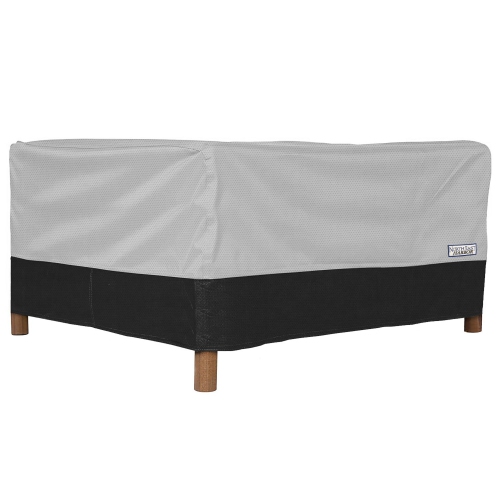
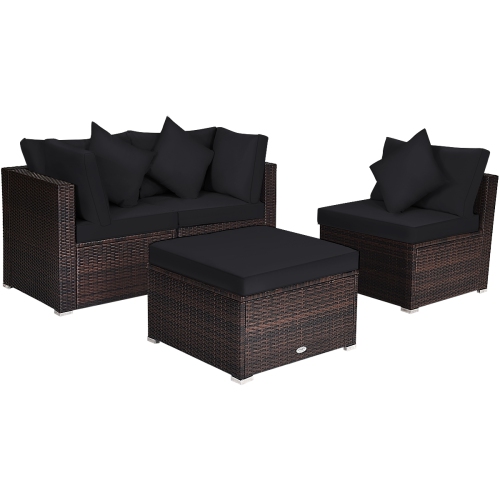
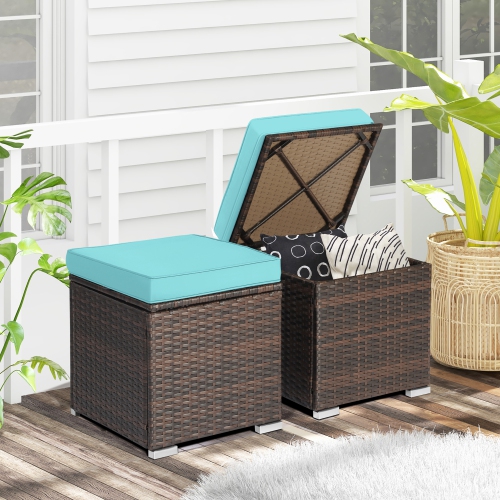
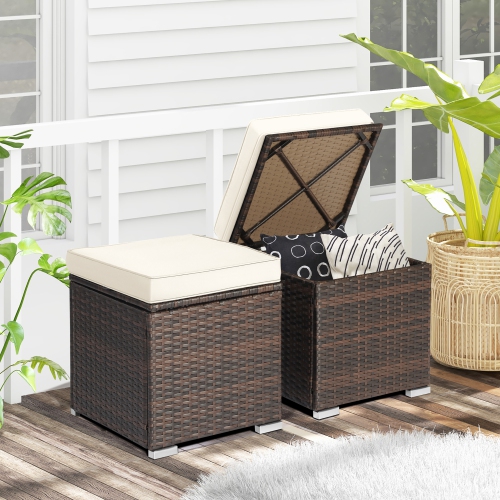
Comfort and appearance are closely connected in a piece that sits directly beside a favourite chair. A thick cushion can look inviting, but its firmness and support determine whether it remains comfortable under your legs. Softer filling offers a relaxed feel, while a firmer cushion usually keeps a more defined shape and provides a steadier surface beneath a tray. Cushion ties, straps, or other securing features can help limit shifting, particularly when the ottoman is moved frequently. Removable covers make some cleaning tasks easier, though a zipper does not mean a cover is machine washable; the care label should determine the method. For routine upkeep, loose grit can be brushed away before it works into fabric or scratches a frame, and spills are easier to address before they settle into seams. Mild cleaning products may be appropriate for certain finishes, but abrasive tools and strong cleaners can damage coatings or affect fabric treatments. Cushions should be fully dry before being covered or placed in storage. A fitted furniture cover can help protect against dirt and precipitation, provided it suits the ottoman and allows the ventilation recommended by the manufacturer. Storage ottomans add room for small outdoor accessories, although a compartment should not be assumed to keep contents dry unless it is specifically designed to do so. Within the wider range of Patio Ottomans, square designs offer a straightforward way to repeat the clean lines of a sectional or contrast with rounded chairs. Neutral upholstery can blend with an existing seating set, while a patterned cushion adds interest without changing the larger furniture pieces. Matching the exact weave or frame colour is less important than keeping proportions and finishes visually balanced. For households that regularly rearrange seating, a compact square ottoman can move from a reading corner to a conversation area with little fuss. Thoughtful dimensions, suitable materials, and manageable care needs help make it a useful part of the outdoor seating arrangement rather than simply an extra piece to work around.
Top selling and popular products
-
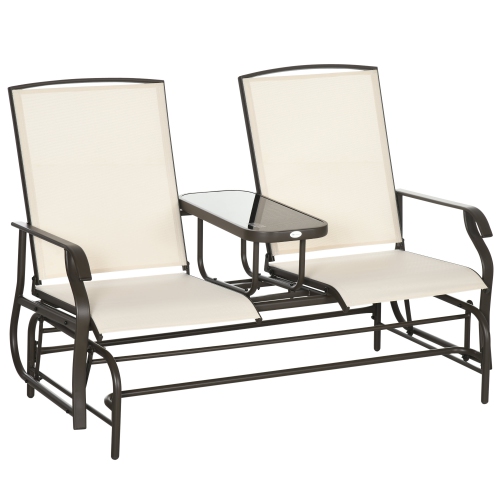 Your price for this item is $209.99
-
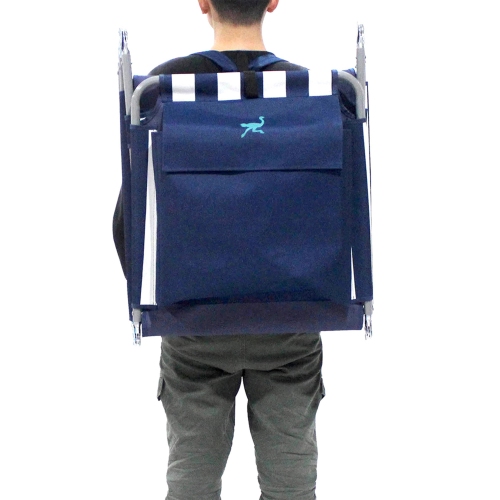 Your price for this item is $222.99
-
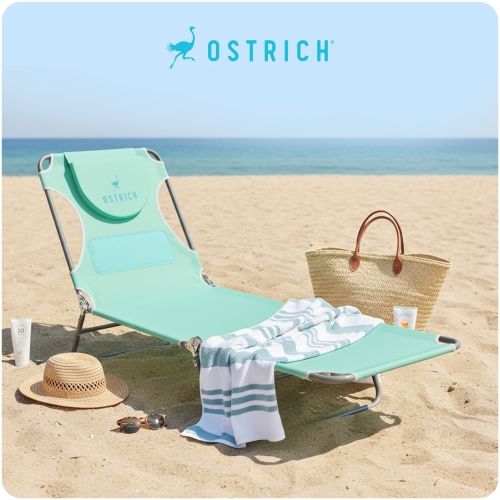 Your price for this item is $187.99
-
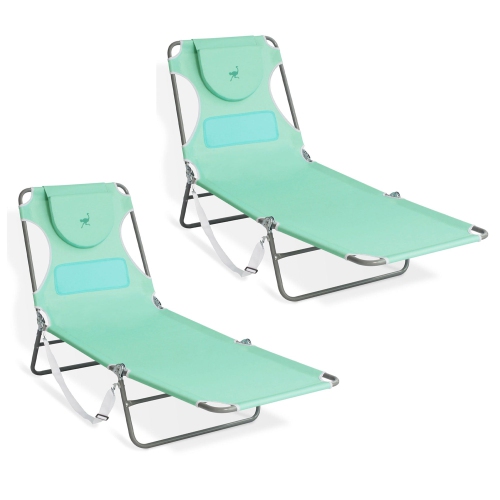 Your price for this item is $407.99
-
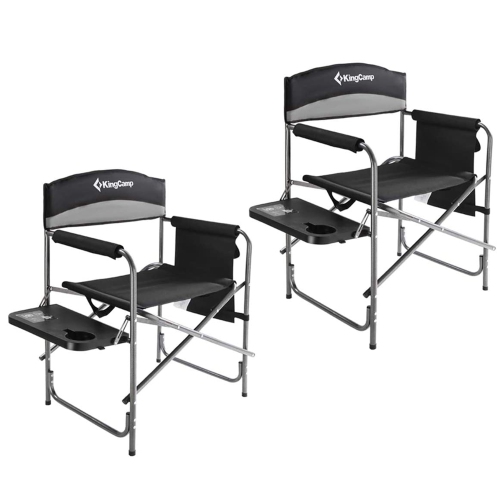 Your price for this item is $254.99
-
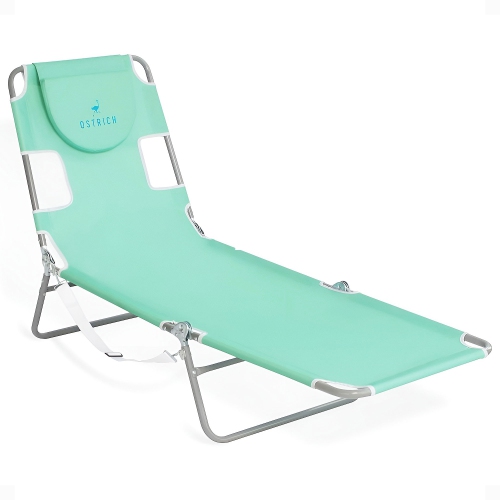 Your price for this item is $177.99
-
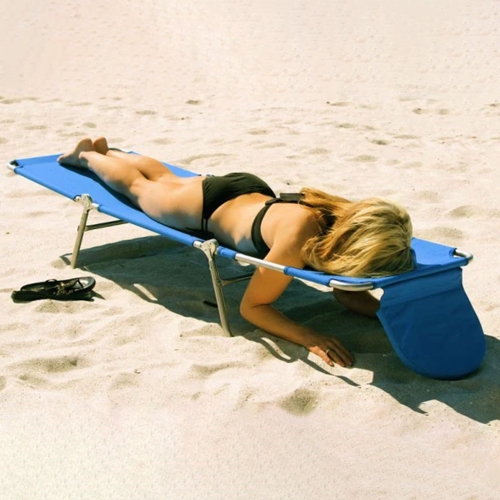 Your price for this item is $712.99
-
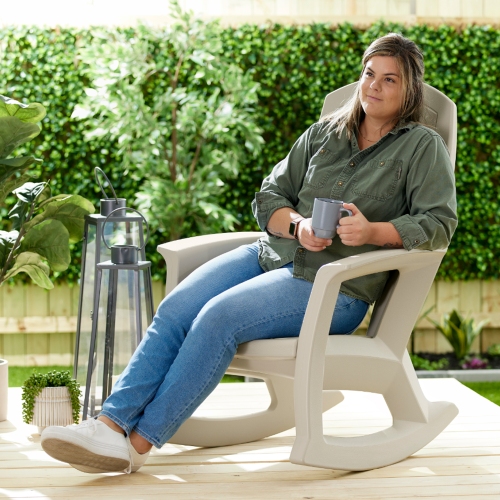 Your price for this item is $459.99
Discover more categories related to Outdoor Square Ottomans
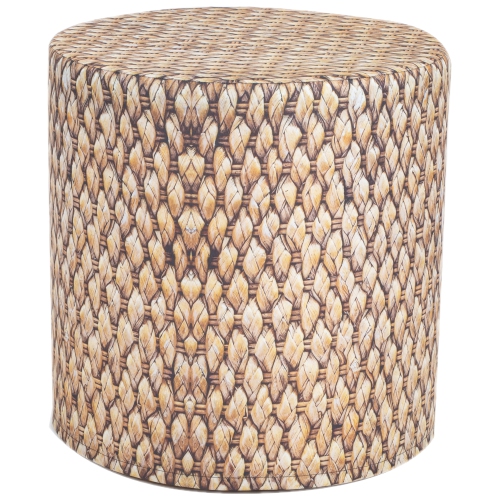
Top Collections:
Best Black Friday Deals This Year, Best Black Friday Deals On Electronics, Kindle Devices, Dyson Airwrap, Best Cameras for Sports Photography, Best Budget Office Chairs, Canon G7X Cameras, PS5 Pro Consoles, Best Black Friday Deals On Apple Products, XBOX One S Consoles
Some products may be subject to Environmental Handling Fees
(EHF) depending on your province.
Learn more about EHFs.