Round Outdoor Ottomans
A round outdoor ottoman is a great way to add seating and comfort to your outdoor living space. It's also a stylish way to add some color and personality to your patio or backyard. Here are some of the best round outdoor ottomans on the market.
Sort
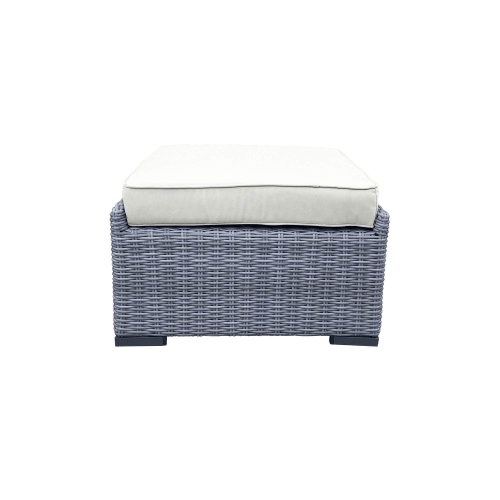
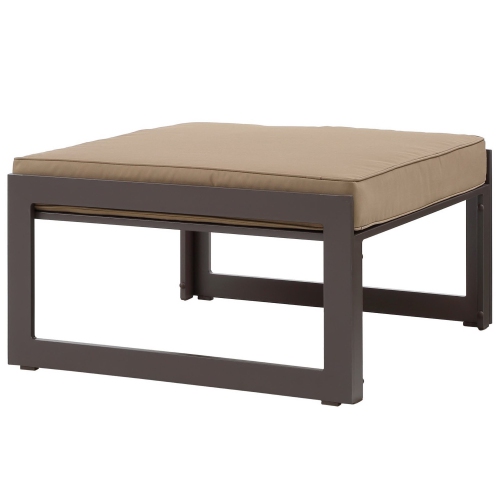
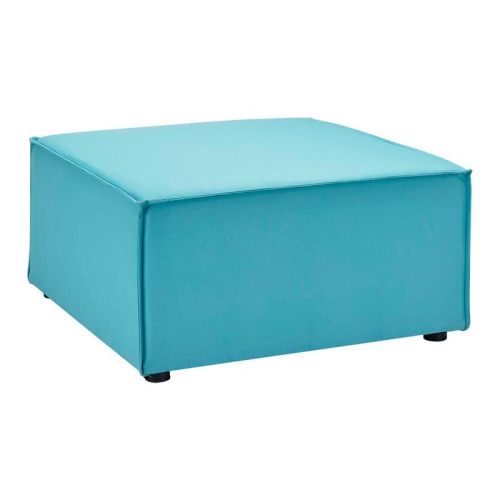
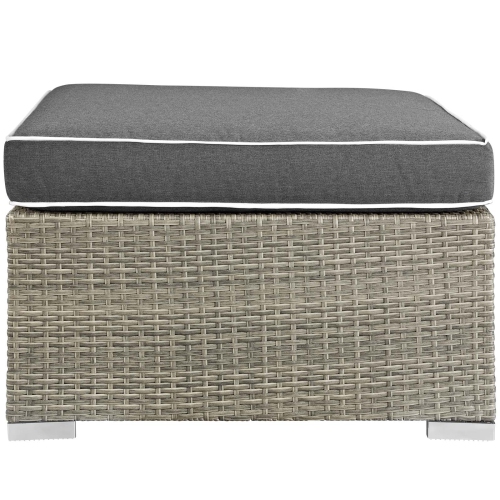


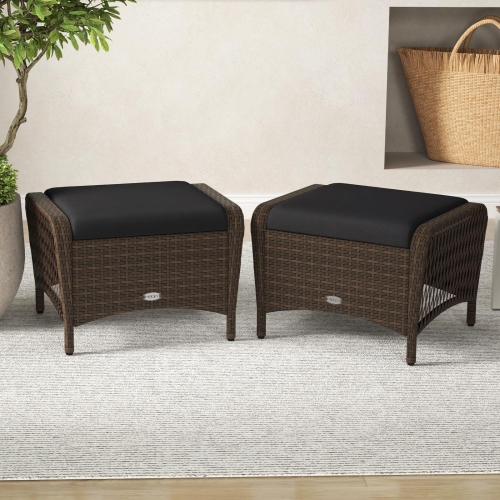
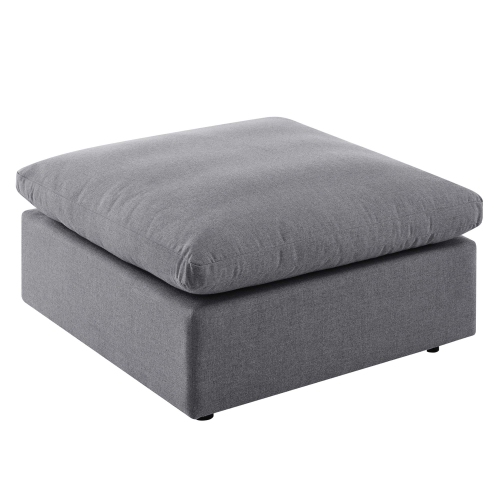

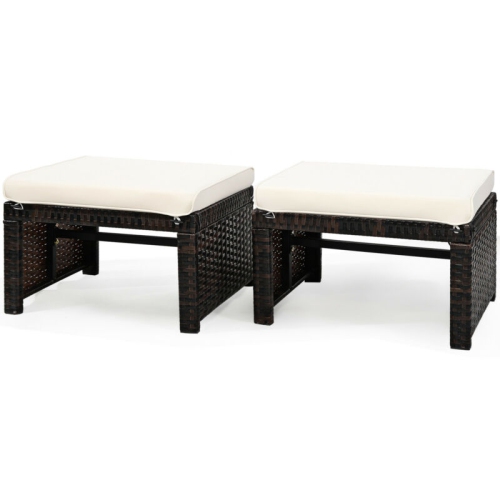
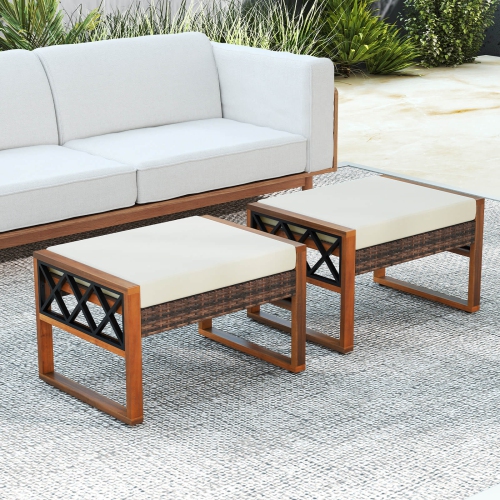
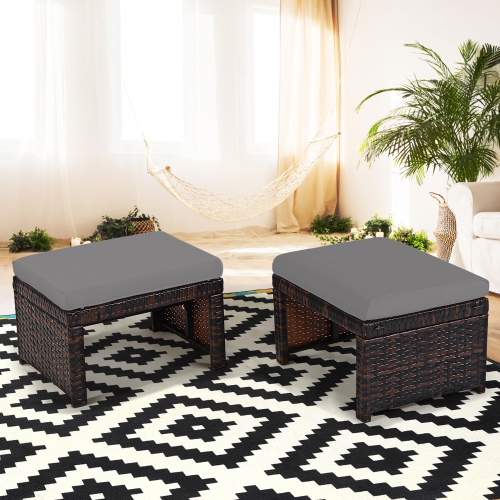
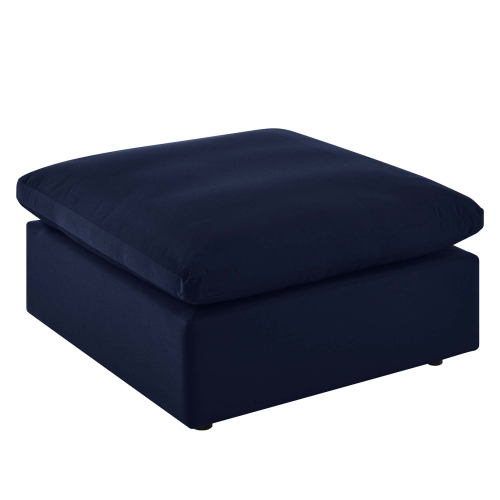
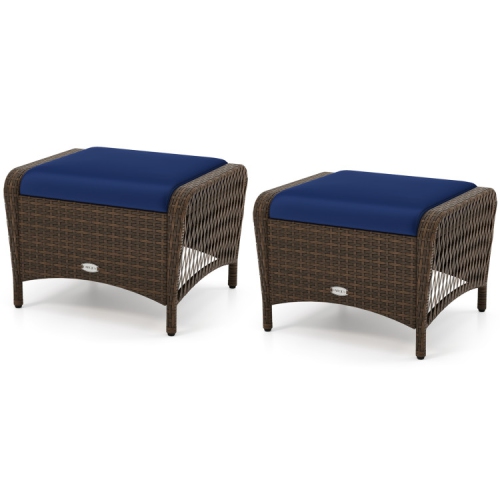
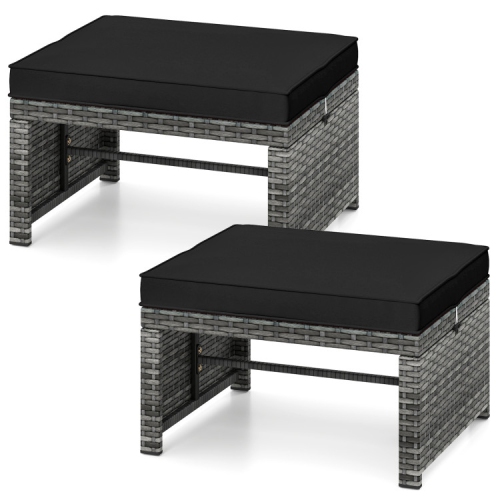
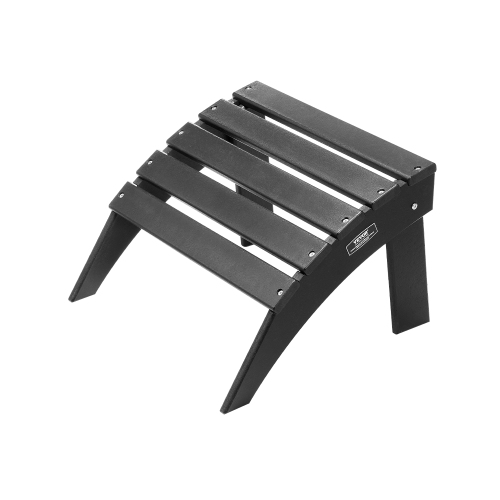
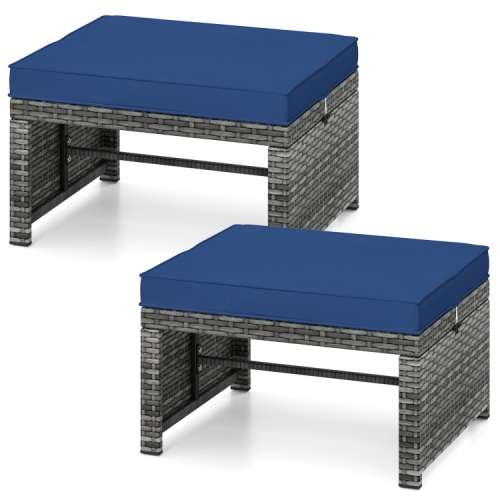
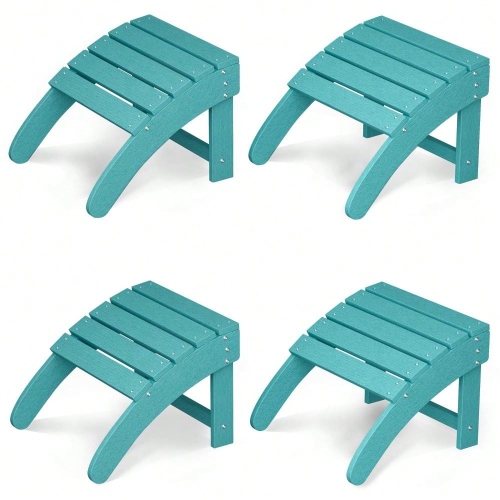
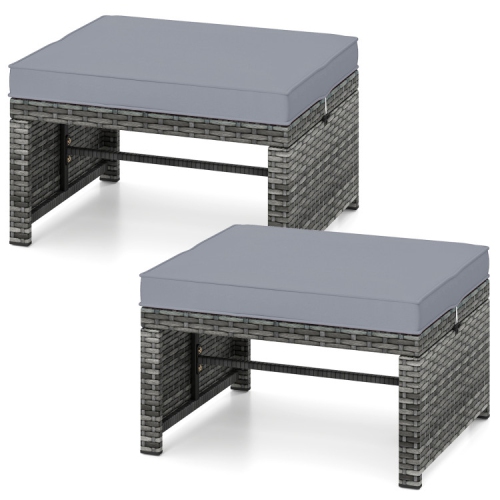
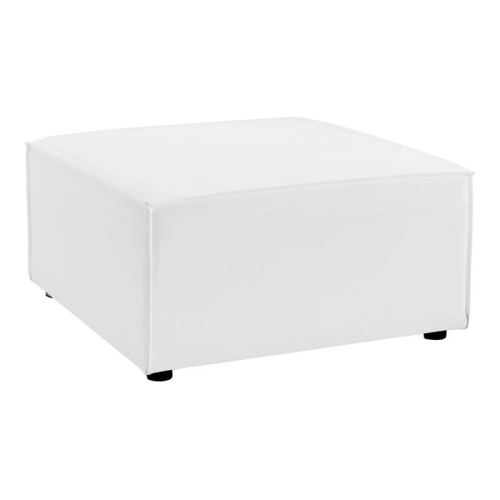
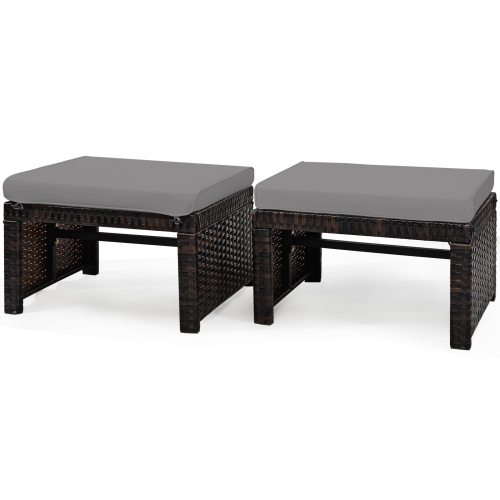
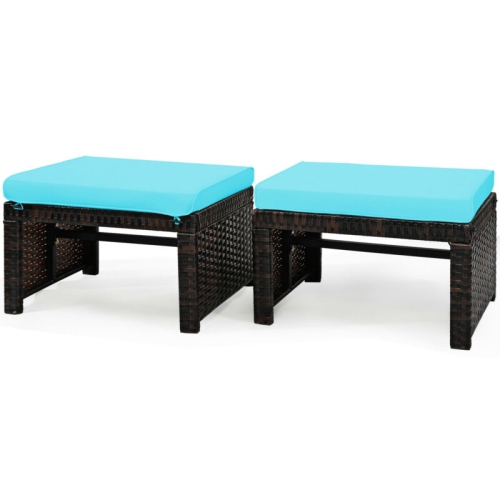
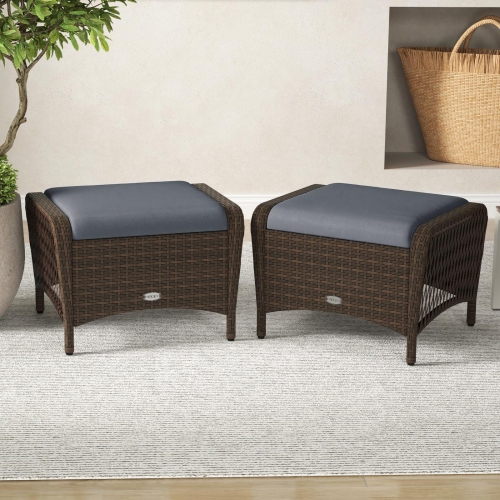

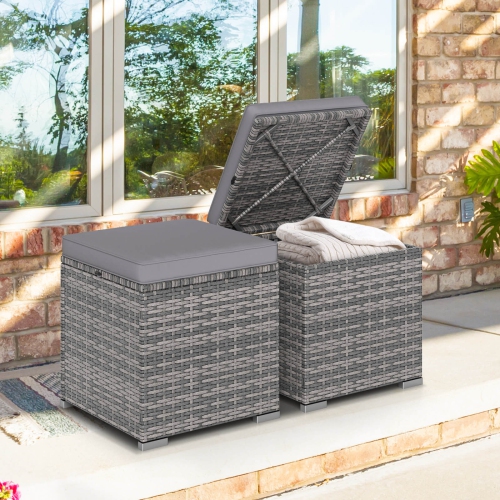
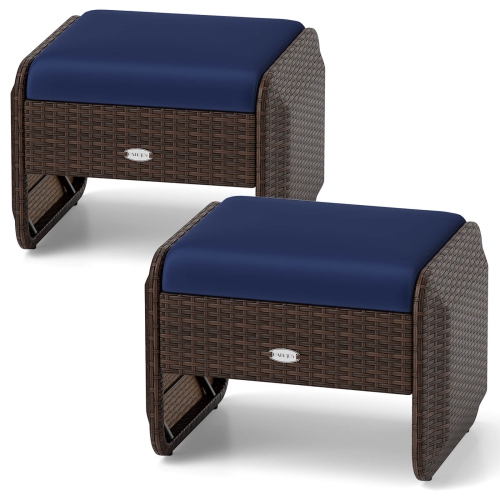
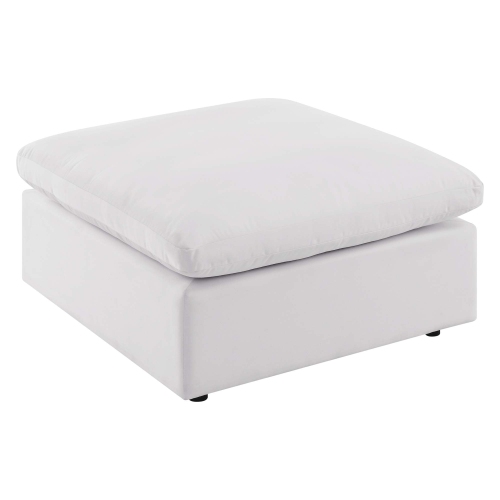
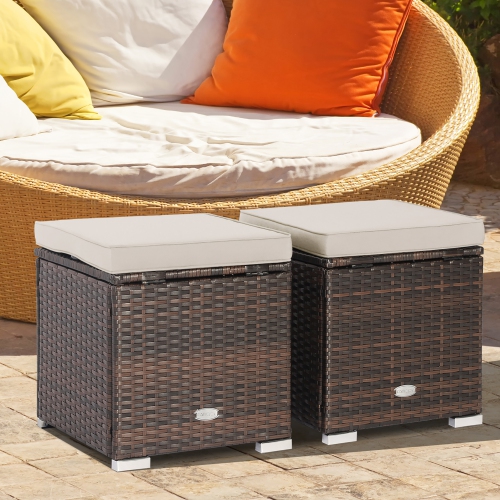

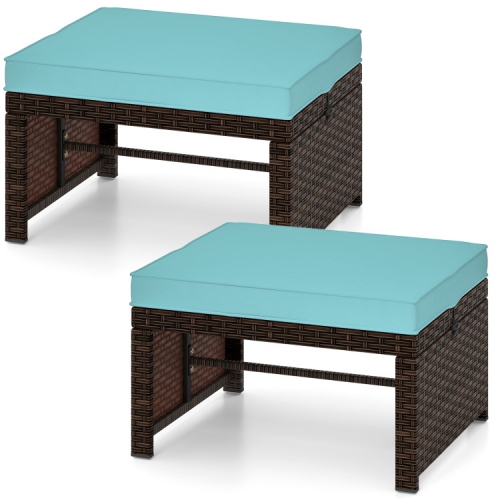
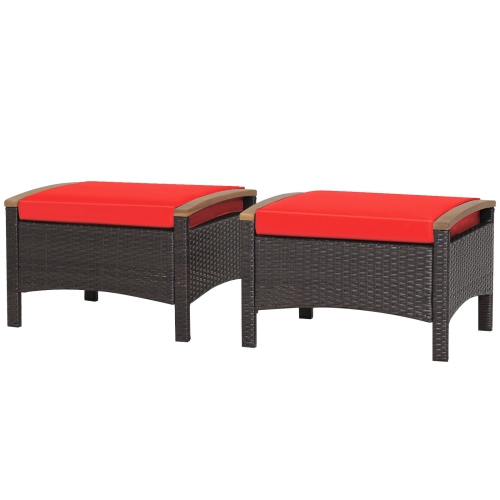
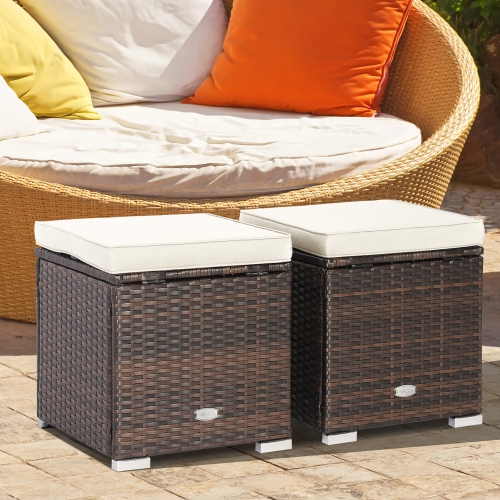
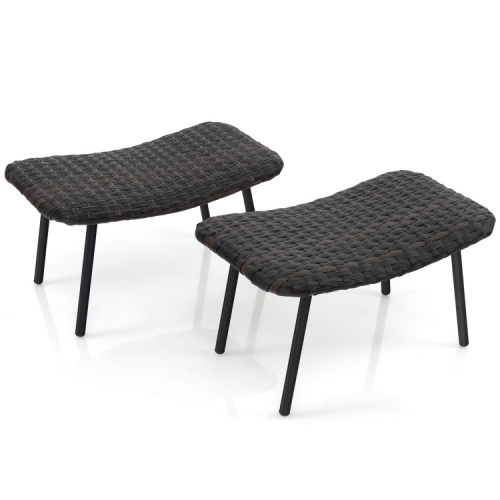



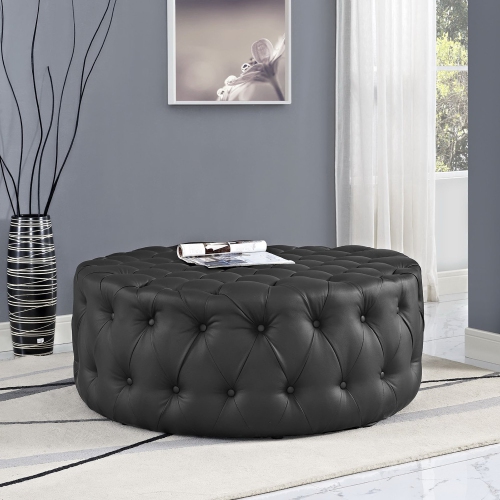
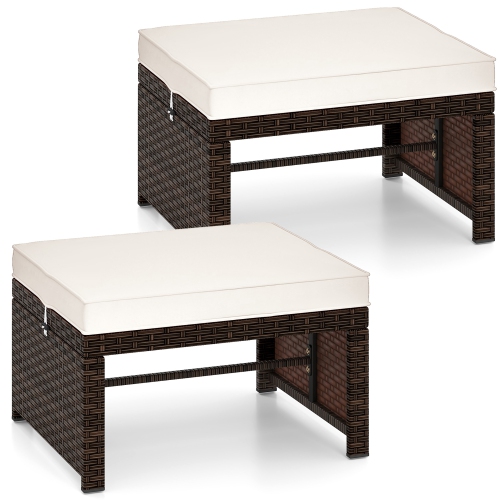
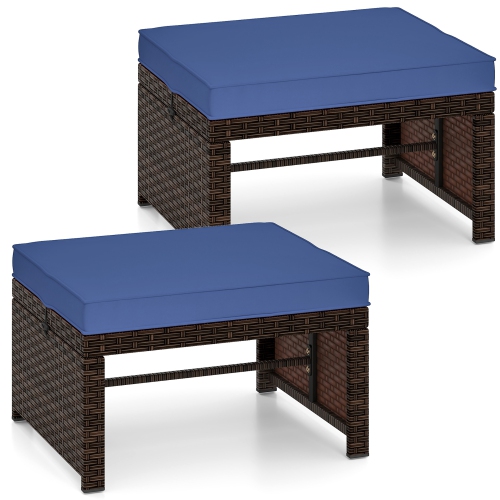
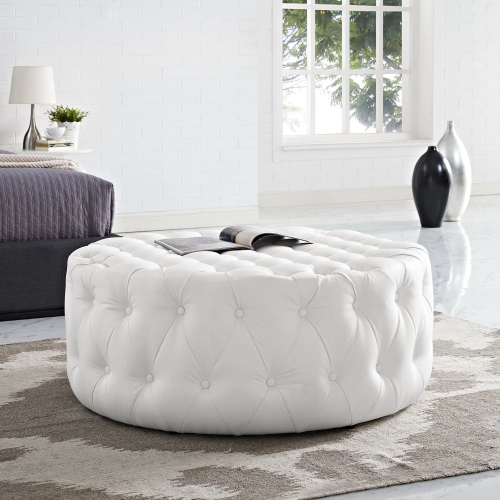

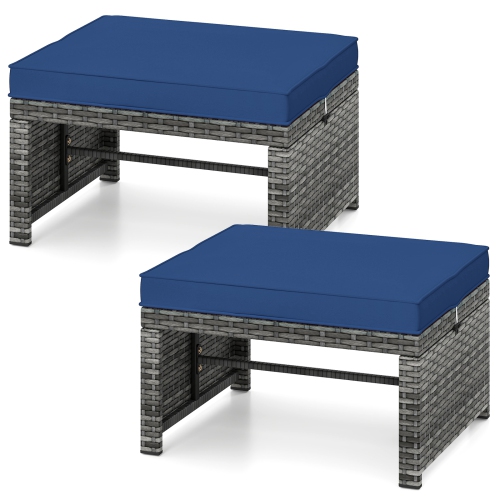
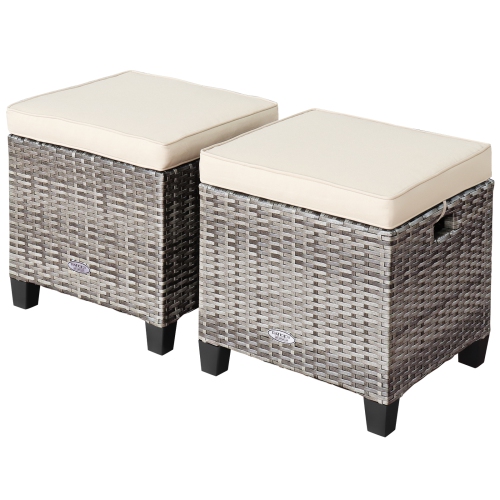

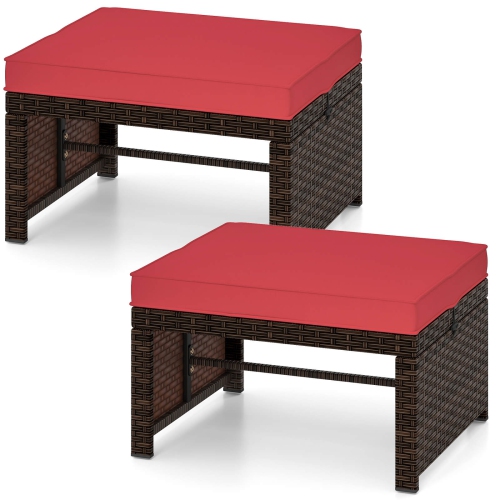
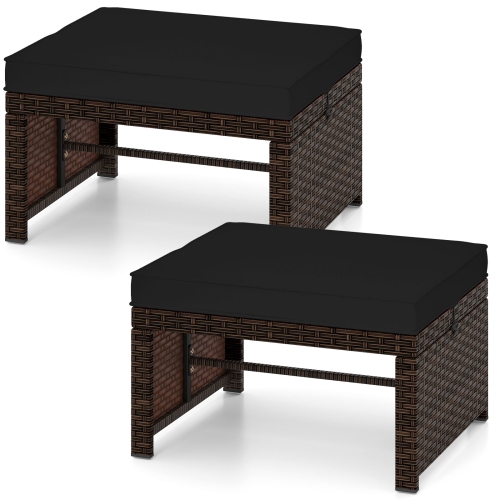
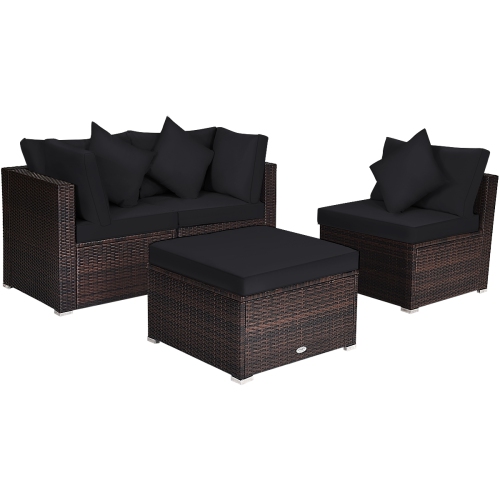
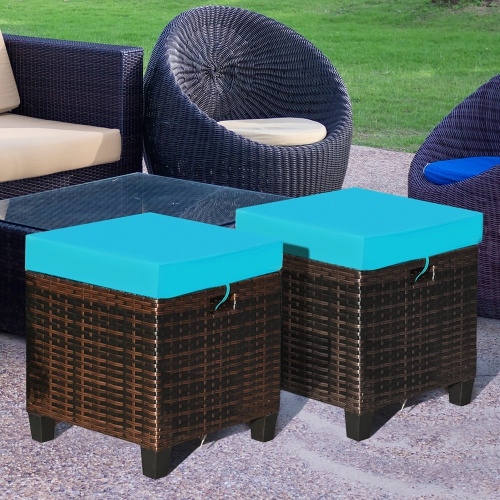
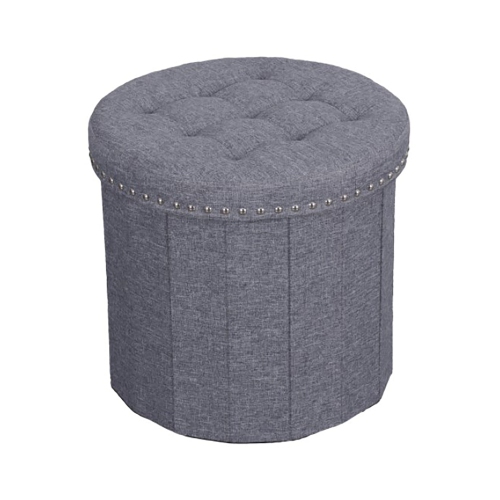
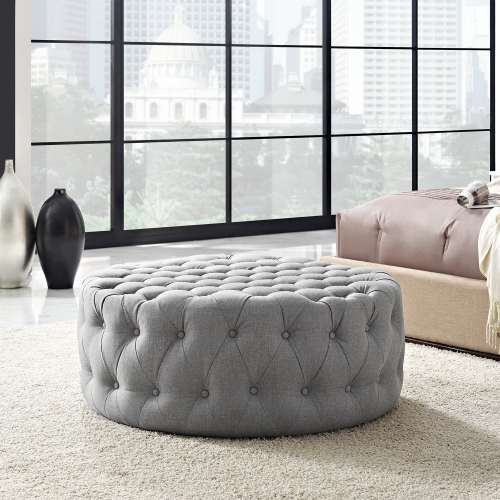
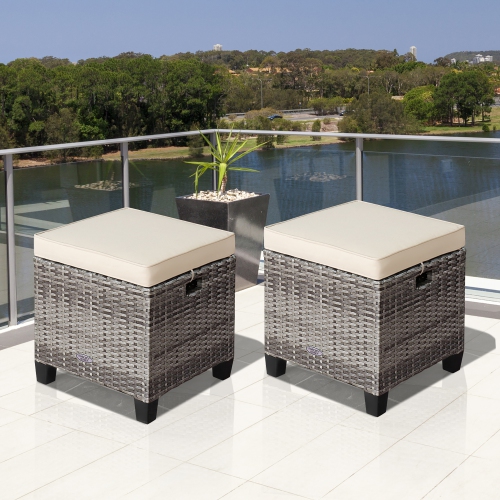
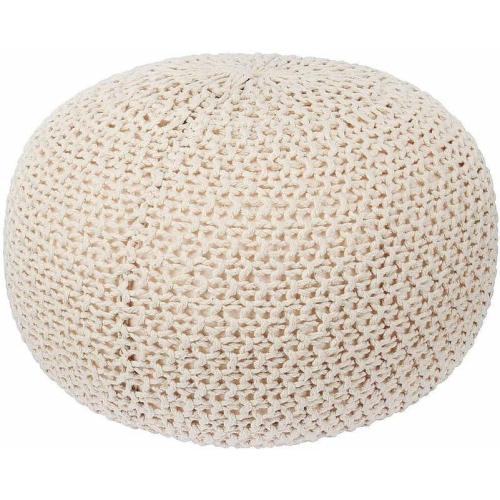
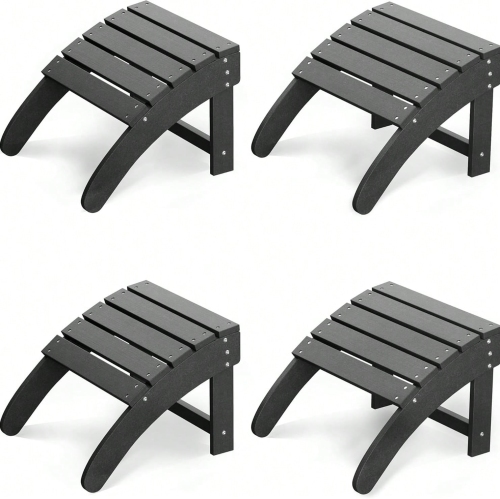
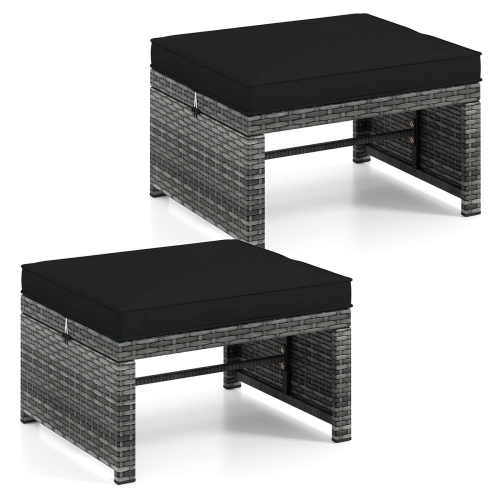
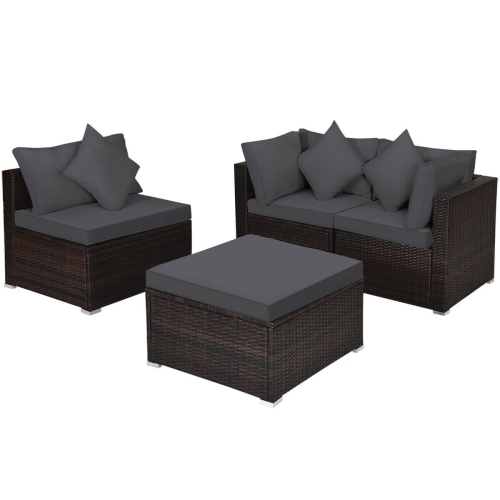
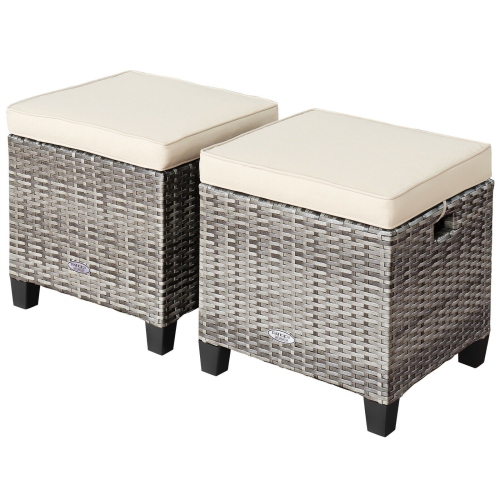
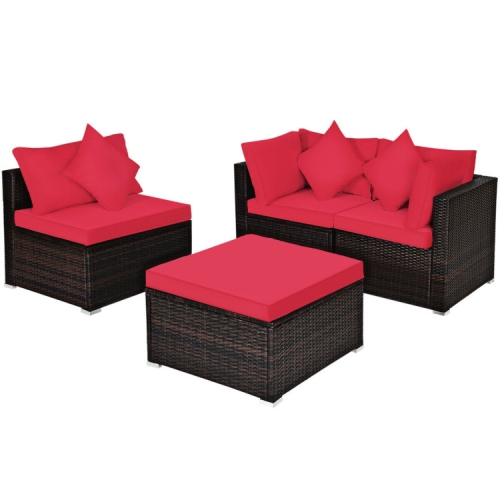
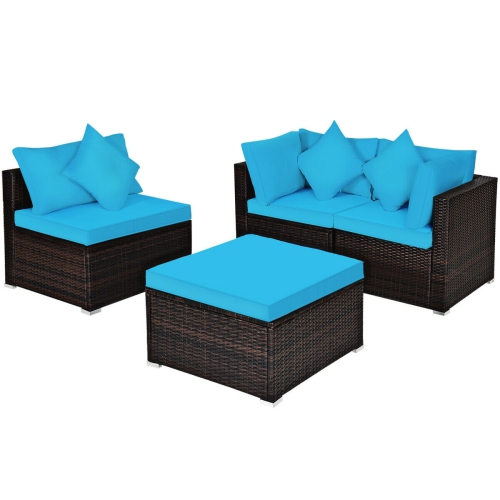
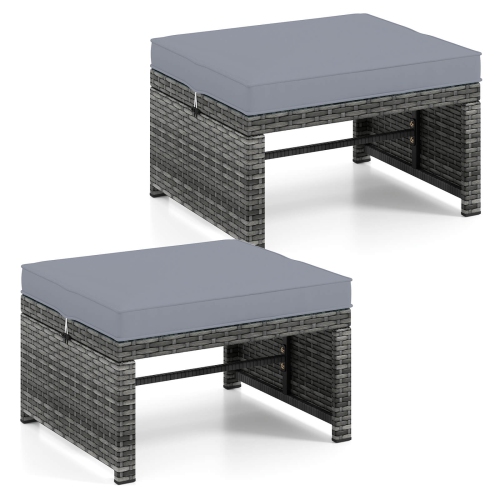
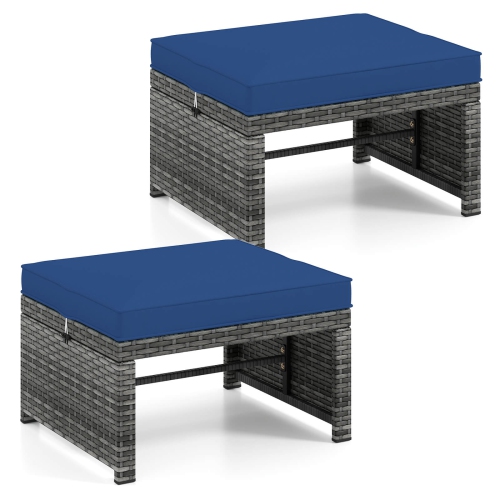
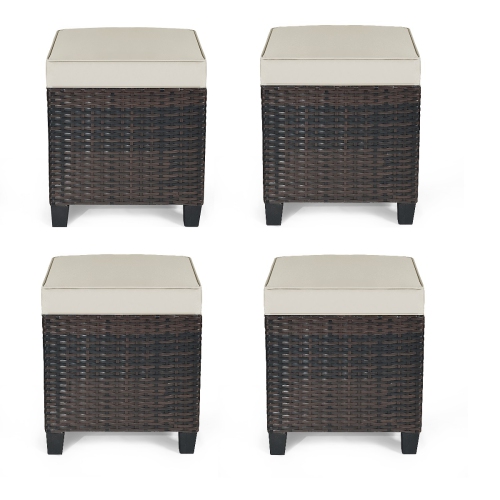
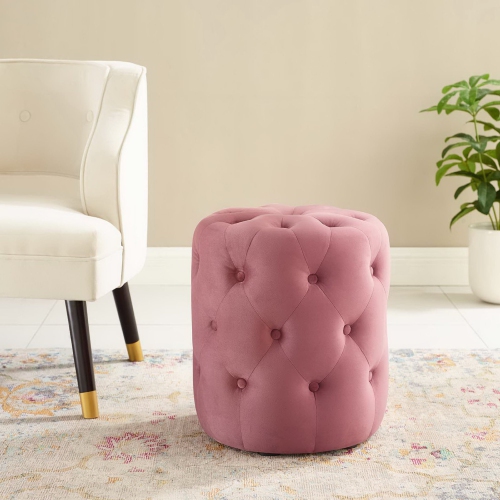



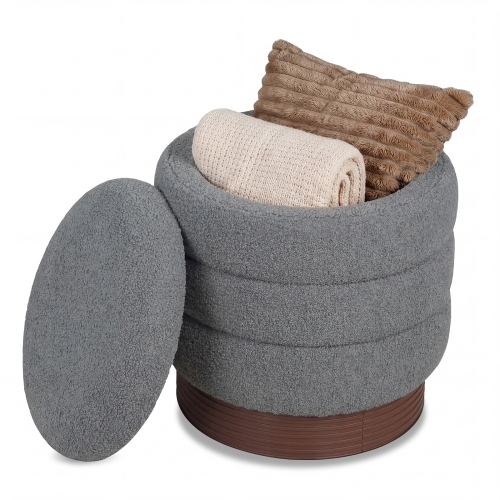

How a round footrest fits your outdoor seating
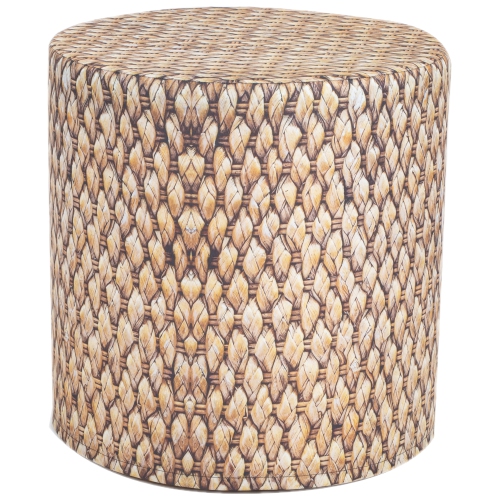
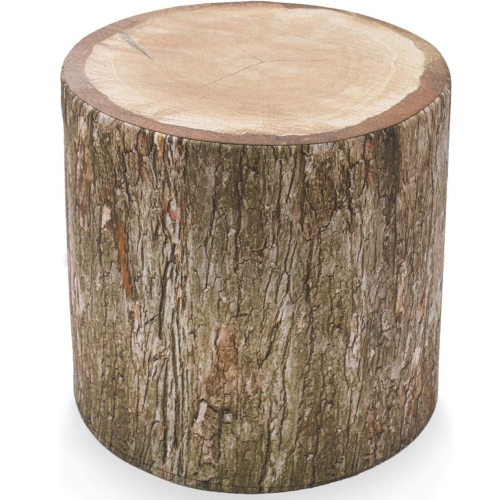
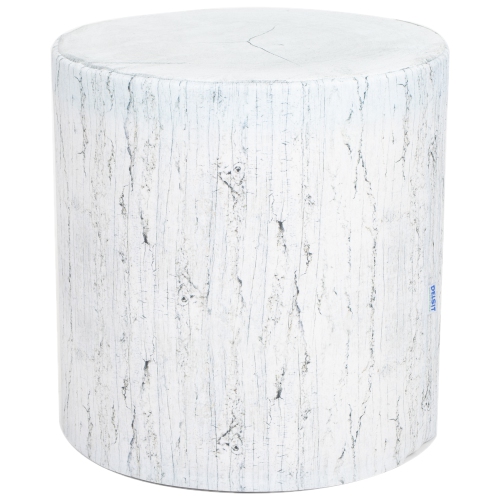
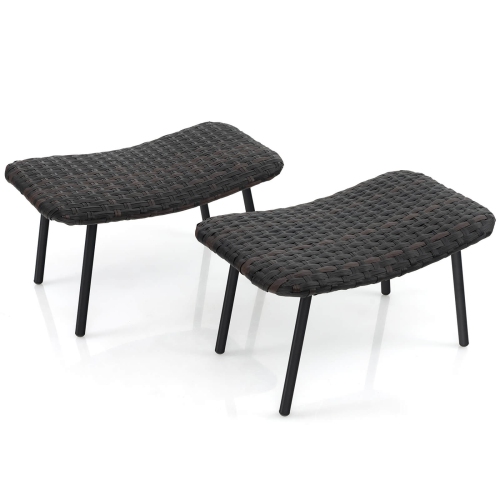
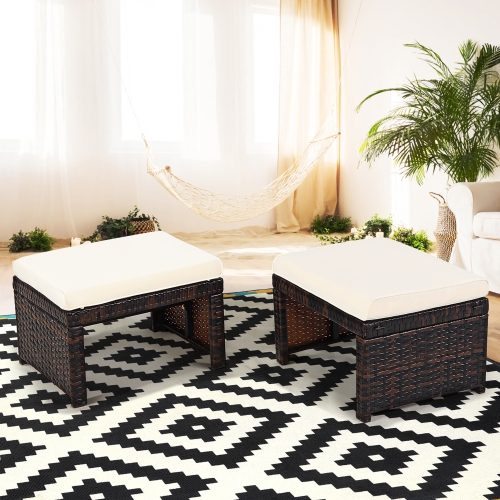
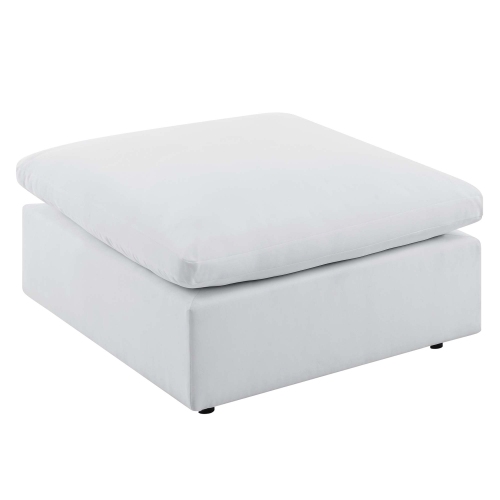
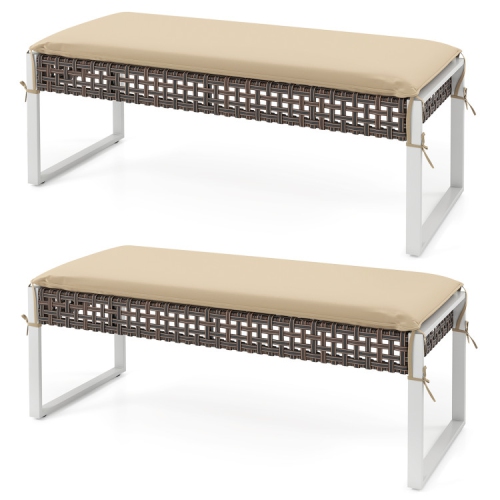
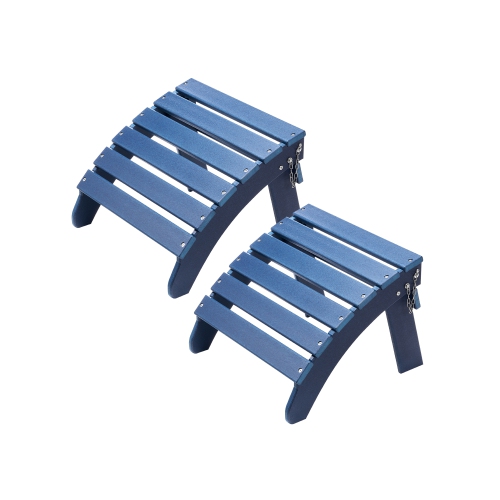
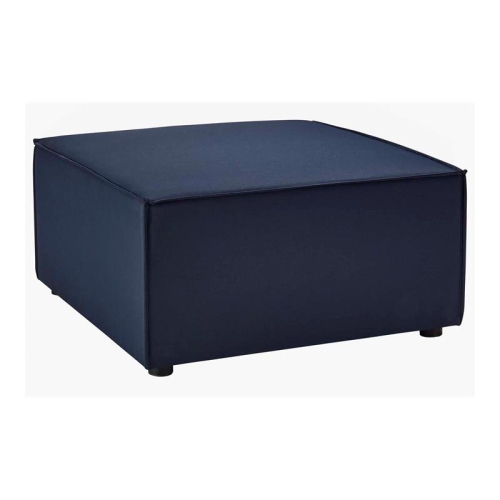
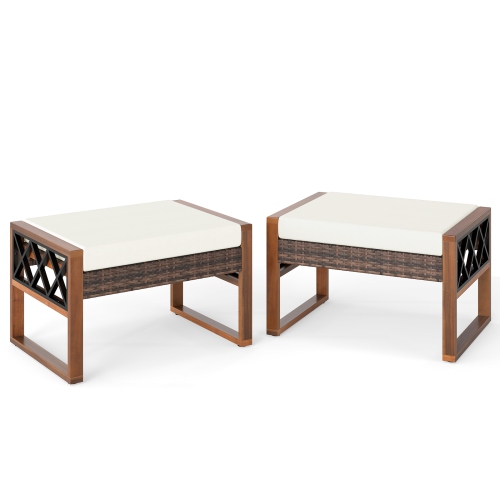
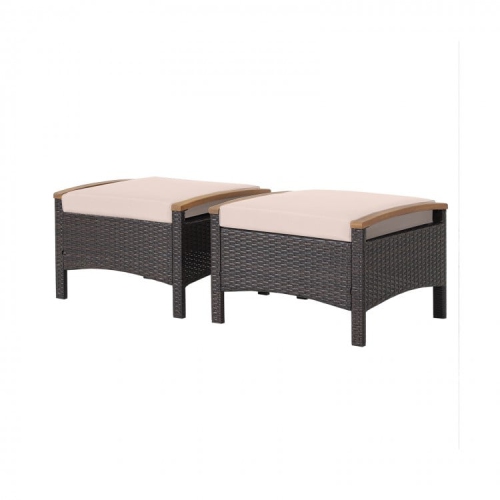
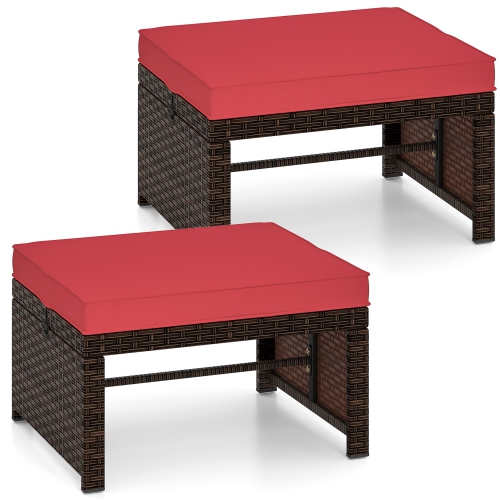
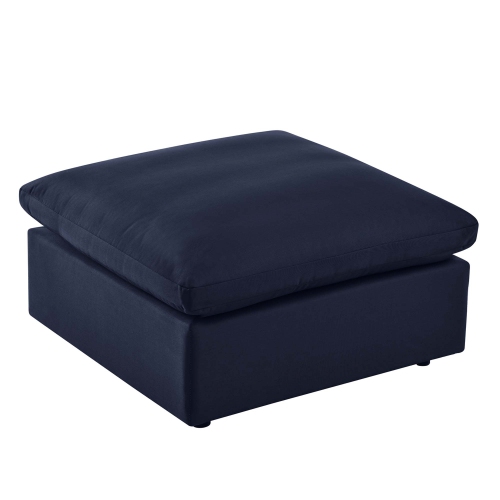
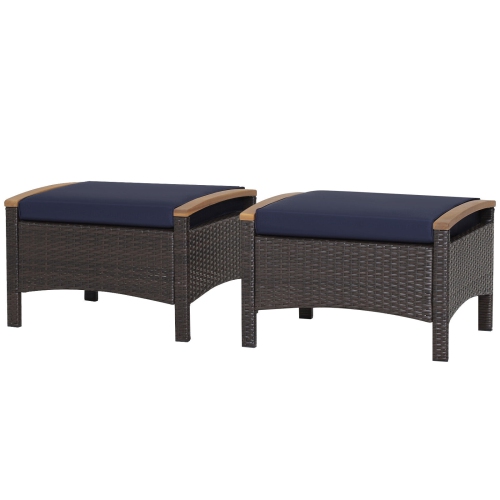
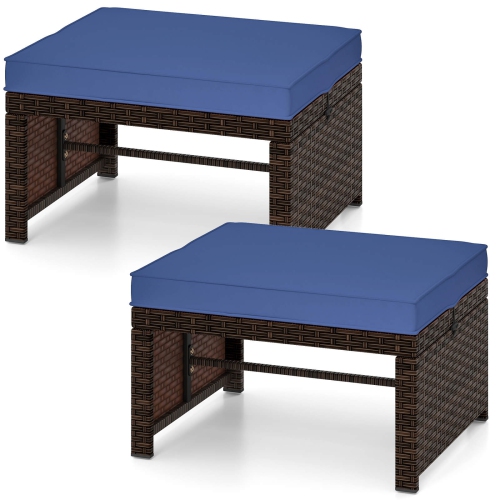
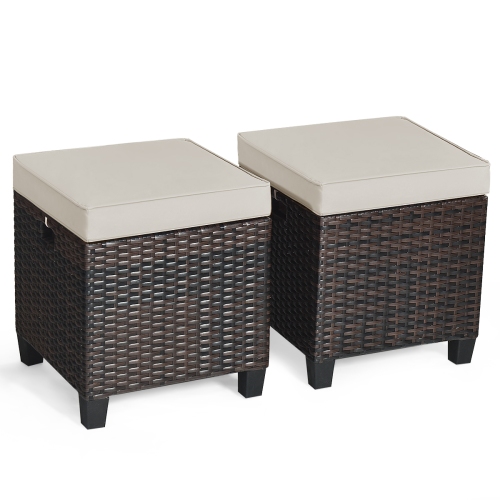
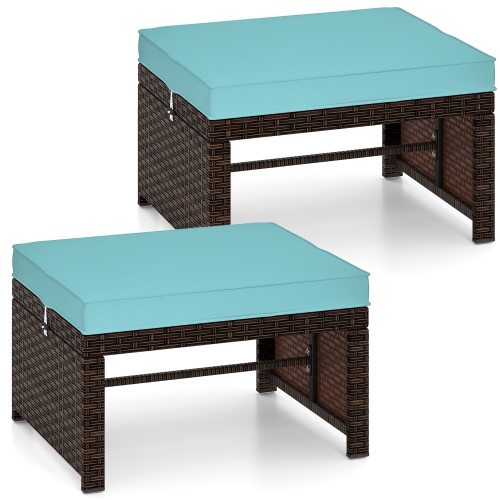
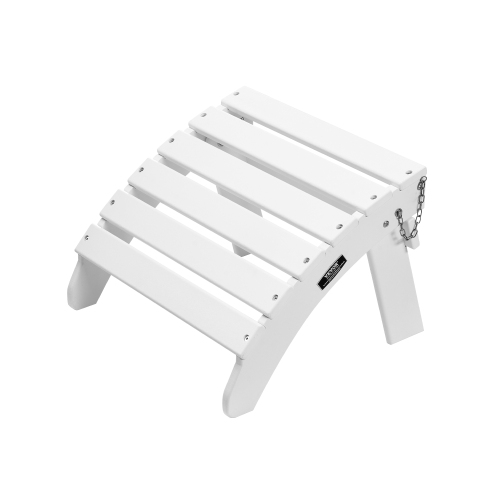
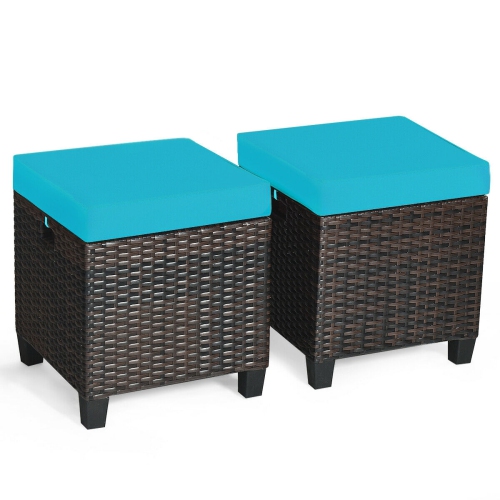
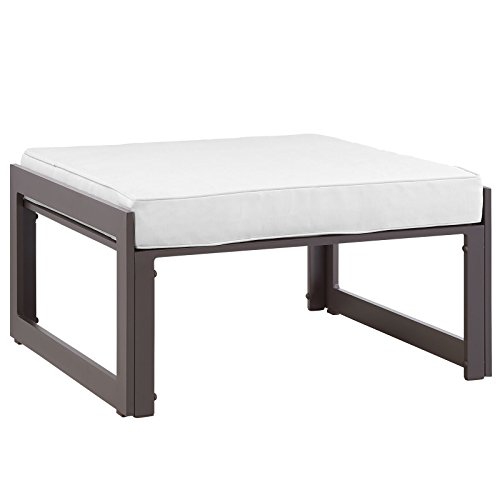
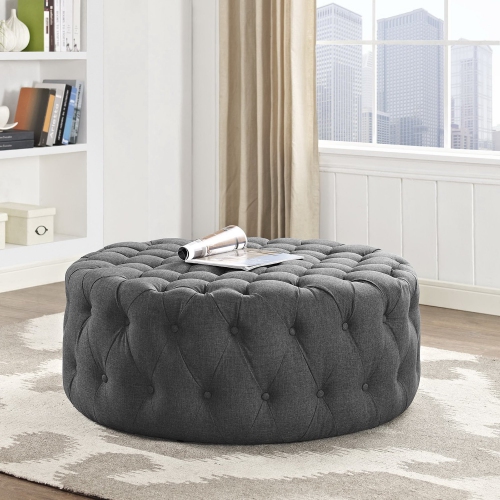
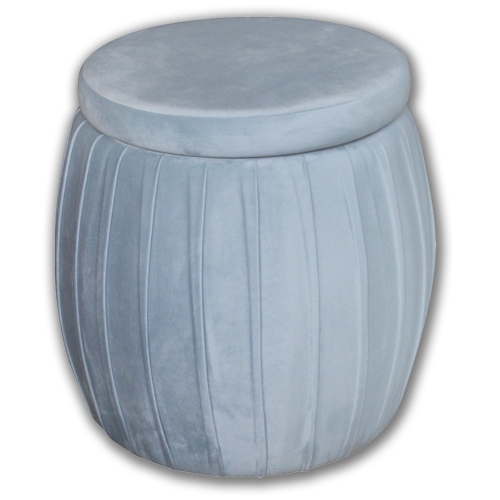
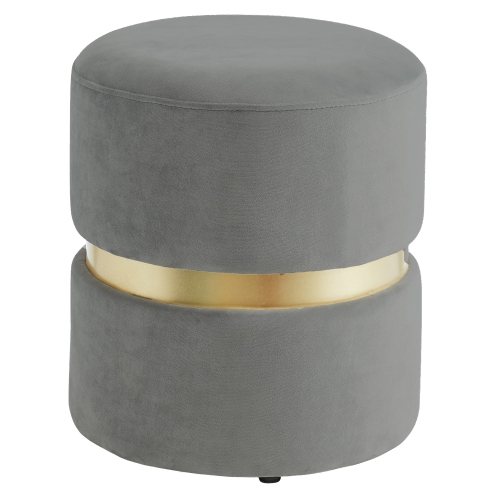
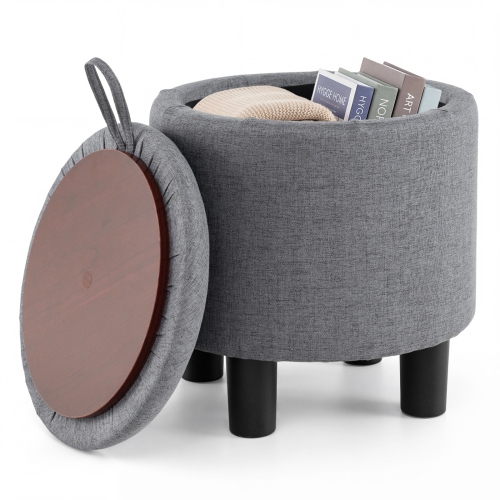
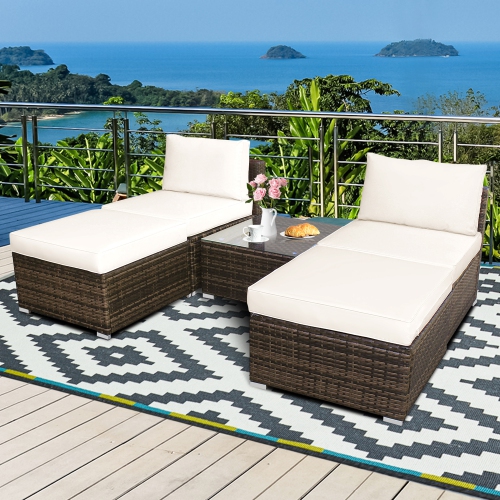
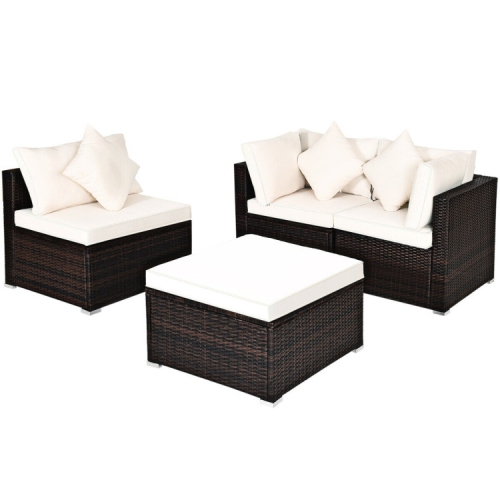
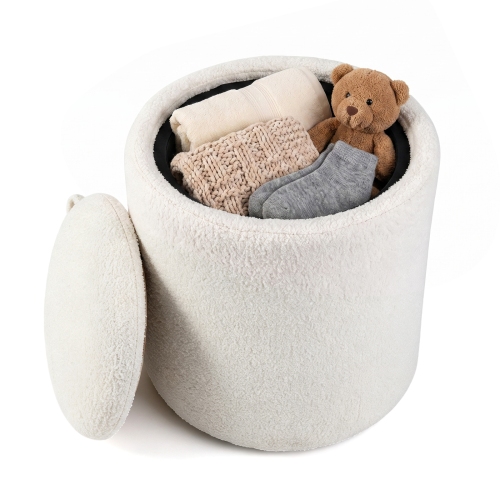
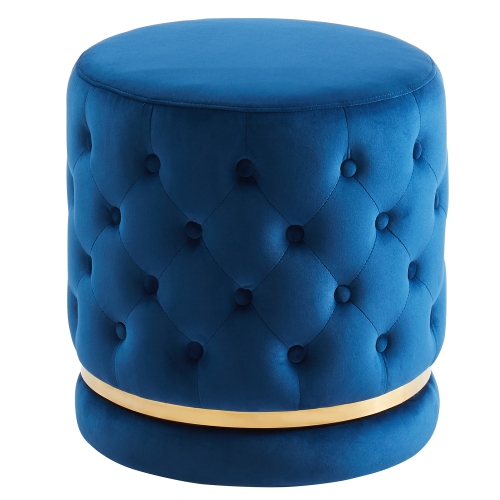
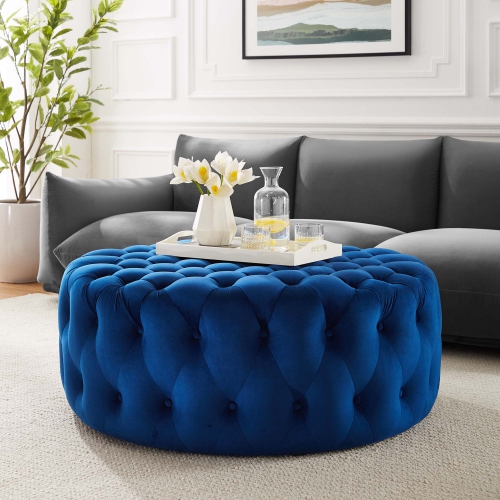
Round outdoor ottomans bring a soft outline and a comfortable footrest to patios, balconies, decks, and covered porches. Their circular shape works particularly well beside curved lounge chairs or within a group of seats, where a rectangular footrest might interrupt the arrangement. Depending on their construction, they may serve as cushioned footrests, occasional seats, or supports for a serving tray, although seating and tabletop use should always match the manufacturer’s specifications. A low, upholstered pouf creates a relaxed spot to stretch out beside a lounge chair, while a framed ottoman with a fitted cushion can give an outdoor seating area a more structured appearance. The absence of corners makes a round silhouette easy to arrange among other furniture, but the overall diameter still matters: a generously sized ottoman can occupy as much floor space as a small table. On a compact balcony, a smaller design may sit neatly beside a chair when not in use. On a larger patio, a broad circular ottoman can become a shared footrest between two seats, provided its size and construction suit that purpose. Height is just as important as width. A footrest that sits close to the chair’s seat height, or slightly lower, generally supports a more relaxed leg position than one that rises above it. Cushion compression also affects that relationship, especially when pairing a soft pouf with a firm lounge chair. Round outdoor ottomans suit anyone who enjoys reading outside, lingering over conversation, or adding flexibility to a seating arrangement without introducing another full-sized chair. Their shape can soften the straight lines of a sectional or dining set, while their upholstery, weave, and colour help connect separate pieces. A textured neutral can blend into an existing arrangement, whereas a deeper colour or contrasting fabric can make the ottoman a distinct accent without overwhelming a small space. For a cohesive appearance, repeating one detail from nearby furniture, such as a woven texture or cushion colour, is often enough.
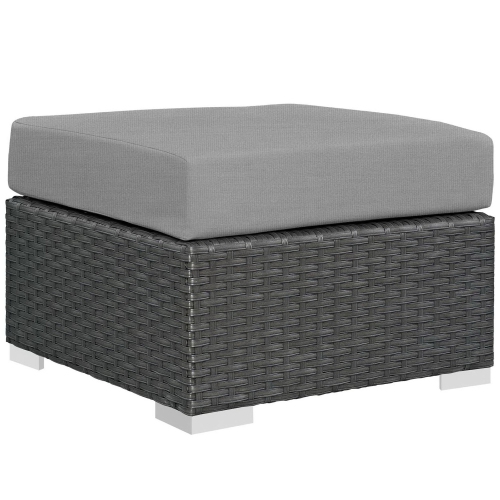
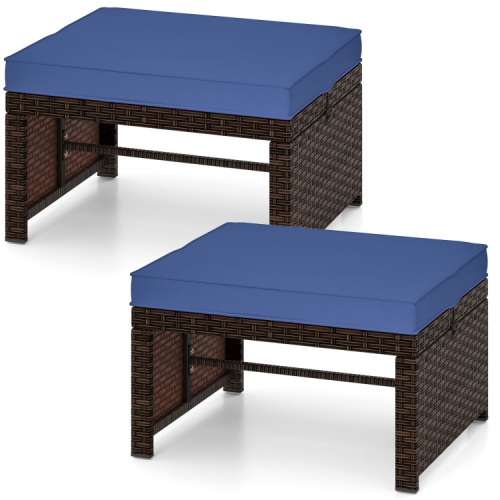
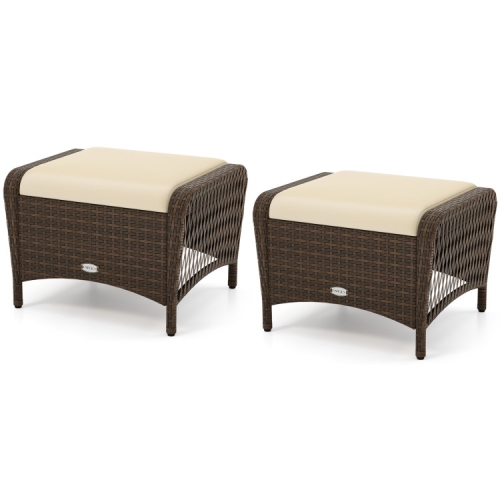
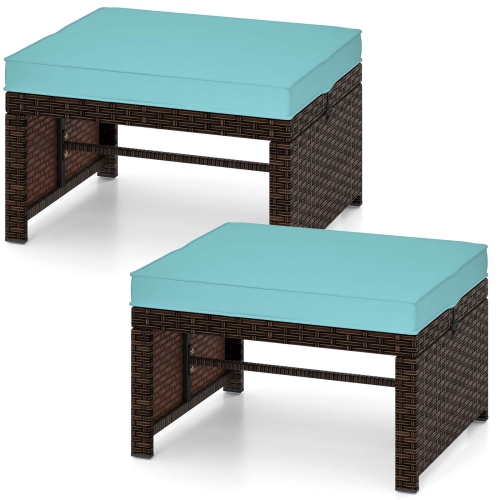
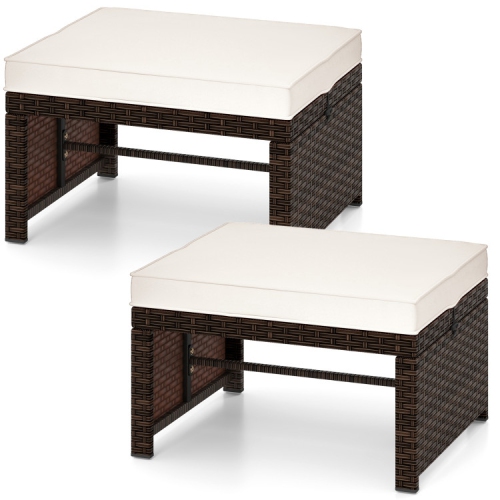
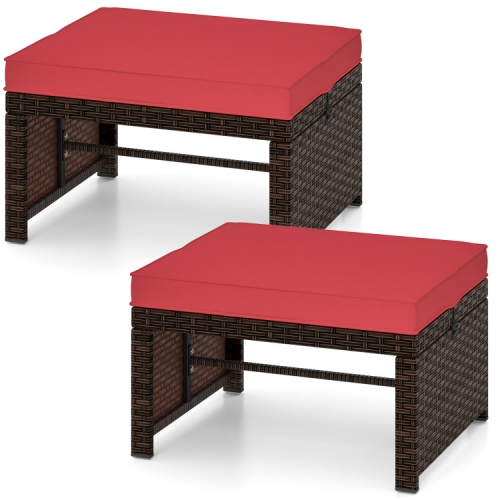
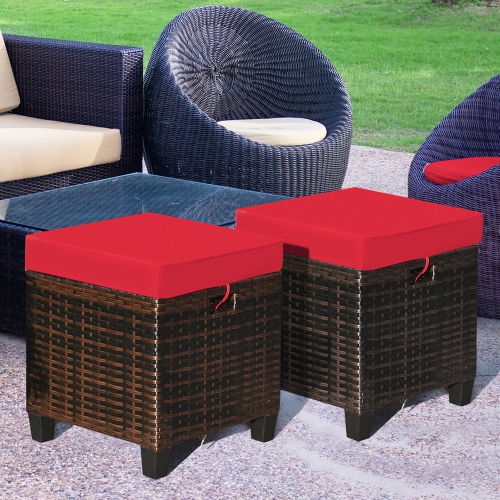
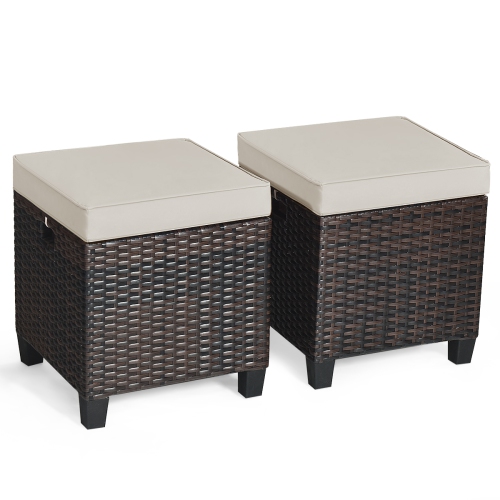
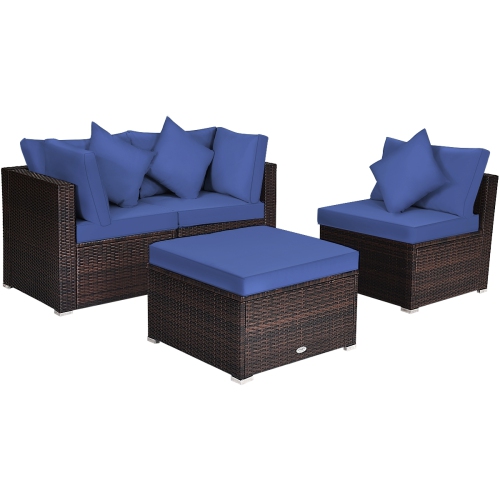
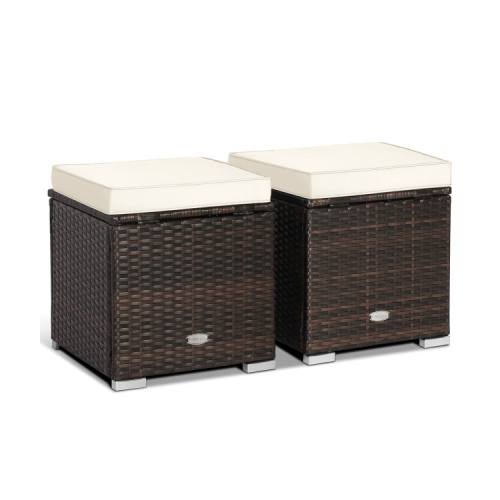
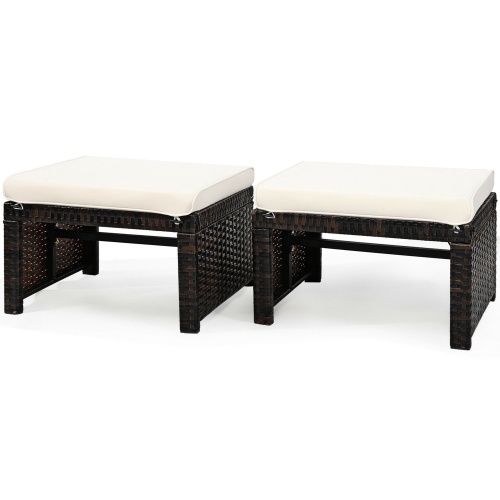
Materials influence how a round outdoor ottoman looks, feels, and stands up to regular exposure. Woven resin designs offer the textured appearance associated with wicker, often over a metal frame that provides structure beneath the weave. Wicker describes a weaving technique rather than a single material, so natural rattan and synthetic resin should not be assumed to have the same outdoor care needs. For a woven look that pairs naturally with patio lounge seating, outdoor wicker ottomans offer a related style to consider alongside round upholstered designs. With any woven construction, the fibre composition, frame material, and care instructions are more informative than appearance alone. Aluminium frames are relatively lightweight and resist rust, while steel frames rely on their protective finish to help limit corrosion. Scratches, exposed fasteners, and joints deserve attention because moisture can collect in these areas. Wood brings a different character, with visible grain and a firmer outline, but its maintenance requirements depend on the species and finish. Fully upholstered poufs place more emphasis on softness and texture; their suitability for uncovered spaces depends on the outer fabric, filling, seams, and base. Outdoor fabrics may include polyester, acrylic, or polypropylene, with performance varying by construction and treatment. Water resistance does not mean waterproofing, and a fabric that sheds a light splash may still allow moisture through seams or prolonged contact. Resistance to fading is similarly a matter of degree rather than a promise that colour will never change. Cushion filling also affects everyday comfort: dense foam tends to feel more supportive, while loose or bead-filled designs can have a more yielding shape. Where drainage or quick-drying construction is specified, it can make a meaningful difference after rain, but those features should not be assumed from an outdoor label alone. Removable covers can make maintenance easier, although a zippered cover is not necessarily machine washable. The care label remains the best reference for cleaning methods that protect the fabric, filling, and finish.
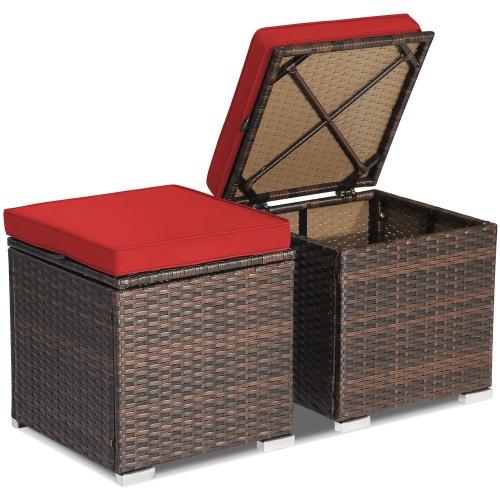
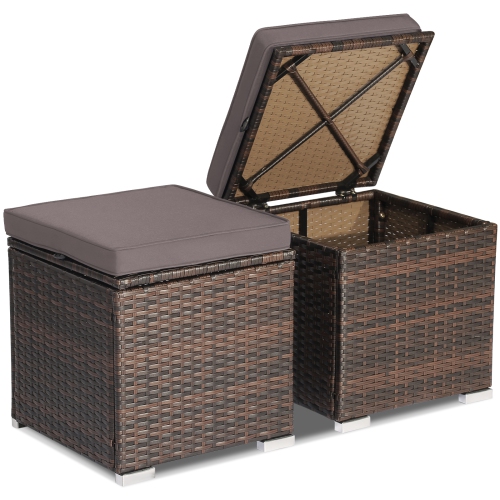
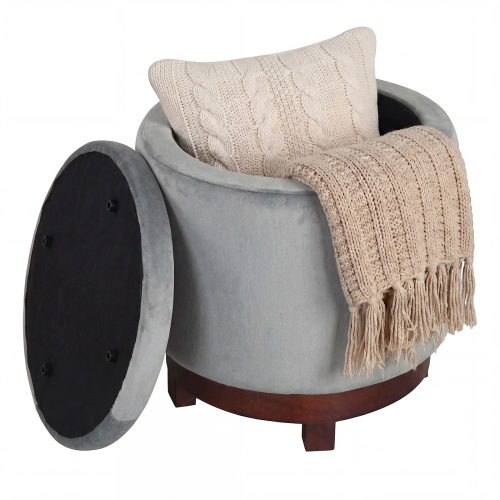
A useful fit comes from considering the ottoman as part of the whole seating area rather than as an isolated accent. Its diameter should leave enough room for people to pass without stepping around it awkwardly, particularly near balcony doors, steps, and narrow routes between furniture. Allowing space to pull it towards a chair also matters; a footrest that only fits when tucked tightly against a sofa may be inconvenient to use. On decking, a stable base helps prevent rocking across board gaps, while small feet may need closer attention on uneven paving. A fabric-covered base is generally better kept away from standing water and persistently damp surfaces. Lightweight construction makes an ottoman easier to reposition, but an exposed balcony may require secure storage when wind is expected. Heavier designs can stay put more readily, though they may be less convenient to move for cleaning. If extra seating is part of the plan, a stated seating weight limit and a stable structure are essential; a soft appearance alone does not establish that an ottoman can safely support a seated adult. Storage designs can be practical for dry outdoor accessories, but enclosed space should not be treated as waterproof unless that protection is expressly stated. Damp cushions and textiles need to dry before being put away. Routine care usually starts with removing loose dirt before it settles into fabric or woven surfaces, followed by cleaning suited to the material. Harsh scrubbing and strong cleaners can damage coatings or discolour upholstery, so manufacturer-approved methods are preferable. After cleaning or rain, allowing the ottoman to dry thoroughly helps limit trapped moisture. Protective covers should fit securely without preventing necessary airflow, and sheltered storage can reduce prolonged exposure to rain, snow, and freezing conditions. With a suitable size, supportive construction, and manageable care requirements, a round outdoor ottoman can be an easy-to-use addition that makes an existing seating area feel more complete.
Top selling and popular products
-
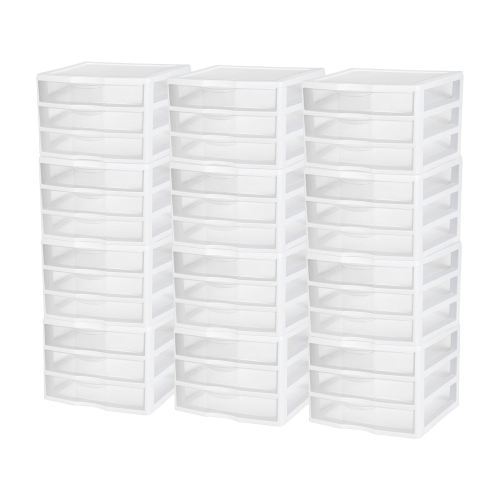 Your price for this item is $644.99
-
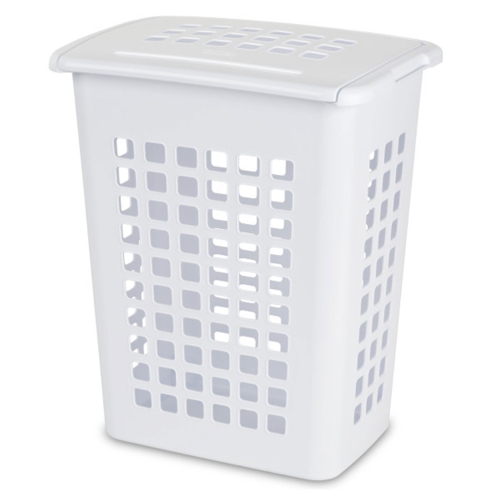 Your price for this item is $978.99
-
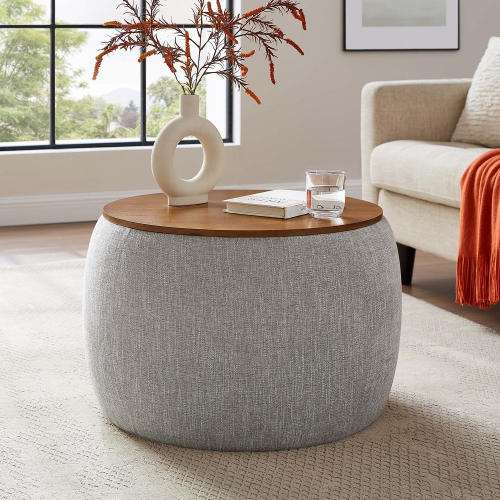 Your price for this item is $286.83
-
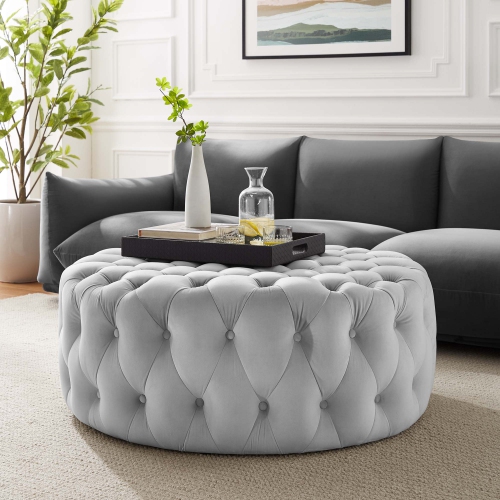 Your price for this item is $765.09
-
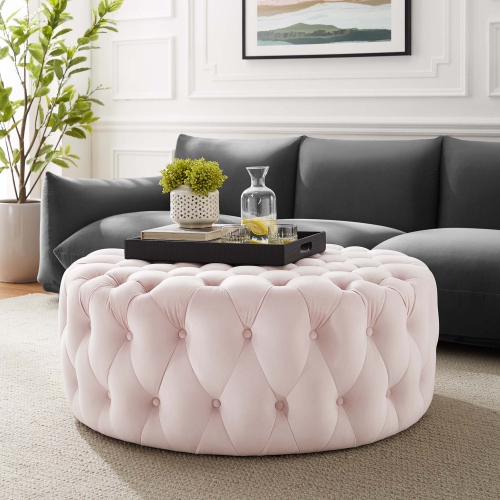 Your price for this item is $765.09
-
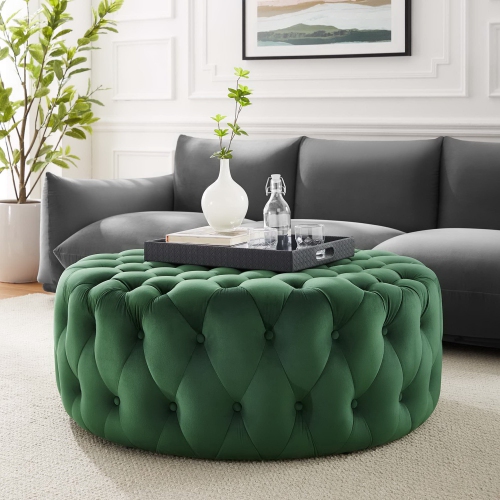 Your price for this item is $765.09
-
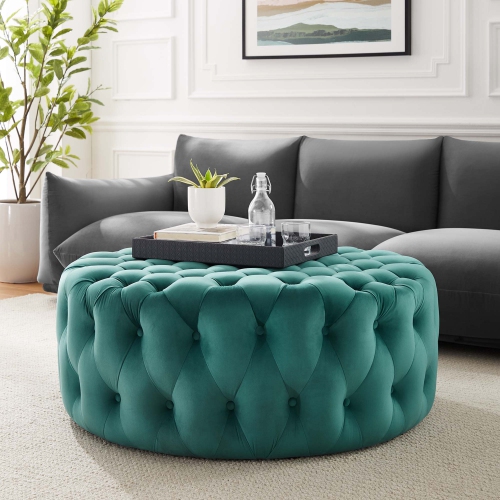 Your price for this item is $765.09
-
 Your price for this item is $765.09
Discover more categories related to Round Outdoor Ottomans

Top Collections:
Best Black Friday Deals This Year, Best Black Friday Deals On Electronics, Kindle Devices, Dyson Airwrap, Best Cameras for Sports Photography, Best Budget Office Chairs, Canon G7X Cameras, PS5 Pro Consoles, Best Black Friday Deals On Apple Products, XBOX One S Consoles
Some products may be subject to Environmental Handling Fees
(EHF) depending on your province.
Learn more about EHFs.