Outdoor Storage Shed
Looking to declutter your outdoor space and keep your belongings organized? An outdoor storage shed is the perfect solution to store your gardening tools, patio furniture, bicycles, and more in a secure and weather-resistant environment. Whether you have a small backyard or a spacious garden, an outdoor storage shed offers ample storage space while keeping your items protected from the elements. With a variety of sizes, materials, and designs available, finding the right outdoor storage shed to suit your needs and complement your outdoor aesthetic is easy.
Sort
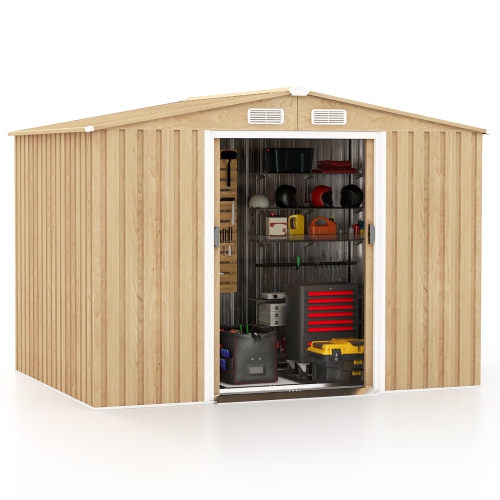
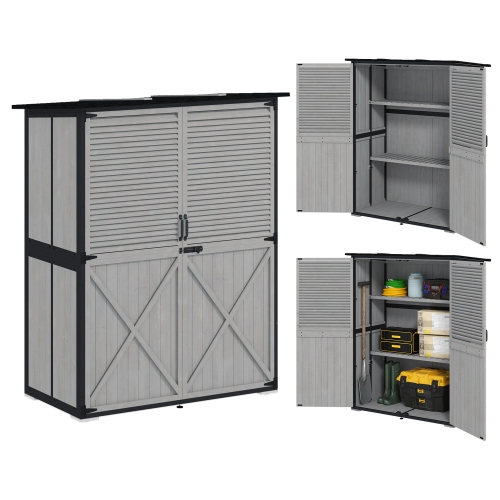
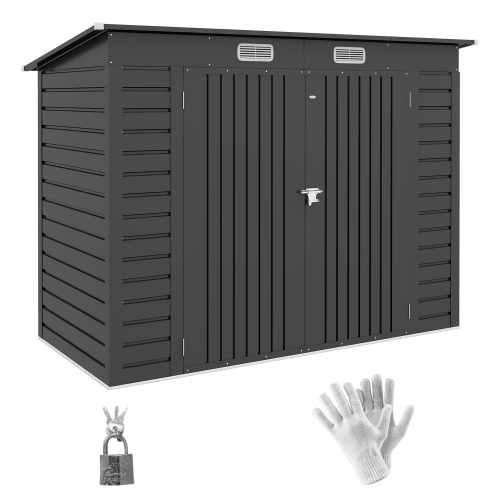
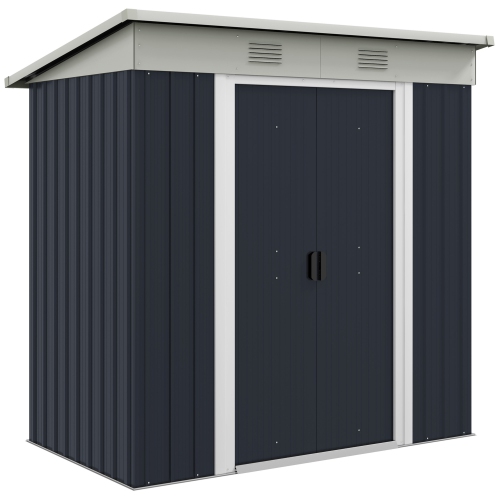
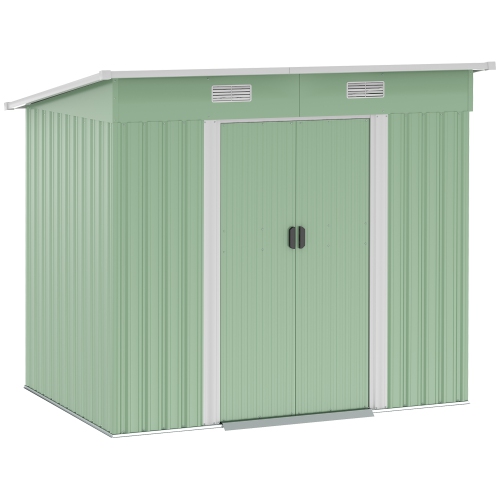
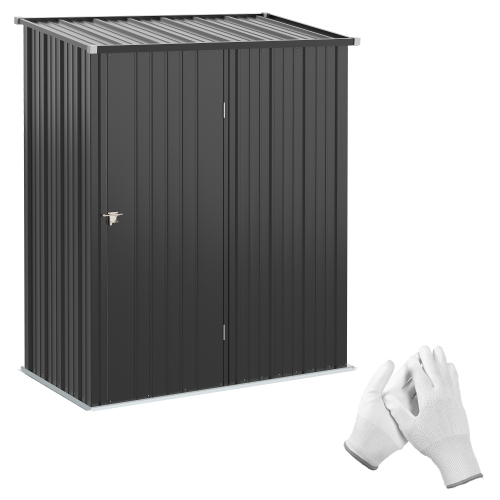
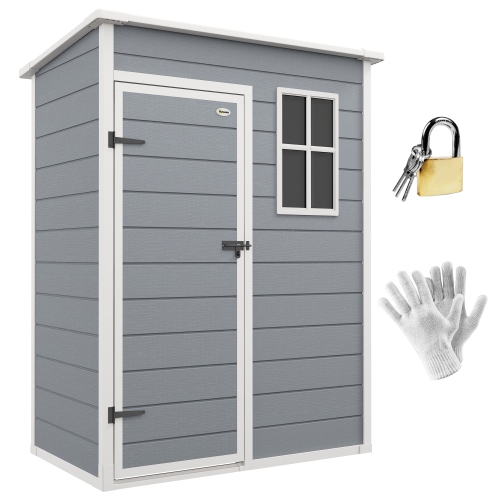
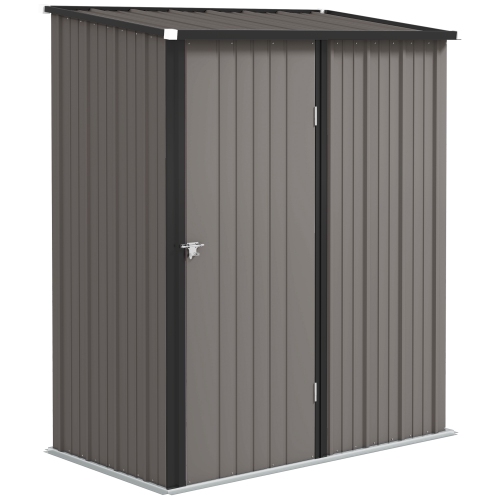
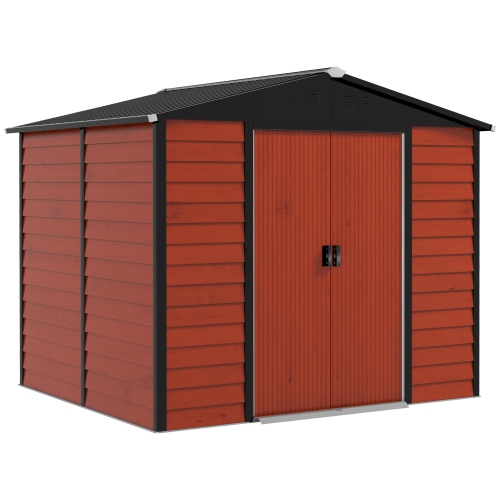
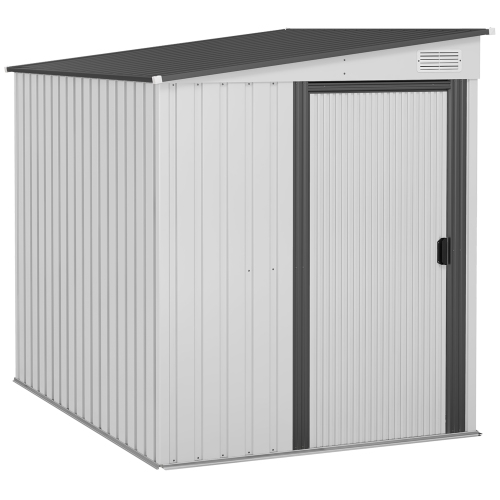
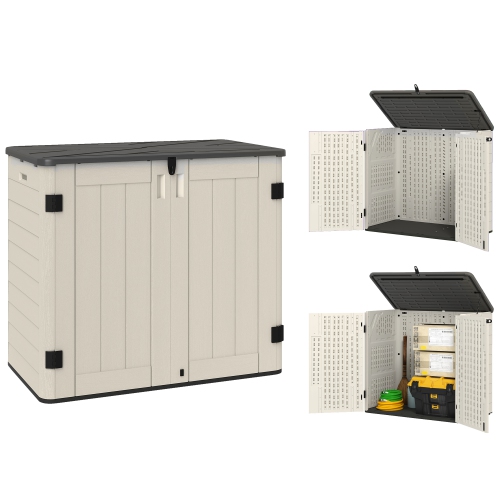
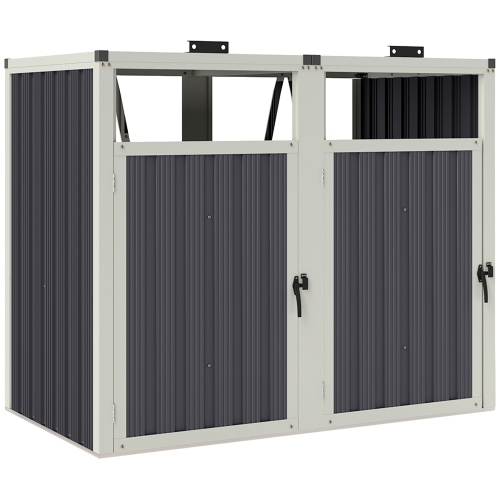
A practical place for tools, equipment, and seasonal essentials
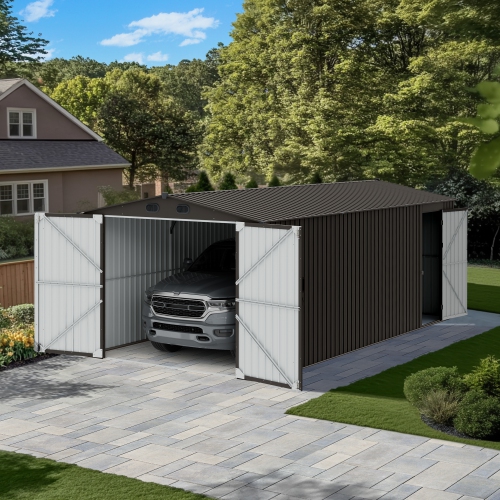
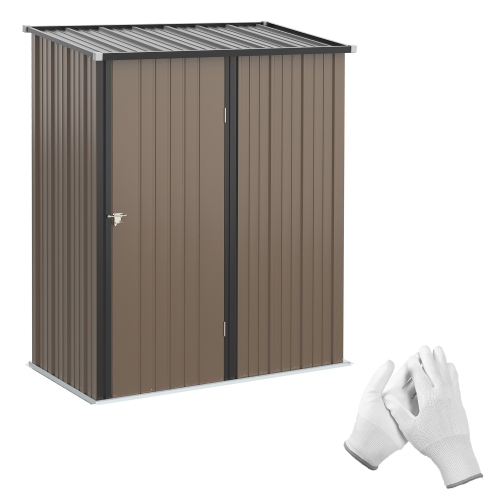
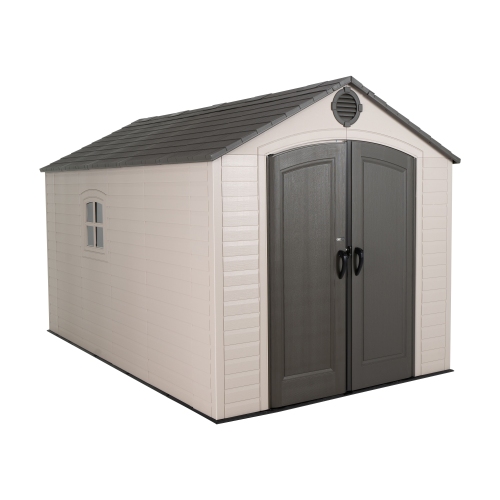
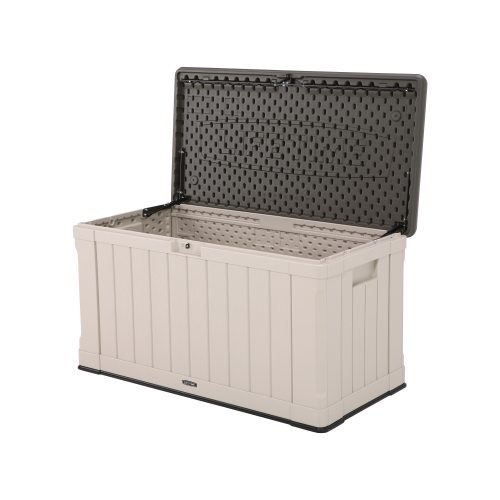
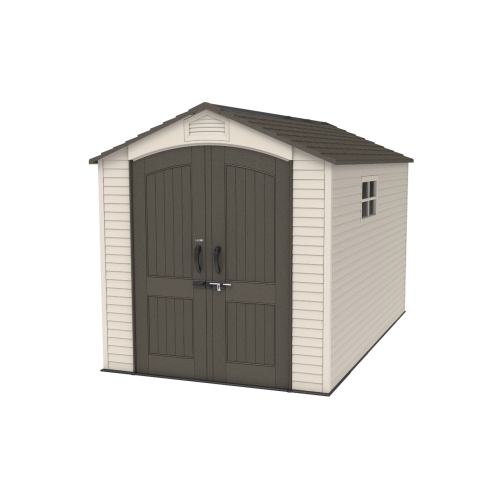
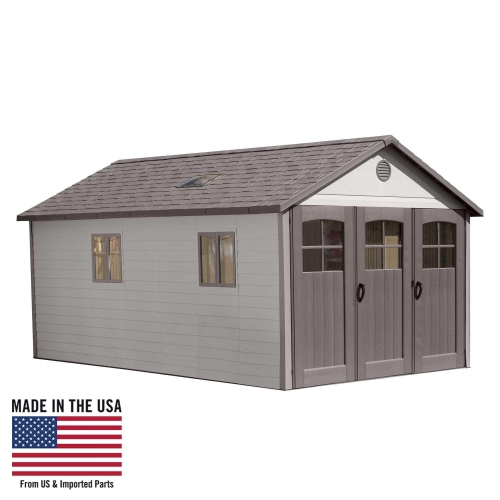
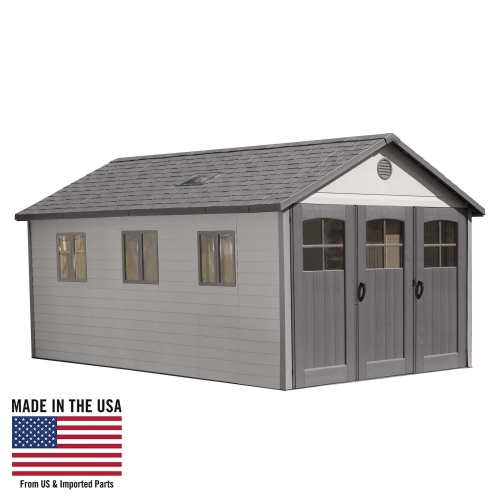
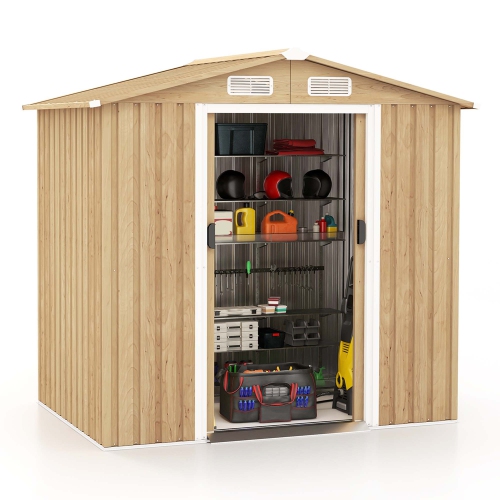
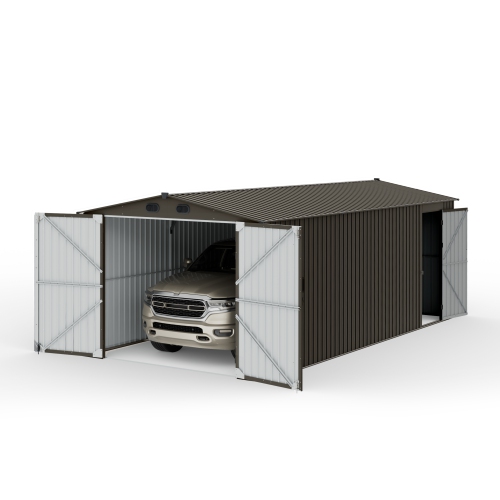
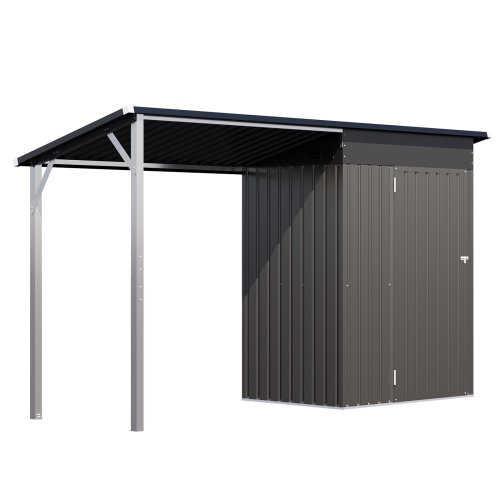
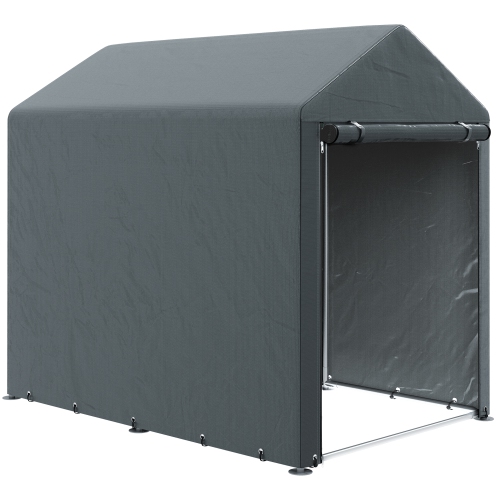
An outdoor storage shed can make a noticeable difference in how a yard, garage, balcony, or side entrance functions. Instead of leaving garden tools beside the back door, stacking seasonal equipment around the car, or searching through crowded closets for outdoor essentials, a dedicated shed gives everything a practical place to live. Compact models are useful for a small collection of hand tools, watering equipment, bins, folding chairs, or sports gear, while larger outdoor storage sheds can accommodate bicycles, lawnmowers, snowblowers, patio cushions, ladders, and other bulky items. The right size depends on both what you own and how you expect your storage needs to change. A compact shed measuring roughly 4 feet by 2.5 feet to 5 feet by 3 feet can work well beside a house, garage, or fence, particularly when floor space is limited. Medium models around 8 feet by 6 feet or 8 feet by 10 feet offer more room for equipment that needs to be rolled in and out, and larger designs measuring 10 feet by 8 feet or more can provide walk-in storage with space to organize shelves, hooks, bins, and work surfaces. Before choosing, measure the available area carefully, including clearance for doors, roof overhangs, pathways, and routine maintenance. It is also helpful to mark the footprint on the ground with painter’s tape or a garden hose; this simple step gives a much clearer sense of how the shed will fit beside a fence, deck, driveway, or play area.
Material is one of the most important considerations when comparing an outdoor storage shed. Resin and plastic sheds are popular for their straightforward upkeep and their ability to handle changing weather without rusting, rotting, or peeling. Their smooth surfaces are generally easy to clean, and many have a clean, neutral appearance that suits a range of outdoor spaces. Metal sheds can provide sturdy storage for tools and equipment, with galvanized steel helping to reduce the risk of rust. They are often a practical choice for buyers looking for a budget-conscious structure, although metal walls may dent and can become warm in direct sunlight, so placement and ventilation are worth considering. Wood sheds bring a more traditional look and can blend naturally with gardens, decks, and older homes. They may be painted or stained to complement the surrounding property, but wood typically requires periodic sealing or staining to help it remain in good condition. Whichever material you select, look for features that match the way you plan to use the space. Wide double doors make it easier to move a lawnmower, bicycle, or snowblower inside, while a ramp can help with wheeled equipment. Windows or skylights can brighten a walk-in interior, and vents may help air circulate when damp boots, wet tools, or freshly used equipment are stored inside. Lockable handles or hasps provide added peace of mind when the shed contains costly tools, while adjustable shelving, wall hooks, and overhead storage can turn a bare enclosure into an orderly utility room. Prices can range from about $150 for smaller metal lockers to more than $1,000 for larger resin or wood structures, depending on size, construction, included features, and assembly requirements.
An outdoor storage shed is useful for homeowners, renters with suitable outdoor space, gardeners, hobbyists, and families who need a place for equipment that does not belong indoors. It can also be a thoughtful housewarming or practical family gift, especially for someone settling into a home with a yard, taking on new gardening projects, or preparing to store outdoor equipment during cooler months. Think about the rhythm of your year when planning the interior: gardening tools and patio accessories may be most useful during warmer weather, while bicycles, sports equipment, and outdoor toys may need easy access between seasons. As the weather cools, a shed can help keep cushions, hoses, planters, tools, and recreational equipment protected from rain, wind, and snow, while leaving room in the garage for a vehicle or frequently used household items. Place the shed on a firm, level surface such as a properly prepared pad, and check local requirements for setbacks, permits, and property-line restrictions before installation. Keeping the structure slightly raised or ensuring that water can drain away from its base may help prevent pooling around the floor. Organize heavier items low and near the entrance, store sharp tools securely, and leave a clear walkway so equipment can be retrieved without shifting several boxes first. If your plans include walk-in storage, a hobby area, or room for several large pieces of equipment, explore Large Storage Sheds for additional space options. With the right footprint, material, access points, and interior organization, an outdoor storage shed can make everyday yard care feel less like a search through a crowded garage and more like a simple, well-planned routine.
Material is one of the most important considerations when comparing an outdoor storage shed. Resin and plastic sheds are popular for their straightforward upkeep and their ability to handle changing weather without rusting, rotting, or peeling. Their smooth surfaces are generally easy to clean, and many have a clean, neutral appearance that suits a range of outdoor spaces. Metal sheds can provide sturdy storage for tools and equipment, with galvanized steel helping to reduce the risk of rust. They are often a practical choice for buyers looking for a budget-conscious structure, although metal walls may dent and can become warm in direct sunlight, so placement and ventilation are worth considering. Wood sheds bring a more traditional look and can blend naturally with gardens, decks, and older homes. They may be painted or stained to complement the surrounding property, but wood typically requires periodic sealing or staining to help it remain in good condition. Whichever material you select, look for features that match the way you plan to use the space. Wide double doors make it easier to move a lawnmower, bicycle, or snowblower inside, while a ramp can help with wheeled equipment. Windows or skylights can brighten a walk-in interior, and vents may help air circulate when damp boots, wet tools, or freshly used equipment are stored inside. Lockable handles or hasps provide added peace of mind when the shed contains costly tools, while adjustable shelving, wall hooks, and overhead storage can turn a bare enclosure into an orderly utility room. Prices can range from about $150 for smaller metal lockers to more than $1,000 for larger resin or wood structures, depending on size, construction, included features, and assembly requirements.
An outdoor storage shed is useful for homeowners, renters with suitable outdoor space, gardeners, hobbyists, and families who need a place for equipment that does not belong indoors. It can also be a thoughtful housewarming or practical family gift, especially for someone settling into a home with a yard, taking on new gardening projects, or preparing to store outdoor equipment during cooler months. Think about the rhythm of your year when planning the interior: gardening tools and patio accessories may be most useful during warmer weather, while bicycles, sports equipment, and outdoor toys may need easy access between seasons. As the weather cools, a shed can help keep cushions, hoses, planters, tools, and recreational equipment protected from rain, wind, and snow, while leaving room in the garage for a vehicle or frequently used household items. Place the shed on a firm, level surface such as a properly prepared pad, and check local requirements for setbacks, permits, and property-line restrictions before installation. Keeping the structure slightly raised or ensuring that water can drain away from its base may help prevent pooling around the floor. Organize heavier items low and near the entrance, store sharp tools securely, and leave a clear walkway so equipment can be retrieved without shifting several boxes first. If your plans include walk-in storage, a hobby area, or room for several large pieces of equipment, explore Large Storage Sheds for additional space options. With the right footprint, material, access points, and interior organization, an outdoor storage shed can make everyday yard care feel less like a search through a crowded garage and more like a simple, well-planned routine.
Top selling and popular products
-
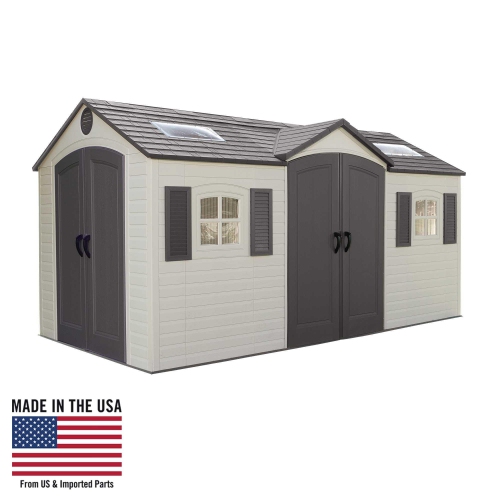 Your price for this item is $3999
 -
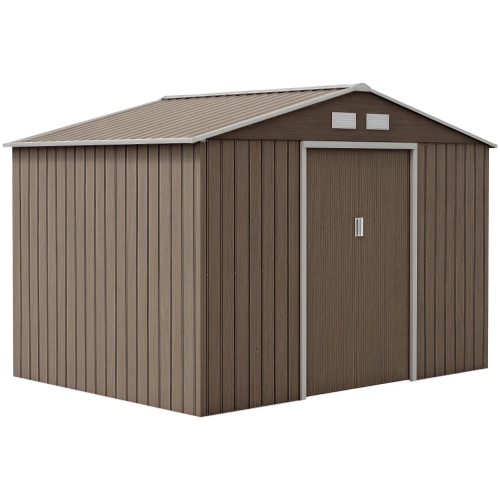 Your price for this item is $554.99
 -
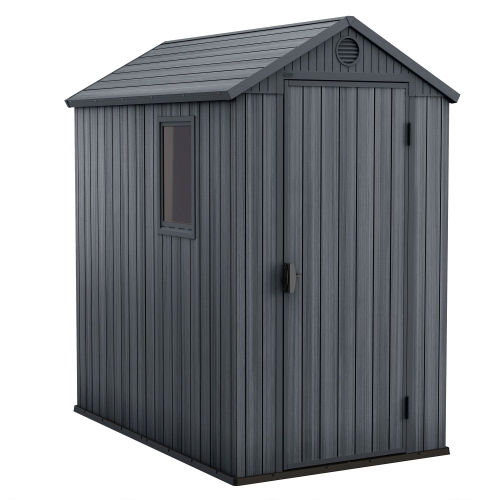 Your price for this item is $1204.99
 -
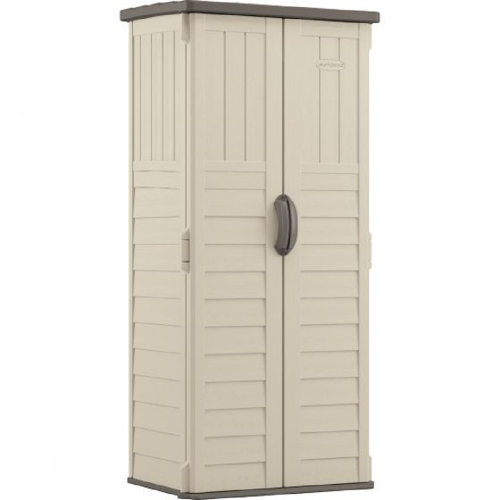 Your price for this item is $385.99
 -
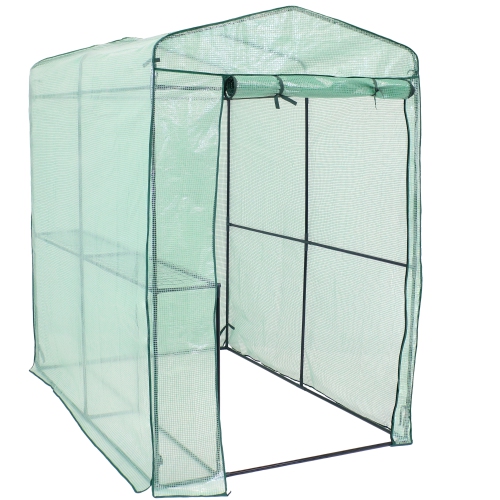 Your price for this item is $113.35
 -
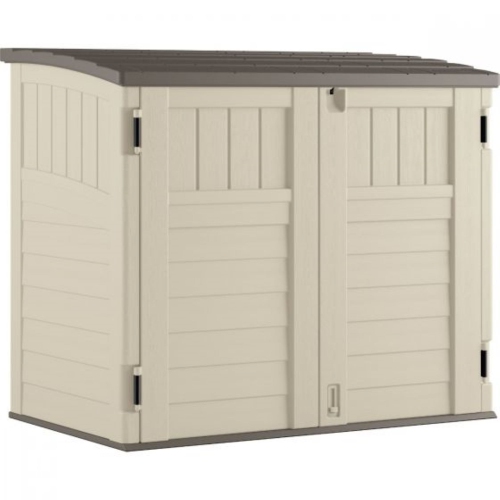 Your price for this item is $459.99
 -
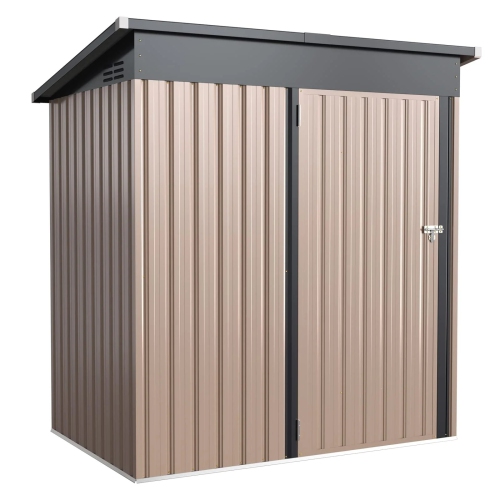 Your price for this item is $189.99
 -
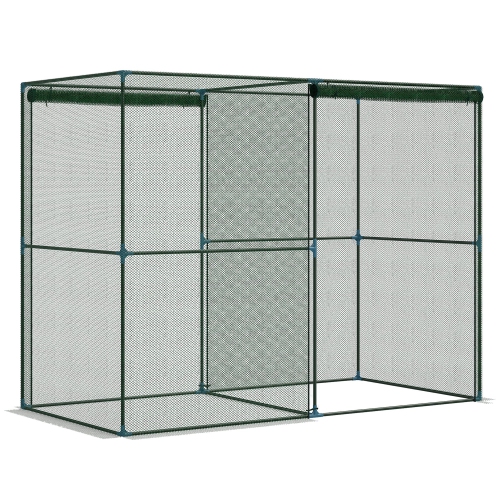 Your price for this item is $79.99
Discover more categories related to Outdoor Storage Shed

Top Collections:
Pokemon Centers, Kindle Devices, Best Budget Office Chairs, Apple iPhones 16, Best Laptops for Writers, iPhone 15 Apple, Canon G7X Cameras, Refurbished Apple Laptops, Alarm Clock, Motorola Razr Phones
Some products may be subject to Environmental Handling Fees
(EHF) depending on your province.
Learn more about EHFs.