Outdoor Table Tops
Transform your outdoor space into a stylish and functional oasis with our wide selection of outdoor table tops. Whether you're looking to upgrade your patio, deck, or balcony, our range of table tops offers endless possibilities to create the perfect outdoor dining and entertaining area. Here are some great options available.
Sort
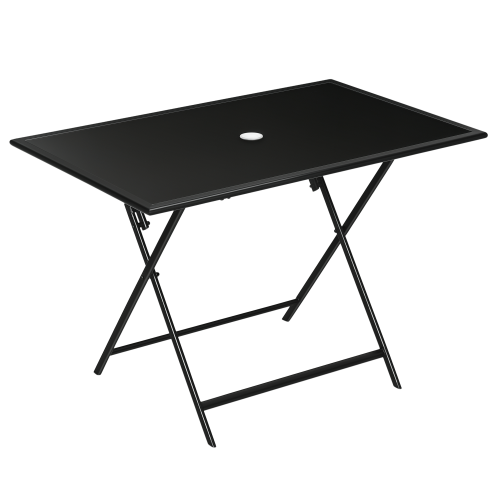
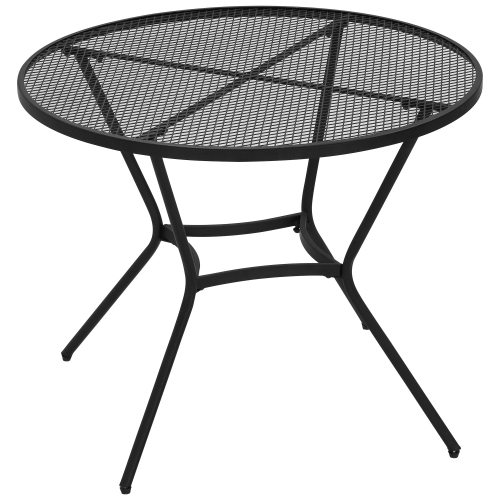
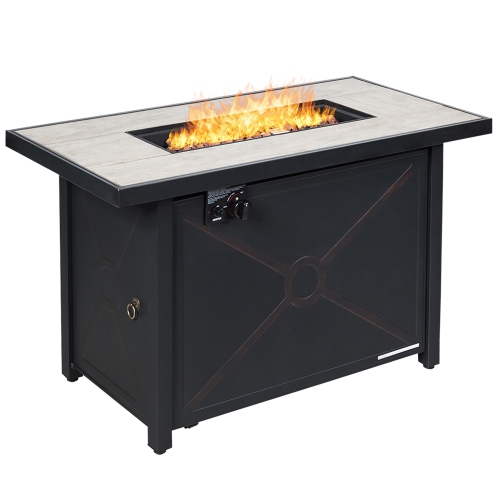
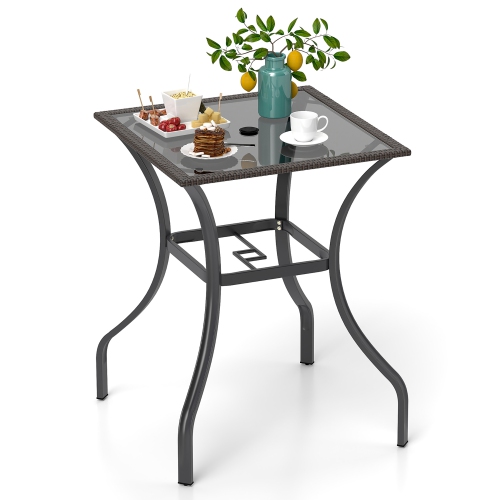
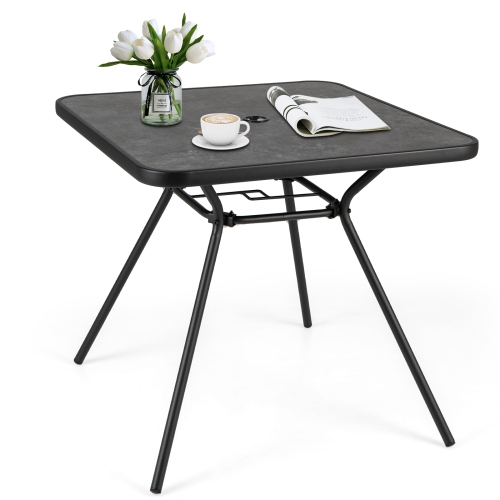
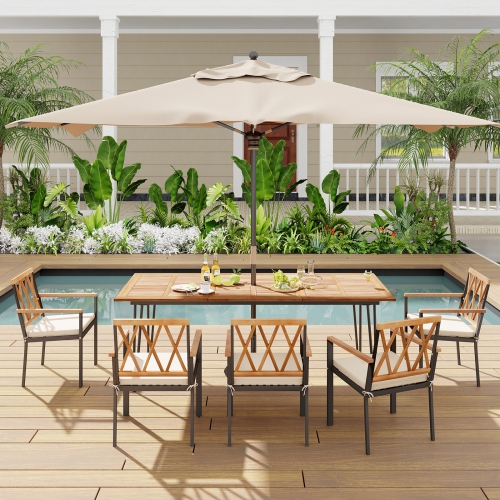
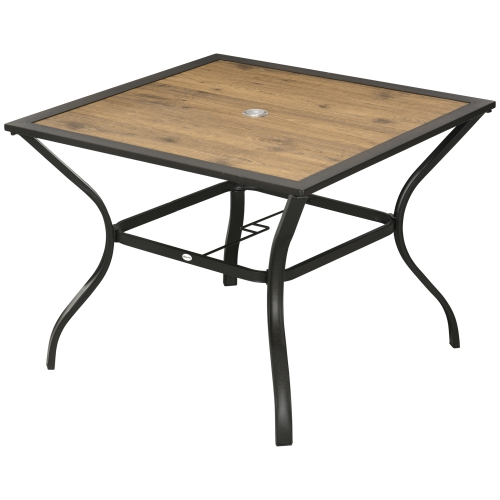
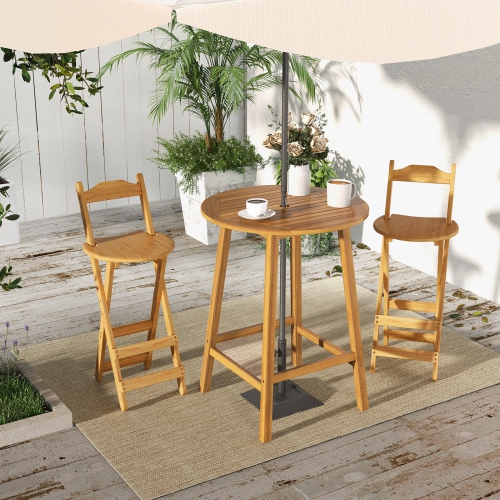
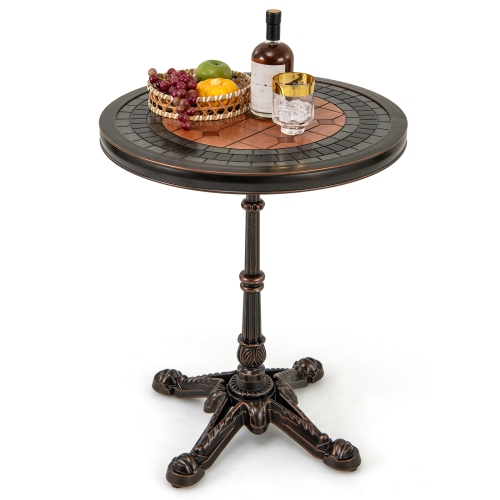
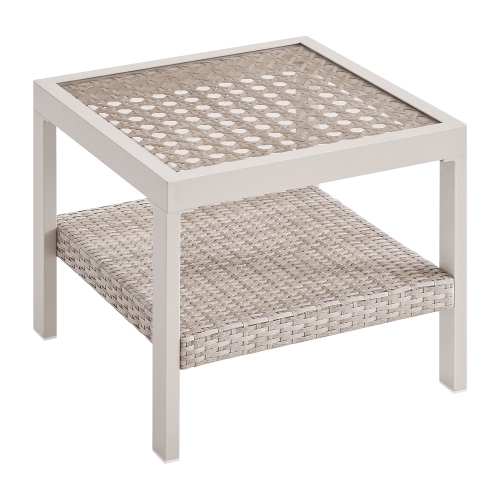
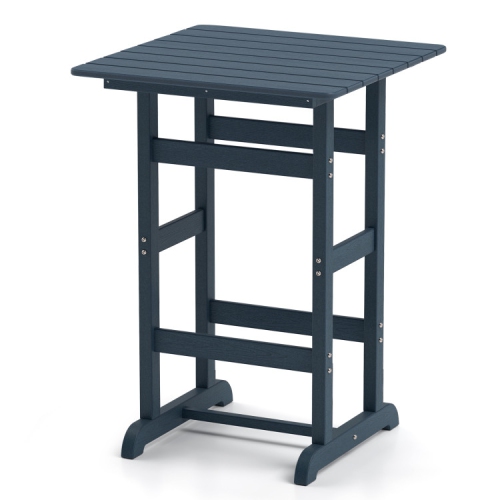
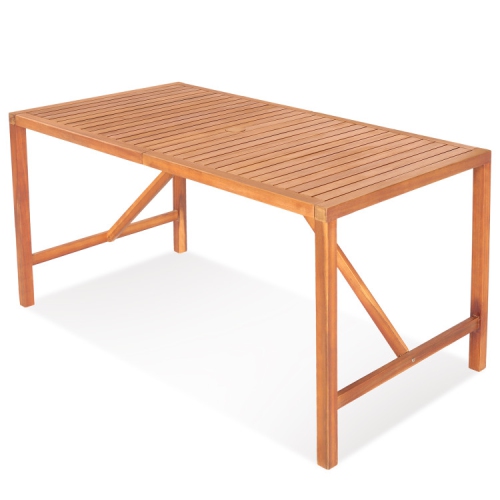
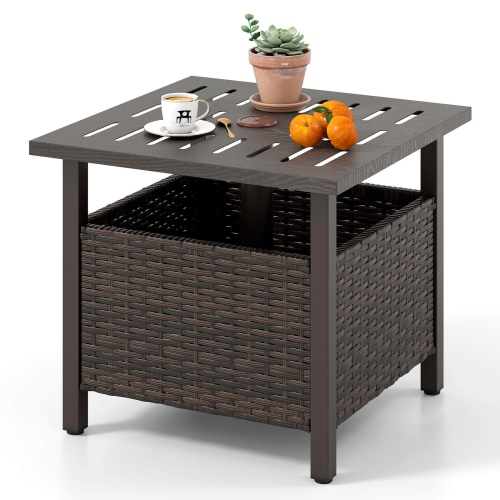
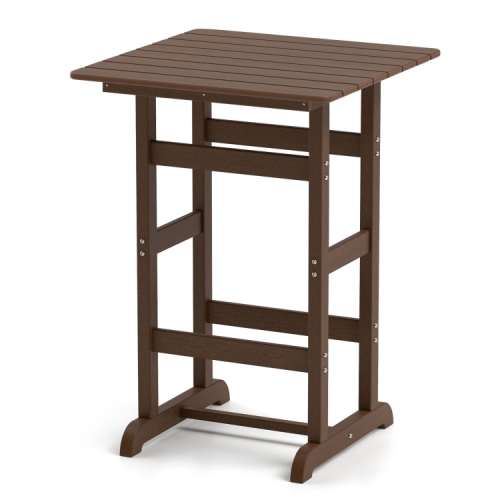
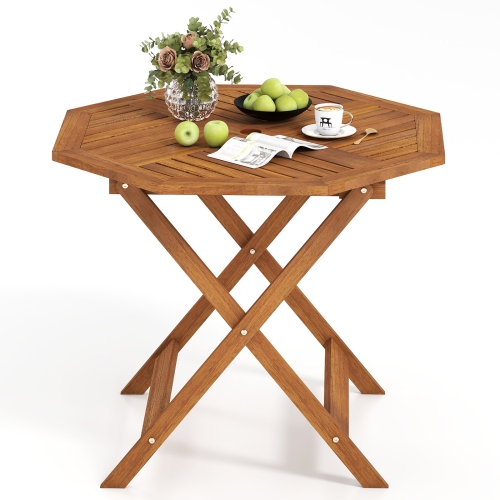
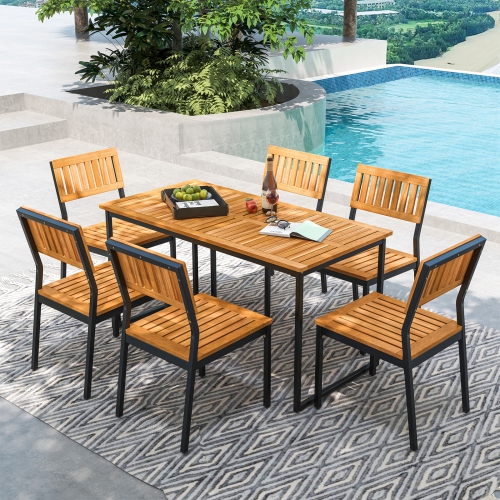
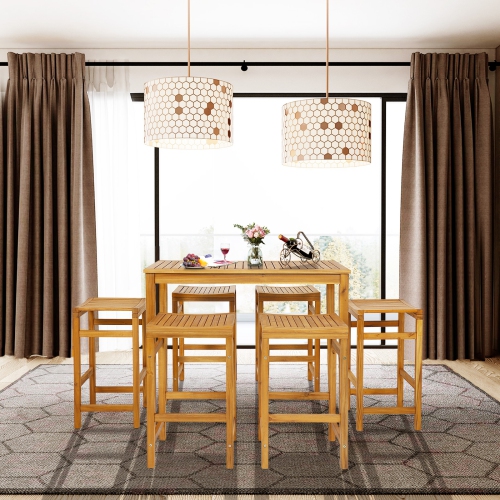
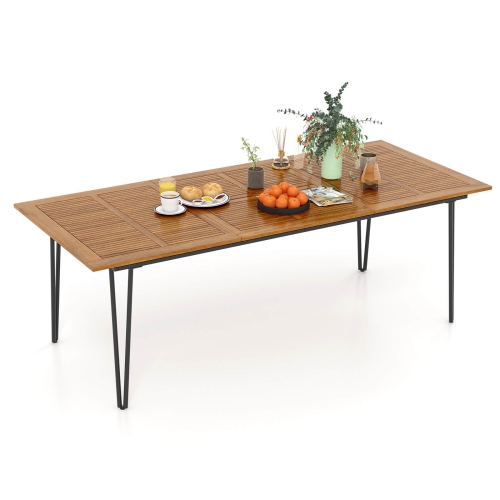
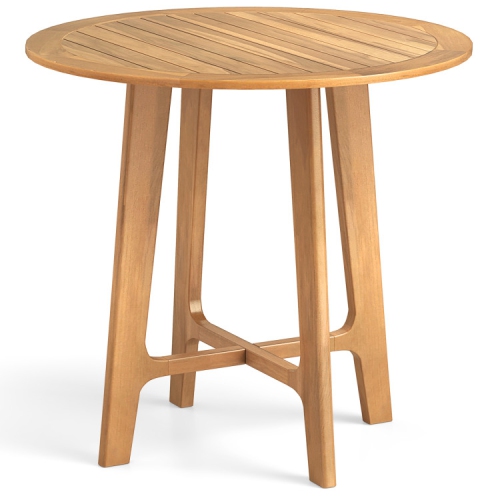
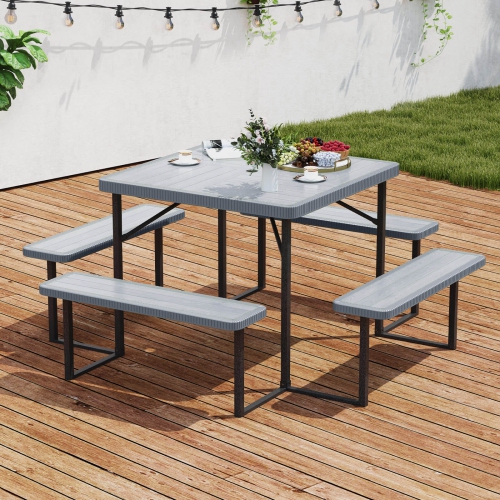
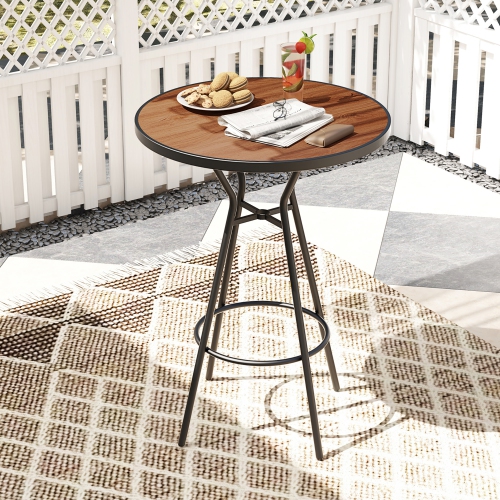
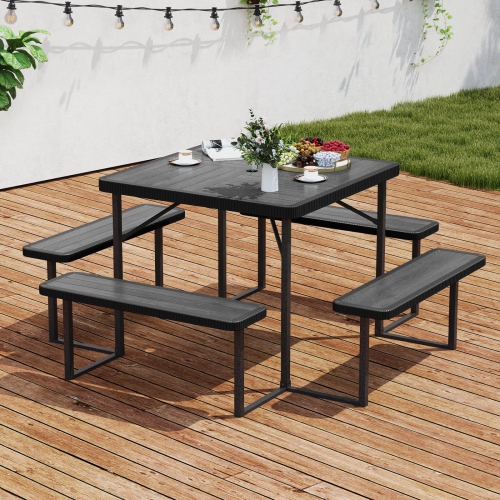
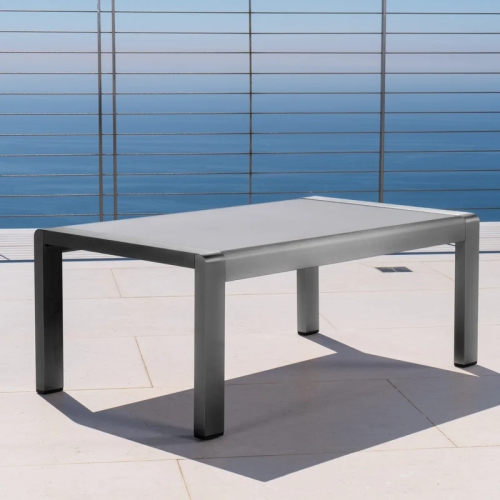
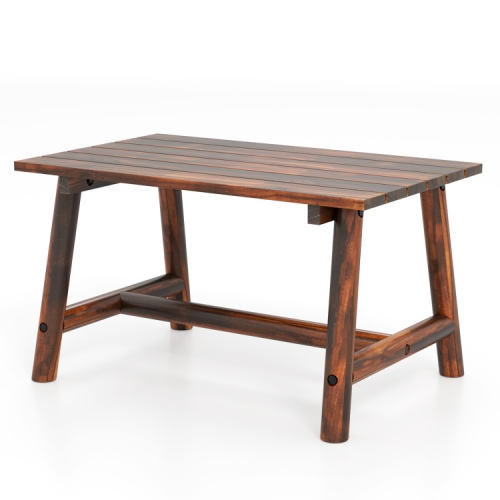
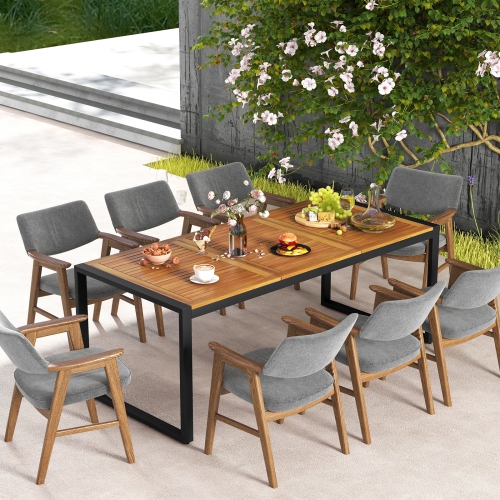
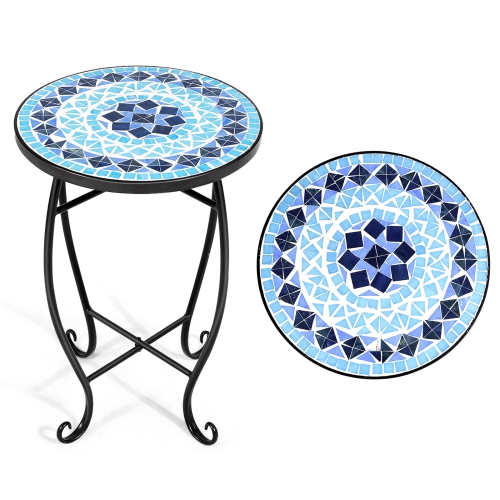

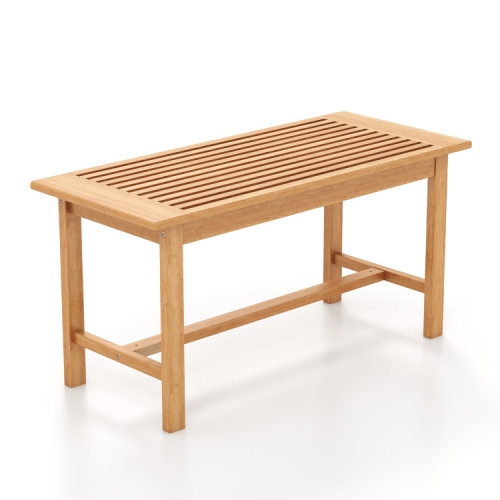
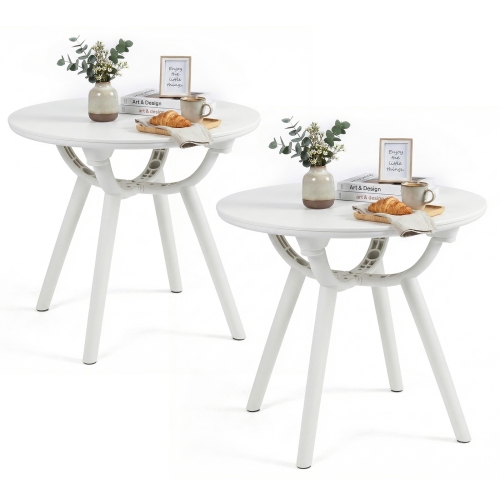
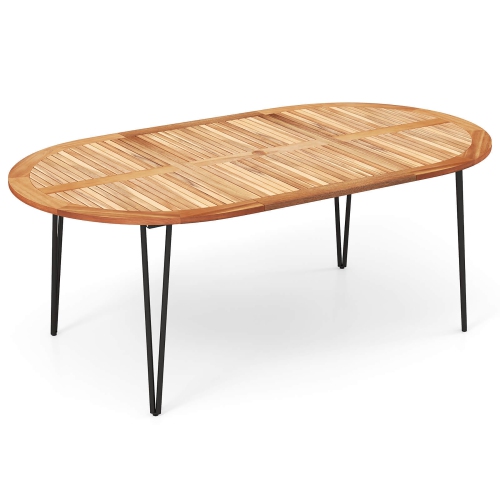
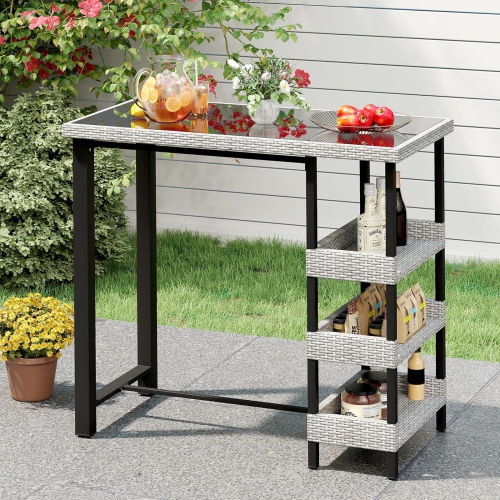
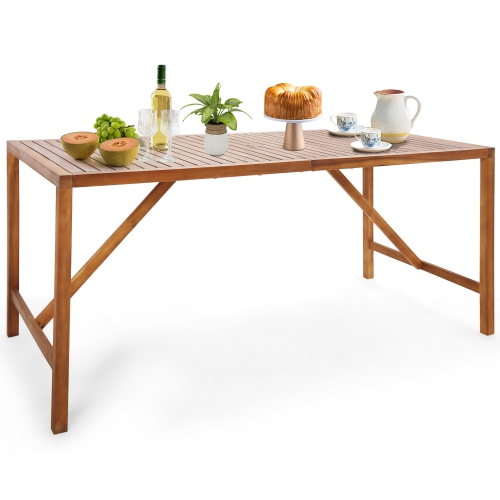
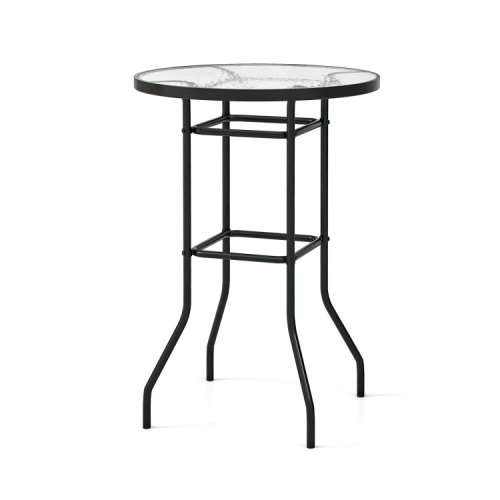
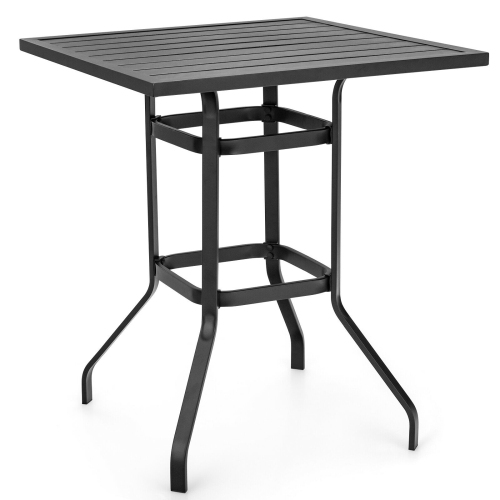
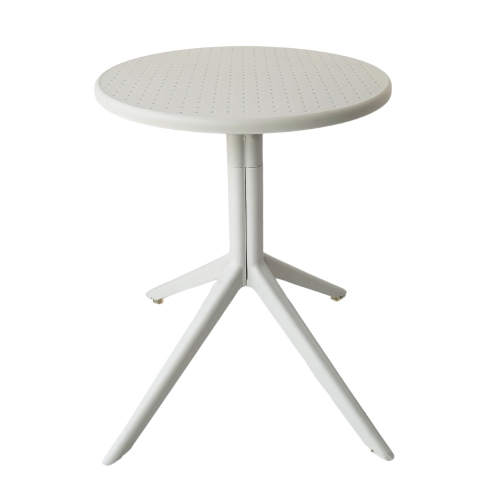
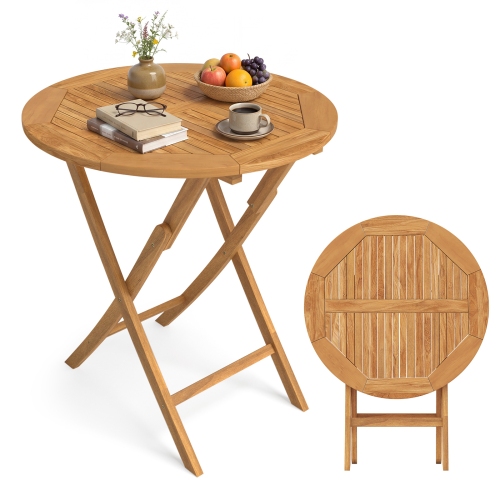
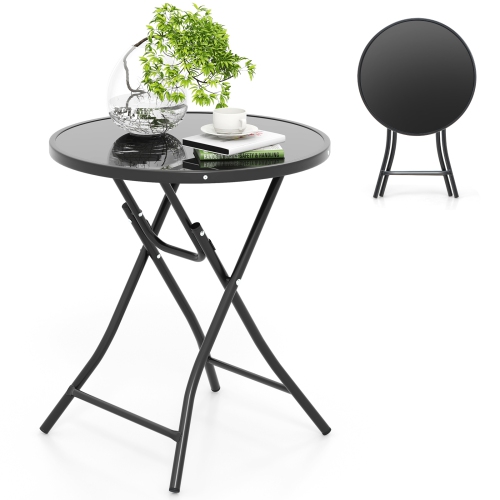
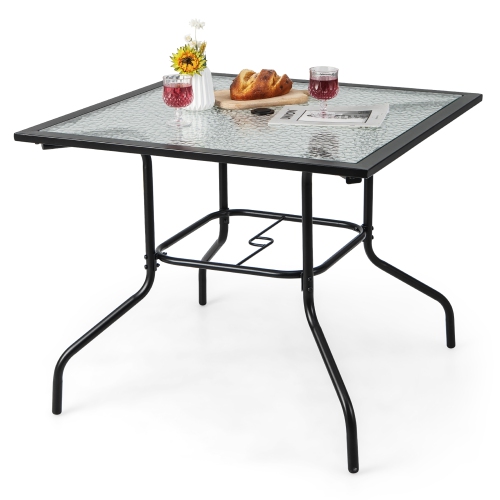
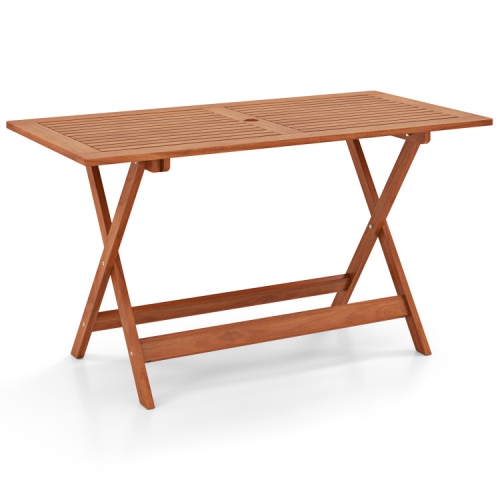
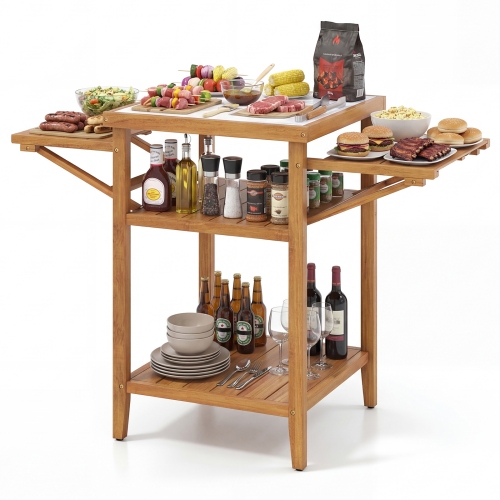
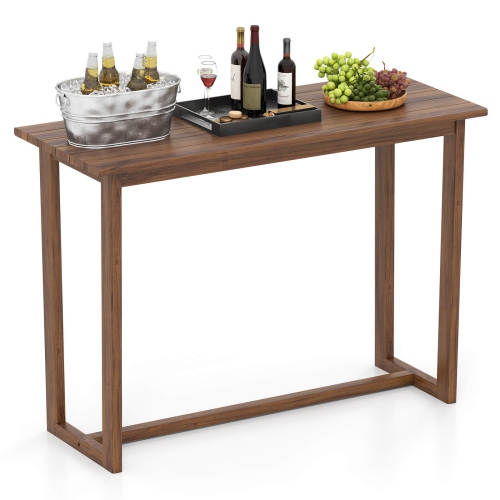
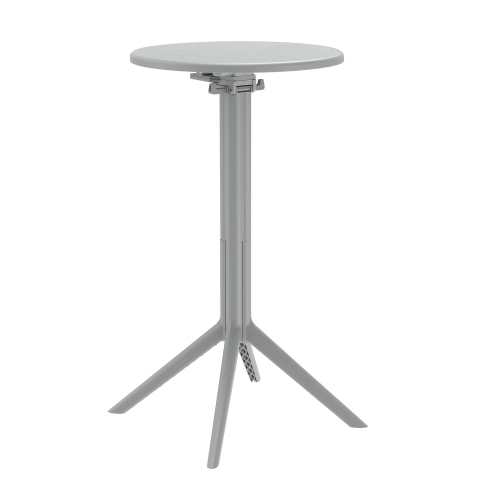
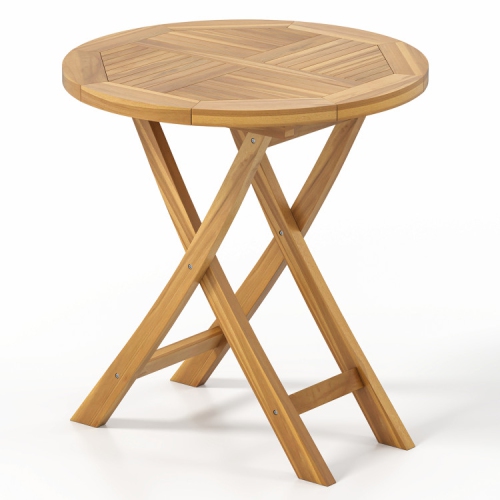
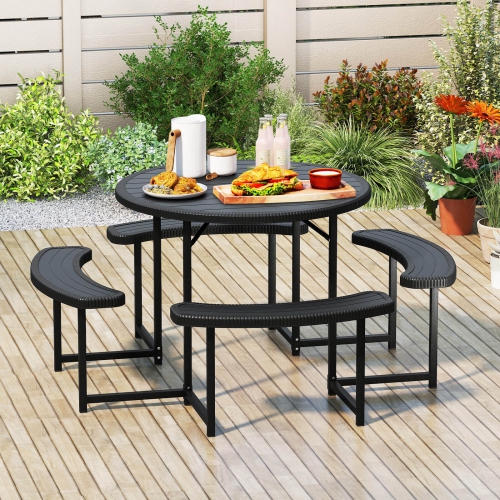
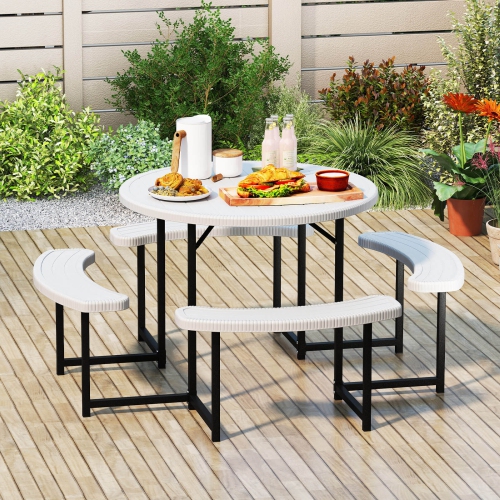
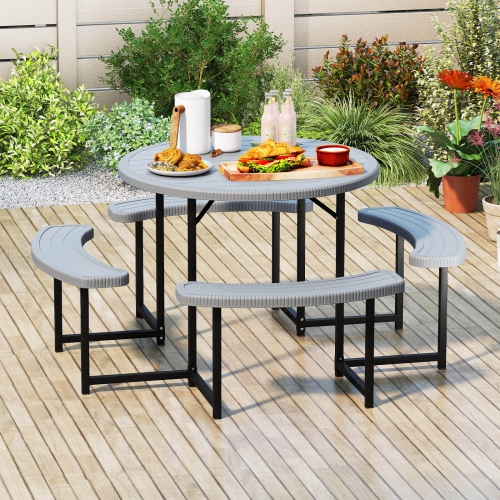
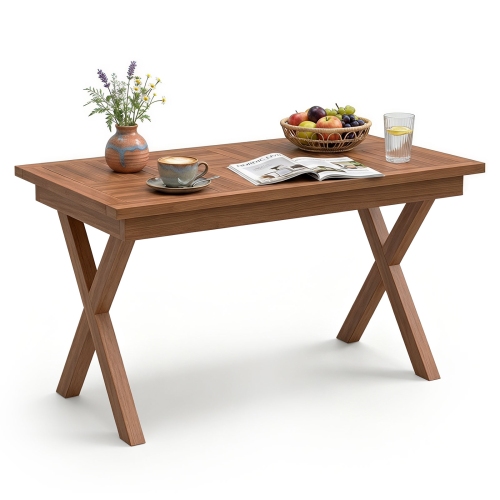
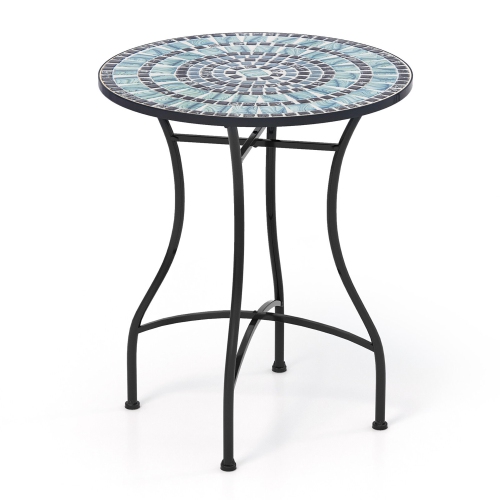
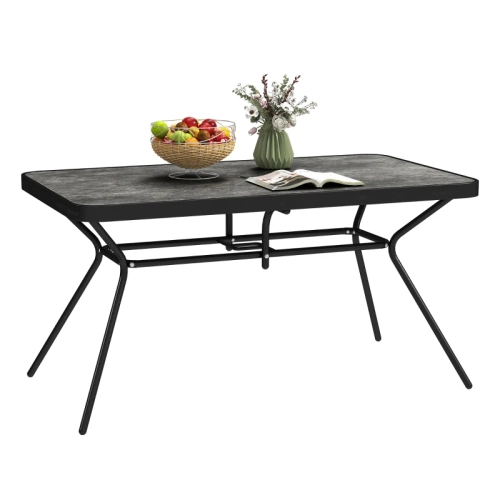
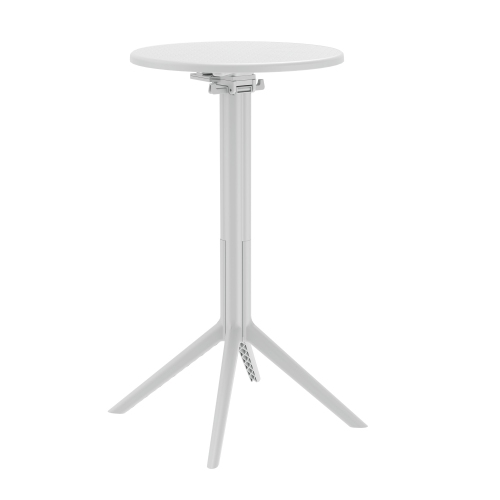
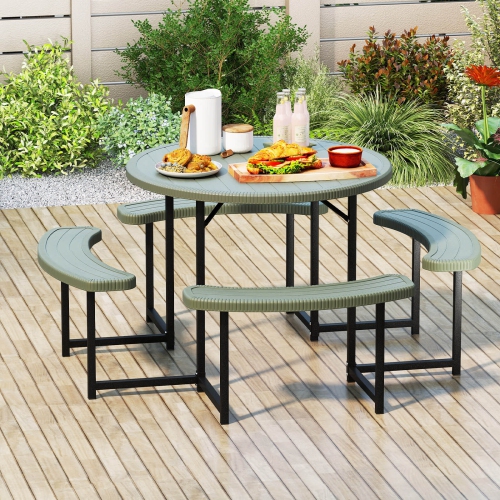
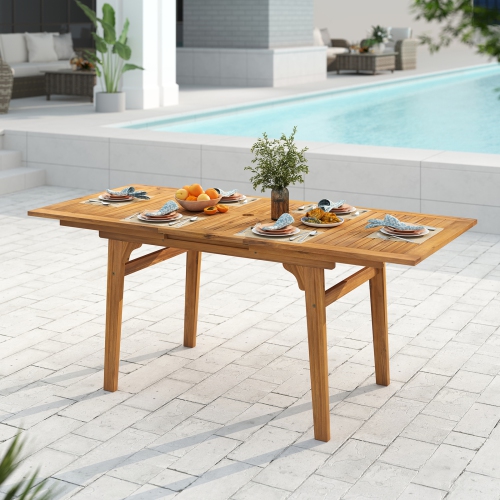
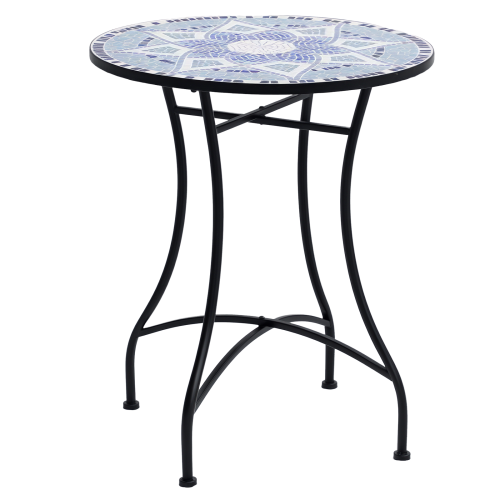
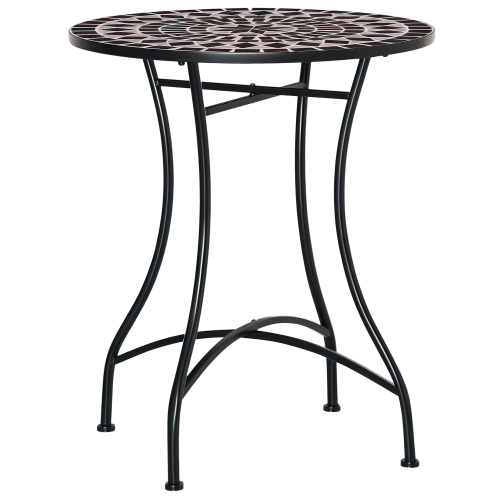
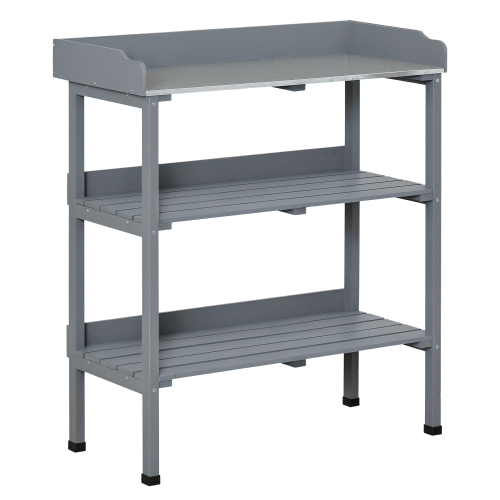
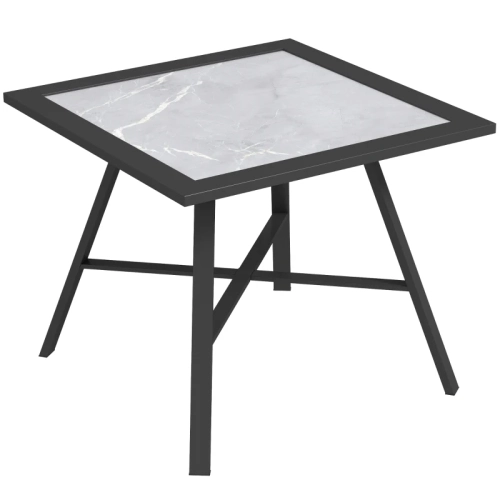
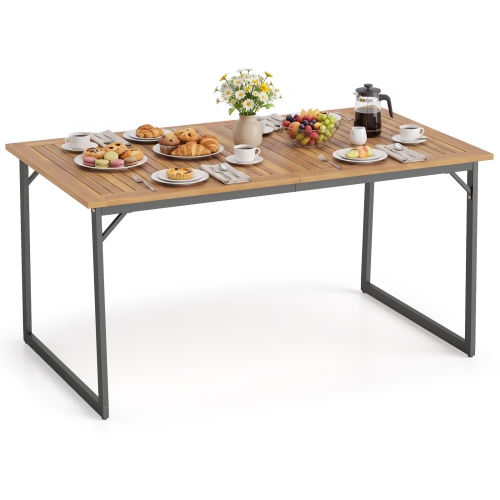
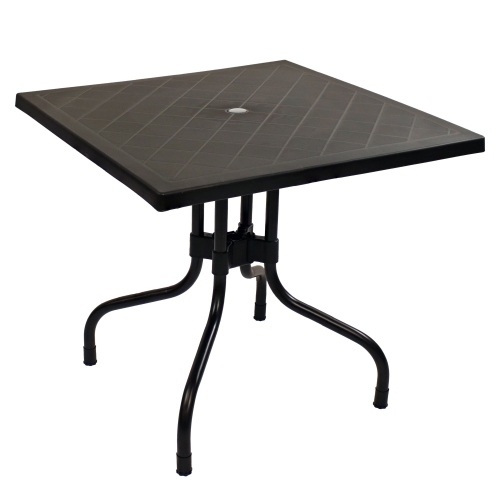
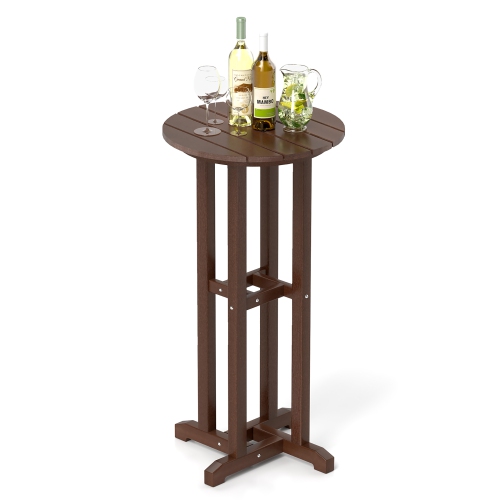
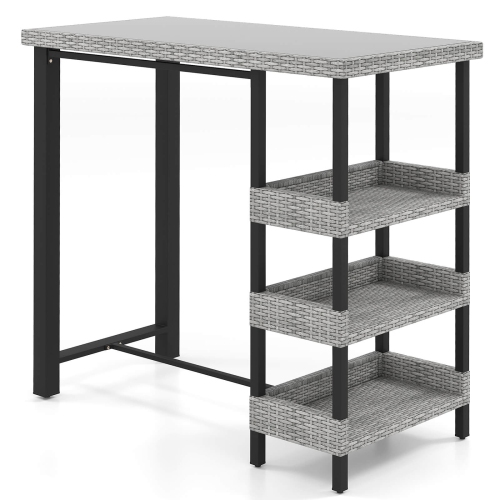

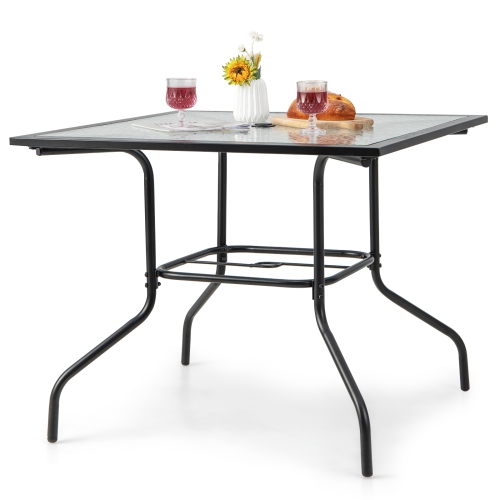
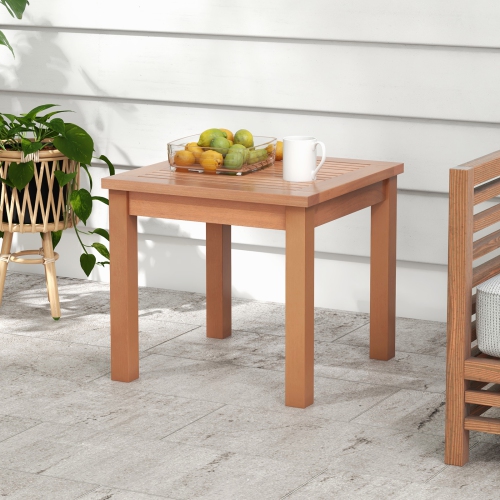
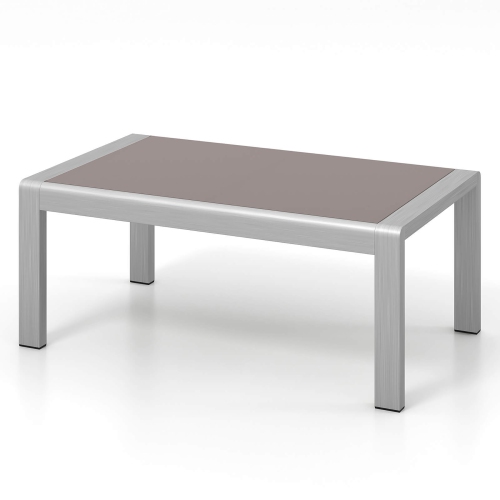
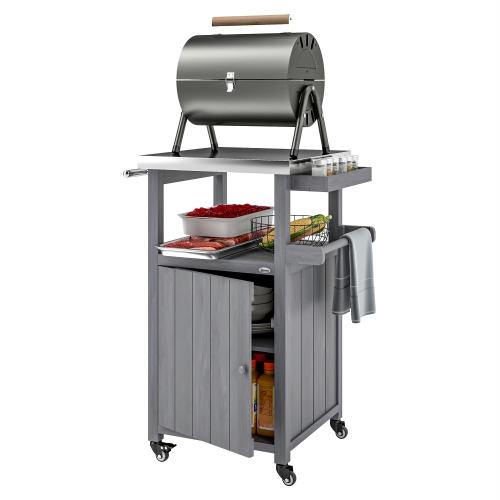
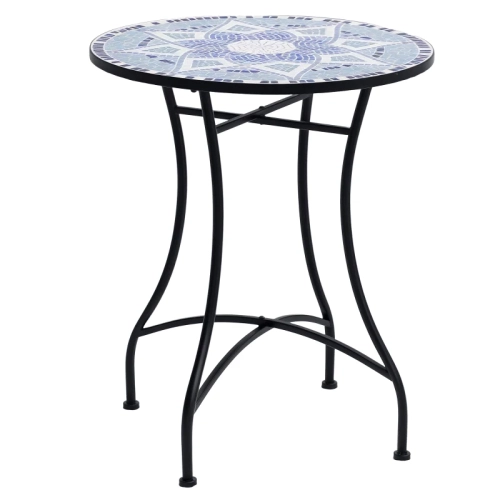
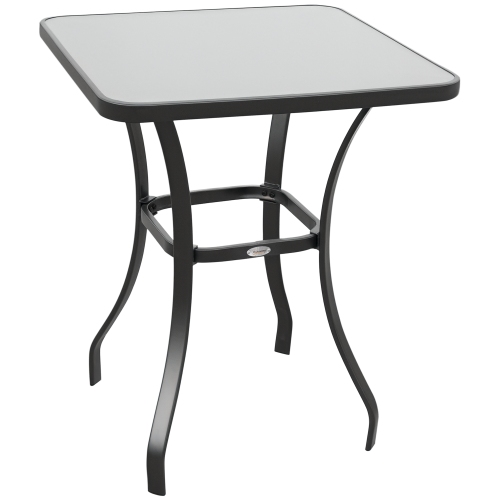
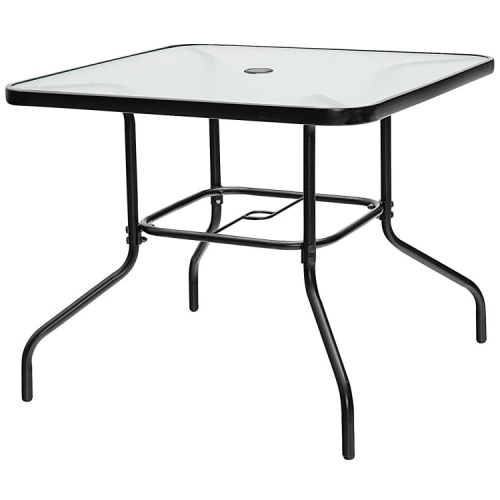
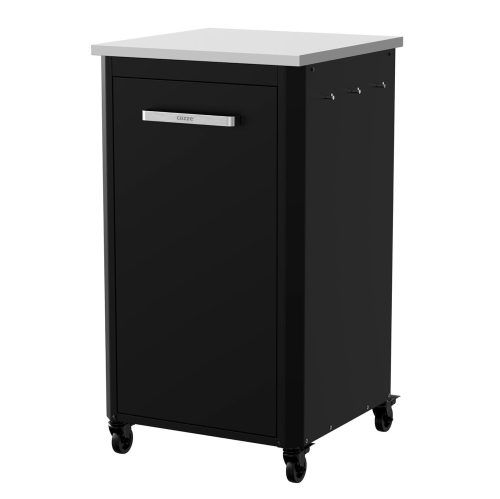
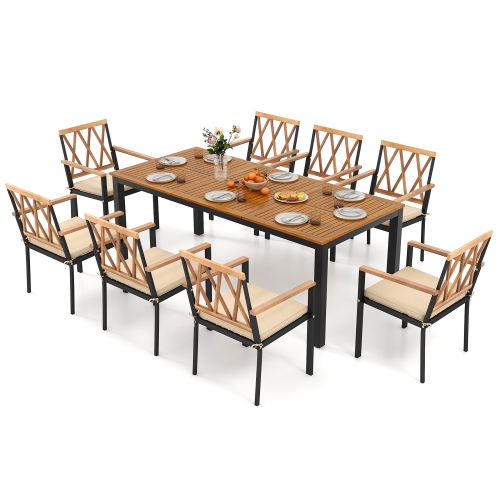

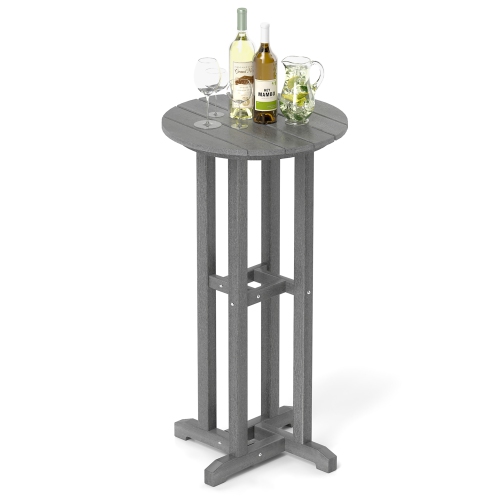
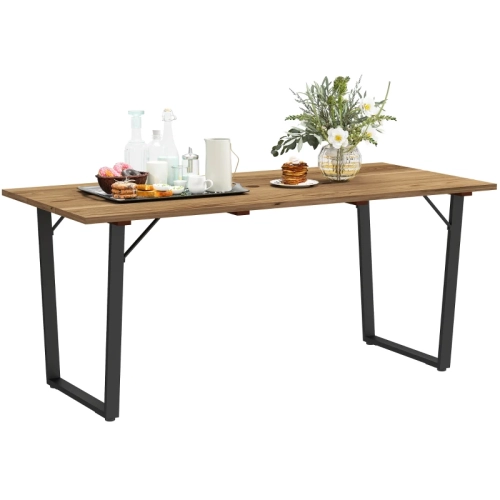
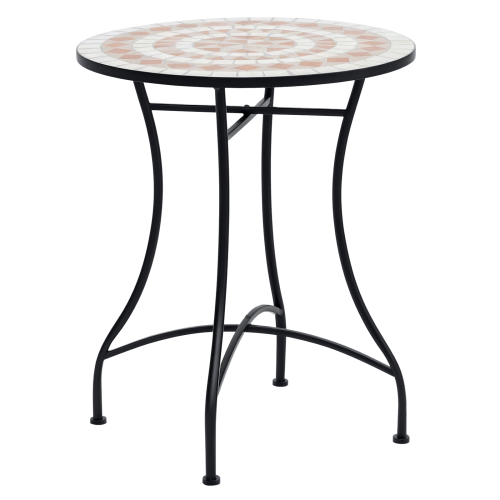
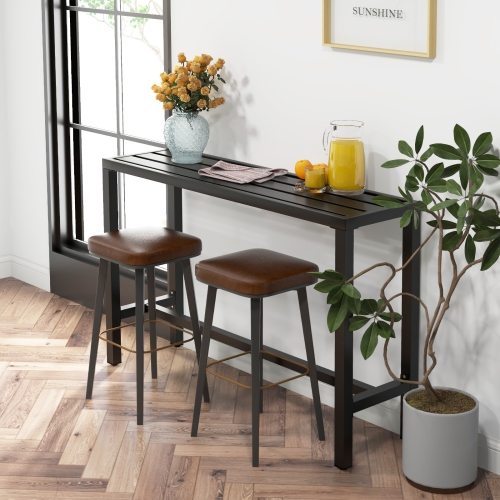
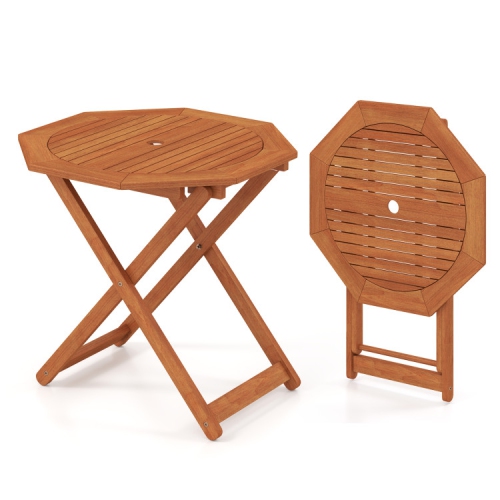
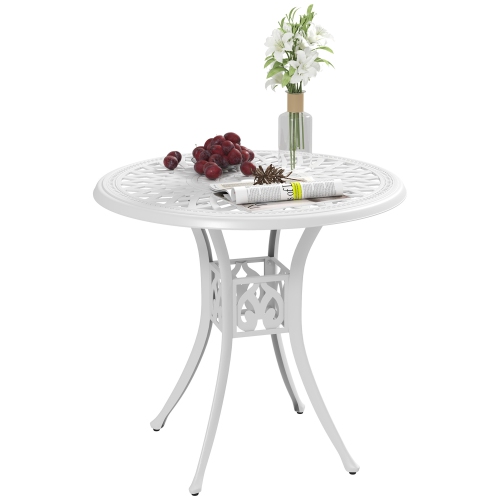
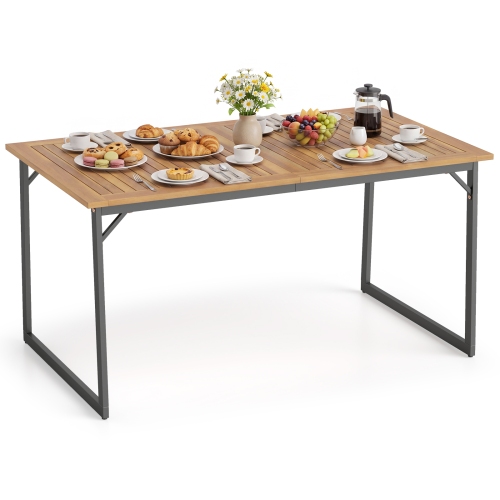
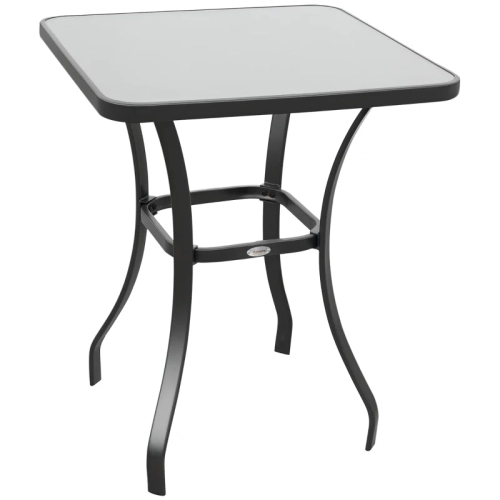
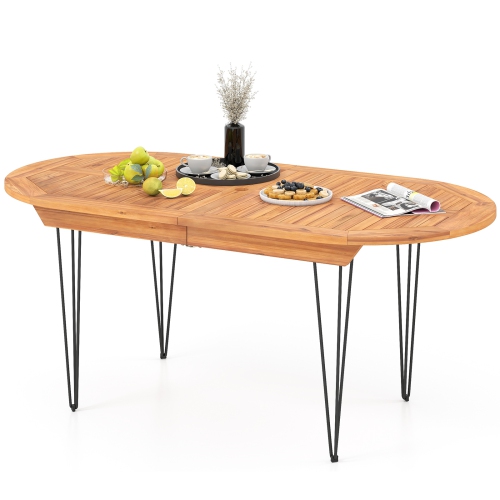
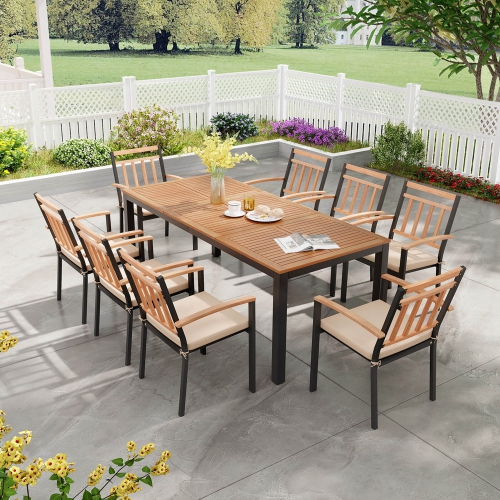
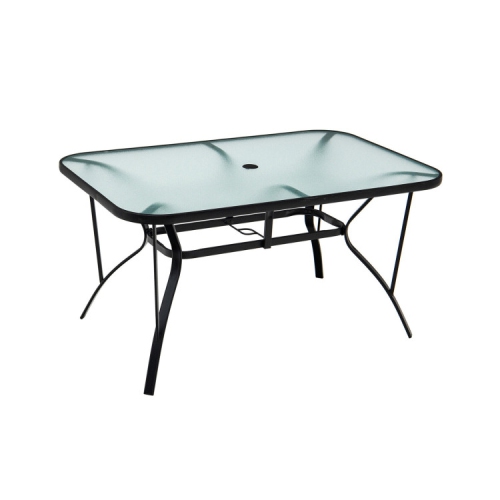
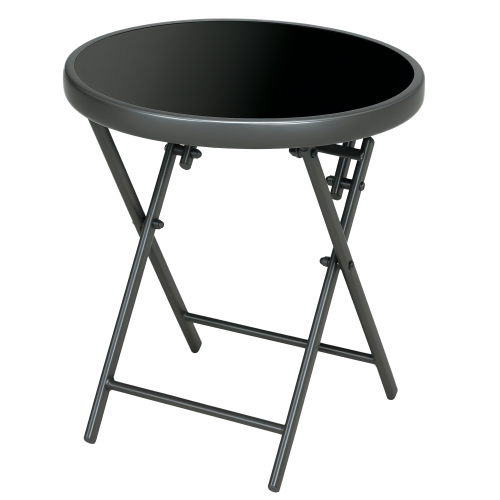


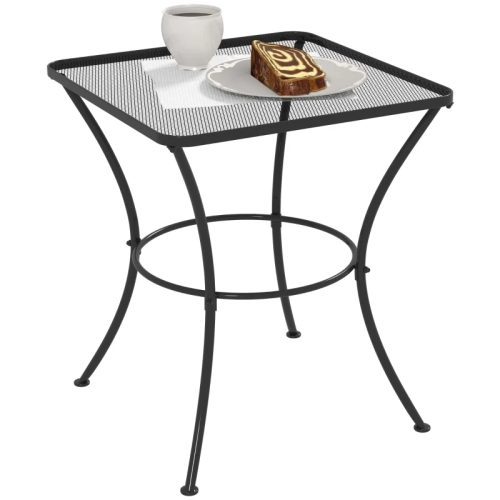
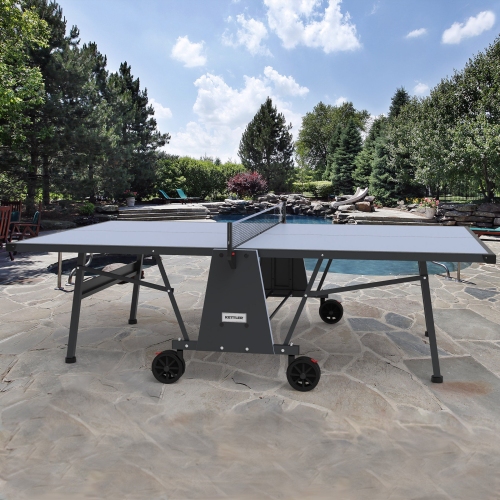
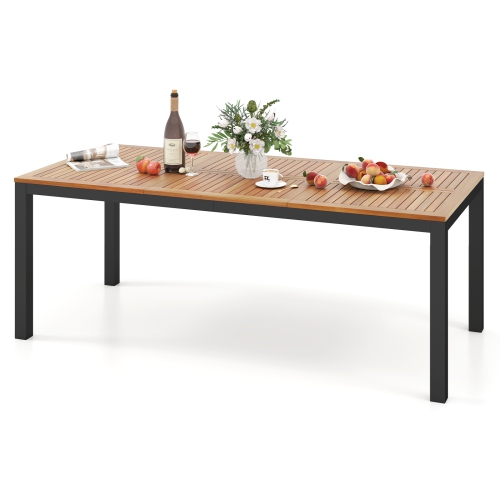
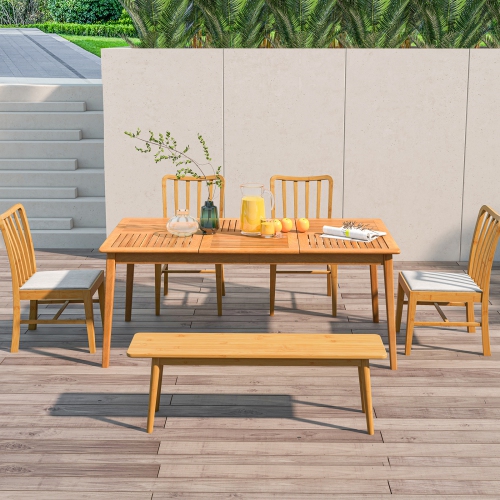
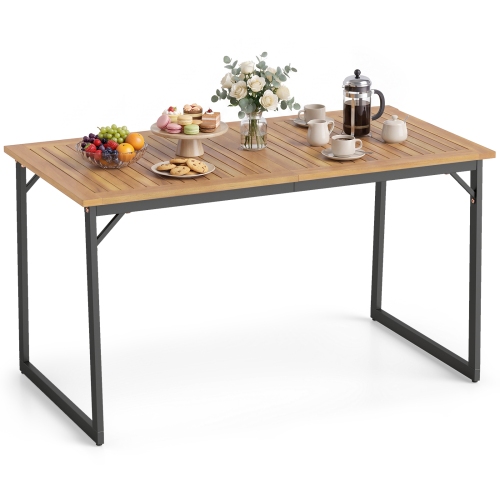
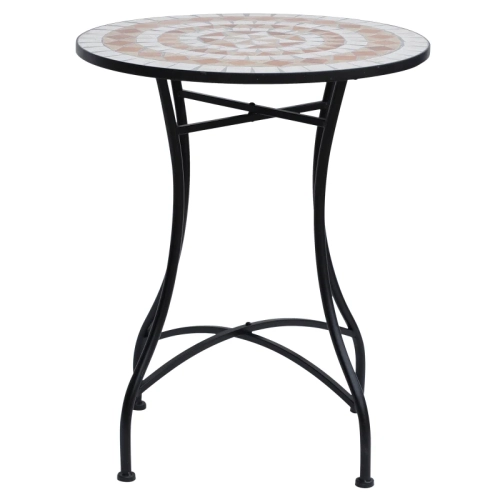
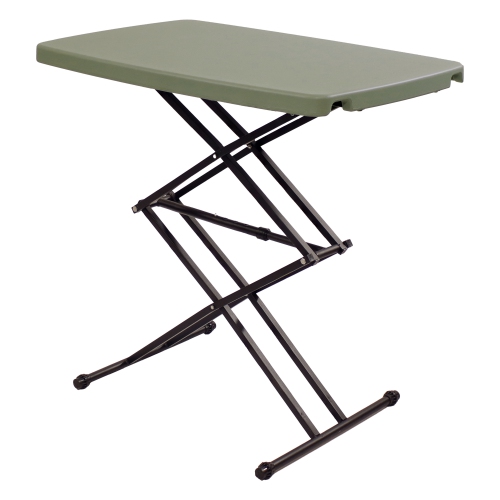
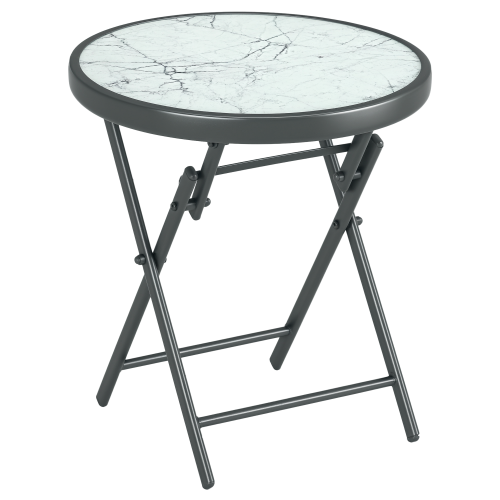
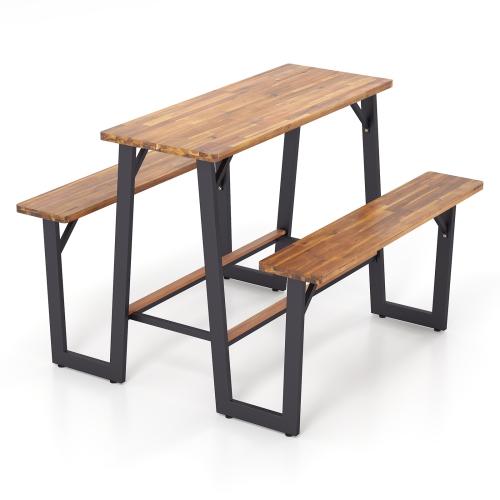
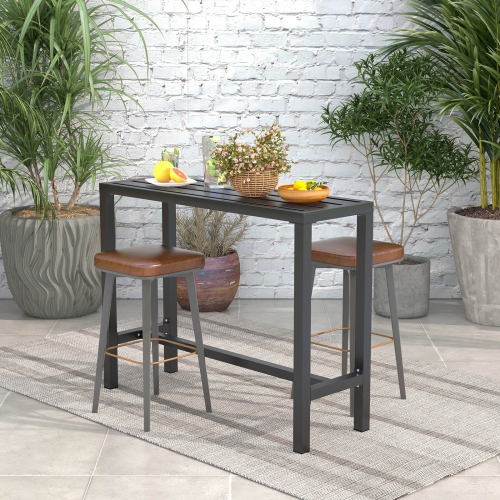
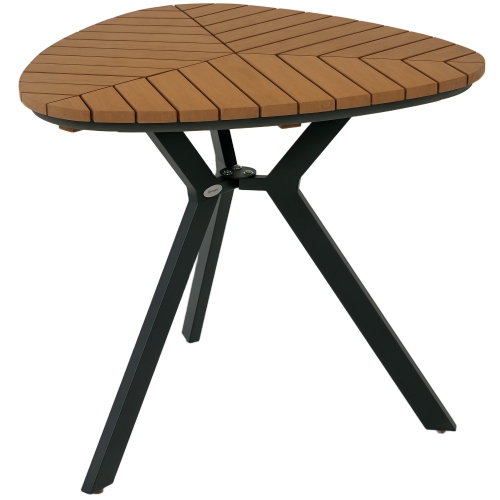
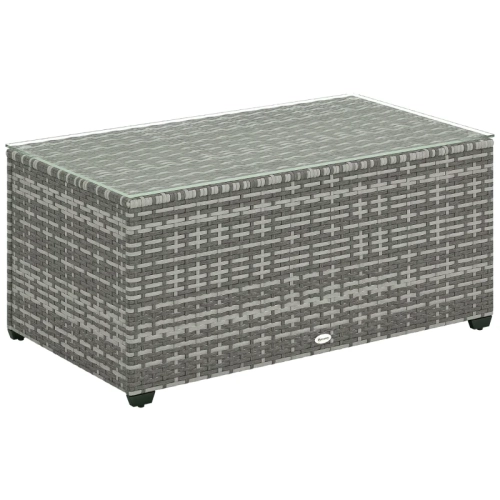
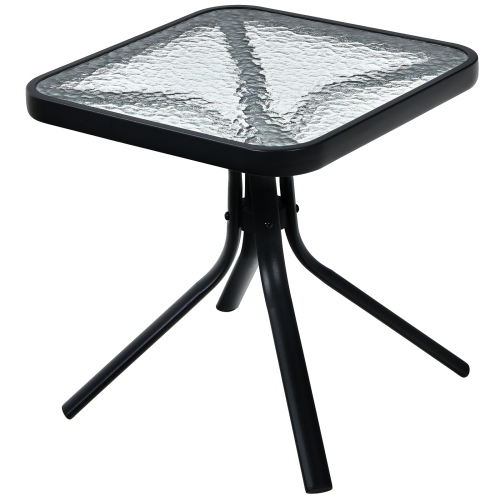
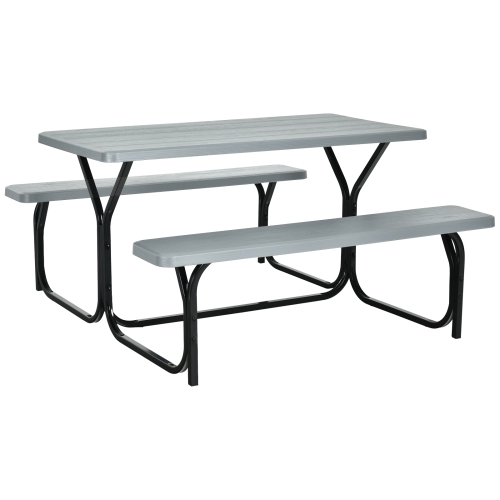
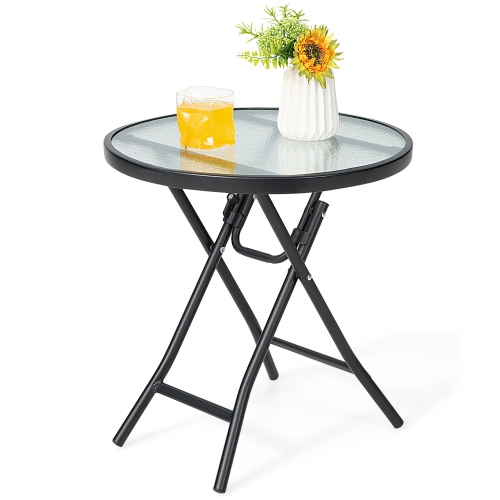
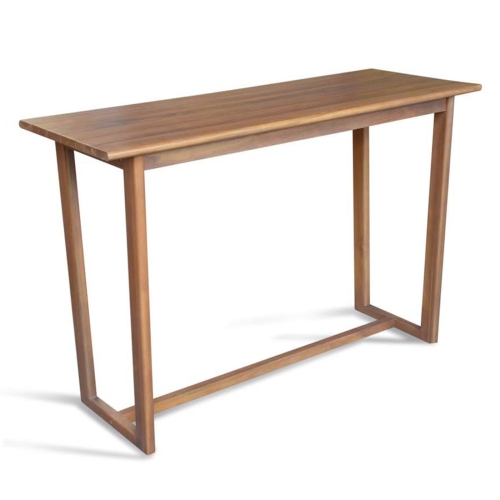
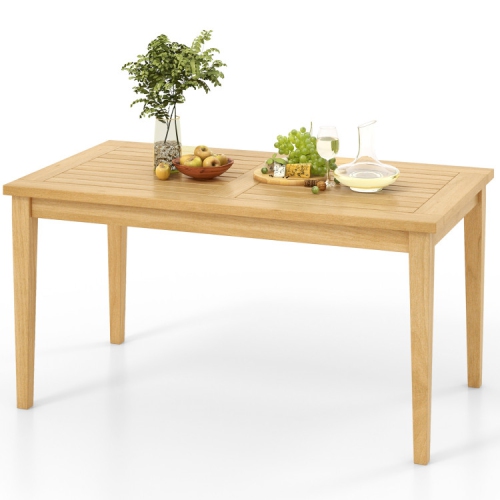
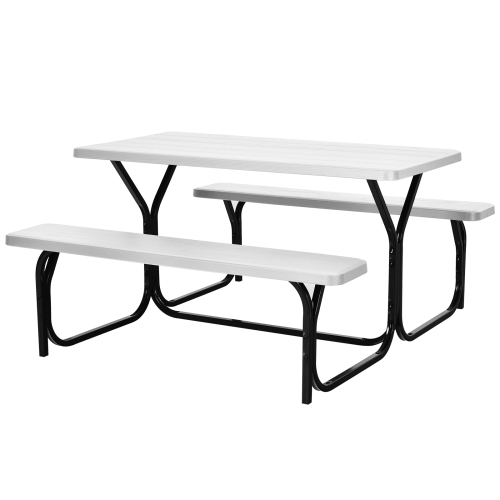

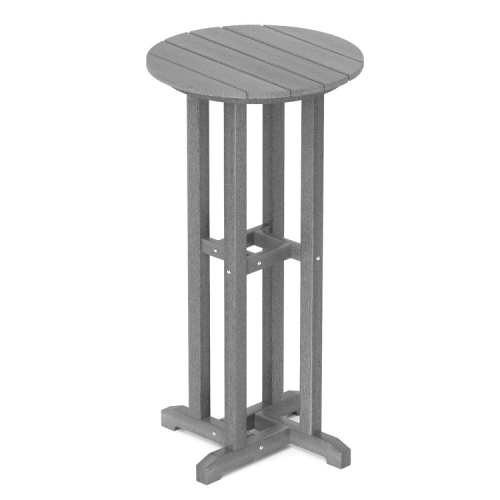
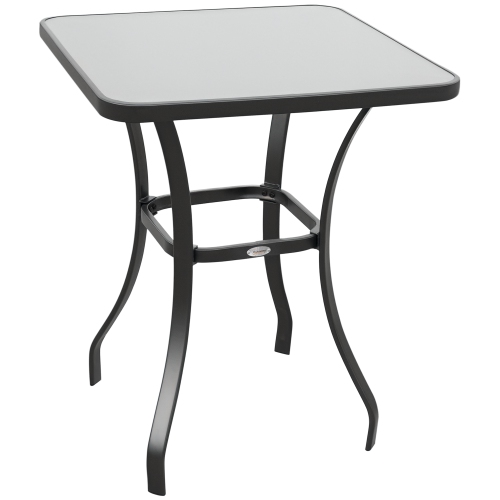
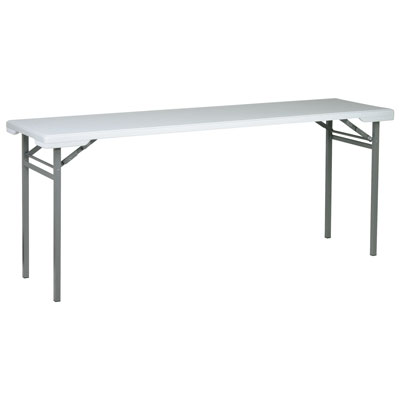
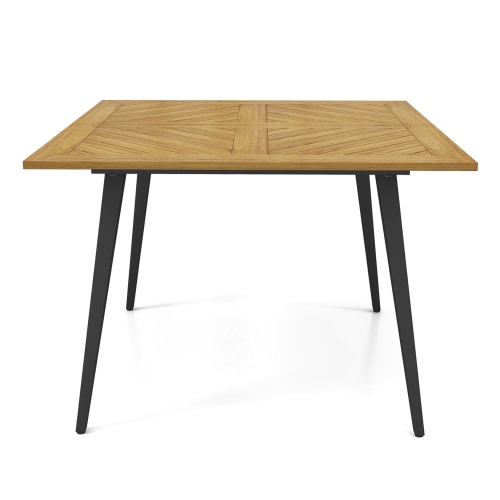
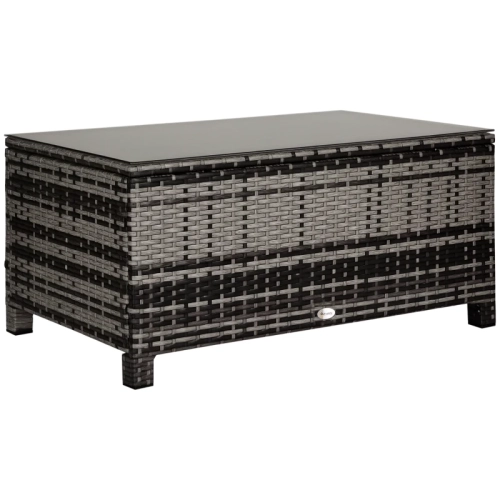
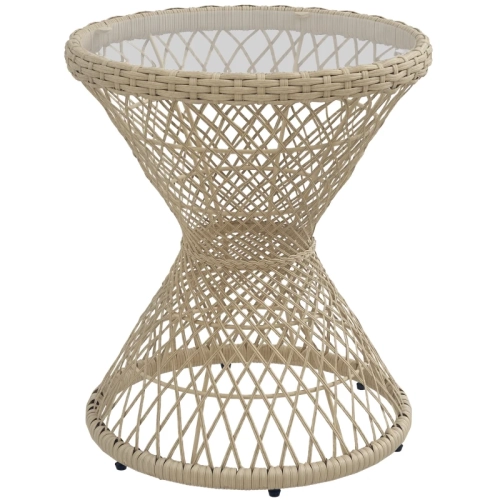
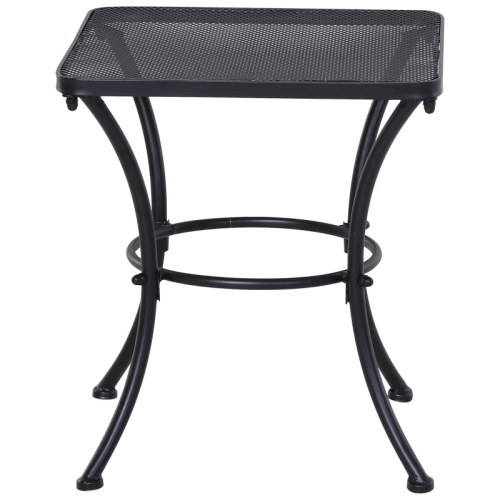

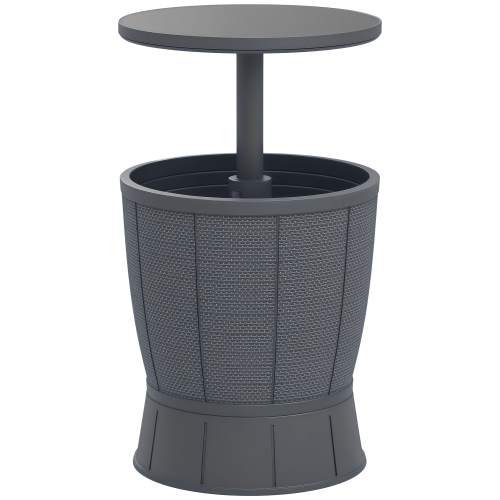
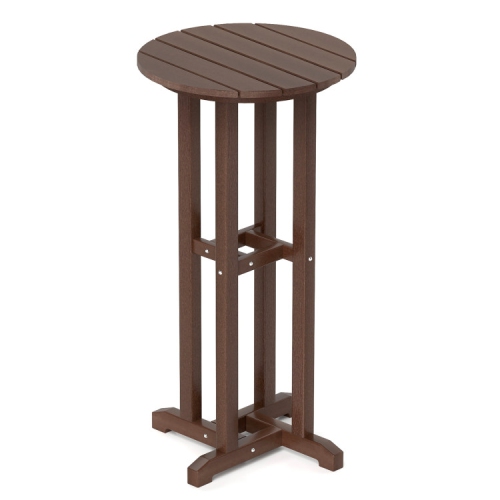
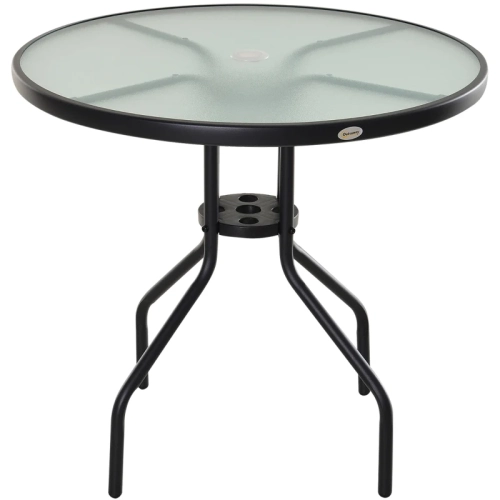
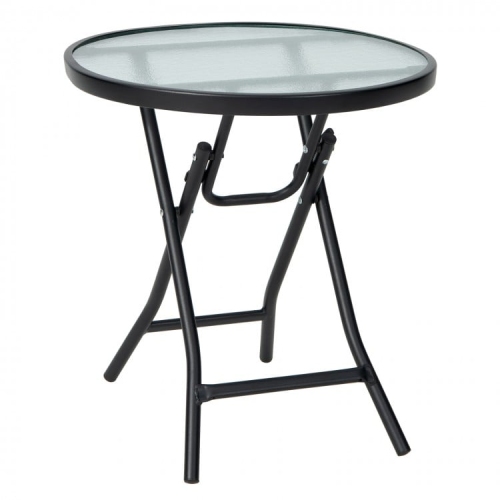
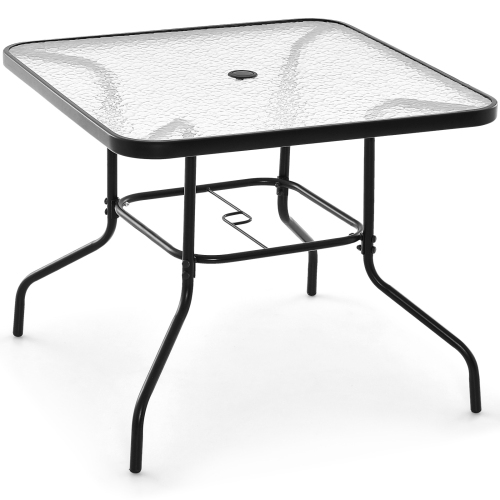
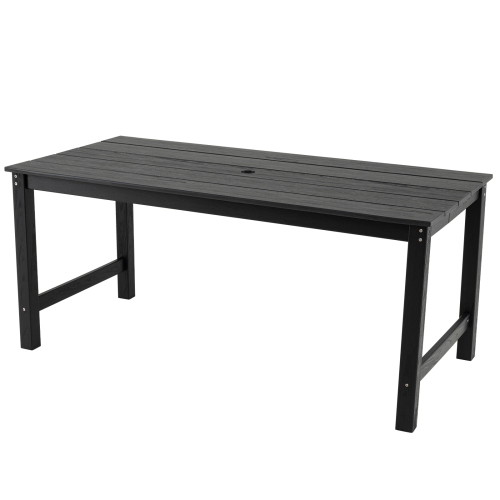
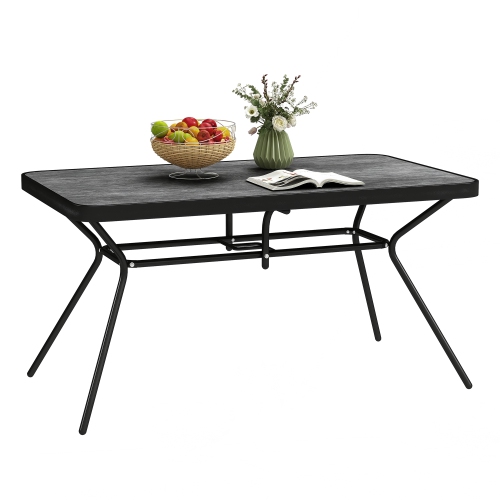
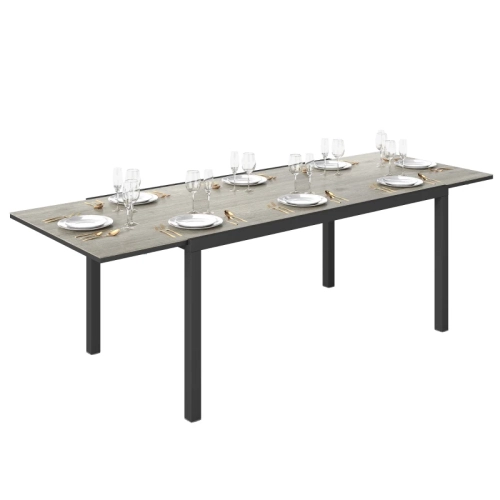
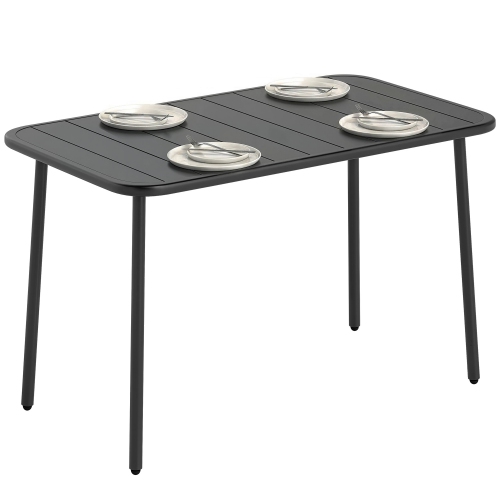
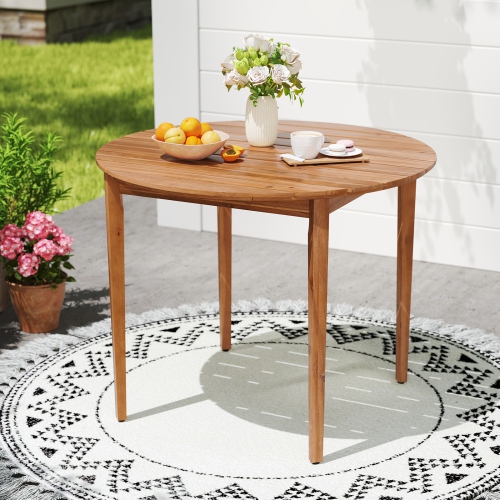
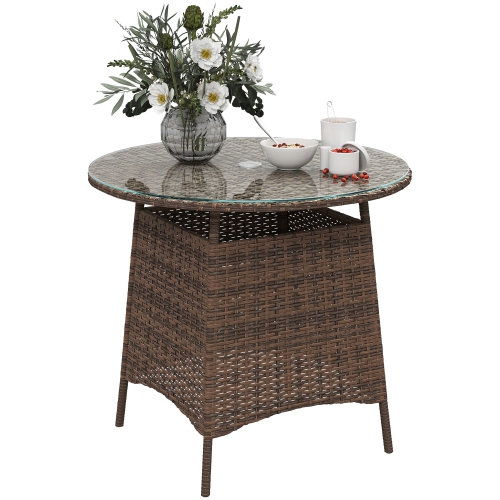
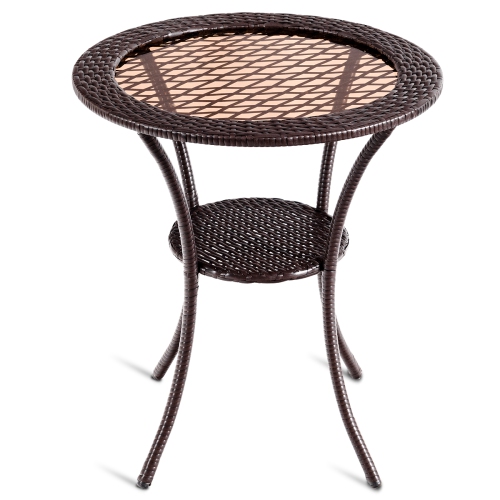
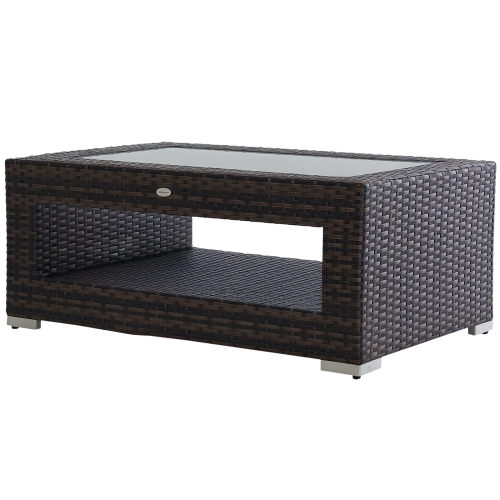
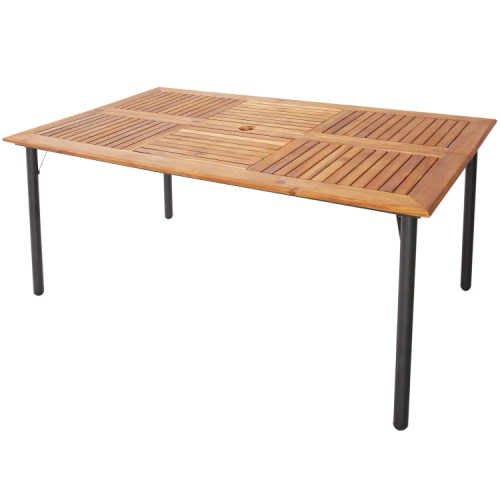
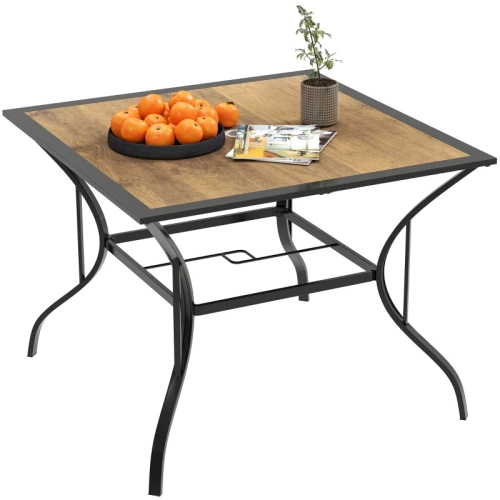
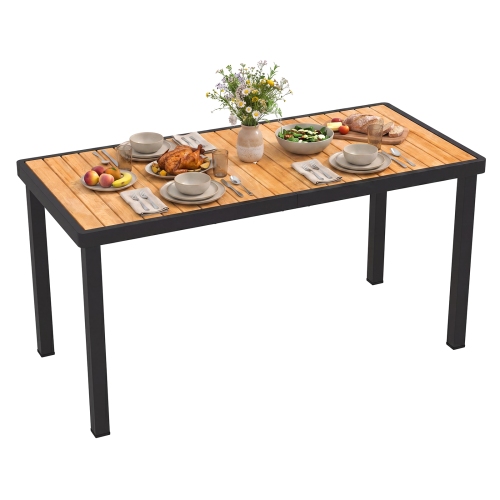
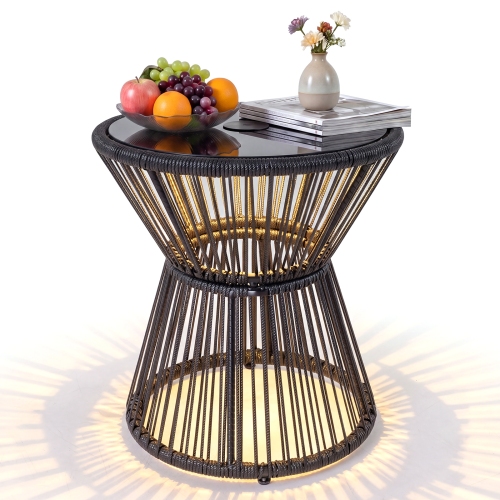
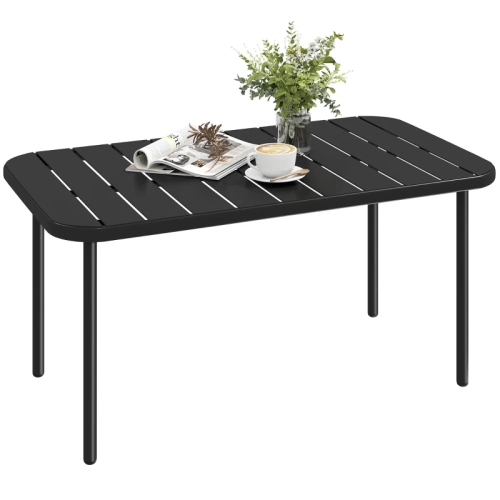
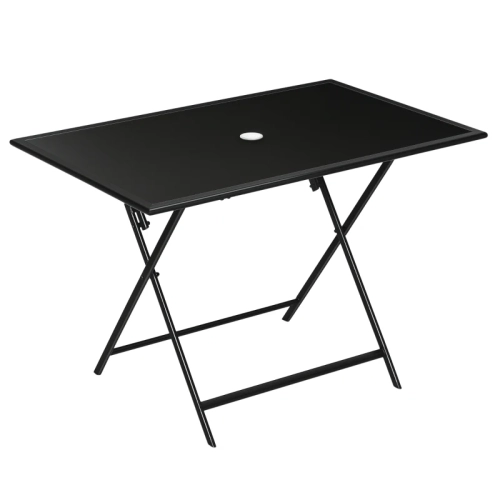
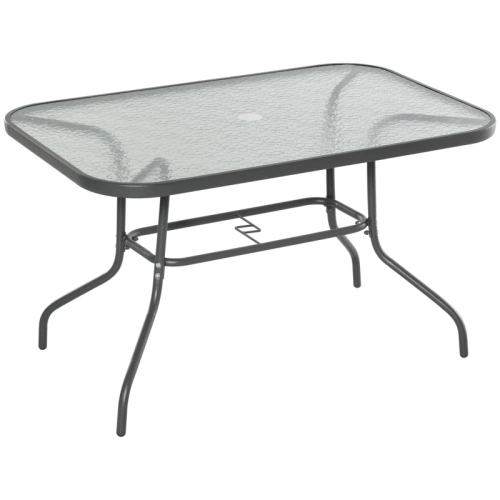
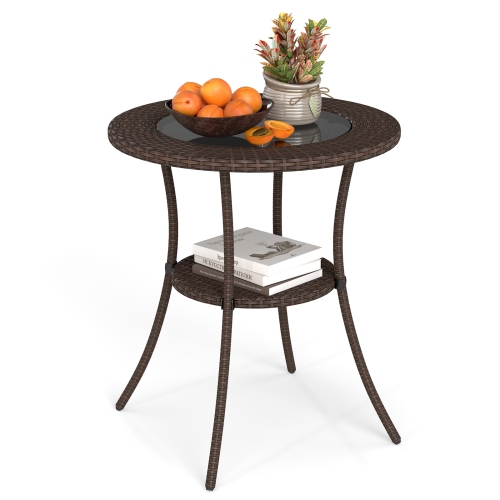
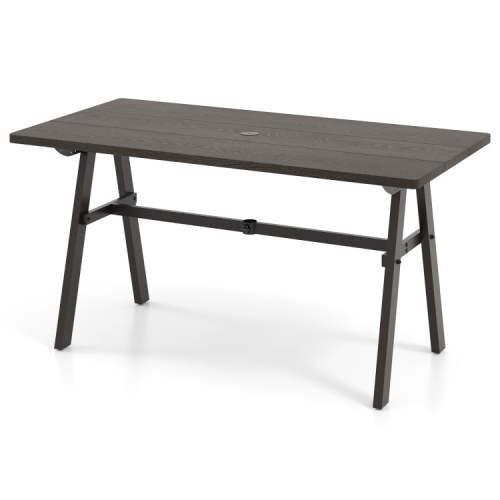
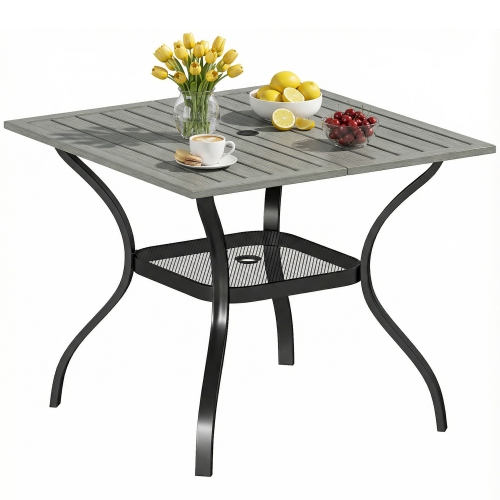
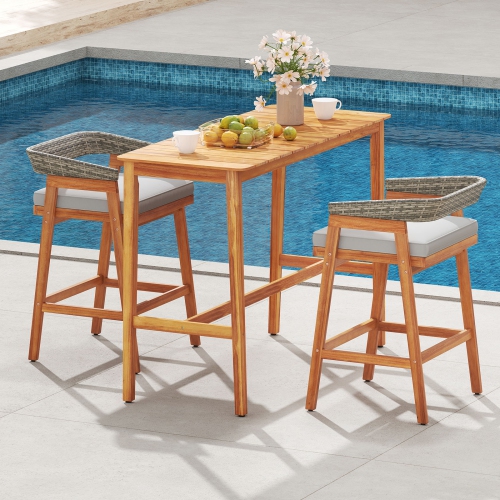
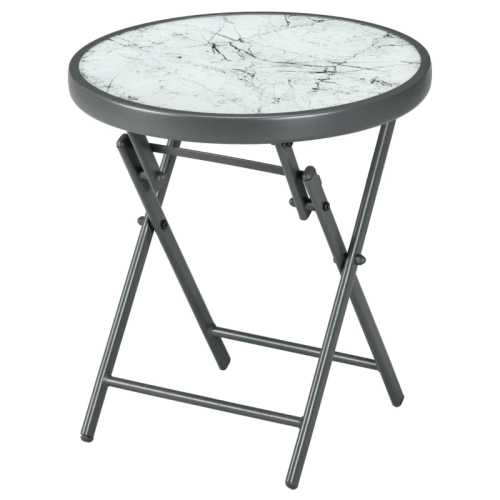
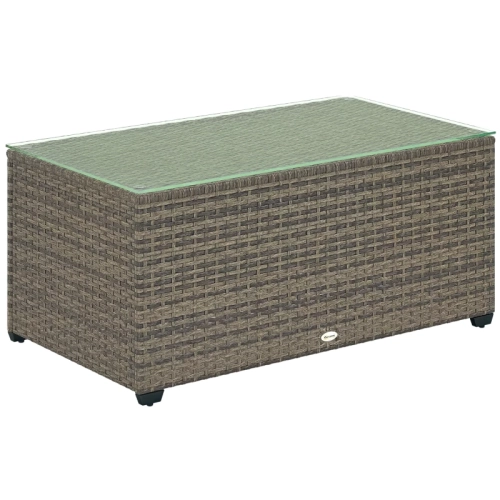
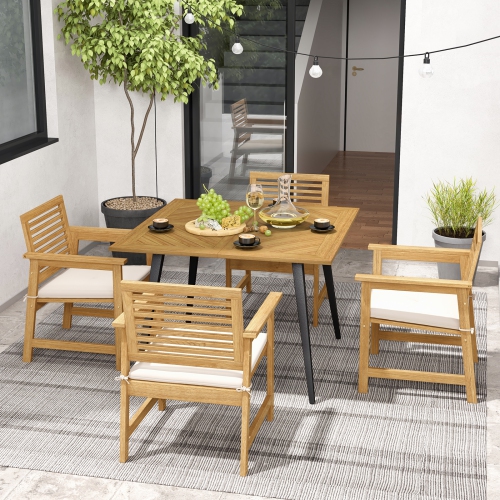
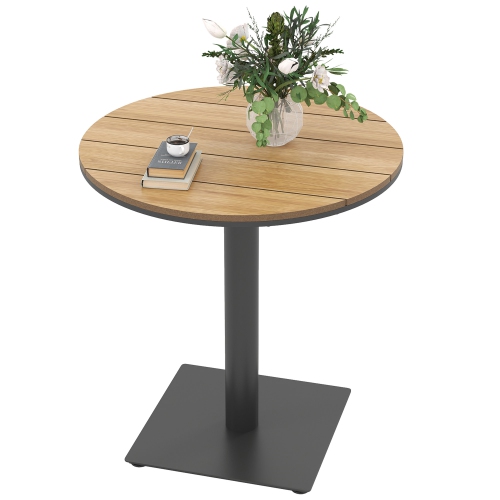
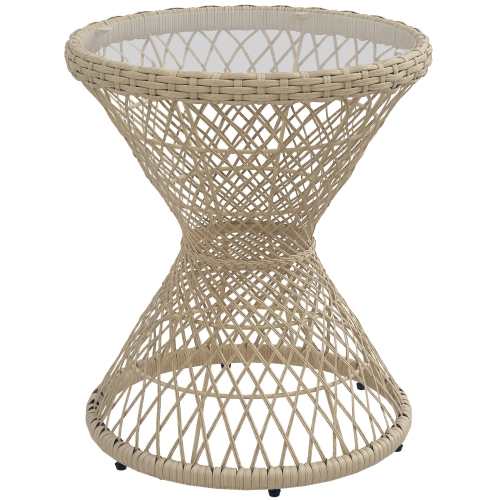
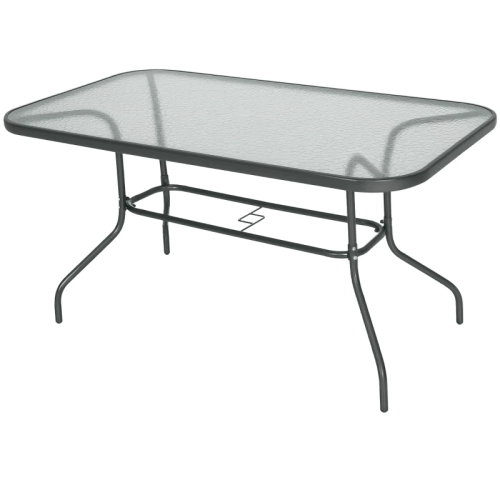
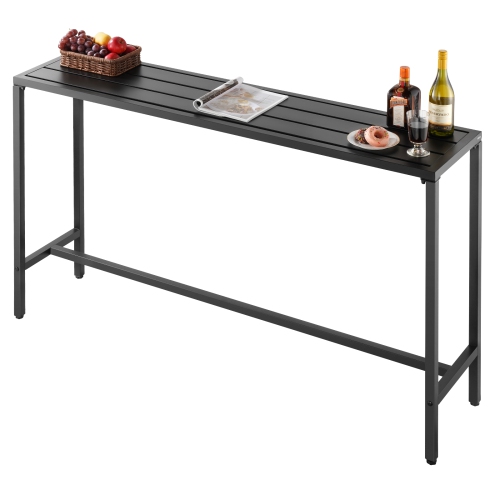
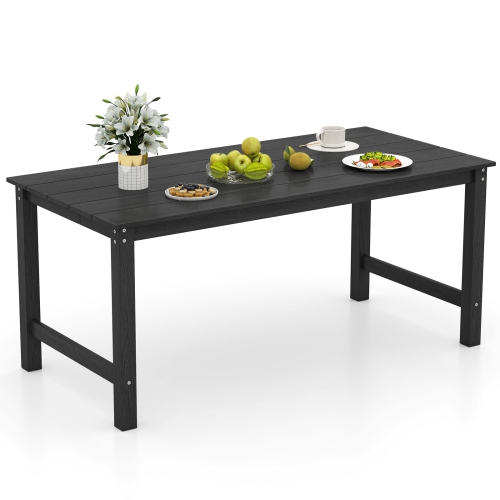
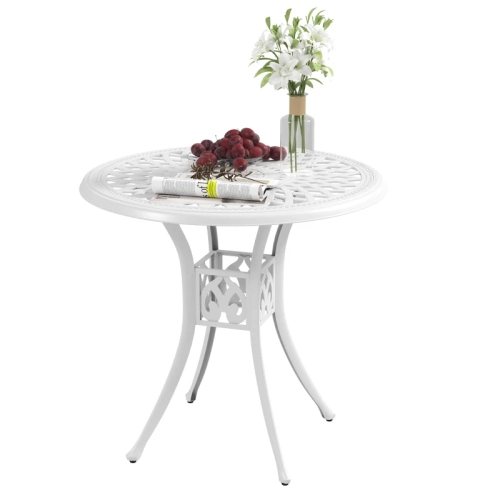
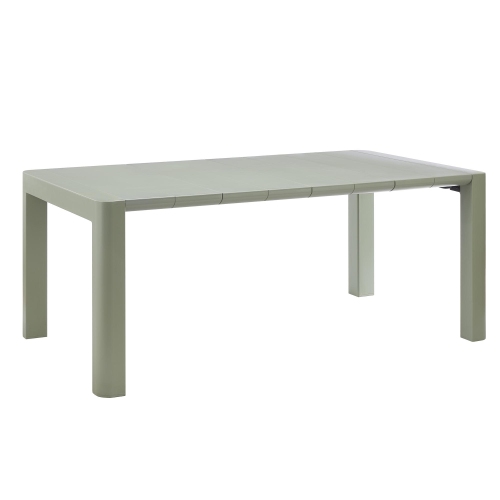
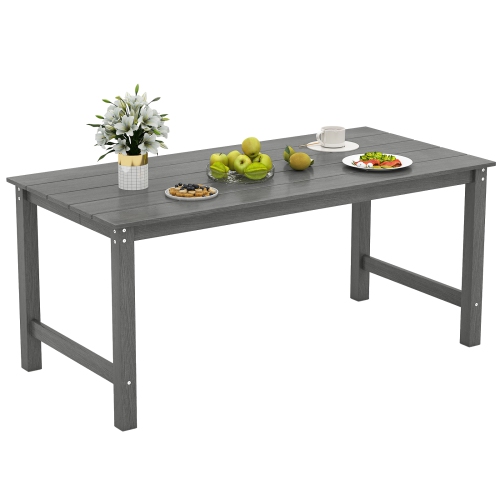

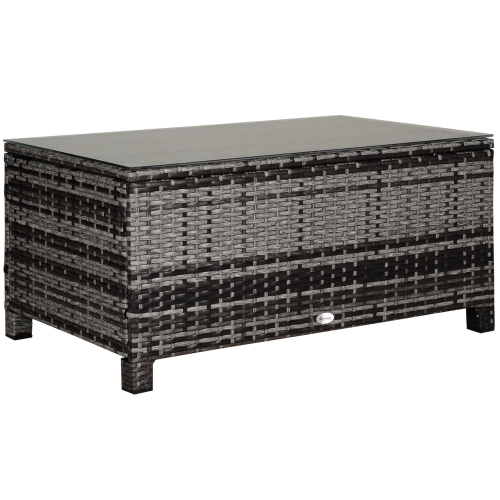
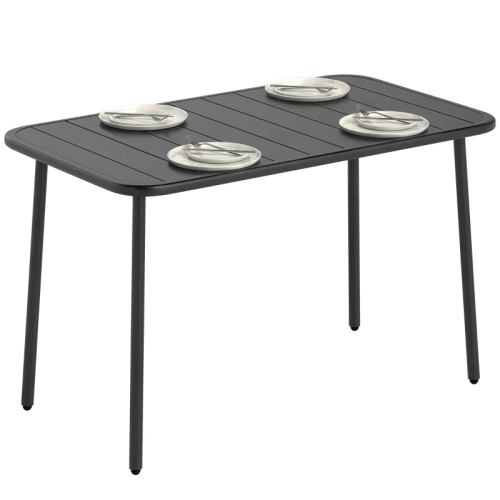
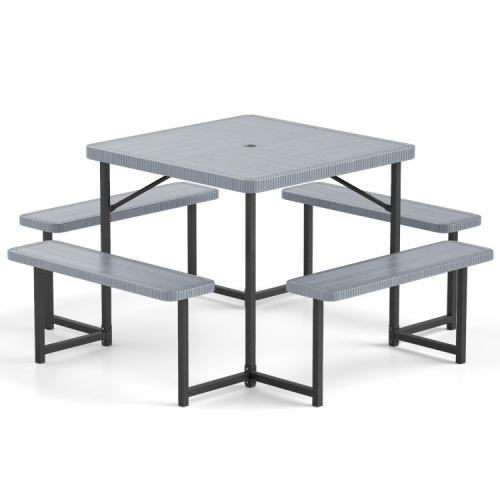
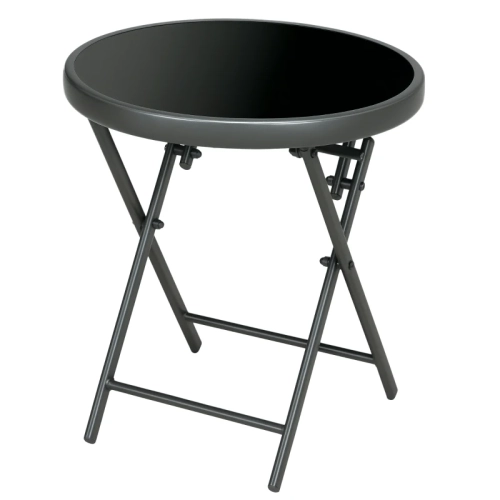
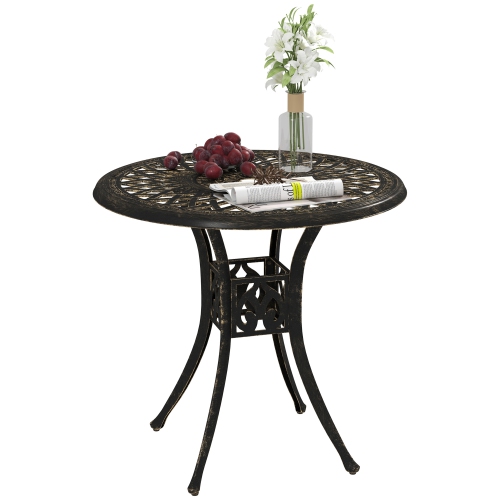
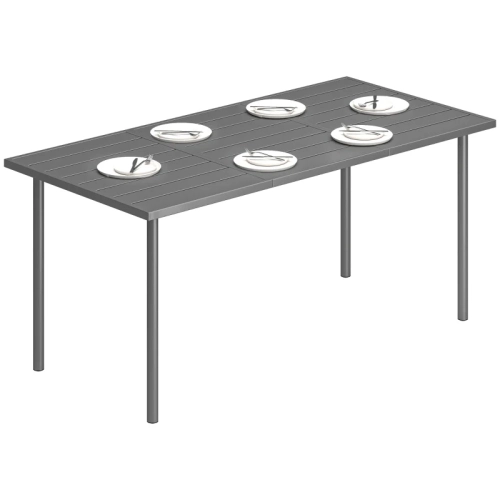
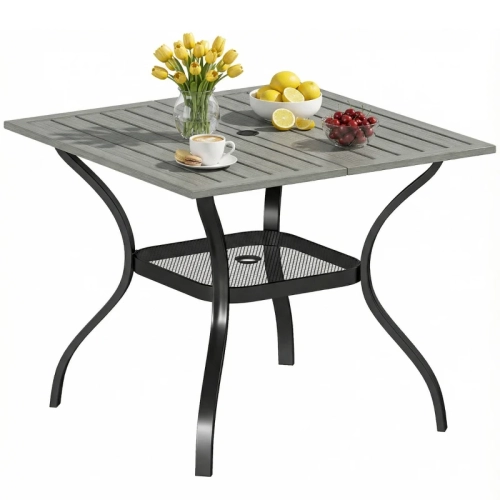
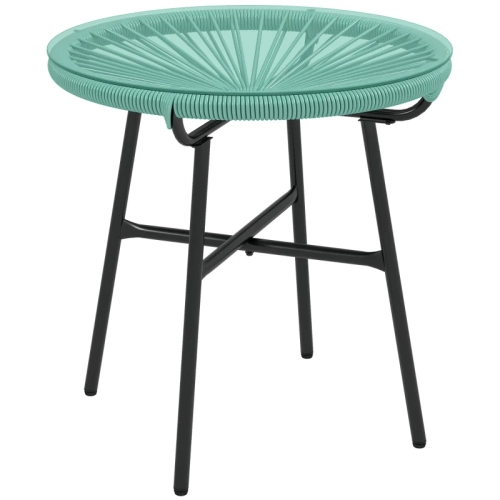
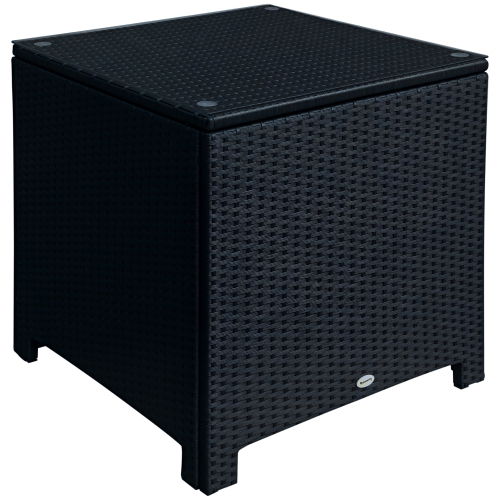
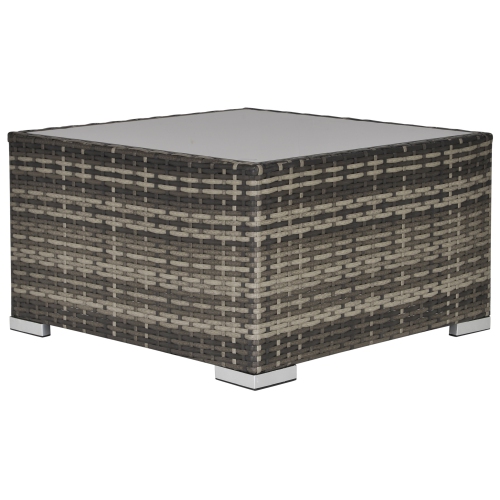
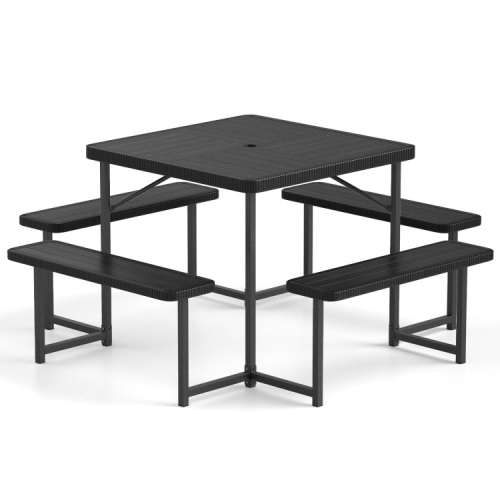
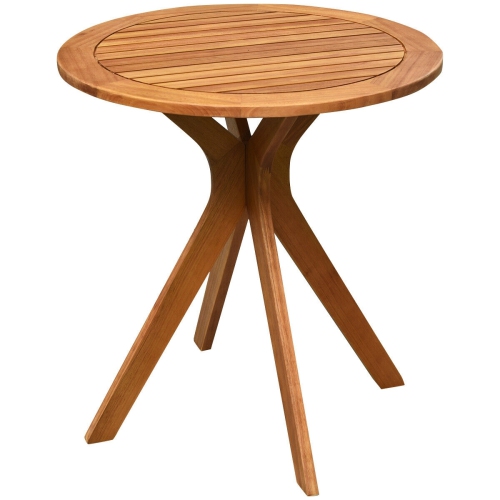
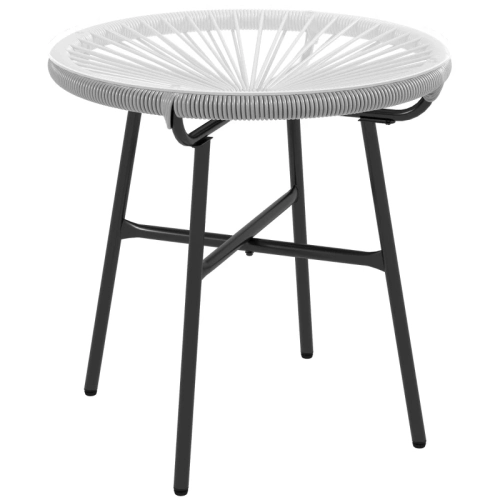
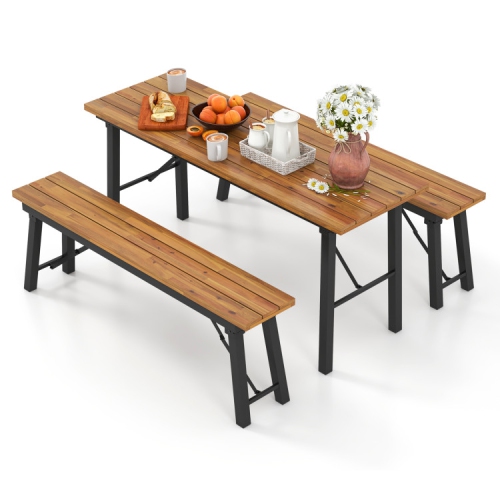
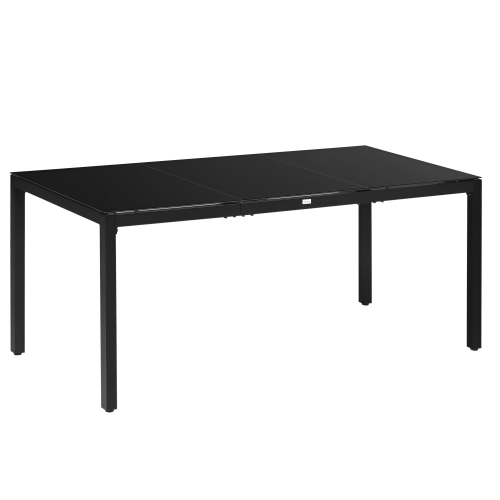
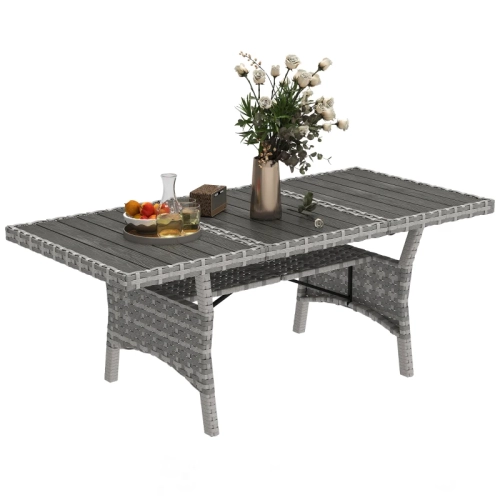
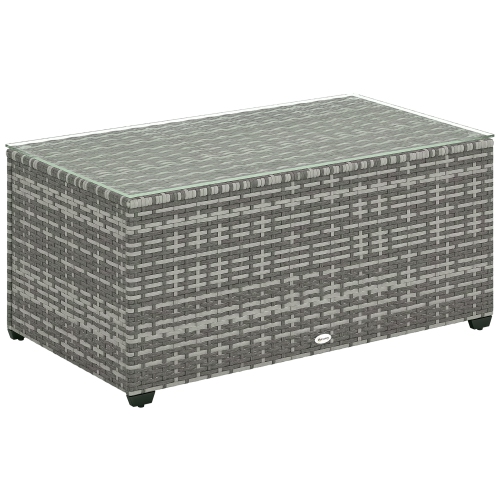
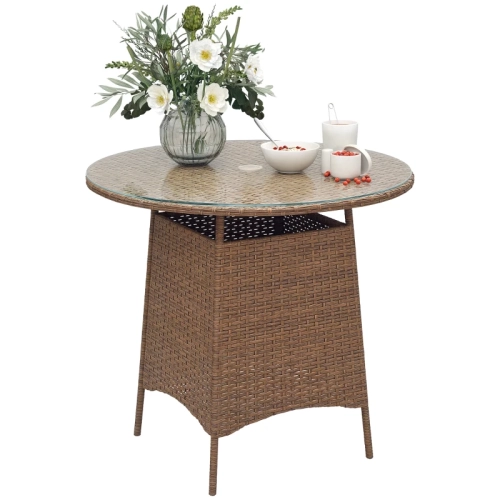
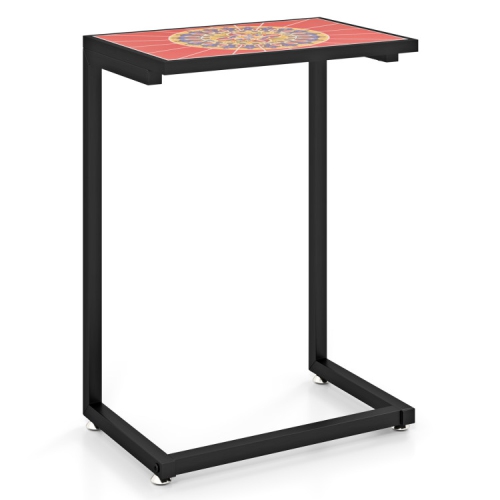
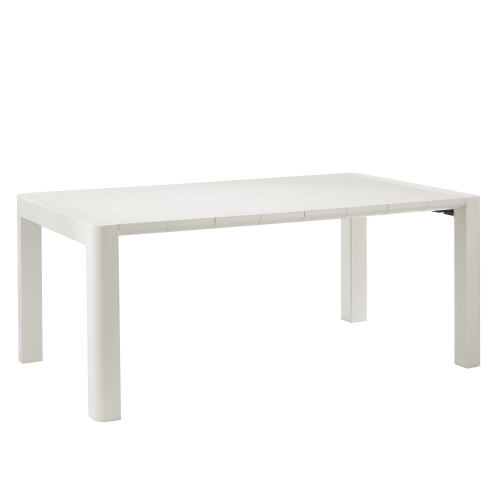
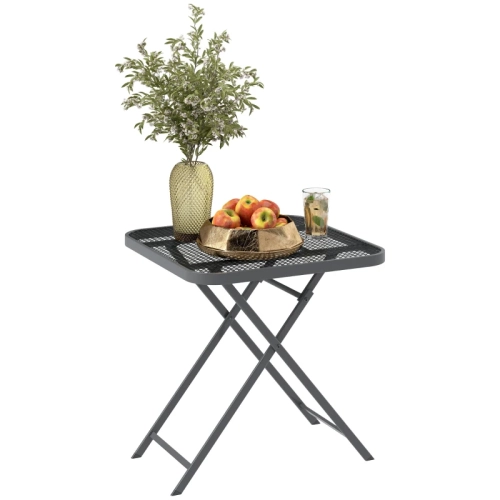
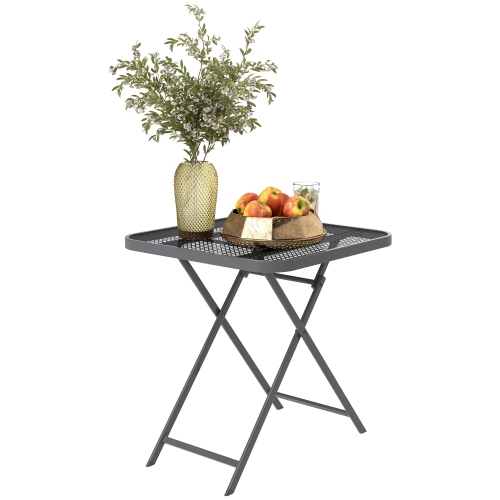
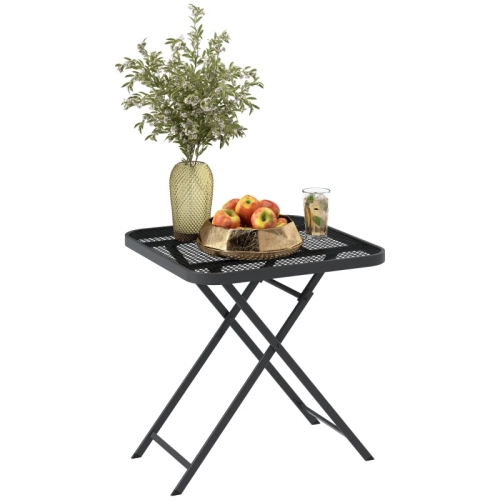
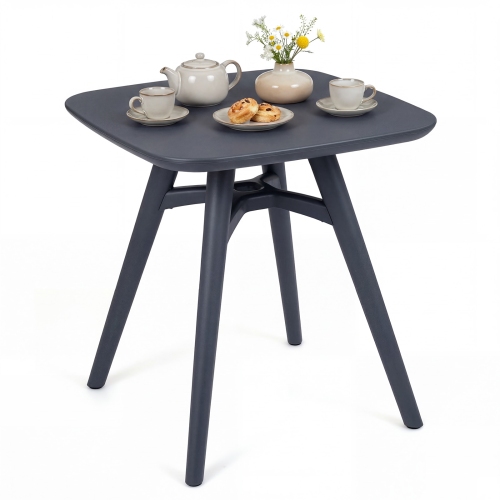
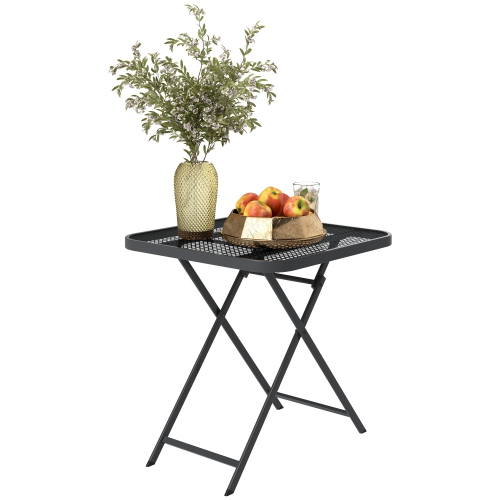
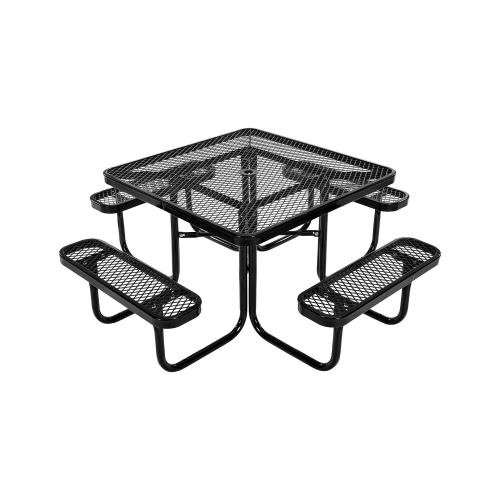
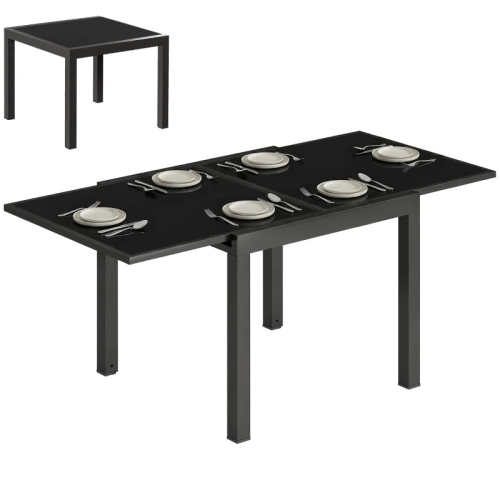
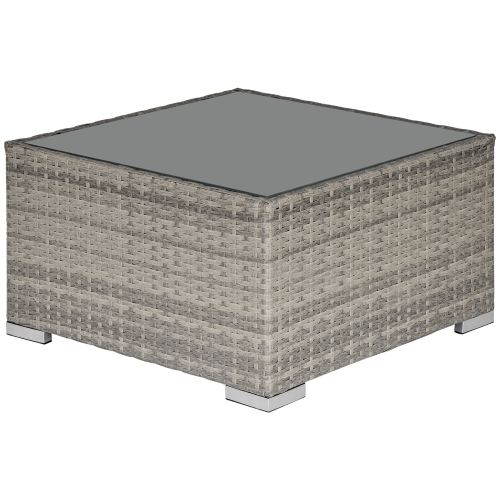
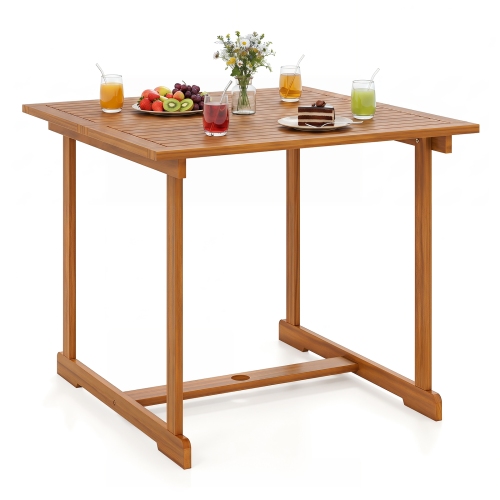
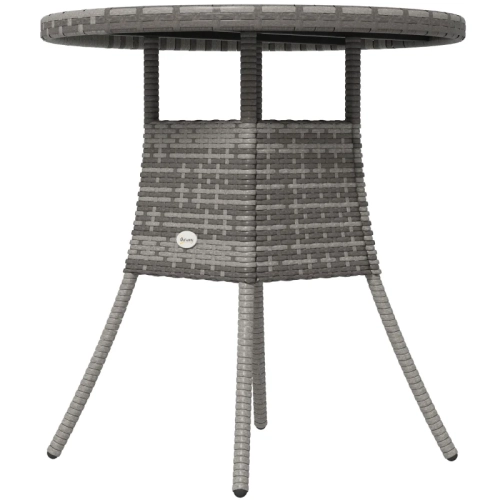
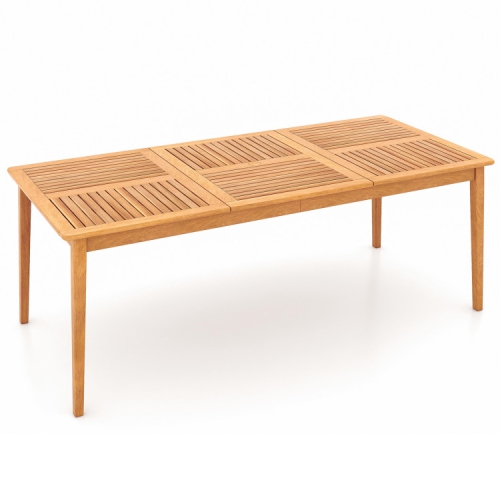
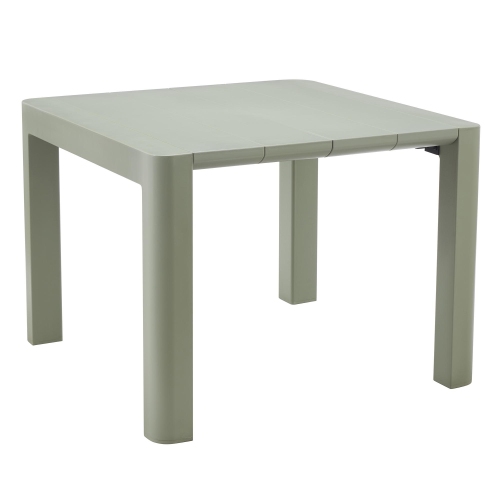
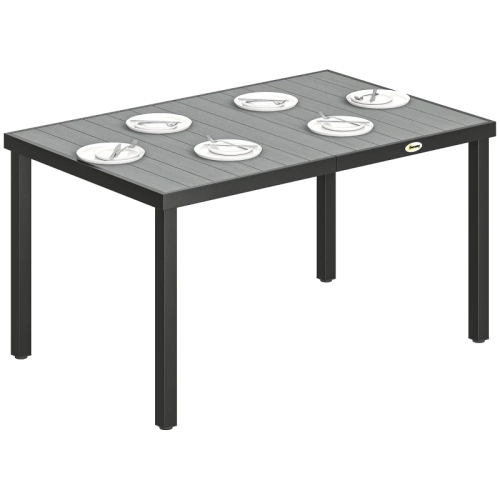
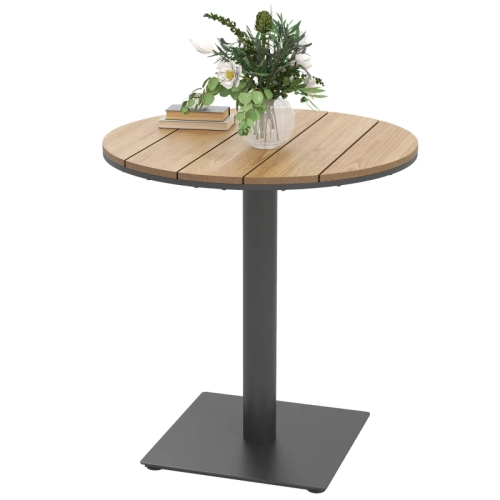
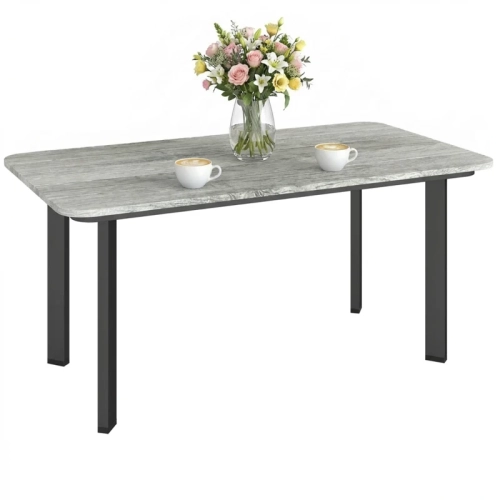
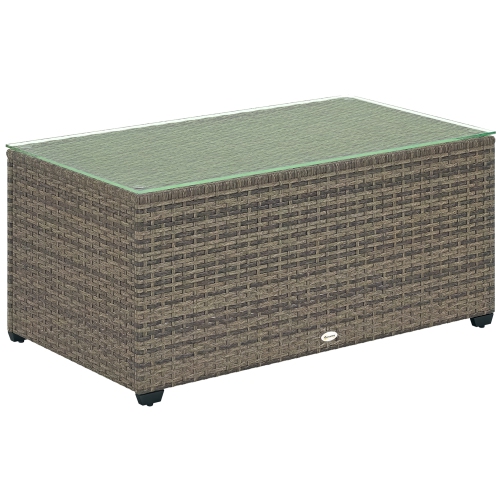
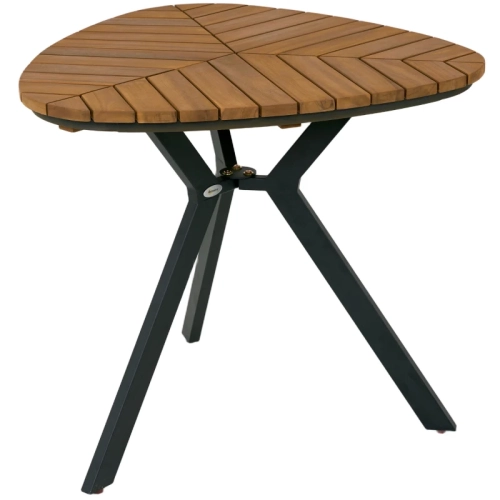
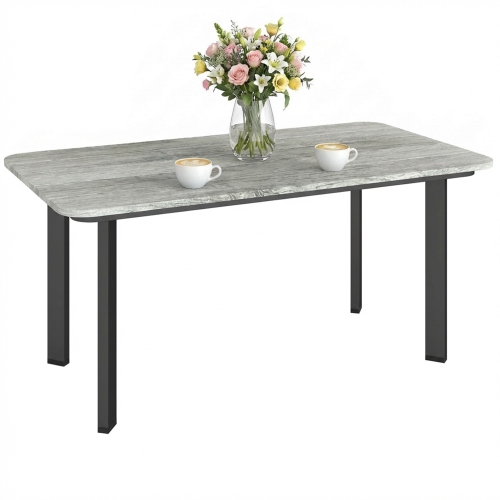
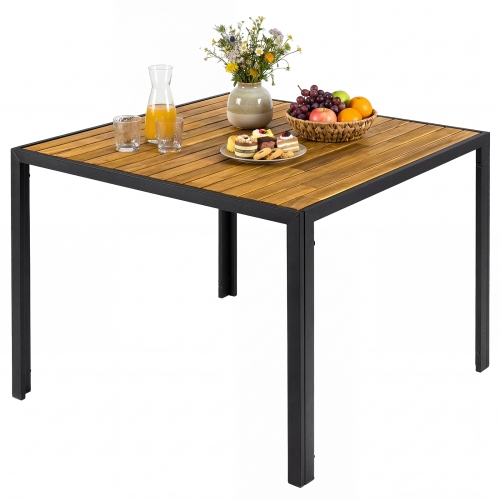
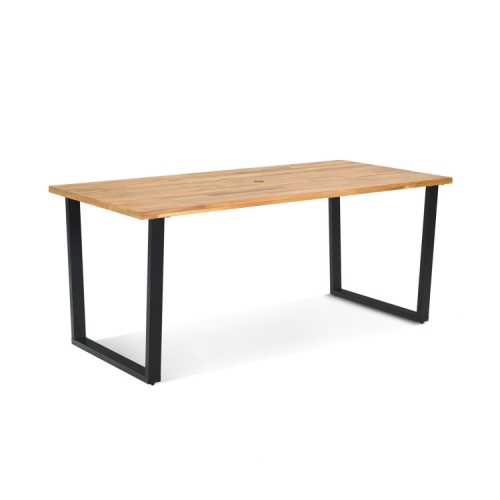
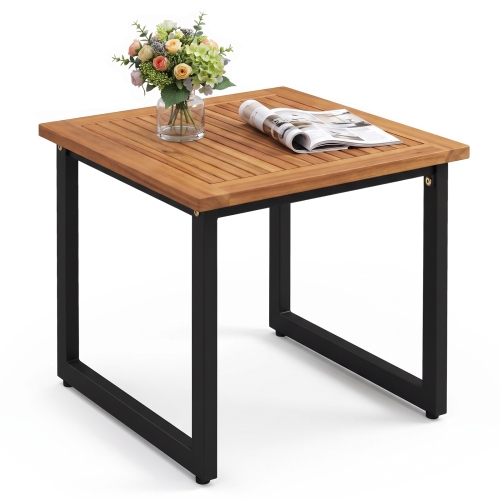
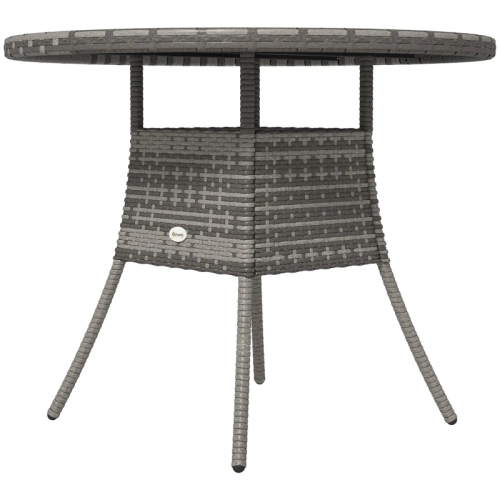
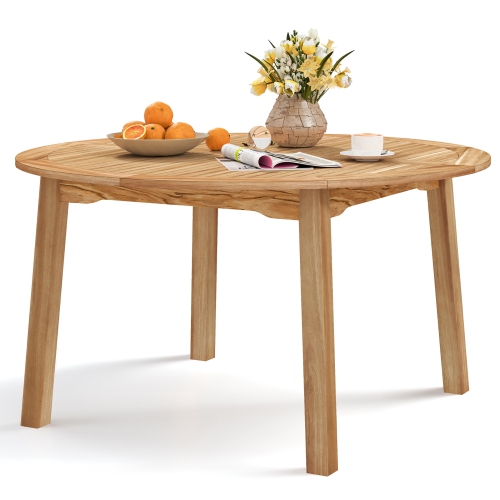

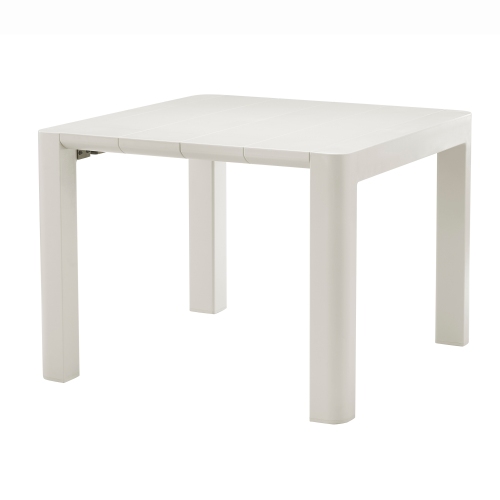
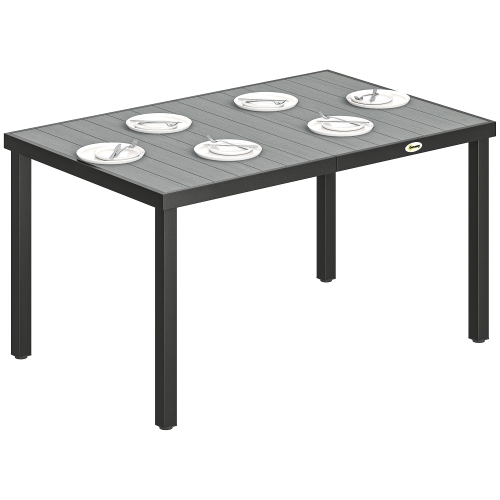
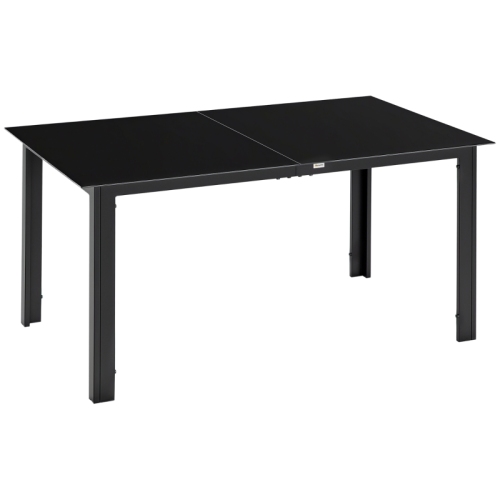
A new tabletop needs more than matching dimensions
Outdoor table tops provide a surface for dining, drinks, games, and everyday use on patios, balconies, decks, and other open-air spaces. Common materials include wood, metal, tempered glass, resin, and stone, with durability depending on the material, construction, finish, and care requirements. A replacement top can give a sound table base a different look or restore a usable surface without replacing the entire table. Compatibility matters as much as appearance: the top’s length, width, thickness, weight, and attachment points all need to suit the supporting frame. A base designed for a lightweight surface may not safely support a heavy stone slab, while an oversized top can make a small pedestal unstable. Round tops create a sociable setting where everyone faces the centre and there are no projecting corners to navigate. Square tops fit neatly into compact layouts, while rectangular and oval shapes offer a longer surface for shared meals and serving dishes. The useful dining area depends on more than the outside dimensions. A wide frame, a central umbrella opening, or a generous edge profile can reduce the space left for place settings. Comfortable seating also depends on the relationship between the top and the base, including knee clearance, leg positions, and the amount of overhang. On a narrow balcony, space to pull out a chair and move past it may matter more than adding another seat. In a larger seating area, a broad tabletop can help anchor the arrangement, provided the base supports it securely. Mounting patterns are not universal, so matching dimensions alone does not establish that a replacement will fit. The underside construction, fastening method, and any required brackets deserve equal attention. A top intended for an outdoor dining table may also differ from one suited to a low coffee table or a tall bistro base, even when their surface measurements are similar.
Material gives an outdoor tabletop much of its character and determines how it responds to regular exposure. Wood offers visible grain, a warm feel, and a surface that pairs naturally with many patio furniture styles. Teak, acacia, and other woods used for outdoor furniture have different maintenance needs, and their performance also depends on construction and finishing. Some develop a silver-grey appearance over time, while retaining the original colour may involve periodic treatment according to the manufacturer’s directions. Wood Table Tops suit spaces where natural texture is part of the appeal, from a small breakfast setting to a generous family dining area. Metal surfaces offer a different balance of weight, strength, and upkeep. Aluminium is relatively lightweight and resists rust, although its finish can still scratch or wear. Steel generally needs an intact protective coating, with particular attention to edges, joints, and any exposed fastening points. Tempered glass provides a smooth, easy-to-wipe surface and lets a distinctive table base remain visible. It is not unbreakable, and chips, damaged edges, or concentrated impacts can compromise it. Resin and plastic surfaces are often manageable to move and straightforward to clean, but resistance to fading, staining, and heat varies by formulation. Stone and ceramic surfaces can create a substantial dining setting, though their weight requires a suitably rated base. Porous stone may need sealing, and not every engineered stone or ceramic construction is approved for outdoor exposure. Tile joints and exposed edges introduce additional care considerations. Across materials, a weather-resistant description does not mean that a surface is unaffected by prolonged moisture, sunlight, freezing conditions, or hot cookware. Manufacturer guidance remains important, especially for tops that combine several materials or rely on a bonded backing. Surface appearance alone cannot establish whether a tabletop is suitable for an uncovered deck, a sheltered balcony, or a frequently used dining area.
Everyday use brings smaller details into focus. A smooth surface makes it easier to wipe away spilled juice or crumbs after lunch, while pronounced grain, grooves, or textured finishes may need a soft brush to clear trapped debris. Slatted tops allow water to drain between the boards, but the gaps can be less convenient for writing, card games, or balancing small objects. Solid tops offer a continuous surface, though standing water should not be left to collect on materials or finishes that require prompt drying. Rounded or eased edges can feel more comfortable against forearms during a long meal, and securely finished edges are particularly useful where children regularly gather. An umbrella opening needs to match both the pole size and the table’s intended setup; it does not replace a properly weighted umbrella base. Dark surfaces can become hot in direct sunlight, and reflective finishes may create glare in an exposed seating area. Colour and texture also affect how readily fingerprints, water marks, and dust show between cleanings. For routine care, a soft cloth and a mild cleaner approved for the material are often appropriate, while abrasive pads and harsh chemicals can damage coatings or dull a finish. Trivets help protect against hot serving dishes, and lifting heavy objects rather than dragging them reduces the chance of scratches. Protective covers should fit properly and allow the ventilation recommended by the manufacturer, since trapped moisture can affect some surfaces and fasteners. Where storage is required, the top’s weight and handling instructions matter, particularly for glass and stone. Outdoor table tops serve different households in practical ways: a compact surface can make room for coffee on a condo balcony, while a larger top provides space for family meals, board games, or an afternoon of repotting plants with a protective mat underneath. Matching the surface to those routines, as well as to the base and setting, helps create a table that is comfortable to use and realistic to maintain.
Top selling and popular products
-
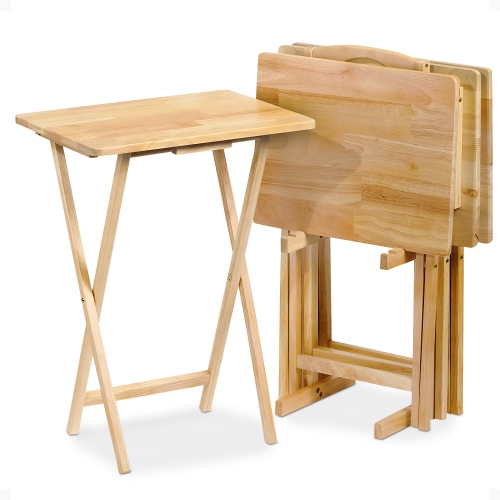 Your price for this item is $172.99
-
 Your price for this item is $121.99
-
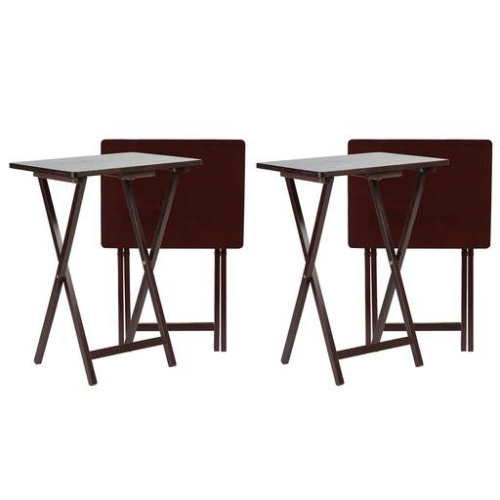 Your price for this item is $224.99
-
 Your price for this item is $149
-
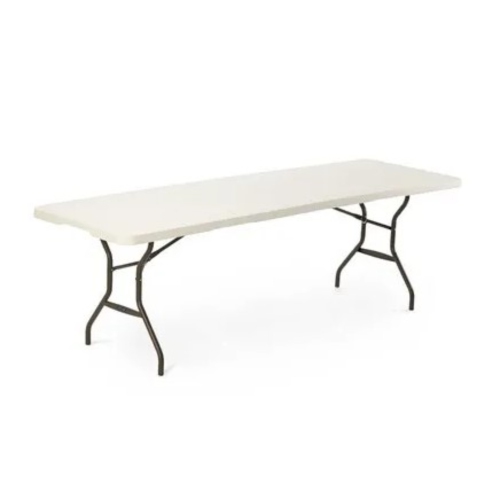 Your price for this item is $279.99
-
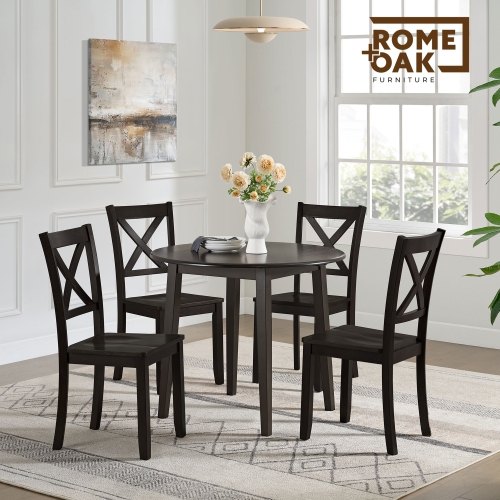 Your price for this item is $386.99
-
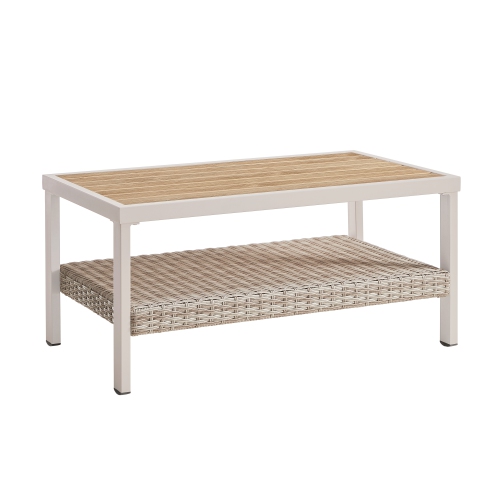 Your price for this item is $499.95
-
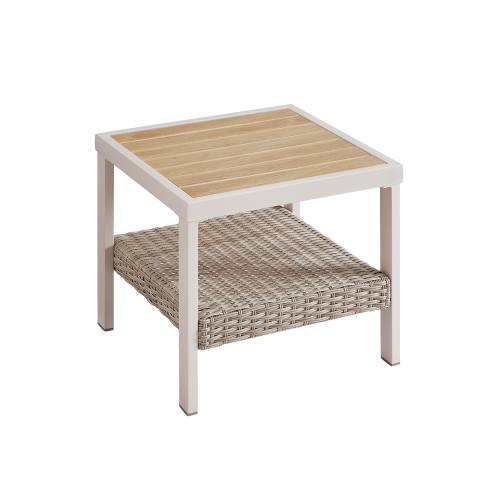 Your price for this item is $379.95
Discover more categories related to Outdoor Table Tops
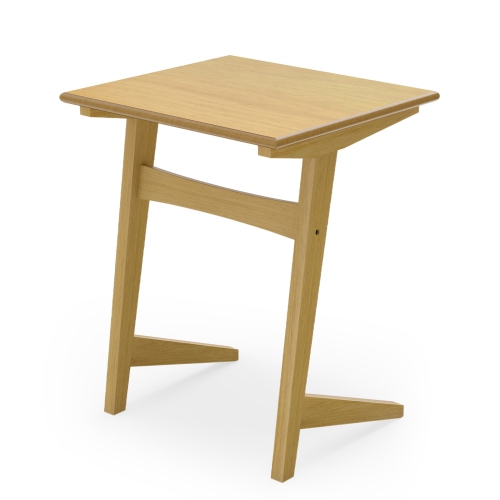

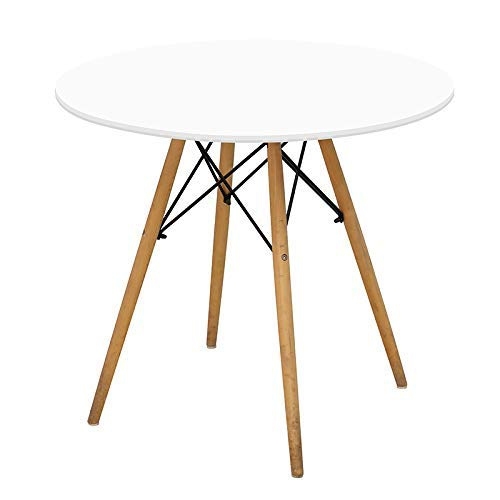
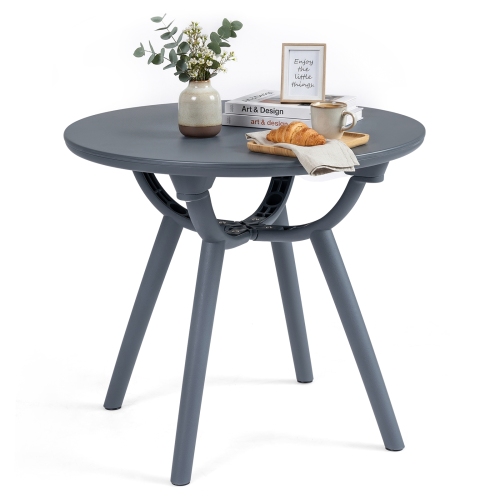
Top Collections:
Best Black Friday Deals This Year, Best Black Friday Deals On Electronics, Kindle Devices, Pokemon Centers, Best Black Friday Deals On Apple Products, Best Cameras for Sports Photography, Dyson Airwrap, Pokémon 30th Celebration Cards, Apple iPhone 17 Pro, Canon G7X Cameras
Some products may be subject to Environmental Handling Fees
(EHF) depending on your province.
Learn more about EHFs.