Dining Table Tops
Looking to elevate your dining experience? Look no further than our collection of dining table tops. Whether you're hosting a dinner party or enjoying a casual meal with family, the right dining table top can set the tone for your space and provide a stylish and functional centerpiece. Here are some great options available.
Sort
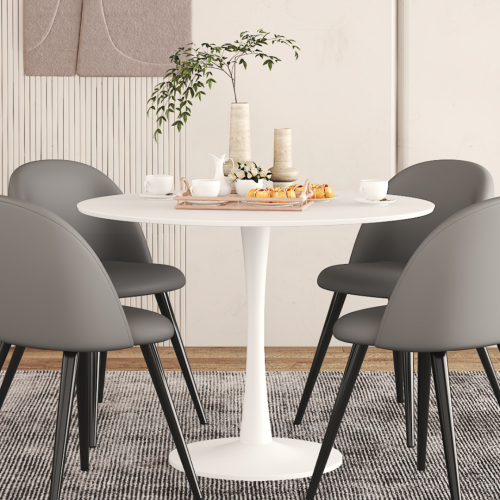
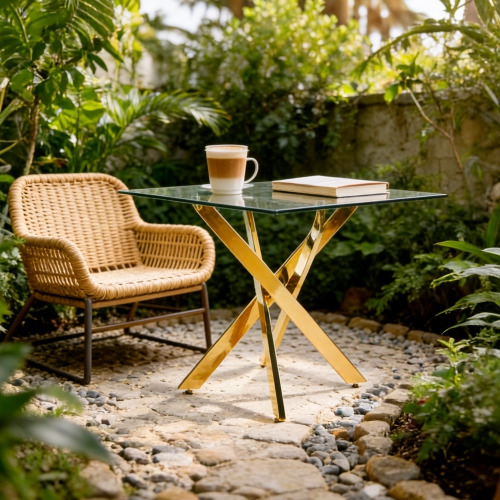

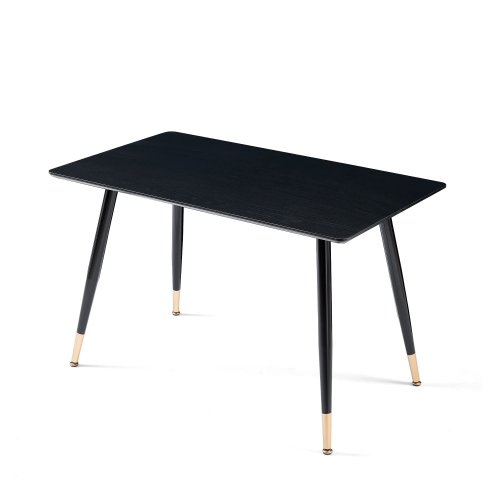
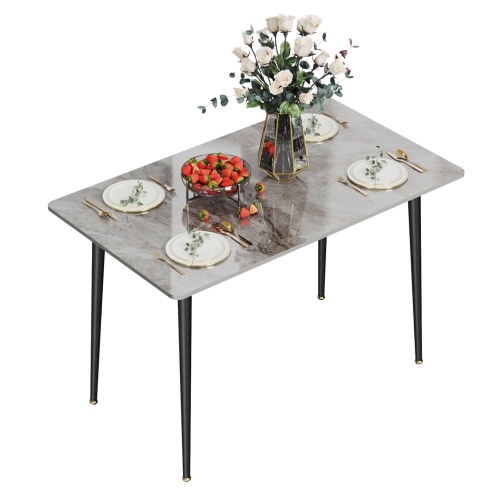

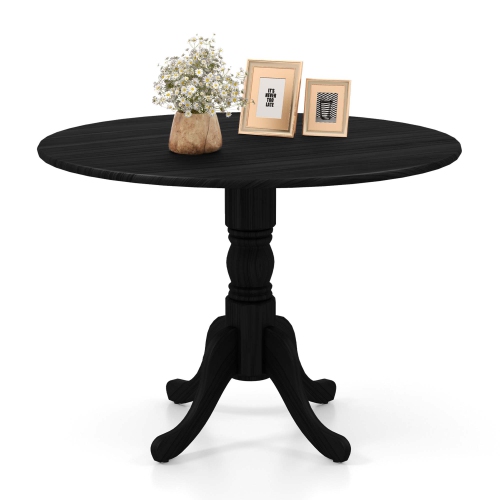
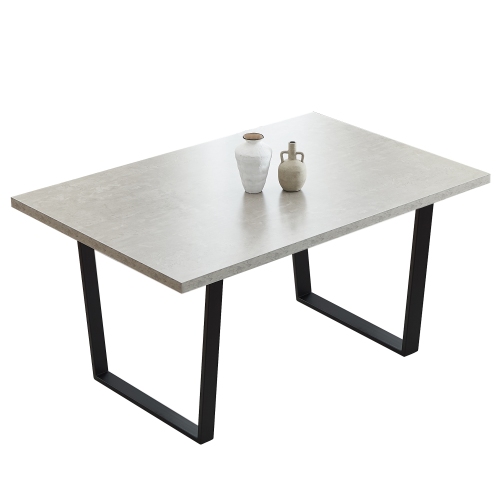
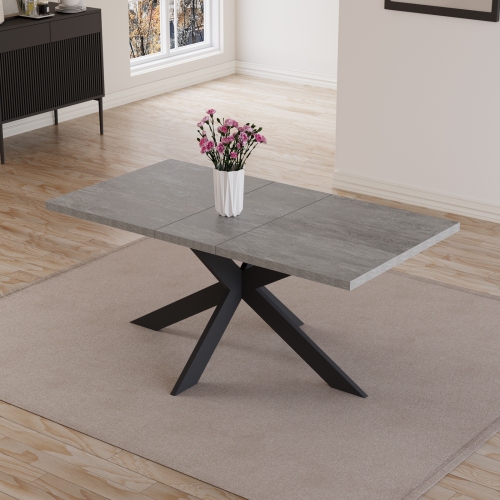
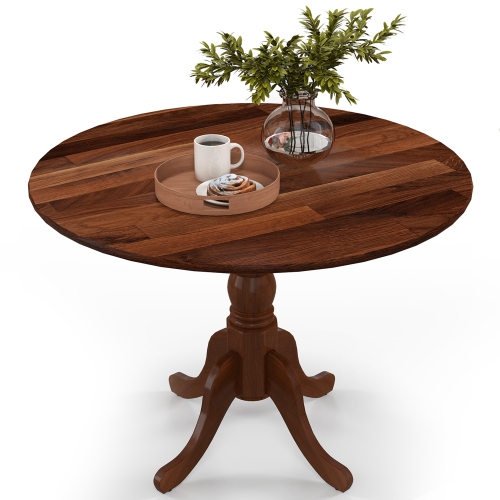
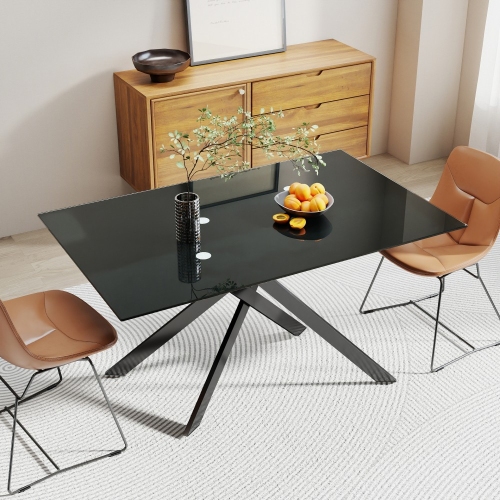
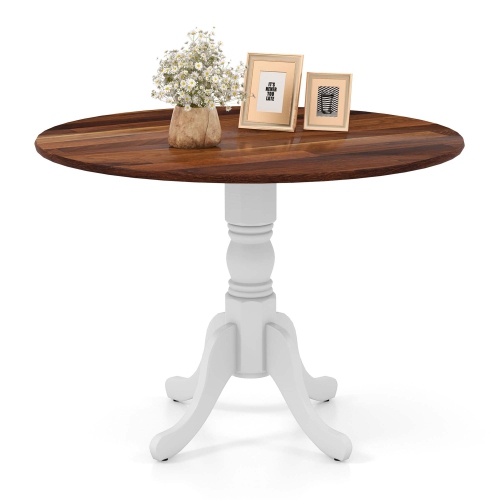
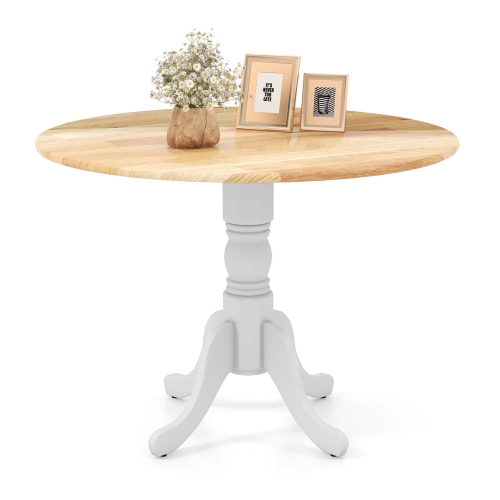

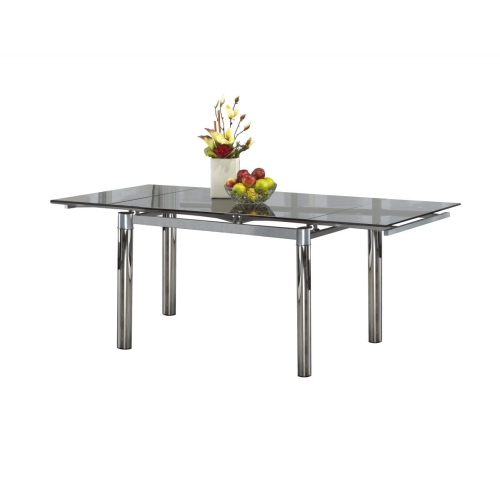
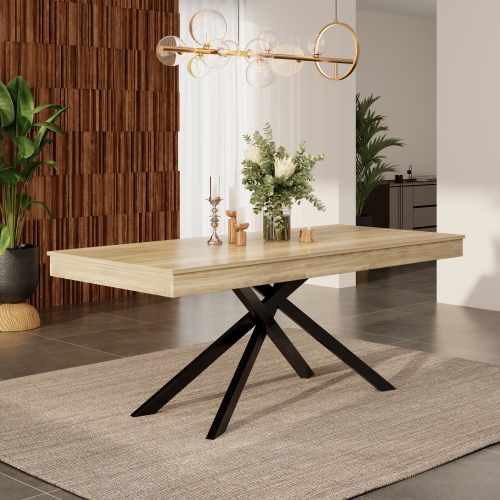
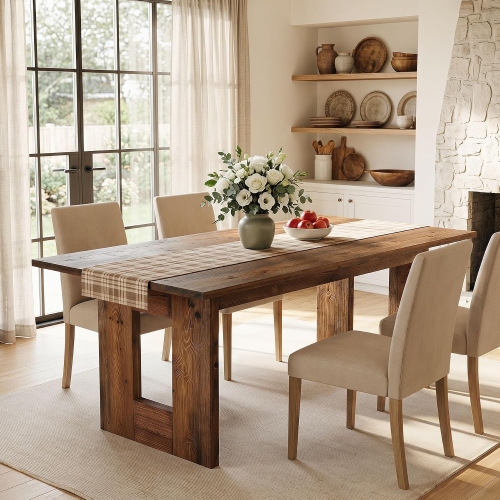
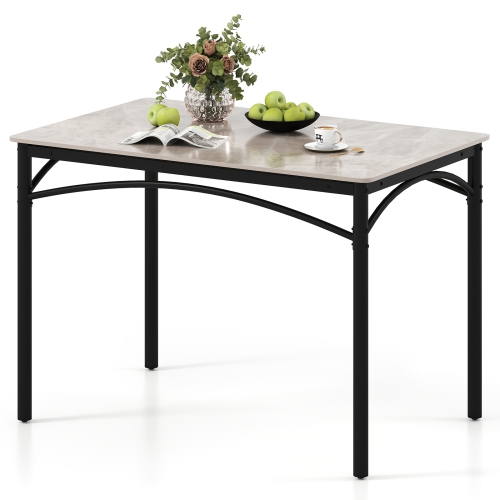

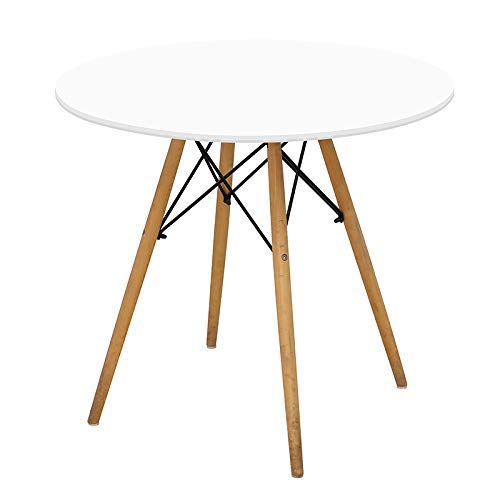
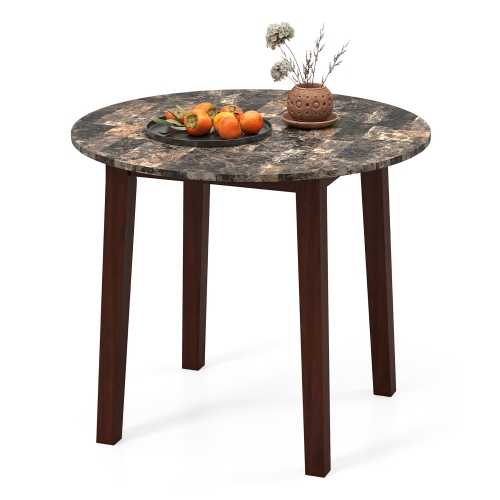

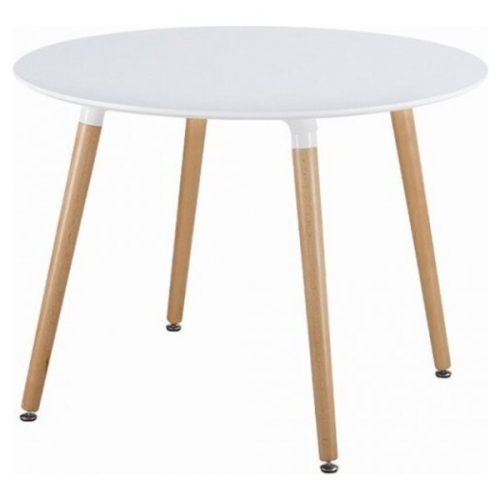
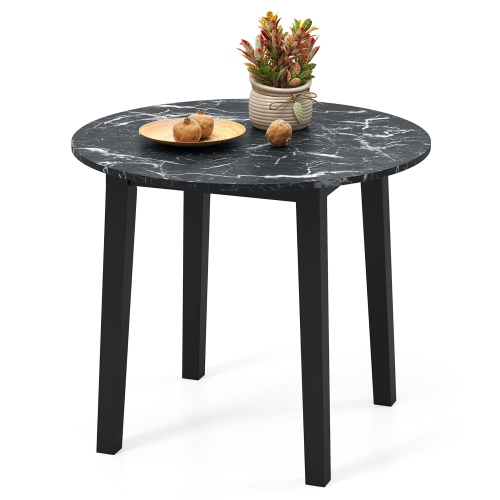

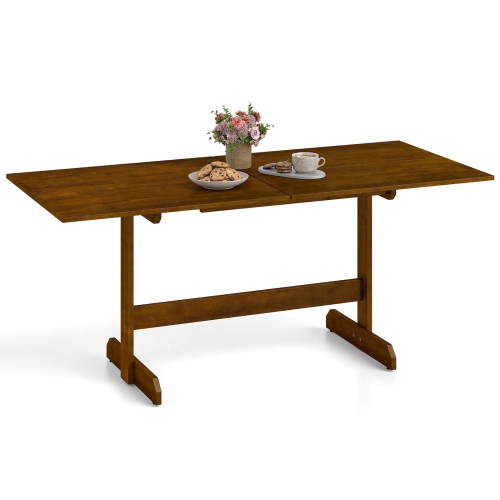
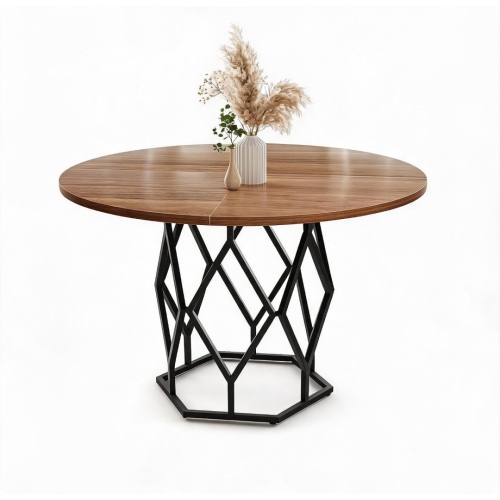
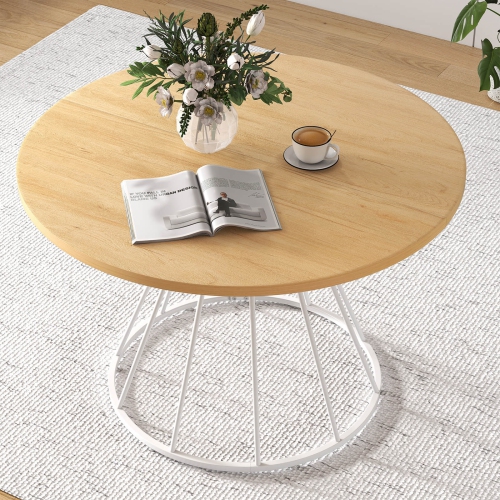
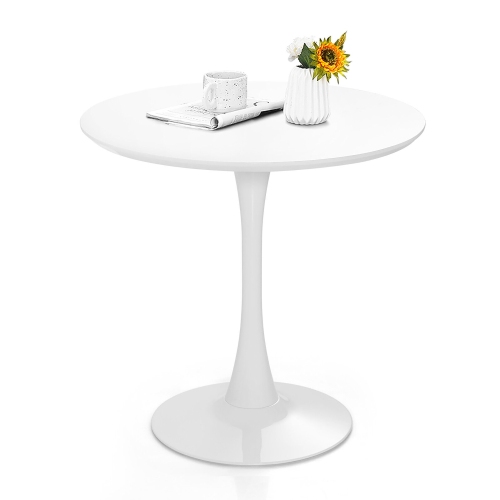
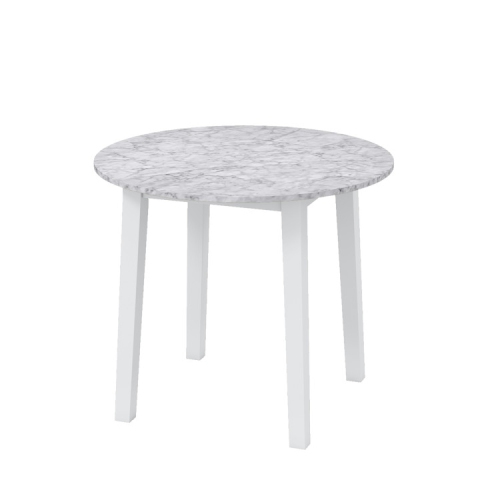
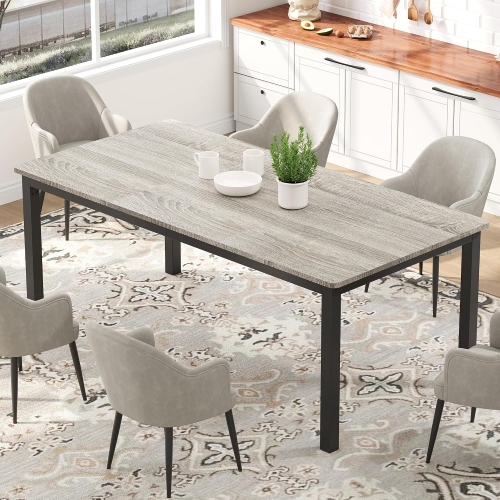

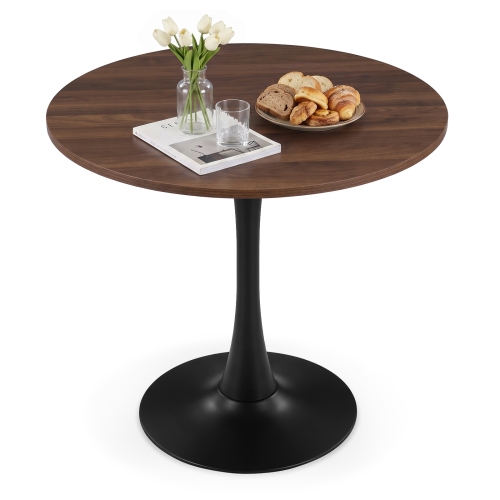
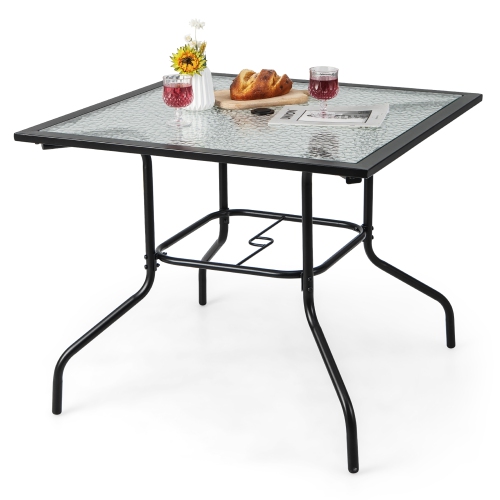
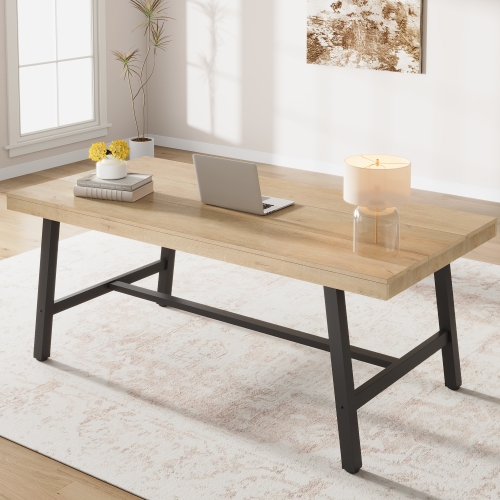
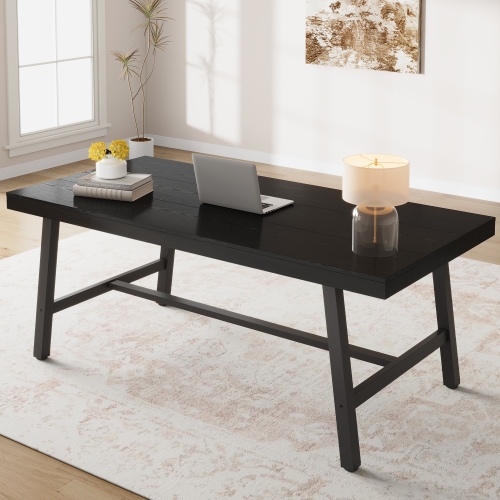

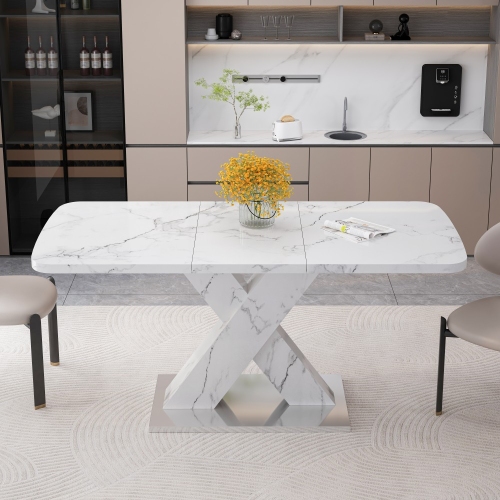
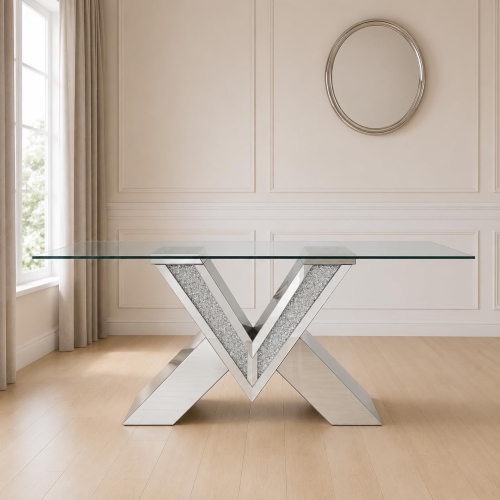
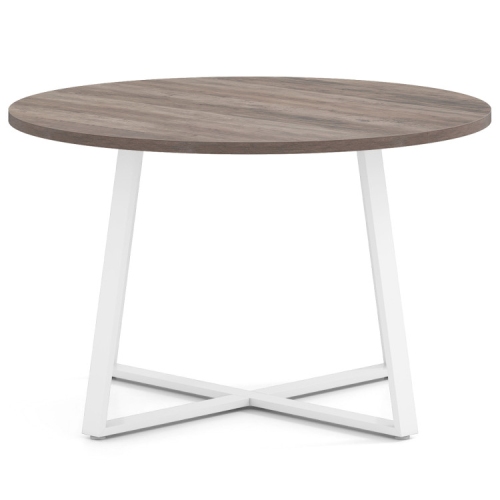
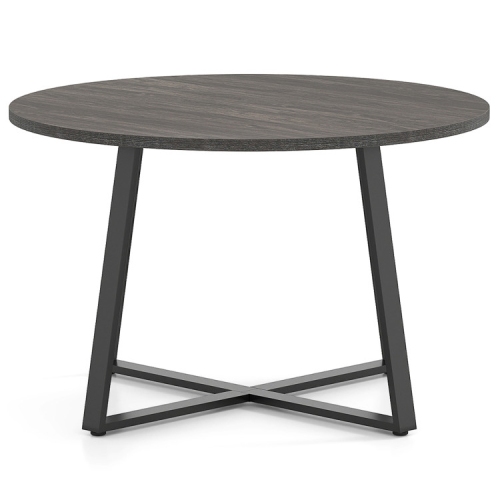

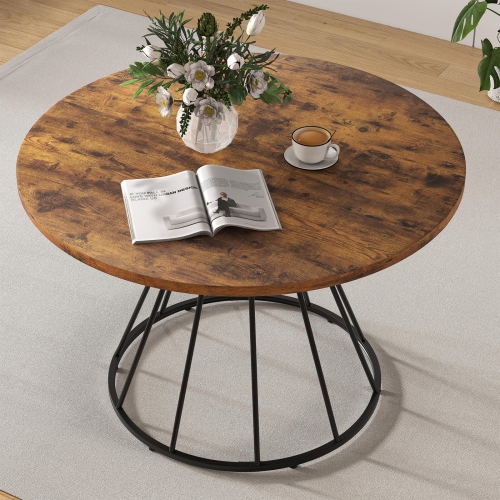
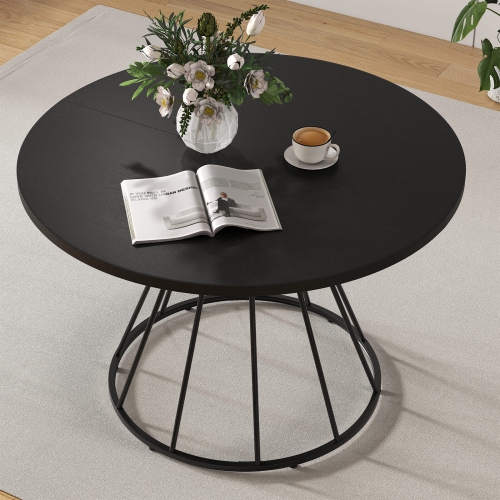
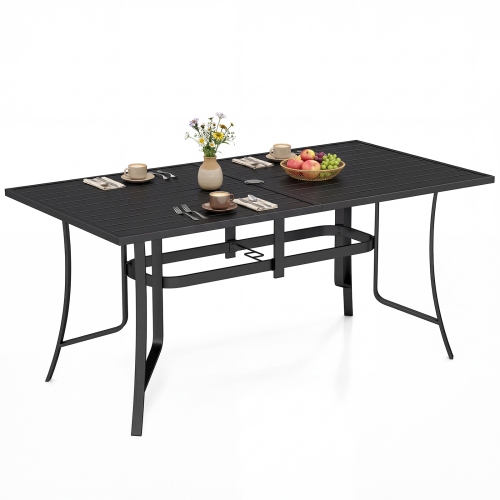
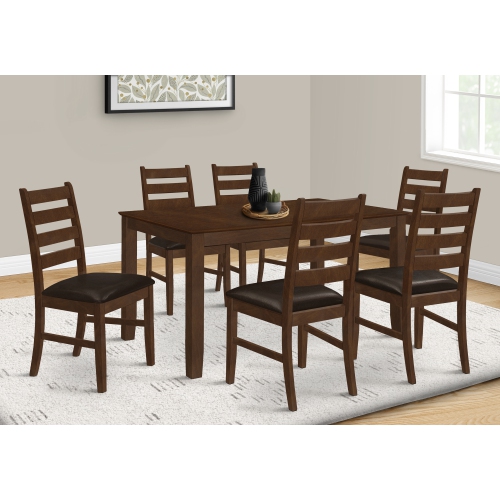
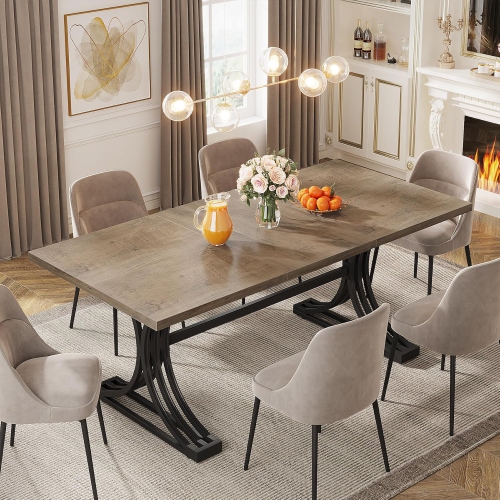
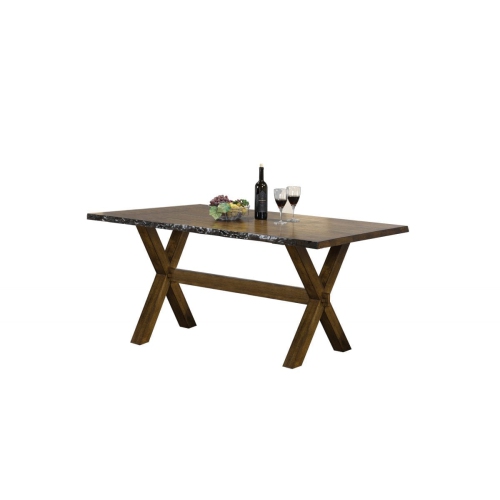
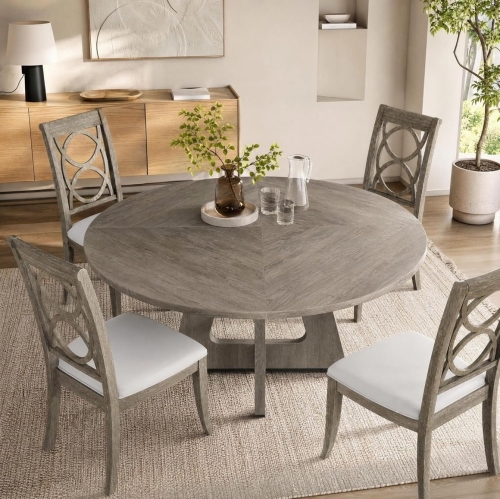
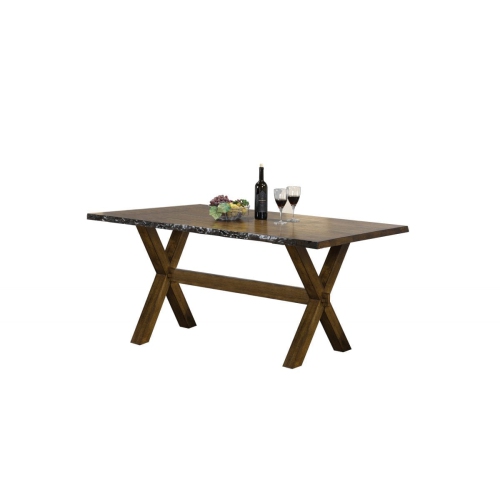
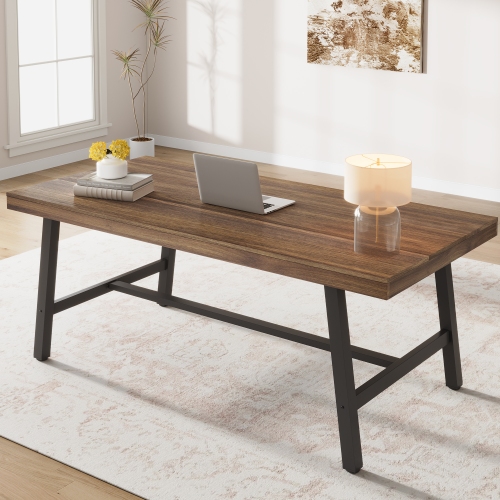
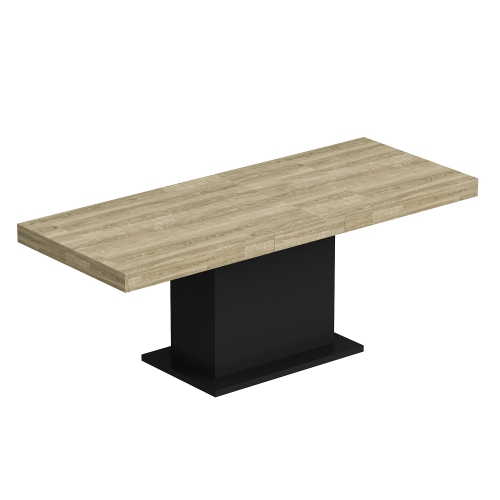

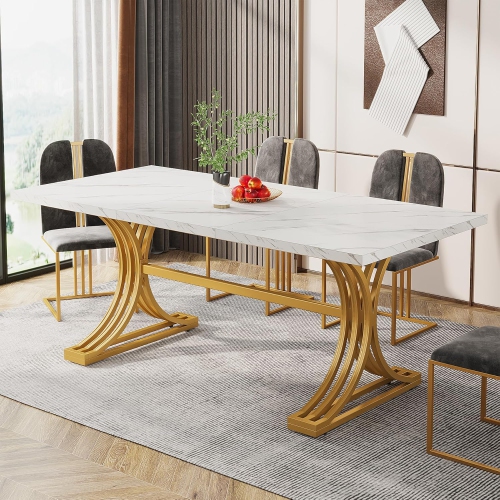

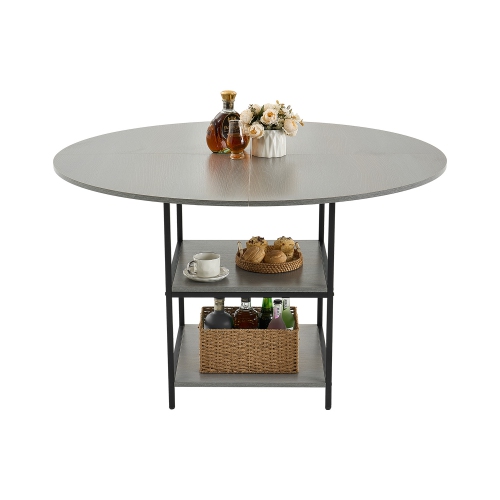
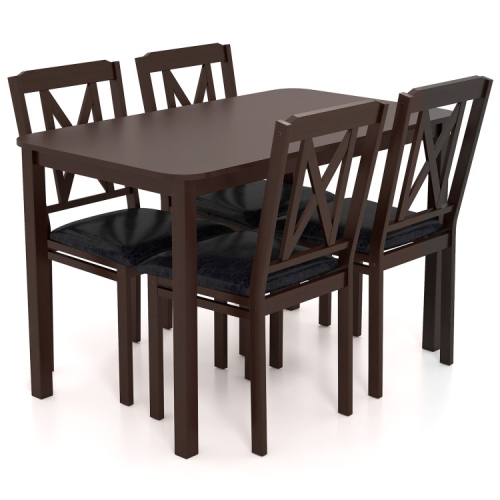
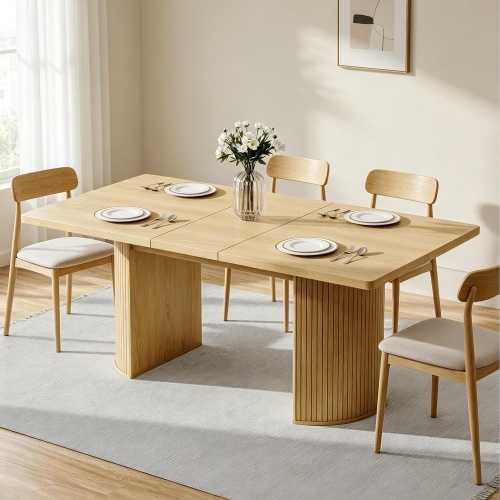
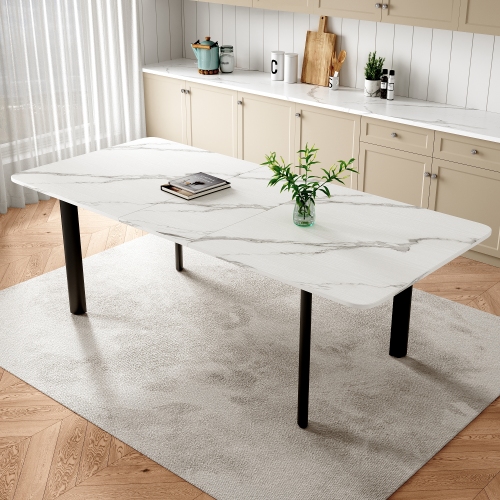
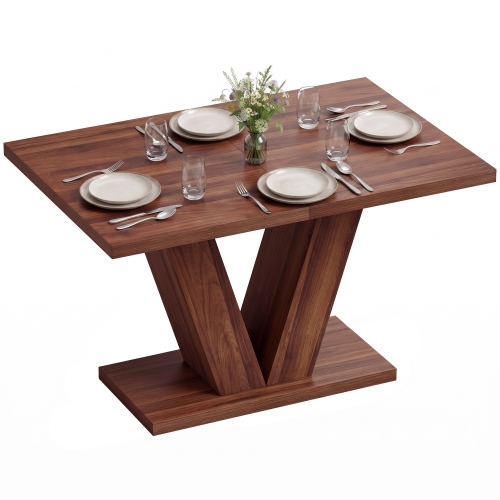
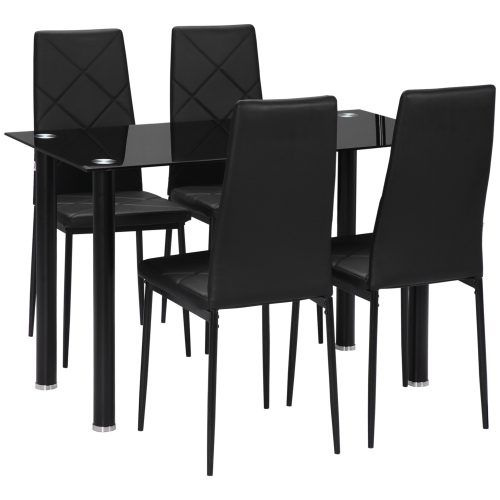
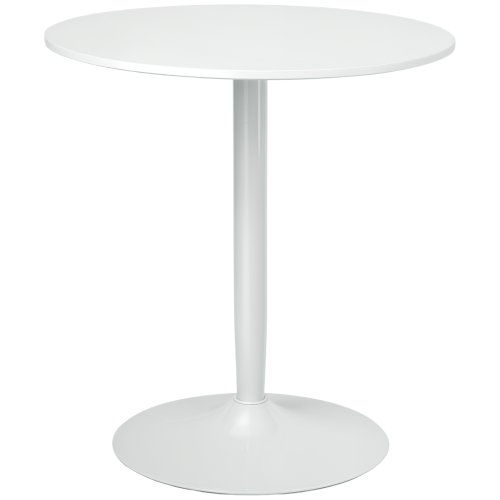
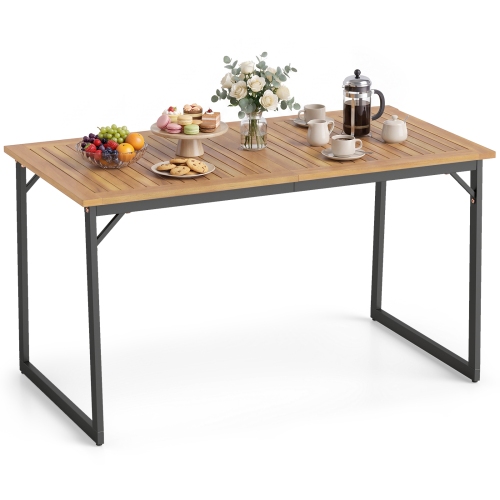
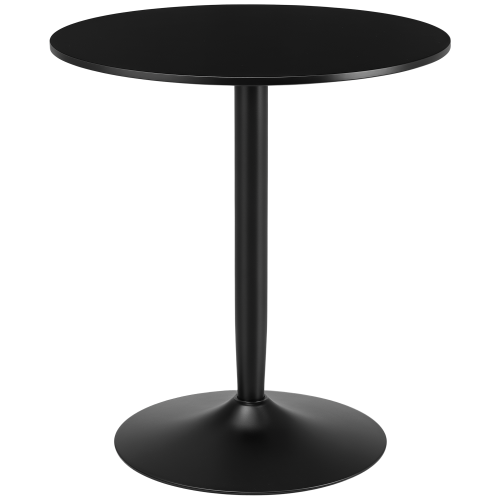
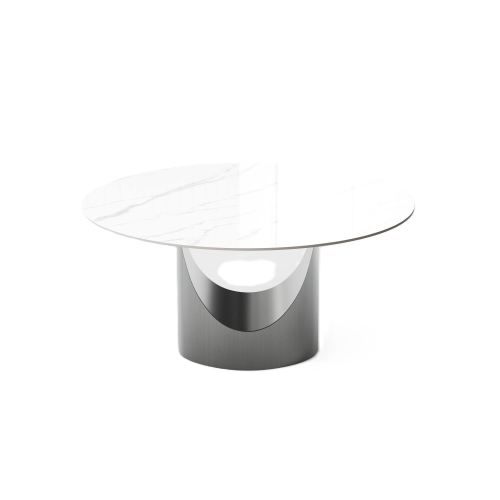
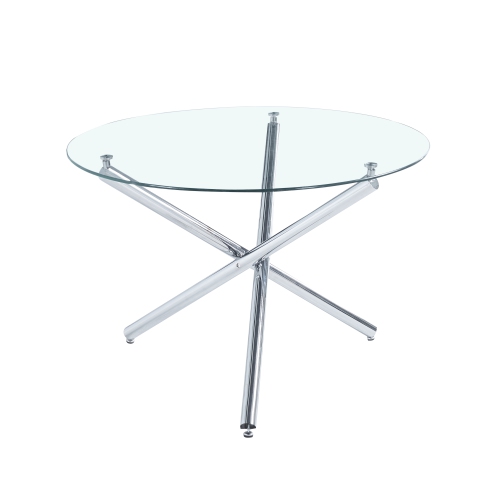
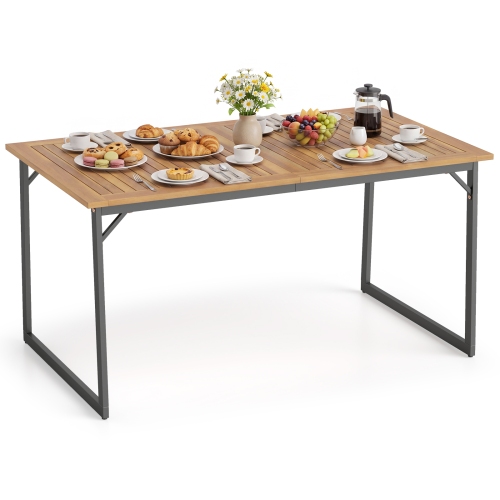
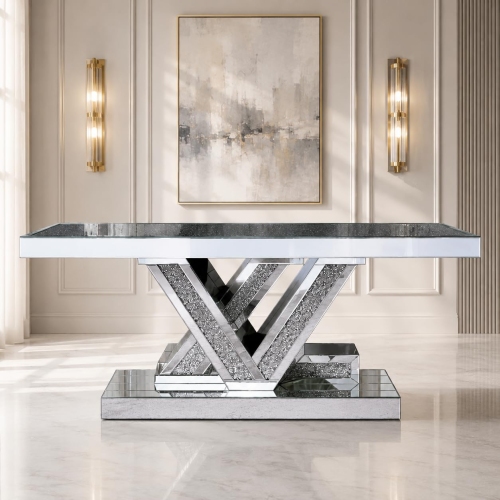
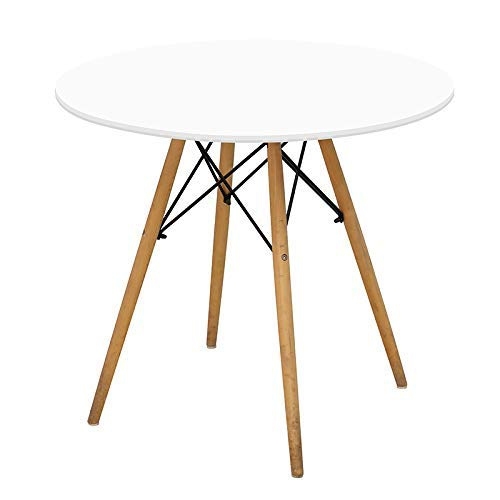
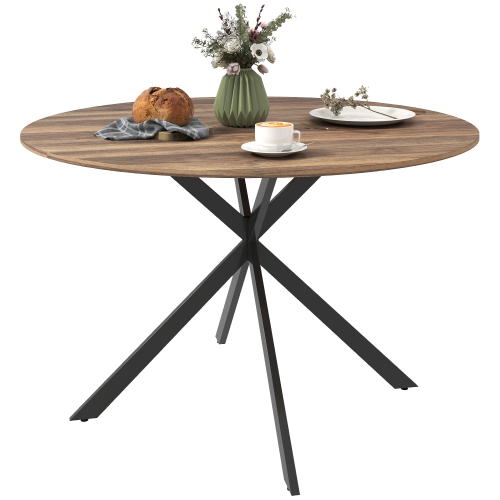
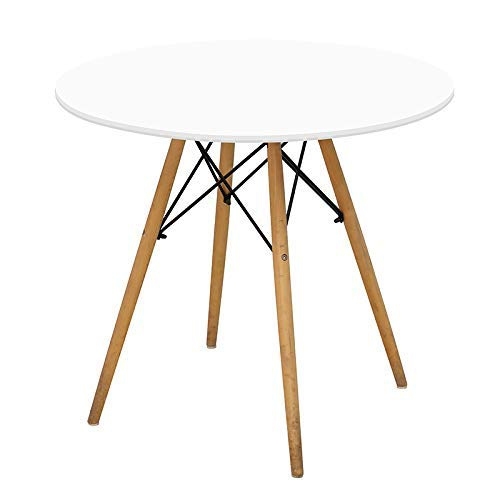
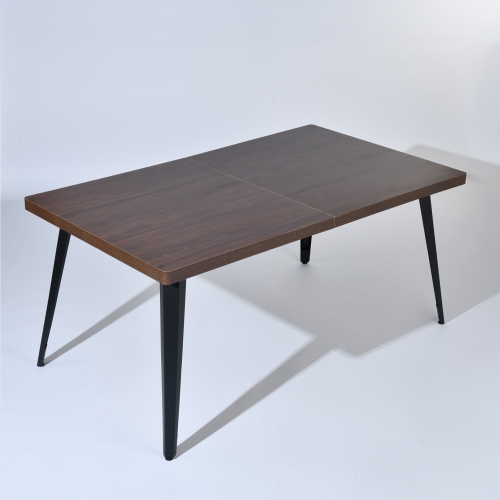
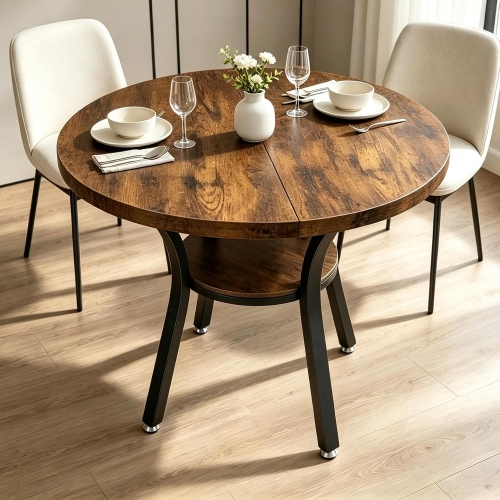
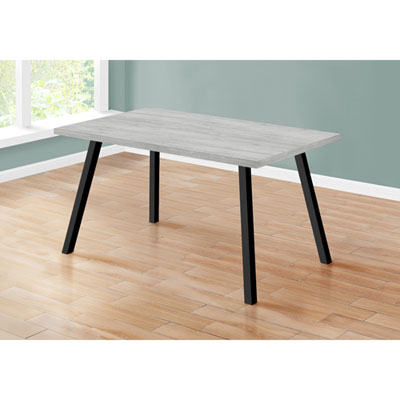

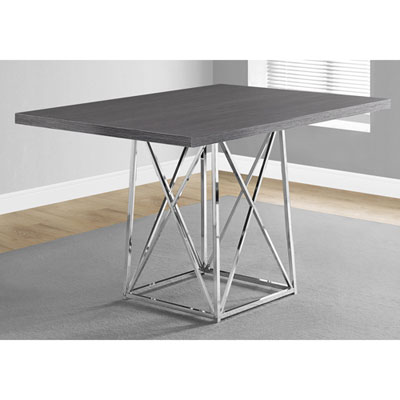
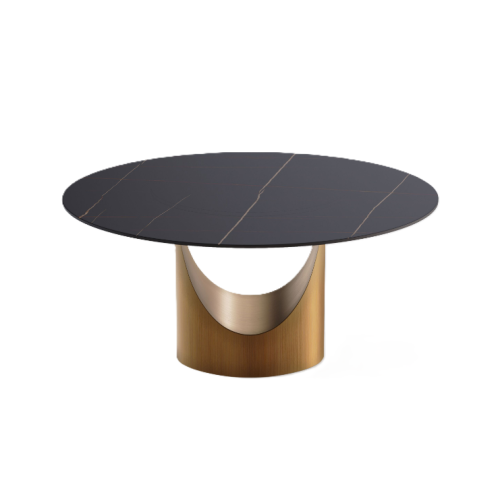

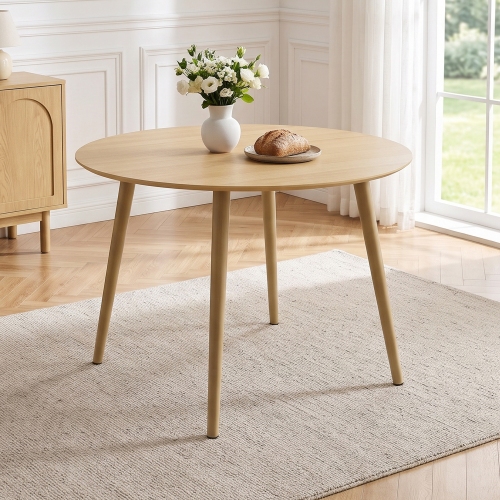
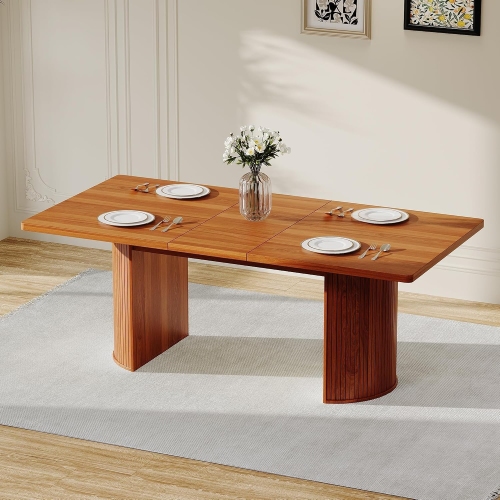
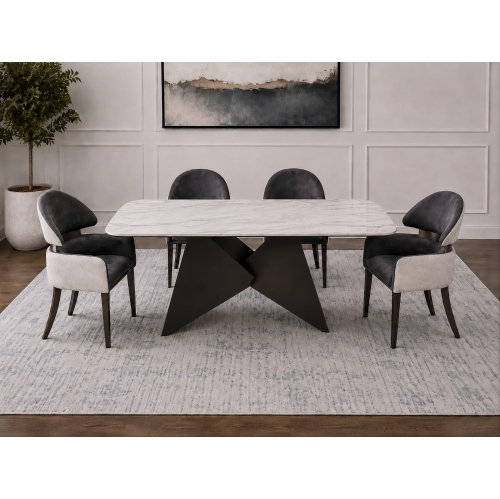
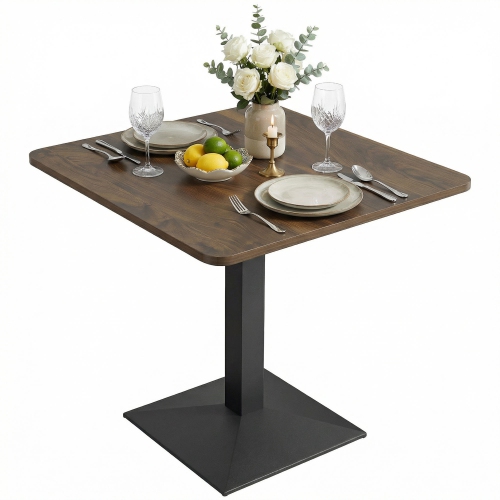
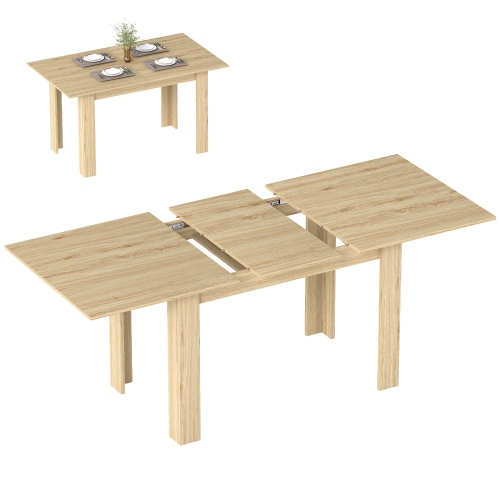
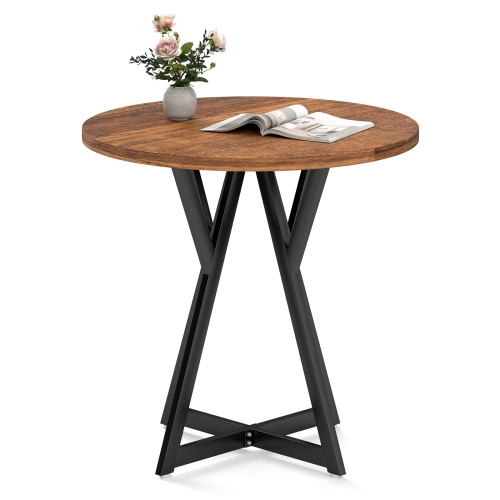
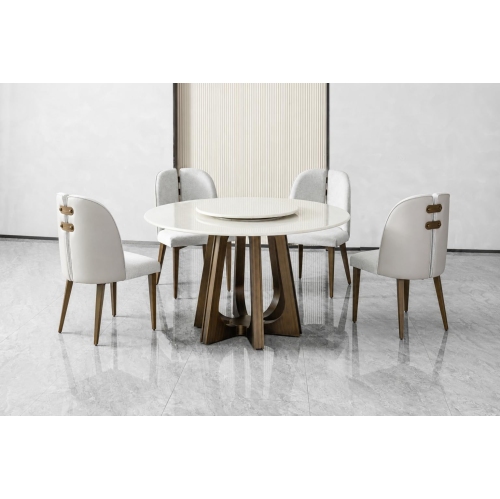
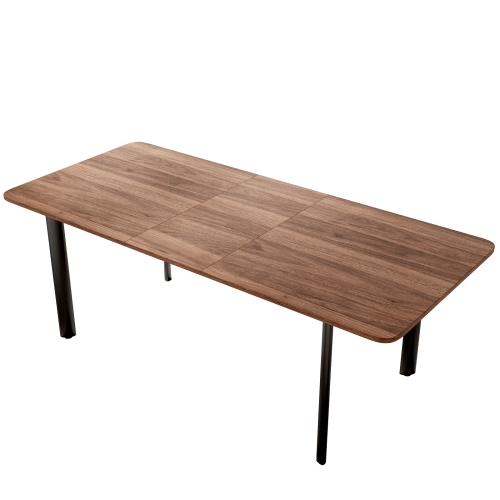
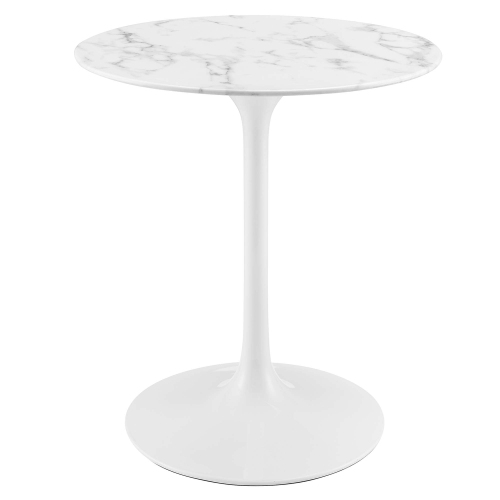
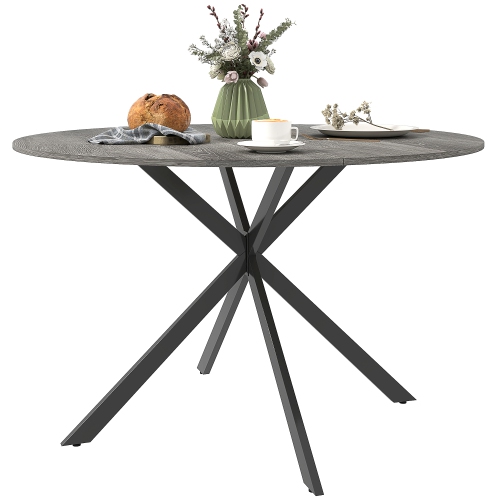
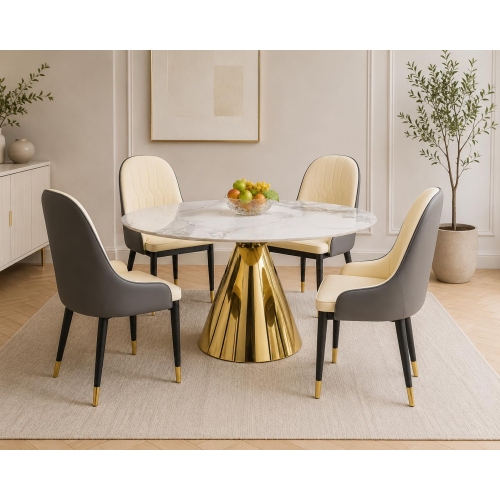
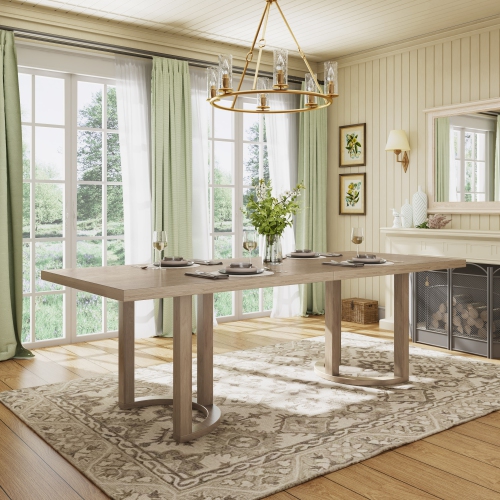
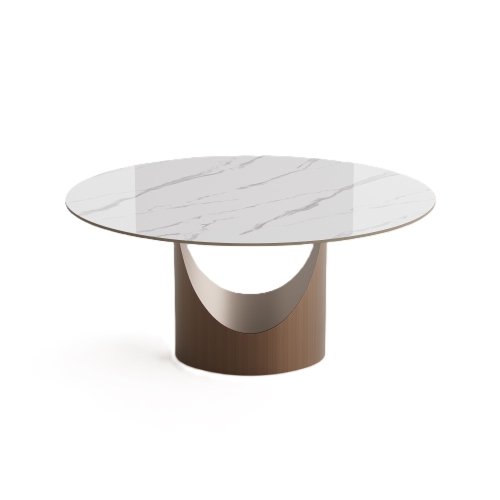
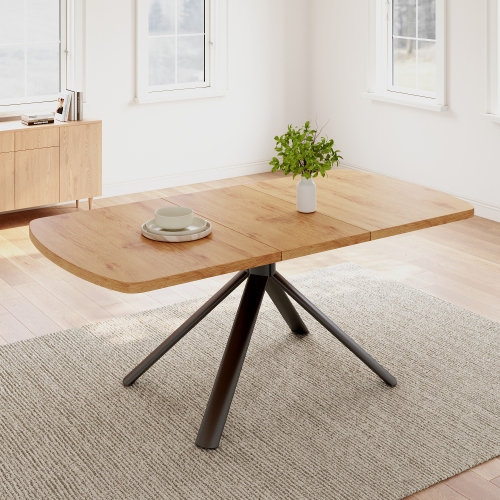
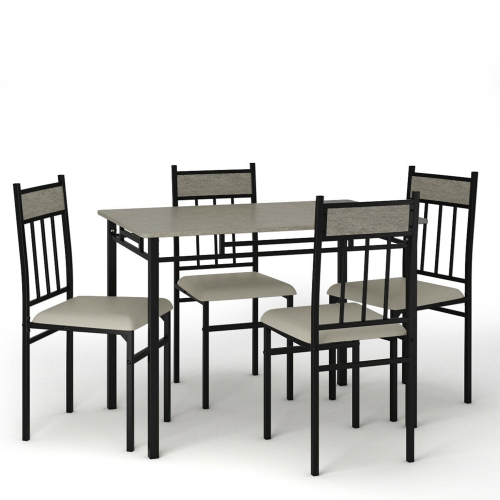
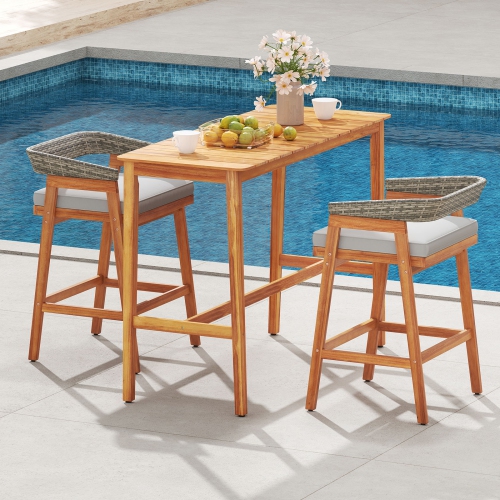
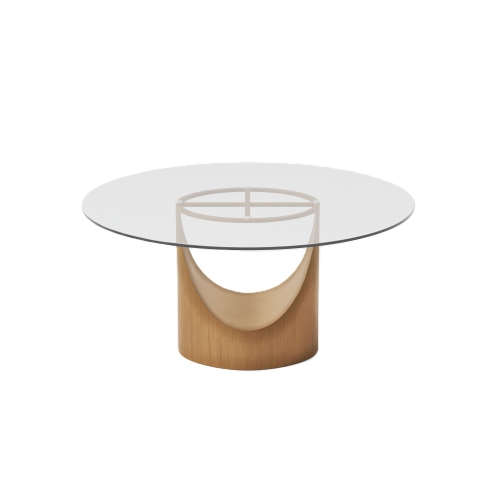
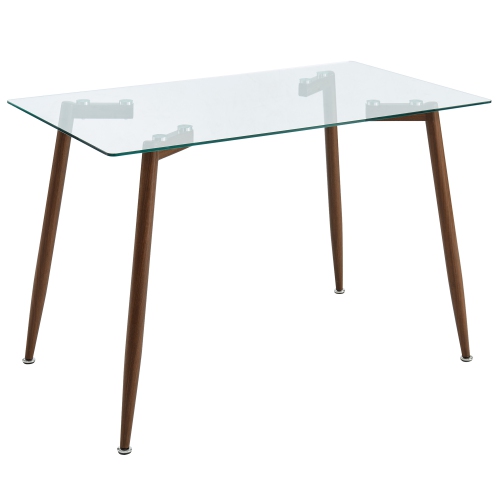
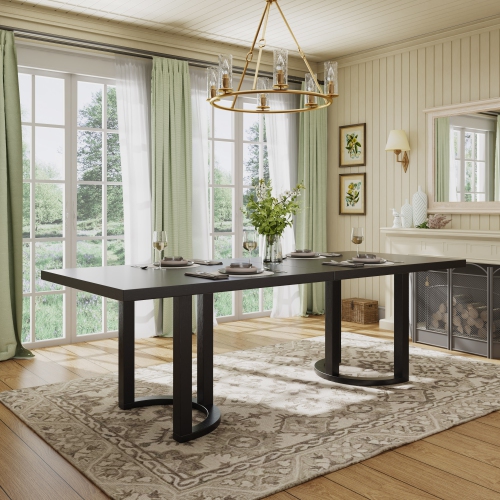
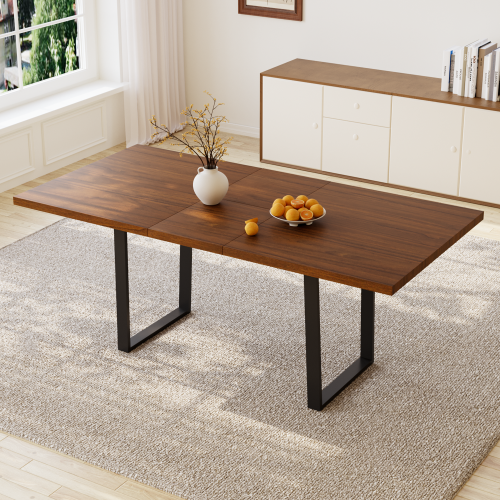
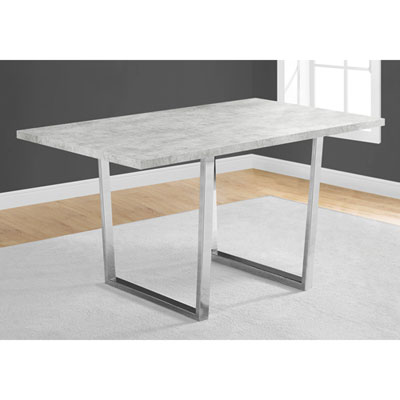
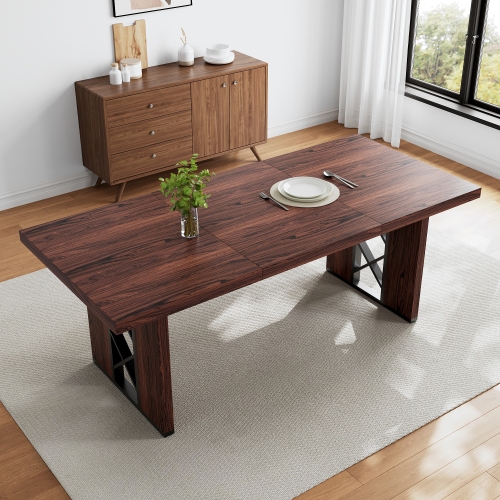
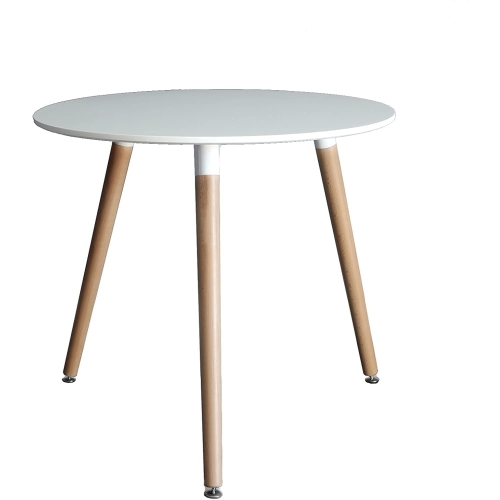
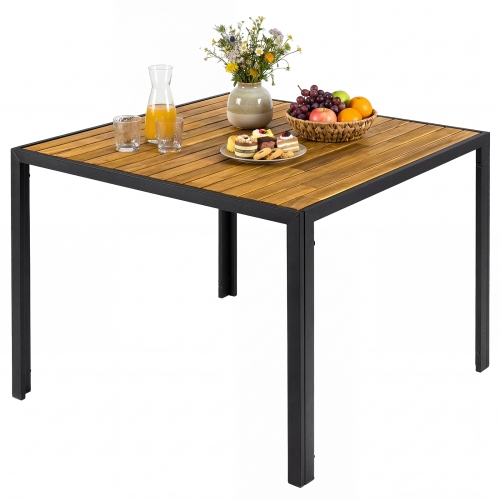


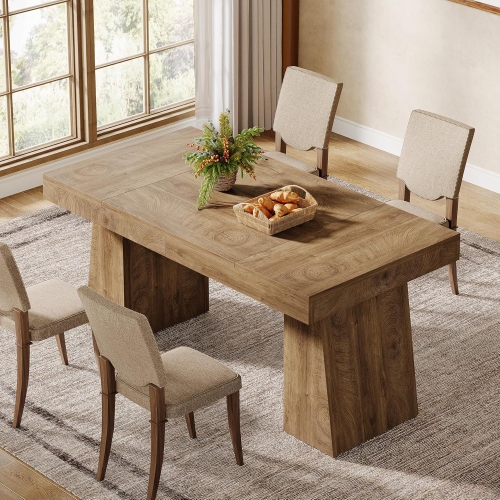

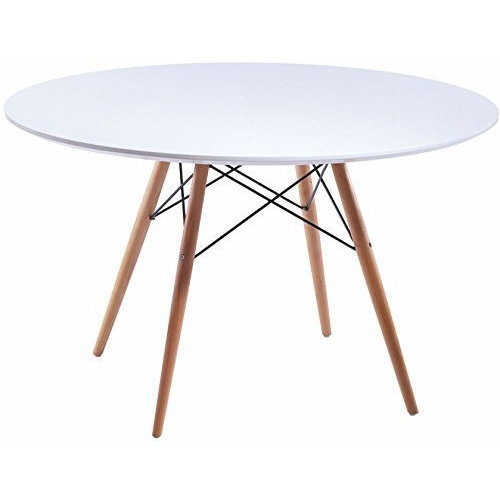
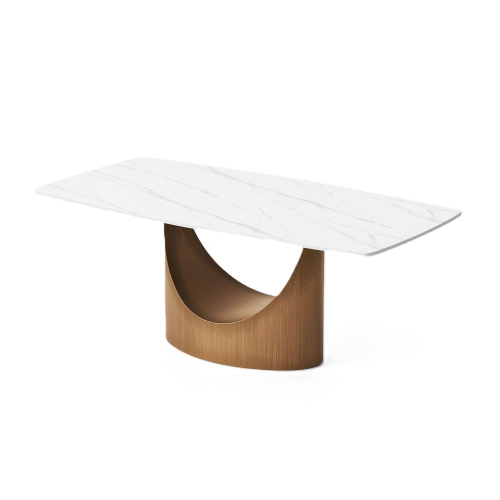
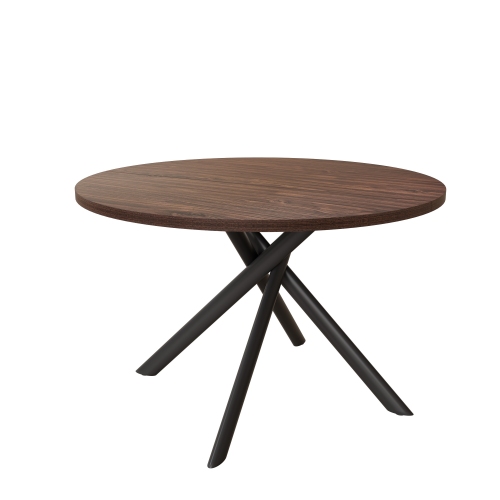
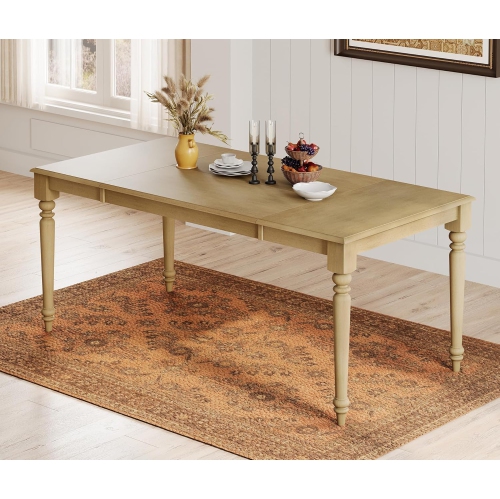
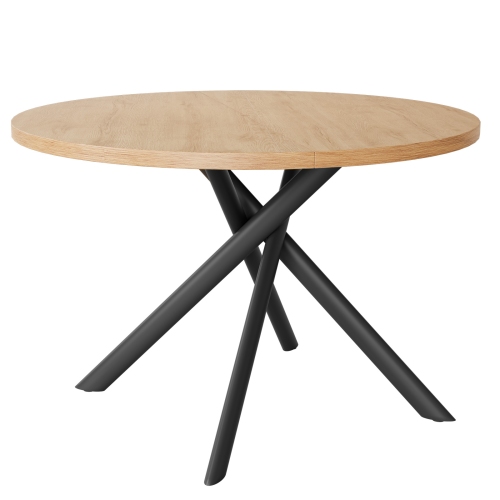
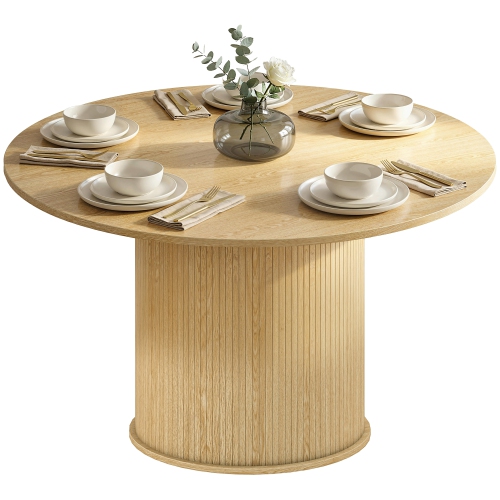
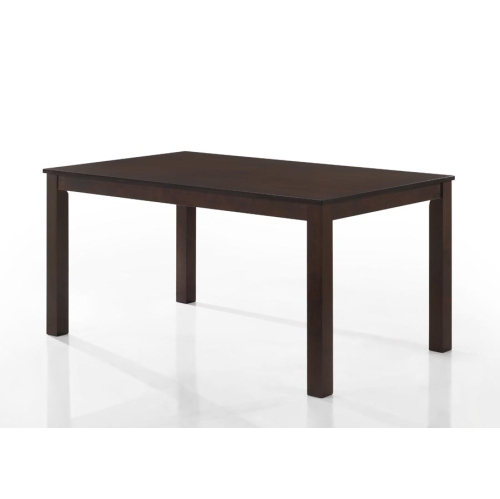
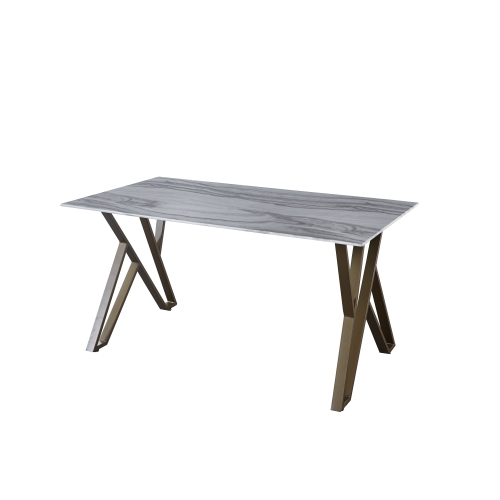
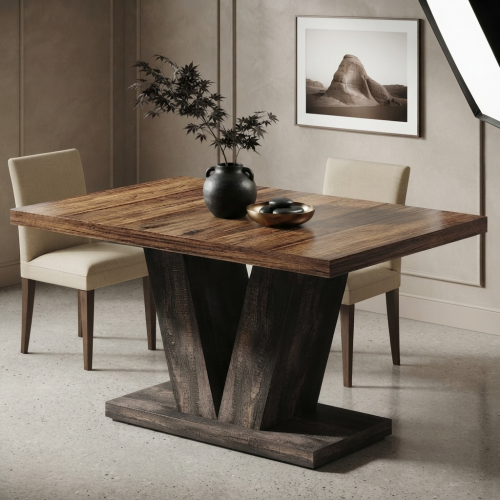
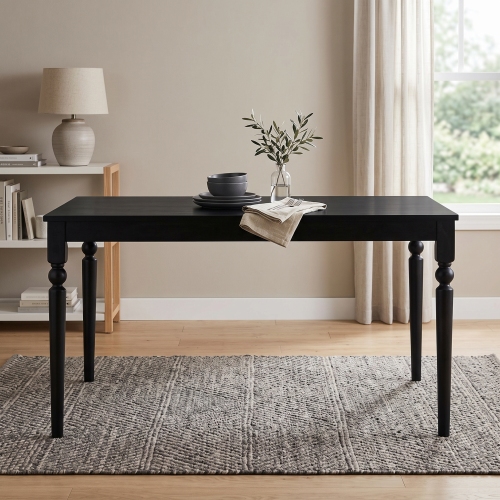

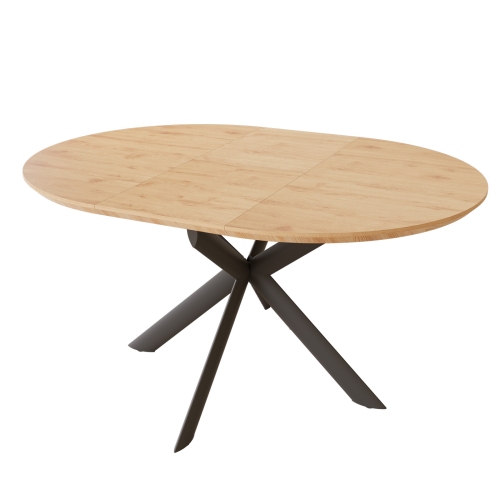
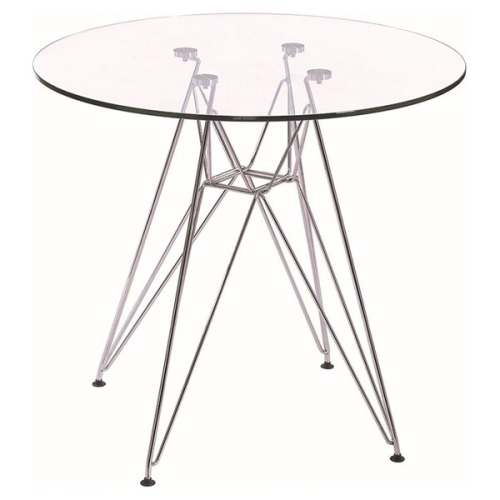
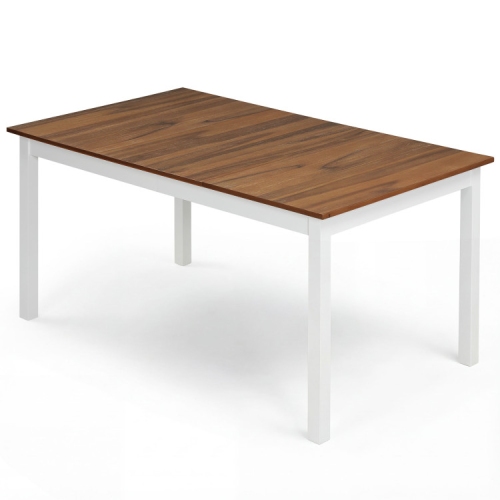
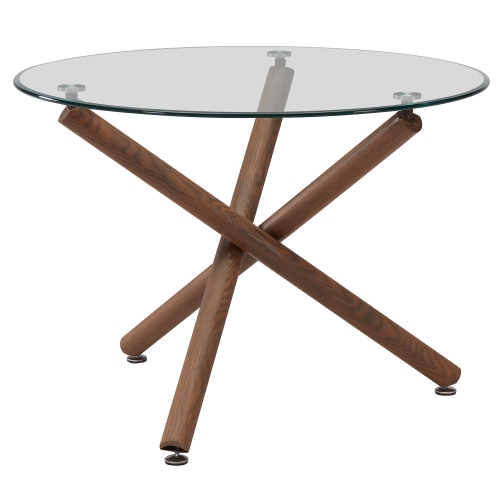
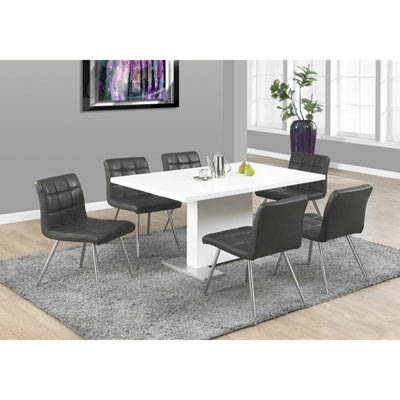
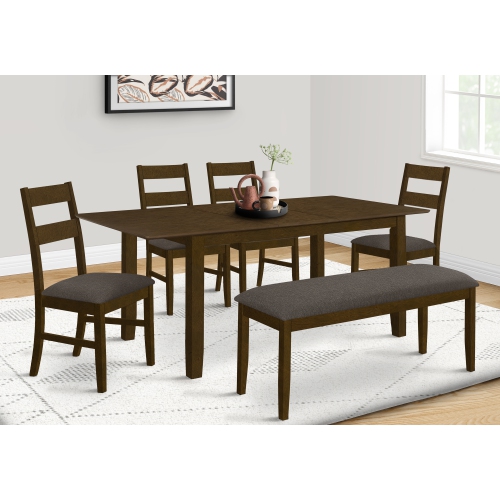
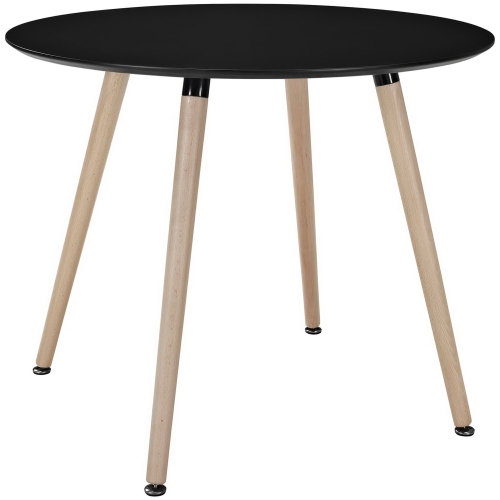
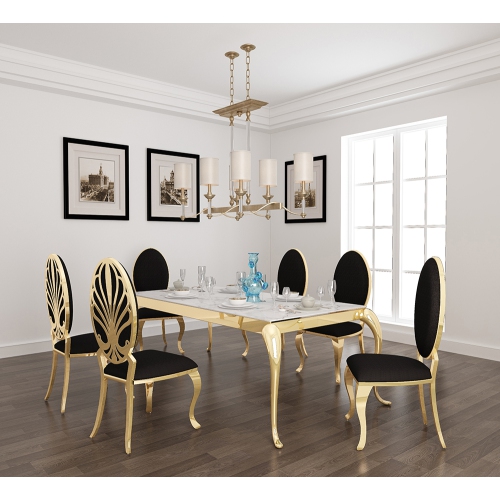
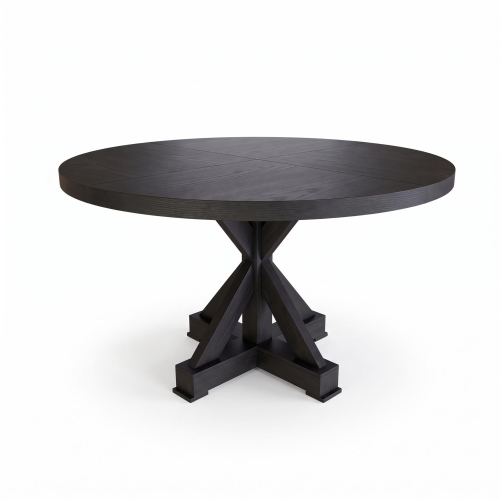
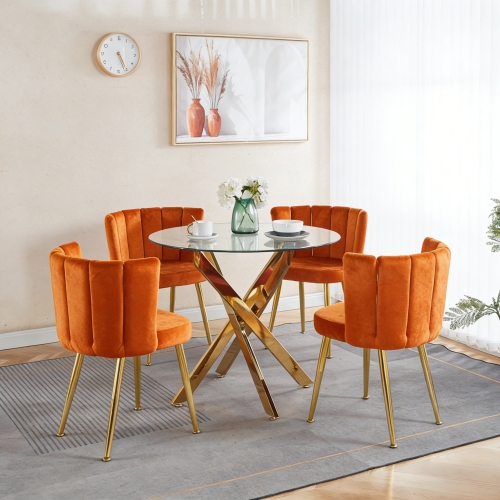
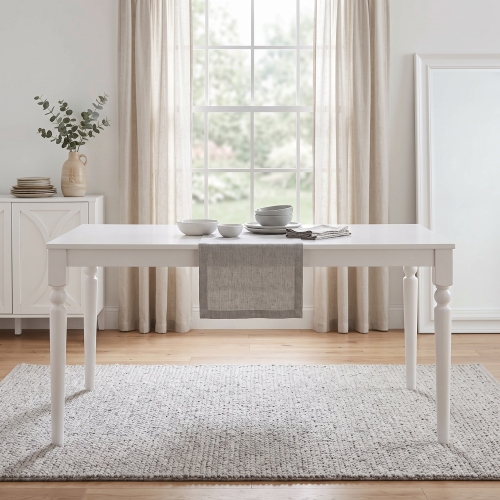
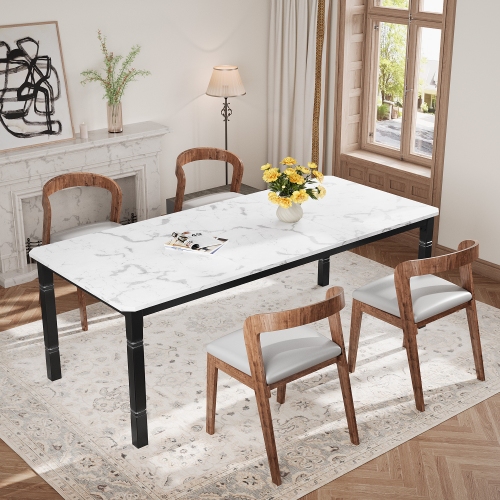
Why your table’s surface matters beyond its appearance
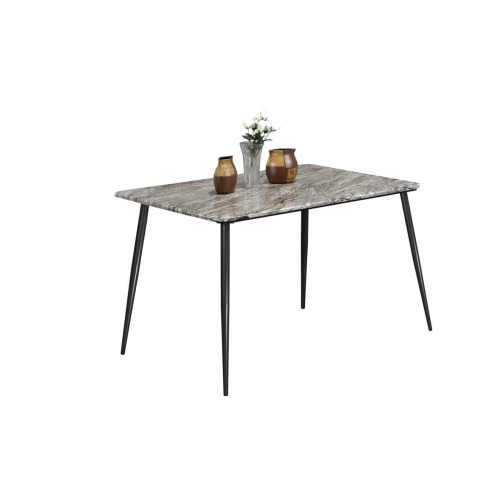
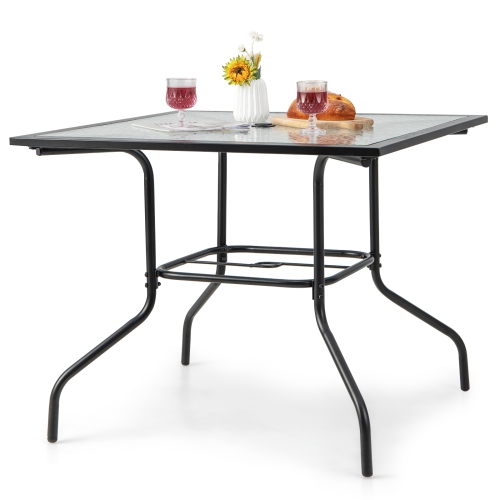
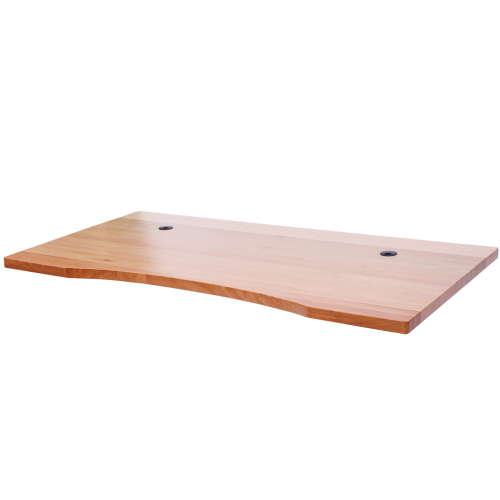
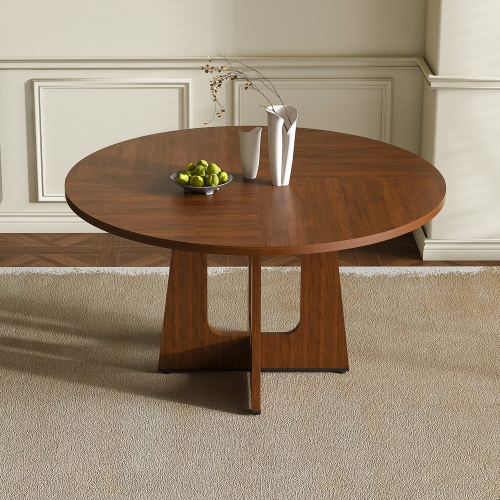
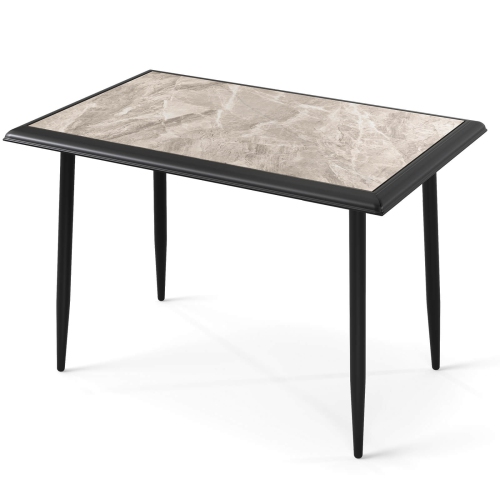
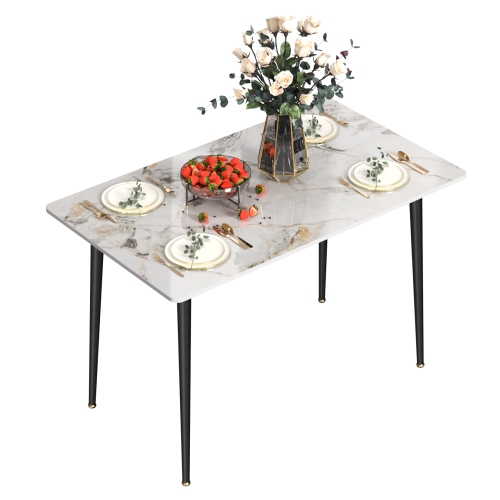
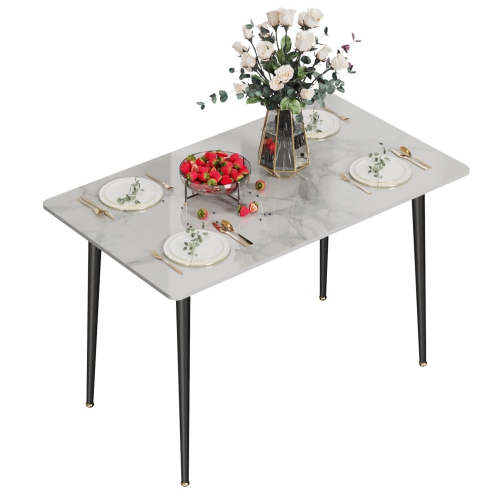
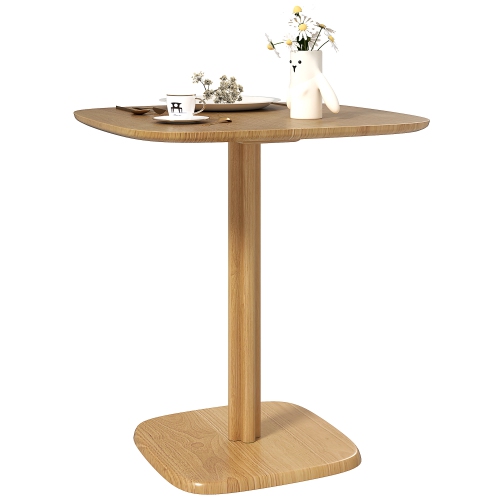
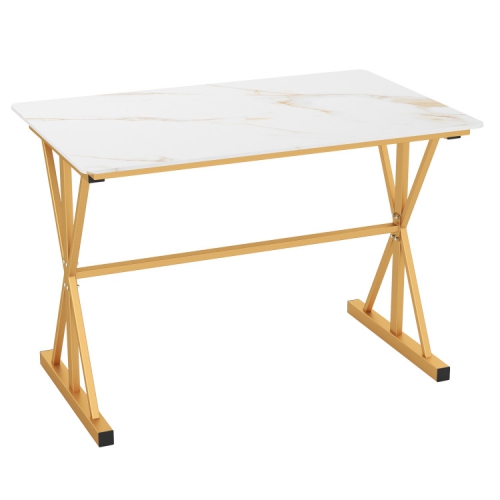
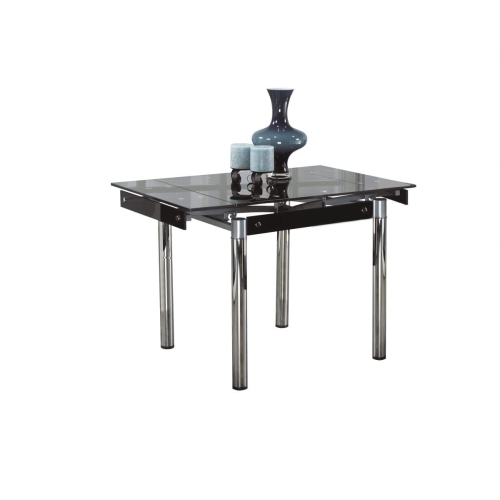
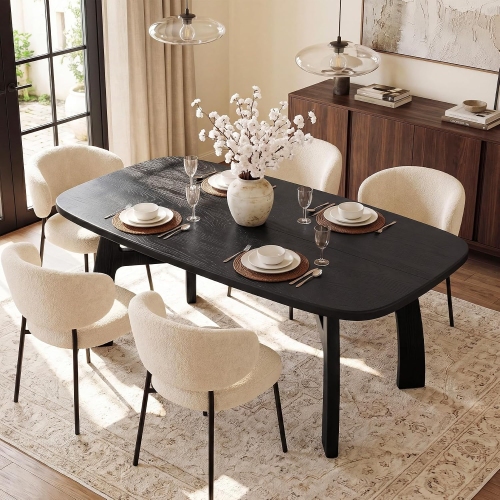
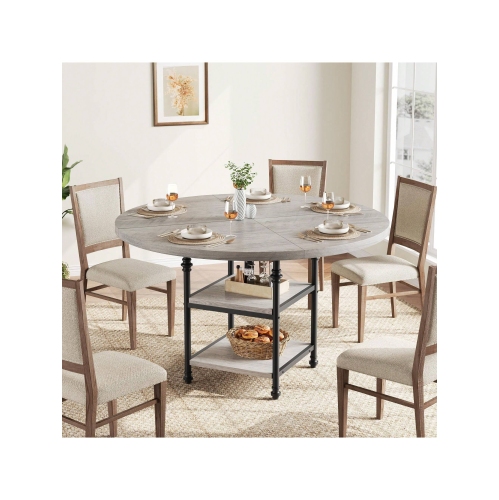
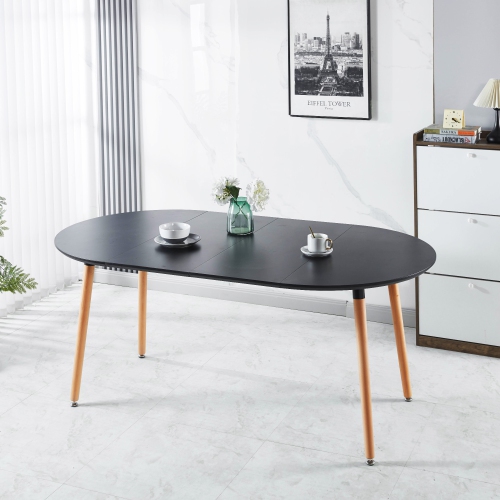
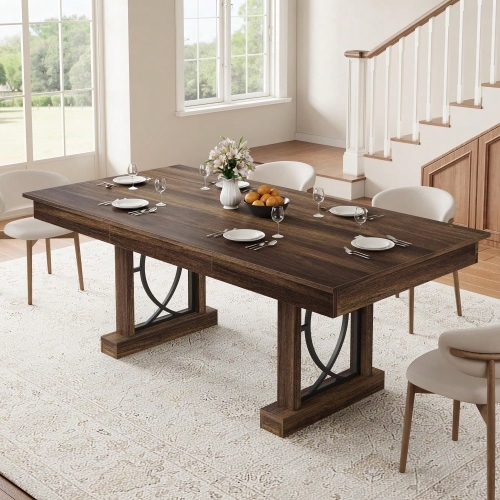
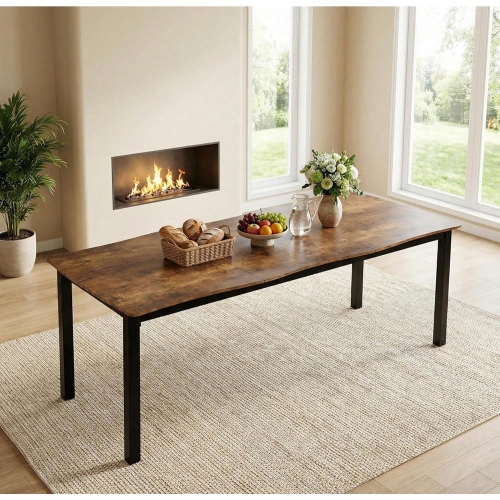
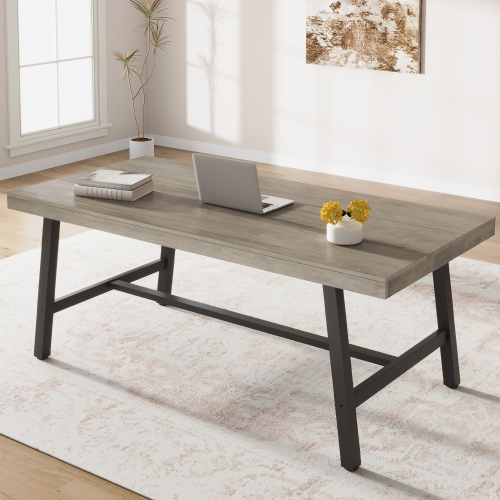
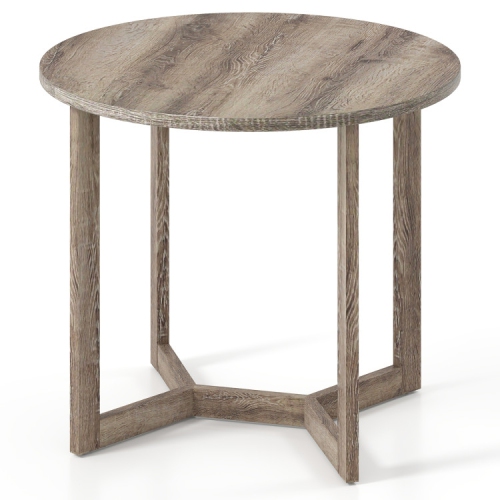
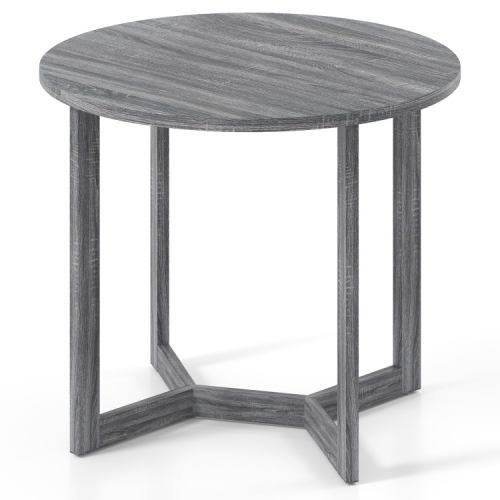
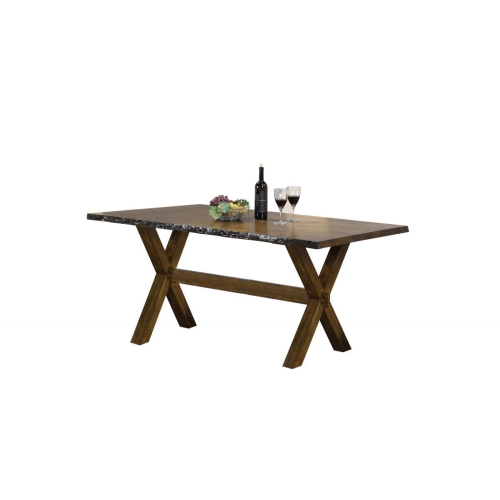
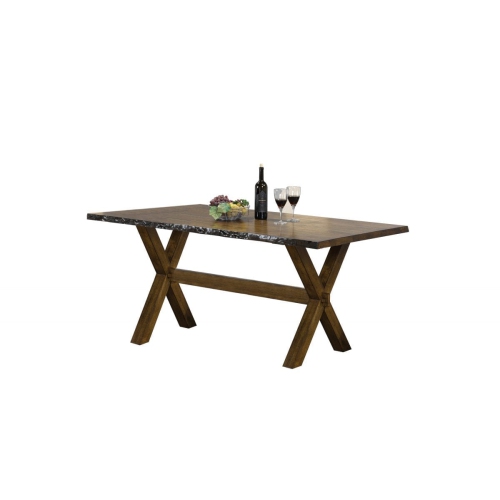
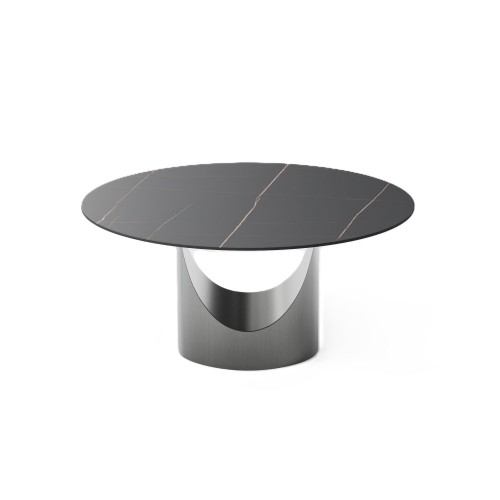
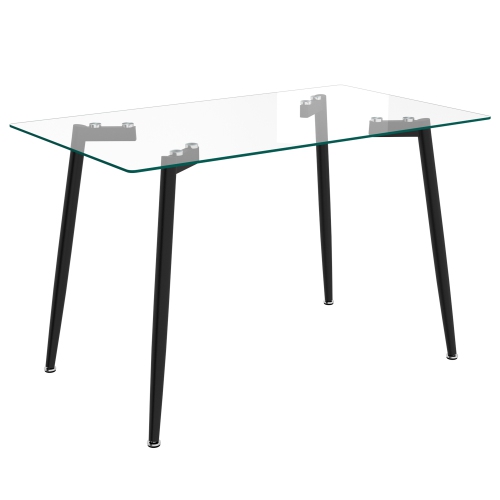
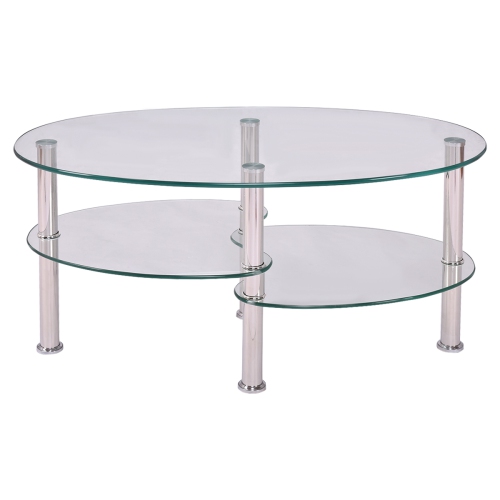
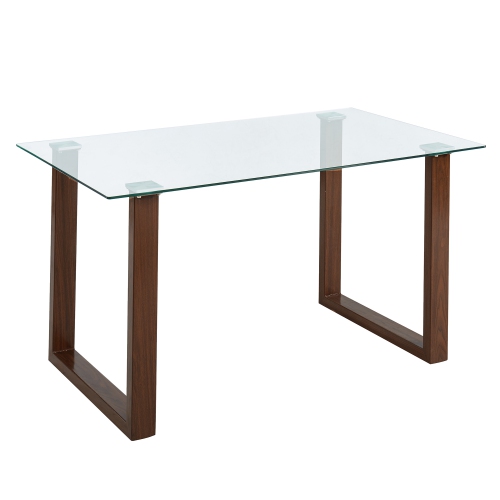
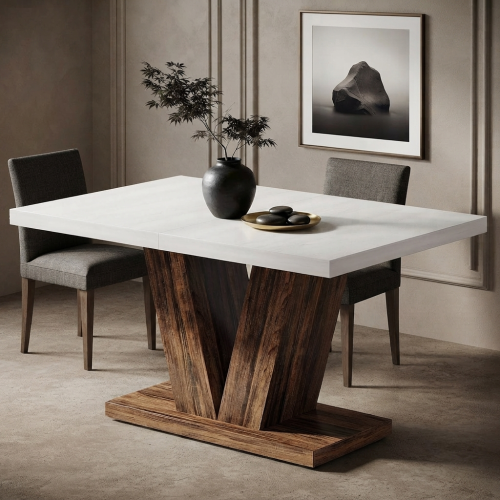
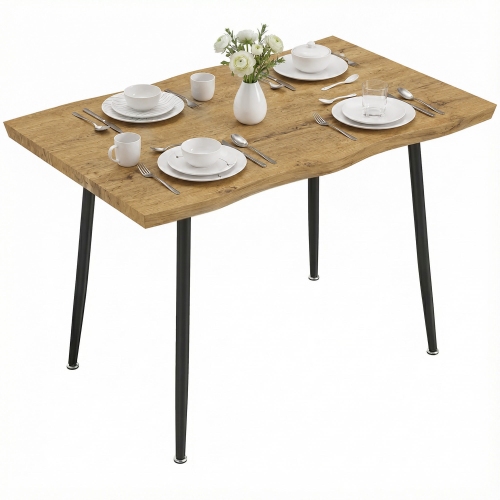
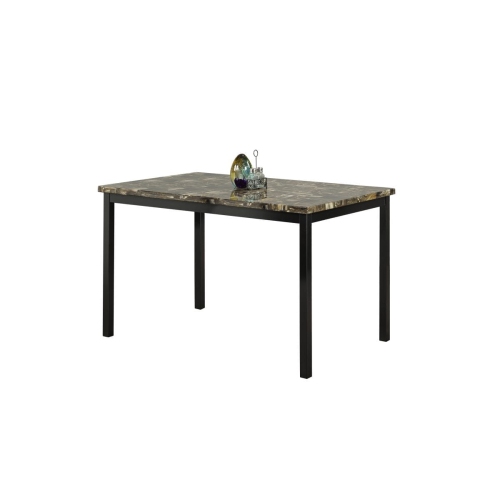
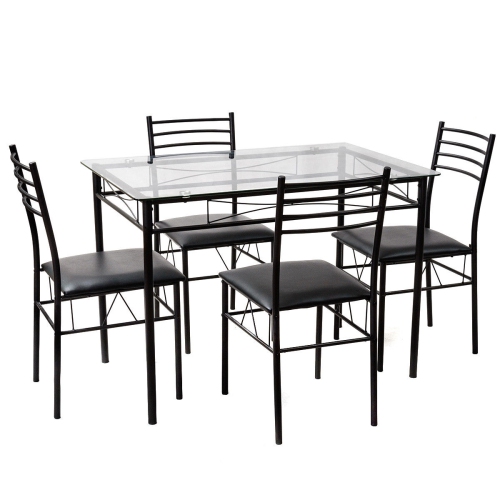
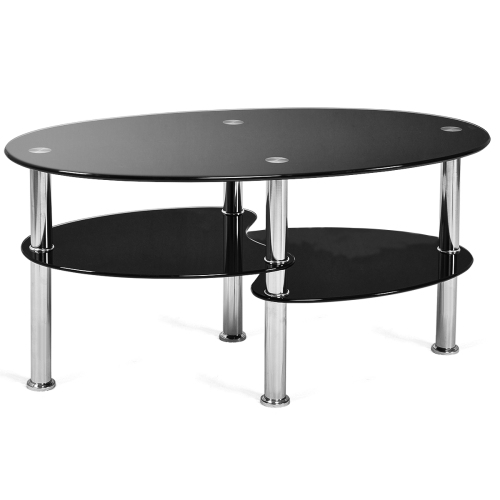
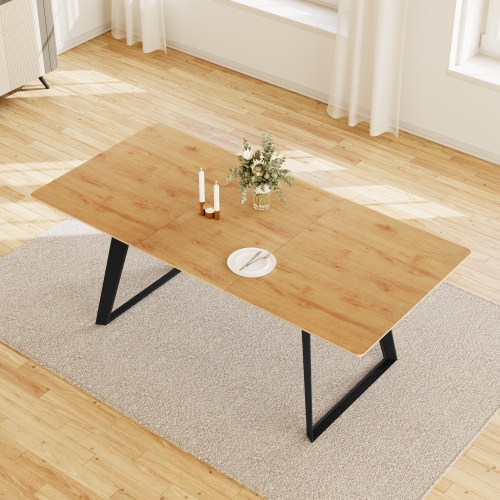
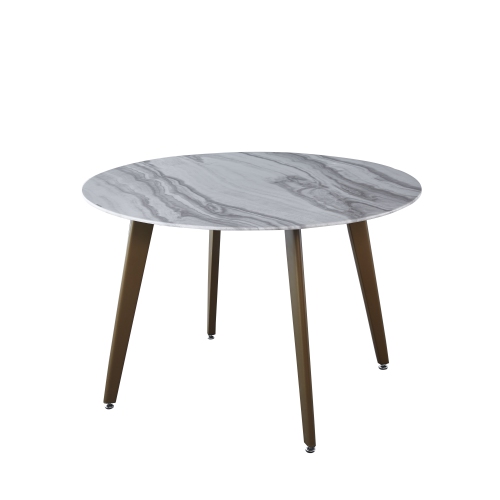
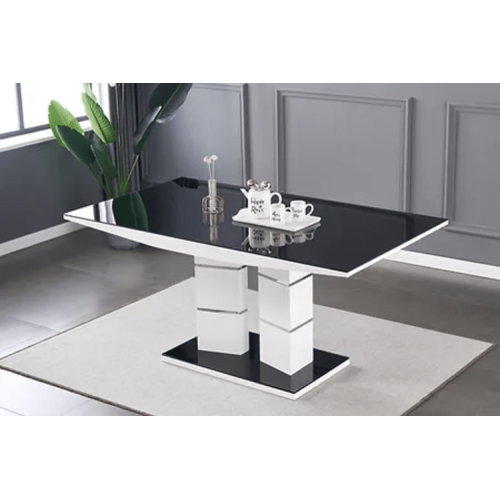
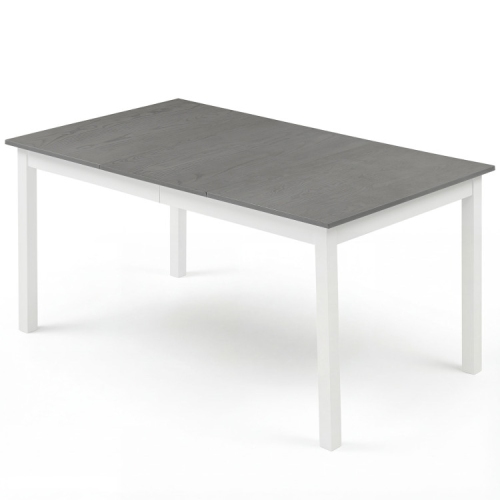
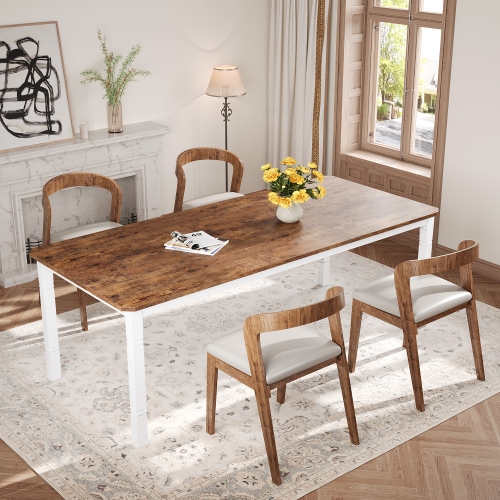
Dining table tops define the surface where meals, conversations, homework, and everyday routines come together. A replacement top can refresh an existing table base, while a separately chosen top and base allow more control over the finished table’s proportions and character. The material affects more than appearance: it influences weight, texture, sound, cleaning, and how the surface handles daily use. Solid wood brings visible grain and natural variation, with hardwoods such as oak, maple, and walnut offering different colours and grain patterns. Butcher block tops combine strips of wood for a substantial, patterned surface that suits casual dining areas and busy kitchens. Many solid wood tops can be sanded and refinished, depending on their construction and finish, making them appealing where signs of regular use are expected. Wood veneer offers a real wood surface over a supporting core, but its thinner outer layer limits how much refinishing is possible. Laminate tops provide a practical, wipeable surface in a range of wood and stone looks; their edges and seams still need protection from standing water. Engineered wood describes the underlying construction rather than a single surface finish, so the outer coating matters when comparing care requirements. Glass creates an open, light appearance and keeps a distinctive base visible, although fingerprints and crumbs can be noticeable. Glass intended for dining use should meet the manufacturer’s safety specifications, with tempered glass a common choice. Natural stone adds weight and individual patterning, while quartz composites and sintered stone offer other approaches to a stone-style surface. Their resistance to scratching, staining, and heat varies, so similar appearances do not necessarily mean identical performance. Live-edge wood and resin designs introduce irregular outlines and contrasting textures, but the usable dining area depends on the slab’s shape. For a table that doubles as a workspace, a smooth, even finish is especially useful beneath writing paper, laptops, and place settings.
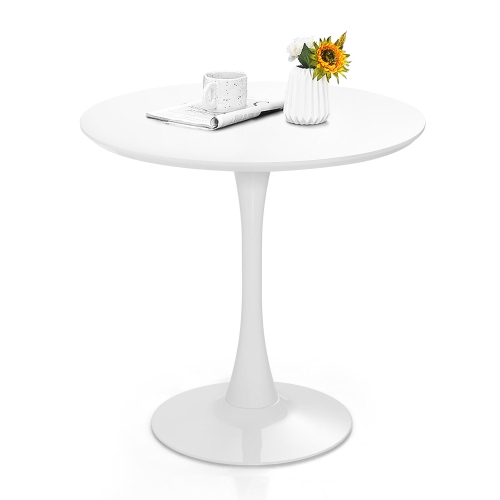
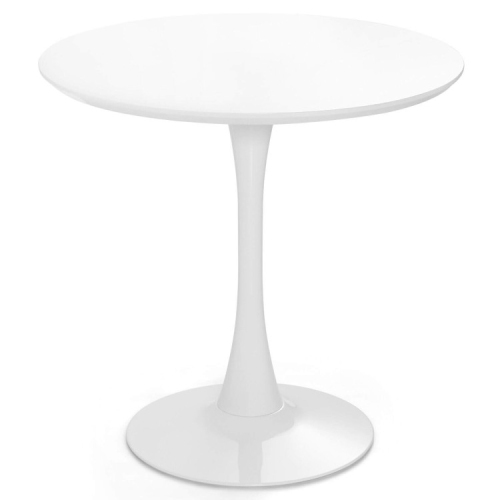
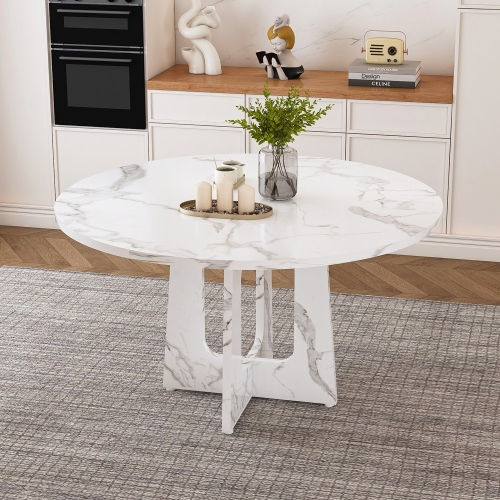
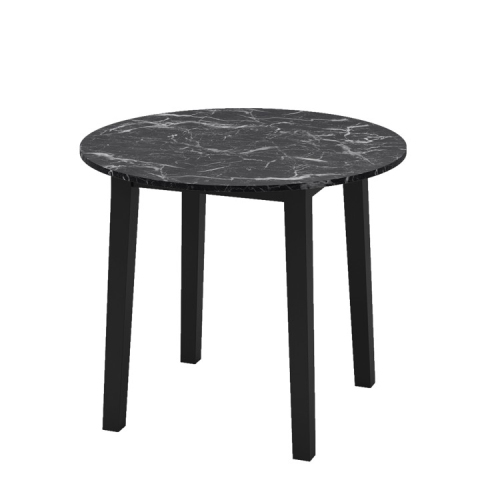
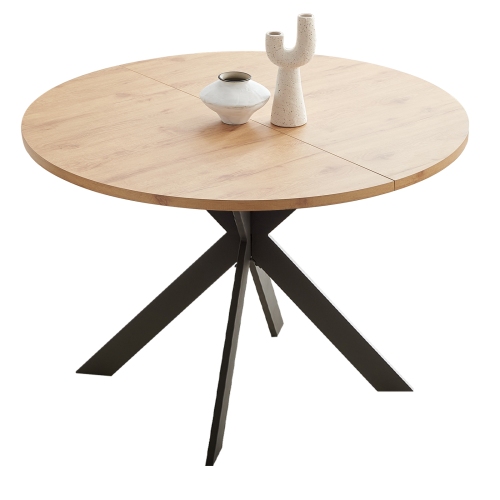
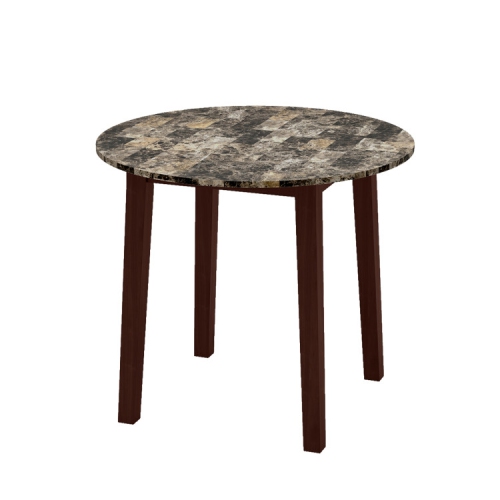
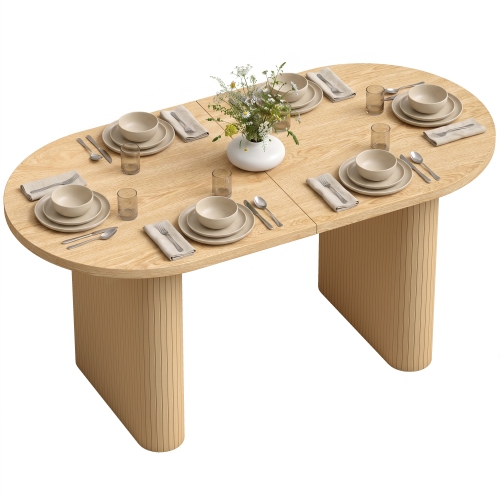
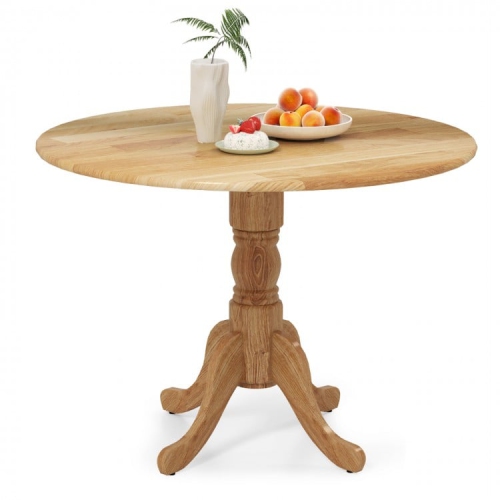
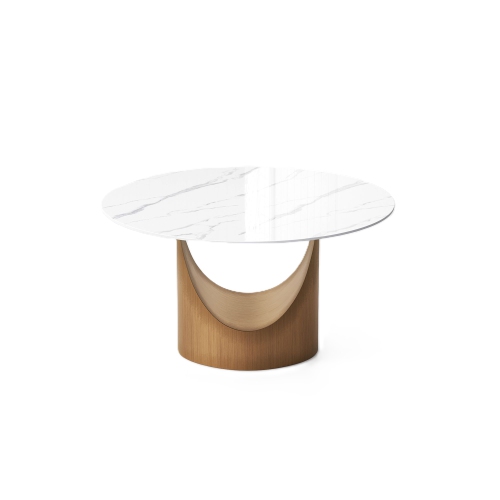
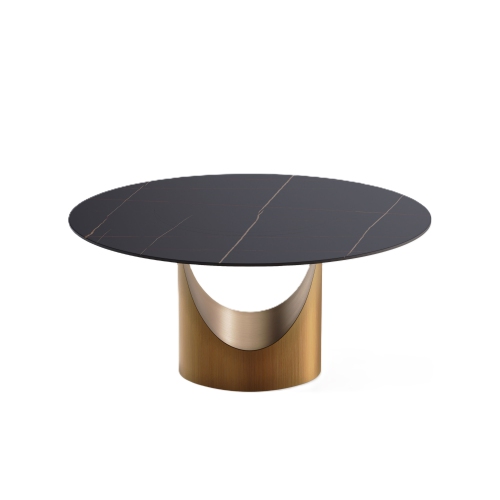
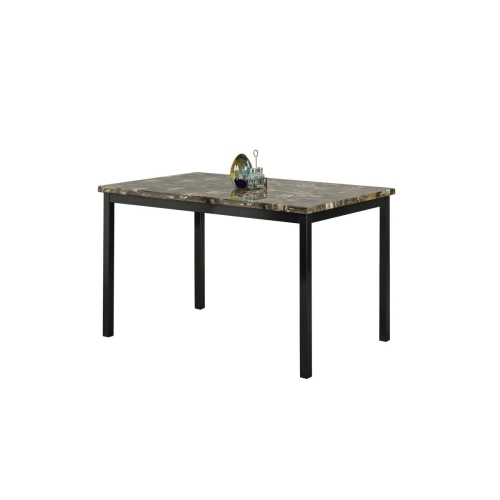
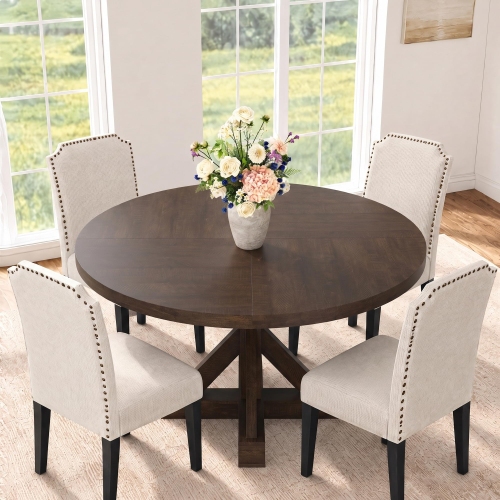
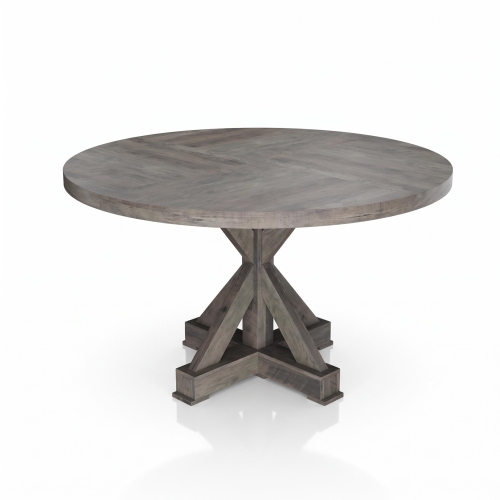
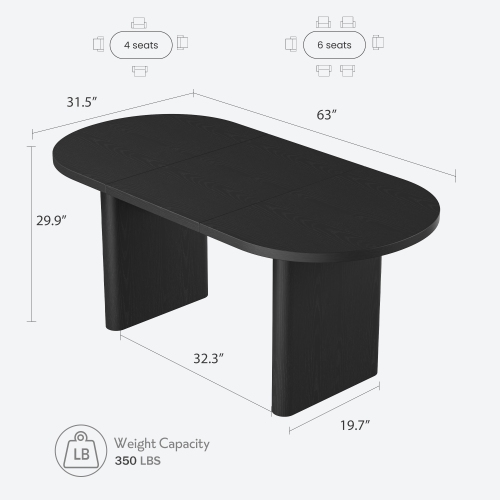
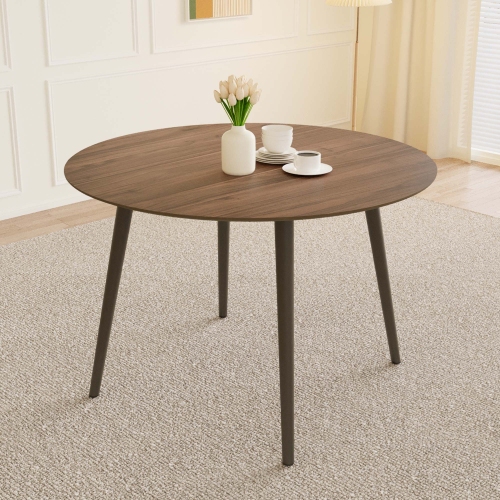
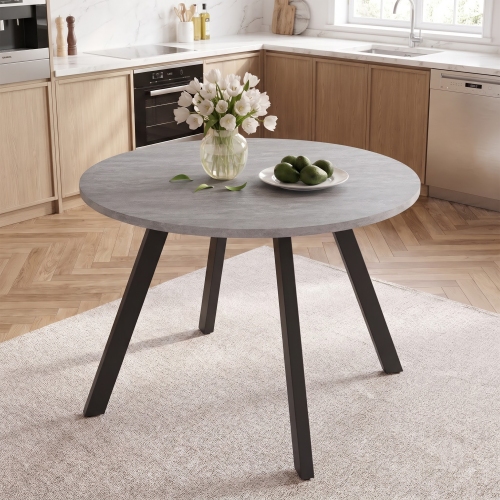
The right dining table top needs to fit both the room and the structure beneath it. Length and width determine how many place settings fit comfortably, but the base position, chair width, and clearance underneath are just as important. Around 24 inches of table edge per person is a useful starting point for everyday dining, with additional space helpful for wide chairs or more generous settings. A rectangular top usually suits a long dining area and gives serving dishes room down the centre. Round tops encourage face-to-face conversation and avoid projecting corners, while square tops work well for smaller groups in balanced, compact layouts. Oval shapes offer some of the length of a rectangular table with curved ends that can ease movement around nearby furniture. Allowing roughly 36 inches between the table edge and a wall or cabinet gives chairs space to pull out; a frequently used passage behind seated diners may need more. The top’s thickness also affects comfort, particularly when replacing a thinner surface on an existing base. A thicker top raises the finished eating surface, while an apron or support frame can reduce knee clearance. Chairs with arms need enough room to slide underneath without catching. Compatibility goes beyond matching dimensions: the base must support the top’s weight, distribute that weight properly, and resist tipping when pressure is applied near an edge. A broad stone top on a narrow pedestal, for example, may be unsuitable even if the mounting points appear to line up. Manufacturer specifications should determine permitted overhang, support spacing, hardware, and attachment methods. Wood, glass, and stone can require different mounting systems, and some tops need professional installation rather than improvised drilling or adhesives. Doorways, stair turns, and lift dimensions also matter for large, heavy surfaces. Where a complete stone-topped table is a better fit than pairing separate components, Marble Table Top Dining Tables bring the surface and supporting structure together.
Daily care helps preserve the finish and makes a dining surface easier to live with. A soft cloth and a cleaner approved for the material are sensible starting points, followed by drying where moisture could collect along edges or joints. Coasters, placemats, and trivets help protect against drink rings, sliding crockery, and hot serving dishes, although protective accessories should also be suitable for the finish. Solid wood benefits from prompt spill removal, and its maintenance depends on whether it has an oil, wax, lacquer, or another protective coating. Oil should only be applied when recommended for that particular finish; a sealed dining top does not automatically need regular oiling. Veneer and laminate also need spills wiped up quickly, especially around exposed edges where moisture can reach the core. Marble requires particular attention to acidic foods and drinks. Lemon juice, vinegar, and wine can etch its surface, leaving dull marks even when a sealer helps limit staining. Sealing requirements differ among stones and finishes, and sealing does not make marble acid-proof. Quartz composites and sintered stone have their own care limits, so cutting boards and trivets remain useful even on surfaces described as resistant to scratches or heat. Glass is straightforward to wipe clean, but abrasive pads can scratch it, and chipped edges need attention rather than continued everyday use. Beyond maintenance, the way a household uses the table can help narrow the choice. Families sharing meals alongside colouring sessions may appreciate an easy-clean finish and rounded edges, while people who host larger gatherings may place more value on generous serving space and comfortable seating at the ends. A heavily textured or uneven top has visual character, but it can make wiping crumbs away or resting a drinking glass less convenient. Matte finishes tend to soften reflections, whereas polished surfaces emphasize light and pattern. Coordinating the top with chair upholstery, flooring, and the base creates a cohesive dining area without requiring every wood tone or colour to match. The most suitable surface balances that visual appeal with dependable support, comfortable proportions, and care habits that fit everyday life.
Top selling and popular products
-
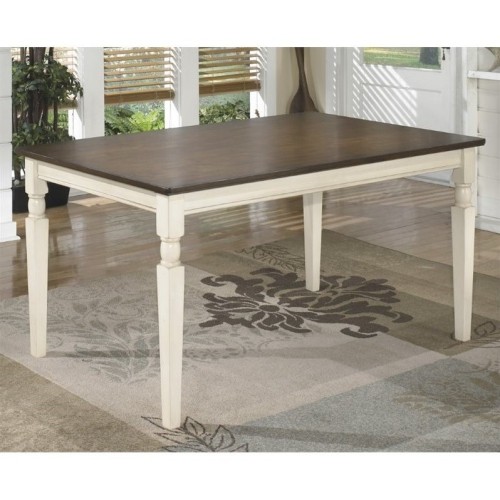 Your price for this item is $399
-
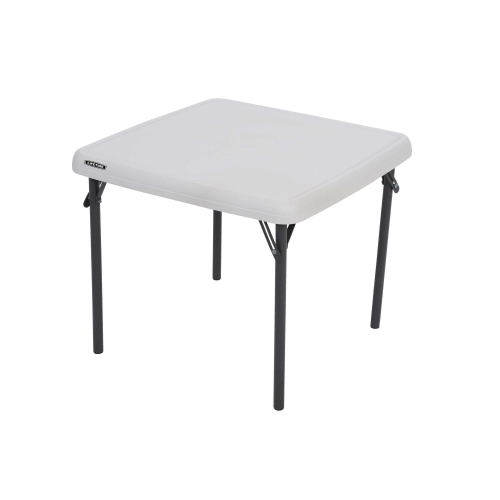 Your price for this item is $74.99
-
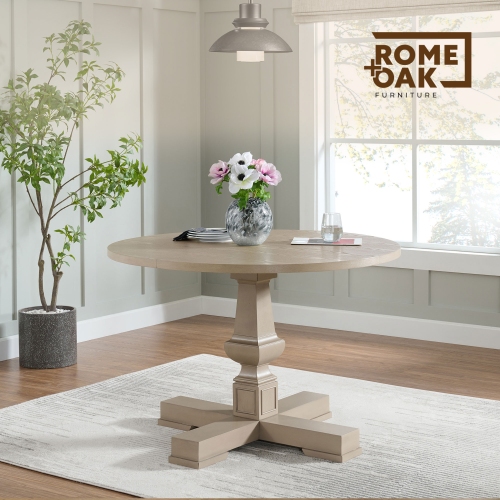 Your price for this item is $971.99
-
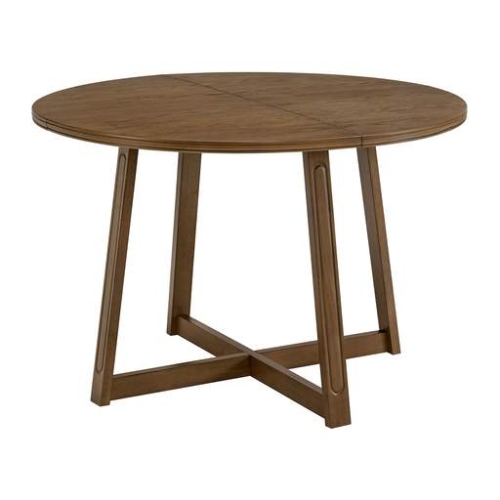 Your price for this item is $796.99
-
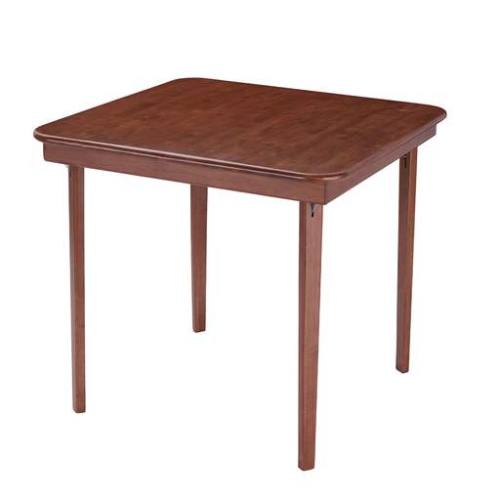 Your price for this item is $413.99
-
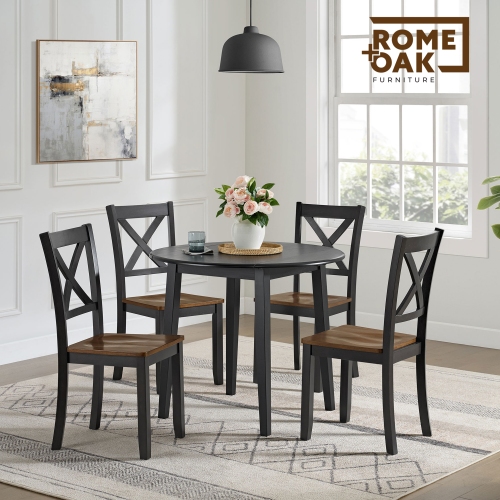 Your price for this item is $392.99
-
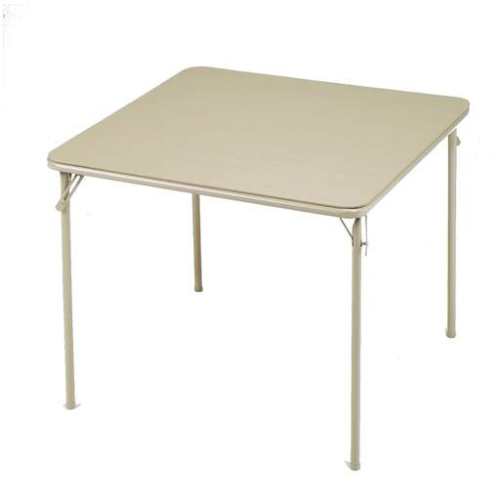 Your price for this item is $243.99
-
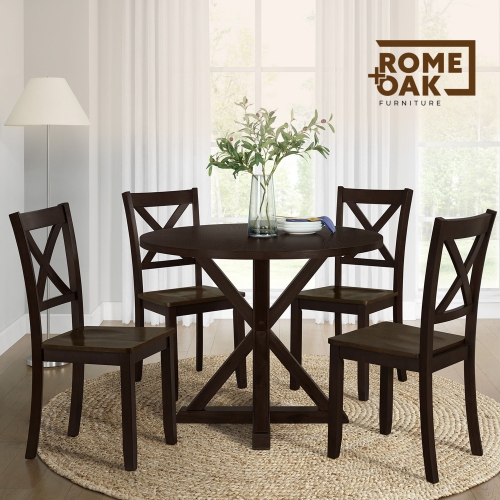 Your price for this item is $827.99
Discover more categories related to Dining Table Tops

Top Collections:
Best Black Friday Deals This Year, Best Black Friday Deals On Electronics, Kindle Devices, Pokemon Centers, Best Black Friday Deals On Apple Products, Best Cameras for Sports Photography, Dyson Airwrap, Pokémon 30th Celebration Cards, Apple iPhone 17 Pro, Canon G7X Cameras
Some products may be subject to Environmental Handling Fees
(EHF) depending on your province.
Learn more about EHFs.