Outdoor Thick Seat Cushions
Outdoor Thick Seat Cushions add comfort and style to your patio, deck, or backyard seating areas. Perfect for enhancing any outdoor furniture setup, these cushions provide an inviting touch for relaxing, dining, or entertaining guests outside. With a variety of colors and designs available, Outdoor Thick Seat Cushions make it easy to refresh your space and create a cozy atmosphere for every occasion. Explore options that suit your taste and enjoy the difference they bring to your outdoor living experience.
Sort







Patio seating comfort goes beyond cushion thickness
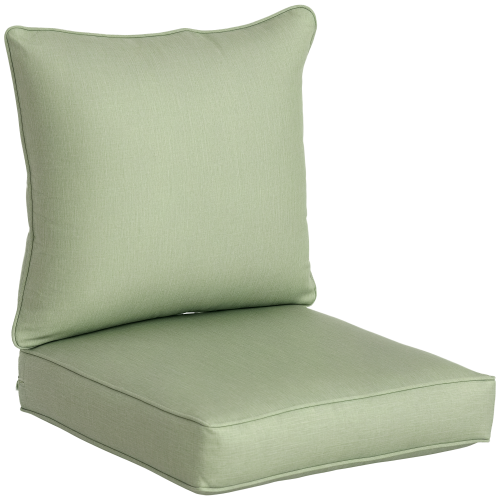
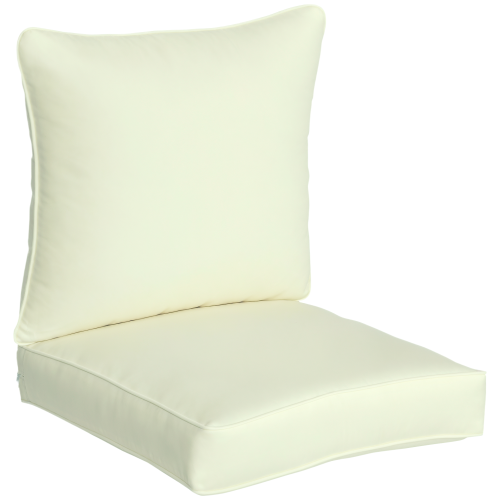
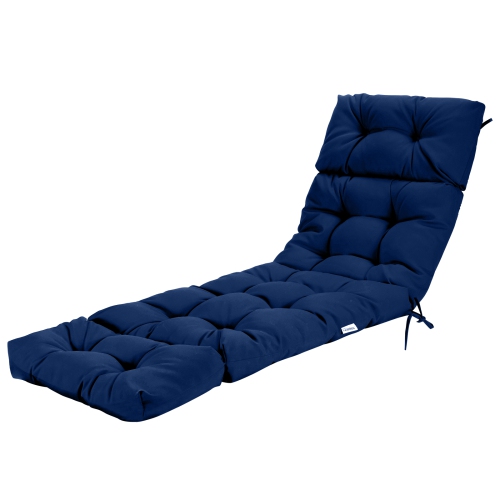
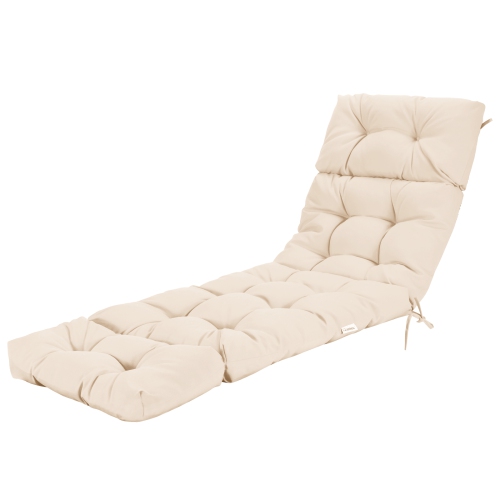
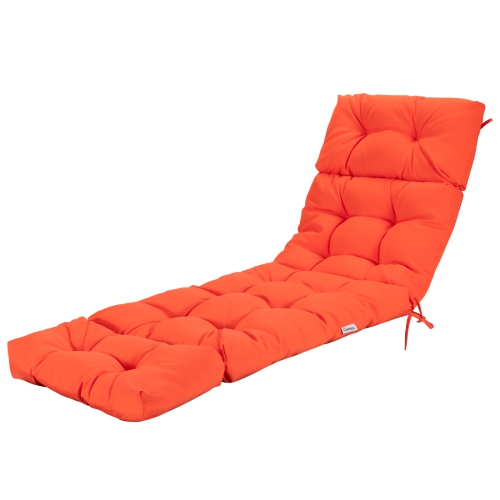
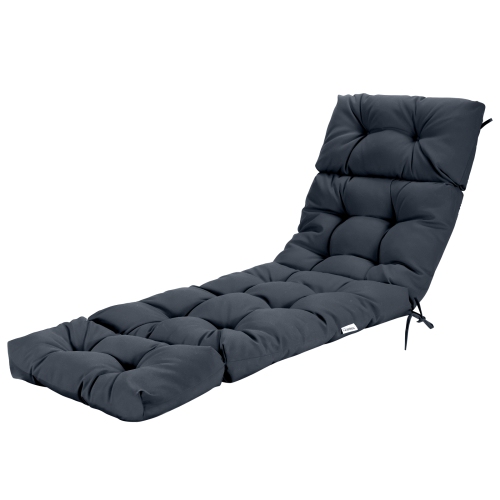
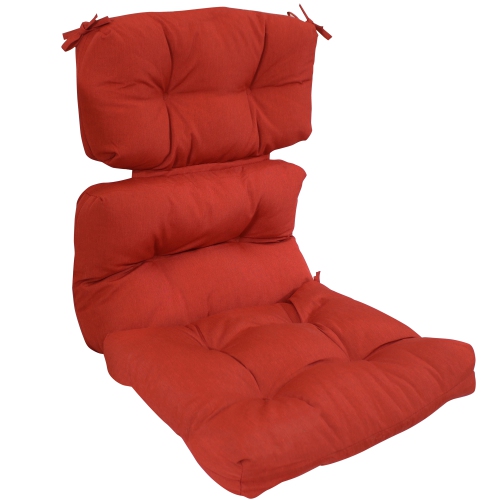
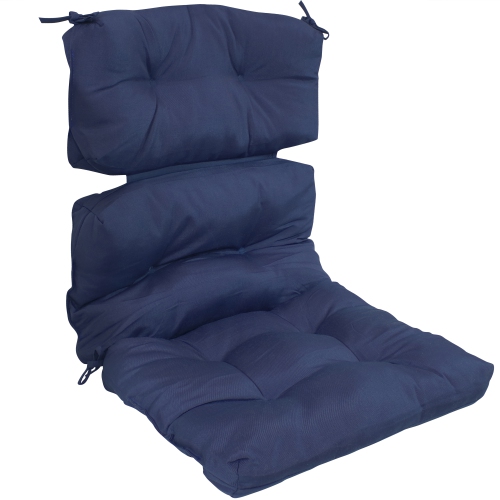
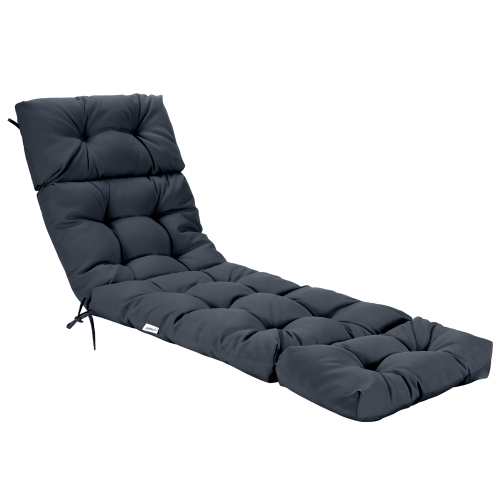
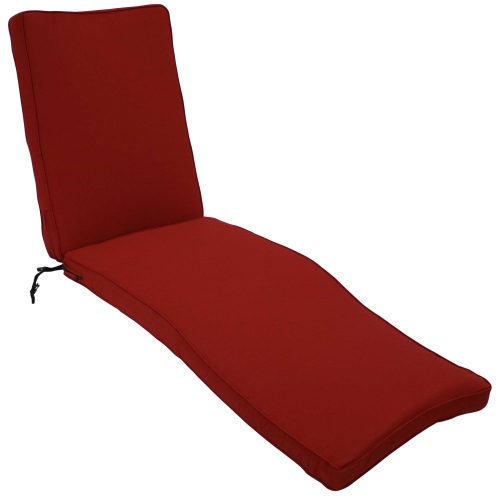
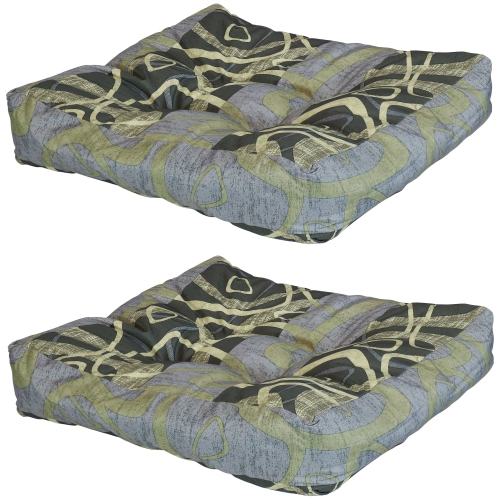
Thick outdoor seat cushions add a substantial layer of padding to patio chairs, deep-seat loungers, benches, and outdoor sofas, making firm seating surfaces more comfortable for meals, conversation, or an afternoon with a book. Many thick cushions designed for deep-seat furniture measure approximately 4 to 6.5 inches in thickness, although dimensions vary by design and the furniture they are intended to fit. Thickness alone does not determine comfort: the firmness of the filling, the construction of the cover, and the support beneath the cushion all influence how a seat feels. A dense foam core generally offers a more supportive surface, while a softer fibre-filled cushion tends to feel more yielding and may need regular reshaping. Some constructions combine a foam centre with a fibre wrap to soften the edges without losing the underlying structure. On a slatted wooden chair or a woven patio sofa, that extra cushioning helps reduce the feel of the firm seat underneath. For outdoor dining, a relatively supportive cushion can make it easier to sit upright at the table; for a lounge chair, a deeper, softer seat may better suit relaxed sitting. The added height matters, too. A thick cushion raises the seated position, which can reduce clearance under a dining table or leave armrests feeling lower than intended. A cushion that compresses considerably may also feel quite different after someone settles into it than it does at first touch. For households where several people share the same seating, a balance of softness and support is often more versatile than an especially plush fill. These cushions suit family patios, apartment balconies, covered porches, and other outdoor sitting areas where the furniture needs a comfortable finishing layer. They can also make a thoughtful housewarming gift when the recipient’s seat dimensions, preferred colours, and furniture style are known.
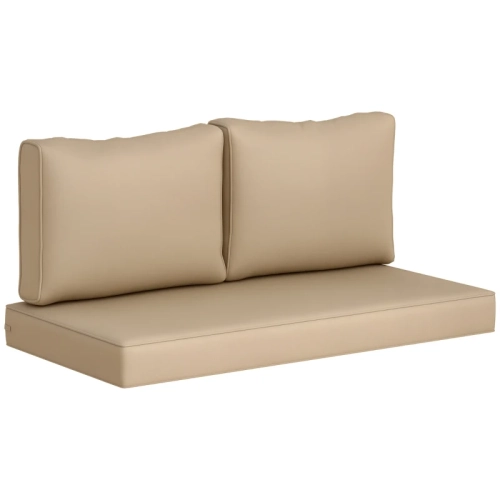
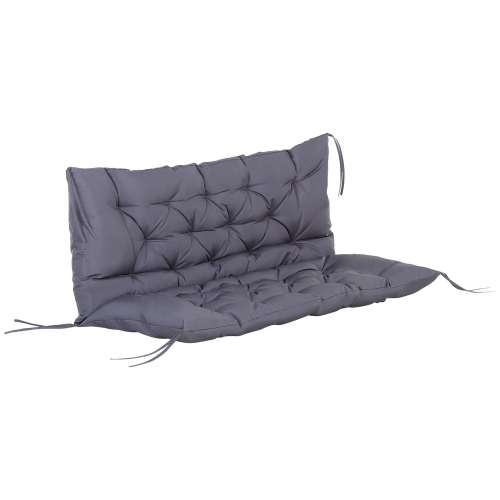
A good fit starts with the usable seating area rather than the outside dimensions of the furniture frame. Width and depth should correspond to the space the cushion will actually occupy, including any narrowing near the back of a chair or curves around the arms. A cushion that hangs too far over the front edge may fold or shift, while one that is too narrow leaves exposed gaps and can slide sideways during use. Square, rectangular, rounded, and contoured shapes serve different furniture designs, so an approximate size match is not always enough. On deep-seat patio furniture, the relationship between the seat cushion and the back cushion is especially important: a substantial back cushion takes up some of the sitting depth, and an overly deep seat cushion can leave the front edge projecting beyond the frame. Coordinating Outdoor Seat and Back Cushions can help create a balanced arrangement where both the seat and backrest have appropriate padding. Bench seating brings another consideration, since one long cushion offers a continuous surface while separate cushions define individual places to sit and are easier to move independently. Ties, straps, or a slip-resistant underside can help limit movement, provided their placement works with the furniture frame. Details such as piping, boxed edges, and tufting affect both appearance and feel. A boxed cushion creates a more structured profile, whereas tufting produces a softer, divided surface that may collect crumbs or debris in its recesses. Removable covers can simplify cleaning when their care instructions permit washing, but a zipper does not automatically mean a cover is machine washable. Colour and pattern also shape the overall look: solid tones give patterned rugs and woven furniture room to stand out, while stripes or small-scale patterns can add interest to a simple seating arrangement. Coordinating tones do not need to match every outdoor accessory exactly; a repeated accent colour can bring the space together without making it feel overly uniform.
Outdoor cushion durability depends on the cover fabric, filling, seams, and the amount of exposure the cushions receive. Polyester, olefin, and acrylic are common outdoor fabric choices, with performance varying according to the fabric construction and any treatments applied. Solution-dyed fabrics have colour incorporated into the fibres during production and are often chosen for resistance to fading, although no fabric should be assumed to retain its original appearance indefinitely in direct sunlight. Water-resistant covers can help shed light splashes or brief moisture exposure, but they are not necessarily waterproof, and water can still enter through seams or openings. Quick-drying foam is designed to let water move through more readily than conventional dense foam, yet the complete cushion construction determines how quickly moisture can escape. On an uncovered patio, drying performance and easy handling can matter as much as the initial feel of the padding. Under a roof, cushions may have less direct exposure to rain but can still collect windblown dust, pollen, and moisture. Routine care usually involves brushing away loose debris and addressing spills promptly with a method suited to the fabric. Mild soap and water may be appropriate for some covers, while others have more specific requirements; bleach, strong cleaners, and machine drying should only be used when expressly permitted by the care label. Cushions need to dry thoroughly, including the filling, before being returned to storage or enclosed beneath a furniture cover. Standing them on edge in a well-ventilated location can help expose more surface area to air when the construction allows. During extended periods without use, a clean, dry storage space helps protect the fabric and fill from prolonged dampness and unnecessary exposure. The bulk of thick cushions makes storage dimensions worth considering, particularly for balconies or compact patios where a storage bench may also serve as seating. For everyday use, manageable cushion weight, secure attachments, and covers that suit the household’s cleaning routine can make outdoor seating easier to maintain. The most suitable combination brings together the right dimensions, a comfortable level of support, and materials matched to how the space is used.
Top selling and popular products
-
 Your price for this item is $88.85
-
 Your price for this item is $88.85
-
 Your price for this item is $68.99
-
 Your price for this item is $155.55
-
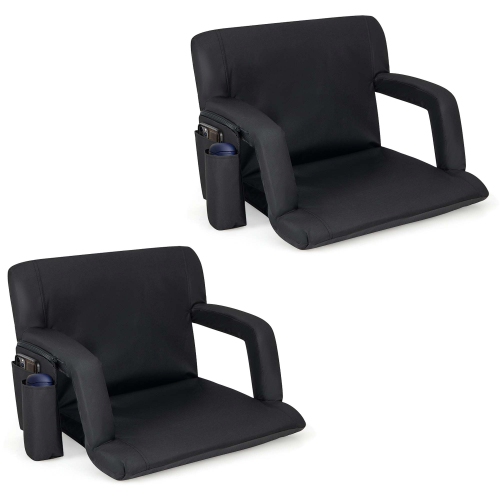 Your price for this item is $167.99
-
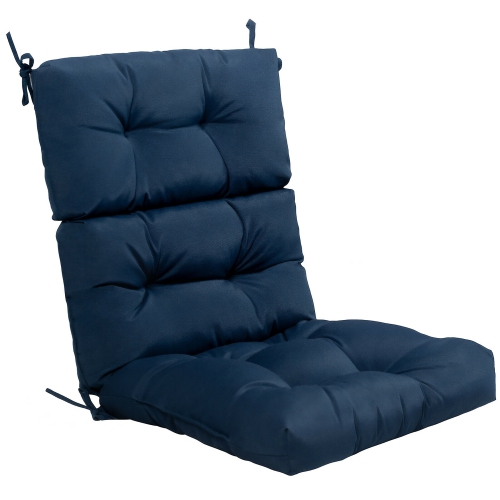 Your price for this item is $59.99
-
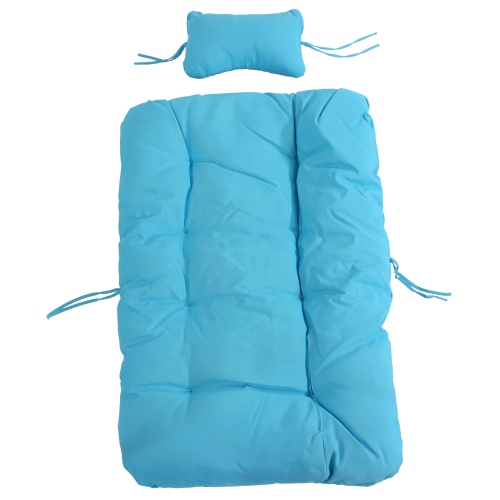 Your price for this item is $154.35
-
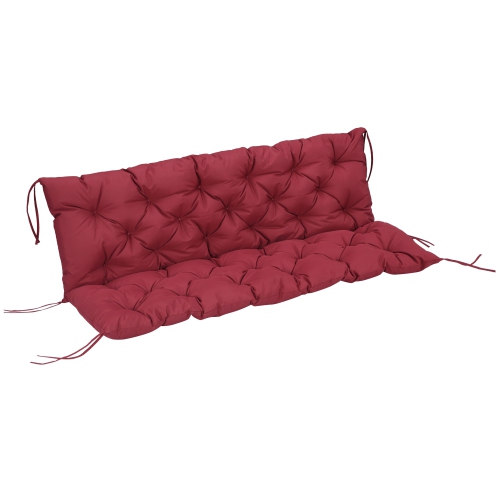 Your price for this item is $68.99
Discover more categories related to Outdoor Thick Seat Cushions

Top Collections:
Pokemon Centers, Kindle Devices, Best Black Friday Deals This Year, Pokémon 30th Celebration Cards, Best Black Friday Deals On Electronics, Best Cameras for Sports Photography, Best Black Friday Deals On Apple Products, Canon G7X Cameras, iPhone 15 Apple, Candle Warmer Lights
Some products may be subject to Environmental Handling Fees
(EHF) depending on your province.
Learn more about EHFs.