Padlock for Lockers
If you're looking for a reliable and secure way to keep your belongings safe, look no further than these padlocks for lockers. Whether you need a locker for your gym, office, or school, we have the perfect solution for you. These padlock lockers are designed with durability and security in mind, ensuring that your valuables are protected at all times. With a variety of sizes and styles available, you can find the perfect padlock locker to suit your needs.
Sort



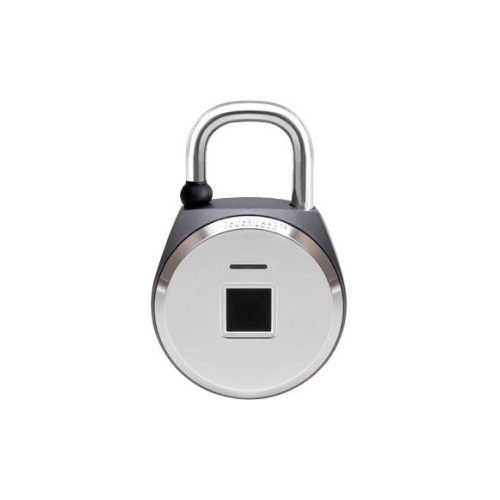
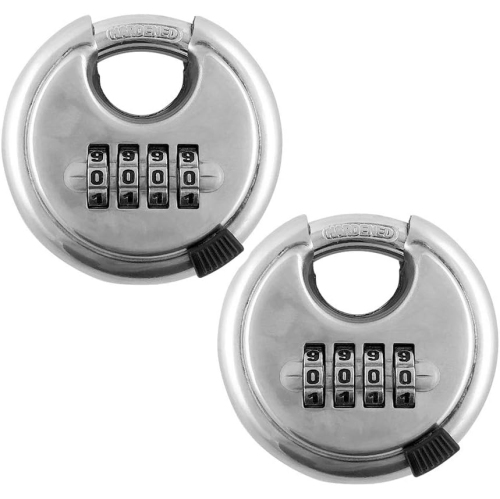
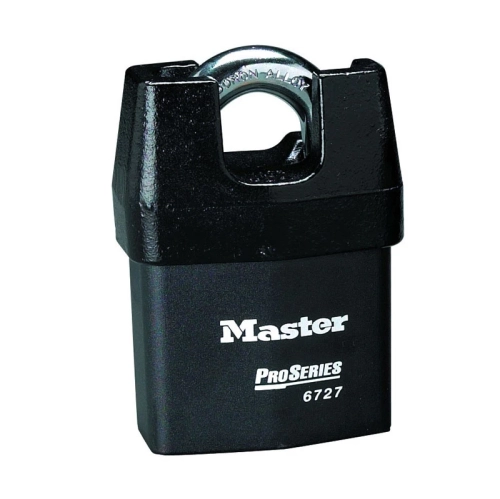
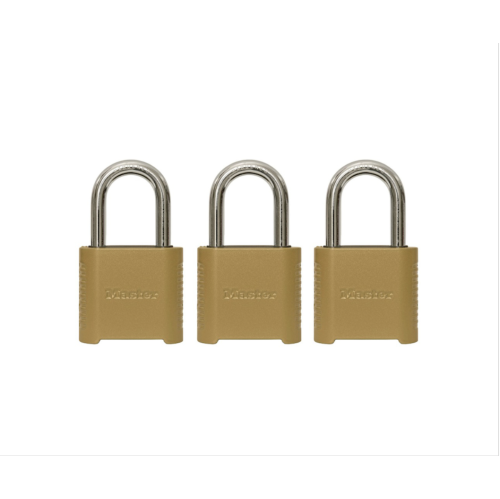
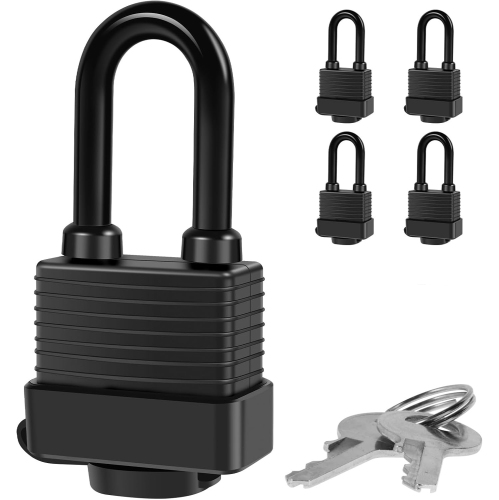
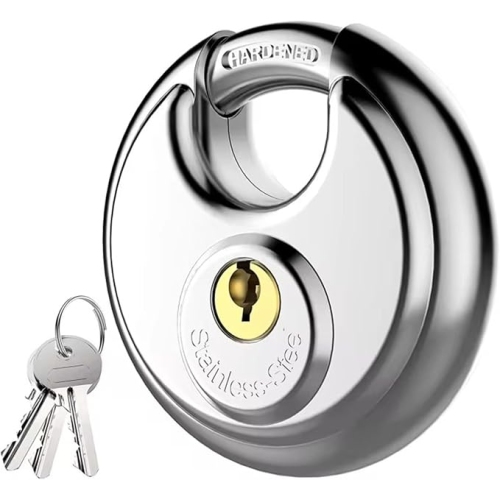
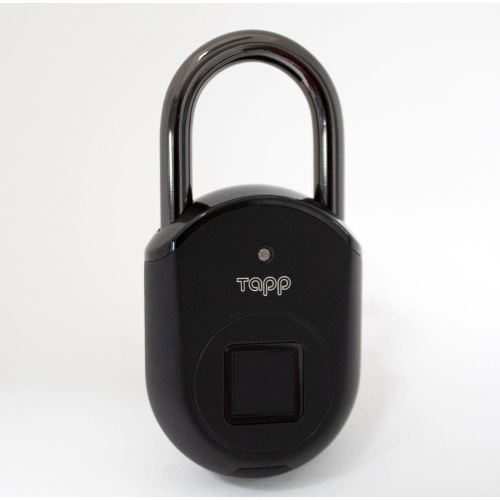
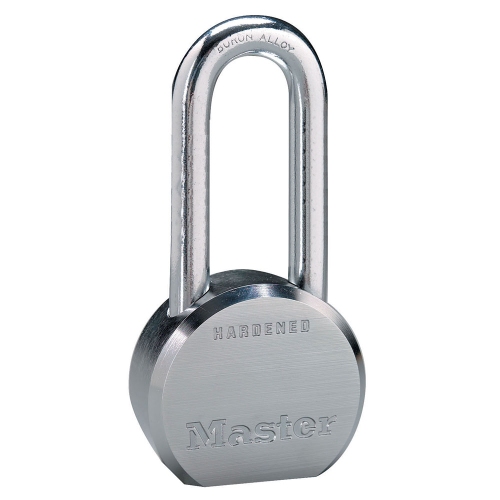
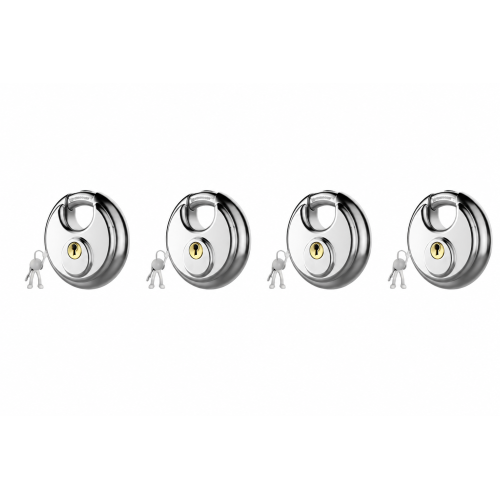
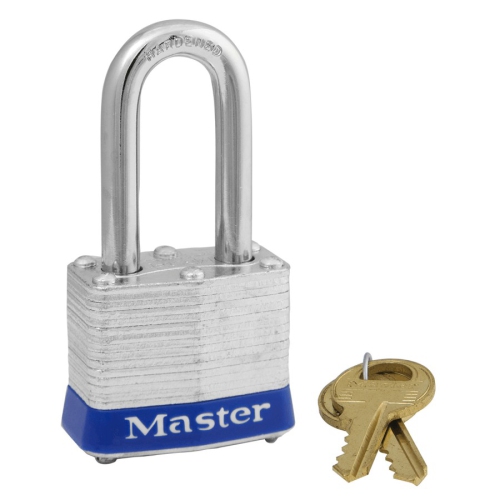
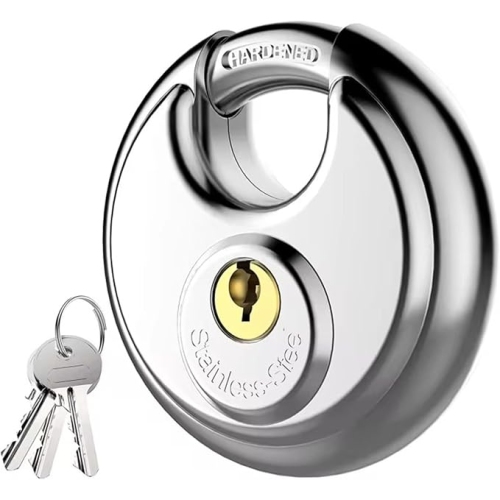
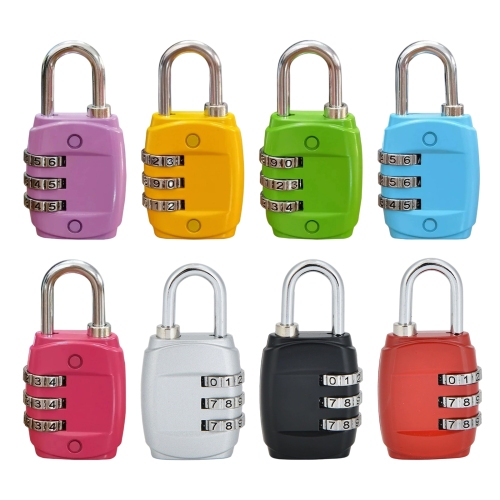
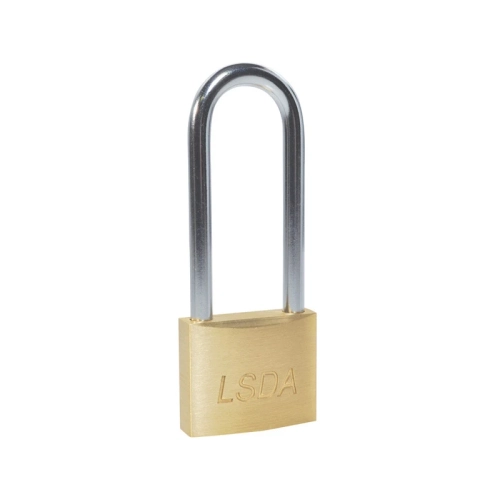
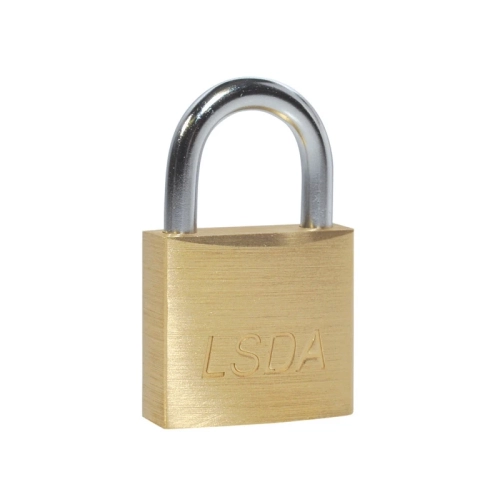
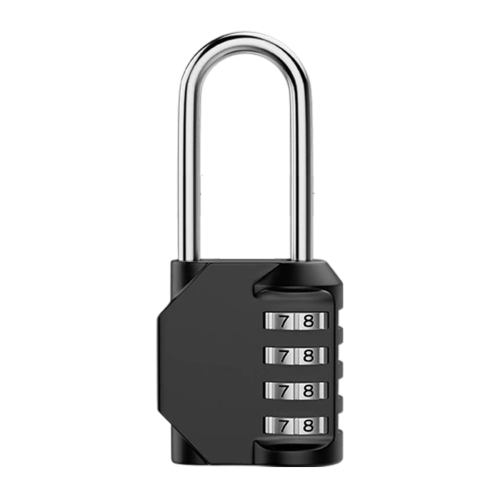
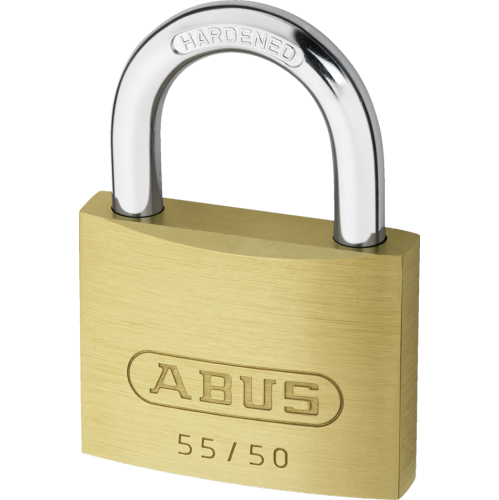

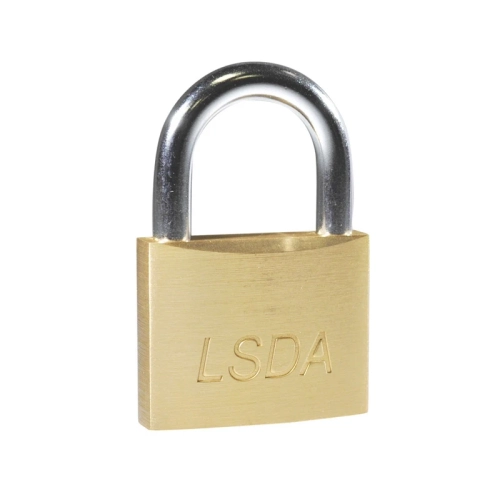
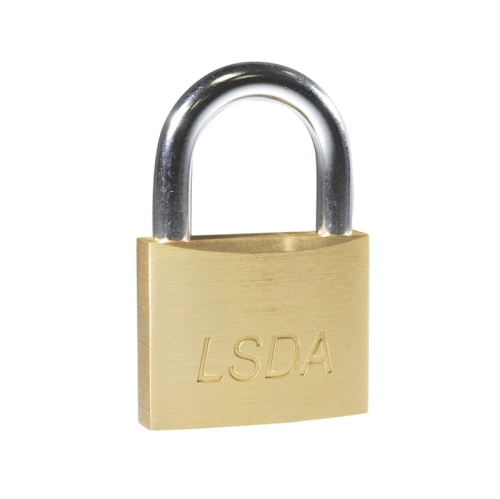
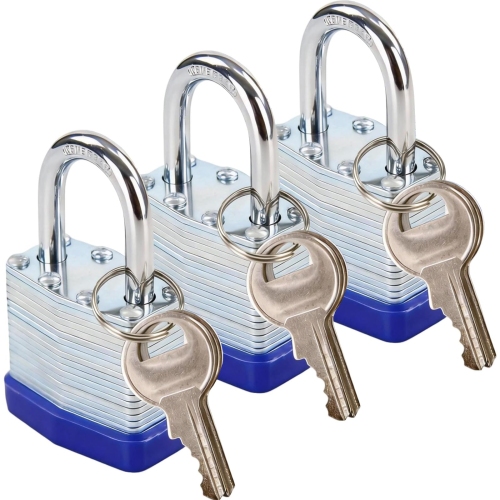
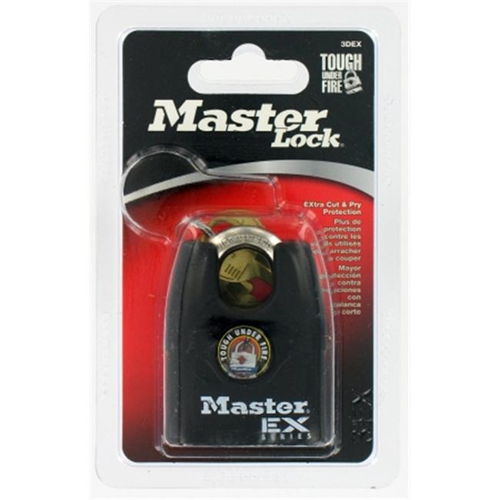
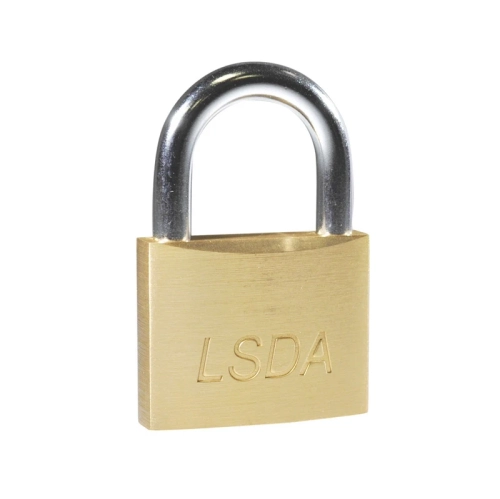
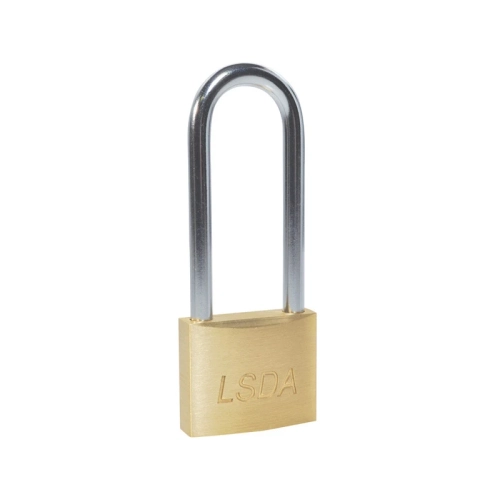
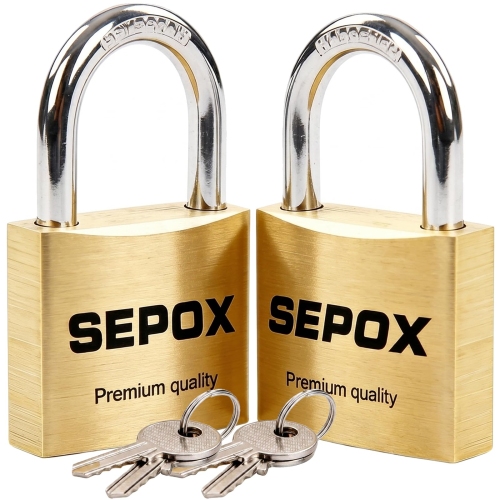
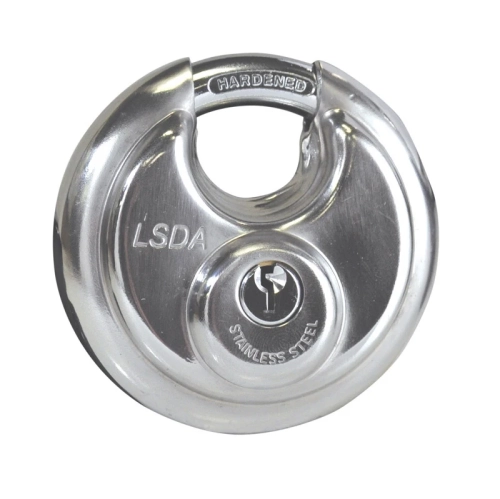
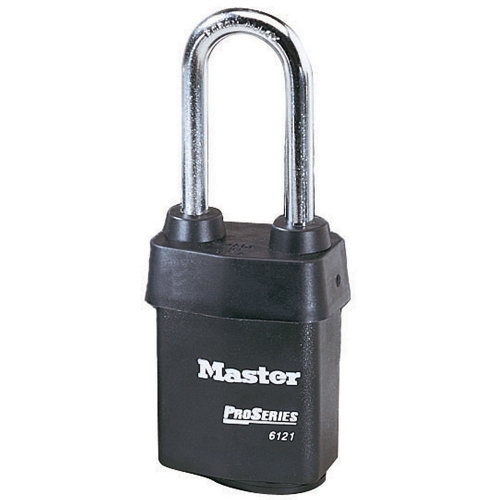
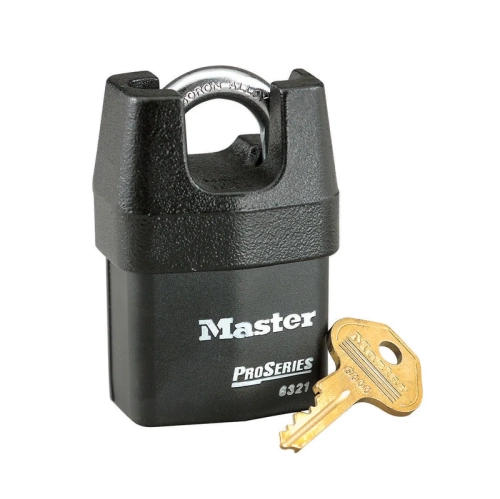
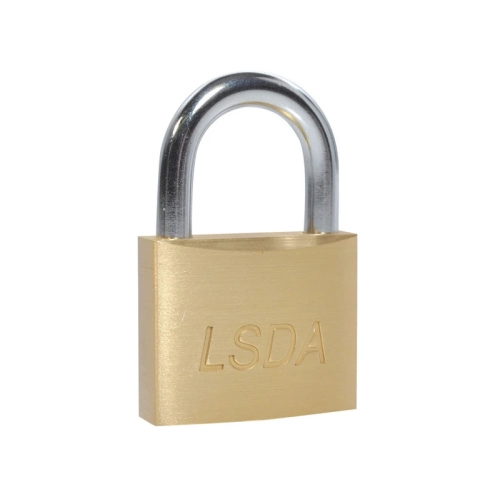
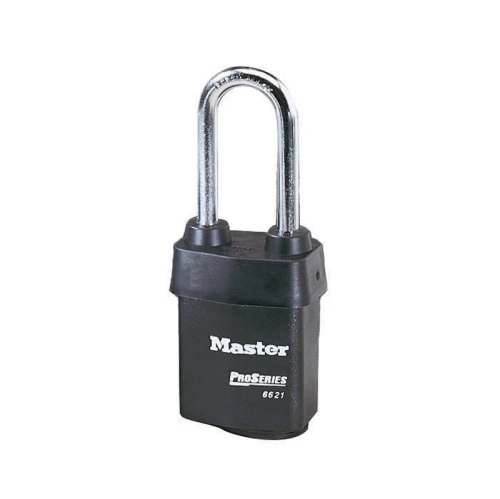
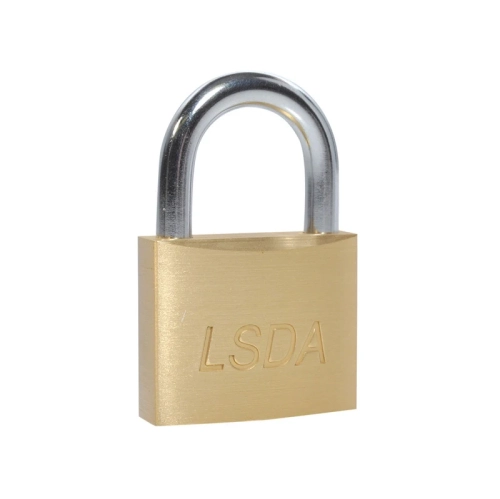
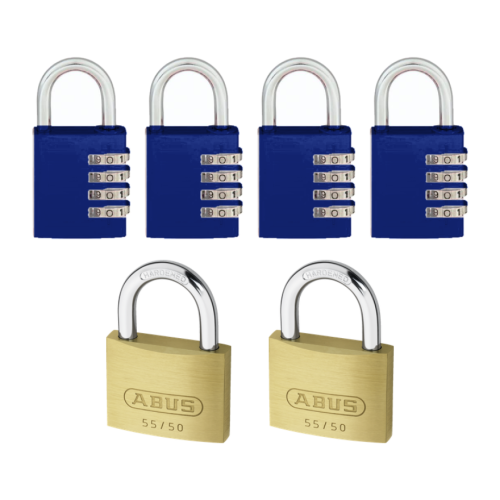
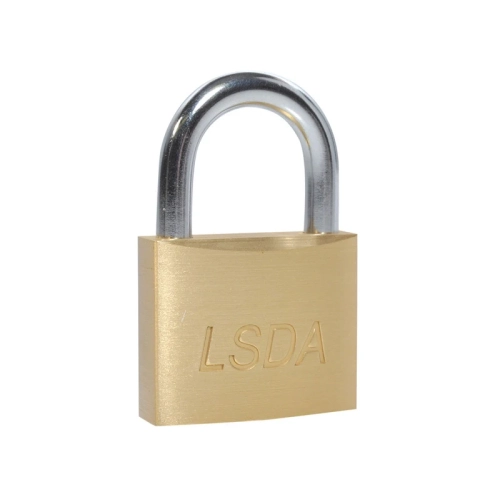
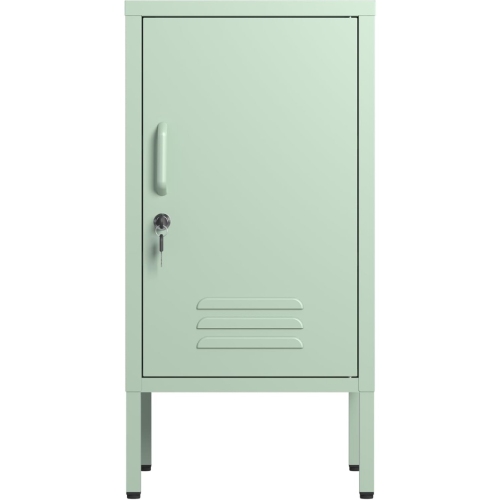
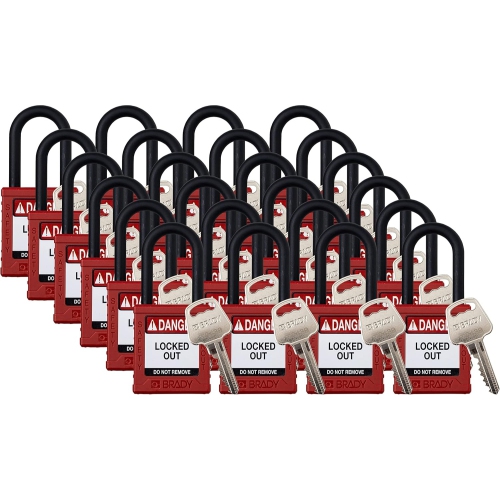
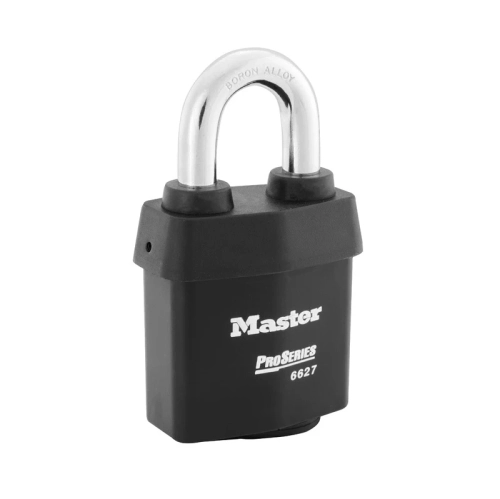
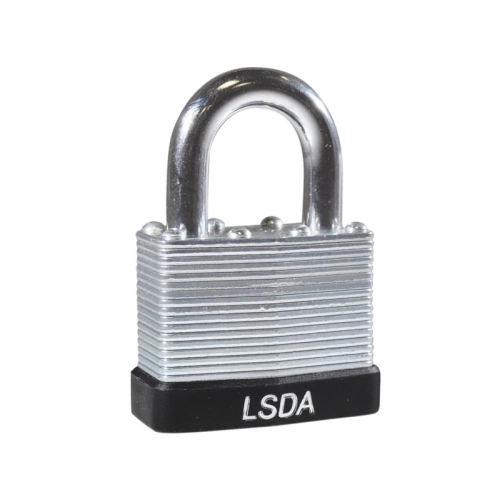
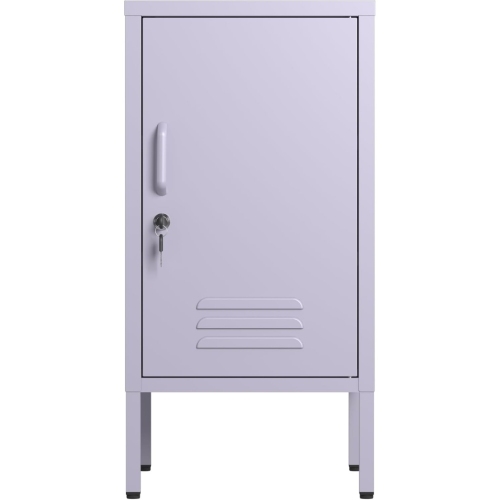
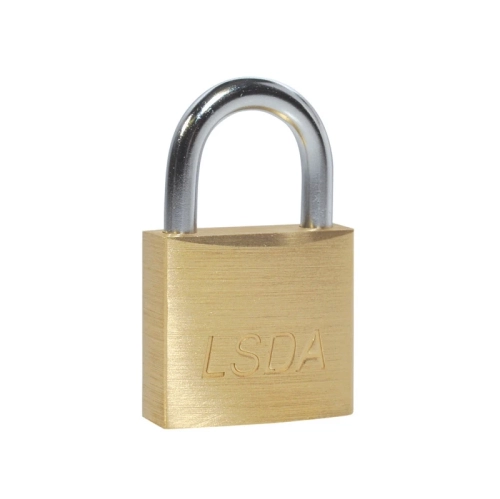
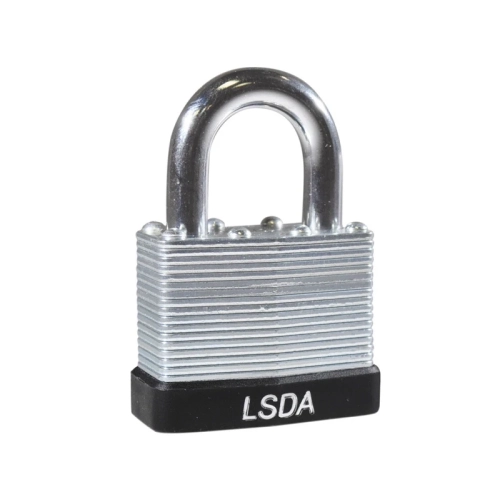
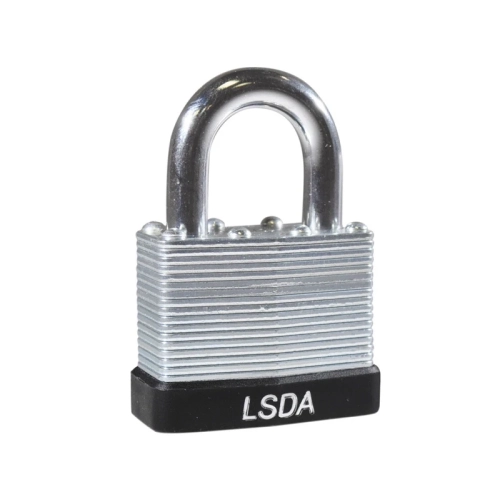
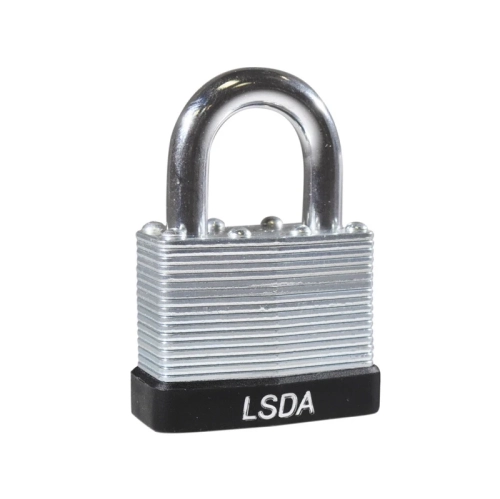
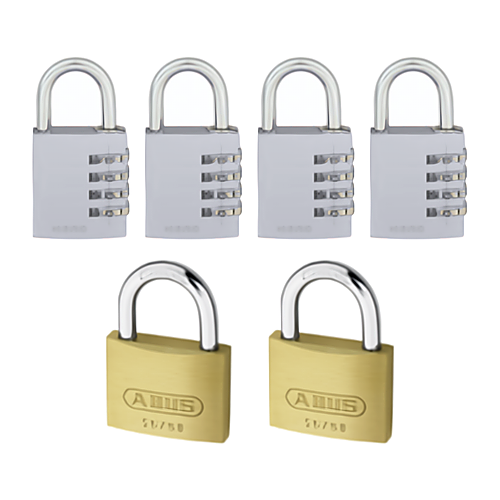
The right fit makes everyday locker access easier
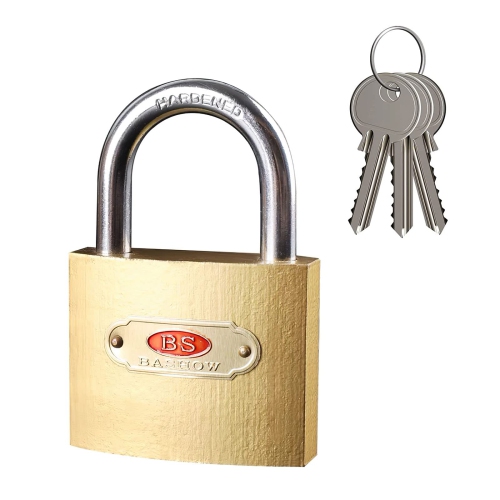
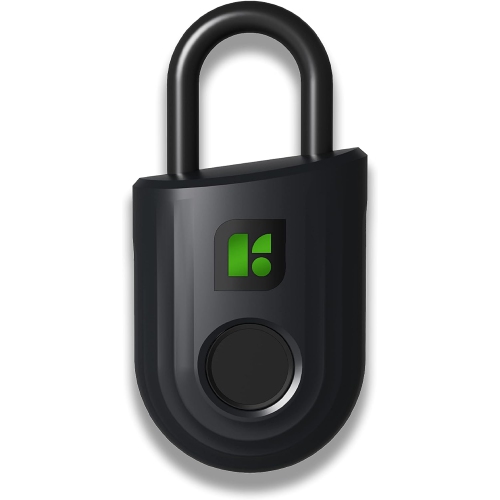
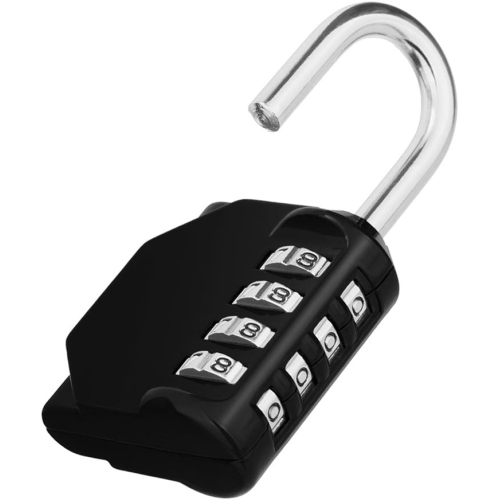
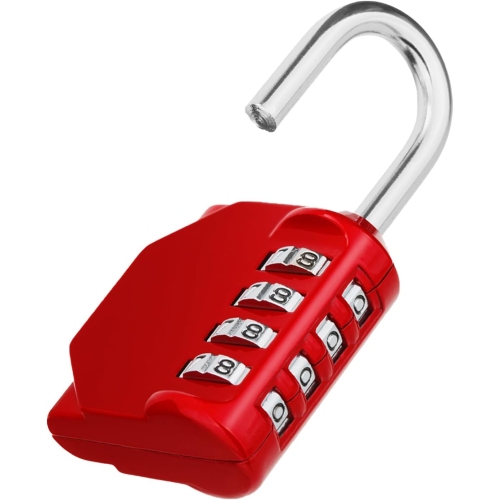
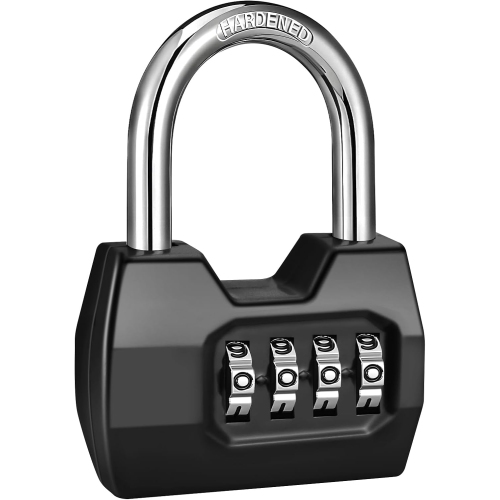
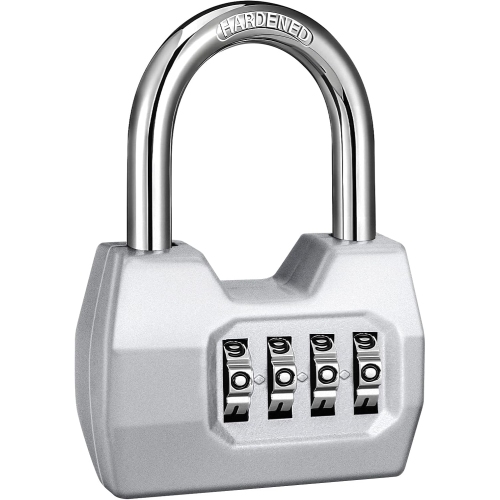
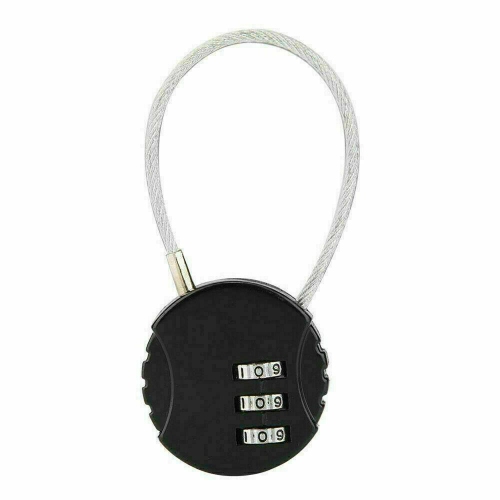
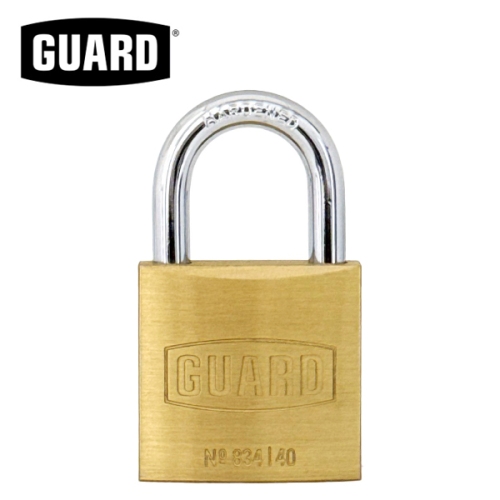
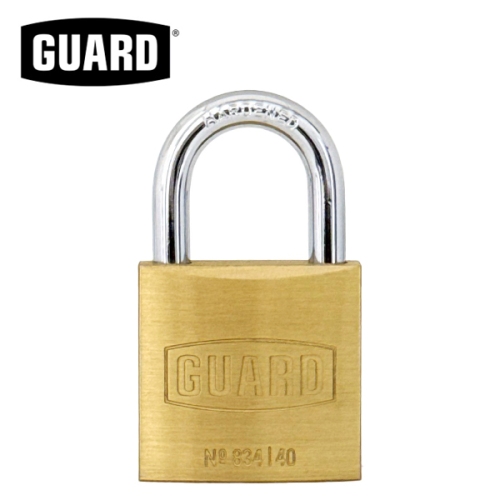
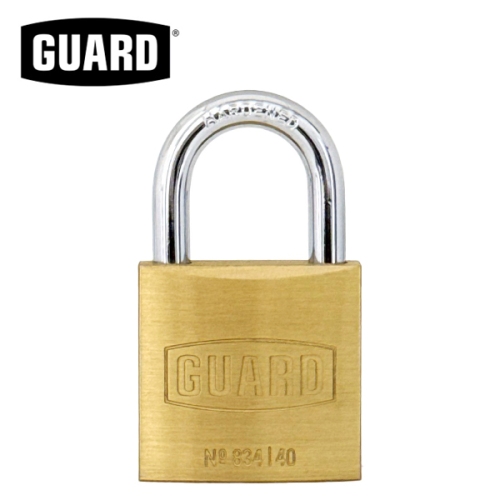
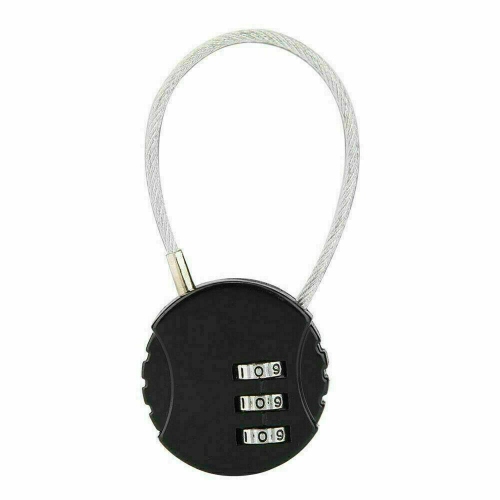
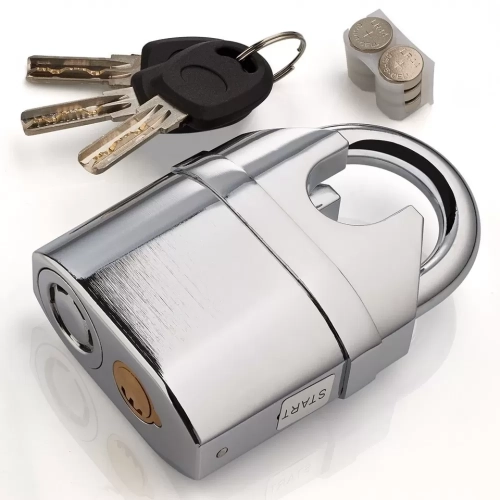
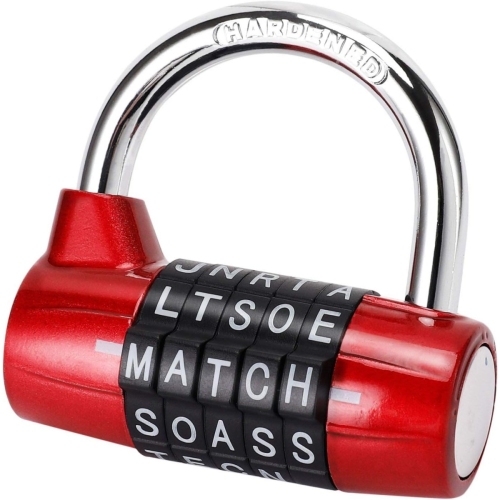
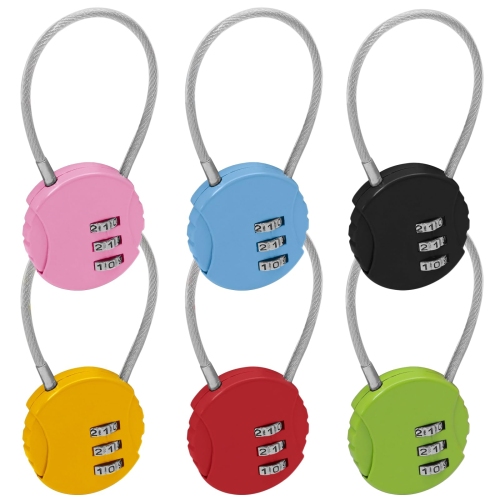
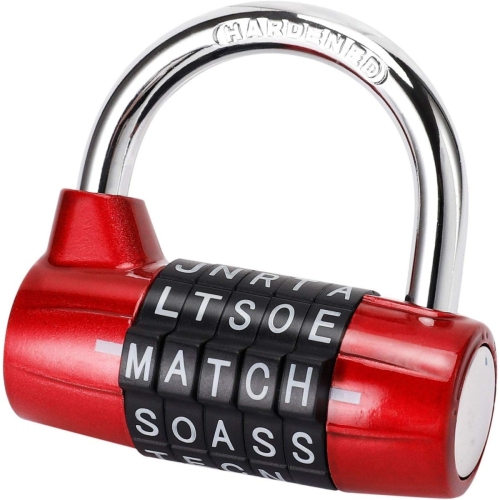
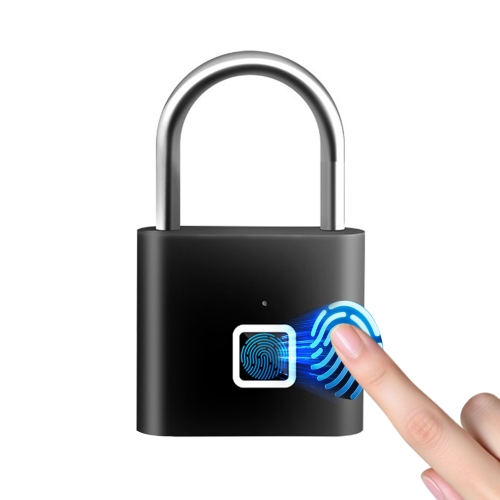
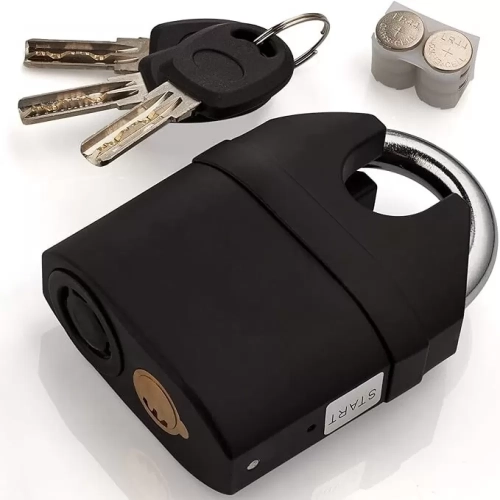
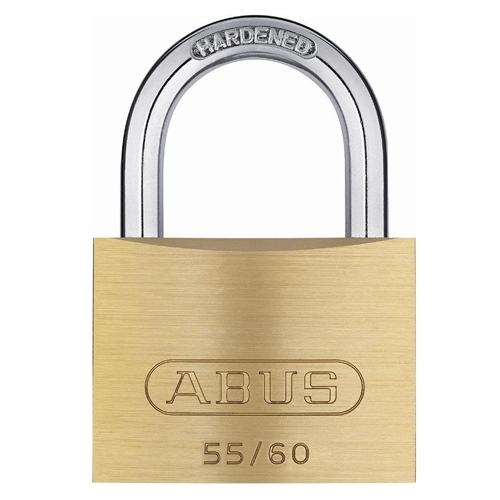
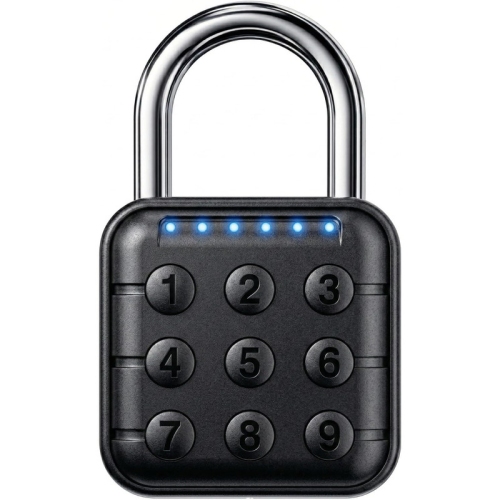
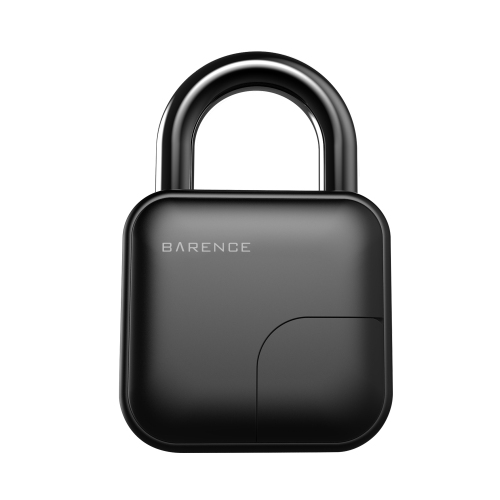
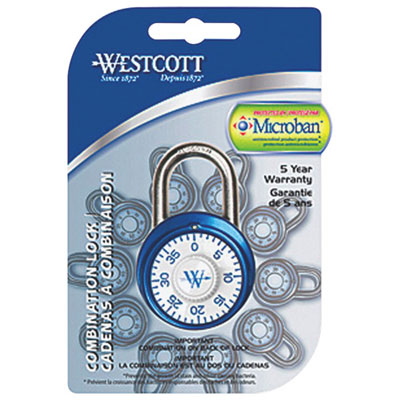
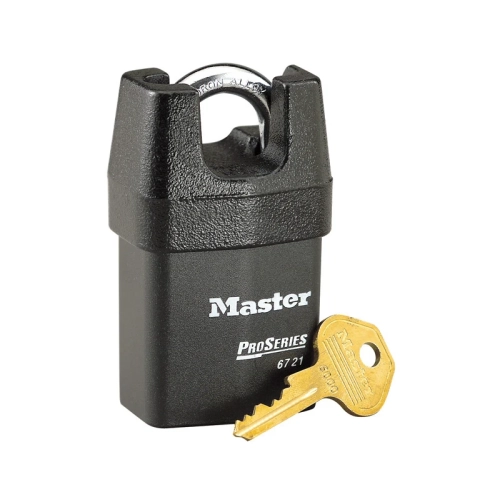
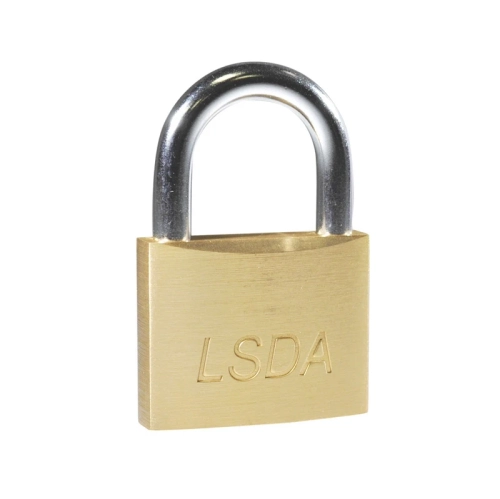
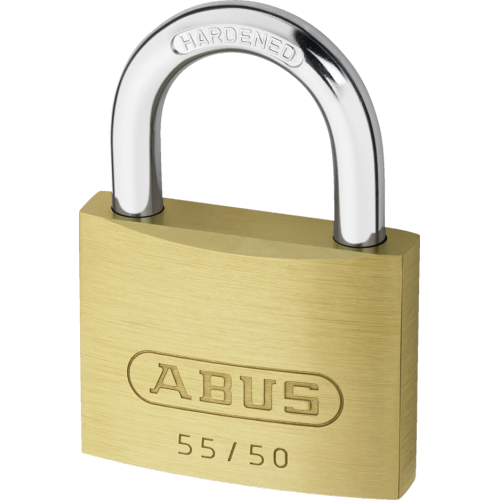
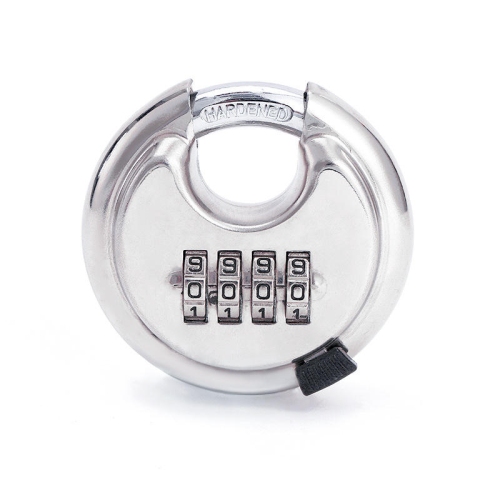
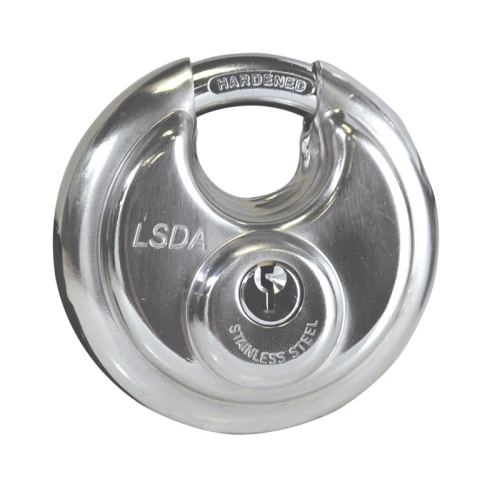
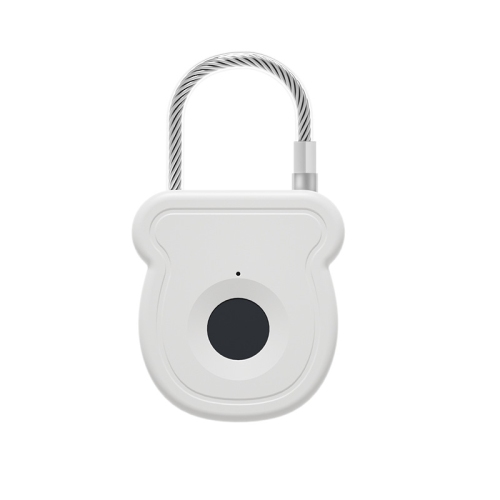
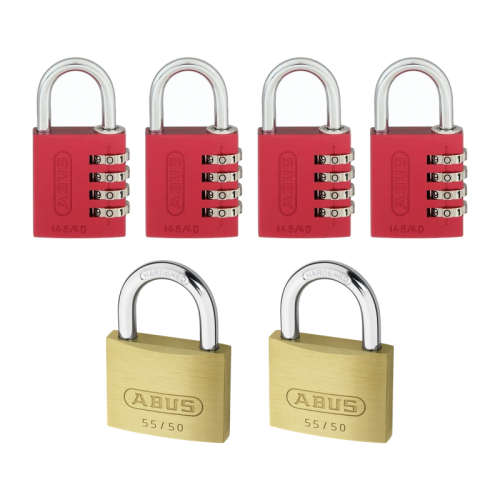
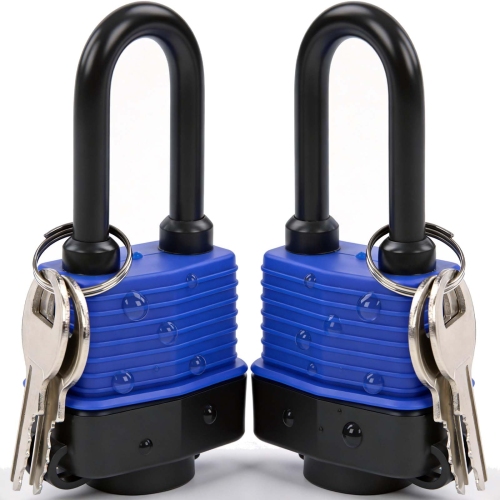
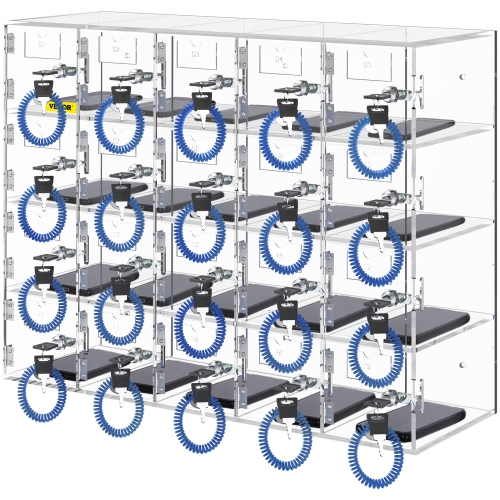
Padlocks for lockers help keep everyday belongings secured in schools, gyms, workplaces, recreation centres, and shared storage areas. Combination and keyed padlocks are common choices, with the most suitable option depending on the locker’s latch, the setting, and how the lock will be used. A combination padlock removes the need to carry a separate key, which can be convenient when heading onto a gym floor or leaving a bag in a change room. Dial combinations use a sequence of turns, while models with individual number wheels allow each digit to be lined up separately. Resettable combinations let the user choose a code, although the method for changing it varies by design and may require the lock to be open. A keyed padlock offers a familiar alternative for anyone who prefers turning a key to remembering a sequence. It also requires a practical place to keep the key while the locker is closed, such as a secure zipped pocket rather than inside the bag being locked away. For students moving between classes, a lock that is easy to open repeatedly may matter as much as its size. For fitness facilities, clear markings and a surface that is comfortable to grip with damp hands can make everyday use easier. Workplace lockers may have their own requirements for approved locks, staff access, or key control, so the facility’s rules remain an important part of the choice. Some facilities issue locks or use built-in locking systems instead of accepting personal padlocks. Shared access is another consideration: a combination can be passed to an authorized user without handing over a key, but it should be changed when access needs change, if the design permits. Neither keyed nor combination operation alone determines security. Construction, locking mechanism, fit, and the strength of the locker itself all contribute to how well the arrangement protects its contents. A suitable locker padlock balances these practical details without becoming awkward to use several times a day.
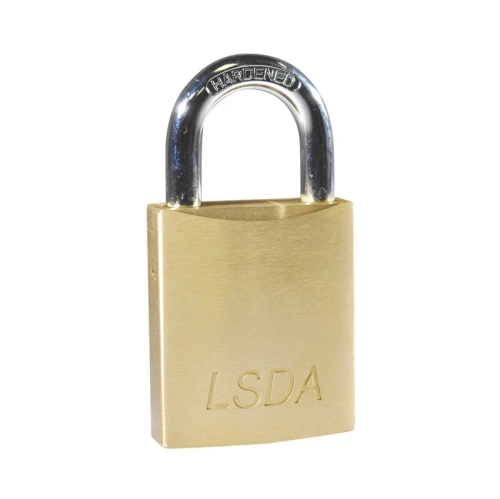
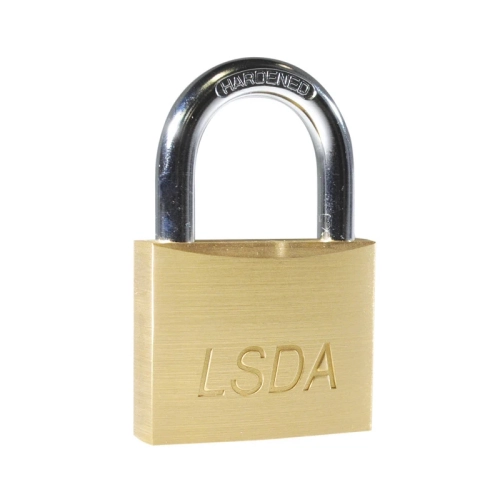
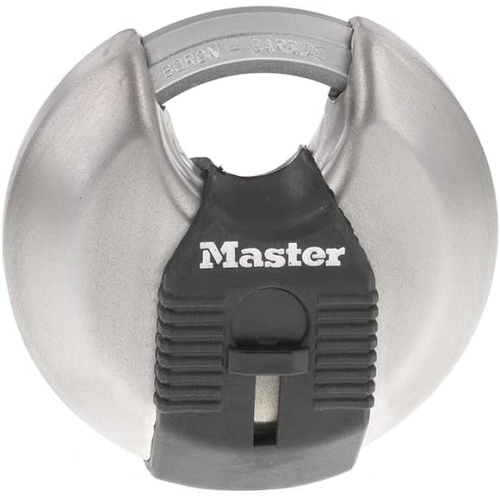
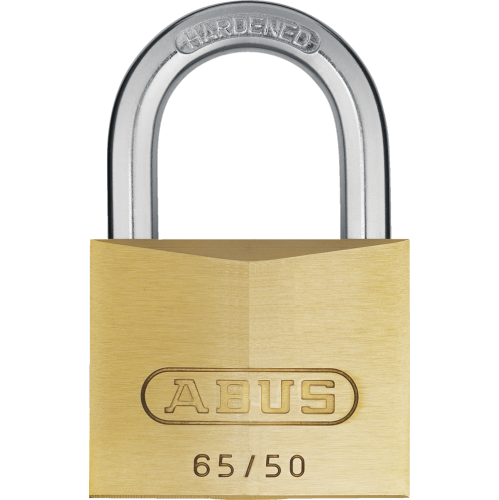
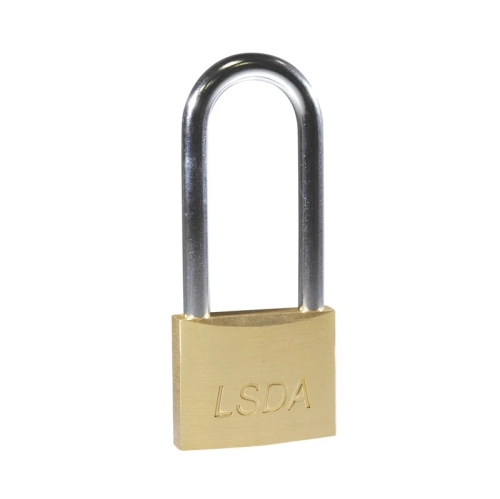
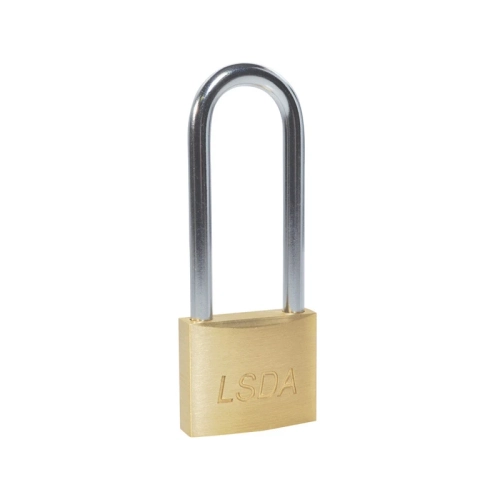
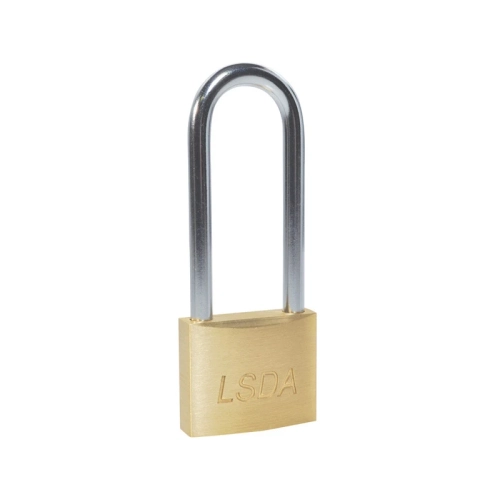
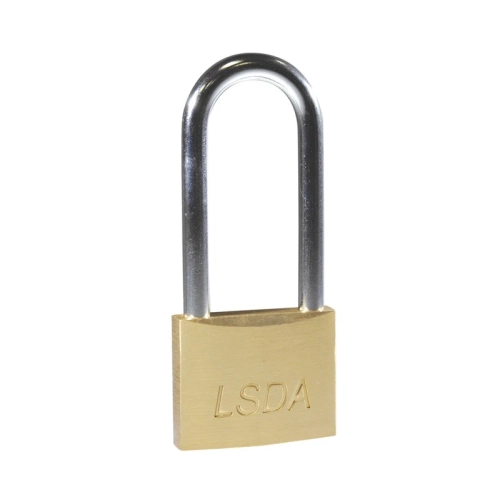
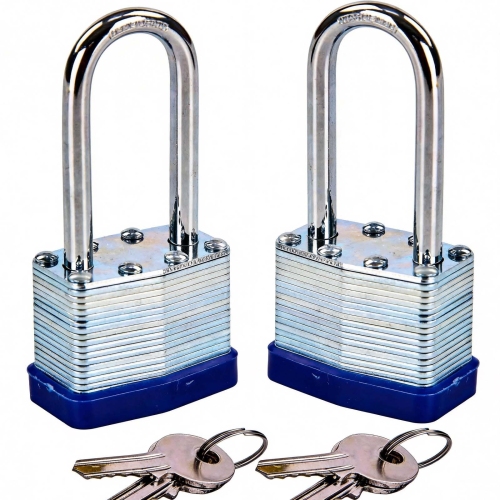
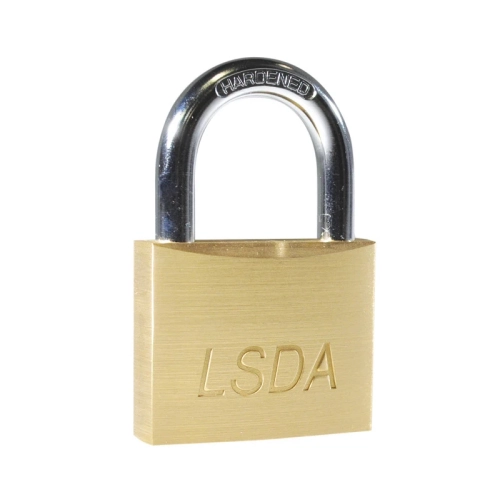
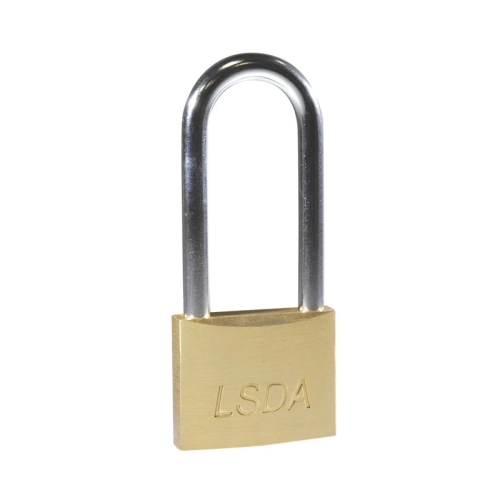
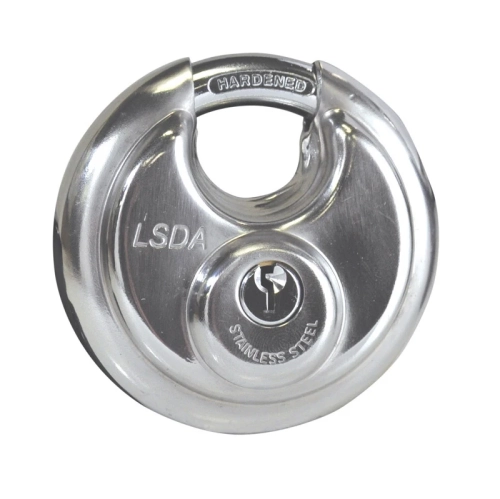
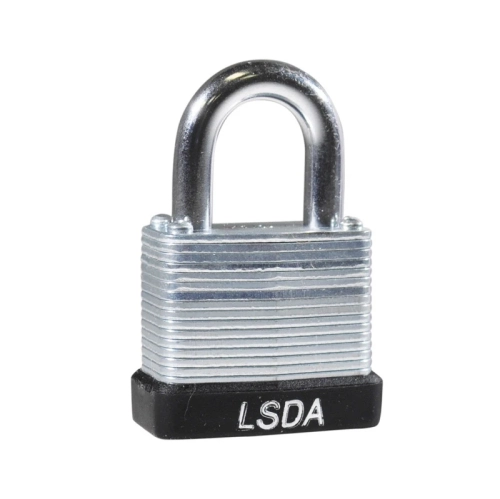
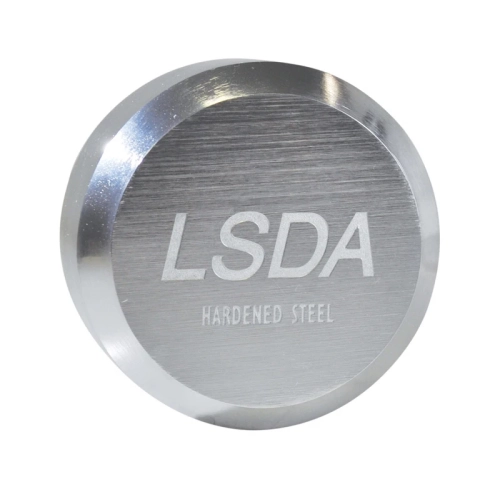
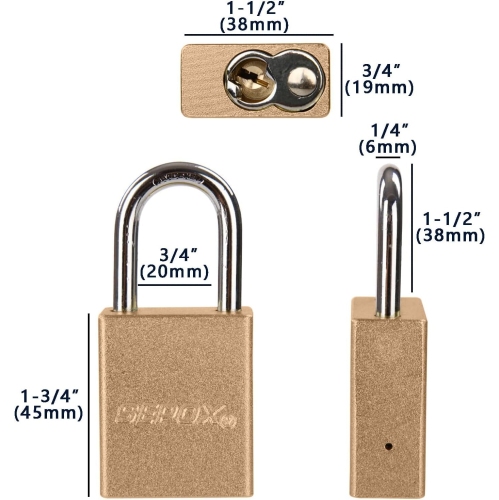
Fit comes down to more than whether a padlock looks compact enough for a locker door. The shackle, the curved section that passes through the latch or hasp, must have the right diameter and enough internal clearance to close around the hardware. A thick shackle may not pass through a small opening, while a short one may not reach around a recessed or unusually shaped latch. Internal shackle height and width are especially useful measurements because they describe the space available around the fastening point. The lock body also needs room to sit without pressing against the door, blocking a handle, or preventing the shackle from opening fully. A longer shackle can solve some clearance problems, but unnecessary space may leave more of it exposed; a close fit that still allows normal operation is generally preferable. Locker construction varies between facilities, so a familiar-looking door does not guarantee the same fit. Materials influence durability as well as weight and feel. Steel bodies and shackles are common, while brass and stainless steel components offer different corrosion-resistance characteristics. Protective finishes can help reduce surface corrosion, though exposed internal parts and the quality of the overall construction still matter. A hardened steel shackle can provide greater resistance to cutting than an unhardened one, and some locking mechanisms are designed to resist shimming. These features should be supported by the lock’s stated specifications rather than inferred from its appearance. A large body or heavy feel does not, by itself, establish a particular level of protection. Protective covers or bumpers can help limit contact marks where a lock rests against a painted locker door, but they do not replace strong locking components. Even a robust padlock cannot compensate for a loose hasp, damaged hinge, or thin door panel. For everyday locker use, the lock and the surrounding hardware work together, making appropriate fit more useful than simply choosing the largest lock.
Regular handling and straightforward care can help a locker padlock remain dependable. In a pool or gym change room, splashes, damp towels, and residue on hands can reach the body, dial, or keyway. Wiping the exterior dry before storing the lock helps keep moisture from lingering against its surfaces. A lock left loose at the bottom of a sports bag can also collect lint, grit, or powder, so a separate pocket or small pouch keeps it easier to find and away from debris. Any lubrication should follow the manufacturer’s directions, since an unsuitable product can attract dirt or interfere with the mechanism. Stiff operation, a bent shackle, or a key that no longer turns smoothly deserves attention rather than extra force. Closing the lock fully and giving it a gentle pull provides a simple check that it has latched before leaving the locker. Everyday convenience also depends on details that are easy to overlook: readable numbers, enough space around the dial for fingers, and a key shape that is comfortable to hold. A spare key kept in a secure place outside the locker can prevent a misplaced key from interrupting a routine. For combination locks, keeping the code somewhere private and separate from the lock helps reduce the chance of being locked out without leaving the code visible to others. A padlock can be a useful practical gift for a student starting at a new school or someone joining a fitness facility, provided the recipient’s locker requirements are known. Bags carried alongside locker essentials have different fastening points; Backpack Locks may suit zipper pulls, but their suitability for locker hardware needs a separate fit check. Whether used for a short workout or a full school day, a locker padlock is most useful when it fits properly, operates reliably, and suits the facility’s expectations for personal belongings.
Top selling and popular products
-
 Your price for this item is $189.05
-
 Your price for this item is $39.25
-
 Your price for this item is $44.52
-
 Your price for this item is $85.34
-
 Your price for this item is $31.99
-
 Your price for this item is $9.99
-
 Your price for this item is $39.33
-
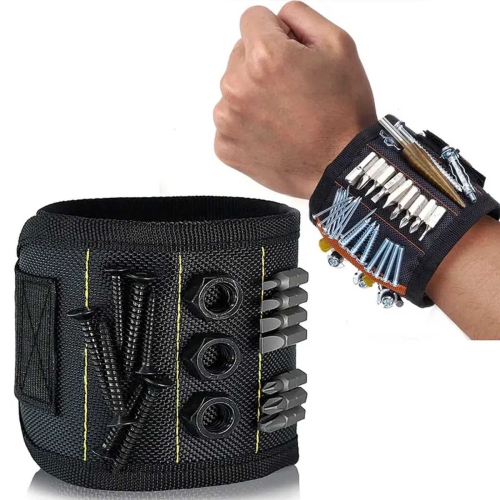 Your price for this item is $9.58
Discover more categories related to Padlock for Lockers

Top Collections:
Best Black Friday Deals This Year, Best Black Friday Deals On Electronics, Kindle Devices, Pokemon Centers, Best Black Friday Deals On Apple Products, Best Cameras for Sports Photography, Dyson Airwrap, Pokémon 30th Celebration Cards, Apple iPhone 17 Pro, Canon G7X Cameras
Some products may be subject to Environmental Handling Fees
(EHF) depending on your province.
Learn more about EHFs.