Painting Materials
Looking to unleash your inner artist? Look no further than our comprehensive collection of painting materials. Whether you're a seasoned painter or just starting out, we have everything you need to bring your creative visions to life. These materials will help you create stunning works of art that will be sure to impress you. They are also easy to use and store, making them perfect for almost any level of painter.
Sort
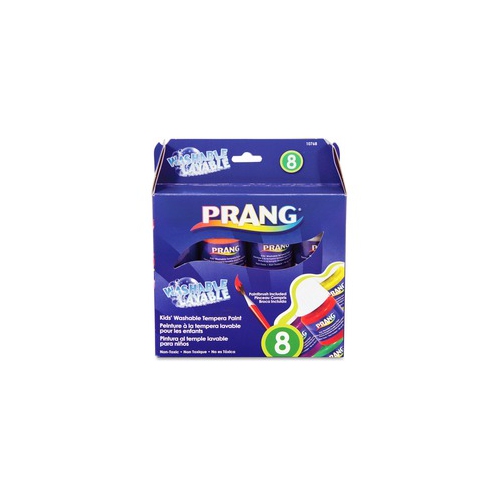
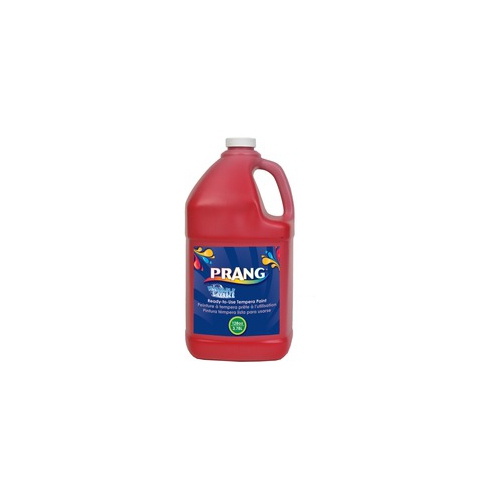
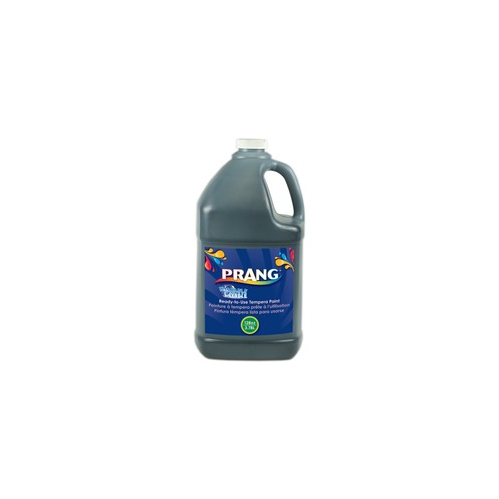
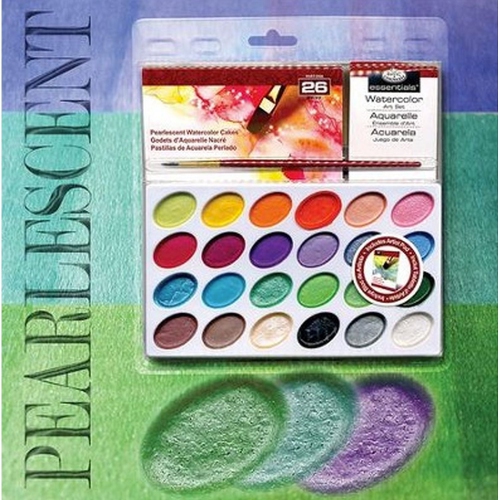

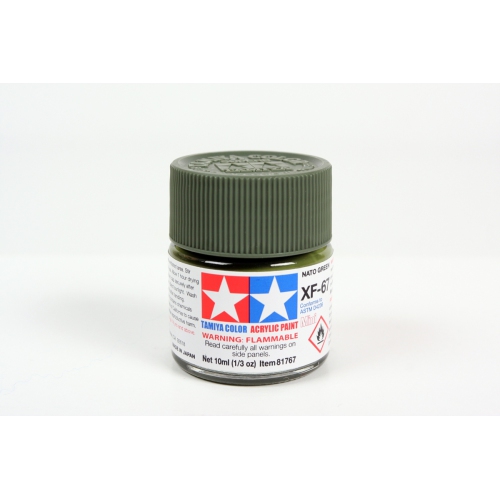
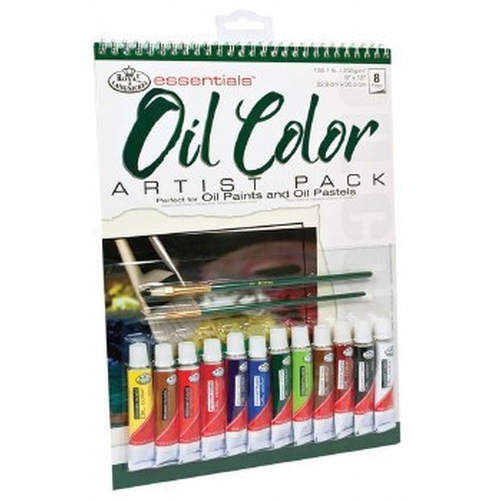

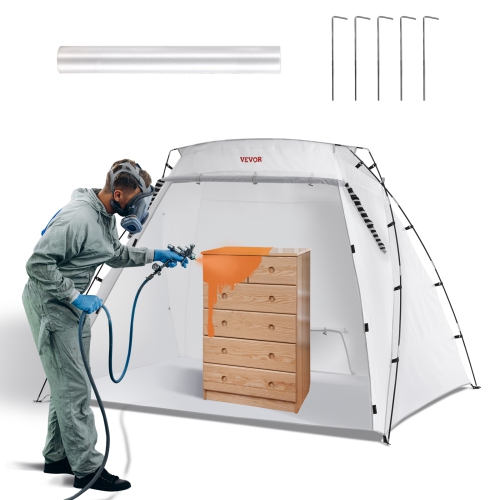

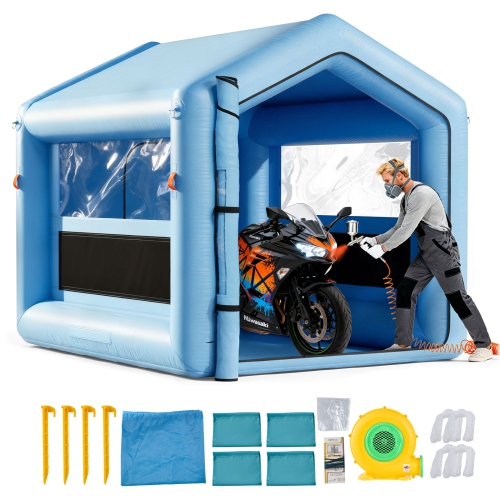
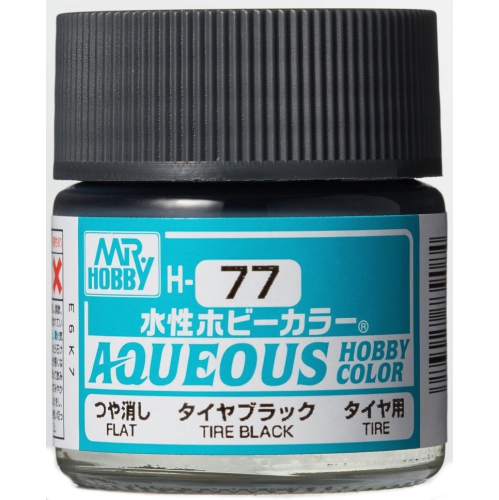
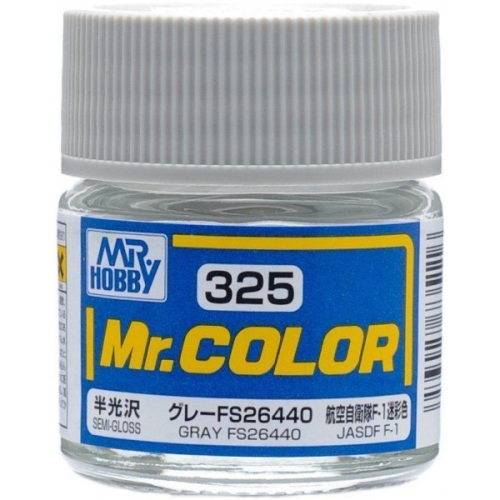
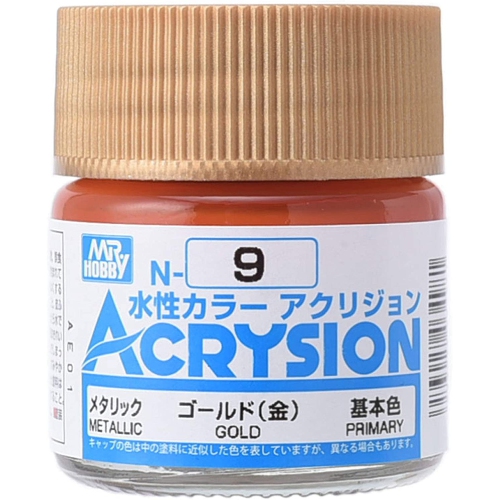

From first brushstrokes to a complete home studio
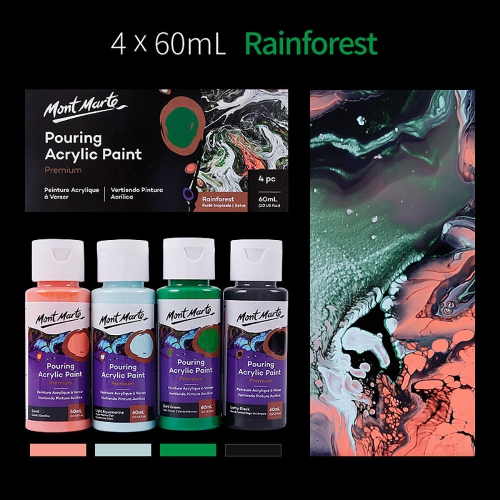
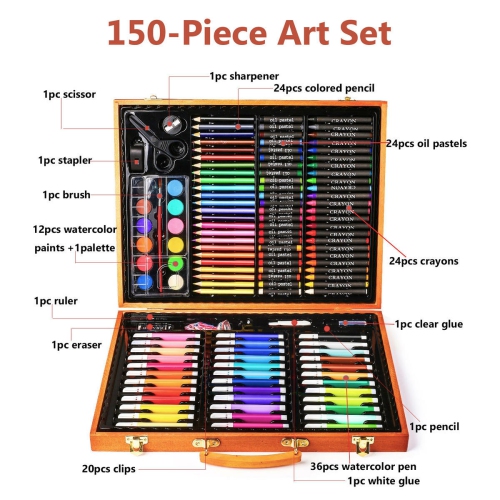
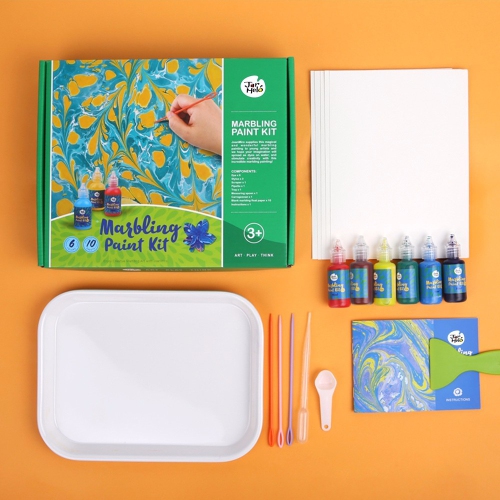
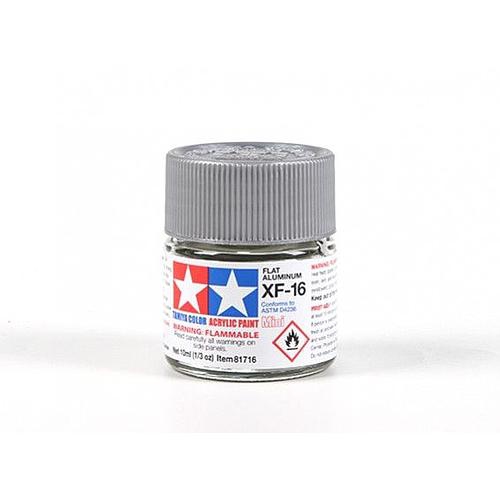
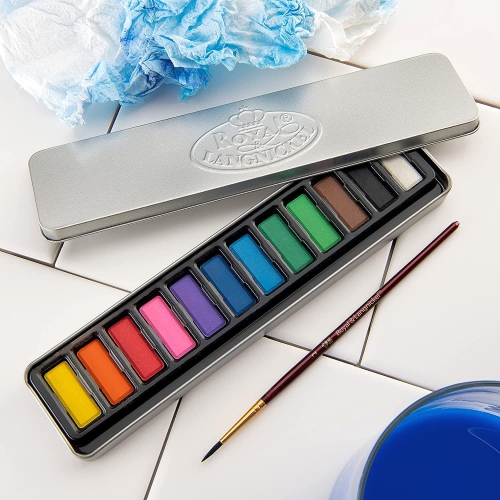
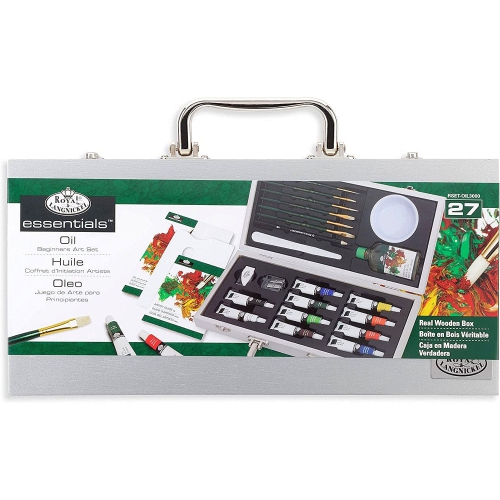
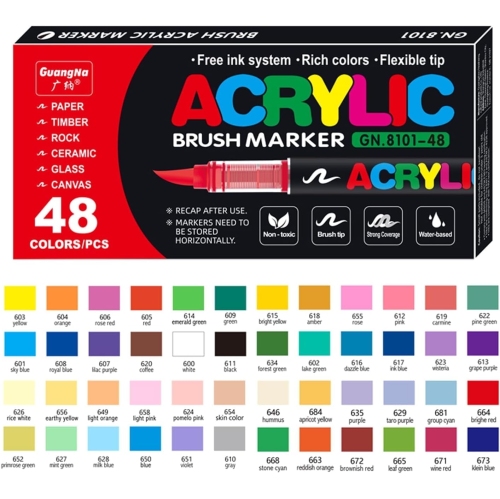
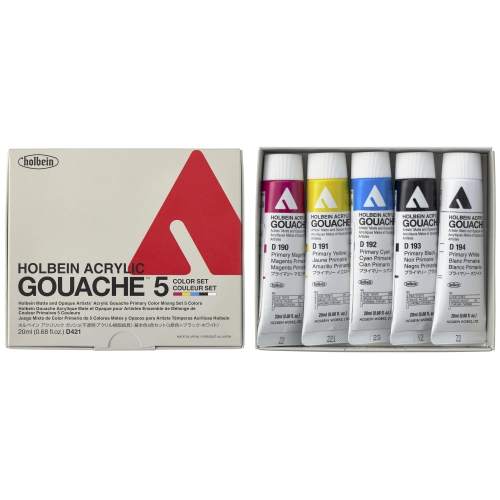
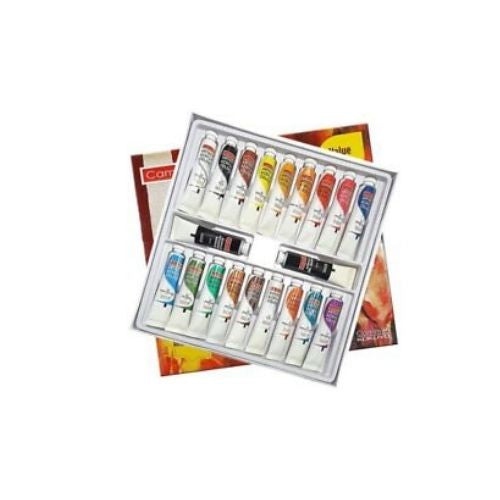
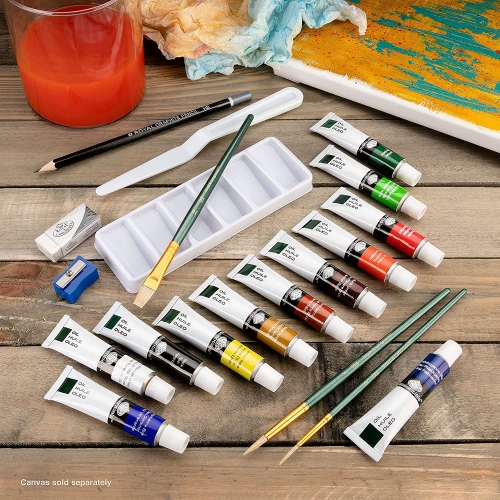
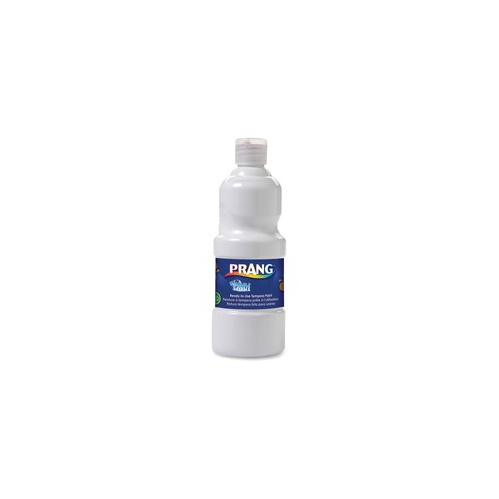
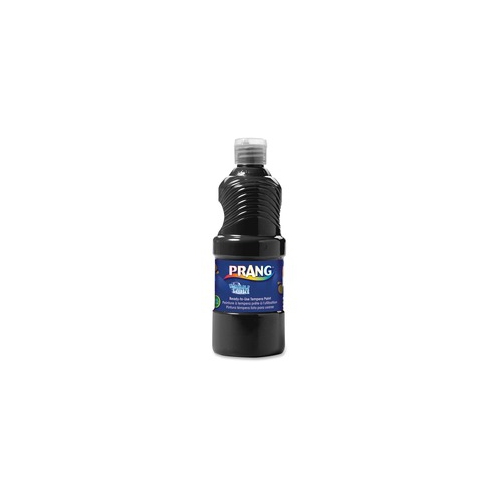
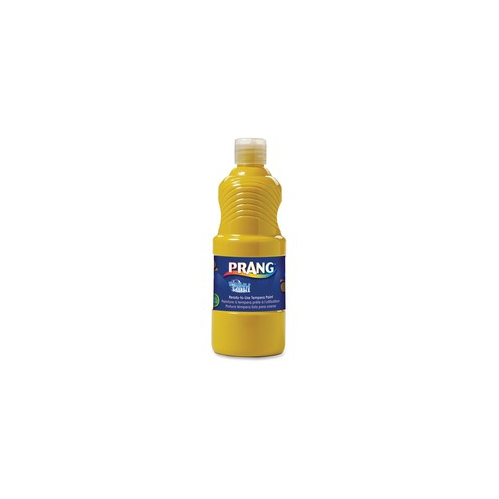
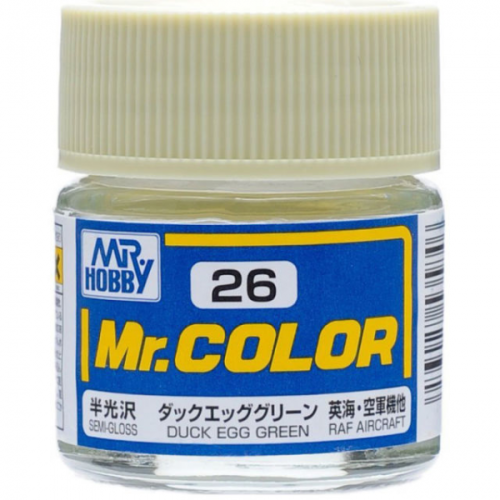
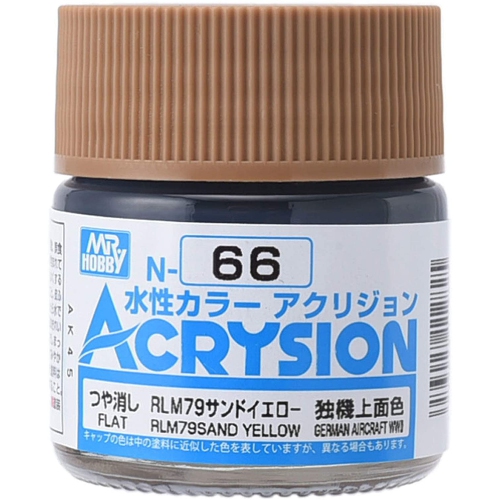
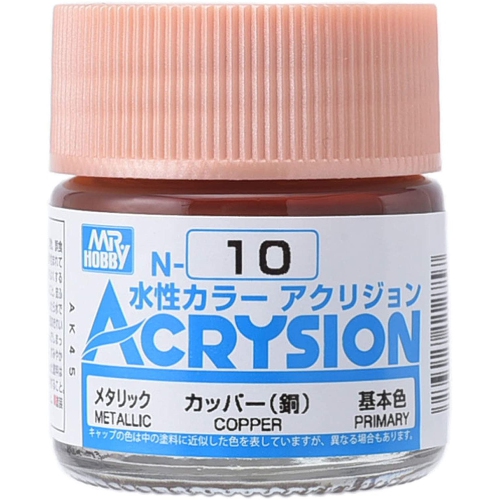
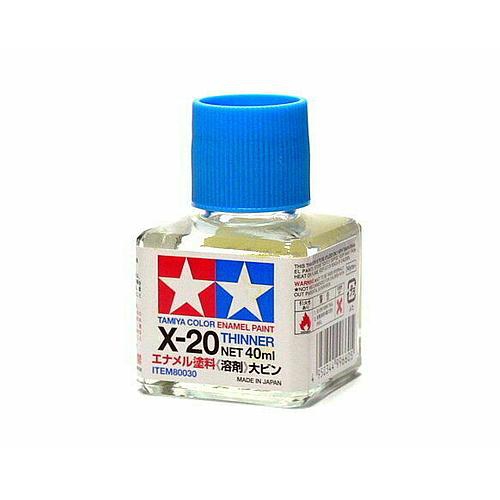
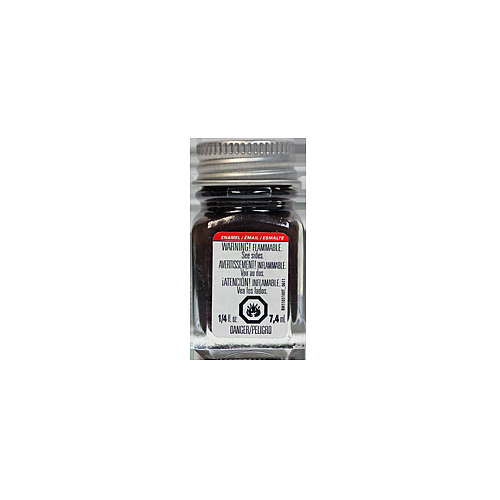
Painting materials bring together the essentials for turning an idea into a finished work, whether you are learning basic brush control, returning to a favourite creative pastime, or building a more complete home studio. The right supplies usually begin with paint, brushes, a surface to paint on, and a palette for mixing colours. From there, additional tools can make the process more comfortable, consistent, and enjoyable. Acrylic paint is a versatile choice for many beginners and experienced painters because it dries relatively quickly, can be diluted with water, and is generally easy to clean up. It works well on canvas, canvas boards, heavy paper, wood panels, and other prepared surfaces. Watercolour paint creates transparent washes and soft layers, making it well suited to paper, landscape studies, illustrations, and expressive sketches. Because watercolour can often be reactivated with water after it dries, artists can continue adjusting colour and value as a painting develops. Oil paint is known for its rich colour, depth, and extended drying time, which allows for gradual blending and carefully developed textures. It typically requires suitable ventilation, cleaning materials, and mediums or thinners designed for oil painting, so it may be a better fit for an established workspace than a quick tabletop activity. Browsing a selection of Art Paints can help you compare paint types and choose supplies that match the way you prefer to work. When selecting paint, consider the desired finish, drying time, opacity, colour range, and the surface that will support it. A beginner may appreciate a manageable assortment of foundational colours for learning to mix custom shades, while a more experienced painter may look for particular pigments, larger quantities, or specialty finishes. Paint materials can also be a thoughtful gift for students, hobbyists, aspiring illustrators, families who enjoy creative activities, and anyone who likes having a hands-on project ready for quiet afternoons or cooler months indoors.
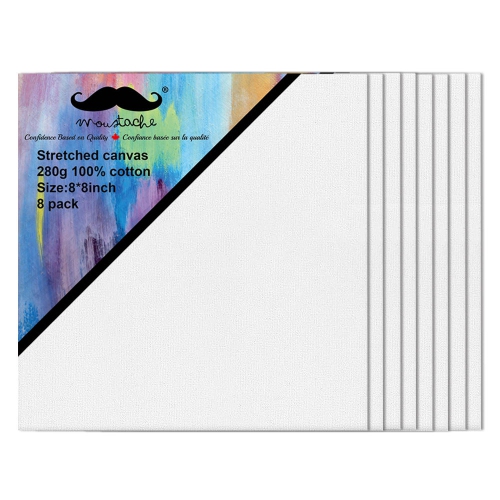
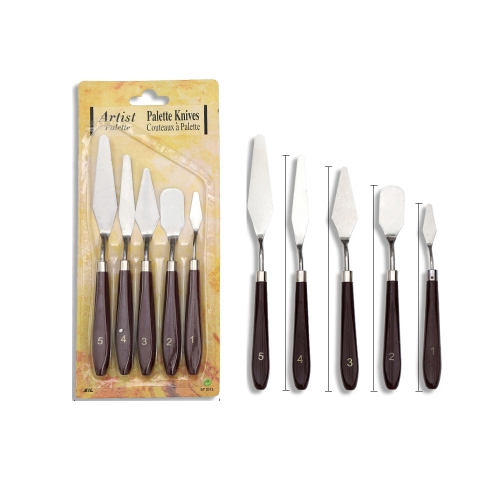
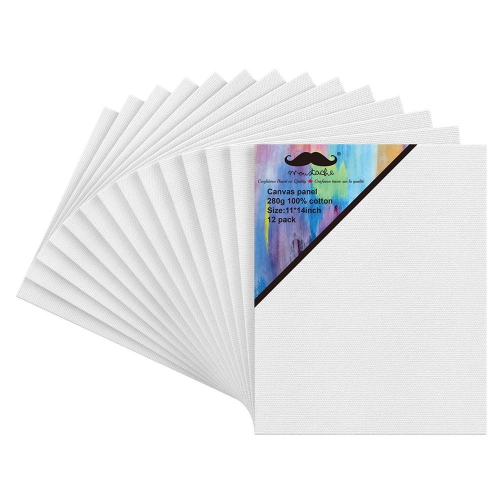
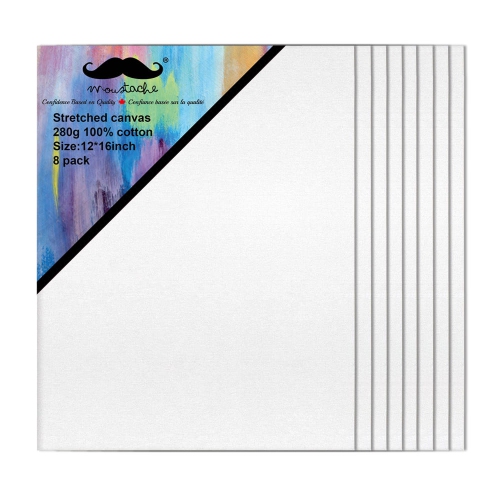
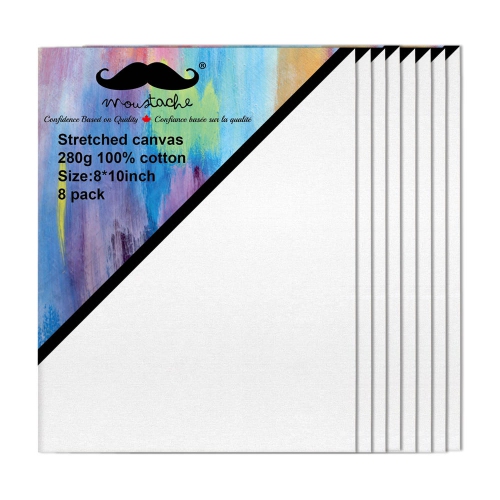
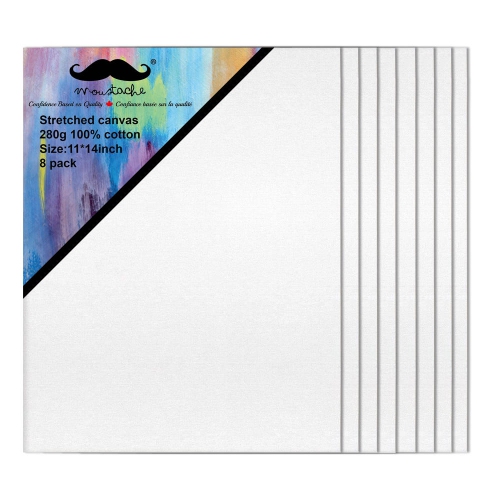
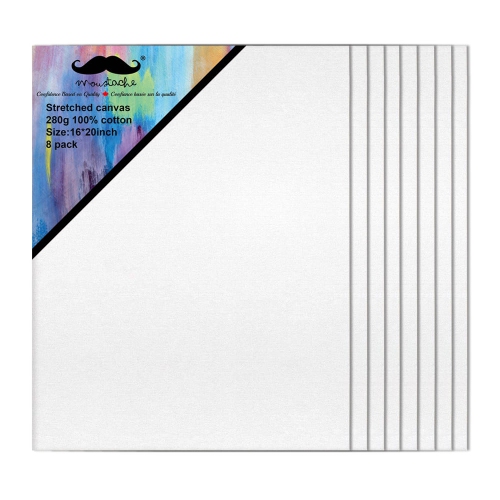
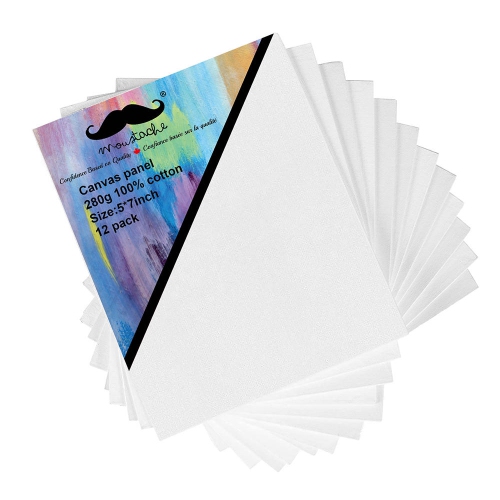
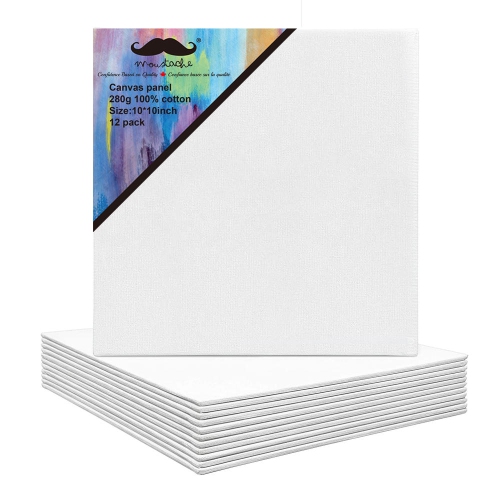
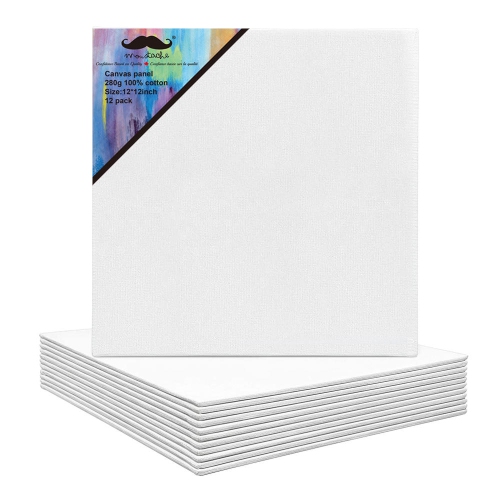
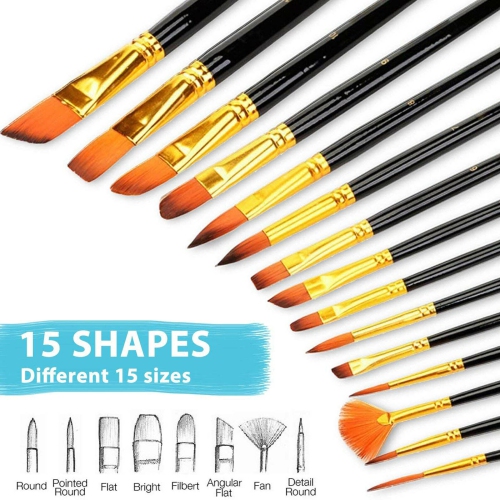
Brushes have a direct influence on how paint moves across a surface. Round brushes are useful for lines, details, and controlled marks, while flat brushes can cover larger areas and create crisp edges. Filbert brushes combine some of the qualities of round and flat shapes, making them useful for blending and softer forms. A selection of sizes allows an artist to move from broad background layers to small highlights without forcing one brush to do every job. Synthetic bristles are commonly suited to acrylic and latex-based paints because they are durable, responsive, and relatively easy to clean, while soft natural hair is often valued for carrying watercolour and laying down smooth, delicate washes. Brush shape matters, but so does the handle length and overall comfort, especially during longer painting sessions. A palette provides a place to separate colours and mix new ones; it may be a reusable tray, a flat mixing surface, or disposable palette paper for simpler cleanup. Palette knives are helpful for combining paint thoroughly and can also be used to apply thick colour directly to a canvas or panel, producing ridges, planes, and expressive texture that a brush may not create. The painting surface should match the medium and the amount of moisture being used. Stretched cotton canvas offers a firm, traditional base for many acrylic and oil paintings, while canvas boards provide a convenient, more compact option for practice, studies, and finished pieces that will be framed. Heavyweight mixed media paper is designed to handle wet materials with less buckling than ordinary paper, and watercolour paper is made to absorb washes while preserving the character of the paint. For any surface, preparation can affect the final appearance: a primed base may help paint sit more evenly, while a smooth or textured surface can change the way marks and layers are expressed. Before purchasing, consider the scale of the artwork, available storage, framing plans, and whether the materials need to be portable for classes, travel, or painting outdoors as the weather warms.
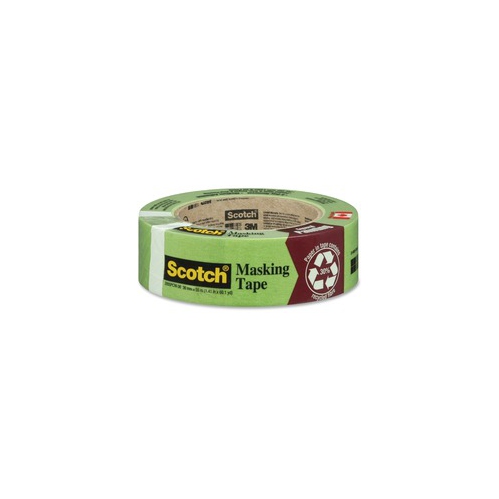
A practical painting setup also includes supporting materials that keep the workspace organized and protect the working area. Water containers are useful for rinsing acrylic or watercolour brushes, while separate containers can help keep clean water available for controlled washes. Cloths, paper towels, and aprons make it easier to manage drips and remove excess paint from a brush before changing colours. A brush holder or drying area can help prevent bristles from bending, and a storage case can keep frequently used tools together between sessions. Artists working with oil paint should follow the handling and disposal instructions for their chosen mediums and cleaning liquids, keeping these materials away from children and pets and using them only in a suitable, well-ventilated space. Young artists may benefit from washable, easy-to-handle materials, larger brushes, sturdy paper, and a limited palette that encourages experimentation without making the activity feel complicated. Adults who are picking up painting again may prefer a balanced assortment that supports both structured practice and spontaneous work, while experienced artists often look for materials that complement an established technique, such as glazing, impasto, detailed linework, or loose wet-on-wet blending. Painting supplies can make a personal and useful gift for birthdays, creative milestones, classroom activities, housebound relatives, or anyone who enjoys decorating cards, creating artwork for the home, or keeping a visual journal. During the cooler months, a well-chosen set of paints, brushes, paper, and mixing tools can turn a dining table or small desk into an inviting creative corner. The best combination depends on the painter’s medium, experience, workspace, and preferred subjects, but dependable basics remain valuable: suitable paint, brushes in several shapes and sizes, a compatible surface, a palette, and simple cleanup and storage tools. With those materials close at hand, an artist can explore colour mixing, practise composition, build layered textures, and develop a painting routine that feels both productive and personal.
Brushes have a direct influence on how paint moves across a surface. Round brushes are useful for lines, details, and controlled marks, while flat brushes can cover larger areas and create crisp edges. Filbert brushes combine some of the qualities of round and flat shapes, making them useful for blending and softer forms. A selection of sizes allows an artist to move from broad background layers to small highlights without forcing one brush to do every job. Synthetic bristles are commonly suited to acrylic and latex-based paints because they are durable, responsive, and relatively easy to clean, while soft natural hair is often valued for carrying watercolour and laying down smooth, delicate washes. Brush shape matters, but so does the handle length and overall comfort, especially during longer painting sessions. A palette provides a place to separate colours and mix new ones; it may be a reusable tray, a flat mixing surface, or disposable palette paper for simpler cleanup. Palette knives are helpful for combining paint thoroughly and can also be used to apply thick colour directly to a canvas or panel, producing ridges, planes, and expressive texture that a brush may not create. The painting surface should match the medium and the amount of moisture being used. Stretched cotton canvas offers a firm, traditional base for many acrylic and oil paintings, while canvas boards provide a convenient, more compact option for practice, studies, and finished pieces that will be framed. Heavyweight mixed media paper is designed to handle wet materials with less buckling than ordinary paper, and watercolour paper is made to absorb washes while preserving the character of the paint. For any surface, preparation can affect the final appearance: a primed base may help paint sit more evenly, while a smooth or textured surface can change the way marks and layers are expressed. Before purchasing, consider the scale of the artwork, available storage, framing plans, and whether the materials need to be portable for classes, travel, or painting outdoors as the weather warms.
A practical painting setup also includes supporting materials that keep the workspace organized and protect the working area. Water containers are useful for rinsing acrylic or watercolour brushes, while separate containers can help keep clean water available for controlled washes. Cloths, paper towels, and aprons make it easier to manage drips and remove excess paint from a brush before changing colours. A brush holder or drying area can help prevent bristles from bending, and a storage case can keep frequently used tools together between sessions. Artists working with oil paint should follow the handling and disposal instructions for their chosen mediums and cleaning liquids, keeping these materials away from children and pets and using them only in a suitable, well-ventilated space. Young artists may benefit from washable, easy-to-handle materials, larger brushes, sturdy paper, and a limited palette that encourages experimentation without making the activity feel complicated. Adults who are picking up painting again may prefer a balanced assortment that supports both structured practice and spontaneous work, while experienced artists often look for materials that complement an established technique, such as glazing, impasto, detailed linework, or loose wet-on-wet blending. Painting supplies can make a personal and useful gift for birthdays, creative milestones, classroom activities, housebound relatives, or anyone who enjoys decorating cards, creating artwork for the home, or keeping a visual journal. During the cooler months, a well-chosen set of paints, brushes, paper, and mixing tools can turn a dining table or small desk into an inviting creative corner. The best combination depends on the painter’s medium, experience, workspace, and preferred subjects, but dependable basics remain valuable: suitable paint, brushes in several shapes and sizes, a compatible surface, a palette, and simple cleanup and storage tools. With those materials close at hand, an artist can explore colour mixing, practise composition, build layered textures, and develop a painting routine that feels both productive and personal.
Top selling and popular products
-
 Your price for this item is $119.99
 -
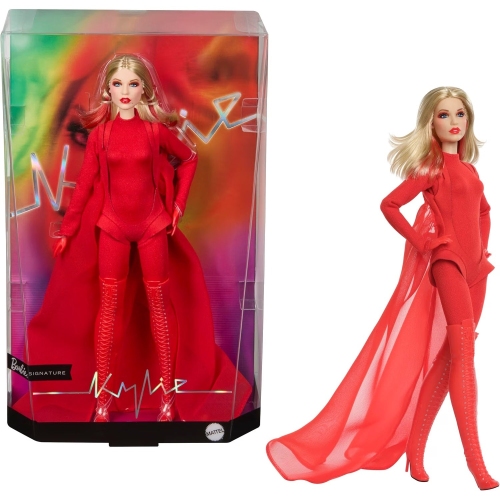 Your price for this item is $103.49
 -
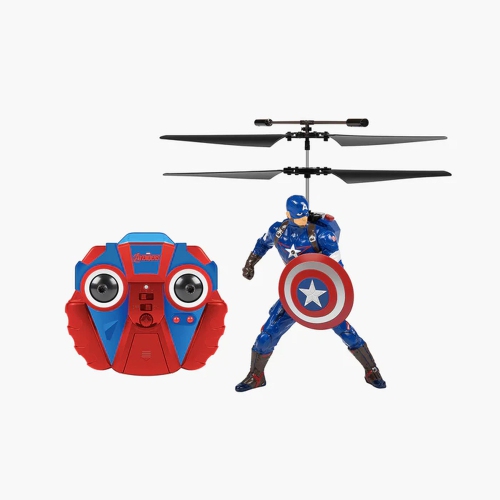 Your price for this item is $59.99
 -
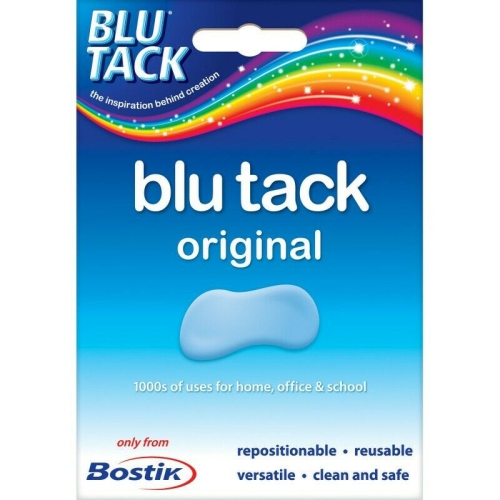 Your price for this item is $6
 -
 Your price for this item is $13.79
 -
 Your price for this item is $16
 -
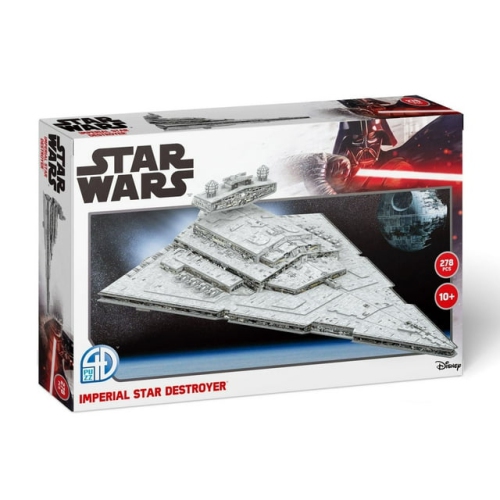 Your price for this item is $69.99
 -
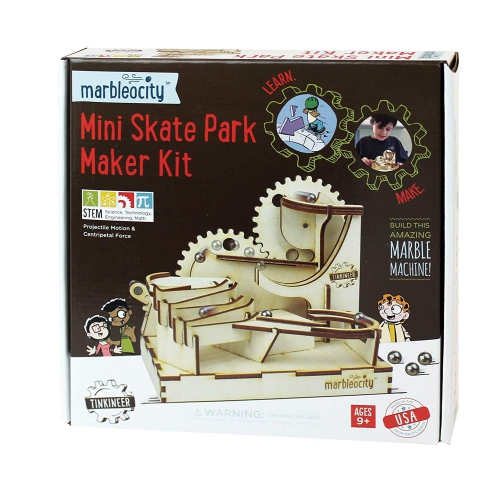 Your price for this item is $38.21
Discover more categories related to Painting Materials
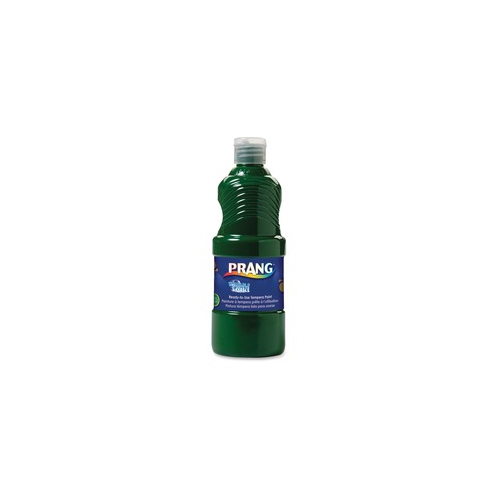
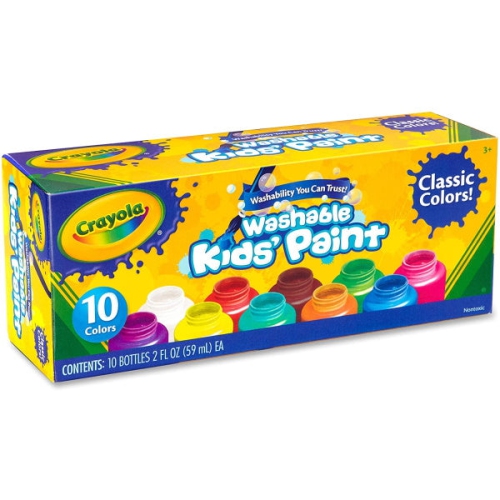
Top Collections:
Pokemon Centers, Kindle Devices, Best Budget Office Chairs, Apple iPhones 16, Best Laptops for Writers, iPhone 15 Apple, Canon G7X Cameras, Refurbished Apple Laptops, Alarm Clock, Motorola Razr Phones
Some products may be subject to Environmental Handling Fees
(EHF) depending on your province.
Learn more about EHFs.