Pantry Storage Containers
Organize your kitchen like a pro with our selection of pantry storage containers. Say goodbye to cluttered shelves and mismatched lids; our range of containers offers stylish solutions to keep your pantry neat and tidy. From stackable sets to airtight options, these containers are designed to maximize space and keep your dry goods fresh for longer. Whether you're a meal prep enthusiast or simply looking to streamline your cooking space, our pantry storage containers are sure to elevate your kitchen organization game.
Sort
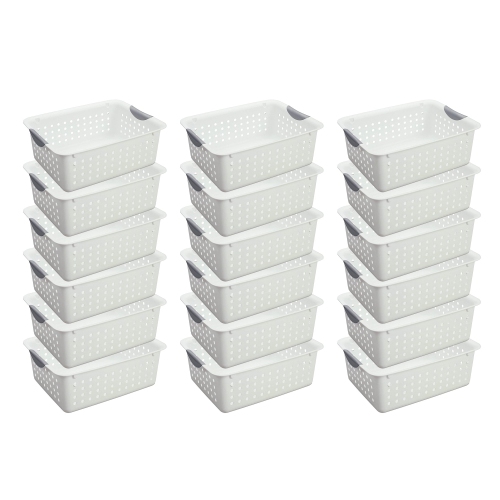
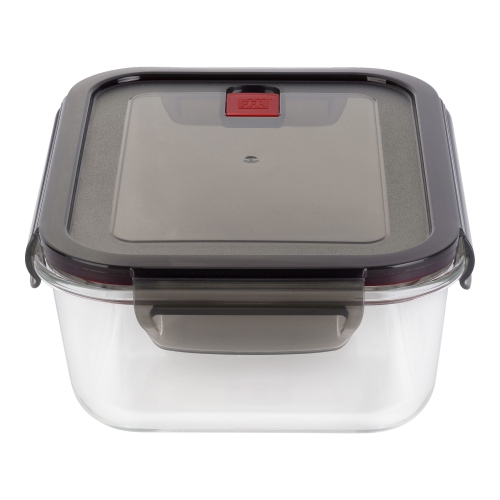
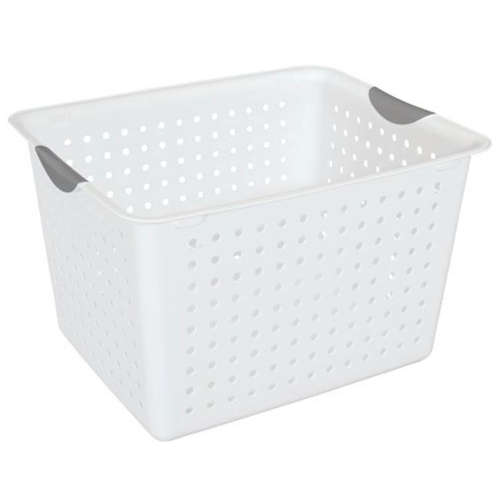

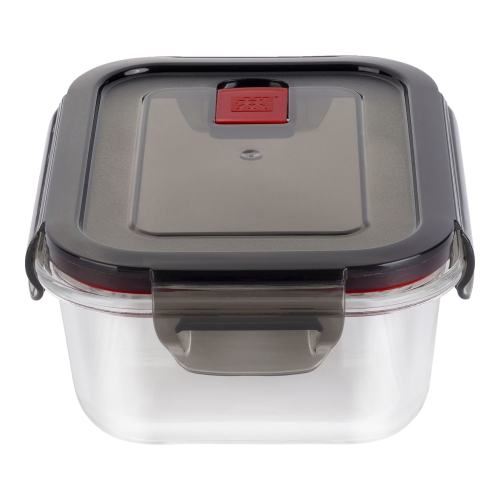


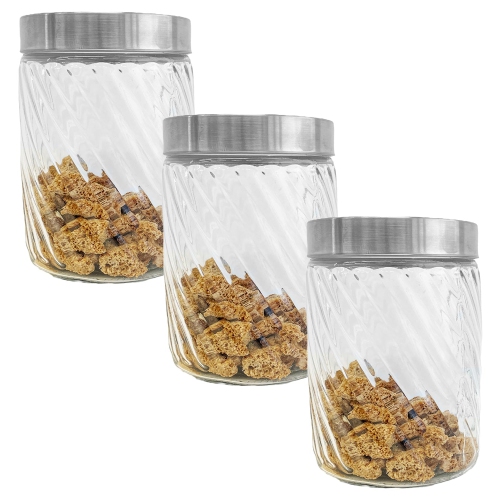
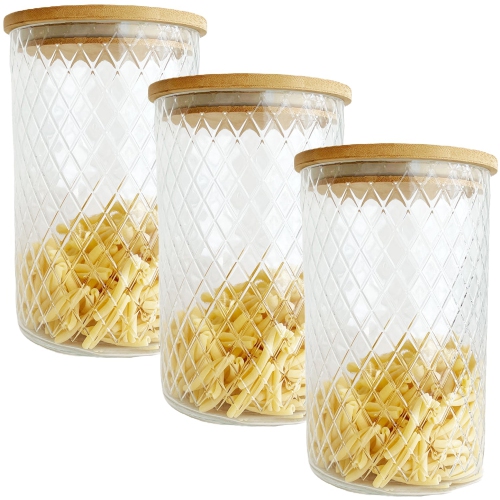
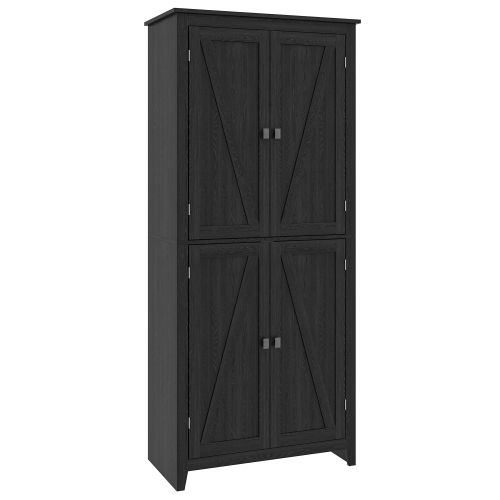
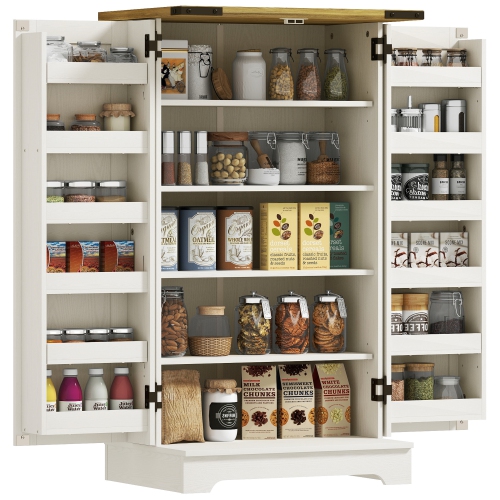
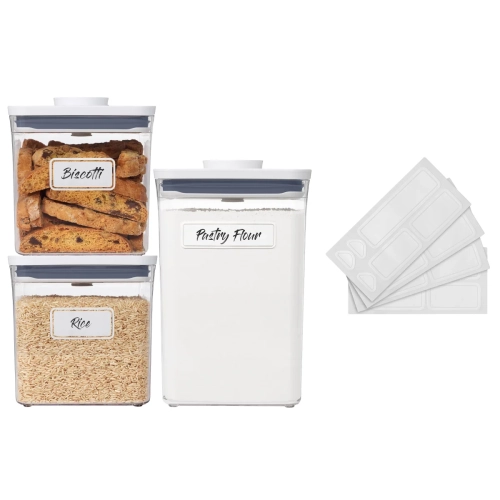
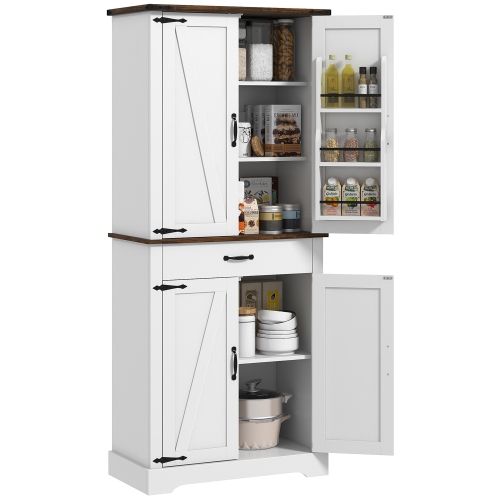
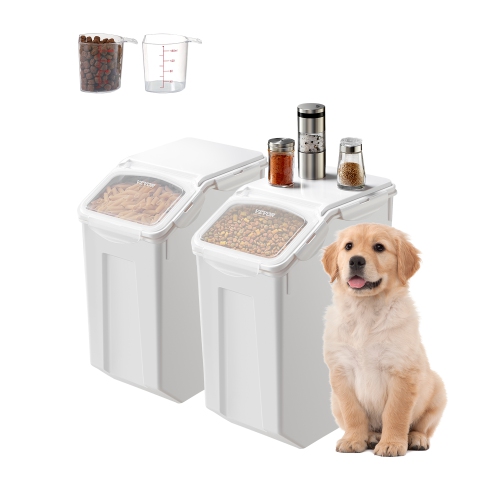
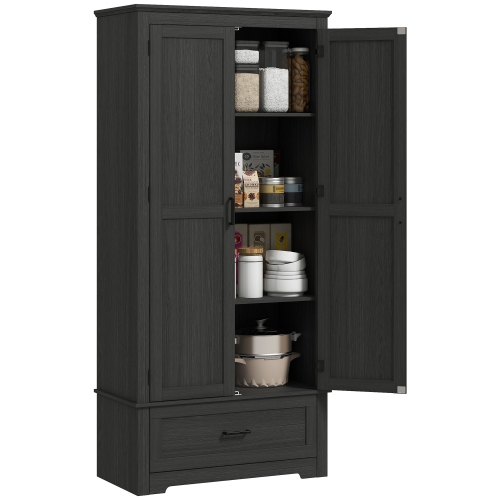
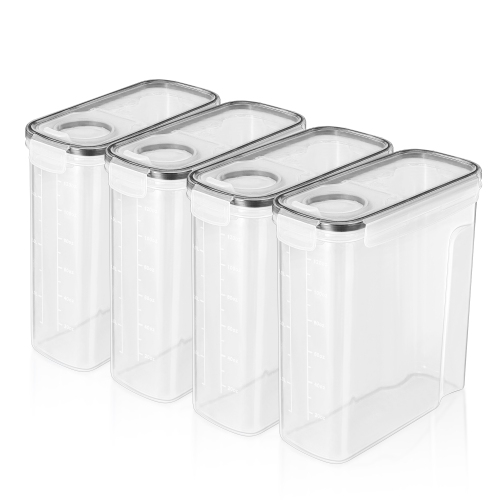
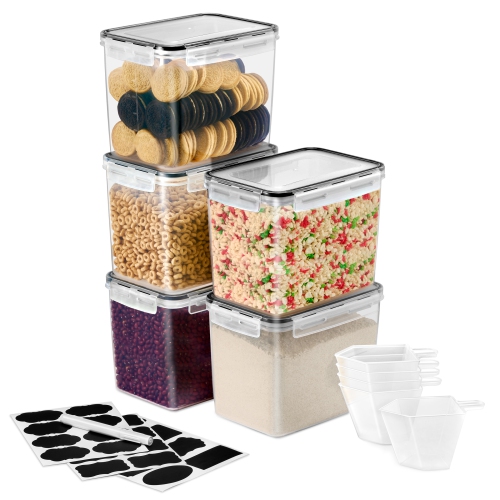
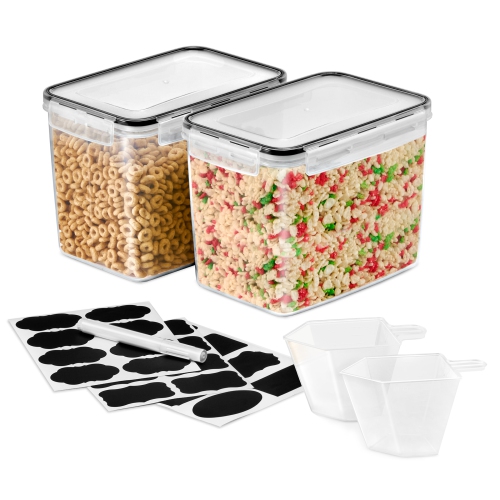
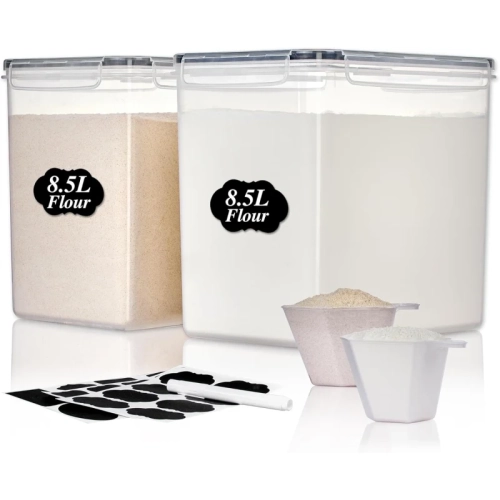
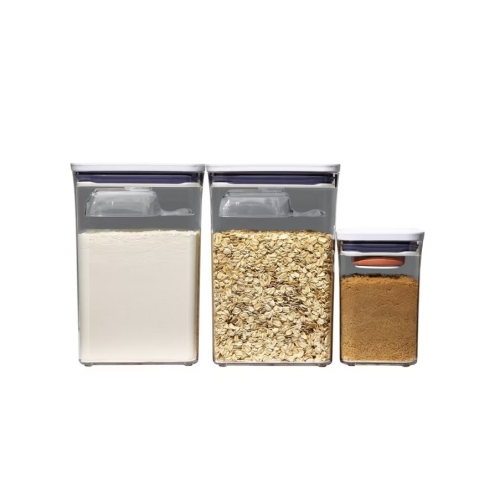
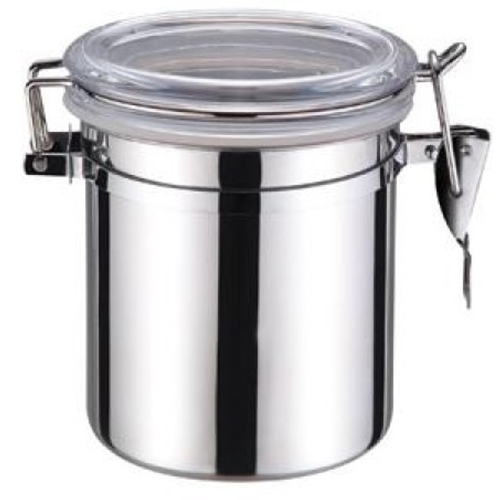
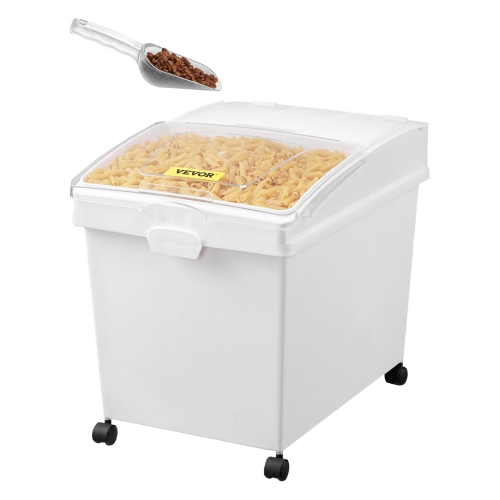
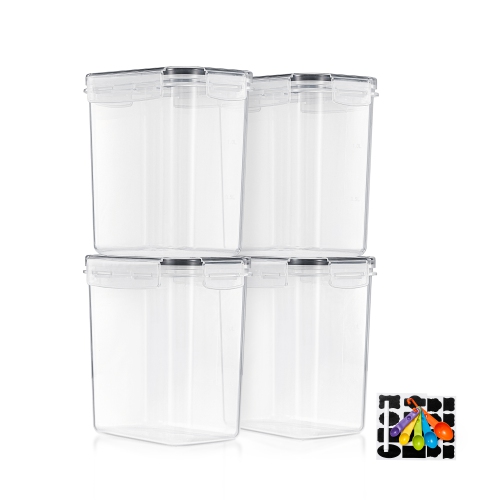

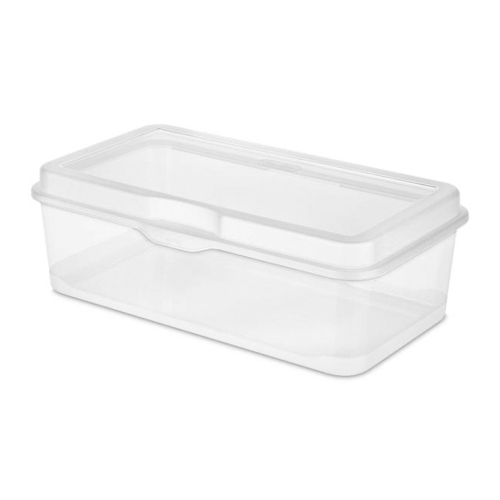
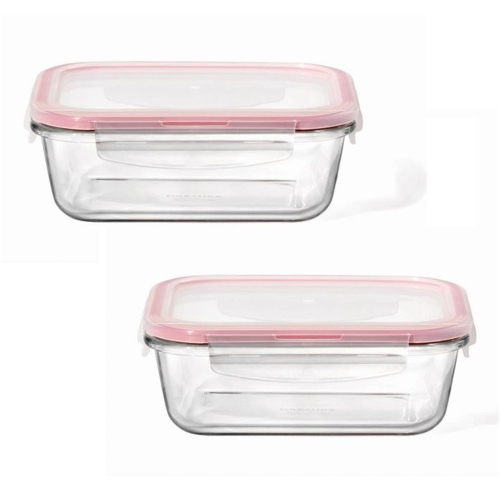
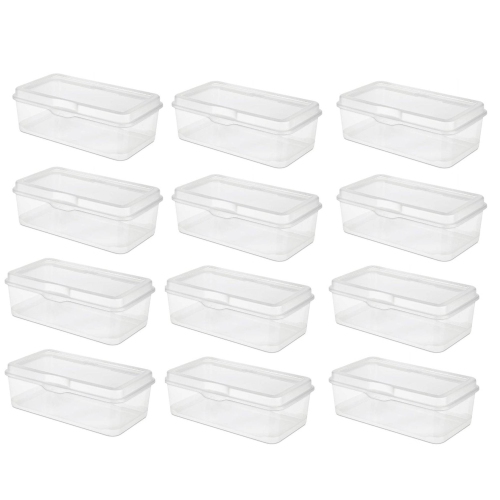
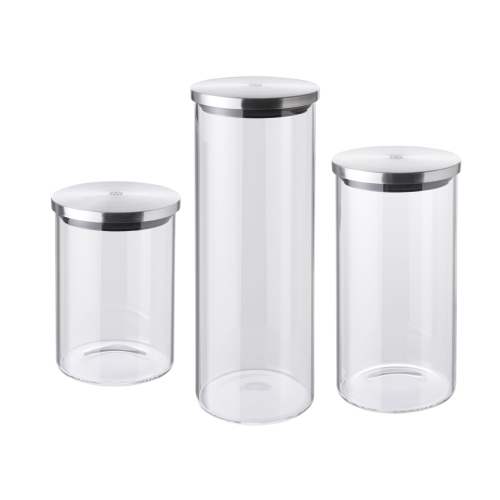
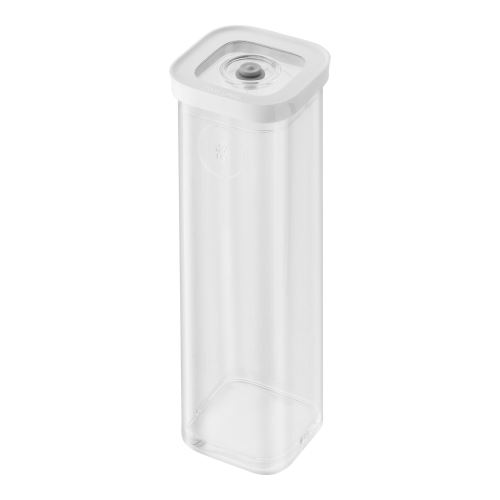






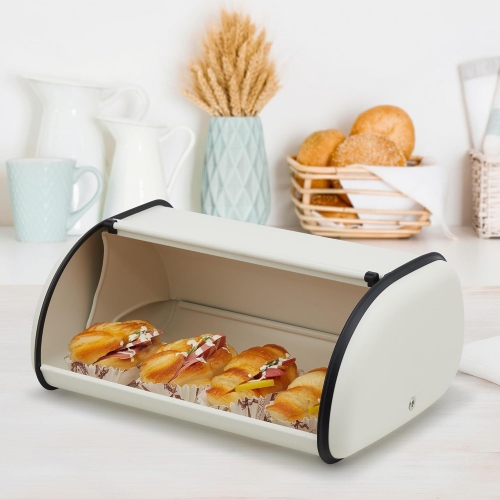
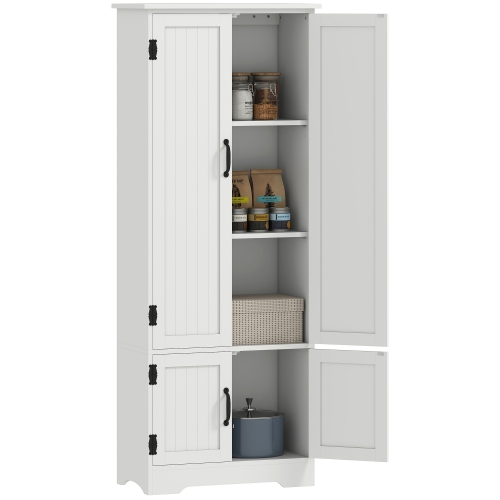
Why flour and wrapped snacks need different storage
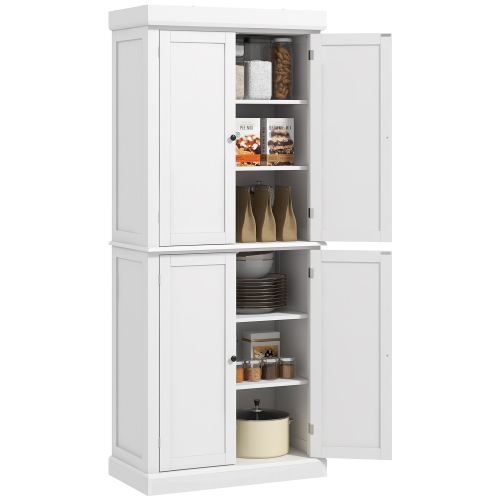
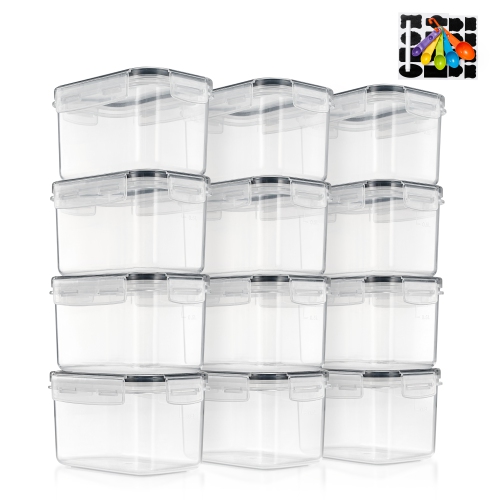
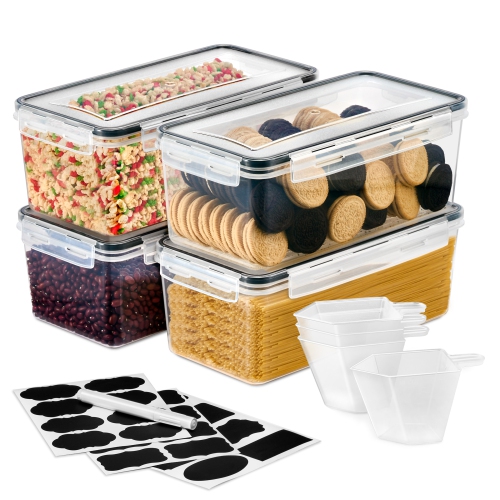
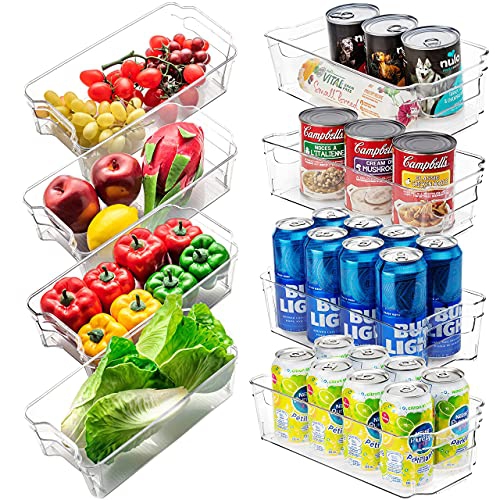
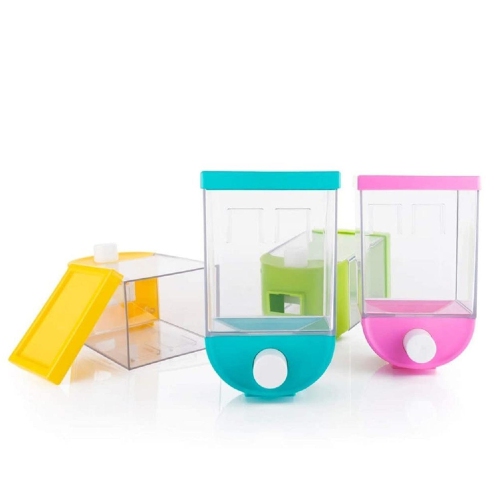
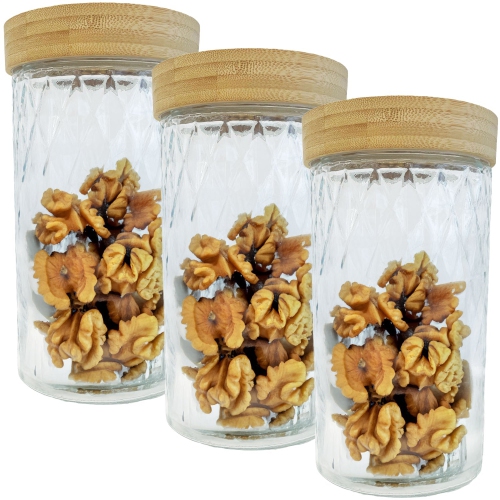
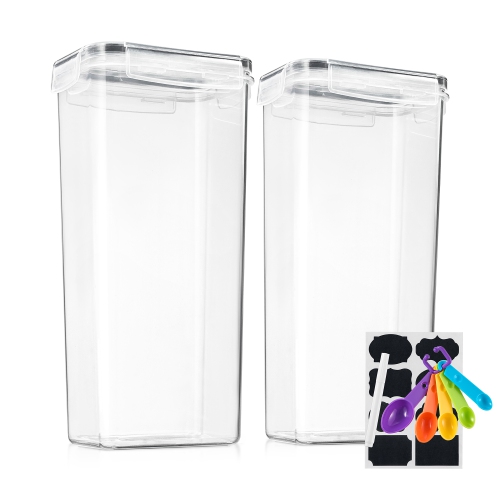
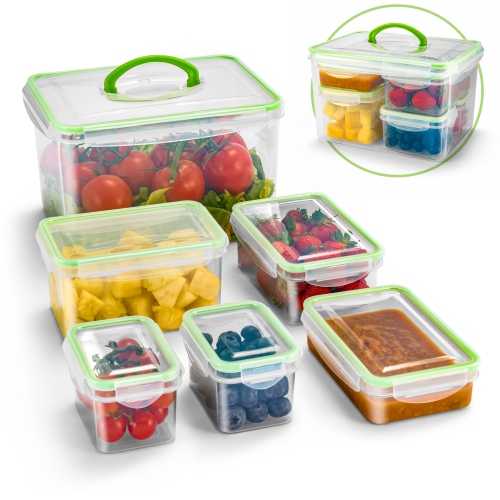
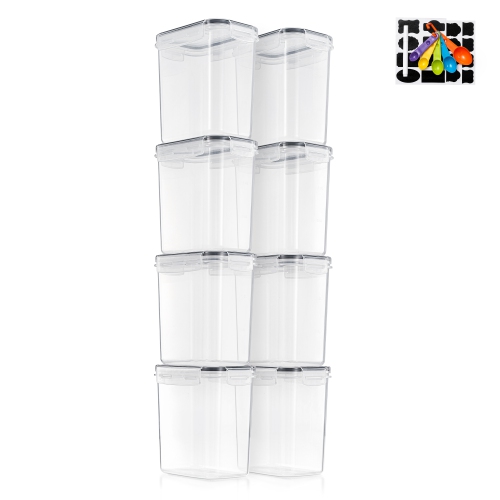
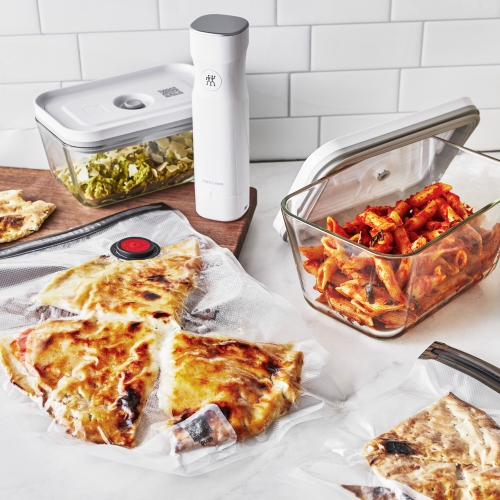
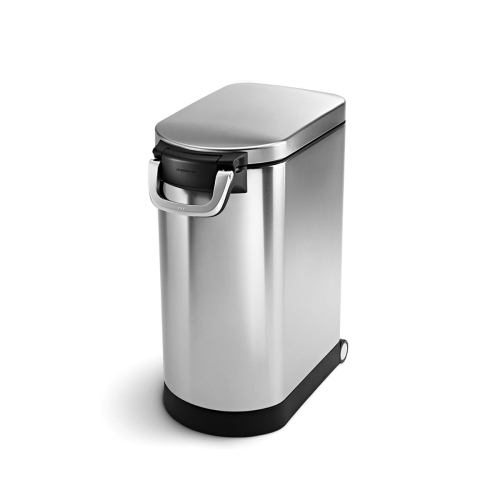
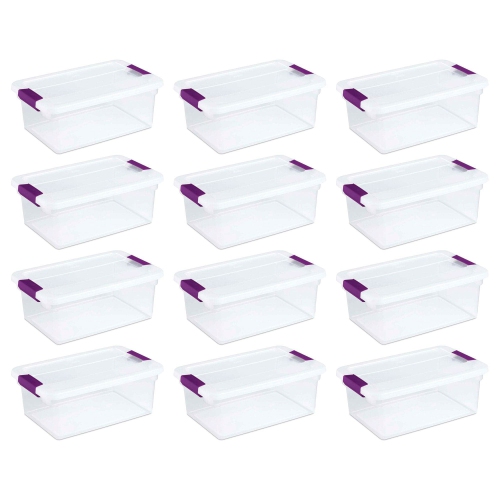
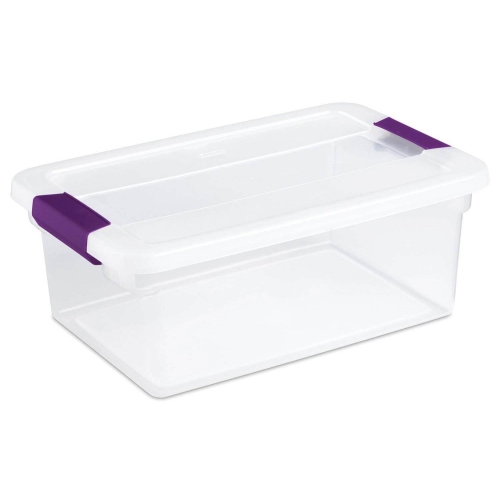
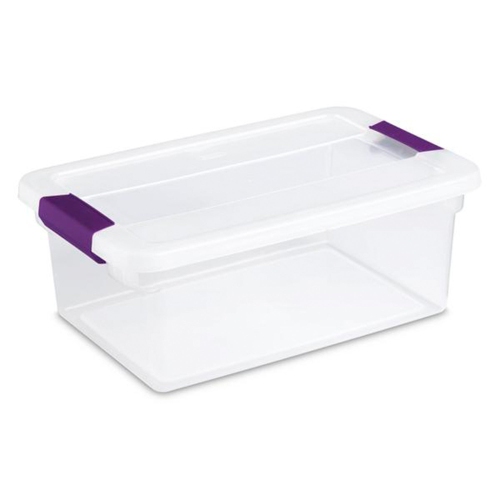
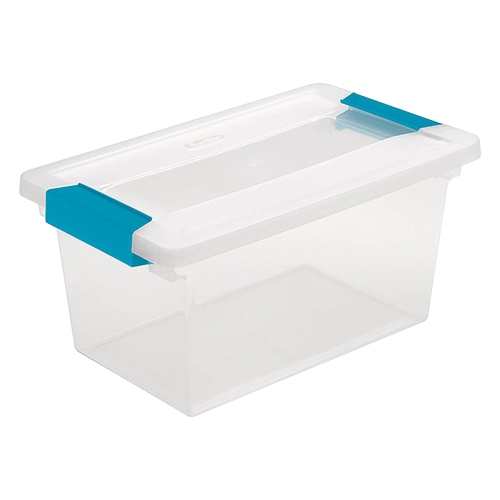
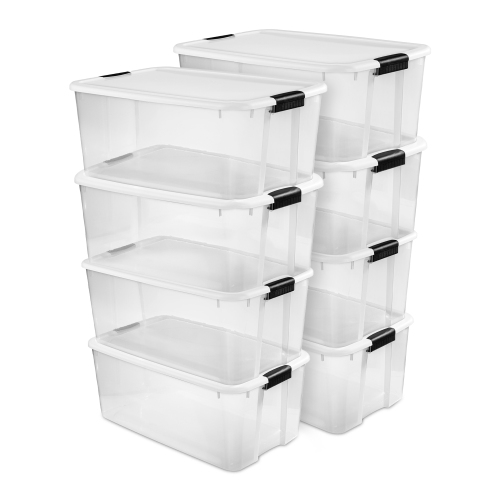
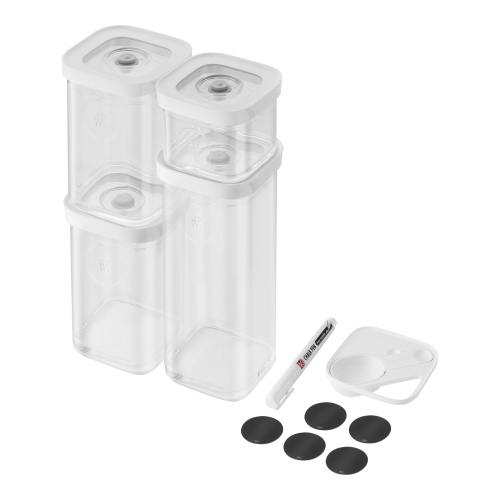
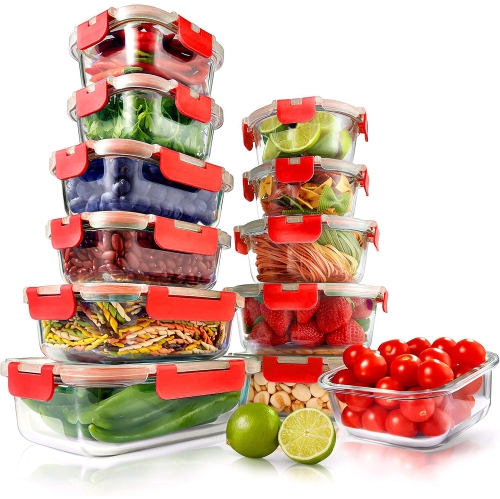
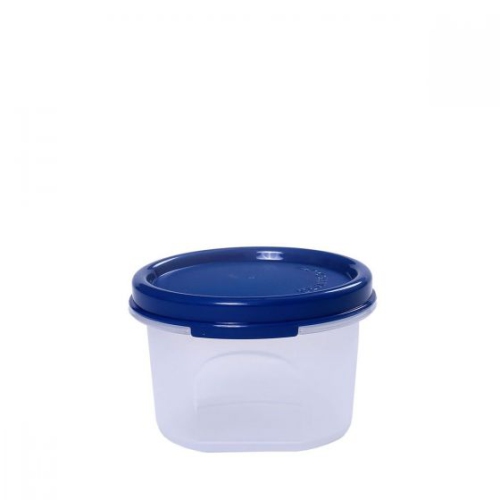
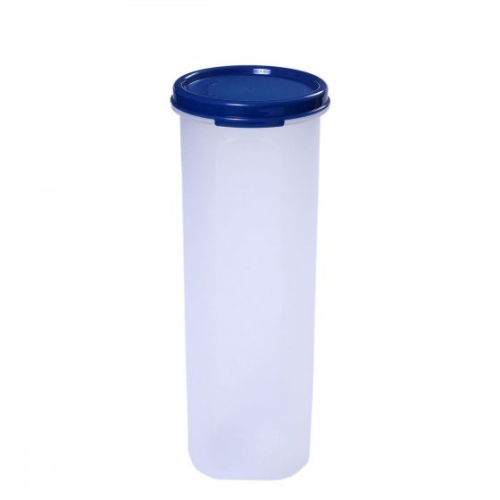
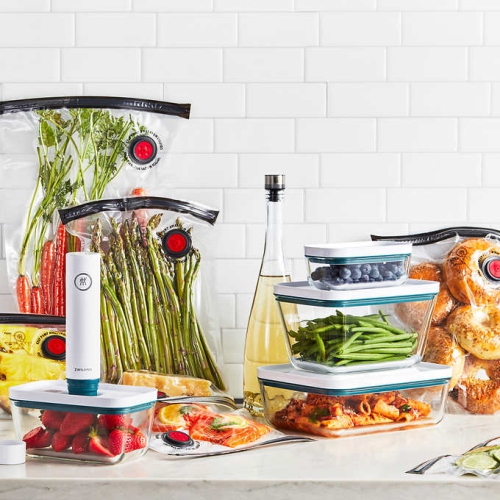
Pantry storage containers bring order to dry ingredients, packaged snacks, and everyday cooking essentials, making it easier to see what is on hand and reach what gets used most. Airtight canisters suit foods such as flour, rice, oats, and pasta, while open bins keep individually wrapped snacks, seasoning packets, and small boxes together. These formats serve different purposes: a sealed container provides a barrier against air and moisture when properly closed, whereas an open organizer groups packages without replacing their original wrapping. A practical pantry often includes both, with baking ingredients in lidded containers and lunch supplies gathered in easy-to-reach bins. Clear sides make contents and fill levels visible at a glance, especially when several similar ingredients share a shelf. Opaque canisters offer a more uniform appearance and limit light exposure, though labels become more important for identifying what is inside. Wide openings leave room for a measuring cup or scoop, while narrower pouring spouts can help direct cereal or grains into a bowl. Tall containers accommodate long pasta; shorter, broader shapes can be easier to handle when scooping flour or stacking beneath a low shelf. For households that cook frequently, these small differences affect how smoothly meal preparation goes. A container that allows a cup to dip straight into the flour is less awkward than one that requires tipping a heavy canister over a mixing bowl. Families packing lunches may find handled bins useful for bringing a selection of wrapped snacks to the counter, while someone furnishing a compact apartment may prefer a few multipurpose shapes over a large matching set. Pantry containers also sit comfortably within a broader kitchen pantry storage setup, alongside shelf organizers and other ways to make cupboard space more accessible. The most useful arrangement reflects the foods a household actually keeps, rather than treating every ingredient or package as though it needs the same kind of container.
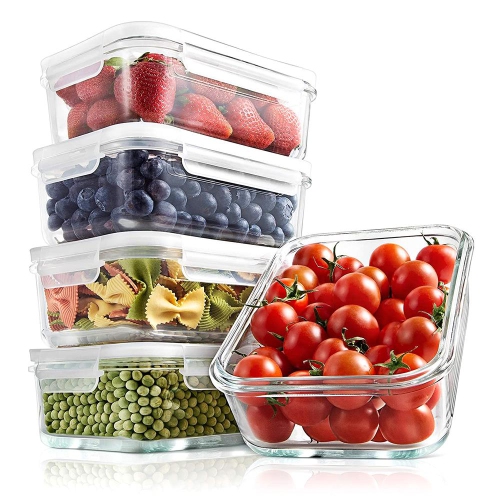
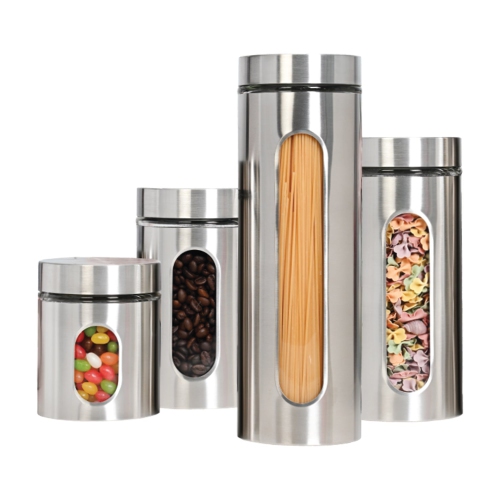
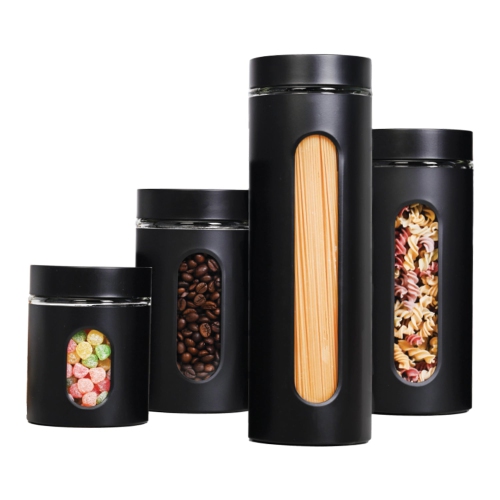
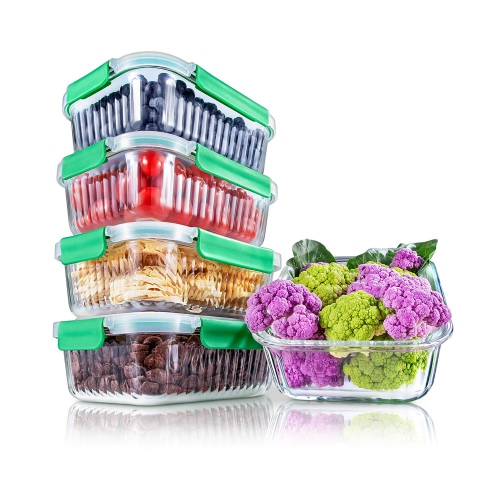
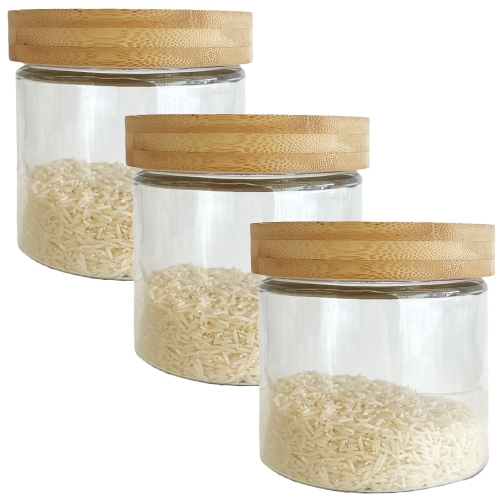
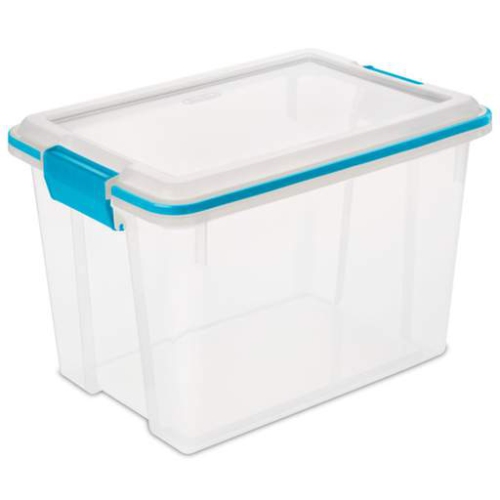
Materials, lid construction, and everyday handling all influence how pantry storage containers perform. Food-contact containers are the appropriate choice for loose ingredients; general-purpose organizer bins are better suited to holding packaged goods unless they are also intended for direct food contact. Plastic containers are typically lighter than glass, which can make a difference when lifting a full canister from an upper shelf or carrying several ingredients to a work surface. Their resistance to impacts varies by material and construction, and repeated use can leave scratches or clouding. Glass offers a clear view of contents and generally resists odours and staining, but its weight deserves consideration, especially in larger sizes. It can also chip or break if knocked against a hard surface. Metal canisters provide an opaque option, with care requirements that depend on the metal, finish, and lid components. A viewing window, where included, adds visibility without requiring the lid to be removed. For dry-food storage, the closure is just as important as the body. Gasketed lids, locking clips, and other sealing mechanisms are designed to create a closer fit than a loosely resting cover, but not every lidded canister is airtight. An airtight designation also does not automatically mean a container is leakproof or suitable for carrying liquids. Crumbs or flour caught along a rim can interfere with the seal, so a clean contact surface matters. Lids should close securely without requiring more grip strength than the person using them can comfortably manage. Someone with limited hand mobility may prefer a closure that is easy to operate repeatedly over one with several stiff clips. For frequently used ingredients, a straightforward opening mechanism can be more valuable than extra compartments or elaborate hardware. Durable construction includes a body that feels stable when filled, edges that are comfortable to hold, and a lid that remains properly aligned. Stackable designs should nest securely at the lid and base rather than simply balancing one smooth surface on another.
Capacity and shelf fit determine whether a pantry container becomes an everyday convenience or an awkward extra step. Capacity describes volume, not the weight of food a container will hold, so the same size will accommodate different weights of flour, cereal, or dried beans. Allowing some headroom makes scooping and replacing the lid easier, particularly for ingredients bought in larger bags. Exterior measurements matter too: lid tabs, handles, and projecting rims can take up more room than the main body suggests. In a shallow cupboard, rectangular and square containers can sit closely together, while rounded shapes may leave useful finger space for lifting individual canisters. A tall container still needs clearance to be removed or opened, and a stack is most convenient when the foods reached for daily are not buried underneath heavier ingredients. On deep shelves, a handled bin can bring small packages forward together instead of leaving them scattered behind larger containers. Care requirements are worth considering across the whole container, including its seals and removable parts. Dishwasher suitability varies, and a dishwasher-safe body does not necessarily mean that the lid can be cleaned the same way. Manufacturer care directions help protect finishes, plastic components, and the fit of sealing surfaces. Containers and removable gaskets should dry thoroughly before being filled with dry goods, since trapped moisture works against the purpose of sealed storage. Emptying and cleaning a container between batches also makes it easier to keep older food from accumulating at the bottom. Labels can carry ingredient names, preparation directions, and best-before information from the original packaging; retaining allergen and lot details is especially useful when food is transferred out of its bag or box. In shared kitchens, clear identification helps distinguish similar-looking ingredients and keeps separate food needs visible. For a housewarming gift or a first kitchen, easy-care containers in versatile sizes offer practical value without assuming an elaborate pantry layout. Whether arranged in a dedicated pantry or a single cupboard, containers work best when their shape, closure, and capacity make familiar daily routines simpler.
Materials, lid construction, and everyday handling all influence how pantry storage containers perform. Food-contact containers are the appropriate choice for loose ingredients; general-purpose organizer bins are better suited to holding packaged goods unless they are also intended for direct food contact. Plastic containers are typically lighter than glass, which can make a difference when lifting a full canister from an upper shelf or carrying several ingredients to a work surface. Their resistance to impacts varies by material and construction, and repeated use can leave scratches or clouding. Glass offers a clear view of contents and generally resists odours and staining, but its weight deserves consideration, especially in larger sizes. It can also chip or break if knocked against a hard surface. Metal canisters provide an opaque option, with care requirements that depend on the metal, finish, and lid components. A viewing window, where included, adds visibility without requiring the lid to be removed. For dry-food storage, the closure is just as important as the body. Gasketed lids, locking clips, and other sealing mechanisms are designed to create a closer fit than a loosely resting cover, but not every lidded canister is airtight. An airtight designation also does not automatically mean a container is leakproof or suitable for carrying liquids. Crumbs or flour caught along a rim can interfere with the seal, so a clean contact surface matters. Lids should close securely without requiring more grip strength than the person using them can comfortably manage. Someone with limited hand mobility may prefer a closure that is easy to operate repeatedly over one with several stiff clips. For frequently used ingredients, a straightforward opening mechanism can be more valuable than extra compartments or elaborate hardware. Durable construction includes a body that feels stable when filled, edges that are comfortable to hold, and a lid that remains properly aligned. Stackable designs should nest securely at the lid and base rather than simply balancing one smooth surface on another.
Capacity and shelf fit determine whether a pantry container becomes an everyday convenience or an awkward extra step. Capacity describes volume, not the weight of food a container will hold, so the same size will accommodate different weights of flour, cereal, or dried beans. Allowing some headroom makes scooping and replacing the lid easier, particularly for ingredients bought in larger bags. Exterior measurements matter too: lid tabs, handles, and projecting rims can take up more room than the main body suggests. In a shallow cupboard, rectangular and square containers can sit closely together, while rounded shapes may leave useful finger space for lifting individual canisters. A tall container still needs clearance to be removed or opened, and a stack is most convenient when the foods reached for daily are not buried underneath heavier ingredients. On deep shelves, a handled bin can bring small packages forward together instead of leaving them scattered behind larger containers. Care requirements are worth considering across the whole container, including its seals and removable parts. Dishwasher suitability varies, and a dishwasher-safe body does not necessarily mean that the lid can be cleaned the same way. Manufacturer care directions help protect finishes, plastic components, and the fit of sealing surfaces. Containers and removable gaskets should dry thoroughly before being filled with dry goods, since trapped moisture works against the purpose of sealed storage. Emptying and cleaning a container between batches also makes it easier to keep older food from accumulating at the bottom. Labels can carry ingredient names, preparation directions, and best-before information from the original packaging; retaining allergen and lot details is especially useful when food is transferred out of its bag or box. In shared kitchens, clear identification helps distinguish similar-looking ingredients and keeps separate food needs visible. For a housewarming gift or a first kitchen, easy-care containers in versatile sizes offer practical value without assuming an elaborate pantry layout. Whether arranged in a dedicated pantry or a single cupboard, containers work best when their shape, closure, and capacity make familiar daily routines simpler.
Top selling and popular products
-
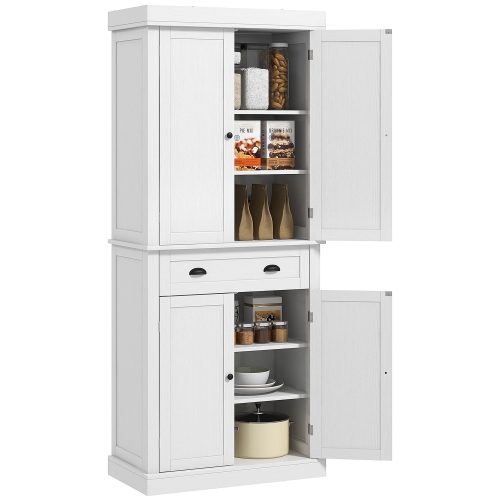 Your price for this item is $267.79
 -
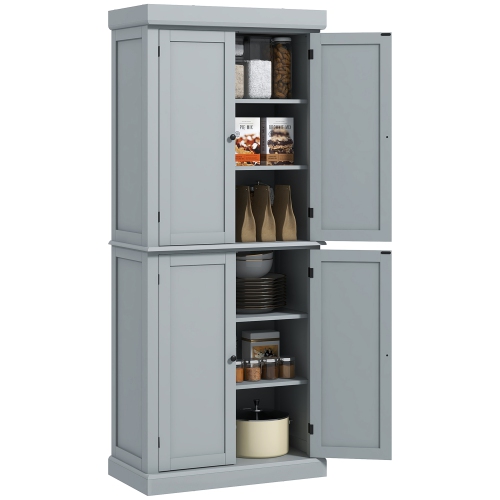 Your price for this item is $299.99
 -
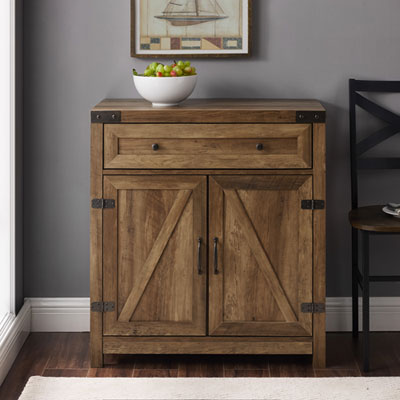 Your price for this item is $401.99
 -
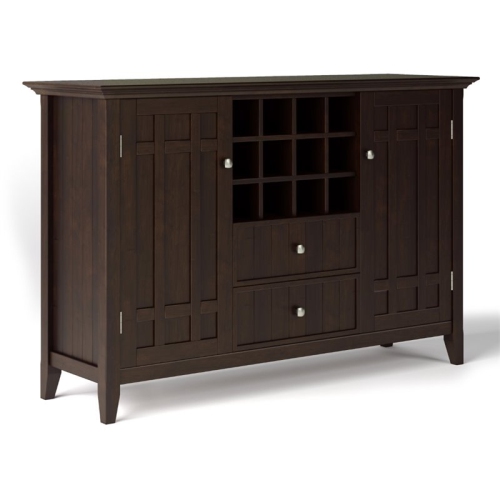 Your price for this item is $1449.04
 -
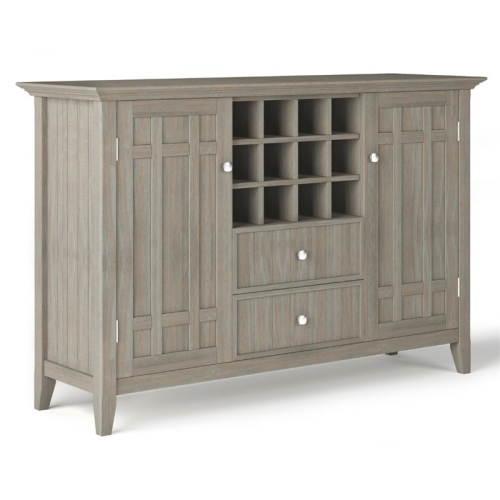 Your price for this item is $1463.19
 -
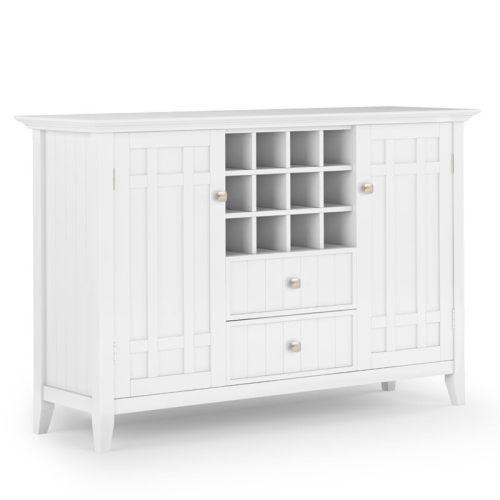 Your price for this item is $1454.75
 -
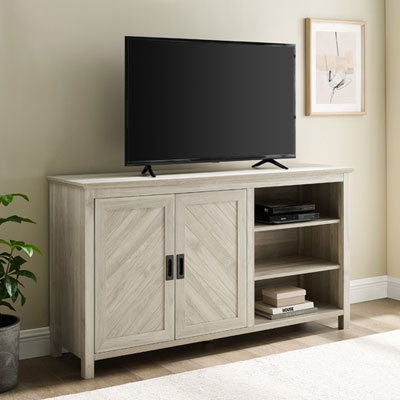 Your price for this item is $593.99
 -
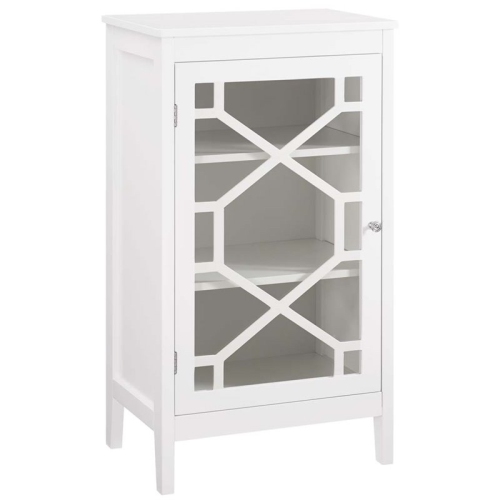 Your price for this item is $382.68
Discover more categories related to Pantry Storage Containers
Top Collections:
Pokemon Centers, Kindle Devices, Best Budget Office Chairs, Apple iPhones 16, Best Laptops for Writers, iPhone 15 Apple, Canon G7X Cameras, Refurbished Apple Laptops, Alarm Clock, Motorola Razr Phones
Some products may be subject to Environmental Handling Fees
(EHF) depending on your province.
Learn more about EHFs.