Patio Renovation
Transform your outdoor space into a stylish oasis with our Patio Renovation collection. Whether you're looking to create a cozy nook for morning coffee or a vibrant entertaining area for summer BBQs, we have everything you need to revamp your patio. From sleek and modern furniture sets to durable outdoor lighting options, our curated selection will help you design the perfect outdoor retreat for relaxing and socializing. Explore our range of patio renovation essentials and elevate your outdoor living experience today!
Sort
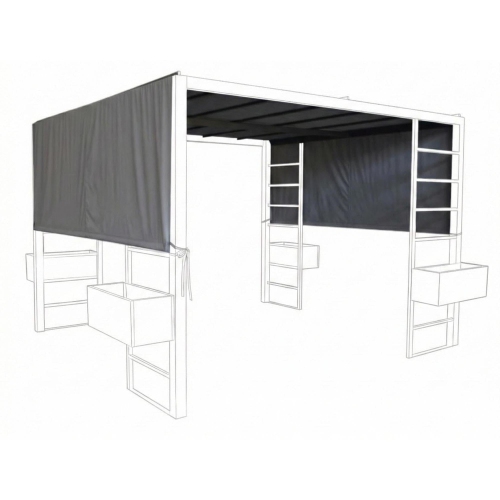

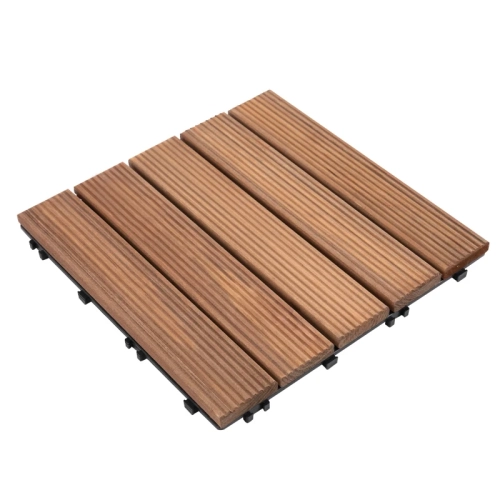
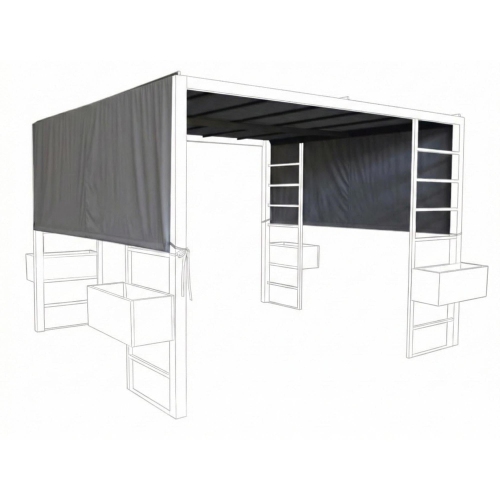
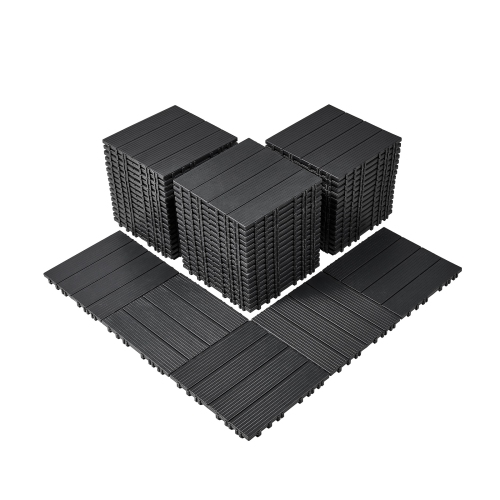
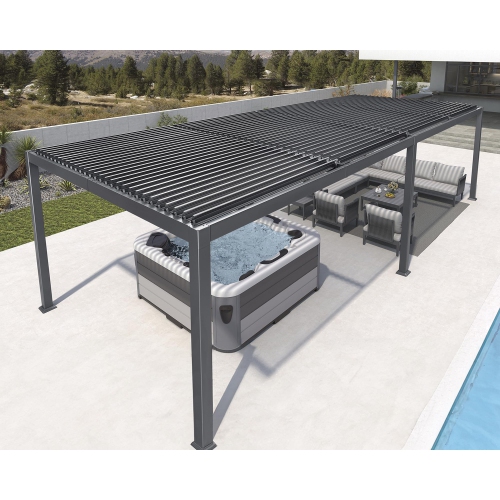
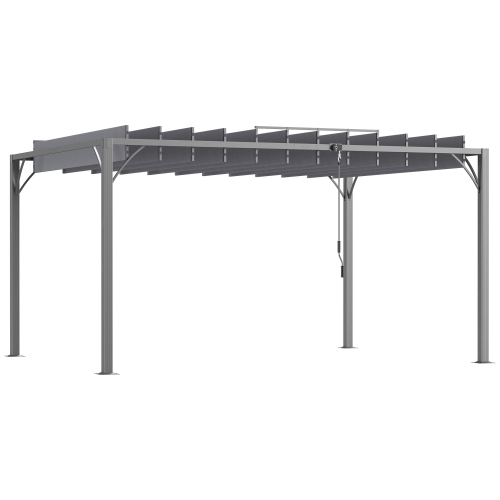
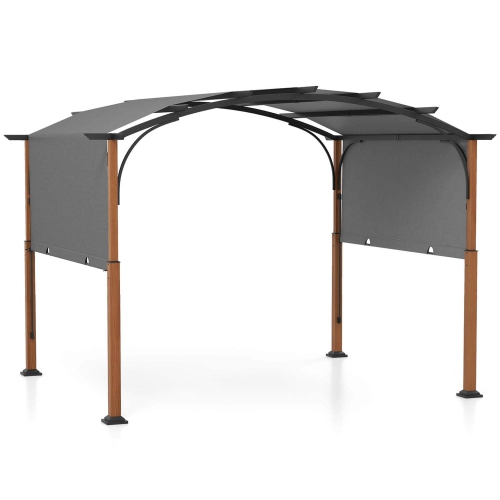
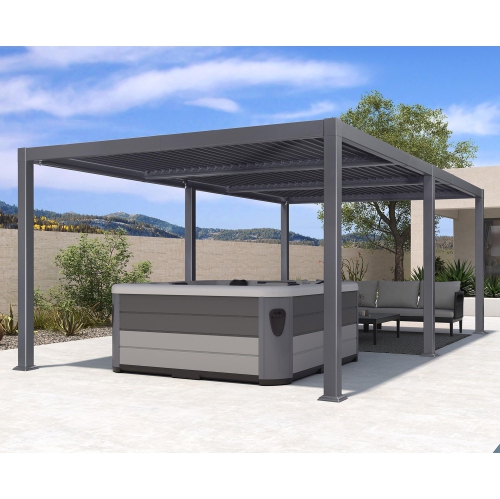

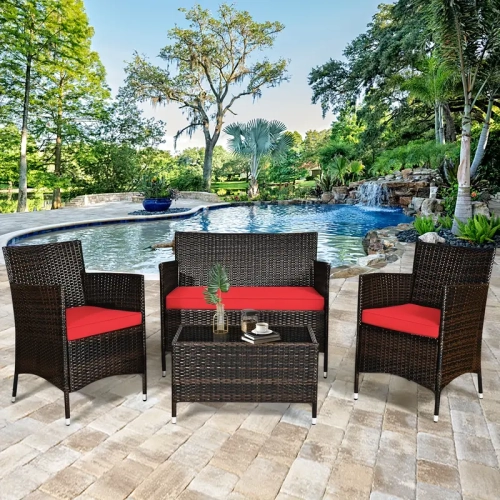
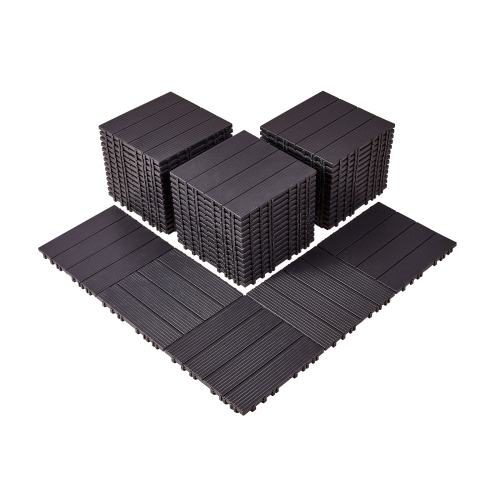
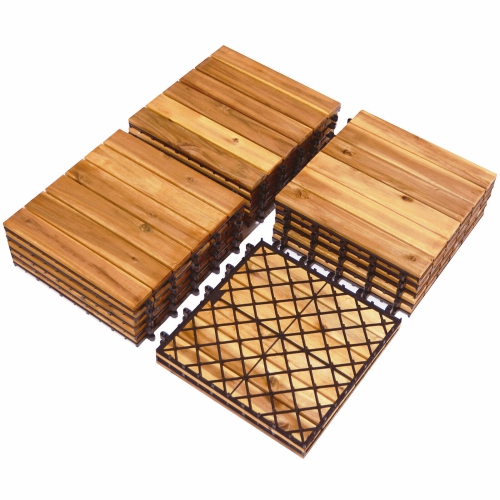
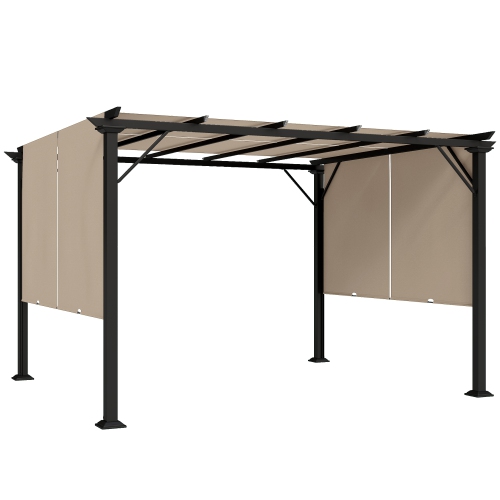
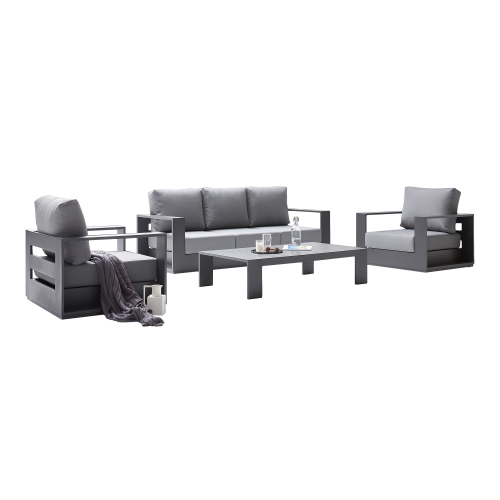
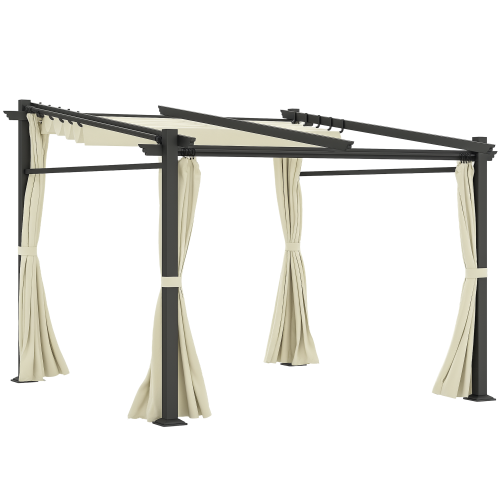
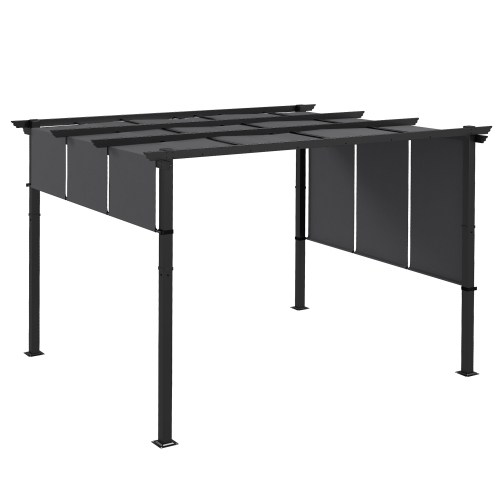
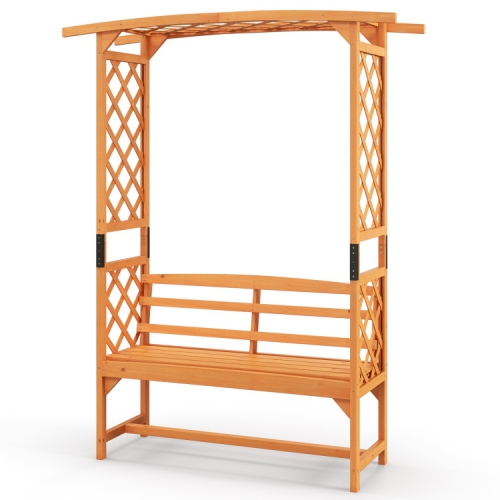
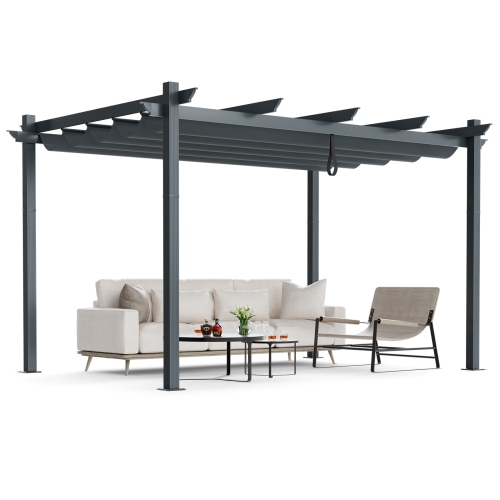
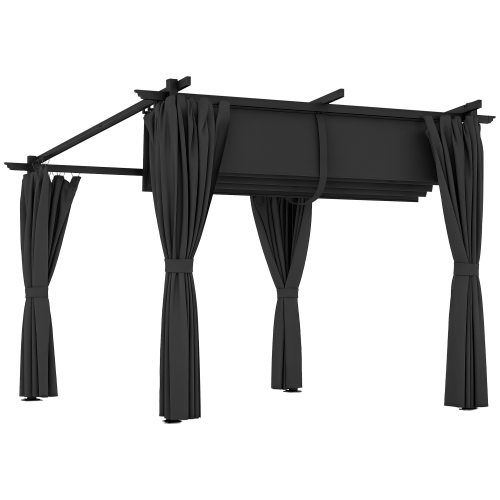
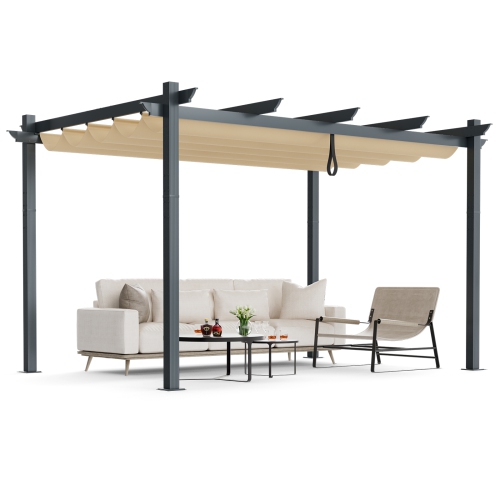

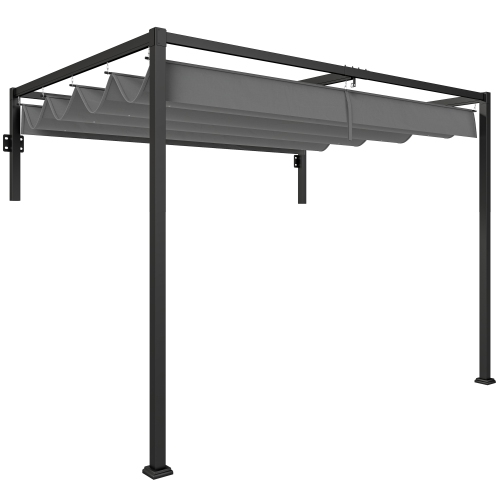
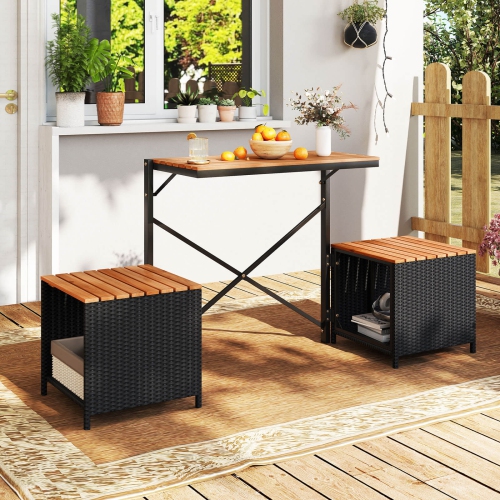
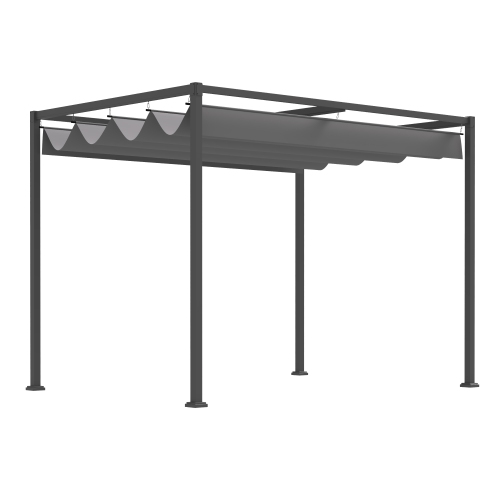
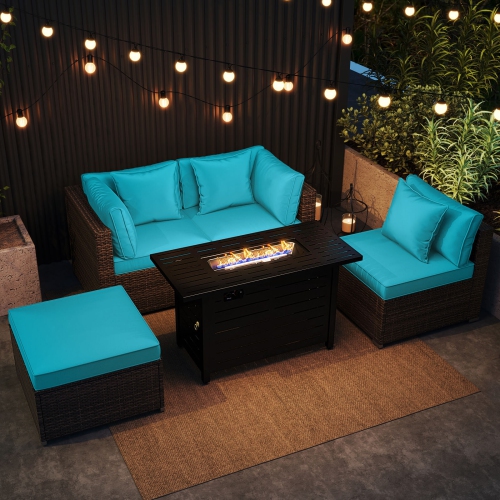
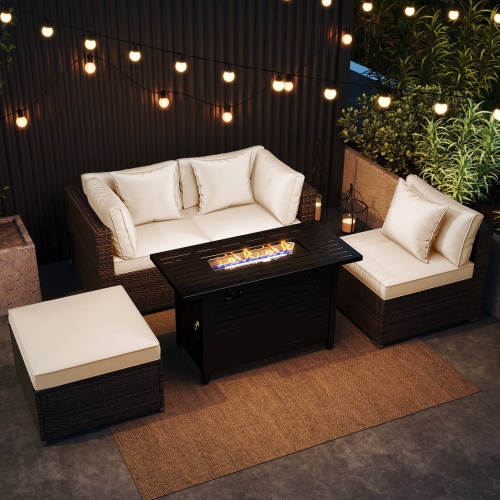
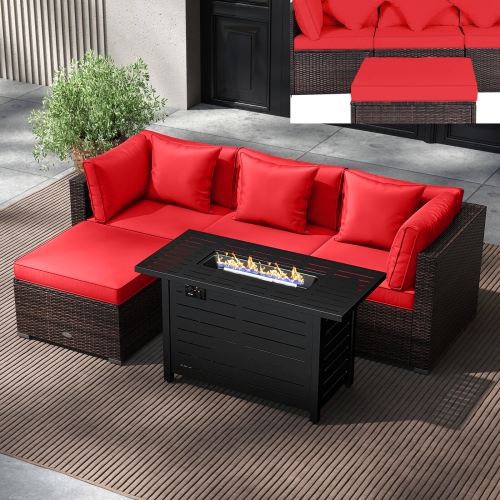
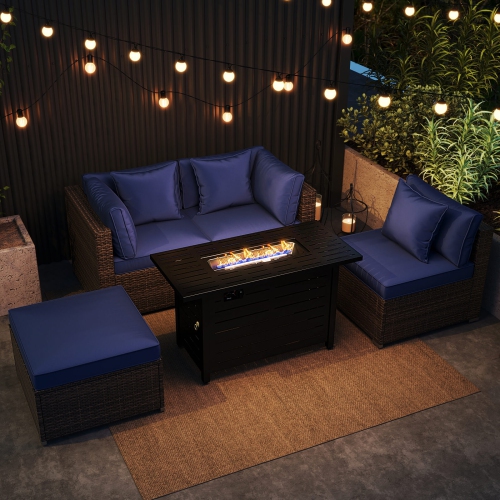
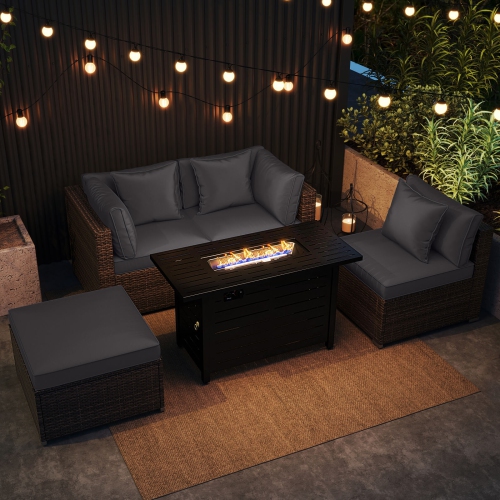
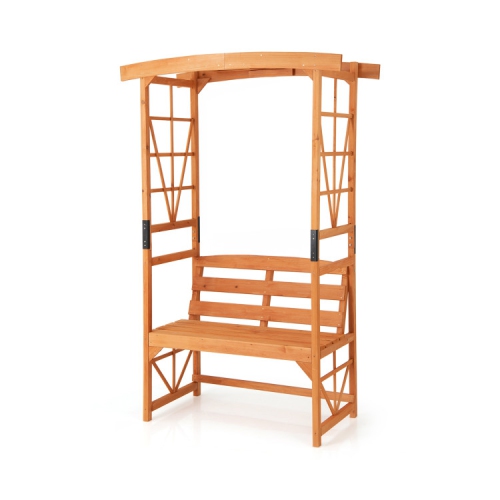
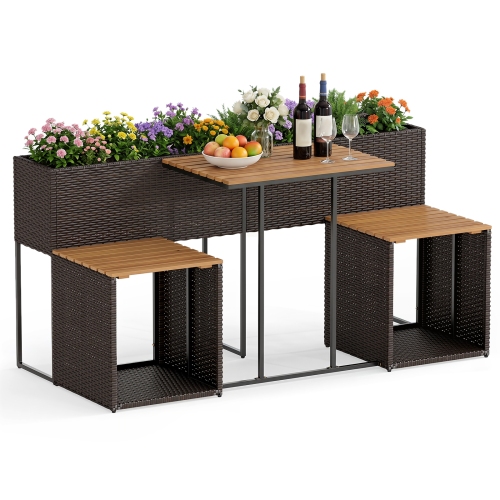
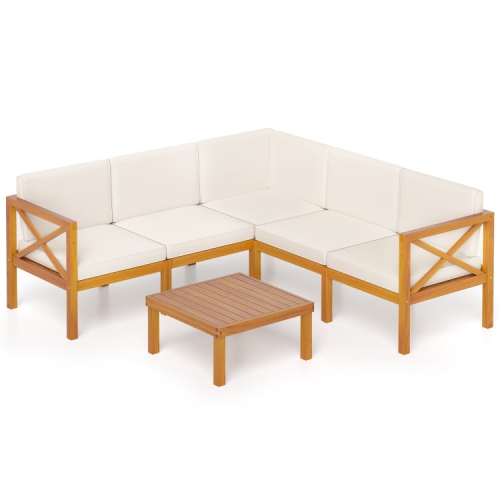
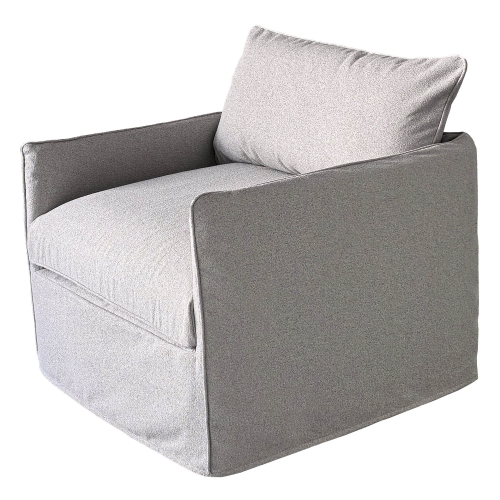
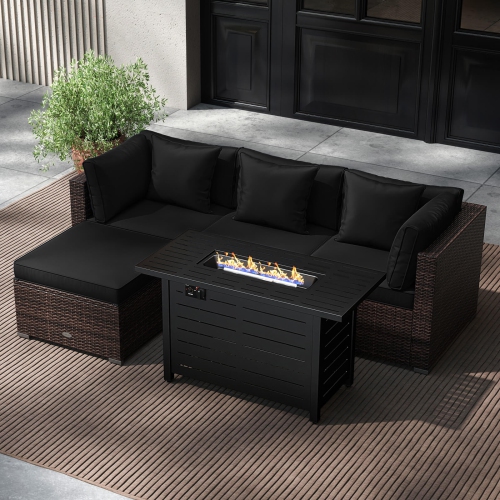
Patio comfort starts with furniture that fits your space
A patio renovation improves how an outdoor space looks, functions, and fits everyday life. It can involve changes to the surface and layout, along with furniture, lighting, shade, and storage that make the area more useful. For a page focused on patio furnishings and accessories, the emphasis is on creating a comfortable, practical setting around the space already in place. A compact patio might serve as a quiet spot for morning coffee and an occasional meal, while a larger area may accommodate dining, conversation, and room for children to play. Those uses call for different proportions. Deep seating encourages lingering but takes up more space than upright dining chairs, and a generous tabletop needs clearance for people to pull out their seats without backing into a wall or planter. Measurements are most useful when they account for door swings, steps, railings, and the route between the house and the rest of the yard. A layout that looks spacious with every chair tucked in can feel very different once people are seated. The shape of the patio matters, too: a narrow rectangle often suits a different arrangement than a square area tucked beside the house. Visual scale helps establish a sense of balance, with lower profiles keeping sightlines open and substantial pieces giving a broad, exposed space a more settled appearance. For households that entertain, flexible arrangements can support both a small family dinner and a larger gathering without filling every corner permanently. Anyone who prefers a quiet retreat may place greater value on supportive seating, a convenient surface for a book, and some separation from neighbouring spaces. Furniture and accessories work best on a sound, suitably level surface; they do not correct cracked paving, drainage problems, or structural concerns. Within those practical boundaries, a renovation can make an existing patio feel more intentional without changing its entire footprint.
Materials influence not only the appearance of a patio but also how its furnishings feel to use, how easily they move, and how much care they require. Aluminum is relatively light and resists rust, which can suit seating that gets rearranged frequently. Steel provides a more substantial feel, although the condition of its protective finish matters, particularly around joints, edges, and scratches where moisture may reach the metal. Wood brings visible grain and a warmer texture, with differences in species and finish affecting its care needs and appearance over time. Some wood develops a silvery patina, while maintaining its original colour may involve cleaning and refinishing according to the manufacturer’s directions. Woven synthetic surfaces can add texture without the same feel as a solid frame, but the weave, frame construction, and stated outdoor suitability all contribute to durability. No material description alone guarantees that a piece can remain uncovered through every condition. Cushions deserve equally close attention: a removable cover is not necessarily machine washable, and water-resistant fabric should not be treated as waterproof. Drying time, care instructions, and suitable storage all affect how comfortably soft furnishings fit into everyday use. In Canadian settings where patios may face rain, strong sun, or freezing conditions, material suitability and space for protected storage are meaningful considerations. Fit also extends beyond overall width and depth. Seat height, back angle, arm position, and cushion firmness shape comfort, especially for someone who finds low, deep seating difficult to rise from. Dining surfaces need a compatible chair height and enough room beneath the tabletop for knees and armrests. Folding or stackable designs can help with occasional use, provided their mechanisms are secure and their stored dimensions suit the available space. Shade and privacy features add another layer of planning: their footprint, support requirements, and exposure to wind matter as much as their coverage. Stable placement and unobstructed exits help keep a furnished patio comfortable without compromising the movement that makes it usable.
The finishing layer gives a patio its character while supporting the larger choices made during a renovation. A coordinated approach to Patio Decoration connects seating, surfaces, and surrounding architecture through colour, texture, and proportion. Repeating one or two colours can bring together pieces purchased at different times, while a mix of smooth frames, woven textures, and soft textiles creates interest without requiring everything to match. An outdoor rug can visually define a conversation area, but its dimensions, drainage characteristics, and care requirements matter alongside its pattern. A rug that repeatedly catches beneath a moving chair or stays damp against the surface beneath it adds inconvenience rather than comfort. Lighting has a similarly practical role. Gentle light near seating supports conversation, while clearer illumination around steps and changes in level helps people see where they are going. Fixtures and powered accessories need ratings appropriate to their intended outdoor location, with cords kept away from walking routes and doorways. Permanent electrical changes belong with a qualified professional rather than being improvised around a new furniture arrangement. Storage can make the difference between a patio that stays comfortable and one that becomes crowded with loose cushions, covers, and everyday belongings. The useful capacity of a storage piece depends on its internal measurements, opening clearance, and the conditions it is designed to withstand, not simply its exterior size. For families, accessible storage makes tidying up after a meal or playtime more manageable; for frequent hosts, it keeps spare comforts close without occupying the main seating area. Privacy screens and tall accents can soften views, though their placement should respect sightlines, shared-property rules, and the need for secure support. The strongest patio renovations leave room for ordinary habits: carrying a tray through the doorway, stretching out with a book, moving a chair into the shade, or gathering around a table without squeezing past obstacles. Comfort, straightforward care, and a layout suited to those moments give the finished space lasting usefulness beyond its first impression.
Top selling and popular products
-
 Your price for this item is $331.99
-
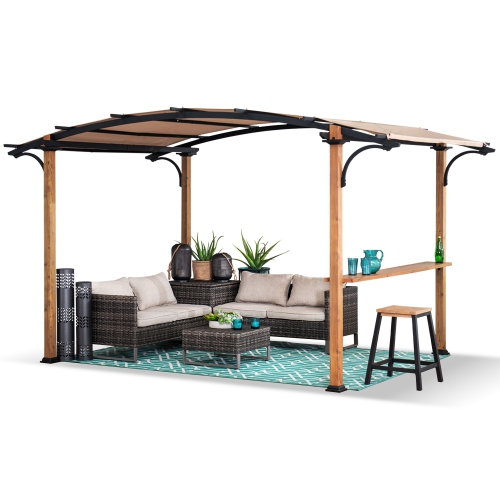 Your price for this item is $381.99
-
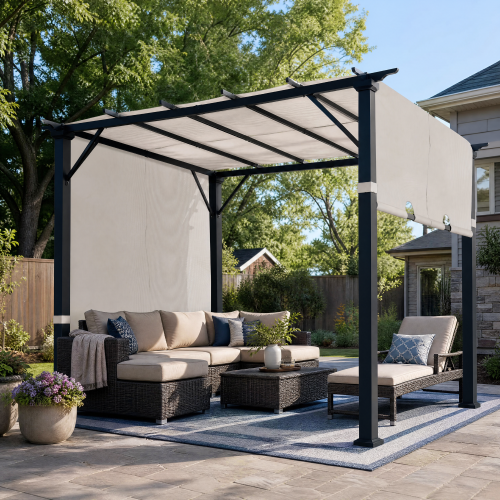 Your price for this item is $323.99
-
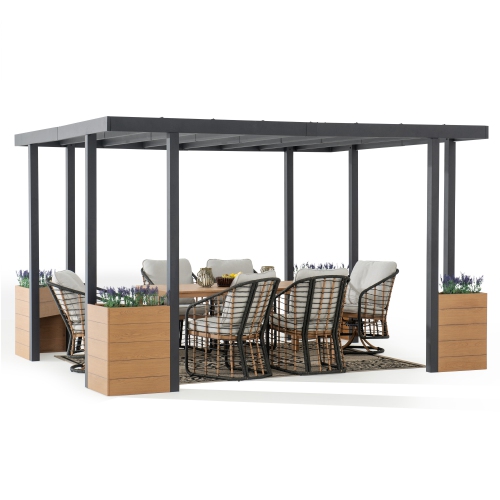 Your price for this item is $1653.99
-
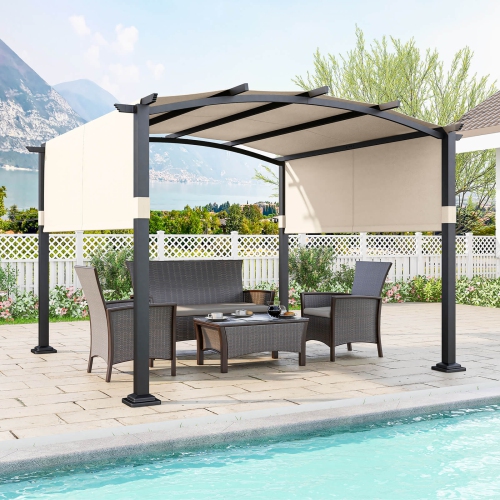 Your price for this item is $384.99
-
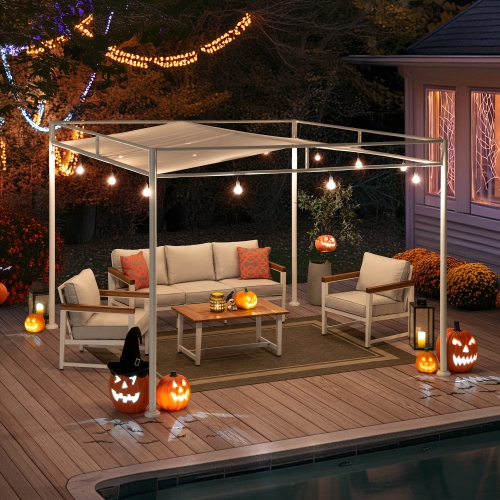 Your price for this item is $409.99
-
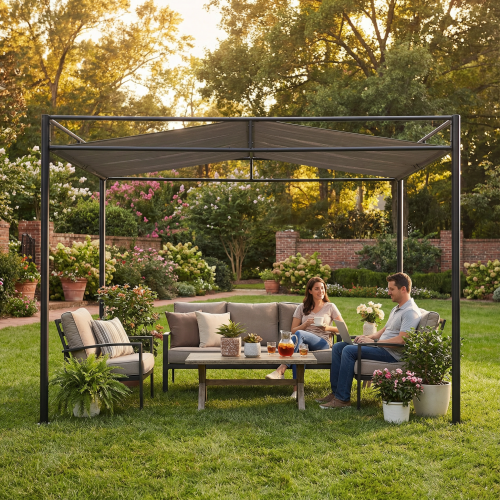 Your price for this item is $409.99
-
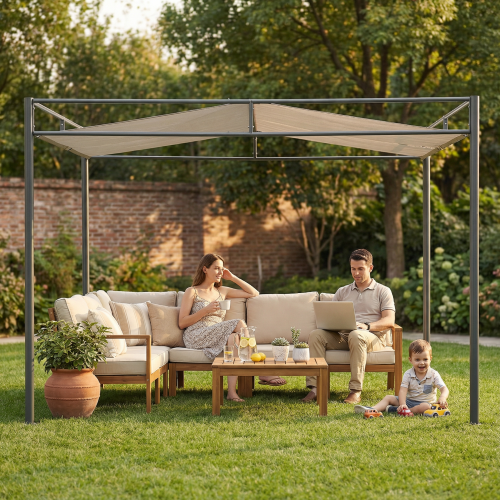 Your price for this item is $409.99
Discover more categories related to Patio Renovation


Top Collections:
Best Black Friday Deals This Year, Best Black Friday Deals On Electronics, Kindle Devices, Dyson Airwrap, Best Cameras for Sports Photography, Best Budget Office Chairs, Canon G7X Cameras, PS5 Pro Consoles, Best Black Friday Deals On Apple Products, XBOX One S Consoles
Some products may be subject to Environmental Handling Fees
(EHF) depending on your province.
Learn more about EHFs.