Pedestal Tables
Pedestal tables are a versatile and stylish choice for any home, offering a unique blend of elegance and practicality. Their distinctive single-column support not only maximizes legroom but also adds a touch of sophistication to dining rooms, living spaces, and entryways. Whether you're looking to create an intimate dining experience or need a centerpiece for your foyer, pedestal tables come in various designs and finishes to complement any décor style. Perfect for both small apartments and spacious homes, these tables effortlessly enhance the aesthetic appeal while maintaining functionality. Discover the charm and adaptability that pedestal tables bring to your interior design.
Sort
Why the base matters as much as the tabletop
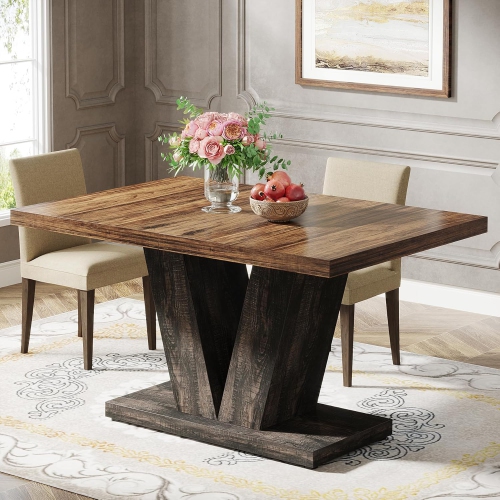
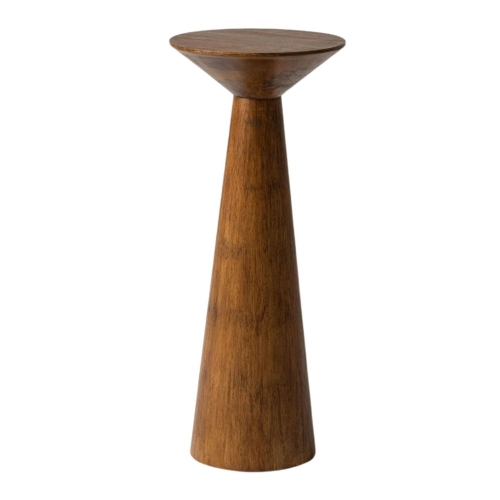
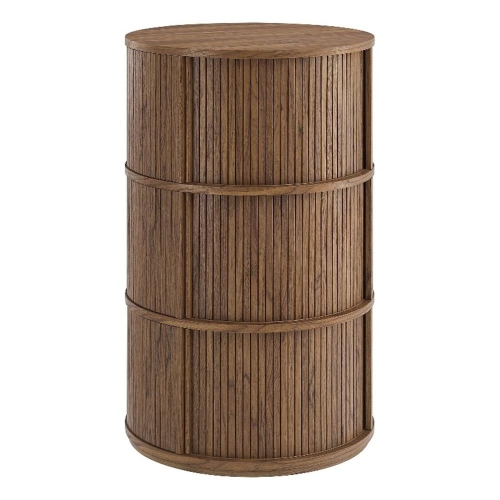
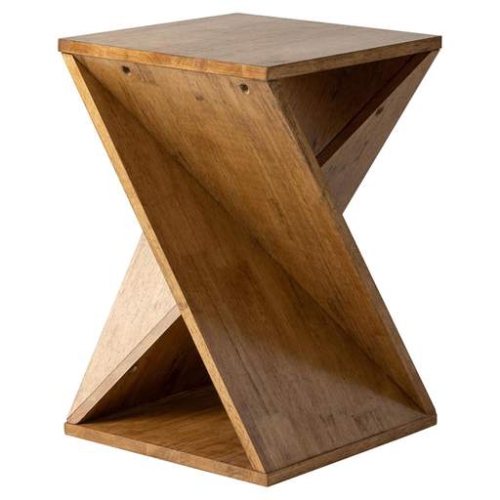
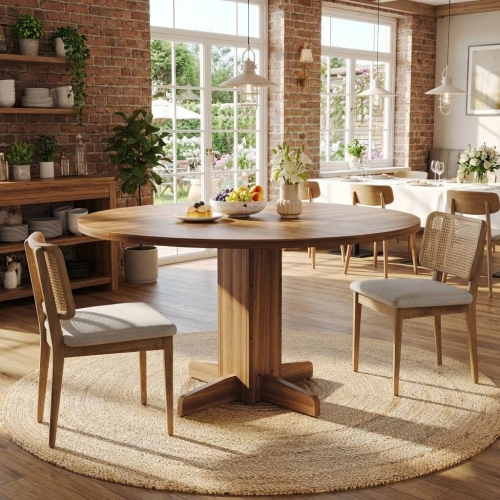
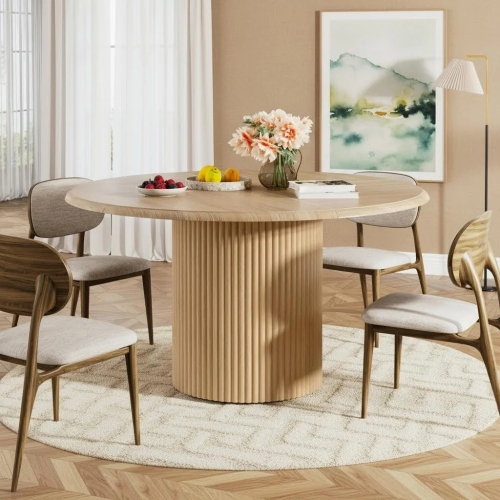
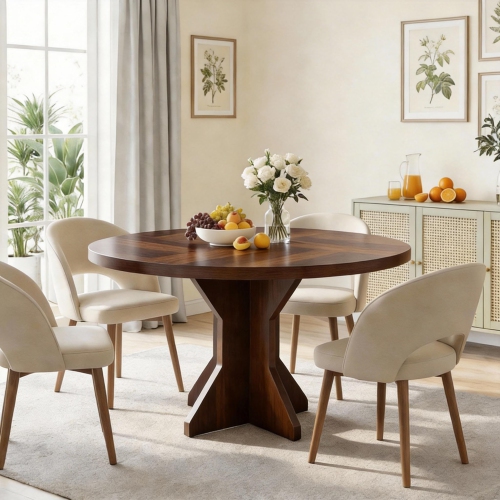
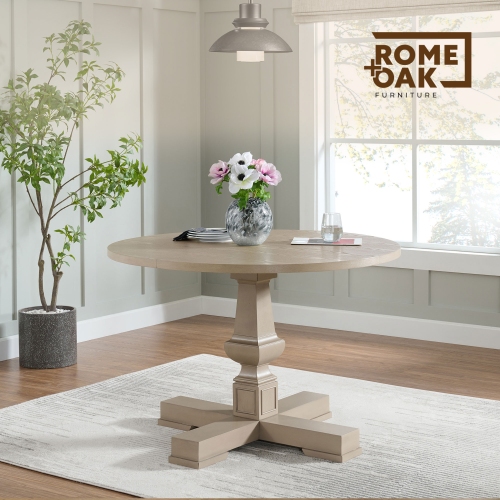
Pedestal tables are tables supported by a central column or base rather than a separate leg at each corner. The base may be a solid drum, a sculpted column, or a stem that spreads into feet at floor level; larger designs sometimes use two pedestals to support an elongated top. This construction gives pedestal tables their distinctive silhouette and can leave more room for chairs and knees around the tabletop. Pedestal dining tables suit everyday meals, shared homework, and gatherings where seating needs to move easily around the table. Round tops make conversation feel natural because everyone faces towards the centre, while oval tops offer a longer dining surface without sharp corners at either end. Square and rectangular pedestal tables provide straighter edges that can work well with benches or a room’s existing furniture arrangement. In a compact dining area, a round table can make the route between a kitchen counter and nearby seating feel less awkward, although the tabletop and base dimensions still determine how much space it occupies. A pedestal design does not automatically mean a smaller footprint: a broad base can extend beneath chairs, and outward-facing feet may affect where someone sits. Smaller pedestal side tables and accent tables bring the same central-support design to living rooms, bedrooms, and reading corners. Beside an armchair, a small round top provides a landing place for a mug and a book without the visual weight of a larger cabinet. Near a bed, it can hold a lamp and a few essentials when drawer storage is not a priority. Taller pedestal tables can also serve as display surfaces for a decorative bowl or a favourite object, provided their dimensions and weight capacity suit that purpose. Across these uses, the appeal is a combination of practical surface space, flexible placement, and a base that becomes part of the room’s design rather than disappearing beneath the top.
Materials influence both the appearance of a pedestal table and how it holds up to daily use. Solid wood brings visible grain and a warm, tactile surface, with variations in colour that give each tabletop character. Wood also responds to changes in indoor humidity, so consistent room conditions and suitable care help limit movement. Veneered and engineered wood tables can offer a wood-look finish with a different construction underneath; the edges, surface coating, and joinery are important parts of their durability. Painted or laminated surfaces create a more uniform appearance and may be convenient for everyday dining, though resistance to scratches, heat, and moisture varies by finish. Metal pedestals can have slim profiles or substantial sculptural forms, with powder-coated, painted, or plated finishes that each need appropriate cleaning. Glass tops let the base remain visible and can make a table feel visually lighter, but fingerprints and smudges tend to show readily. Where glass is used, its specification and edge treatment matter, especially in busy households. Marble and other natural stone tops introduce veining and considerable weight; some stone surfaces are porous or sensitive to acidic spills, so sealing requirements and care directions deserve attention. A pale stone top may be striking beside a sofa, but a household that regularly sets down coffee, juice, or snacks will benefit from using coasters and wiping up spills promptly. Ceramic and other stone-look surfaces have their own care requirements rather than sharing all the properties of natural stone. For most finishes, a soft cloth and the recommended cleaner are a better match than abrasive pads or harsh chemicals. Placemats and trivets help separate the surface from dishes and hot serving pieces, while protective pads beneath the base can help prevent floor marks. Durability also depends on the connection between the tabletop and pedestal, the quality of assembly, and how evenly the table sits on the floor. A heavy top alone does not guarantee stability. A well-matched base, secure fittings, and use within the stated weight limits matter more than appearance alone.
Fit is about the relationship between the tabletop, its base, the surrounding furniture, and the people using it. For a dining table, the usable seating area depends on more than diameter or length: wide chairs, armrests, a deep tabletop apron, and the shape of the pedestal can all affect comfort. Chairs need enough room to slide back without blocking a doorway or pressing into nearby cabinetry. In an open living and dining space, leaving a clear route around the table helps the room function even when seats are occupied. A round pedestal table may accommodate a changing seating arrangement, but every place still needs sufficient elbow room and a practical spot for a plate and glass. Extendable pedestal tables can suit households that need a modest surface for daily meals and extra length for visitors; the extended dimensions, support arrangement, and storage of any removable leaves are relevant to how they fit at home. For side tables, height matters as much as width. A surface close to the height of a sofa arm is easier to reach from a seated position, while a bedside table generally feels more convenient when it sits near mattress height. A narrow, tall pedestal requires particular attention to balance, especially beside a busy walkway or in a home with children or pets. Style provides another useful way to narrow the possibilities. A turned wood pedestal can complement traditional furniture, a smooth drum base adds a substantial modern shape, and a slender metal stem offers a lighter outline. Black Pedestal Tables can create contrast against pale upholstery or wood flooring, or connect visually with dark chair frames and lighting fixtures. Matching every finish is not necessary; repeating one colour or material elsewhere often makes the arrangement feel considered. A small pedestal accent table can also make a thoughtful housewarming gift when the recipient’s space and taste are known, offering a useful surface without committing them to a large piece of furniture. Whether intended for shared meals or a quiet reading spot, the right proportions and construction help a pedestal table become a comfortable part of everyday life.
Top selling and popular products
-
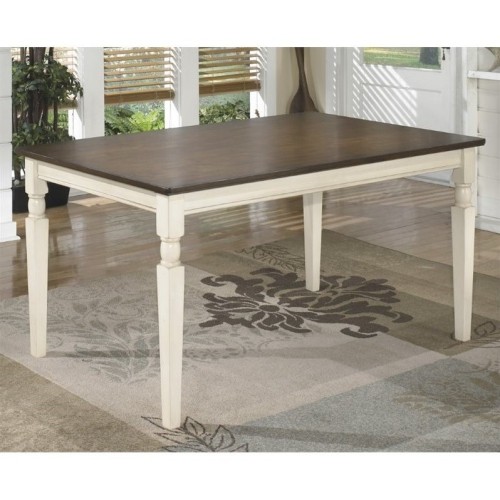 Your price for this item is $399
-
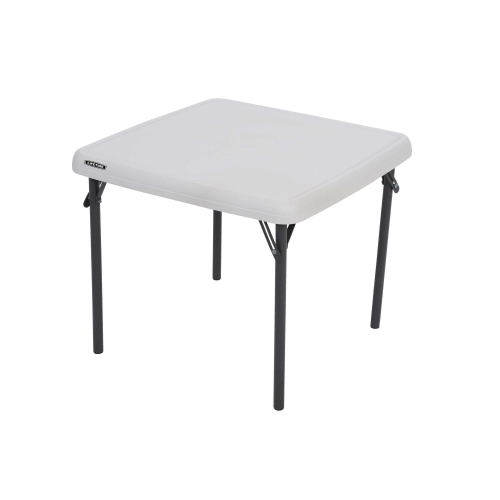 Your price for this item is $71.99
-
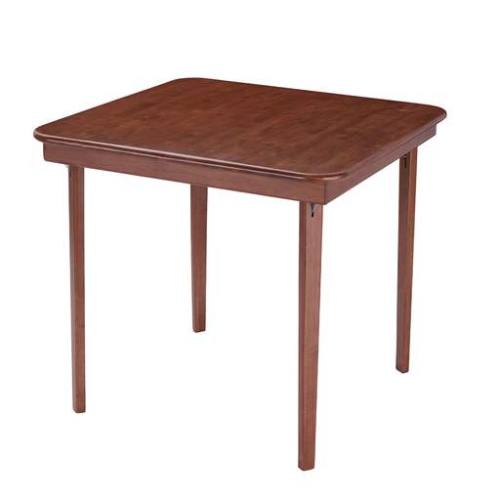 Your price for this item is $413.99
-
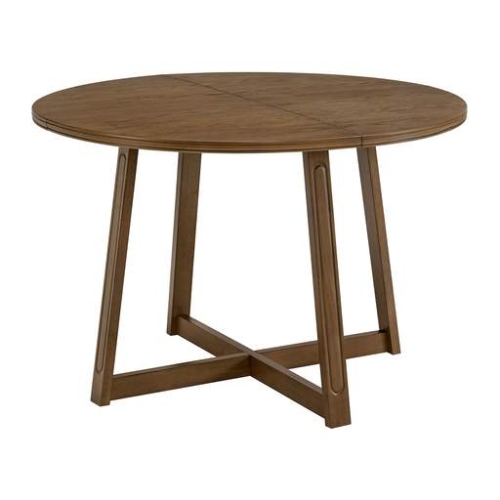 Your price for this item is $796.99
-
 Your price for this item is $971.99
-
 Your price for this item is $404.99
-
 Your price for this item is $243.99
-
 Your price for this item is $826.99
Discover more categories related to Pedestal Tables
Top Collections:
Best Black Friday Deals This Year, Best Black Friday Deals On Electronics, Kindle Devices, Dyson Airwrap, Best Cameras for Sports Photography, Best Budget Office Chairs, Canon G7X Cameras, PS5 Pro Consoles, Best Black Friday Deals On Apple Products, XBOX One S Consoles
Some products may be subject to Environmental Handling Fees
(EHF) depending on your province.
Learn more about EHFs.