Pedestal Side Tables
Pedestal side tables are a great way to add extra storage and style to almost any room. These tables come in a variety of shapes, sizes, and materials, making them a versatile and attractive addition to almost any home. Their design allows them to be placed in a variety of locations, from the living room to the bedroom, and even in hallways or entryways. Here are some of the great options available on the market today.
Sort


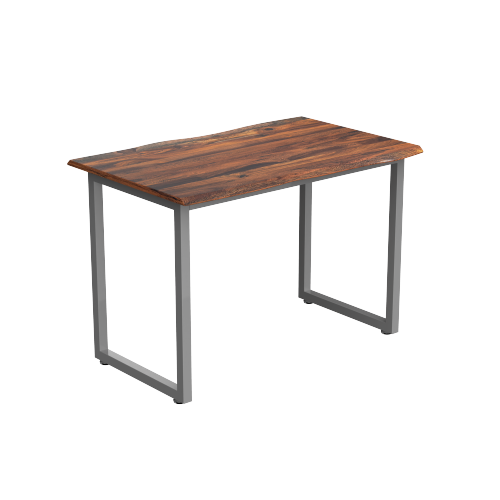
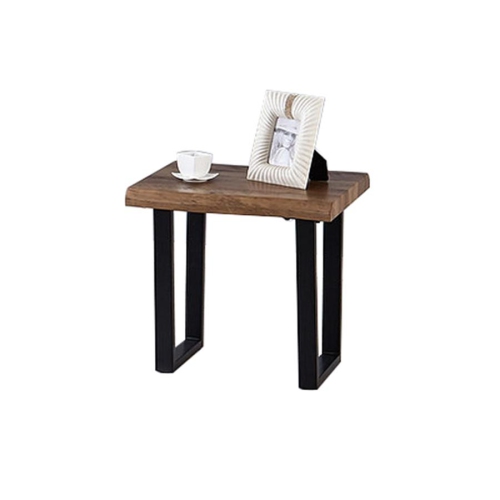
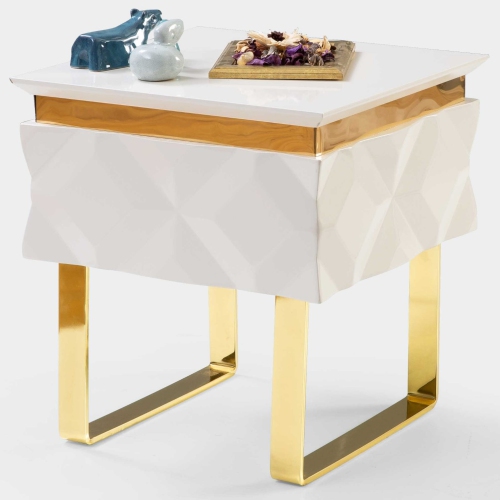
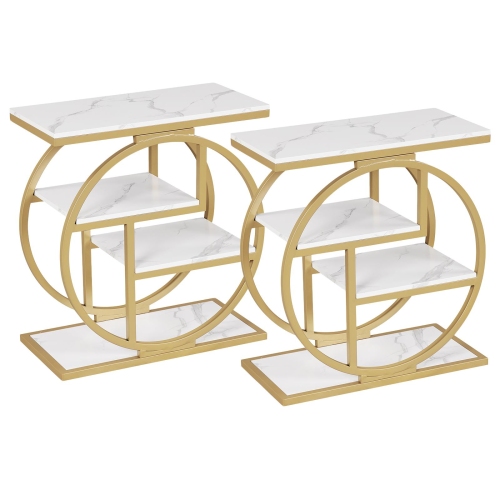
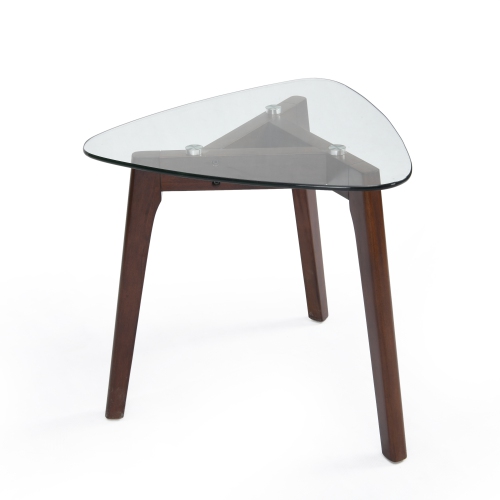
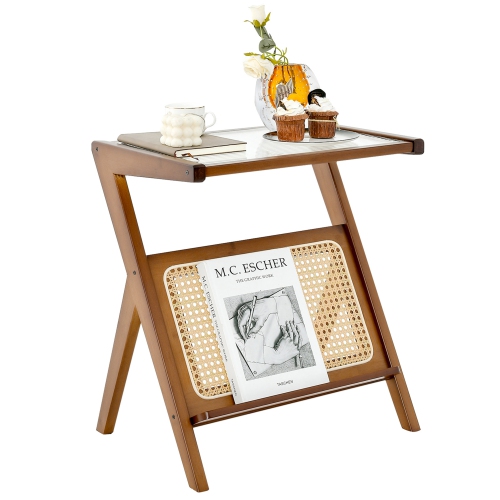
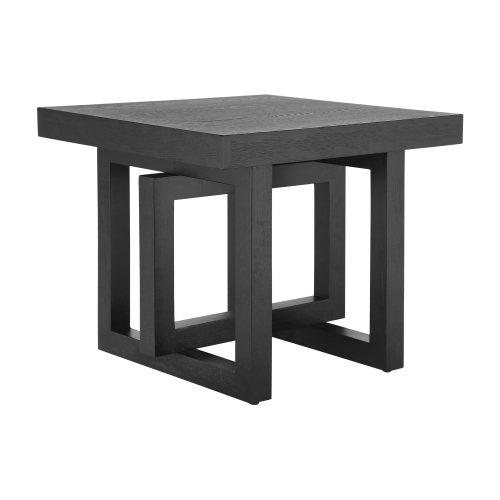
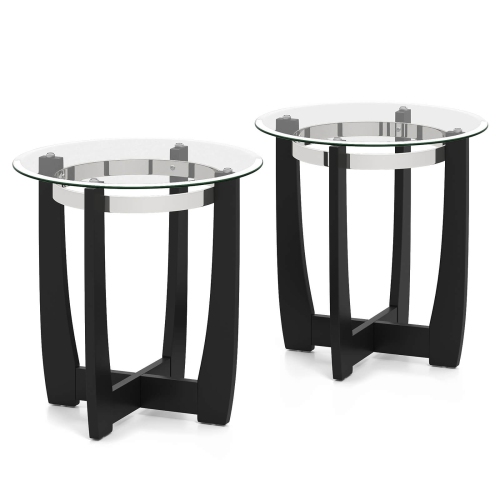
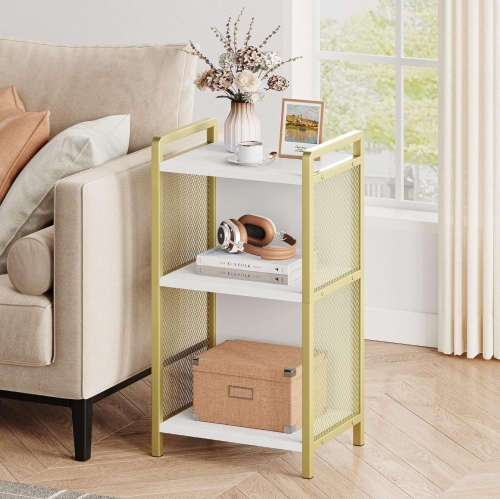
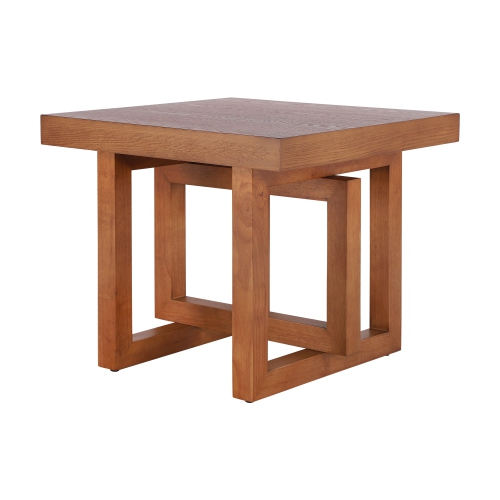
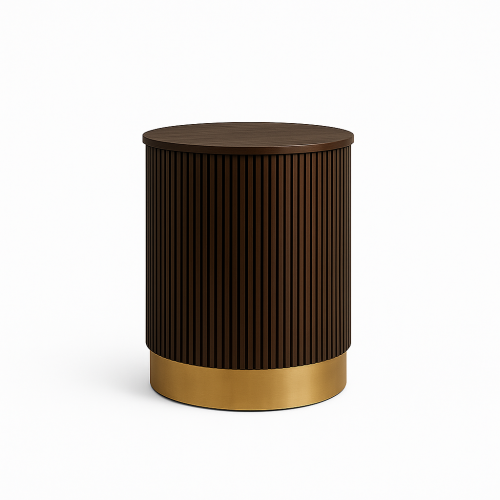
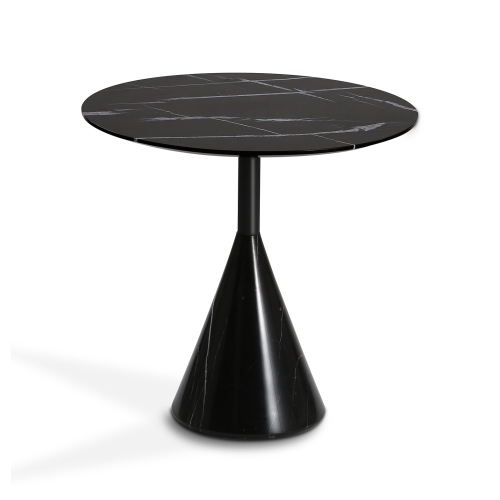



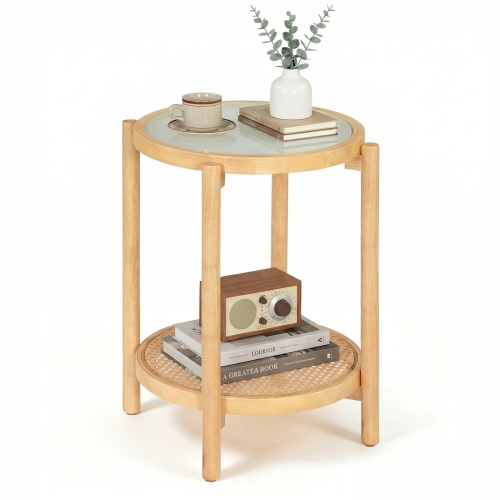
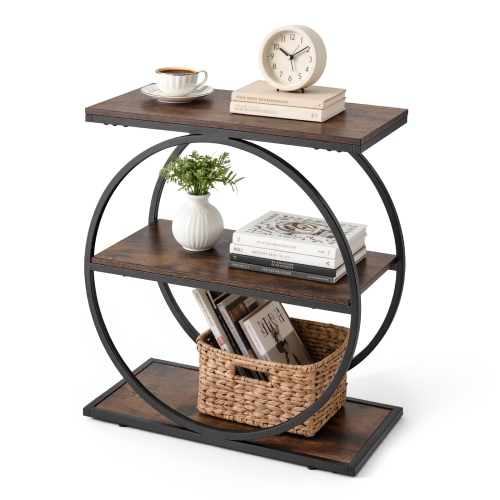
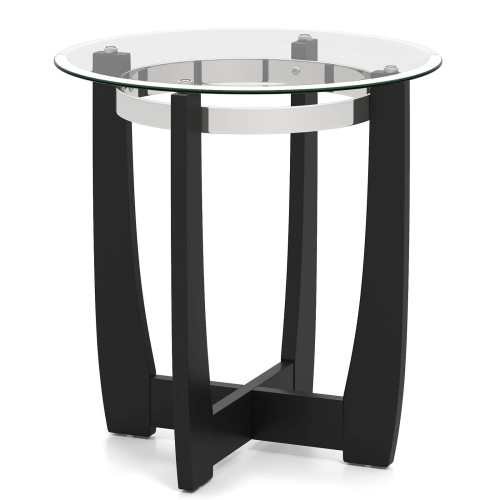
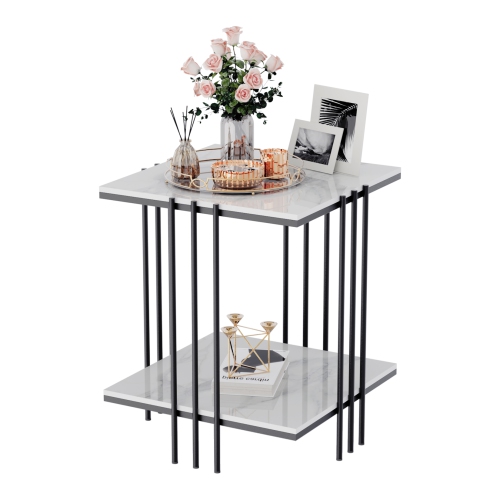
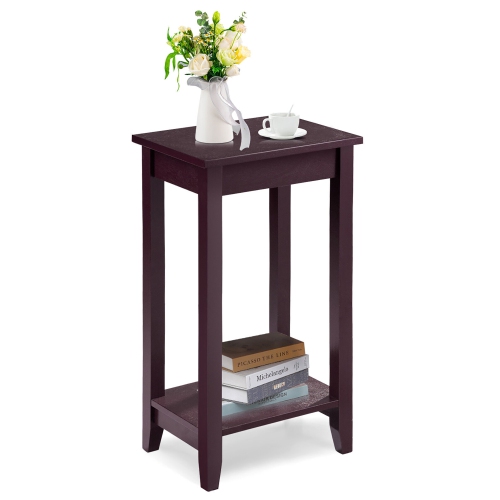
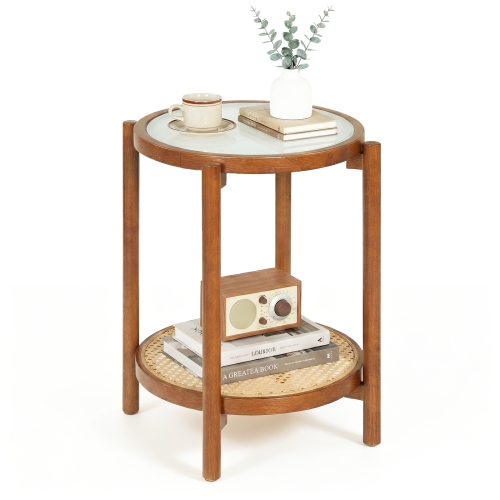
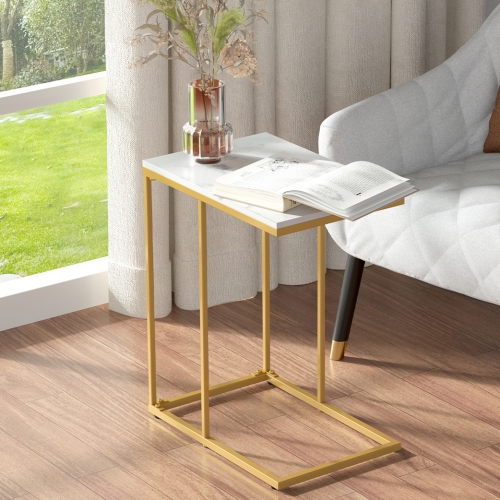
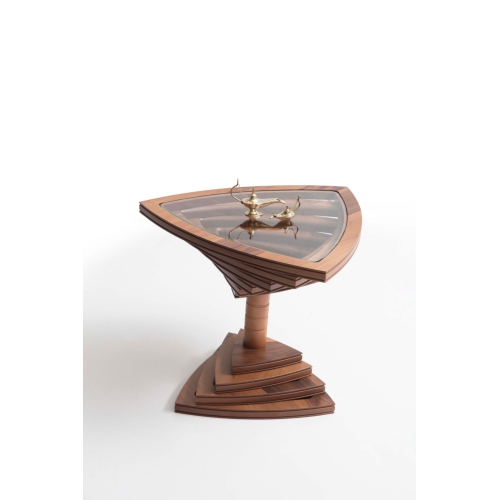
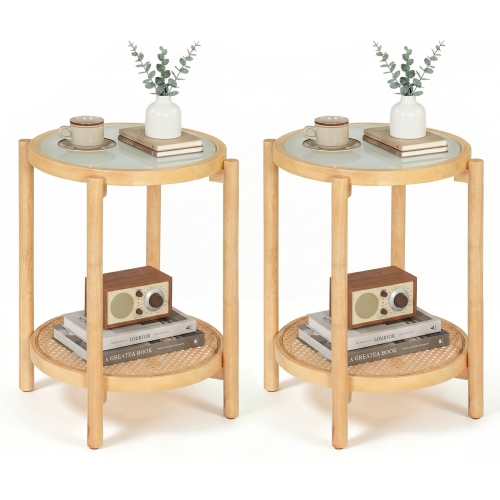
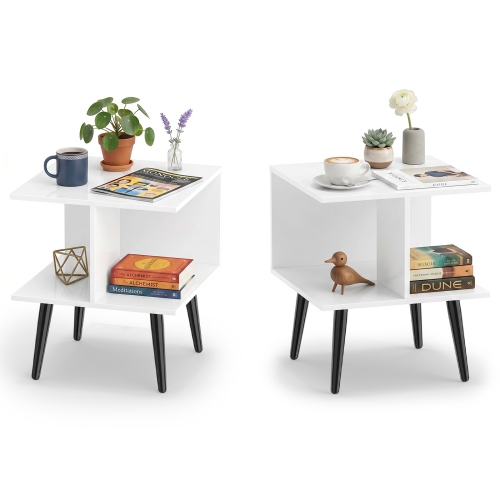
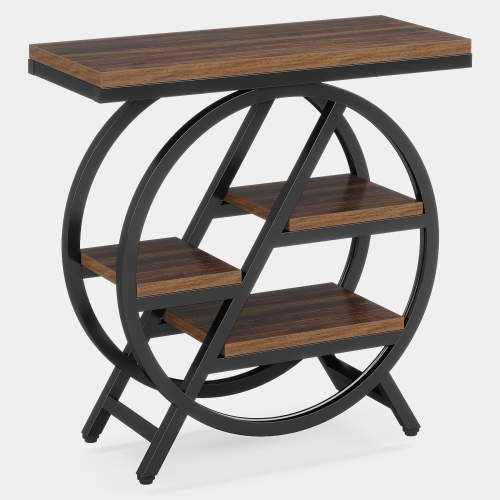
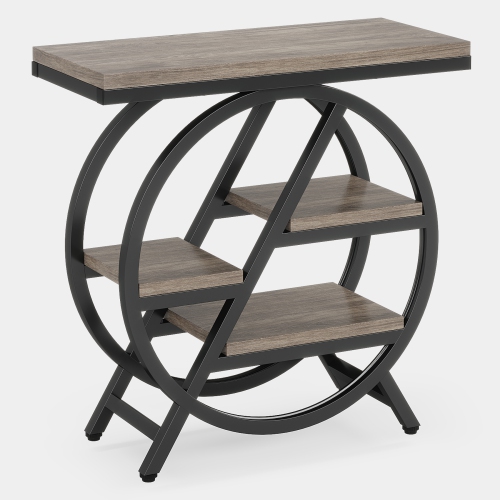
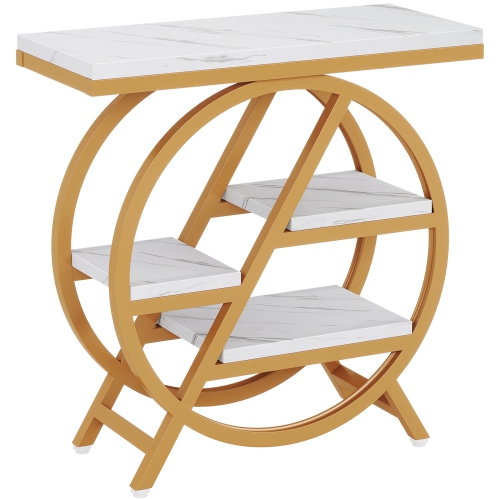
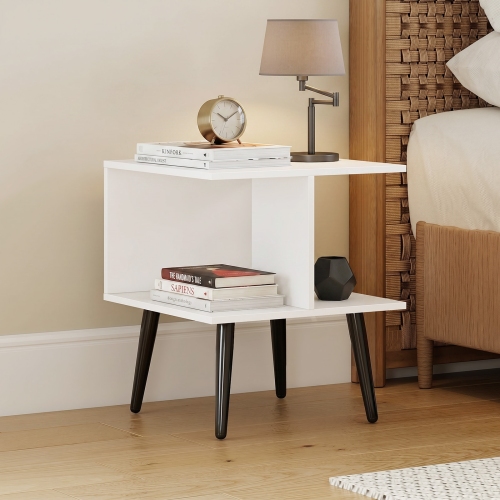
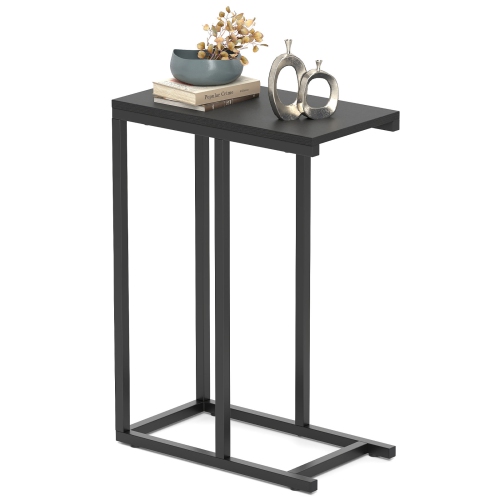
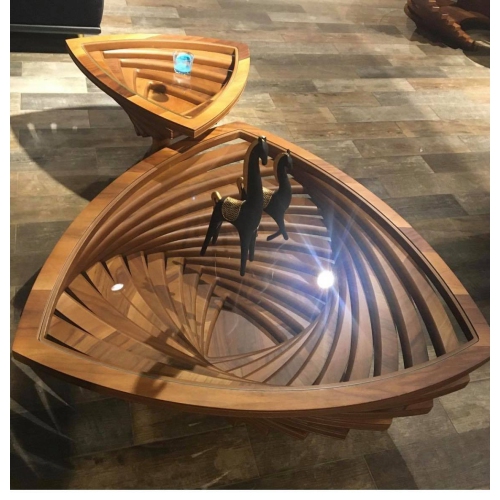

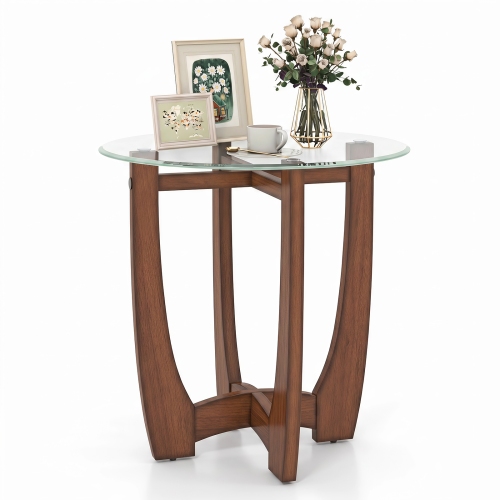
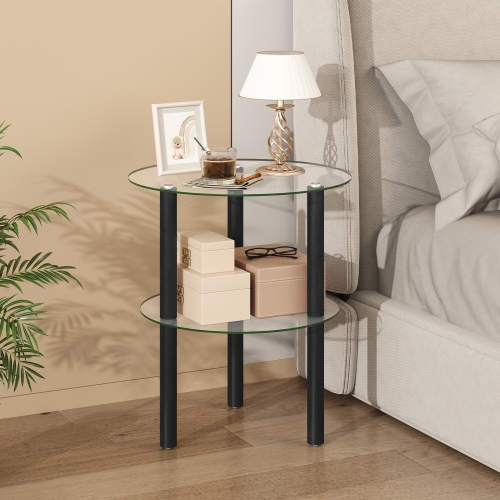
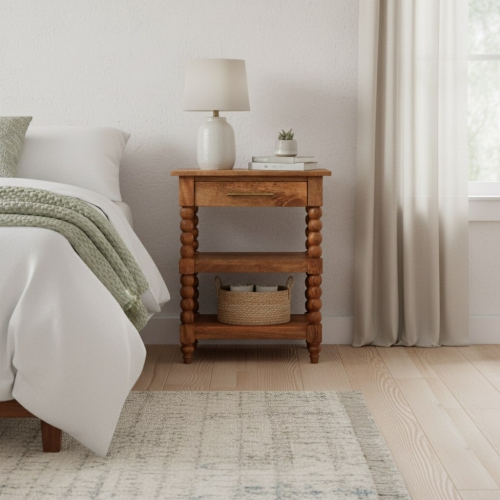
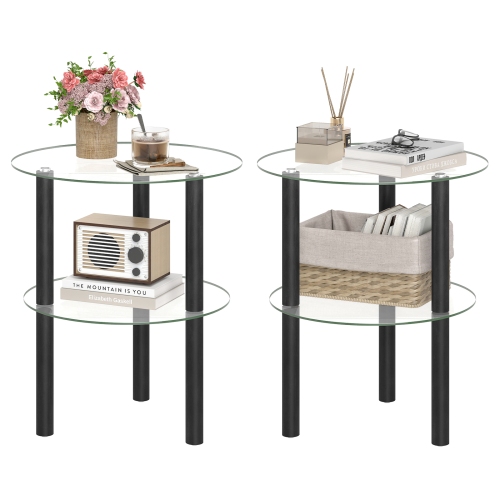
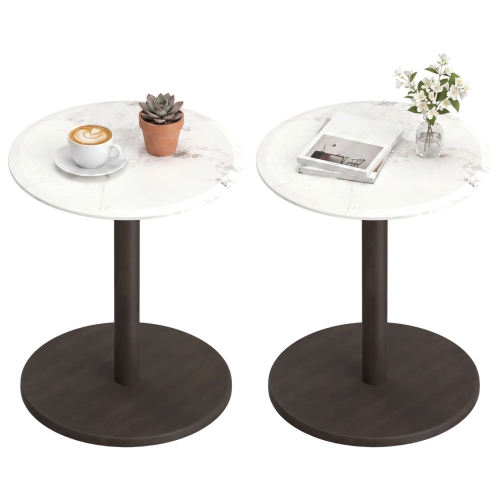
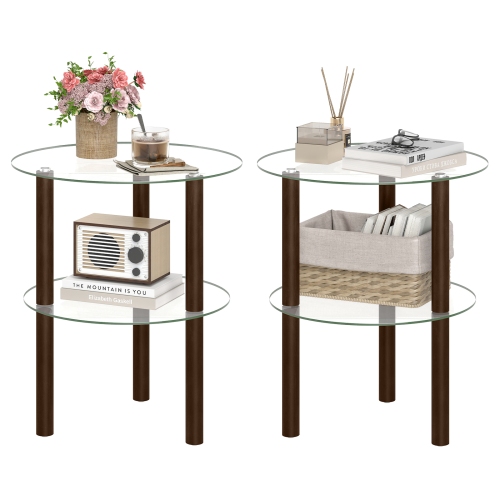
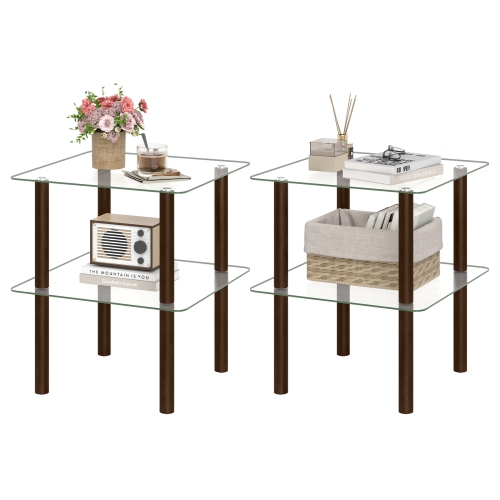
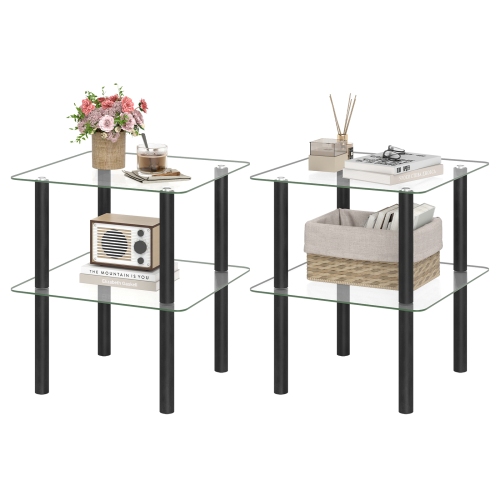
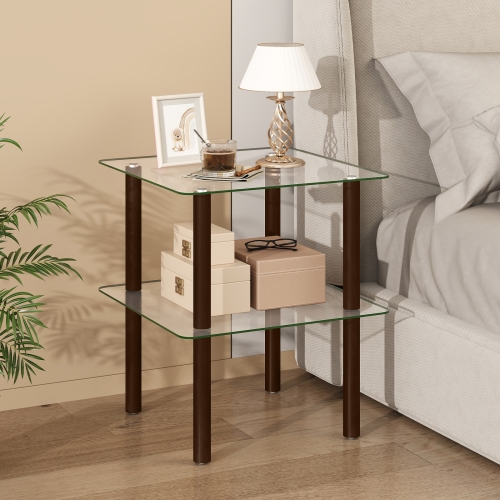
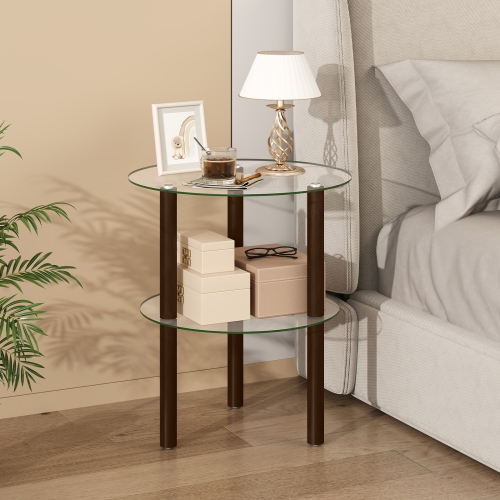
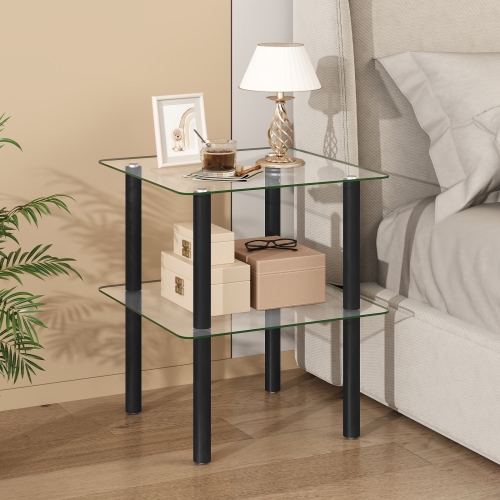
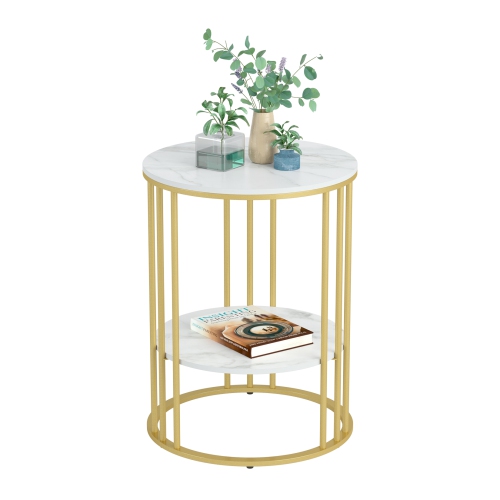
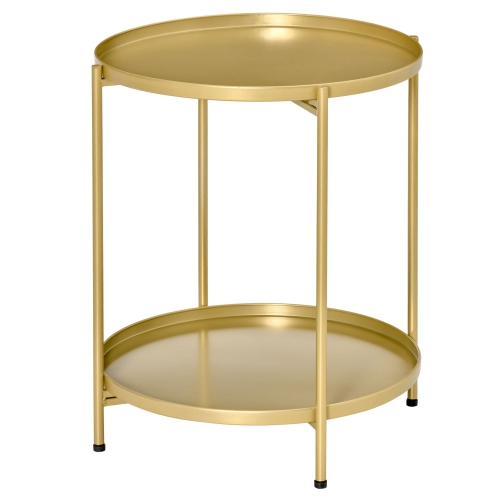
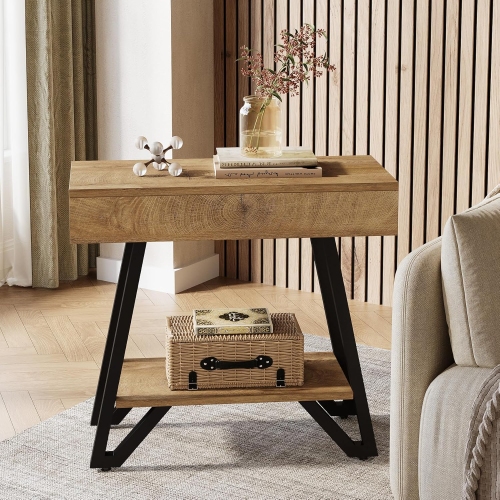

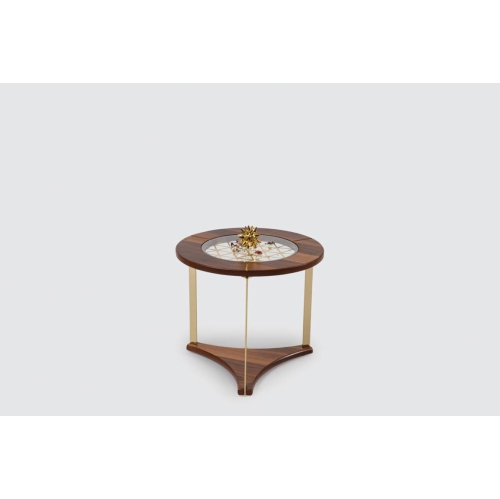
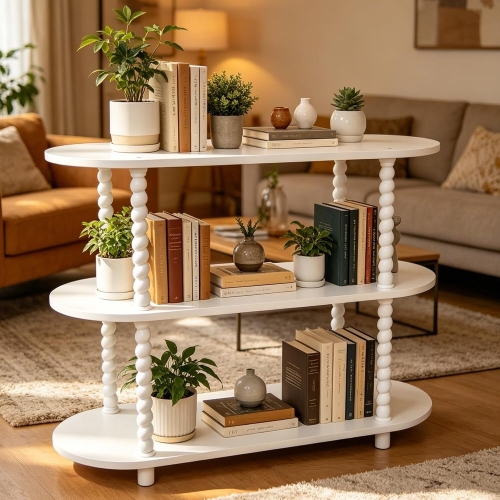
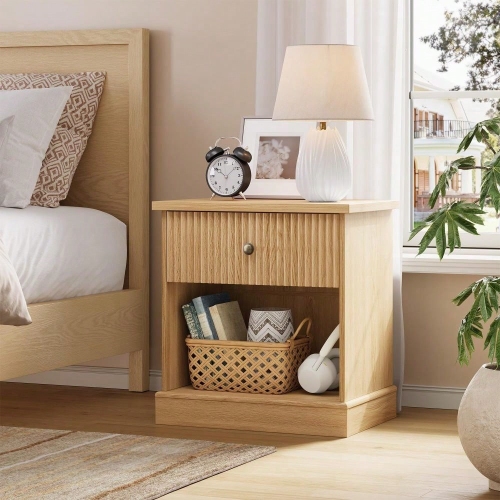
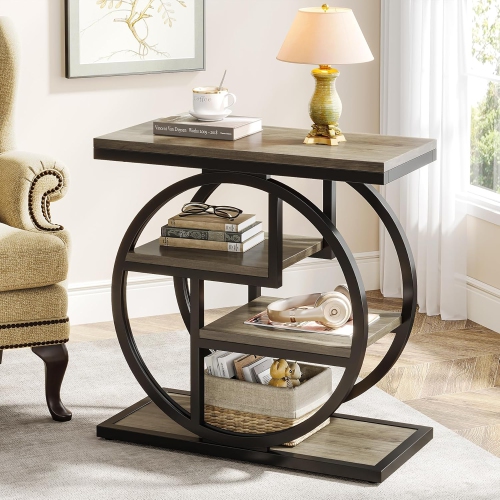
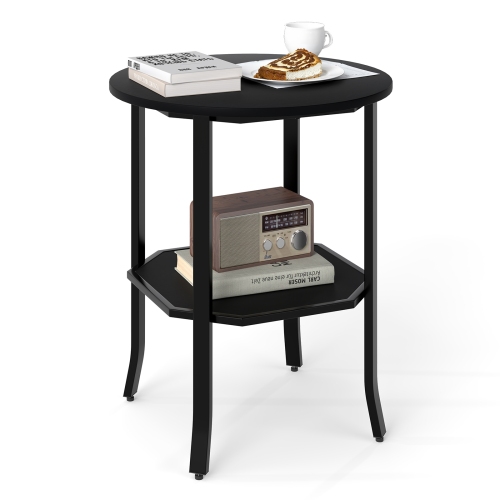
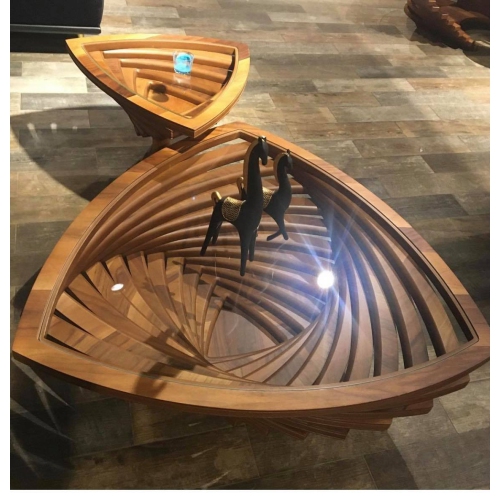
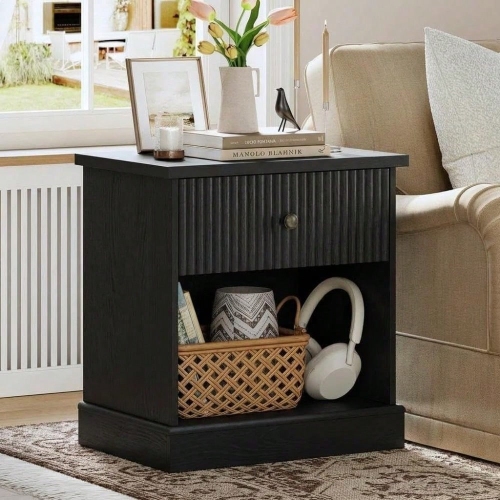
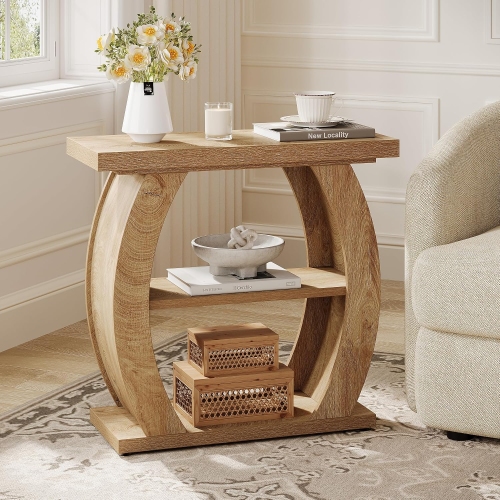
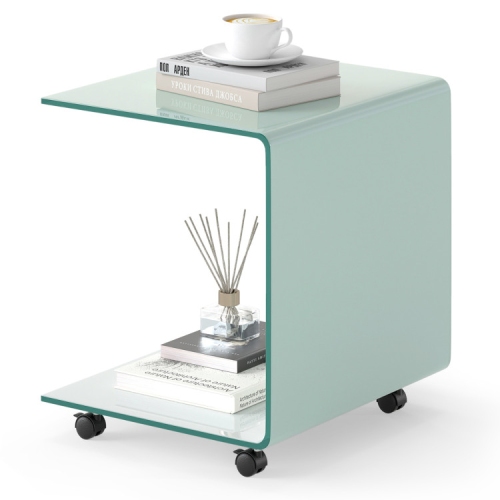
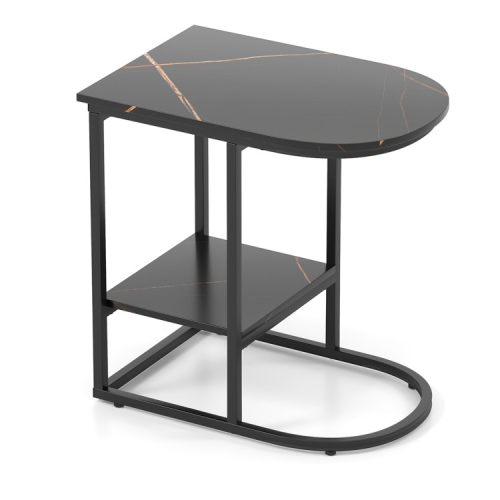

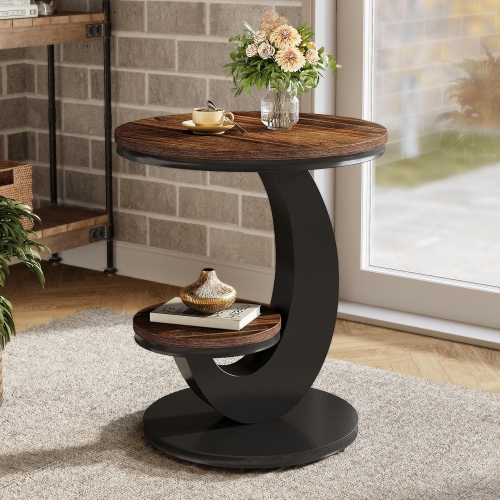
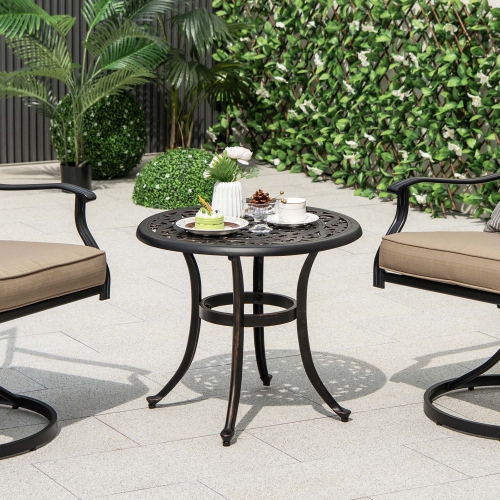
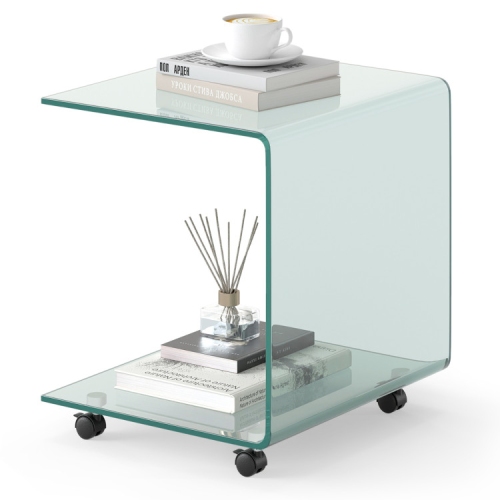
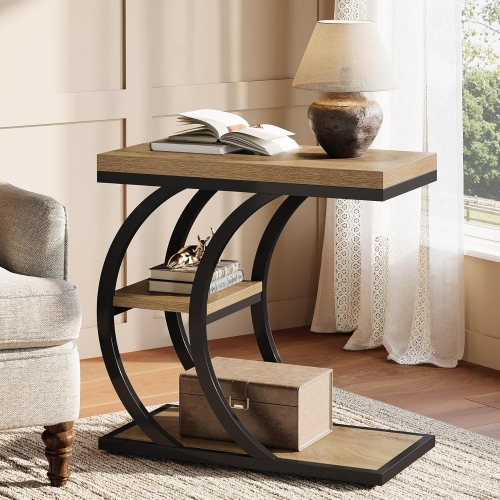
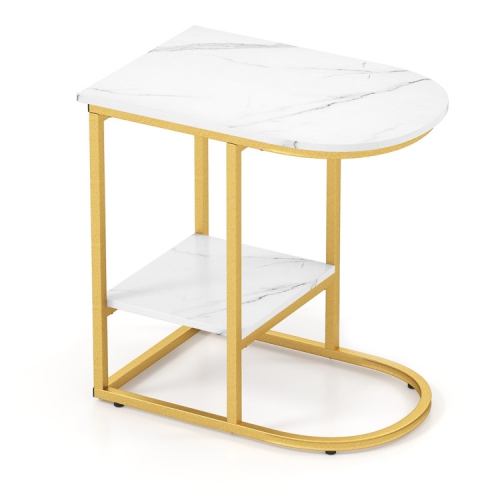
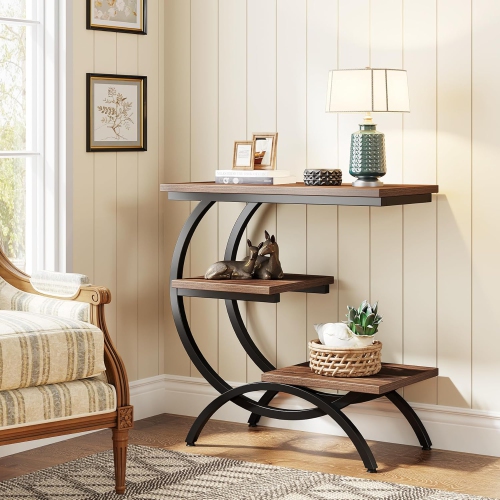
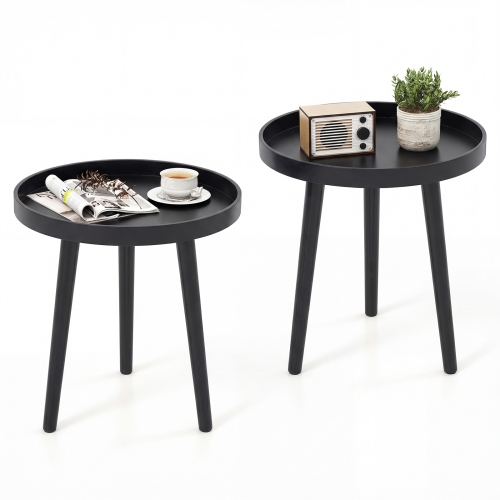
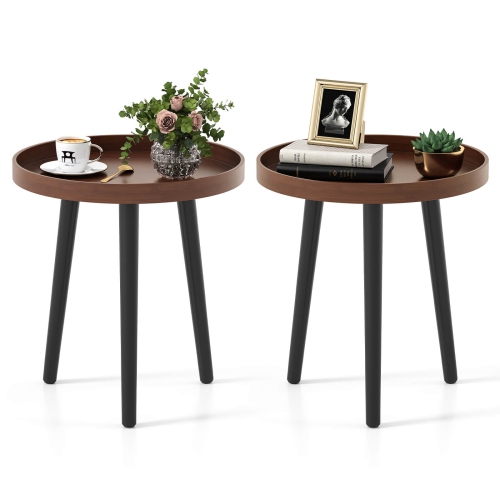
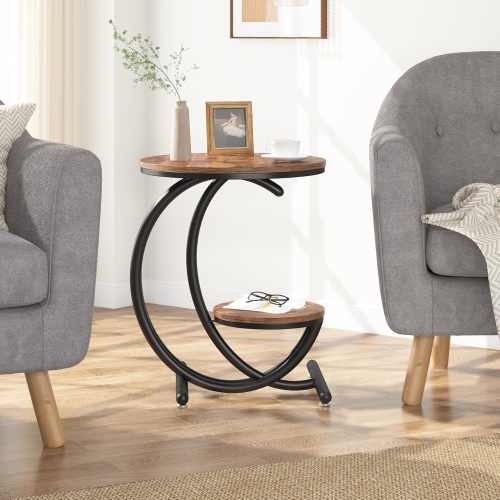
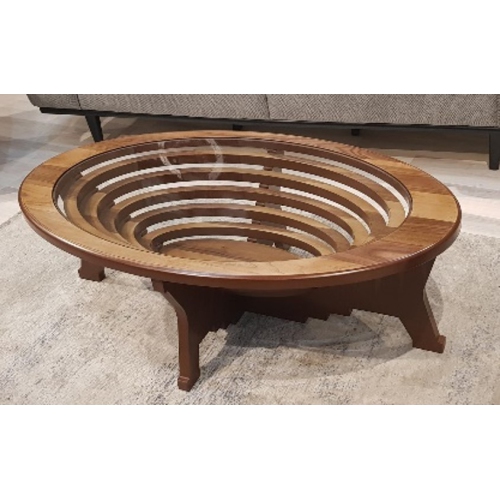
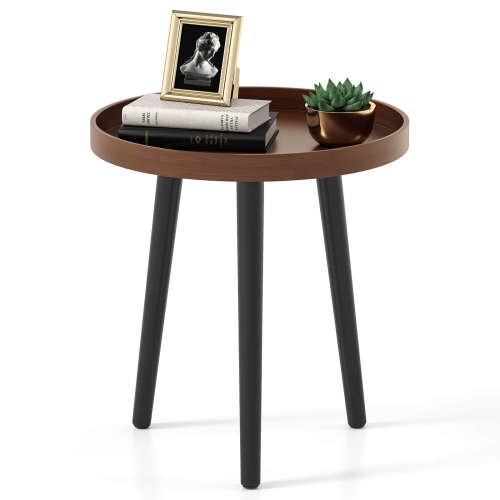
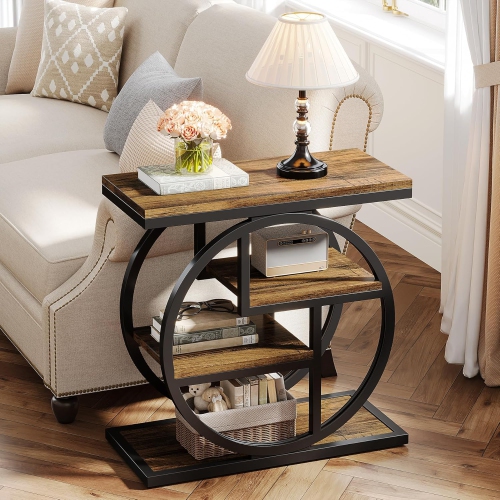
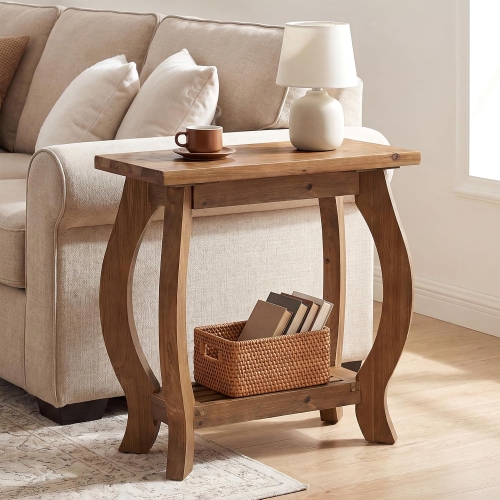
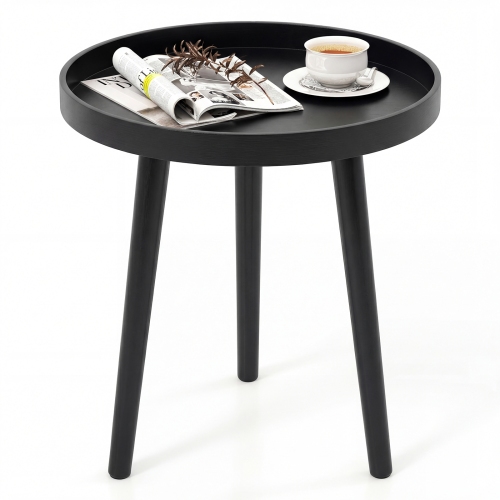
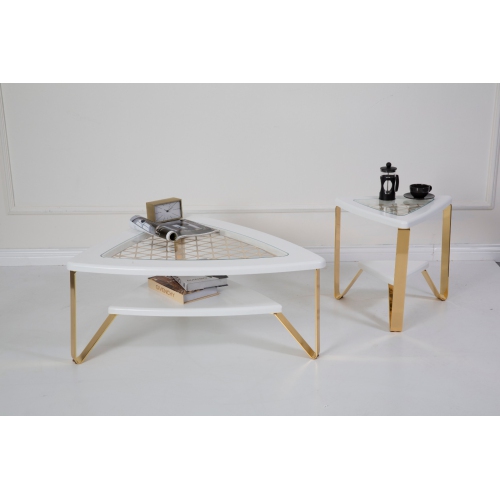
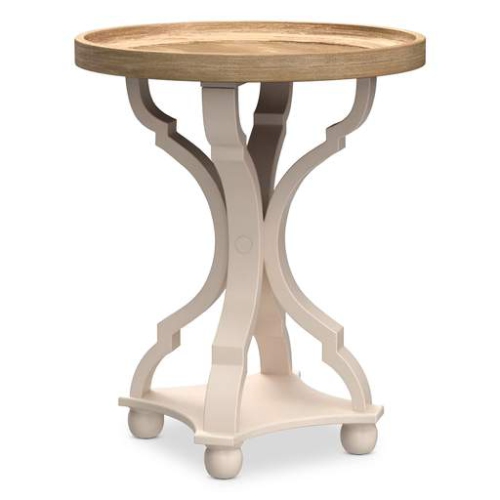

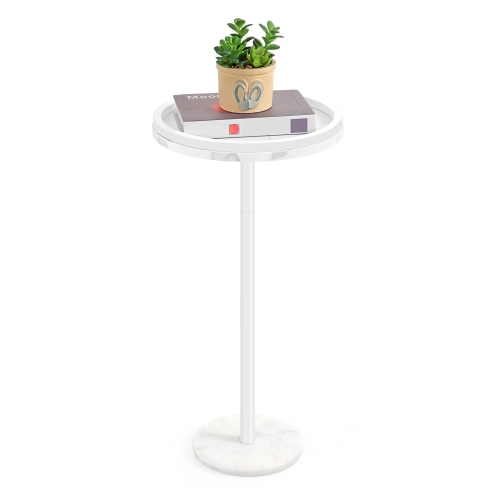
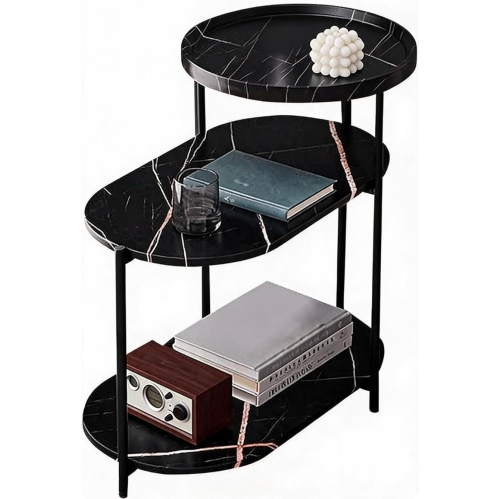
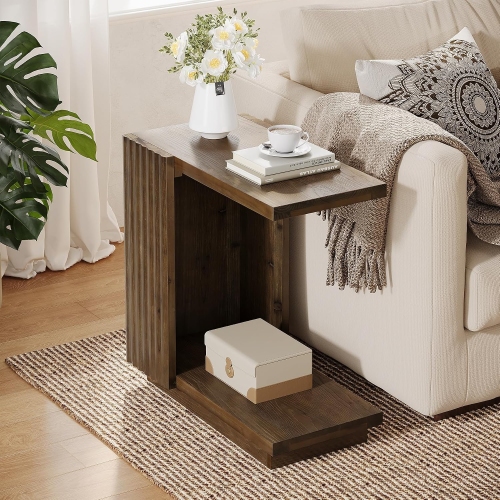
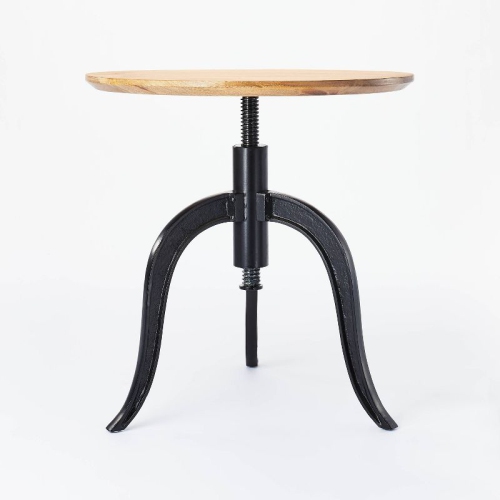
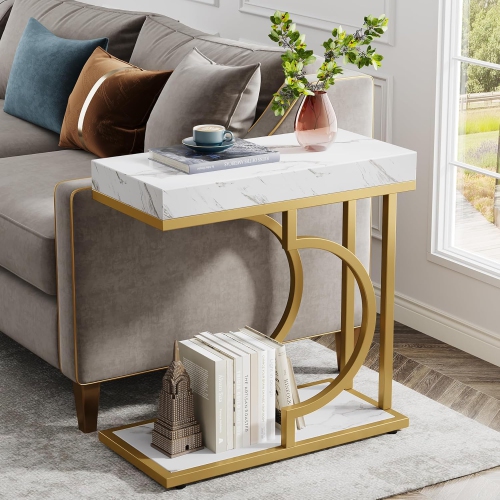
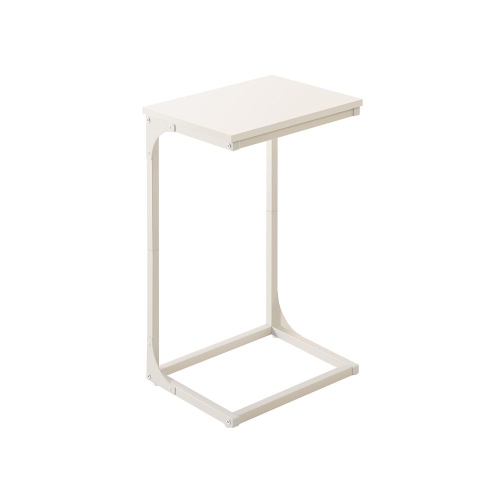
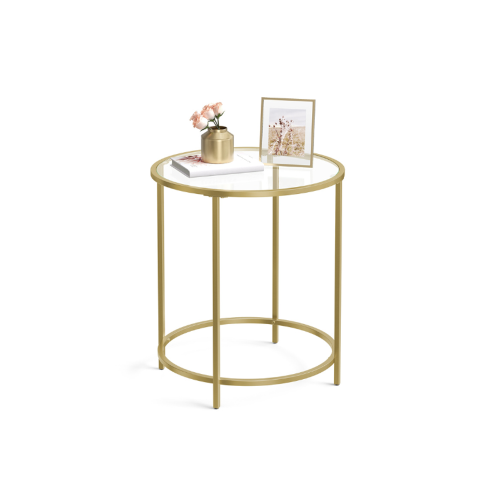
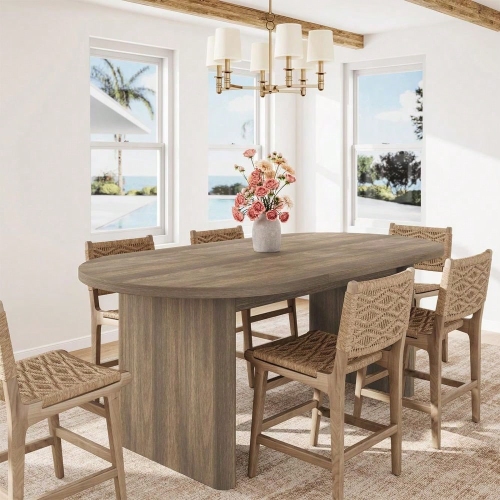
How a central base shapes style and fit
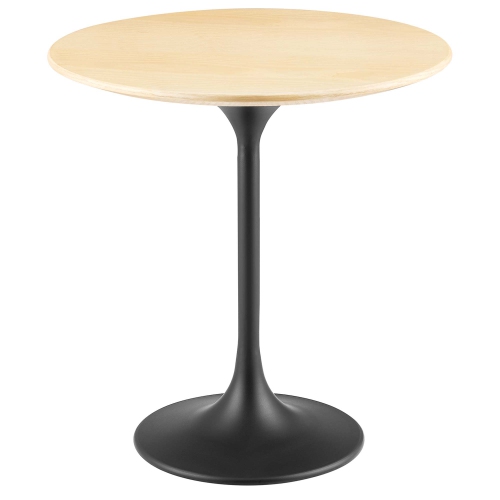
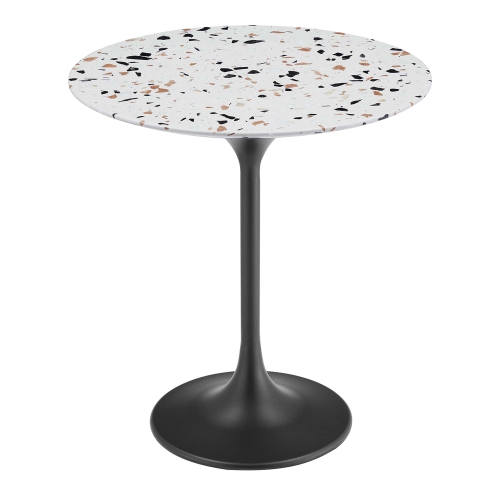
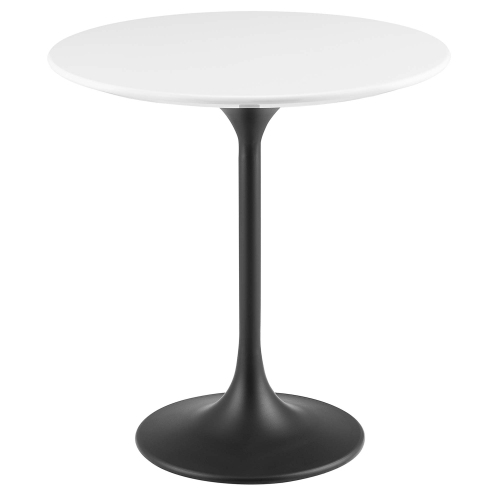
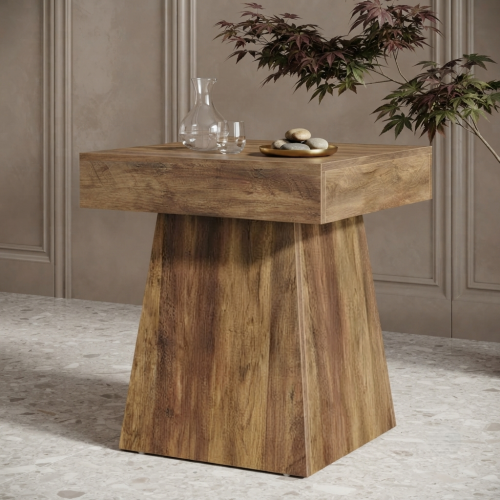
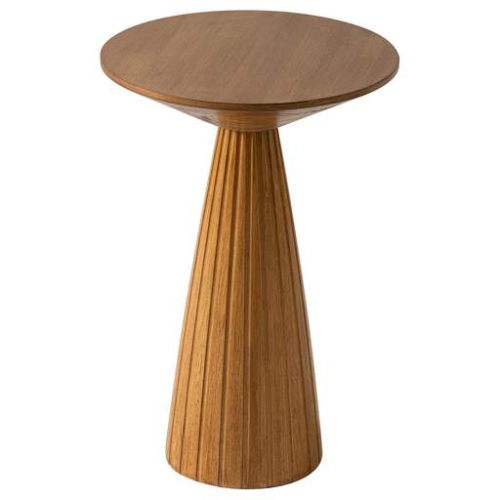
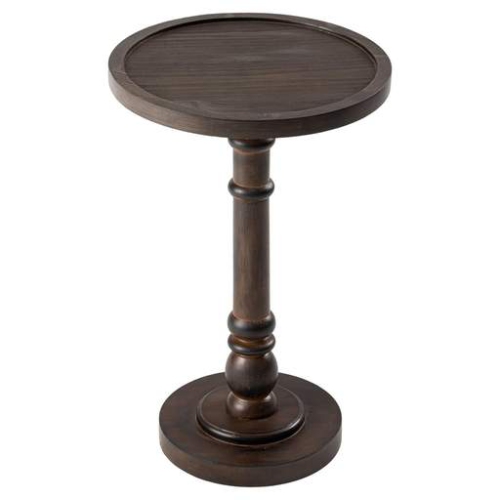
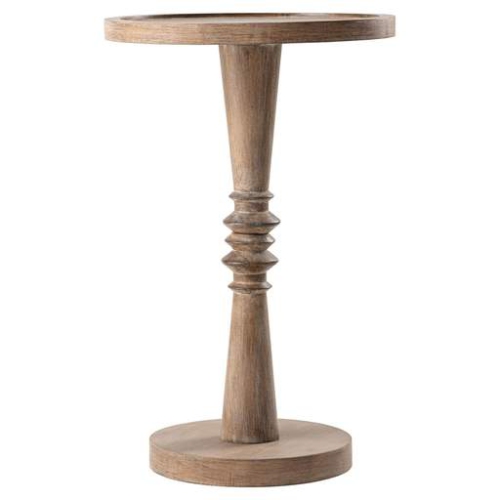
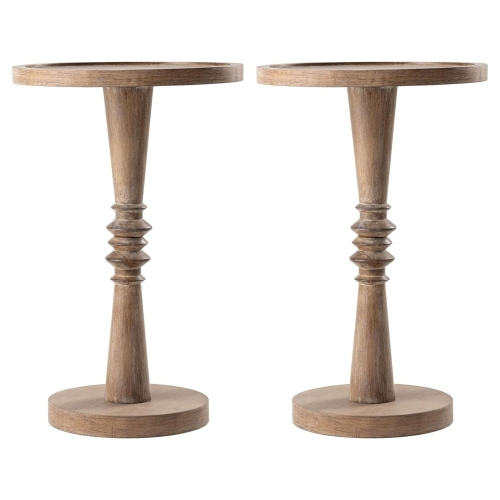
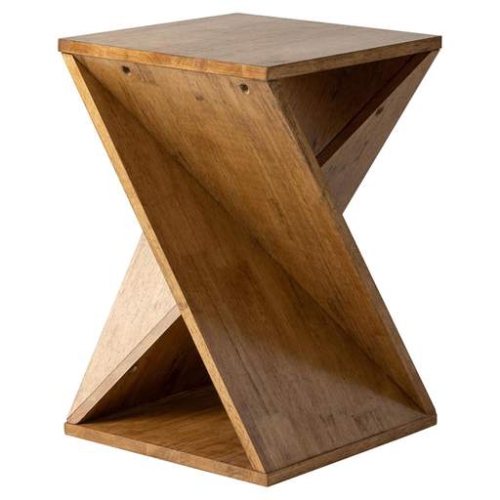
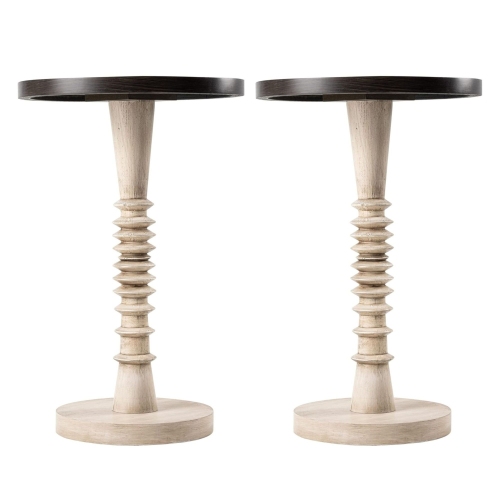
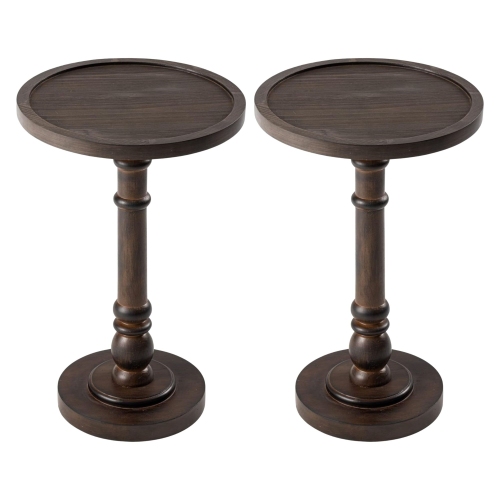
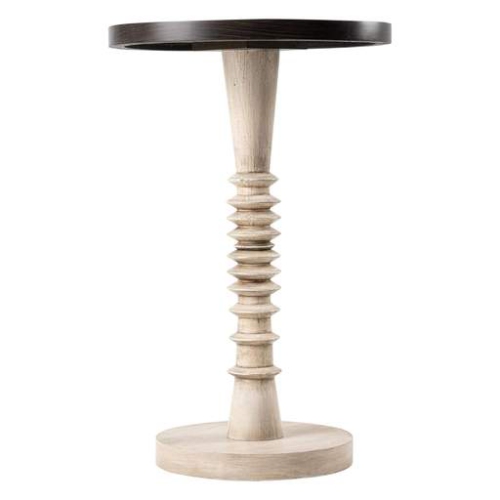
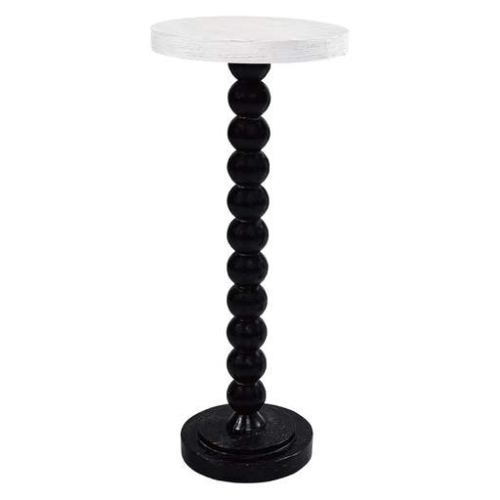
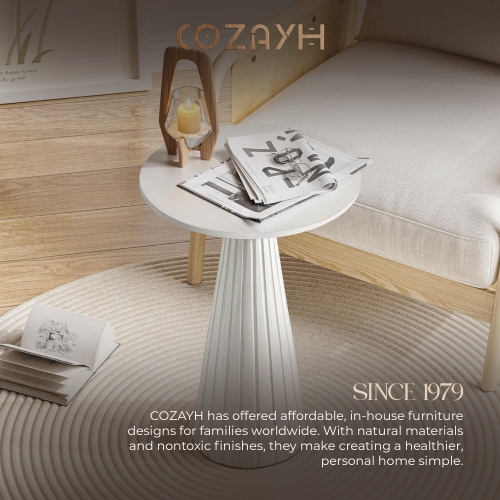
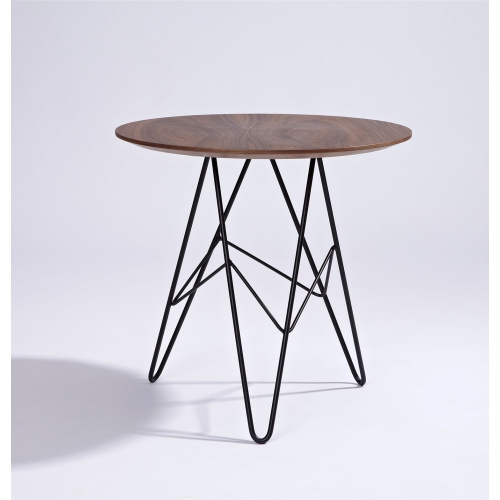
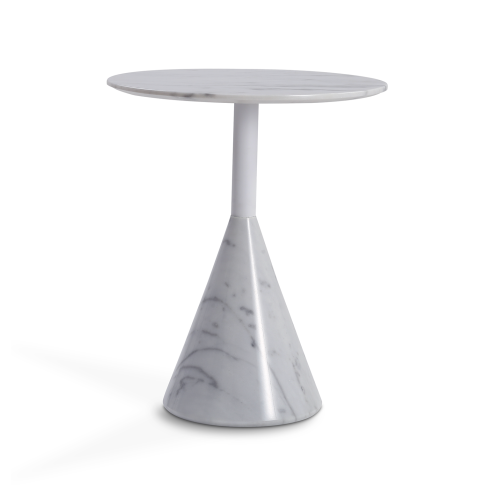
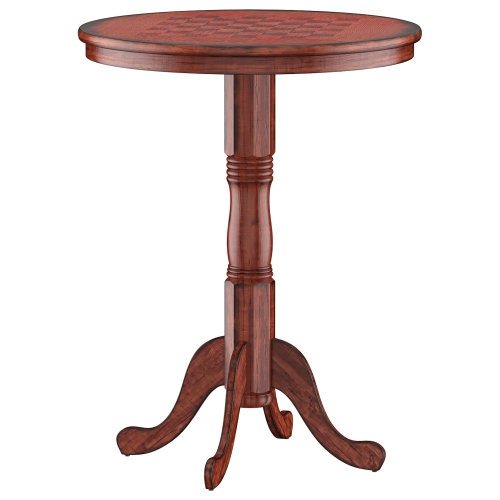
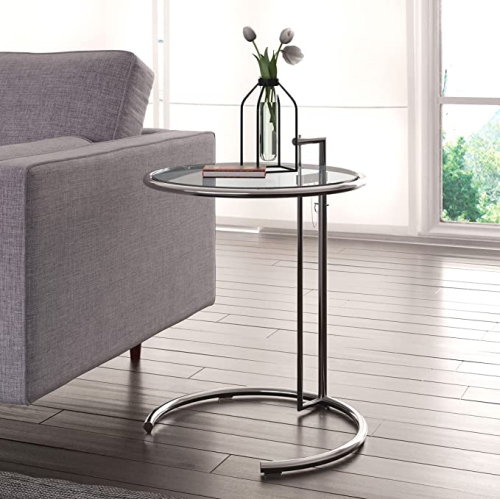
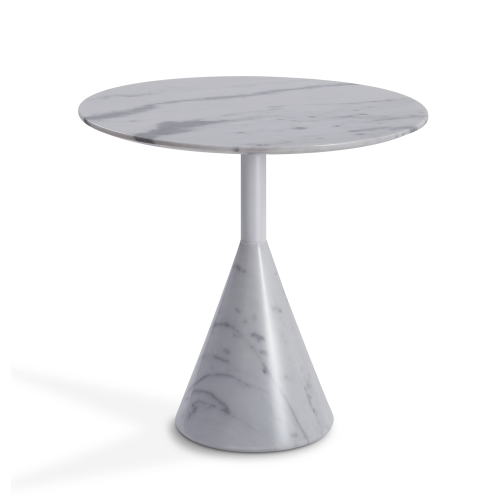
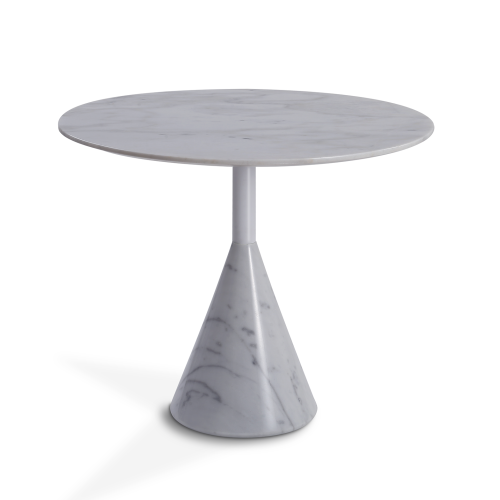
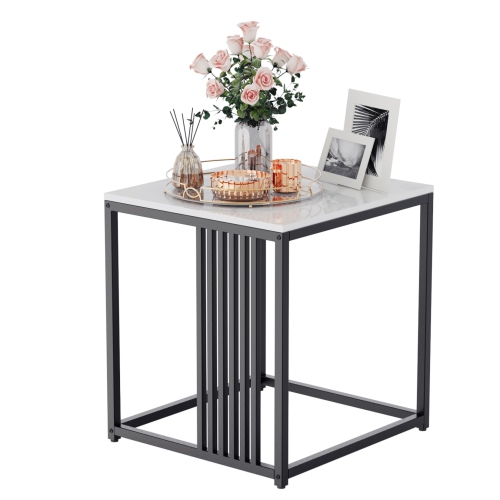
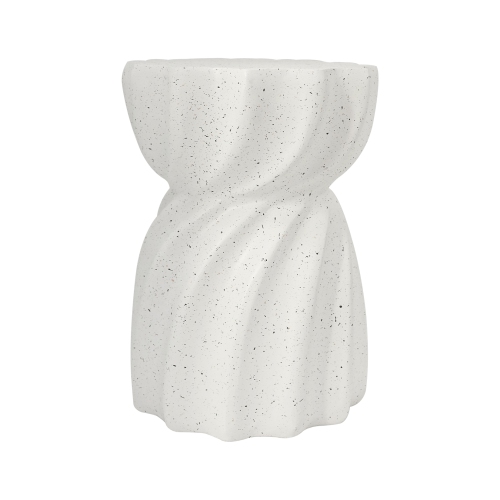
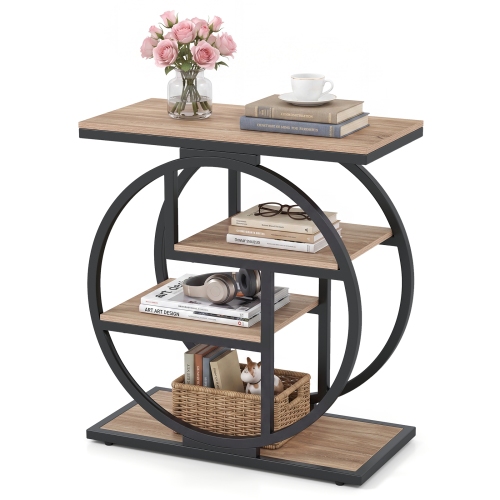
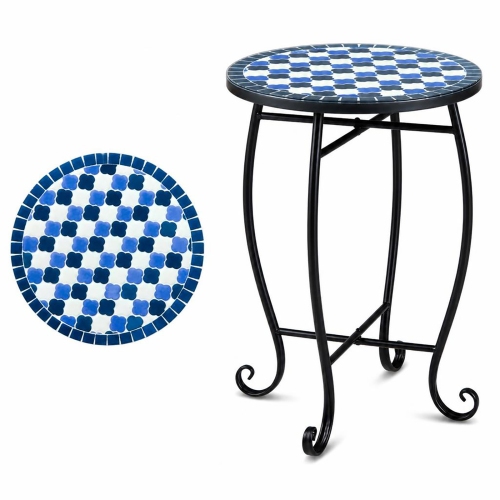
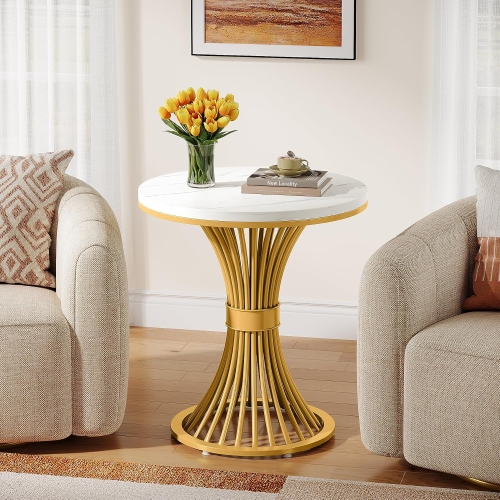
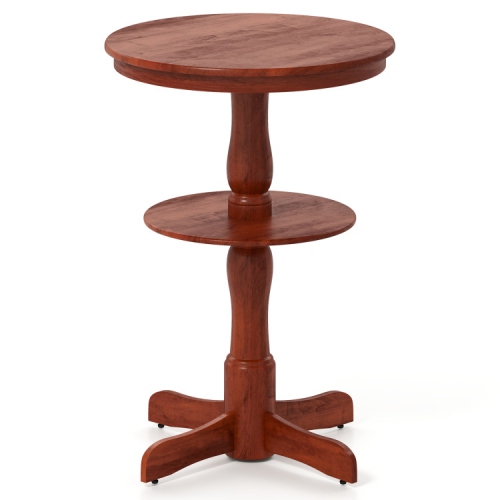
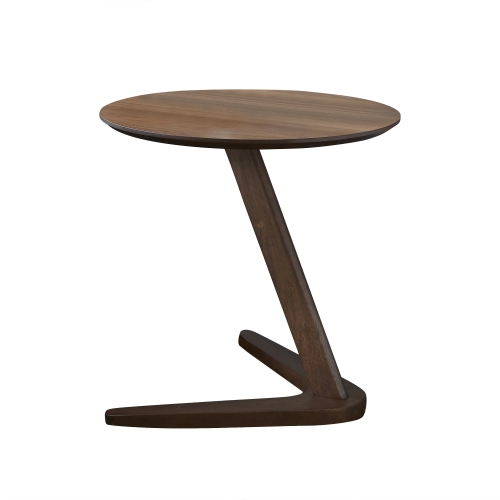
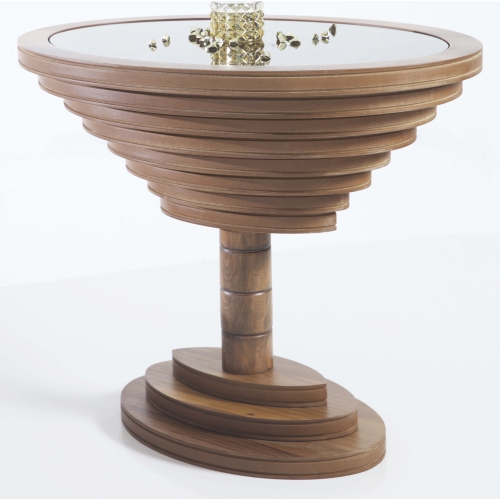
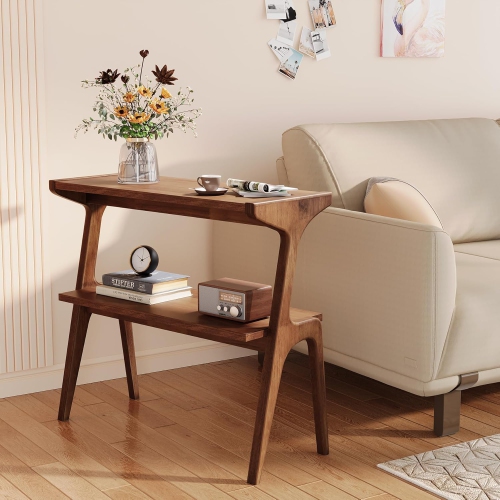
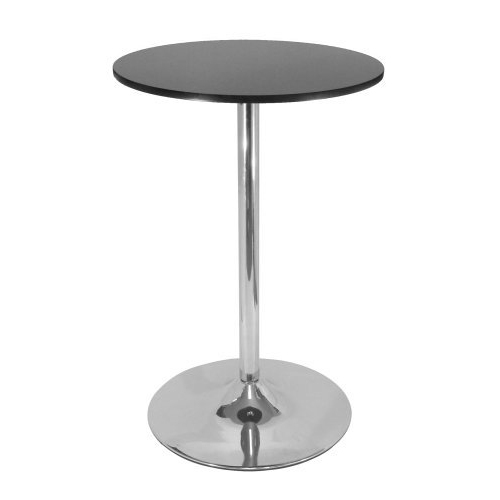
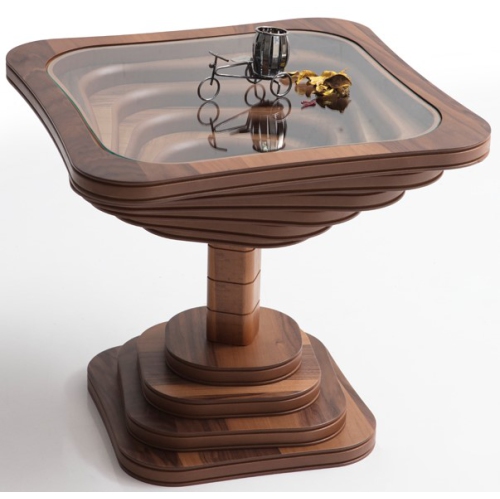
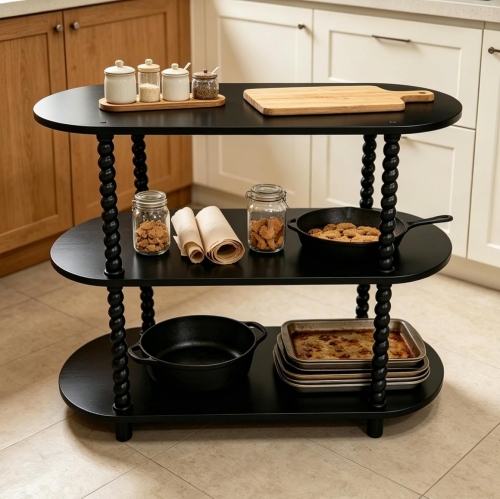
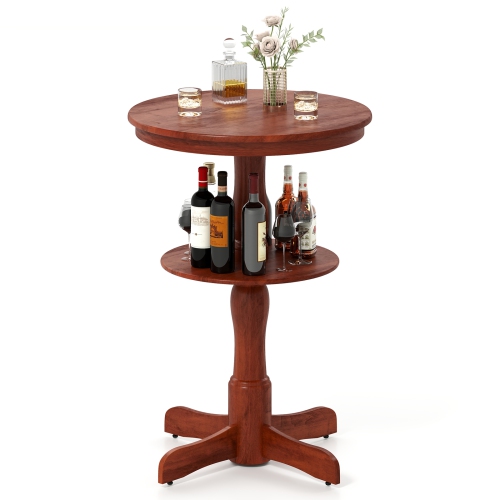
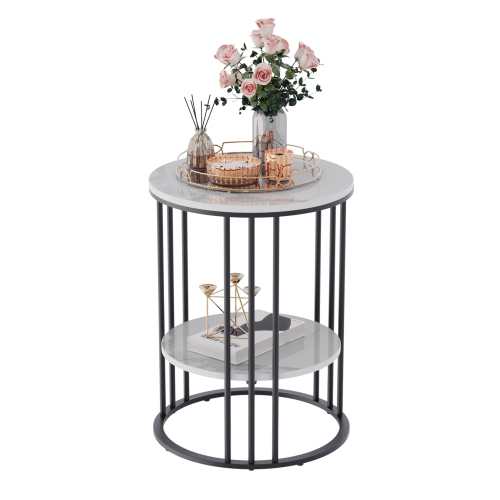
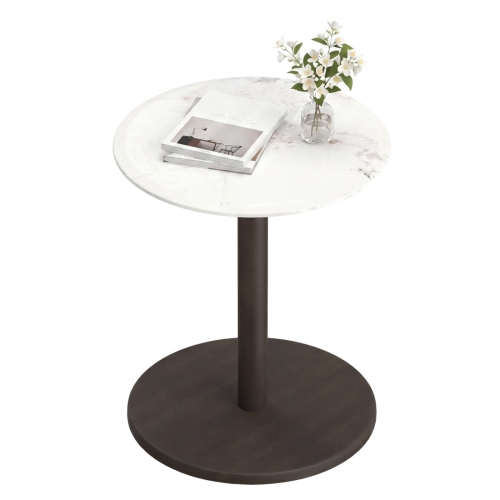
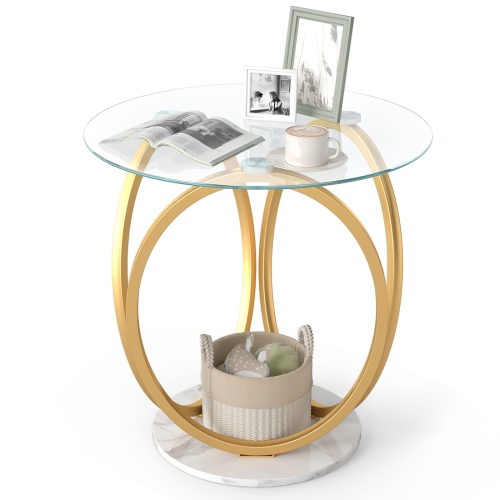
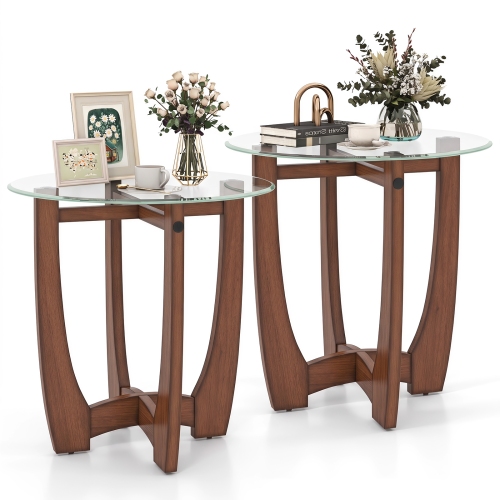
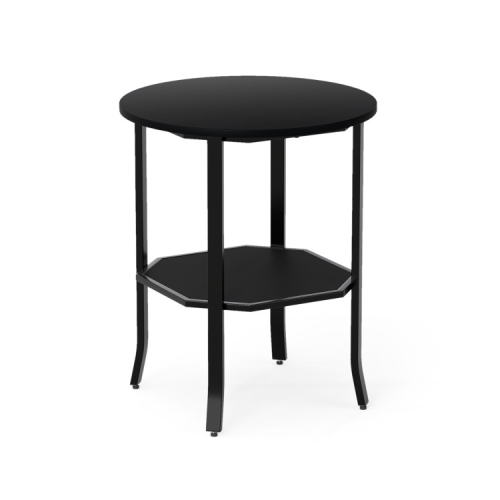
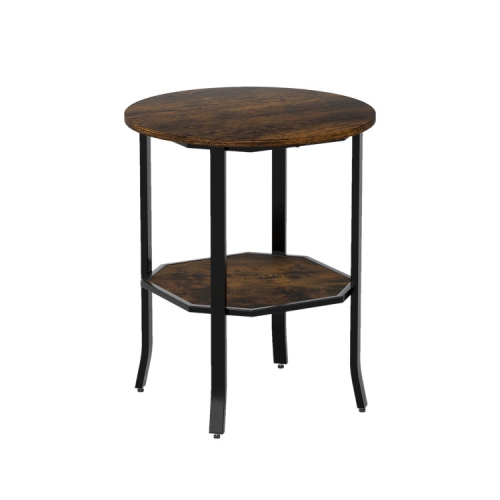
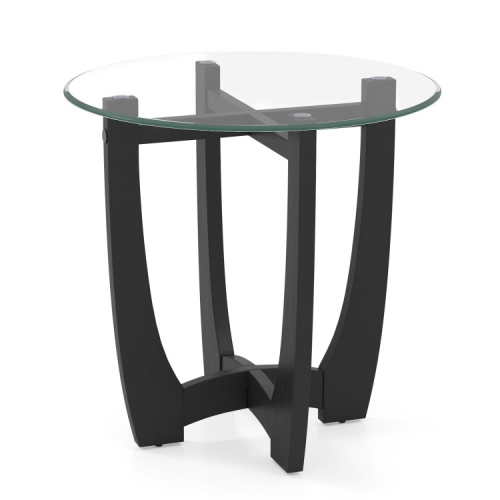
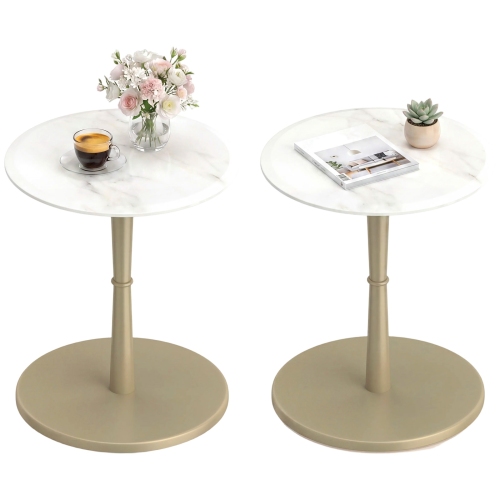
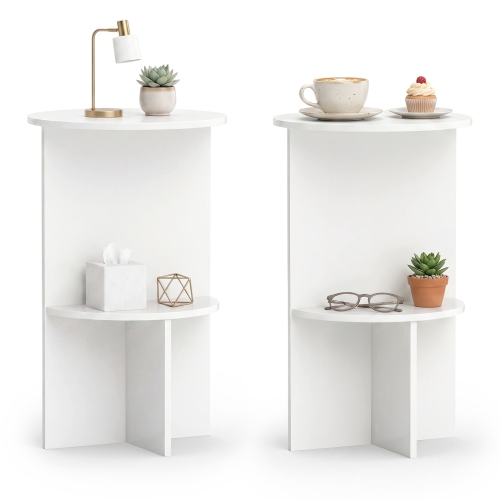
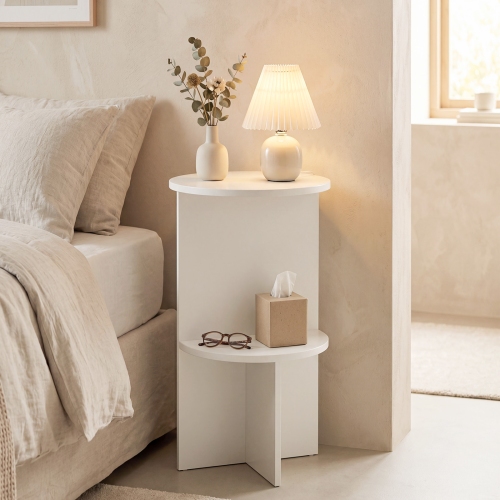
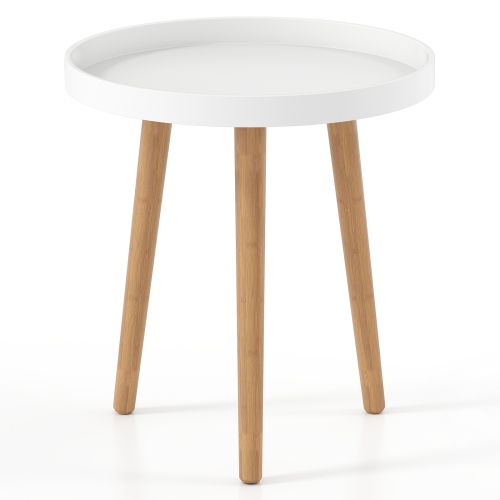
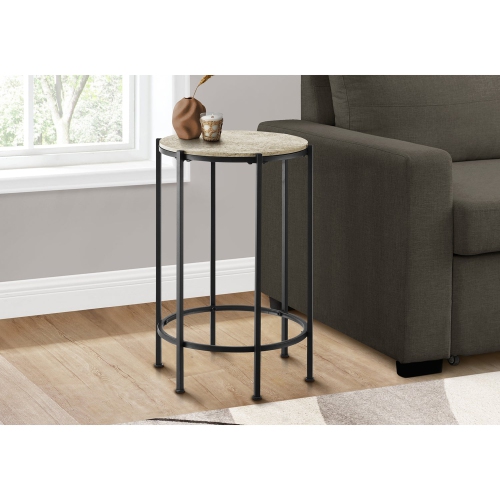
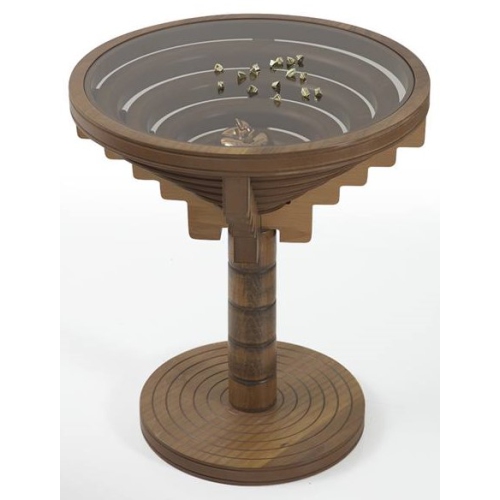
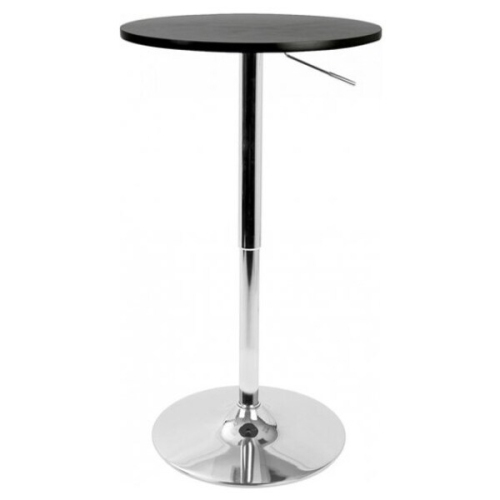
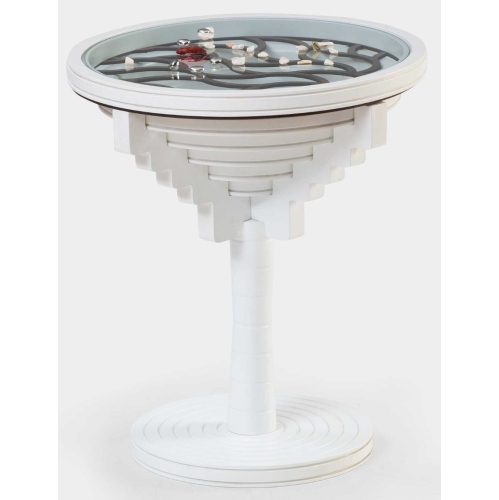
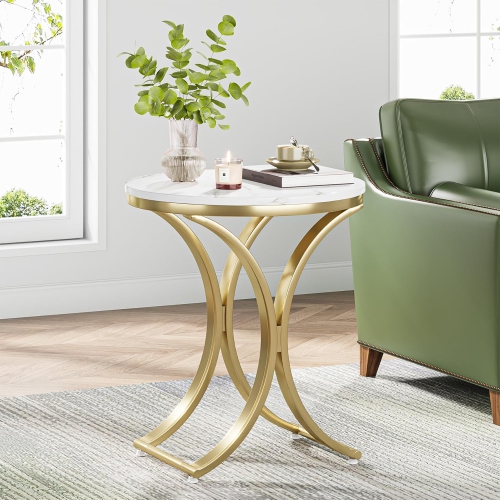
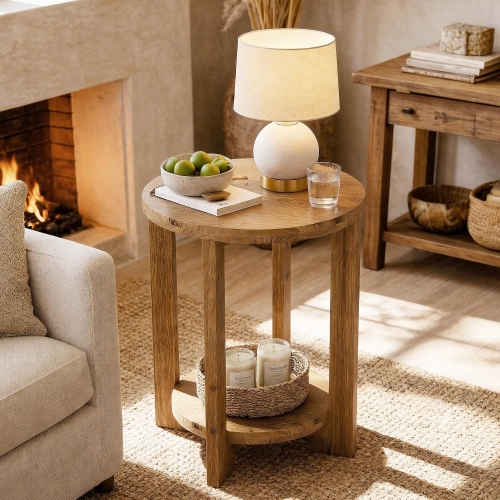
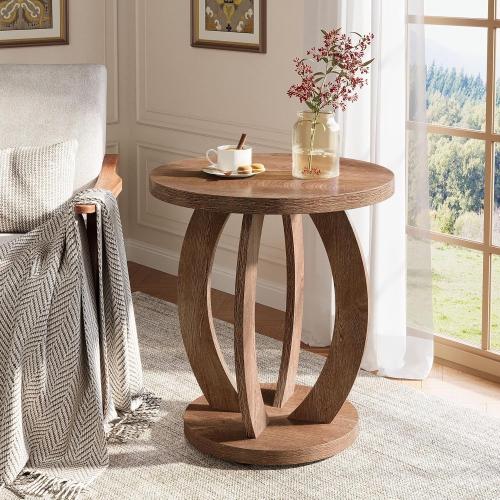
Pedestal side tables are compact occasional tables supported by a central column or shaped base rather than separate legs at each corner. That distinctive construction gives them a clean outline while providing a convenient surface beside a sofa, armchair, or bed. The pedestal may be slim and straight, turned with rounded details, tapered, or formed into a broad sculptural shape, with a base designed to support the tabletop above it. Round tops are especially associated with this style, although square, oval, and other shaped tops can create a different look. A rounded edge can soften a seating arrangement filled with straight lines, while a square top may sit neatly beside the arm of a sofa. The central support can leave more open space around the perimeter, but the base still needs enough room on the floor; a wide disc or substantial plinth may occupy as much space as the tabletop. In a living room, a pedestal end table creates a landing place for a drink, a remote control, and a book without the visual weight of a larger storage piece. Beside a reading chair, it can hold a lamp and keep glasses within easy reach. In a bedroom, a suitably sized design can serve as a simple bedside table where drawers are not essential. The most comfortable fit depends on both height and reach. A top close to the height of a sofa or chair arm generally makes everyday objects easier to access, while bedside placement works best when the surface is convenient to reach from the mattress. Tabletop width matters just as much: a lamp base can occupy a considerable portion of a small round surface, leaving little space for anything else. Measuring the intended spot, including the floor area needed for the base, helps distinguish a genuinely compact fit from a table that only looks small in isolation. There should also be room to walk past comfortably, open nearby drawers, and move a chair without repeatedly bumping the edge.
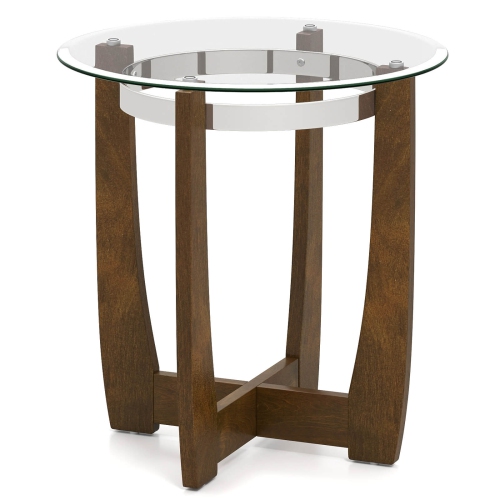
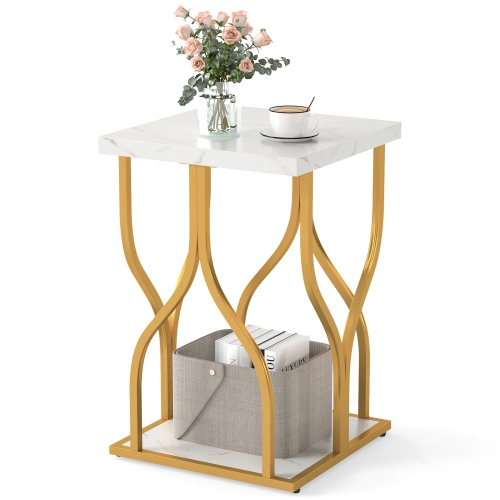
Material and finish shape both the appearance and the everyday care of pedestal side tables. Solid wood brings visible grain and natural variation, with tones that can complement upholstered seating, wood flooring, or other furniture. Turned wooden columns often suit traditional interiors, while simpler forms can feel relaxed or contemporary. Wood veneer over an engineered core can provide a wood surface with a different underlying construction; the quality of the finish, edge treatment, and connections remains important to its long-term performance. Painted finishes introduce colour without relying on the grain as a decorative feature, although chips and scratches may be more noticeable on some surfaces than others. Metal designs can have a slender profile or a substantial sculptural presence, depending on the shape and construction. Powder-coated and other finished metal surfaces still benefit from protection against scratches and prolonged contact with moisture. Glass tops give the tabletop a visually lighter appearance, but fingerprints, edge care, and the suitability of the glass for furniture use deserve attention. Marble and other stone tops add distinctive veining and weight; some stone surfaces are porous or sensitive to acidic spills, so care requirements vary by material and treatment. The tabletop material alone does not establish how sturdy a table will feel. Base width, overall weight, the connection between the column and top, and any required assembly all contribute to stability. A tall table with a narrow base behaves differently from a low table with a broad footing, particularly when weight is placed near the edge. Manufacturer weight limits should govern what rests on the surface, and side tables are not substitutes for seats or step stools. Coasters, a protective layer beneath plant pots, and prompt attention to spills help prevent everyday damage. Soft cloths and cleaning methods suited to the finish are preferable to abrasive scrubbing, while hot mugs and heated objects may need additional protection. Felt pads or appropriate floor protectors can reduce marking, provided they do not make the base uneven or interfere with its grip.
The appeal of a pedestal side table often lies in the balance between a useful surface and a shape that contributes to the room. A plain circular top on a slender stem can sit quietly beside patterned upholstery, while a textured column or bold geometric base can become a focal point beside a simple chair. Matching every wood tone or metal finish is not necessary; repeating one detail, such as a warm wood colour or a dark metal accent, can help the table feel connected to nearby furniture. Scale keeps those contrasts comfortable. A substantial pedestal may suit a deep lounge chair, whereas a delicate profile can look more proportionate next to lighter seating. The distinction between side tables and Pedestal Accent Tables is often a matter of placement and emphasis: the same general form can provide a practical surface beside seating or draw attention to a decorative corner. For daily use, an uncluttered top leaves room for the objects that actually need a home. A reading corner might need only a lamp and a small stack of books; a bedside arrangement may call for a phone, glasses, and a water glass. Lamp cords and charging cables should run clear of walking routes rather than stretching across the floor. Households with children or pets may place particular importance on a stable base, smooth edges, and a position away from active play. A pedestal table can also be a thoughtful housewarming gift when the recipient’s space and style are known, especially for someone furnishing a first apartment or creating a dedicated reading nook. Its usefulness comes from fitting naturally into a routine, not simply filling an empty patch of floor. The right proportions, a finish suited to the household, and enough clear surface for everyday essentials allow this compact piece of furniture to earn its place without overwhelming the room.
Top selling and popular products
-
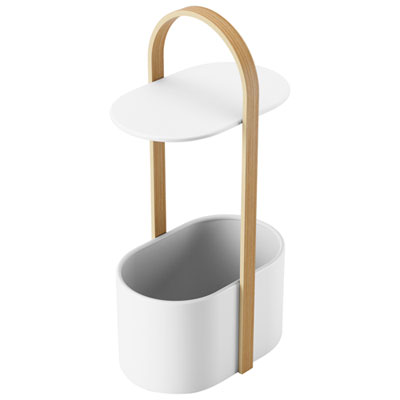 Your price for this item is $69.98
-
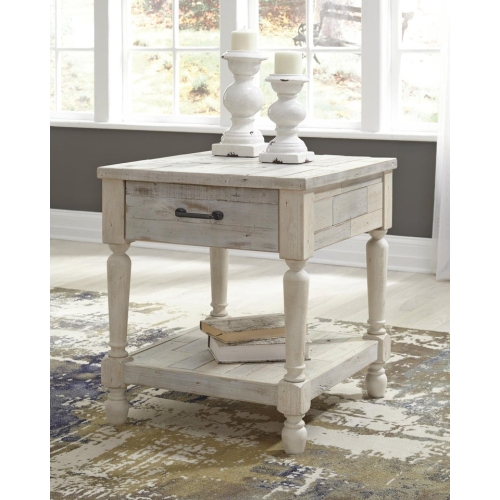 Your price for this item is $159
-
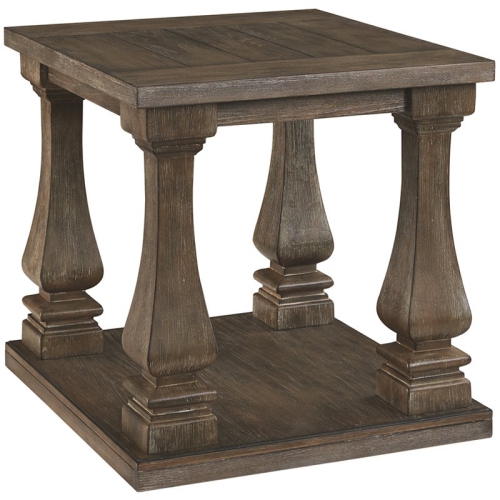 Your price for this item is $375
-
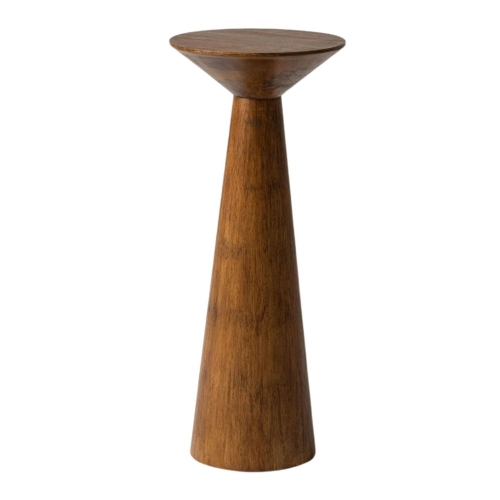 Your price for this item is $181.99
-
 Your price for this item is $199
-
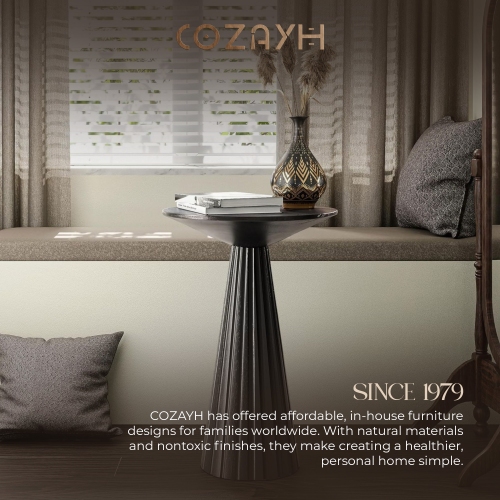 Your price for this item is $211.99
-
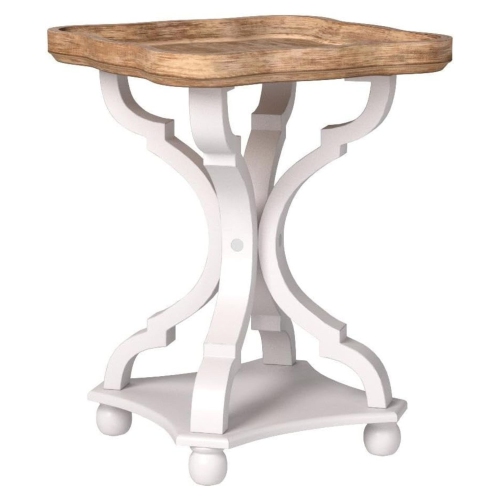 Your price for this item is $233.99
-
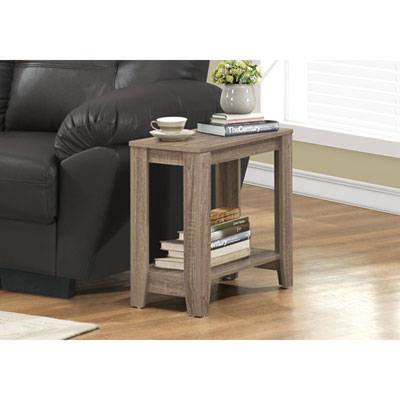 Your price for this item is $121.99
Discover more categories related to Pedestal Side Tables
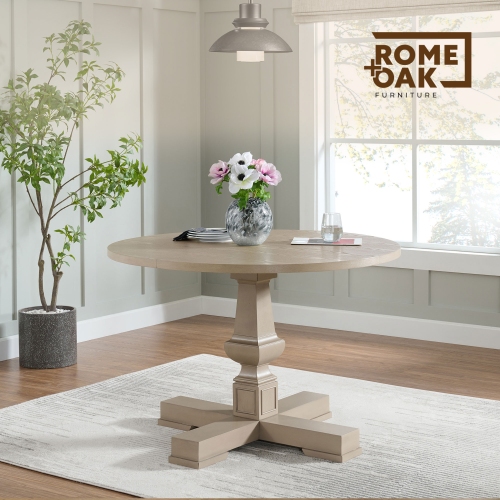
Top Collections:
Best Black Friday Deals This Year, Best Black Friday Deals On Electronics, Kindle Devices, Dyson Airwrap, Best Cameras for Sports Photography, Best Budget Office Chairs, Canon G7X Cameras, PS5 Pro Consoles, Best Black Friday Deals On Apple Products, XBOX One S Consoles
Some products may be subject to Environmental Handling Fees
(EHF) depending on your province.
Learn more about EHFs.