Personal Safety Devices
Stay protected and secure with our wide selection of personal safety devices. Whether you're looking for peace of mind during your daily commute, while exploring the great outdoors, or simply want to ensure your loved ones are safe, we have the perfect solution for you. These devices are designed to provide you with the protection and security you need.
Sort
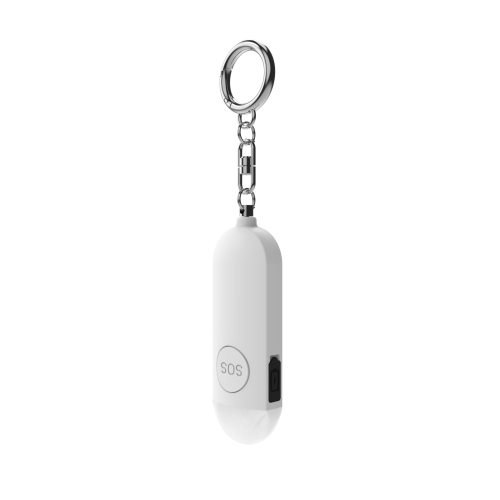
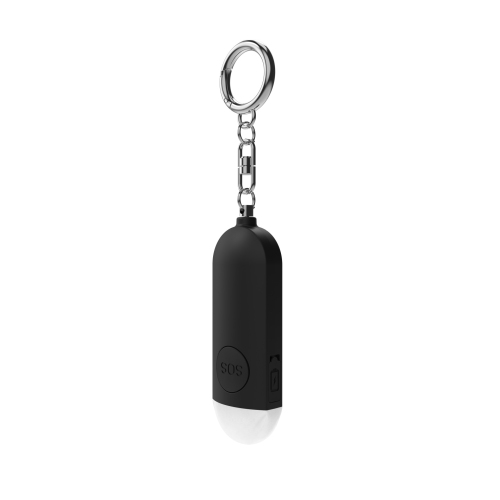
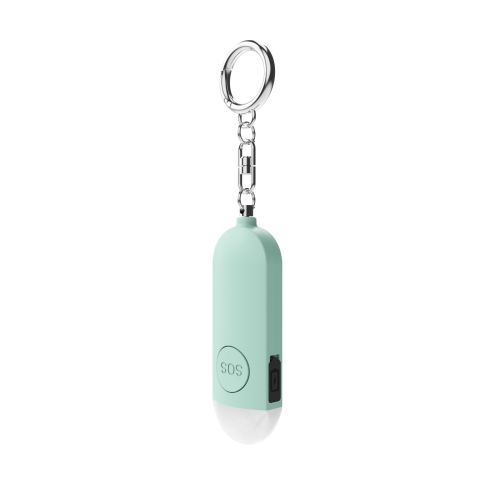
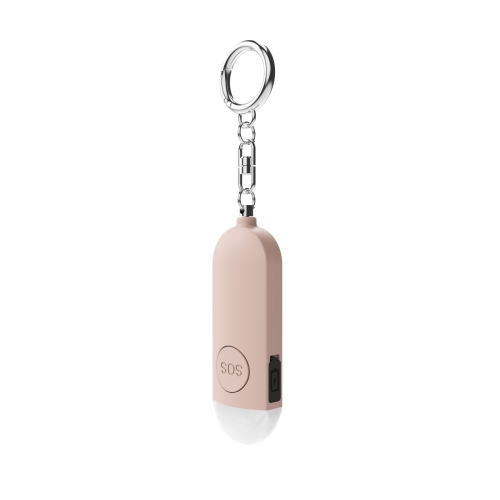
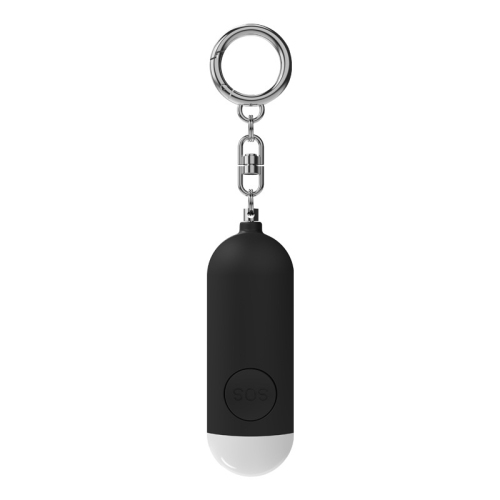

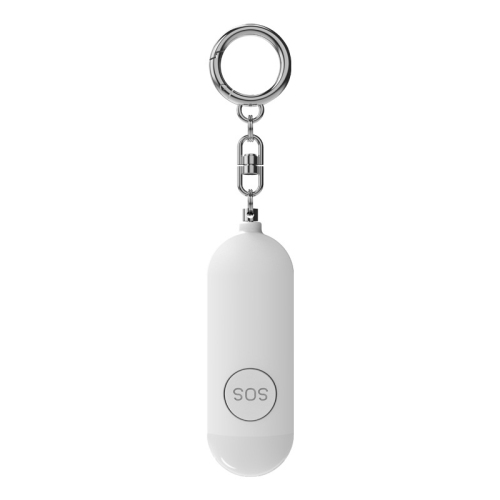
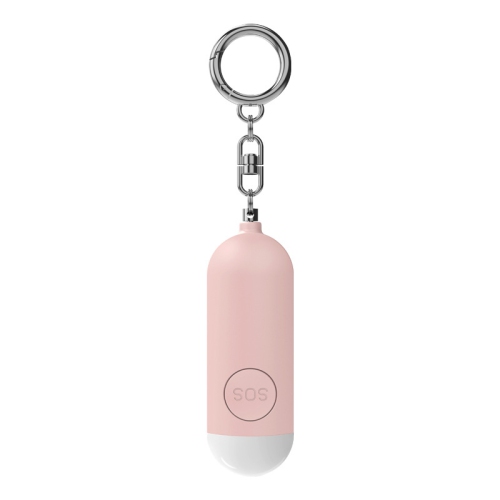
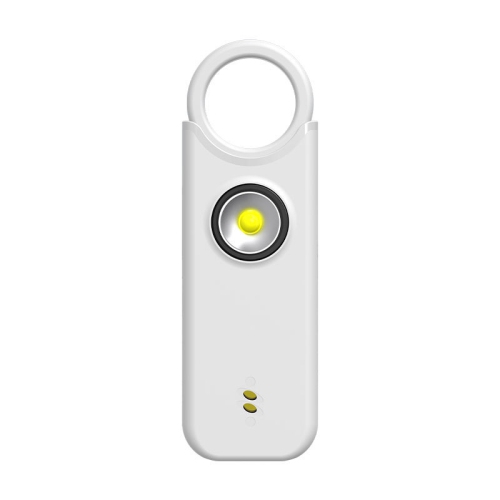
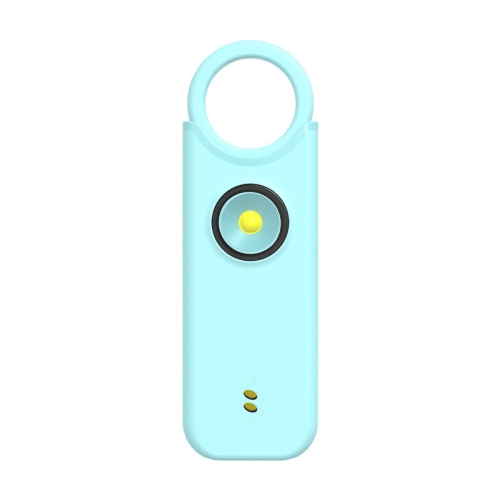
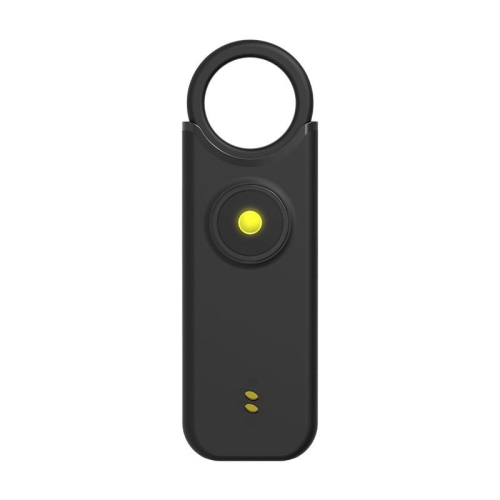
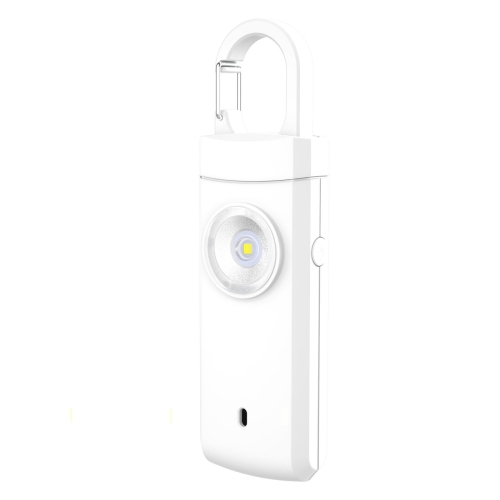
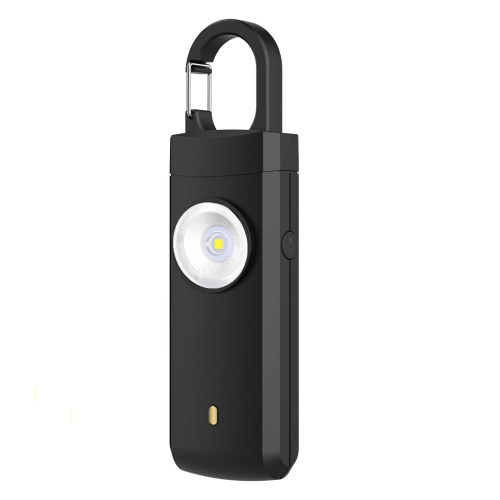

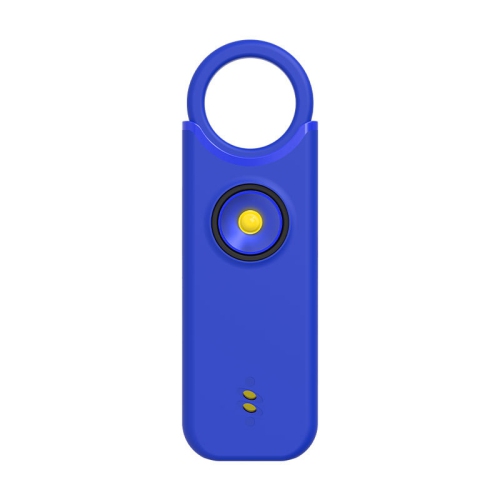
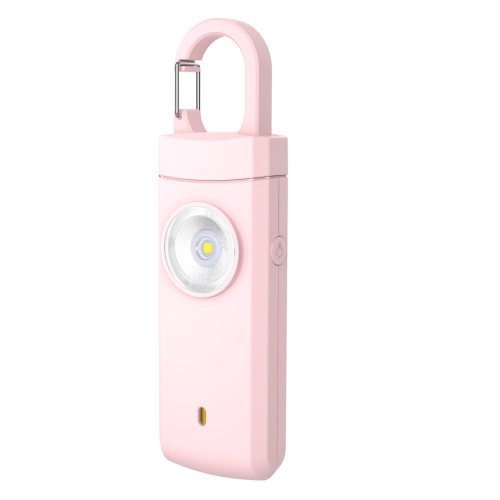
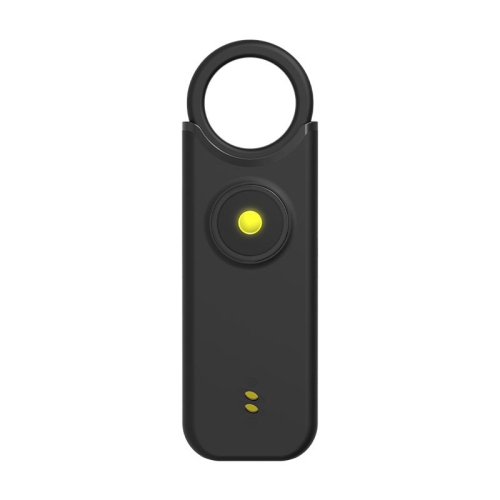
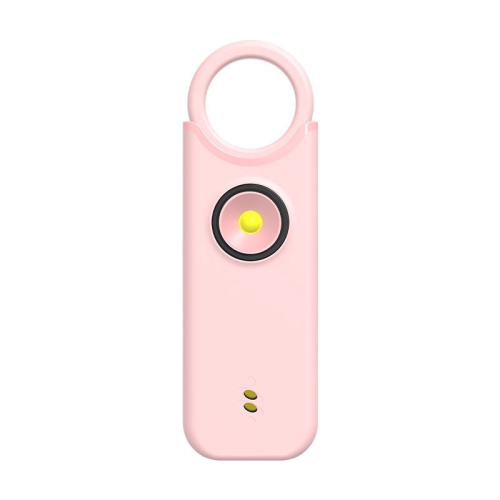
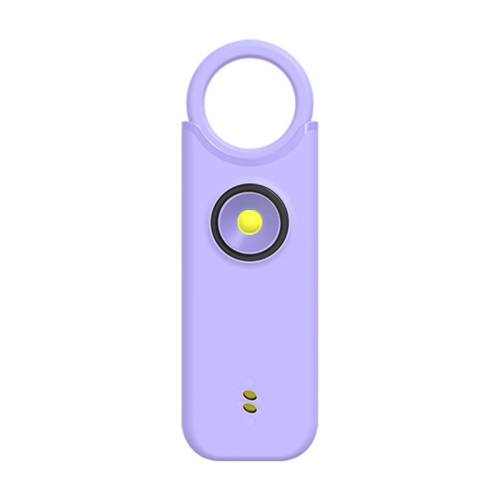
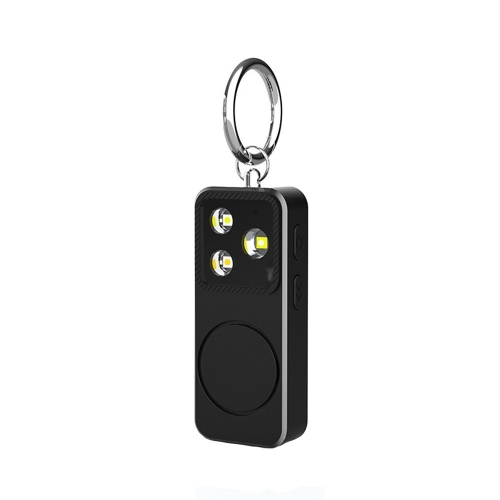
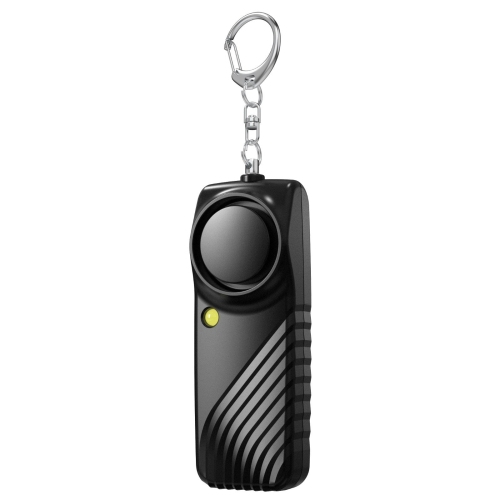

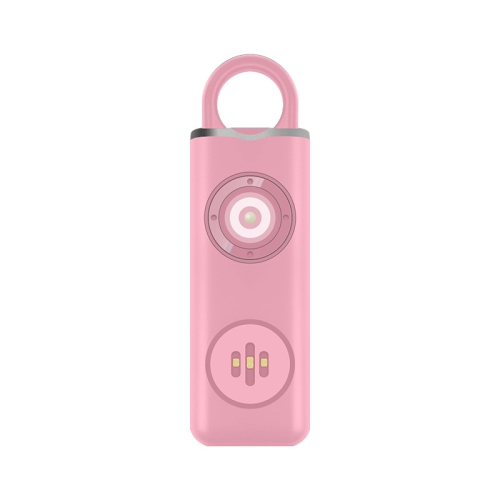






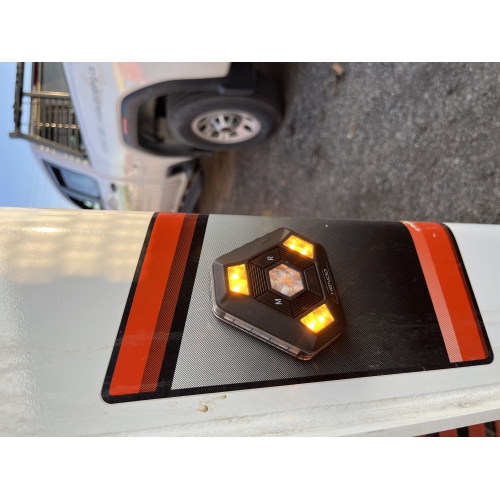

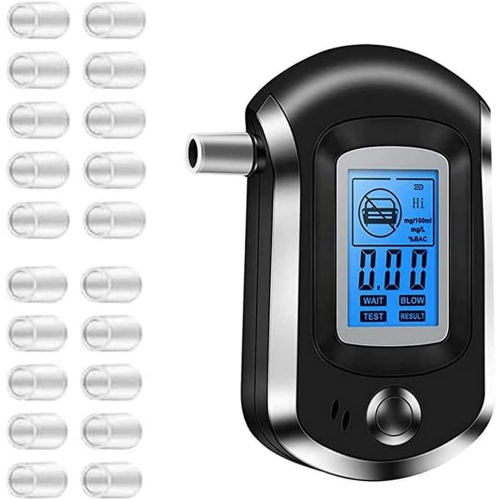
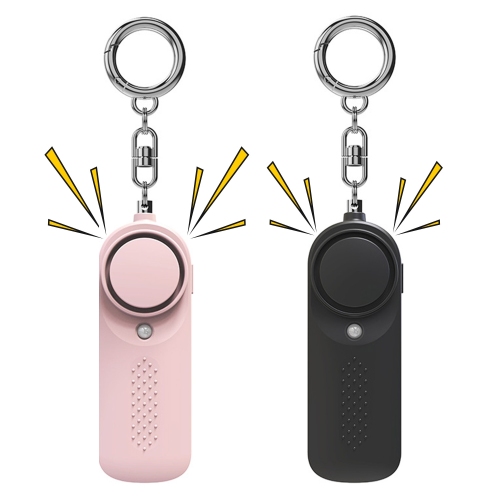
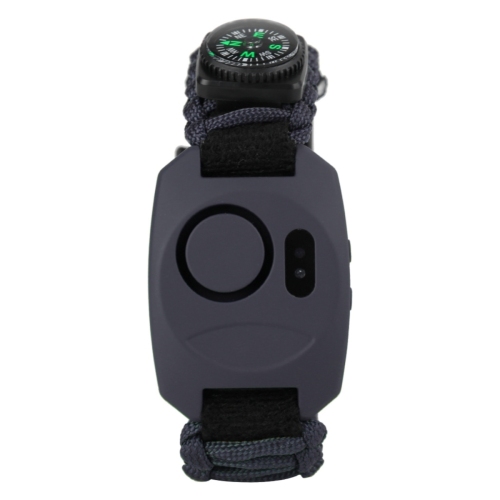
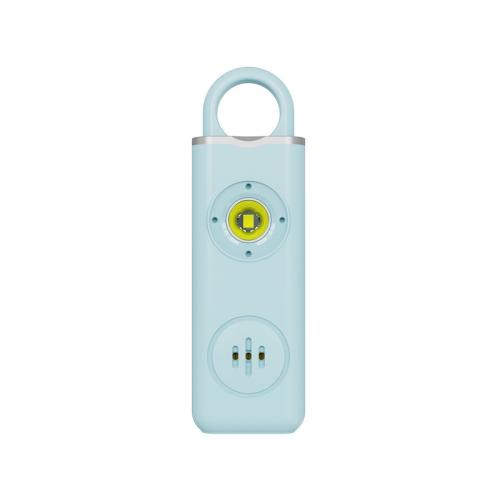


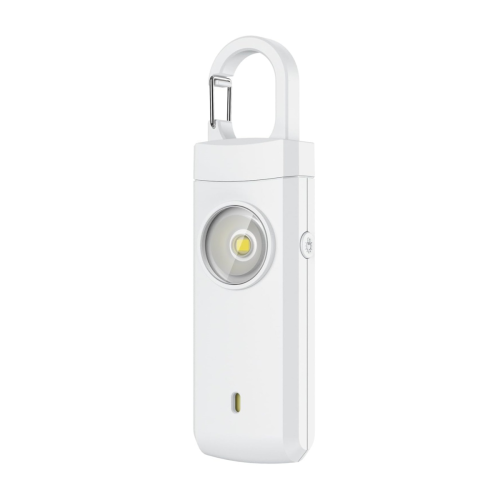
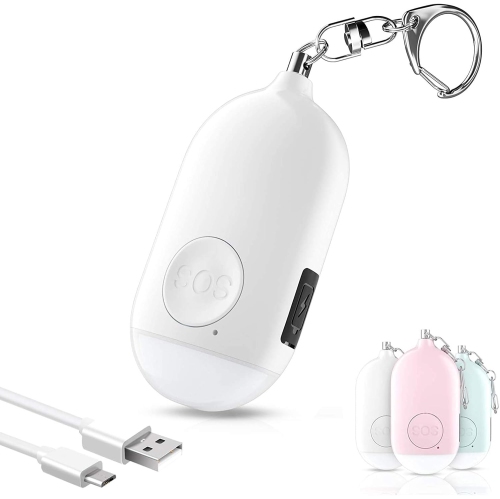
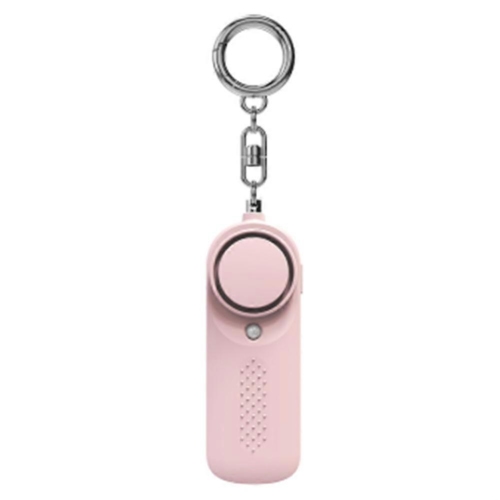




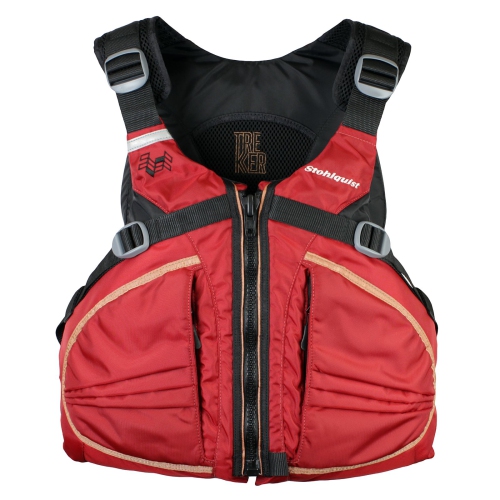
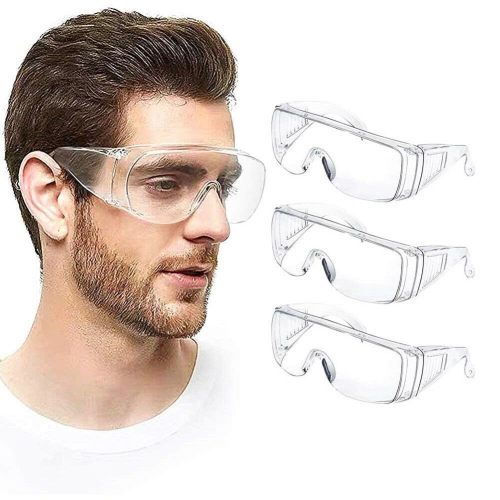

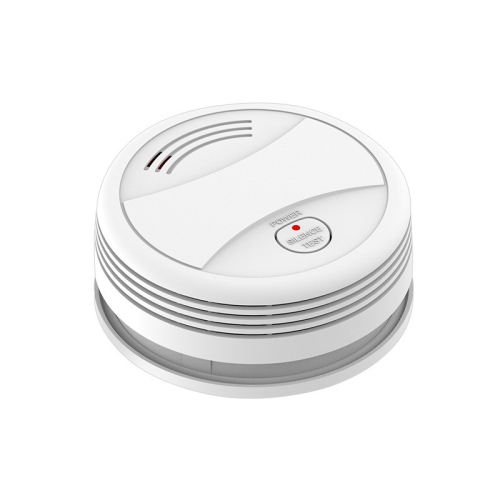

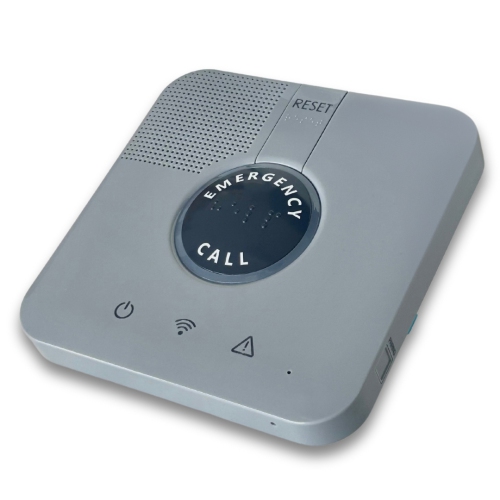
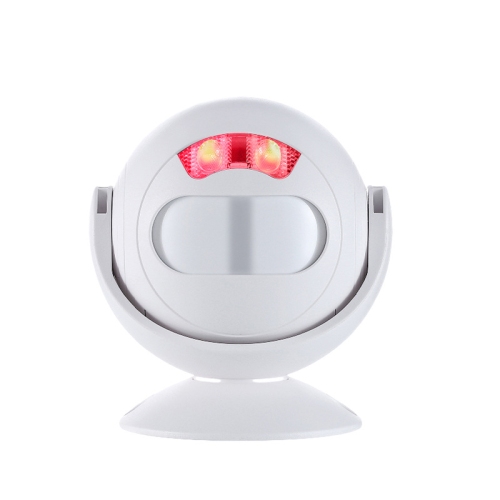

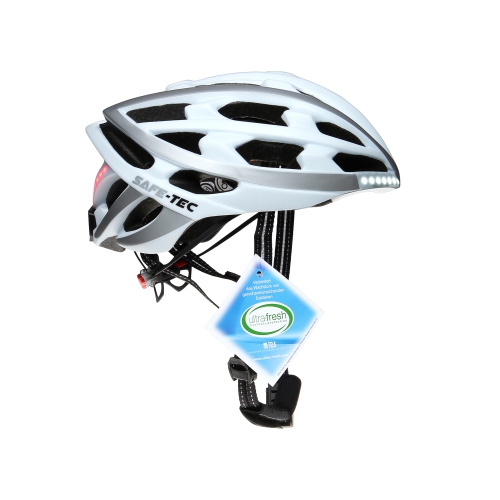
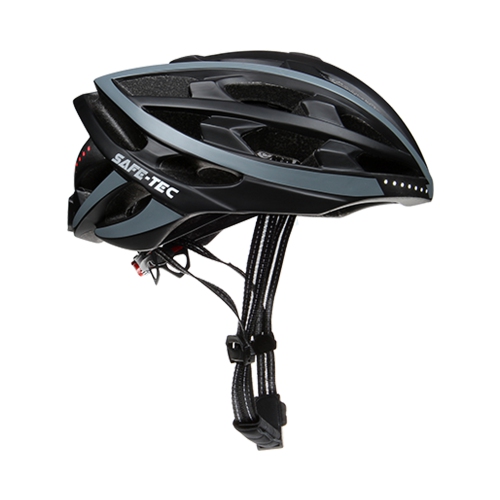

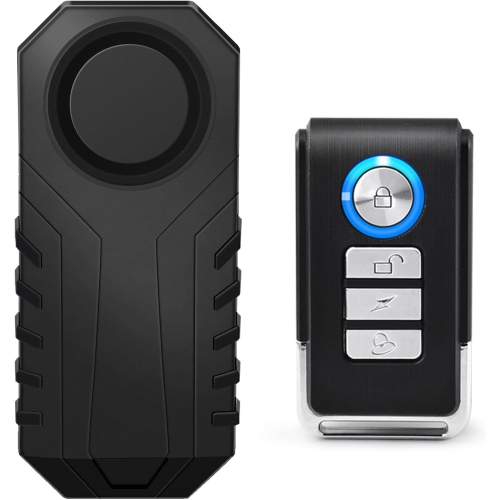
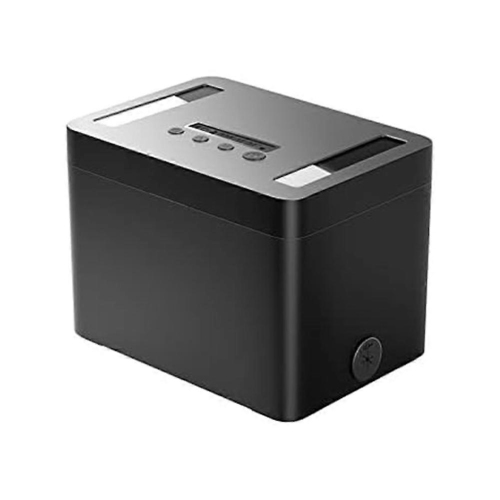
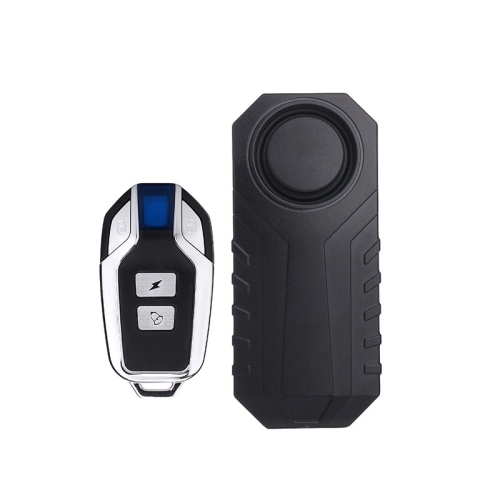

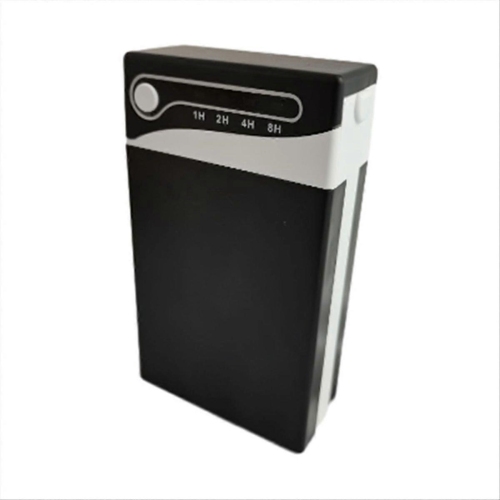




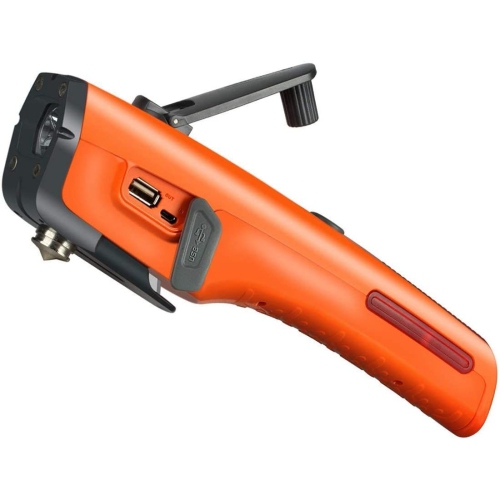

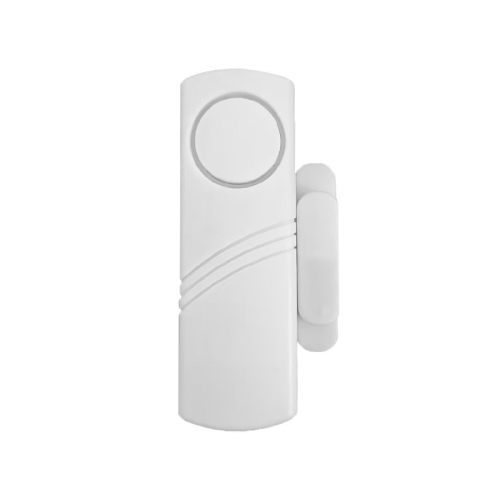
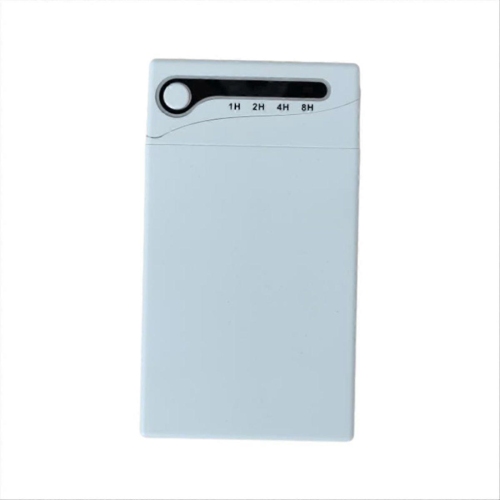
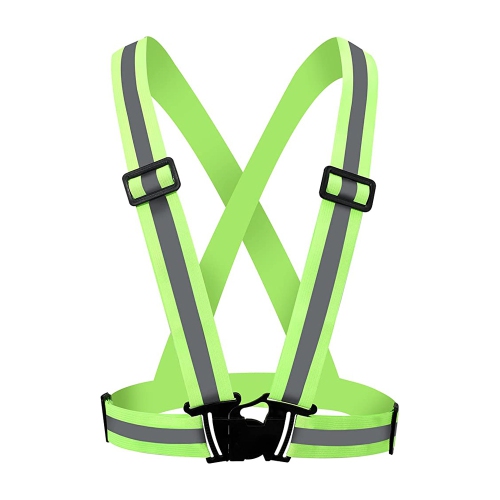

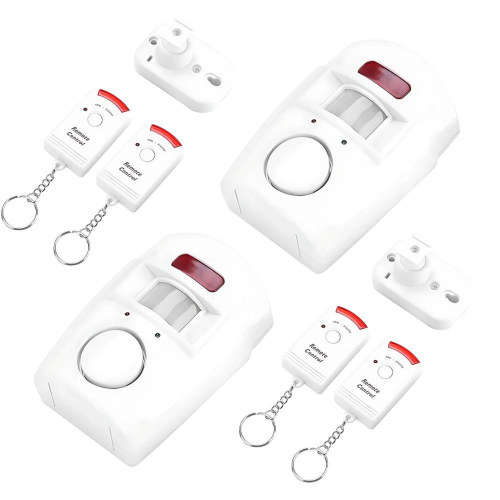

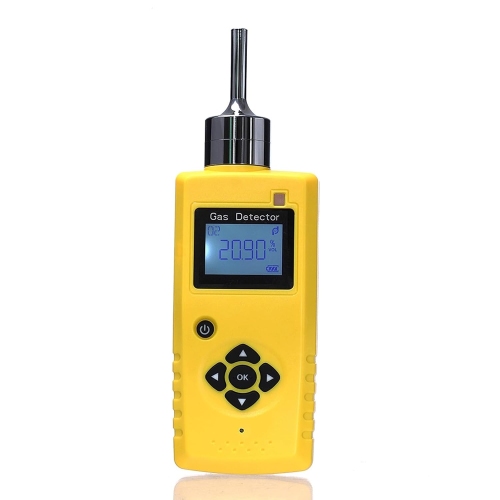
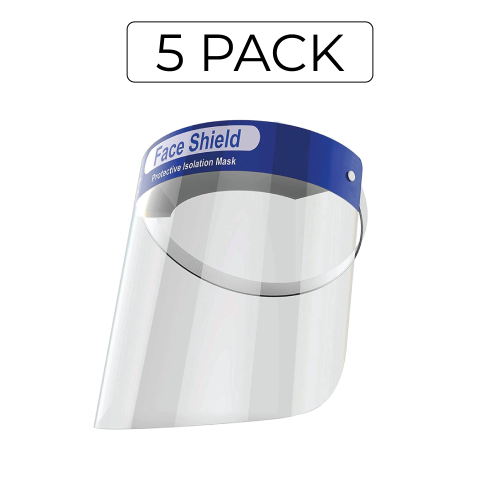

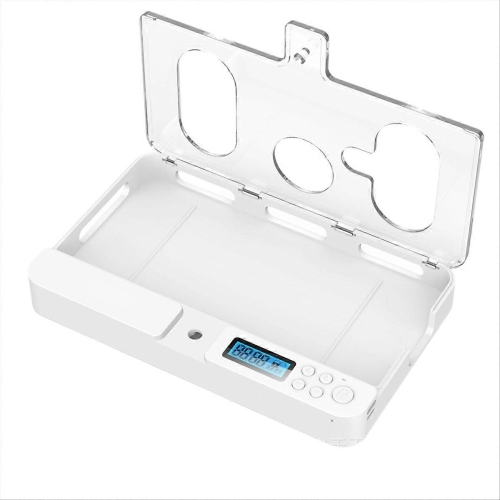







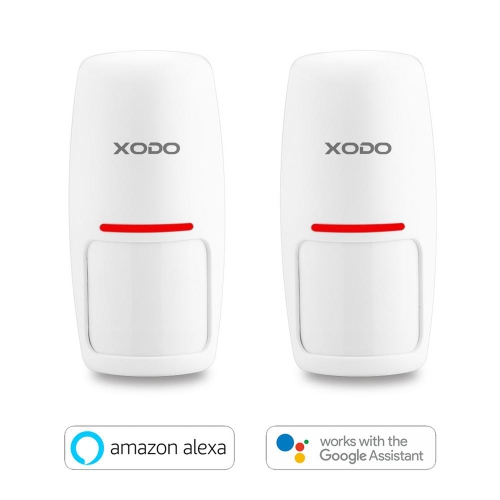
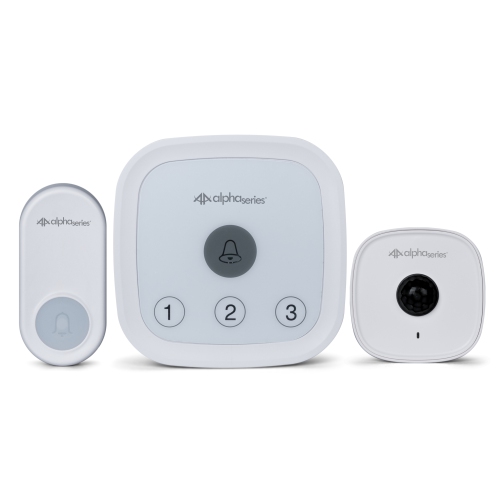

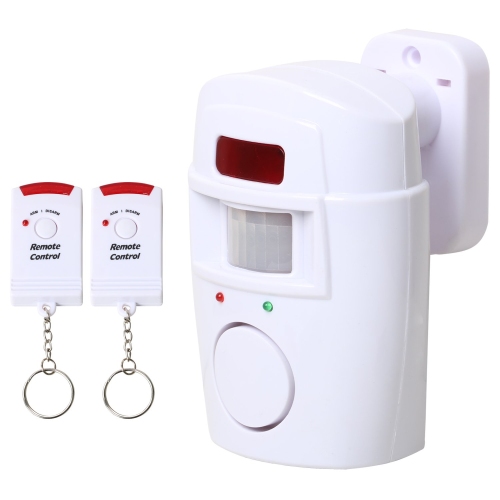
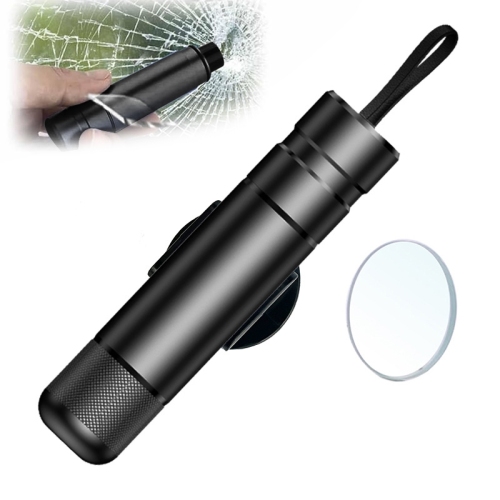


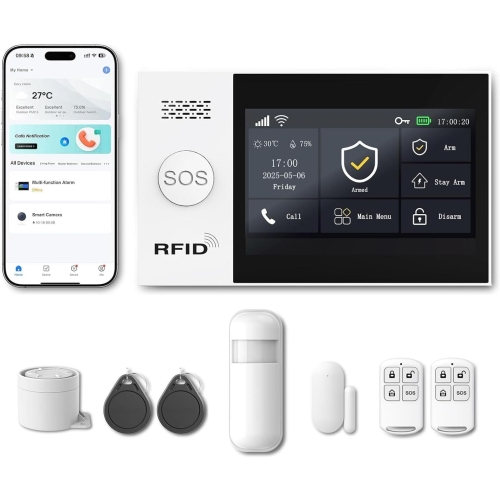


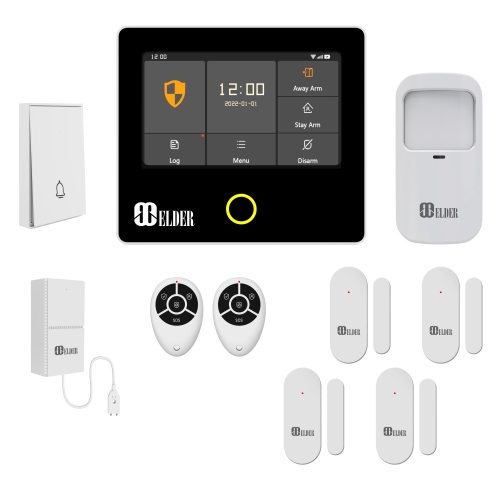
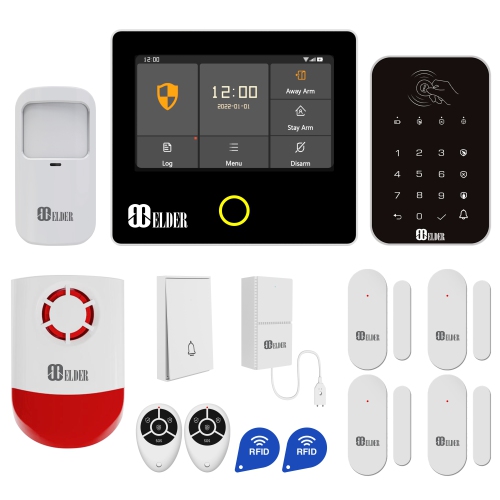

Practical safety tools for alerts, visibility and emergencies
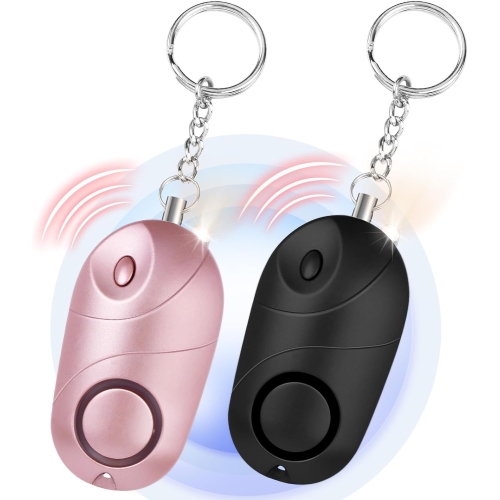
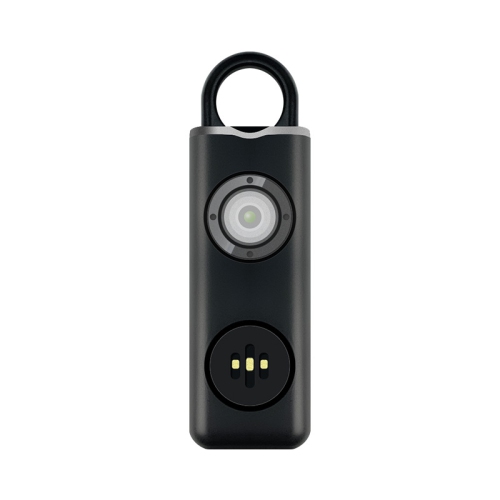
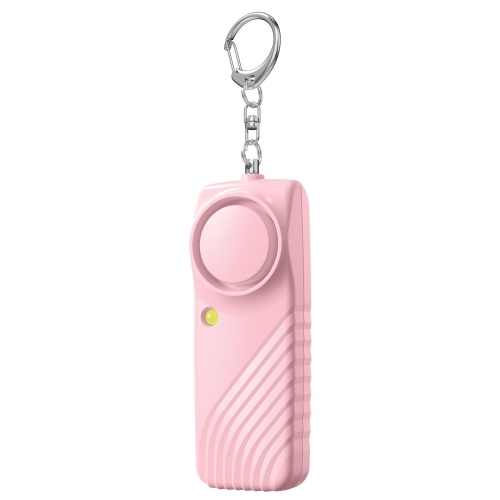
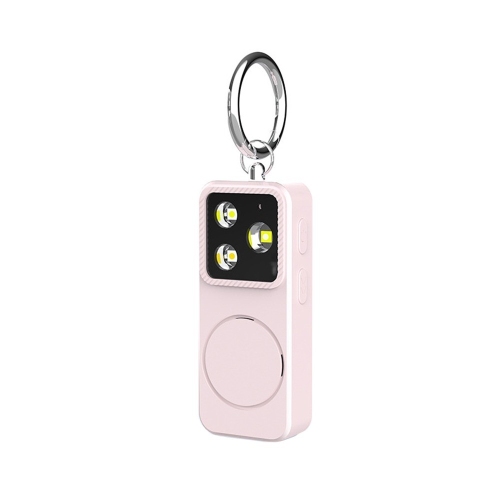
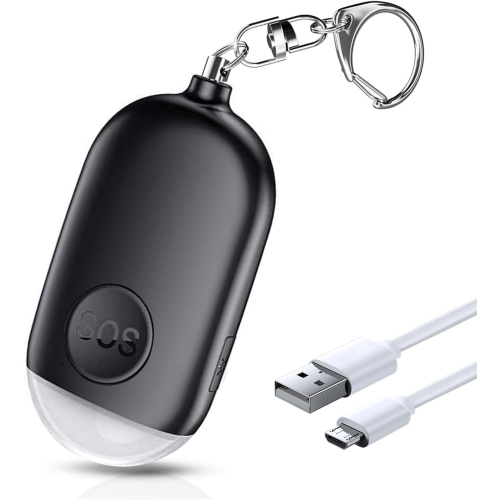
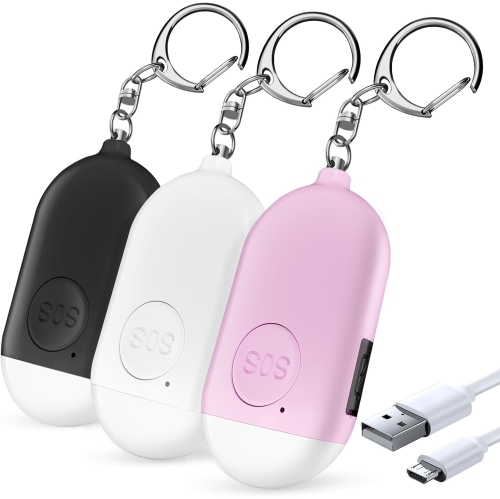
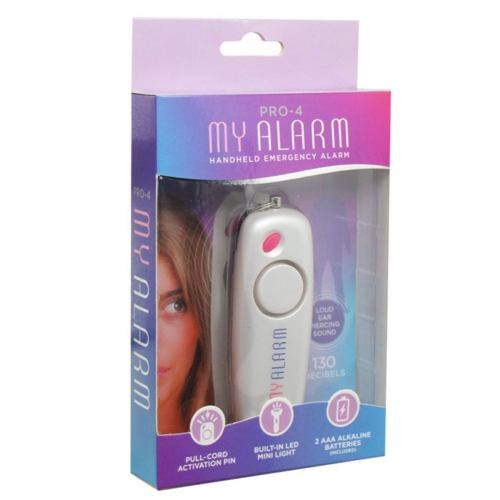
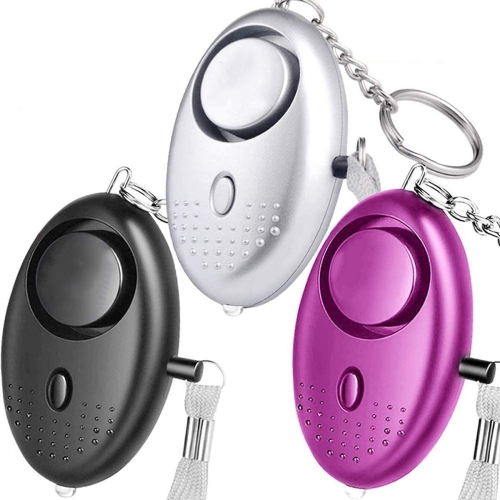
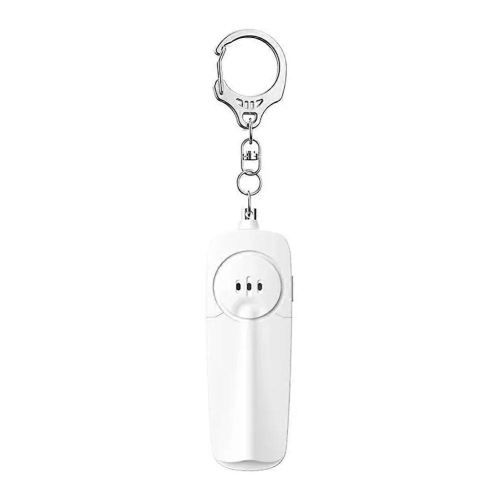
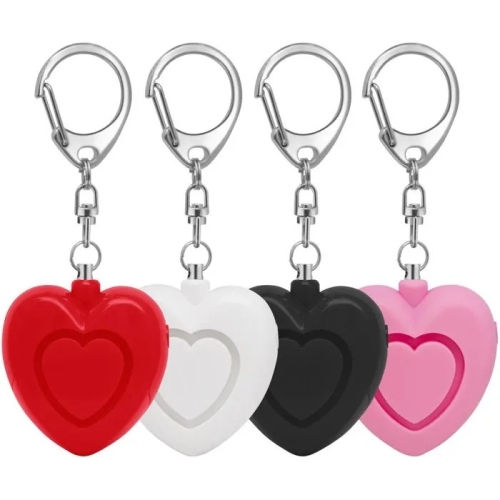
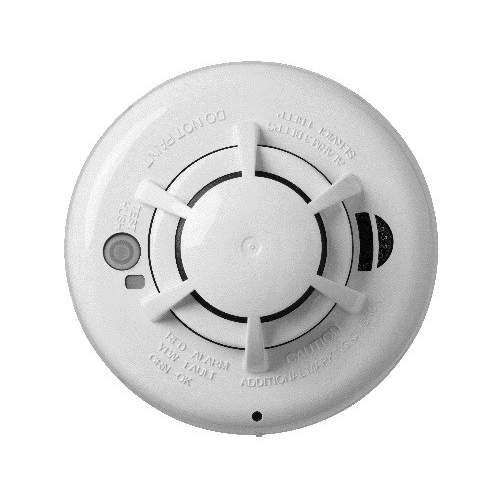
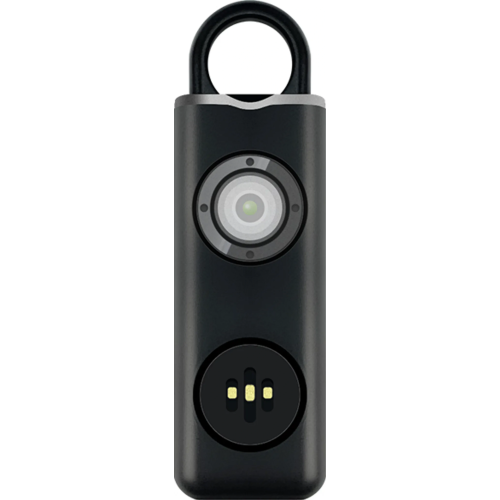
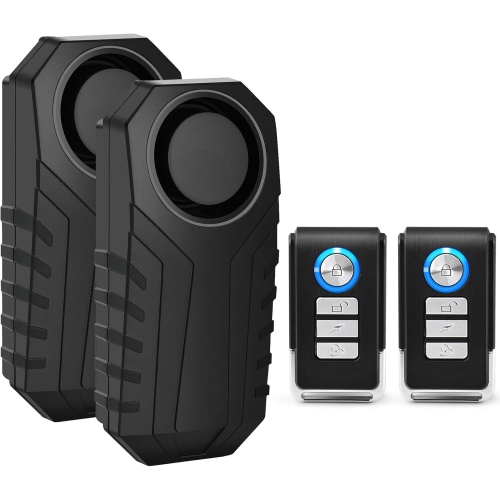
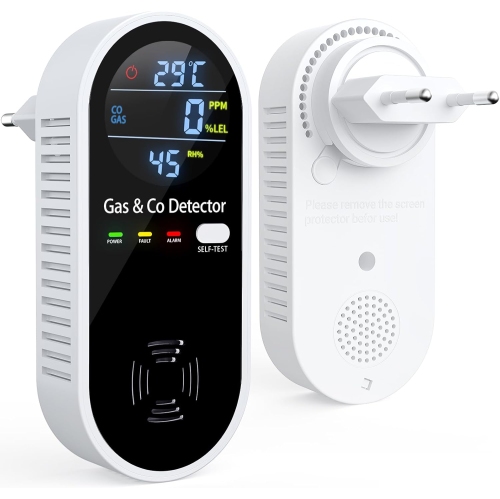
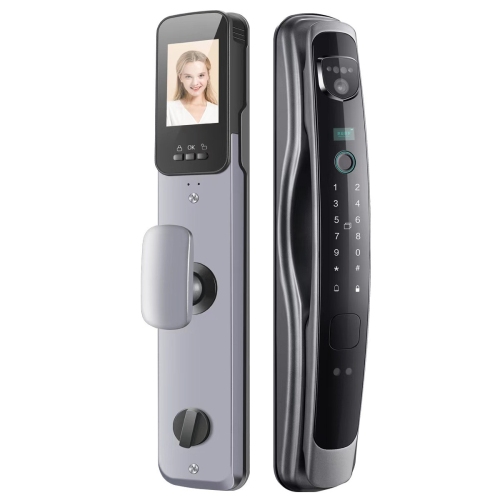
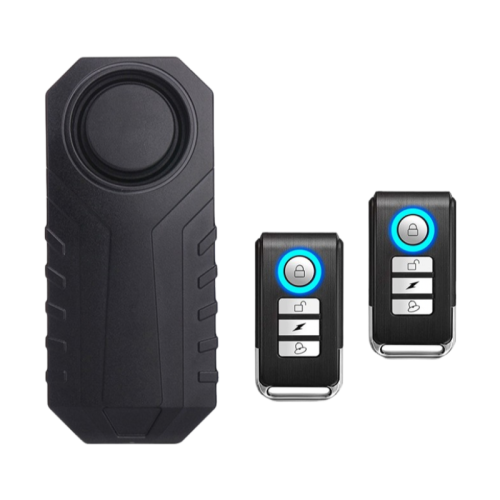
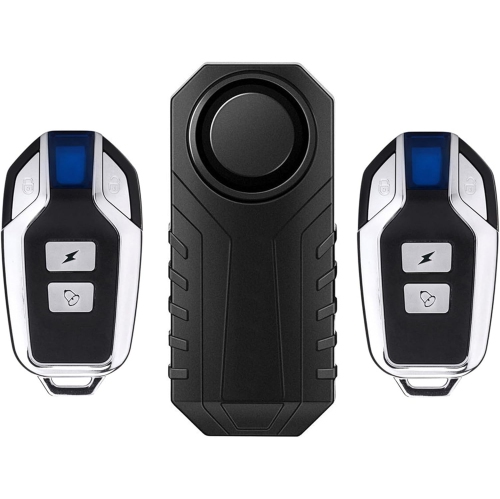
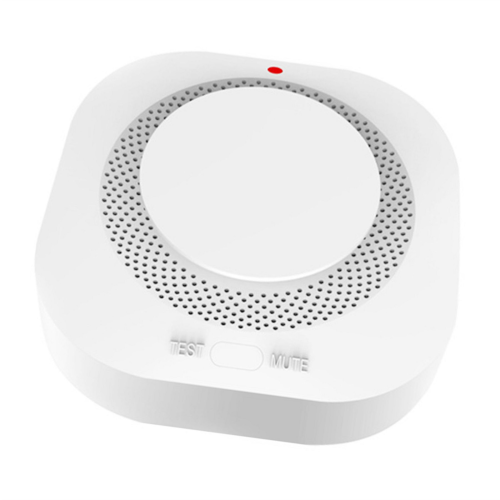
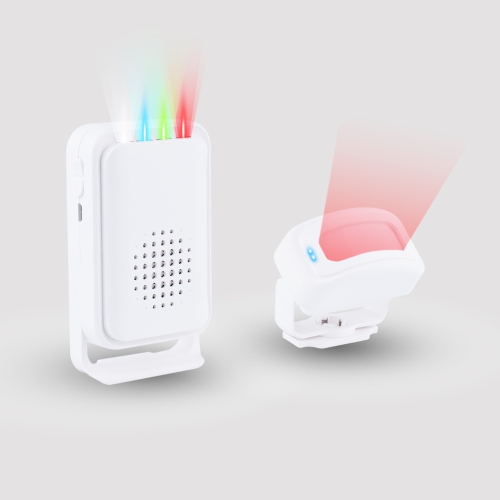
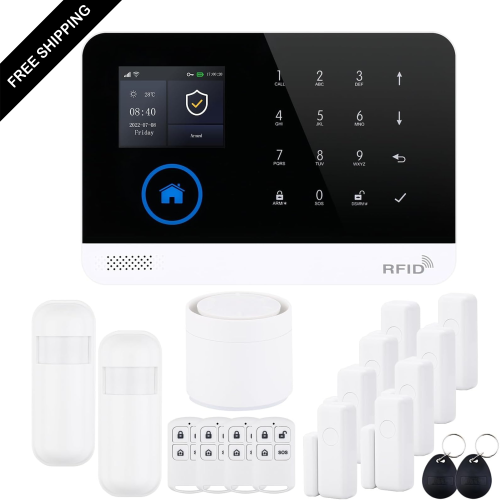
Personal safety devices are designed to add an extra layer of confidence during everyday routines, commutes, travel and unexpected situations. The right choice depends on where the device will be used, how quickly it must be accessed and whether it is intended to attract attention, contact someone or help with an emergency. Personal alarms are a popular option for people who walk, jog, commute or travel alone because they can produce a loud siren and, in some cases, a flashing light to draw attention to a situation. A compact alarm with a key-ring attachment or clip can stay within reach on a bag, belt loop or coat pocket, while a weather-resistant design may be better suited to outdoor routines during cooler months. Look for controls that are easy to identify by touch, a secure attachment point and a battery that can be checked and replaced without difficulty. A device is most useful when it is familiar, charged and accessible, so take a few minutes to practise activating it before carrying it outside. Some people choose a personal alarm for an older family member, student, neighbour or friend who wants additional reassurance while walking from a car, waiting for transit or entering a building after dark. It can also be a considerate gift for someone starting a new job with an early or late commute, moving to a new neighbourhood or travelling independently. For broader household needs, browse Home Safety Equipment for devices that can help support awareness and preparedness around the home.
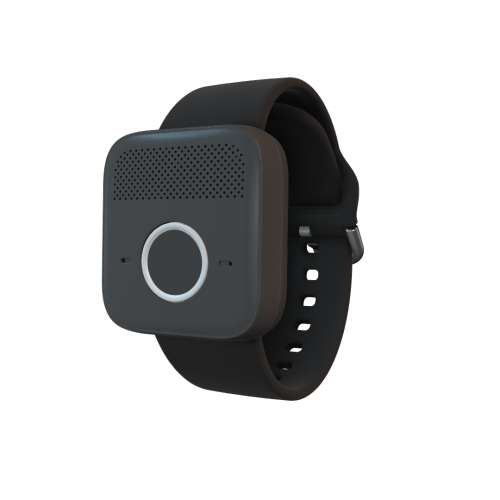
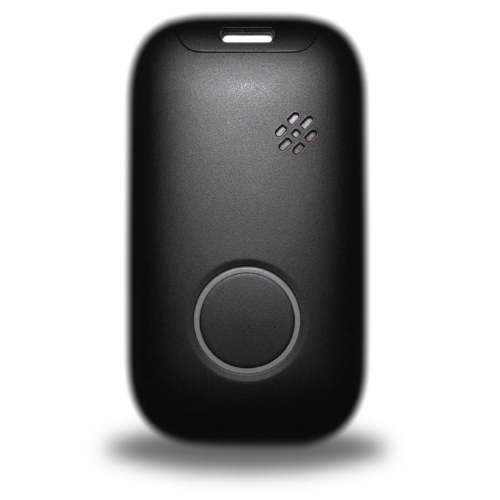
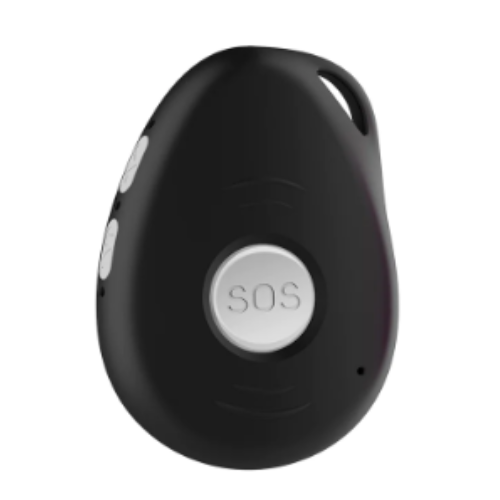
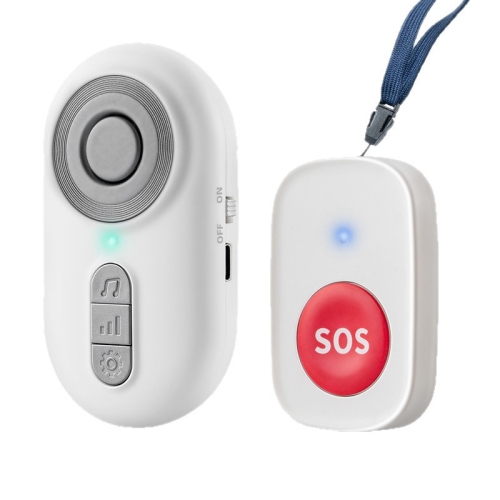
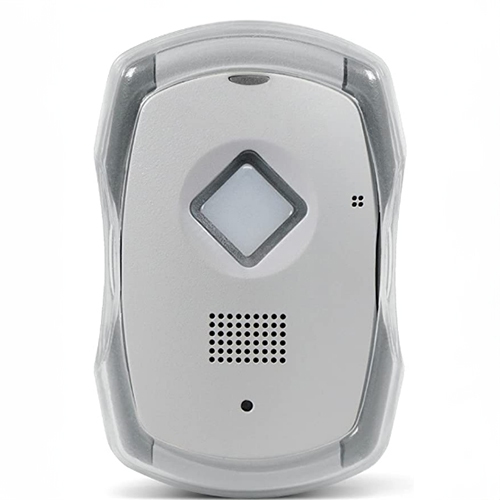
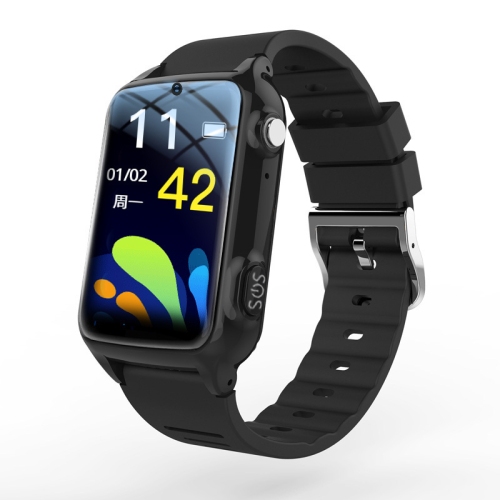
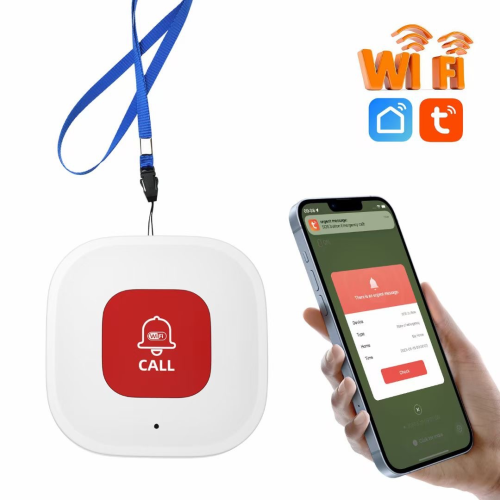
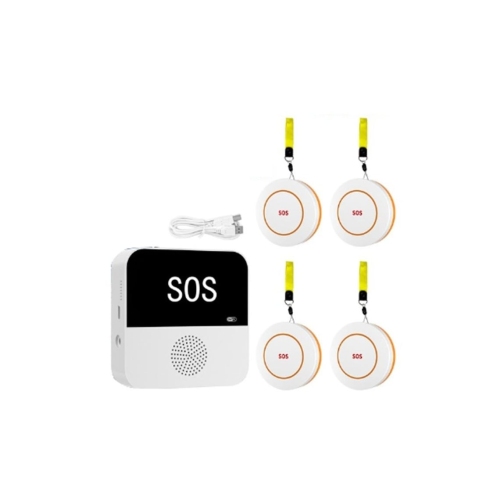
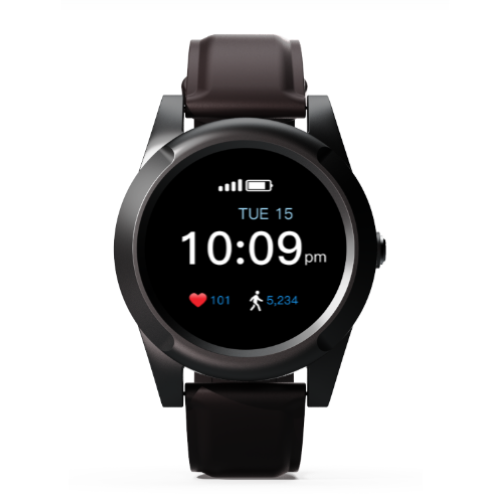
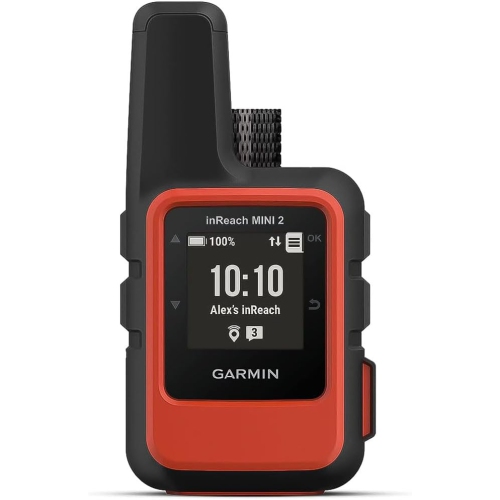
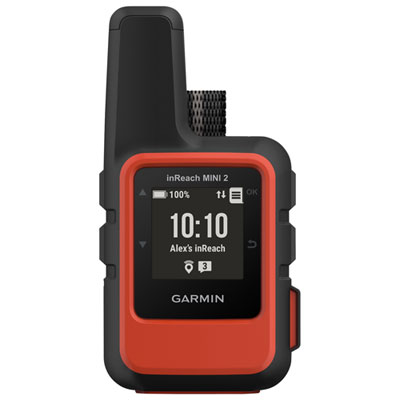
Connected emergency buttons and wearable safety devices offer another approach by helping a user send an alert without reaching for a phone. Depending on the model and service, a press may notify selected emergency contacts, trigger a call for assistance or share a location through a paired smartphone or cellular connection. These devices can be useful for older adults, people living alone, individuals with medical concerns, students and anyone who wants a discreet way to ask for help while keeping their hands free. Before choosing one, check whether it requires a compatible phone, an app subscription, mobile coverage or a separate monitoring plan. Battery life, water resistance, wearing comfort and the reliability of the alert process are important practical details, particularly if the device will be worn all day or used outdoors. A pendant, wrist-worn button or small clip may suit someone who prefers a device that blends into a daily routine, while a larger emergency button with clear tactile controls may be easier for a person with limited dexterity or vision. Travellers and people spending time away from familiar areas may also consider devices with location sharing, two-way communication or satellite-based emergency messaging, keeping in mind that coverage, setup and service requirements can vary. Test contact details regularly, explain how alerts work to the people who may receive them and keep the device charged before a trip, long walk or day in a remote area. Personal safety technology is not a replacement for emergency services or sound judgement, but it can make it easier to communicate concerns when every second matters.
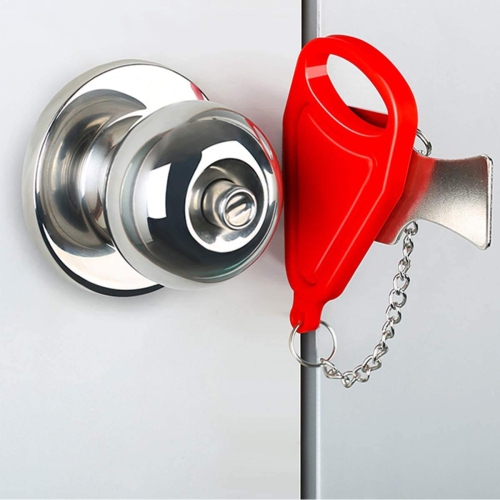
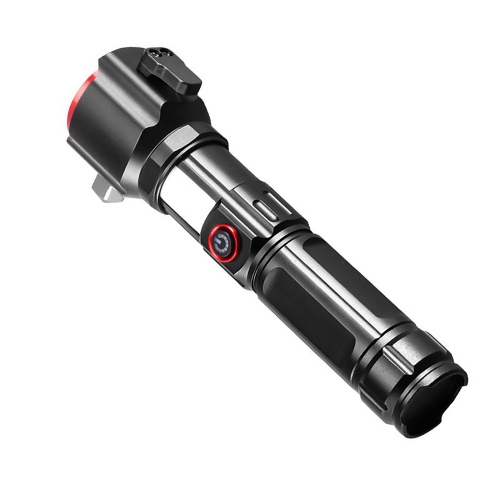
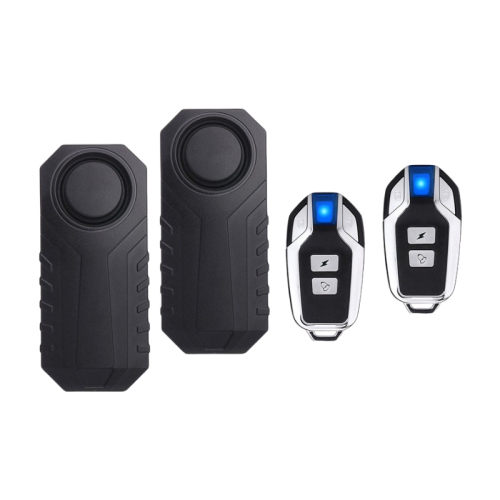
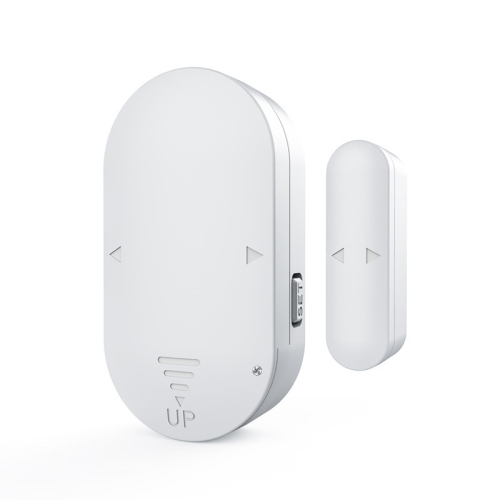
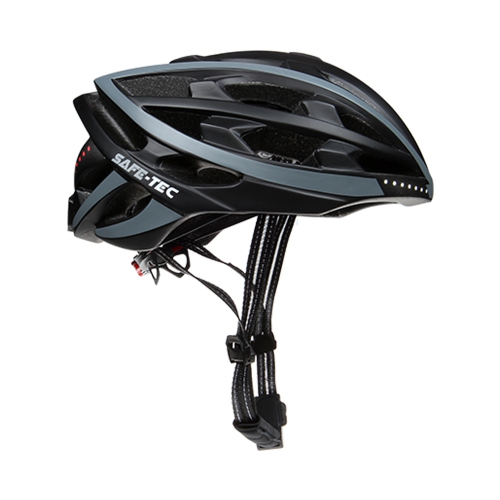
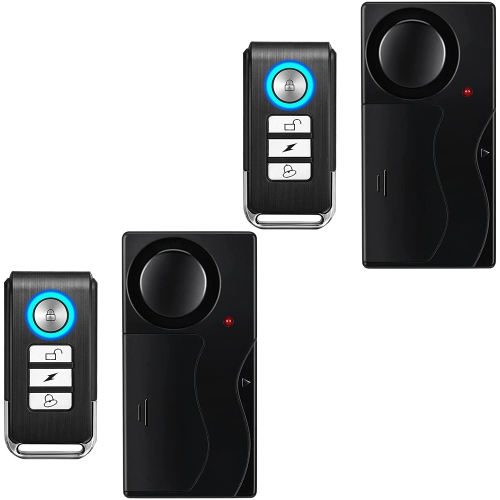
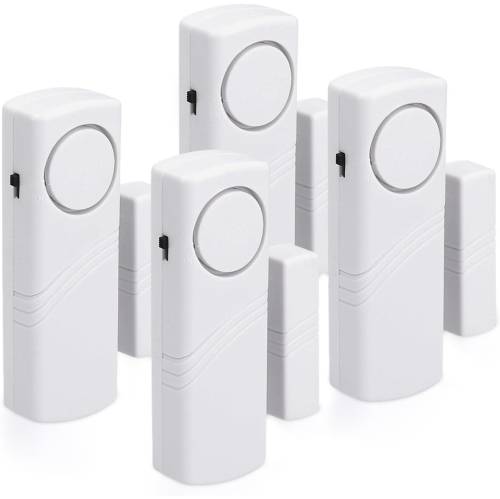
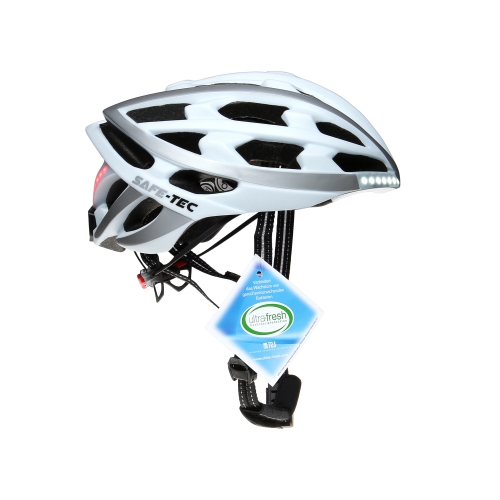
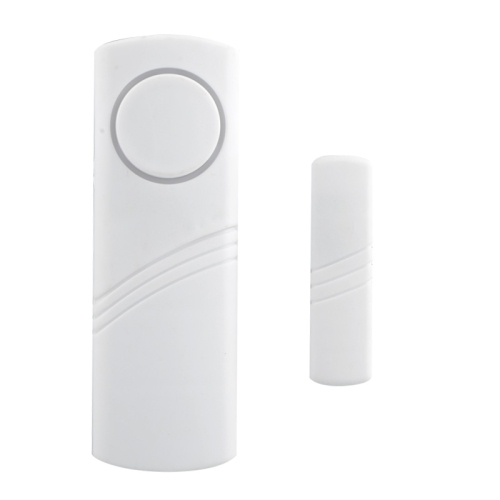
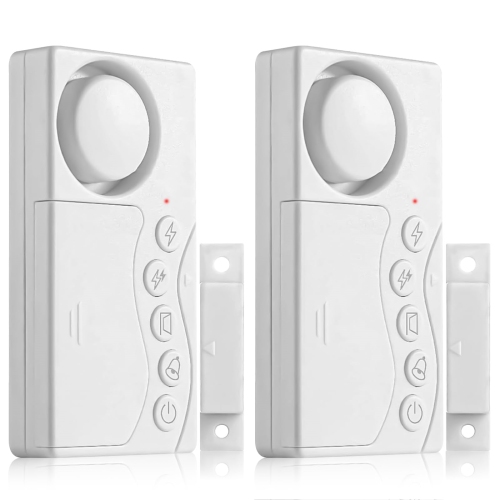
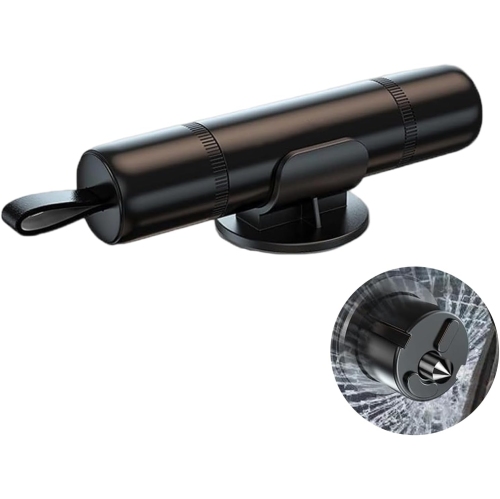
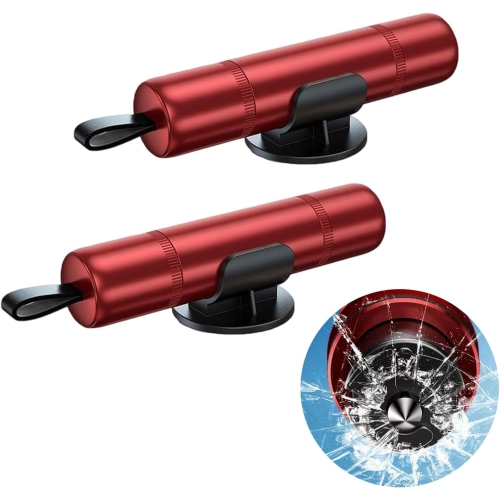
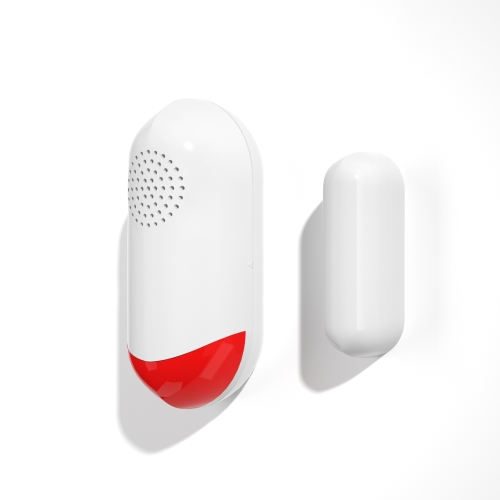
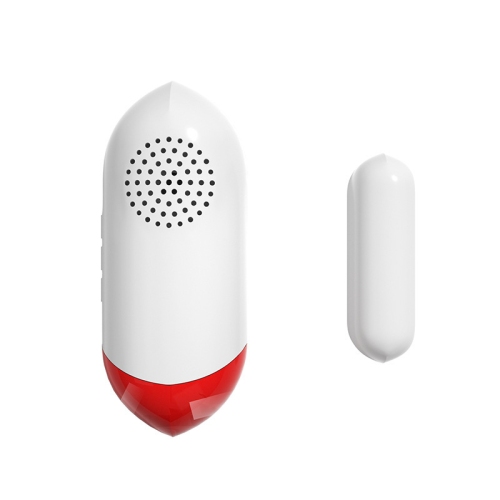
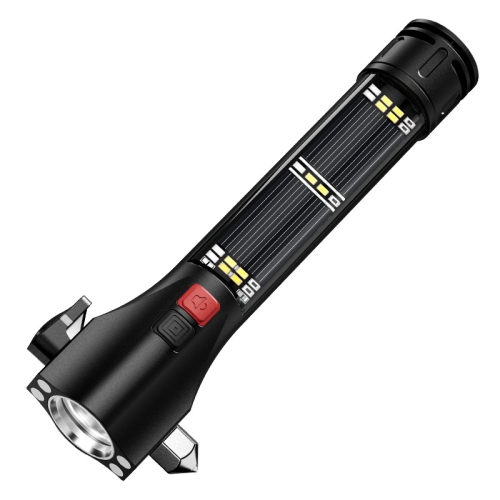
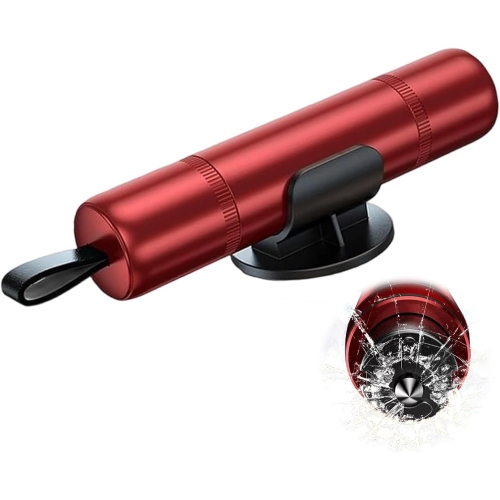
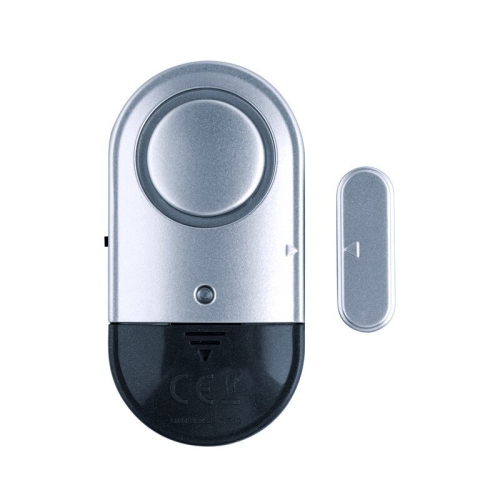
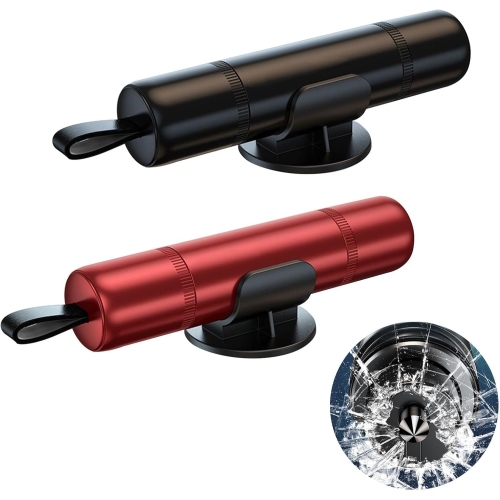
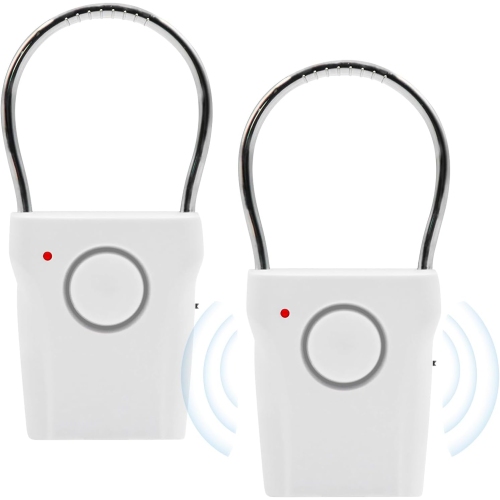
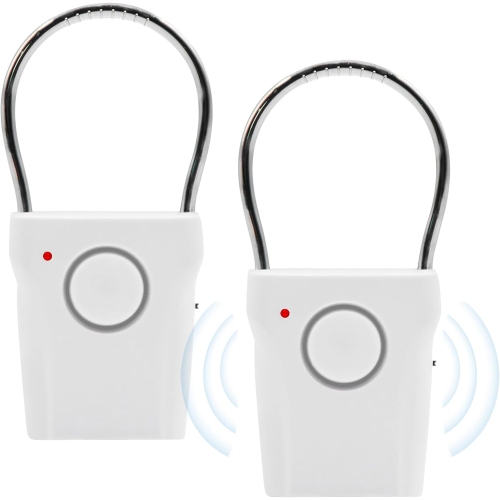
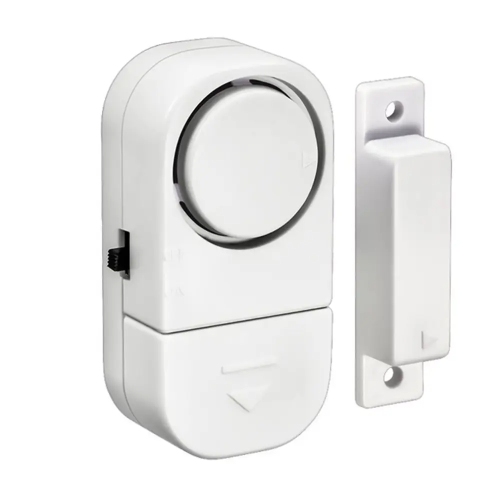
Other safety accessories focus on prevention, visibility or escape during a vehicle and travel emergency. Portable door alarms and compact door-stop alarms can provide an audible warning when used in a hotel room, rental accommodation, dormitory or other unfamiliar space. These devices are valued by travellers and students because they are small enough to pack and can offer a simple way to be more aware of an entry point while sleeping or getting ready. Vehicle emergency tools may combine features such as a window breaker and seatbelt cutter in a compact form that can be stored in an easy-to-reach location, rather than buried in a glove compartment or luggage. Check how each tool is mounted, whether it can be operated quickly and whether its size suits the vehicle or bag where it will be kept. Flashlights, clip-on lights and alarms with strobe functions can improve visibility for walkers, runners and cyclists during darker mornings, evenings and overcast weather, while reflective details can help others notice the wearer. Some people may also consider deterrent sprays or gels, but laws and restrictions differ across Canada, and products intended for use against people may be prohibited or subject to strict rules. Always verify local requirements, follow the manufacturer’s directions and choose only devices that are legal for the intended use. Whatever type of personal safety device is selected, consider the user’s routine, comfort, mobility, hearing, vision and ability to activate it under stress. Keeping the device in the same accessible place, checking batteries or charging regularly and reviewing a simple response plan can help turn a small piece of equipment into a practical part of everyday preparedness.
Top selling and popular products
-
 Your price for this item is $669.99
-
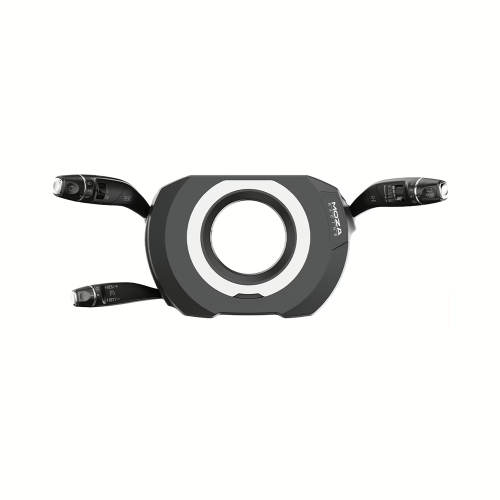 Your price for this item is $278.7
-
 Your price for this item is $14.99
-
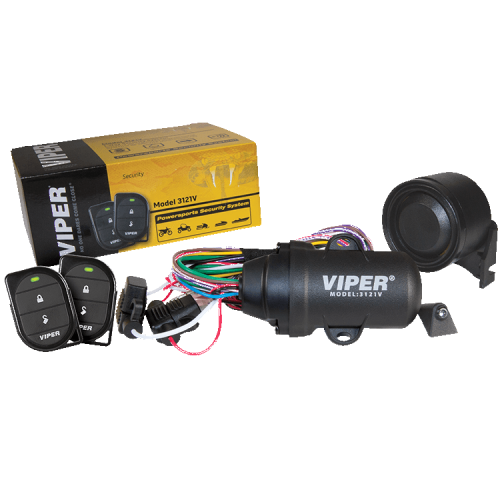 Your price for this item is $199.98
-
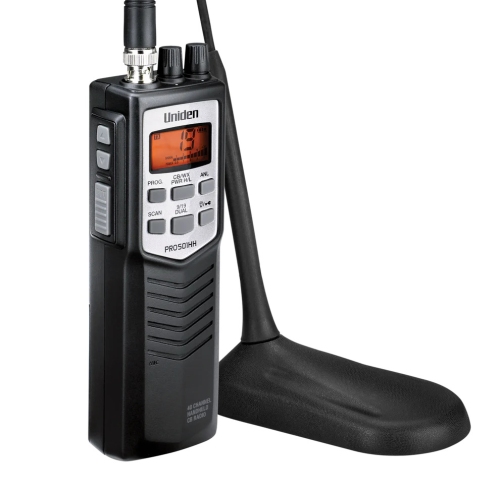 Your price for this item is $189.99
-
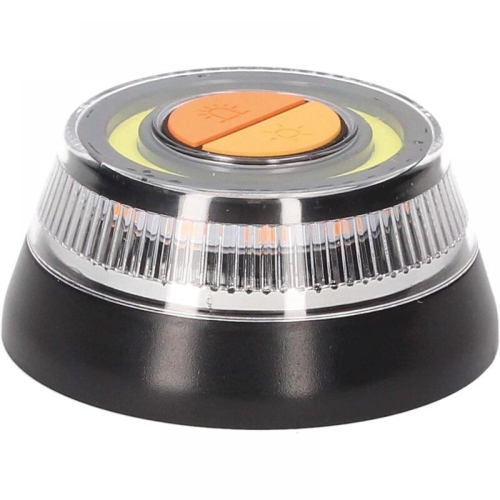 Your price for this item is $32.11
-
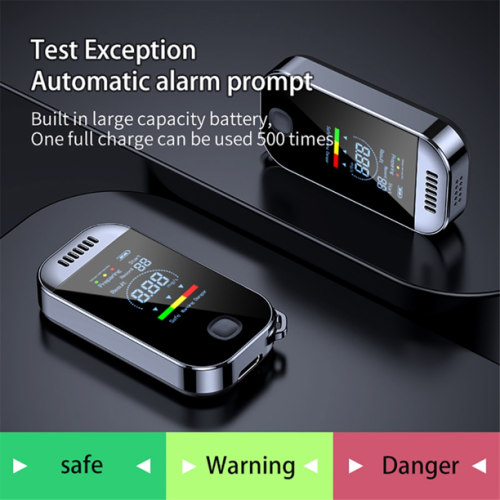 Your price for this item is $38.95
-
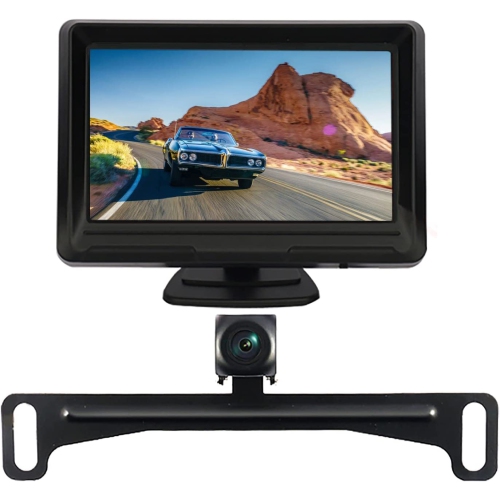 Your price for this item is $79.99
Discover more categories related to Personal Safety Devices
Top Collections:
Pokemon Centers, Kindle Devices, Best Cameras for Sports Photography, Best Budget Office Chairs, Pokémon 30th Celebration Cards, Apple iPhones 16, Canon G7X Cameras, iPhone 15 Apple, Flip Phones, Samsung Galaxy Phones
Some products may be subject to Environmental Handling Fees
(EHF) depending on your province.
Learn more about EHFs.