Pet Pen
Keep your furry friends safe and comfortable with a pet pen, the perfect solution for creating a secure space at home or on the go. Whether you have a playful puppy, a curious kitten, or a small animal companion, a pet pen offers flexibility and convenience for both pets and owners. Explore options designed to fit various spaces and needs, making it easy to manage your pet’s environment while giving them room to move and play. Find the ideal pet pen to suit your lifestyle and keep your beloved companions happy.
Sort

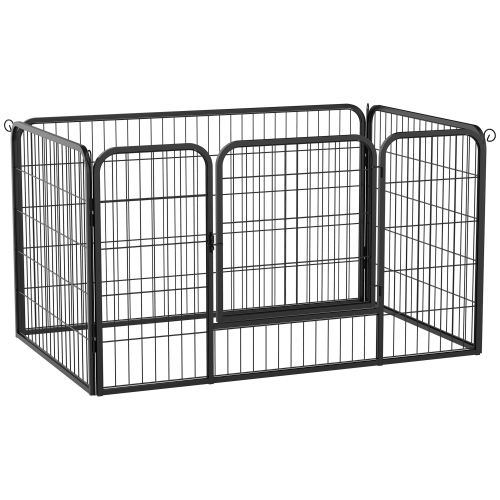
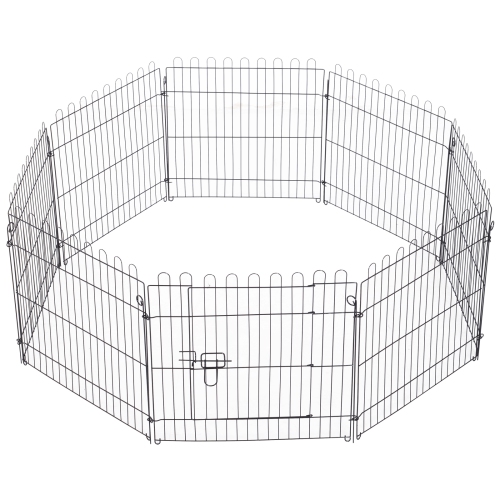
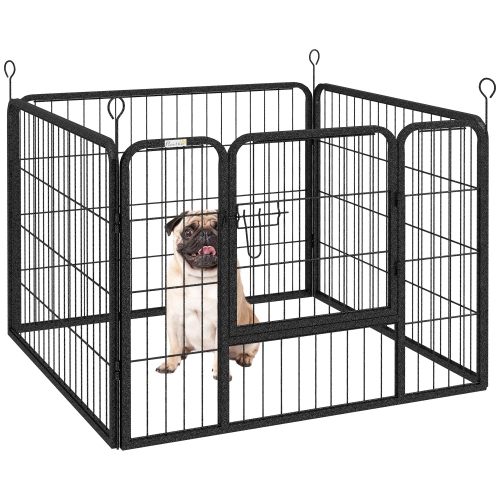

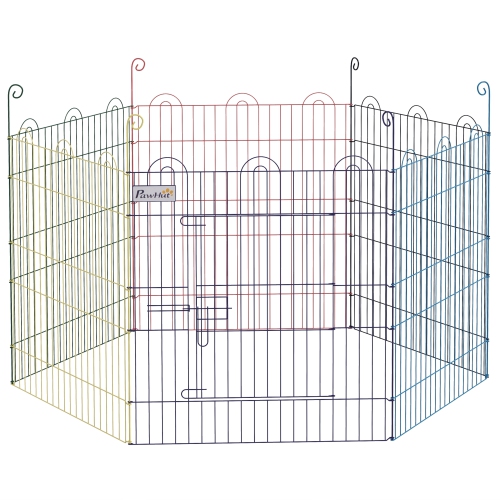

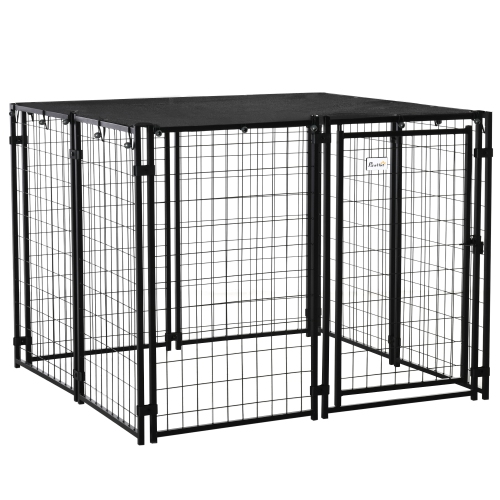
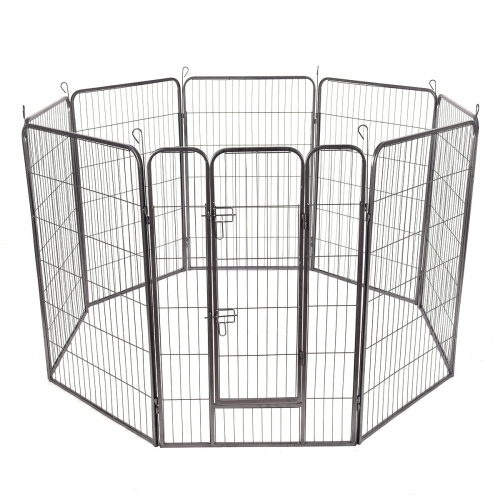
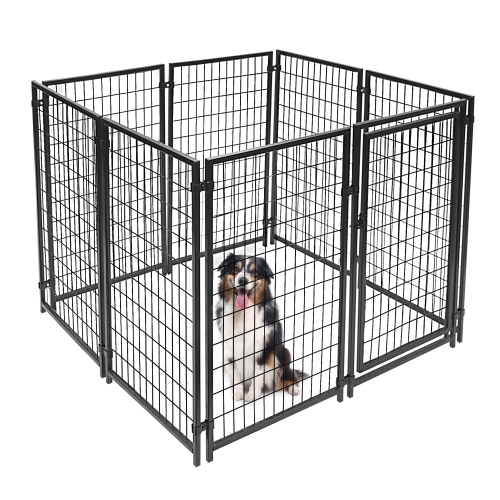
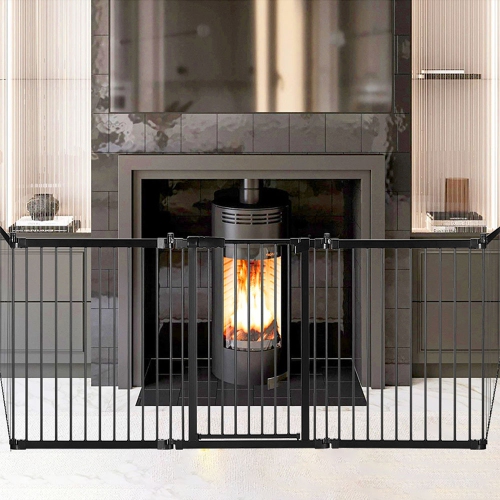
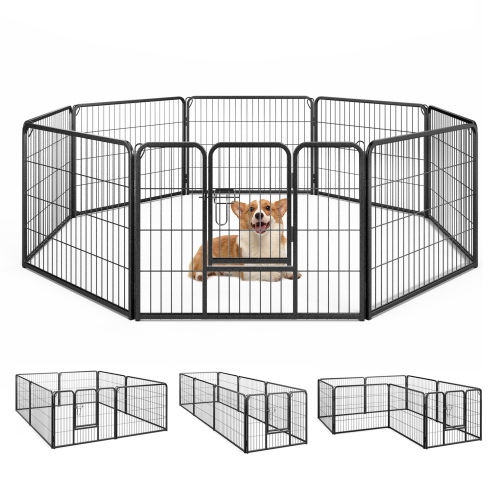
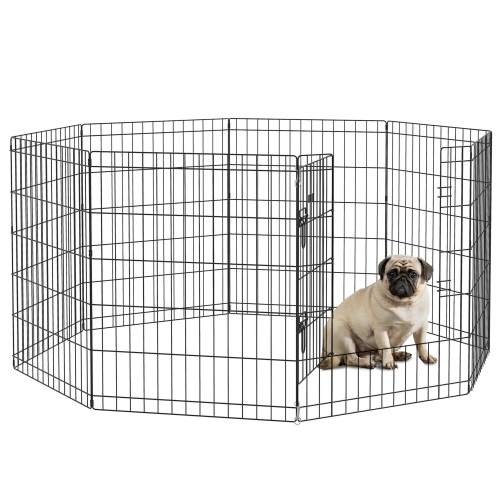
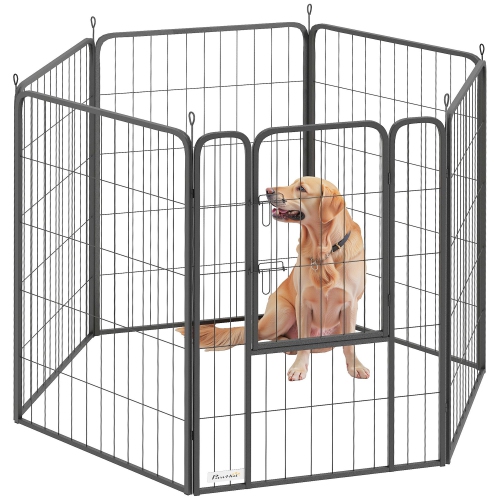
Room to move with boundaries that suit your pet
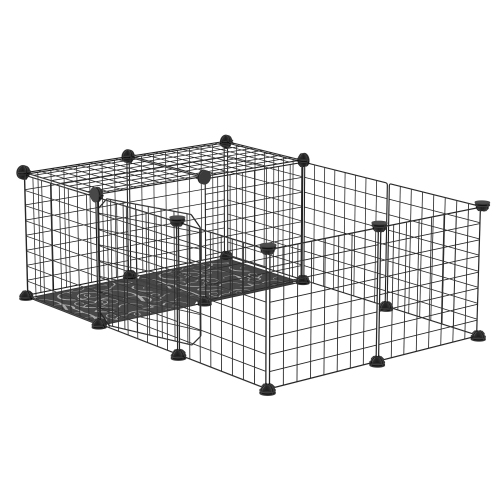
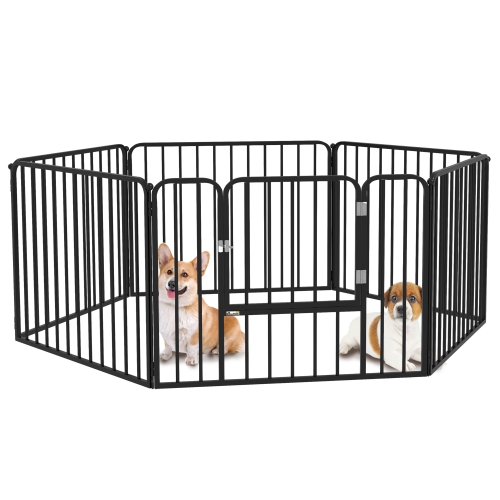
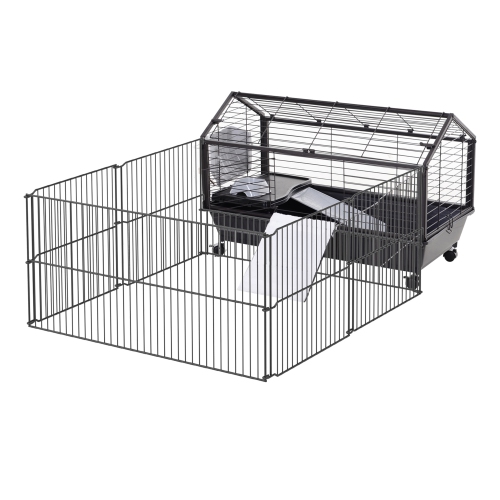
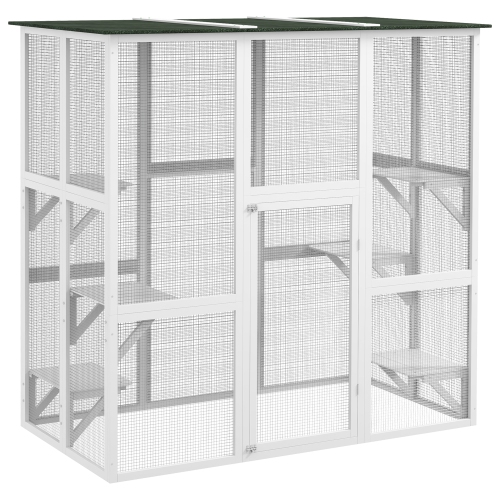
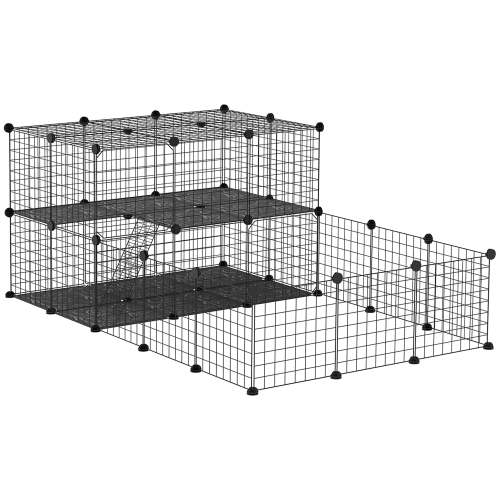
A pet pen is an enclosed space that gives an animal room to move, rest, and play while keeping access to the surrounding area limited. Often called a pet playpen or exercise pen, it typically offers more floor space than a crate and can create a defined area without closing off an entire room. Pet pens serve several everyday purposes: a puppy can settle near the family without wandering behind furniture, a small dog can enjoy supervised play away from a busy doorway, and a rabbit or guinea pig can have a dedicated activity area suited to its needs. The right enclosure depends on the animal’s species, adult size, strength, and behaviour, not simply its weight. A small but determined climber may need a different design from a larger pet that rests quietly beside its bed. Panel height, gaps between bars, and the clearance beneath doors all matter, particularly for young animals that could squeeze through an opening or catch a paw. Usable floor space matters just as much as the outside dimensions. Bedding, water bowls, toys, and any appropriate toileting area take up room, leaving less space for movement than an empty pen suggests. For puppies, separating a resting area from a designated toileting spot can support a household routine, though a pen does not replace regular toilet breaks or positive training. For rabbits and guinea pigs, sufficient uninterrupted floor space and species-appropriate furnishings are especially important; an enclosure suitable for a brief supervised session may not be suitable as primary housing. Pet pens are useful for households introducing a new companion, managing different daily routines, or keeping an animal nearby while attention is divided. They provide a practical boundary rather than a substitute for exercise, interaction, or supervision. A comfortable setup gives the pet space to stretch out fully, turn easily, and move between its belongings without squeezing past them.
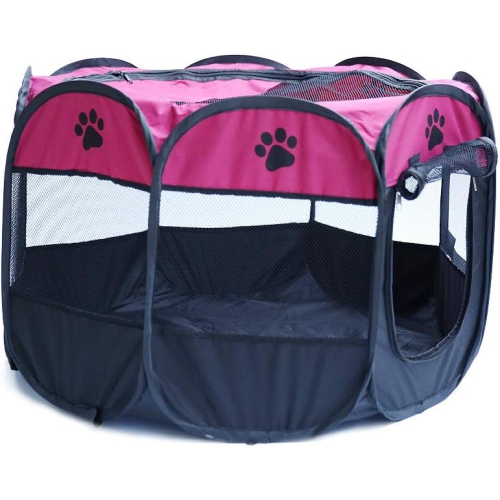
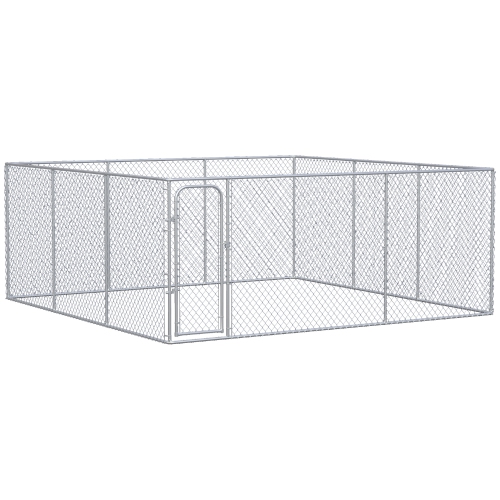
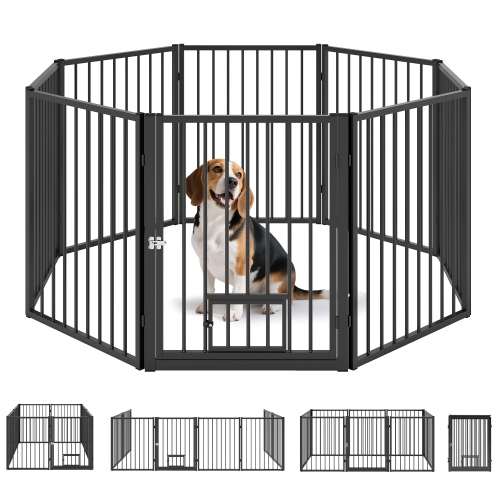
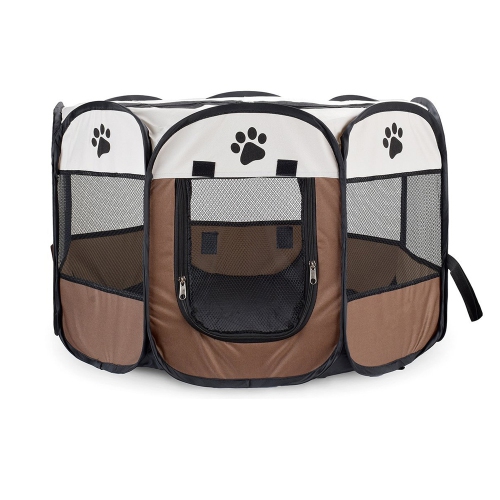
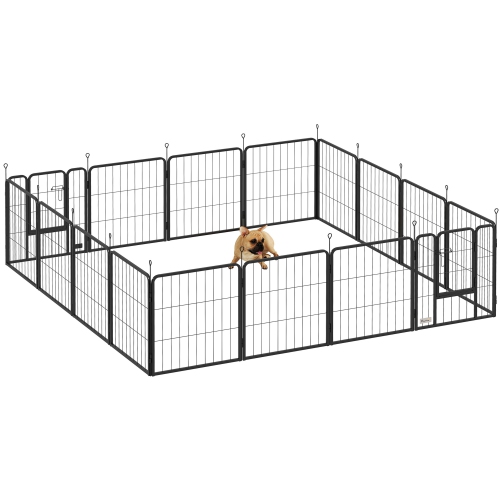
Metal, fabric, and plastic pet pens each bring different qualities to that setup. Metal exercise pens commonly use connected wire panels that fold for storage and may form a rectangle, square, or other shape permitted by the design. Their open sides offer clear sightlines, while their suitability for a particular animal depends on panel strength, spacing, finish, and connection points. A puppy that leans against a boundary or mouths the bars needs a structure that will not readily shift, bend, or expose sharp edges. Smooth welds, secure hinges, and a coating that remains intact are useful details when assessing durability. Fabric pet pens generally combine flexible panels with mesh sections and a folding frame, making them convenient for temporary setups and visits. Their enclosed shape can create a distinct resting spot, but fabric and mesh are not reliable barriers for persistent chewers or animals that scratch at seams. Zips, mesh attachments, and floor stitching deserve attention because these are frequent points of wear. Modular plastic enclosures offer another approach, with panels joined into a layout that fits the available floor area. Solid panels can help contain loose bedding, although ventilation, visibility, and resistance to chewing vary by design. Connectors must remain secure when the animal presses against the sides, and a smooth surface alone does not make a panel chew-resistant. Across all materials, an integrated floor can help contain small messes, while an open-bottom pen allows a separate protective mat beneath it. A water-resistant base should not be assumed to be leakproof, especially around seams. Removable, washable components make routine cleaning simpler, provided their care instructions suit the household. Hard surfaces generally need prompt removal of waste, cleaning with a pet-appropriate product, and thorough drying before use. Fabric sections may require spot cleaning or handwashing rather than machine washing. Regular checks for loose fasteners, damaged mesh, cracked panels, and worn latches help identify when repairs or replacement are needed. For animals that spend substantial time at floor level, a stable, non-slip surface is also important; bare wire flooring is unsuitable for the feet of rabbits and guinea pigs.
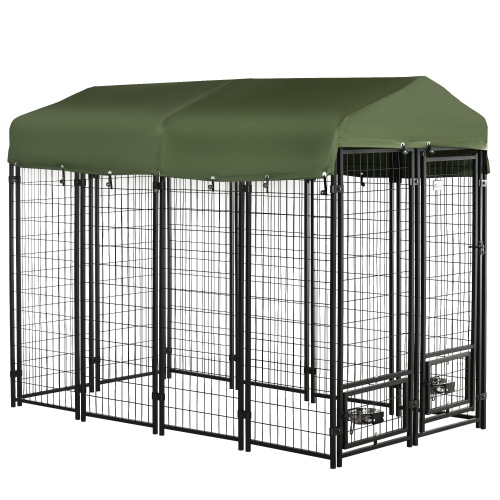
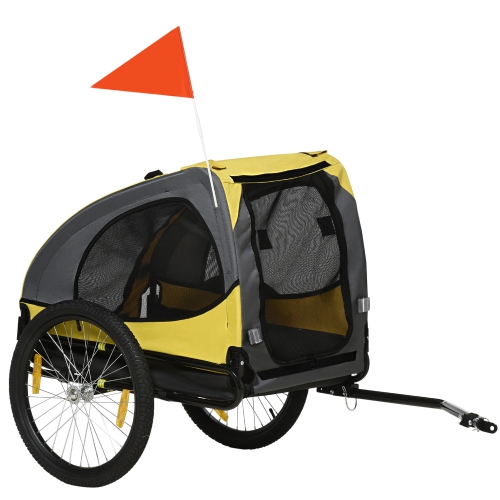
How a pet pen fits into the home can be as important as its construction. In a living room, a rectangular layout may sit neatly beside a sofa while leaving a clear route through the room. In a smaller space, an adjustable panel arrangement can make better use of a corner, as long as the configuration remains stable and provides enough room for the pet. Measurements should account for door swing, projecting connectors, and the space needed for someone to reach inside. A walk-through door can make daily feeding and cleaning easier than repeatedly stepping over a tall panel, particularly when carrying a water bowl or lifting a pet. The latch should stay beyond the animal’s ability to manipulate it, and any raised threshold should be considered where people walk frequently. Floor protectors can help reduce scratches, but lightweight pens may still slide when pushed; a suitable non-slip mat and placement away from stairs reduce avoidable risks. Cords, curtains, houseplants, and furniture edges should remain beyond reach through or over the sides. Covered designs may discourage some jumping attempts, but a fabric top is not a secure barrier for every climber, and any cover must preserve ventilation. Outdoor use requires a pen designed for that purpose, secure placement, and direct supervision; open-bottom panels do not prevent digging, and a pen should not be treated as protection from other animals. For visits or overnight stays, a folding design with manageable packed dimensions can make a familiar bed and play area easier to bring along. A pen is intended for use once set up, not as a restraint during vehicle travel. For separate outings, Pet Trailers offer another way to bring a companion along when the trailer’s intended use, capacity, and attachment system suit the activity. Back at home, a well-positioned pen gives pets a predictable place within daily life. Familiar bedding, suitable enrichment, and gradual, positive introductions help make that space comfortable without isolating the animal from regular companionship.
Metal, fabric, and plastic pet pens each bring different qualities to that setup. Metal exercise pens commonly use connected wire panels that fold for storage and may form a rectangle, square, or other shape permitted by the design. Their open sides offer clear sightlines, while their suitability for a particular animal depends on panel strength, spacing, finish, and connection points. A puppy that leans against a boundary or mouths the bars needs a structure that will not readily shift, bend, or expose sharp edges. Smooth welds, secure hinges, and a coating that remains intact are useful details when assessing durability. Fabric pet pens generally combine flexible panels with mesh sections and a folding frame, making them convenient for temporary setups and visits. Their enclosed shape can create a distinct resting spot, but fabric and mesh are not reliable barriers for persistent chewers or animals that scratch at seams. Zips, mesh attachments, and floor stitching deserve attention because these are frequent points of wear. Modular plastic enclosures offer another approach, with panels joined into a layout that fits the available floor area. Solid panels can help contain loose bedding, although ventilation, visibility, and resistance to chewing vary by design. Connectors must remain secure when the animal presses against the sides, and a smooth surface alone does not make a panel chew-resistant. Across all materials, an integrated floor can help contain small messes, while an open-bottom pen allows a separate protective mat beneath it. A water-resistant base should not be assumed to be leakproof, especially around seams. Removable, washable components make routine cleaning simpler, provided their care instructions suit the household. Hard surfaces generally need prompt removal of waste, cleaning with a pet-appropriate product, and thorough drying before use. Fabric sections may require spot cleaning or handwashing rather than machine washing. Regular checks for loose fasteners, damaged mesh, cracked panels, and worn latches help identify when repairs or replacement are needed. For animals that spend substantial time at floor level, a stable, non-slip surface is also important; bare wire flooring is unsuitable for the feet of rabbits and guinea pigs.
How a pet pen fits into the home can be as important as its construction. In a living room, a rectangular layout may sit neatly beside a sofa while leaving a clear route through the room. In a smaller space, an adjustable panel arrangement can make better use of a corner, as long as the configuration remains stable and provides enough room for the pet. Measurements should account for door swing, projecting connectors, and the space needed for someone to reach inside. A walk-through door can make daily feeding and cleaning easier than repeatedly stepping over a tall panel, particularly when carrying a water bowl or lifting a pet. The latch should stay beyond the animal’s ability to manipulate it, and any raised threshold should be considered where people walk frequently. Floor protectors can help reduce scratches, but lightweight pens may still slide when pushed; a suitable non-slip mat and placement away from stairs reduce avoidable risks. Cords, curtains, houseplants, and furniture edges should remain beyond reach through or over the sides. Covered designs may discourage some jumping attempts, but a fabric top is not a secure barrier for every climber, and any cover must preserve ventilation. Outdoor use requires a pen designed for that purpose, secure placement, and direct supervision; open-bottom panels do not prevent digging, and a pen should not be treated as protection from other animals. For visits or overnight stays, a folding design with manageable packed dimensions can make a familiar bed and play area easier to bring along. A pen is intended for use once set up, not as a restraint during vehicle travel. For separate outings, Pet Trailers offer another way to bring a companion along when the trailer’s intended use, capacity, and attachment system suit the activity. Back at home, a well-positioned pen gives pets a predictable place within daily life. Familiar bedding, suitable enrichment, and gradual, positive introductions help make that space comfortable without isolating the animal from regular companionship.
Top selling and popular products
-
 Your price for this item is $25.99
 -
 Your price for this item is $139.99
 -
 Your price for this item is $75.99
 -
 Your price for this item is $65.9
 -
 Your price for this item is $40.99
 -
 Your price for this item is $156.99
 -
 Your price for this item is $69.9
 -
 Your price for this item is $84.99
Discover more categories related to Pet Pen

Top Collections:
Pokemon Centers, Kindle Devices, Best Budget Office Chairs, Apple iPhones 16, Canon G7X Cameras, iPhone 15 Apple, Alarm Clock, Refurbished Apple Laptops, Flip Phones, Best Laptops for Writers
Some products may be subject to Environmental Handling Fees
(EHF) depending on your province.
Learn more about EHFs.