Pet Trailers
Whether you're a pet parent looking to take your furry friend on outdoor adventures or simply need a convenient way to transport them, a pet trailer can be a game-changer. These versatile trailers provide a safe and comfortable space for your pet to relax while you're on the go. With various features such as mesh windows for ventilation, sturdy construction for durability, and easy-to-use hitch systems for effortless attachment to your bike, a pet trailer is a must-have accessory for any pet owner.
Sort
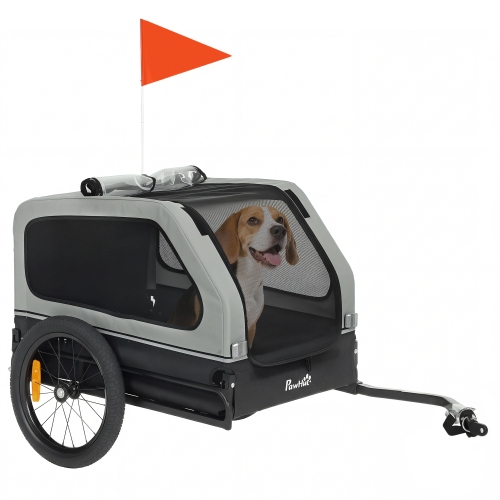

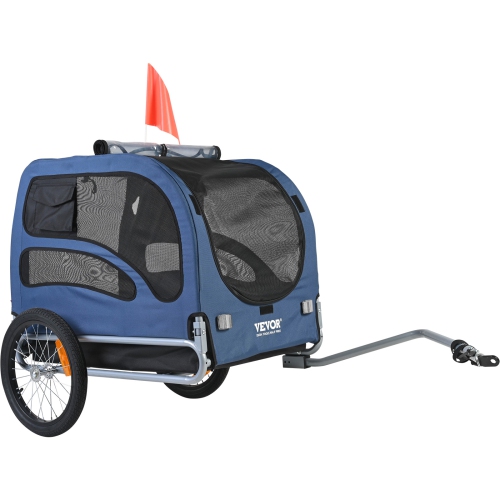
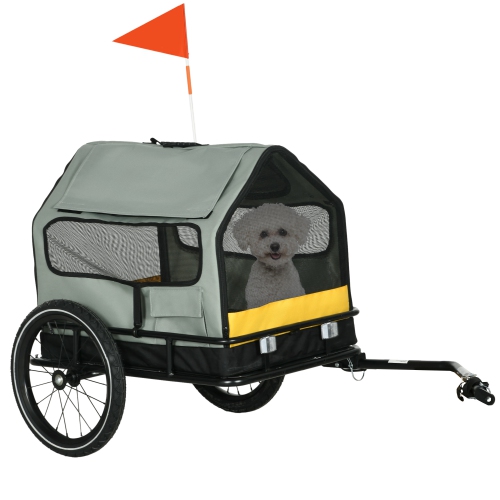
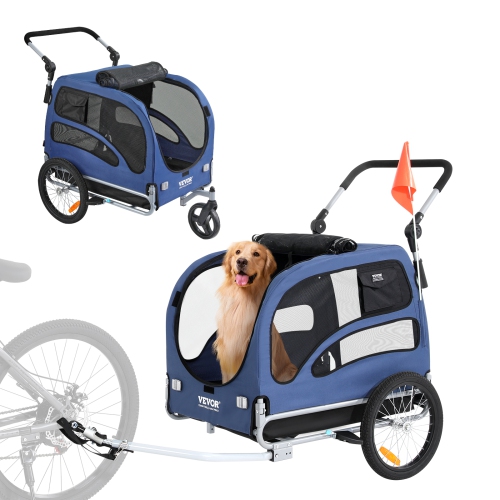
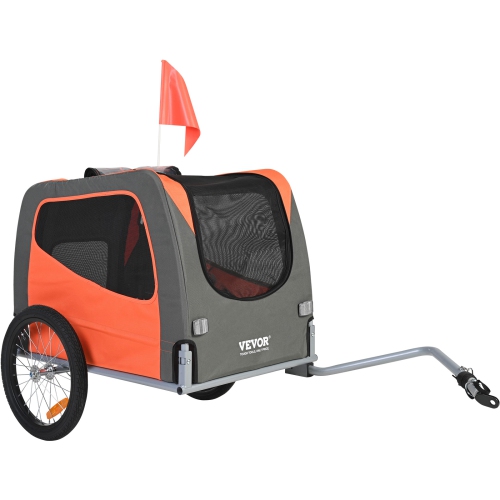
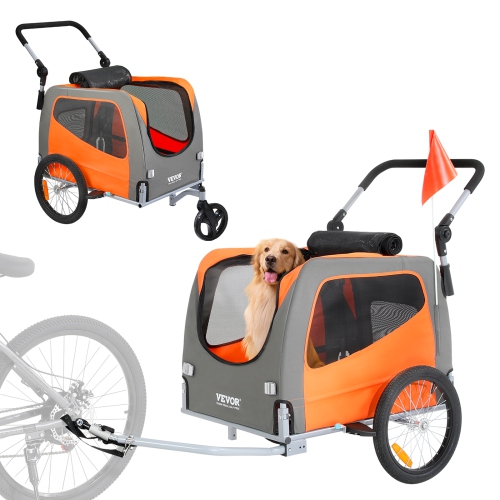
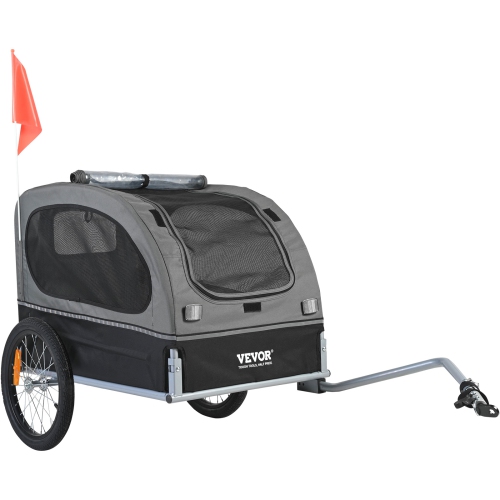
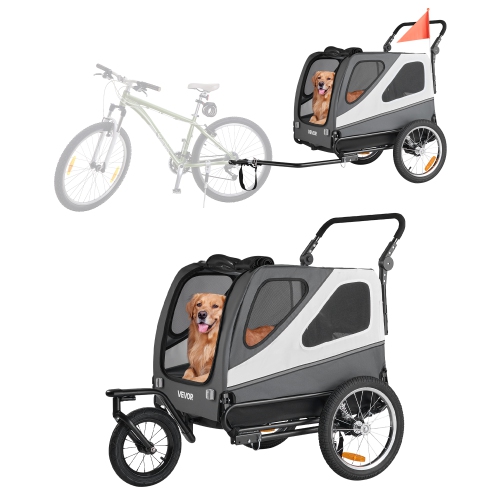


A comfortable ride when paws need a break
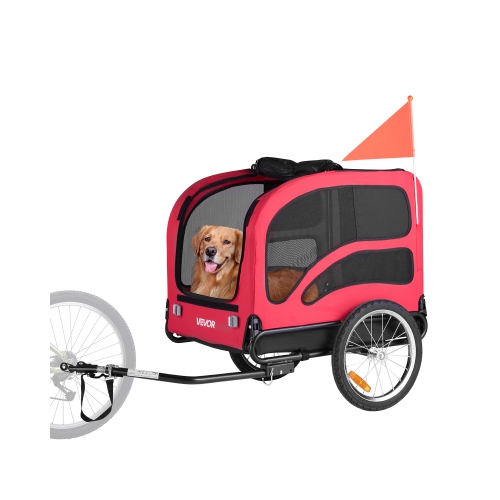
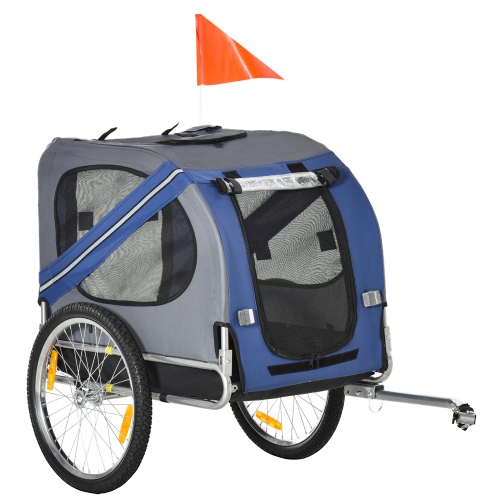
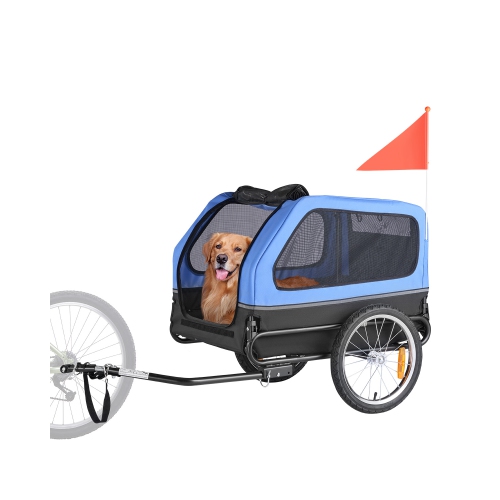
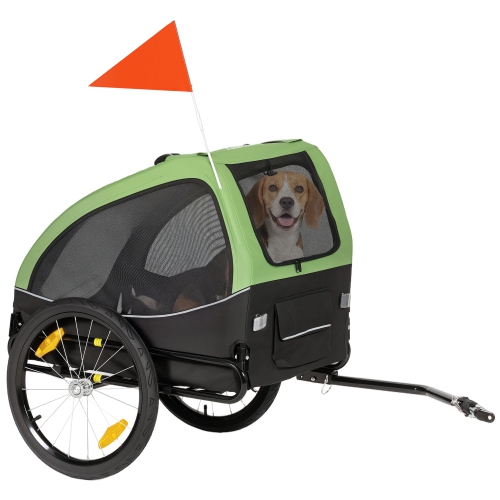
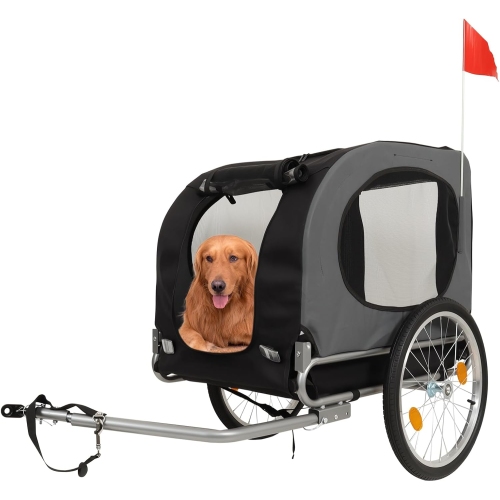
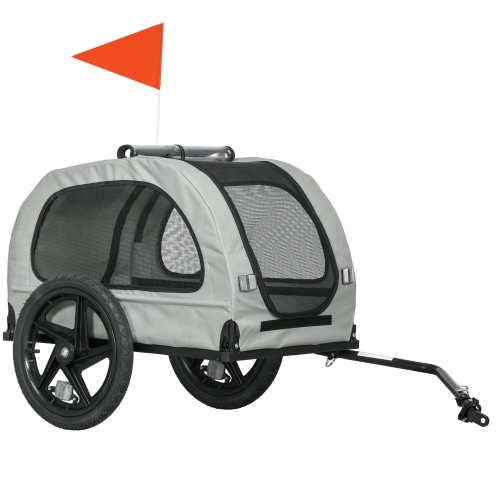
Pet trailers let dogs and other suitable companion animals travel in an enclosed cabin that attaches behind a bicycle, giving them a place to ride rather than run alongside it. They can make a shared outing more practical when a pet cannot comfortably match a cyclist’s pace or cover the same distance. A small dog might enjoy watching the path through a mesh window, while an older dog may appreciate a supportive floor and an entrance that does not require a high step. For pets with mobility limitations or an injury, suitability depends on veterinary advice and the animal’s ability to travel comfortably. Dog bike trailers vary considerably in cabin size, load capacity, entry design, and storage requirements, so a weight rating alone does not establish a good fit. Interior length, width, and height also matter: a pet needs enough room to settle into a natural position without being pressed against the fabric or frame. A tall, lean dog and a shorter, broader dog of the same weight may need different cabin proportions. Usable floor dimensions are more informative than the trailer’s outside measurements, particularly when wheel housings or sloping panels reduce the space inside. Entry width deserves similar attention, especially for a dog that is hesitant about stepping through a narrow opening. A low threshold can make boarding easier, while a stable, well-supported base helps reduce the shifting sensation some animals dislike. Mesh panels provide airflow and a view outside, and zippered openings allow access without requiring the entire canopy to be removed. Removable padding can add comfort, provided it fits securely and does not crowd the cabin. The best match brings together the pet’s size, temperament, and travel needs with the rider’s intended route, whether that means a short trip to a nearby park or a longer ride with regular stops. A trailer is a passenger space rather than an exercise substitute, and pets still need opportunities to stretch, drink, and take breaks.
Materials and construction influence how a pet bicycle trailer feels in use and how well it holds up to repeated loading, folding, and cleaning. Steel frames are often chosen for their strength, while aluminium frames can help reduce the weight being pulled and lifted; overall durability depends on frame design, joints, hardware, and the stated load limits, not the material alone. Woven polyester or nylon cabin fabrics are common, with reinforced corners and neatly finished seams helping protect areas exposed to paws and repeated movement. Mesh should be securely attached, and zipper tracks should move smoothly without catching loose fabric. A firm floor is particularly important because soft padding cannot compensate for a base that sags under a pet’s weight. Wheel size, tire construction, and any suspension system also affect the ride, although a trailer intended for paved paths should not be assumed suitable for rough trails. Wheel guards can help keep the cabin fabric and nearby obstacles away from moving wheels. Inside, an attachment point for a properly adjusted safety tether helps manage movement; the tether should connect to a suitable harness rather than a collar and should not leave enough slack to become tangled. Reflective details and a visibility flag can make the trailer easier to notice, but they do not replace bicycle lighting or other locally required equipment. Equally important is the connection to the bicycle. Hitch compatibility depends on the bicycle’s axle, frame clearance, and the trailer manufacturer’s requirements. Quick-release axles, thru-axles, and some electric bicycle configurations may need different hardware, even when a coupler is described as broadly compatible. The total load includes the pet, bedding, and anything carried in storage pockets, and both the bicycle and trailer limits apply. Pulling a trailer adds width and changes braking and turning behaviour. Familiar routes with adequate clearance, gentle corners, and suitable surfaces are generally more manageable than narrow passages or crowded paths. Access rules for bicycles and pets also vary, making the intended destination part of finding a suitable setup.
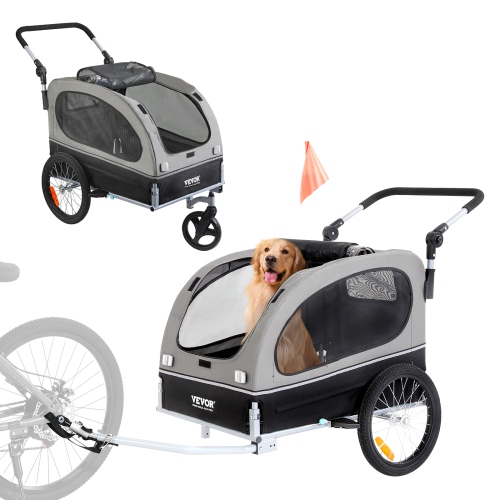
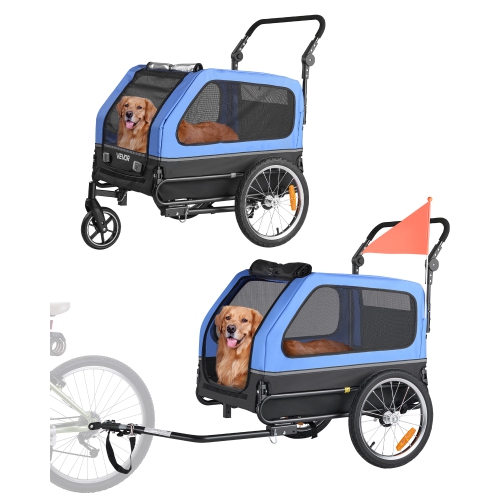
Some pet trailers convert into strollers, combining bicycle towing with a separate push-handle setup for walking. This can be useful when part of an outing involves cycling and another part involves moving on foot, provided the destination permits pets and the conversion follows the manufacturer’s instructions. A stroller conversion typically involves a front wheel and handlebar, but the included components and permitted uses differ. A walking configuration should not be treated as suitable for jogging unless it is specifically designed and rated for that activity. Handle height, parking brakes, wheel locking mechanisms, and access to the cabin all affect everyday convenience. Storage deserves attention too: a folding frame and removable wheels can make a trailer easier to place in a vehicle or cupboard, but folded dimensions and lifting weight still matter in a home with stairs or limited space. For frequent use, easily reached fasteners and clearly secured locking points can be more valuable than a complicated folding mechanism. Care is usually straightforward when the cabin has removable liners and accessible floor panels. Loose hair and grit can be brushed or vacuumed away, while washable parts should be cleaned according to their care instructions and dried fully before storage. Zippers, tires, wheel attachments, and hitch components benefit from routine inspection, particularly after repeated folding or transport. Comfort also depends on familiarity. Many pets respond better when the stationary trailer first becomes a calm place to explore, with a familiar blanket and brief, positive sessions before any movement begins. A Pet Pen offers a separate space for supervised play or rest at home; a trailer serves a different purpose as a travel cabin. As a gift for a pet owner, a trailer is most useful when the recipient’s bicycle setup, storage space, and pet measurements are known in advance. Those practical details help turn a thoughtful idea into equipment that fits naturally into shared outings.
Top selling and popular products
-
 Your price for this item is $179.99
-
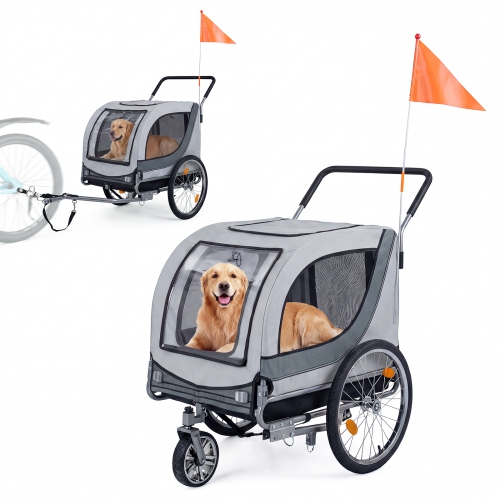 Your price for this item is $179.99
-
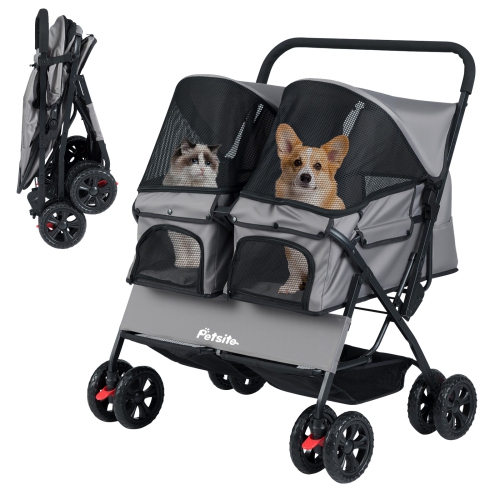 Your price for this item is $169.99
-
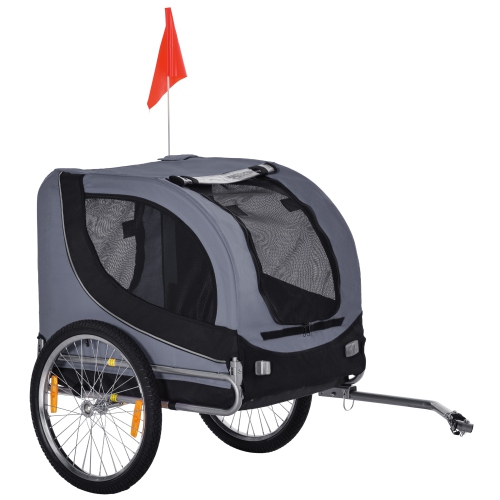 Your price for this item is $135.99
-
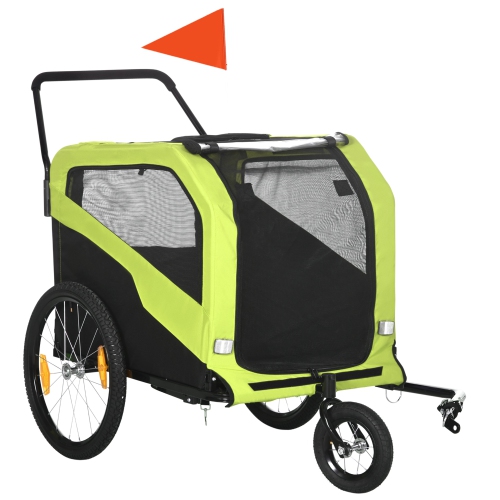 Your price for this item is $219.99
-
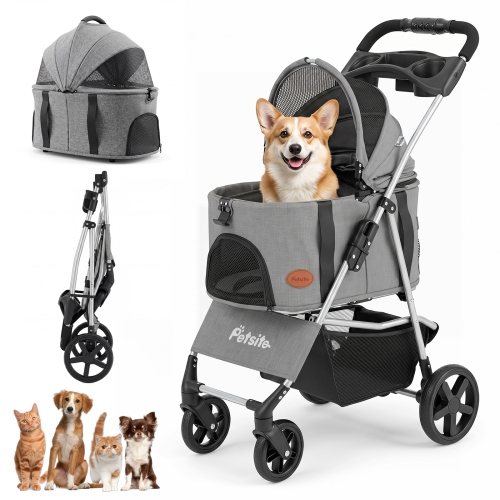 Your price for this item is $119.99
-
 Your price for this item is $169.99
-
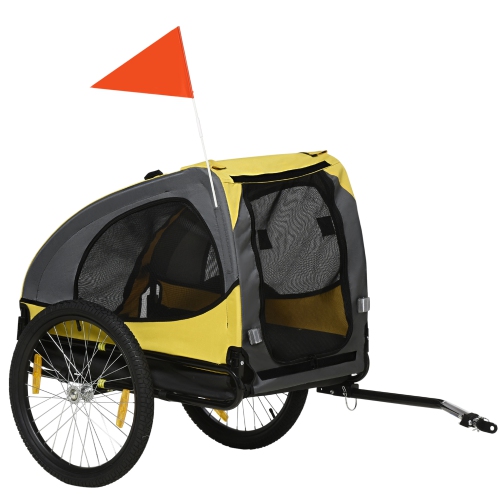 Your price for this item is $159.99
Discover more categories related to Pet Trailers


Top Collections:
Best Black Friday Deals This Year, Best Black Friday Deals On Electronics, Kindle Devices, Pokemon Centers, Best Black Friday Deals On Apple Products, Best Cameras for Sports Photography, Dyson Airwrap, Pokémon 30th Celebration Cards, Apple iPhone 17 Pro, Canon G7X Cameras
Some products may be subject to Environmental Handling Fees
(EHF) depending on your province.
Learn more about EHFs.