Pink Counter Stools
If you're looking to add a pop of color and style to your kitchen or bar area, look no further than these pink counter stools. These vibrant and trendy seating options are perfect for adding a touch of personality to almost any space. Whether you're looking for a sleek and modern design or something more playful and fun, we have a wide range of pink counter stools to suit your taste. From plush cushioned seats to sturdy metal frames, these stools offer both comfort and durability.
Sort







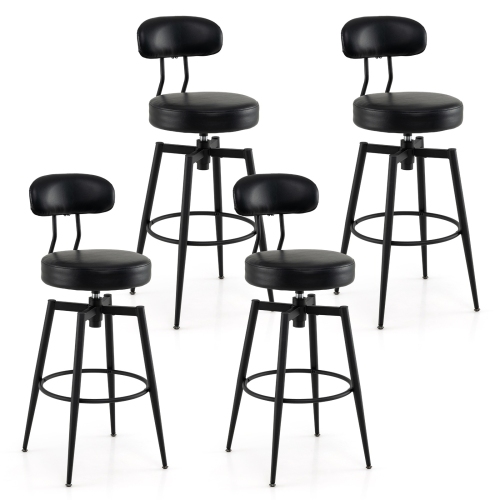
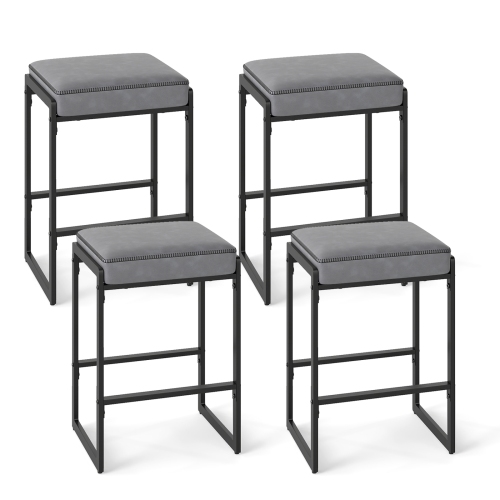
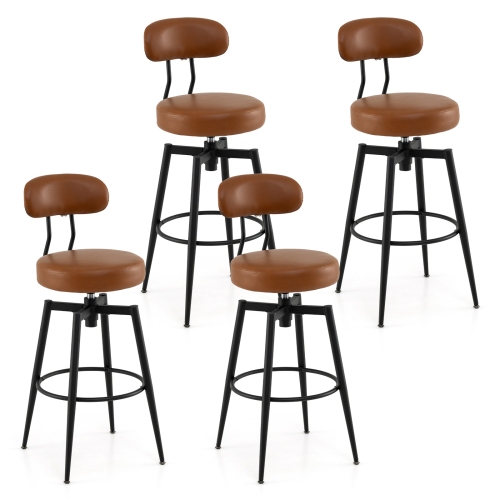

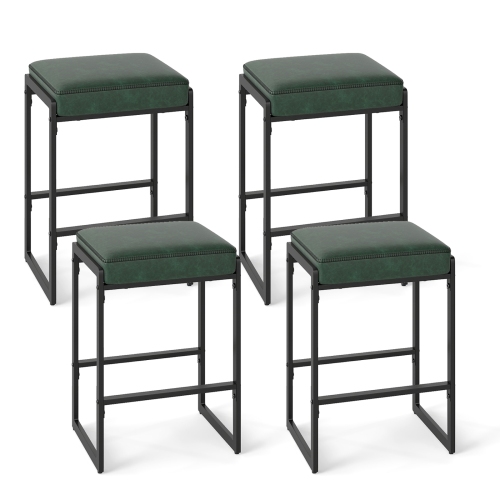
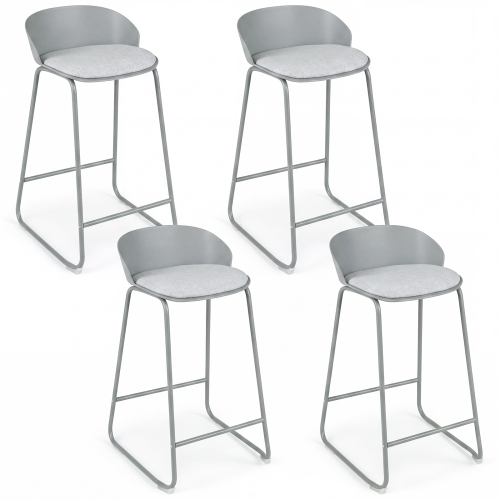

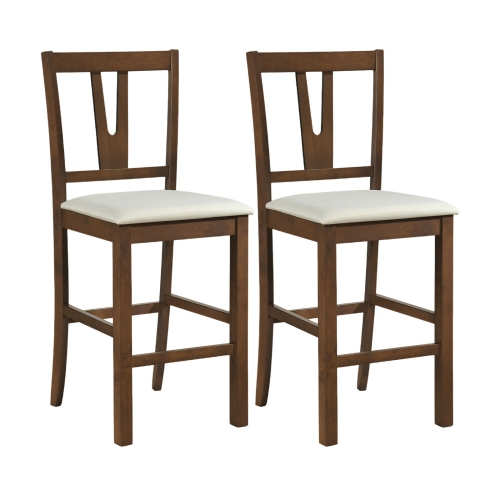

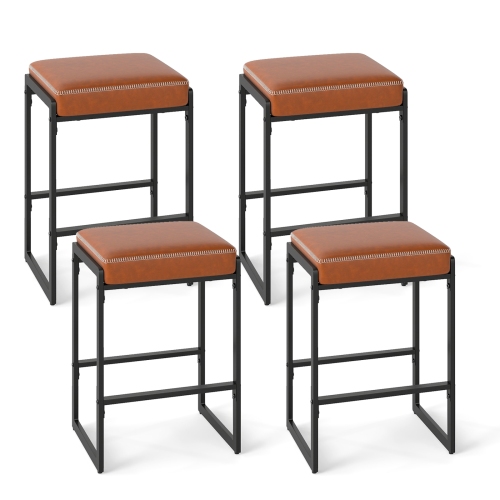
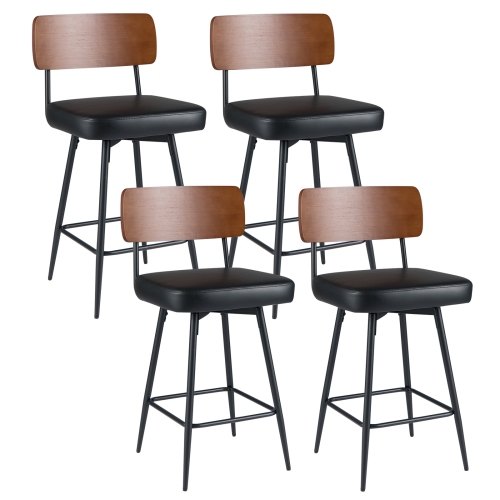
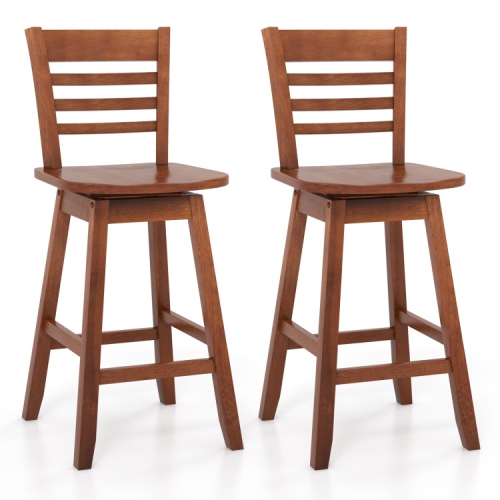
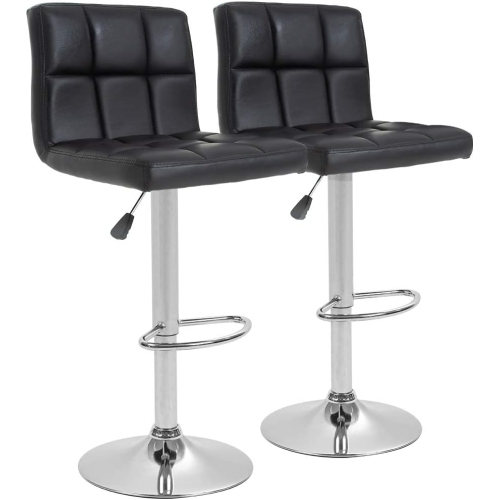
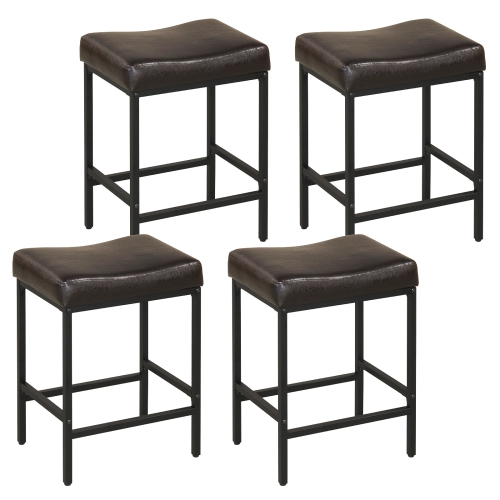
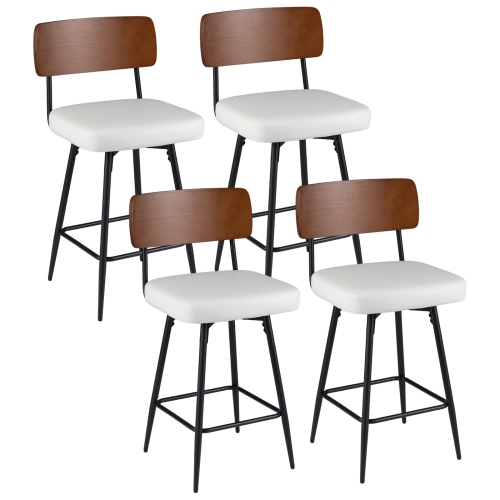

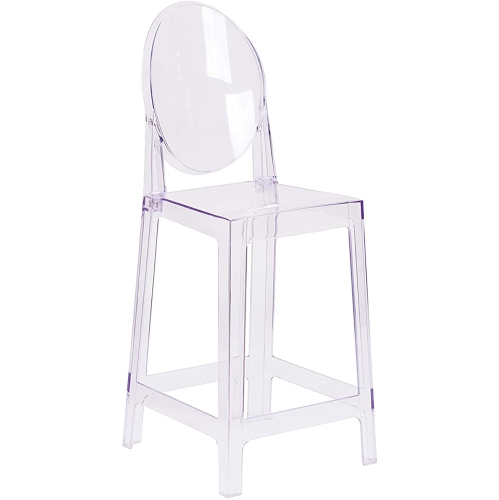
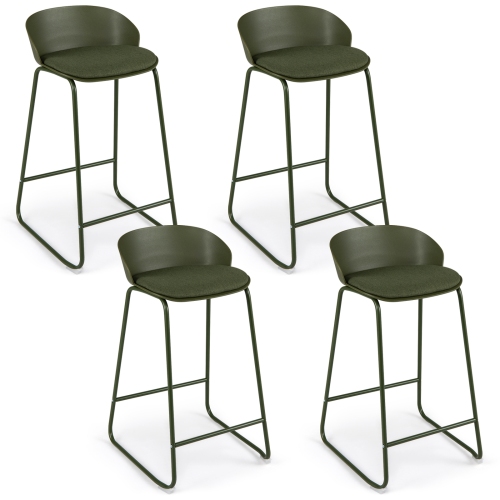

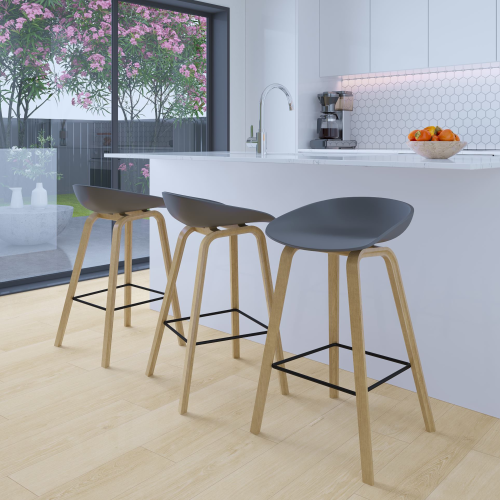
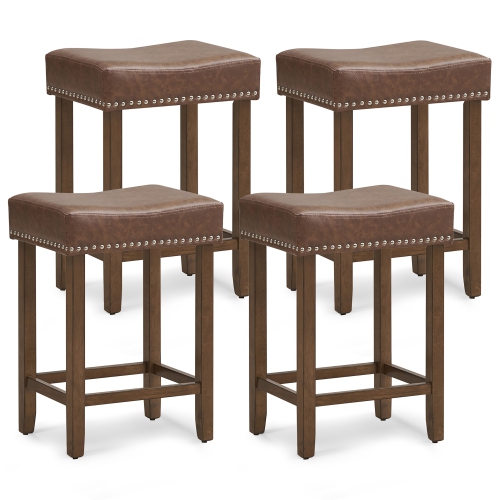


















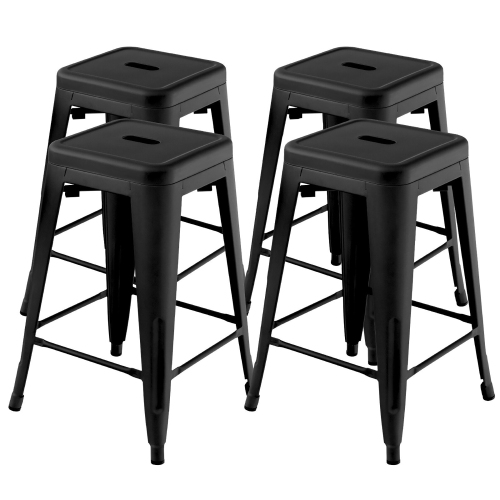
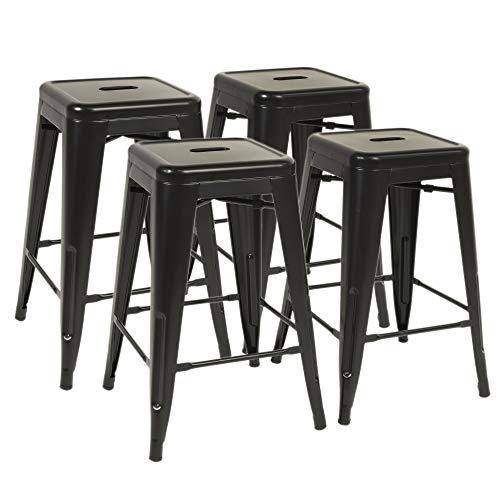
How pink seating balances colour with everyday comfort
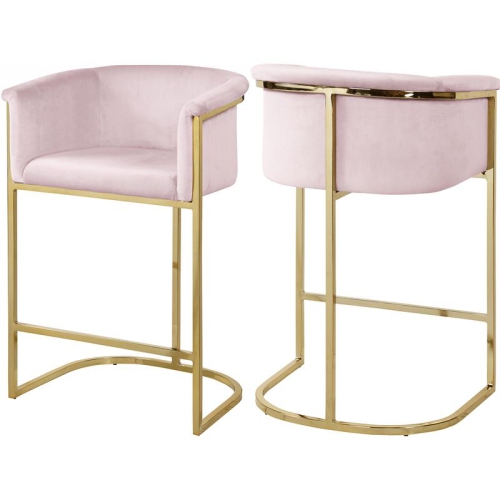
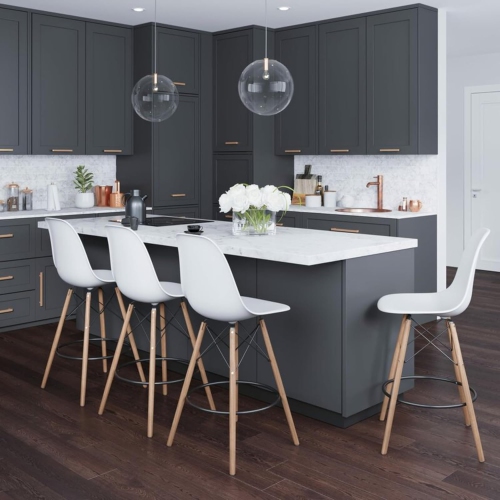
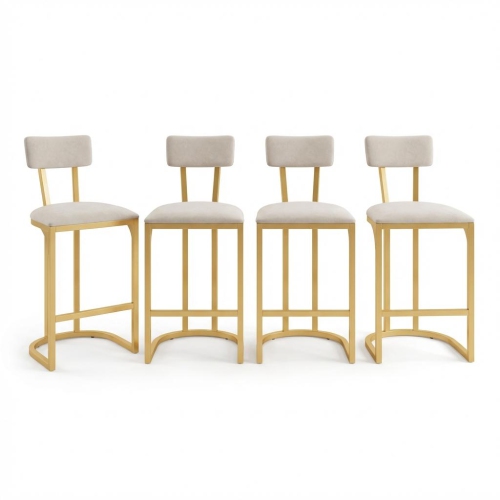
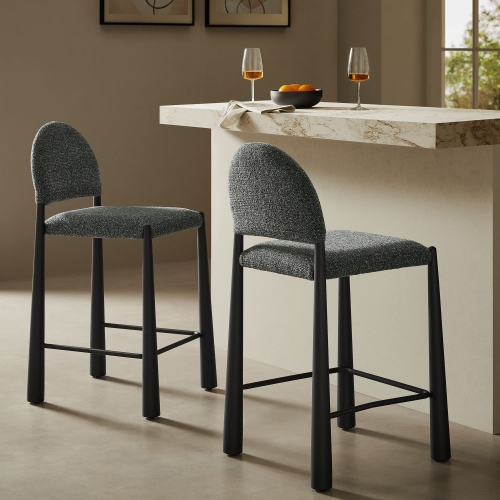
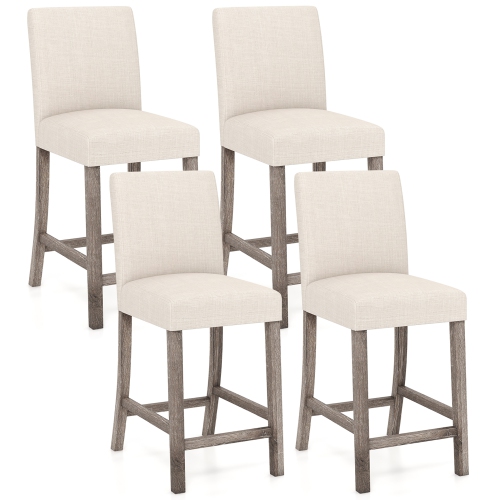
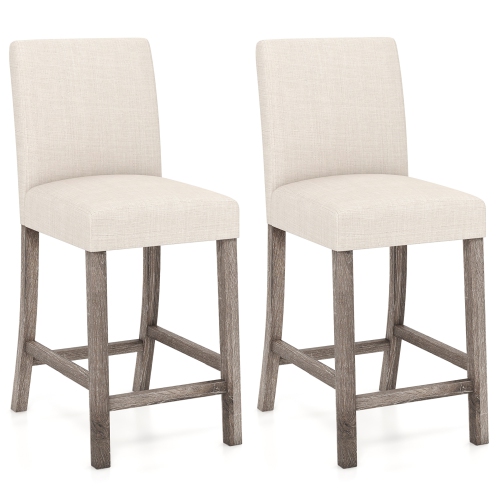
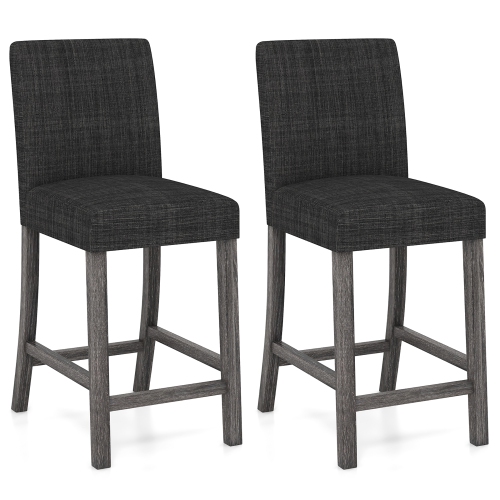
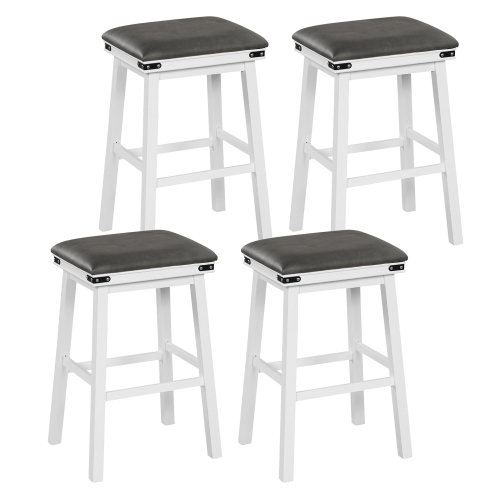
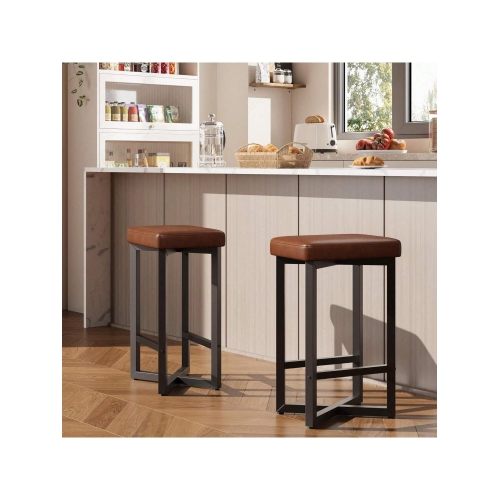
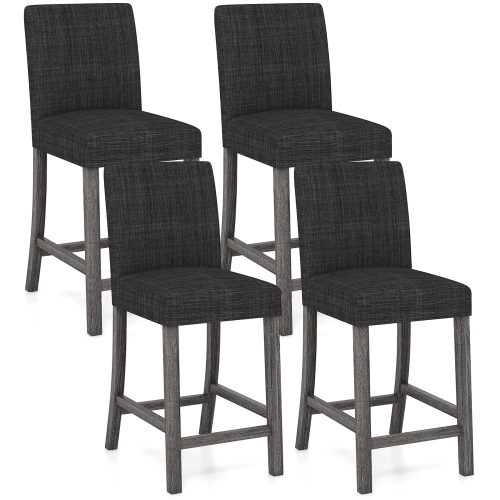
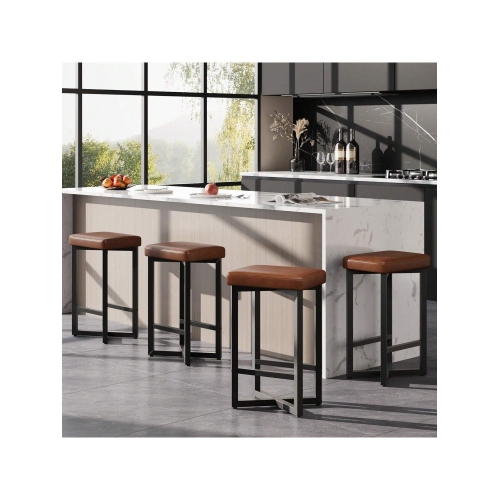
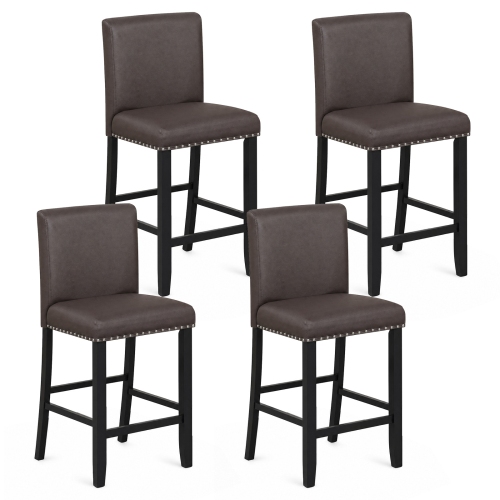
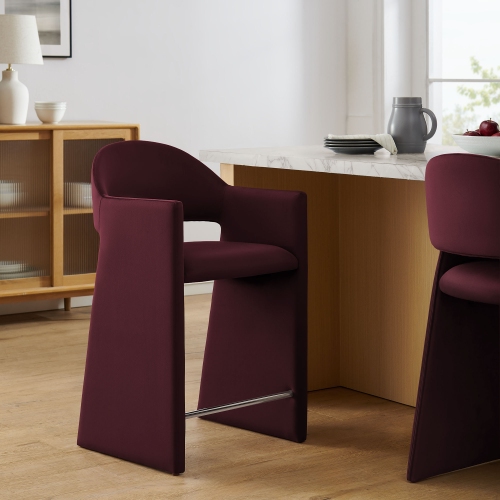
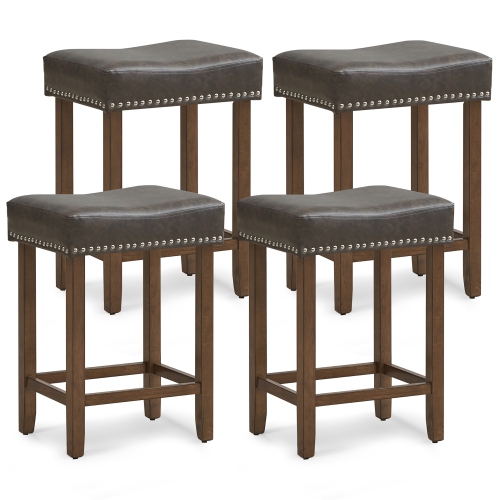
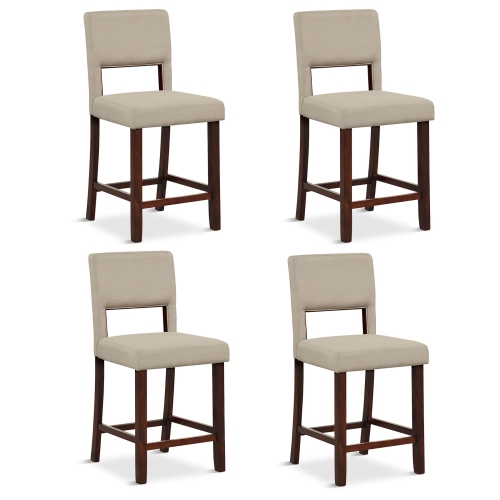
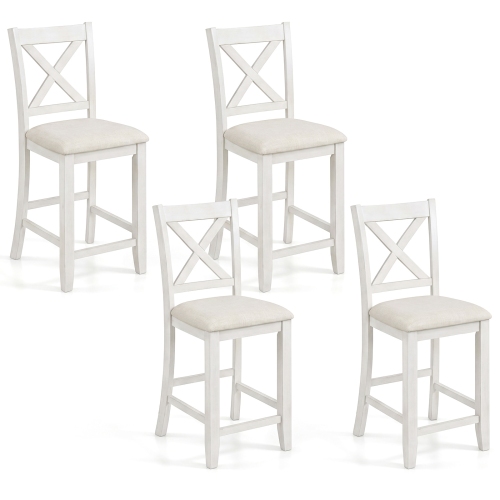
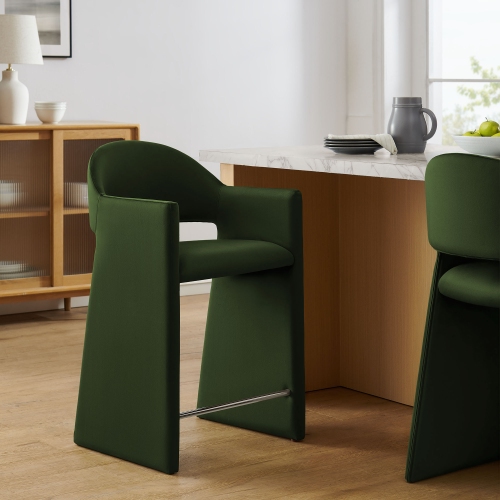
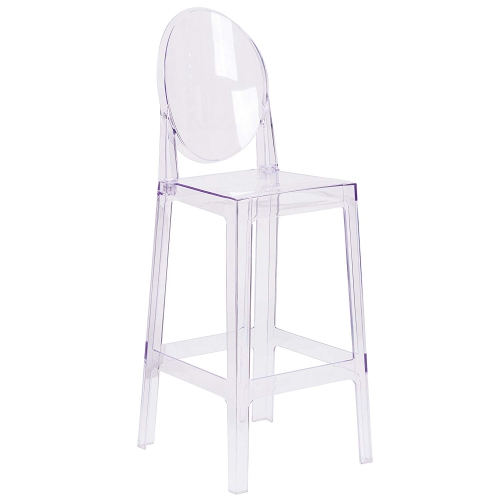
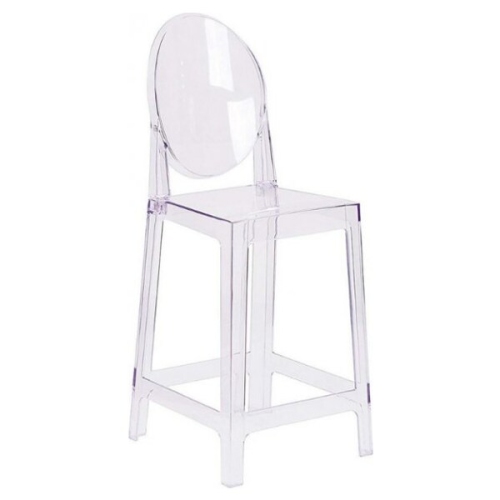
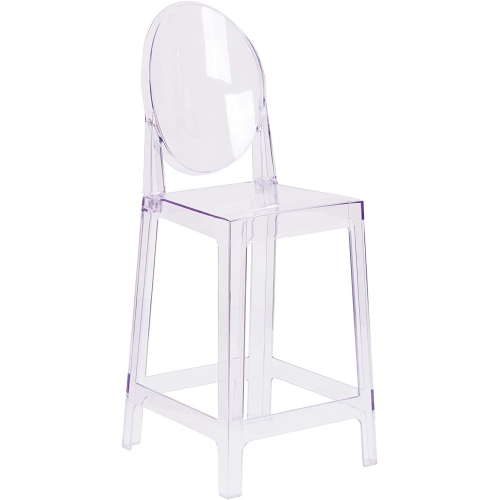
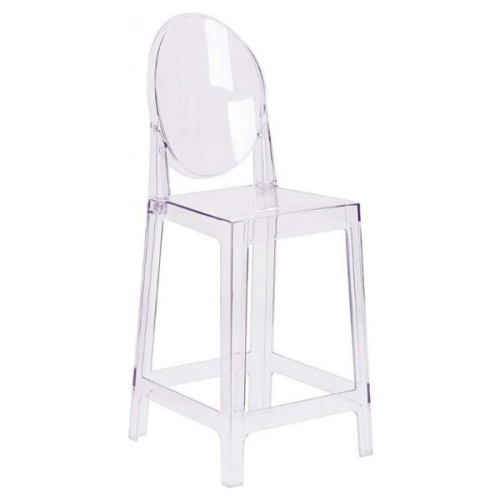
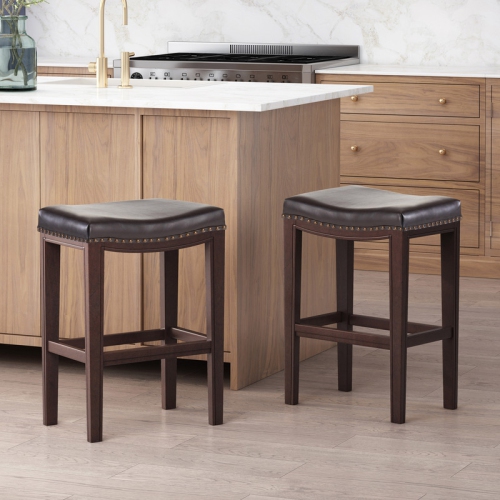
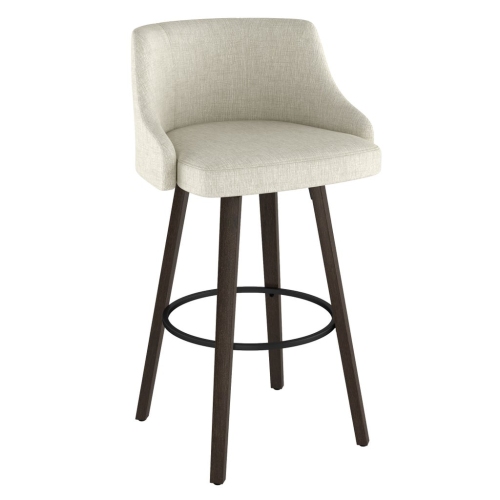
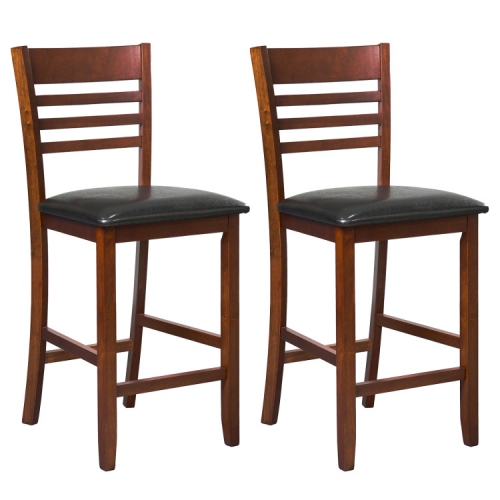
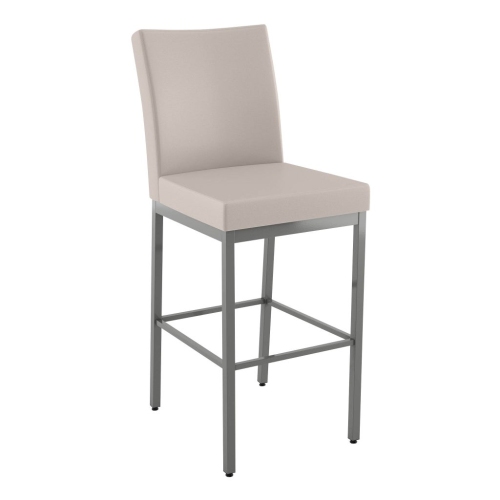
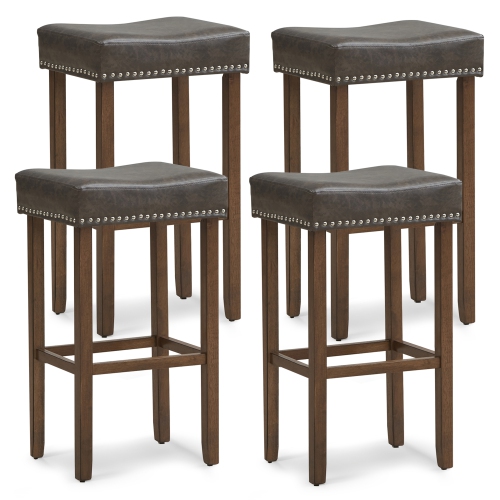
Pink counter stools bring colour to kitchen islands, breakfast counters, and casual dining spaces without taking up the visual space of a full dining set. Their raised seats are intended for counter-height surfaces, making them different from taller bar stools even when the shapes look similar. Pink can be a quiet accent or the focal point of a room: pale blush sits gently alongside cream cabinetry and light wood, dusty rose adds depth beside grey stone, and brighter shades stand out against white counters or dark cabinets. The finish and texture influence the effect as much as the colour itself. Velvet upholstery gives pink a soft, shaded appearance that changes with the direction of the pile, while woven fabric has a more textured, everyday character. A smooth moulded seat or painted metal frame creates a cleaner outline and may feel less formal than a deeply padded design. Curved backs, rounded seats, and tapered legs suit spaces with softer lines; straight frames and simple footrests work well where cabinetry and shelving are more angular. Gold-tone metal can add warmth, black legs provide contrast, and wood introduces grain that keeps a pink seat from feeling too uniform. These details make pink counter stools adaptable to compact condos, busy family kitchens, and open-plan rooms where the island doubles as a place for conversation. Upholstered seating can soften the appearance of a kitchen filled with hard surfaces, while backless shapes leave sightlines more open between the cooking and living areas. Matching stools create a tidy rhythm along a counter, but a mixed-colour arrangement can feel equally deliberate when the seat heights, frame finishes, and proportions have something in common. For a complementary colour pairing, Green Counter Stools offer another direction, with shades that can sit comfortably alongside pink. A pink accent often feels most settled when its tone connects with a nearby textile, piece of art, or small decorative detail rather than matching every surface in the room.
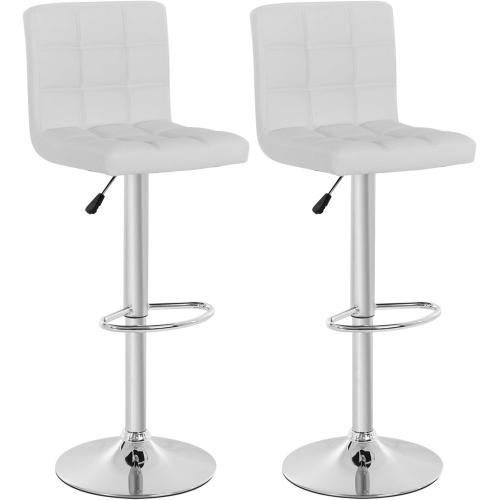
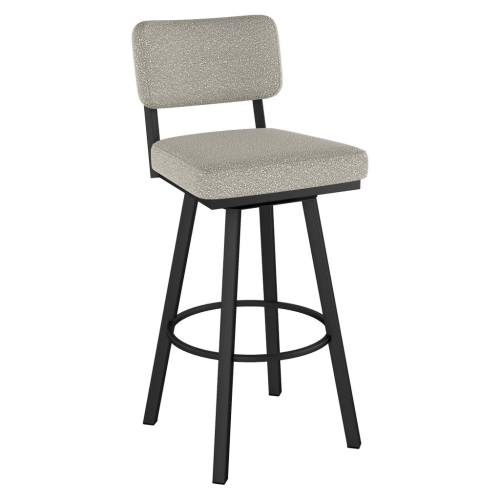
Fit has a direct effect on how comfortably counter stools work in daily life. Many fixed-height counter stools have seats approximately 24 to 26 inches from the floor and are intended for counters around 34 to 36 inches high, although individual dimensions vary. A useful starting point is approximately 10 to 12 inches between the seat and the underside of the counter, with enough room for thighs to move comfortably. A thick countertop, supporting apron, or shallow overhang can reduce usable legroom, so the underside matters as much as the height of the top surface. Bar-height seating is generally taller and may leave too little clearance at a standard kitchen island. Adjustable stools can accommodate different users or surfaces, but their minimum and maximum seat heights still need to suit the space. Seat width, depth, and cushioning also change the experience: a compact seat may tuck neatly beneath a small breakfast ledge, while a broader seat provides more room for someone lingering over a meal or working at the counter. Backless stools are easy to move and can disappear beneath an overhang when their dimensions allow. Low backs offer some support without dominating the room, while taller backs are more noticeable and can feel more comfortable for longer periods. Arms provide another place to rest, though they may prevent a stool from sliding fully underneath the counter. Swivel seating makes turning towards a conversation easier, particularly at an island facing a living room, but it needs clearance from adjacent stools and cabinet edges. Space between seats helps people sit down without brushing elbows, and room behind the stools keeps a walkway usable when someone is seated. Footrests are especially important on raised seating because they give feet a stable resting place rather than leaving them dangling. In a household where the counter serves as a breakfast spot, homework surface, and gathering place, these proportions often matter more than decorative details. Intended users also make a difference, including their height, mobility, and comfort preferences.
Materials and construction determine how pink counter stools handle spills, movement, and repeated use. Upholstered seats can offer a comfortable place to settle, but fabric composition and care requirements vary. Velvet may show pressure marks or changes in shading without being damaged, and gentle care should follow the upholstery’s cleaning directions. Woven covers can catch crumbs along seams, while tufting and stitched channels add texture but create extra places to clean. Stain-resistant fabric is not necessarily stain-proof; blotting a spill promptly is usually more helpful than rubbing it into the fibres. Smooth moulded seats and coated metal surfaces can be simpler to wipe after meals, provided the cleaner is suitable for the finish. Wood benefits from prompt drying after spills, and abrasive pads can scratch painted, plated, or coated surfaces. Where covers are removable, washing is appropriate only if the care label permits it. Durability also depends on the frame, joints, footrest, and base rather than the seat covering alone. A stable stool should sit evenly on the floor, and its stated weight capacity should suit the intended user. Footrests receive regular pressure, so secure connections matter, particularly where stools are used throughout the day. Assembly quality can affect stability, and any loose hardware needs attention according to the manufacturer’s directions. Floor protectors suited to the flooring can help limit scuffs when stools are pulled away from the island; on uneven tile, levelling feet may be useful if included in the design. Pink counter stools intended for indoor use should not be treated as patio furniture simply because they have metal or plastic components. Outdoor suitability depends on the complete construction, finish, upholstery, and stated use, not colour or appearance. For everyday kitchen seating, the strongest fit is a balance of comfortable proportions, manageable care, and a finish that works with the room. The result is seating that feels at home through ordinary routines, from a quick breakfast at the island to a relaxed conversation while dinner is being prepared.
Top selling and popular products
-
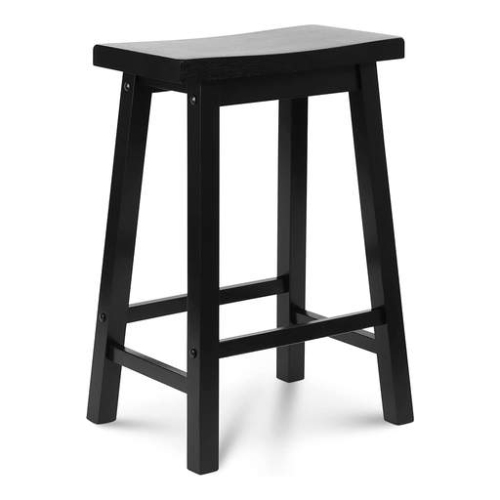 Your price for this item is $88.99
-
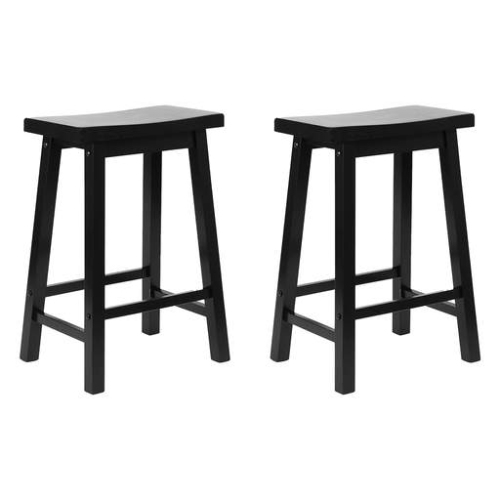 Your price for this item is $174.99
-
 Your price for this item is $437.99
-
 Your price for this item is $173.99
-
 Your price for this item is $406.99
-
 Your price for this item is $431.99
-
 Your price for this item is $350.99
-
 Your price for this item is $364.99
Discover more categories related to Pink Counter Stools


Top Collections:
Pokemon Centers, Best Cameras for Sports Photography, Kindle Devices, Samsung Galaxy Phones, Canon G7X Cameras, Pokémon 30th Celebration Cards, Refurbished Apple Laptops, iPhone 15 Apple, Laptops for Students, Budget Smartphones
Some products may be subject to Environmental Handling Fees
(EHF) depending on your province.
Learn more about EHFs.