Pizza Making Tools
Get ready to create the perfect homemade pizza with our selection of pizza-making tools. Whether you're a seasoned pizza enthusiast or just starting out, these essential tools will help you achieve delicious results every time. From pizza stones and peels to cutters and slicers, we have everything you need to elevate your pizza-making game.
Sort
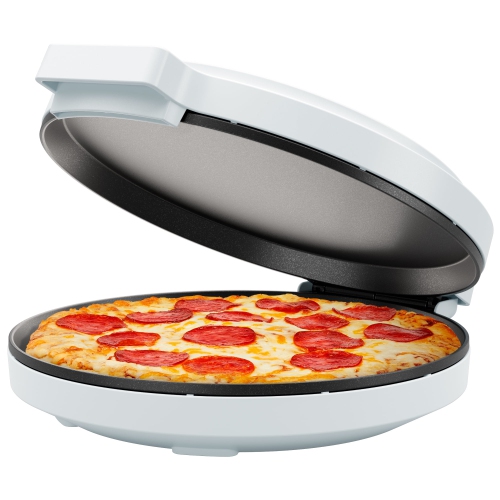
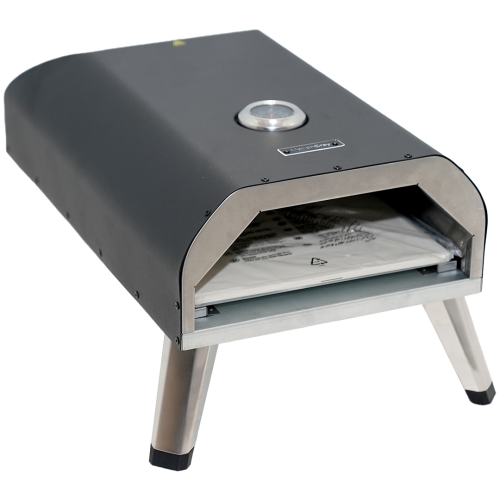
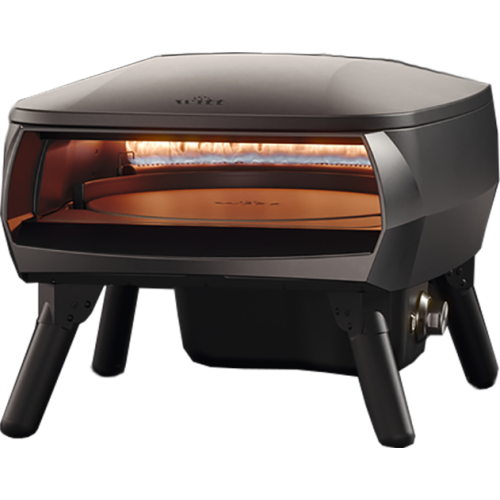
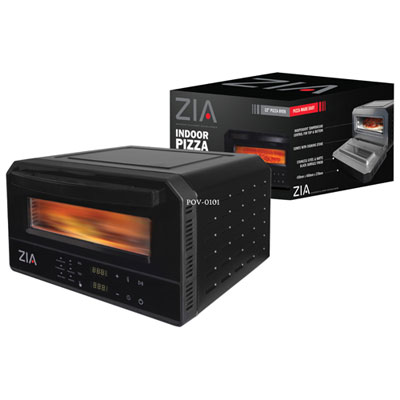
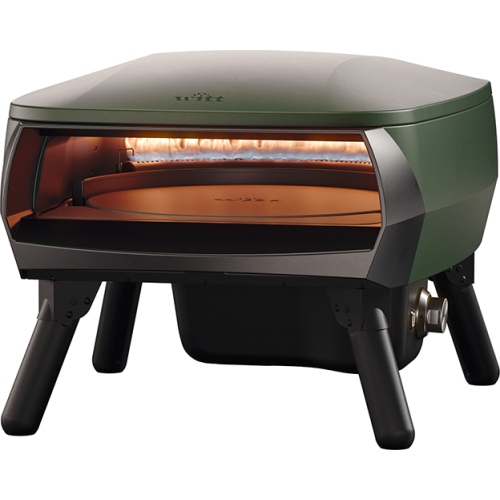

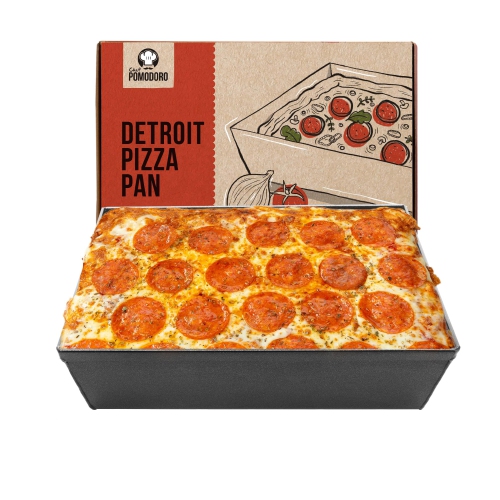
How dough prep and baking surfaces shape your crust
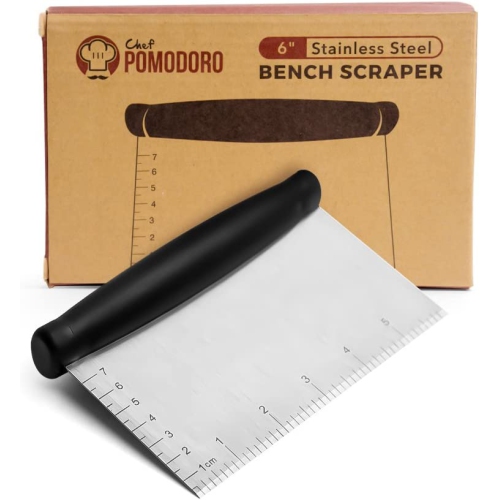
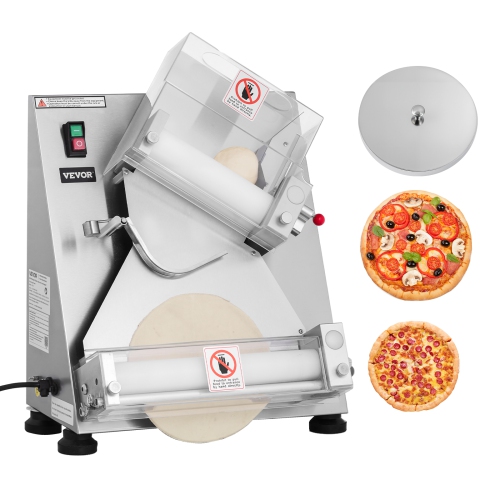
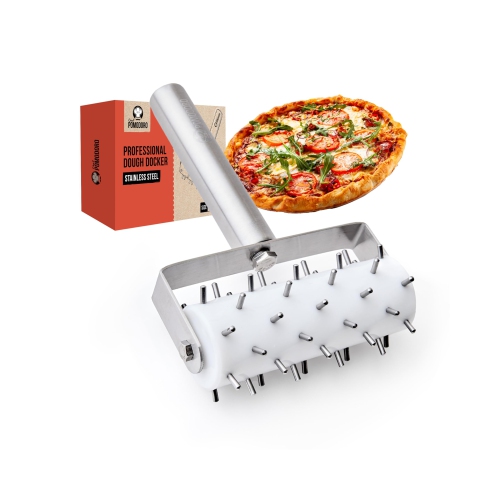
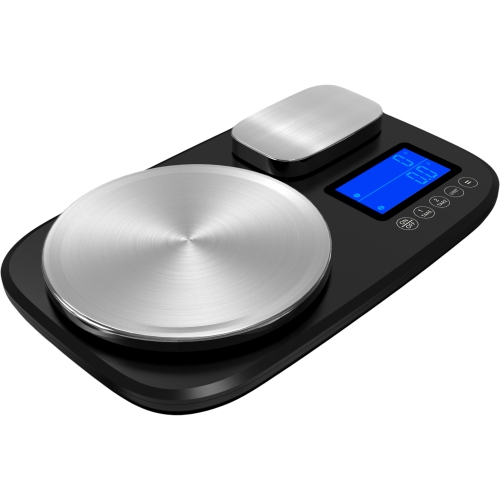
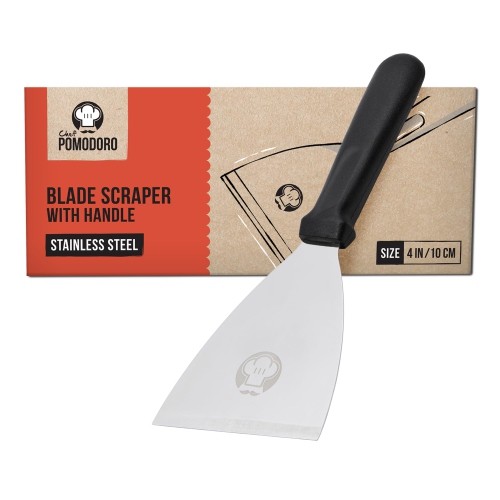
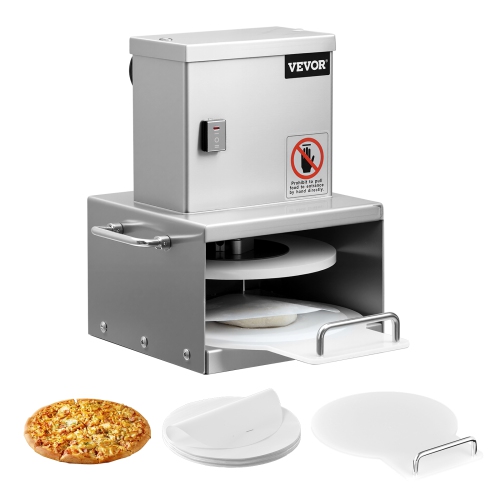
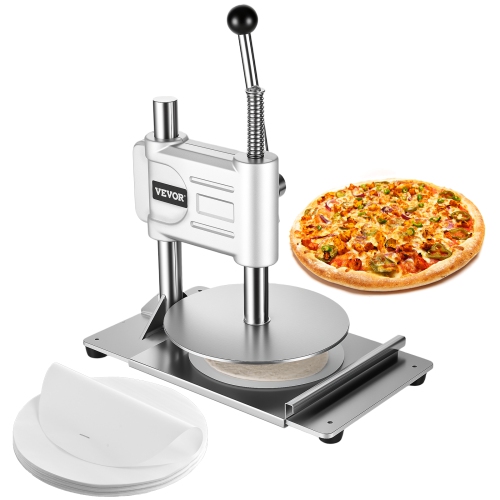
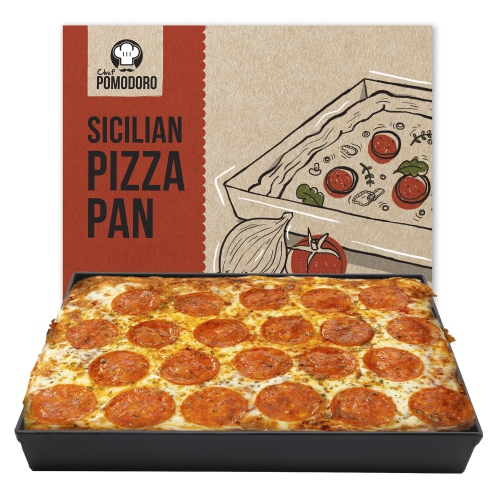
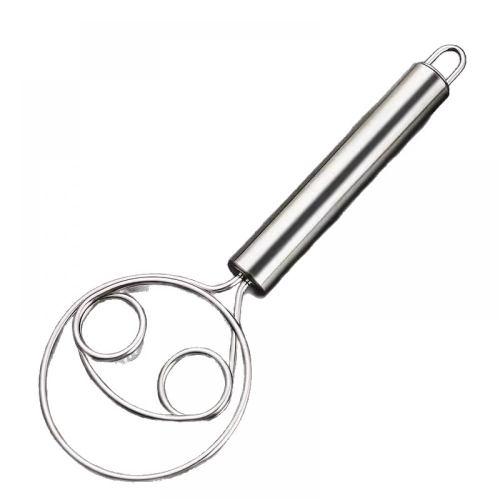
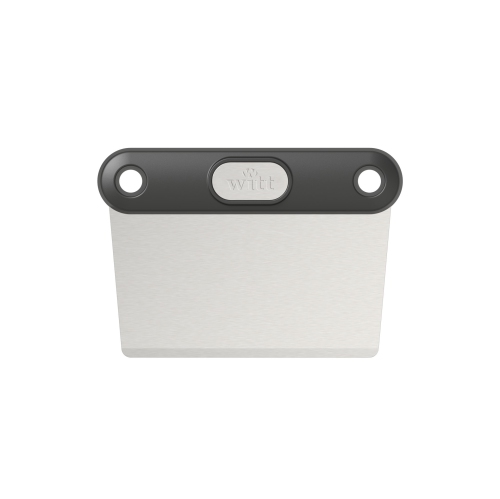
Pizza making tools bring together the small details that help turn flour, water, yeast, and a few favourite toppings into a pizza with a browned base and a satisfying crust. The main tool categories cover measuring, mixing, portioning, proofing, baking, transferring, and slicing, with different materials and shapes suited to different dough styles and cooking setups. A digital kitchen scale measures ingredients by weight, making dough recipes easier to repeat and batches simpler to adjust for a quiet dinner or a table full of guests. Capacity matters for weighing a full bowl of flour, while fine measurement increments are useful for small amounts of salt and yeast. Mixing bowls need enough room for the dough to come together without flour spilling over the rim; stainless steel is durable and relatively light, while glass lets the dough remain visible from the side. Flexible dough scrapers follow the curve of a bowl, whereas a firm bench scraper portions dough and lifts sticky scraps from a work surface. Smooth edges, comfortable handles, and easy-to-clean joins make these everyday tasks less awkward, especially when hands are dusted with flour. Proofing containers give dough room to rise under a lid that helps prevent the surface from drying out. Their shape and height affect how neatly they fit in the fridge, and separate compartments can keep individual dough balls from spreading into one another. For households that prepare dough ahead of time, stackable containers can be as useful as a larger mixing bowl. Pastry mats and food-contact-safe work boards provide a defined preparation area, although their dimensions should leave enough room to stretch the intended pizza size. These preparation tools suit first-time home pizza makers as well as experienced bakers who want more consistent portions. They also earn their space beyond pizza night, with uses for bread dough, pastry, and other kitchen preparation.
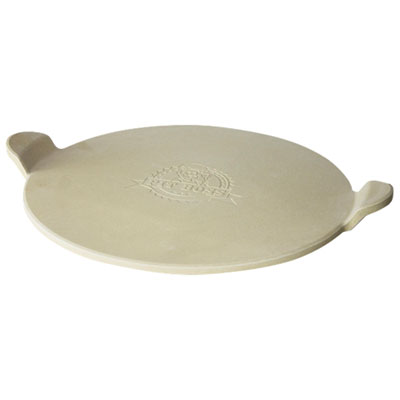
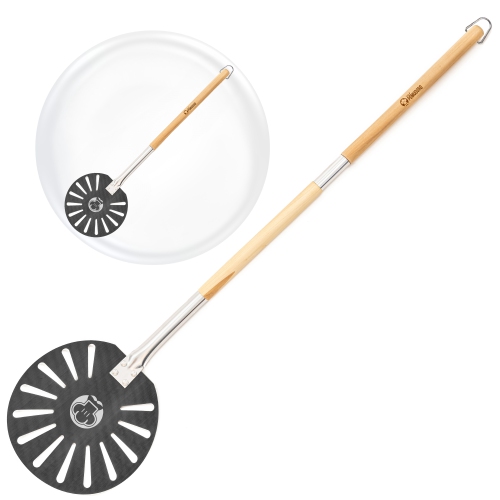
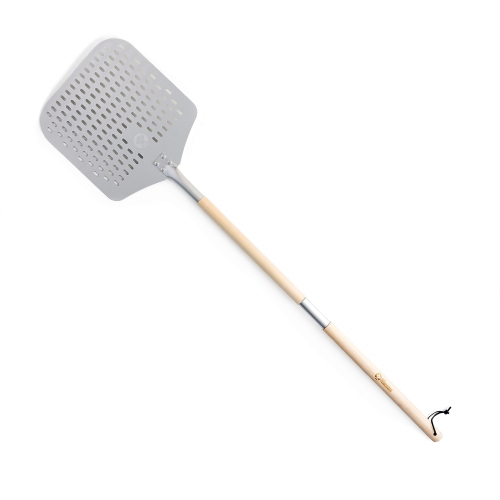
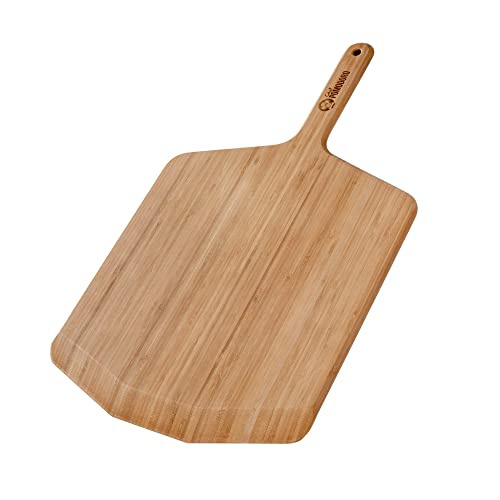
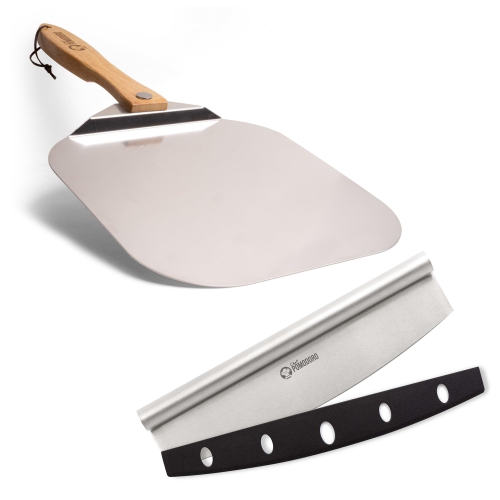
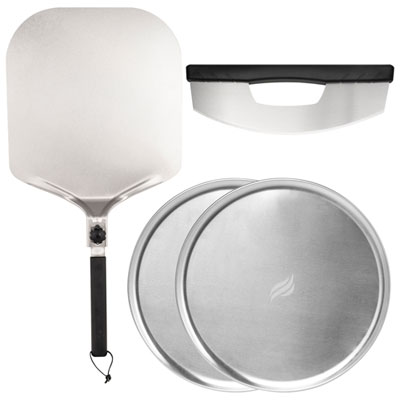
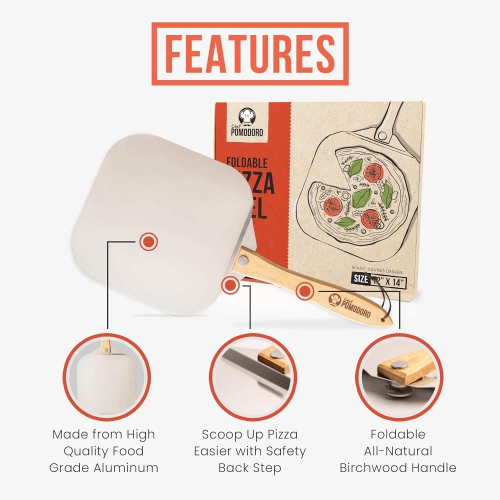
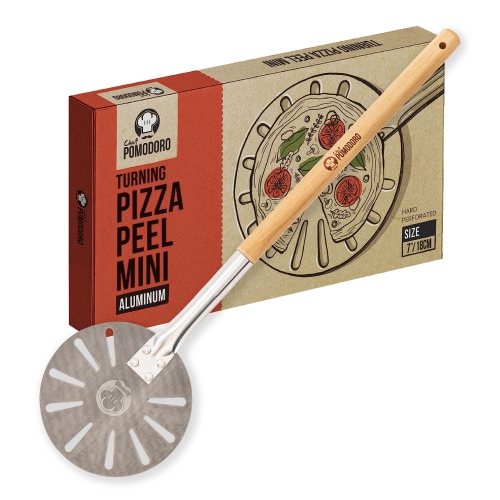
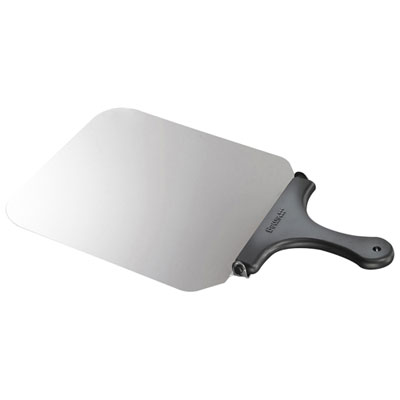
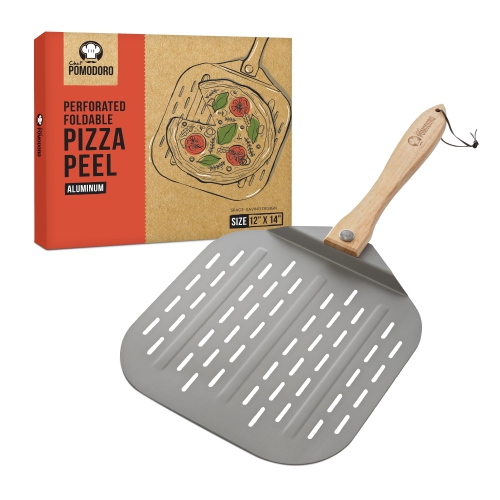
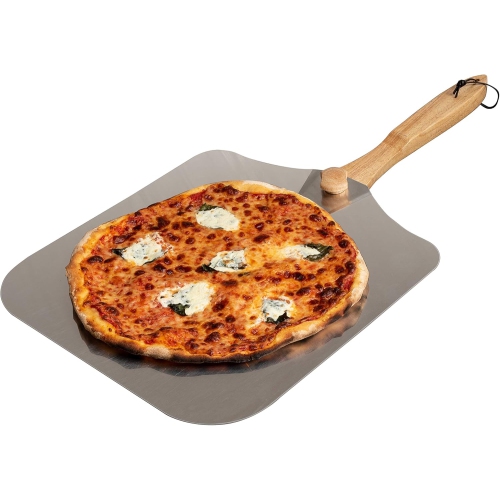
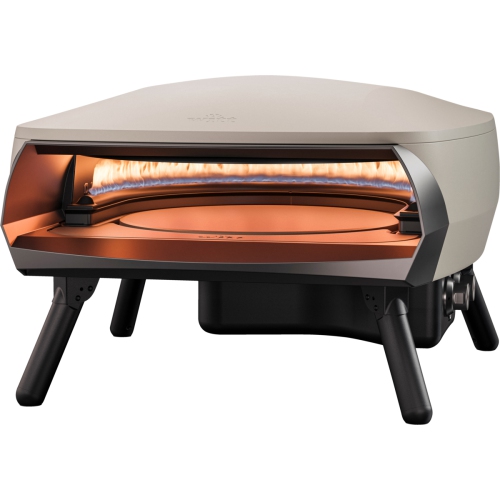
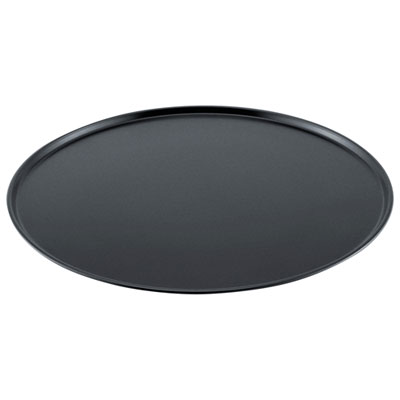
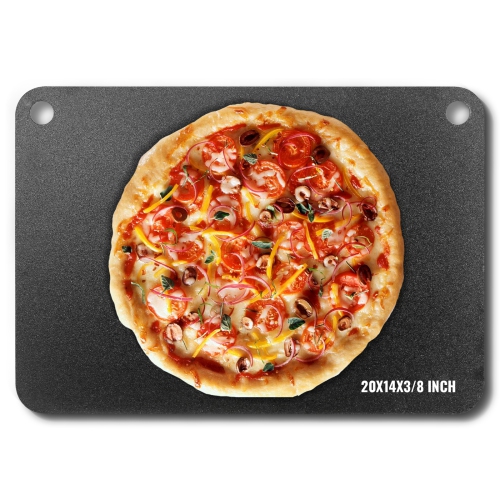
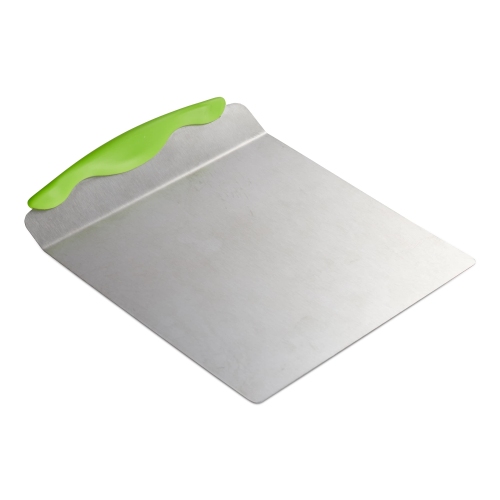
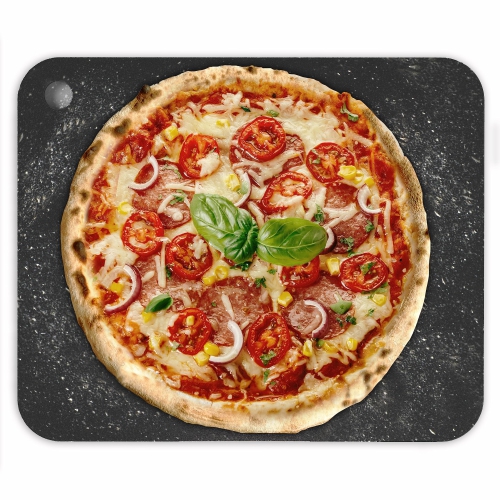
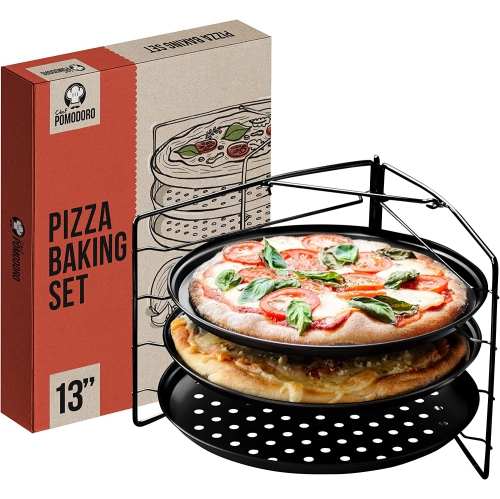
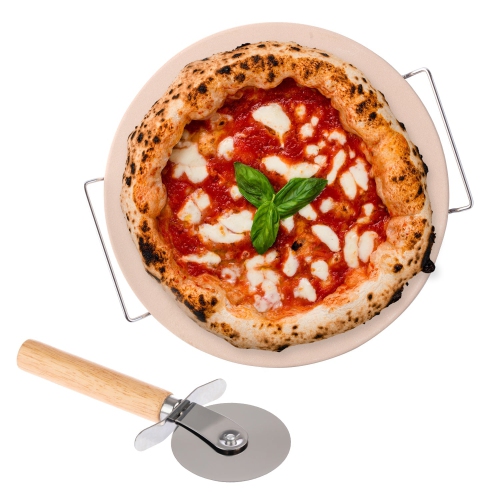
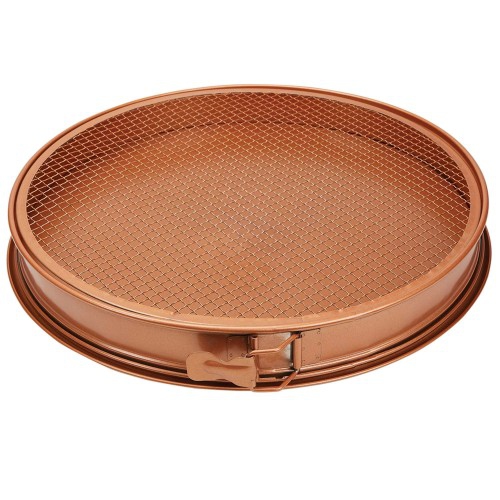
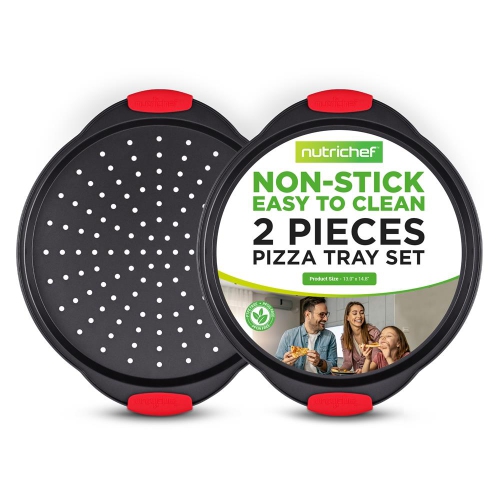
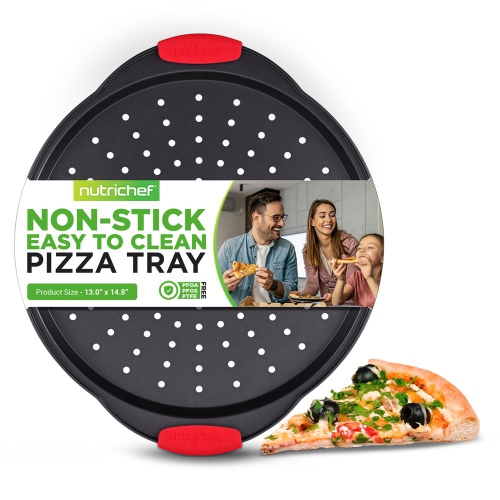
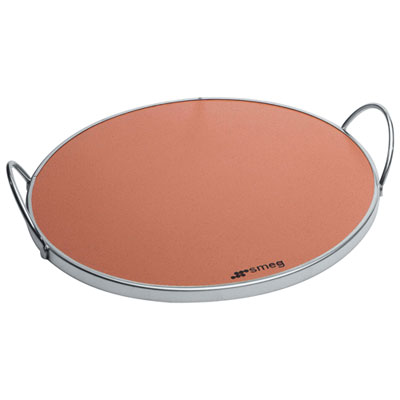
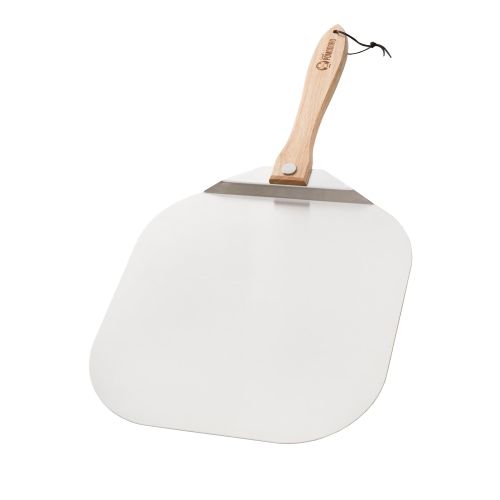
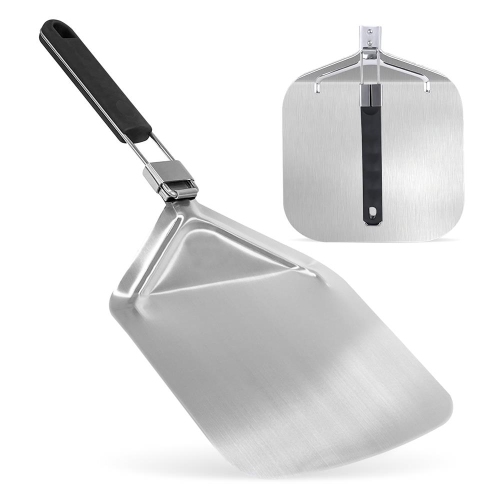
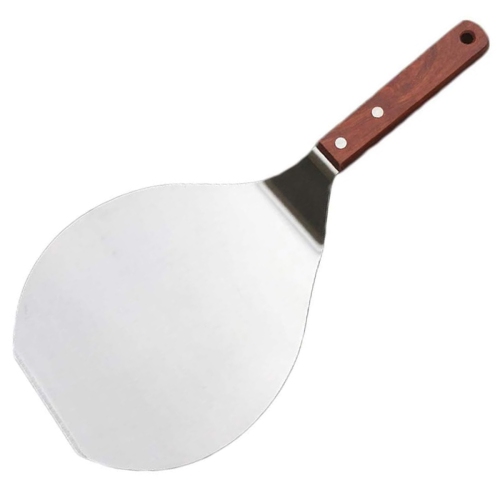
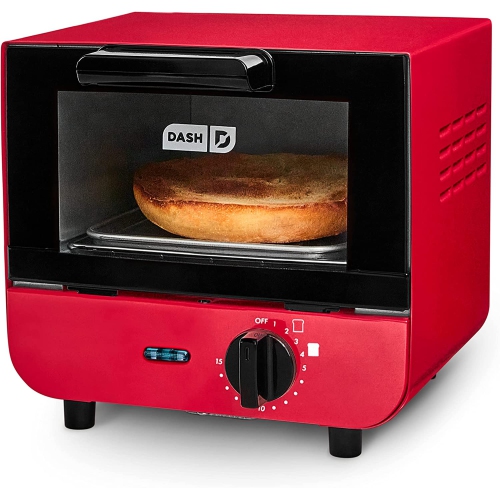
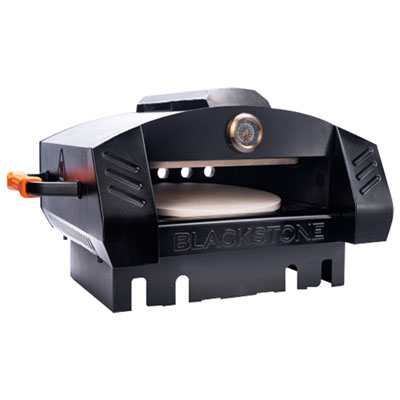
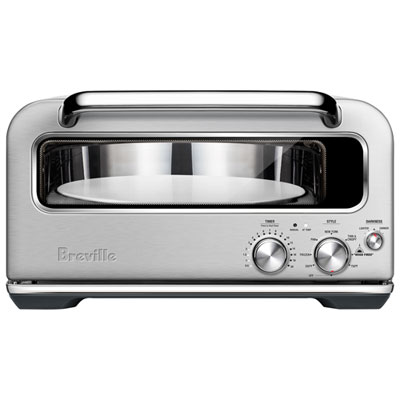
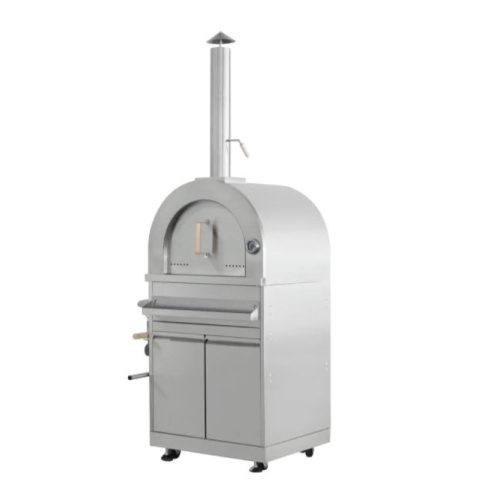
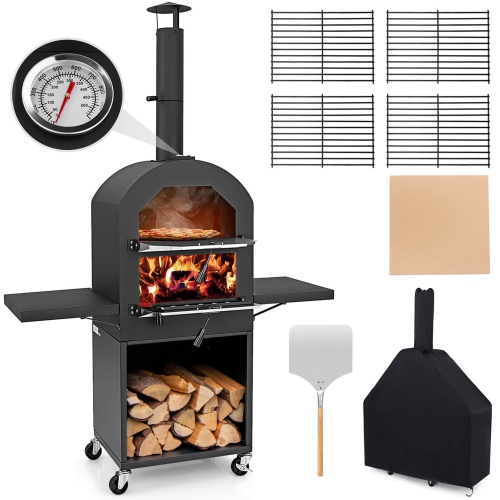
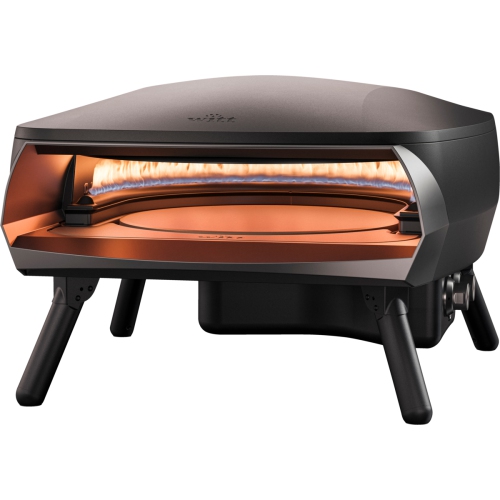
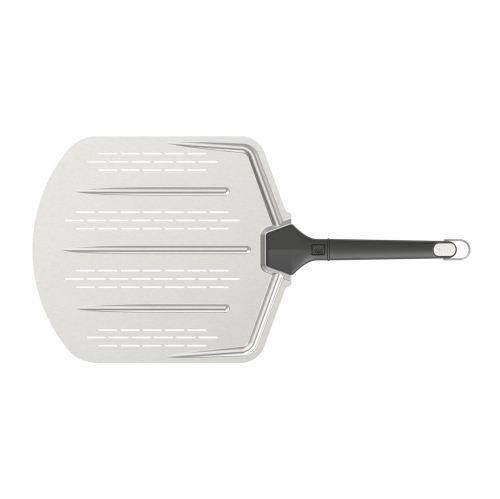
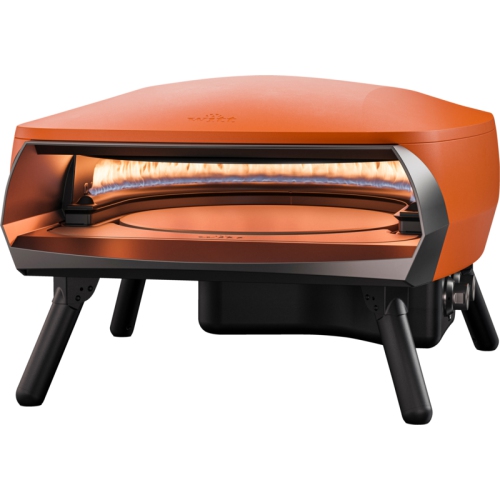
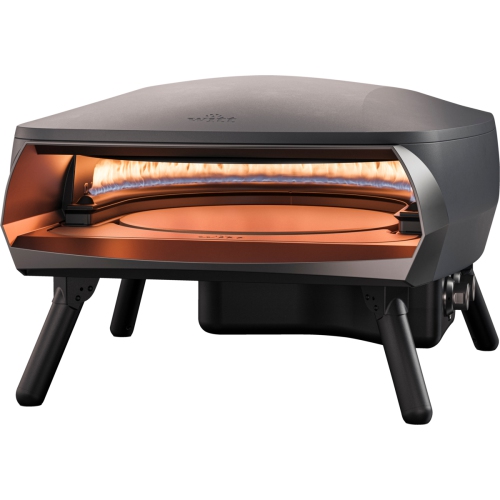
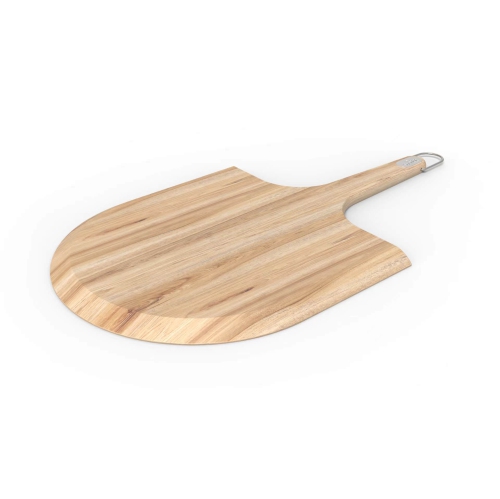
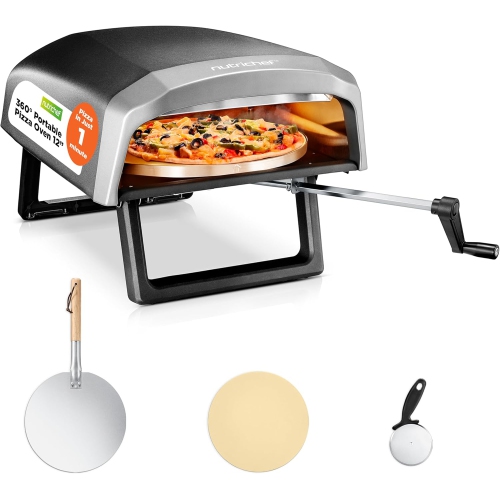
Baking surfaces and transfer tools have a direct effect on how comfortably a pizza moves from the worktop to the heat and back again. A pizza stone stores heat and transfers it to the dough, helping the base cook more thoroughly than it might on a thin, unheated tray. Cordierite is a common stone material valued for its ability to tolerate temperature changes, although care is still needed to avoid sudden thermal shock. Baking steel transfers heat to dough faster than stone, which can encourage pronounced browning in a home oven; its weight, thickness, and care requirements are important differences. Both need to fit the cooking space with the clearance required by the oven manufacturer, and neither should be assumed suitable for every grill or outdoor pizza oven. Round and rectangular baking pans offer another approach, particularly for thicker crusts, softer bases, or dough baked with oil around the edges. Pan depth, coating, and maximum temperature rating matter as much as diameter. Tools such as pizza peels provide a broad surface for moving dough or baked pizza, with blade size and handle length matched to the pizza and oven opening. Wooden peels are often used for launching because raw dough can be less prone to sticking to a dry, lightly dusted wooden surface. Thin metal blades slide more readily beneath a baking crust, while smaller turning peels help rotate pizza in ovens where heat is stronger on one side. Perforations can let loose flour fall away before it reaches the cooking surface. A long handle may be useful around a deep outdoor oven, but it can feel cumbersome in a compact kitchen. An infrared thermometer adds a surface-temperature reading for a stone or steel, rather than measuring the oven air or the centre of the food. Reflective metal surfaces can affect its accuracy, so suitability for the intended surface matters. For cooler-weather cooking, indoor baking accessories offer a practical route to pizza night, while outdoor equipment still needs to be used outdoors and within its stated operating conditions.
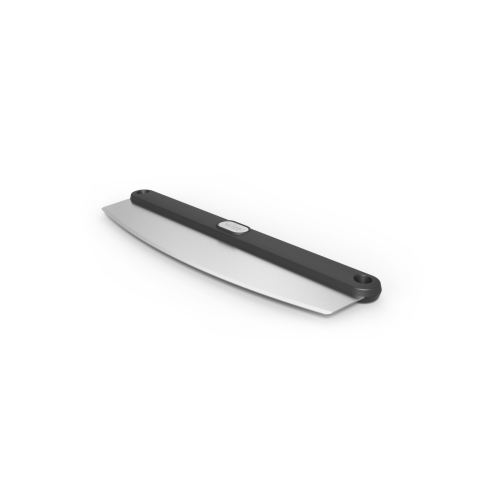
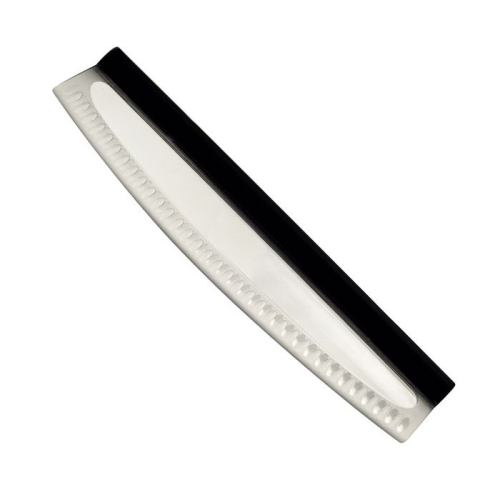
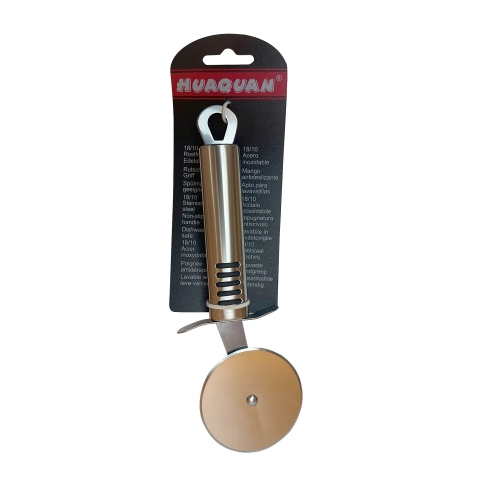
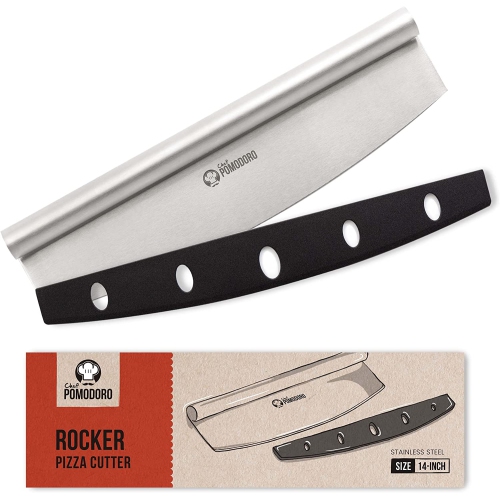
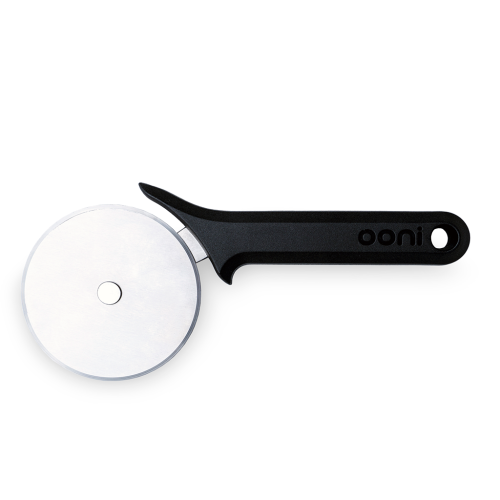
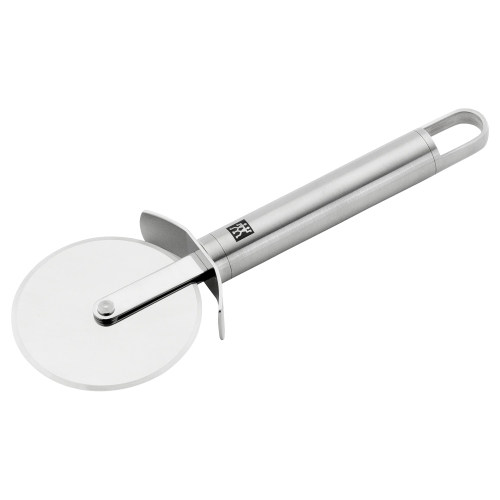
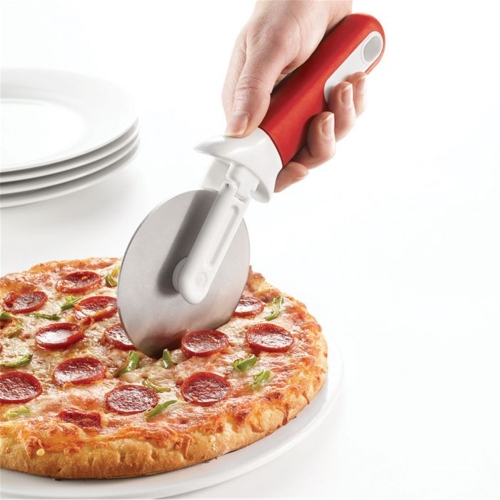
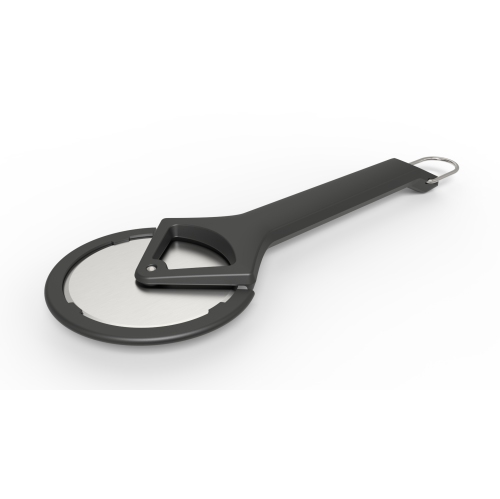
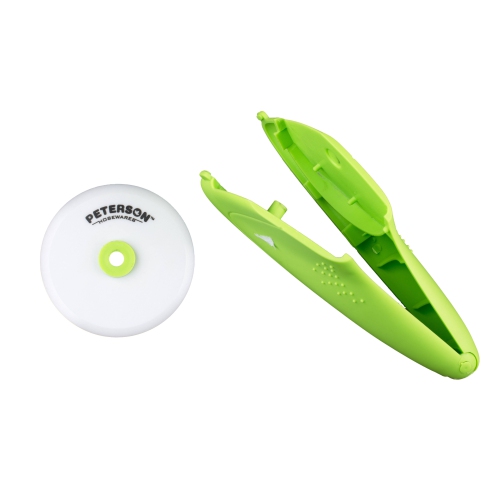
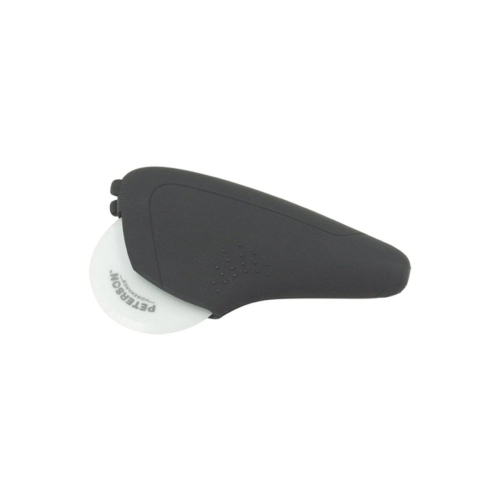
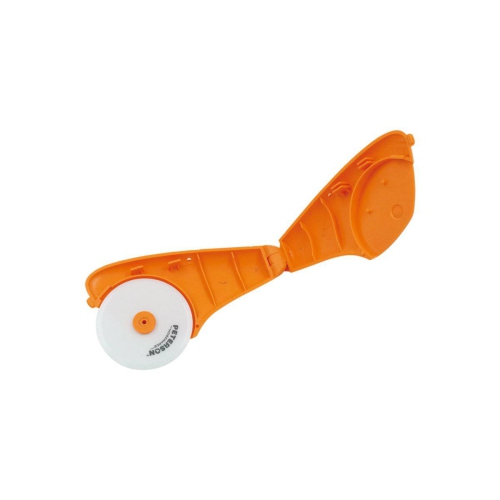
Finishing and serving tools complete the setup, particularly when several pizzas are being baked one after another. A pizza wheel suits familiar wedge-shaped slices and works best when the blade turns freely and the handle offers a secure grip. A rocker blade cuts across a larger area with a downward rocking motion, making its overall width and storage needs worth considering. Either style needs a suitable cutting board beneath it; slicing directly on a coated pan or baking surface can damage that surface or the blade. Serving boards should be large enough to support the crust without leaving hot edges hanging over the sides, while racks can allow steam to escape from underneath before slicing, helping preserve a crisp base. Small bowls for sauce, grated cheese, and prepared toppings keep the work area manageable when everyone wants a different combination. For family pizza nights, children can help arrange toppings at a cool preparation area, with sharp blades, hot surfaces, and oven work left to adults. Heat-resistant gloves are useful for handling cookware within their rated limits, but their fit and grip matter, and wet gloves may not provide the same protection. Care requirements also influence which pizza accessories feel practical over time. Wood generally needs gentle washing and thorough drying rather than soaking, and many wooden tools are not dishwasher-safe. Baking steels often require drying and seasoning as directed to limit rust, while stones usually need to cool fully before cleaning and should not be soaked unless their care instructions permit it. Removable blades, accessible corners, and clearly stated dishwasher compatibility can simplify cleanup for tools that touch sauce, cheese, or raw dough. Storage deserves similar attention: a heavy steel needs sturdy support, a wide peel needs enough wall or cupboard space, and a guarded cutter is easier to store safely. As gifts, pizza making tools are most useful when they match the recipient’s kitchen and preferred style, whether that means dough preparation accessories for a keen bread baker or serving tools for someone who enjoys hosting. A thoughtfully matched assortment supports everything from a simple cheese pizza to a generous pan-style crust without filling the kitchen with tools that do not fit the way it is used.
Baking surfaces and transfer tools have a direct effect on how comfortably a pizza moves from the worktop to the heat and back again. A pizza stone stores heat and transfers it to the dough, helping the base cook more thoroughly than it might on a thin, unheated tray. Cordierite is a common stone material valued for its ability to tolerate temperature changes, although care is still needed to avoid sudden thermal shock. Baking steel transfers heat to dough faster than stone, which can encourage pronounced browning in a home oven; its weight, thickness, and care requirements are important differences. Both need to fit the cooking space with the clearance required by the oven manufacturer, and neither should be assumed suitable for every grill or outdoor pizza oven. Round and rectangular baking pans offer another approach, particularly for thicker crusts, softer bases, or dough baked with oil around the edges. Pan depth, coating, and maximum temperature rating matter as much as diameter. Tools such as pizza peels provide a broad surface for moving dough or baked pizza, with blade size and handle length matched to the pizza and oven opening. Wooden peels are often used for launching because raw dough can be less prone to sticking to a dry, lightly dusted wooden surface. Thin metal blades slide more readily beneath a baking crust, while smaller turning peels help rotate pizza in ovens where heat is stronger on one side. Perforations can let loose flour fall away before it reaches the cooking surface. A long handle may be useful around a deep outdoor oven, but it can feel cumbersome in a compact kitchen. An infrared thermometer adds a surface-temperature reading for a stone or steel, rather than measuring the oven air or the centre of the food. Reflective metal surfaces can affect its accuracy, so suitability for the intended surface matters. For cooler-weather cooking, indoor baking accessories offer a practical route to pizza night, while outdoor equipment still needs to be used outdoors and within its stated operating conditions.
Finishing and serving tools complete the setup, particularly when several pizzas are being baked one after another. A pizza wheel suits familiar wedge-shaped slices and works best when the blade turns freely and the handle offers a secure grip. A rocker blade cuts across a larger area with a downward rocking motion, making its overall width and storage needs worth considering. Either style needs a suitable cutting board beneath it; slicing directly on a coated pan or baking surface can damage that surface or the blade. Serving boards should be large enough to support the crust without leaving hot edges hanging over the sides, while racks can allow steam to escape from underneath before slicing, helping preserve a crisp base. Small bowls for sauce, grated cheese, and prepared toppings keep the work area manageable when everyone wants a different combination. For family pizza nights, children can help arrange toppings at a cool preparation area, with sharp blades, hot surfaces, and oven work left to adults. Heat-resistant gloves are useful for handling cookware within their rated limits, but their fit and grip matter, and wet gloves may not provide the same protection. Care requirements also influence which pizza accessories feel practical over time. Wood generally needs gentle washing and thorough drying rather than soaking, and many wooden tools are not dishwasher-safe. Baking steels often require drying and seasoning as directed to limit rust, while stones usually need to cool fully before cleaning and should not be soaked unless their care instructions permit it. Removable blades, accessible corners, and clearly stated dishwasher compatibility can simplify cleanup for tools that touch sauce, cheese, or raw dough. Storage deserves similar attention: a heavy steel needs sturdy support, a wide peel needs enough wall or cupboard space, and a guarded cutter is easier to store safely. As gifts, pizza making tools are most useful when they match the recipient’s kitchen and preferred style, whether that means dough preparation accessories for a keen bread baker or serving tools for someone who enjoys hosting. A thoughtfully matched assortment supports everything from a simple cheese pizza to a generous pan-style crust without filling the kitchen with tools that do not fit the way it is used.
Top selling and popular products
-
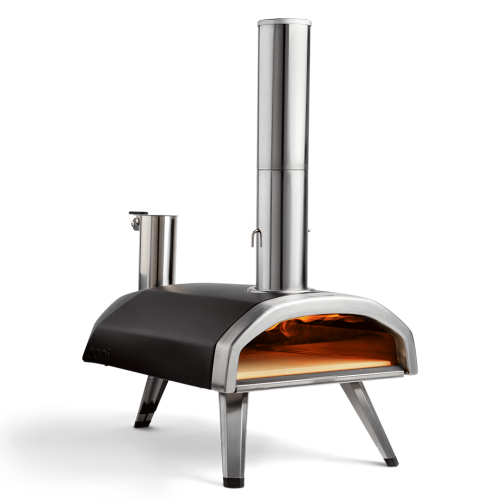 Your price for this item is $249
 -
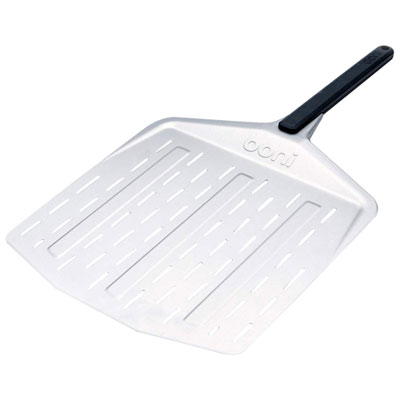 Your price for this item is $99.99
 -
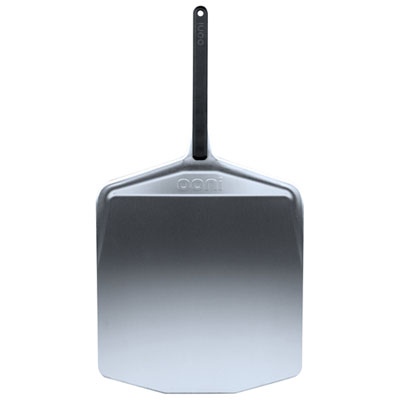 Your price for this item is $89.99
 -
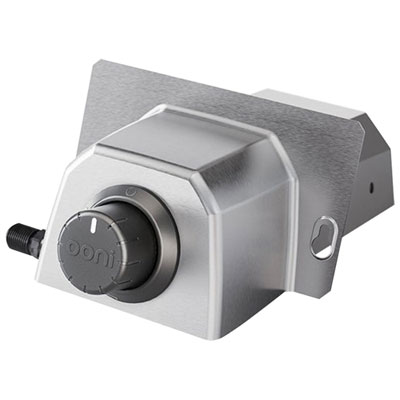 Your price for this item is $139.99
 -
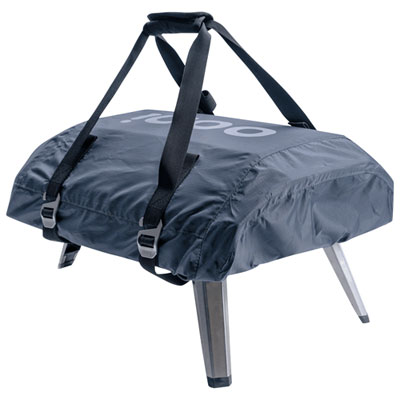 Your price for this item is $49.99
 -
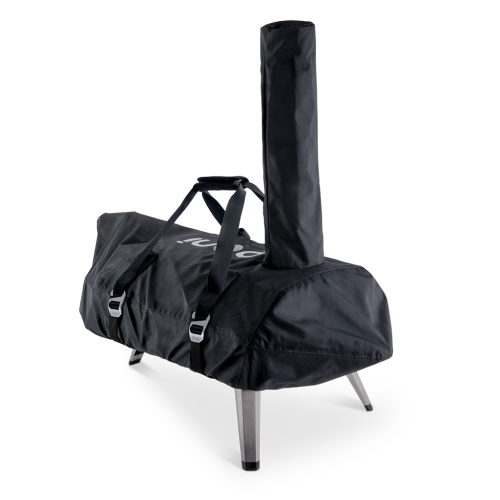 Your price for this item is $39.99
 -
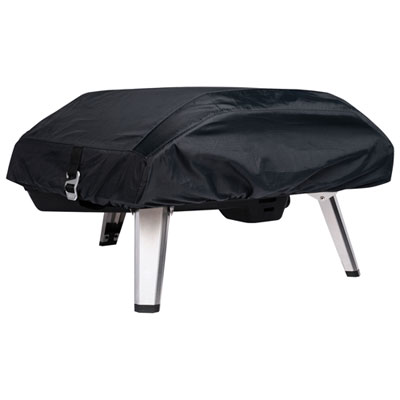 Your price for this item is $64.99
 -
 Your price for this item is $49.99
Discover more categories related to Pizza Making Tools
Top Collections:
Pokemon Centers, Kindle Devices, Best Budget Office Chairs, Apple iPhones 16, Best Laptops for Writers, iPhone 15 Apple, Canon G7X Cameras, Refurbished Apple Laptops, Alarm Clock, Motorola Razr Phones
Some products may be subject to Environmental Handling Fees
(EHF) depending on your province.
Learn more about EHFs.