Bread Making Tools
Looking to elevate your bread-making game? Look no further! Our collection of bread making tools is here to help you create delicious, homemade bread with ease. Whether you're a seasoned baker or just starting out, these essential tools will have you kneading, proofing, and baking your way to perfection. From dough scrapers to bread pans, we've got everything you need to bring out the baker in you. So roll up your sleeves and get ready to enjoy the wonderful aroma of freshly baked bread in your own kitchen.
Sort
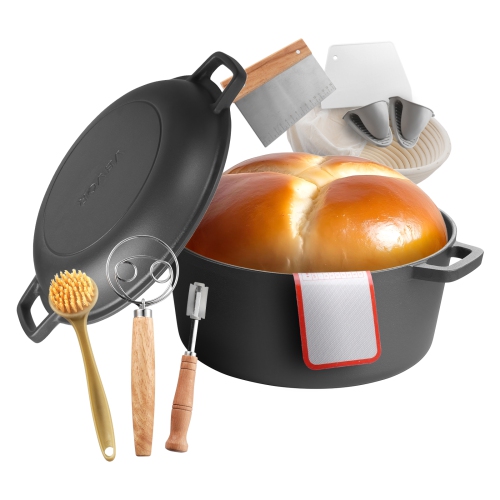
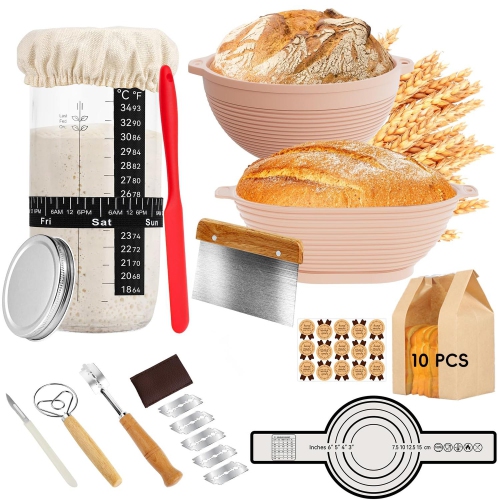
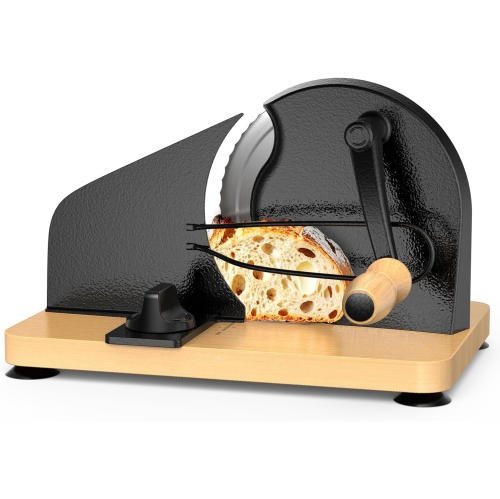
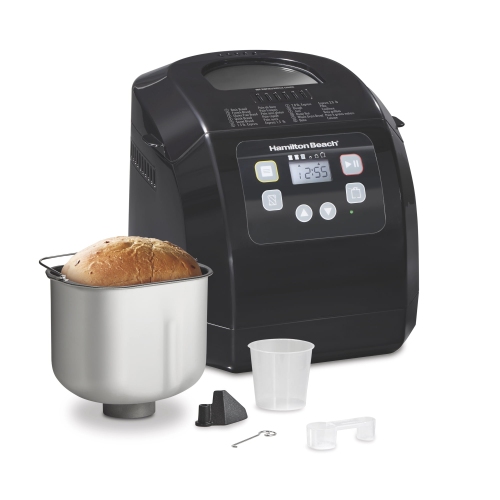
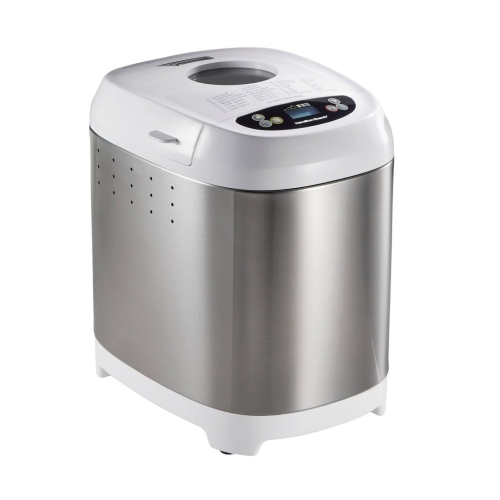
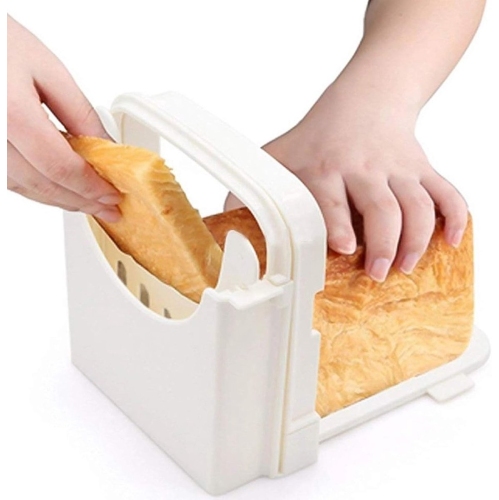
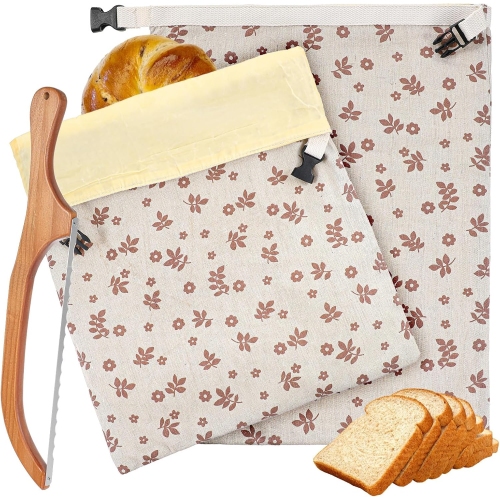
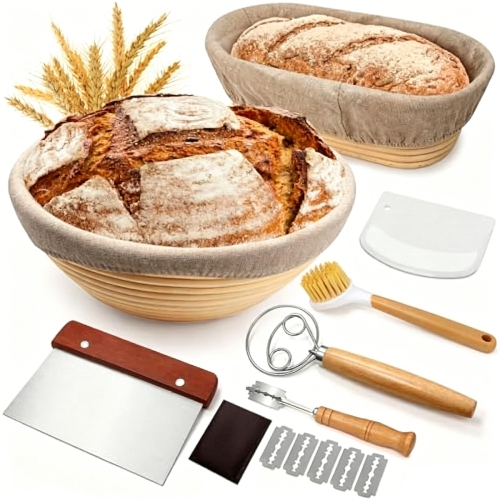
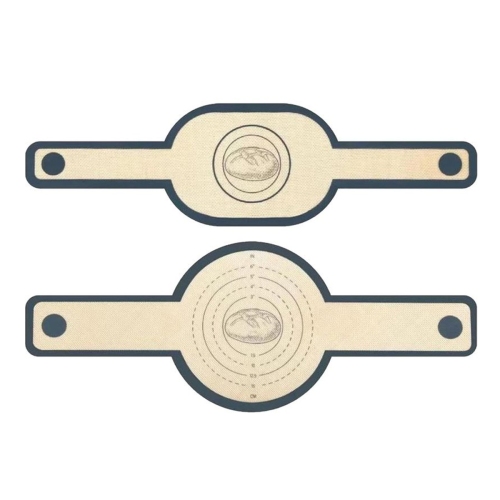

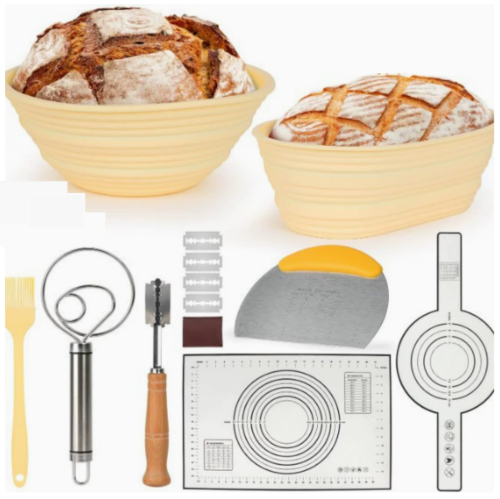
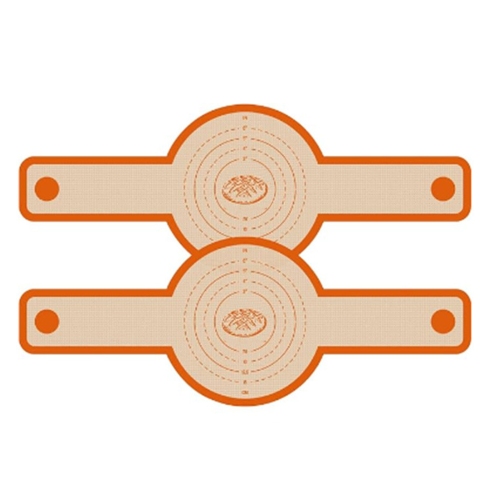
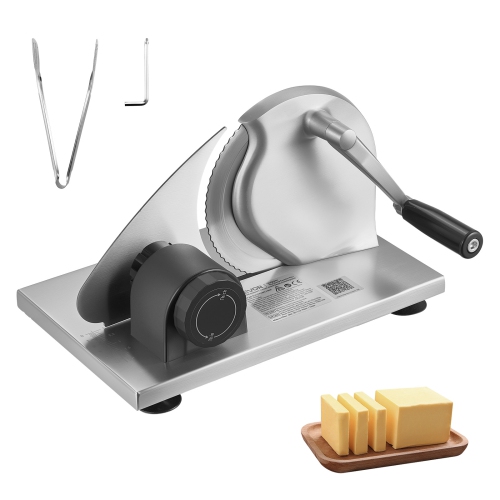




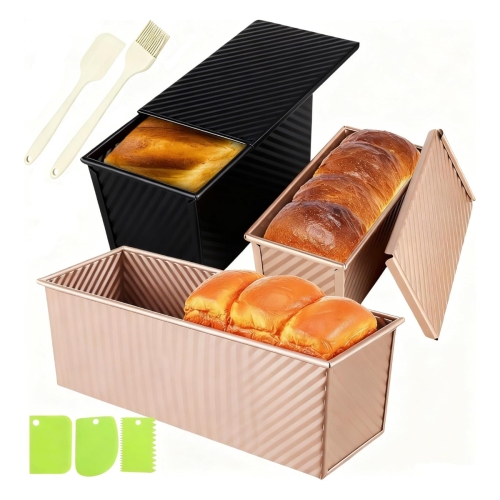
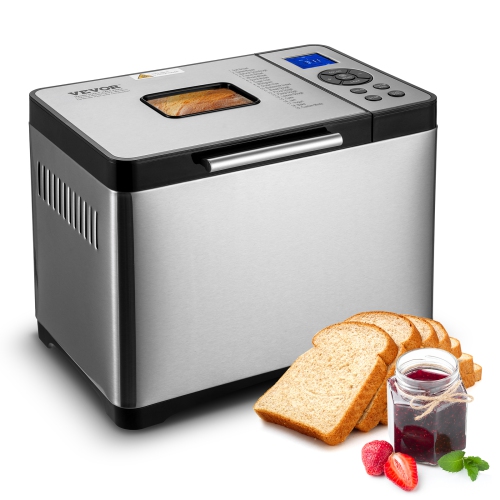
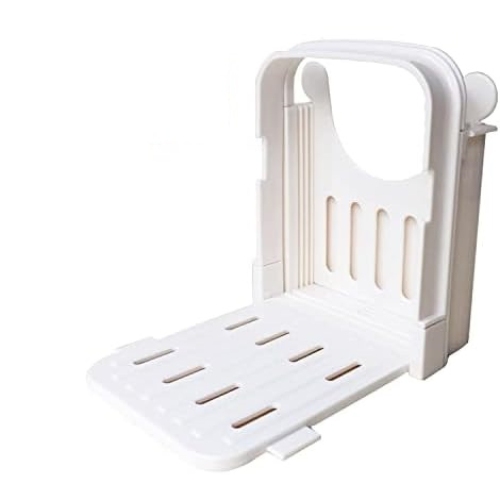

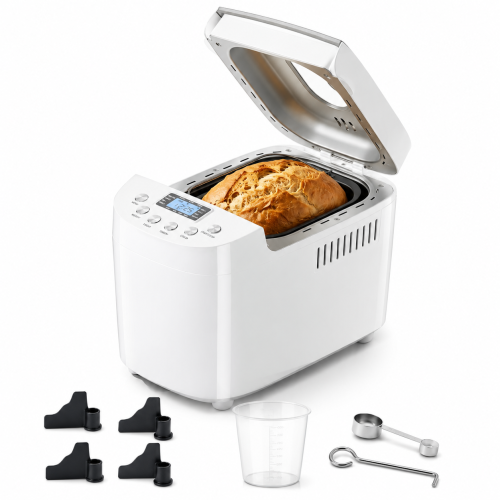
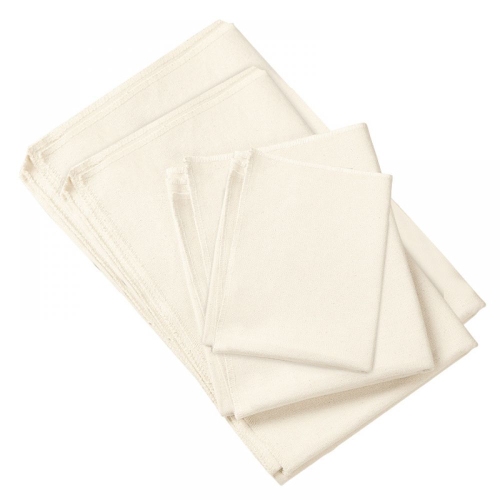
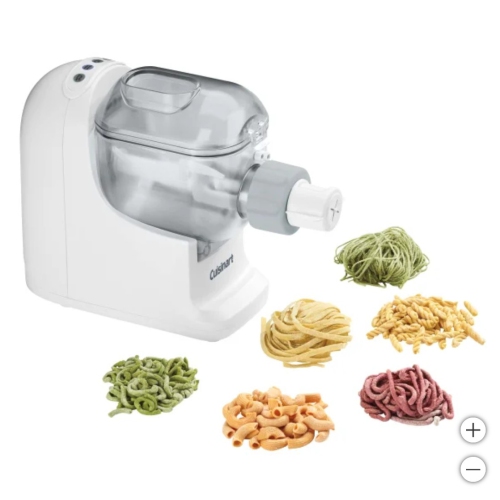
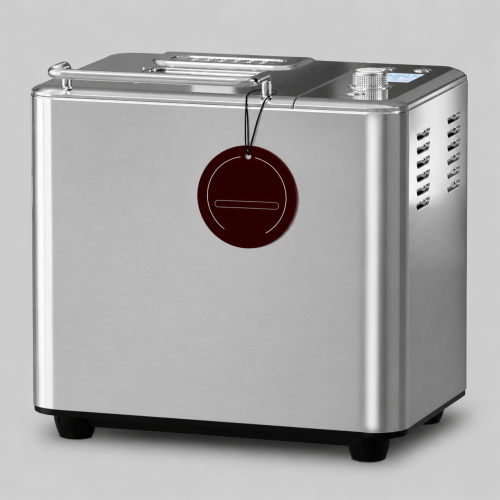
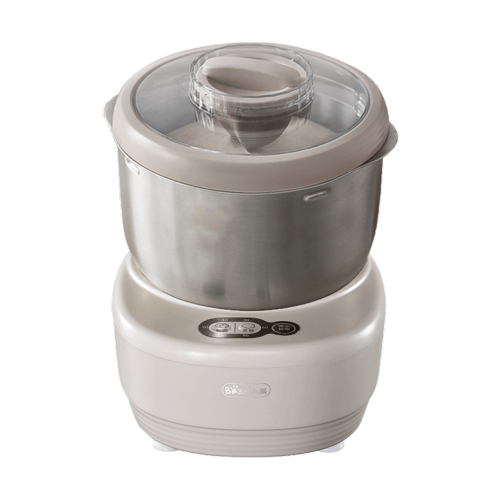
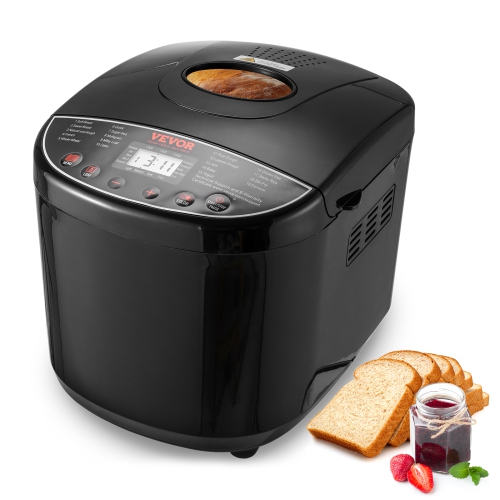

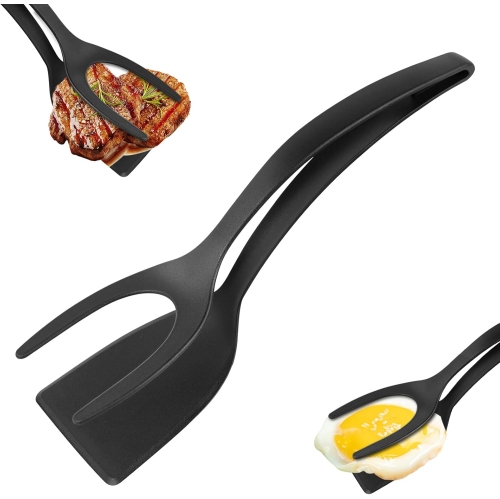
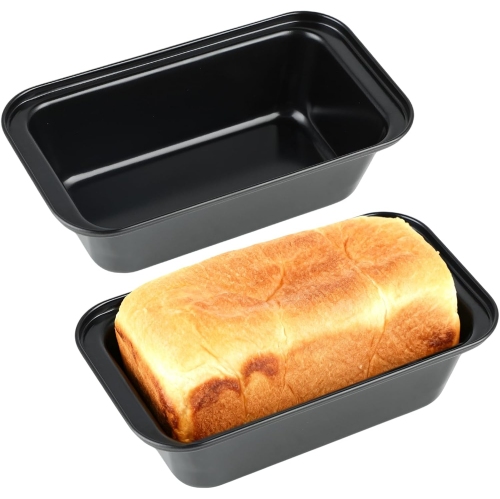
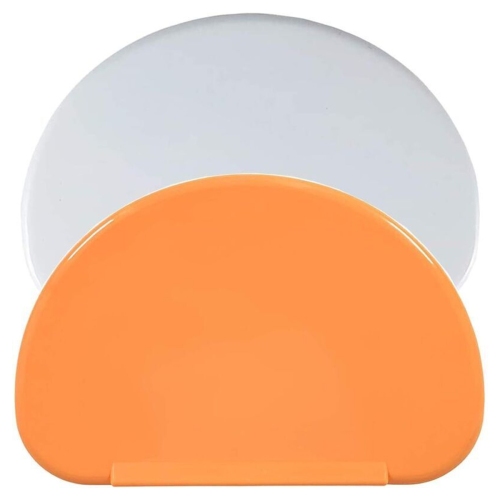
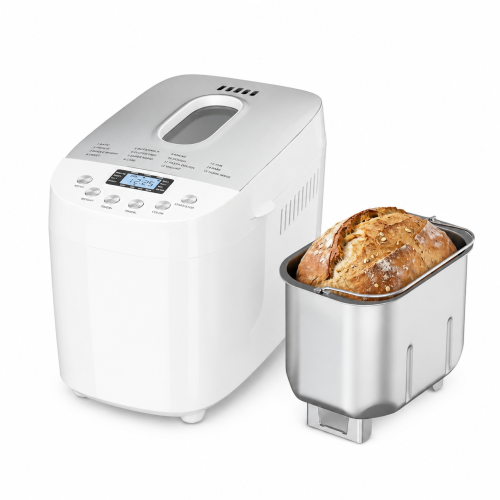
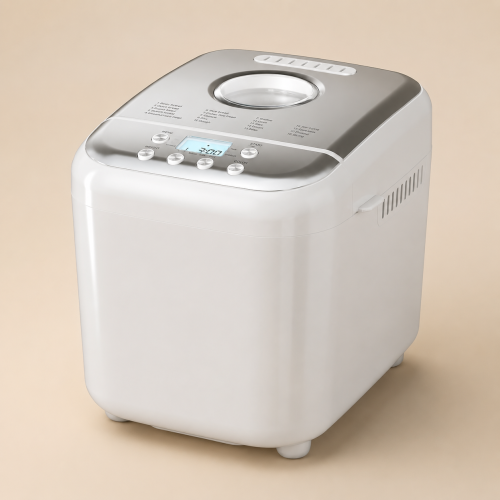
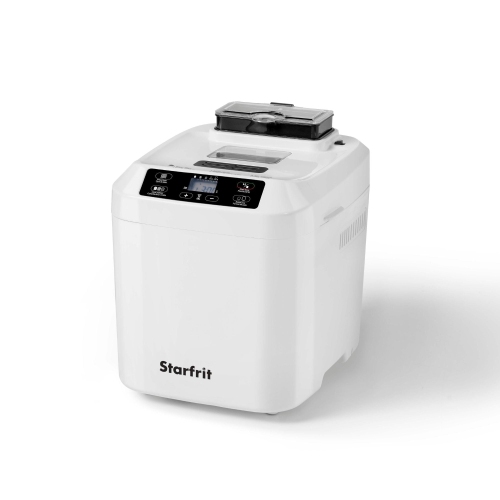
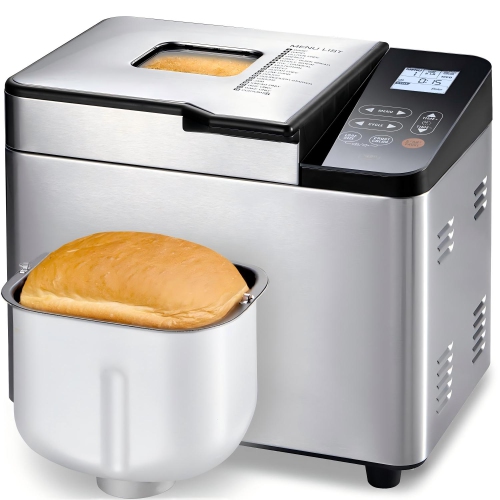

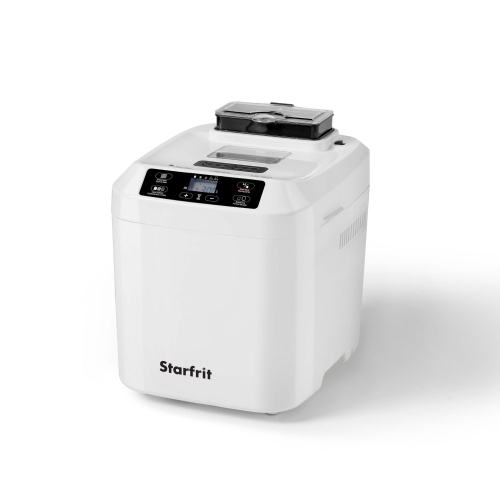
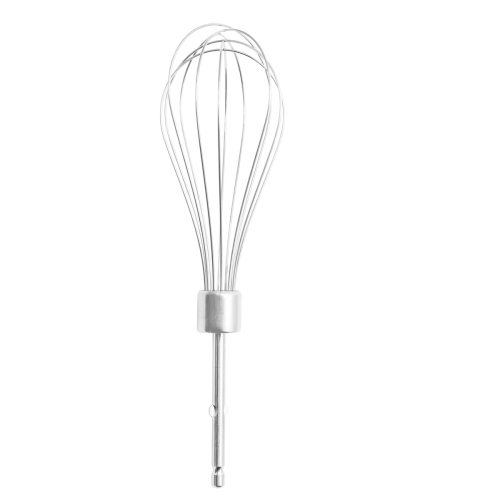
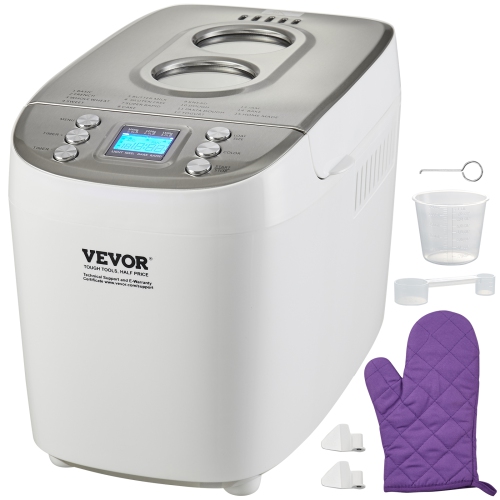

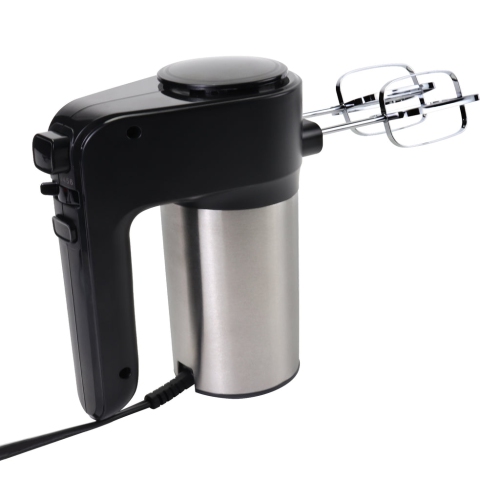
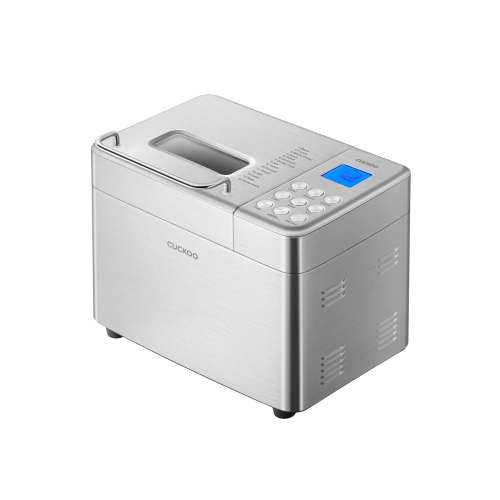
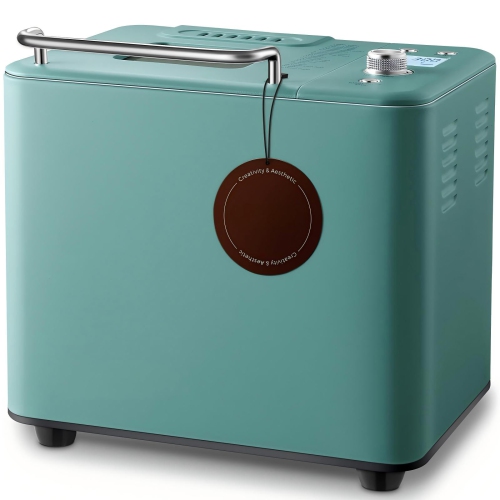
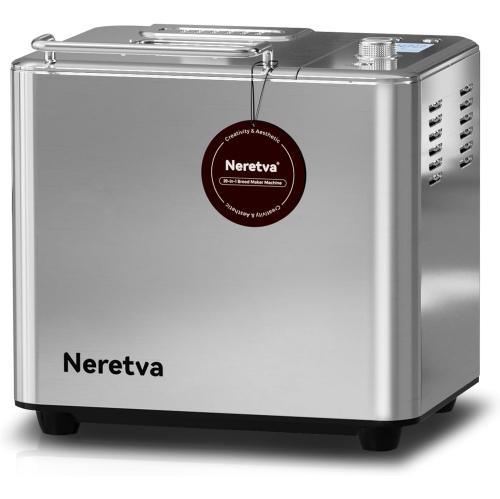
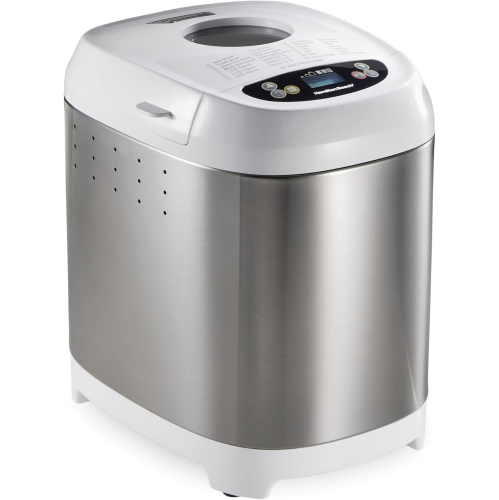
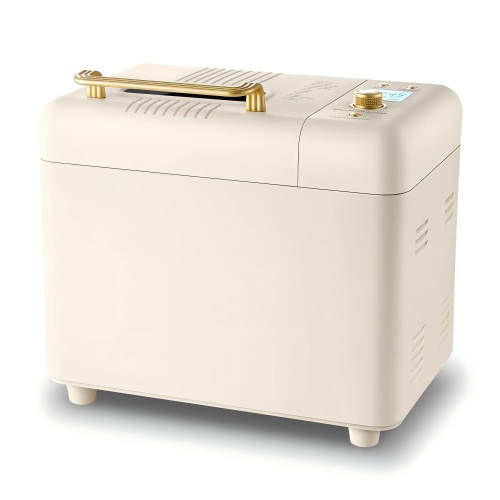
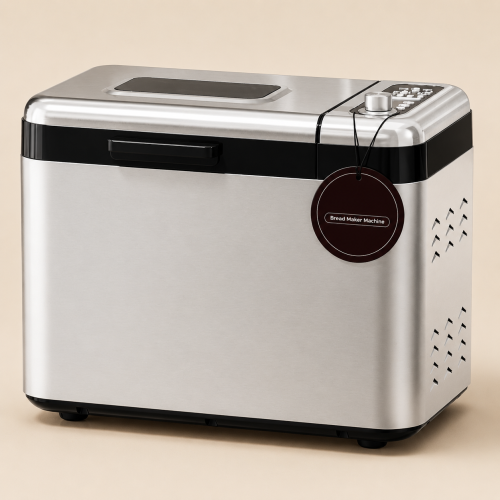
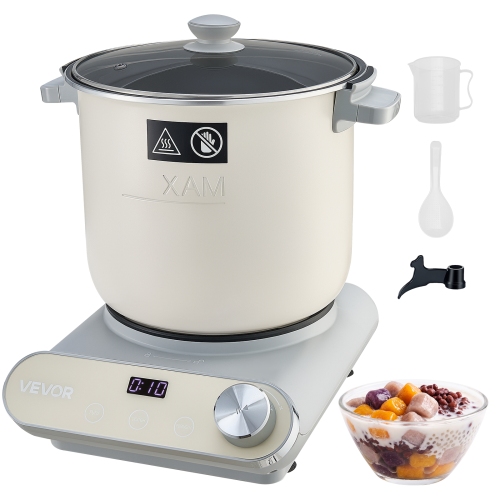
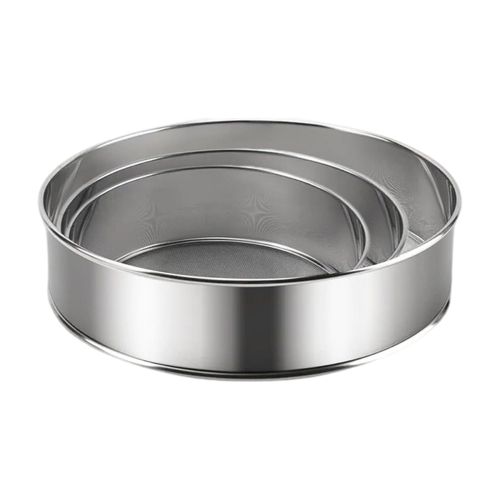

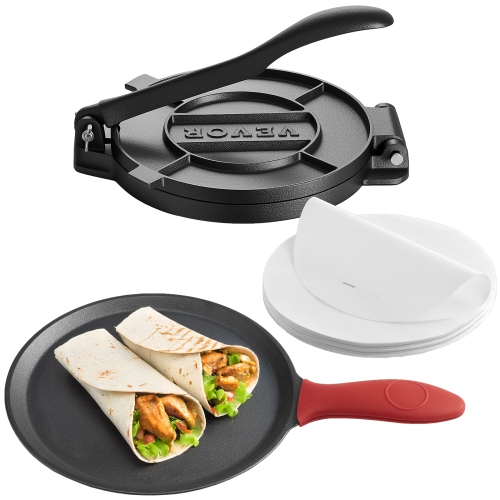
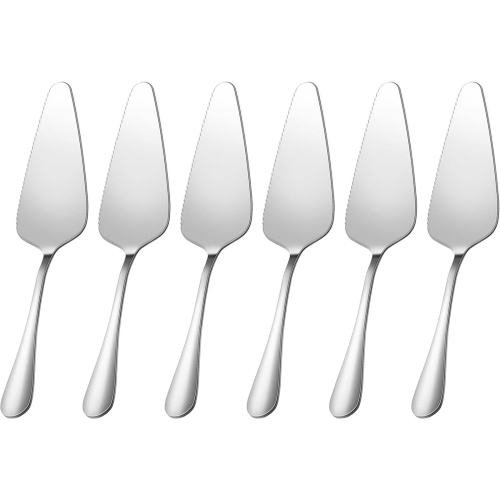
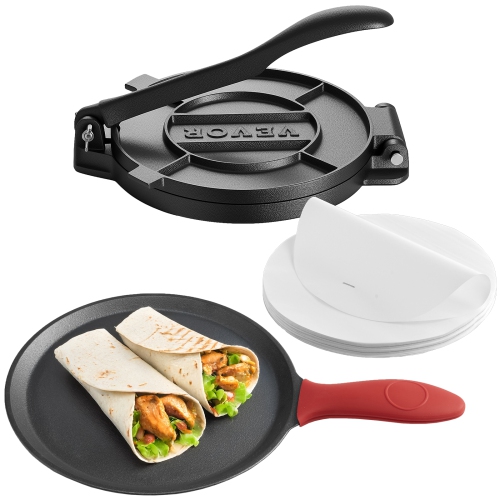
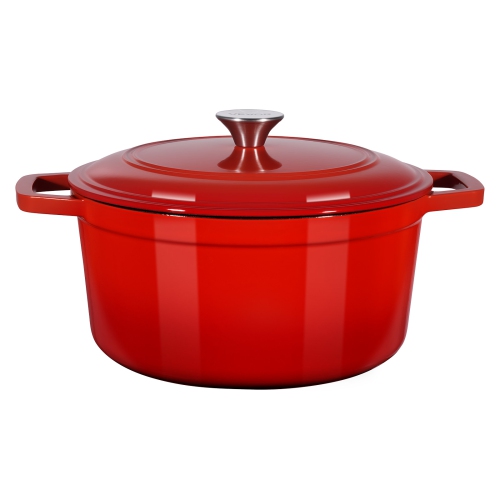
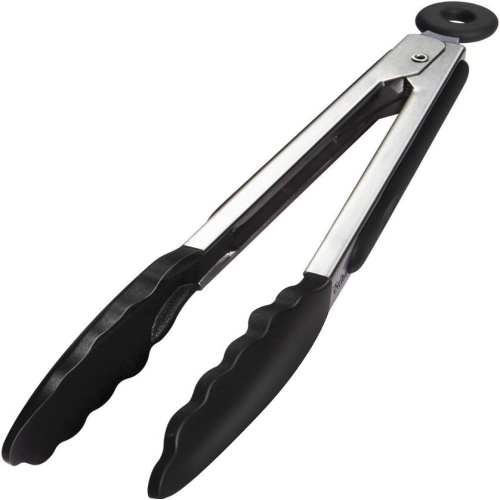
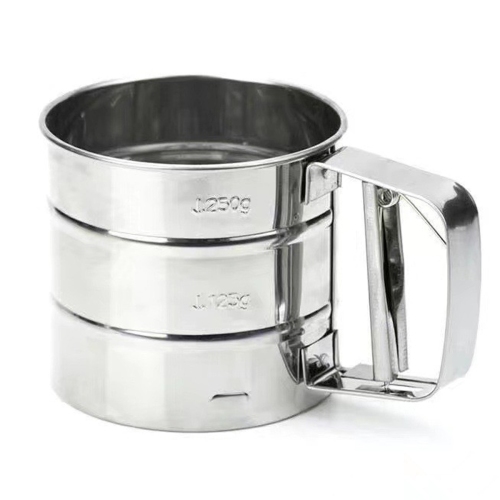
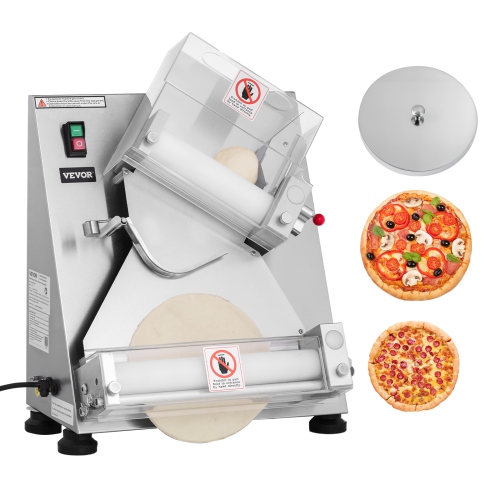
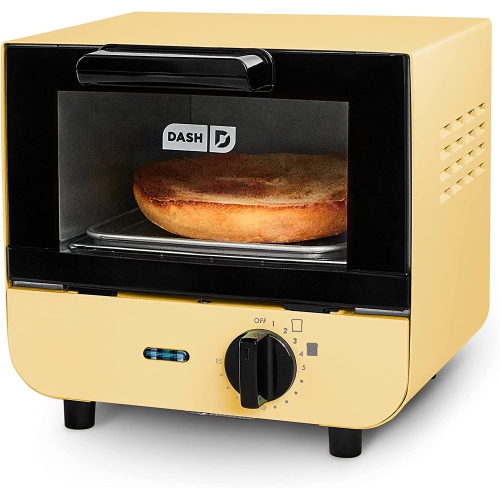

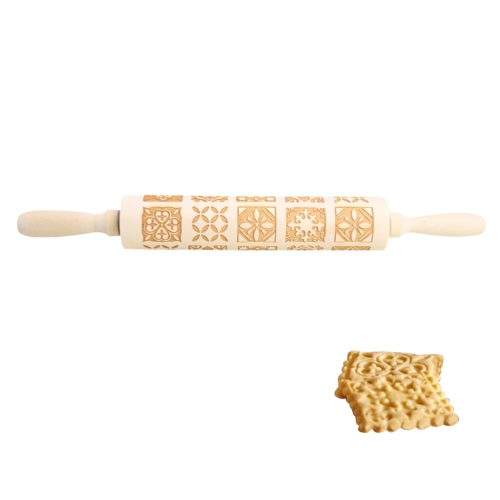
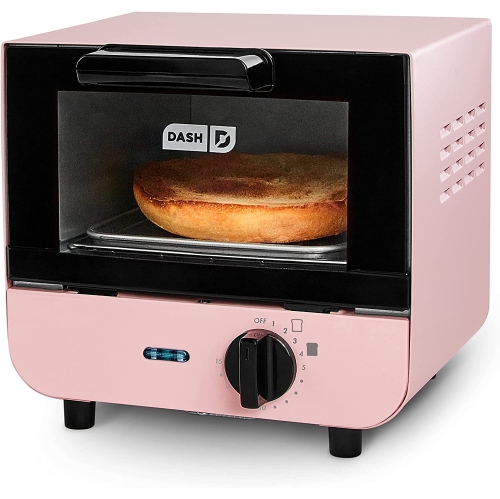

From weighing flour to slicing a finished loaf
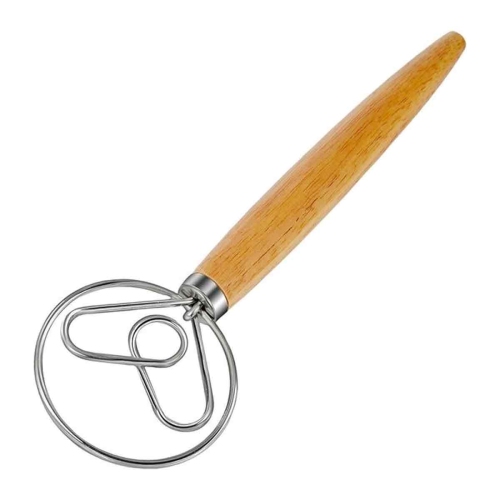
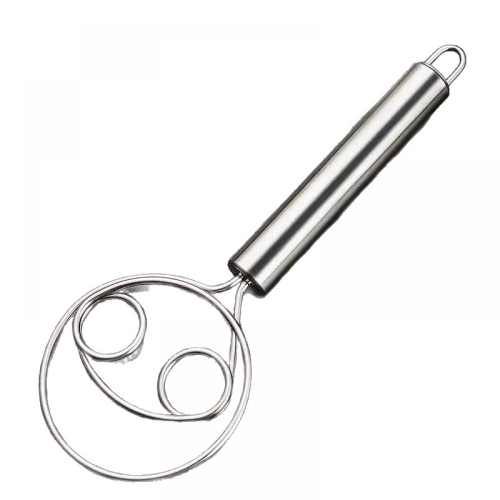
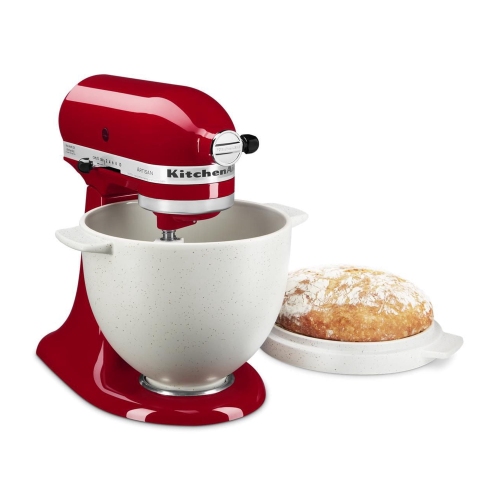
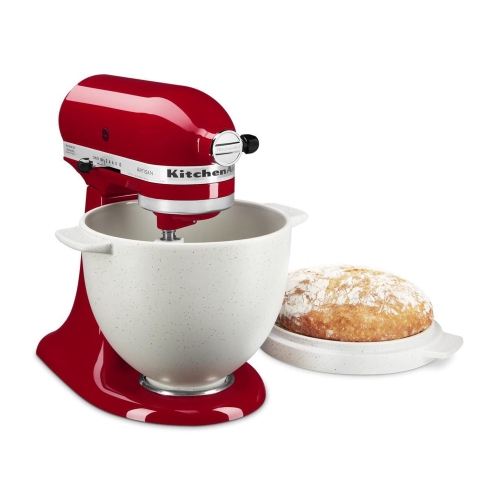
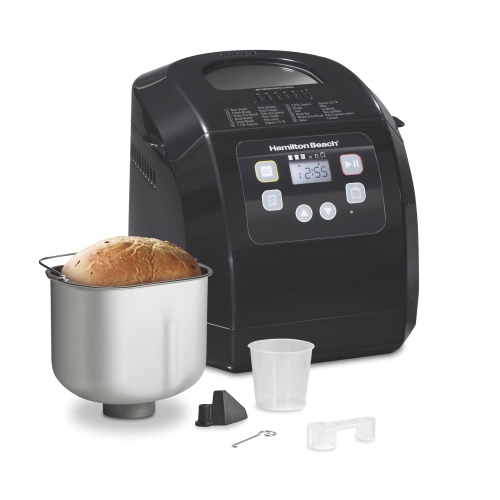
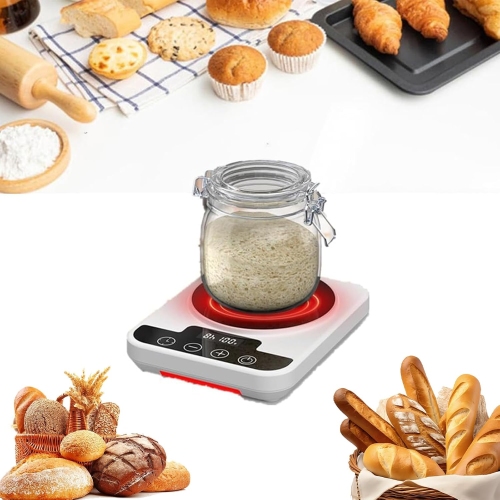
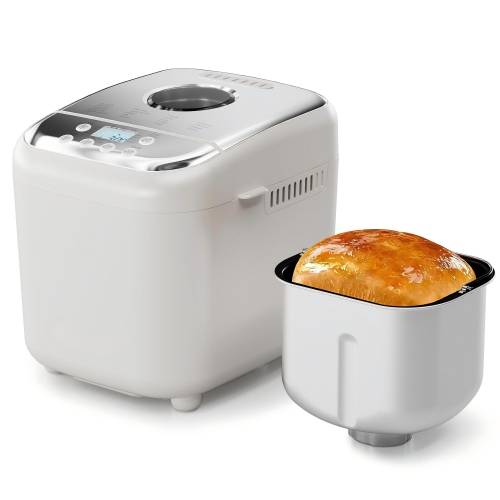
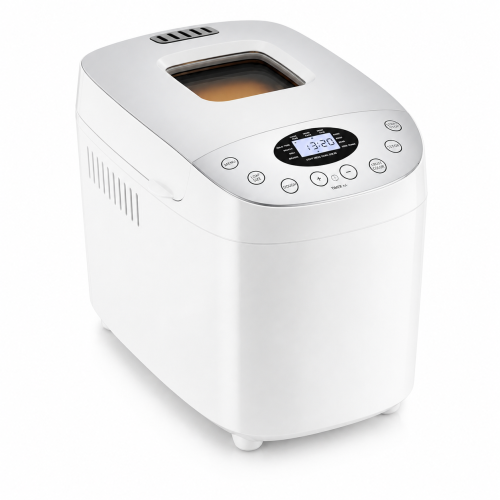
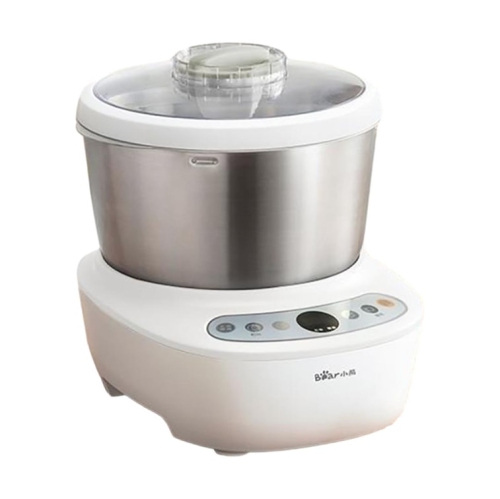
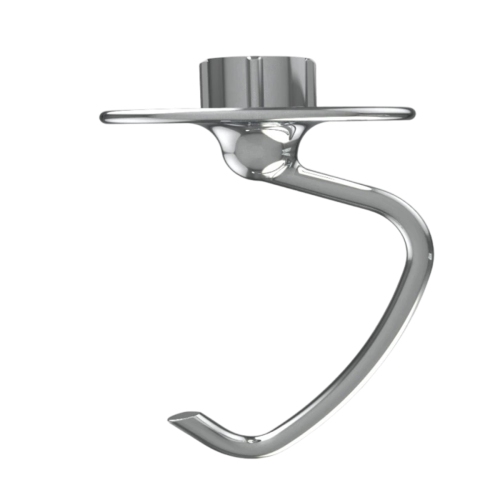
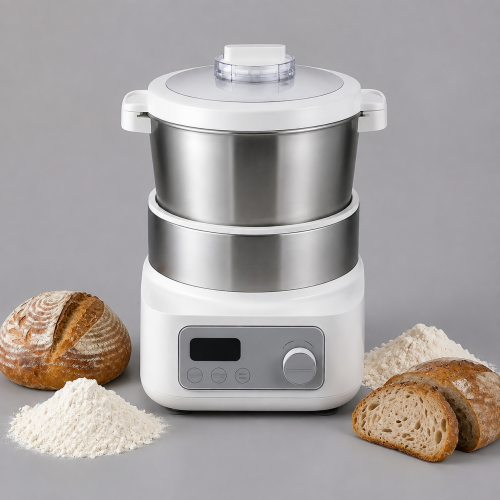
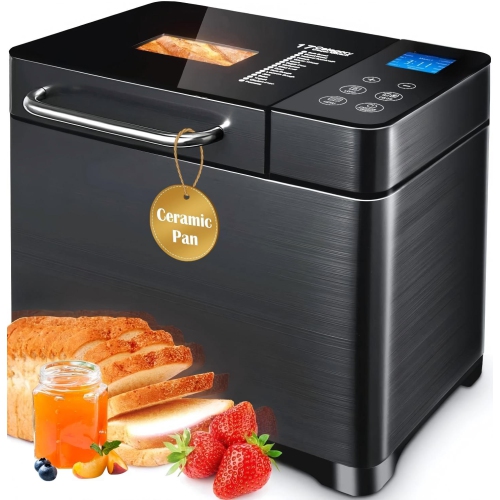
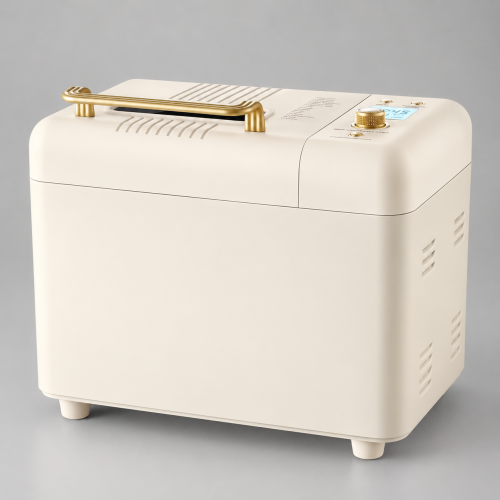
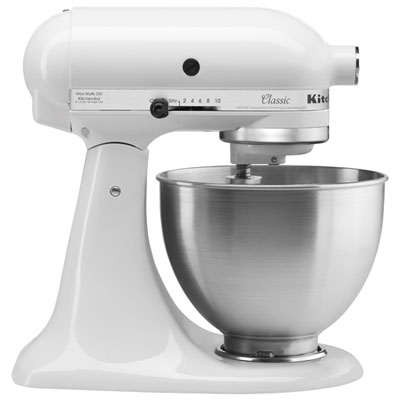
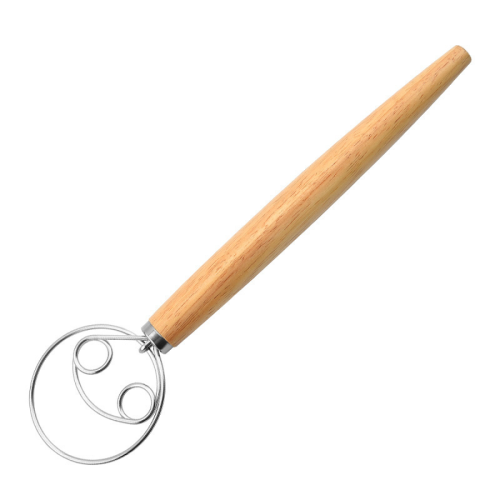
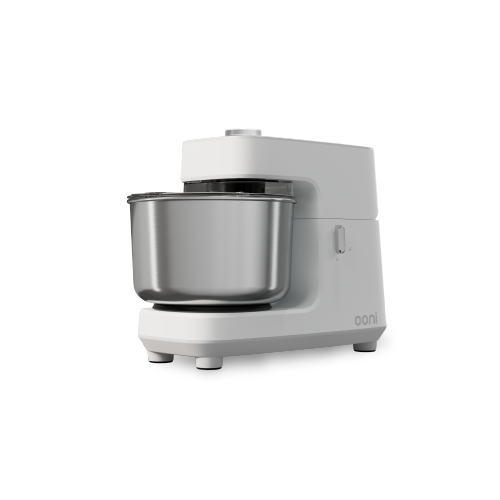
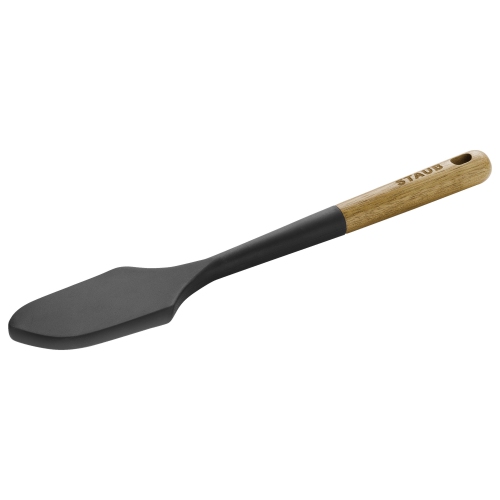
Bread making tools support the work that happens between a bowl of flour and a loaf ready to slice: weighing, mixing, dividing, shaping, proofing, and baking. The most useful assortment depends on the bread being made and how often baking fits into the household routine. Soft sandwich loaves, chewy pizza dough, dinner rolls, and crusty sourdough share many essentials, but place different demands on equipment. A digital kitchen scale measures ingredients by weight, helping bakers repeat a recipe without the variation that comes from loosely or tightly packed measuring cups. A clear display, gram measurements, a tare function, and enough capacity for both the bowl and its contents are practical features to consider. Measuring spoons remain useful for small quantities of salt and yeast, especially when those amounts fall below a scale’s reliable measuring range. Mixing bowls need room for stirring and rising dough, rather than just enough space to hold the initial ingredients. Stainless steel is durable and relatively light, while glass makes it easier to see changes in dough volume; either material benefits from a stable base and a comfortable rim. A Danish dough whisk, with its open wire loops, can bring flour and water together without trapping as much sticky dough as a conventional balloon whisk. Flexible bowl scrapers help gather dough from curved surfaces, while comfortable handles and smooth joins make utensils easier to hold and clean. For frequent batches or doughs that require substantial kneading, Dough Mixers for Bread Making offer another approach to preparation. Bread dough places a different load on a mixer than cake batter, so dough capacity, suitable attachments, manufacturer guidance, and stability matter alongside bowl size. A compact setup may suit an occasional baker making one loaf, while someone preparing several batches needs equipment matched to that workload and enough counter space to use it comfortably. Even small details, such as whether a bowl fits beneath a mixer head or sits securely on a scale, affect everyday convenience.
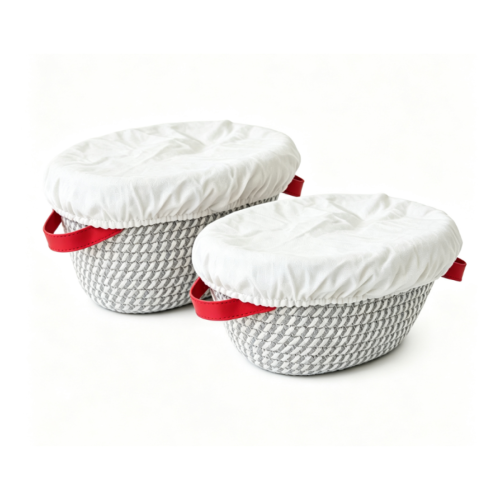
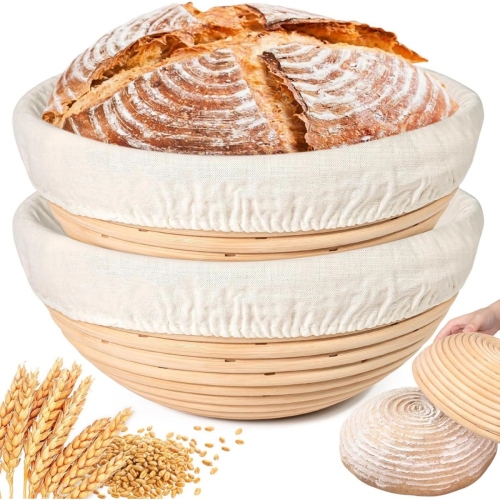
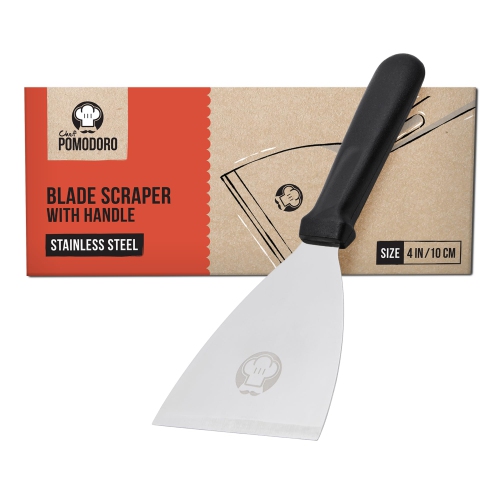
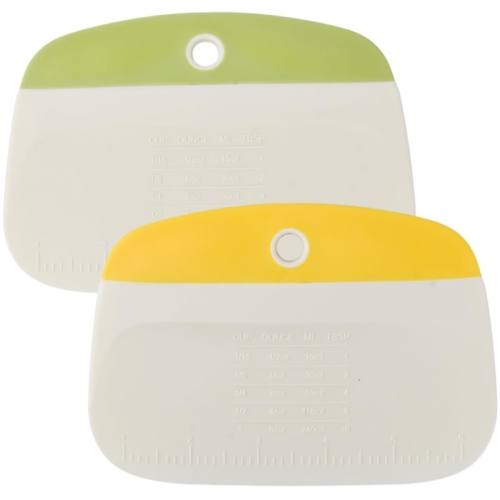
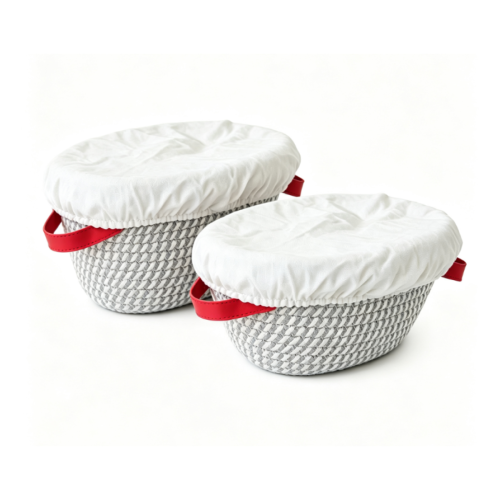
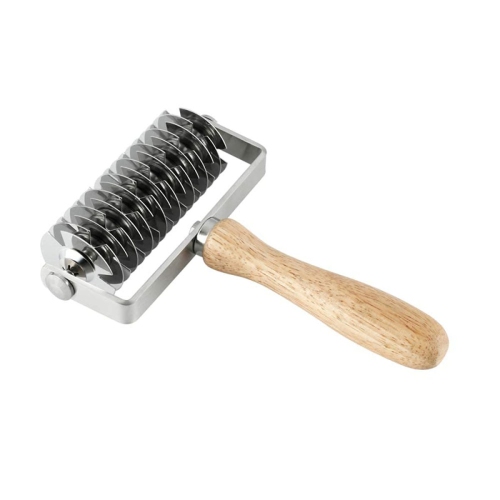
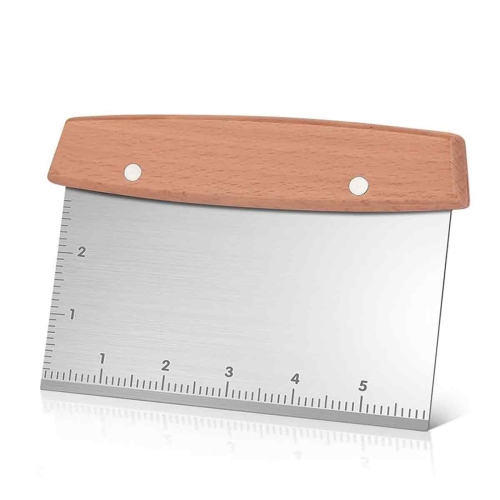
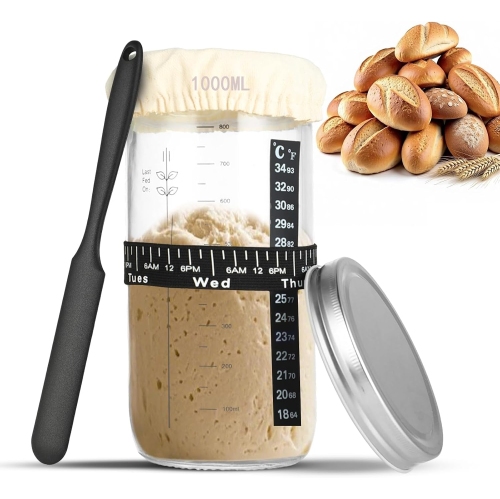
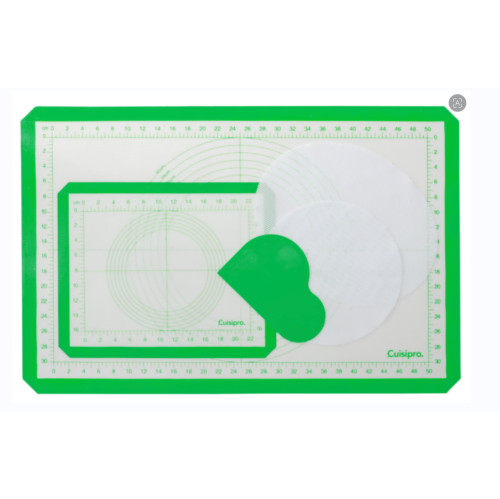
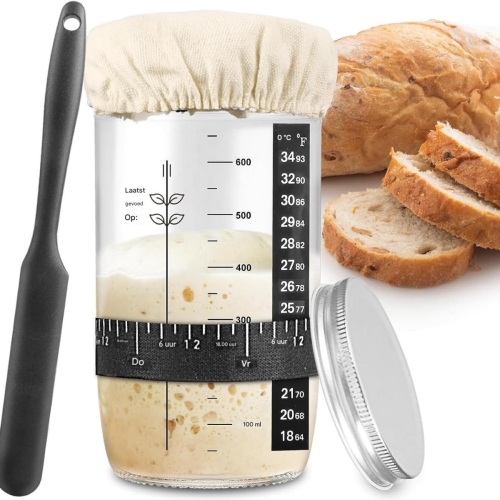
Shaping and proofing tools are especially useful when dough is too sticky to handle neatly or too soft to hold its form without support. A bench scraper has a broad edge for dividing dough, lifting it from the counter, and gathering flour from the work surface. Stainless steel versions offer rigidity for portioning and shaping, while plastic versions can be a better match for surfaces that are vulnerable to scratches. A flexible bowl scraper serves a different purpose: its curved edge follows the inside of a mixing bowl and helps release dough with less left behind. Handle comfort, blade width, and compatibility with the worktop are worth considering, particularly for bakers working with larger batches. Proofing baskets, also called bannetons, support shaped dough during its final rise. Round baskets suit round loaves, while oval baskets support longer shapes; their dimensions should also suit the baking vessel that will receive the dough. Rattan baskets can leave a distinctive spiral pattern, while fabric liners create a smoother surface. Materials differ in how they manage moisture and how they should be cleaned, so care requirements matter as much as appearance. Many natural-fibre baskets need loose flour brushed away and thorough drying rather than prolonged soaking. Straight-sided containers with clear volume markings are useful for observing dough expansion, especially when working with sourdough or comparing batches. Covers help limit surface drying during rest periods, and a secure fit keeps them practical around crowded counters. A bread lame holds a sharp blade for scoring shaped dough before baking. Those cuts create controlled weak points where the loaf can expand, helping direct its opening in the oven. A comfortable grip, secure blade attachment, and protective storage are important considerations for this particularly sharp tool. Together, these pieces suit bakers who enjoy handling dough directly, whether the goal is a neatly shaped everyday loaf or a more pronounced crust pattern.
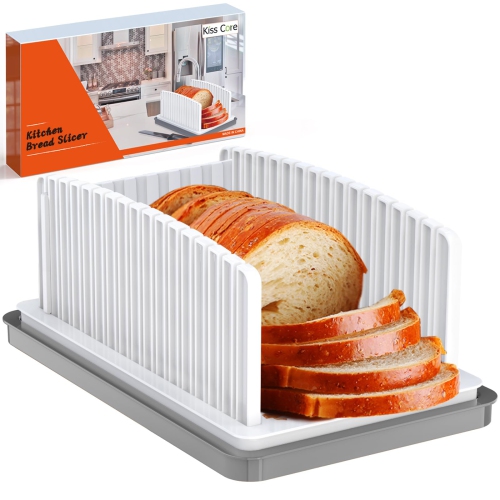
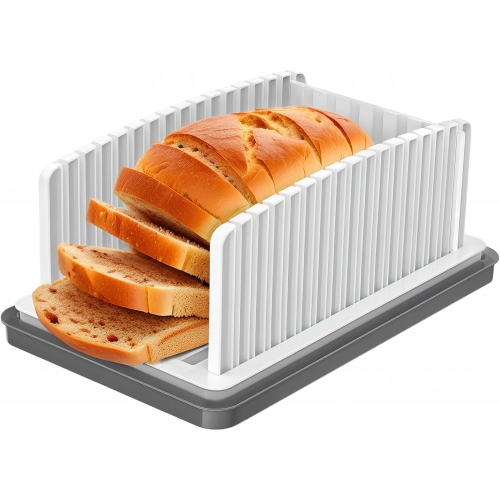
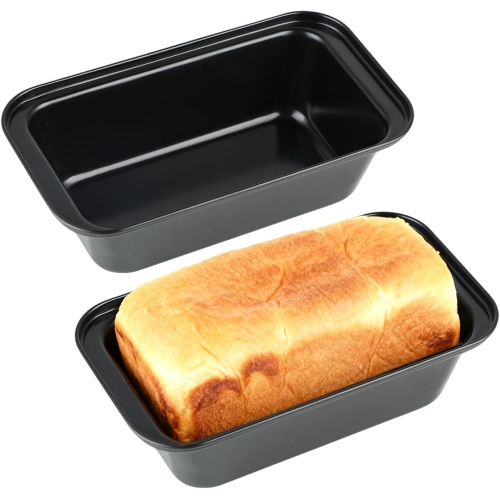
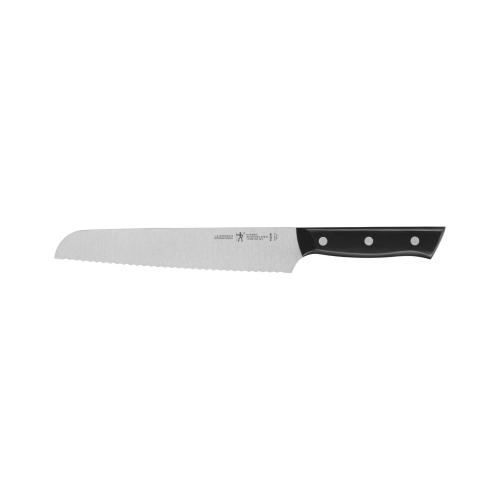
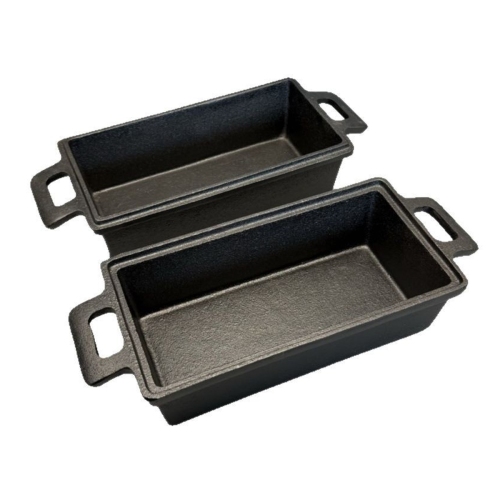
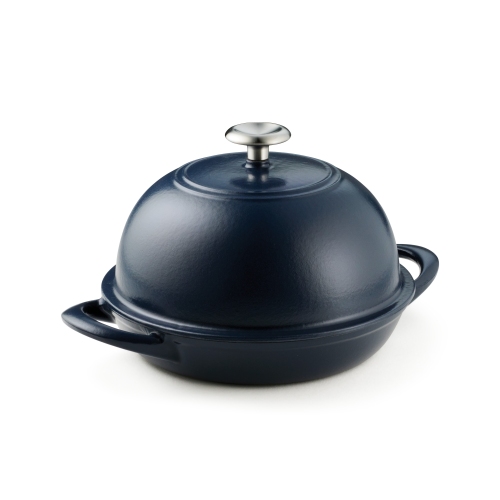
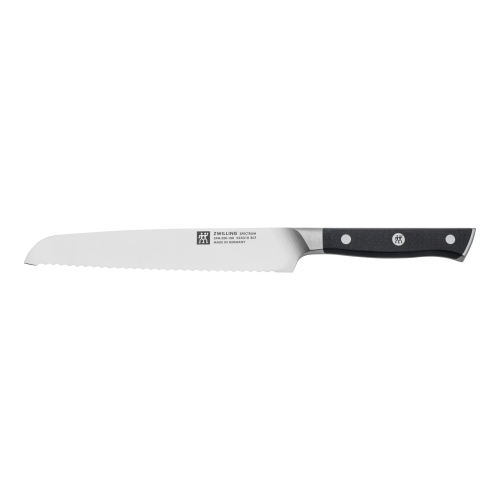
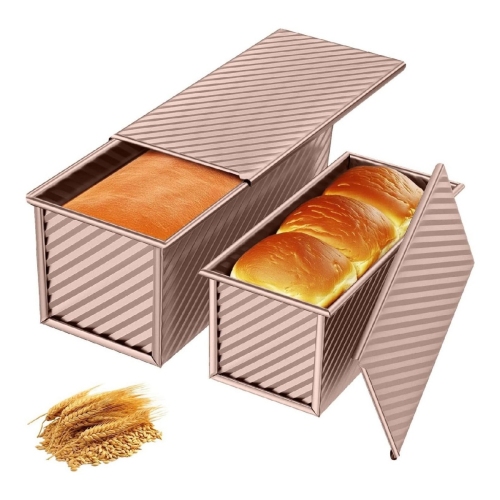
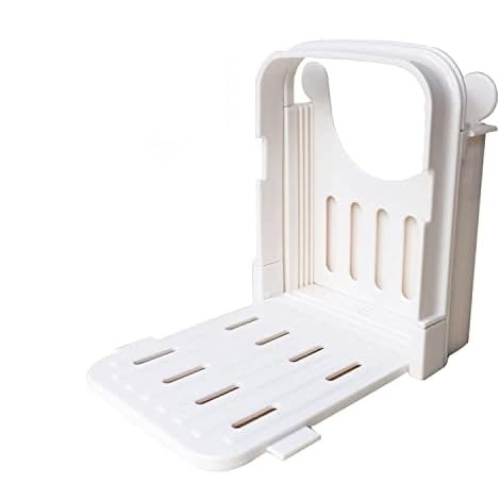
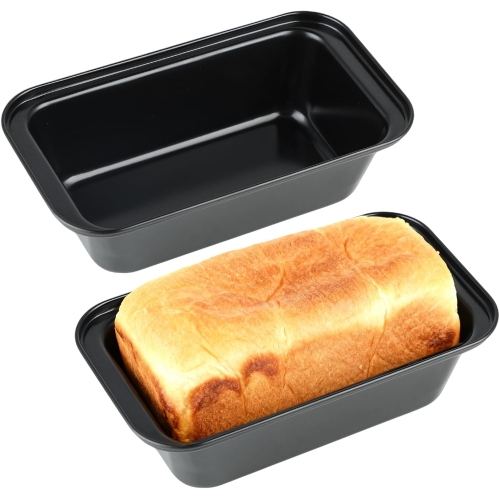
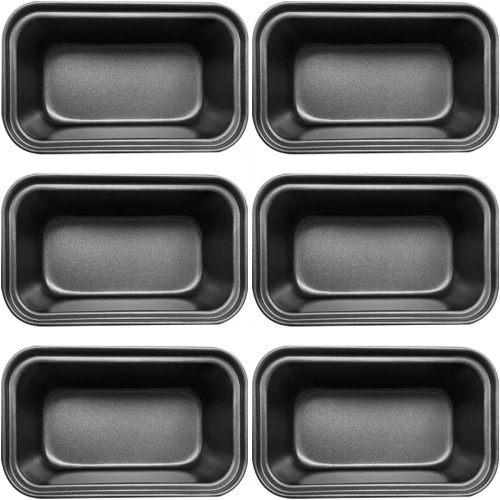
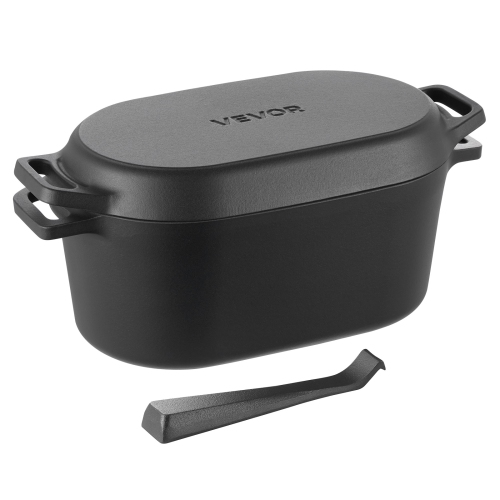
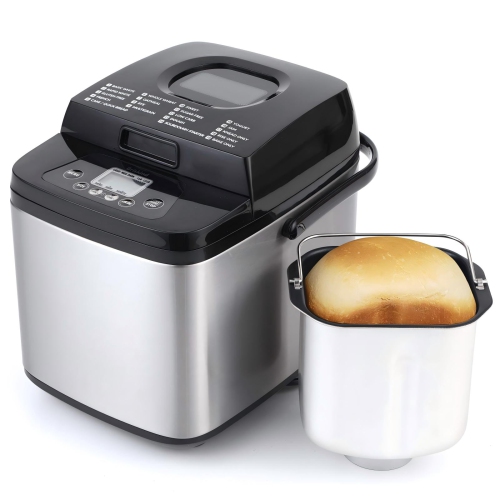
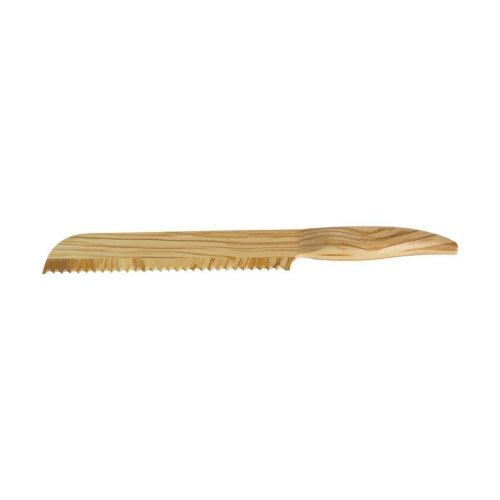
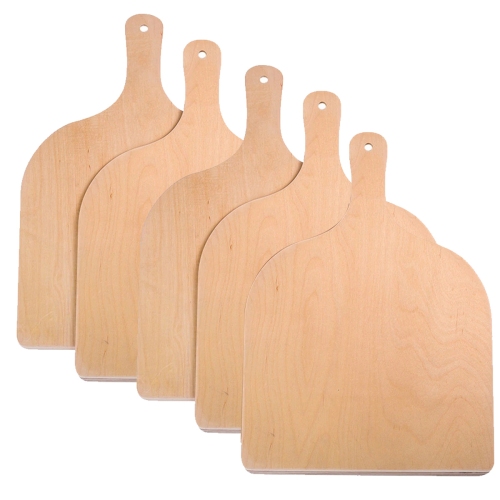
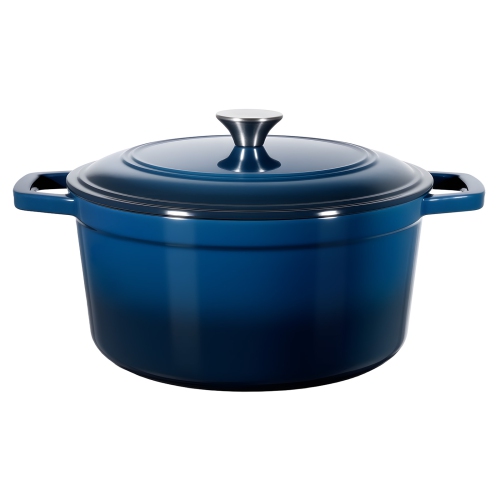
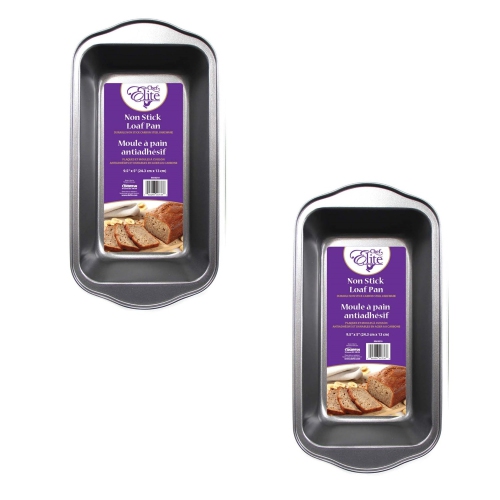
Baking equipment influences loaf shape, crust development, and how easily finished bread releases from its pan. A loaf pan supports sandwich bread and other doughs intended to rise into a consistent rectangular shape. Pan dimensions should match the recipe’s intended dough quantity, since an overly large or small pan can change the loaf’s proportions and baking performance. Metal pans generally transfer heat readily, while glass and ceramic behave differently and may call for adjustments according to the recipe and manufacturer’s directions. Non-stick surfaces can simplify release, but their care requirements often exclude abrasive cleaning tools or metal utensils. For free-form bread, a cast-iron Dutch oven or another suitable covered baking vessel holds steam released by the dough during the early part of baking, supporting expansion before the crust sets. Weight, handle clearance, lid fit, and oven compatibility all matter, including the heat rating of knobs and any liners used inside. Baking stones and steels provide a preheated surface for bread and pizza, but also require suitable oven space and safe handling. An instant-read food thermometer can help assess a loaf’s internal temperature, although the appropriate reading varies by bread style and recipe. Cooling racks allow air to circulate beneath a finished loaf, reducing trapped moisture around the base. Once bread has cooled, a long serrated bread knife cuts through a firm crust with less pressure on the soft crumb; a stable cutting board provides room for the loaf and the slicing motion. Storage needs vary with bread style, with bread boxes, bags, and freezer-safe containers serving different purposes. Careful cleaning, thorough drying, and protected blade storage help keep tools ready for repeated use. For someone setting up a first kitchen or developing a bread-baking hobby, a thoughtfully chosen gift might focus on a few complementary essentials rather than a large assortment. Tools that fit the recipient’s recipes, storage space, and preferred way of working are more likely to become part of a regular baking routine.
Top selling and popular products
-
 Your price for this item is $199.97
-
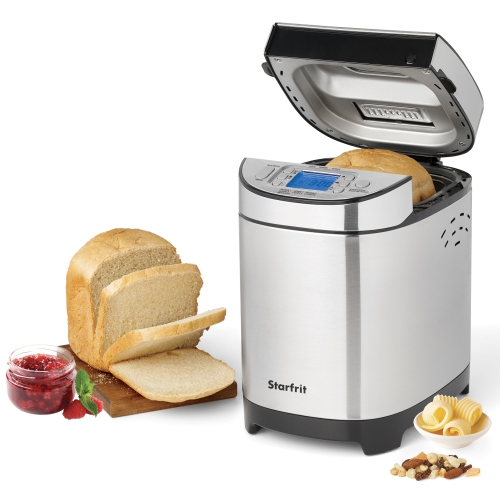 Your price for this item is $119.99
-
 Your price for this item is $399.99
-
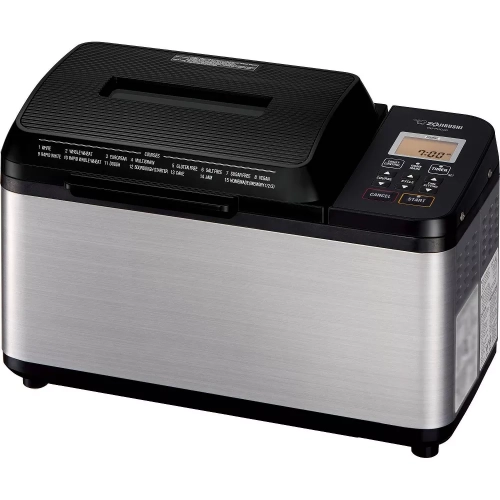 Your price for this item is $900
-
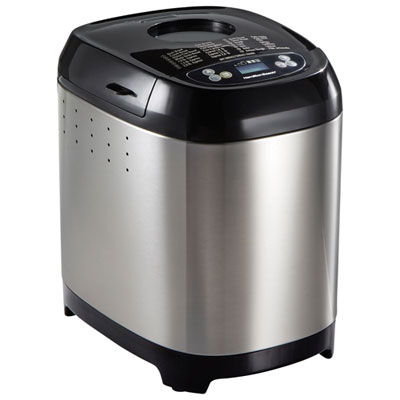 Your price for this item is $163.99
-
 Your price for this item is $143.31
-
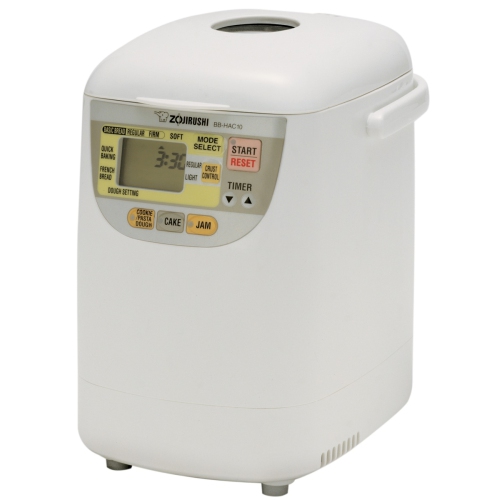 Your price for this item is $747.99
-
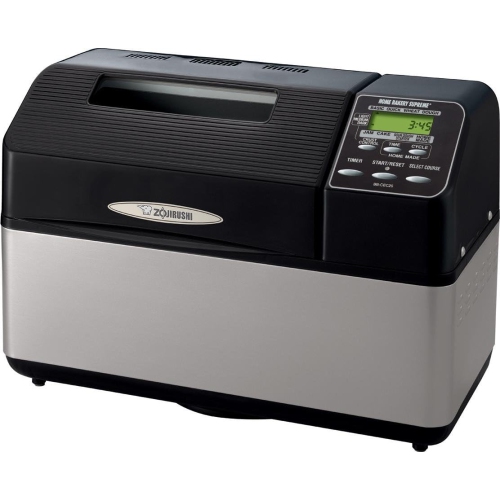 Your price for this item is $994.99
Discover more categories related to Bread Making Tools
Top Collections:
Best Black Friday Deals This Year, Best Black Friday Deals On Electronics, Kindle Devices, Pokemon Centers, Best Black Friday Deals On Apple Products, Best Cameras for Sports Photography, Dyson Airwrap, Pokémon 30th Celebration Cards, Apple iPhone 17 Pro, Canon G7X Cameras
Some products may be subject to Environmental Handling Fees
(EHF) depending on your province.
Learn more about EHFs.