Planter Boxes for Climbing Plants
Planter Boxes for Climbing Plants offer a stylish and practical solution for anyone looking to support and showcase vining greenery indoors or outdoors. These planter boxes are designed to provide the ideal foundation for climbing plants, helping you create beautiful vertical displays on patios, balconies, gardens, or even inside your home. Whether you’re growing flowering vines or lush foliage, Planter Boxes for Climbing Plants make it easy to elevate your plant collection and add natural charm to any space. Explore options that suit your style and gardening needs while giving your climbing plants the support they need to thrive.
Sort
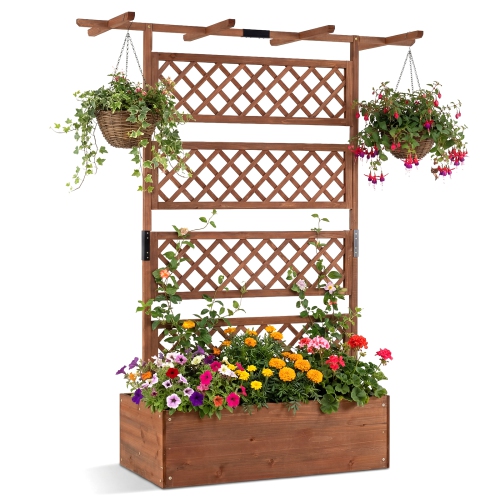
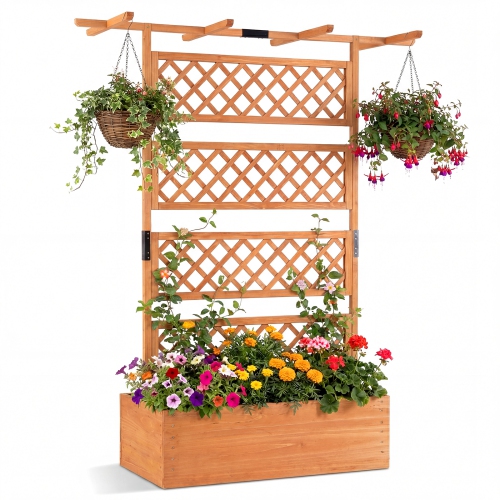
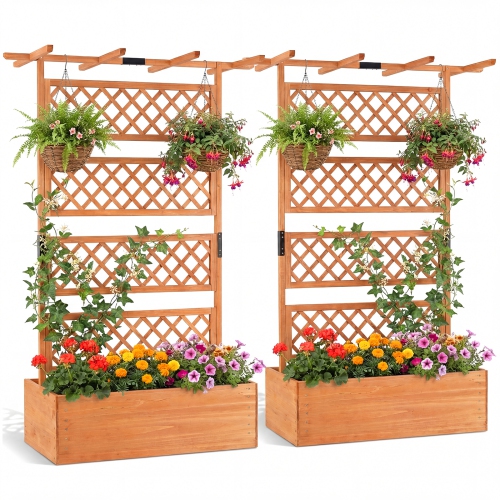
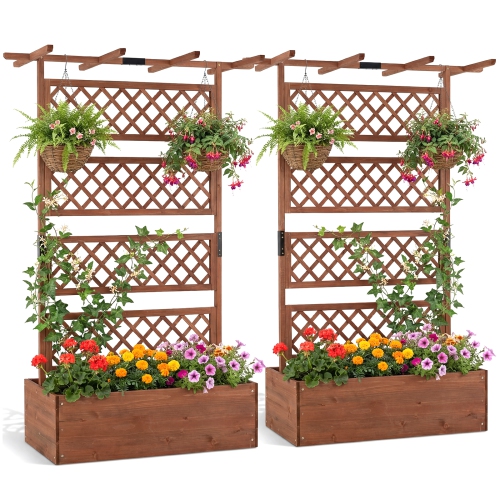
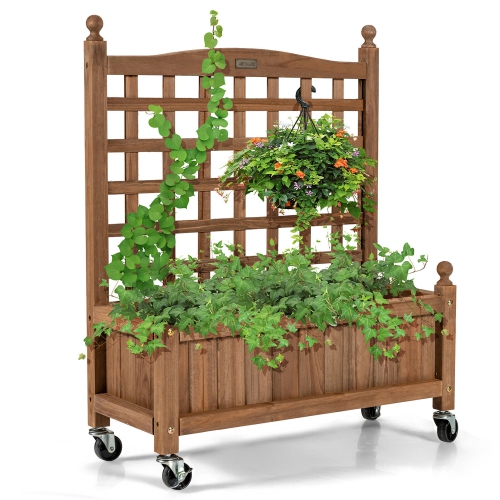
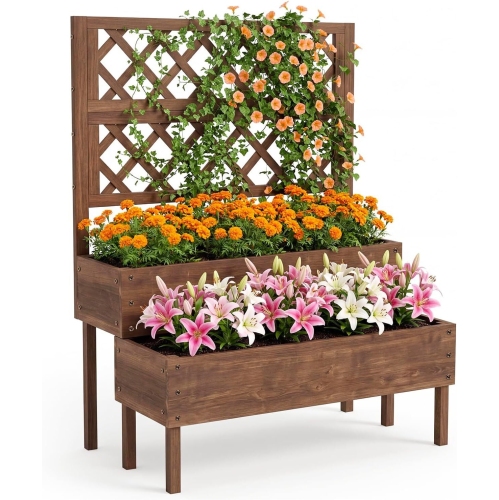
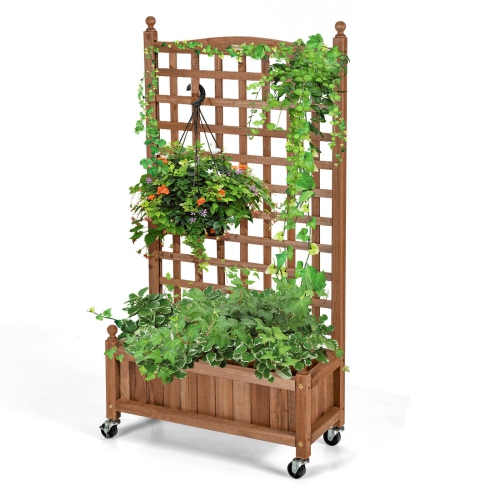
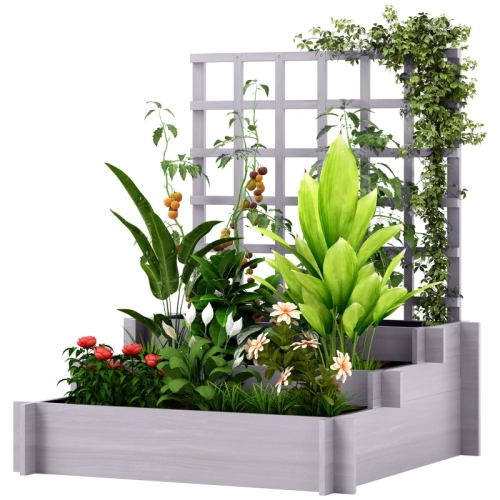
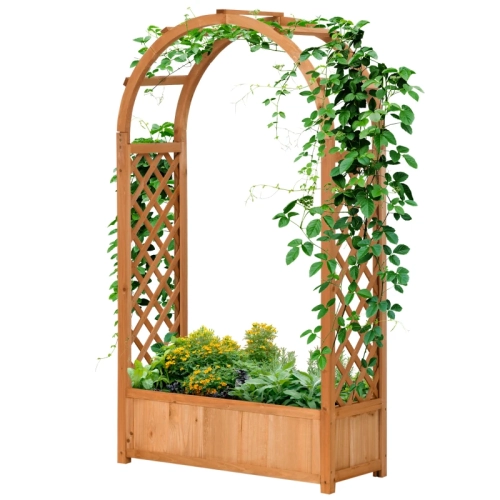
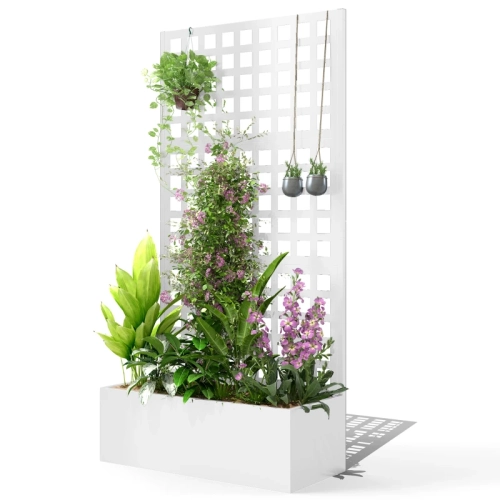
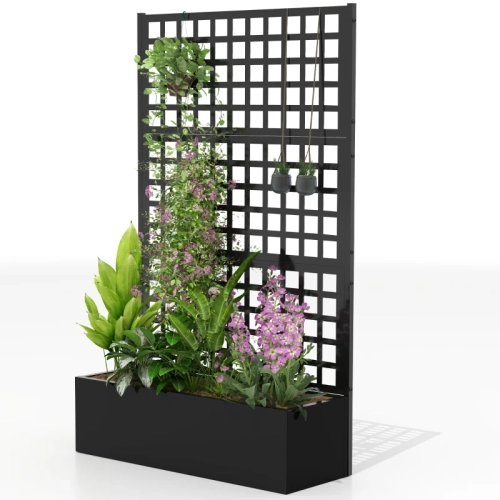
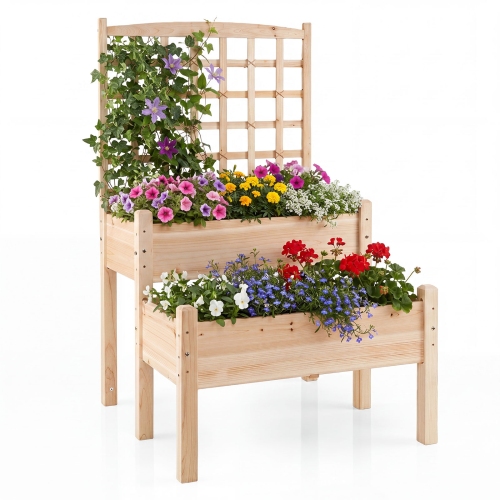
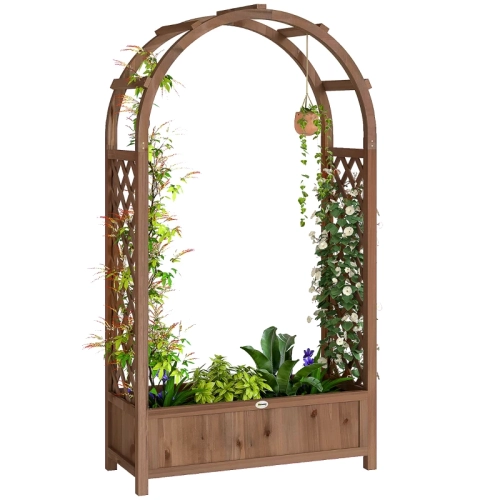
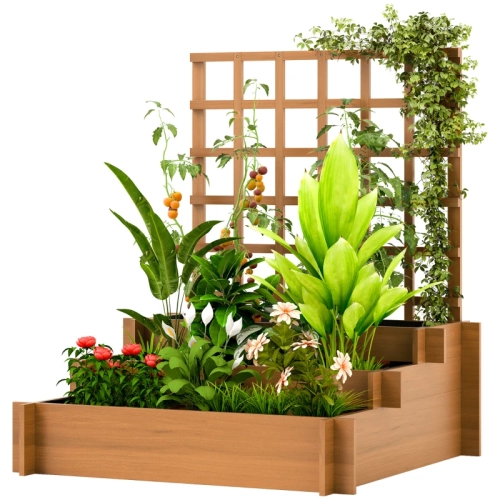
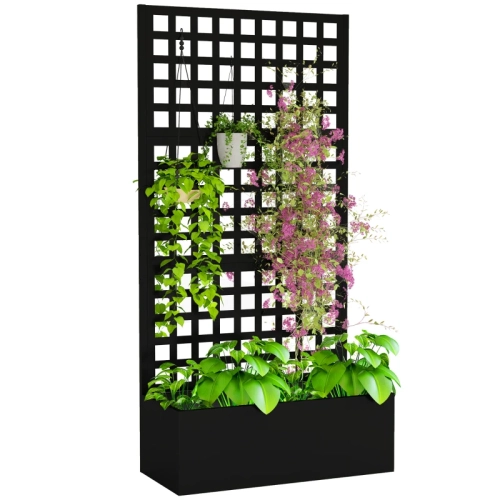
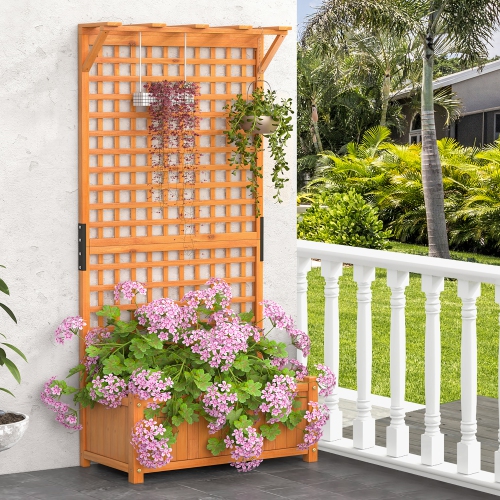

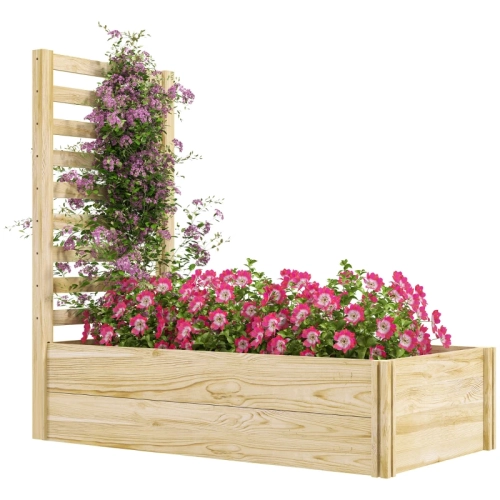
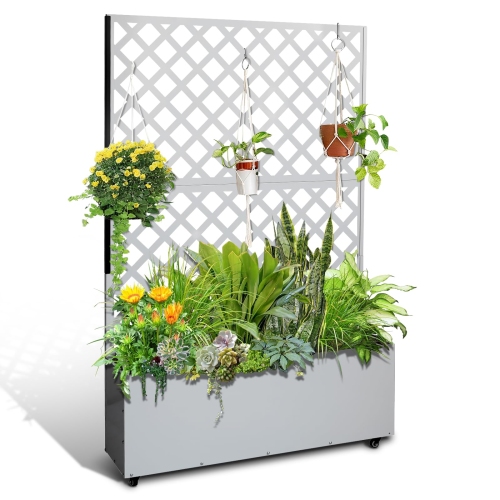
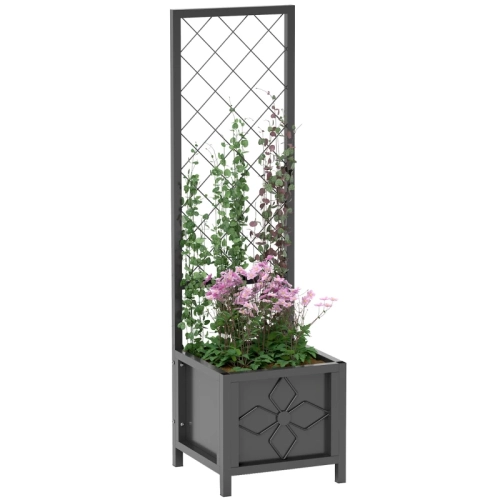
Upward growth starts with root space and sturdy support
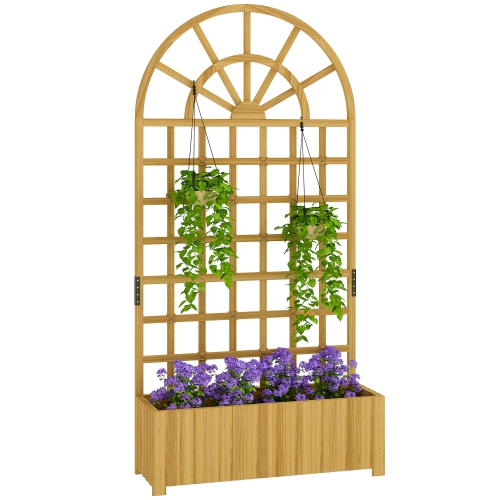
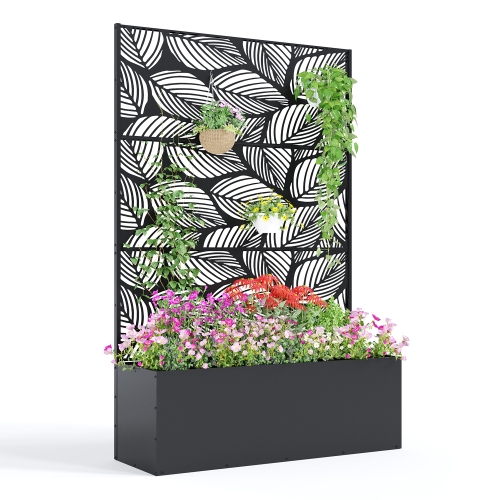
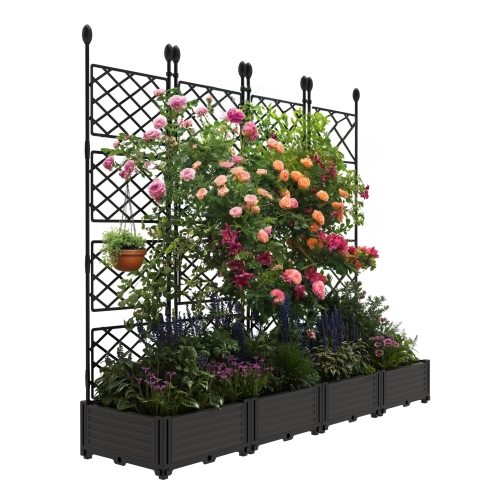
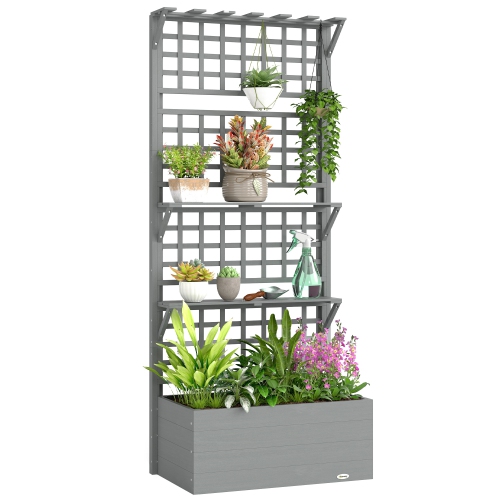
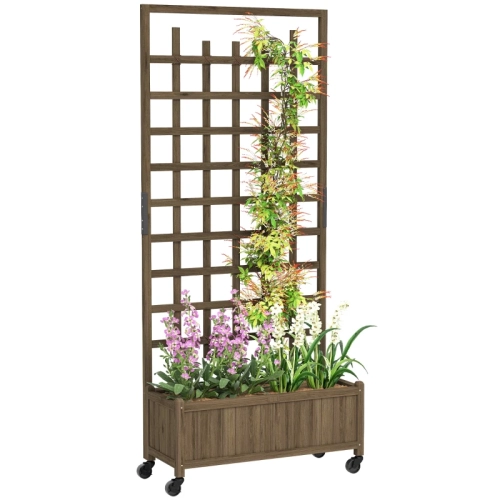
Planter boxes for climbing plants pair a growing container with an upright support, or provide space to add one, allowing vines to grow upwards rather than spread across a patio, balcony, or deck. An integrated trellis keeps the planting area and climbing surface together, making these designs useful where an in-ground garden is not practical. Flowers, vegetables, and foliage plants can all suit this arrangement, provided the container has enough root space and the support matches the plant’s growth habit. A box of climbing flowers beside a seating area adds colour at eye level, while a row of leafy vines can create a softer boundary between adjoining outdoor spaces. The result depends on more than the height of the trellis: the width of the planting bed, the spacing of its supports, and the mature size of the planting all influence how well the arrangement works. Peas and other plants with tendrils need slender points to grip, such as narrow lattice strips, wires, or mesh. Twining vines wrap their stems around suitable supports, while climbing roses generally need their canes secured with soft ties rather than being expected to attach themselves. Heavier plants also call for a sturdier frame than delicate flowering vines. A generous container can give roots more room to develop, but size alone does not make every planter suitable for every climber. Plant labels offer useful information about mature spread, light requirements, and expected growth, helping distinguish a compact choice from one likely to overwhelm a modest trellis. For a small balcony, a narrow box with a tall back panel can leave more usable floor space than several scattered pots. Beside a dining area, a wider planter can frame the seating without placing foliage directly in the path of chairs. These practical differences make planter boxes with trellises as much about fitting a space as displaying plants.
Materials affect a climbing planter’s appearance, weight, upkeep, and long-term durability. Wood brings visible grain and a substantial feel that works well alongside deck boards, fencing, and garden furniture. Cedar, fir, and pine are used in garden planters, although their construction, finish, and care requirements vary. Wood can absorb moisture, and joints, cut edges, and surfaces in contact with damp soil deserve particular attention. A compatible liner may help separate soil from the sides, but it should never obstruct the drainage path or leave water trapped against the timber. For edible plants, any liner, coating, or wood treatment should be suitable for the intended growing use according to its manufacturer. Metal offers a different look, from slim frames to more substantial planting beds, with durability influenced by the metal type, protective finish, and quality of the fasteners. Scratches and exposed edges may need attention to help limit corrosion. Resin and other plastic containers can be easier to move when empty, though their wall thickness, rigidity, and assembly quality matter once they are filled. Regardless of material, a planter that feels light before planting can become considerably heavier with potting mix, water, roots, and a mature vine. The connection between the box and trellis is therefore just as important as the appearance of either part. Secure joints and supports that do not flex excessively help the structure carry growing stems without leaning. Raised legs can make the planting area easier to reach and simplify cleaning underneath, while a lower box may offer a deeper bed within the same overall height. Built-in shelves or overhead bars add further considerations: their intended purpose and stated load limits matter more than their decorative appearance. Within the broader category of Planter Boxes, designs intended for climbing plants need particular attention to the relationship between root space, trellis strength, and the footprint available.
Drainage and access are central to everyday use. A solid-bottom planter needs clear drainage openings so excess water can escape, while an open-bottom design is generally intended to sit over suitable ground rather than directly on a balcony or finished floor. A liner does not replace drainage, and a tray underneath needs regular checking so the base does not remain submerged. Container potting mix is generally better suited to a planter than dense garden soil because it supports drainage and air movement around roots. Enough soil depth is important, but so is leaving room for watering without mix washing over the edge. When several plants share one box, compatible light and watering needs make care more manageable; a vigorous climber can otherwise crowd a slower-growing companion. Access to the back of the trellis also matters for tying stems, removing tangled growth, and inspecting connections. A planter pushed tightly against a wall may be harder to maintain than one with a little working clearance. On balconies and raised decks, the combined load of the container and its contents must suit the structure, and any anchoring should follow the planter manufacturer’s directions and applicable building or property rules. A trellis is a plant support, not a safety barrier or substitute for a railing. Placement should also leave doors, walkways, and drainage outlets unobstructed. For households with children or pets, plant selection deserves the same care as the container itself, including checking for toxic foliage, irritating sap, or thorns within reach. Ongoing care includes keeping drainage holes clear, inspecting ties before they constrict stems, and checking hardware as the planting grows. A well-matched box and support can make a compact growing area feel more considered and inviting, whether the aim is fresh climbing vegetables near the kitchen, flowering vines beside a chair, or foliage that brings height to a paved courtyard. The most useful combination balances the plant’s mature needs with comfortable access and a scale that belongs in the space.
Top selling and popular products
-
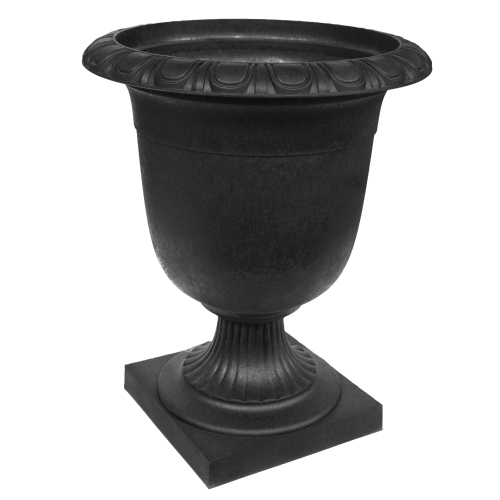 Your price for this item is $204.99
-
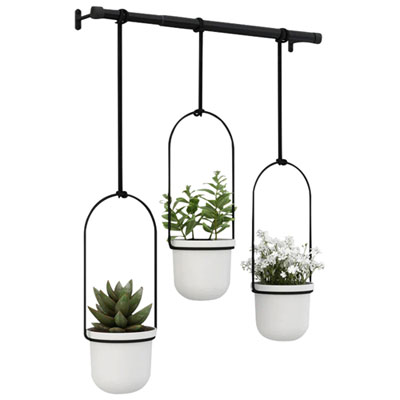 Your price for this item is $65.98
-
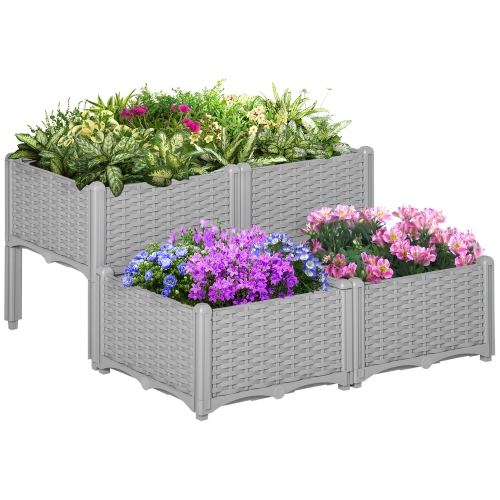 Your price for this item is $94.99
-
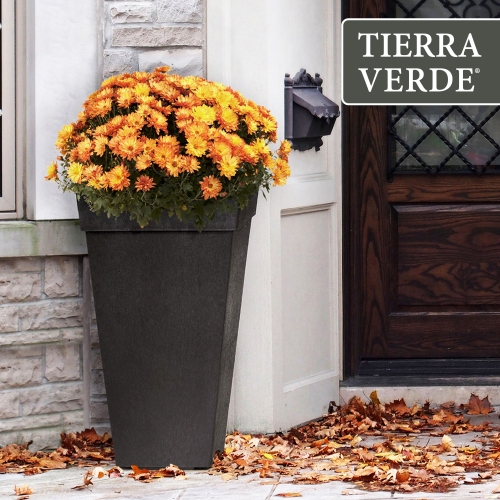 Your price for this item is $187.99
-
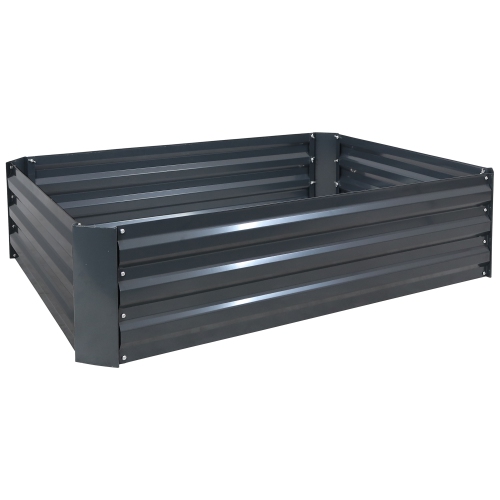 Your price for this item is $117.75
-
 Your price for this item is $117.75
-
 Your price for this item is $415.35
-
 Your price for this item is $134.25
Discover more categories related to Planter Boxes for Climbing Plants

Top Collections:
Best Black Friday Deals This Year, Best Black Friday Deals On Electronics, Kindle Devices, Pokemon Centers, Best Black Friday Deals On Apple Products, Best Cameras for Sports Photography, Dyson Airwrap, Pokémon 30th Celebration Cards, Apple iPhone 17 Pro, Canon G7X Cameras
Some products may be subject to Environmental Handling Fees
(EHF) depending on your province.
Learn more about EHFs.