Planter Boxes for Tomatoes
Planter boxes for tomatoes offer a convenient and versatile way to grow fresh, delicious tomatoes at home. Whether you’re working with a small balcony, patio, or spacious backyard, these planter boxes provide the ideal solution for cultivating healthy tomato plants in any setting. Designed to support growth and maximize your harvest, planter boxes for tomatoes help you enjoy gardening success regardless of your available space. Explore a variety of options to find the perfect fit for your tomato-growing needs.
Sort


What to consider when growing tomatoes in containers
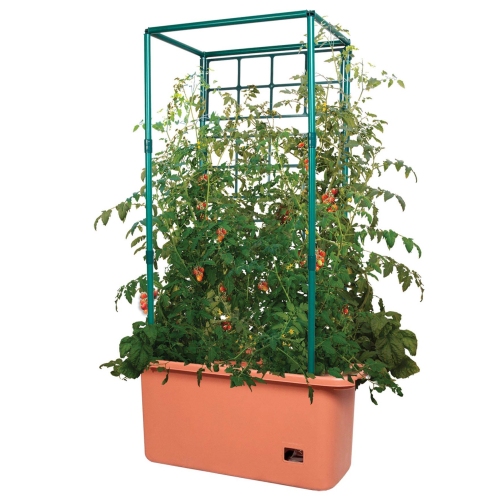
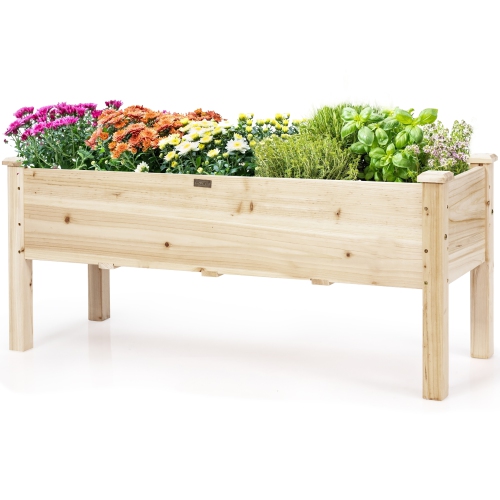
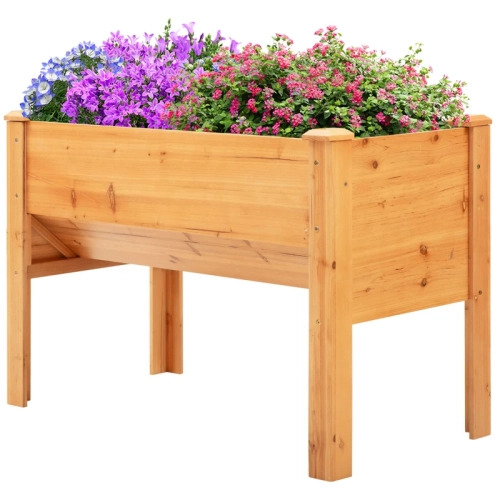
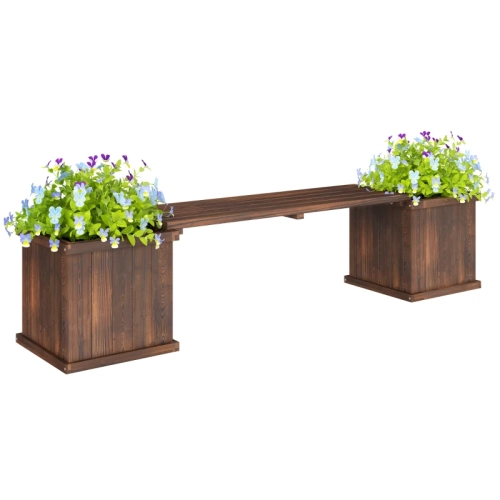
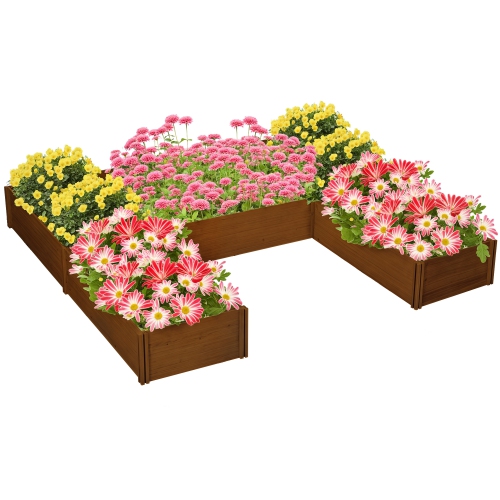
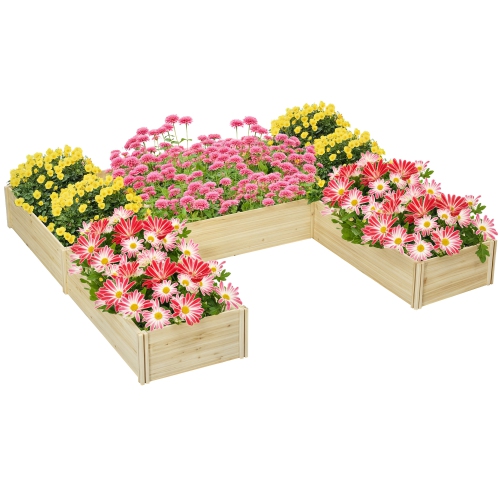
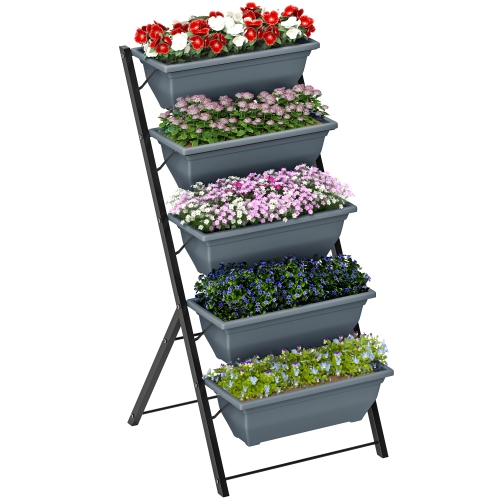
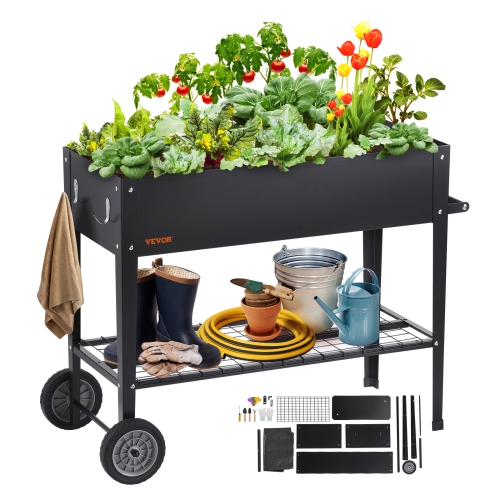
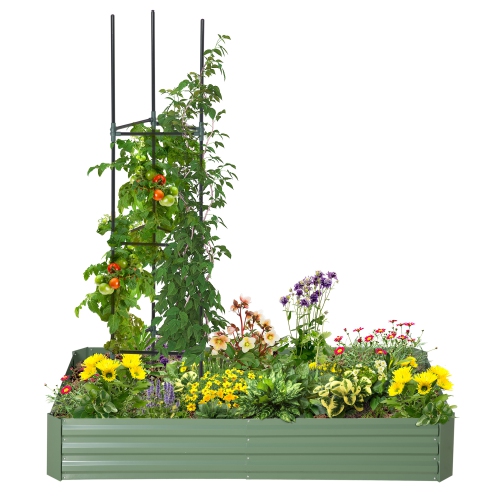
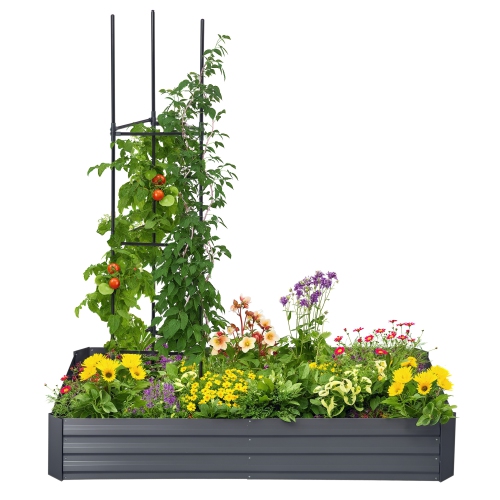
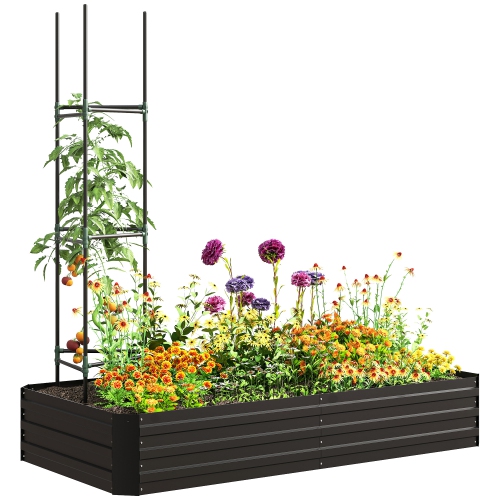
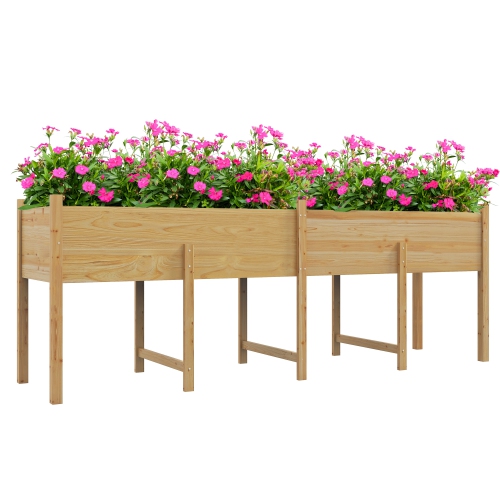
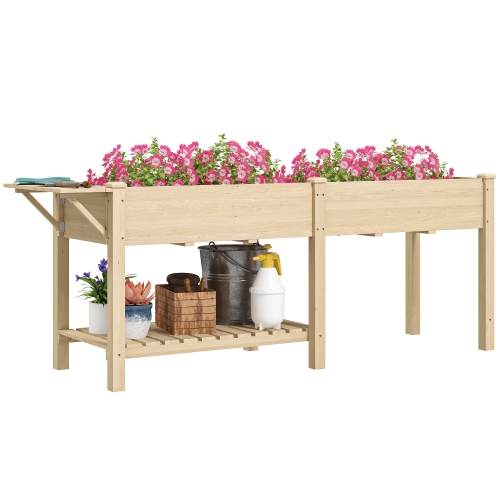
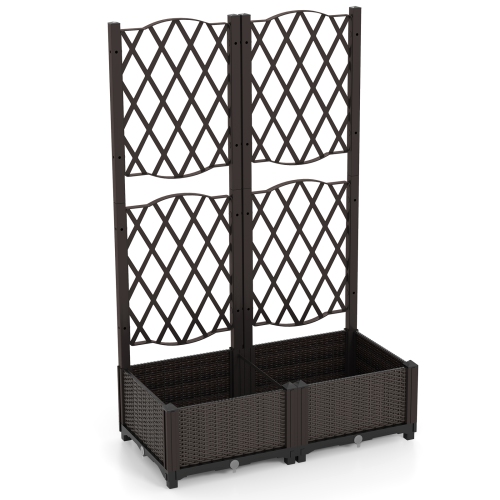
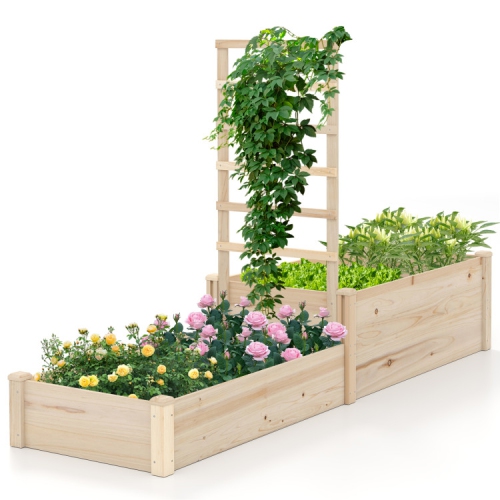
Planter boxes for tomatoes make it possible to grow a productive crop in places where an in-ground garden is not practical, including balconies, patios, decks, rooftop terraces, and compact backyards. They provide a dedicated growing space for tomato plants while making it easier to control the soil, moisture, and placement of the container. A suitable planter box should generally offer at least 18 to 24 inches of width and 12 to 18 inches of depth for each tomato plant, with larger dimensions giving vigorous roots more room to develop. Compact determinate or bush varieties can work well in smaller containers, while indeterminate or vining varieties usually need a larger box and reliable vertical support. Before choosing a planter, consider where it will sit once filled: moist potting mix, a mature plant, and a developing crop can make a container surprisingly heavy, so a sturdy base and a suitable surface are important. Mobility may also be useful when sunlight changes throughout the season or when containers need to be moved into a sheltered area during strong winds and cooler weather. Look for practical features such as drainage openings, water reservoirs, durable construction, and a shape that allows easy access for planting and harvesting. Raised or elevated designs can be especially convenient for gardeners who prefer less bending, while compact boxes can bring fresh growing space to apartments and townhomes. A tomato planter box can also make a thoughtful gift for a first-time gardener, a family that enjoys growing food together, or someone who wants to add edible plants to an outdoor living area without committing to a permanent garden bed.
Tomatoes are sun-loving plants, so place the planter box where it can receive about 6 to 8 hours of direct sunlight each day during the growing season. A warm, bright position near a south-facing wall or open patio may help the plant thrive, although good air circulation is equally important for keeping foliage dry and reducing the chance of common plant problems. Fill the container with a lightweight potting mix designed for containers rather than dense garden soil, which can compact around the roots and interfere with drainage. Mixes containing peat or coconut coir, perlite, vermiculite, and compost can provide a useful balance of moisture retention, aeration, and nutrients. Follow the planting directions for the chosen tomato variety, leaving enough space around the plant for air movement and future growth. Support should be planned from the beginning. Tomato cages, stakes, or trellises can help keep stems upright as the plant becomes heavier with fruit, and installing support at planting time avoids disturbing established roots later. Some planter boxes include integrated supports, which can be useful when floor space is limited or when a neat, contained growing arrangement is preferred. Water consistently and deeply, checking the moisture level below the surface instead of relying only on how the top layer looks. Containers can dry out quickly in warm, breezy conditions, while a self-watering reservoir may help maintain a steadier supply between checks. Even moisture is particularly important as fruit develops, since irregular watering can contribute to blossom end rot and splitting. At the same time, excess water should be able to drain away freely. A saucer or drip tray can protect the surface below, but it should not allow the planter to sit in standing water for extended periods. Feeding requirements vary by soil mix and tomato variety, so use a fertilizer intended for container vegetables and follow its label directions.
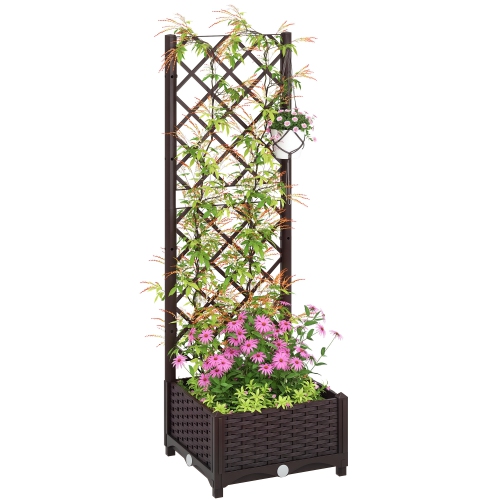
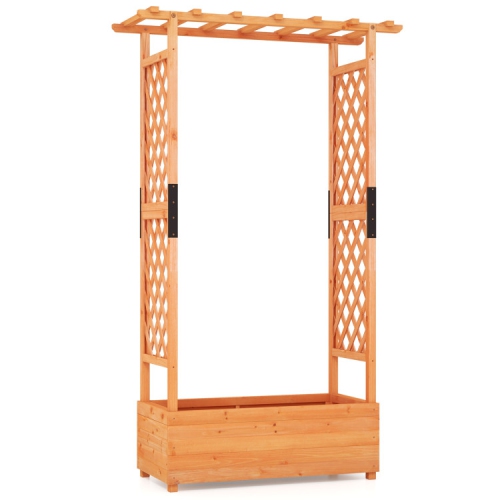
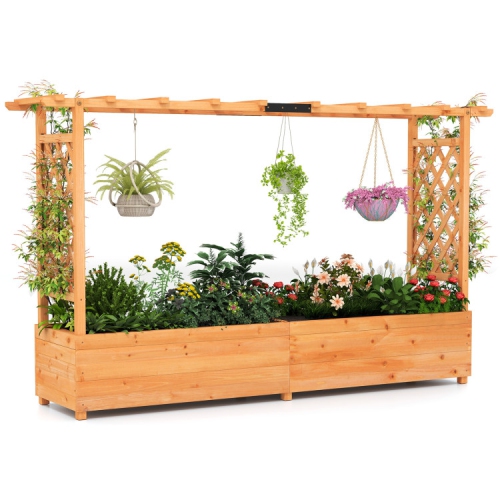
The best planter box is one that suits the tomato variety, available sunlight, watering routine, and space where it will be used. For a small balcony, a narrow box with a built-in trellis can make efficient use of vertical space while keeping foliage and fruit within easy reach. On a larger patio, a deeper, wider container may support multiple compact plants or one vigorous plant with room to spread. Check the mature height and width of the variety before planting, and remember that neighbouring containers, railings, walls, and furniture can affect sunlight and airflow. Harvesting is easier when the planter is positioned near a frequently used doorway or seating area, turning routine watering and ripeness checks into a simple part of the day. During the cooler months, remove spent plants, empty excess water where appropriate, and clean the planter according to its material and care instructions before storing it or preparing it for the next growing season. If the box remains outdoors, place it where it will be protected from unnecessary exposure to harsh weather, and make sure drainage openings stay clear. Tomato planters can also be used for herbs, leafy greens, peppers, and other container-friendly vegetables when the growing conditions are suitable. Gardeners who enjoy supporting climbing crops may also wish to explore Planter Boxes for Climbing Plants for additional ways to combine containers with vertical growing. Whether it is used to grow a few salad tomatoes for a household or to create a fuller patio display, a well-chosen planter box brings the pleasures of tending, watching, and harvesting plants within easy reach as the weather warms again.
Tomatoes are sun-loving plants, so place the planter box where it can receive about 6 to 8 hours of direct sunlight each day during the growing season. A warm, bright position near a south-facing wall or open patio may help the plant thrive, although good air circulation is equally important for keeping foliage dry and reducing the chance of common plant problems. Fill the container with a lightweight potting mix designed for containers rather than dense garden soil, which can compact around the roots and interfere with drainage. Mixes containing peat or coconut coir, perlite, vermiculite, and compost can provide a useful balance of moisture retention, aeration, and nutrients. Follow the planting directions for the chosen tomato variety, leaving enough space around the plant for air movement and future growth. Support should be planned from the beginning. Tomato cages, stakes, or trellises can help keep stems upright as the plant becomes heavier with fruit, and installing support at planting time avoids disturbing established roots later. Some planter boxes include integrated supports, which can be useful when floor space is limited or when a neat, contained growing arrangement is preferred. Water consistently and deeply, checking the moisture level below the surface instead of relying only on how the top layer looks. Containers can dry out quickly in warm, breezy conditions, while a self-watering reservoir may help maintain a steadier supply between checks. Even moisture is particularly important as fruit develops, since irregular watering can contribute to blossom end rot and splitting. At the same time, excess water should be able to drain away freely. A saucer or drip tray can protect the surface below, but it should not allow the planter to sit in standing water for extended periods. Feeding requirements vary by soil mix and tomato variety, so use a fertilizer intended for container vegetables and follow its label directions.
The best planter box is one that suits the tomato variety, available sunlight, watering routine, and space where it will be used. For a small balcony, a narrow box with a built-in trellis can make efficient use of vertical space while keeping foliage and fruit within easy reach. On a larger patio, a deeper, wider container may support multiple compact plants or one vigorous plant with room to spread. Check the mature height and width of the variety before planting, and remember that neighbouring containers, railings, walls, and furniture can affect sunlight and airflow. Harvesting is easier when the planter is positioned near a frequently used doorway or seating area, turning routine watering and ripeness checks into a simple part of the day. During the cooler months, remove spent plants, empty excess water where appropriate, and clean the planter according to its material and care instructions before storing it or preparing it for the next growing season. If the box remains outdoors, place it where it will be protected from unnecessary exposure to harsh weather, and make sure drainage openings stay clear. Tomato planters can also be used for herbs, leafy greens, peppers, and other container-friendly vegetables when the growing conditions are suitable. Gardeners who enjoy supporting climbing crops may also wish to explore Planter Boxes for Climbing Plants for additional ways to combine containers with vertical growing. Whether it is used to grow a few salad tomatoes for a household or to create a fuller patio display, a well-chosen planter box brings the pleasures of tending, watching, and harvesting plants within easy reach as the weather warms again.
Top selling and popular products
-
 Your price for this item is $69.99
 -
 Your price for this item is $54.98
 -
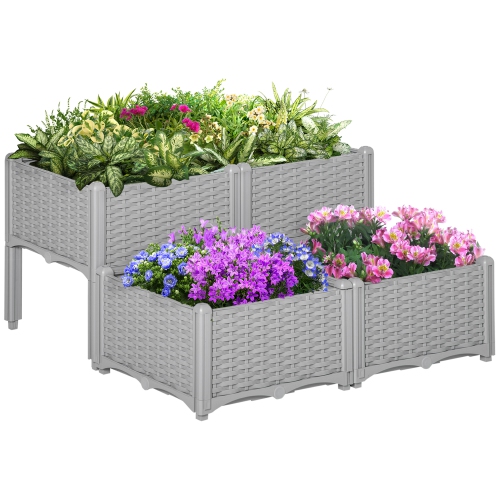 Your price for this item is $89.99
 -
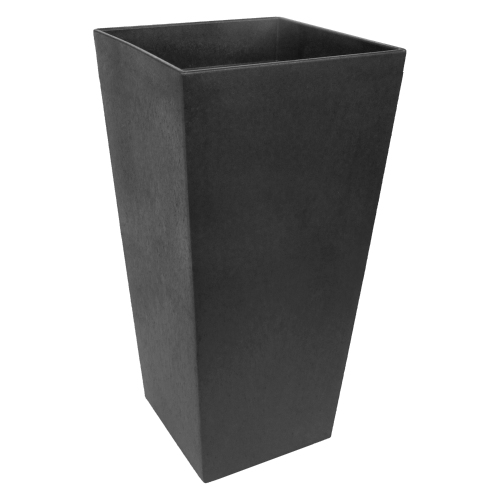 Your price for this item is $79.99
 -
 Your price for this item is $104.99
 -
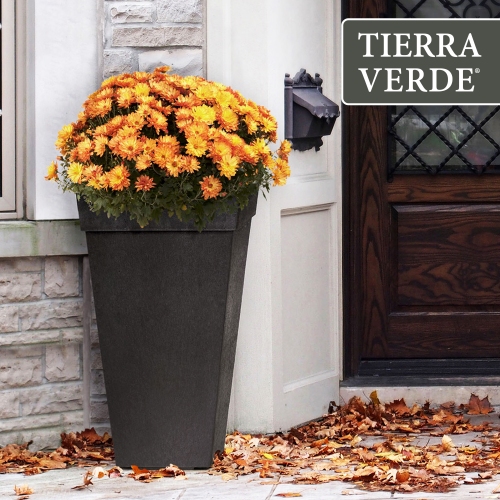 Your price for this item is $141.99
 -
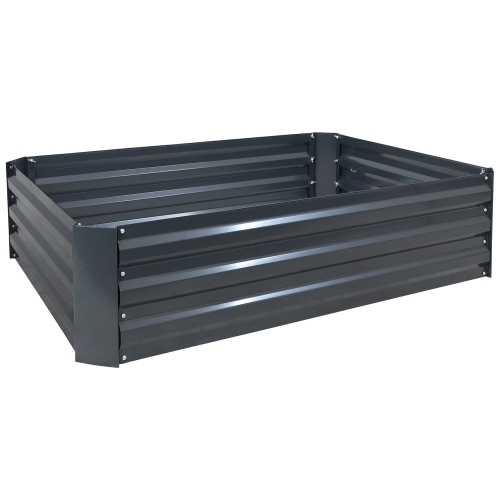 Your price for this item is $117.75
 -
 Your price for this item is $117.75
Discover more categories related to Planter Boxes for Tomatoes

Top Collections:
Pokemon Centers, Kindle Devices, Best Budget Office Chairs, Apple iPhones 16, Best Laptops for Writers, iPhone 15 Apple, Canon G7X Cameras, Refurbished Apple Laptops, Alarm Clock, Motorola Razr Phones
Some products may be subject to Environmental Handling Fees
(EHF) depending on your province.
Learn more about EHFs.