Planters for Artificial Plants
Planters for Artificial Plants provide a stylish way to showcase your faux greenery in any space. Whether you're decorating your home, office, or event venue, these planters offer the perfect finishing touch to your artificial plant displays. With a variety of shapes, sizes, and finishes available, it's easy to find options that complement your décor and enhance the look of your favorite artificial arrangements. Explore Planters for Artificial Plants to elevate your interior design and create a fresh, inviting atmosphere all year round.
Sort

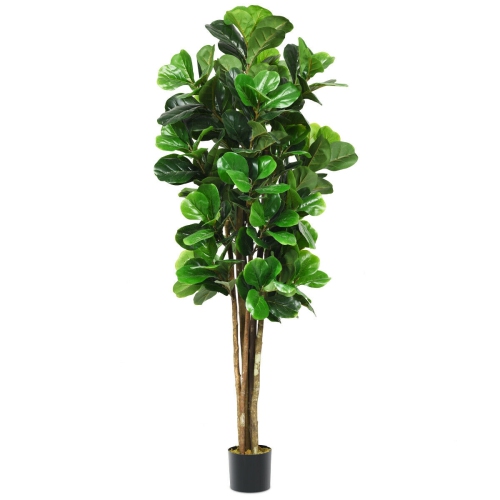
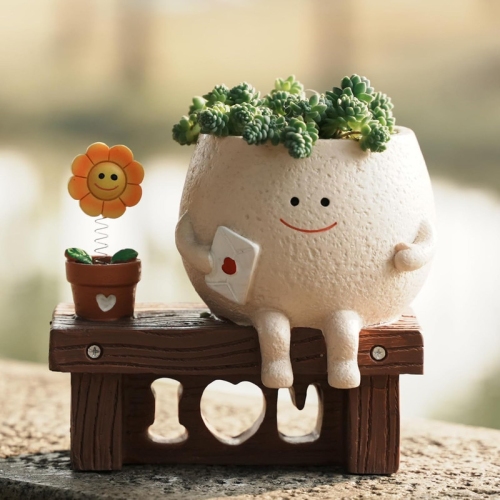
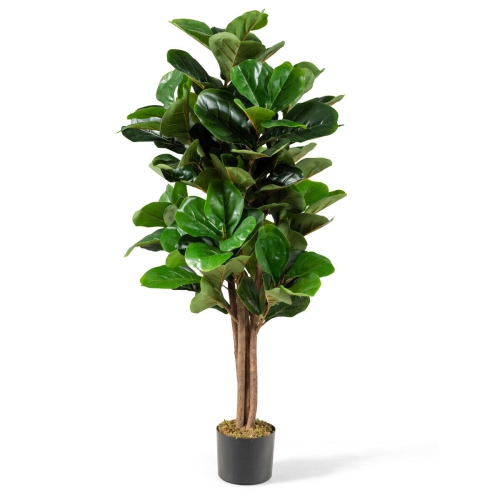
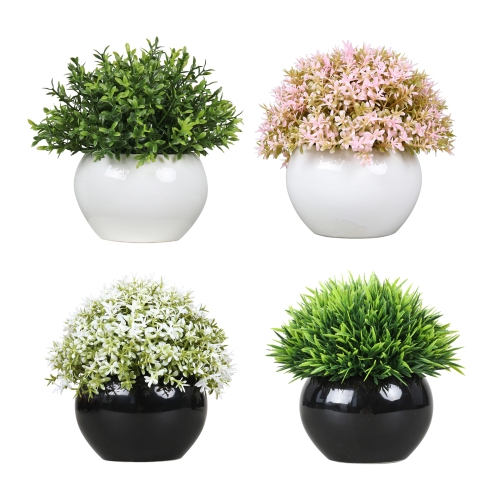
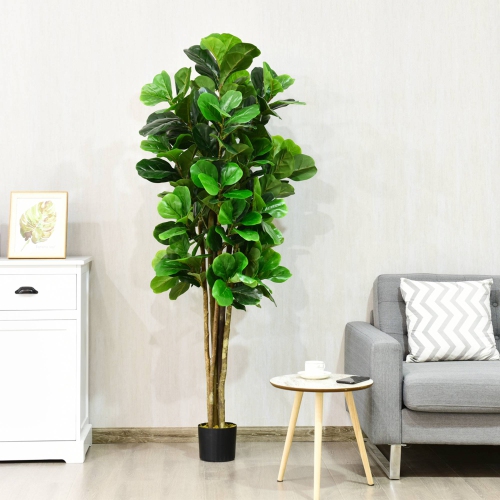
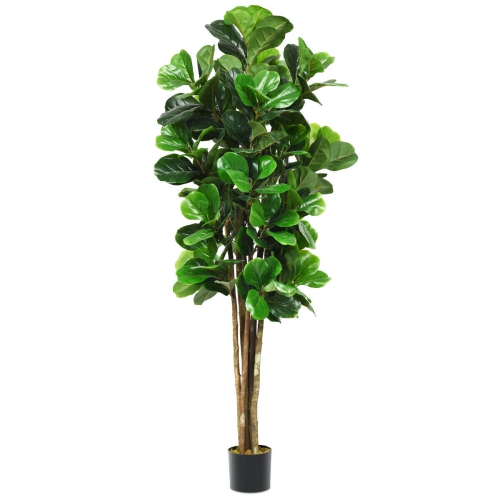
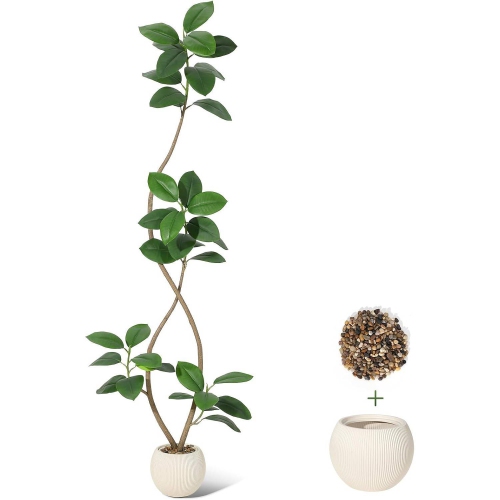
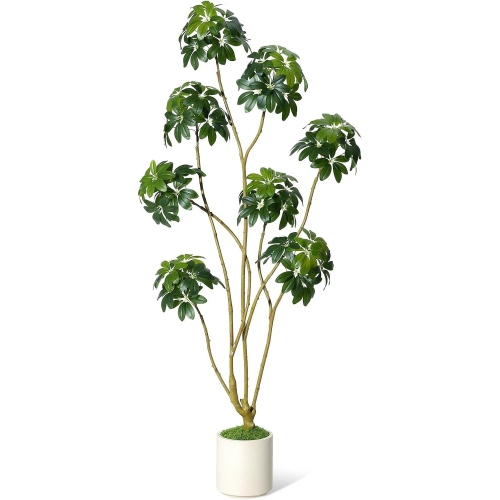
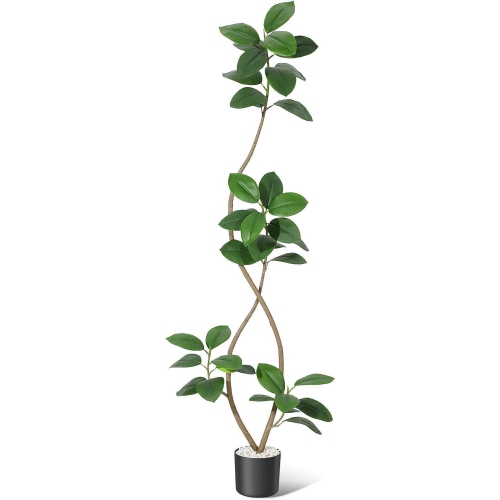
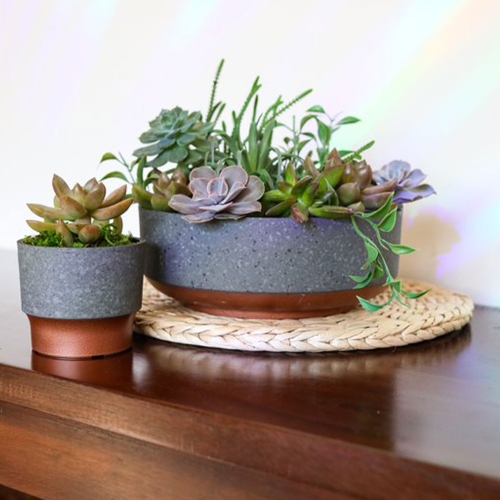
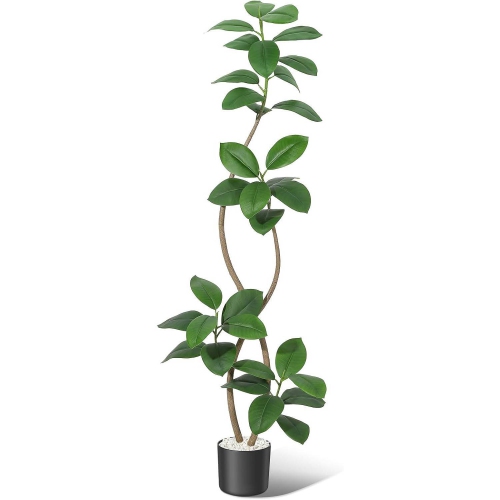
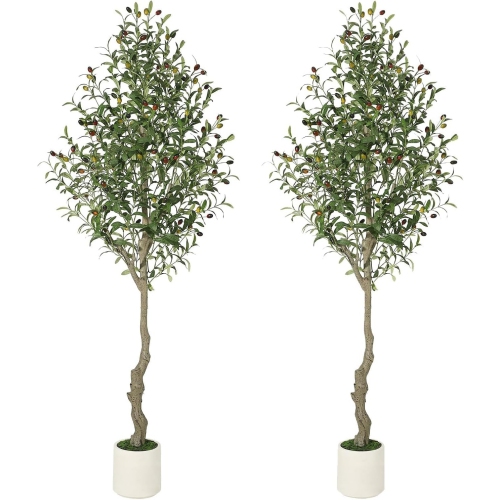
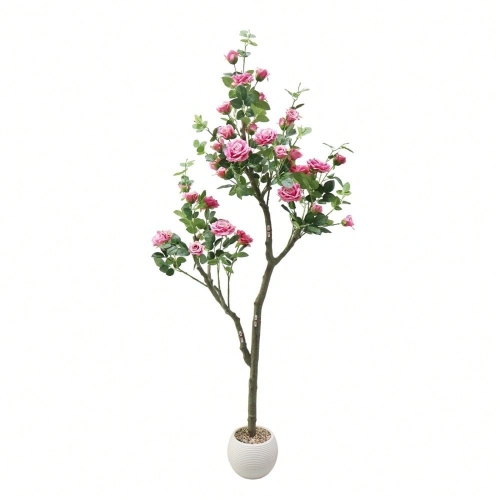
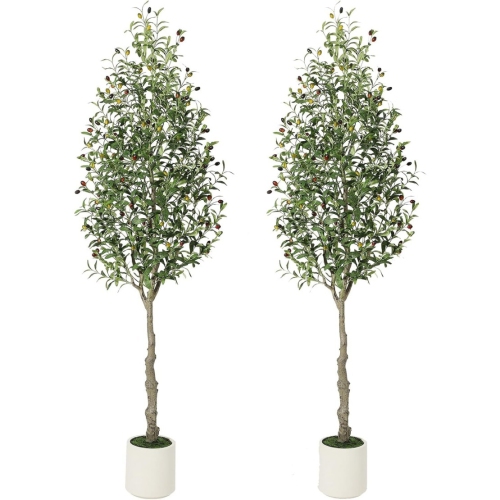
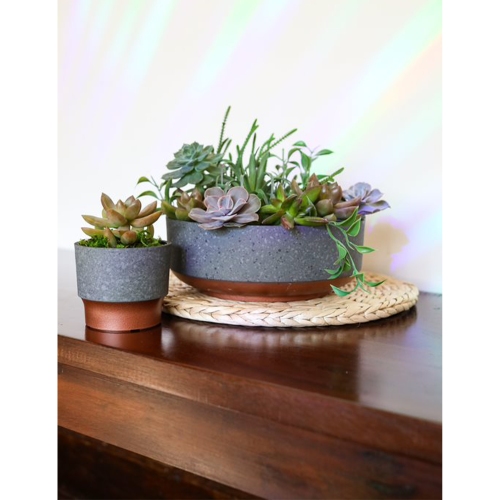
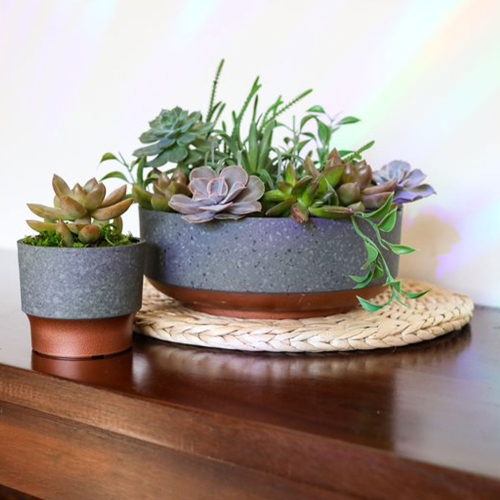
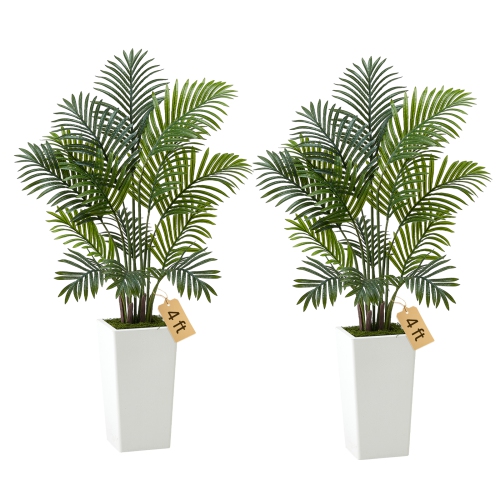
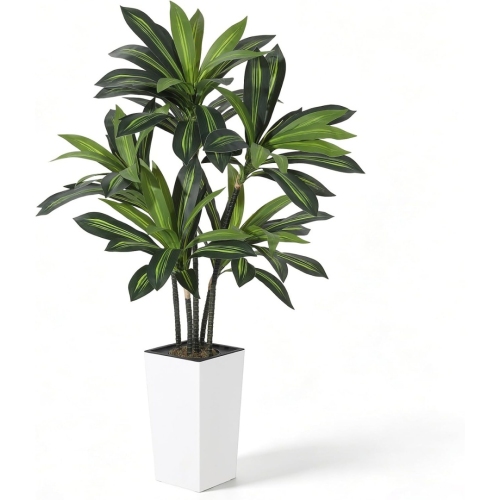
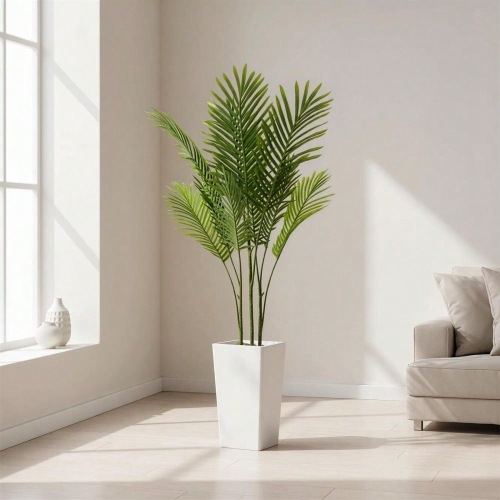
The right fit gives faux greenery a finished look
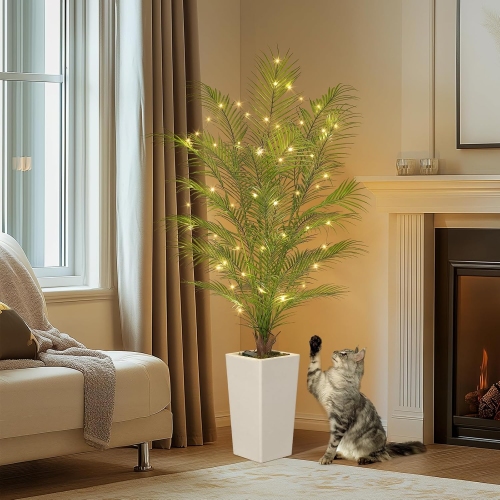
Planters for artificial plants give faux greenery a finished appearance while helping its base sit securely within a room. Unlike pots used for living plants, these containers do not need to support root growth or regular watering; their main jobs are to hold the artificial plant, conceal its starter pot, and complement the surrounding furnishings. A small arrangement on a desk calls for different proportions than a tall artificial tree beside a sofa. For a good fit, the planter’s interior opening should be wider than the widest part of the plant’s existing base, with enough clearance to lower it into place without forcing it. Interior depth matters just as much: a container that is too shallow may leave the starter pot exposed, while one that is too deep can hide lower stems unless the base is raised on a firm support. Exterior measurements alone can be misleading, particularly with thick ceramic walls, narrow necks, or tapered shapes. Checking the opening, interior depth, and usable width near the bottom gives a clearer picture of how the two pieces will fit together. When pairing containers with Artificial Potted Plants, the spread of the foliage also helps determine the right visual balance. A broad, leafy arrangement often looks more grounded in a substantial container, while slender stems can suit a narrower profile. Tall plants benefit from a stable base that accounts for their height and weight distribution, especially near walkways. On shelving, the planter’s footprint should sit fully on the surface rather than overhanging an edge. Raised stands add height and keep the container visually distinct from nearby furniture, but the pot must fit the stand securely and remain within its weight limit. These practical details help a planter look intentional rather than simply acting as a cover for a plastic base. In a compact entryway, for example, a straight-sided container can tuck neatly beside a console without spreading into the walking space, while a rounded floor planter needs more room around its widest point.
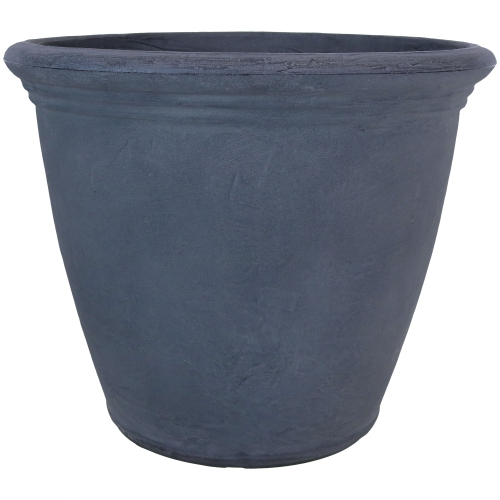
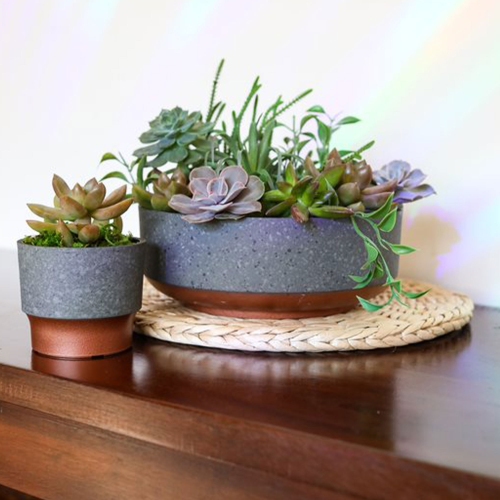
Material affects a planter’s weight, texture, durability, and suitability for its intended location. Ceramic planters offer a solid feel and finishes ranging from smooth glaze to softly textured surfaces. Their weight can help anchor an arrangement, although ceramic can chip or crack if knocked against a hard floor. Unglazed terracotta brings an earthy colour and a matte surface, but its porous body may mark furniture if it becomes damp during cleaning. Resin and plastic planters are generally easier to move, making them practical for rearranging a home office or lifting a small display from a bookcase for dusting. A lightweight container may still need a secure internal support or carefully positioned ballast for a tall artificial plant; the appearance of a heavy stone finish does not necessarily indicate a heavy pot. Metal containers create a crisp outline and can work well alongside metal shelving, lamps, or furniture legs. Their suitability for damp locations depends on the material and protective finish, and edges or seams should not scrape the surface beneath them. Woven baskets offer a softer texture that contrasts with smooth leaves, glass tables, and painted cabinetry. A firm, level basket base is important, and the plant’s starter pot should remain upright rather than leaning against flexible sides. Wood planters add visible grain and warmth, though their finish and construction determine how well they tolerate moisture or frequent handling. Across materials, a smooth underside or suitable furniture protector helps reduce scratches; any protective pad should lie flat so it does not introduce a wobble. Drainage holes are optional for artificial arrangements because no watering is required. If a planter has an opening in its base, a fitted insert or suitable tray can keep filler from escaping. Colour and finish can connect the arrangement to the room without matching everything exactly: a charcoal planter can echo a picture frame, while a cream container can soften the contrast between dark furniture and green foliage. Repeated shapes can bring several arrangements together, even when their sizes differ.
The finishing details inside a planter often make the greatest difference to how convincing an artificial arrangement looks. A starter pot sitting far below the rim can make foliage appear shorter and leave an obvious hollow around the stems. A rigid, level riser can bring the base closer to the intended display height, provided it supports the plant’s full weight without shifting. Lightweight packing material can fill gaps around a secured base, but compressible filler should not be the sole support for a heavy arrangement. Keeping any added weight low in the container helps maintain balance, and the complete planter should remain manageable for anyone who may need to move it. Decorative moss, bark, or pebbles can conceal the insert and create a finished surface, with the choice depending on the desired texture and the household. Loose toppings are less suitable within reach of young children or pets; a secured cover or an arrangement without small loose pieces may be more appropriate. A little space between the top dressing and the planter’s rim keeps the finish neat and makes dusting easier. Routine care is usually straightforward: foliage can be moved aside gently, and the container can be wiped or brushed according to its material and care directions. Glazed surfaces often respond well to a soft cloth, while woven textures may need a soft brush to lift dust from the gaps. Abrasive cleaners can damage finishes, and soaking is unsuitable for many baskets, wood containers, and assembled displays. Artificial plants do not need watering, so keeping the base dry also helps protect concealed fittings and nearby furniture. For balconies, patios, or strongly sunlit locations, both the planter and the artificial foliage need to be rated for the intended exposure. Indoors, these containers suit homes, reception areas, desks, and rooms where live-plant care is impractical. A well-proportioned planter can also make a thoughtful housewarming gift for someone who already has a favourite artificial plant, particularly when its dimensions and finish suit the recipient’s space.
Top selling and popular products
-
 Your price for this item is $49.99
-
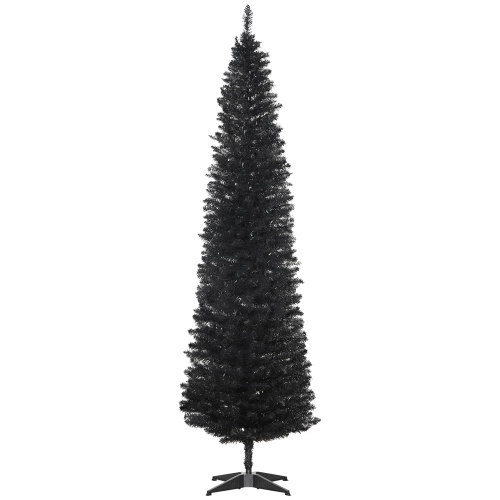 Your price for this item is $69.99
-
 Your price for this item is $51.99
-
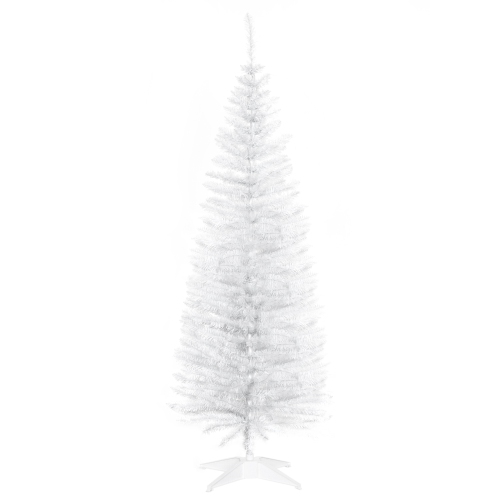 Your price for this item is $49.99
-
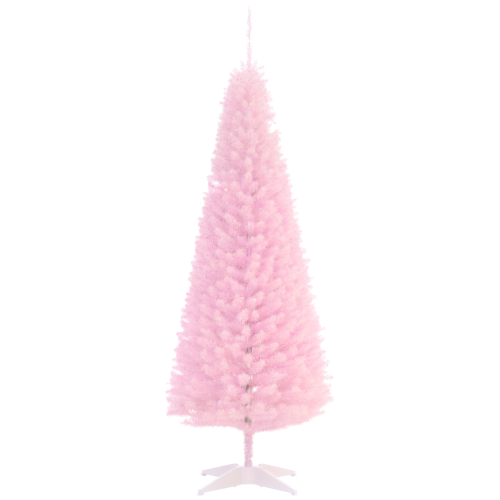 Your price for this item is $48
-
 Your price for this item is $130.99
-
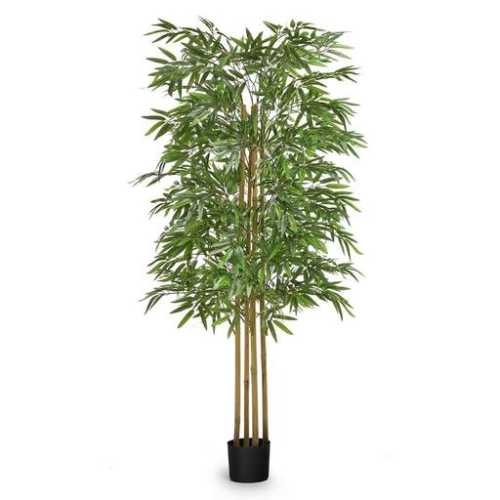 Your price for this item is $167.99
-
 Your price for this item is $112.99
Discover more categories related to Planters for Artificial Plants
Top Collections:
Best Black Friday Deals This Year, Best Black Friday Deals On Electronics, Kindle Devices, Pokemon Centers, Best Black Friday Deals On Apple Products, Best Cameras for Sports Photography, Dyson Airwrap, Pokémon 30th Celebration Cards, Apple iPhone 17 Pro, Canon G7X Cameras
Some products may be subject to Environmental Handling Fees
(EHF) depending on your province.
Learn more about EHFs.