Plastic Kitchen Storage Containers
Plastic Kitchen Storage Containers offer a convenient solution for keeping your kitchen organized and your food fresh. Perfect for storing leftovers, meal prepping, or tidying up pantry shelves, these containers help maximize space and make it easy to find what you need. With a variety of sizes and shapes available, Plastic Kitchen Storage Containers are designed to fit seamlessly into any kitchen setup. Discover options that bring order to your cabinets and simplify daily routines.
Sort
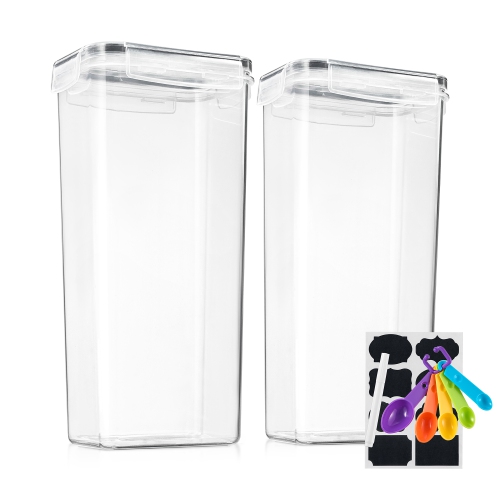
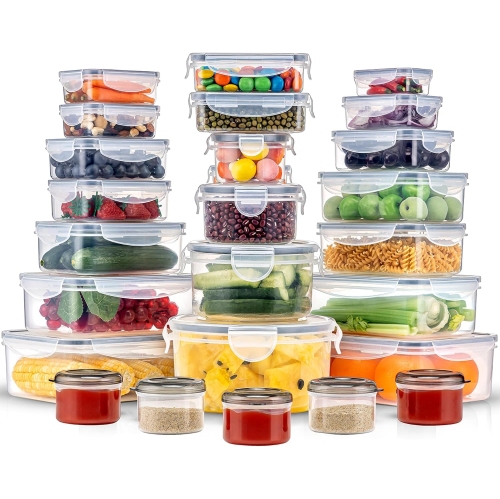
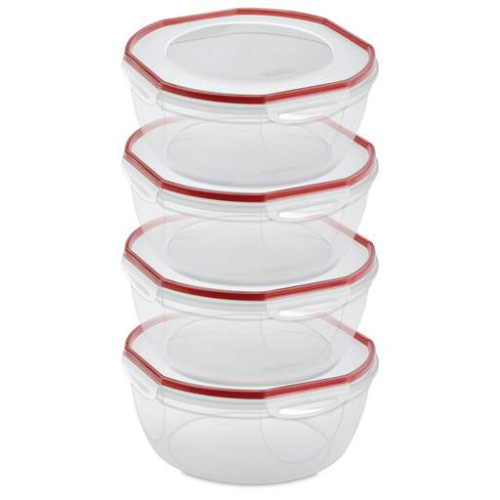
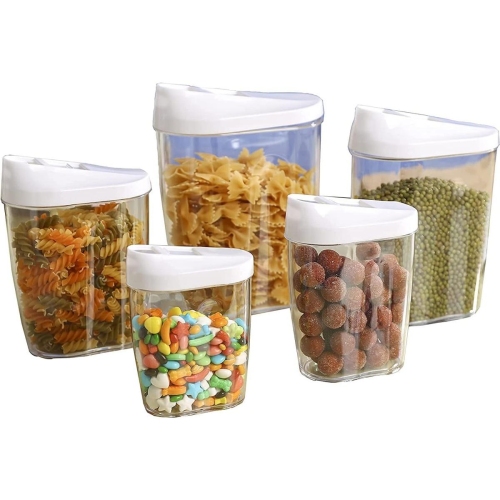
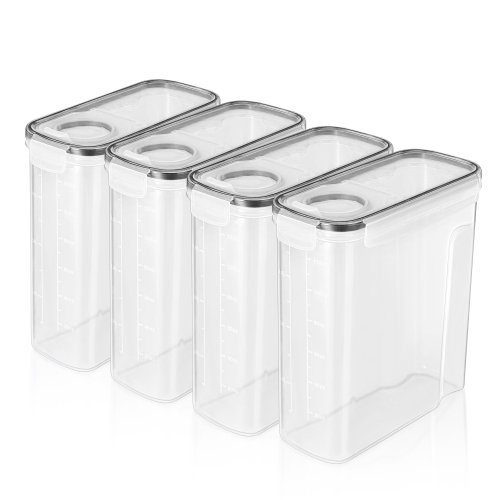
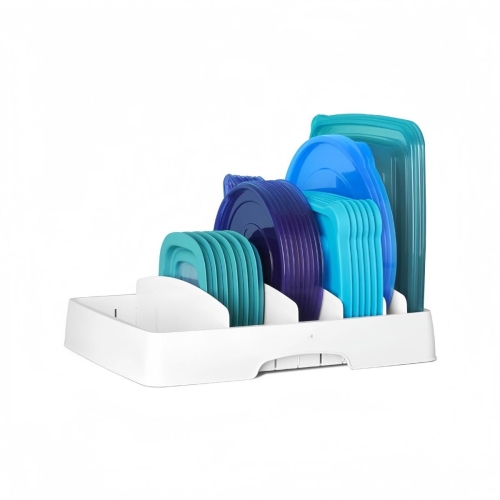
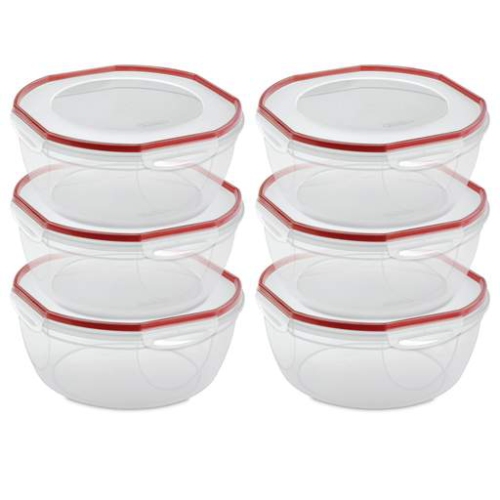
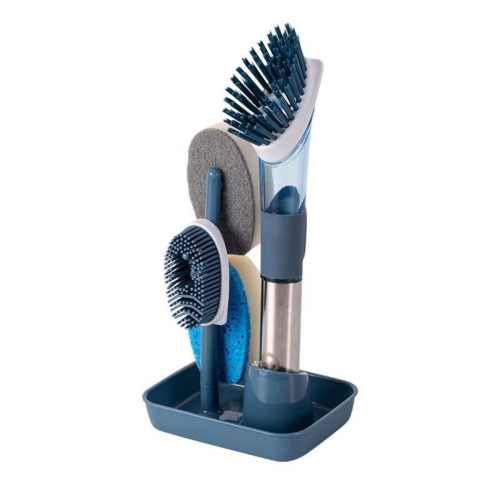
How container shapes and lids fit your routine
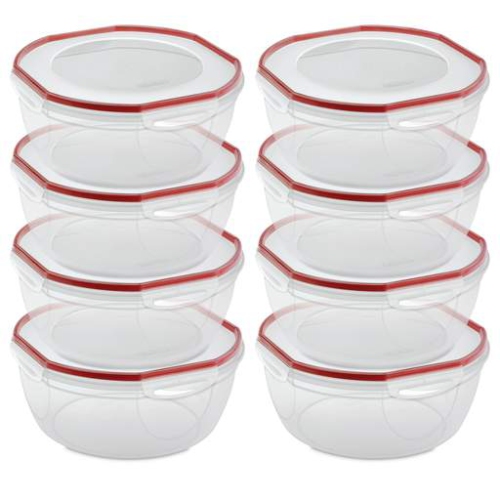
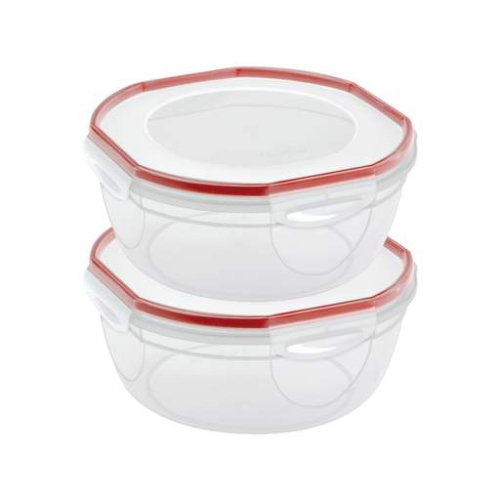
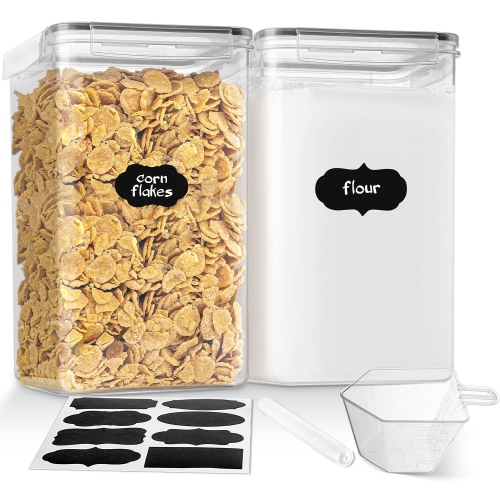
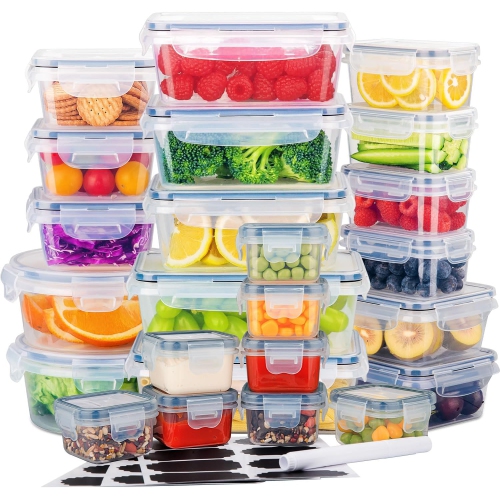
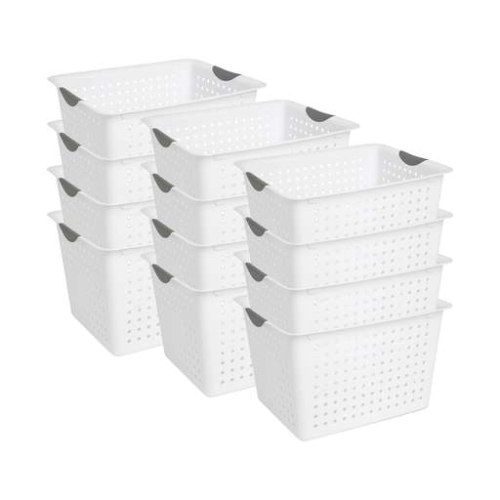
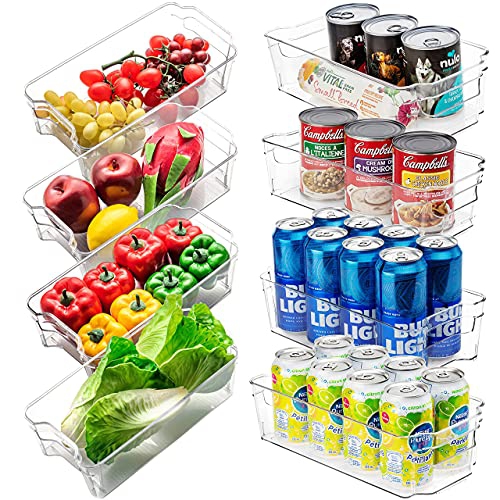
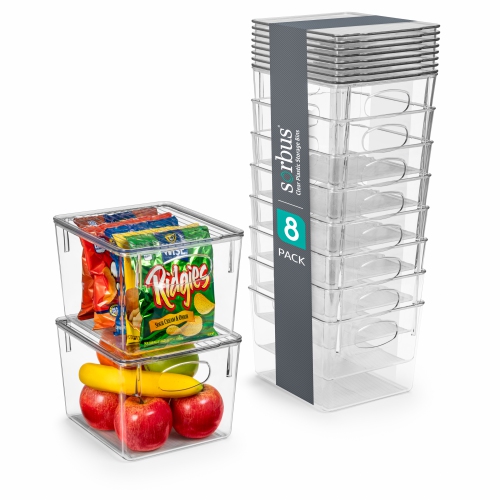
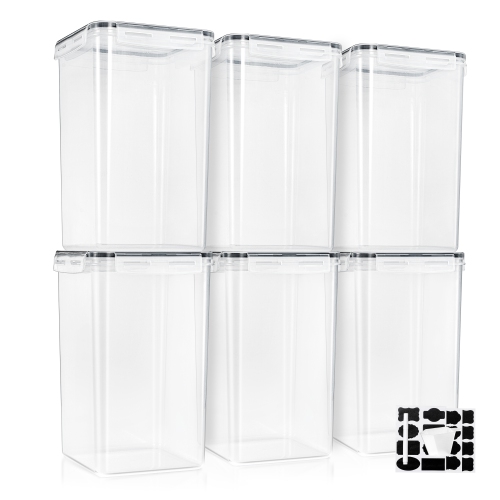
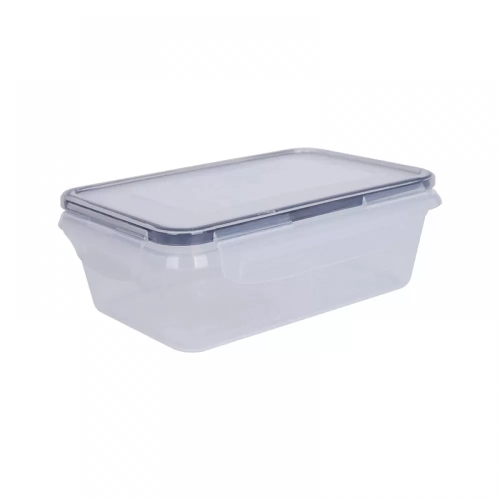
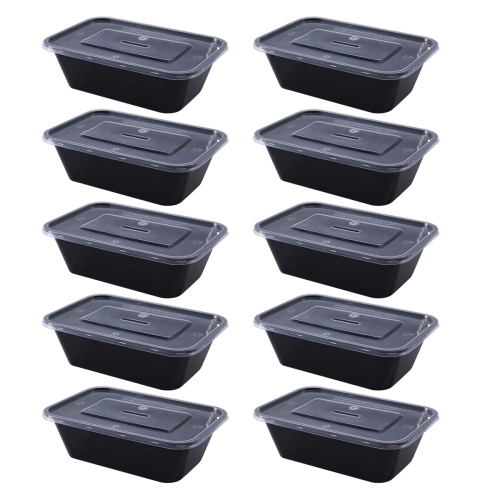
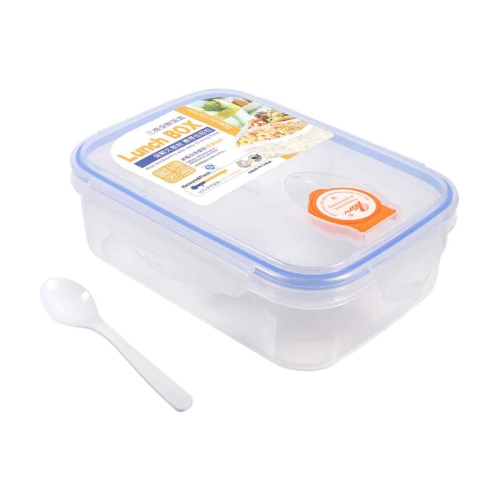
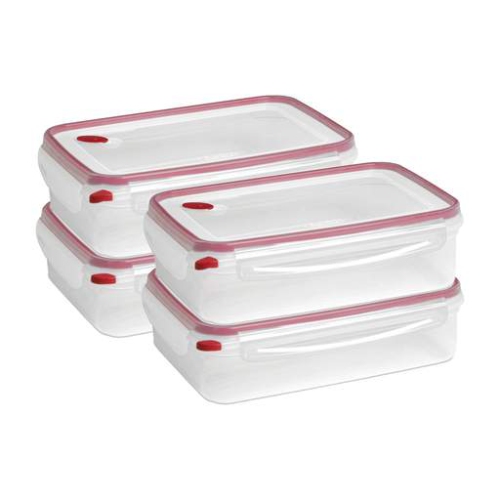
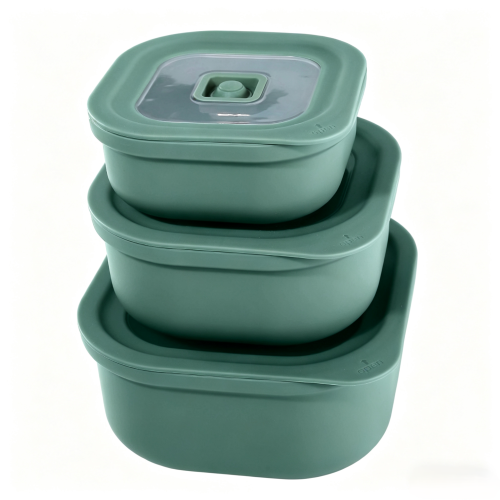
Plastic kitchen storage containers earn their shelf space in different ways. A tall, narrow container can hold a bag of oats without taking up much room beside the cereal, while a low, wide one can hold a row of sandwiches without squashing the bread. Clear sides make it easy to see how much rice is left before making a grocery list or to pick out yesterday’s leftovers without lifting every lid. In the pantry, straight-sided containers sit neatly beside one another with their labels facing out. In the fridge, shallow containers keep chopped vegetables and cooked grains separate until it’s time to put a meal together. Shape matters as much as capacity: a deep container might have plenty of room for flour, but a wide opening gives a measuring cup room to turn and makes it easier to level off a scoop without sending flour over the edge. When measuring a shelf or drawer, allow space for lid tabs and enough clearance to lift the container out. A tall container may fit behind a cupboard door but still be tricky to remove if it needs to tilt past the shelf above. For a lunch bag, compare the container’s outside dimensions with the space left once a drink and an ice pack are in place. If containers spend most of their time full, flat lids designed for stacking can help keep the fridge shelf orderly. If they spend more time empty, nesting shapes take up less room in a cupboard. A few containers with the same footprint can also make better use of a narrow shelf than a group of unrelated shapes. Where lids are designed to fit more than one size, a shallow container for sliced fruit and a deeper one for leftovers can share the same lid style, leaving fewer pieces to sort through at the end of the day.
The type of plastic and the way a lid closes matter more in some routines than others. Rigid plastic holds its shape when a container is full, which is useful for a large batch of pasta salad or a bin of dry goods that gets pulled from the pantry several times a day. A flexible lid with a broad lifting tab can be easier to grip than one with a narrow rim, while latches let each side be pressed shut in turn. Containers that will touch unpackaged food should be intended for food contact. Open bins can still be handy for grouping sealed snack packets or small bags of baking ingredients that tend to slide to the back of a cupboard. For crackers or cereal, a snug lid helps keep the contents crisp. For soup or dressing carried in a bag, look for a closure described as leakproof rather than assuming that an airtight seal will also keep liquid in when the container tips sideways. A removable gasket can make the groove around the lid easier to clean, provided it goes back in flat before the next use. For portions headed to the freezer, choose containers marked for freezer use and leave room for liquids to expand. A label with the contents and date saves guesswork when two batches of sauce look alike through the sides. If a container will go from the fridge to the microwave, check the directions for the base and lid separately. A base marked for microwave use doesn’t necessarily mean its lid can stay on during reheating; the instructions may call for venting or removing it. The same distinction applies to dishwasher care. Some lids and bases have different washing directions, and following the recommended rack placement can help keep a lid from warping and losing its fit.
A little attention to the corners and lid rim makes plastic containers easier to keep in regular rotation. Tomato sauce or a brightly coloured spice can leave a mark even on a clean container, while oily dressings can collect in the channels around the lid. Warm, soapy water and a soft brush can reach those spots without the scratching that comes from abrasive scouring pads. Let the base, lid and any removable seal dry fully before reassembling or nesting them. A stain alone doesn’t tell much about how well a container works, but a cracked rim, a warped lid or a latch that no longer closes evenly can make it unreliable for carrying food. Containers that get opened several times a day also need to be easy to handle: a broad tab can be useful for someone with limited grip strength, and a wide base can help keep a container steady while a child spoons out a snack. The most useful mix of sizes follows the household’s habits. Someone packing one lunch at a time may get more use from a few compact containers than from a deep one that fills half a fridge shelf. A household that cooks in batches may want a larger container for the main dish and several smaller ones for portions that can be taken out separately. A modest set can be a practical housewarming gift for someone setting up a first kitchen, especially if the pieces nest or use matching lids rather than taking over a whole drawer. For kitchens that use a mix of materials, Food Storage Containers is a starting point for comparing options for those same pantry, fridge and lunch bag routines. A good fit often shows up in small ways: the lid is easy to find, the container comes off the shelf without a shuffle, and the last portion is easy to see before it gets tucked behind something else.
Top selling and popular products
-
 Your price for this item is $15.99
-
 Your price for this item is $19.99
-
 Your price for this item is $3.99
-
 Your price for this item is $7.99
-
 Your price for this item is $99
-
 Your price for this item is $99
-
 Your price for this item is $109
-
 Your price for this item is $80.99
Discover more categories related to Plastic Kitchen Storage Containers
Top Collections:
Best Black Friday Deals This Year, Best Black Friday Deals On Electronics, Kindle Devices, Best Black Friday Deals On Apple Products, Best Budget Office Chairs, Best Cameras for Sports Photography, Dyson Airwrap, Canon G7X Cameras, Best Laptops for Writers, Samsung Galaxy Phones
Some products may be subject to Environmental Handling Fees
(EHF) depending on your province.
Learn more about EHFs.