Polycarbonate Greenhouses
Polycarbonate greenhouses offer a durable and efficient solution for avid gardeners and plant enthusiasts looking to extend their growing season. These versatile structures are designed to provide optimal growing conditions by harnessing natural light while offering protection from the elements. With their sturdy frames and impact-resistant panels, polycarbonate greenhouses are built to last, making them a popular choice for both novice and experienced gardeners alike. Explore our selection of polycarbonate greenhouses to find the perfect solution for your gardening needs.
Sort
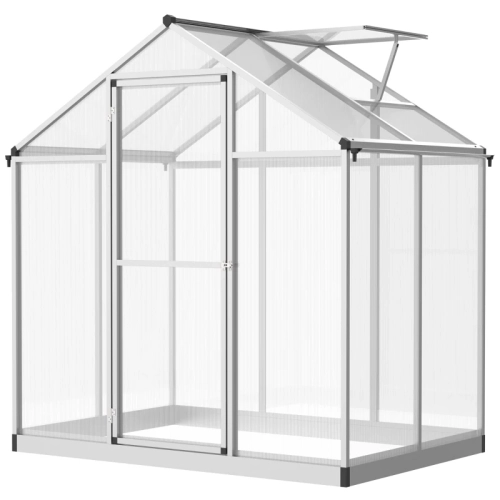
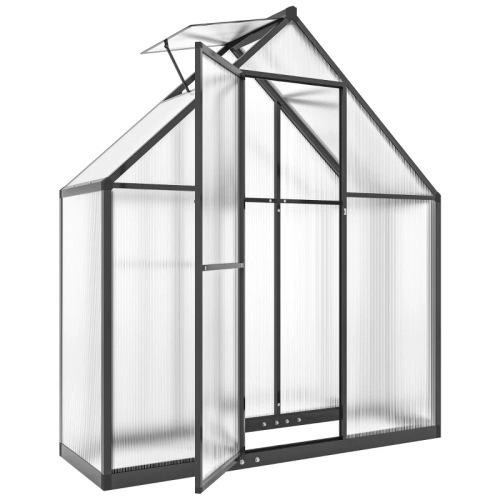
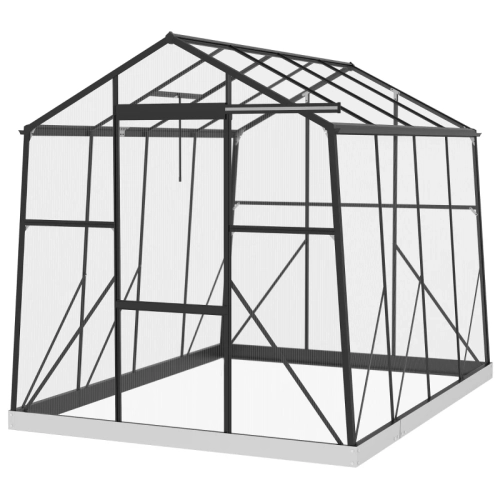
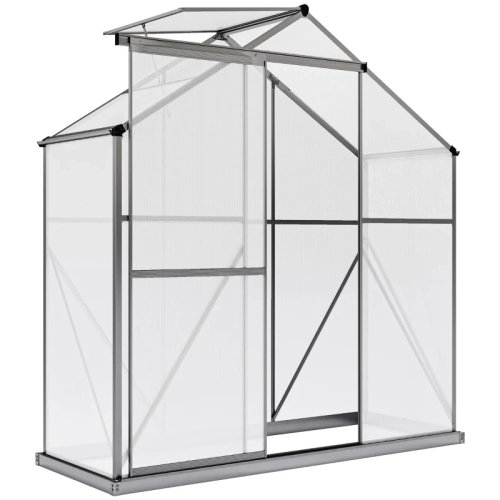
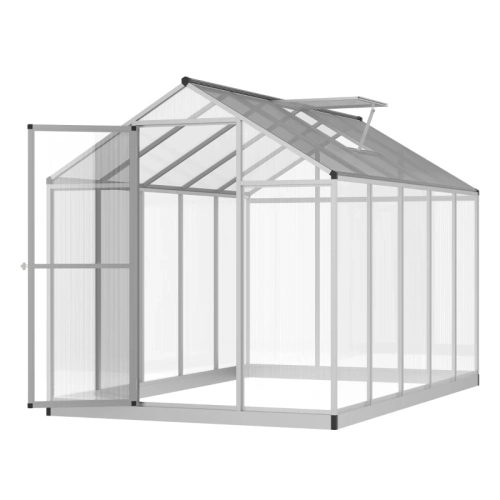
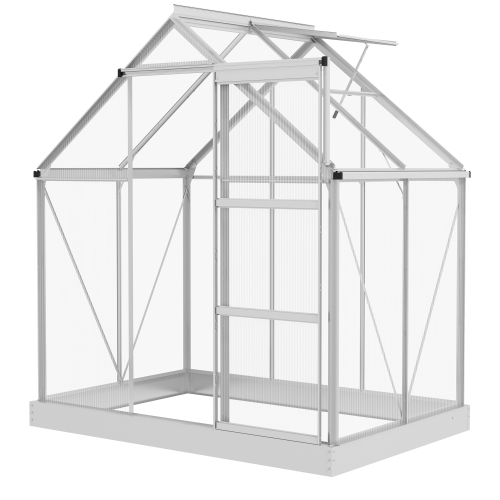
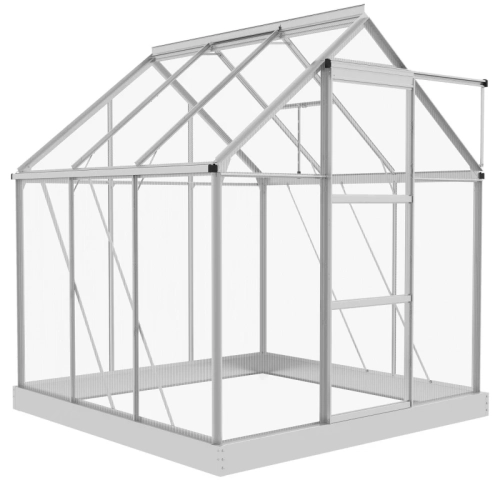
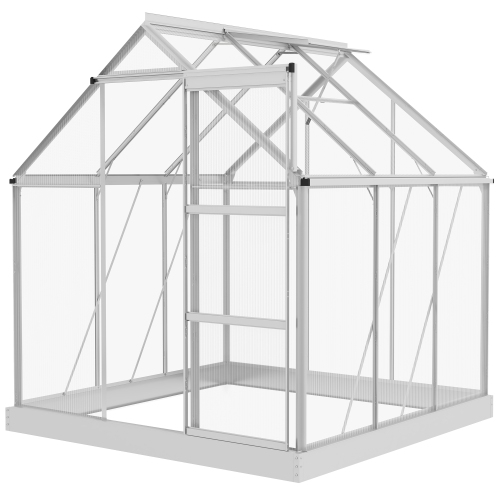
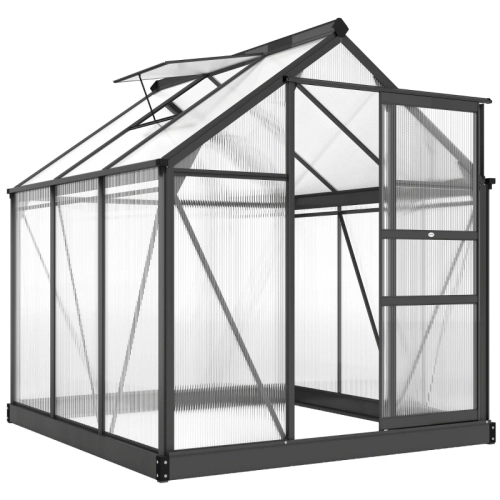
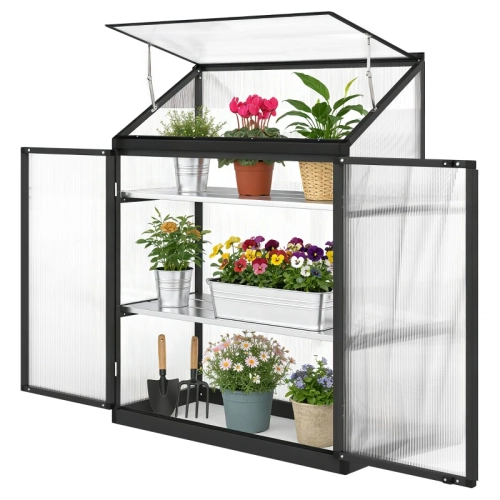
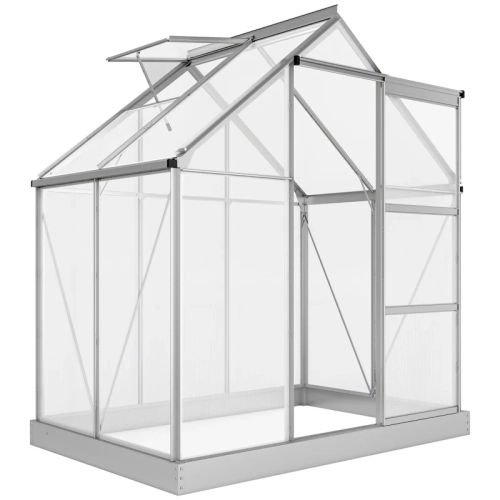
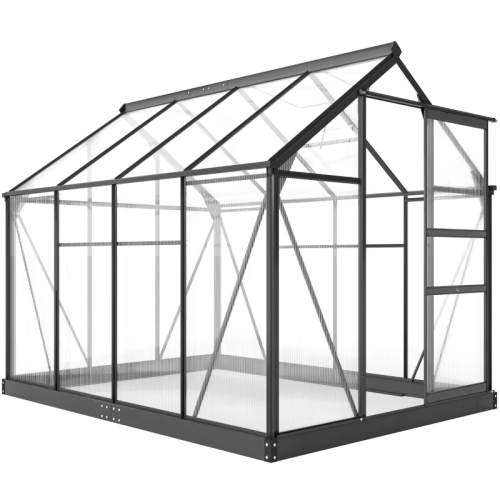
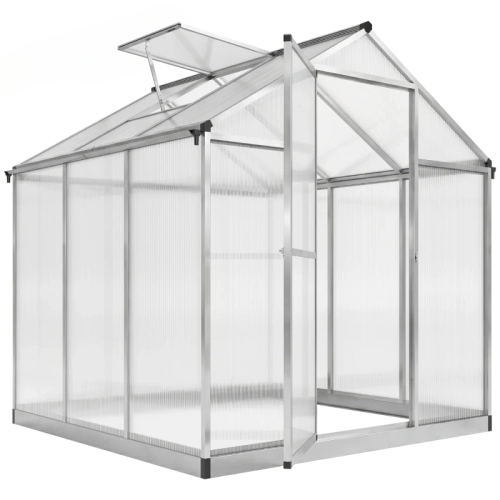
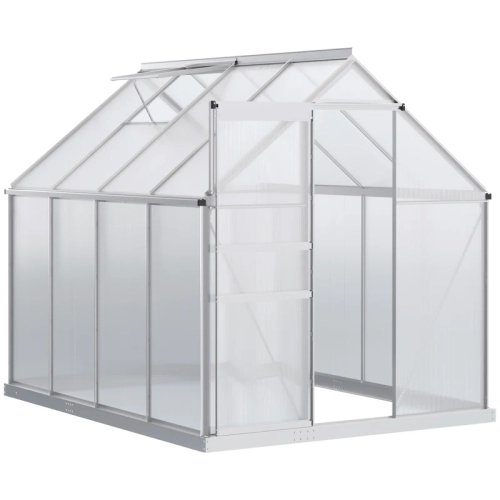
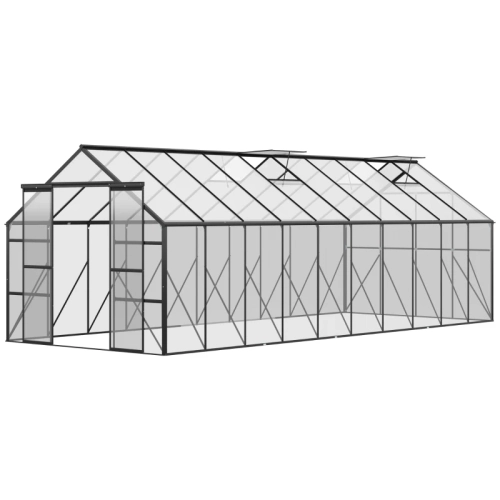

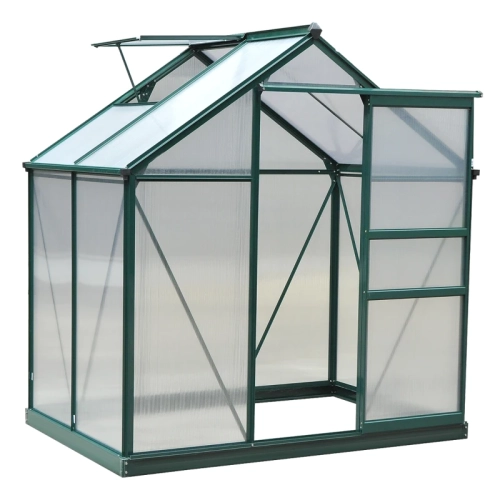
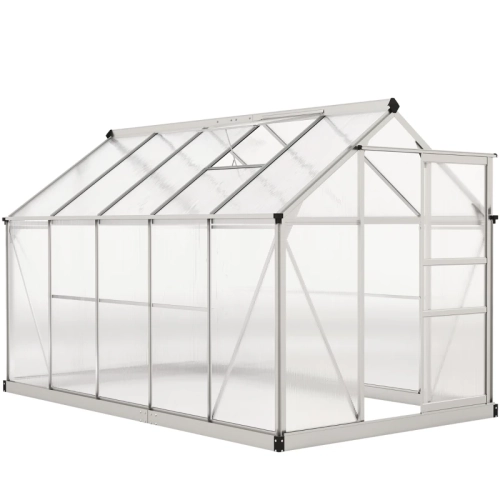
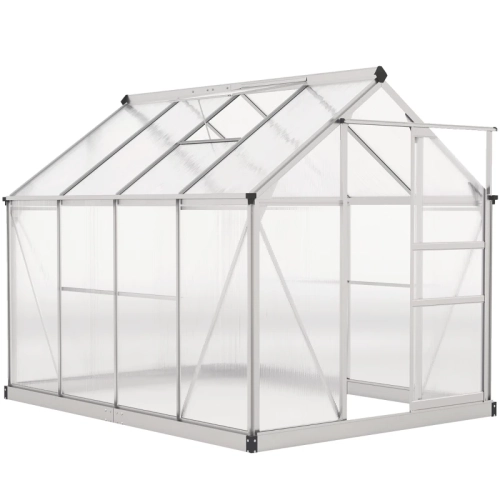
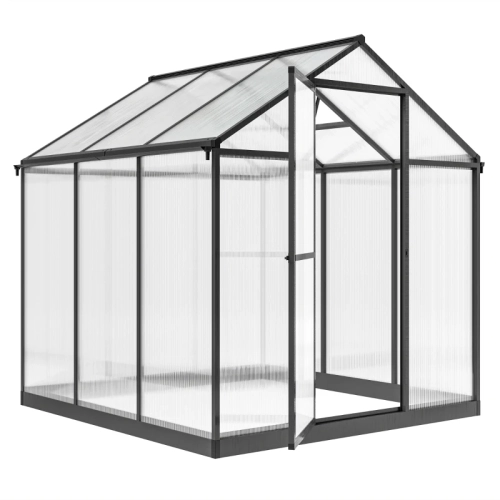
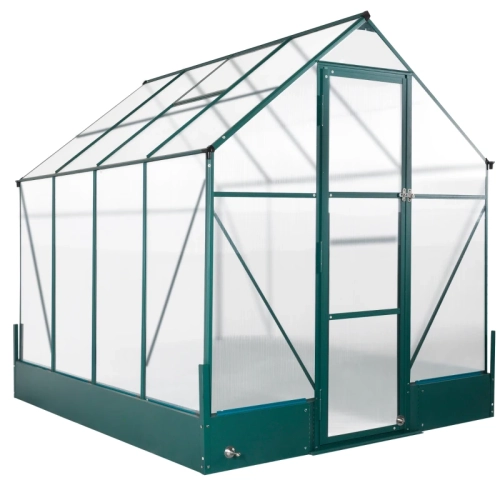
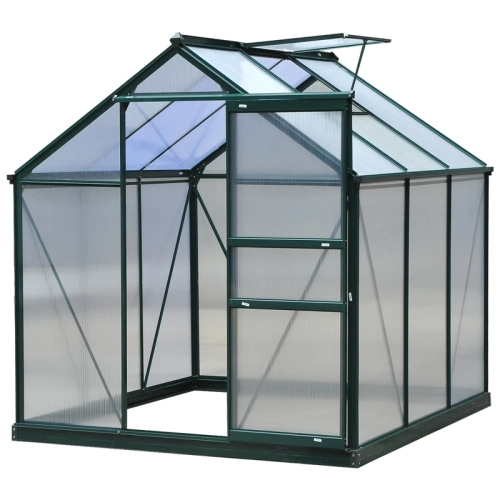
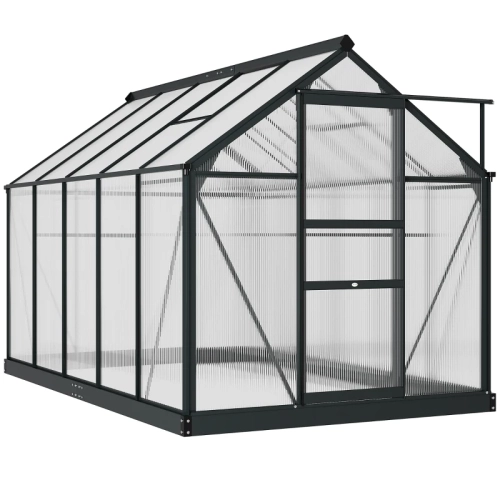


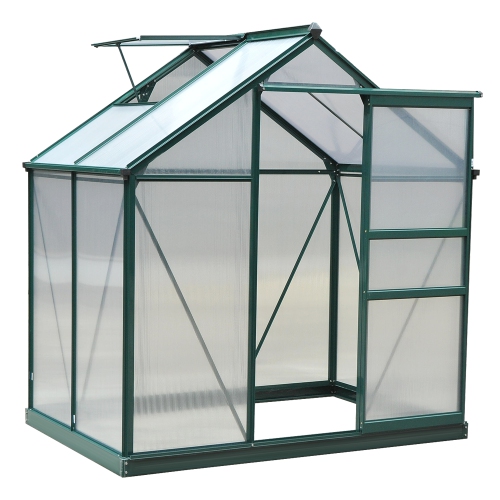
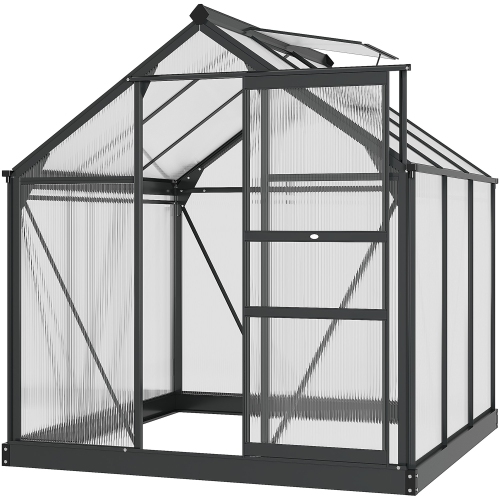


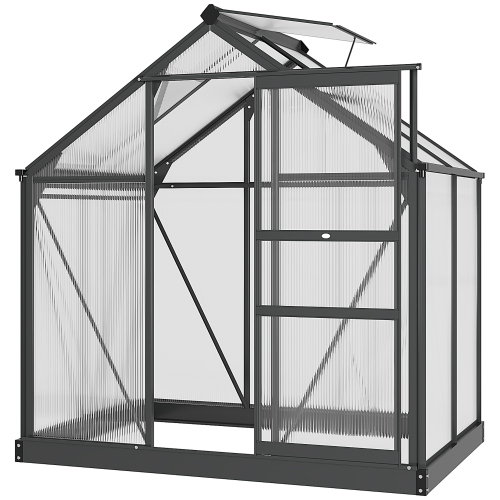

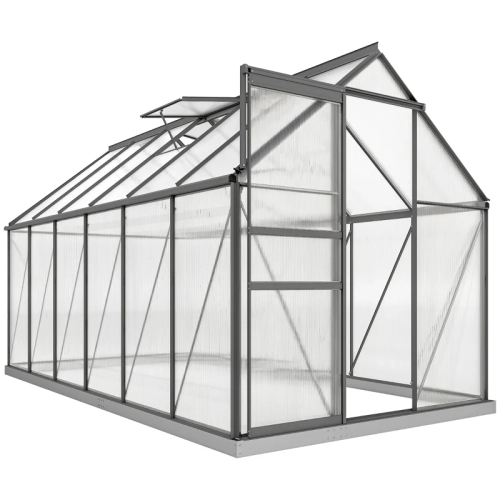
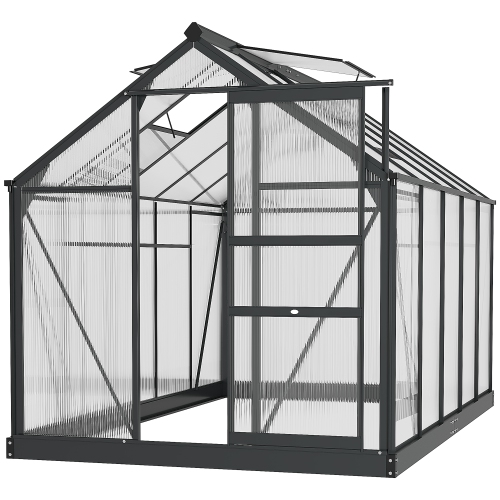
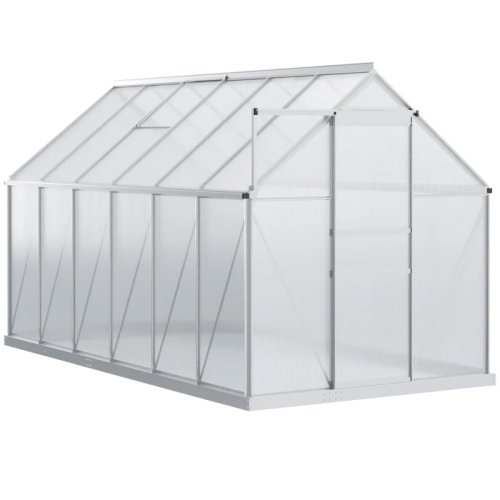
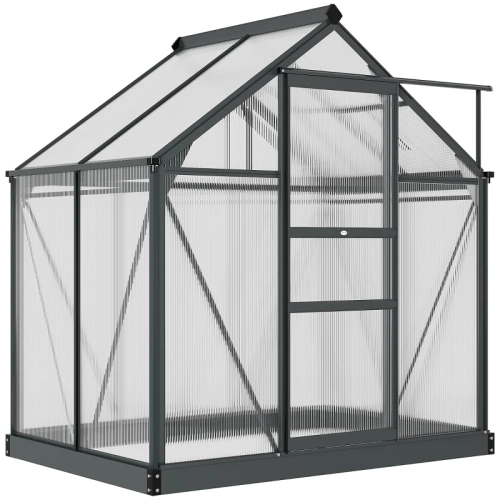


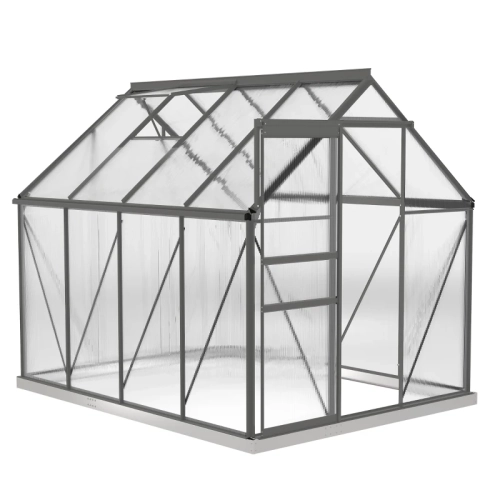
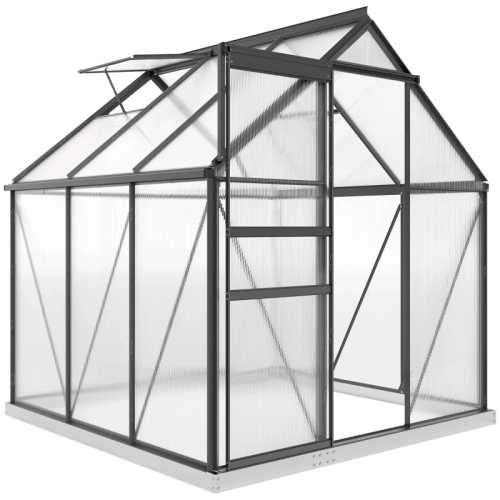
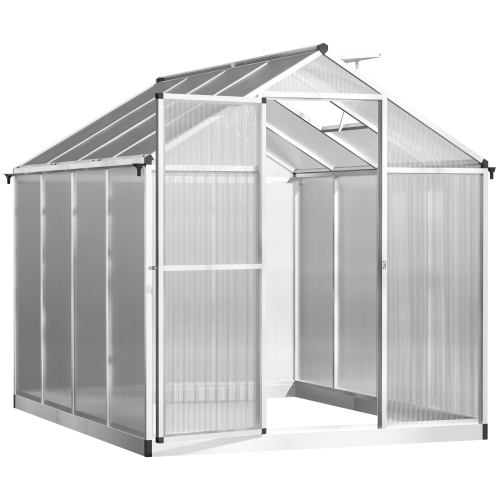


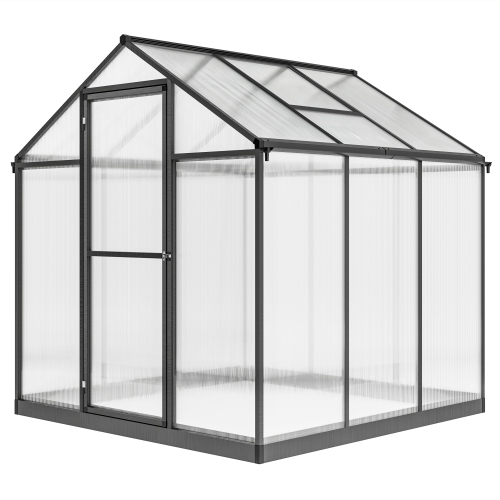


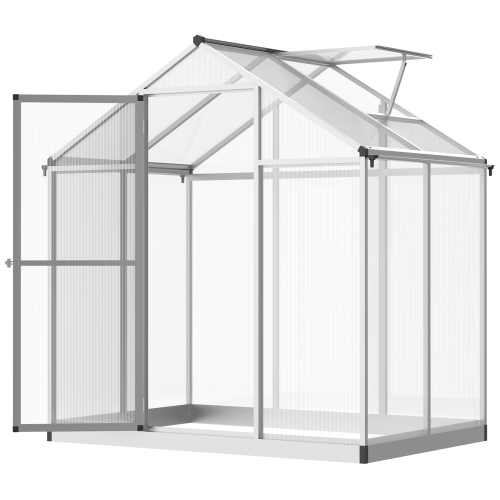

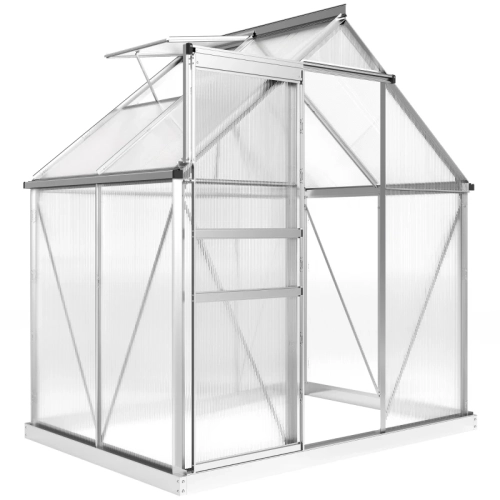
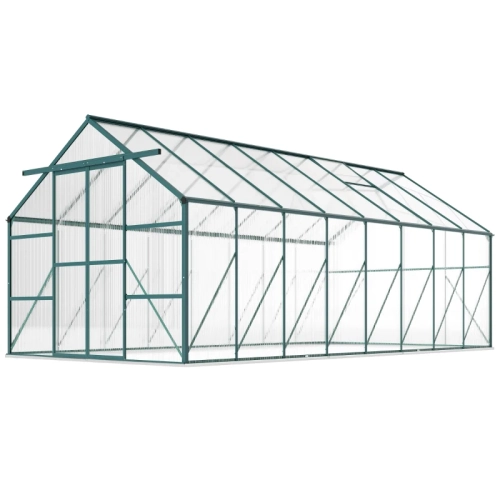
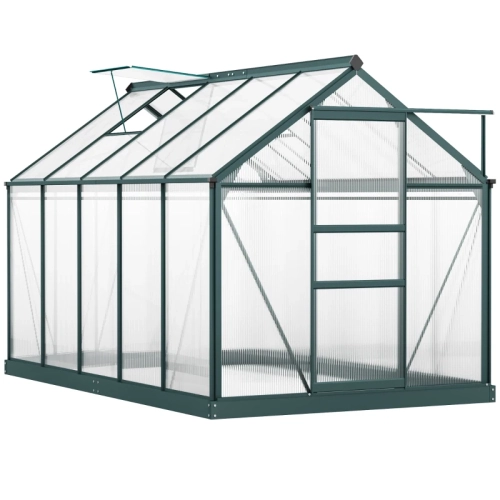
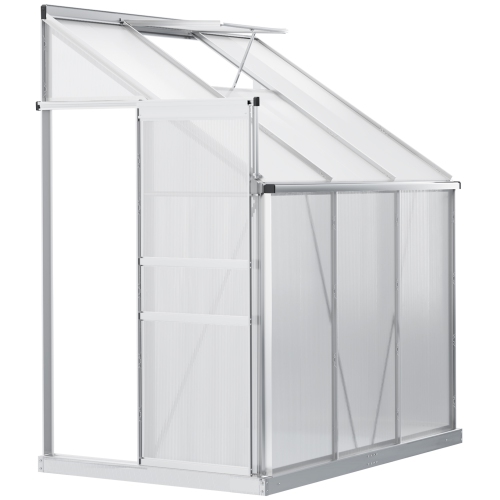
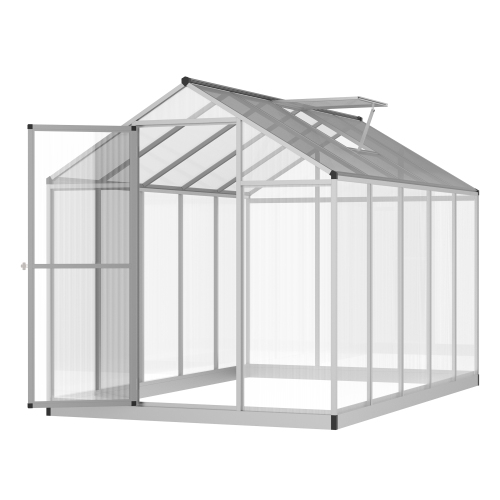
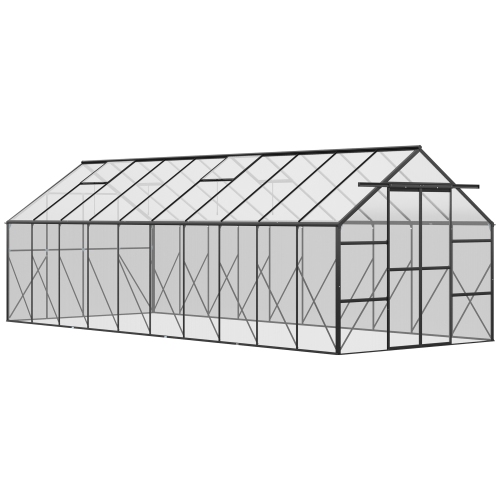
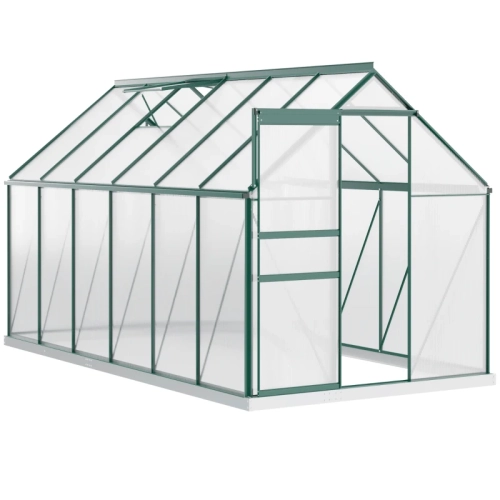
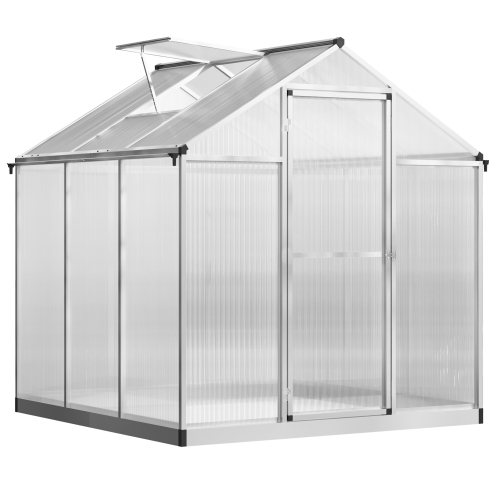
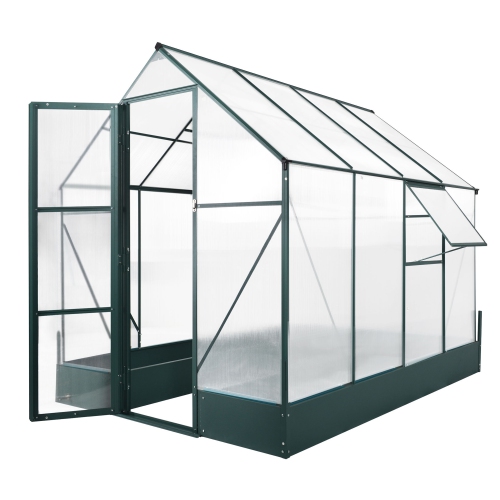

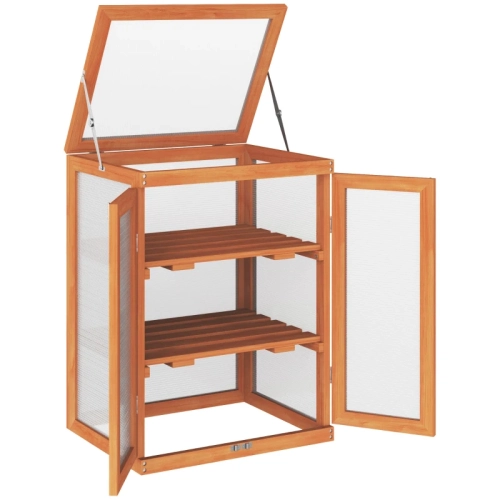
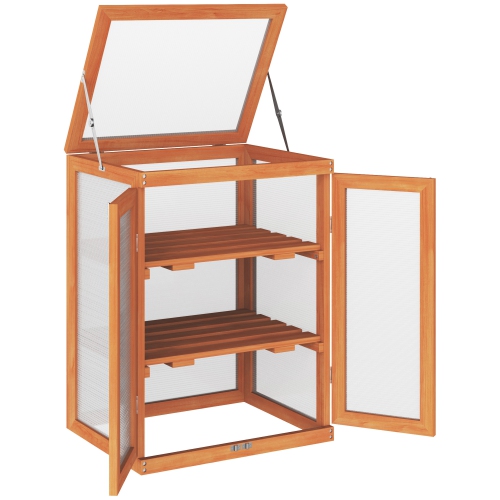
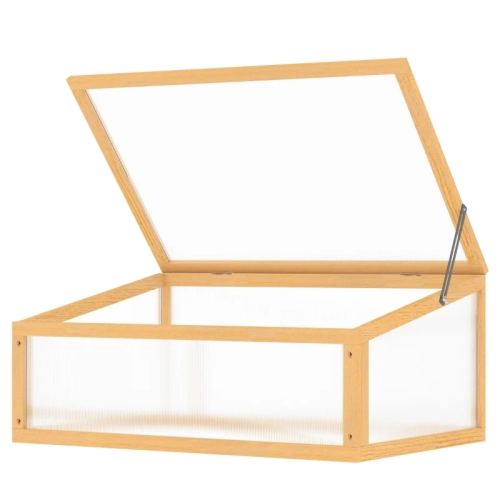
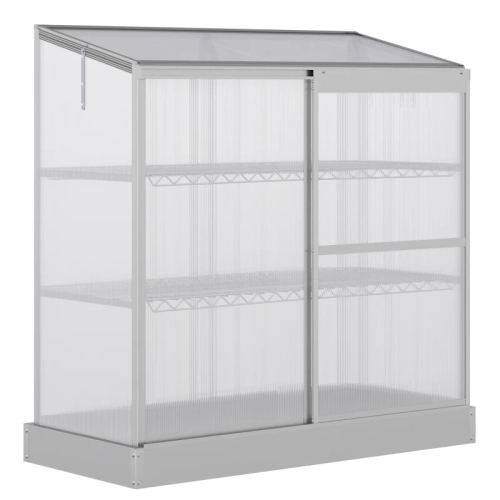

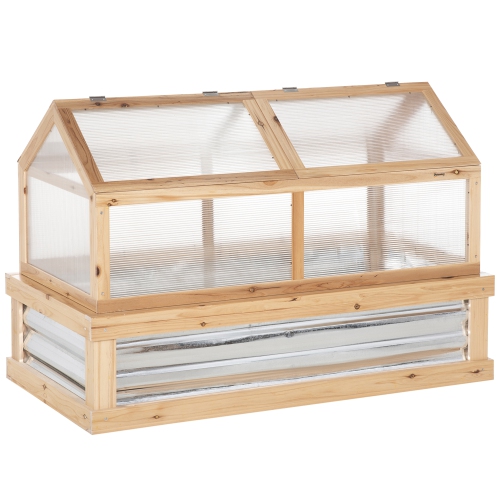
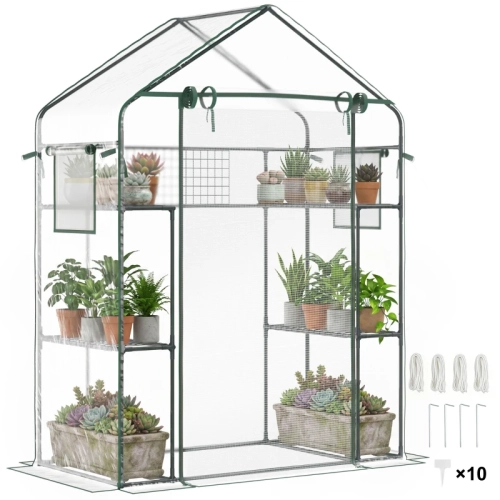
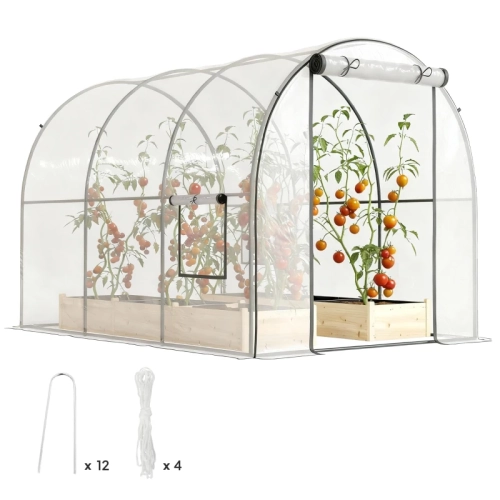
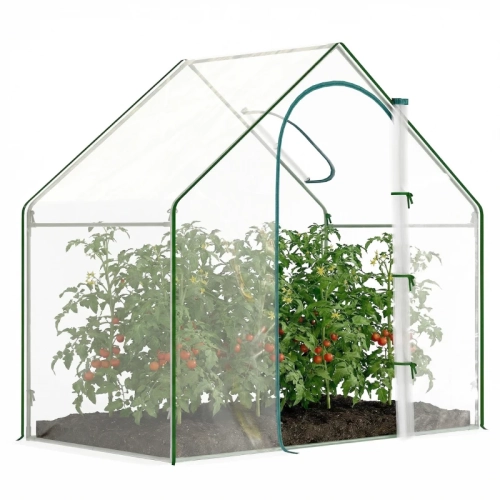
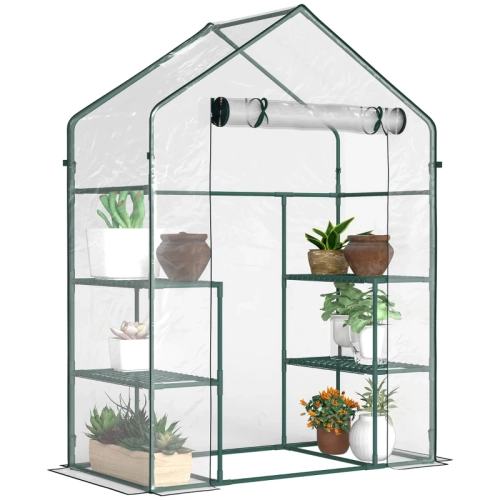
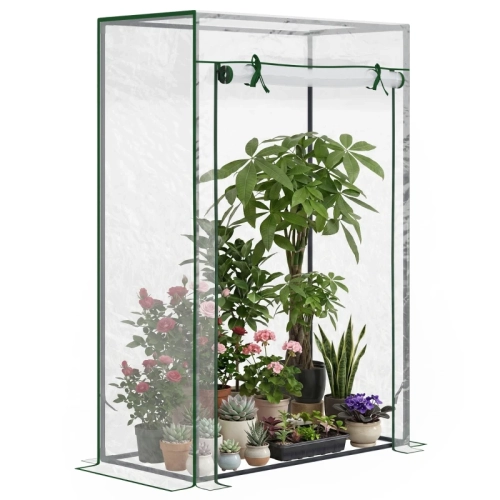
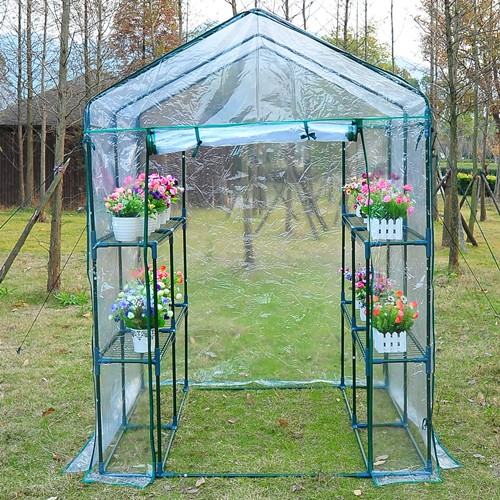
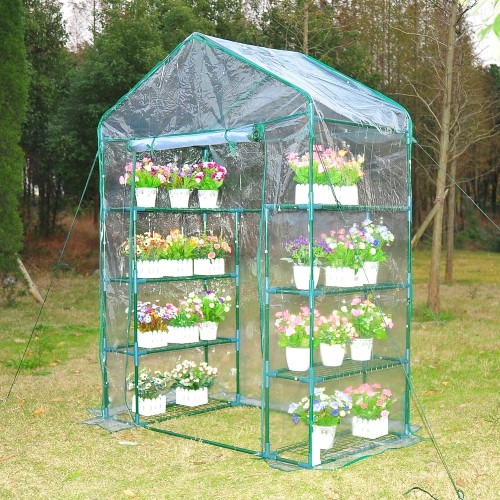
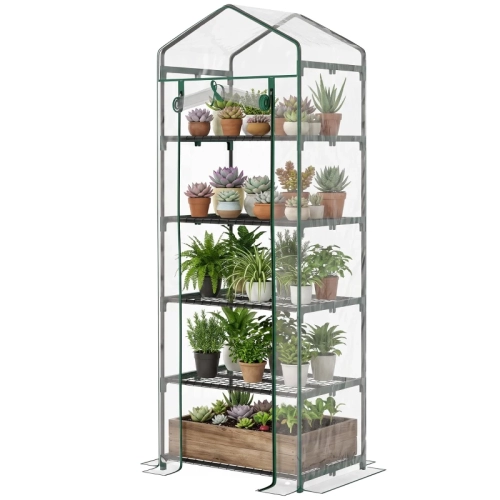

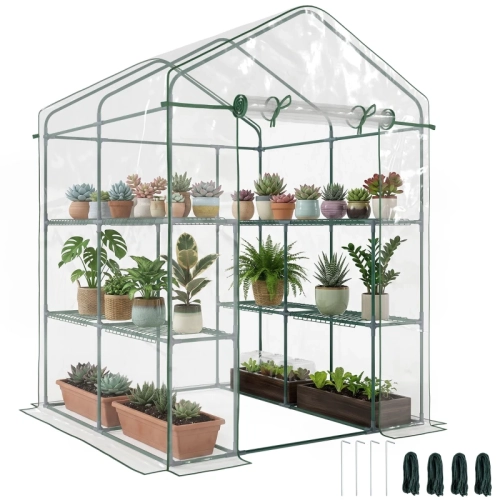
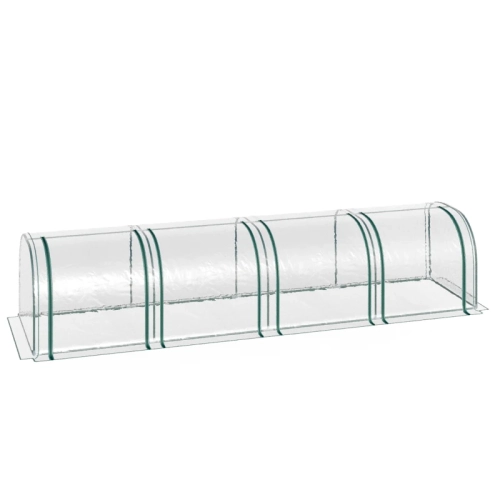
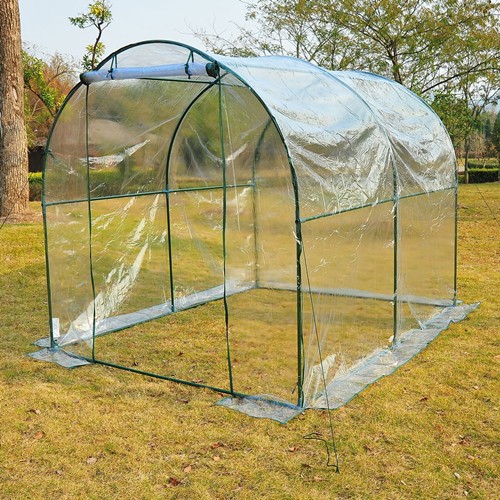
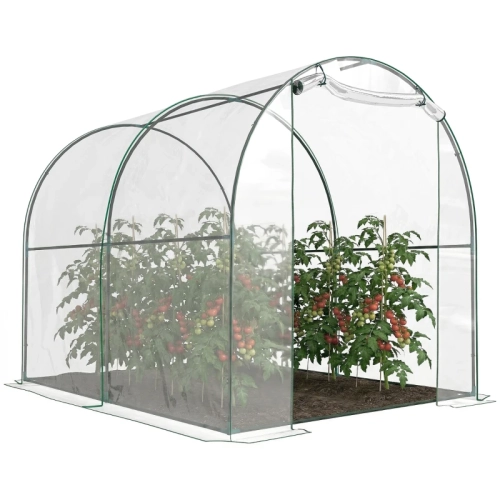
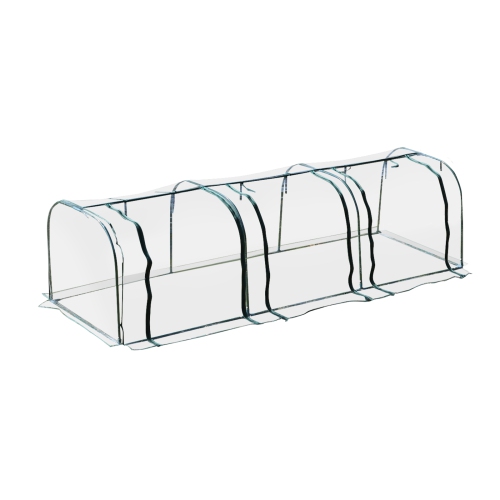

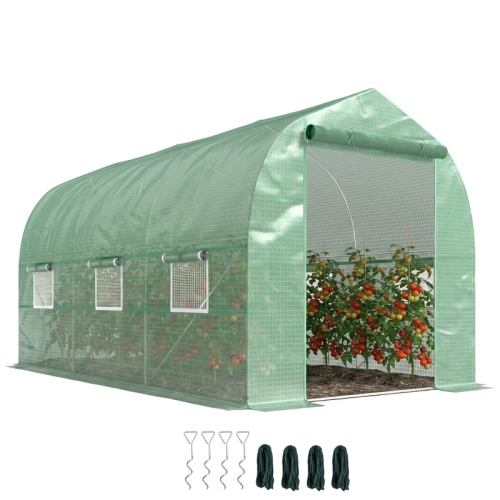
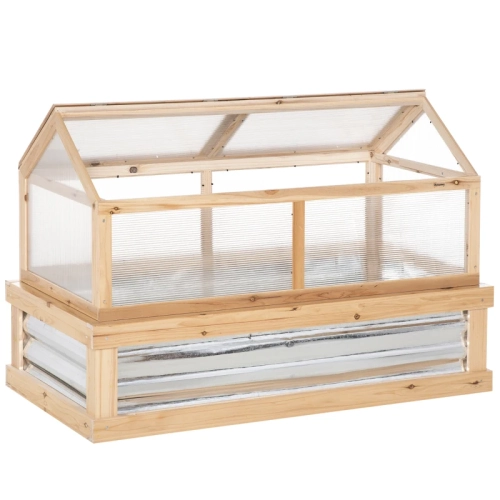
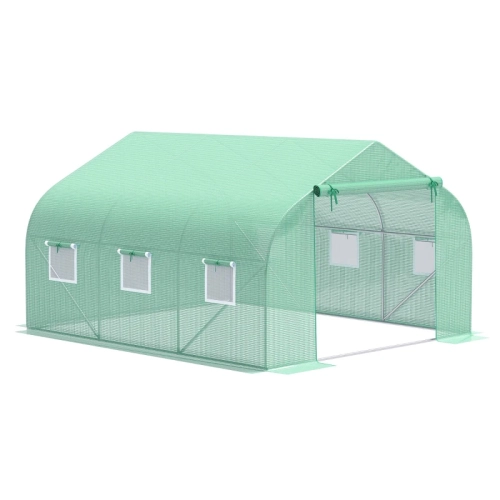
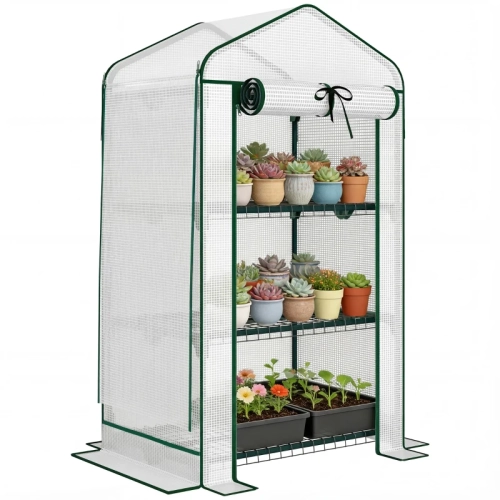
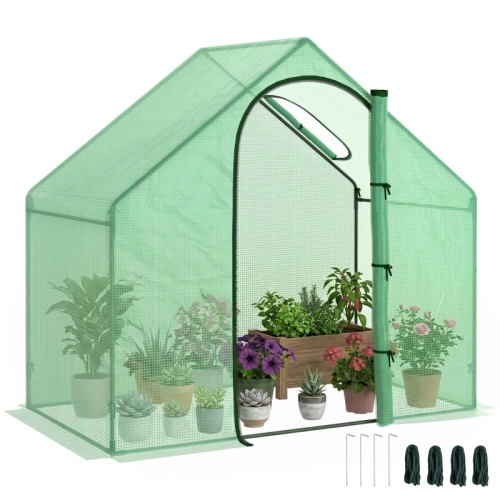
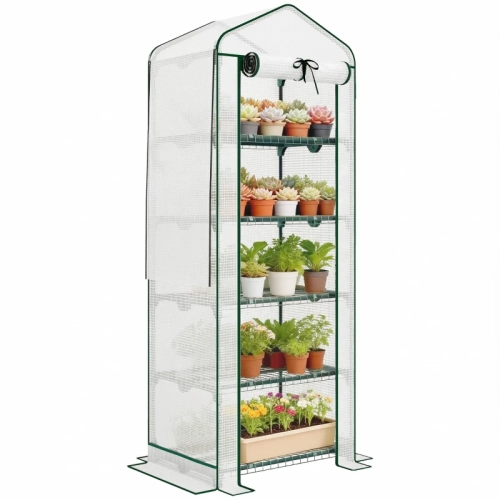

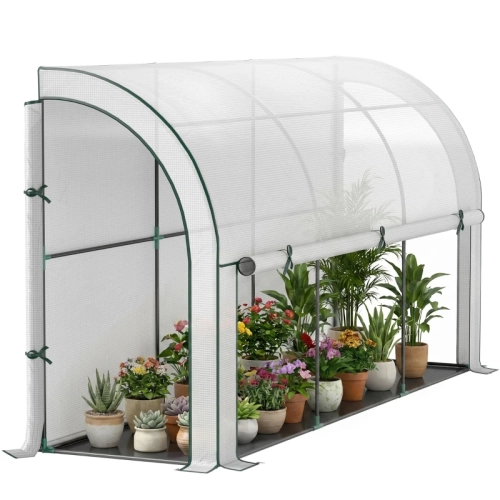
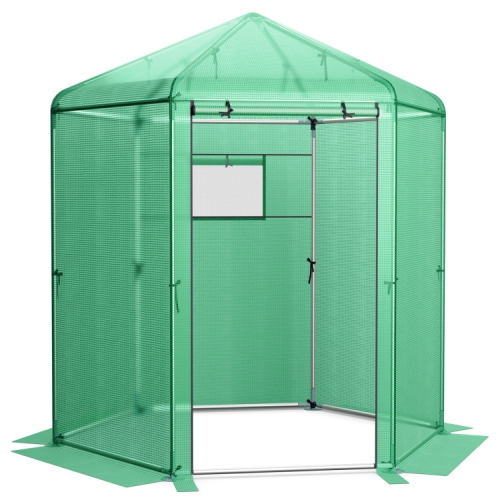
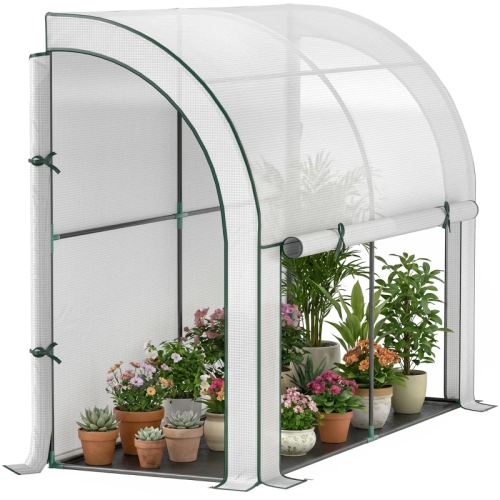
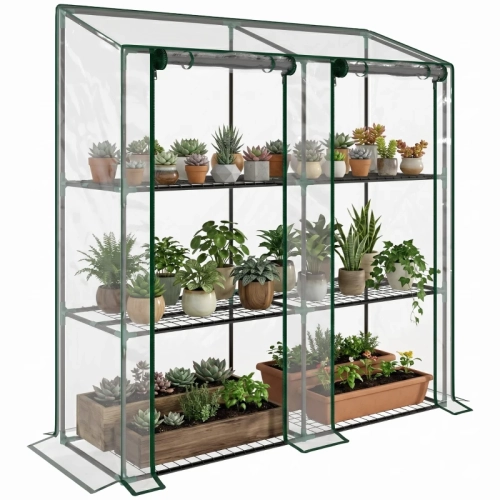
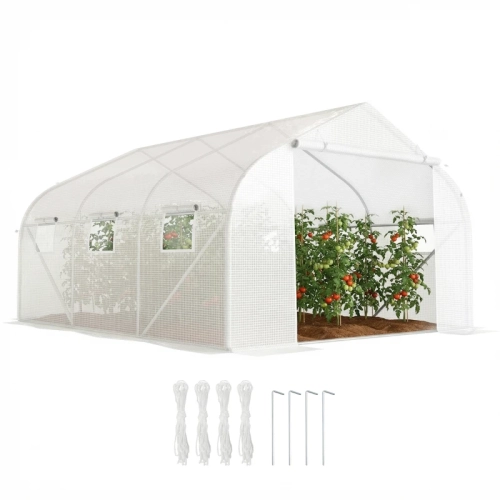
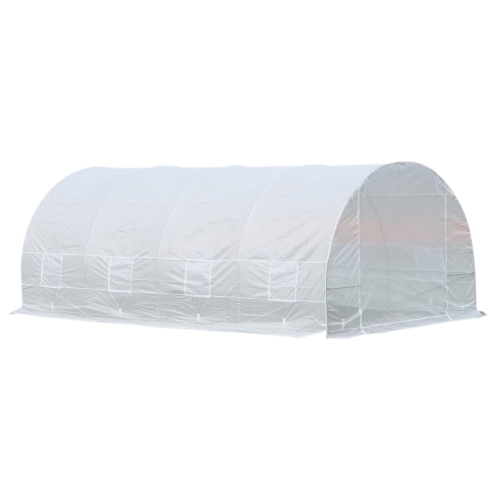
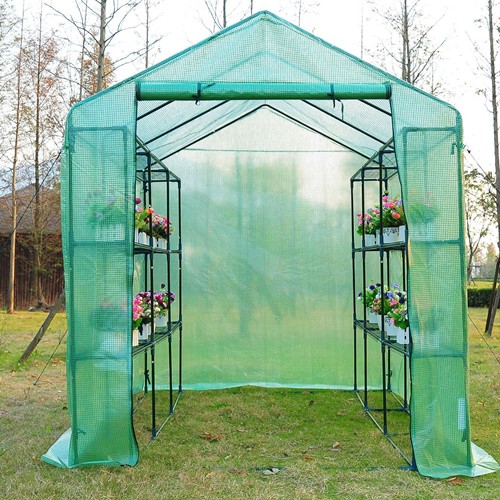
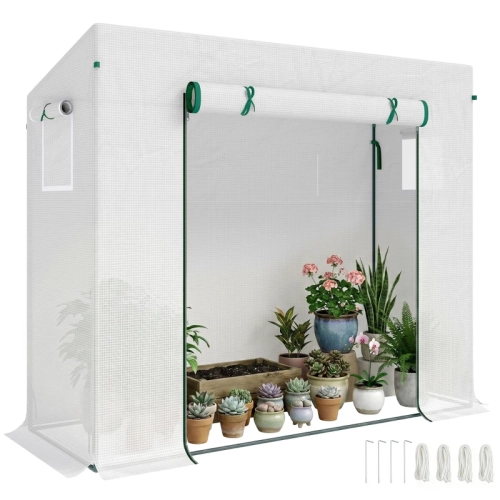
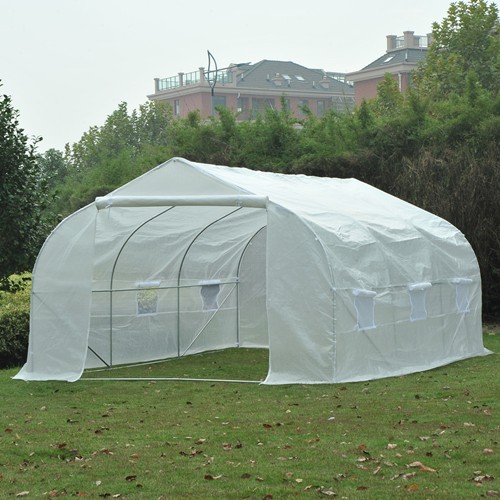
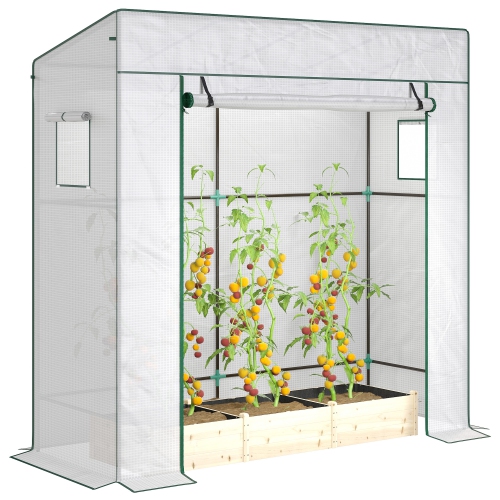
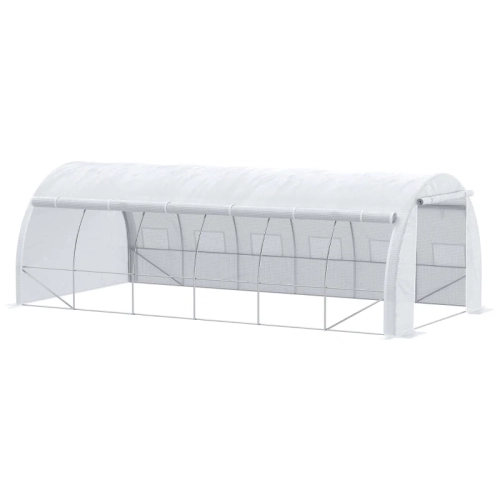
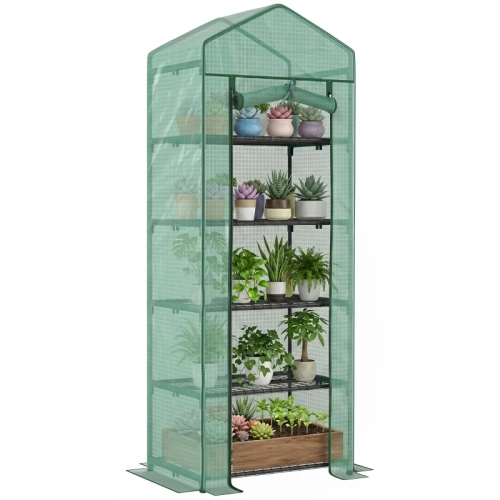
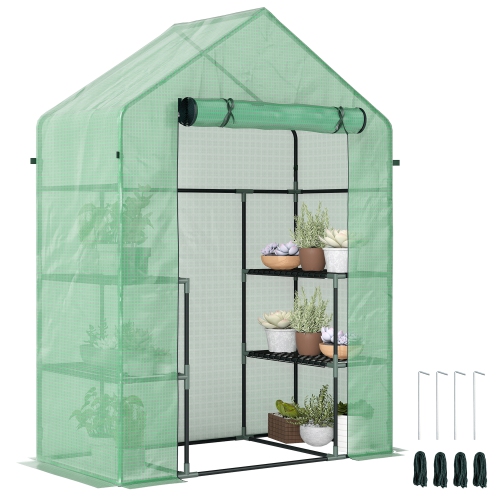
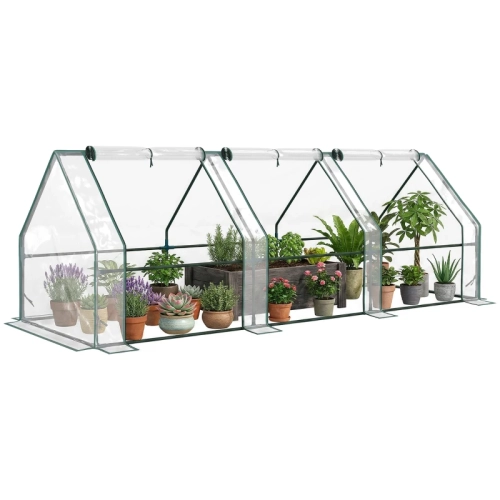
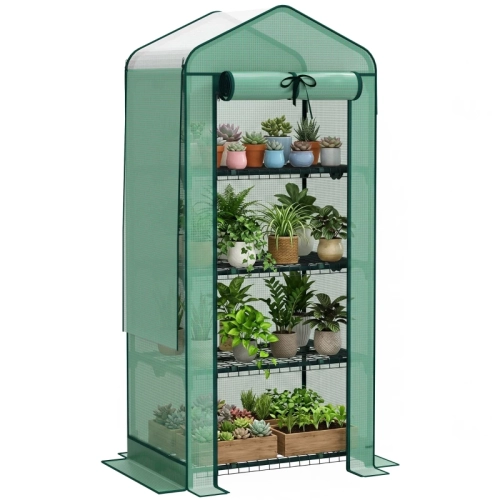
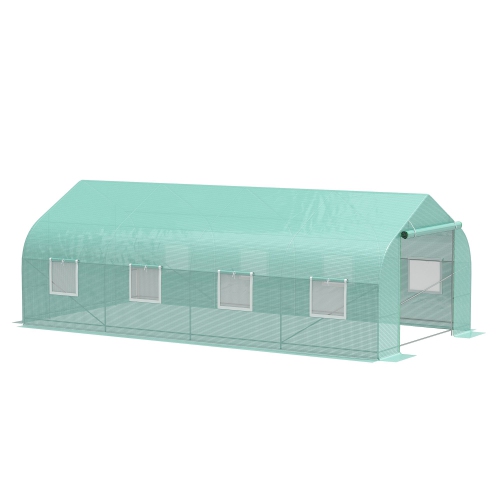
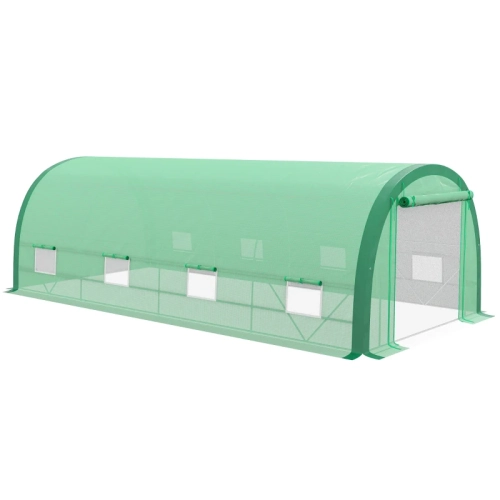
How lightweight panels help shelter plants and retain warmth
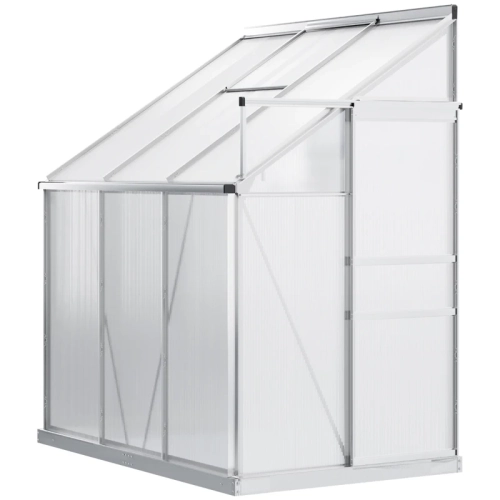
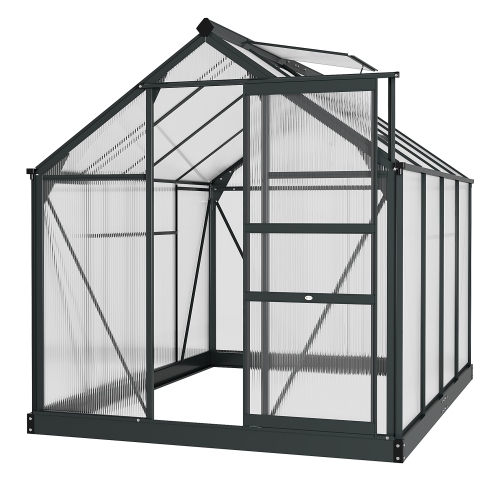
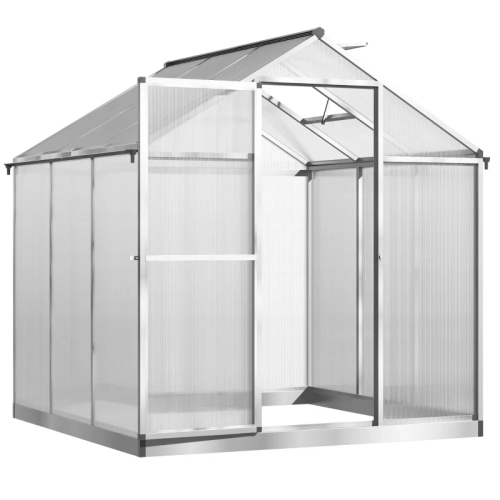
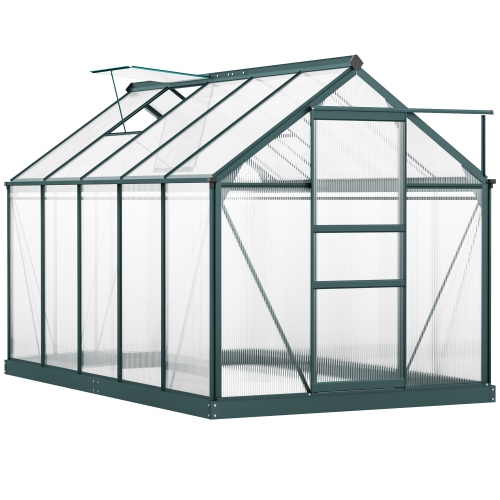
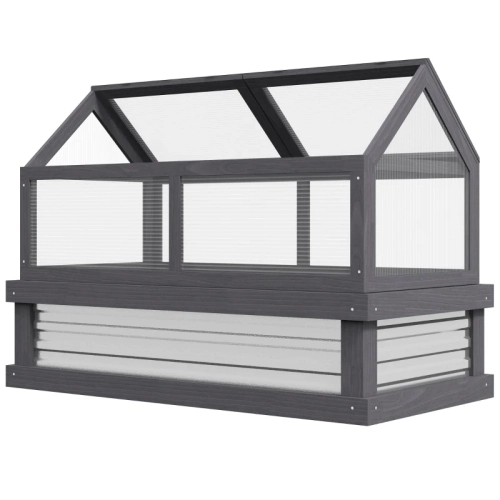
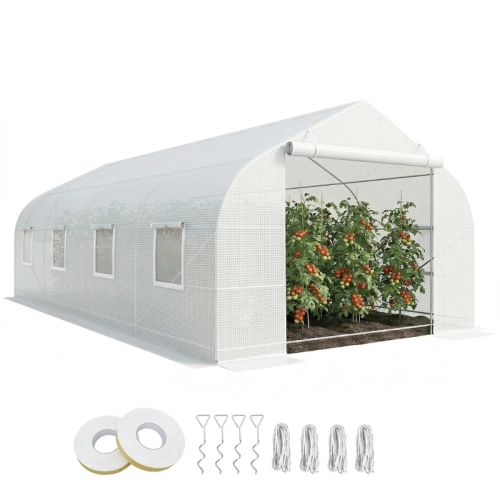
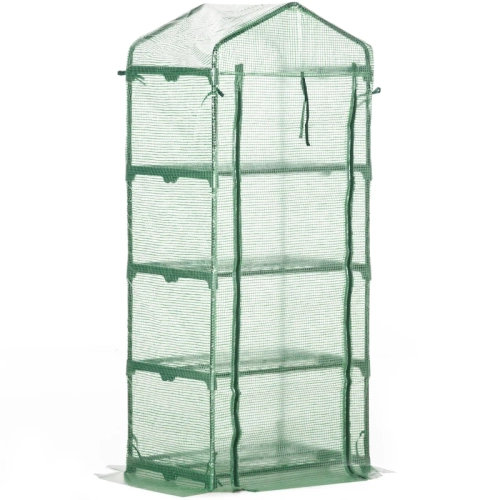
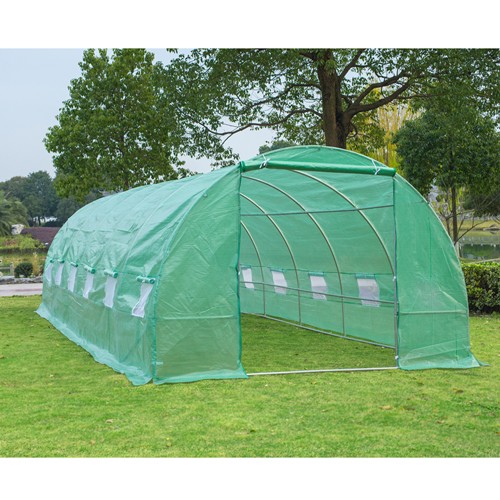
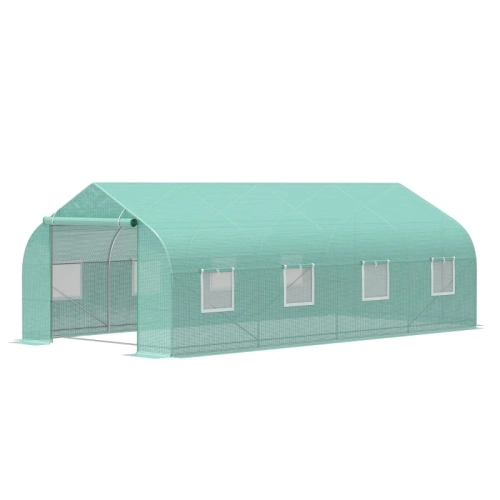
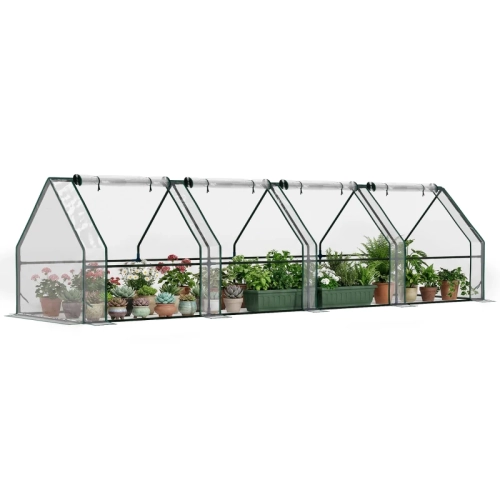
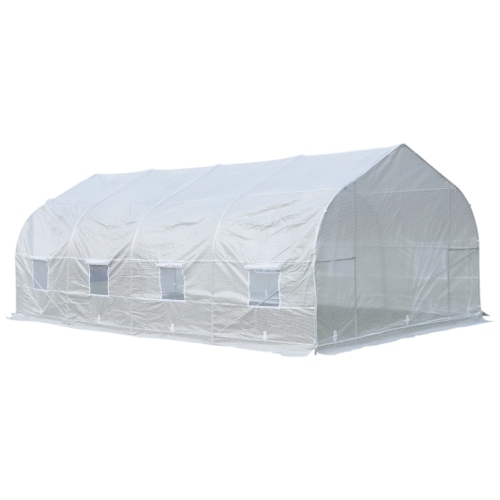
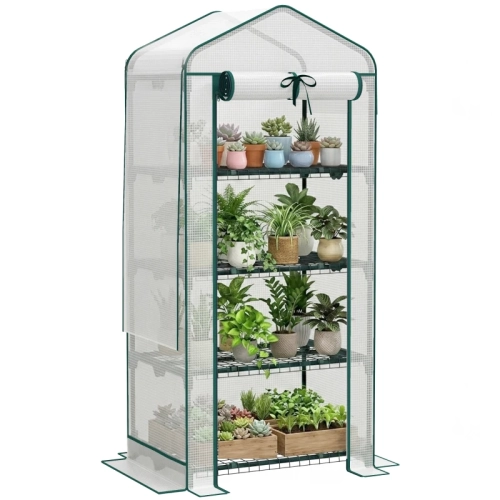
Polycarbonate greenhouses are garden structures built with rigid plastic panels that admit daylight while helping shelter plants from wind, rain, and temperature fluctuations. Their appeal comes from a useful combination of low panel weight, impact resistance, and heat retention, especially when compared with a similar structure fitted with single-pane glass. Within the broader range of Plastic Greenhouses, polycarbonate designs offer a sturdy option for gardeners who want a dedicated space for seedlings, vegetables, herbs, or ornamental plants. The panels can be solid, corrugated, or multi-wall, and that construction makes a meaningful difference to how the greenhouse performs. Twin-wall and other multi-wall panels contain channels of air between layers, which help slow heat loss. Translucent panels can also scatter incoming sunlight, spreading it across leaves rather than concentrating it in sharply defined patches. This can be useful for trays of young seedlings, although tender plants may still need shade when sunlight is intense. Clearer panels offer greater visibility through the walls, while more translucent panels soften the view and distribute light differently. Panel thickness alone does not tell the whole story: light transmission, UV protection, framing, and the fit of the doors and vents all contribute to performance. Polycarbonate is highly impact-resistant, but it is not indestructible, and a greenhouse’s ability to withstand wind or accumulated snow depends on the complete structure rather than the glazing material alone. UV-protected panels are designed to resist damage from prolonged sunlight exposure; their service life varies with their quality, installation, exposure, and care. For home gardeners, the practical benefit is a sheltered place to organize growing tasks, from raising a tray of lettuce seedlings to supporting climbing tomatoes. A greenhouse can help extend the growing season, but it does not guarantee frost-free conditions without additional heat. Matching the structure to the plants it will hold makes that distinction especially important.
Size and layout influence everyday use just as much as panel construction. A greenhouse needs room not only for pots and growing beds, but also for the person tending them. A footprint that looks generous on an empty patio can feel much smaller once benches, watering supplies, and mature foliage are in place. Usable floor area, wall height, roof height, and doorway width are helpful points of comparison, particularly for gardeners who carry large trays or need space for a wheeled cart. Tall plants need clearance above their growing containers, while a central aisle should remain accessible after leaves and stems spread outward. Compact structures can suit seed starting and a modest herb collection; larger walk-in designs allow more separation between propagation trays, established plants, and storage. The site matters, too. Access to daylight, water, and a safe power supply, if heating or powered ventilation is planned, can make routine care more convenient. Nearby trees and buildings may cast shade, and an exposed location can place greater demands on anchoring. A level, stable base helps doors operate properly and allows panels to sit as intended within the frame. Depending on the design, the supporting surface may be a prepared foundation, a perimeter base, or another arrangement specified by the manufacturer. Drainage deserves attention wherever watering can leave puddles beneath benches or around containers. Aluminum frames are generally lightweight and corrosion-resistant, while galvanized steel frames can provide strong support; connection points, bracing, and protective finishes remain important with either material. Secure panel channels and properly fitted fasteners help keep the glazing in position. For greenhouse kits, clear assembly documentation and the specified anchoring components are practical considerations, not minor extras. Local requirements may also affect the placement or installation of a garden structure. A thoughtful fit between the greenhouse, its base, and the available outdoor space creates a place that is comfortable to work in rather than simply a place to put plants.
Inside a polycarbonate greenhouse, successful growing depends on balancing light, warmth, airflow, and moisture. Sunlight can raise the interior temperature quickly, even when the air outside feels cool, so roof vents, opening windows, and accessible doors play an important role in releasing excess heat. Automatic vent openers can respond to temperature changes, though their operating range and lifting capacity need to suit the vent. Air circulation helps reduce stagnant pockets around crowded foliage, while adequate spacing gives leaves room to dry after watering. Condensation on panels is common when warm, moist air meets a cooler surface; it is not necessarily a sign of a faulty structure, but persistent dripping and prolonged dampness can point to a need for better ventilation or adjusted watering. Multi-wall glazing provides insulation, not a substitute for heating when plants require minimum temperatures that the structure cannot maintain on its own. Any heater used inside should be suitable for the setting and installed according to its safety requirements, with electrical equipment kept clear of water. Plant choice also shapes how the space is used. Seedlings may benefit from close attention to light and moisture, climbing crops need secure supports, and fruiting plants may require hand pollination when insects have limited access. Keeping the greenhouse tidy makes these tasks easier and helps gardeners notice pests before they spread between pots. Panel care is usually straightforward: gentle washing with water, a soft cloth, and a manufacturer-approved mild cleaner can remove dirt that reduces light transmission. Abrasive pads, harsh solvents, and unsuitable cleaners can damage the surface or its protective coating. Multi-wall panels may require particular edge tapes, seals, or channel fittings to manage moisture and keep debris out, and panels with a UV-protected face must be oriented correctly during installation. Periodic checks of fasteners, seals, vents, and anchoring help preserve the structure’s function. For a keen gardener, a polycarbonate greenhouse can be a rewarding addition to a growing space, provided its size and ongoing care suit the way it will be used.
Top selling and popular products
-
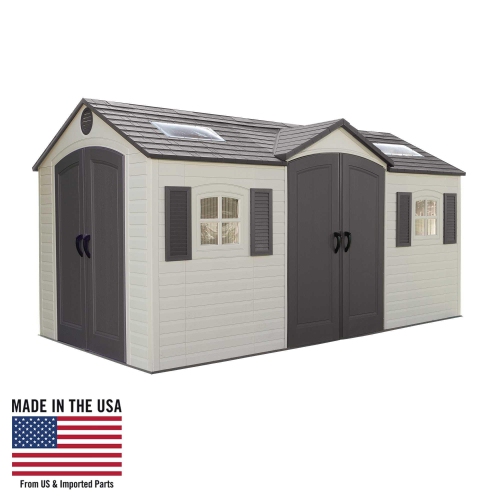 Your price for this item is $3999
-
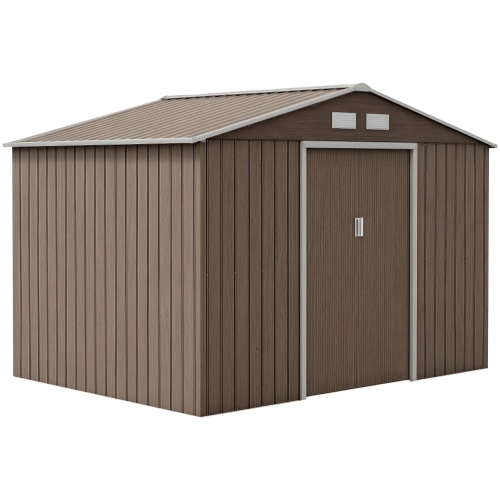 Your price for this item is $554.99
-
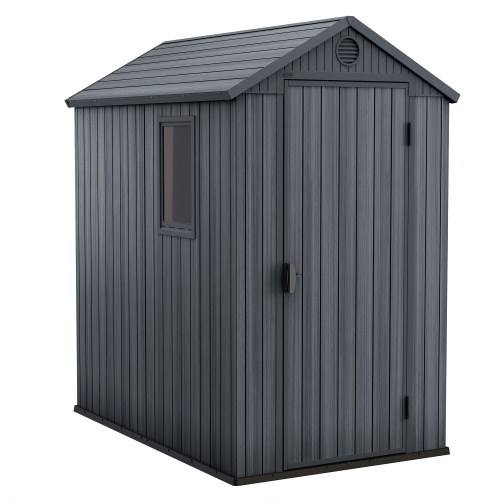 Your price for this item is $980.99
-
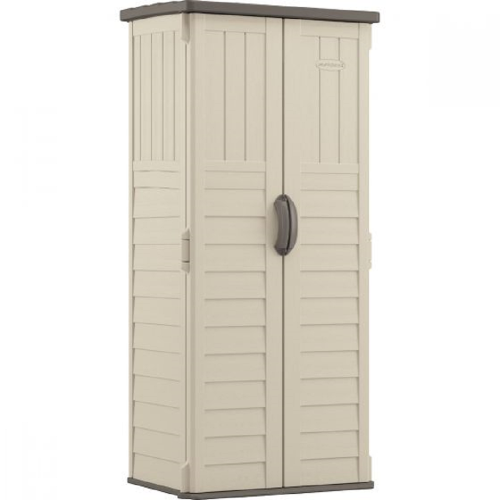 Your price for this item is $385.99
-
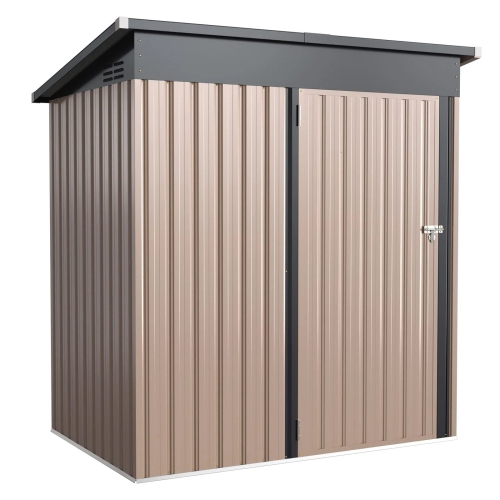 Your price for this item is $179.99
-
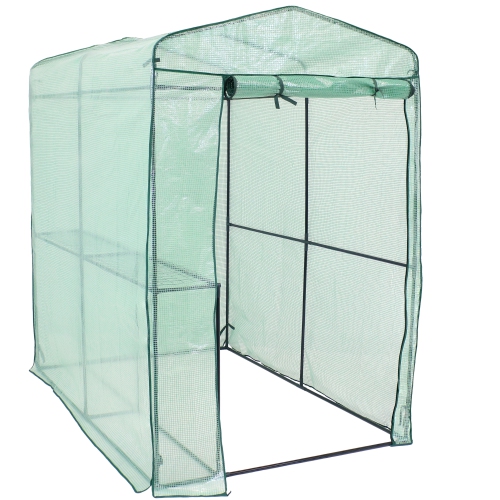 Your price for this item is $113.35
-
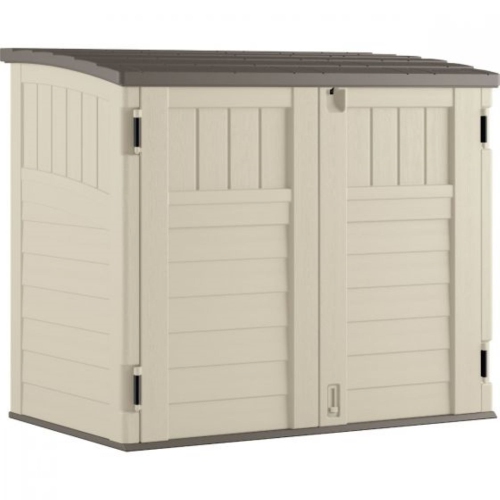 Your price for this item is $459.99
-
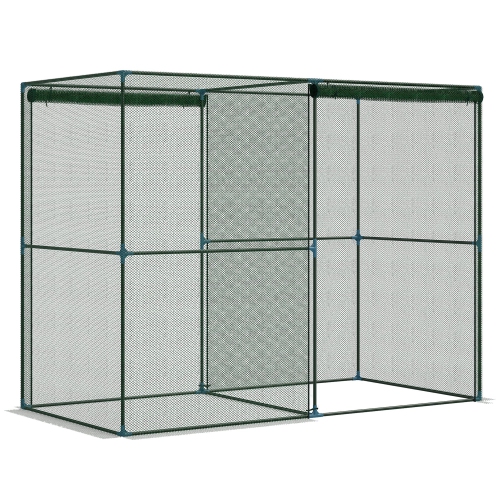 Your price for this item is $74.99
Discover more categories related to Polycarbonate Greenhouses

Top Collections:
Pokemon Centers, Best Cameras for Sports Photography, Kindle Devices, Samsung Galaxy Phones, Canon G7X Cameras, Pokémon 30th Celebration Cards, Refurbished Apple Laptops, iPhone 15 Apple, Laptops for Students, Budget Smartphones
Some products may be subject to Environmental Handling Fees
(EHF) depending on your province.
Learn more about EHFs.