Polycarbonate Panels Greenhouses
Polycarbonate panel greenhouses offer a durable and efficient solution for avid gardeners and horticulturists looking to extend their growing season or protect delicate plants from harsh weather conditions. These versatile structures provide excellent insulation, allowing sunlight to penetrate while retaining heat, creating a conducive environment for plant growth. With various sizes and designs available, polycarbonate panel greenhouses are a popular choice for both beginners and experienced gardeners seeking to cultivate a thriving garden year-round.
Sort
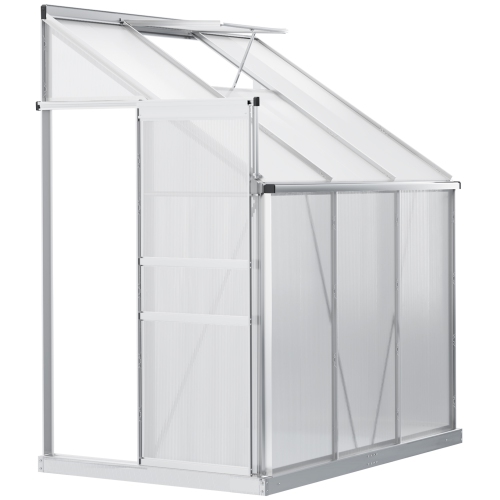
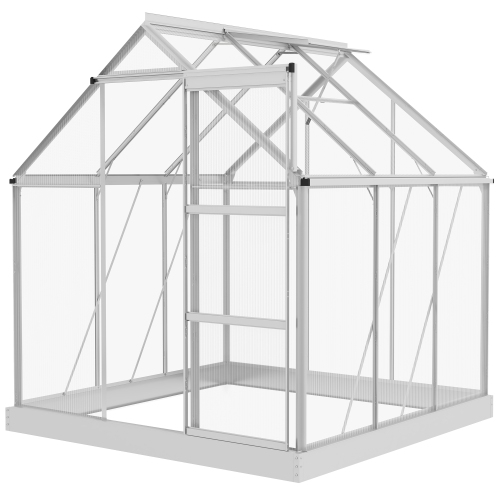
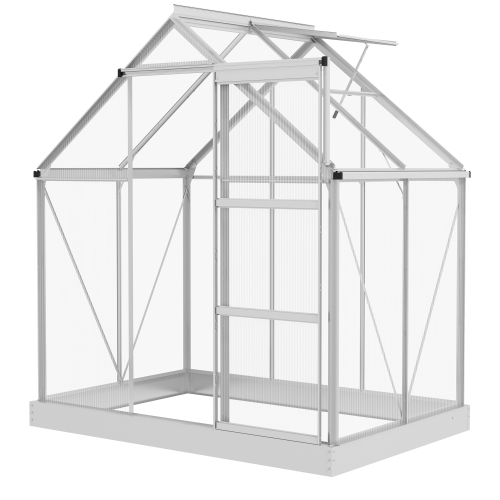
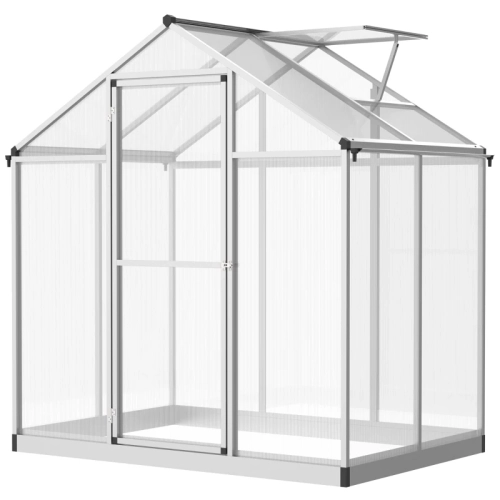
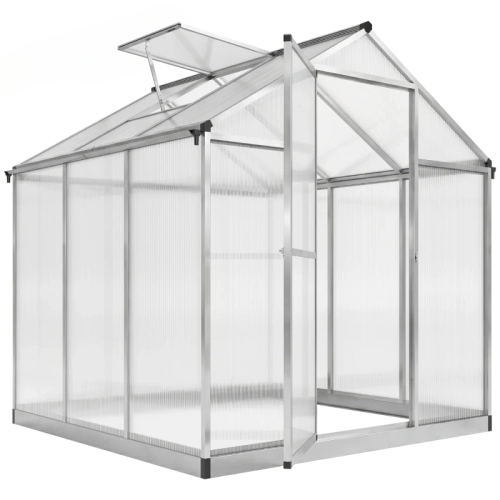
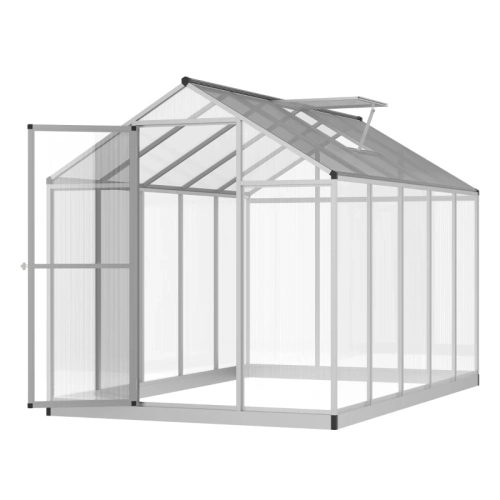
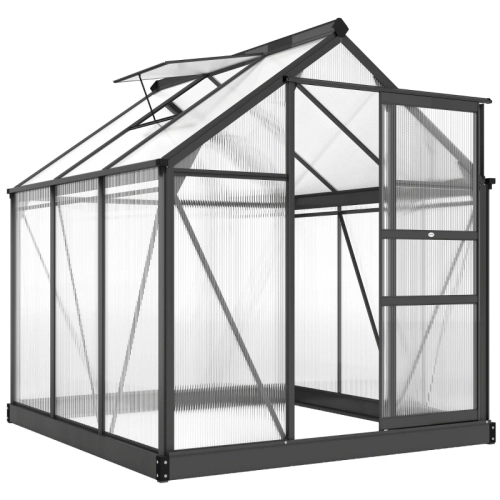
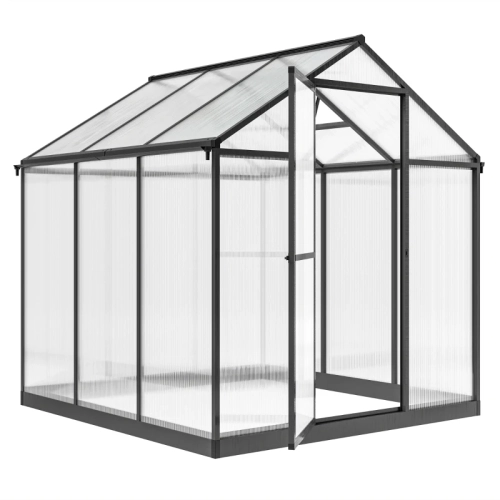
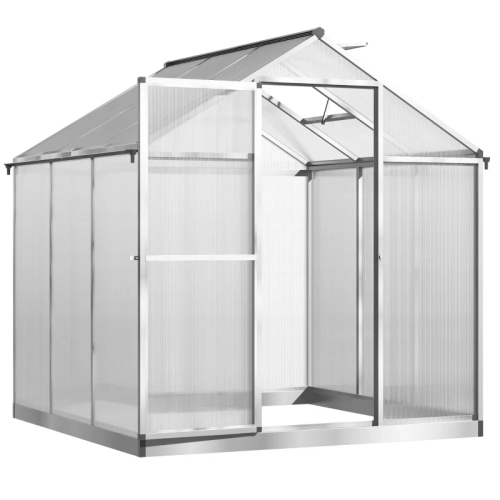
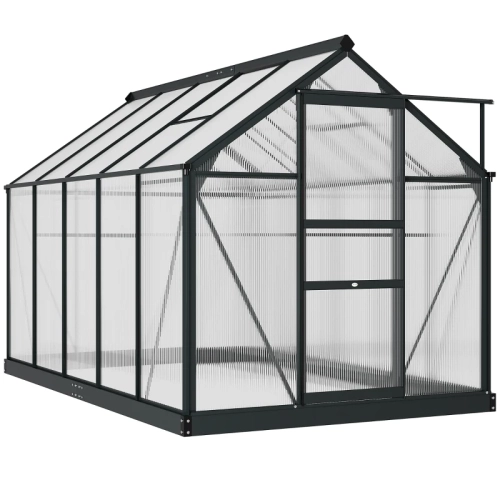
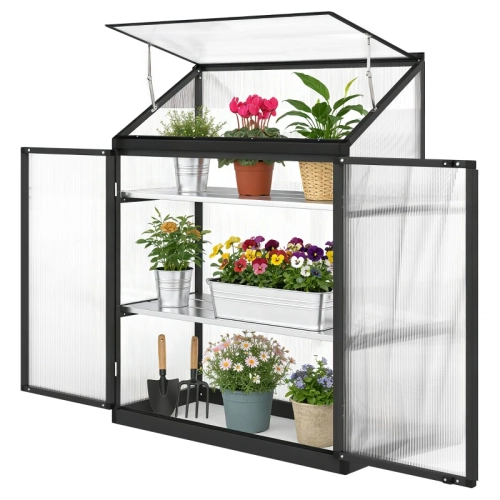
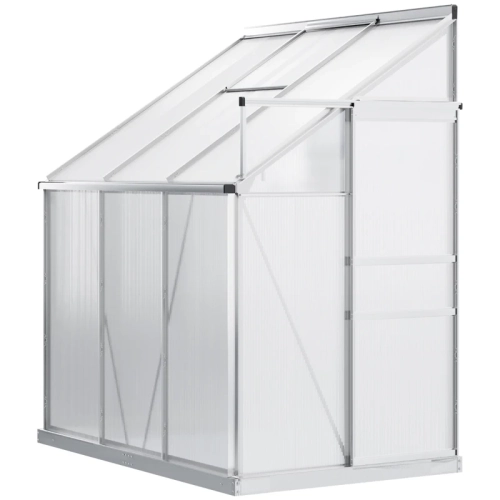
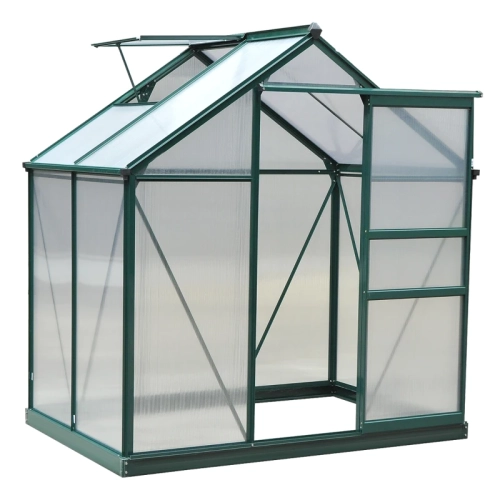
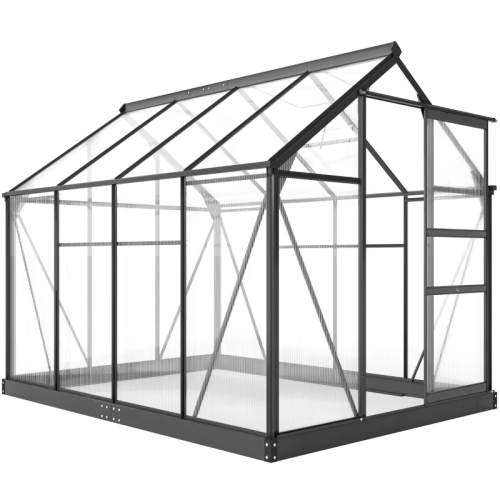
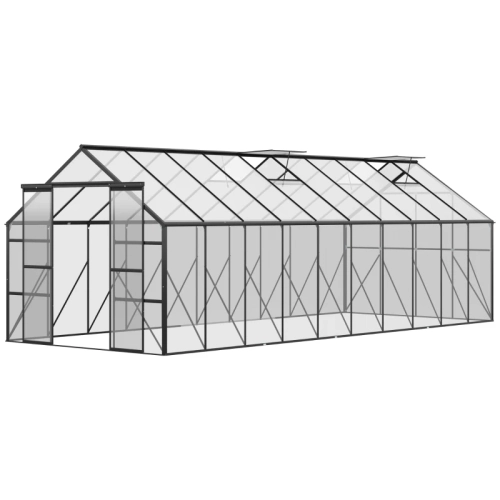
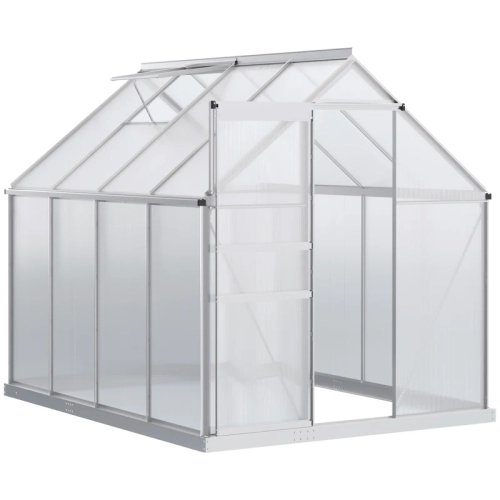
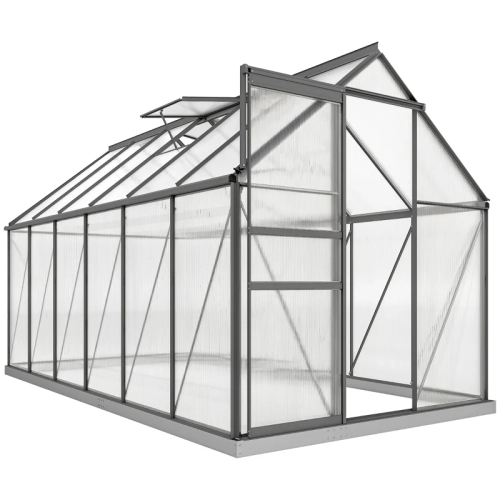
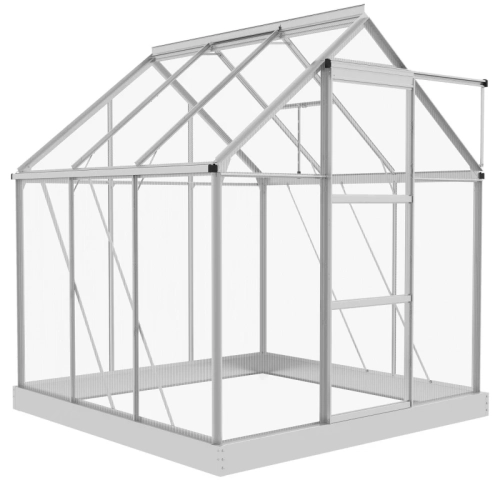
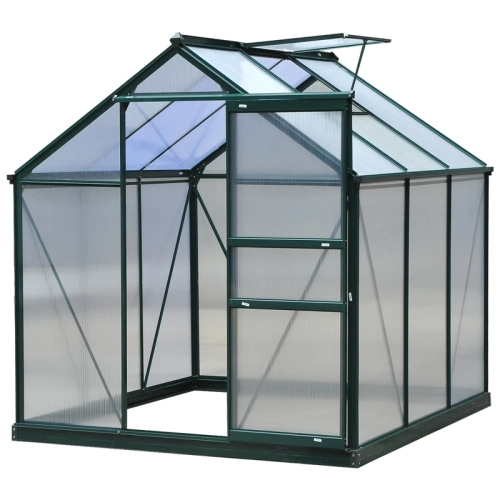
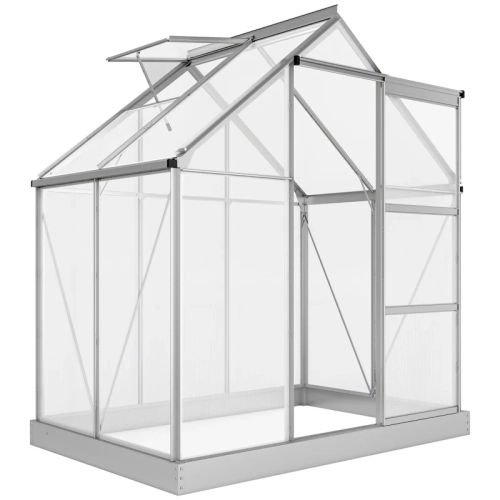
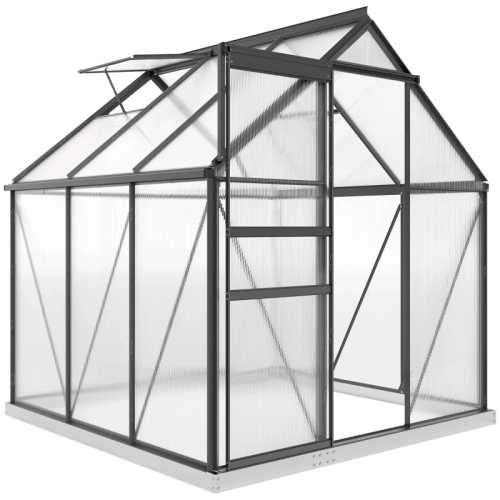

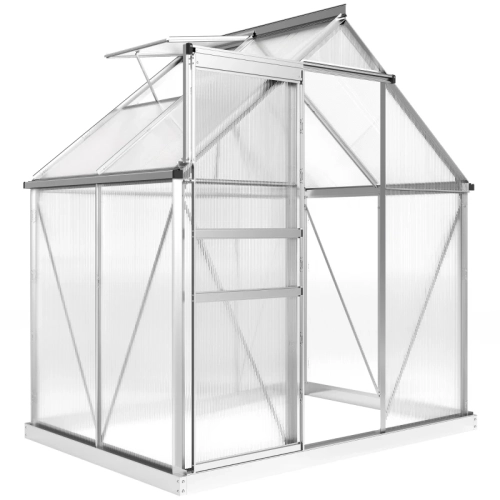
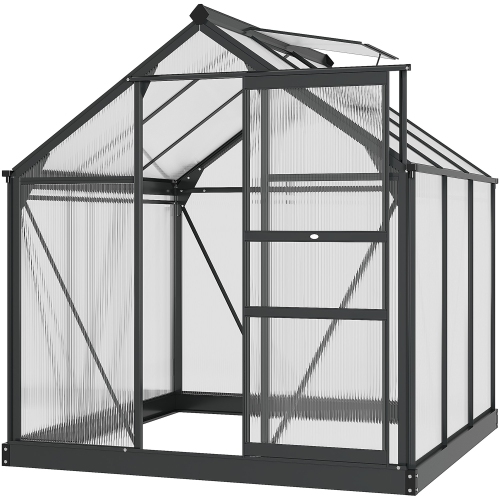

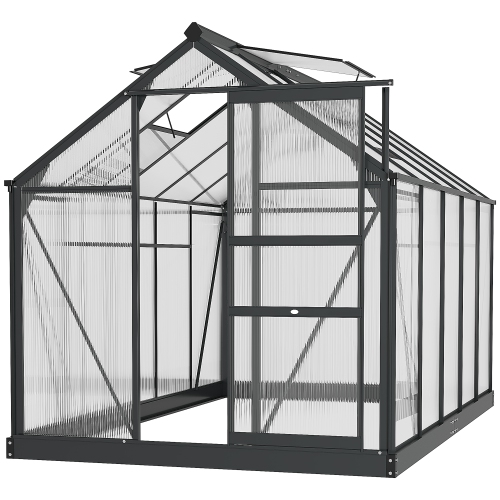

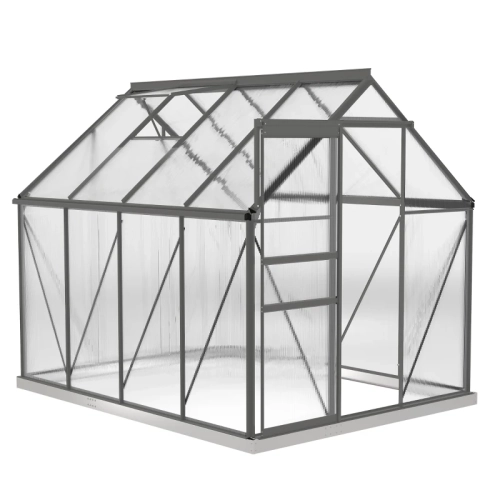
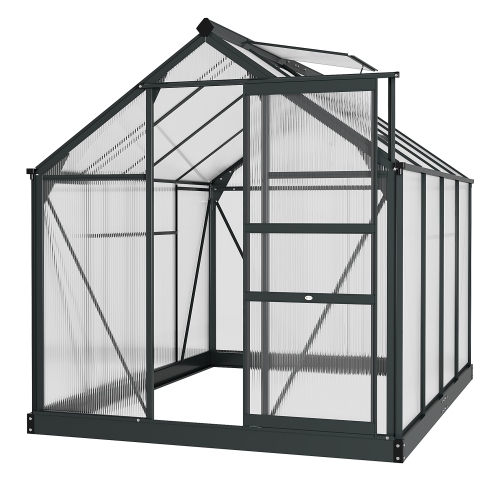
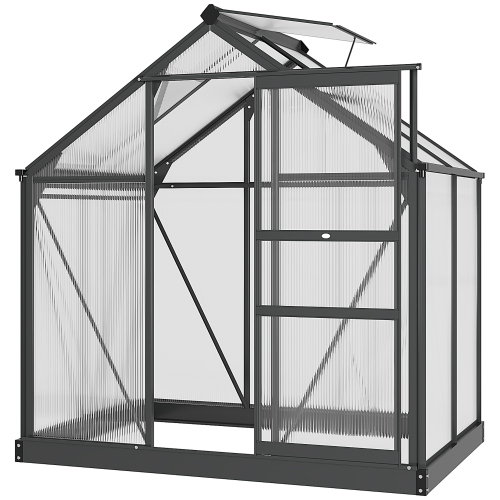
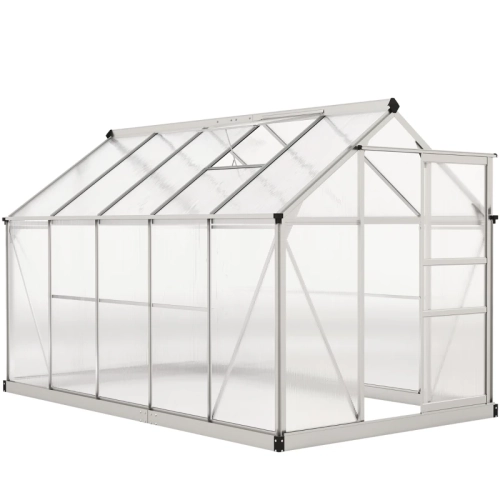
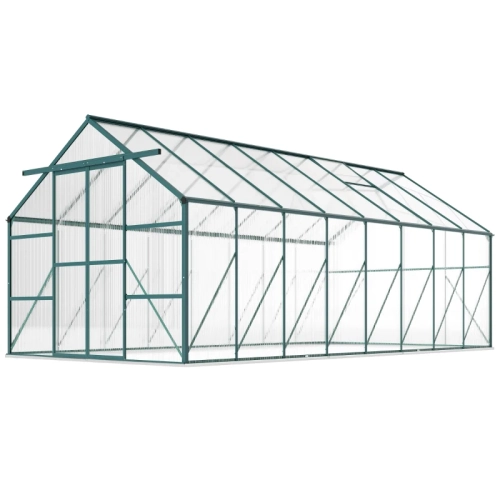
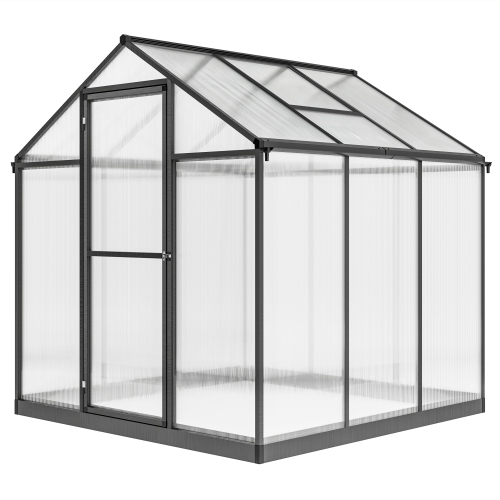
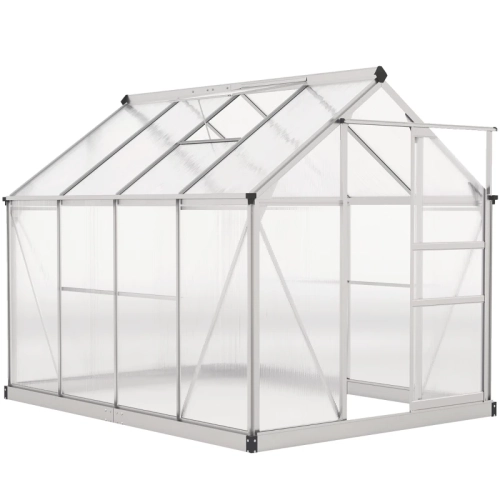
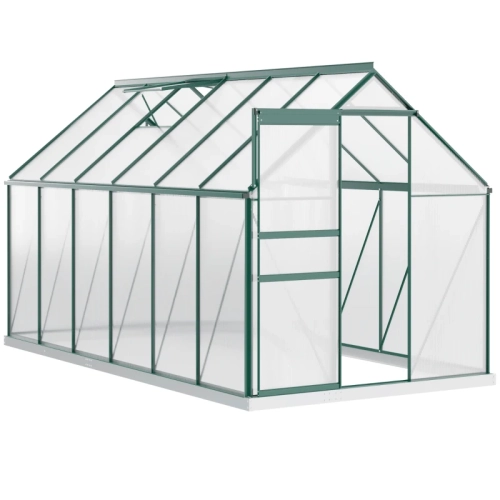
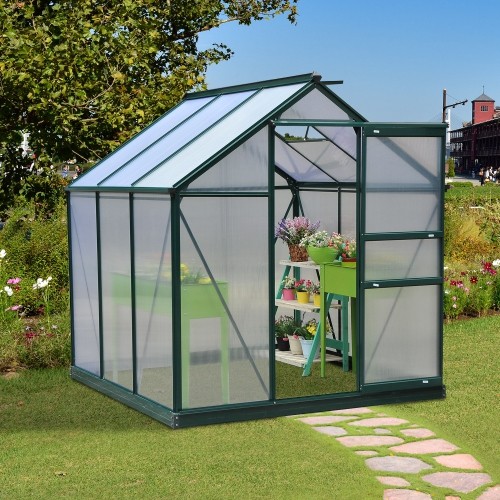
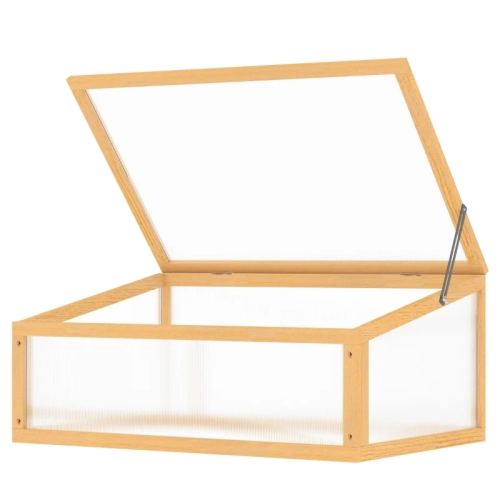
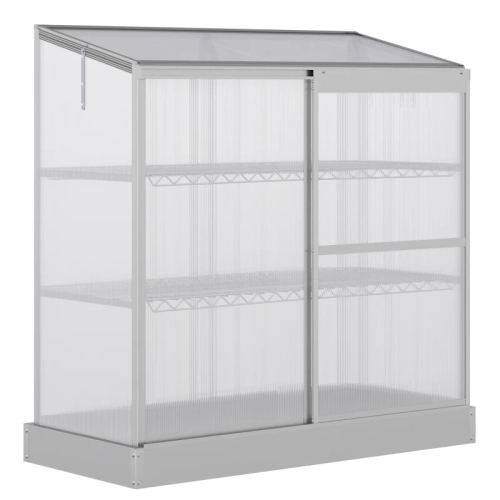
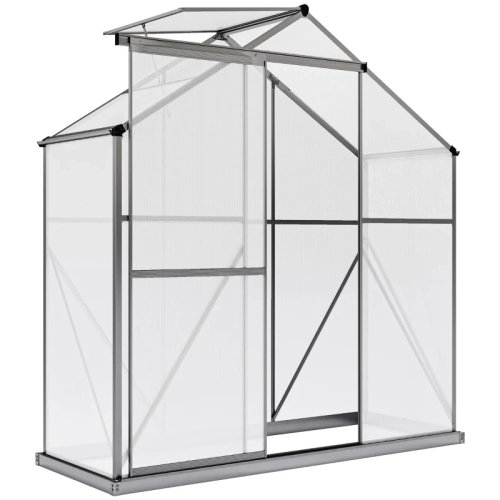
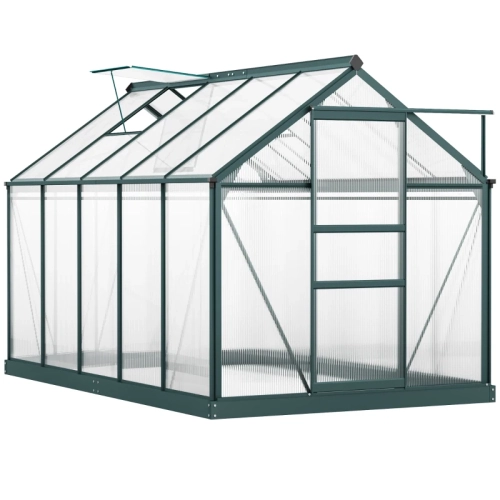
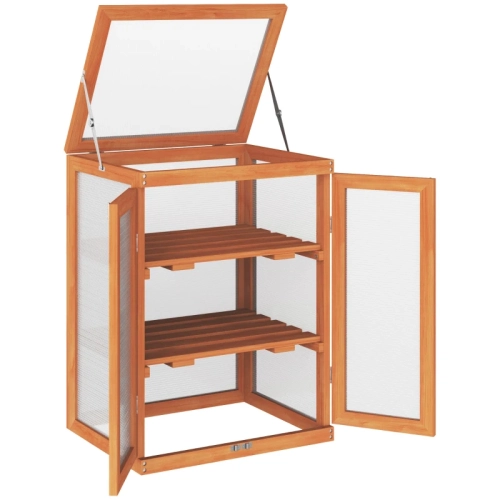


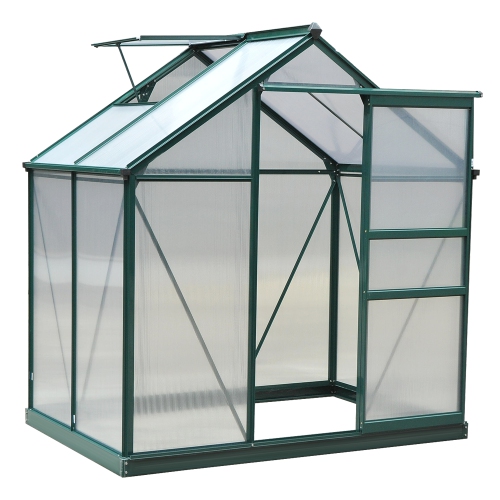


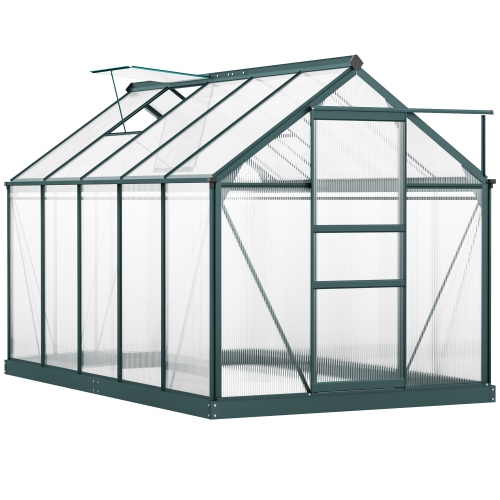


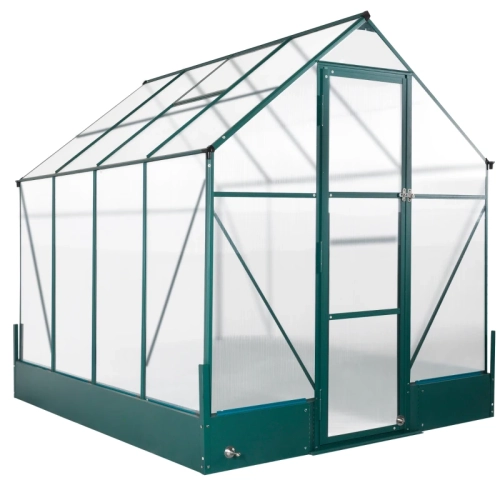
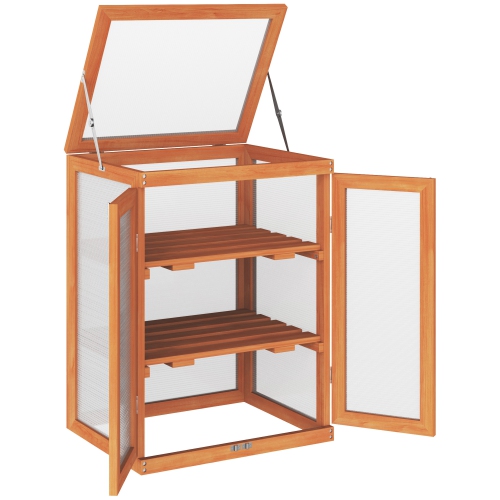


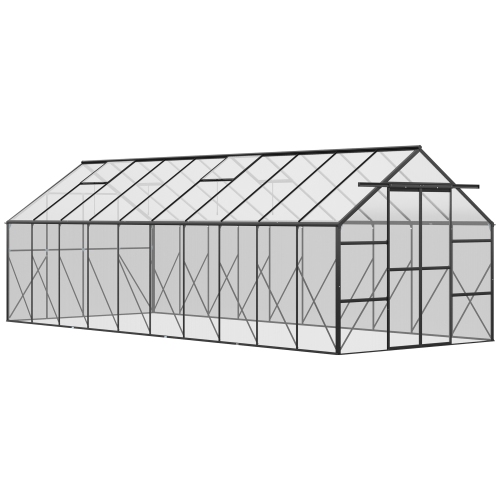


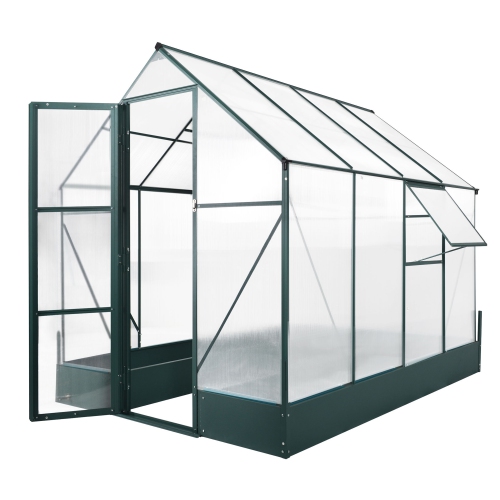


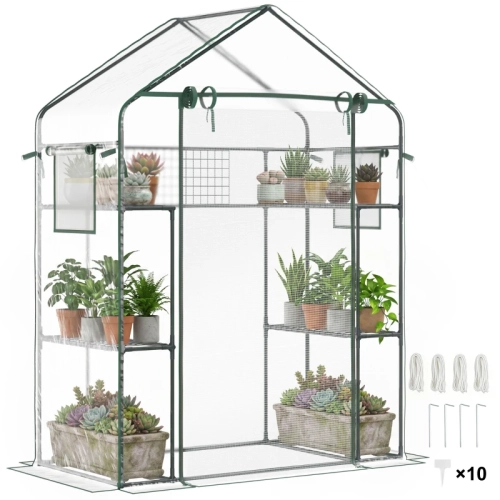
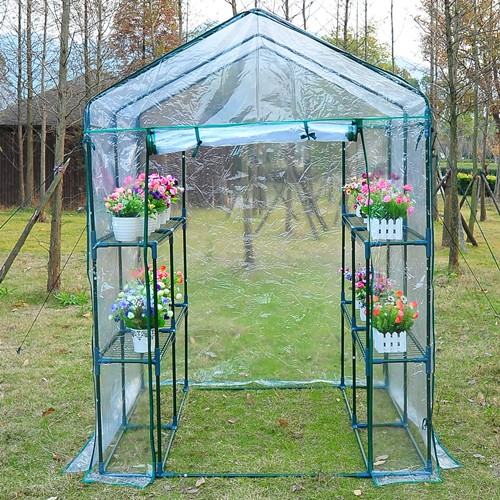
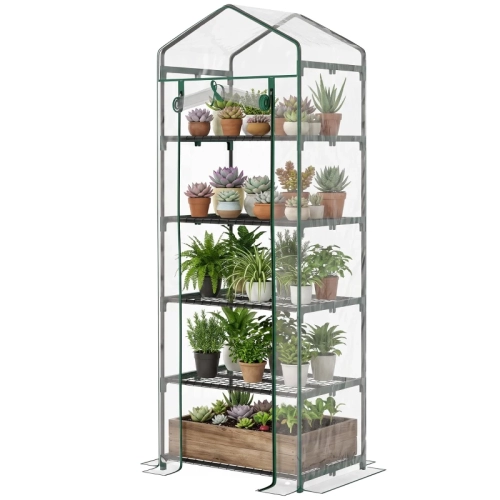
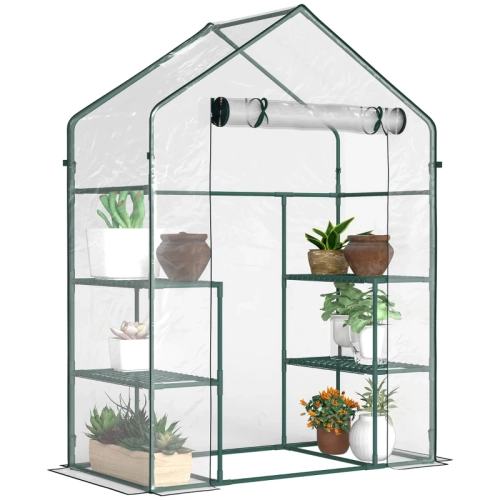
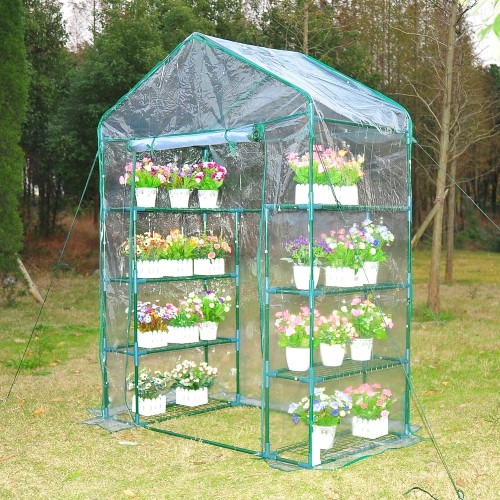
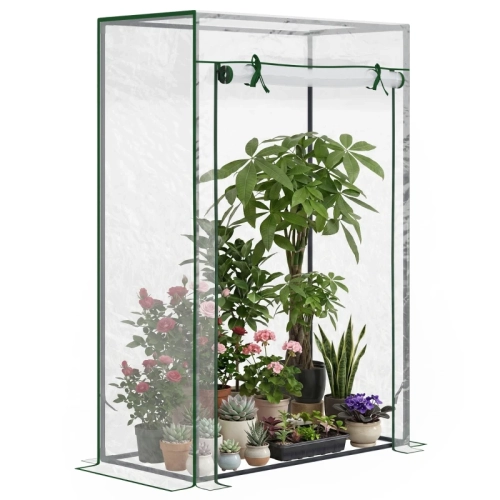

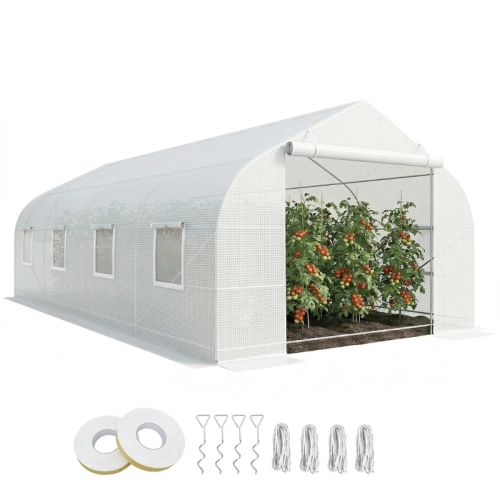

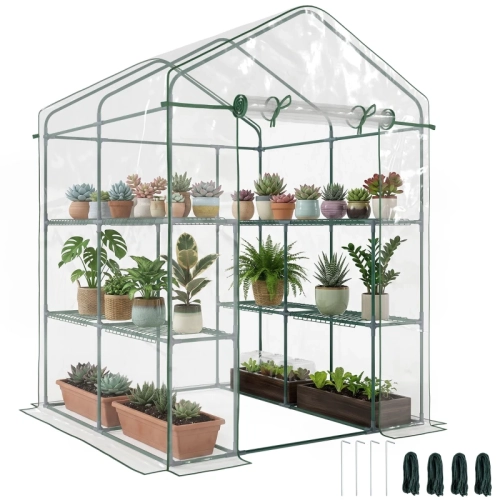
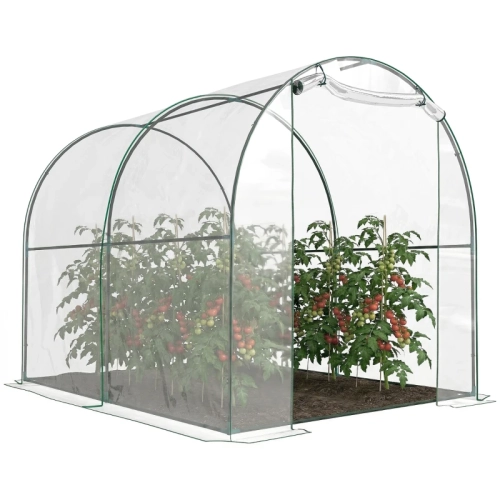
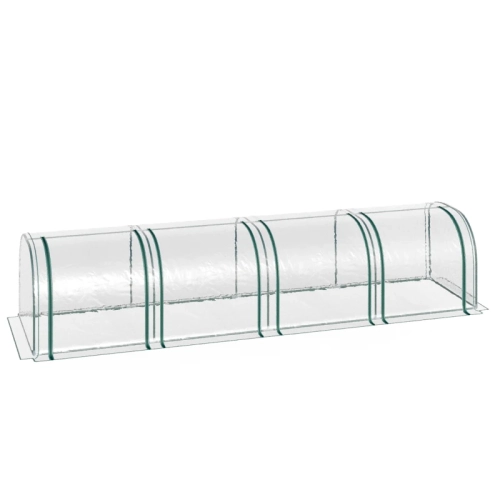
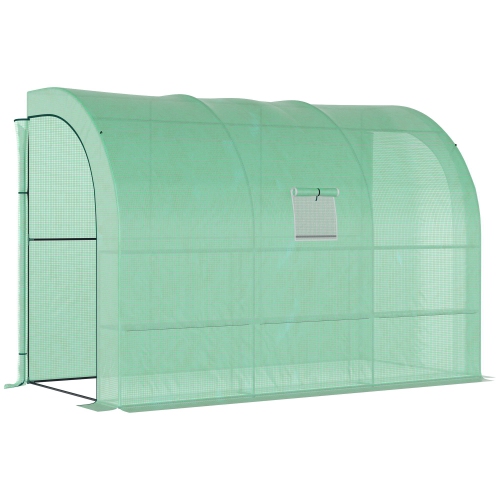
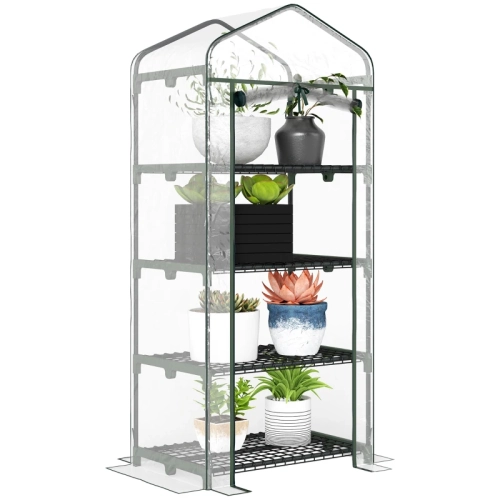
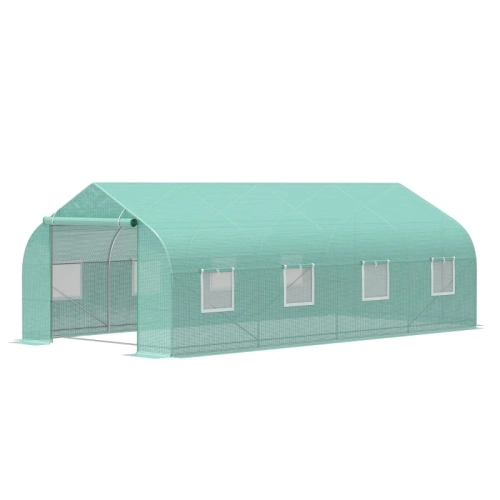
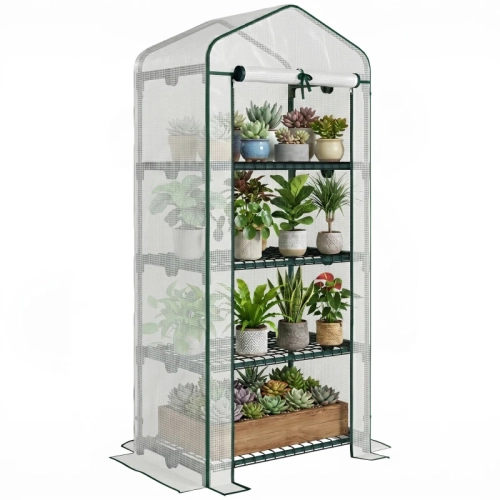
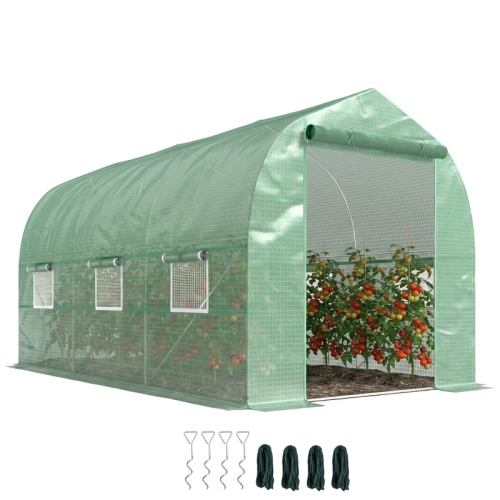
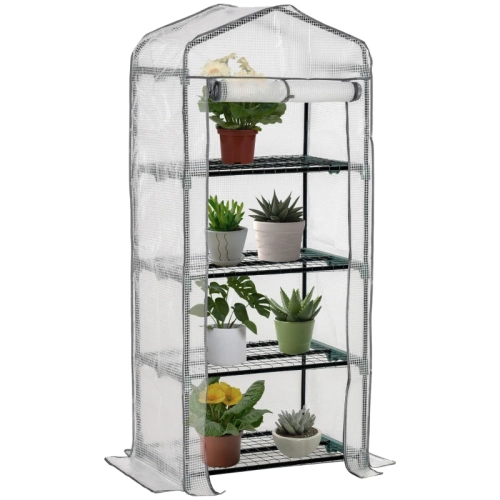
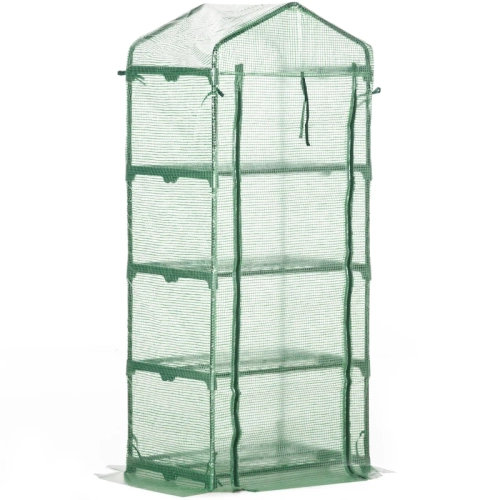
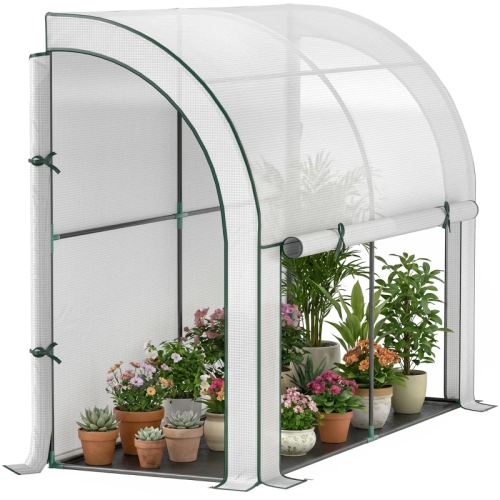
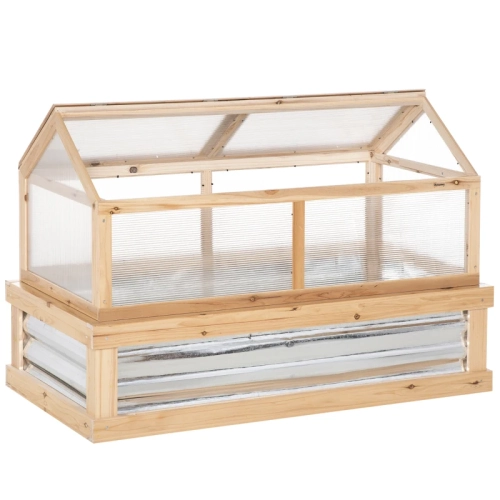
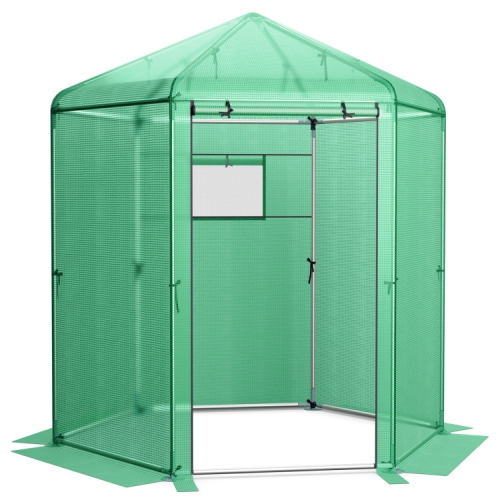
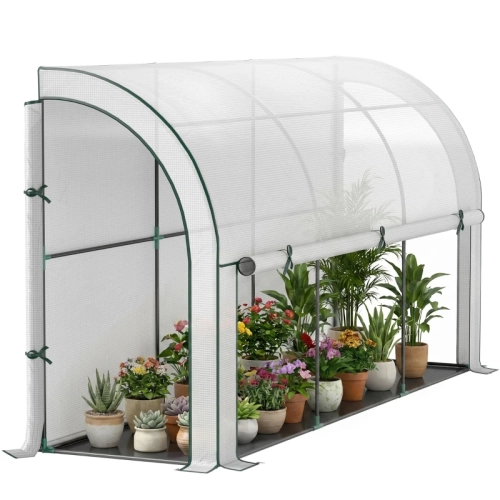
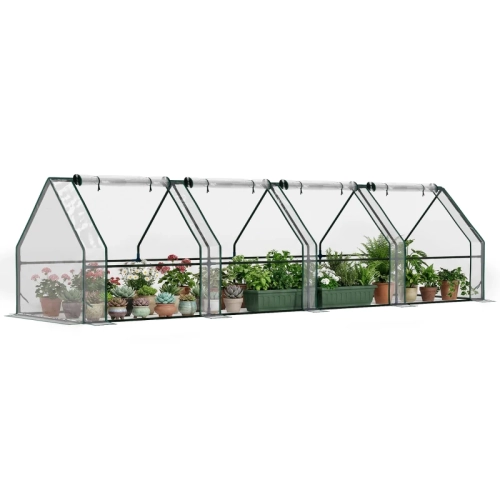
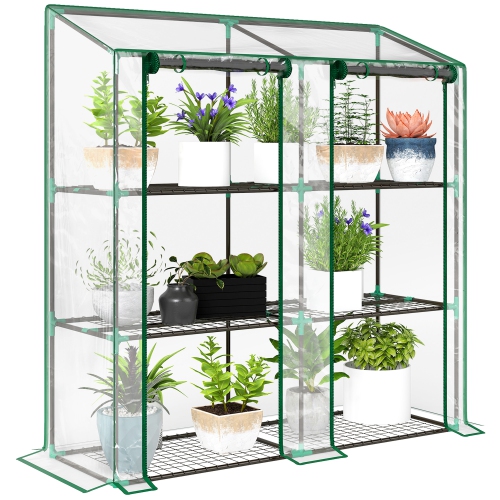
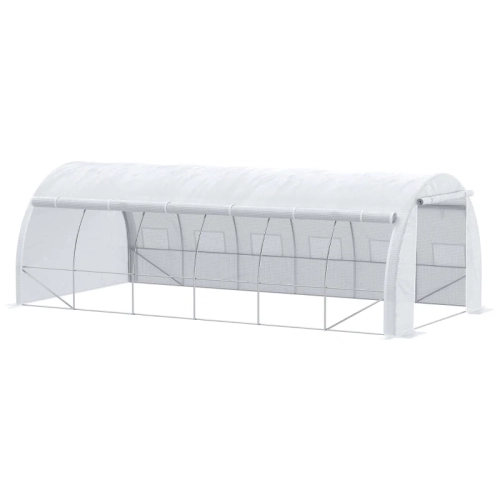
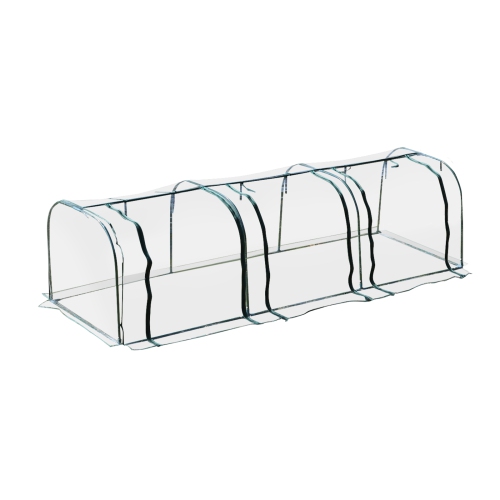
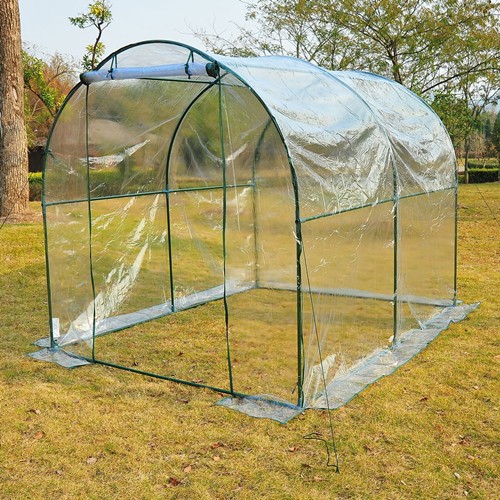

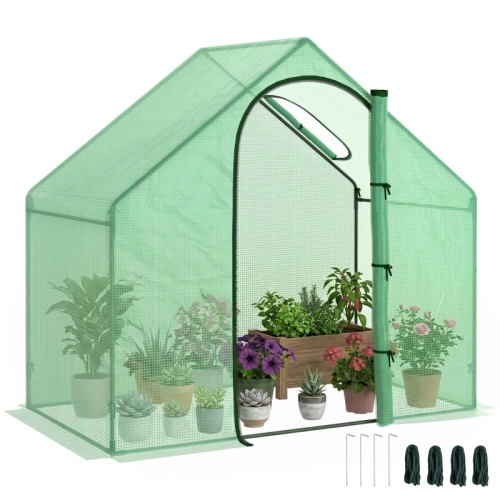

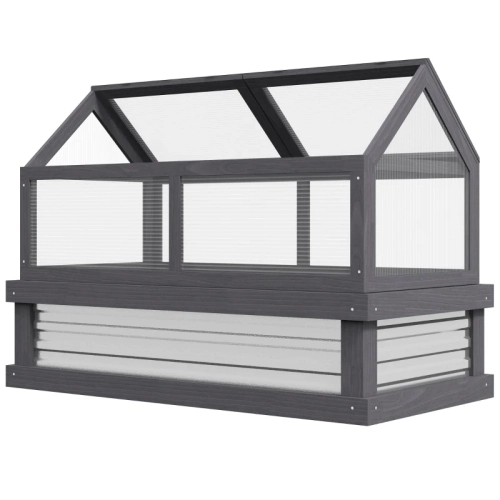
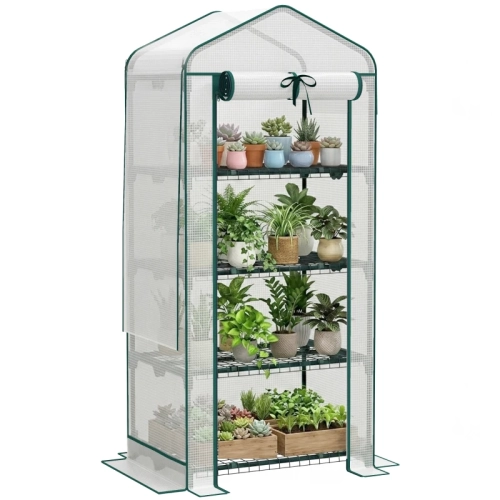
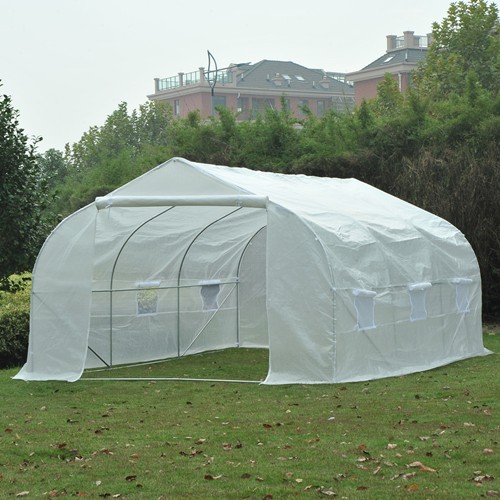
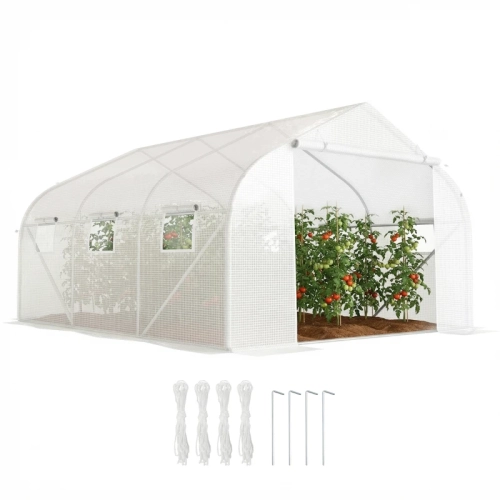
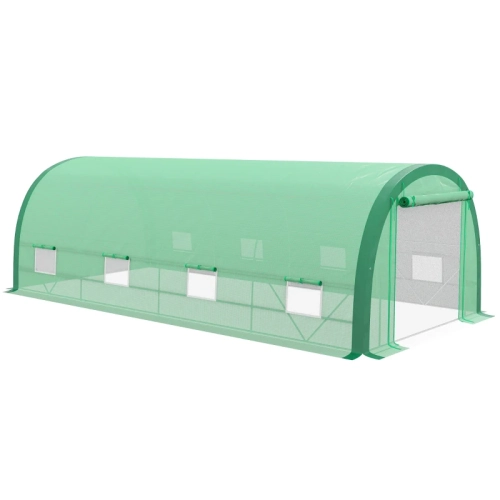
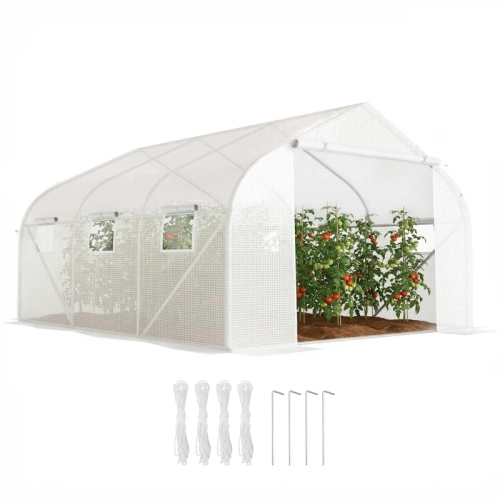
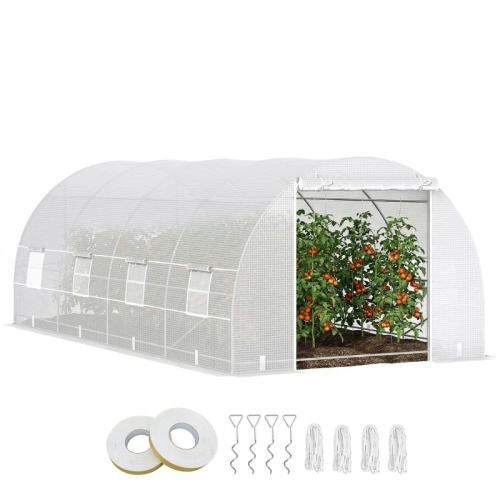
How greenhouse panels shape light and growing conditions
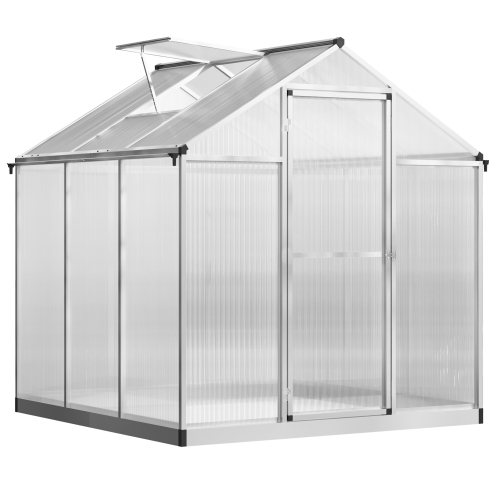
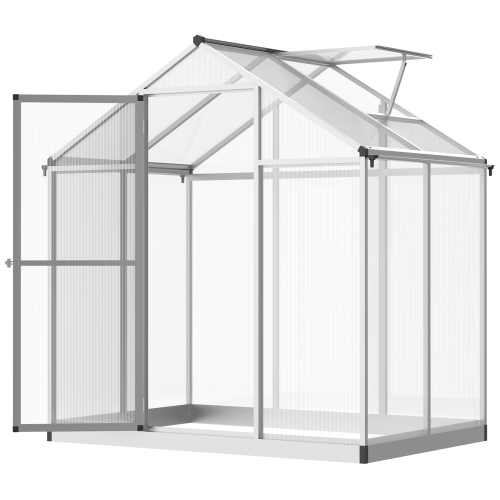
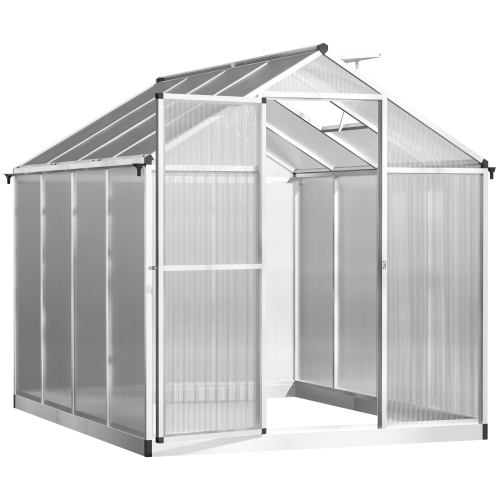
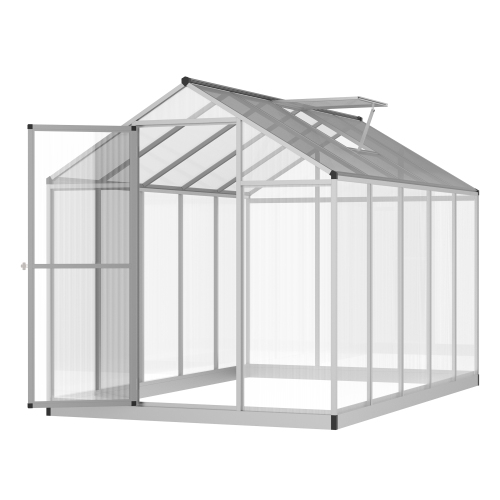
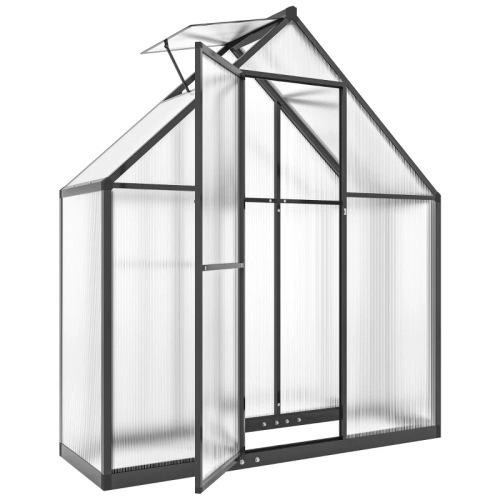
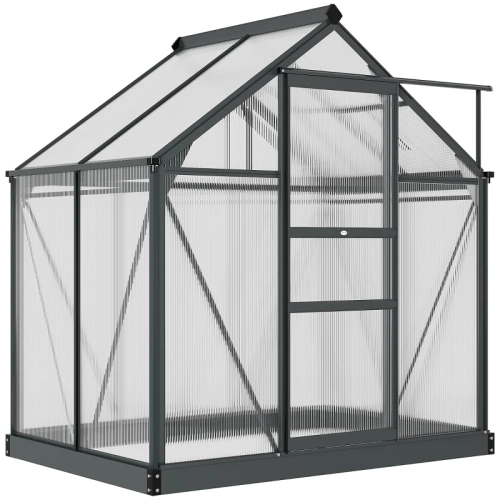
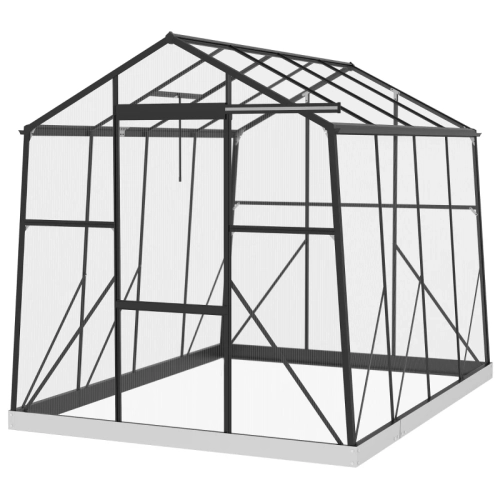
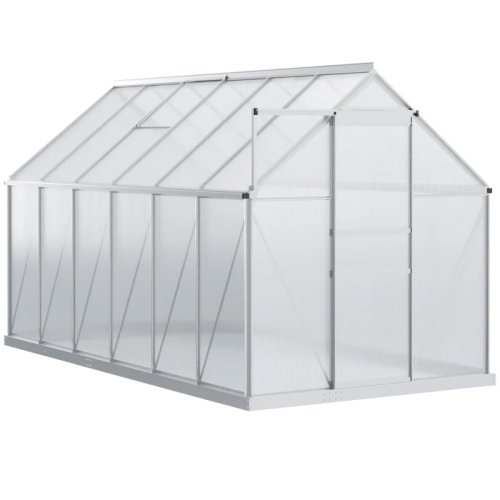
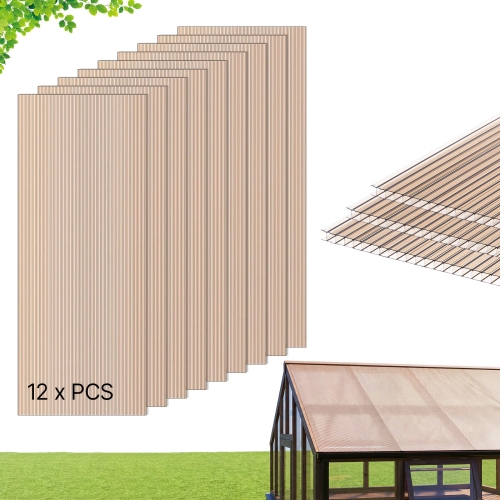
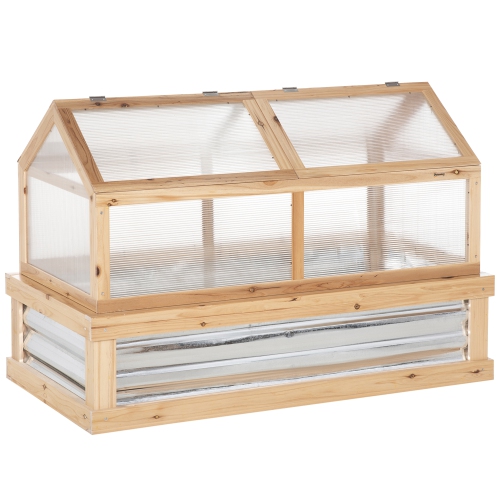
Polycarbonate greenhouse panels are lightweight plastic sheets used for greenhouse walls and roofs, providing a light-transmitting barrier that helps shelter plants from wind, rain, and other outdoor conditions. They are valued for their impact resistance and, in multiwall designs, their ability to slow heat transfer through air spaces within the sheet. Greenhouses made with these panels can suit everything from a compact herb-growing corner to a larger backyard space with seed trays, potting benches, and climbing vegetables. The glazing makes a noticeable difference to how that space functions. Solid polycarbonate sheets can provide a clearer view, while twin-wall and multiwall panels have internal channels that affect visibility, light transmission, and insulation. Some panels diffuse incoming light, spreading it more evenly across leaves rather than creating sharply defined patches of sun. That can be useful where several trays share a shelf, although the amount of light reaching plants still depends on panel construction, clarity, cleanliness, and the greenhouse’s location. Compared with ordinary glass, polycarbonate generally weighs less and resists impacts more effectively, making it practical for many framed garden structures. It is not scratchproof or unbreakable, and its performance depends on the grade of material and how securely it is installed. Panel thickness alone does not tell the whole story: wall structure, UV protection, frame support, and tested load ratings all matter. UV-protected glazing is designed to help resist deterioration from sunlight, but the protected surface may need to face outward unless both sides are treated. For gardeners starting vegetables from seed, keeping herbs close to the kitchen, or tending ornamental plants, a polycarbonate greenhouse offers a dedicated growing area with more control over exposure than an open garden bed. It remains a managed space rather than a self-regulating one; healthy growth still relies on suitable light, watering, ventilation, and temperatures for the plants inside.
Fit is important whether the purchase involves a complete polycarbonate greenhouse or panels for repairing an existing structure. A replacement sheet needs to match the frame’s glazing channels, supported span, and fastening method, not simply the approximate width of the opening. The stated panel thickness must be compatible with clips, gaskets, and retaining strips, while sheet length and width need to allow for the clearances specified by the manufacturer. Polycarbonate expands and contracts with temperature changes, so a panel forced tightly into a frame can bow or place stress on its fixings. Multiwall sheets also need the correct orientation: internal channels generally run down the slope of a roof or vertically in a wall so moisture can drain as intended. Suitable edge tapes and end profiles help manage moisture and limit dirt or insects entering the channels, with the exact arrangement determined by the glazing system. These small details can make the difference between a neat, serviceable repair and a cloudy panel with trapped debris. For a complete greenhouse, the footprint should accommodate both the structure and everyday access around it. Inside, a central path wide enough for a watering can or a tray of seedlings is often more useful than squeezing in one extra bench. Door width, threshold height, roof clearance, and shelf placement affect how comfortably the space can be used, especially when carrying compost or moving tall plants. Aluminium frames are common because they are relatively light and resist corrosion, while steel frames depend on suitable finishes and care to protect against rust. Neither material removes the need for a level base and secure anchoring. Wind resistance and roof load capacity belong to the assembled structure, not just its panels, so stated ratings and installation requirements deserve close attention in Canadian settings where exposure varies considerably. Greenhouse glazing is intended for plant-growing spaces; related garden structures such as Polycarbonate Gazebos serve a different purpose, providing covered outdoor areas rather than an enclosed space designed around growing conditions. Their panels and fittings should not be assumed to be interchangeable.
Everyday use brings ventilation, cleaning access, and plant layout into focus. A greenhouse can heat up quickly in direct sunlight even when the air outside feels cool, so opening doors alone may not provide enough airflow. Roof vents help release rising warm air, and lower openings can support air movement through the growing space. Automatic vent openers can reduce the need for repeated manual adjustments, but their operating range and lifting capacity must suit the vent. Shading may be useful for plants sensitive to intense light, while thermometers help reveal differences between a sunny upper shelf and a lower bench near the door. Multiwall panels improve insulation compared with single-layer glazing of similar material, but they do not guarantee frost protection or make an unheated greenhouse suitable for every plant through winter. Any supplemental heating needs to be appropriate for a damp growing area and used according to its safety requirements. Care is generally straightforward when the panel manufacturer’s directions are followed. A rinse to loosen grit, followed by a soft cloth or sponge and a compatible mild cleaning solution, can remove the film that gradually reduces light transmission. Abrasive pads, harsh solvents, and scraping tools can damage surfaces or protective layers. Cleaning both accessible faces makes it easier to spot loose retaining strips, worn seals, or a panel that has shifted after strong winds. Roof maintenance requires particular care: greenhouse panels are not walking surfaces, and snow removal should follow the structure manufacturer’s instructions without placing body weight on the glazing. For households sharing a garden, washable work surfaces, clear paths, and reachable vents make the space easier to enjoy together. Experienced growers may value room for propagation trays and separate watering areas, while beginners often benefit from a manageable footprint that leaves plants easy to inspect. A greenhouse can also be a thoughtful gift for a committed gardener, provided its dimensions, base requirements, and assembly demands suit the recipient’s property. The most useful setup is one that makes ordinary tasks comfortable, from checking new shoots before breakfast to carrying a full tray of young plants outside for gradual exposure to open-air conditions.
Top selling and popular products
-
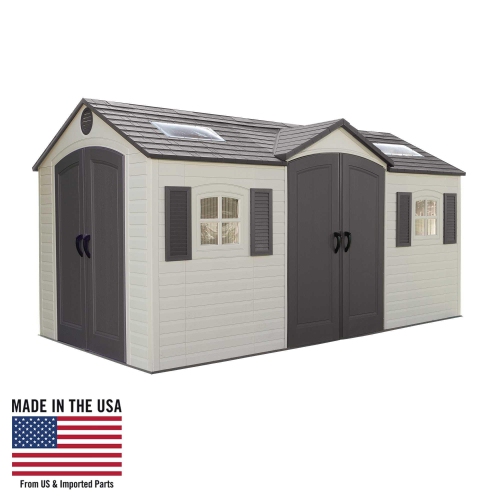 Your price for this item is $3999
-
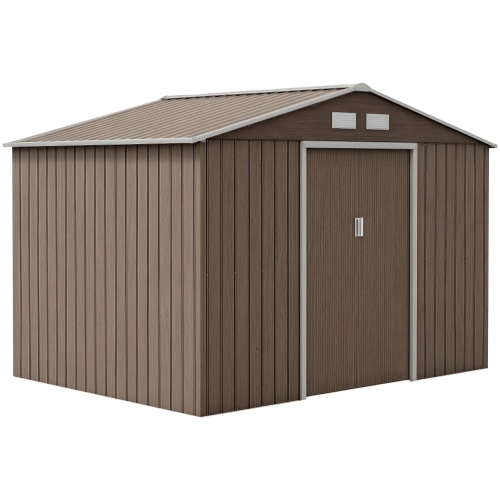 Your price for this item is $554.99
-
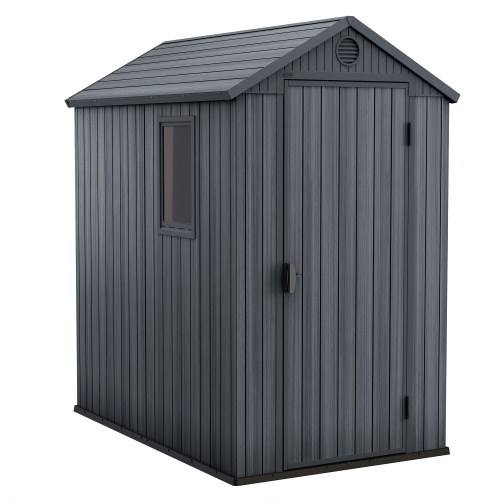 Your price for this item is $980.99
-
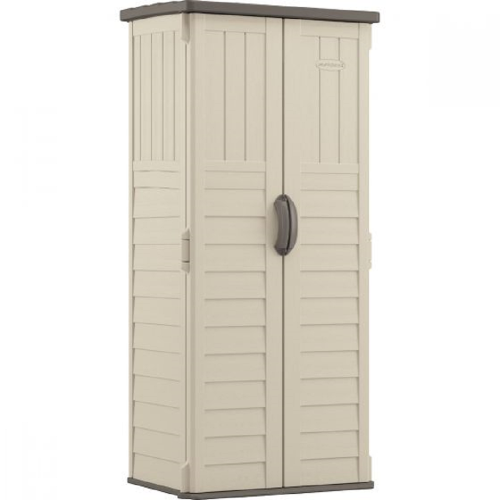 Your price for this item is $385.99
-
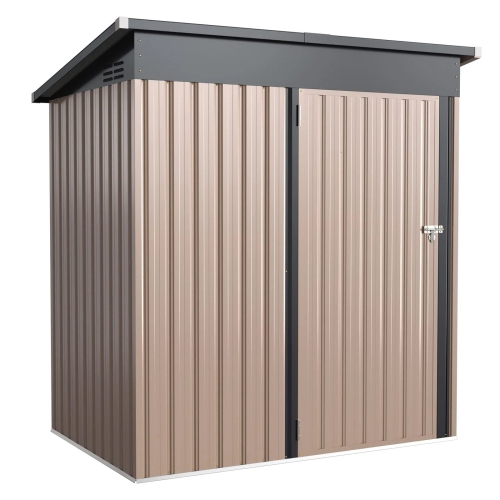 Your price for this item is $179.99
-
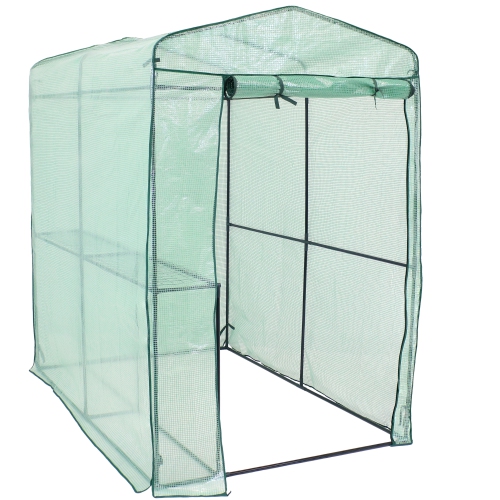 Your price for this item is $113.35
-
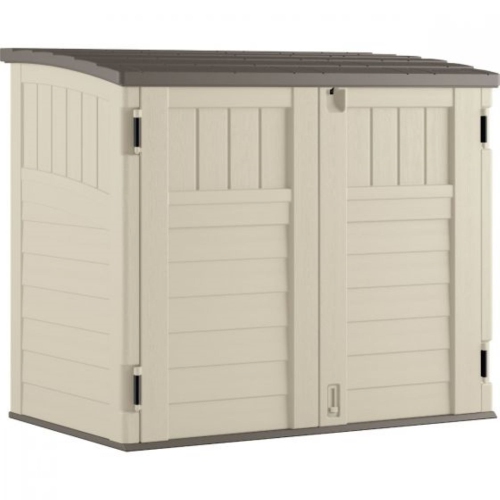 Your price for this item is $459.99
-
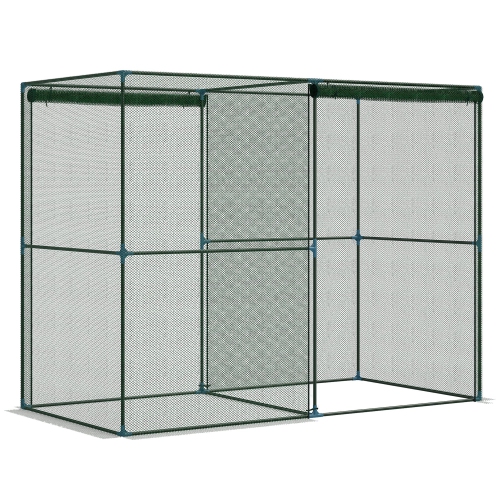 Your price for this item is $74.99
Discover more categories related to Polycarbonate Panels Greenhouses

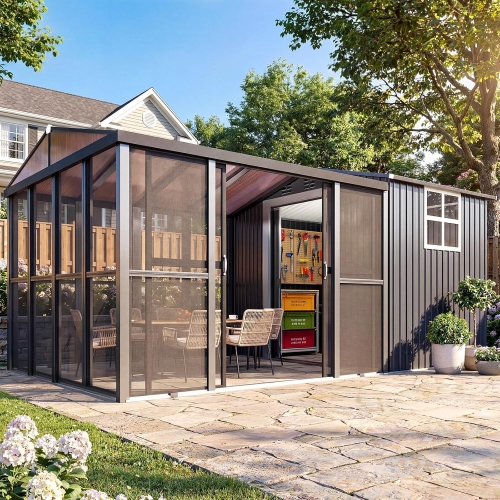
Top Collections:
Pokemon Centers, Best Cameras for Sports Photography, Kindle Devices, Samsung Galaxy Phones, Canon G7X Cameras, Pokémon 30th Celebration Cards, Refurbished Apple Laptops, iPhone 15 Apple, Laptops for Students, Budget Smartphones
Some products may be subject to Environmental Handling Fees
(EHF) depending on your province.
Learn more about EHFs.