Polyester Bed Sheets
Upgrade your bedroom with the ultimate blend of comfort and style with our collection of polyester bed sheets. Designed to provide a luxurious sleeping experience, these bed sheets are crafted from high-quality polyester fabric that offers exceptional softness, durability, and wrinkle resistance. Whether you prefer a crisp, cool feel or a silky, smooth texture, our polyester bed sheets come in a variety of colors and patterns to suit your personal taste and enhance the aesthetics of your bedroom. Discover the perfect balance between functionality and elegance as you indulge in a blissful night's sleep with our polyester bed sheets.
Sort


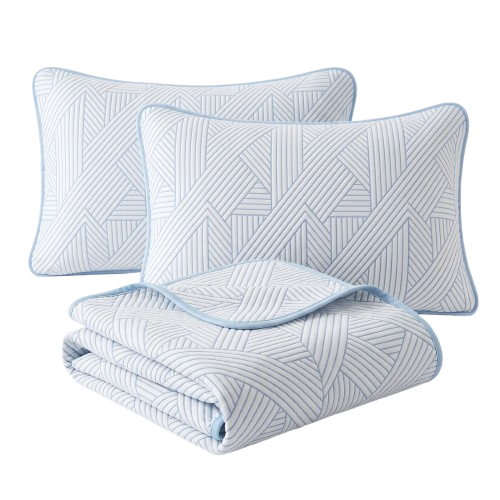
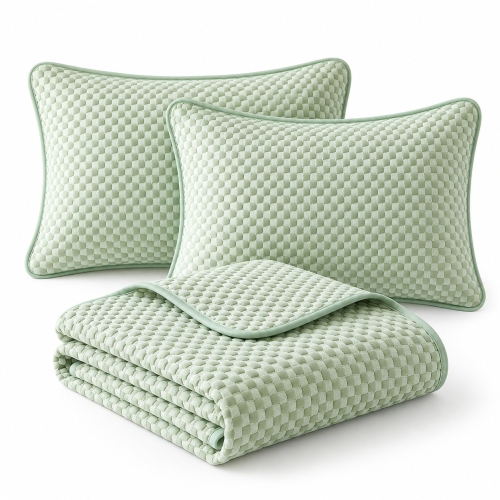
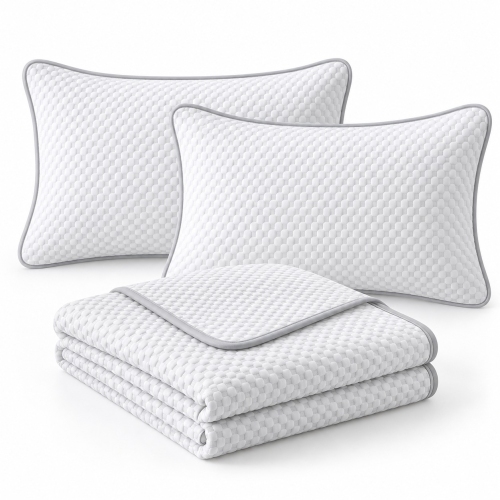


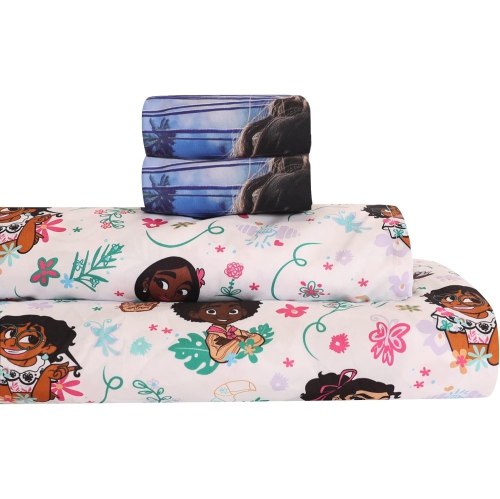

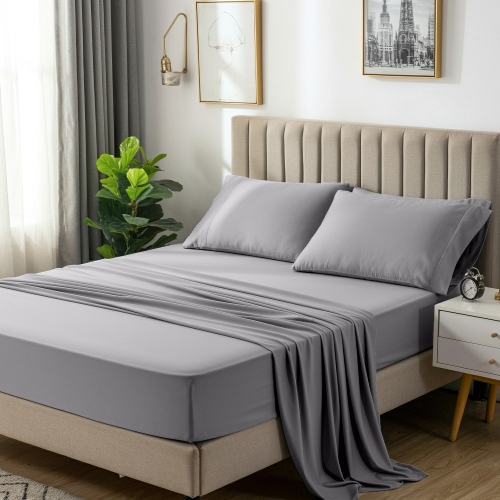

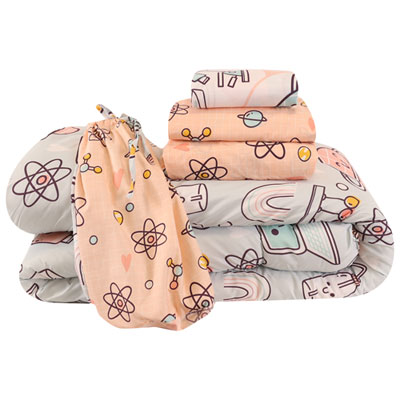


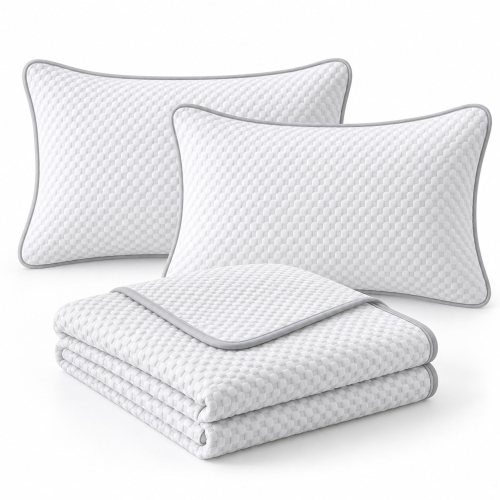

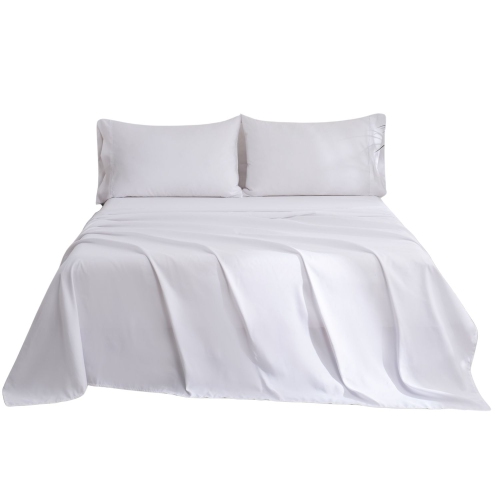
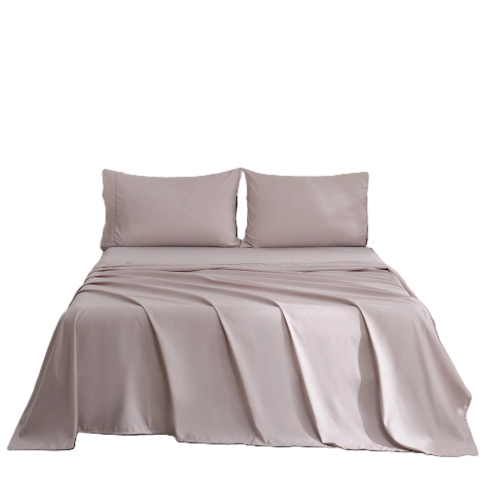
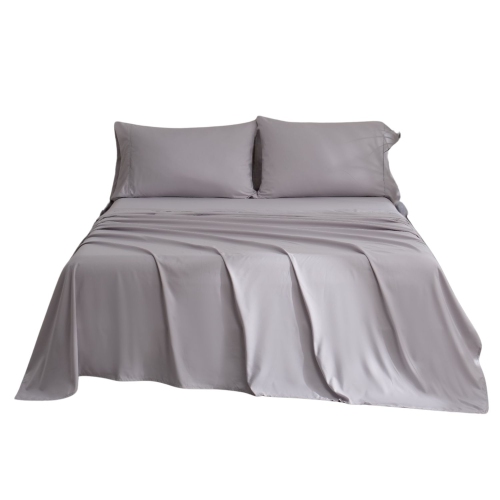


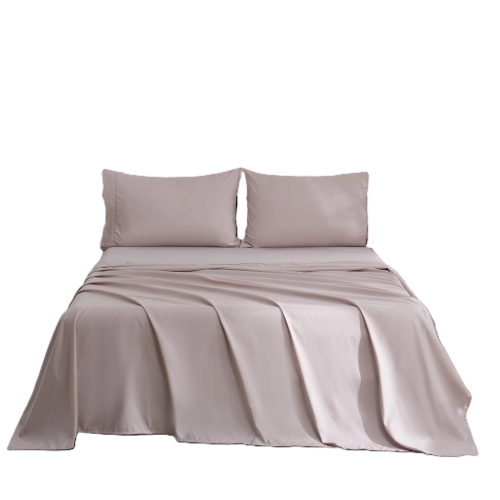


Wrinkle-resistant sheets with comfort that goes beyond thread count
Polyester bed sheets are synthetic bedding made from polyester fibres, valued for their durability, wrinkle resistance, and relatively quick drying after washing. They can give a bed a smooth, neatly finished look without the ironing that some other fabrics need, making them a practical choice for everyday bedrooms, guest rooms, and student residences. The feel varies with the yarn, weave, and finishing process: some polyester sheets have a sleek surface, while brushed versions feel softer and slightly fuzzy against the skin. Polyester microfibre sheets use particularly fine fibres to create a lightweight fabric with a close, smooth texture. Microfibre describes the fineness of the fibres rather than a separate material, so checking the fibre composition helps distinguish polyester microfibre from other fabrics carrying that label. Sheets made entirely from polyester also differ from cotton-polyester blends, which combine the characteristics of both fibres in proportions that affect softness, absorbency, and care. Compared with many cotton or linen sheets, polyester sheets generally absorb less moisture and may feel less breathable, particularly in a tightly woven fabric. That can matter for someone who tends to perspire while sleeping or prefers a crisp, airy sheet rather than a close, silky feel. Brushing can add softness, but it does not necessarily improve airflow. Fabric weight and construction offer useful clues about how a sheet will drape, although no single number fully describes comfort. Thread count alone is not a reliable measure of polyester sheet quality, and a higher count does not automatically mean a softer or more breathable fabric. Some microfibre bedding uses grams per square metre, or GSM, to describe fabric weight instead; this indicates weight, not an overall quality grade. A useful comparison considers the fibre content, surface finish, weight, and care requirements together. For a person who wants bedding that feels familiar after repeated laundering and needs little pressing, polyester can be a straightforward fit, provided its moisture-handling characteristics suit their sleeping preferences.
Fit is just as important as fabric when choosing polyester bed sheets. A fitted sheet should match both the mattress size and its full depth, including any topper that sits beneath the sheet. Twin, twin XL, double, queen, and king labels identify broad size categories, but the stated dimensions and pocket measurements are the more useful details when checking compatibility. A twin XL mattress, for example, needs the extra length that a standard twin fitted sheet may not provide. Pocket depth describes the fitted sheet’s corner construction, while a stated maximum mattress depth indicates the thickness it is designed to accommodate; those measurements are not always interchangeable. Deep-pocket sheets can help cover a taller mattress, but excess fabric on a shallow mattress may gather rather than lie flat. Elastic around the full perimeter can help keep the fitted sheet in place, although the correct dimensions remain essential. On an adjustable bed, movement places extra demands on the corners, and a split mattress may need separate fitted sheets even when the top bedding is shared. Flat-sheet dimensions also deserve attention, especially for someone who likes a generous tuck at the foot of the bed or enough overhang on both sides. Set contents vary, so the number and size of pillowcases should suit the pillows already in use. Envelope-style pillowcase closures tuck the pillow end inside, while open-ended cases offer a simpler finish. Colour and pattern give the same material a different presence in a room: a solid neutral keeps the bed visually quiet, while a small print can add detail beneath a plain duvet cover. Polyester generally holds colour well, though colourfastness depends on the dye and laundering routine. Coordinating sheets with polyester blankets can bring together complementary textures without requiring every layer to match exactly. For a guest bedroom or a bedding gift for someone setting up a first home, knowing the mattress measurements and preferred pillow size makes the choice more personal and useful.
Care habits have a noticeable effect on how polyester sheets look and feel over time. Many are machine washable and resist shrinking, but the sewn-in care label should determine the wash cycle, water setting, and drying method. Polyester is sensitive to excessive heat, so a hotter wash or dryer setting is not necessarily better and can damage the fabric or its finish. Where tumble drying is permitted, the specified low-heat setting and prompt removal can help limit creasing. Giving sheets enough room in the washer allows them to move freely and rinse properly; packing them tightly alongside other bedding can leave detergent behind and create tangled, unevenly washed folds. Washing with similar colours and separating sheets from towels, exposed zips, and hook-and-loop fasteners helps reduce lint transfer, abrasion, and snags. A measured amount of detergent is usually more useful than an extra-heavy dose, and additives should be used only when compatible with the care instructions. Although polyester fibres are strong, the surface can develop pilling as loose fibres tangle through friction, particularly in areas where feet or legs repeatedly rub against the fabric. Pilling resistance depends on yarn quality, construction, finishing, and care rather than fibre content alone. Static cling can also occur, and over-drying may make it more noticeable. Polyester’s relatively low moisture absorption often helps sheets dry promptly, but they should still be completely dry before folding and storing. Keeping spare bedding in a clean, dry cupboard makes a sheet change simpler when laundry routines are busy or an overnight guest needs a freshly made bed. Rotating between sets can spread out wear, while checking corner seams and elastic occasionally helps identify weakening before the fit becomes troublesome. These practical details matter in frequently used bedrooms, where sheets must stand up to regular washing as well as nightly movement. Polyester bedding can suit households that prioritize straightforward care, a smooth appearance, and a choice of soft finishes. Its strongest fit is with sleepers who appreciate those qualities and are comfortable with a fabric that generally absorbs less moisture than natural-fibre alternatives.
Top selling and popular products
-
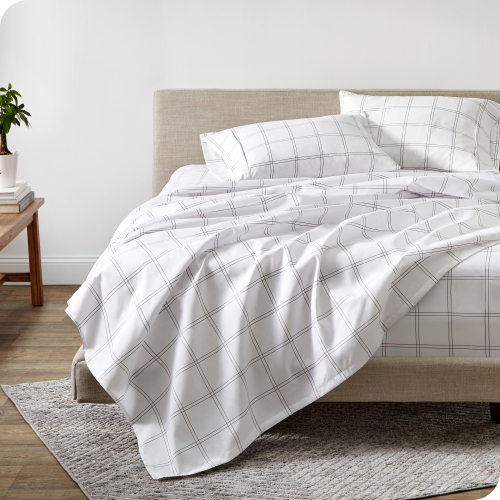 Your price for this item is $95.99
-
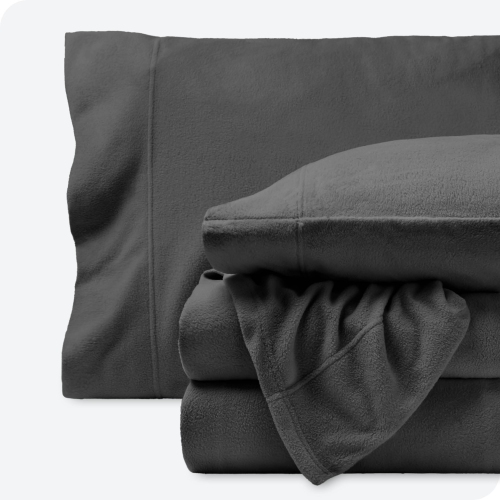 Your price for this item is $122.99
-
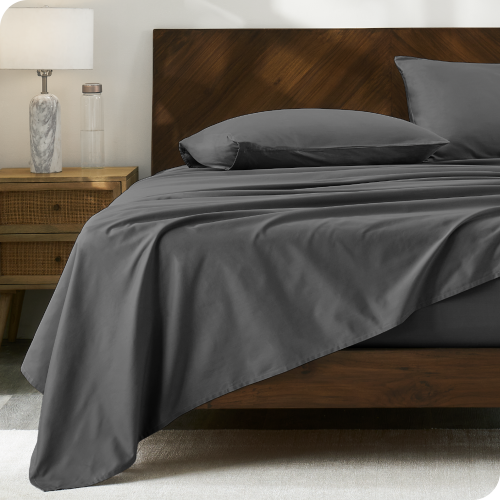 Your price for this item is $156.99
-
 Your price for this item is $284.99
-
 Your price for this item is $80.99
-
 Your price for this item is $80.98
-
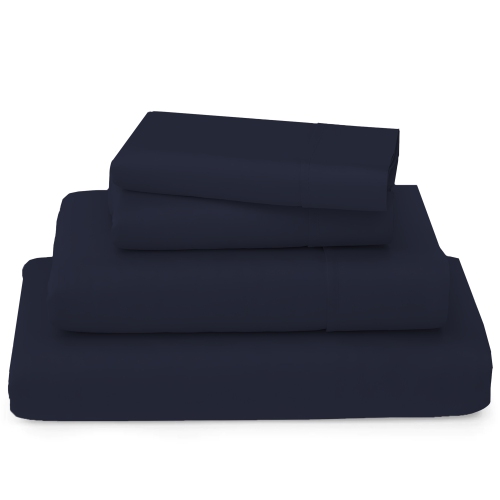 Your price for this item is $34.99
-
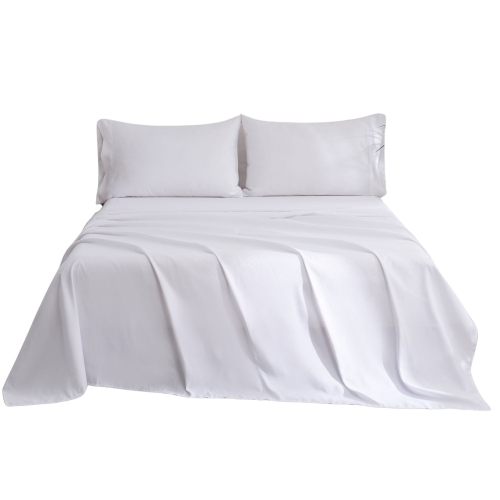 Your price for this item is $210
Discover more categories related to Polyester Bed Sheets

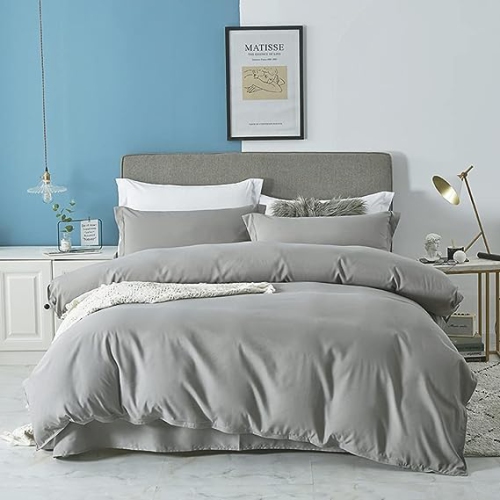

Top Collections:
Pokemon Centers, Kindle Devices, Best Cameras for Sports Photography, Pokémon 30th Celebration Cards, Apple iPhones 16, Canon G7X Cameras, iPhone 15 Apple, Flip Phones, Samsung Galaxy Phones, Alarm Clock
Some products may be subject to Environmental Handling Fees
(EHF) depending on your province.
Learn more about EHFs.