Pool Skimmers
Pool skimmers are essential tools for maintaining a clean and inviting swimming pool. These handy devices are designed to effortlessly remove leaves, debris, insects, and other unwanted particles from the surface of your pool water, helping to keep it crystal clear and ready for a refreshing dip at any time. Whether you have an above-ground or in-ground pool, having a reliable pool skimmer on hand can make pool maintenance a breeze, allowing you to spend more time enjoying your oasis and less time cleaning it. Explore our selection of pool skimmers to find the perfect addition to your pool maintenance routine.
Sort
Less pool floor cleanup starts at the surface
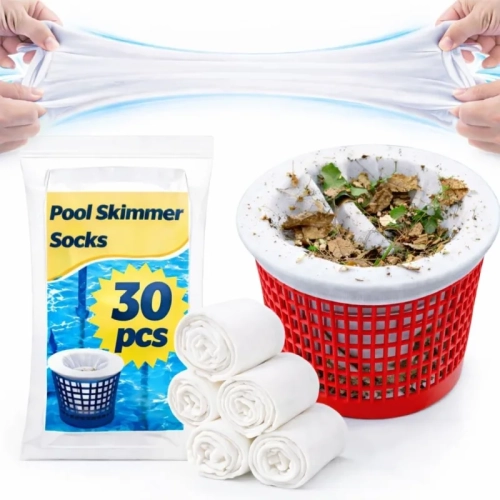
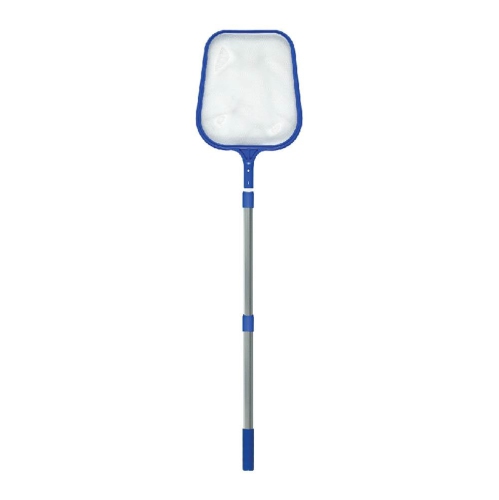
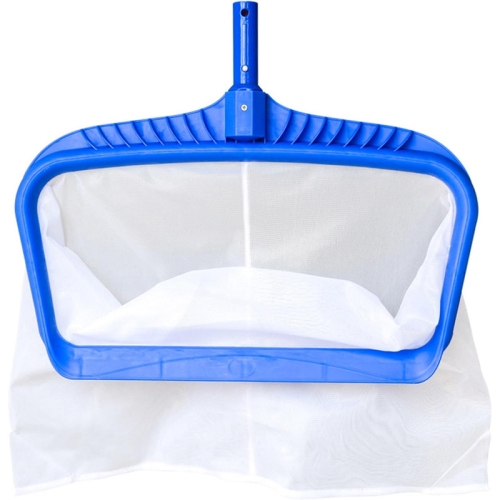
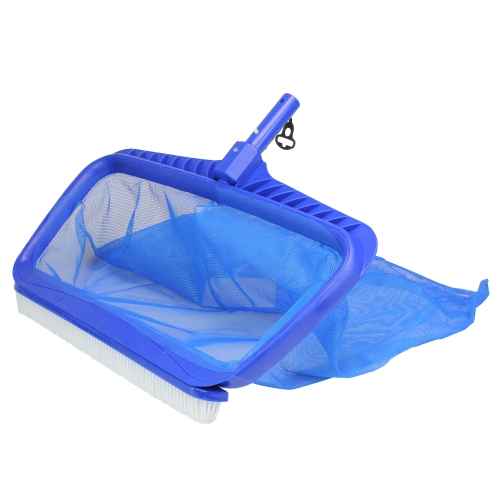
Pool skimmers collect leaves, insects, pollen, and other floating debris from the surface of a swimming pool before it has a chance to sink. By catching this material early, they help keep the water inviting and reduce the amount of debris that needs to be brushed or vacuumed from the pool floor. The main types include manual skimmer nets, stationary skimmers that work with a pool’s circulation system, and floating automatic skimmers that move across the surface. Each serves a different purpose, from a quick sweep before a swim to ongoing collection while the pool is operating. Manual pool skimmers are particularly useful for gathering a windblown patch of leaves near the steps or reaching insects along an edge where floating debris tends to collect. A shallow, flat net makes it easy to lift small amounts from the surface and empty them without handling a deep bag. A deeper leaf net holds more bulky material, though a full load creates more resistance in the water and can feel heavier at the end of a long pole. Mesh size matters as well: finer mesh can catch smaller particles, while more open mesh generally moves through the water with less drag. Neither replaces filtration or water treatment, and an ordinary mesh net will not remove dissolved contaminants or surface oils effectively. For comfortable handling, the net frame, attachment, and pole should suit both the pool’s dimensions and the person using them. A compact pool may only need a short reach, while a wider pool benefits from a compatible telescopic pole that can extend towards the centre. A secure locking connection helps prevent the head from twisting during a sweep. Rounded frames and smooth edges are especially important around vinyl liners, where rough or damaged components could catch against the surface. Lightweight frames can make frequent touch-ups easier, while reinforced designs may be better suited to regular loads of wet leaves.
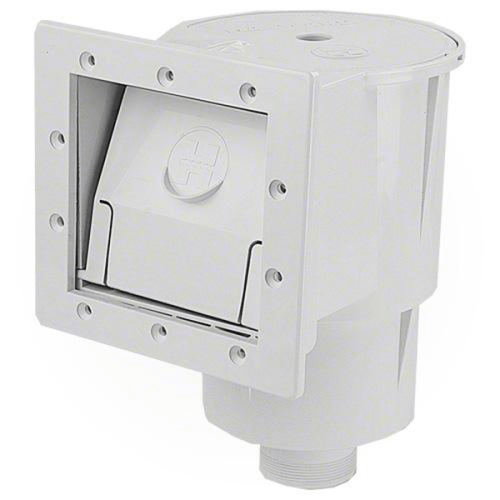
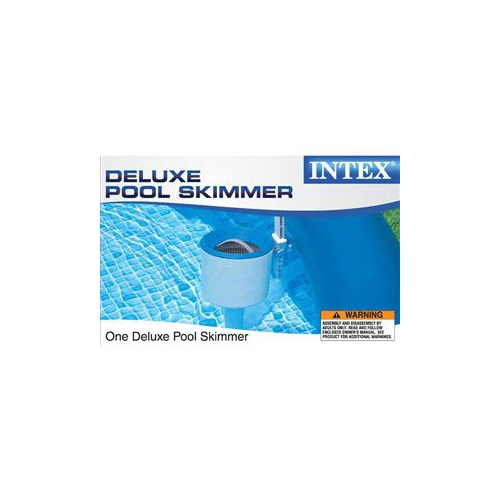
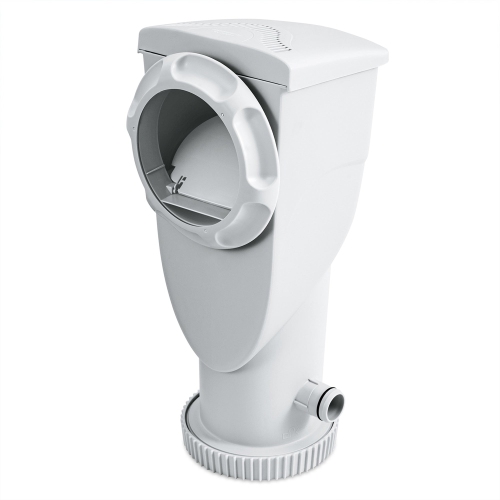
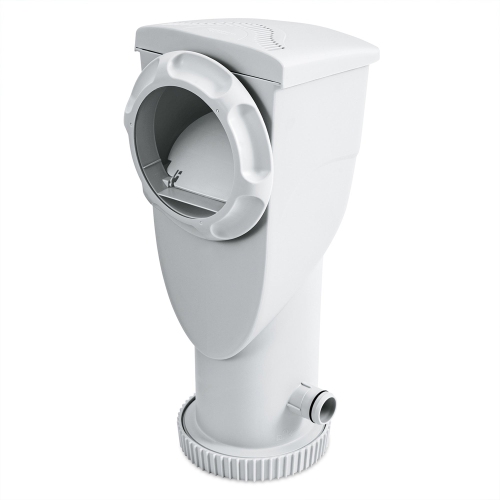
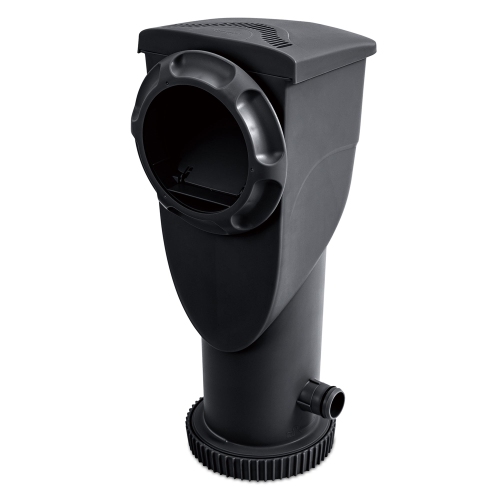
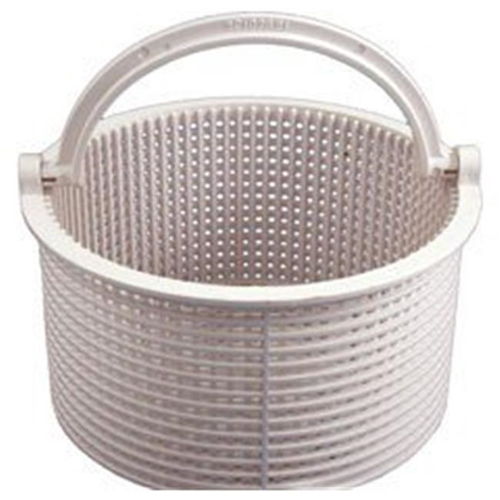
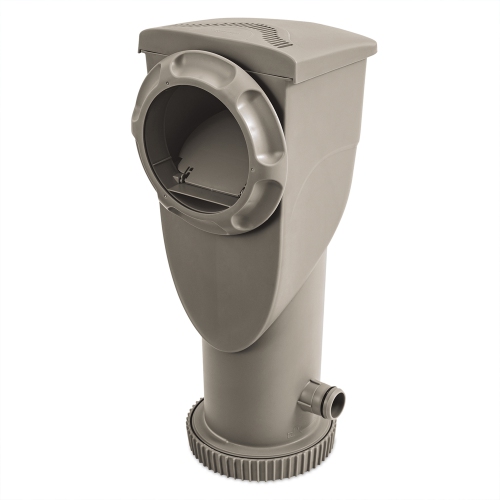
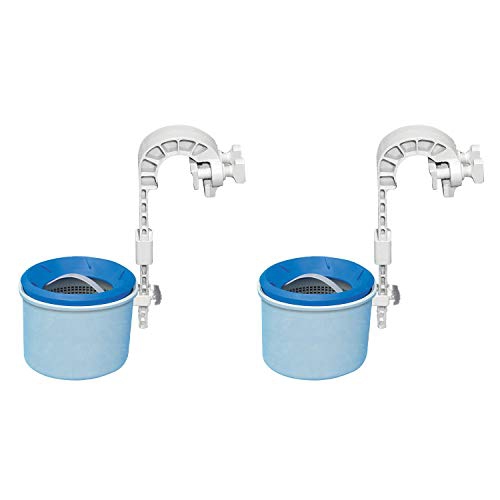
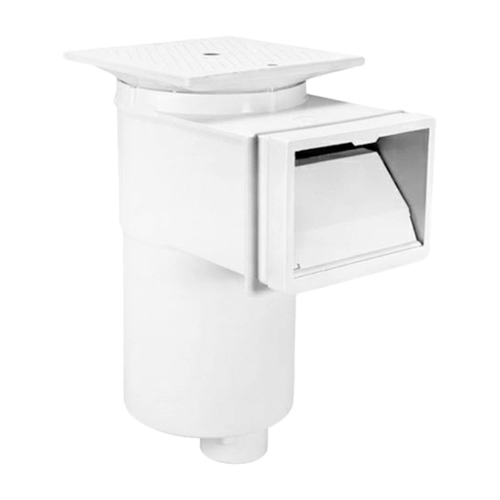
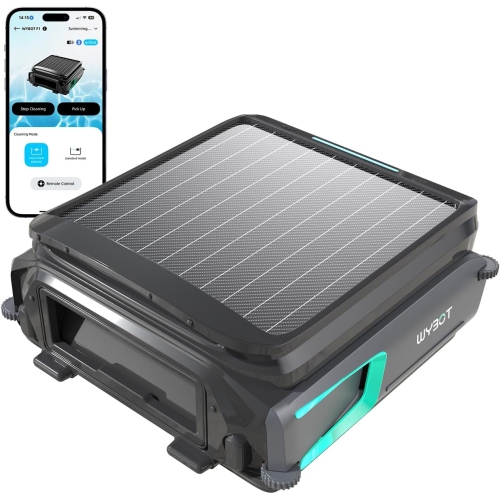
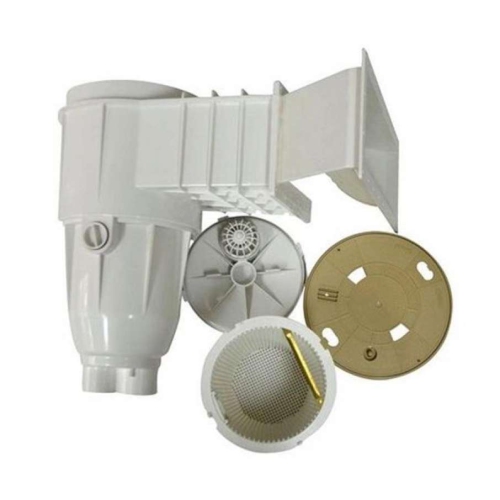
Stationary pool skimmers draw surface water into an opening, trap larger debris in a basket, and send the water onwards through the circulation system. In-ground pools often have built-in skimmer openings along the wall, while some above-ground pools use wall-mounted units attached with brackets. Fit depends on more than whether a pool is above-ground or in-ground. Wall shape, top-rail dimensions, mounting hardware, hose connections, and the pump’s specified operating requirements all affect compatibility. A bracket designed for one style of pool wall may not sit securely on another, and a hose that appears close in size may still need a specified fitting. Replacement baskets also need to match the skimmer housing: their height, rim shape, and overall dimensions help determine whether they seat properly and can be removed easily for emptying. Where fitted, a weir door helps direct surface water into the skimmer and limits debris drifting back out when circulation stops. Water level is important because a stationary skimmer needs enough water at its opening to operate as intended; the appropriate level should follow the pool and skimmer manufacturer’s directions. Floating automatic pool skimmers offer a different approach, travelling across the water and collecting surface debris in an onboard tray or basket. Depending on the design, they may use rechargeable batteries, solar charging, or a combination of power sources. Their usefulness depends on the pool layout, charging conditions, debris load, and operating limits rather than a promise of uninterrupted cleaning. Steps, ladders, narrow corners, and floating accessories can affect how freely a unit moves. For a pool beneath overhanging branches, collection capacity and easy basket access may matter more than compact size. In a more sheltered pool, fine-debris capture may be the greater priority. Surface-cleaning units are also distinct from robotic pool cleaners designed to scrub walls or vacuum the floor. Understanding that difference helps match the equipment to the task without expecting one type of cleaner to handle every part of pool maintenance.
Materials and care make a noticeable difference to how pool skimmers stand up to repeated use. Many manual designs combine moulded plastic frames, metal supports, and synthetic mesh, balancing low weight with the strength needed to lift wet debris. Aluminium poles are generally light and manageable, but their locking collars and attachment points still need attention, particularly when they are frequently extended or used around saltwater pools. Plastics designed to resist ultraviolet exposure can better tolerate time outdoors, although prolonged sun exposure and improper storage can still shorten their useful life. Durable mesh should have firmly secured seams and enough flexibility to move through water without easily snagging. After use, rinsing a manual net with fresh water and letting it dry before storage helps remove pool chemicals and trapped residue. Keeping the mesh off rough paving and avoiding dragging a loaded net across the coping can prevent needless wear. Stationary baskets and automatic collection trays need regular emptying, with more frequent checks after windy weather or heavy leaf fall. A basket packed with wet leaves can restrict flow in a circulation-connected skimmer, while an overloaded floating unit may struggle to collect more debris. Follow the equipment’s shutdown instructions before removing components, and never reach into an active suction opening. Automatic units also have model-dependent care requirements for charging contacts, sensors, filters, and storage temperatures. During the cooler months, outdoor pool owners may need skimming equipment for clearing loose debris before closing the pool; indoor pools can need surface cleaning throughout the year. Equipment should be stored away from freezing conditions when required, and built-in skimmers should be winterized according to the pool system’s instructions. Pool skimmers work alongside brushes, vacuums, water-testing tools, and other Pool Cleaning Supplies, rather than replacing those essentials. For household pool owners and people responsible for shared swimming spaces, the most useful combination is one that suits the pool’s construction, the usual debris, and the amount of hands-on maintenance involved. Easy-to-empty baskets, manageable pole weight, and accessible storage can make routine surface cleaning a much simpler part of caring for the pool.
Stationary pool skimmers draw surface water into an opening, trap larger debris in a basket, and send the water onwards through the circulation system. In-ground pools often have built-in skimmer openings along the wall, while some above-ground pools use wall-mounted units attached with brackets. Fit depends on more than whether a pool is above-ground or in-ground. Wall shape, top-rail dimensions, mounting hardware, hose connections, and the pump’s specified operating requirements all affect compatibility. A bracket designed for one style of pool wall may not sit securely on another, and a hose that appears close in size may still need a specified fitting. Replacement baskets also need to match the skimmer housing: their height, rim shape, and overall dimensions help determine whether they seat properly and can be removed easily for emptying. Where fitted, a weir door helps direct surface water into the skimmer and limits debris drifting back out when circulation stops. Water level is important because a stationary skimmer needs enough water at its opening to operate as intended; the appropriate level should follow the pool and skimmer manufacturer’s directions. Floating automatic pool skimmers offer a different approach, travelling across the water and collecting surface debris in an onboard tray or basket. Depending on the design, they may use rechargeable batteries, solar charging, or a combination of power sources. Their usefulness depends on the pool layout, charging conditions, debris load, and operating limits rather than a promise of uninterrupted cleaning. Steps, ladders, narrow corners, and floating accessories can affect how freely a unit moves. For a pool beneath overhanging branches, collection capacity and easy basket access may matter more than compact size. In a more sheltered pool, fine-debris capture may be the greater priority. Surface-cleaning units are also distinct from robotic pool cleaners designed to scrub walls or vacuum the floor. Understanding that difference helps match the equipment to the task without expecting one type of cleaner to handle every part of pool maintenance.
Materials and care make a noticeable difference to how pool skimmers stand up to repeated use. Many manual designs combine moulded plastic frames, metal supports, and synthetic mesh, balancing low weight with the strength needed to lift wet debris. Aluminium poles are generally light and manageable, but their locking collars and attachment points still need attention, particularly when they are frequently extended or used around saltwater pools. Plastics designed to resist ultraviolet exposure can better tolerate time outdoors, although prolonged sun exposure and improper storage can still shorten their useful life. Durable mesh should have firmly secured seams and enough flexibility to move through water without easily snagging. After use, rinsing a manual net with fresh water and letting it dry before storage helps remove pool chemicals and trapped residue. Keeping the mesh off rough paving and avoiding dragging a loaded net across the coping can prevent needless wear. Stationary baskets and automatic collection trays need regular emptying, with more frequent checks after windy weather or heavy leaf fall. A basket packed with wet leaves can restrict flow in a circulation-connected skimmer, while an overloaded floating unit may struggle to collect more debris. Follow the equipment’s shutdown instructions before removing components, and never reach into an active suction opening. Automatic units also have model-dependent care requirements for charging contacts, sensors, filters, and storage temperatures. During the cooler months, outdoor pool owners may need skimming equipment for clearing loose debris before closing the pool; indoor pools can need surface cleaning throughout the year. Equipment should be stored away from freezing conditions when required, and built-in skimmers should be winterized according to the pool system’s instructions. Pool skimmers work alongside brushes, vacuums, water-testing tools, and other Pool Cleaning Supplies, rather than replacing those essentials. For household pool owners and people responsible for shared swimming spaces, the most useful combination is one that suits the pool’s construction, the usual debris, and the amount of hands-on maintenance involved. Easy-to-empty baskets, manageable pole weight, and accessible storage can make routine surface cleaning a much simpler part of caring for the pool.
Top selling and popular products
-
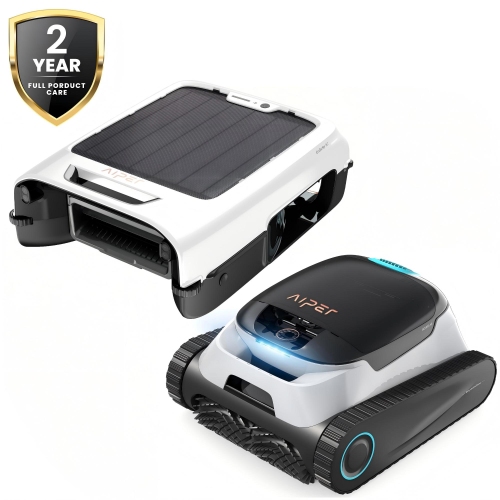 Your price for this item is $1159.99
 -
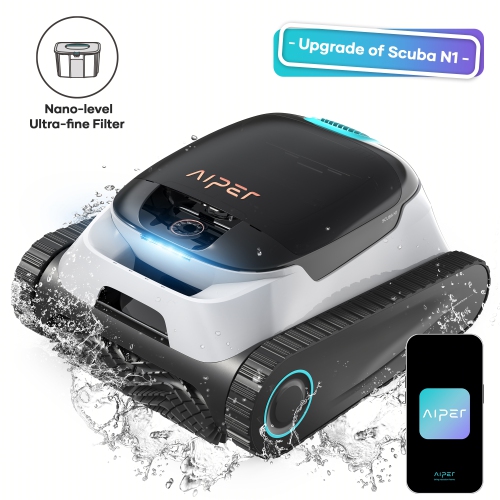 Your price for this item is $749.98
 -
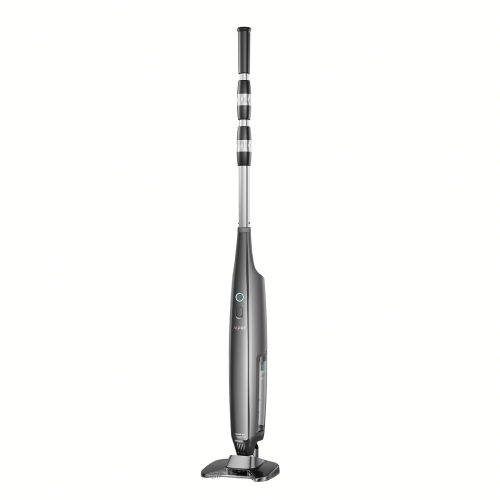 Your price for this item is $299.98
 -
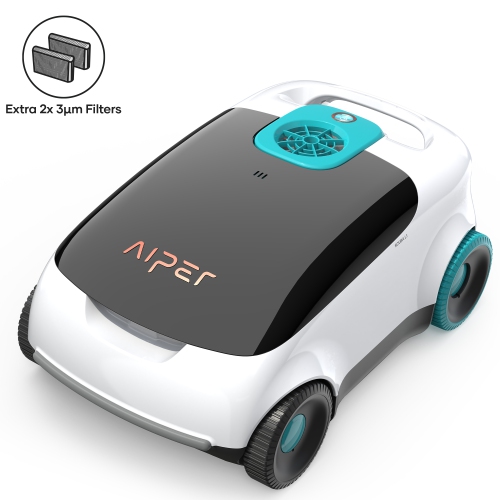 Your price for this item is $319.99
 -
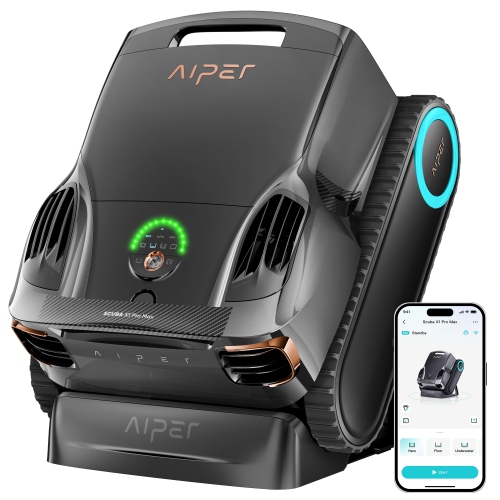 Your price for this item is $2299.98
 -
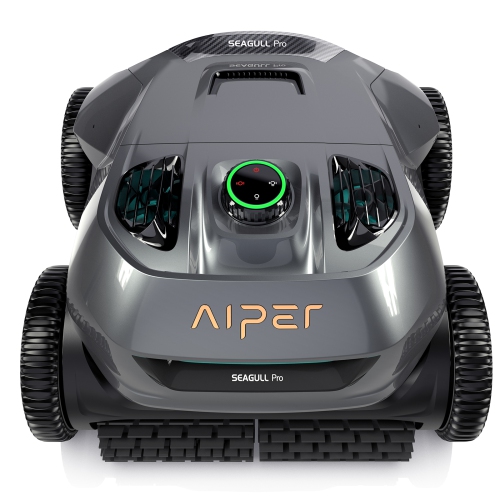 Your price for this item is $599.98
 -
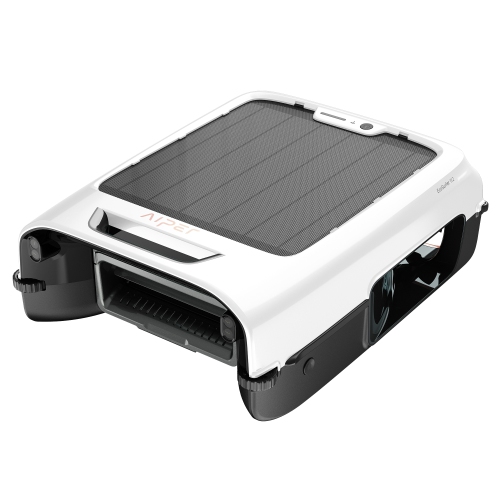 Your price for this item is $479.98
 -
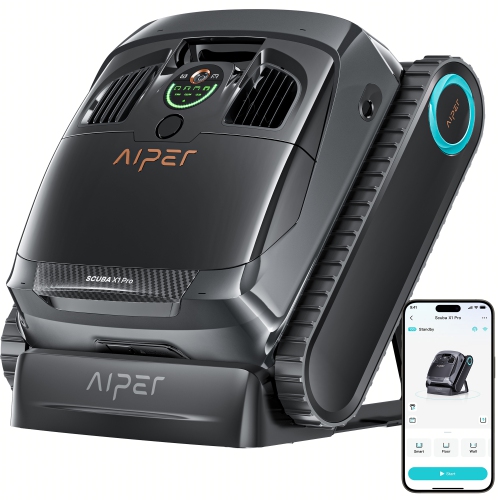 Your price for this item is $1199.98
Discover more categories related to Pool Skimmers
Top Collections:
Pokemon Centers, Kindle Devices, Best Budget Office Chairs, Apple iPhones 16, Best Laptops for Writers, iPhone 15 Apple, Canon G7X Cameras, Refurbished Apple Laptops, Alarm Clock, Motorola Razr Phones
Some products may be subject to Environmental Handling Fees
(EHF) depending on your province.
Learn more about EHFs.