Portable Massage Chairs
Looking to take your relaxation to the next level? Our selection of portable massage chairs is designed to provide you with comfort and convenience wherever you go. Whether you're a professional massage therapist on the move or simply looking for a way to unwind after a long day, these portable massage chairs offer the perfect solution. With a focus on quality materials, ergonomic design, and easy portability, you can enjoy the benefits of a soothing massage anytime, anywhere. Explore our range of portable massage chairs and discover the ultimate in relaxation on the go.
Sort
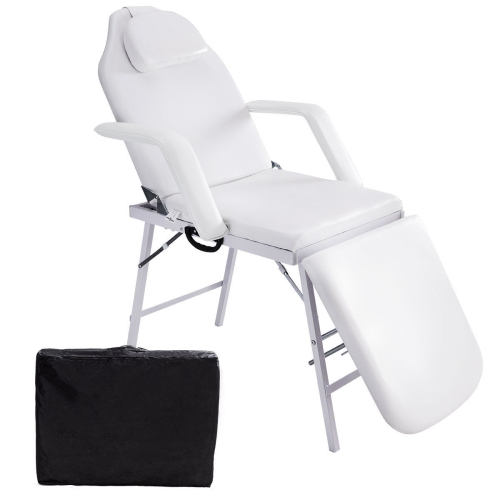


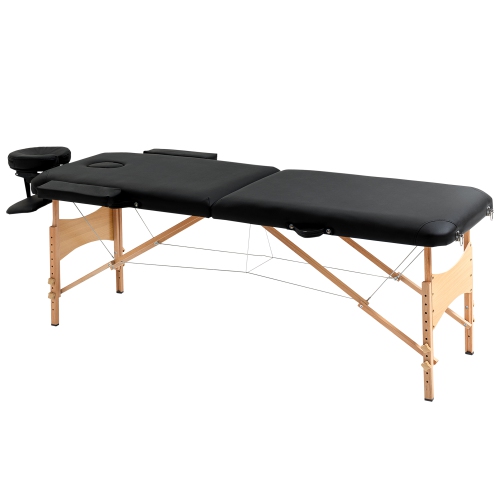


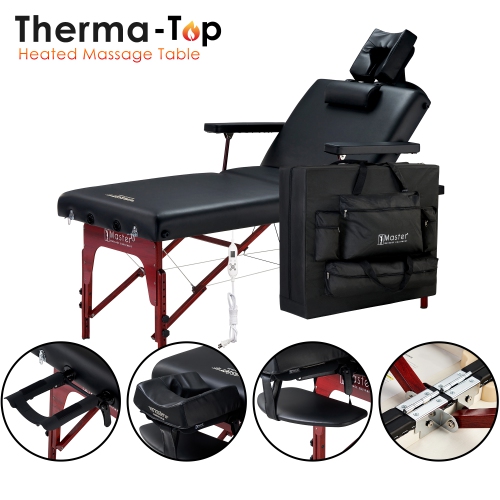
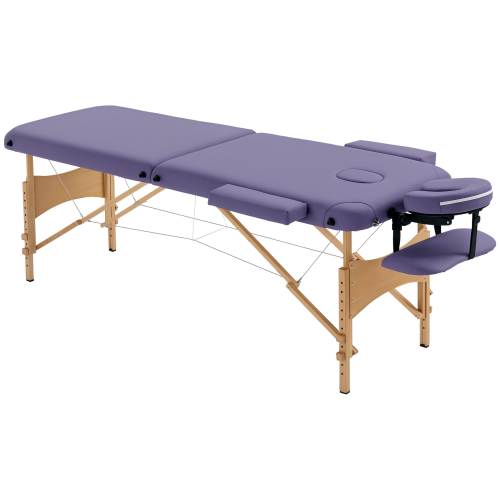


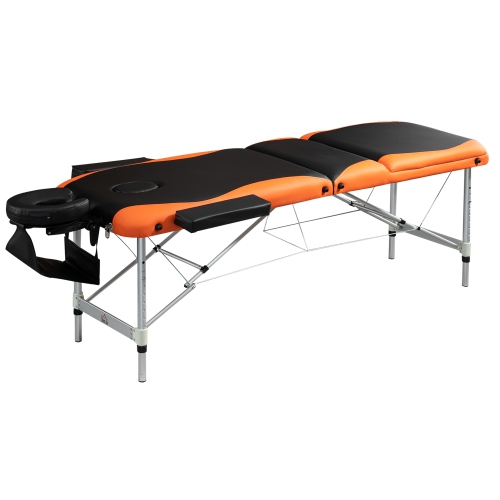

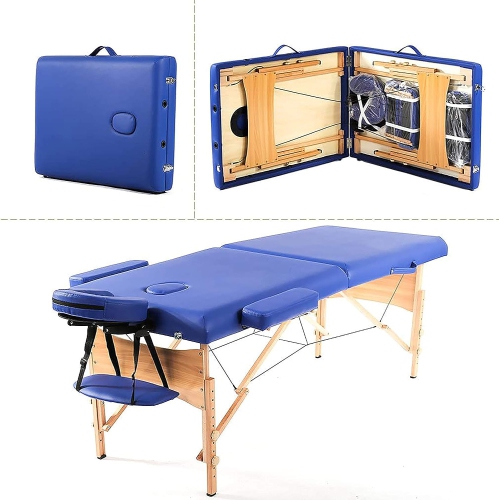

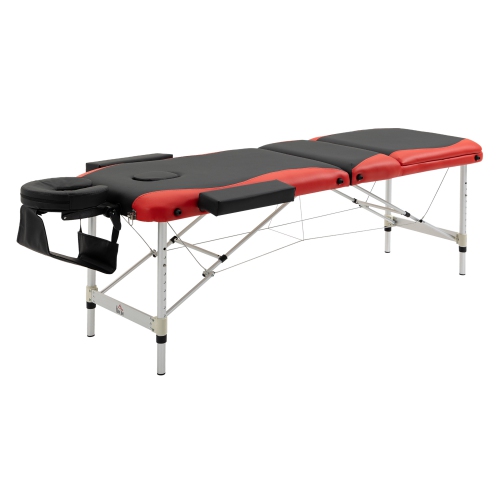
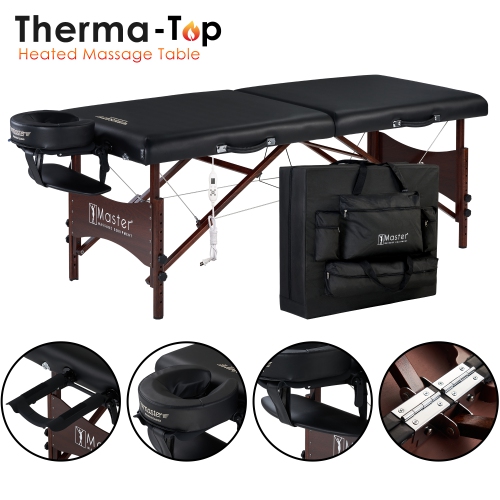


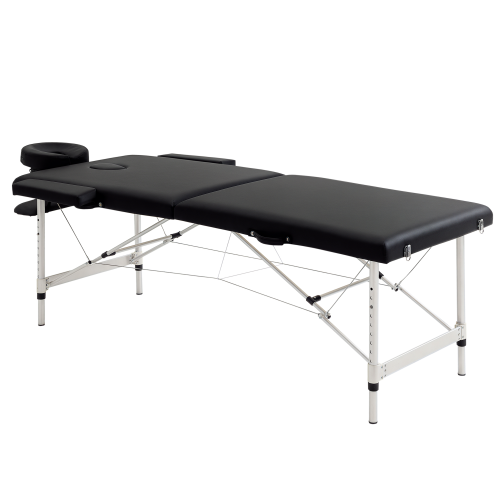
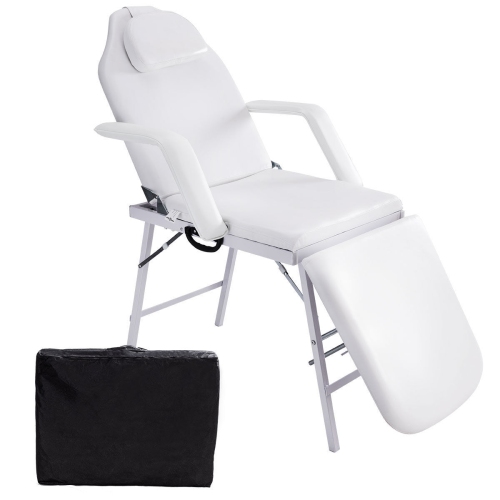


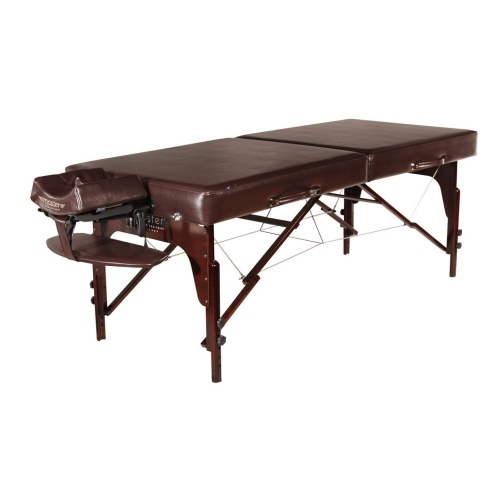


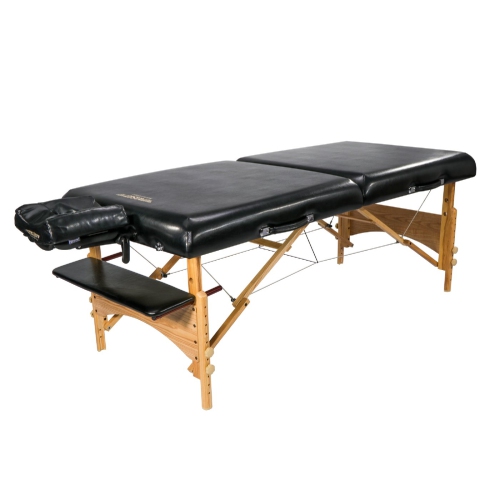

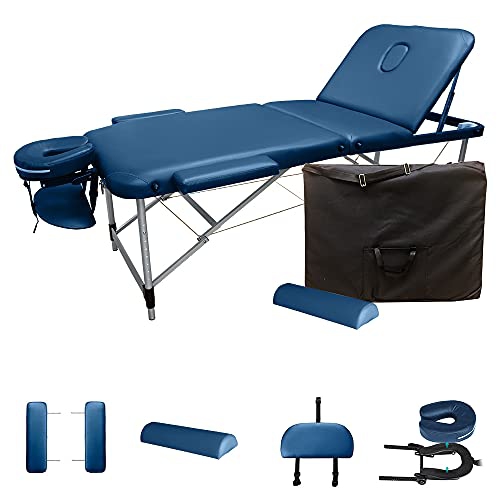


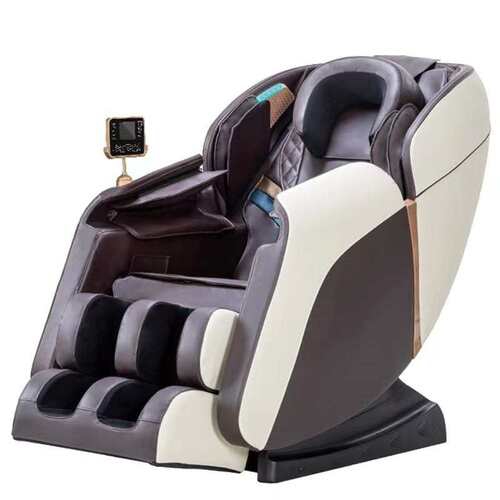


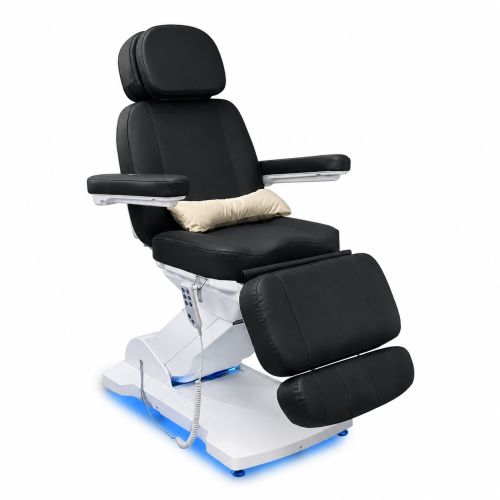


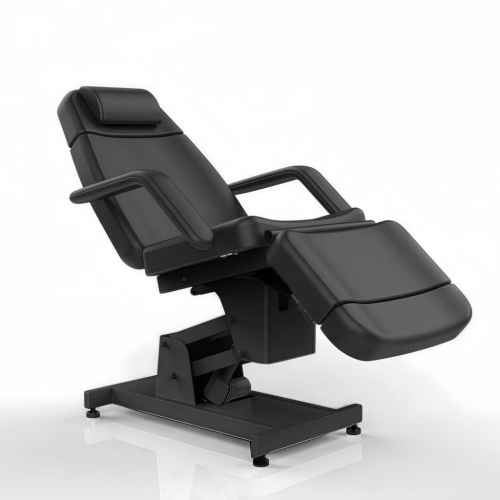
Foldable support for hands-on massage in smaller spaces
Portable massage chairs are foldable support chairs designed to position a person comfortably for seated massage while allowing the practitioner access to the back, shoulders, neck, and arms. Unlike powered massage recliners, these chairs generally do not perform massage themselves; they provide a stable, padded structure for hands-on treatment. A typical design includes an angled seat, chest pad, face cradle, arm support, and knee supports, with a frame that folds for transport or storage. The person receiving the massage leans forward into the supports rather than lying on a table, making this format practical for shorter appointments that can often take place over clothing. Mobile massage practitioners, clinics, spas, and workplace wellness providers may use portable massage chairs when a full-size table would be awkward to transport or difficult to accommodate. In a small office meeting room, for example, a chair can create a defined treatment space without requiring the same floor area as a table. There still needs to be enough clearance for the practitioner to move freely, adjust their stance, and reach the client without stretching across furniture. At home, a folding massage chair may suit someone who regularly receives seated treatments from a qualified practitioner and wants equipment that can be put away between appointments. Its purpose differs from everyday portable seating: Travel Chairs serve general seating needs, while a massage chair’s forward-leaning shape is built around supported positioning during treatment. That distinction matters because a massage chair is not intended to replace a desk chair or lounge chair. The most suitable design depends on how it will be used, who will sit in it, and how often it will move between locations. For a practitioner carrying equipment from a parking area into an office building, manageable transport and quick, secure setup can be just as important as cushioning.
Frame construction, folded dimensions, and carrying arrangements all influence how portable a massage chair feels in everyday use. Aluminum frames are often chosen for their lighter weight, while steel frames can offer sturdy construction with a different balance of weight and portability. Material alone does not establish strength: joints, braces, hinges, fasteners, and the locking mechanism also contribute to stability and long-term durability. A chair’s own weight and its permitted working load describe different things, so manufacturer specifications deserve close attention. Working capacity refers to the load allowed during intended use, while a static load rating may reflect different test conditions and should not be treated as interchangeable. Treatment must remain within the manufacturer’s stated limits, including any restrictions on applied pressure or positioning. Folded size is equally practical. A chair that fits easily in a vehicle’s cargo area may still be cumbersome on a narrow staircase, and a carrying bag adds weight and bulk to the overall package. Padded handles, a comfortable shoulder strap, or a wheeled case can make repeated transfers easier, although wheels are less useful where stairs interrupt the route. Inside the treatment space, adjustable supports help the chair accommodate different heights, torso lengths, and sitting positions. Seat height and angle affect how weight is distributed, while chest-pad and face-cradle adjustments help establish a comfortable forward lean. The face opening should leave room for easy breathing without pressing awkwardly around the eyes, and arm supports should let the shoulders settle rather than forcing them upward. Knee supports also need to suit the user’s proportions and comfort; not everyone tolerates a kneeling position. Secure adjustment controls are especially valuable when several people will use the chair in succession. Clear settings, accessible knobs, and pads that hold their position allow changes between appointments without leaving the client perched on an unstable or poorly fitted surface.
Padding and upholstery shape the experience of sitting in a portable massage chair, particularly when a session lasts longer than a brief shoulder massage. Thick foam is not automatically more comfortable than a thinner, well-supported cushion; density, resilience, and pad shape determine whether the padding maintains support under pressure. Face-cradle cushioning deserves particular attention because it rests against a sensitive area, while the seat, chest pad, and knee supports need to distribute contact comfortably. Smooth, intact upholstery is easier to wipe down than cracked or heavily textured surfaces, and neatly finished seams help limit areas where residue can collect. Synthetic coverings are common, but their tolerance for cleaning products varies. Manufacturer-approved cleaning and disinfecting methods help protect the surface, stitching, and foam beneath it. In a shared treatment setting, fresh face-cradle covers or suitable barriers should be changed between users, alongside the required cleaning routine; a cover does not replace surface care. Allowing cleaned surfaces to dry as directed before folding or packing also helps prevent moisture from being trapped inside the carrying case. Regular checks of hinges, cables where fitted, adjustment knobs, feet, and upholstery can reveal wear before it interferes with use. A chair that rocks, shifts unexpectedly, or no longer locks securely should be taken out of service until assessed and repaired appropriately. Setup belongs on a level, stable surface, with the frame fully opened and secured before anyone sits down. Getting on and off should feel controlled, without relying on a face cradle or arm support as a grab handle unless the design expressly permits it. Anyone who experiences discomfort in the forward-leaning position, or whose health or mobility needs make it unsuitable, may need a different treatment arrangement. For a massage student or established mobile practitioner, a portable chair can be a thoughtful professional gift when its fit, carrying requirements, and intended techniques are known in advance. Comfortable support, dependable adjustments, and manageable care are what make the equipment useful across repeated appointments.
Top selling and popular products
-
 Your price for this item is $2899
-
 Your price for this item is $1899.99
-
 Your price for this item is $3299
-
 Your price for this item is $3299
-
 Your price for this item is $1889
-
 Your price for this item is $2499.99
-
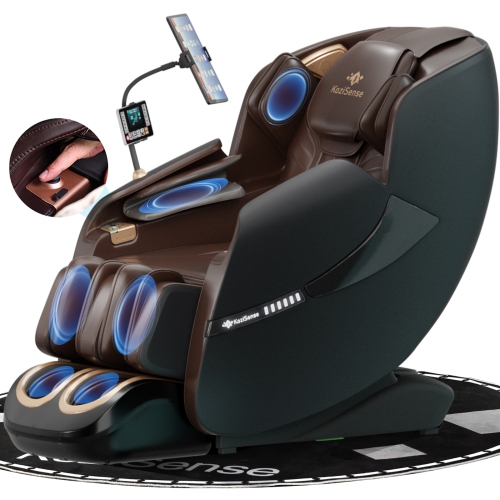 Your price for this item is $1899.99
-
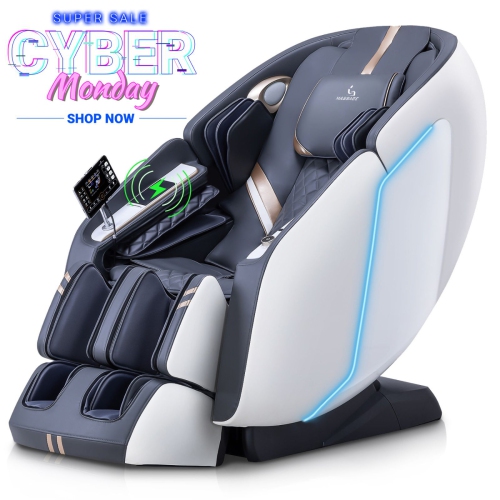 Your price for this item is $2899
Discover more categories related to Portable Massage Chairs

Top Collections:
Pokemon Centers, Best Cameras for Sports Photography, Kindle Devices, Samsung Galaxy Phones, Canon G7X Cameras, Pokémon 30th Celebration Cards, Refurbished Apple Laptops, iPhone 15 Apple, Laptops for Students, Budget Smartphones
Some products may be subject to Environmental Handling Fees
(EHF) depending on your province.
Learn more about EHFs.