Portable Power Stations for Home Backup
Portable Power Stations for Home Backup provide a convenient solution to keep your essential devices powered during unexpected outages or while on the go. Whether you're looking to maintain connectivity, power small appliances, or ensure peace of mind during emergencies, these versatile units offer reliable backup options for any household. Explore a wide selection of portable power stations designed to deliver dependable performance whenever and wherever you need it most.
Sort
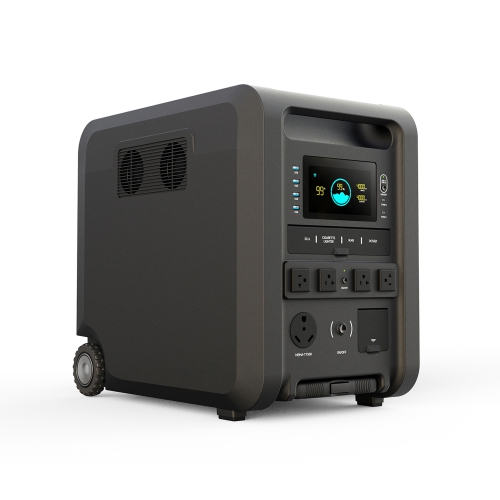
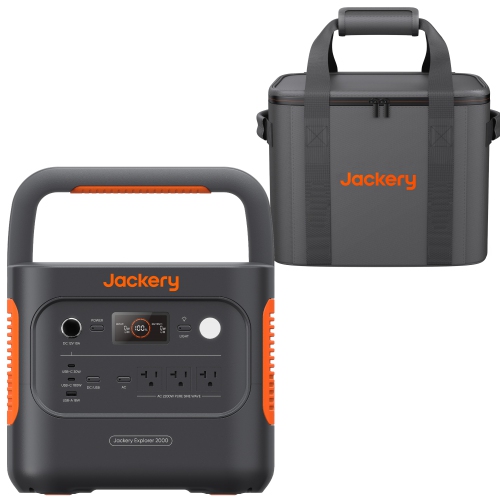
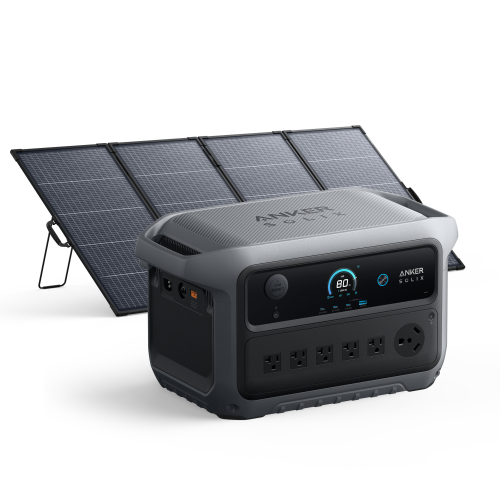
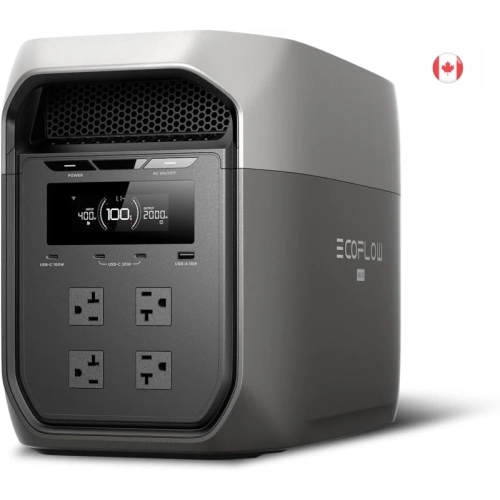
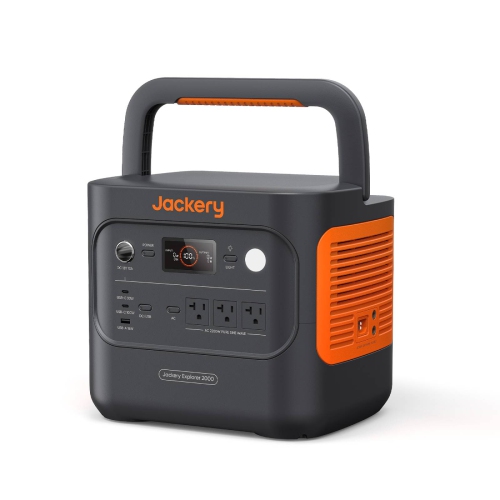
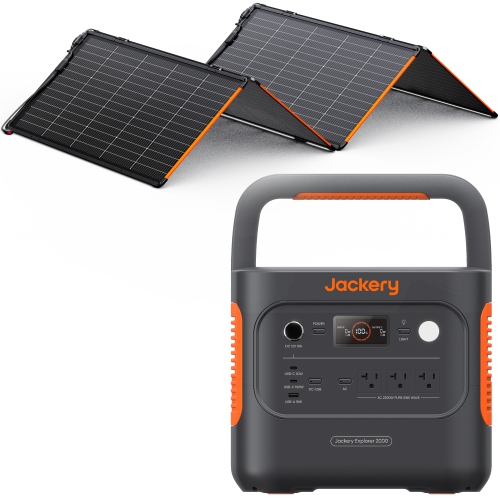
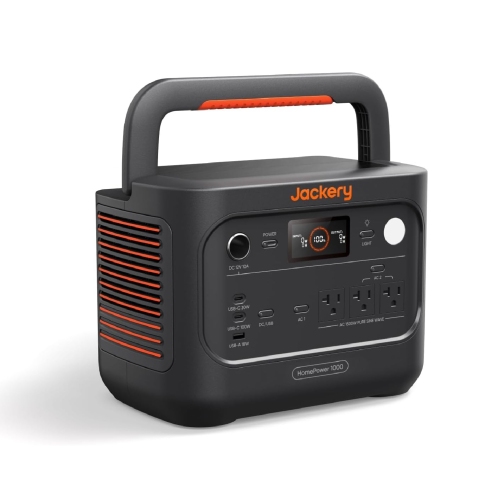
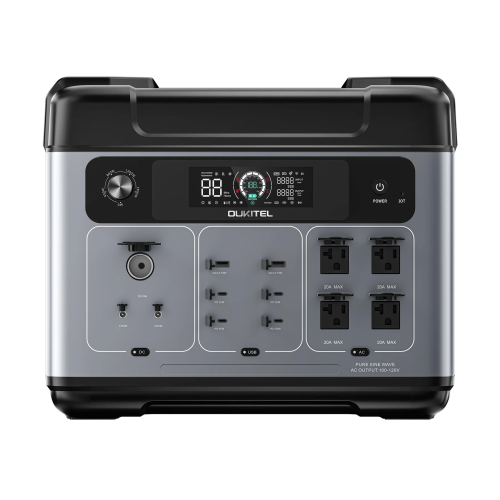
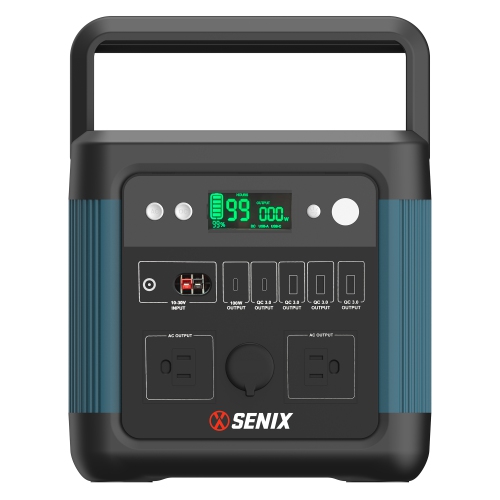
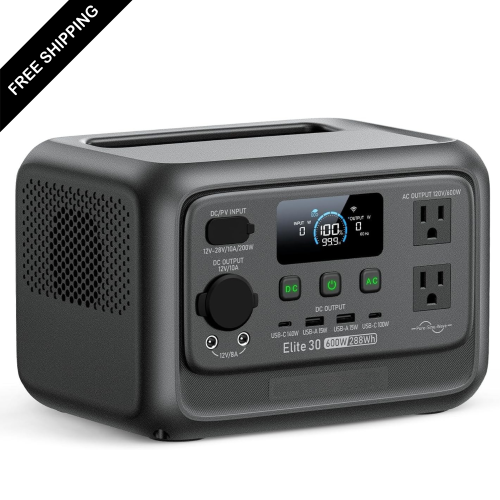

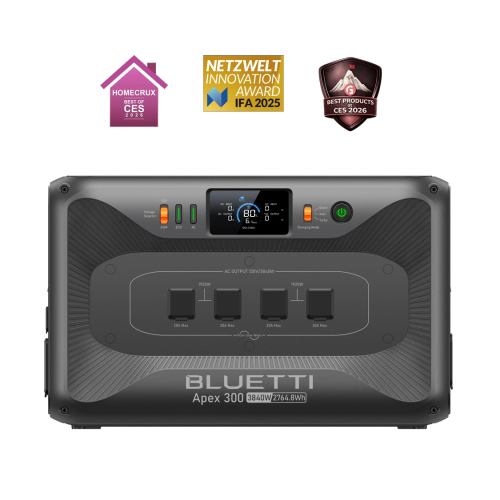
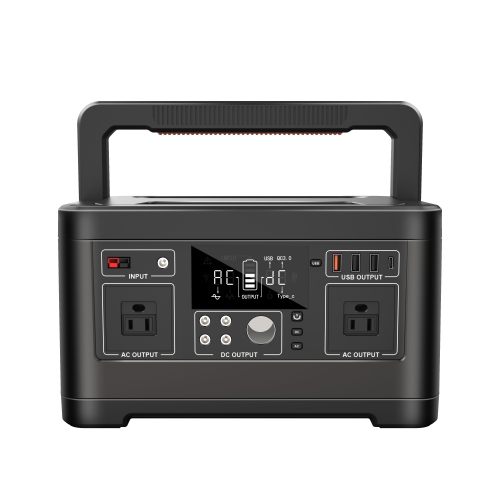
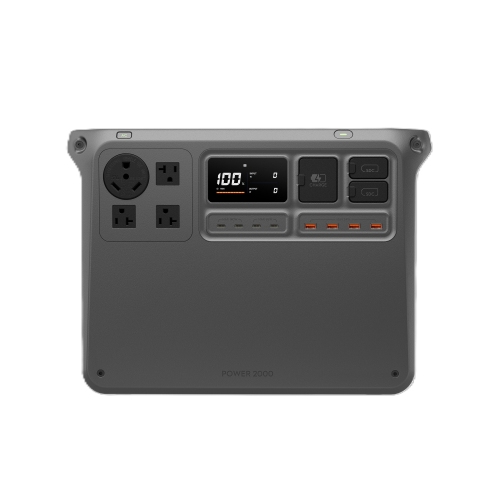
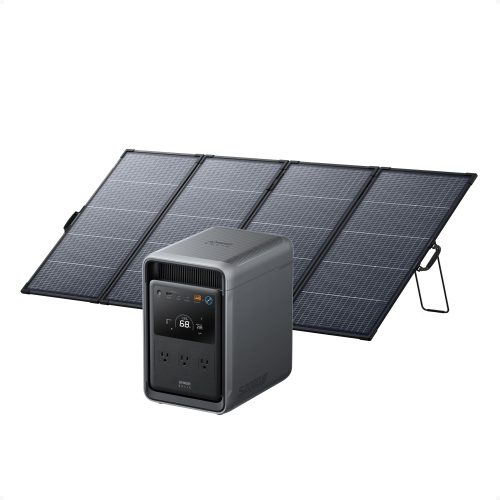
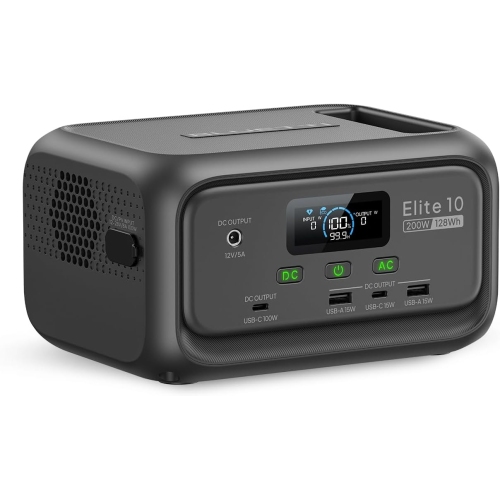
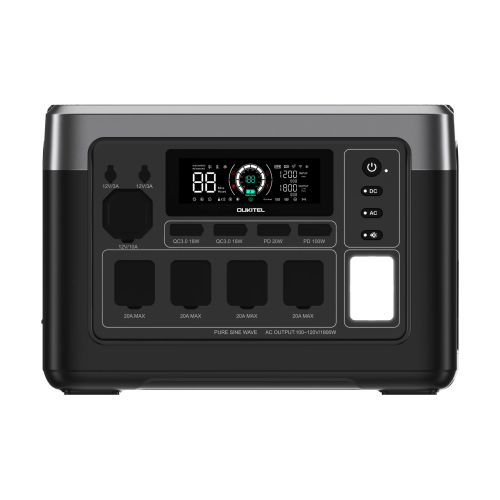
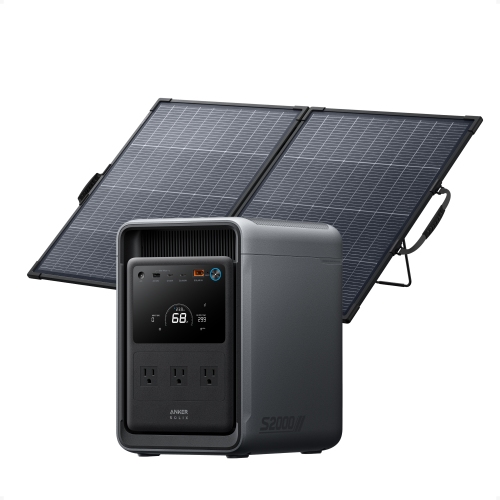
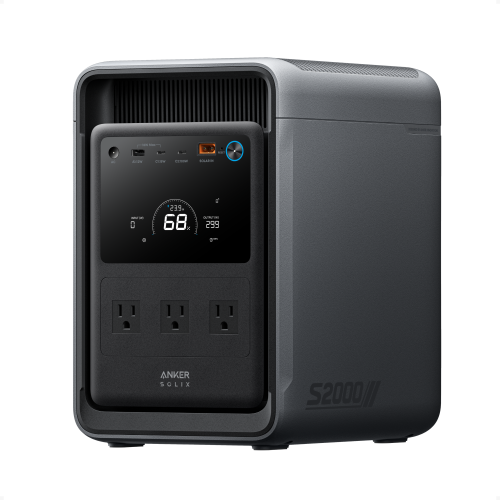
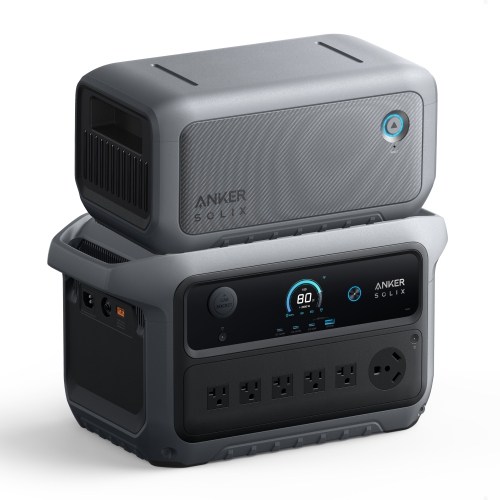
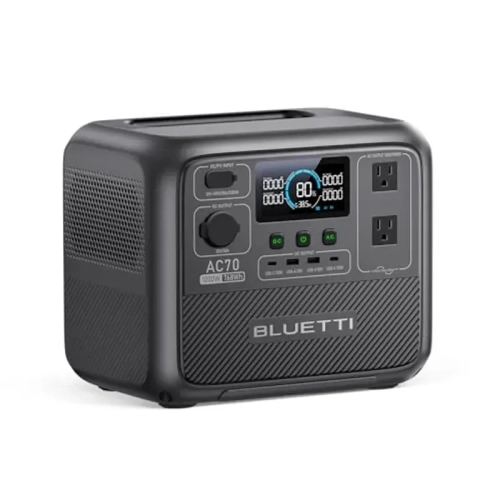
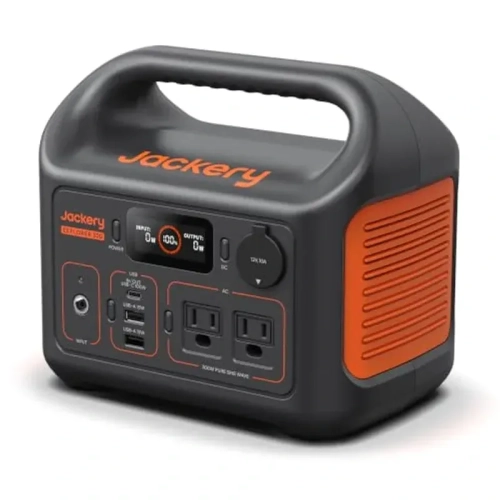
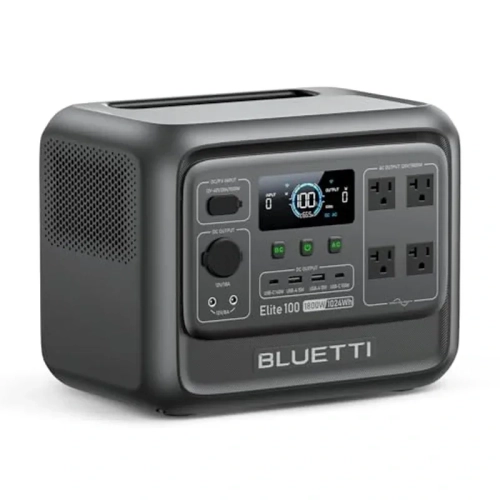
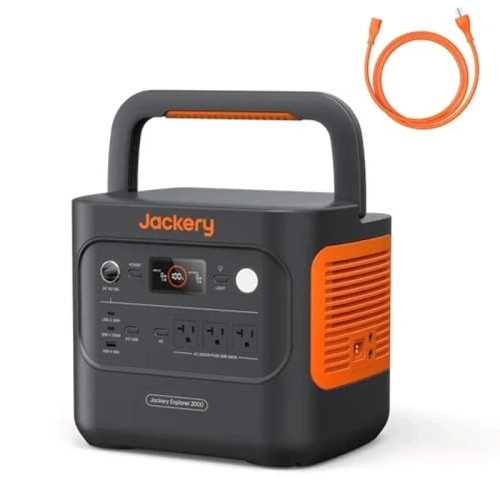
What stays powered depends on capacity and output
Portable power stations for home backup store electricity in a rechargeable battery and deliver it through outlets and charging ports when household power is interrupted. They can keep selected essentials running without the fuel handling or engine exhaust associated with combustion generators, making them practical for homeowners and renters who want a movable source of backup power. A station might support a refrigerator in the kitchen, a lamp beside the sofa, or a modem and laptop that keep a home office connected. Its usefulness depends on two different specifications: battery capacity and power output. Capacity, measured in watt-hours (Wh) or kilowatt-hours (kWh), describes how much energy the battery stores; 1kWh equals 1,000Wh. Output, measured in watts (W), describes how much power the station can supply at once. A larger battery generally supports longer use, while a higher continuous output supports more demanding appliances or several devices operating together. Neither specification replaces the other. Starting surge capacity also matters because refrigerator compressors, pumps, and other motor-driven equipment can briefly draw more power than they need during normal operation. A simple runtime estimate divides usable battery capacity by the total connected load. For example, 1,000Wh divided by a steady 100W load equals 10 hours before accounting for conversion losses, the station’s own power consumption, and any battery reserve. Actual runtime is usually shorter, and appliances that cycle on and off require a different estimate from devices with a constant draw. This makes measured energy use more informative than appliance size alone. Essential-device backup is also different from whole-home backup: keeping food chilled, phones charged, and a few lights on requires far less energy than operating electric heating, cooking appliances, and laundry equipment together. Expandable battery systems can increase stored energy for longer interruptions, but adding capacity does not necessarily increase output wattage. Both limits remain important when matching a portable power station to everyday household needs.
Connections, charging options, and switching behaviour shape how comfortably a power station fits into a home backup setup. AC outlets serve compatible household appliances, while USB-A, USB-C, and DC connections can supply smaller electronics without occupying every AC socket. For a laptop, the USB-C port’s supported charging wattage matters as much as the presence of the port itself. For AC equipment, matching voltage, continuous wattage, starting requirements, and any manufacturer restrictions is essential; an ordinary 120V outlet does not provide the same capability as a dedicated 240V circuit. Pure sine wave output is another useful specification for equipment that requires power resembling the household electrical supply, although compatibility still depends on the connected device. Charging from a wall outlet allows a station to be prepared before an interruption, while compatible solar panels or vehicle charging can provide additional ways to replenish the battery. Charging speed varies with the input source, supported wattage, battery level, and operating conditions. Solar charging also depends on panel placement and light levels, so a panel’s rated output is not a promise of continuous charging performance. Some stations support pass-through operation or an automatic backup mode, supplying connected equipment while utility power is present and switching to battery power when it fails. These features are not interchangeable with a dedicated uninterruptible power supply. Transfer time and device tolerance determine whether a computer, router, or other sensitive device stays on through the changeover. Life-support and other critical medical equipment require a backup arrangement approved by the equipment manufacturer and healthcare provider, rather than an assumption that any portable battery will be suitable. Directly plugging compatible appliances into a station is distinct from powering household circuits. Circuit integration requires an approved transfer arrangement and installation by a licensed electrician; a station must never feed electricity into a household wall outlet. For broader outage preparedness, portable power stations for emergency backup address closely related needs, from charging communication devices to supporting essential equipment.
Physical design matters just as much as electrical specifications when a power station needs to move from a storage spot to the room where it will be used. High-capacity batteries can be heavy, so a comfortable handle, balanced lifting points, or a wheeled design can make a meaningful difference in day-to-day handling. The route matters too: a unit that rolls easily across a level floor may still be awkward on stairs or difficult for one person to lift. Overall dimensions should leave room for connected plugs, cable bends, and the ventilation clearances specified by the manufacturer. A flat, stable surface away from foot traffic helps keep cords from becoming trip hazards, while accessible controls and a readable display make it easier to check remaining charge and estimated runtime. Indoor use is appropriate only where permitted by the manufacturer, with ventilation maintained and the station kept away from water and other hazards. Protective housings, reinforced corners, and sturdy outlet covers can help withstand ordinary handling, but a rugged appearance does not establish water resistance or suitability for outdoor exposure. Fan noise is another consideration in bedrooms, shared living spaces, and home offices, particularly during charging or heavier loads. Battery chemistry and rated cycle life help describe long-term durability. Lithium iron phosphate batteries are often chosen for their cycle life, but service life still depends on charging habits, depth of discharge, storage conditions, and the manufacturer’s operating limits. Routine care generally involves keeping vents clear, inspecting cables and connectors, and following the specified charging and storage schedule. A station stored for occasional use still needs periodic checks so it is ready when needed. Clear battery-status information, manageable weight, and straightforward controls can be especially valuable for someone living alone or sharing backup duties with family members. The most useful home backup station is one whose capacity, connections, and handling suit the essential tasks it is expected to support.
Top selling and popular products
-
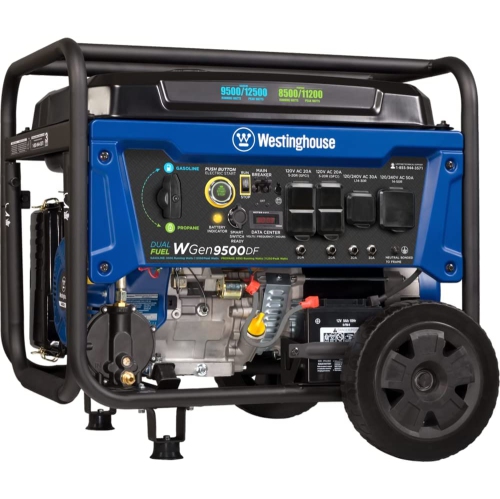 Your price for this item is $2799
-
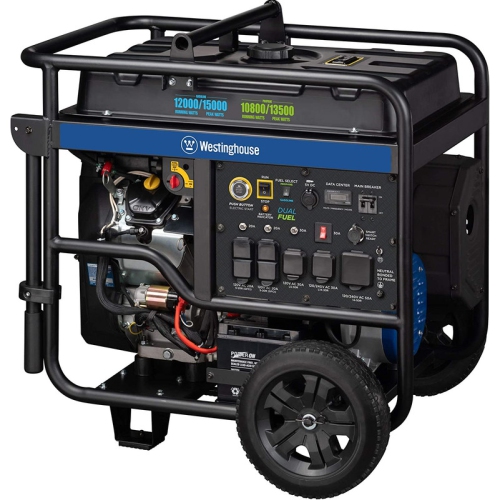 Your price for this item is $6199
-
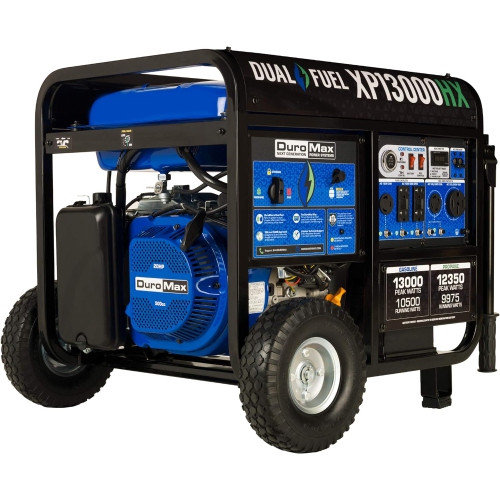 Your price for this item is $3499
-
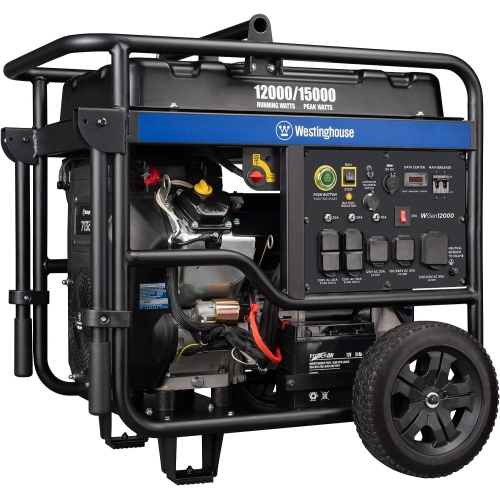 Your price for this item is $5499
-
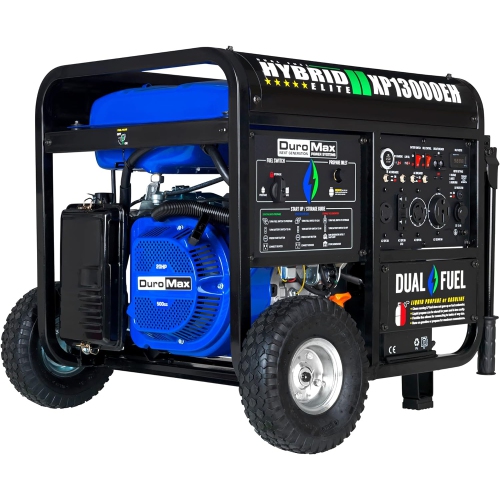 Your price for this item is $2899
-
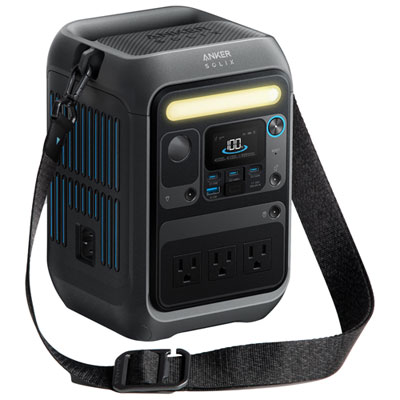 Your price for this item is $289.99
-
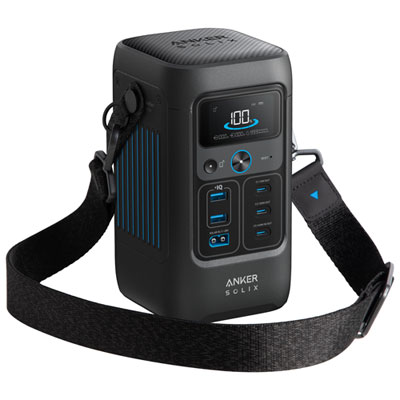 Your price for this item is $189.99
-
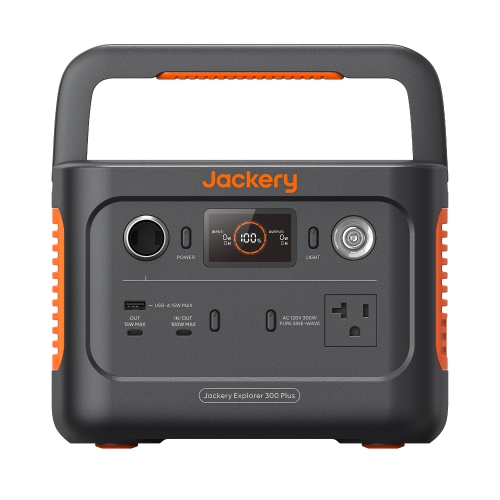 Your price for this item is $259
Discover more categories related to Portable Power Stations for Home Backup
Top Collections:
Best Black Friday Deals This Year, Best Black Friday Deals On Electronics, Kindle Devices, Pokemon Centers, Best Black Friday Deals On Apple Products, Best Cameras for Sports Photography, Dyson Airwrap, Pokémon 30th Celebration Cards, Apple iPhone 17 Pro, Canon G7X Cameras
Some products may be subject to Environmental Handling Fees
(EHF) depending on your province.
Learn more about EHFs.