Portable Power Stations for Power Outages
Portable Power Stations for Power Outages provide a convenient solution for keeping your essential devices powered during unexpected blackouts. Whether you need to charge phones, run small appliances, or keep important equipment running, these versatile units are designed to offer reliable backup power when you need it most. Explore a wide selection of portable power stations to help you stay connected and comfortable during any outage.
Sort
Why battery capacity is only half the story
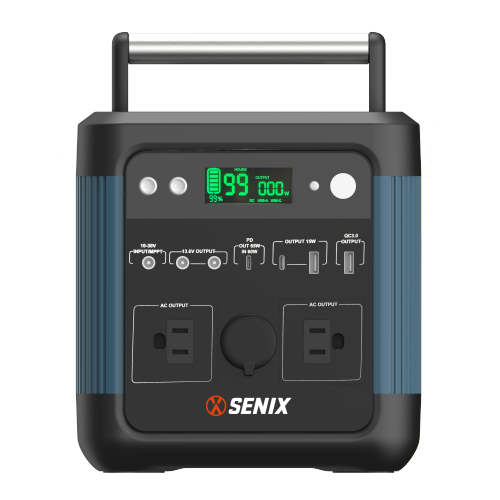
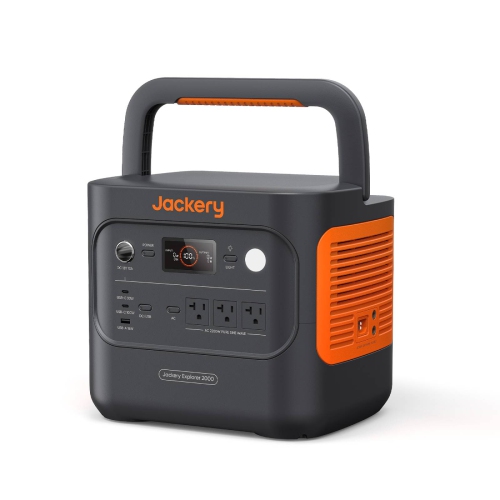
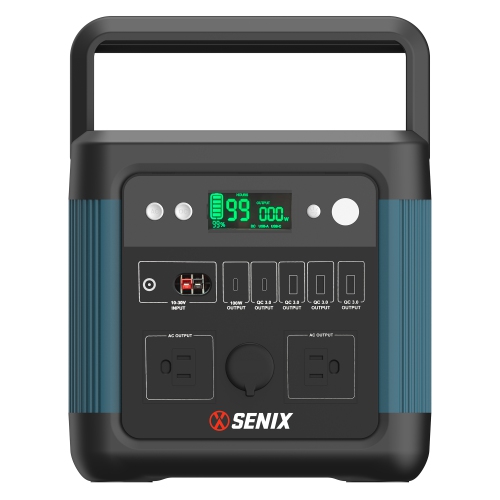
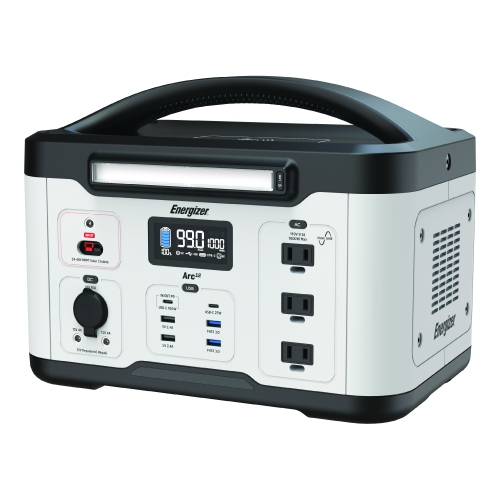
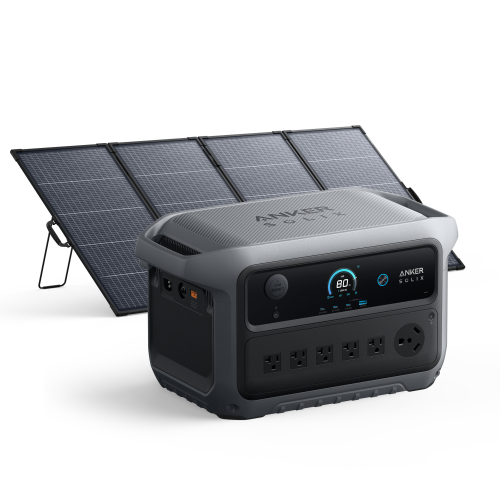
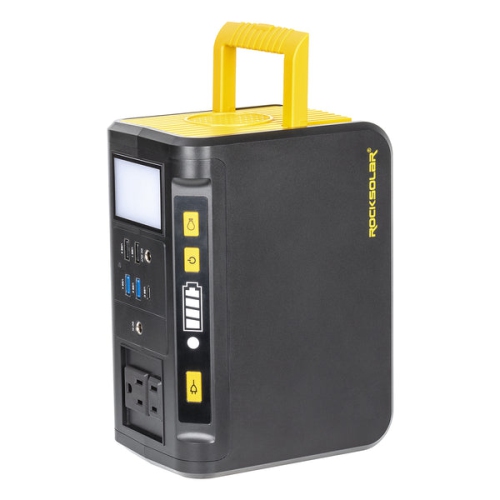
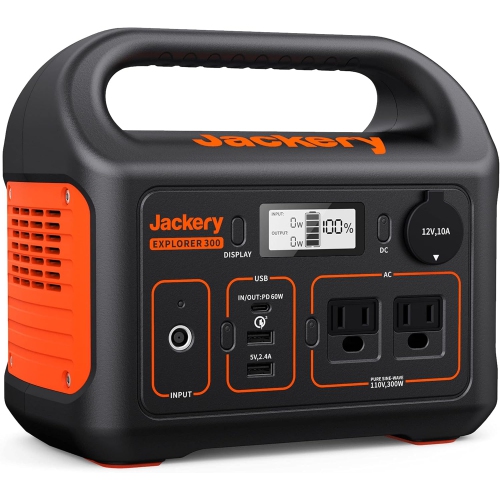
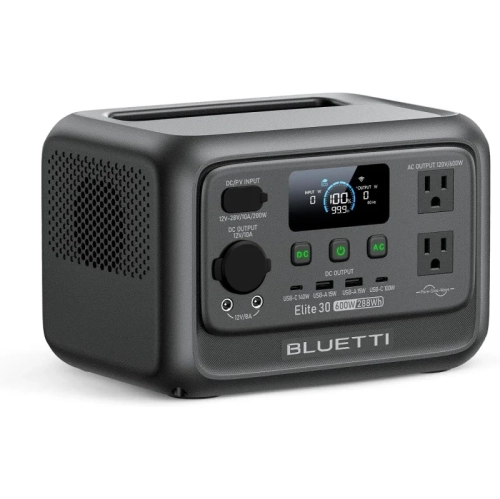
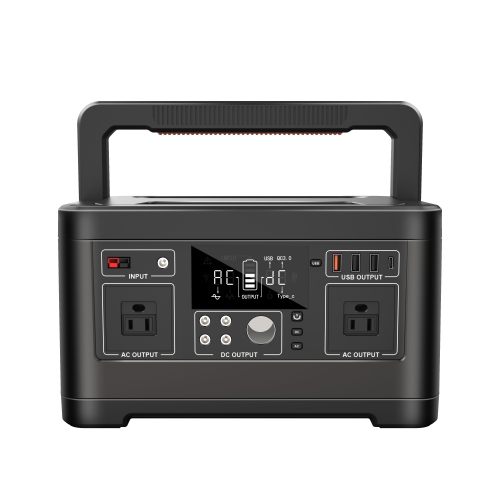
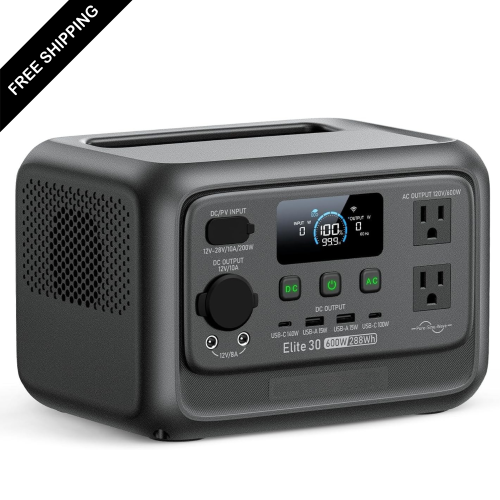
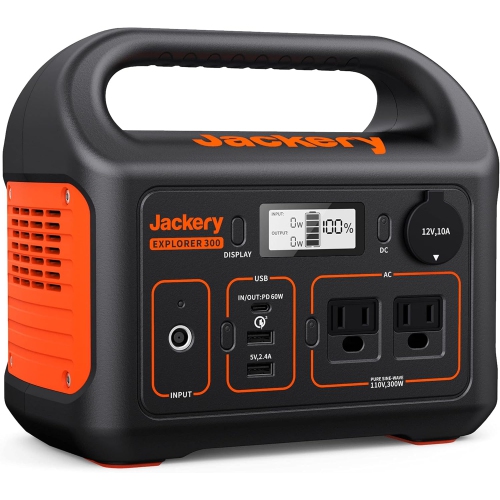
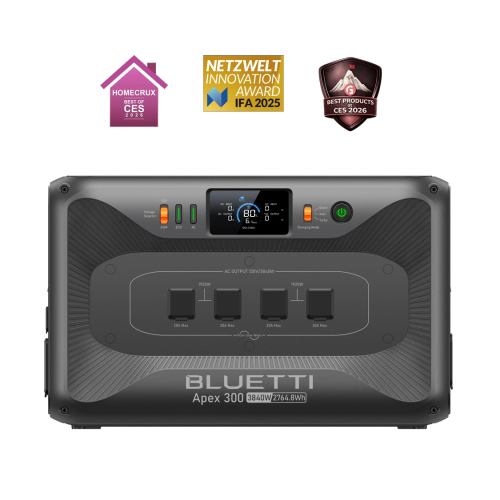
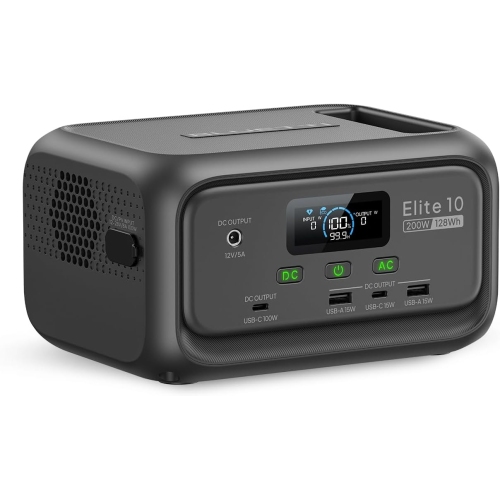
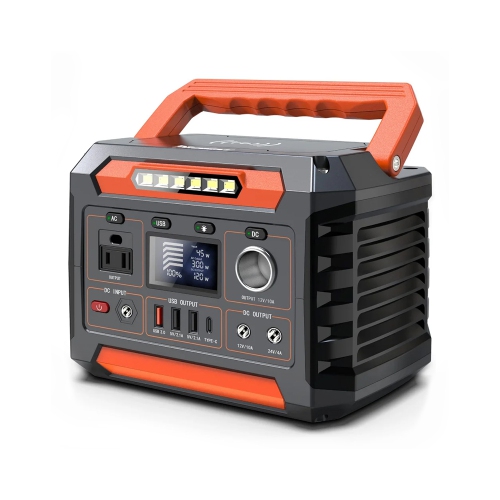
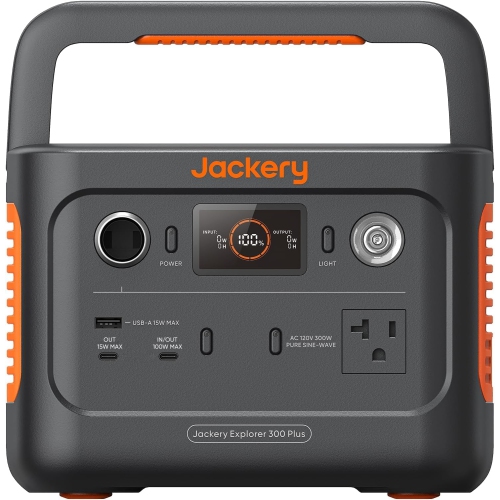
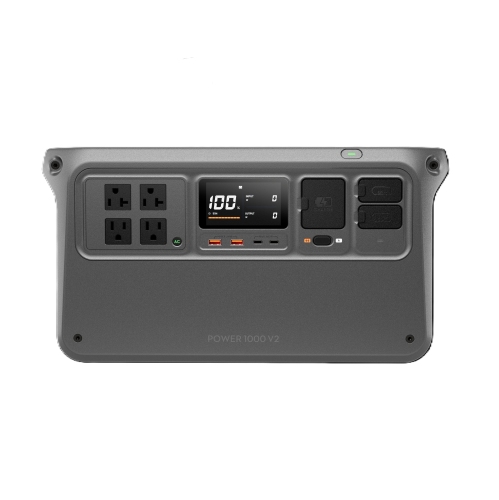
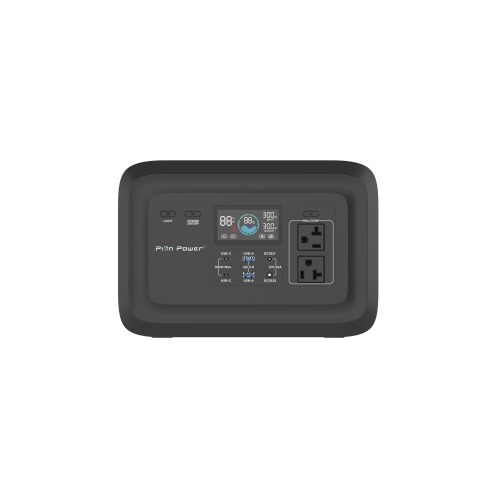
Portable power stations for power outages are rechargeable battery units that supply electricity when household outlets are unavailable. They combine stored battery power with connections for everyday essentials, such as phones, laptops, Wi-Fi routers, lamps, and compatible appliances. Unlike fuel-powered generators, battery power stations do not burn gasoline or produce exhaust while operating, making them practical for indoor backup use when positioned and operated according to the manufacturer’s instructions. They are generally quiet, although cooling fans can become noticeable during charging or heavier use. Their usefulness comes down to two different specifications: battery capacity and power output. Capacity, measured in watt-hours (Wh), describes how much energy the battery stores, while output, measured in watts (W), describes how much power the station can deliver at once. A higher-capacity battery can support a given load for longer, but it does not necessarily have the output needed to start a demanding appliance. As a simplified example, a fully charged 600 Wh battery supplying a constant 60 W load would provide 10 hours of runtime before accounting for conversion losses, the station’s own power consumption, and other operating factors. Actual runtime will be shorter, and devices that cycle on and off require a different estimate than equipment drawing steady power. Battery age, charge level, and the mix of connected devices also affect results. This makes a realistic picture of essential use more helpful than a single headline runtime claim. Keeping a phone charged and a small light on beside the sofa places a very different demand on a battery than running a refrigerator alongside a computer. For many households, the appeal is selective backup: enough stored electricity to maintain communication, light a room, or finish an important task without trying to power everything in the home. A clearly marked display showing remaining charge, output, and estimated runtime can make those priorities easier to manage, although displayed runtime estimates may change as connected loads change.
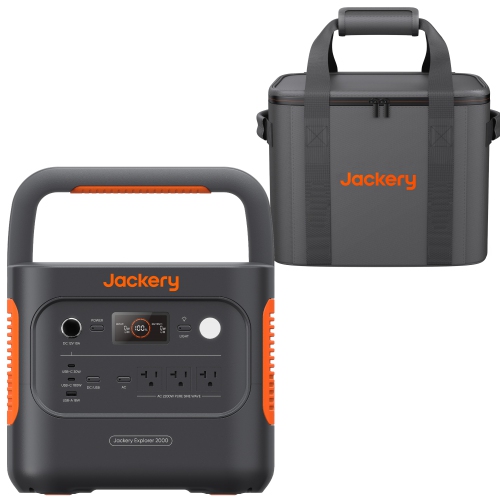
The right connections and output characteristics matter just as much as capacity. AC outlets support compatible household devices, while USB-A and USB-C ports can charge electronics directly without a separate wall charger. USB-C charging speeds depend on the station’s port rating, the cable, and the connected device, so the presence of a USB-C socket alone does not establish laptop compatibility. Direct USB charging can also avoid some of the losses involved in converting battery power to AC and then back again through a charger. For AC-powered equipment, continuous output indicates the load a station can sustain, while surge output refers to brief demands such as an appliance motor starting. A refrigerator’s startup requirements may be substantially higher than its running consumption, and its compressor cycles make runtime harder to predict from the appliance label alone. Pure sine wave AC output is another useful consideration for equipment that requires a smooth electrical waveform, but the appliance manufacturer’s requirements remain the deciding reference. High-draw heating and cooking appliances can drain a battery quickly or exceed its output, even when their plugs fit the available outlets. Keeping a router powered may preserve a home Wi-Fi network, but internet access still depends on the modem, any other required network equipment, and the service provider’s connection remaining operational. Physical fit deserves similar attention. Smaller units can sit near a desk or charging area, while larger batteries may require substantial lifting and a dedicated floor space. Protective housings, secure handles, stable feet, and accessible ports contribute to everyday usability, especially when several cables are connected. Weight should be considered alongside dimensions: a station described as portable may still be difficult to carry between floors. Clear space around ventilation openings is important, and a power station should not be tucked into a closed cupboard or covered while operating. A layout that keeps controls visible and cables away from walking paths is easier to live with during an interruption.
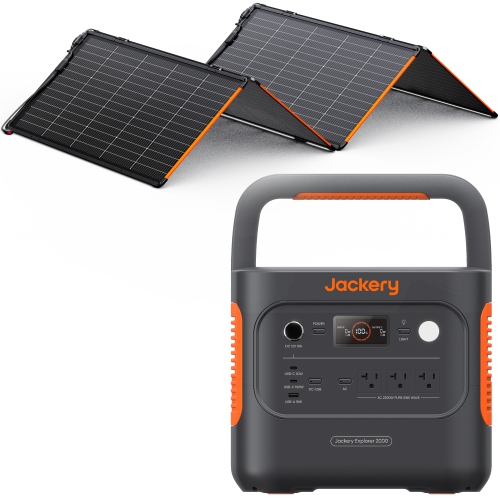
Charging options, storage habits, and backup compatibility help determine how well a portable power station fits into a household’s routine. Wall charging offers a straightforward way to replenish the battery when utility power is working, but charging times vary with battery size, input limits, and the charging settings in use. Some stations also accept vehicle charging or compatible solar panels. Those options require the correct cables and matching input specifications; a connector that physically fits does not, by itself, confirm electrical compatibility. Panel output also varies with placement and available sunlight, so a panel’s rated wattage is not a promise of constant charging performance. Expandable battery support can provide additional stored energy on compatible systems, but adding capacity does not necessarily increase the main unit’s power output. For longer interruptions or a more established household setup, Portable Power Stations for Home Backup offers a related category to explore. Any connection to household wiring requires equipment designed for that purpose and installation that meets applicable electrical requirements; a portable power station must never feed a home circuit through an ordinary wall outlet. Similarly, pass-through charging or an emergency power supply feature should not be assumed to provide uninterrupted operation. Transfer times and equipment tolerances vary, which matters for computers and other sensitive electronics. Anyone relying on powered medical equipment needs a backup arrangement approved for that equipment and its required operating time. For routine care, a dry storage location, protection from impacts, clean ventilation openings, and manufacturer-recommended charging intervals help maintain readiness. Battery chemistry, rated charge cycles, and warranty terms can also inform expectations for long-term use, although actual battery life depends on charging patterns and operating conditions. Apartment residents may value a compact unit that is easy to store, while families or people working from home may need more connections and capacity. In each case, a useful setup matches the household’s essential loads, the expected length of an interruption, and the practical space available for safe operation.
Top selling and popular products
-
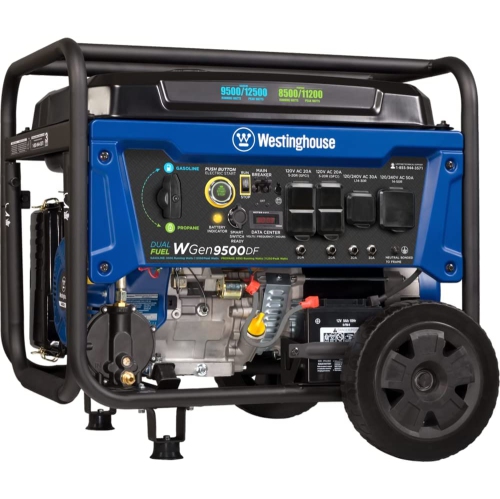 Your price for this item is $2799
-
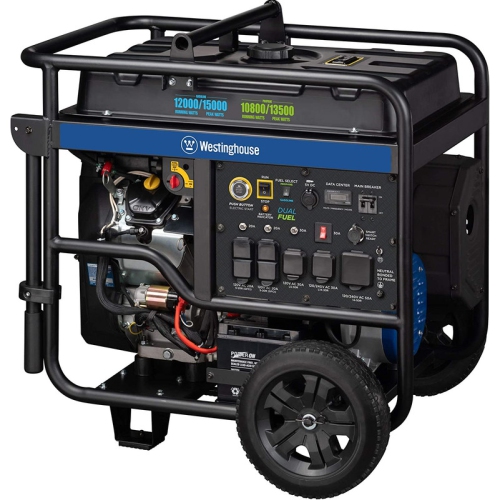 Your price for this item is $6199
-
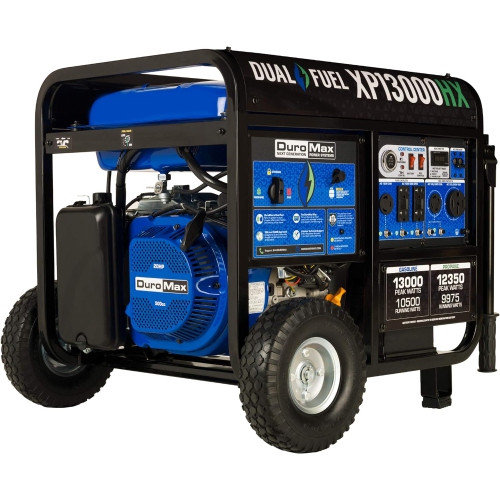 Your price for this item is $3499
-
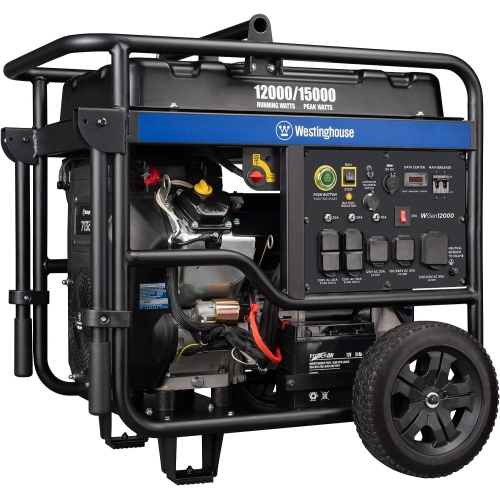 Your price for this item is $5499
-
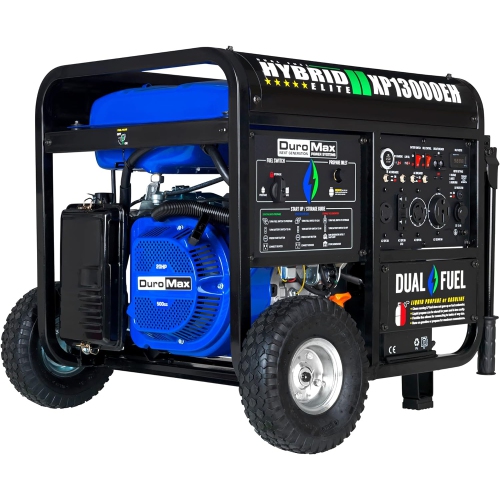 Your price for this item is $2899
-
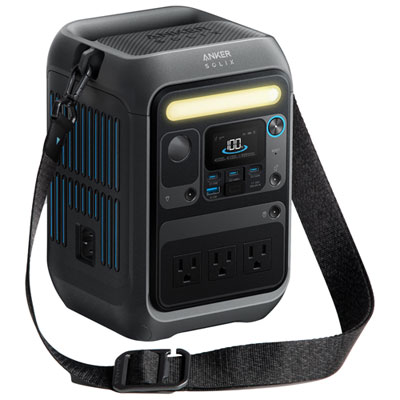 Your price for this item is $289.99
-
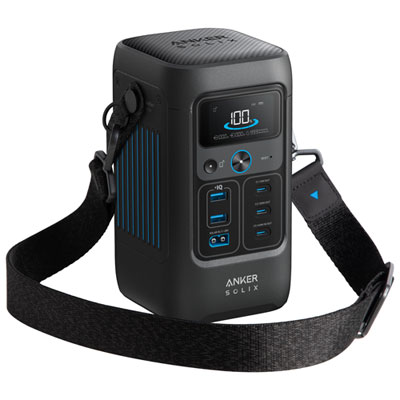 Your price for this item is $189.99
-
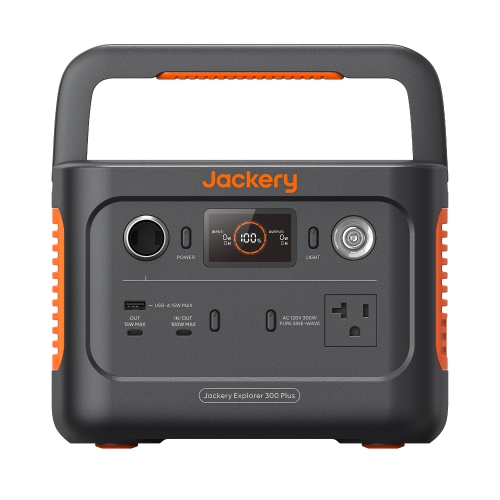 Your price for this item is $259
Discover more categories related to Portable Power Stations for Power Outages
Top Collections:
Best Black Friday Deals This Year, Best Black Friday Deals On Electronics, Kindle Devices, Pokemon Centers, Best Black Friday Deals On Apple Products, Best Cameras for Sports Photography, Dyson Airwrap, Pokémon 30th Celebration Cards, Apple iPhone 17 Pro, Canon G7X Cameras
Some products may be subject to Environmental Handling Fees
(EHF) depending on your province.
Learn more about EHFs.