Portable Power Stations for Winter Road Trips
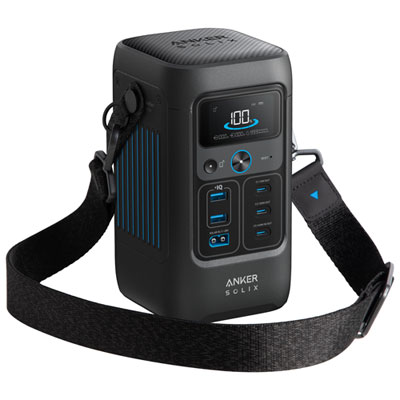
Portable power stations for winter road trips help keep compatible devices powered when an outlet isn’t nearby. Compare battery capacity, power output, ports and weight to find an option that fits your vehicle and charging needs. Before heading out, check each model’s operating and charging temperature limits to plan for cold-weather use.

Sort

Why cold-weather power needs more than a big battery

Portable power stations for winter road trips provide a separate source of electricity for the devices that travel alongside coats, boots and overnight bags. On a drive to a ski hill, a weekend visit to a cabin or a longer journey between towns, that can mean keeping a phone charged, powering a laptop at a rest stop or running a small light while sorting gear after dark. Unlike a compact power bank designed mainly for handheld devices, a portable power station typically offers a larger battery and a combination of USB ports, AC outlets and DC connections. The most useful combination depends on what needs power and how long the trip will last between charging opportunities. Battery capacity, usually expressed in watt-hours, describes stored energy, while output ratings in watts indicate the electrical load the station can support. Those figures serve different purposes: a higher-capacity battery may run compatible devices longer, but it cannot necessarily operate an appliance that exceeds its output limit. Continuous output matters for steady operation, and surge capacity may matter for equipment with a brief startup demand. Actual runtime also depends on conversion losses, temperature and the way a connected device operates, so a simple capacity calculation is only an estimate. For travellers carrying phones, cameras and a tablet, well-matched USB charging may be more useful than several household-style outlets. A laptop user may place greater value on USB-C Power Delivery with sufficient wattage, while someone travelling with compatible medical equipment needs to confirm the equipment’s electrical requirements and the manufacturer’s guidance before relying on a station. Keeping essential devices charged can make a journey more comfortable and connected, but a portable power station is not a substitute for winter emergency supplies, reliable vehicle maintenance or a separate plan for medically necessary power. Its role is most practical when the expected loads are clear, with enough capacity left for an unplanned delay rather than a battery sized to finish the trip nearly empty.

Cold-weather suitability involves more than choosing a large battery. Portable power stations have specified operating, charging and storage temperature ranges, and those ranges may differ. Lithium-based batteries can deliver less usable capacity in cold conditions, while charging below the permitted temperature can damage cells unless the station has a system expressly designed to manage it. Low-temperature charging protection is therefore a useful feature to understand, not an assurance that a station can charge anywhere in winter. A battery brought in from a freezing vehicle may need time to reach its permitted charging temperature, following the manufacturer’s instructions. Some designs include temperature displays or built-in heating, but their capabilities and power requirements vary. Physical construction matters just as much on a trip where the cargo area holds wet boots, ski bags and hard-edged luggage. A sturdy housing, protected corners and a comfortable handle can make repeated transfers between the vehicle and accommodation easier. Weight deserves attention alongside capacity, especially when the station will be carried across a snowy car park or lifted over a high cargo sill. A compact shape may fit neatly beside luggage, but it still needs the clearance specified around its vents. A case can help protect the housing in transit; it should not obstruct cooling during use unless expressly designed for that purpose. Water resistance should never be assumed from a rugged appearance, and an enclosure rating does not automatically mean every socket or open port has the same protection. Keeping connections dry, brushing away loose snow before carrying the station indoors and avoiding use where slush can reach the outlets are sensible precautions. Inside the vehicle, the station should be secured against movement rather than left loose on a seat or balanced on other luggage. For care between trips, a soft, dry cloth, regular cable checks and storage at the recommended charge level help maintain dependable performance without exposing ports or battery components to moisture.

Charging options shape how conveniently a portable power station fits into a winter itinerary. AC charging is useful when an overnight stop includes access to a suitable wall outlet, while vehicle charging can add energy during the drive if both the station and the vehicle connection support it. Charging speed varies by input method, and a high-capacity station may take considerably longer to refill through a vehicle outlet than through AC power. Vehicle outlet ratings, cable compatibility and the manufacturer’s instructions all matter; drawing power while parked can deplete a starter battery unless the vehicle’s system prevents it. A standard portable power station should not be treated as a jump starter unless it is specifically designed and rated for that function. Compatible solar charging can provide another input option, although short daylight hours, cloud, shade and snow cover make output variable on winter journeys. For longer stays with a recreational vehicle, Portable Power Stations for RV Trips offers a related travel focus where capacity, connection types and daily power needs may differ from those of a passenger-car trip. Across either setting, practical details can be as valuable as headline capacity: a readable display, clearly separated controls, accessible outlets and a dependable way to check the remaining charge make everyday use simpler. Direct USB charging can also avoid the conversion losses involved in using an AC adapter when the device and port are compatible. High-draw appliances such as kettles and electric heaters place very different demands on a battery than phones or lights, and cabin heating should remain part of the vehicle and emergency-preparedness plan rather than an assumed use for a portable station. For a frequent road-tripper, photographer or family that carries several rechargeable devices, a thoughtfully matched station can also be a useful gift. The strongest fit is one that suits the recipient’s actual equipment, carrying comfort and charging routine, with enough durability for repeated journeys and controls that are straightforward to use at a roadside stop.

FAQ

Some products may be subject to Environmental Handling Fees (EHF) depending on your province. Learn more about EHFs.