Portable Outdoor Gas Heaters
Portable Outdoor Gas Heaters offer a convenient solution for enjoying outdoor spaces year-round. Whether you're hosting gatherings on the patio or relaxing in your backyard, these heaters provide reliable warmth to help you make the most of your time outside. With a variety of styles and sizes available, Portable Outdoor Gas Heaters are designed to suit different needs and preferences, making it easy to find the perfect option for any outdoor setting. Explore the selection to discover efficient ways to stay comfortable during cool evenings and chilly seasons.
Sort
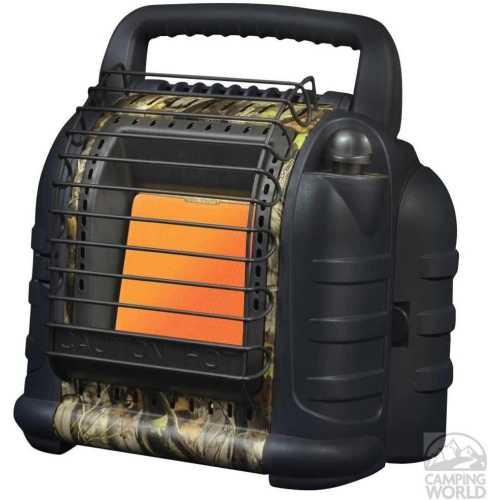
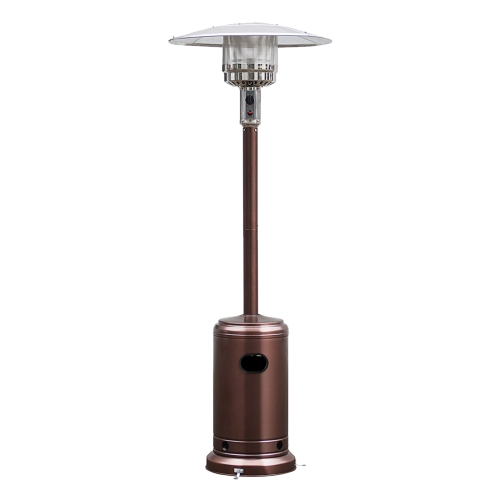
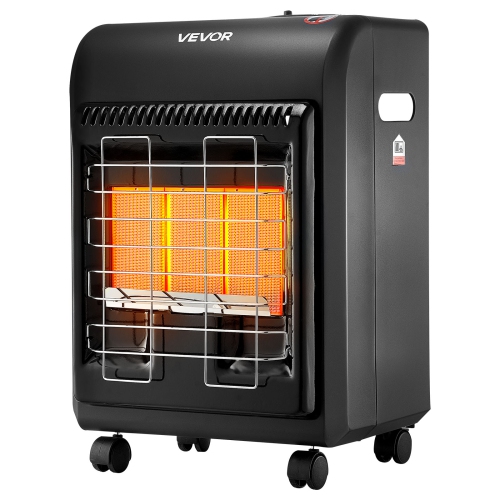
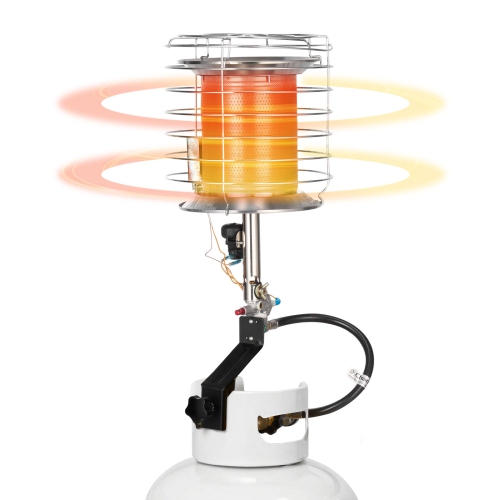
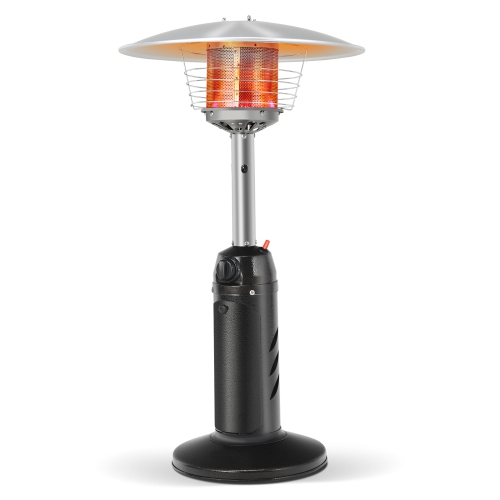
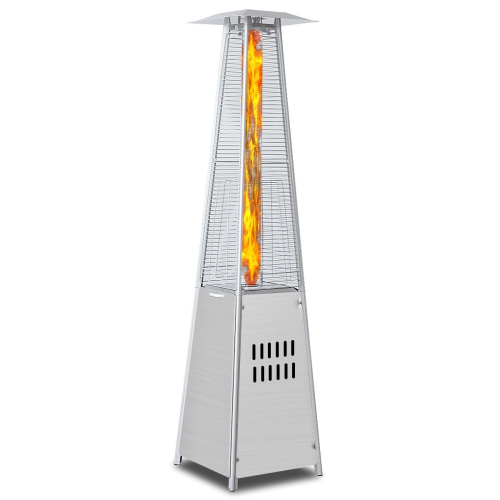
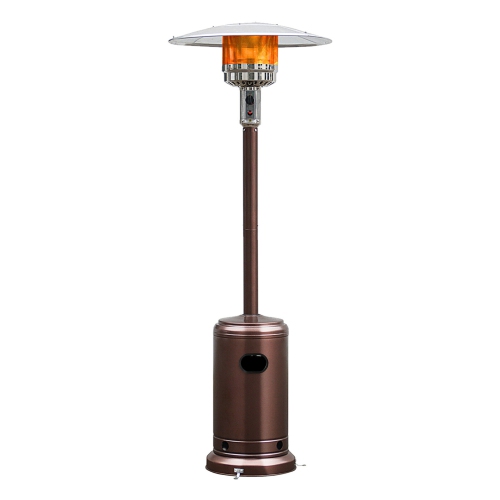
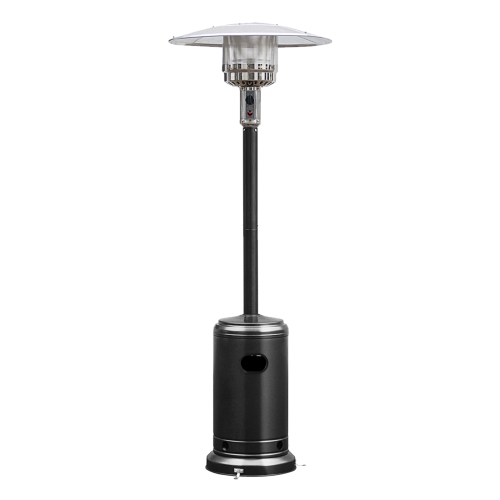

Patio warmth without an electrical outlet nearby
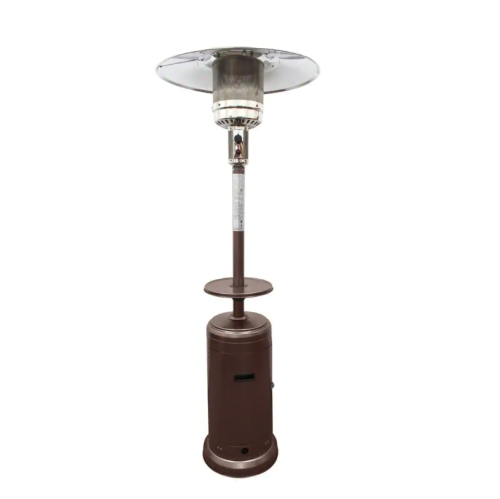
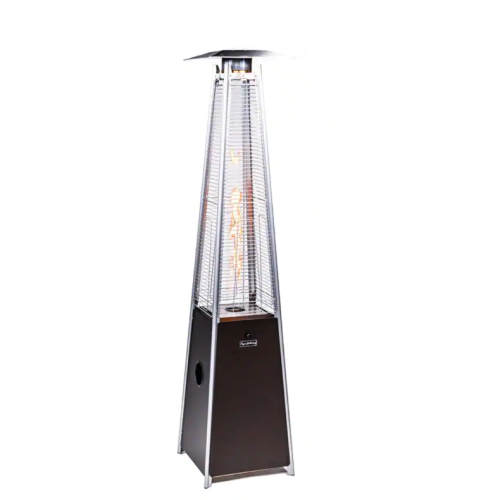
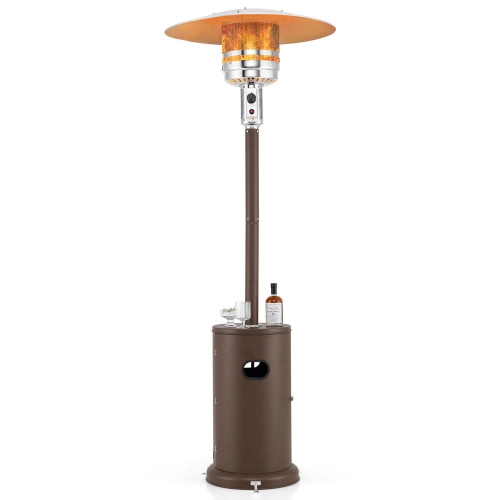
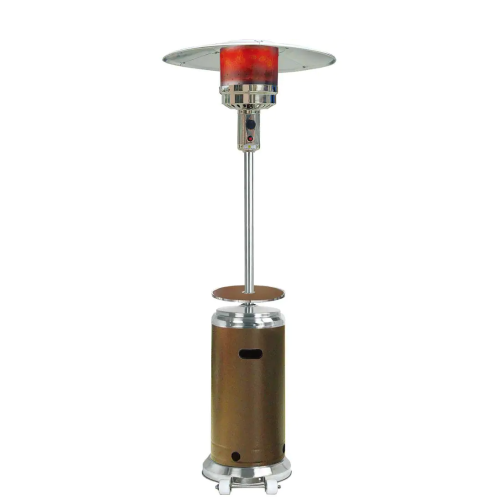
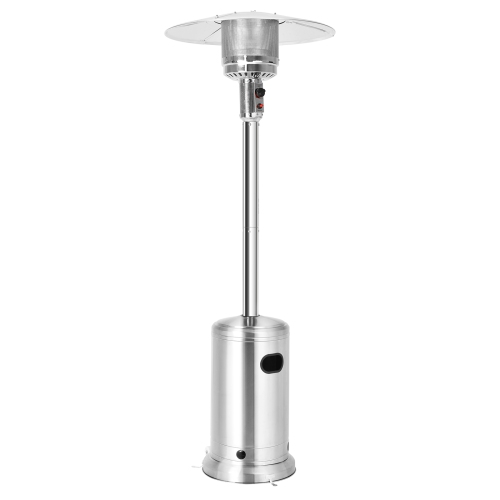
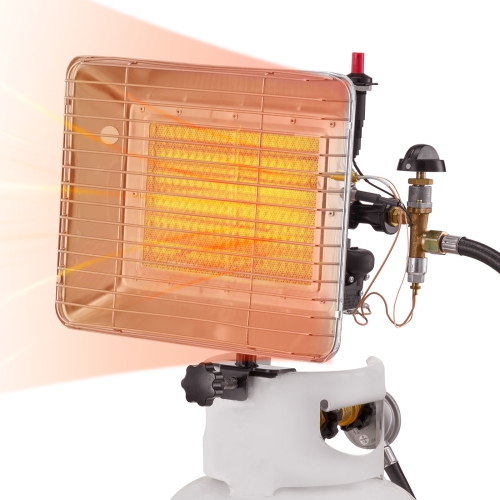
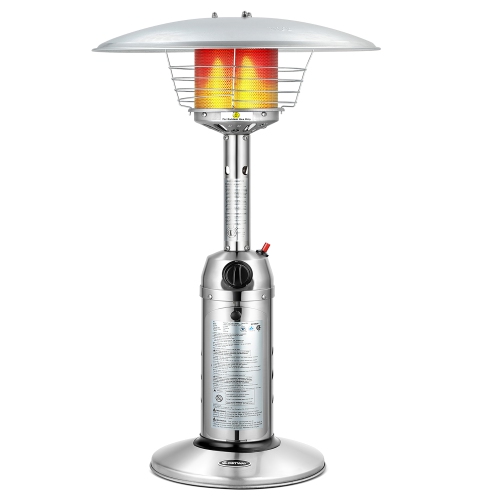
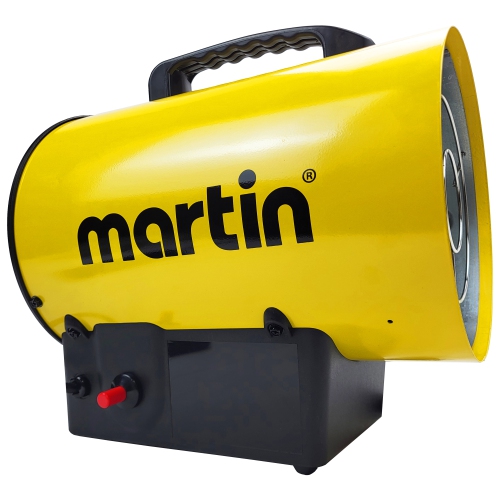
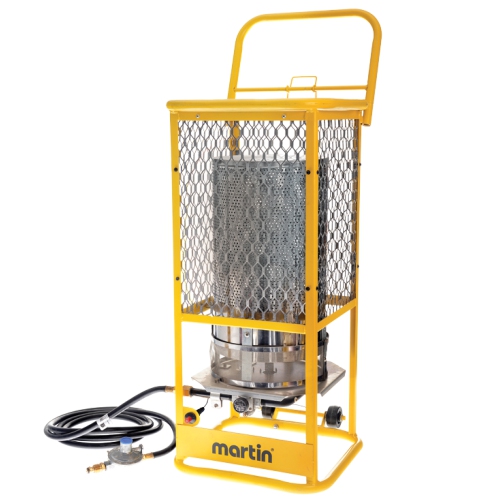
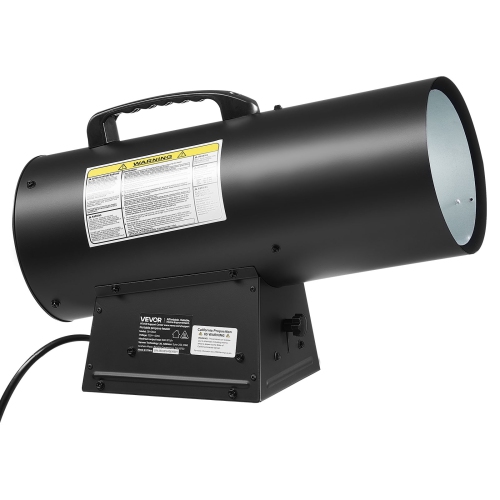
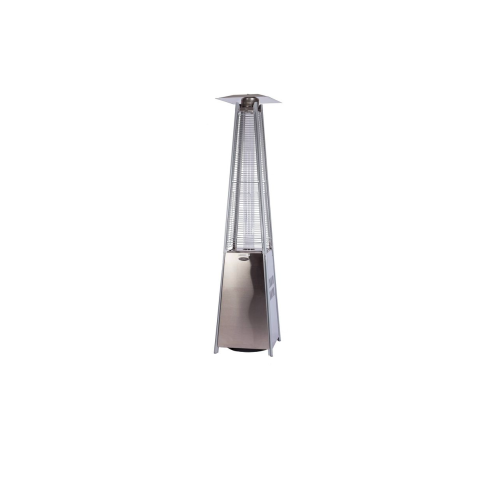
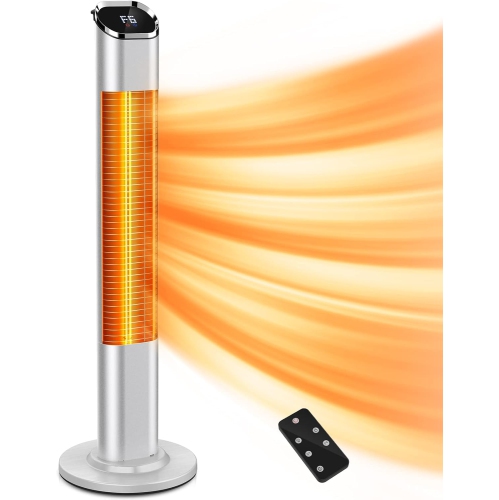
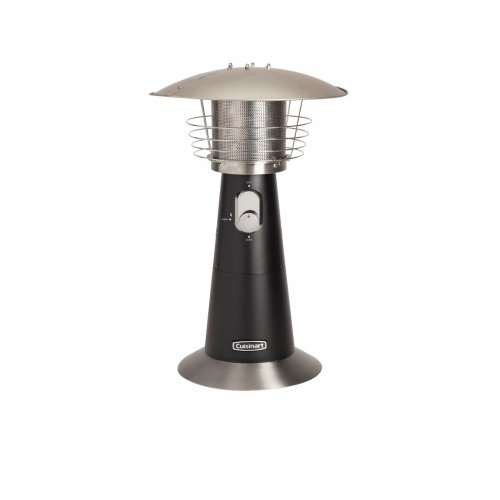
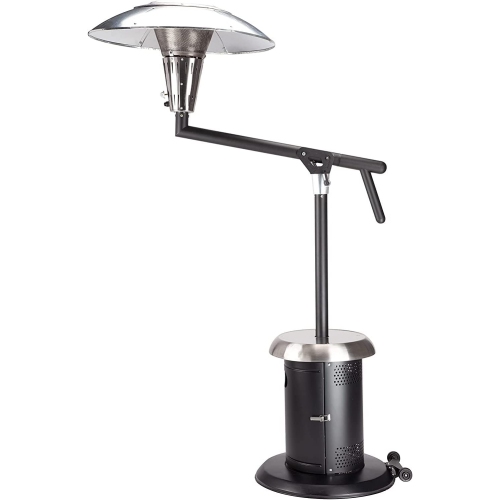
Portable outdoor gas heaters provide warmth for open-air patios, decks, and other outdoor gathering spaces by burning gas, most commonly propane. Their appeal is straightforward: they bring heat closer to a seating area without needing an electrical outlet nearby. Propane is particularly well suited to portable designs because the fuel travels with the heater in a compatible cylinder, while natural gas heaters usually depend on a fixed supply connection and offer less freedom of placement. Within the portable category, tabletop heaters, freestanding patio heaters with wheels, and tank-top radiant heaters serve different purposes. A tabletop design can suit a small seating arrangement when the table is stable, heat resistant, and large enough to meet the required clearances. A taller freestanding heater places its burner above seated guests and often incorporates a cylinder compartment in its base, making it a familiar choice beside an outdoor dining area. Tank-top heaters attach to compatible propane cylinders and often direct radiant heat towards a particular area; their permitted uses depend on the design and manufacturer’s instructions. Radiant heat warms people and surfaces in its path, rather than making all the surrounding outdoor air uniformly warm. That distinction matters when imagining a heater beside two lounge chairs versus one serving a long dining table. Heat output is commonly stated in British thermal units per hour, often shortened to BTUs in product descriptions. A higher rating generally indicates greater fuel consumption and heat output, but it does not guarantee comfortable warmth across a particular square footage. Wind, burner height, reflector shape, heat direction, and distance from the heater all affect the experience. Published coverage estimates are best treated as approximate rather than as a promise that every seat will feel equally warm. Adjustable heat settings can be useful for a quiet evening on the patio or a larger outdoor gathering, allowing the output to suit the arrangement without assuming that the highest setting is always necessary.
The best fit for an outdoor space involves more than the heater’s height or footprint. A broad, stable base needs a firm, level surface, with enough room around it to keep walkways clear and prevent chairs from drifting too close to hot components. On a deck, the flooring material and the manufacturer’s placement requirements both matter. Overhead clearance is equally important: an umbrella, awning, tree branch, or low roof can make an otherwise convenient position unsuitable. Portable does not necessarily mean lightweight or easy to carry. A wheeled patio heater may be manageable across a smooth, level surface yet awkward to move over gravel, steps, or uneven paving. The cylinder adds weight, and the heater should be turned off and allowed to cool before repositioning, following the manufacturer’s directions for moving it with or without its fuel supply attached. For a household that rearranges its patio frequently, accessible handles, balanced construction, and wheels suited to the surface can make a noticeable difference. Materials also influence long-term appearance and care. Stainless steel can offer good resistance to corrosion, although its grade, finish, and exposure affect how it holds up. Powder-coated steel provides a finished exterior but benefits from prompt attention to scratches that expose the metal beneath. Reflectors, burner guards, fasteners, and cylinder doors should feel secure, particularly on a heater that will be moved regularly. Coastal air, road salt carried onto a deck, and persistent moisture can be demanding on metal surfaces, so corrosion resistance is worth considering alongside appearance. A protective cover sized for the heater helps limit exposure when the unit is not in use, but it should only be fitted once the heater has cooled completely. Simple styling decisions matter too: a slim upright shape may sit comfortably beside dining furniture, while a compact tabletop design leaves more floor space clear. Neither format eliminates the need for safe separation from cushions, throws, railings, and other nearby materials.
Fuel compatibility, routine care, and safety features are central to using portable outdoor gas heaters with confidence. Cylinder size, connection type, regulator, and hose requirements vary, so only the fuel system specified for the heater should be used; improvised adapters or fuel conversions are not a substitute for an approved configuration. Runtime depends on the amount of fuel in the cylinder and the selected heat setting, making a stated runtime meaningful only when those conditions are clear. An accessible ignition control and readable heat settings make operation simpler, while an automatic tip-over shut-off and a flame-failure device can add protection where fitted. These features do not replace correct placement or supervision. Outdoor gas heaters produce combustion gases, including carbon monoxide, and must not be used inside homes, garages, tents, or other enclosed spaces. A partly enclosed patio is not automatically suitable; the heater’s instructions define the ventilation and clearance requirements for permitted use. Strong wind can affect the flame and stability, and a heater should be shut down when conditions exceed its stated operating limits. Children and pets need to remain away from hot surfaces, and the heater should never be left operating unattended. Before use, checking the hose for wear, inspecting connections, and performing the manufacturer’s specified leak test help catch problems early; a flame must never be used to check for leaks. Once everything is cool, gentle cleaning with suitable materials helps preserve the finish, while keeping burner openings and ventilation passages clear supports proper operation. Cylinders must be stored upright and secured outdoors in a well-ventilated location, away from ignition sources and in accordance with local requirements. For patio hosts and households that enjoy lingering outdoors in cool weather, the most useful design is one that suits the seating layout, can be moved safely, and is straightforward to maintain. The broader Portable Heaters category provides another point of comparison for different heating needs, with each heater’s approved location and intended use remaining the essential distinction.
The best fit for an outdoor space involves more than the heater’s height or footprint. A broad, stable base needs a firm, level surface, with enough room around it to keep walkways clear and prevent chairs from drifting too close to hot components. On a deck, the flooring material and the manufacturer’s placement requirements both matter. Overhead clearance is equally important: an umbrella, awning, tree branch, or low roof can make an otherwise convenient position unsuitable. Portable does not necessarily mean lightweight or easy to carry. A wheeled patio heater may be manageable across a smooth, level surface yet awkward to move over gravel, steps, or uneven paving. The cylinder adds weight, and the heater should be turned off and allowed to cool before repositioning, following the manufacturer’s directions for moving it with or without its fuel supply attached. For a household that rearranges its patio frequently, accessible handles, balanced construction, and wheels suited to the surface can make a noticeable difference. Materials also influence long-term appearance and care. Stainless steel can offer good resistance to corrosion, although its grade, finish, and exposure affect how it holds up. Powder-coated steel provides a finished exterior but benefits from prompt attention to scratches that expose the metal beneath. Reflectors, burner guards, fasteners, and cylinder doors should feel secure, particularly on a heater that will be moved regularly. Coastal air, road salt carried onto a deck, and persistent moisture can be demanding on metal surfaces, so corrosion resistance is worth considering alongside appearance. A protective cover sized for the heater helps limit exposure when the unit is not in use, but it should only be fitted once the heater has cooled completely. Simple styling decisions matter too: a slim upright shape may sit comfortably beside dining furniture, while a compact tabletop design leaves more floor space clear. Neither format eliminates the need for safe separation from cushions, throws, railings, and other nearby materials.
Fuel compatibility, routine care, and safety features are central to using portable outdoor gas heaters with confidence. Cylinder size, connection type, regulator, and hose requirements vary, so only the fuel system specified for the heater should be used; improvised adapters or fuel conversions are not a substitute for an approved configuration. Runtime depends on the amount of fuel in the cylinder and the selected heat setting, making a stated runtime meaningful only when those conditions are clear. An accessible ignition control and readable heat settings make operation simpler, while an automatic tip-over shut-off and a flame-failure device can add protection where fitted. These features do not replace correct placement or supervision. Outdoor gas heaters produce combustion gases, including carbon monoxide, and must not be used inside homes, garages, tents, or other enclosed spaces. A partly enclosed patio is not automatically suitable; the heater’s instructions define the ventilation and clearance requirements for permitted use. Strong wind can affect the flame and stability, and a heater should be shut down when conditions exceed its stated operating limits. Children and pets need to remain away from hot surfaces, and the heater should never be left operating unattended. Before use, checking the hose for wear, inspecting connections, and performing the manufacturer’s specified leak test help catch problems early; a flame must never be used to check for leaks. Once everything is cool, gentle cleaning with suitable materials helps preserve the finish, while keeping burner openings and ventilation passages clear supports proper operation. Cylinders must be stored upright and secured outdoors in a well-ventilated location, away from ignition sources and in accordance with local requirements. For patio hosts and households that enjoy lingering outdoors in cool weather, the most useful design is one that suits the seating layout, can be moved safely, and is straightforward to maintain. The broader Portable Heaters category provides another point of comparison for different heating needs, with each heater’s approved location and intended use remaining the essential distinction.
Top selling and popular products
-
 Your price for this item is $879.99
 -
 Your price for this item is $219.95
 -
 Your price for this item is $329.99
 -
 Your price for this item is $751.99
 -
 Your price for this item is $318.99
 -
 Your price for this item is $1199.99
 -
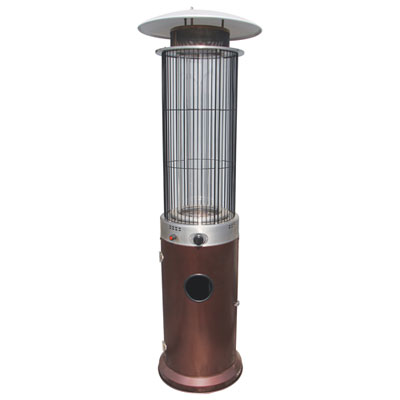 Your price for this item is $399.99
 -
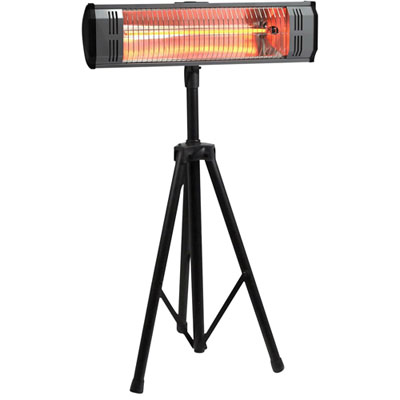 Your price for this item is $259.99
Discover more categories related to Portable Outdoor Gas Heaters
Top Collections:
Pokemon Centers, Kindle Devices, Best Budget Office Chairs, Apple iPhones 16, Best Laptops for Writers, iPhone 15 Apple, Canon G7X Cameras, Refurbished Apple Laptops, Alarm Clock, Motorola Razr Phones
Some products may be subject to Environmental Handling Fees
(EHF) depending on your province.
Learn more about EHFs.