Portable Propane Stoves
Cooking outdoors has never been more convenient with a portable propane stove, the perfect companion for camping trips, backyard cookouts, or any adventure where a traditional kitchen isn't available. These stoves offer a compact and efficient solution to whip up delicious meals on the go, combining ease of use with powerful performance. Lightweight and easy to transport, they are designed for those who love the great outdoors but don't want to compromise on their culinary experiences. Whether you're an avid camper or just enjoy an occasional picnic in the park, a portable propane stove ensures you can enjoy hot meals wherever your journey takes you.
Sort
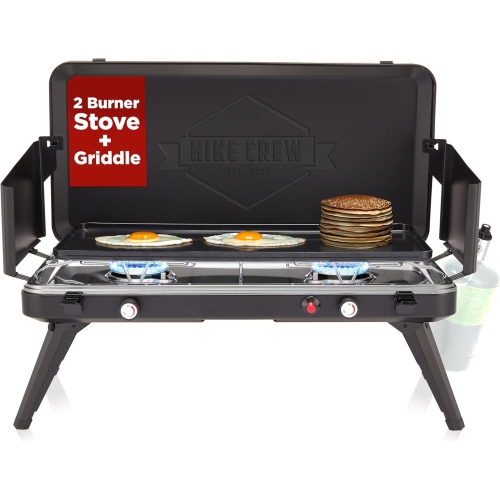
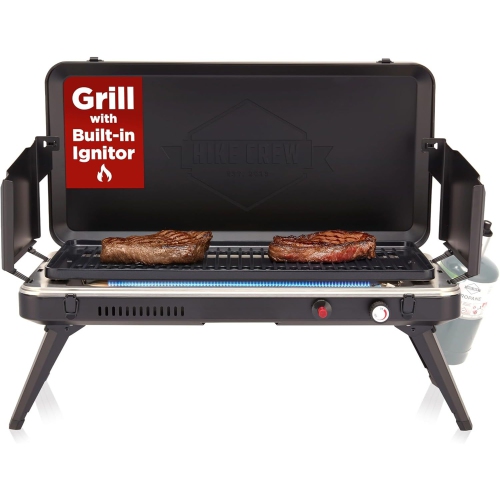
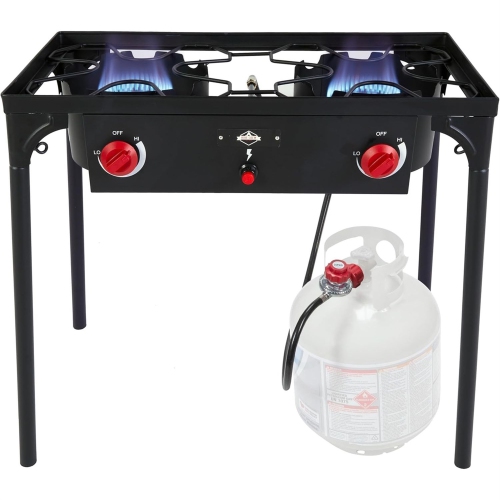
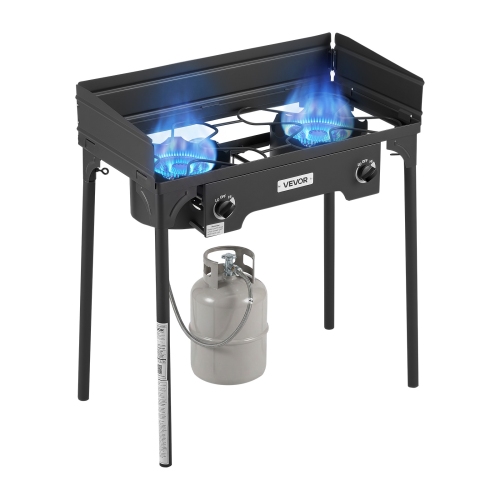
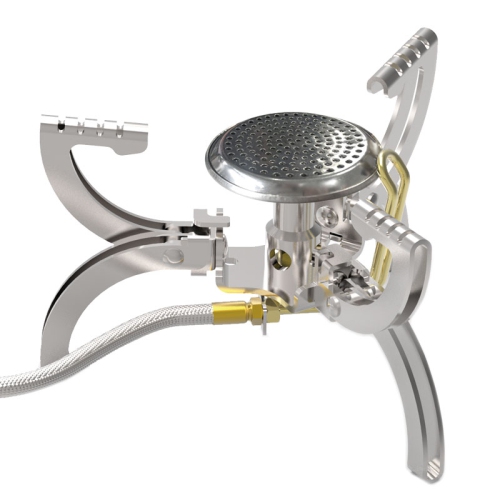
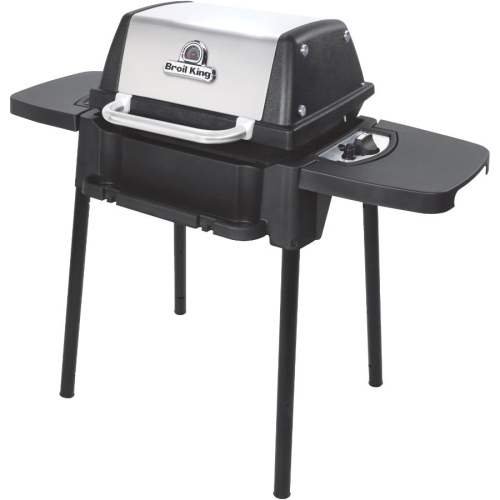
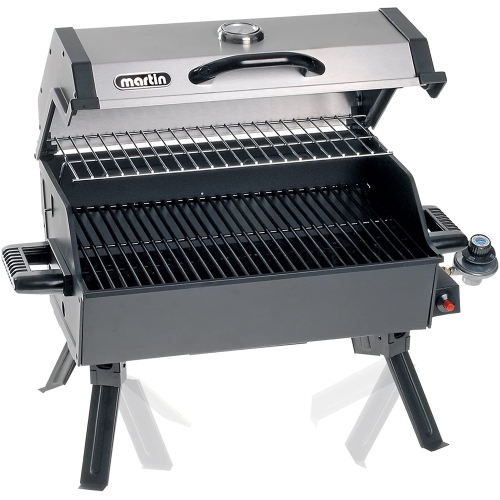
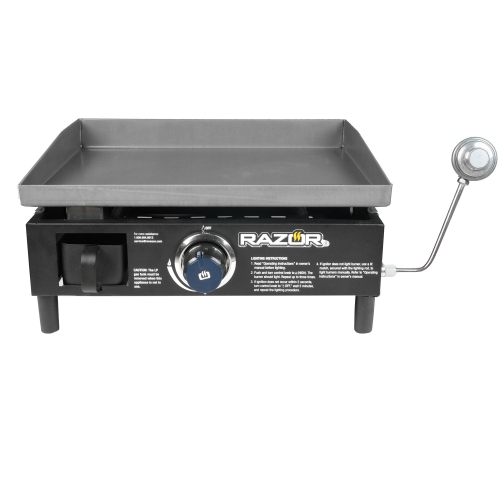
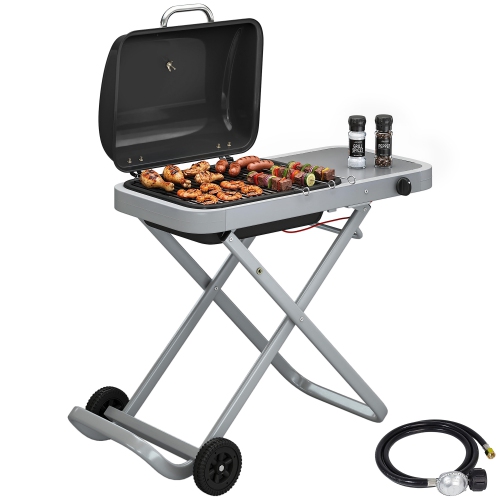
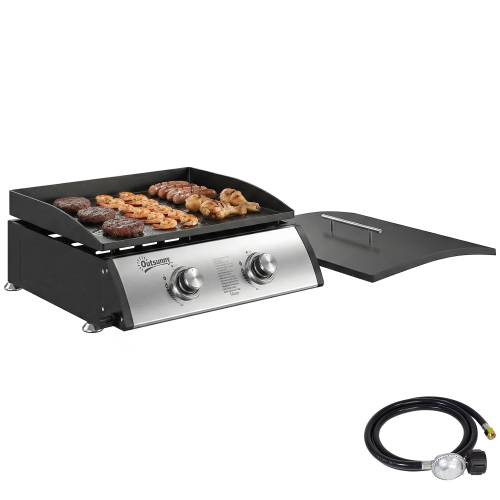
Campsite cooking that fits your meals and packing space
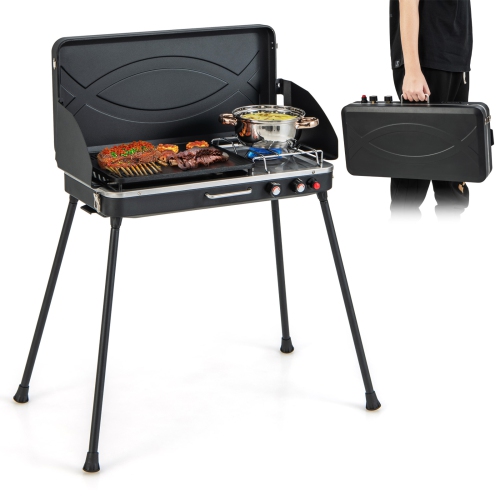
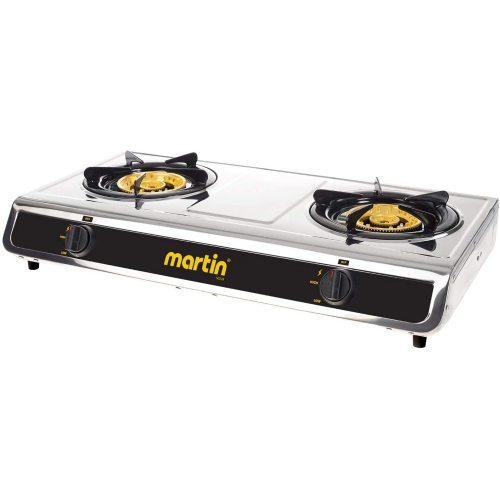
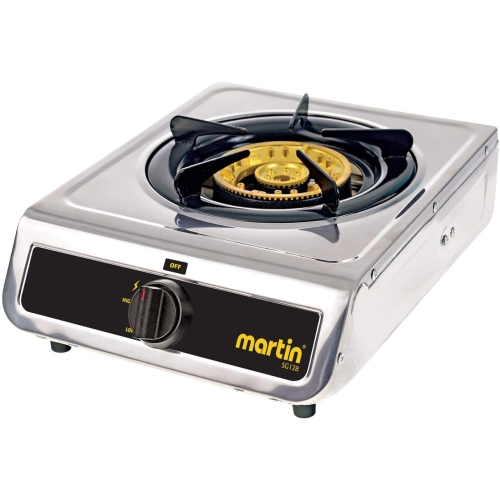
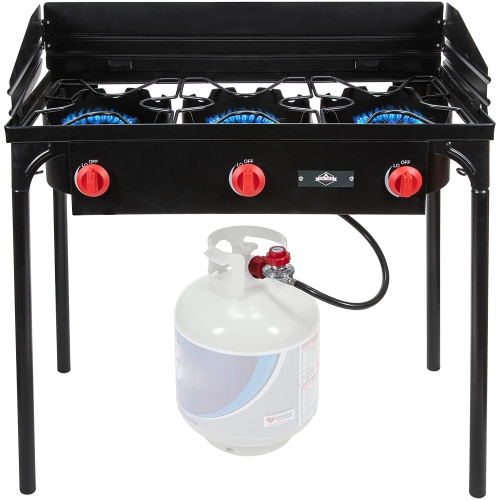
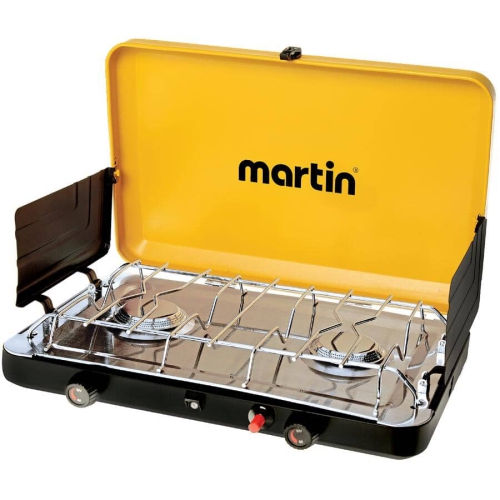
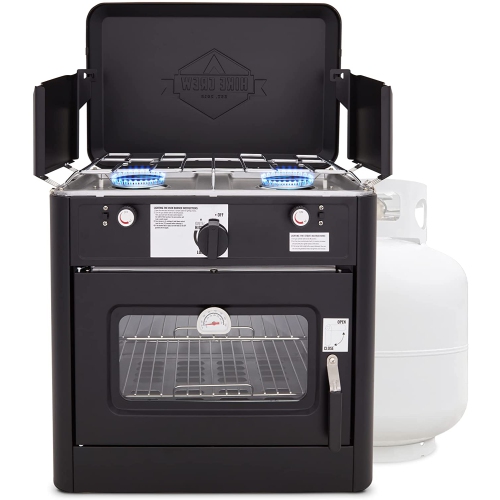
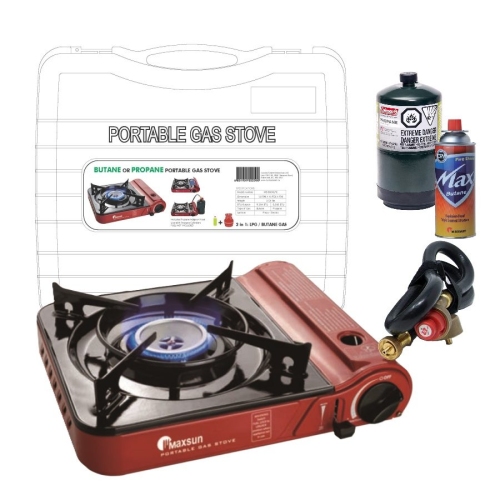
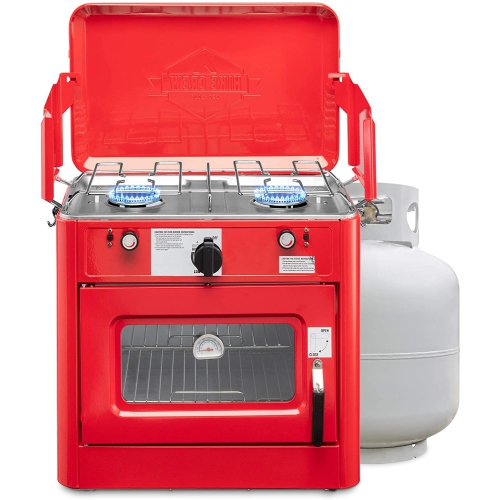
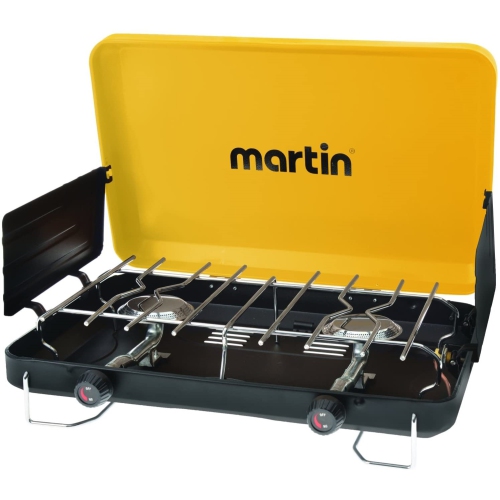
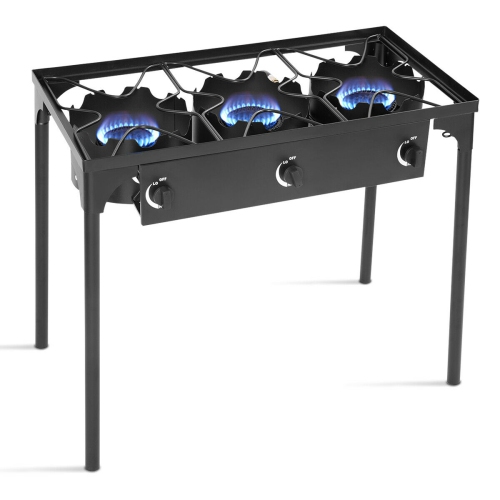
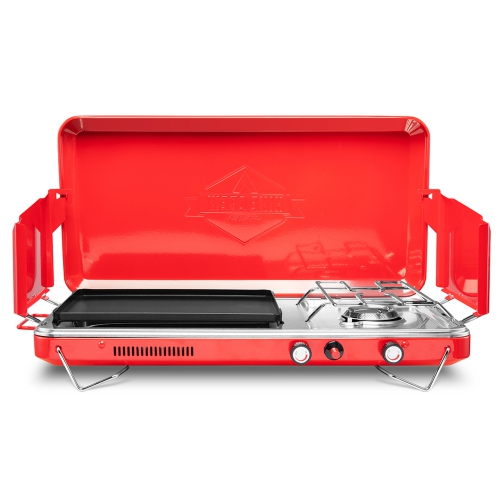
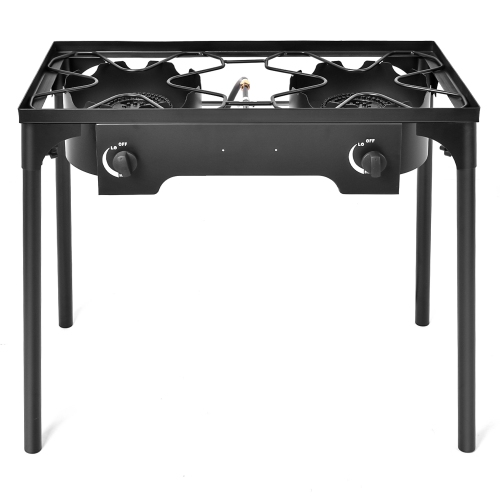
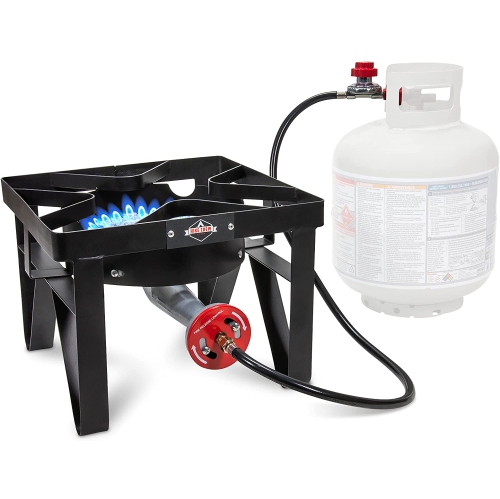
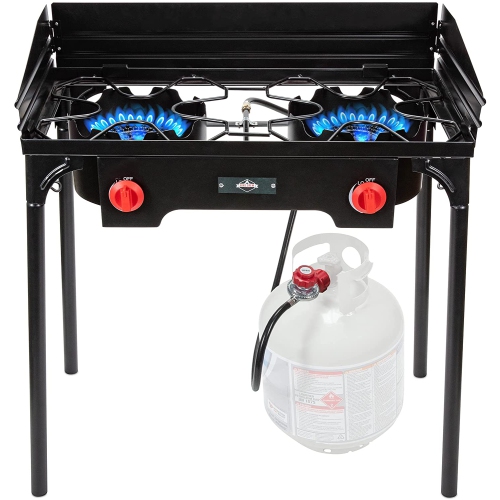
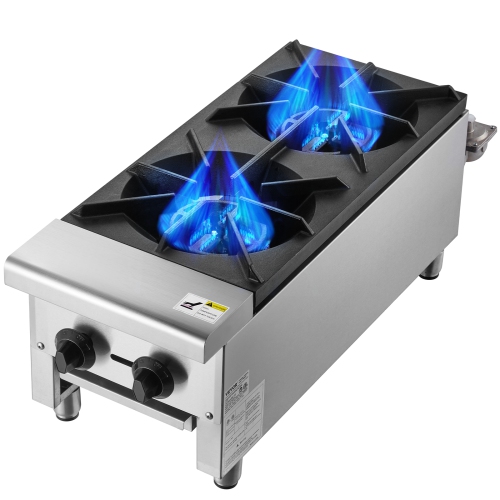
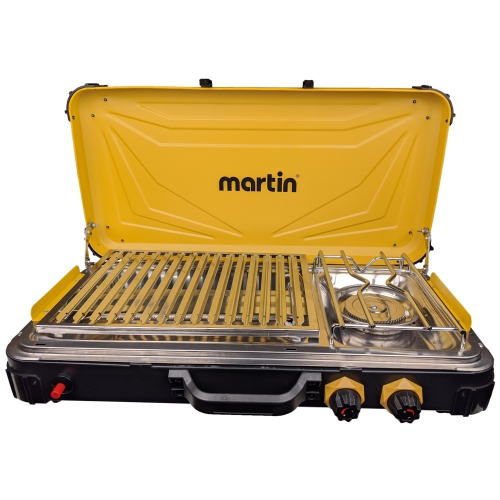
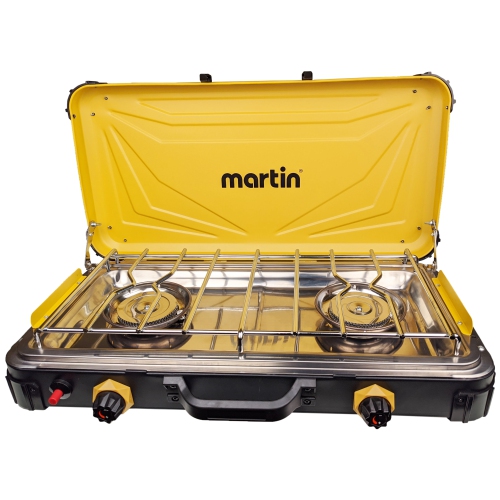
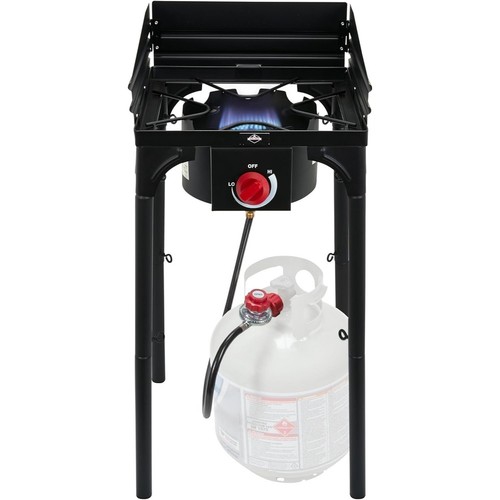
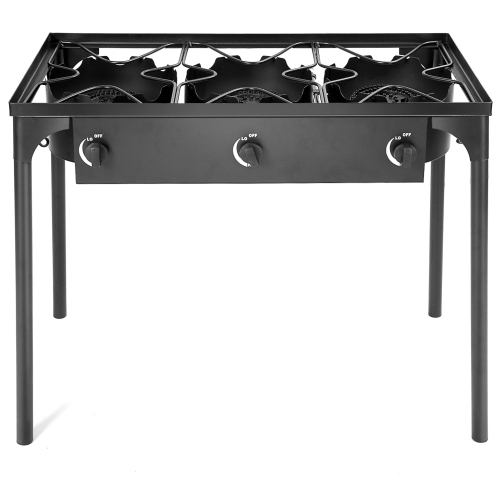
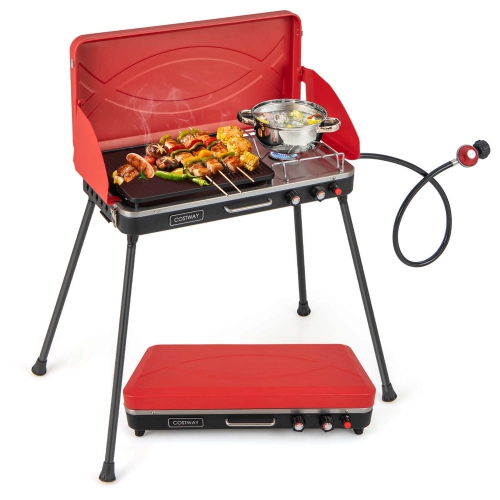
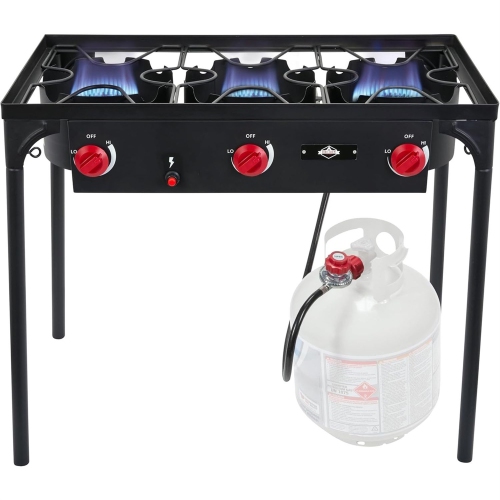
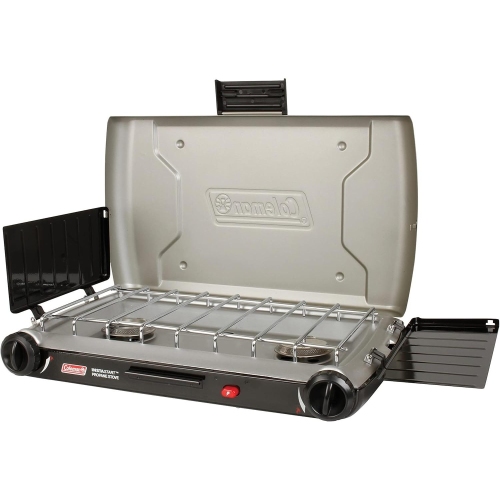
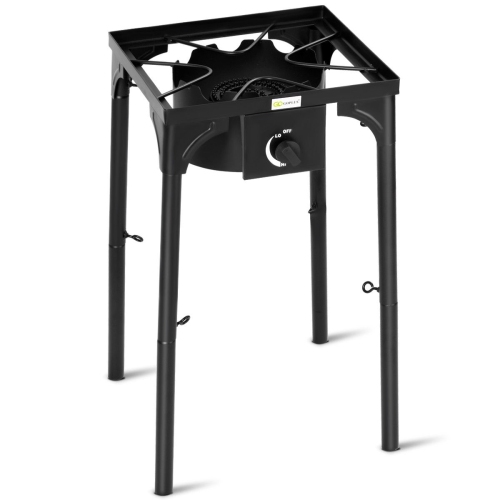
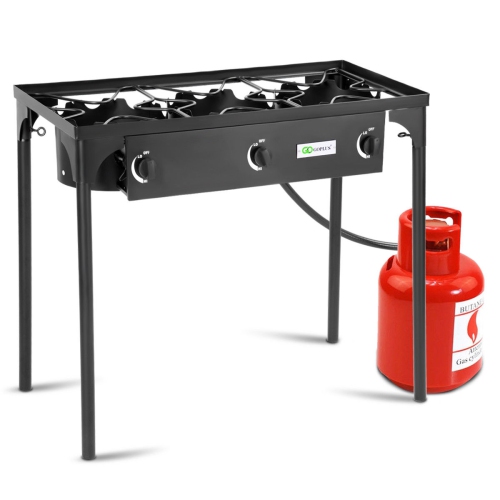
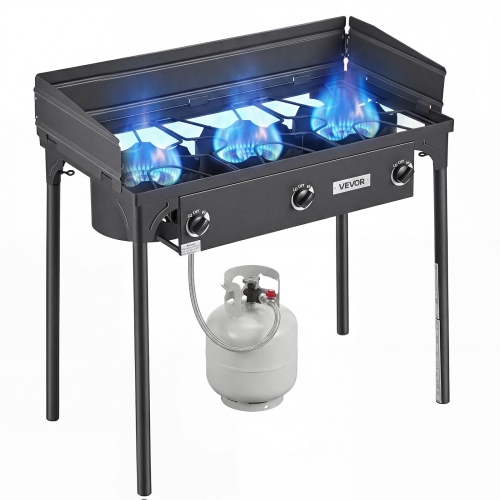
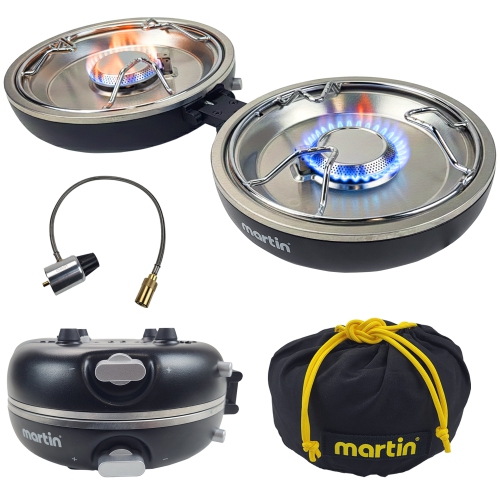
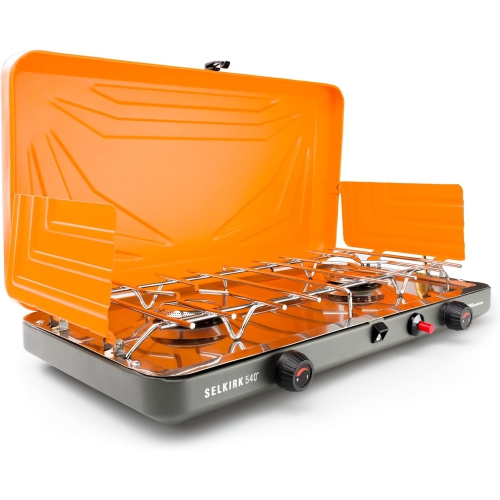
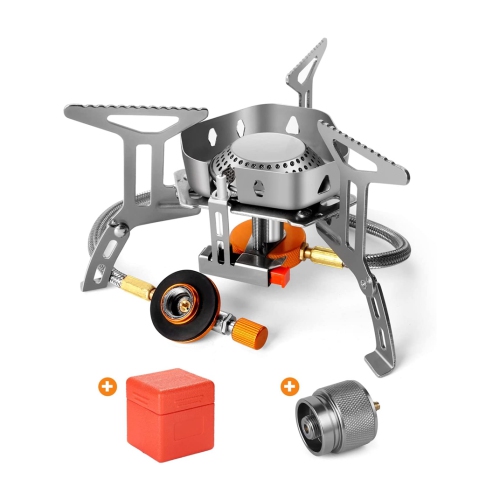
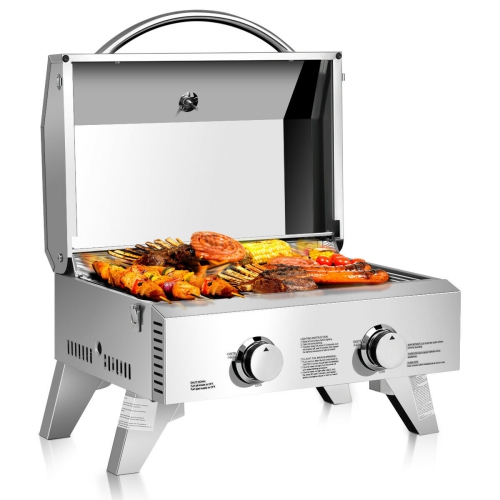
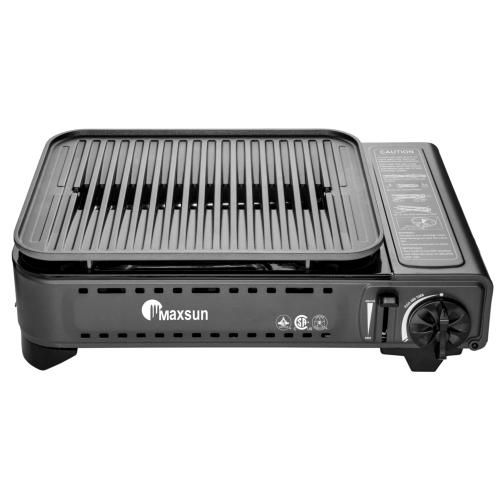
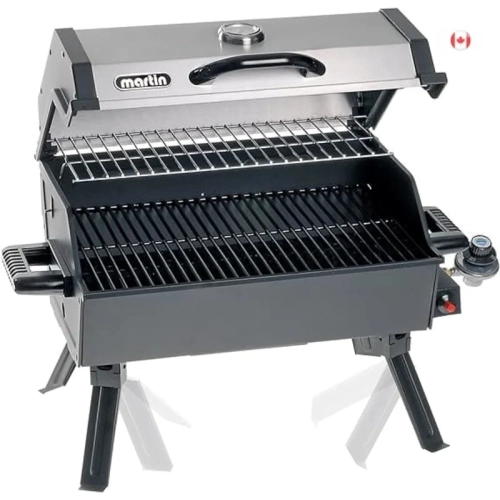
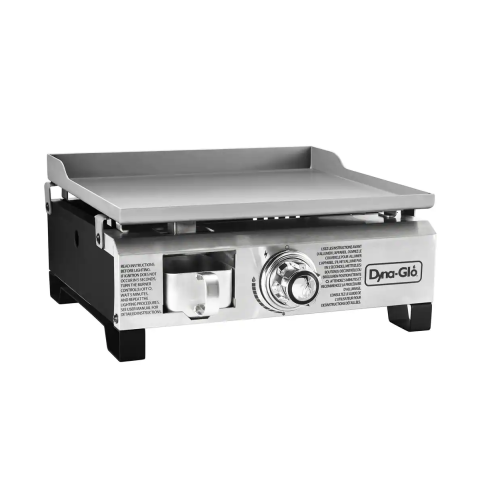
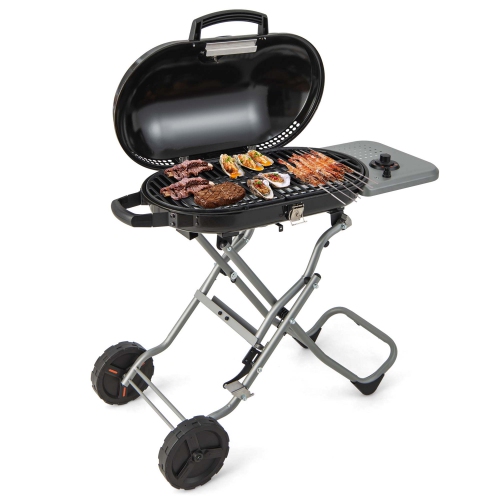
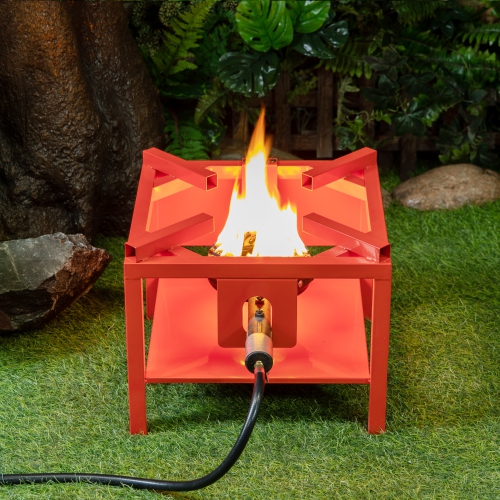
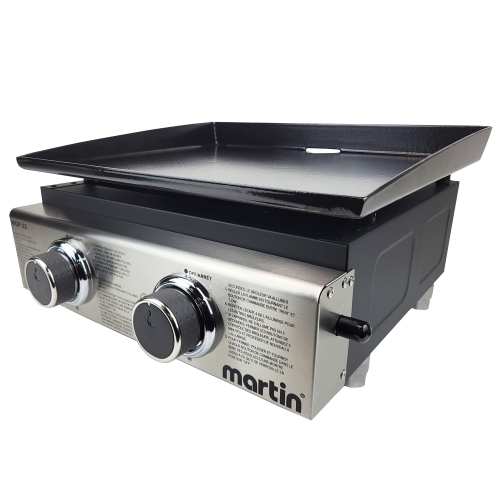
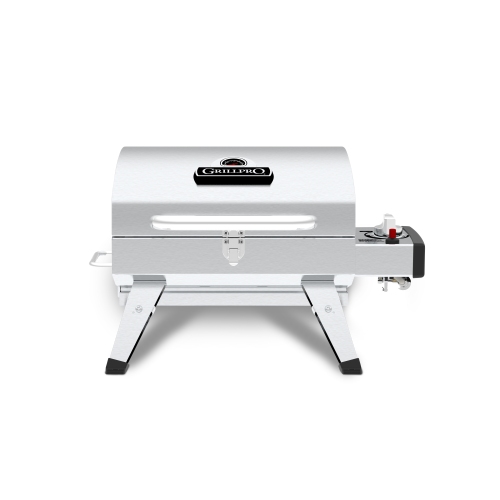
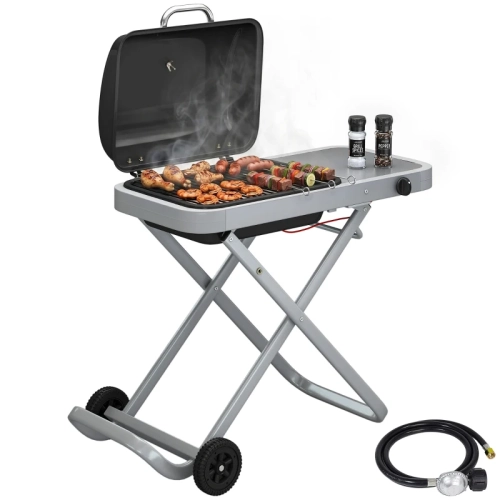
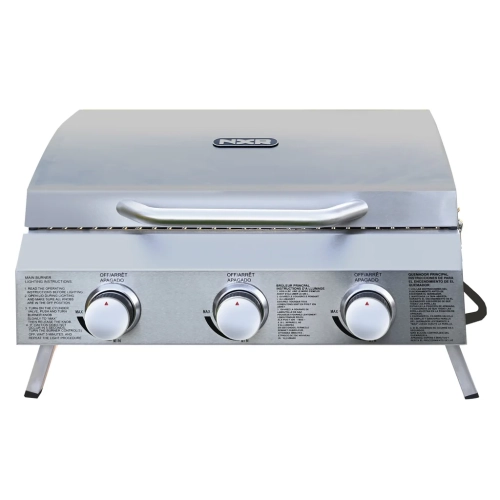
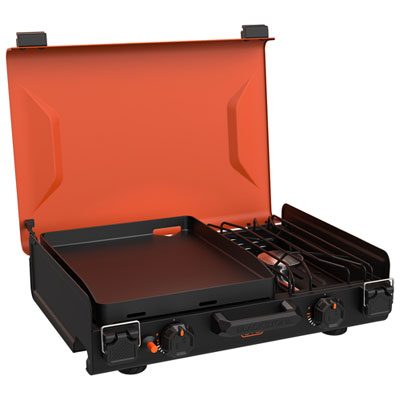
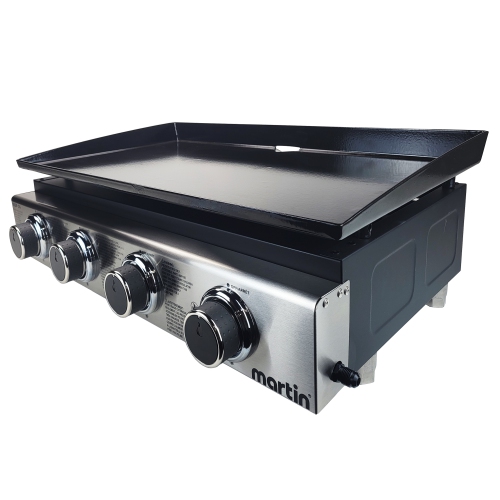
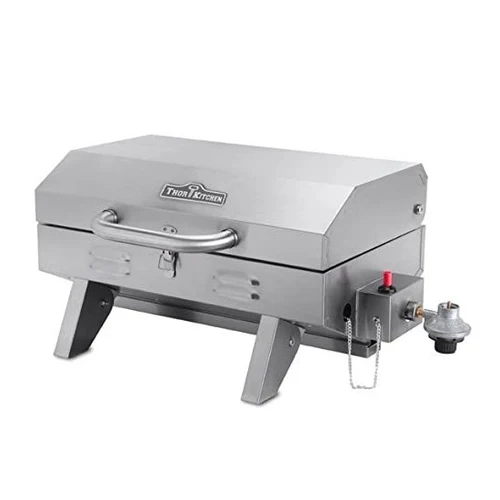
Portable propane stoves are compact gas cooking appliances that use propane cylinders to heat pots, pans, and compatible cooking surfaces outdoors. They provide a practical way to prepare meals away from a kitchen, whether that means boiling water at a campsite, frying eggs beside a parked camper, or making a hot lunch at a picnic area where gas appliances are permitted. A typical design combines one or more burners with a metal cooking grate, adjustable fuel controls, and a connection for an approved propane cylinder. Single-burner stoves suit smaller meals and compact cooking setups, while two-burner stoves let a cook manage separate dishes at the same time, such as pasta in one pot and sauce in another. Larger freestanding designs can support group cooking but take up more room during transport and storage. For car camping, a folding tabletop stove can strike a useful balance between cooking space and portability; for travel on foot, the weight of both the stove and its fuel deserves closer attention. Packed dimensions matter just as much as the footprint during use, particularly when a stove needs to fit beside a cooler, food bin, and camping gear in a vehicle. Handles, secure latches, and a protective carrying case can make loading and unloading easier, although the stove must be cool and its fuel disconnected as directed before packing. Portable propane stoves can also be useful gifts for campers, anglers, and people who enjoy preparing meals outdoors, provided the size and fuel setup match their activities. Someone who usually cooks for two may appreciate a compact unit with precise controls more than a large cooking station. For families, enough grate space for familiar cookware can be more valuable than an especially small folded shape. The most suitable format is one that accommodates the meals, cookware, and transport space involved without making a simple breakfast or dinner unnecessarily cumbersome.
Cooking performance depends on more than the number of burners. Heat output is commonly expressed in British thermal units, or BTUs, but a stove’s stated figure may describe an individual burner or the combined output of all burners. That distinction matters when comparing designs: a total rating spread across two burners is not the same as that output at each burner. Higher output can help with a large pot of water, while smooth adjustment at the lower end is important for oatmeal, rice, and sauces that scorch easily. Burner design, cookware size, and the fit between a pan and its grate also affect practical results, so BTUs alone do not establish how quickly or evenly a meal will cook. Independent burner controls make it easier to keep one dish at a gentle simmer while another cooks over stronger heat. Match-light designs require a suitable lighting source, while built-in ignition offers added convenience; the manufacturer’s lighting procedure should always take priority. Integrated wind guards can help shelter the flame, but they should not be extended with improvised barriers that could trap heat around the cylinder. Cookware clearance is another useful consideration. Two burners do not necessarily mean there is room for two large frying pans, and an oversized pot may overhang the supports or direct heat towards components that should remain clear. The usable grate dimensions and the manufacturer’s pan-size limits are more informative than burner count alone. Fuel connections also vary. Some stoves accept small propane cylinders directly, while others use a hose and regulator with an approved larger cylinder. Larger-cylinder connections should use only the fittings, hoses, and regulators specified for the appliance, rather than an adapter selected simply because it appears to fit. Runtime depends on cylinder capacity, burner settings, and how many burners are operating. Shoppers comparing fuel formats can also explore Portable Butane Stoves, keeping in mind that propane and butane containers are not interchangeable unless the appliance is specifically designed and approved for both.
Materials and construction influence how well a portable propane stove handles repeated trips, cooking spills, and time in storage. Steel housings provide a sturdy structure, while stainless steel surfaces and coated finishes offer different approaches to resisting corrosion and simplifying cleanup. Neither material nor finish removes the need for care: scratches, food residue, and trapped moisture can affect a stove over time. A rigid grate, secure hinges, stable feet, and controls protected from knocks are useful details on equipment that will regularly move between a storage shelf and a campsite. Removable grates and accessible drip areas make it easier to clean up after a pan of bacon or a pot that has boiled over. Once the appliance is fully cool and the fuel supply is disconnected according to its instructions, food-contact supports and surrounding surfaces should be cleaned using the methods approved by the manufacturer. Burner openings, ignition parts, valves, and hose connections need particular care; immersing the entire stove or using abrasive tools can damage components. Drying the stove thoroughly before storage helps protect its finish, and a case can keep loose gear from scratching it during transport. Before each use, check for damaged hoses, loose fittings, blocked burner openings, and signs of wear, following the specified leak-check procedure and never checking for leaks with a flame. Safe placement is essential: an outdoor-rated propane stove belongs outdoors on a stable, level, heat-resistant surface, with the required clearance from combustible materials. It must not be used inside a home, tent, vehicle, or garage, even with doors or windows open, because combustion can produce dangerous carbon monoxide. That restriction also applies when considering a camping stove for cooking during a power outage. Cylinders should remain upright and positioned as directed, away from heat, and local fire restrictions and site rules must be observed. With suitable cookware, approved fuel connections, and attentive care, a portable propane stove provides a straightforward outdoor cooking setup for anything from a single mug of hot water to a shared meal.
Cooking performance depends on more than the number of burners. Heat output is commonly expressed in British thermal units, or BTUs, but a stove’s stated figure may describe an individual burner or the combined output of all burners. That distinction matters when comparing designs: a total rating spread across two burners is not the same as that output at each burner. Higher output can help with a large pot of water, while smooth adjustment at the lower end is important for oatmeal, rice, and sauces that scorch easily. Burner design, cookware size, and the fit between a pan and its grate also affect practical results, so BTUs alone do not establish how quickly or evenly a meal will cook. Independent burner controls make it easier to keep one dish at a gentle simmer while another cooks over stronger heat. Match-light designs require a suitable lighting source, while built-in ignition offers added convenience; the manufacturer’s lighting procedure should always take priority. Integrated wind guards can help shelter the flame, but they should not be extended with improvised barriers that could trap heat around the cylinder. Cookware clearance is another useful consideration. Two burners do not necessarily mean there is room for two large frying pans, and an oversized pot may overhang the supports or direct heat towards components that should remain clear. The usable grate dimensions and the manufacturer’s pan-size limits are more informative than burner count alone. Fuel connections also vary. Some stoves accept small propane cylinders directly, while others use a hose and regulator with an approved larger cylinder. Larger-cylinder connections should use only the fittings, hoses, and regulators specified for the appliance, rather than an adapter selected simply because it appears to fit. Runtime depends on cylinder capacity, burner settings, and how many burners are operating. Shoppers comparing fuel formats can also explore Portable Butane Stoves, keeping in mind that propane and butane containers are not interchangeable unless the appliance is specifically designed and approved for both.
Materials and construction influence how well a portable propane stove handles repeated trips, cooking spills, and time in storage. Steel housings provide a sturdy structure, while stainless steel surfaces and coated finishes offer different approaches to resisting corrosion and simplifying cleanup. Neither material nor finish removes the need for care: scratches, food residue, and trapped moisture can affect a stove over time. A rigid grate, secure hinges, stable feet, and controls protected from knocks are useful details on equipment that will regularly move between a storage shelf and a campsite. Removable grates and accessible drip areas make it easier to clean up after a pan of bacon or a pot that has boiled over. Once the appliance is fully cool and the fuel supply is disconnected according to its instructions, food-contact supports and surrounding surfaces should be cleaned using the methods approved by the manufacturer. Burner openings, ignition parts, valves, and hose connections need particular care; immersing the entire stove or using abrasive tools can damage components. Drying the stove thoroughly before storage helps protect its finish, and a case can keep loose gear from scratching it during transport. Before each use, check for damaged hoses, loose fittings, blocked burner openings, and signs of wear, following the specified leak-check procedure and never checking for leaks with a flame. Safe placement is essential: an outdoor-rated propane stove belongs outdoors on a stable, level, heat-resistant surface, with the required clearance from combustible materials. It must not be used inside a home, tent, vehicle, or garage, even with doors or windows open, because combustion can produce dangerous carbon monoxide. That restriction also applies when considering a camping stove for cooking during a power outage. Cylinders should remain upright and positioned as directed, away from heat, and local fire restrictions and site rules must be observed. With suitable cookware, approved fuel connections, and attentive care, a portable propane stove provides a straightforward outdoor cooking setup for anything from a single mug of hot water to a shared meal.
Top selling and popular products
-
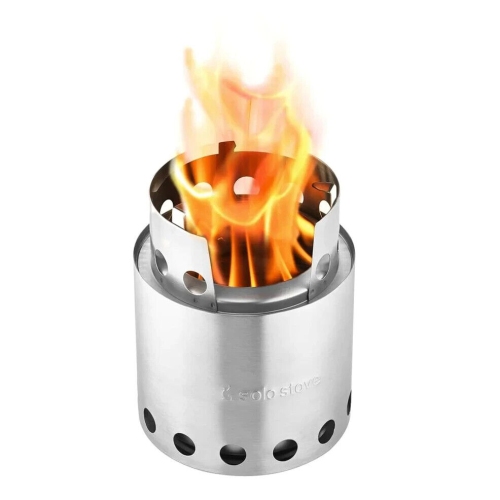 Your price for this item is $99.99
 -
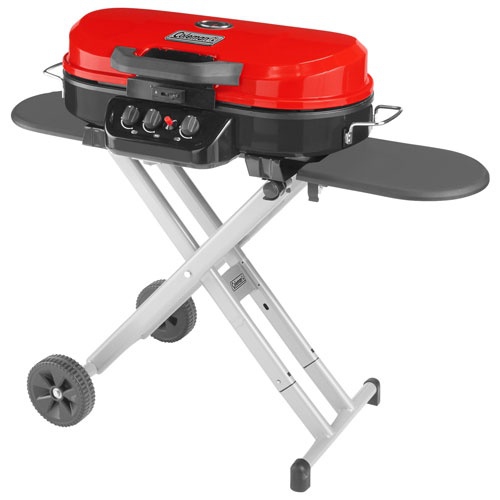 Your price for this item is $513.99
 -
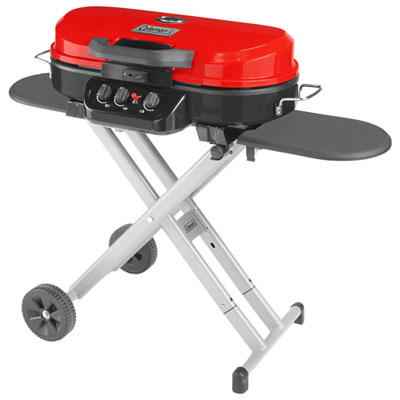 Your price for this item is $349.98
 -
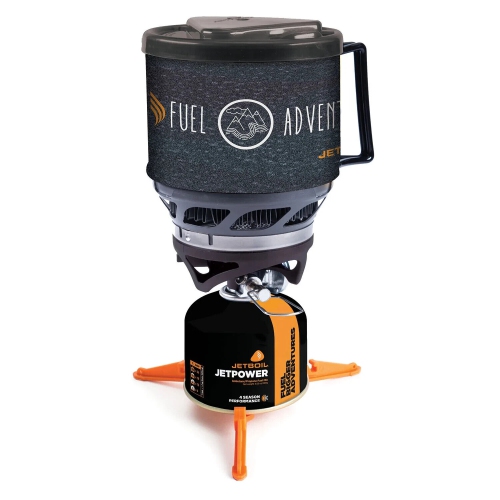 Your price for this item is $209.95
 -
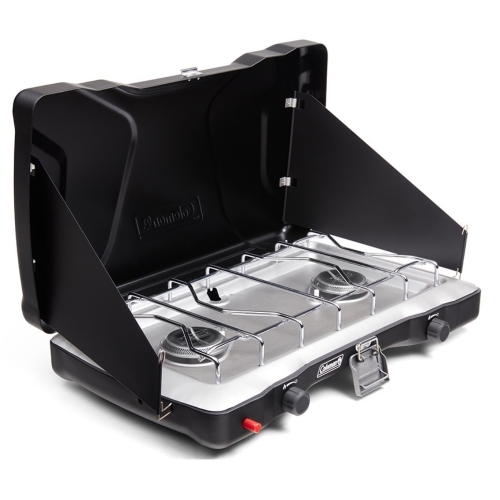 Your price for this item is $143.99
 -
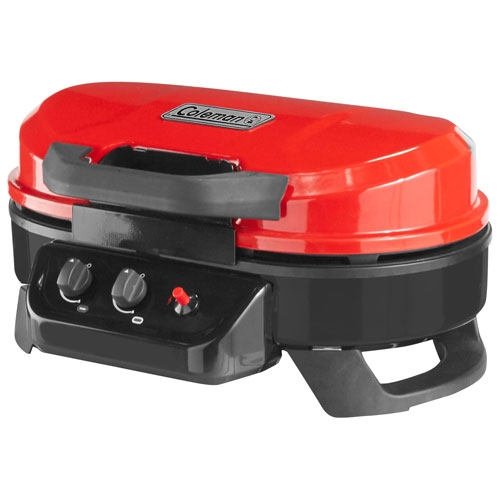 Your price for this item is $299
 -
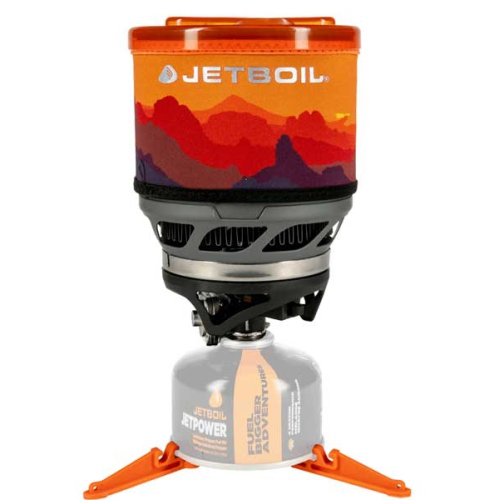 Your price for this item is $209.95
 -
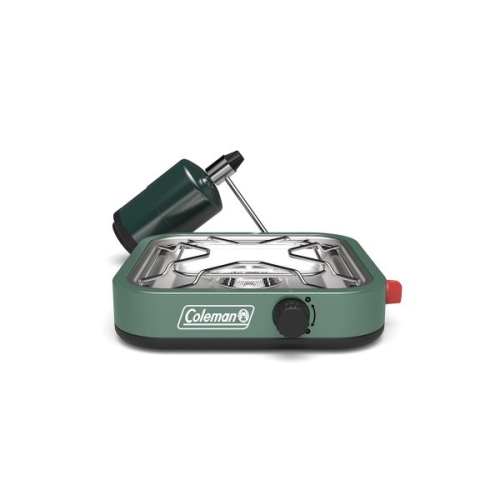 Your price for this item is $111.99
Discover more categories related to Portable Propane Stoves
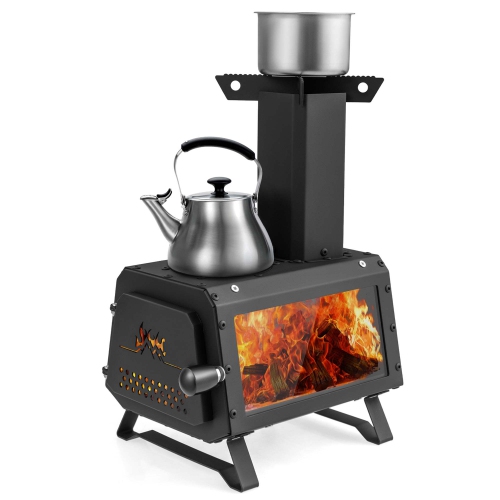
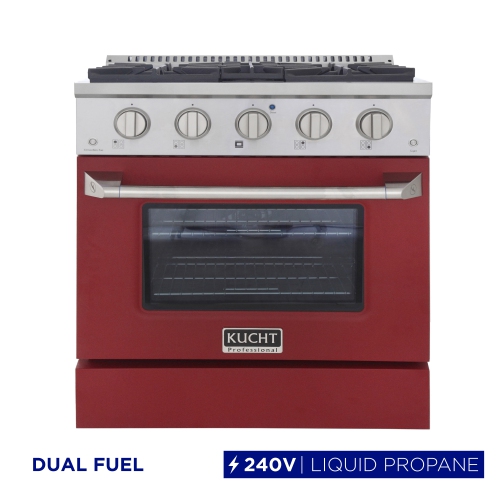
Top Collections:
Pokemon Centers, Kindle Devices, Best Budget Office Chairs, Apple iPhones 16, Best Laptops for Writers, iPhone 15 Apple, Canon G7X Cameras, Refurbished Apple Laptops, Alarm Clock, Motorola Razr Phones
Some products may be subject to Environmental Handling Fees
(EHF) depending on your province.
Learn more about EHFs.