Power Tool Storage
Organizing your power tools is essential for any DIY enthusiast or professional tradesperson looking to maximize efficiency and productivity. A well-structured power tool storage system not only keeps your workspace tidy but also helps protect your valuable equipment from damage. From tool chests and cabinets to wall-mounted racks and rolling carts, finding the right storage solution can make a world of difference in maintaining a clutter-free work environment. Explore our selection of power tool storage options designed to streamline your workflow and keep your tools easily accessible whenever duty calls.
Sort
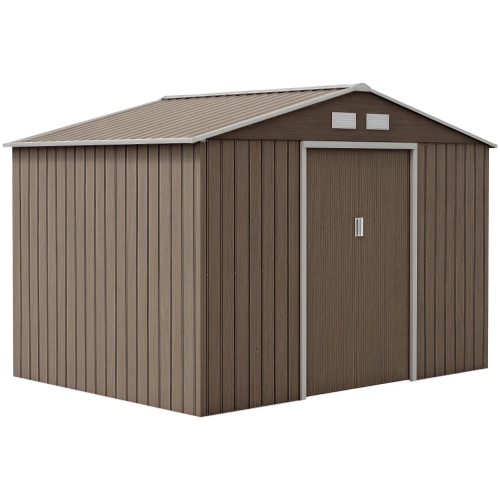
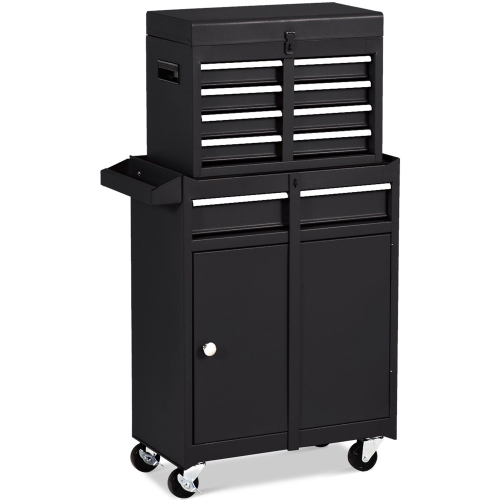
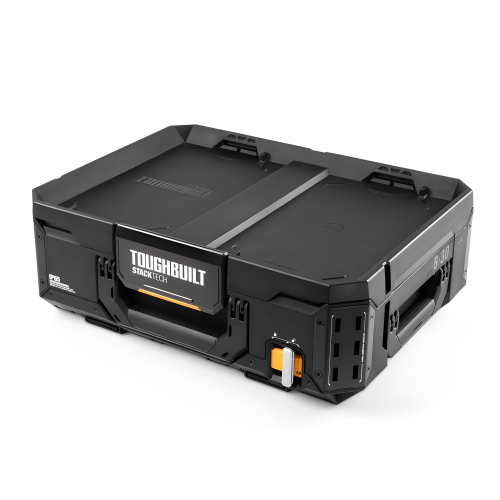
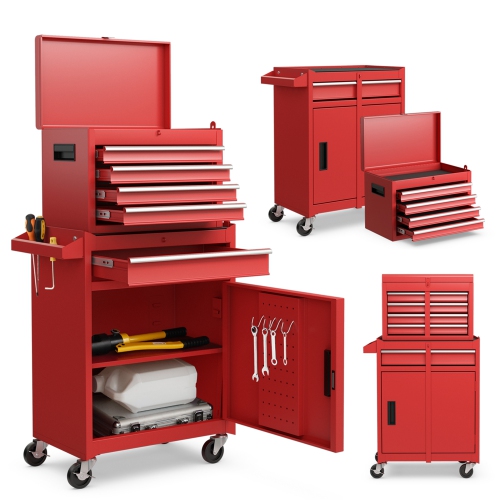
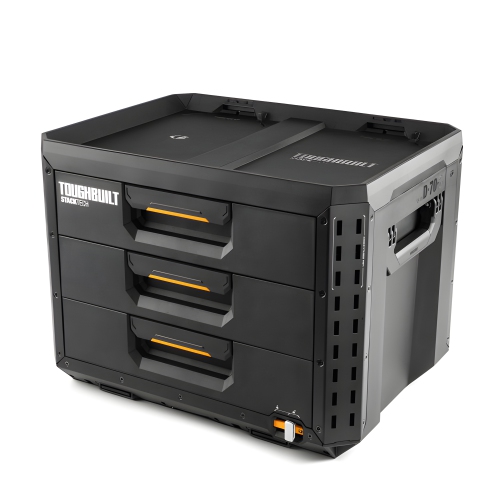
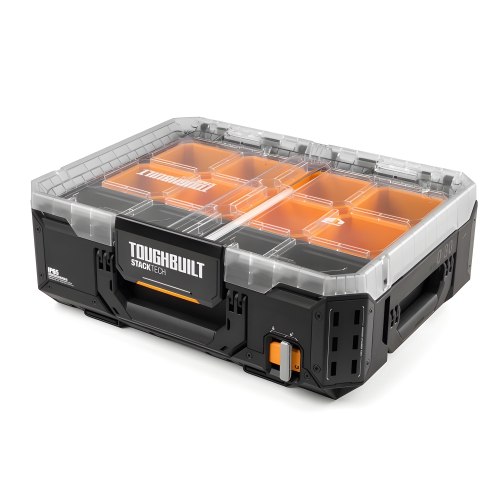
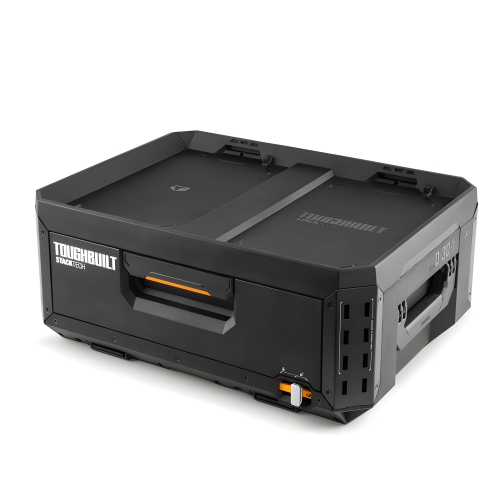
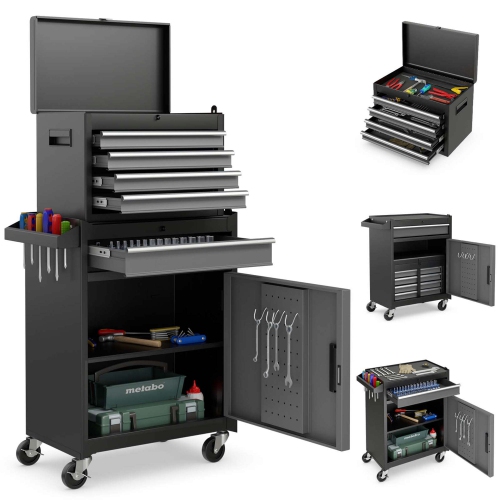
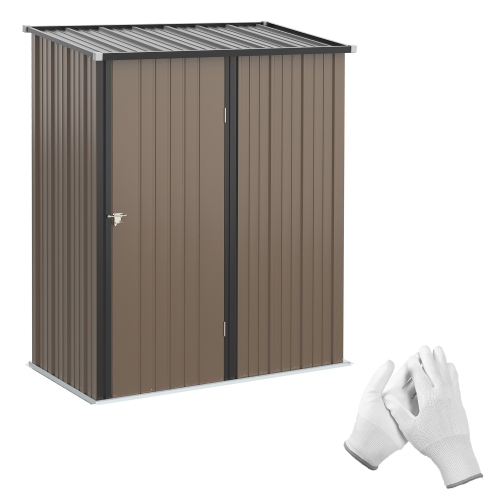

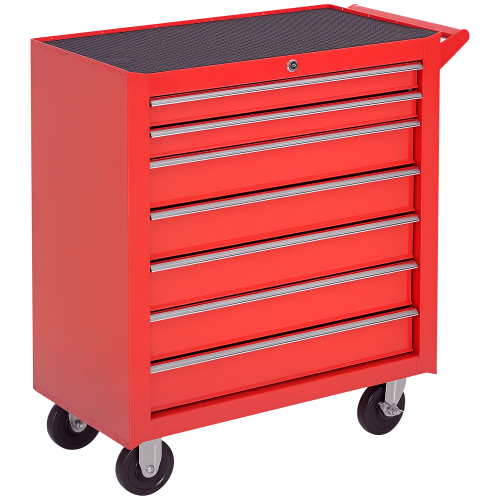
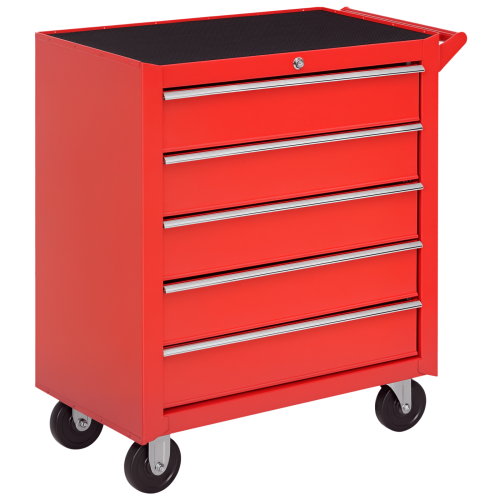
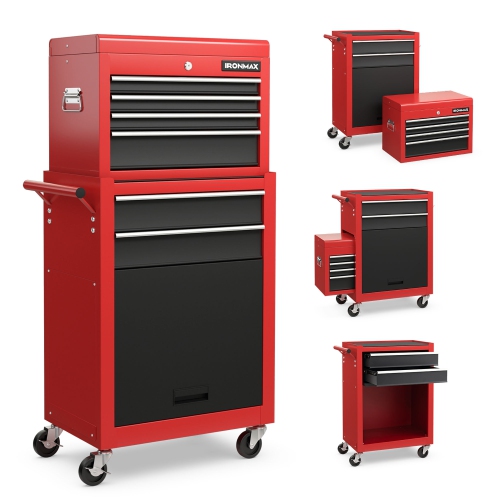
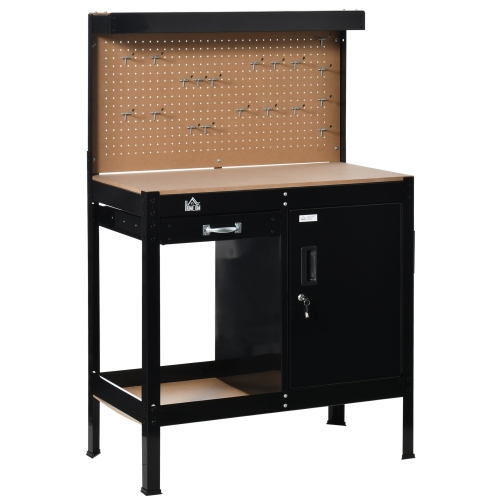
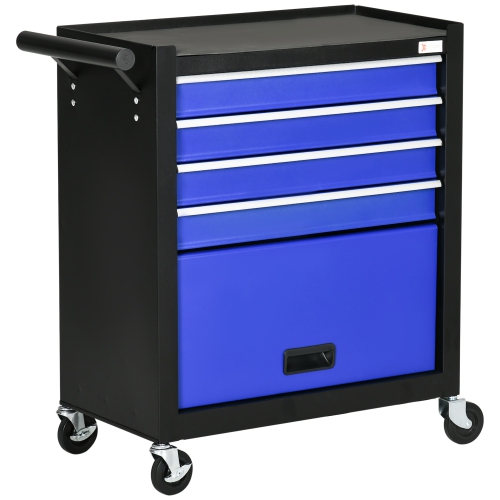
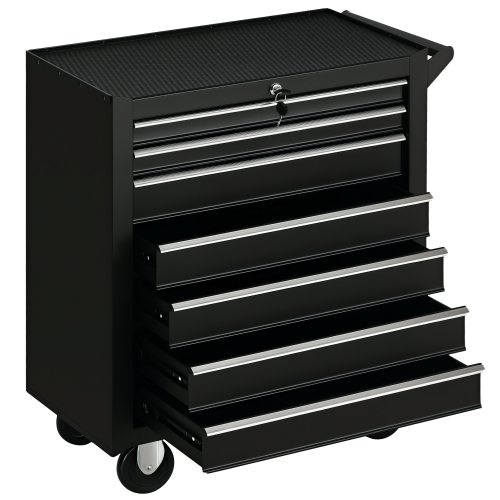

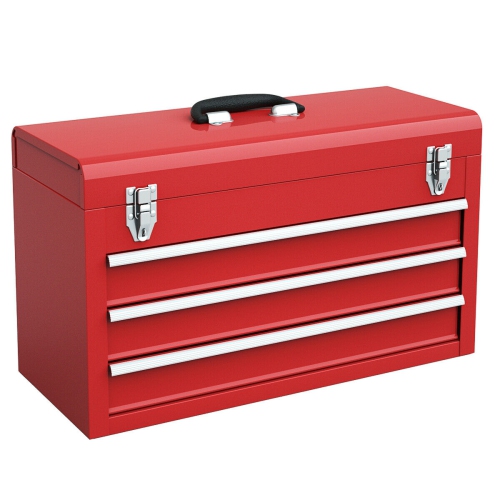
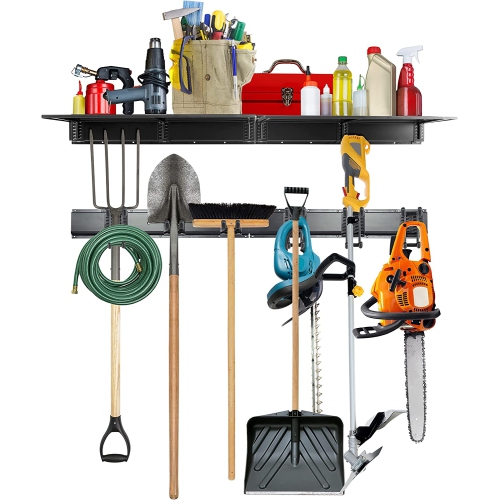
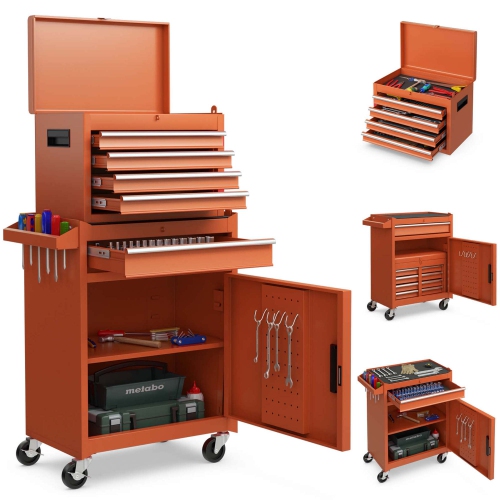
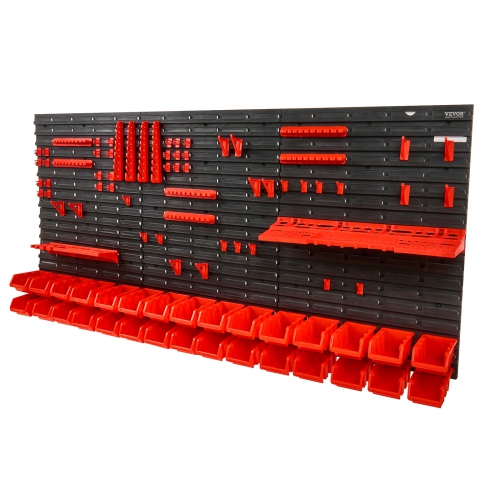
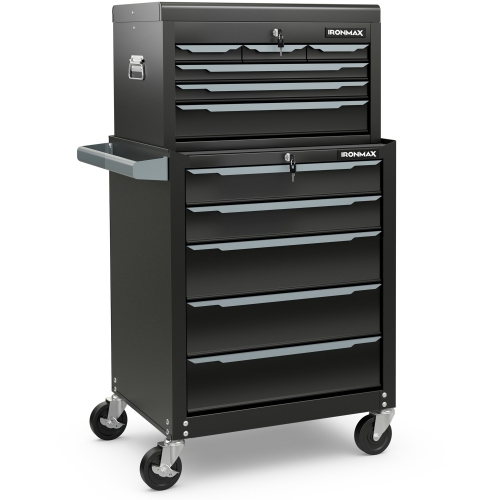
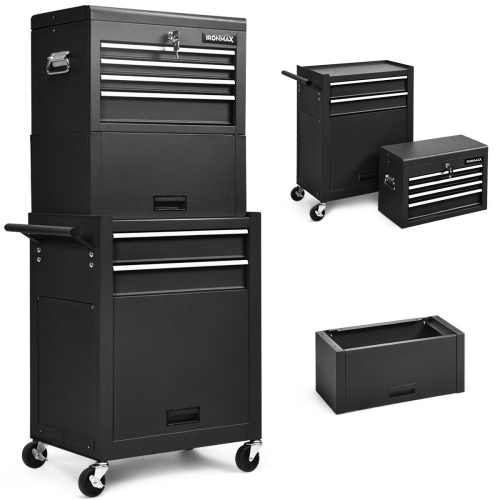
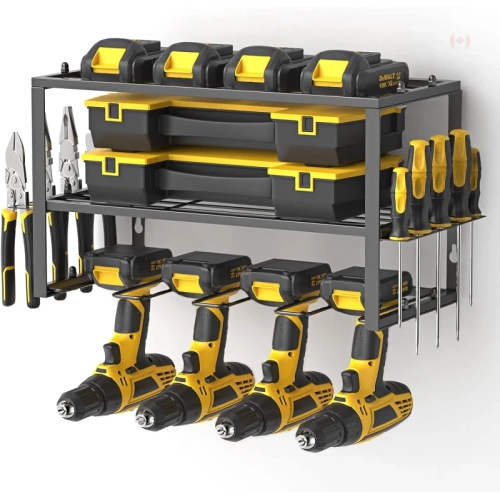
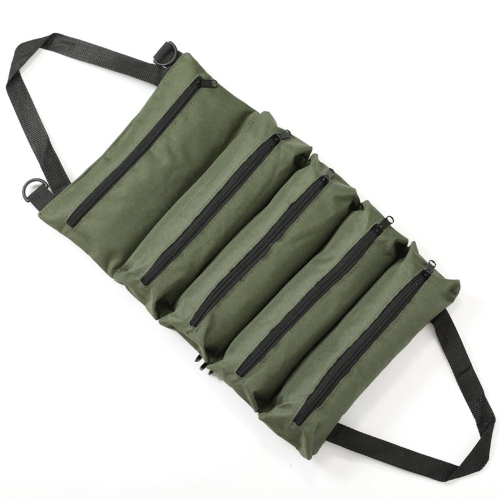
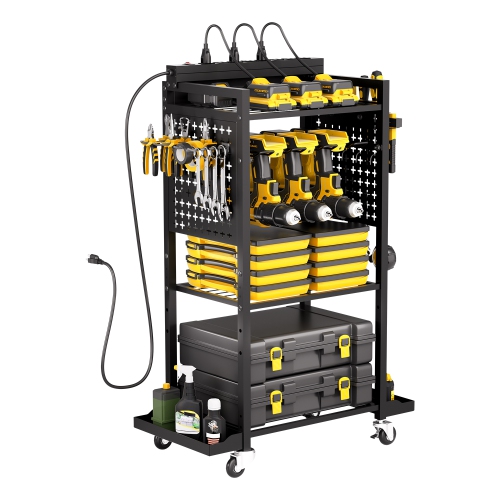
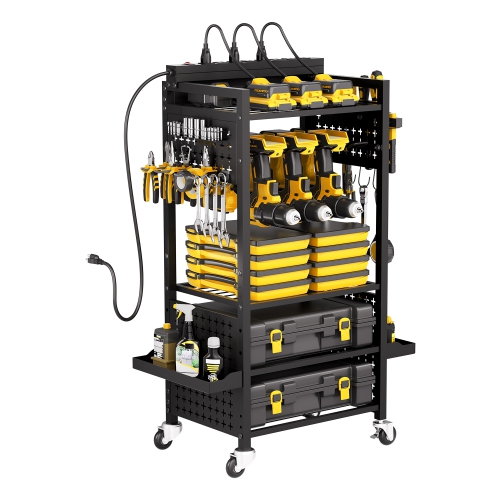
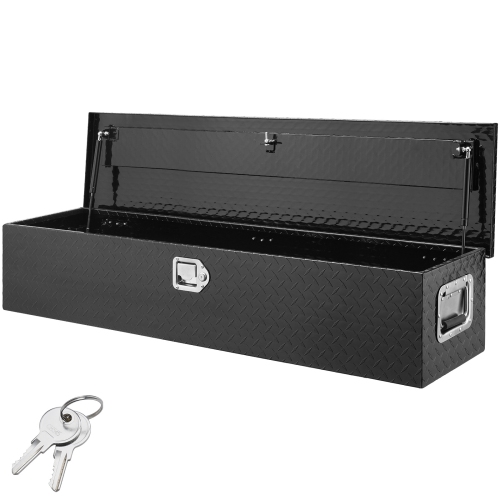
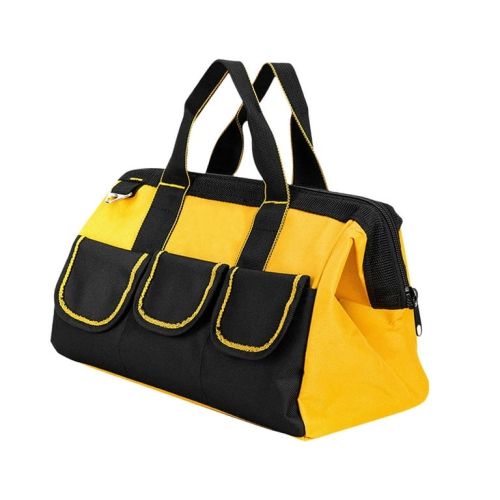
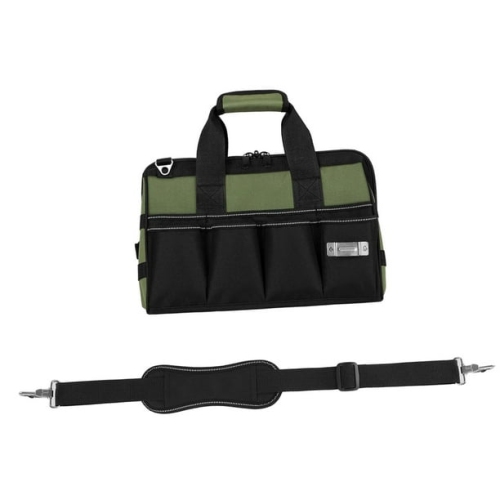
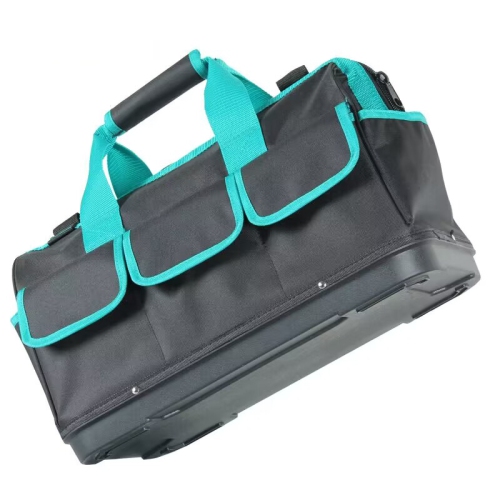
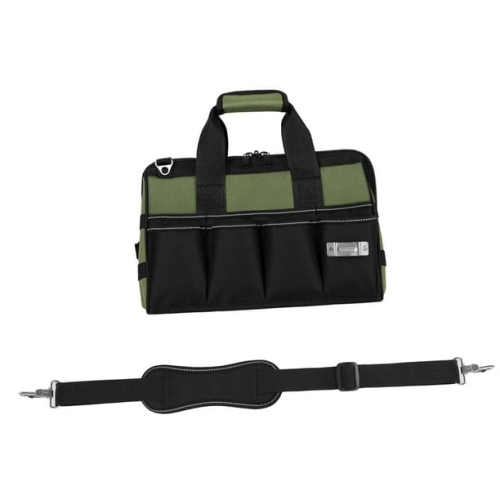
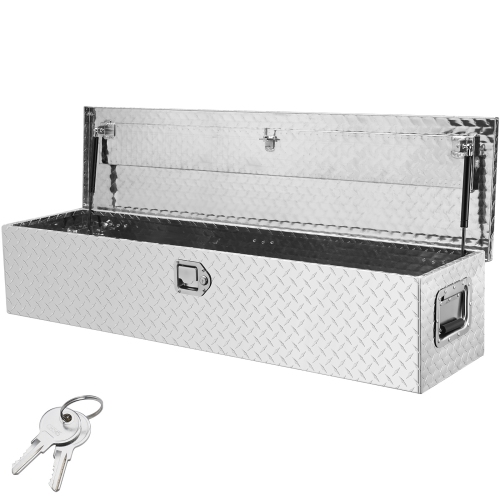
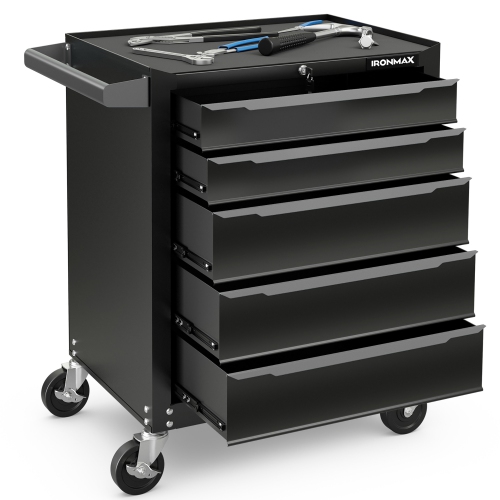
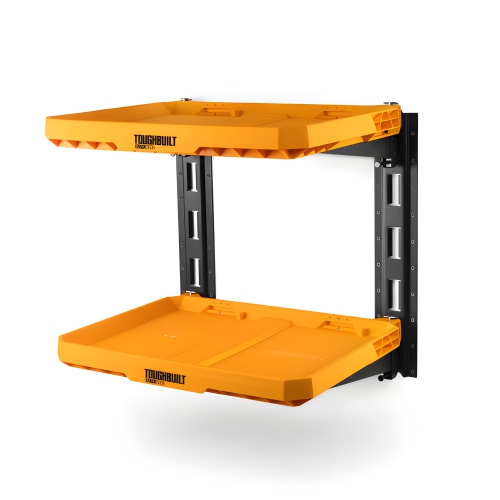
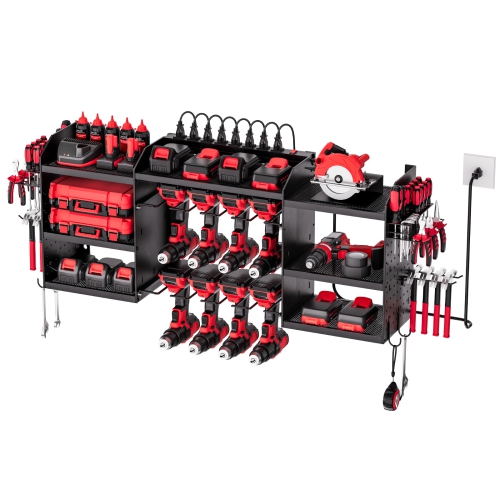
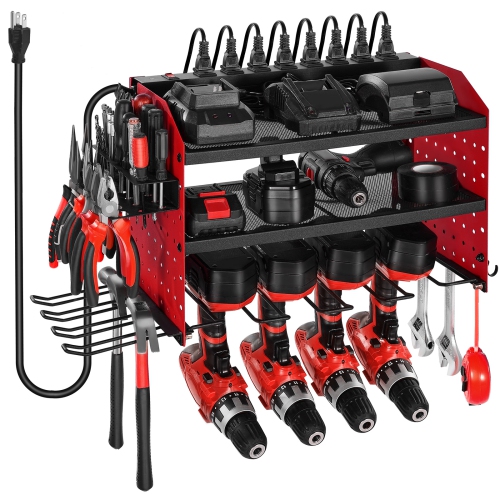
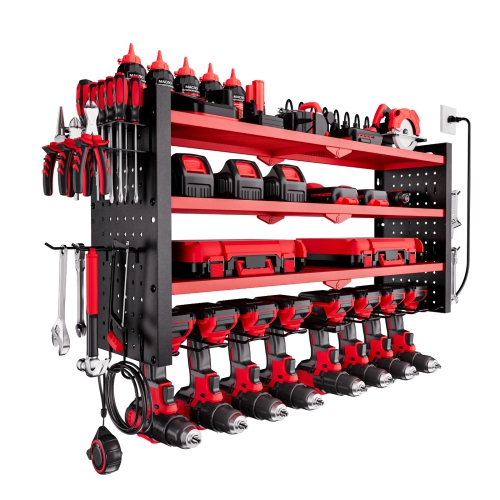
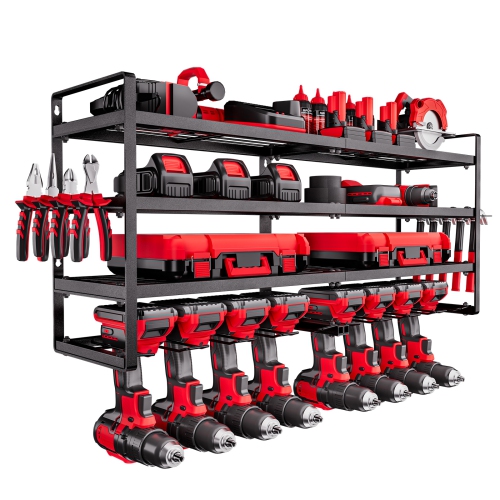
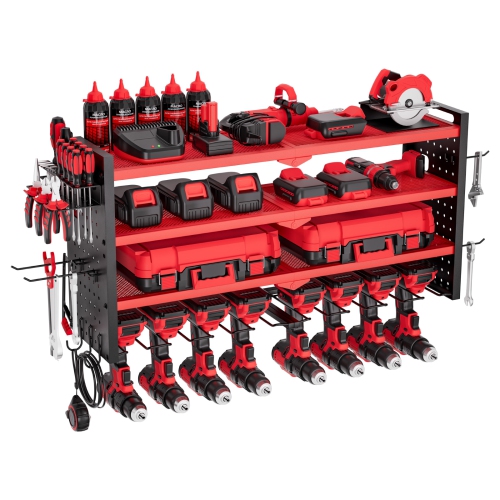
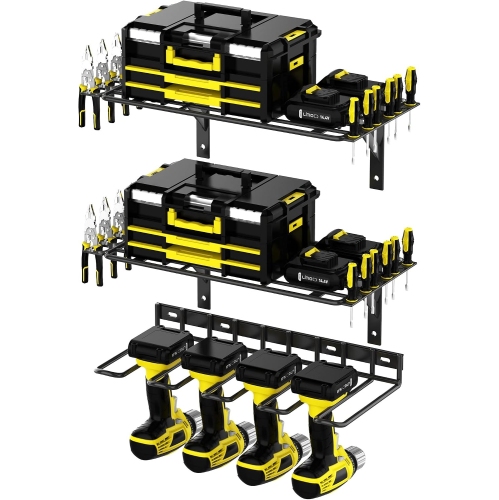
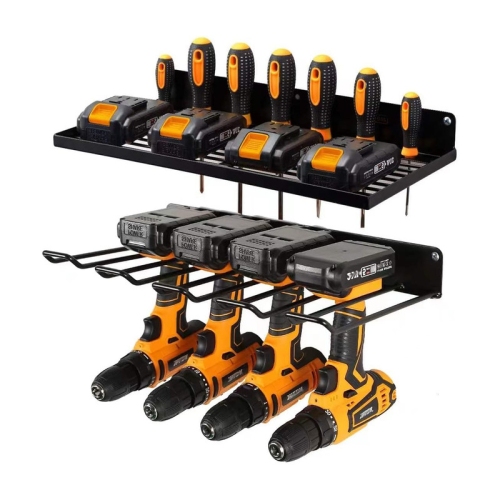

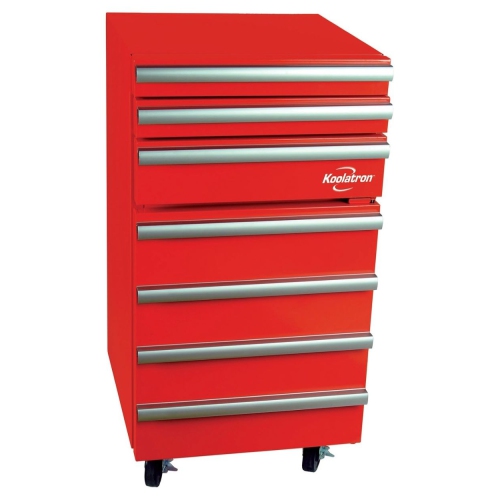
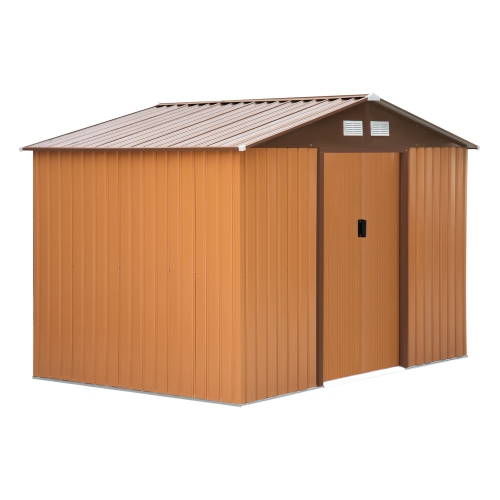
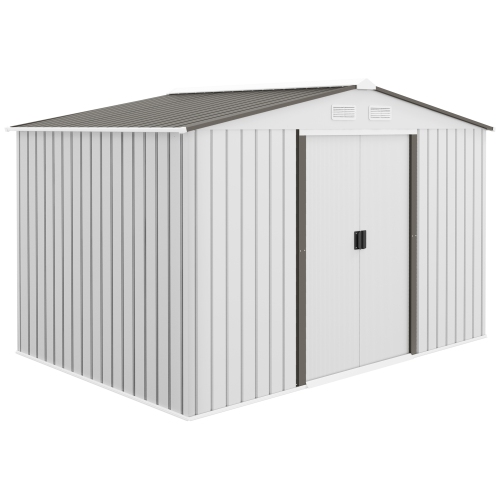
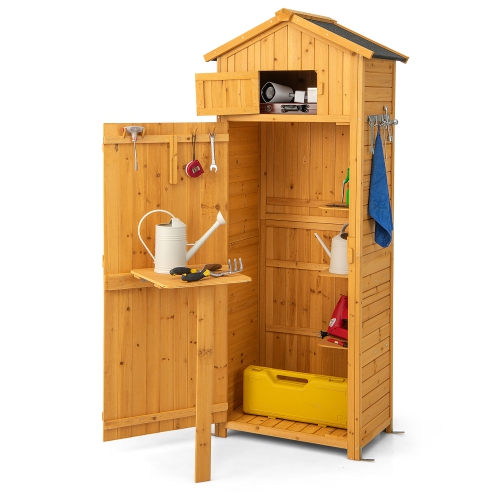
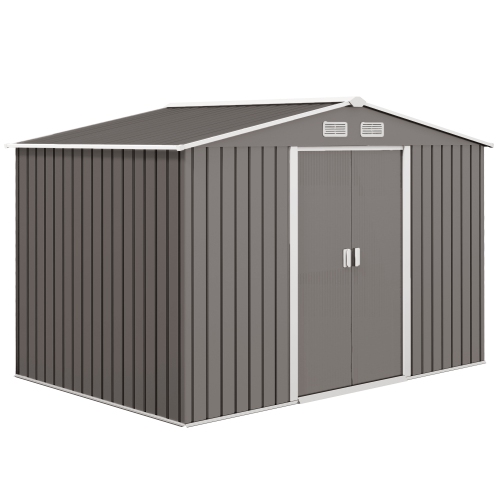
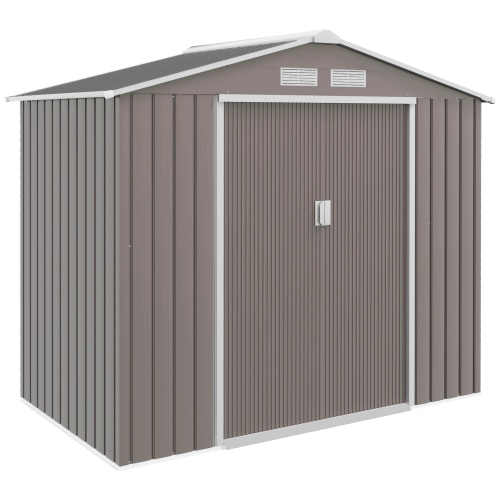
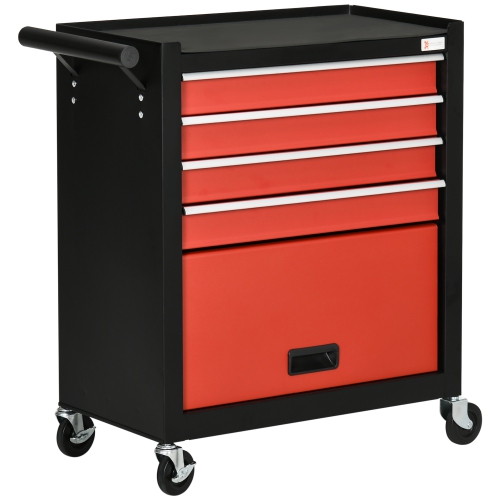
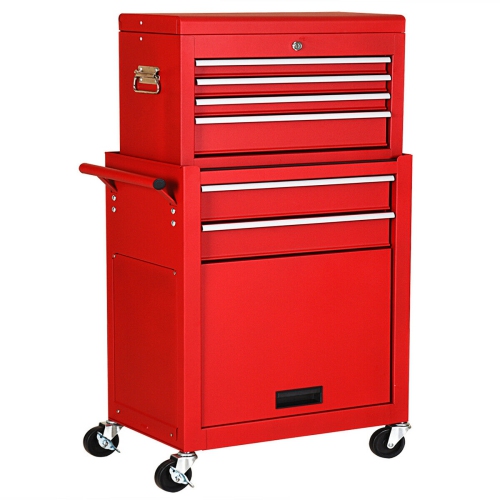
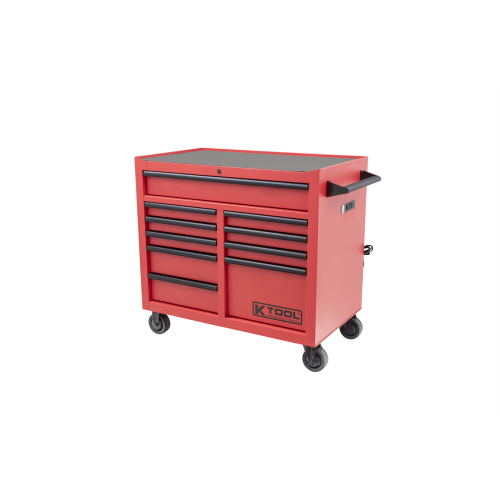
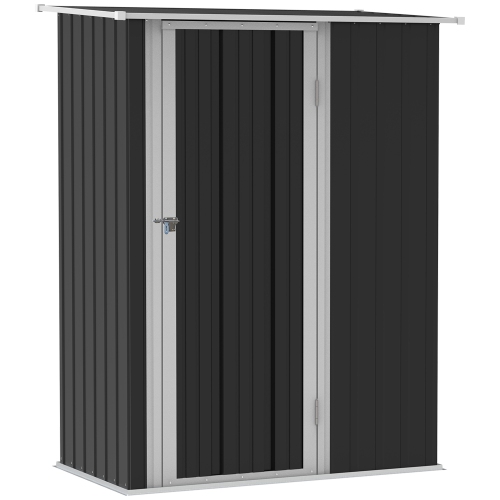
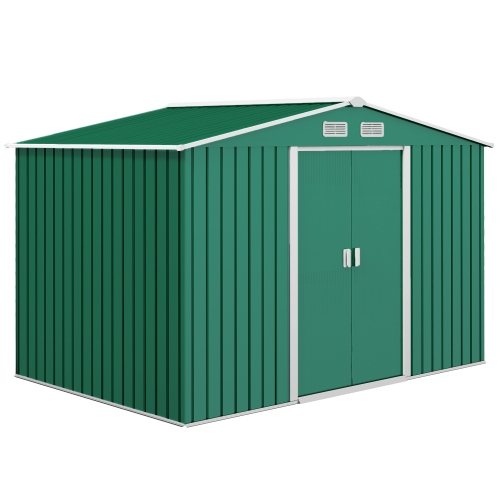
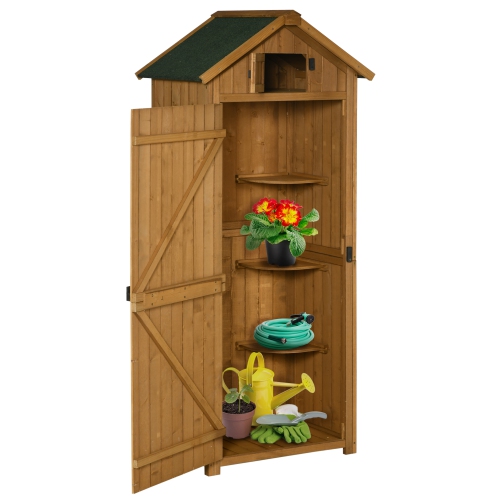
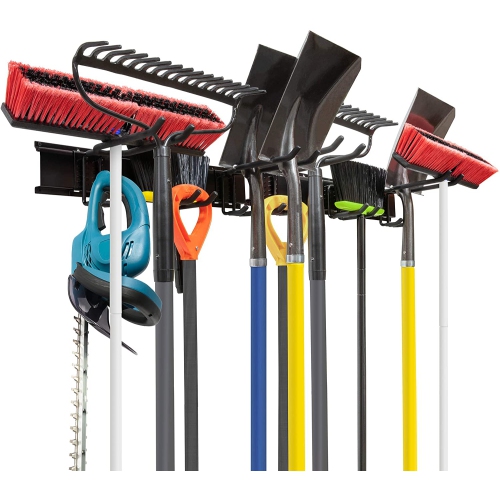
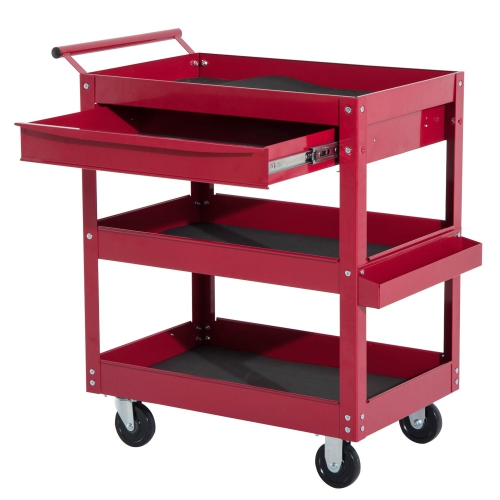
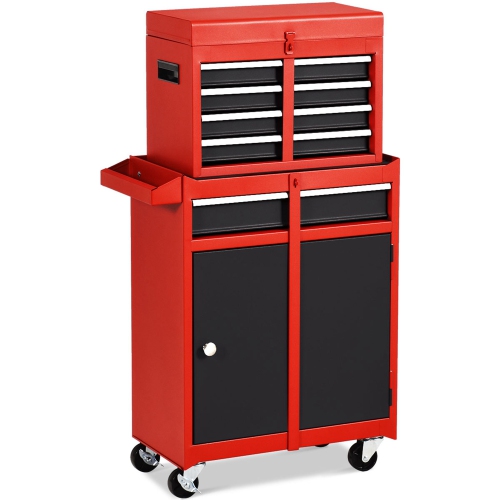
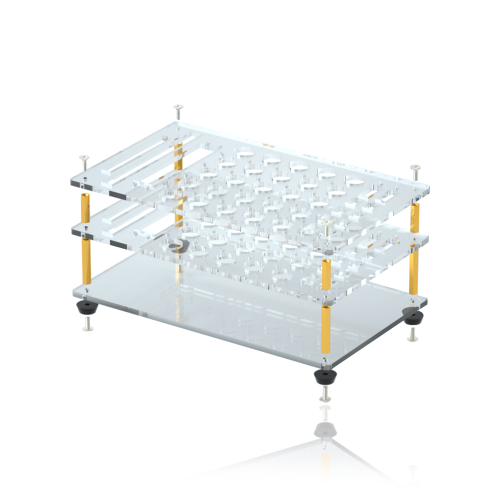
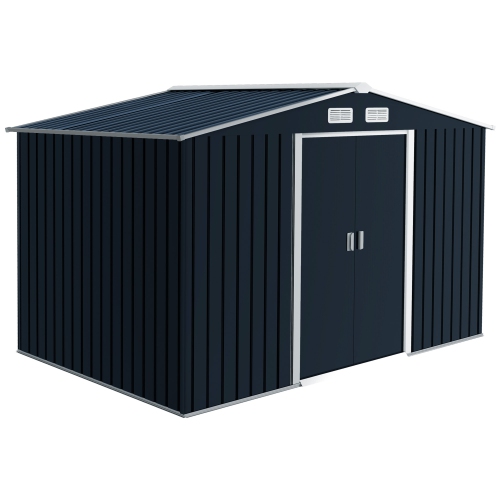
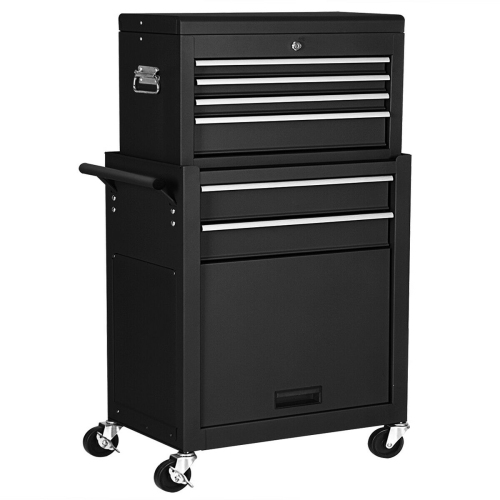

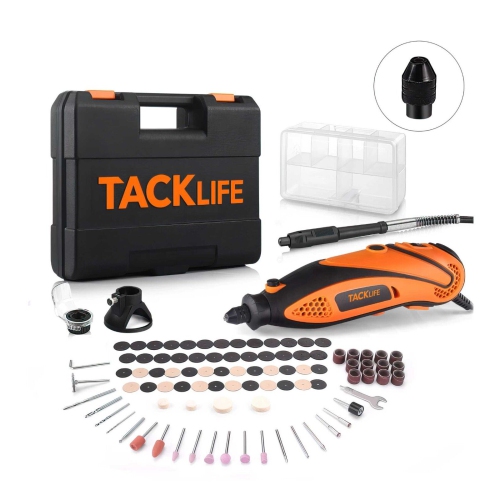
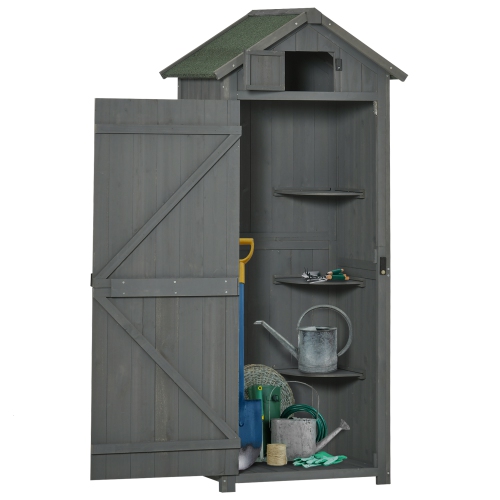
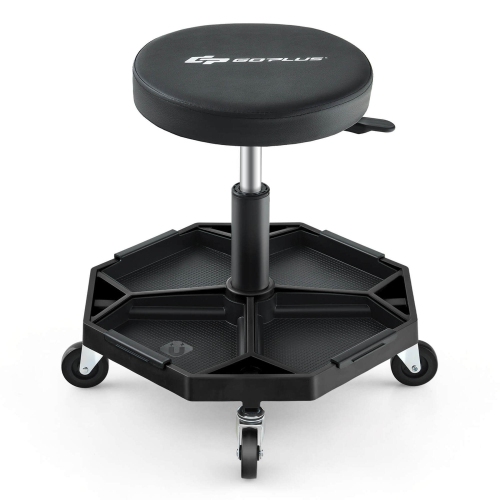
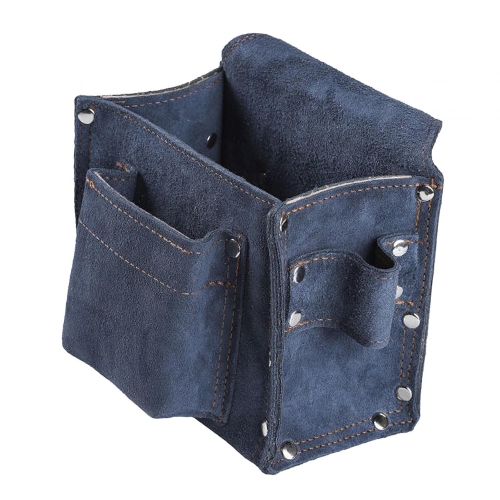
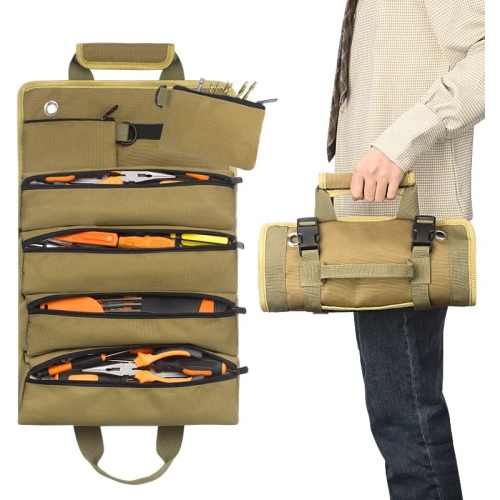
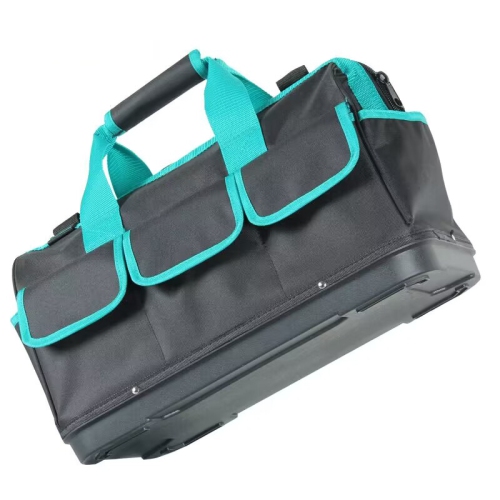
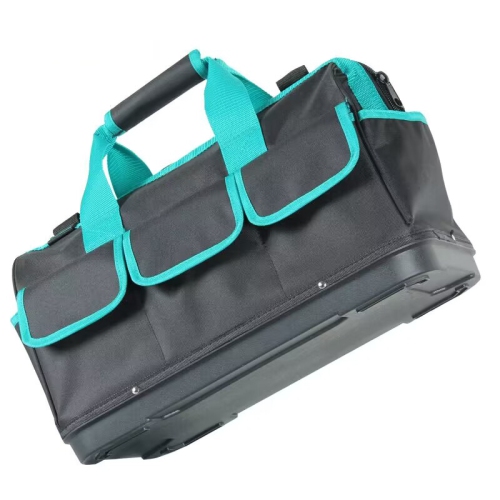
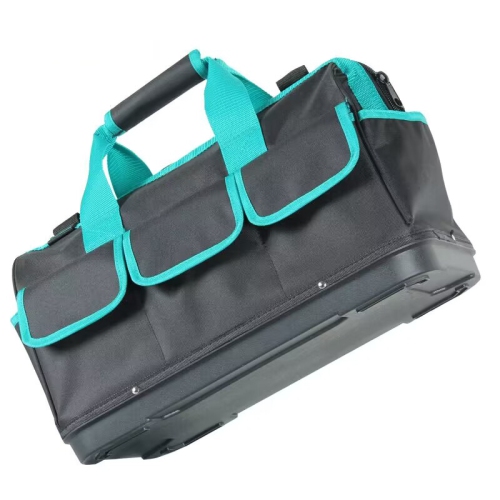
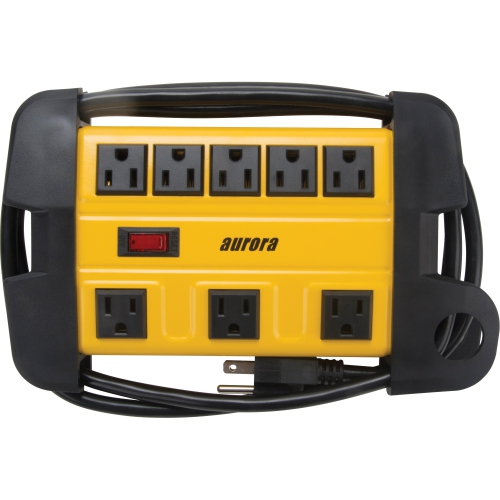
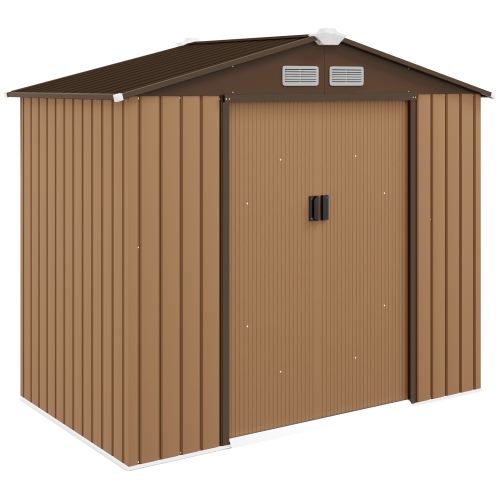
A practical place for every tool and accessory
Power tool storage helps turn a busy work area into a more practical, dependable space for building, repairing, renovating, and maintaining a home. Whether the collection includes a cordless drill, impact driver, circular saw, oscillating tool, sander, grinder, or several chargers and battery packs, having a designated place for everything makes it easier to find the right tool when a project begins. Storage may include compact cases, tool bags, rolling chests, drawer units, wall-mounted organizers, cabinets, shelving, and modular systems that can be arranged around the shape and size of a workshop, garage, shed, utility room, or basement. A well-organized setup can keep frequently used tools close at hand while giving less-used equipment a protected place between projects. It can also make a shared work area more comfortable to use, especially when several people rely on the same collection of tools. Instead of searching through a crowded corner or lifting boxes to reach a charger, users can see where each item belongs and return it after use. This simple routine is useful for homeowners handling weekend repairs, experienced tradespeople managing equipment between jobs, hobbyists working on woodworking or DIY projects, and anyone who prefers a tidy, efficient workspace.
When choosing power tool storage, consider the quantity and type of equipment it needs to hold, along with the available floor, wall, or vehicle space. A small tool bag may suit someone who carries only a few essentials from room to room, while a rolling cabinet or multi-drawer chest can be a better fit for a larger collection that stays in one location. Compartments and dividers are helpful for keeping drill bits, driver tips, blades, fasteners, measuring tools, and other smaller accessories from becoming mixed together. Deeper drawers can accommodate bulkier equipment, while adjustable shelves can provide flexibility as a collection changes. Look for sturdy handles, smooth-rolling casters, secure latches, reinforced seams, and materials suited to the intended setting. A portable case or tote can be convenient for bringing tools to a renovation site, a detached garage, or a neighbour’s repair project, whereas a cabinet or wall organizer can make the most of vertical space in a compact work area. Storage with a place for chargers and batteries can also help keep cords and equipment together, reducing the chance of leaving an essential part behind. For areas that see dust, temperature changes, or frequent activity, enclosed storage may be preferable to open shelving. Those outfitting a shed or exterior work area may also want to explore Outdoor Tool Storage for solutions designed around tools kept beyond the main living space. Before selecting a storage option, it is helpful to measure the intended location, account for clearance around doors and drawers, and consider whether the unit will need to move over concrete, flooring, thresholds, or uneven surfaces.
Power tool storage can be a thoughtful choice for a new homeowner, a student learning hands-on skills, a hobbyist setting up a first workshop, or a family member who enjoys taking on practical projects. It can also be a useful addition to a larger tool collection when someone is preparing for a renovation, restoring furniture, maintaining a property, or spending more time on home improvement during the warmer and cooler parts of the year. The best fit depends on how that person works: a mobile user may appreciate a lightweight case or bag with a comfortable grip, while someone who builds or repairs in one dedicated area may prefer drawers, shelves, and a sturdy work-height surface. Those with limited room can benefit from vertical organizers or stackable storage that keeps the floor clear, while users with extensive equipment may need a combination of enclosed cabinets, open compartments, and small-parts storage. It is also worth considering the weight of the tools, the frequency of transport, the number of people using the storage, and whether the setup needs room to grow. As the weather warms, neatly stored equipment can make outdoor repairs, deck projects, gardening maintenance, and other home tasks easier to start; during the cooler months, the same organization can support indoor renovations, furniture projects, and routine repairs. With the right arrangement, every tool has a familiar home, accessories stay together, and the work area feels ready for the next task rather than waiting to be sorted.
When choosing power tool storage, consider the quantity and type of equipment it needs to hold, along with the available floor, wall, or vehicle space. A small tool bag may suit someone who carries only a few essentials from room to room, while a rolling cabinet or multi-drawer chest can be a better fit for a larger collection that stays in one location. Compartments and dividers are helpful for keeping drill bits, driver tips, blades, fasteners, measuring tools, and other smaller accessories from becoming mixed together. Deeper drawers can accommodate bulkier equipment, while adjustable shelves can provide flexibility as a collection changes. Look for sturdy handles, smooth-rolling casters, secure latches, reinforced seams, and materials suited to the intended setting. A portable case or tote can be convenient for bringing tools to a renovation site, a detached garage, or a neighbour’s repair project, whereas a cabinet or wall organizer can make the most of vertical space in a compact work area. Storage with a place for chargers and batteries can also help keep cords and equipment together, reducing the chance of leaving an essential part behind. For areas that see dust, temperature changes, or frequent activity, enclosed storage may be preferable to open shelving. Those outfitting a shed or exterior work area may also want to explore Outdoor Tool Storage for solutions designed around tools kept beyond the main living space. Before selecting a storage option, it is helpful to measure the intended location, account for clearance around doors and drawers, and consider whether the unit will need to move over concrete, flooring, thresholds, or uneven surfaces.
Power tool storage can be a thoughtful choice for a new homeowner, a student learning hands-on skills, a hobbyist setting up a first workshop, or a family member who enjoys taking on practical projects. It can also be a useful addition to a larger tool collection when someone is preparing for a renovation, restoring furniture, maintaining a property, or spending more time on home improvement during the warmer and cooler parts of the year. The best fit depends on how that person works: a mobile user may appreciate a lightweight case or bag with a comfortable grip, while someone who builds or repairs in one dedicated area may prefer drawers, shelves, and a sturdy work-height surface. Those with limited room can benefit from vertical organizers or stackable storage that keeps the floor clear, while users with extensive equipment may need a combination of enclosed cabinets, open compartments, and small-parts storage. It is also worth considering the weight of the tools, the frequency of transport, the number of people using the storage, and whether the setup needs room to grow. As the weather warms, neatly stored equipment can make outdoor repairs, deck projects, gardening maintenance, and other home tasks easier to start; during the cooler months, the same organization can support indoor renovations, furniture projects, and routine repairs. With the right arrangement, every tool has a familiar home, accessories stay together, and the work area feels ready for the next task rather than waiting to be sorted.
Top selling and popular products
-
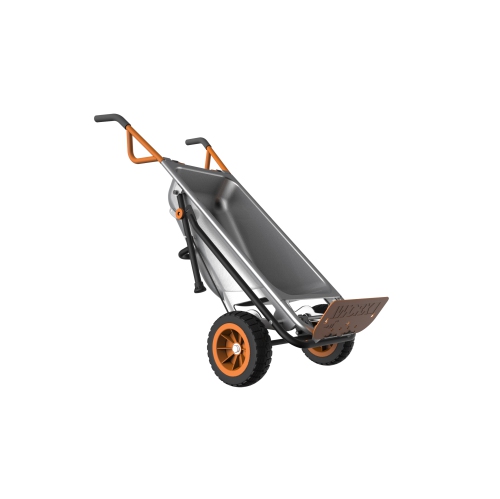 Your price for this item is $329.99
 -
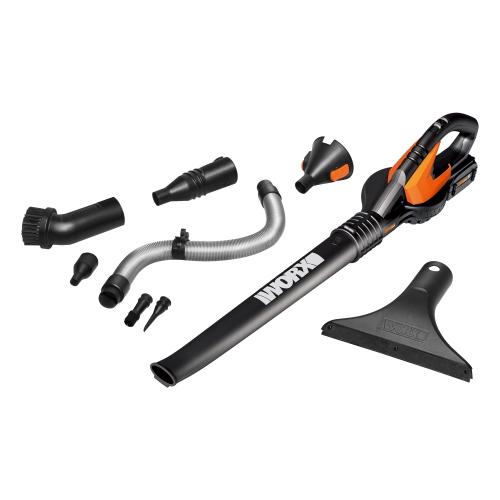 Your price for this item is $189.99
 -
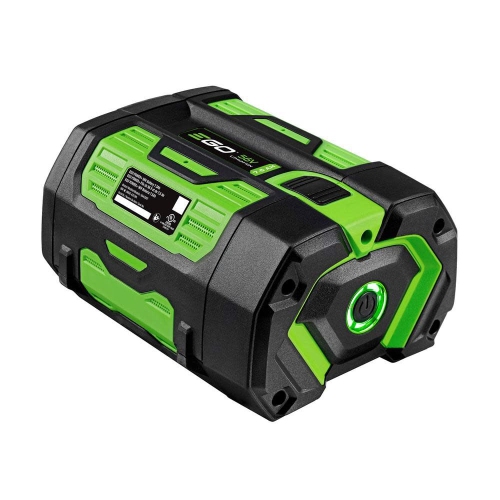 Your price for this item is $449.99
 -
 Your price for this item is $359.99
 -
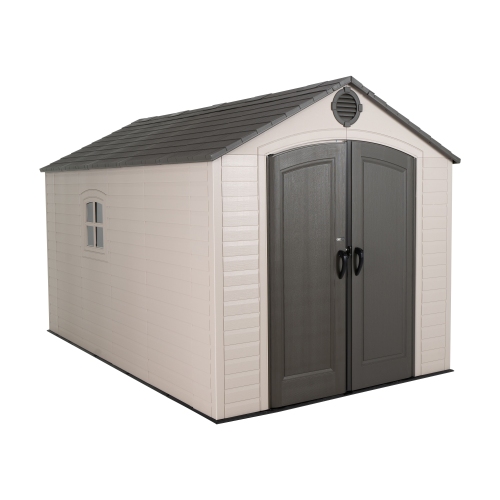 Your price for this item is $3028.99
 -
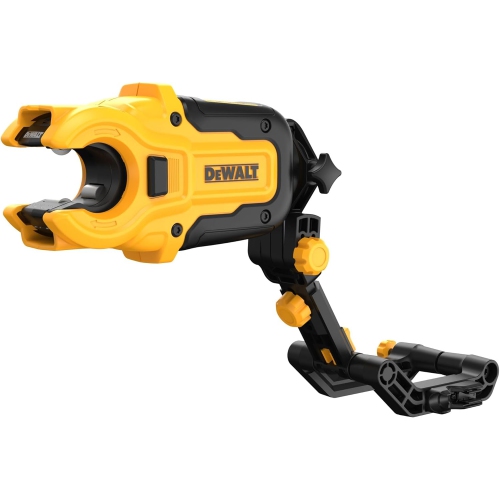 Your price for this item is $94.99
 -
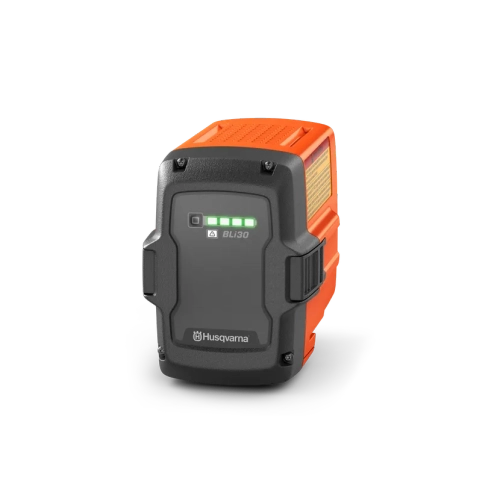 Your price for this item is $299.99
 -
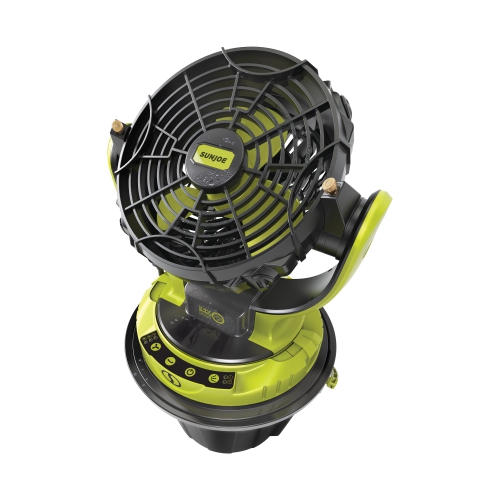 Your price for this item is $189.99
Discover more categories related to Power Tool Storage
Top Collections:
Pokemon Centers, Kindle Devices, Apple iPhones 16, Samsung Galaxy Phones, Canon G7X Cameras, iPhone 15 Apple, Flip Phones, Apple Wired Earphones, Best Budget Office Chairs, Refurbished Apple Laptops
Some products may be subject to Environmental Handling Fees
(EHF) depending on your province.
Learn more about EHFs.