Pressure Relief Mattresses
Upgrade your sleep experience with our selection of pressure-relieving mattresses. Designed to provide optimal support and comfort, these mattresses are perfect for those seeking relief from aches and pains caused by pressure points. Whether you're a side sleeper, a back sleeper, or a combination of the two, pressure relief mattresses will help you find the perfect fit for your body.
Sort














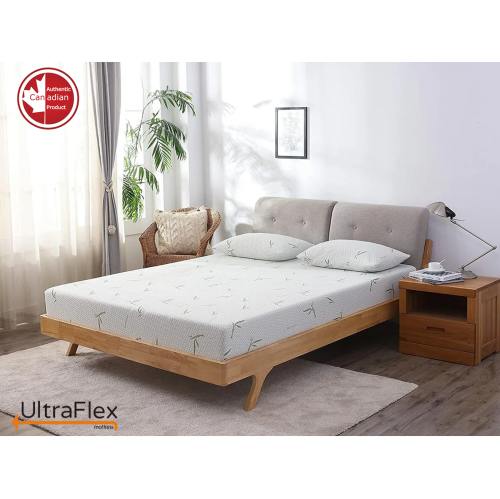
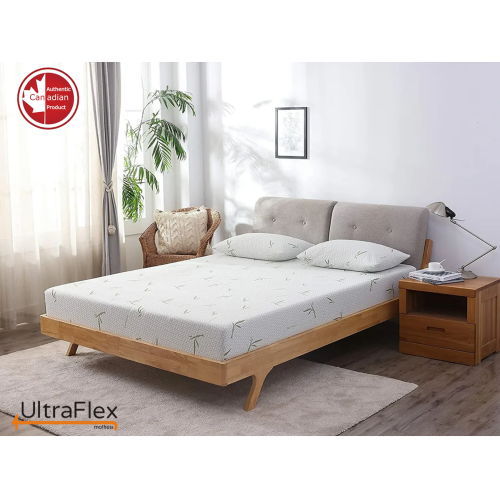
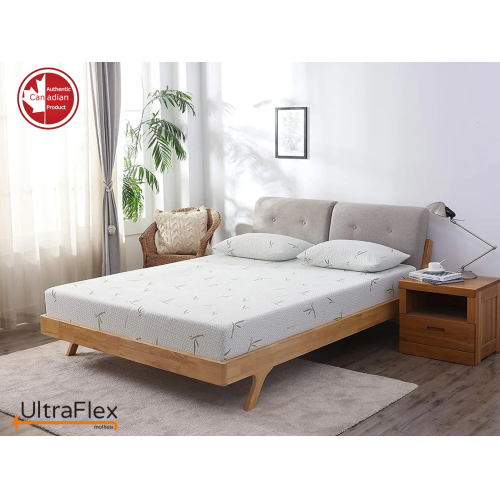
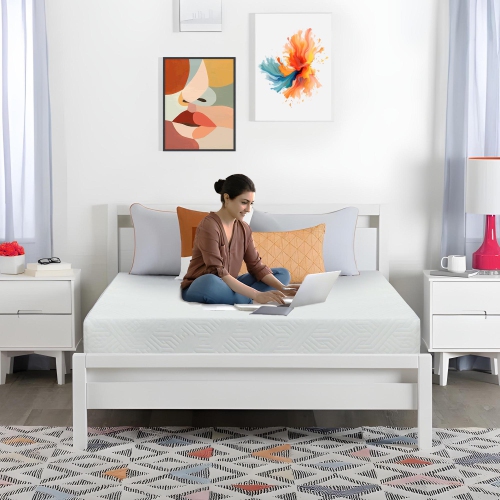



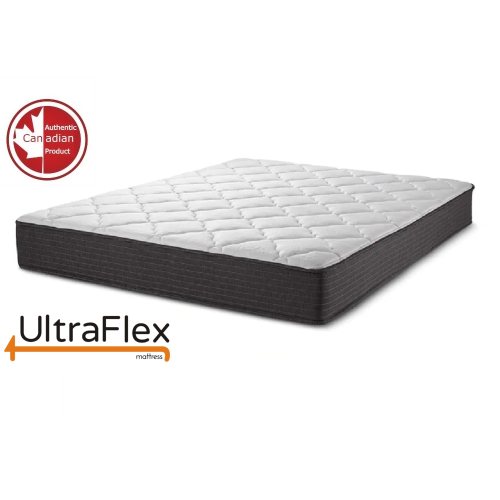
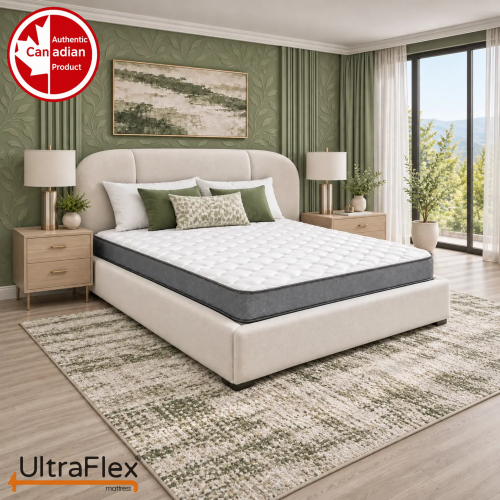

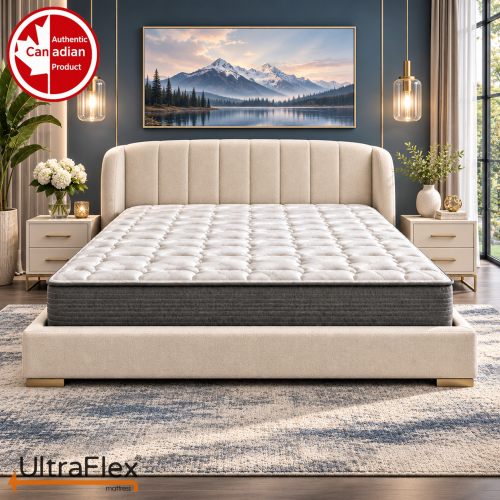






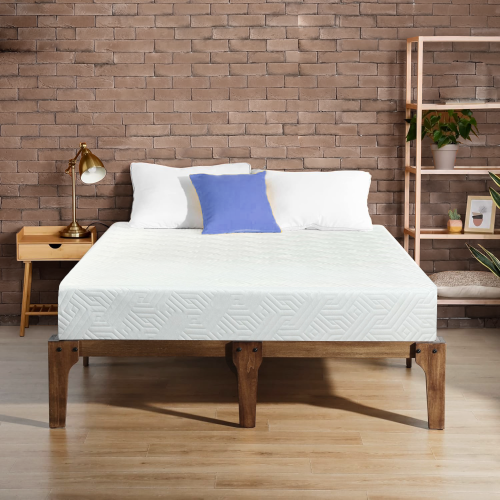
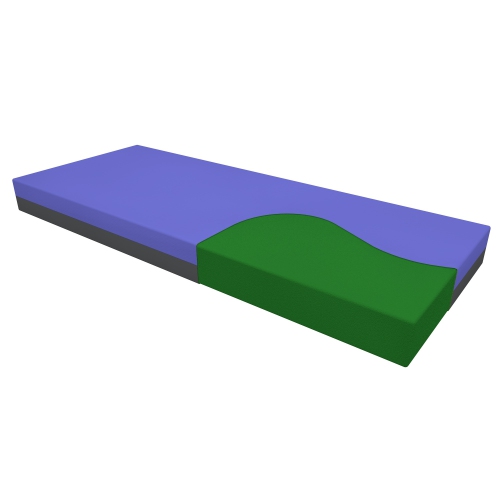




Why pressure relief takes more than a soft mattress
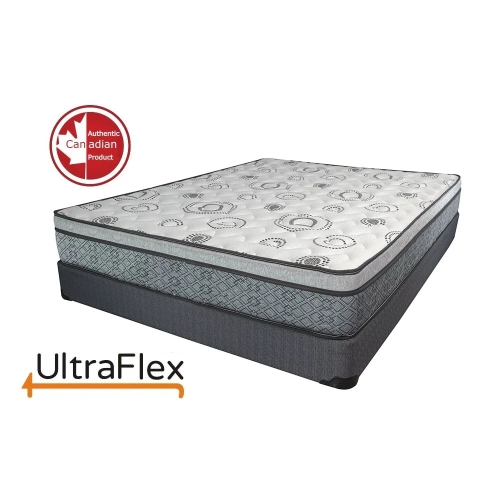
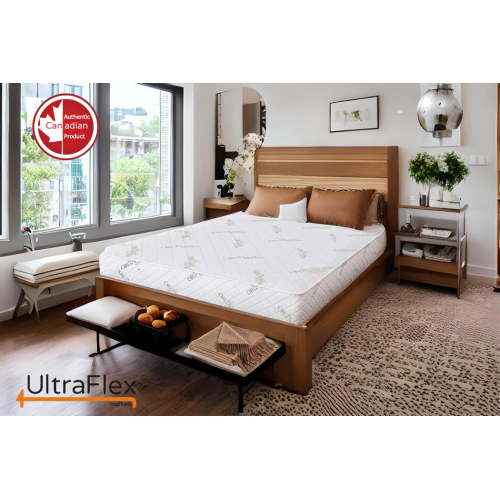
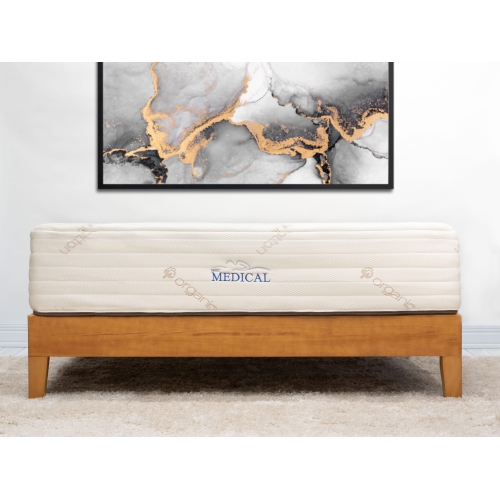
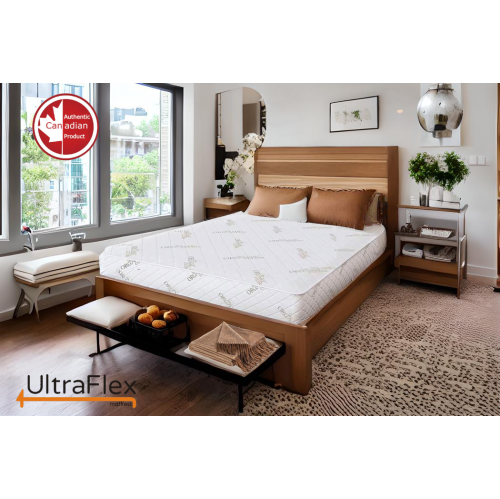
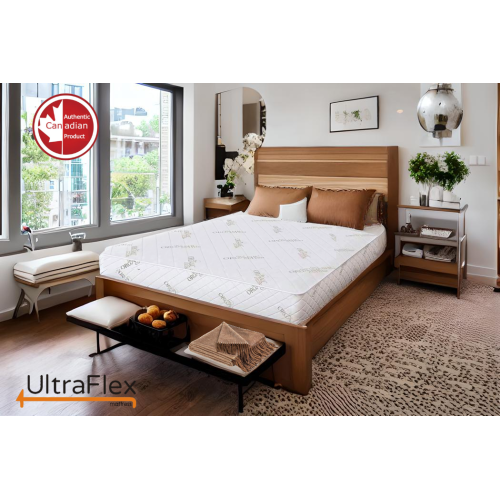
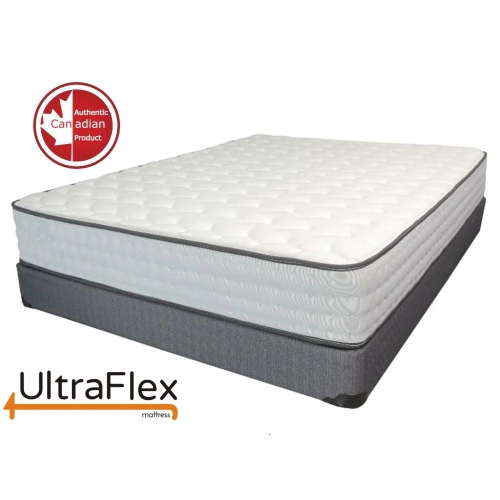
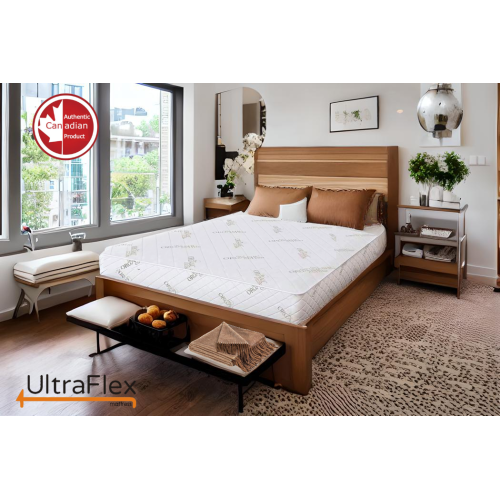
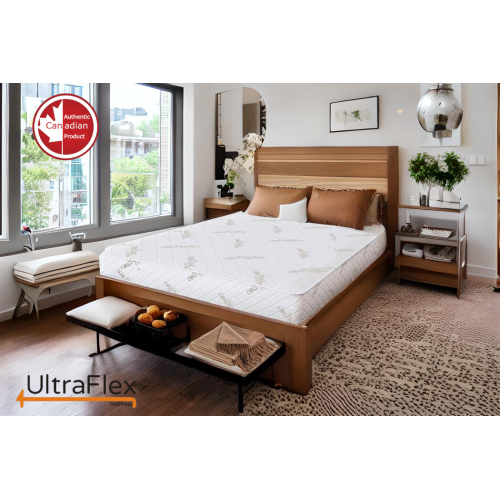
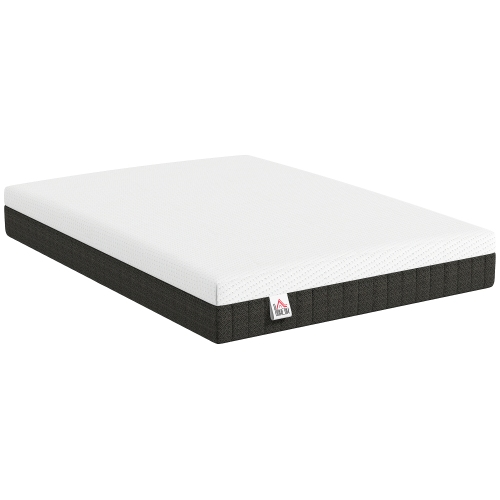
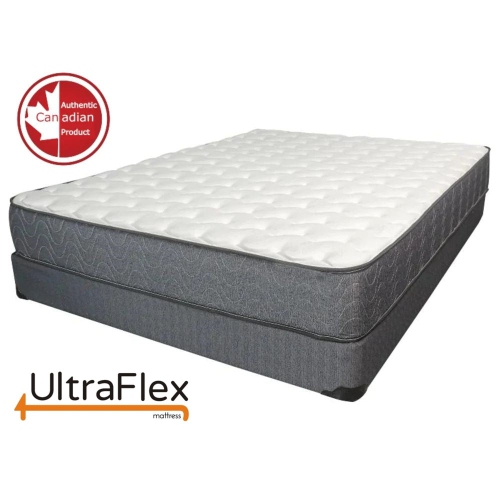
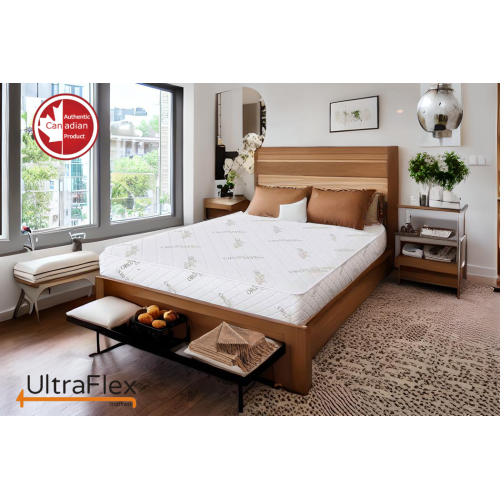
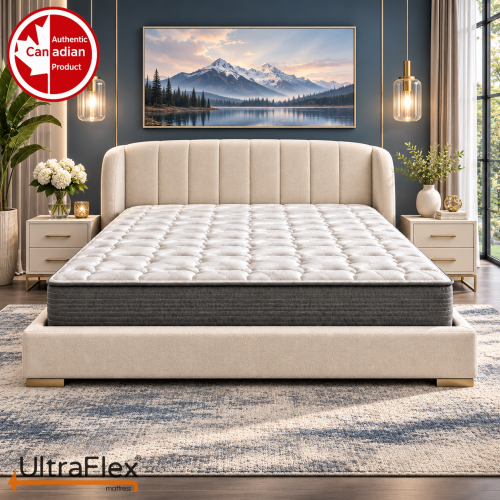
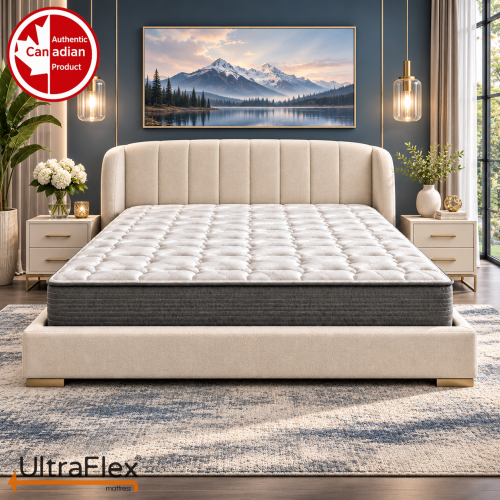
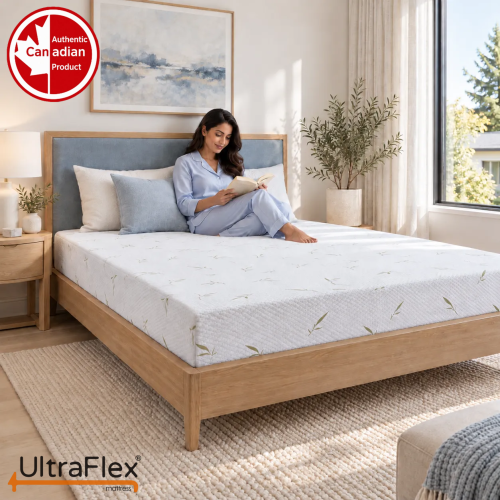
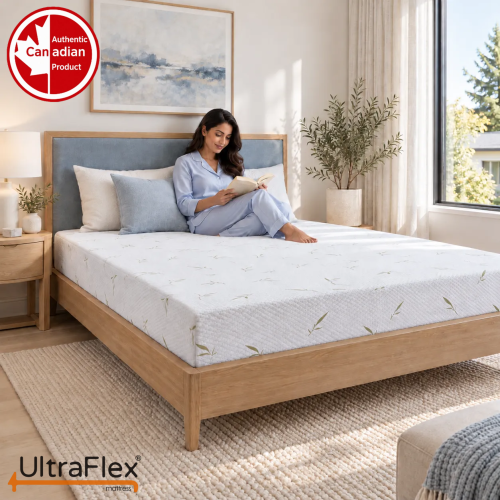
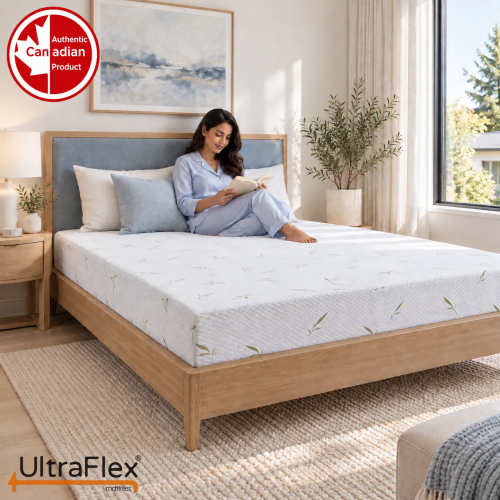
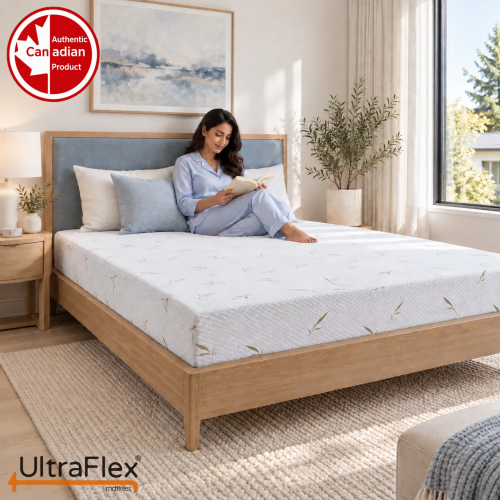
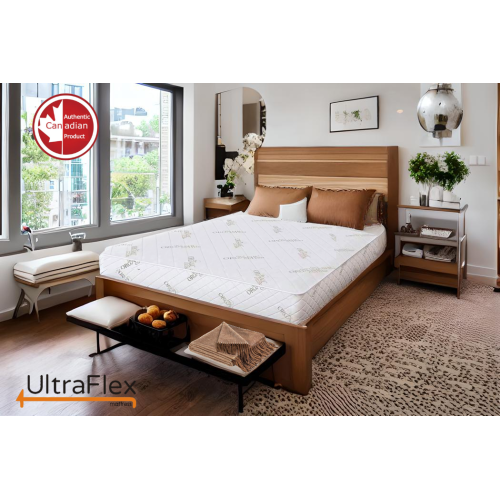
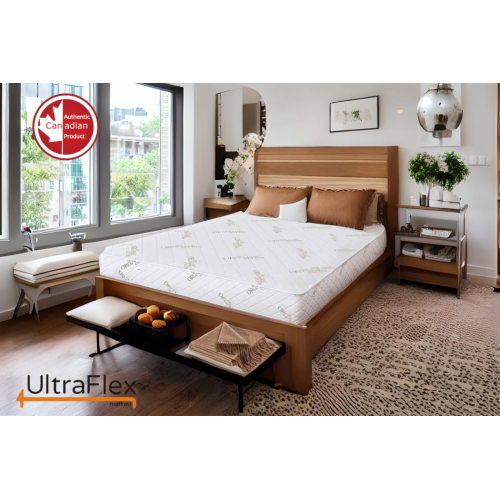
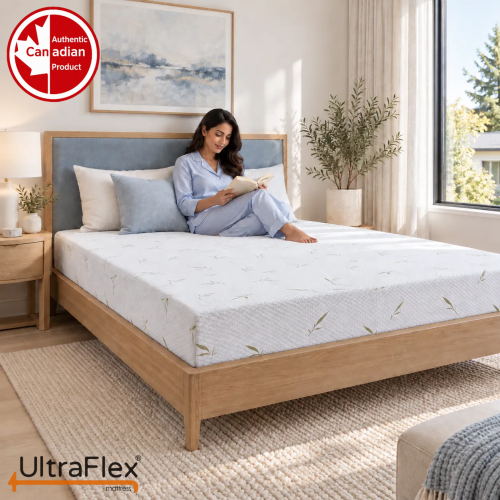
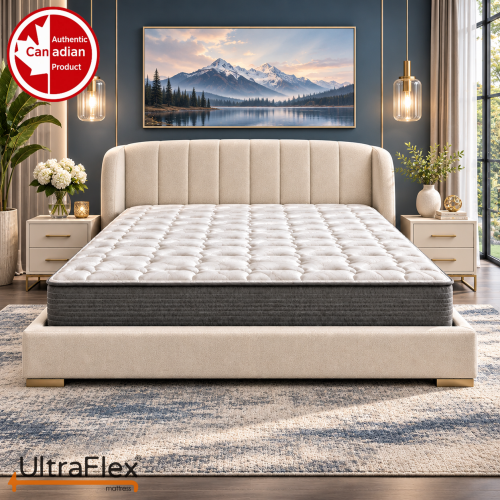
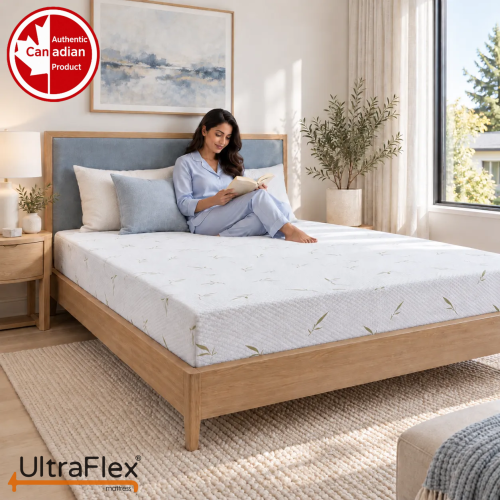
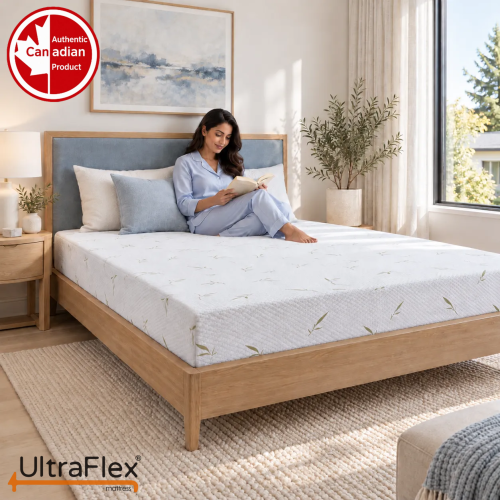
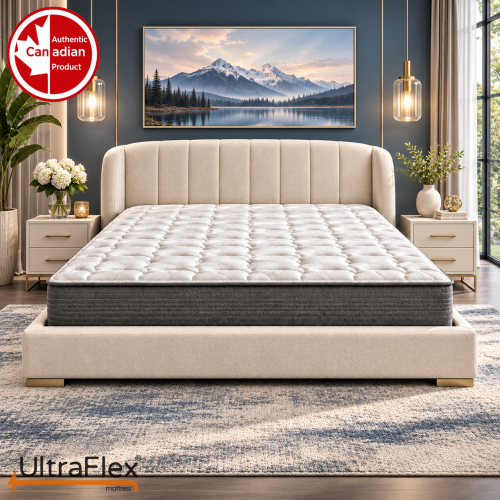
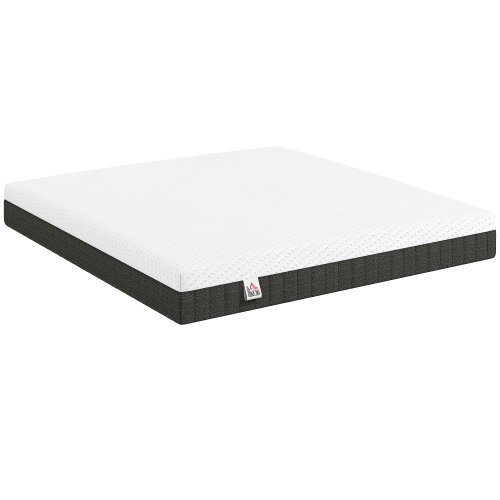
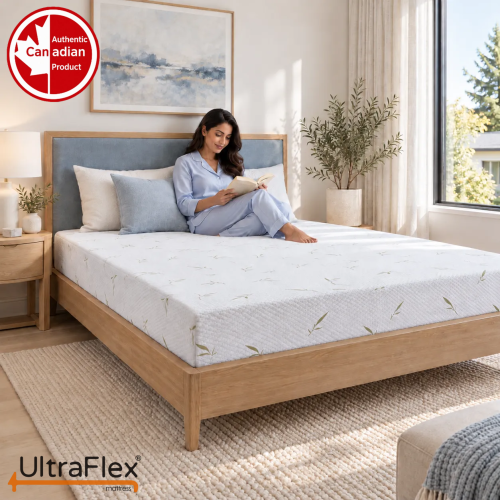
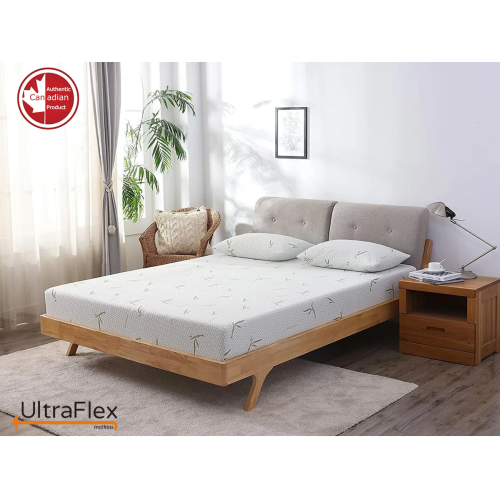
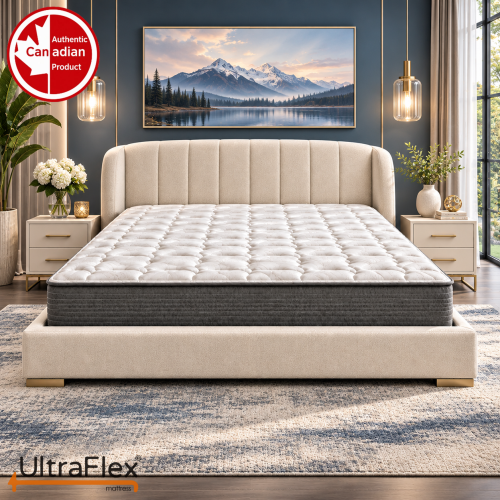
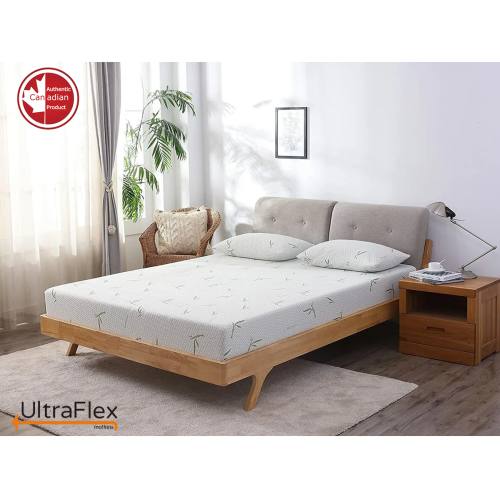
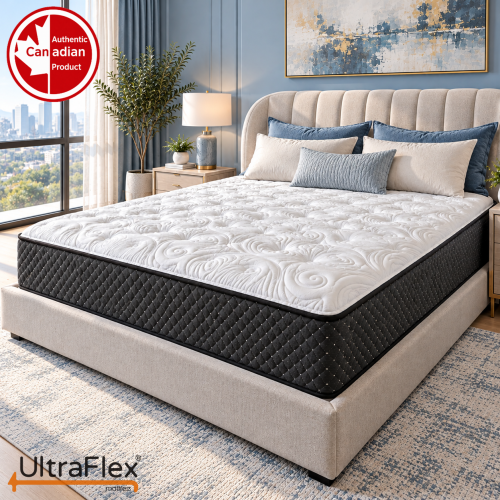
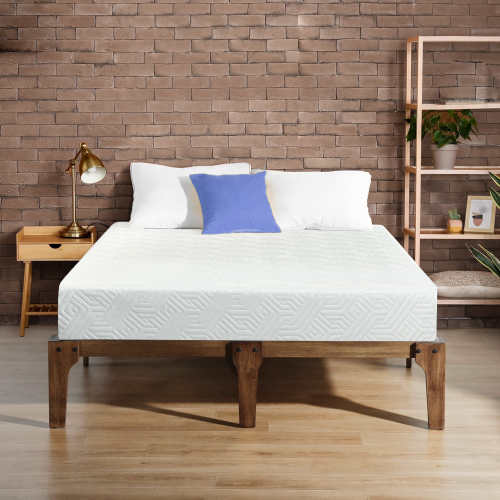
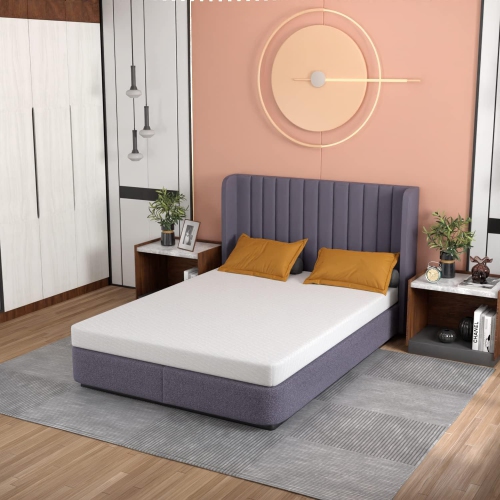
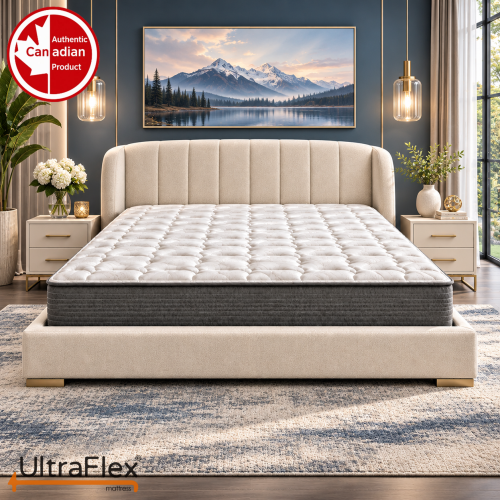
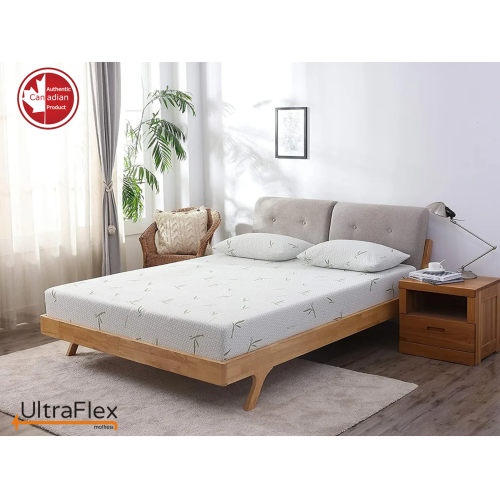
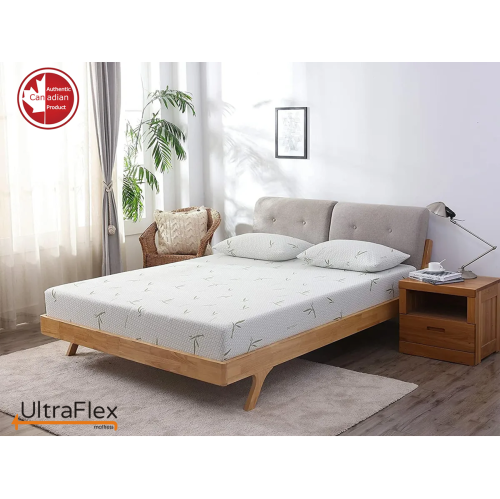
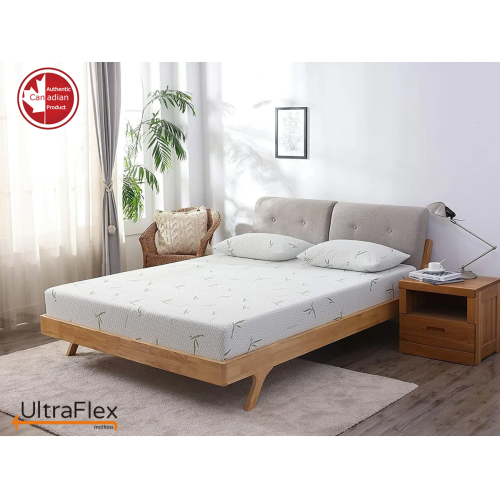
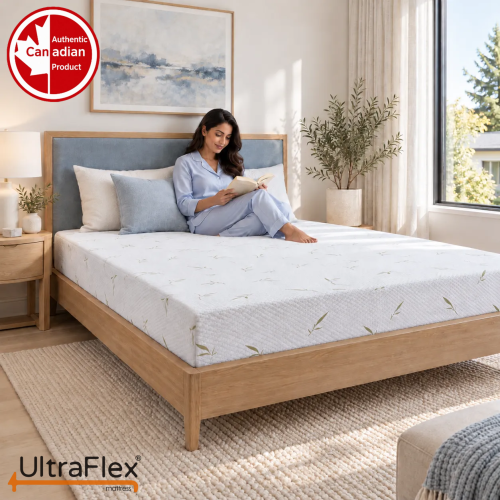
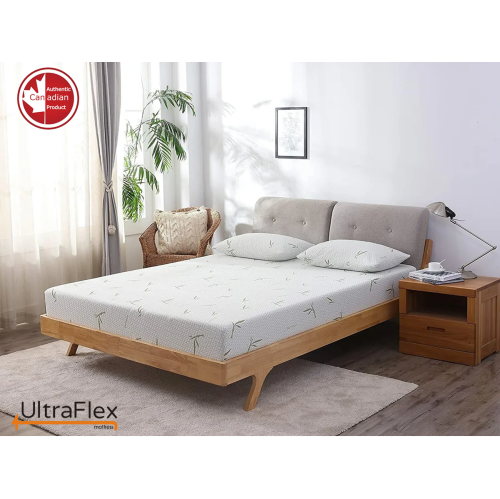
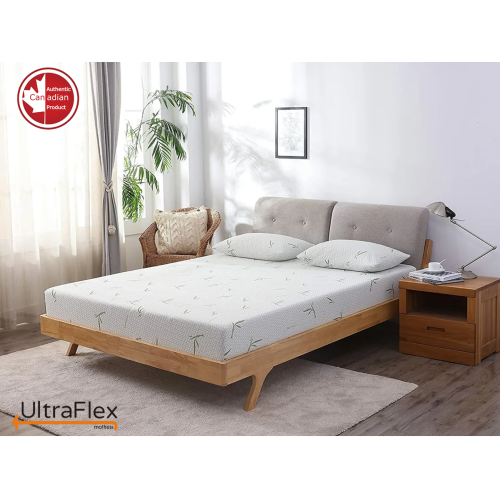
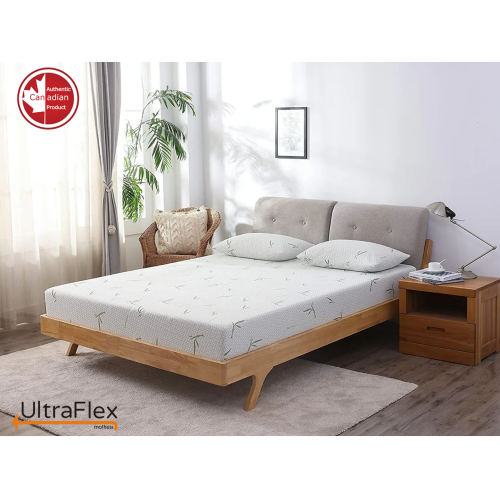
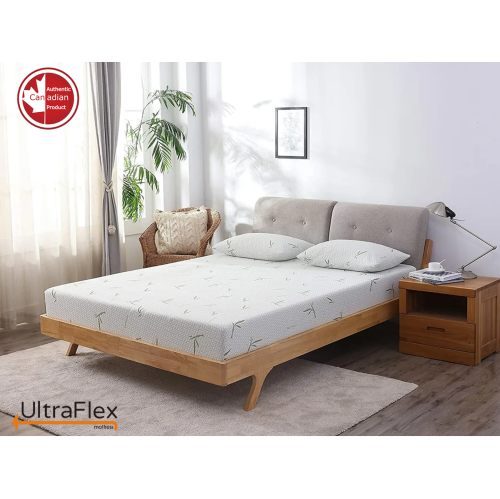
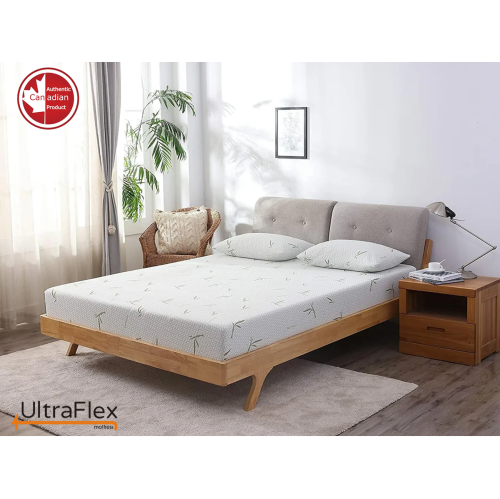
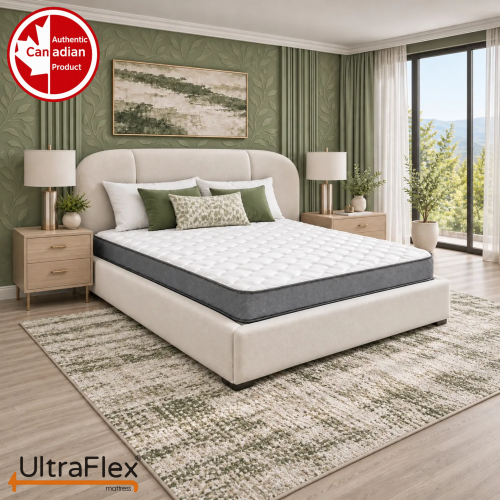
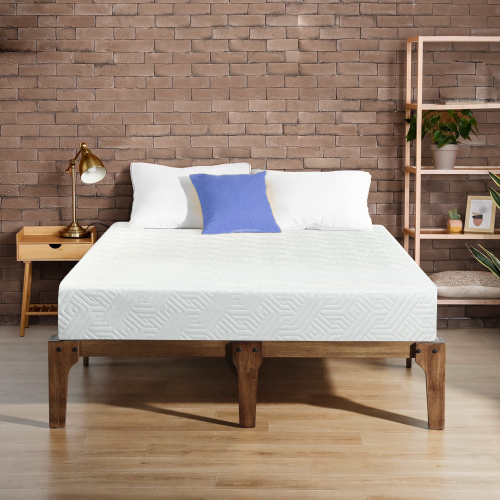
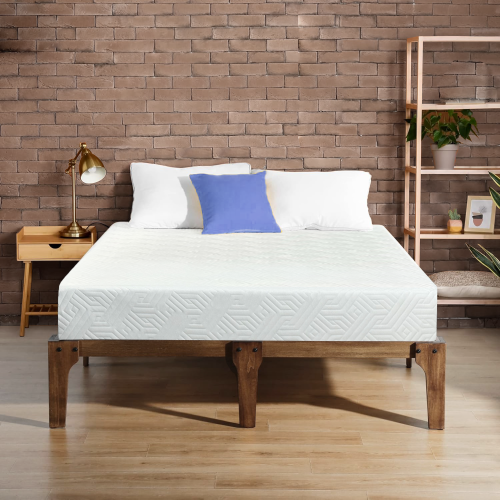
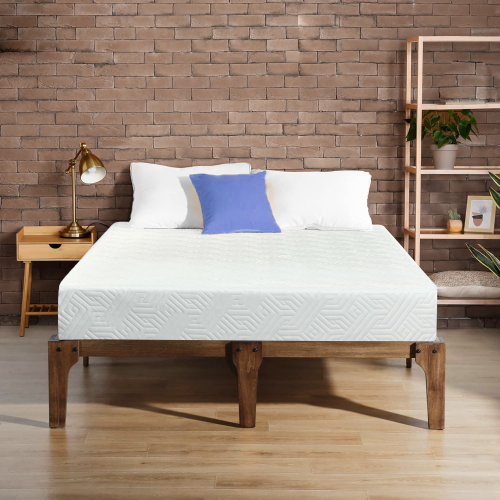
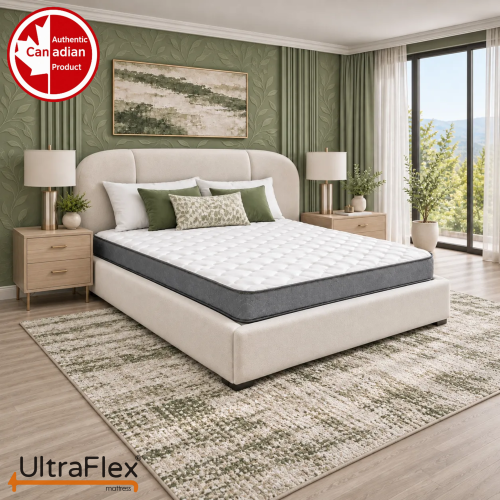
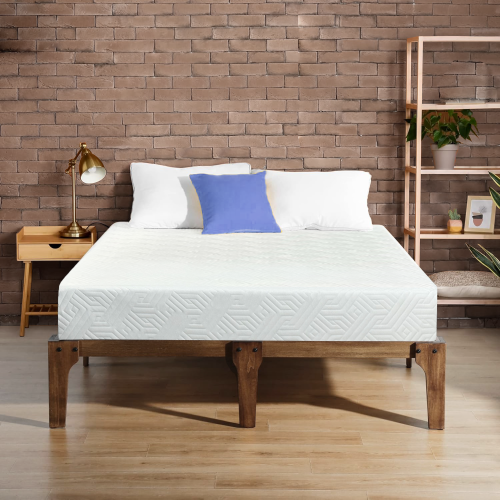
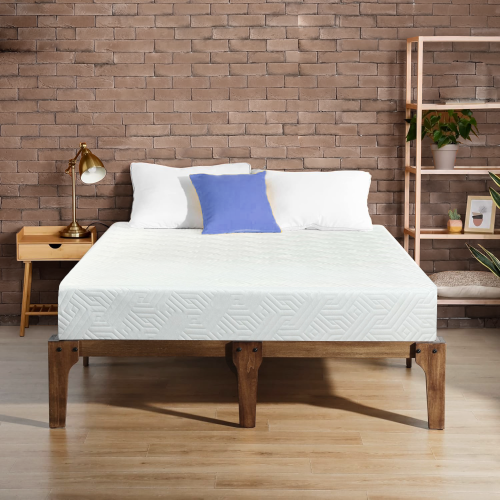
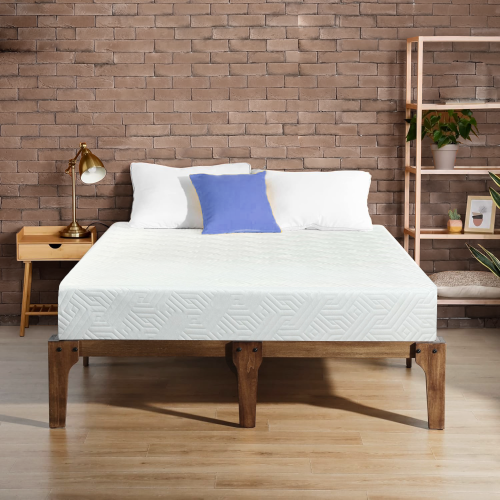
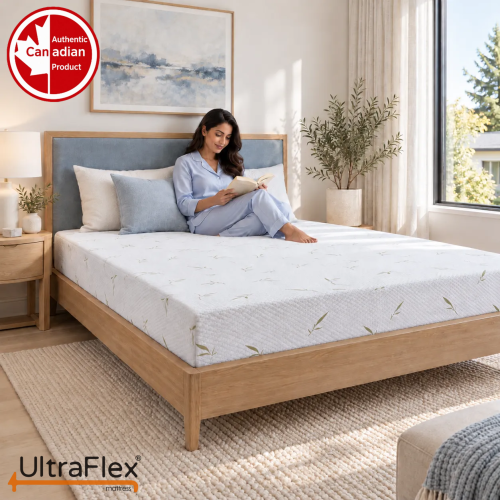
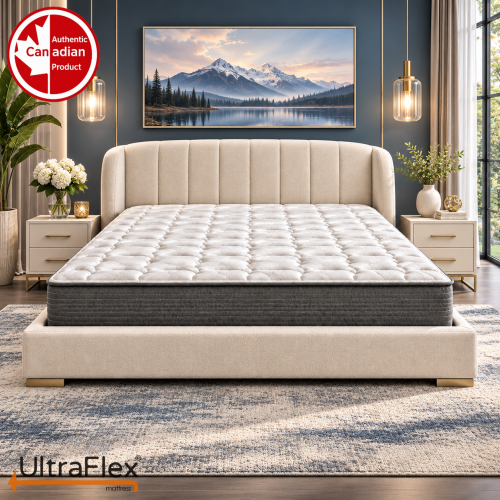
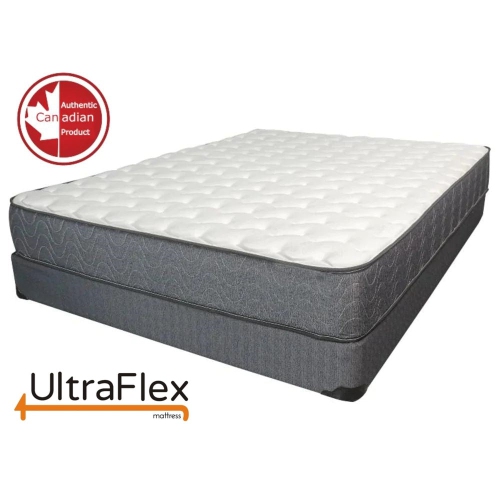
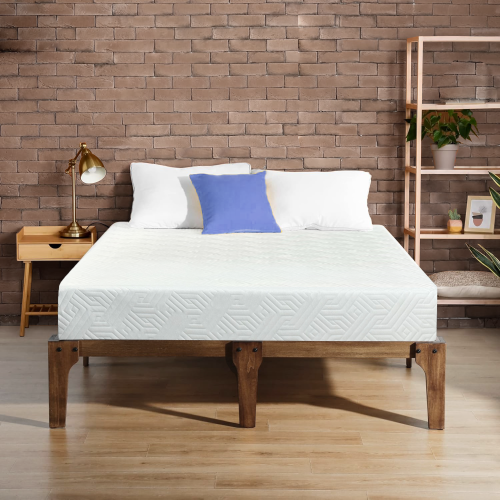
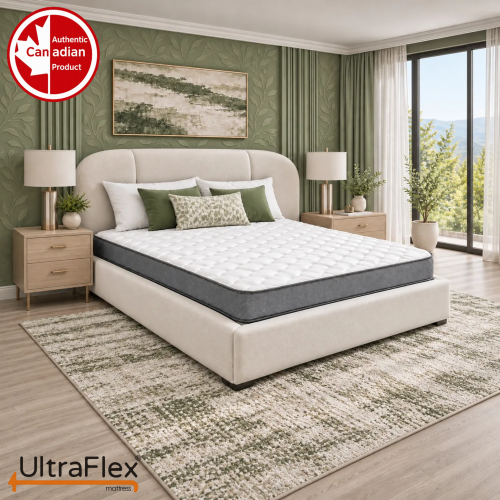
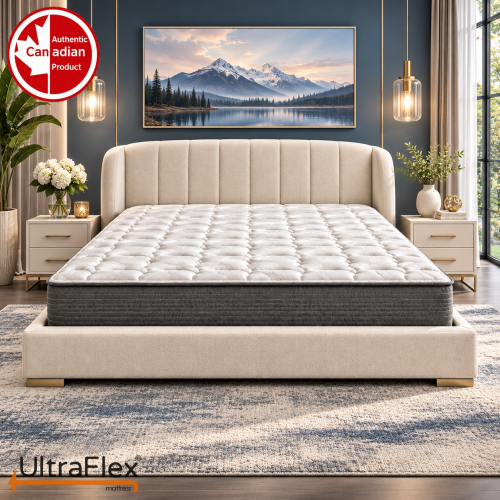
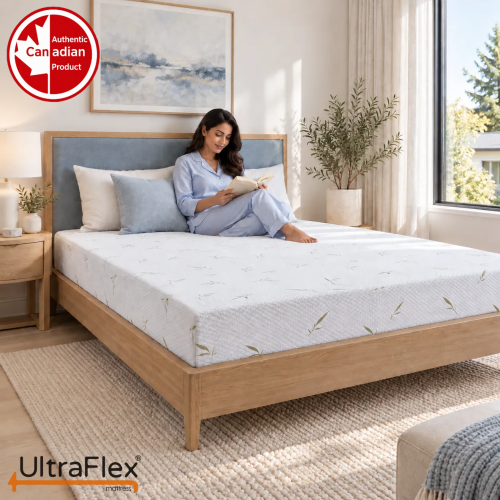
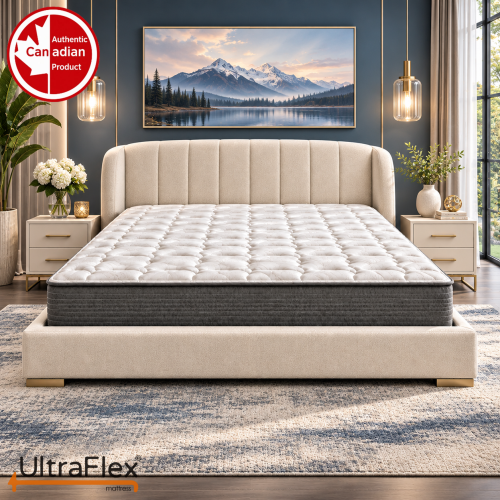
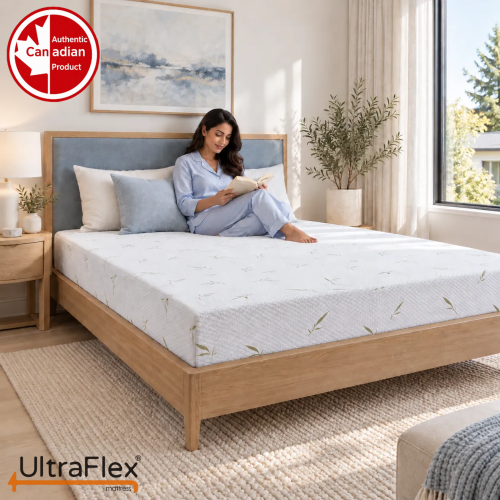
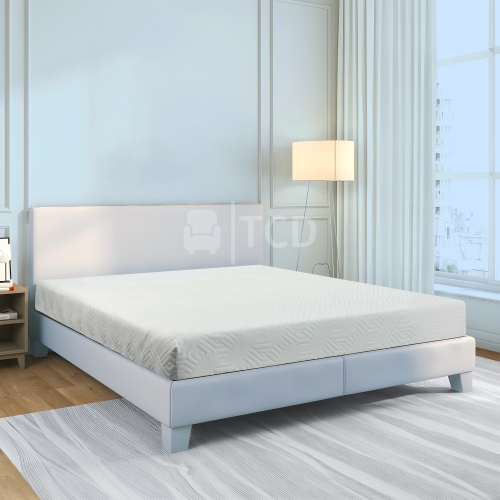
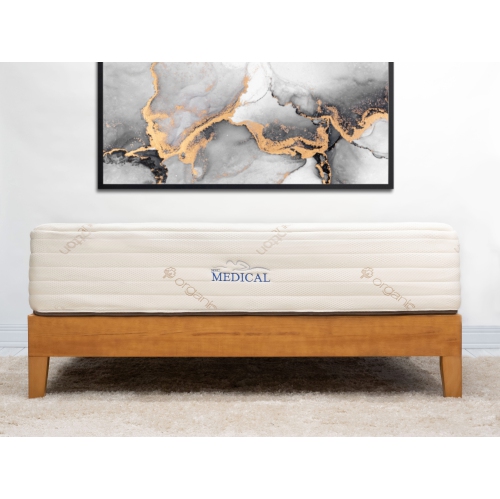
Pressure relief mattresses cushion the areas where the body presses most firmly into the sleep surface, particularly the shoulders, hips, and heels. By allowing these points to settle into the comfort layers while supporting the rest of the body, a mattress can spread weight across a broader area and reduce concentrated pressure. The aim is a balance of cushioning and support: enough give to ease the feeling of a shoulder against the bed, with enough underlying structure to keep the torso and pelvis from sinking too far. Different constructions achieve this balance in different ways. Memory foam contours closely to the body and responds gradually as weight shifts, creating a cradled feel that can suit sleepers who prefer less bounce. Latex generally feels more responsive, compressing under weight and springing back more readily when someone changes position. Hybrid mattresses combine foam or latex comfort layers with a coil support system, bringing surface cushioning together with a more buoyant foundation. Some designs use different support zones beneath the shoulders, waist, and hips, although the usefulness of those zones depends on how closely they match the sleeper’s build and position. The thickness and composition of the comfort layers matter as much as the mattress’s overall height. A tall mattress is not automatically better at relieving pressure, and a soft cover cannot make up for an unsuitable support core. For shoppers comparing closely contouring sleep surfaces, Orthopedic Foam Mattresses provide a related category to explore. Descriptions such as plush, medium, and firm offer a starting point, but they describe overall feel rather than a guaranteed level of pressure relief. Two mattresses with the same firmness label can feel quite different because of their materials, layer arrangement, and response to body weight. The most comfortable balance leaves room for the body’s curves without creating the sensation of resting in a deep hollow.
Sleeping position helps explain why pressure relief feels different from one person to another. Side sleepers place more weight over a relatively small area at the shoulders and hips, so a surface with some contouring can help those points settle without forcing the waist to bend sideways. Back sleepers often benefit from cushioning beneath the pelvis alongside steady support through the lower back. Stomach sleepers generally need a surface that limits excessive sinking around the midsection, since a deeply plush feel may leave the body resting in an awkward position. People who move between positions may prefer responsive materials that make rolling over feel easier rather than requiring a push out of a pronounced impression. Body weight also changes how deeply the comfort layers compress. A mattress that feels gently cushioned to one sleeper may feel quite firm to someone lighter, while a heavier sleeper may compress those same layers enough to notice the firmer structure underneath. Couples have additional considerations, especially when their preferred sleep positions or body types differ. Motion isolation can reduce the disturbance caused by a partner turning over, while a responsive surface may make shared movement less restricted. Support around the perimeter matters for someone who sleeps close to the side or sits on the edge to put on socks. Mattress size affects comfort, too: enough room to change position without crowding a partner can be just as valuable as the feel of the surface itself. Overall dimensions and mattress height need to suit the room, fitted sheets, and bed frame, while the combined height of the mattress and base affects how easily someone can sit down and stand up. A compatible foundation helps the mattress perform as intended. Slat spacing, centre support, and adjustable-base compatibility are worth checking in the mattress specifications, since an uneven or unsuitable base can alter both the feel and the support. These details distinguish everyday usability from the softness noticed during a brief first impression.
Pressure relief mattresses can suit a primary bedroom, a guest room, or another space used for regular overnight rest, but the demands of each setting are different. Someone sleeping on the same mattress every night may place particular importance on consistent support, ease of movement, and how well the surface retains its shape. A guest bed shared by people with different preferences may call for a more balanced feel rather than an especially soft or firm one. For people who spend longer periods in bed, comfort also depends on bedding, positioning, and the ability to shift weight. An everyday pressure relief mattress is not the same as a medical pressure-redistribution surface, and it should not be relied on to prevent or treat pressure injuries. Anyone with limited mobility, persistent discomfort, reduced sensation, or concerns about skin breakdown should seek advice from a qualified healthcare professional about appropriate support and positioning. For ordinary household use, care starts with keeping the sleep surface clean and dry. A well-fitting mattress protector can help guard against spills and everyday marks without bunching beneath the sheets. Removable covers should be washed only as directed, and spot cleaning should follow the care label to avoid saturating the internal layers. Letting cleaned areas dry fully before replacing bedding helps prevent trapped moisture. Rotation may help distribute wear when the manufacturer recommends it, but many layered mattresses are designed to stay with one specific side facing up and should not be flipped. Compressed mattresses also need the expansion time specified in their instructions before their final feel and dimensions can be assessed. Over time, lasting indentations, uneven support, or a noticeable change in comfort can indicate wear, particularly when the underlying bed base remains sound. Material quality, construction, use, and care all influence durability; thickness alone does not establish how long a mattress will remain comfortable. A suitable pressure relief mattress brings together contouring, stable support, practical upkeep, and a feel that continues to work with the sleeper’s usual movements night after night.
Top selling and popular products
-
 Your price for this item is $1199
-
 Your price for this item is $644
-
 Your price for this item is $696.5
-
 Your price for this item is $906.5
-
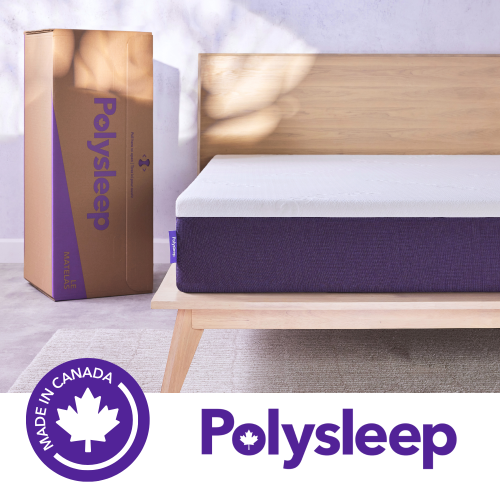 Your price for this item is $591.5
-
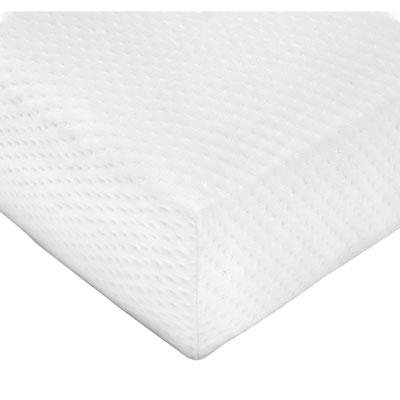 Your price for this item is $159.99
-
 Your price for this item is $168.99
-
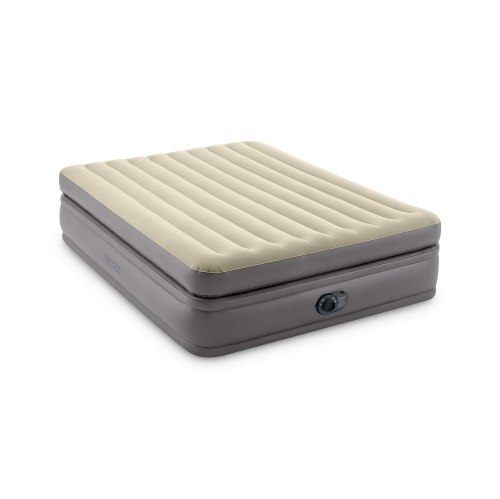 Your price for this item is $239.99
Discover more categories related to Pressure Relief Mattresses
Top Collections:
Best Black Friday Deals This Year, Best Black Friday Deals On Electronics, Kindle Devices, Pokemon Centers, Best Black Friday Deals On Apple Products, Best Cameras for Sports Photography, Dyson Airwrap, Pokémon 30th Celebration Cards, Apple iPhone 17 Pro, Canon G7X Cameras
Some products may be subject to Environmental Handling Fees
(EHF) depending on your province.
Learn more about EHFs.