Privacy Gates
Ensure peace of mind and create safe spaces for your little ones or pets with our selection of privacy gates. Ideal for both homes and offices, these versatile barriers are designed to seamlessly blend into any environment while providing a dependable solution for restricting access to certain areas. Whether you're looking to secure stairways, doorways, or open spaces, privacy gates offer an effective way to manage movement and maintain safety without compromising on style. Explore our range of options that cater to various needs and preferences, ensuring you find the perfect fit for your space.
Sort



Why gate privacy depends on more than height
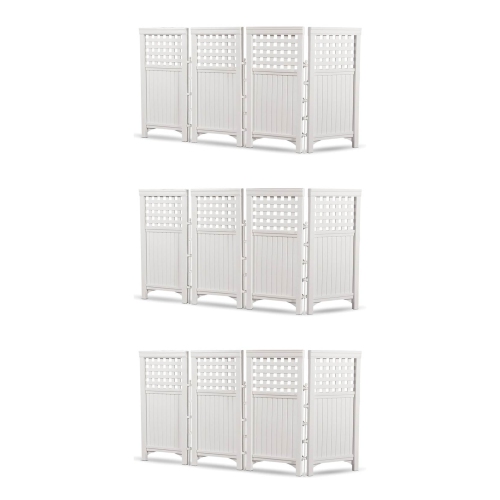
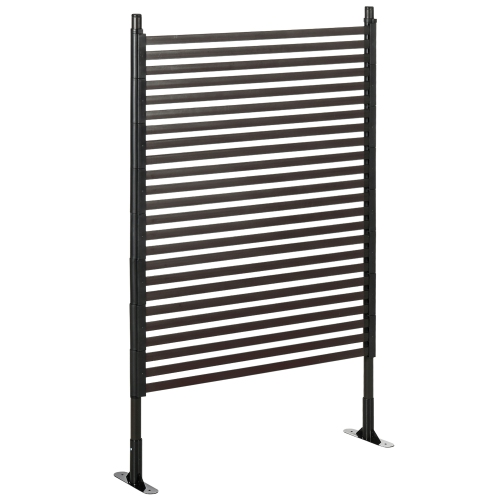
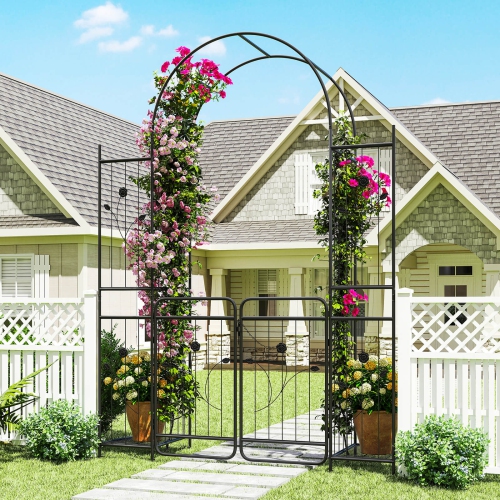
A privacy gate is a gate designed to limit outside sightlines while providing access through a fence, wall, or enclosed outdoor space. Solid panels, closely spaced boards, and overlapping slats can help screen a yard, garden, patio, or side passage from neighbouring properties and public walkways. Unlike an open picket or widely spaced metal gate, a privacy gate makes visual separation a central part of its design. The amount of screening depends on more than height: gaps between boards, clearance beneath the frame, and the angle of slats all affect what someone can see through the opening. A louvred design may obscure a straight-on view while leaving some visibility from the side, whereas a solid infill panel generally provides more complete screening through the gate itself. For a patio beside a shared walkway, that distinction can make the difference between a seating area that feels tucked away and one that remains visible to passersby. Privacy gates also create a clear entrance, helping distinguish a private courtyard from a common path or separate a garden from the rest of a yard. Their appearance is usually strongest when the height, panel pattern, finish, and hardware relate to the adjoining fence rather than looking like an unrelated addition. A horizontal design can carry the lines of a fence across an entrance, while vertical boards can suit a more traditional boundary. Matching is not always necessary, though; a contrasting frame can give an entrance definition without sacrificing screening. Homeowners may use these gates to make a small outdoor dining area feel more secluded, conceal a side-yard storage space, or establish a more deliberate boundary around a garden. Privacy and security are separate qualities: a panel that blocks views does not automatically resist forced entry, contain a pet, or satisfy the requirements for a pool barrier.
Material choice influences a privacy gate’s appearance, weight, upkeep, and long-term performance. Wood offers natural grain and can often be painted or stained to coordinate with fencing, trim, or nearby structures. Its suitability depends on the wood species, construction, protective finish, and attention to exposed edges and fastener holes. Wide wooden panels can be heavy, so the frame, hinges, and supporting posts need to be appropriate for the assembled gate rather than just its dimensions. Aluminium is comparatively lightweight and can work well where easier everyday operation is a priority, although the strength of the finished gate still depends on its frame and connections. Steel can provide a substantial structure, with protective coatings and care around scratches helping to limit corrosion. Vinyl panels offer a consistent surface that generally does not need painting, but their reinforcement, fastening points, and compatibility with the supporting frame deserve attention. Composite boards vary in composition and weight; manufacturer specifications are useful for understanding their support requirements, approved hardware, and care needs. No material is maintenance-free, and an attractive panel cannot compensate for loose posts or undersized hinges. A gate used several times a day benefits from sturdy joints, a comfortable handle, and hardware that can be adjusted as components settle with use. Routine care generally includes removing dirt with a suitable mild cleaner, checking fasteners, and looking for rubbing, sagging, or a latch that no longer lines up. Abrasive tools and harsh cleaners can damage some finishes, so cleaning methods should suit the material. Hinges and locks may have their own lubrication requirements, which can differ from those of the panels. On a painted or coated surface, small areas of damage are easier to address before they spread. For a gate beside a narrow passage, accessible hardware and easy-to-clean surfaces can matter as much as decorative details, especially when bicycles, gardening equipment, or household bins pass through regularly.
Fit begins with the opening and the structures supporting it. The clear distance between posts is not necessarily the required gate width, because hinges, latches, and operating clearances take up space. Measurements at the top, middle, and bottom can reveal an opening that is not square, while the finished ground level helps determine suitable clearance beneath the gate. That clearance needs to allow movement without creating an unsuitable gap for the intended use. The swing path matters just as much as the closed position: a gate may fit neatly between two posts yet catch on a raised paving stone, block a step, or strike a wall when opened. In a compact side yard, the direction of swing can affect whether someone can comfortably carry a laundry basket, wheel a bicycle, or move a garden cart through the entrance. A single gate suits many pedestrian openings, while a pair of gates can provide a wider passage when both leaves are open. Double gates also require attention to how the leaves meet and how the inactive leaf is secured. Posts and mounting surfaces must be capable of carrying the gate’s load; attaching heavy hardware to decorative cladding alone is not an adequate substitute for structural support. Latch placement should balance convenient operation with the needs of the household, and a lock should never prevent a required exit. Local requirements may affect gate height, placement, and permitted alterations, while shared properties can have additional approval rules. Where a gate serves a pool enclosure, dedicated barrier requirements take priority over appearance or screening. An outdoor privacy gate is also different from a Baby Gate, which is intended to restrict a young child’s access within suitable household openings when selected and installed for that purpose. Neither visual screening nor a closed latch establishes child-safety suitability. A well-matched privacy gate brings together the desired sightline coverage, a sound supporting structure, manageable upkeep, and an opening that works comfortably for everyday movement.
Top selling and popular products
-
 Your price for this item is $176.99
-
 Your price for this item is $99.98
-
 Your price for this item is $69.98
-
 Your price for this item is $67.99
-
 Your price for this item is $39.98
-
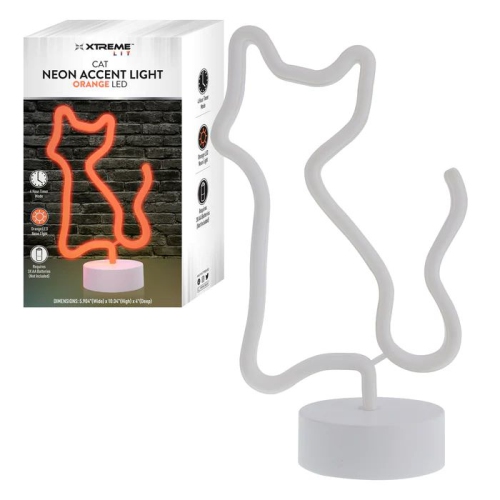 Your price for this item is $12.99
-
 Your price for this item is $299.99
-
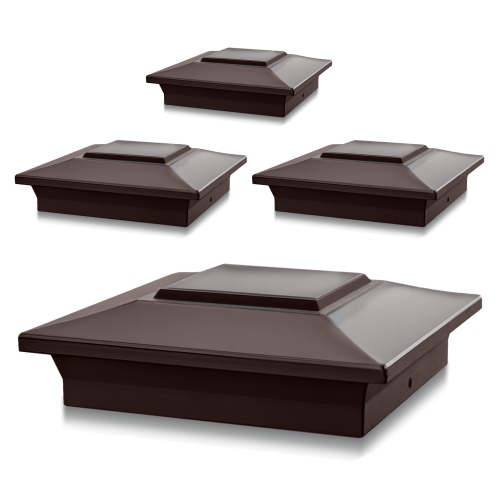 Your price for this item is $103.99
Discover more categories related to Privacy Gates

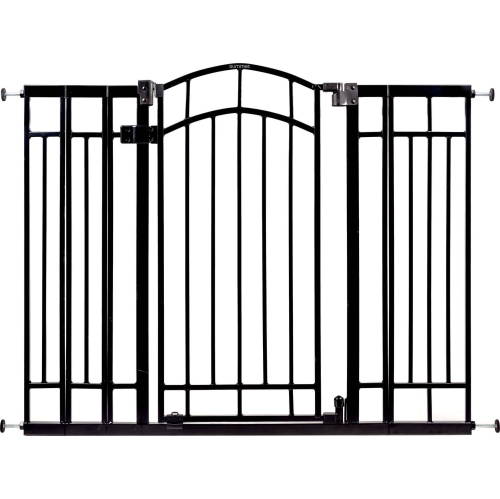

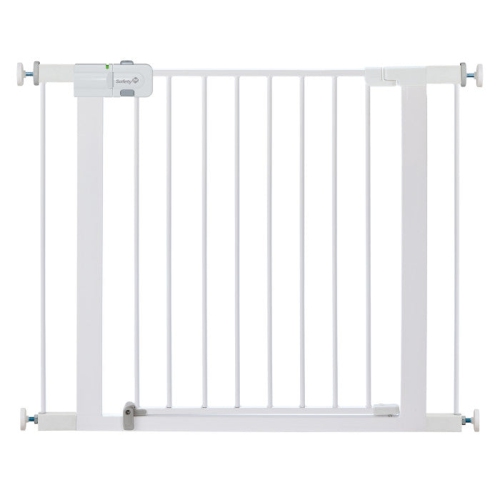
Top Collections:
Pokemon Centers, Best Cameras for Sports Photography, Kindle Devices, Samsung Galaxy Phones, Canon G7X Cameras, Pokémon 30th Celebration Cards, Refurbished Apple Laptops, iPhone 15 Apple, Laptops for Students, Budget Smartphones
Some products may be subject to Environmental Handling Fees
(EHF) depending on your province.
Learn more about EHFs.