Professional Mechanic Tools
Looking to take your mechanical skills to the next level? Look no further than our collection of professional mechanic tools. Whether you're a seasoned pro or just starting out, having the right tools is essential for any automotive repair or maintenance task. From wrenches and socket sets to diagnostic equipment and specialty tools, our selection offers everything you need to tackle any job with confidence. Explore our range of quality, durable, and precision-engineered tools that are designed to deliver exceptional performance and reliability. With these professional-grade tools at your disposal, you'll be well-equipped to handle any repair or maintenance project that comes your way.
Sort

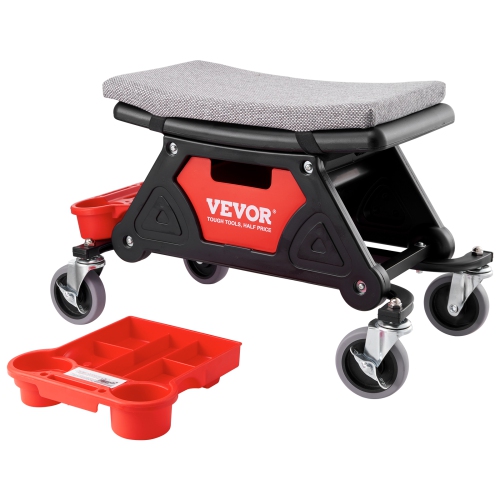
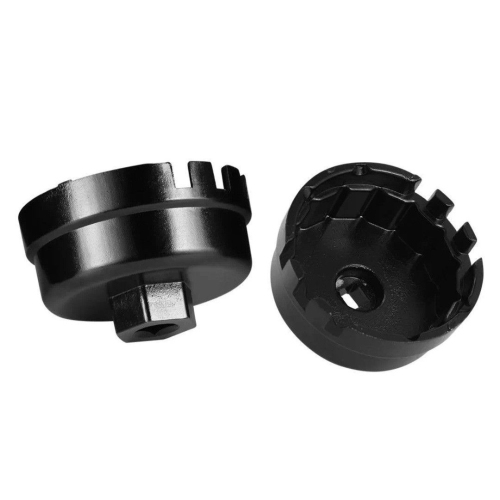
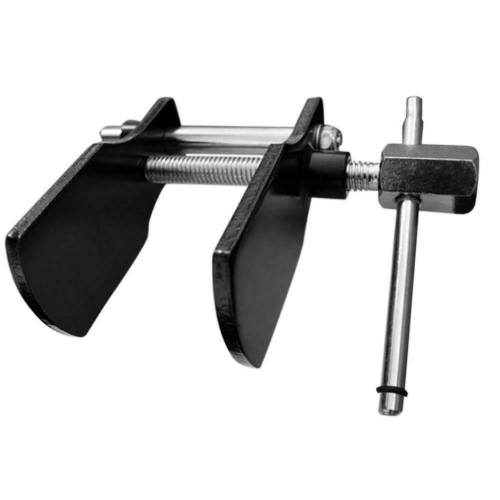
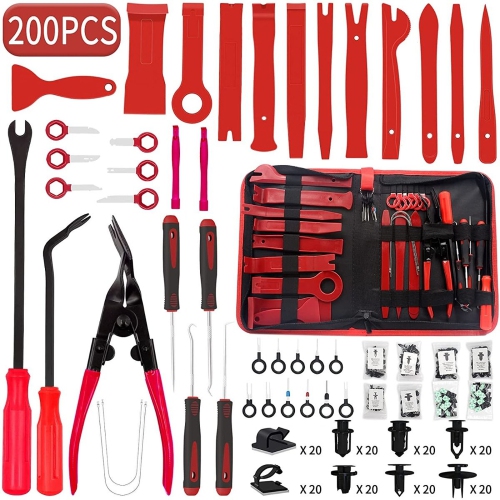
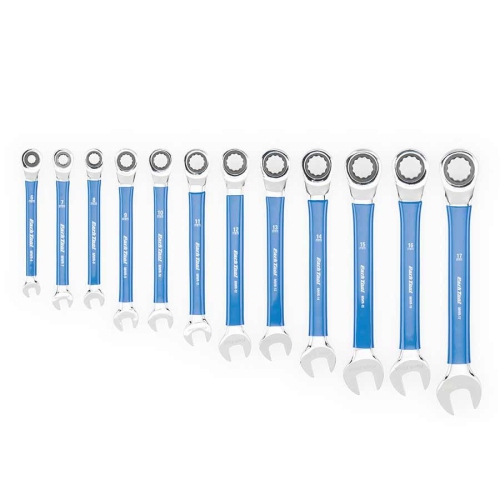
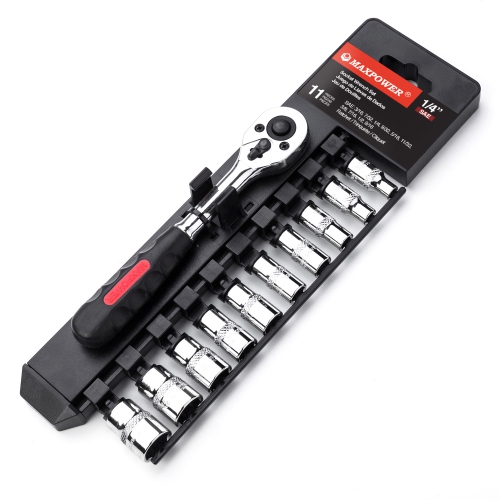
Why precise fit matters in everyday automotive repairs
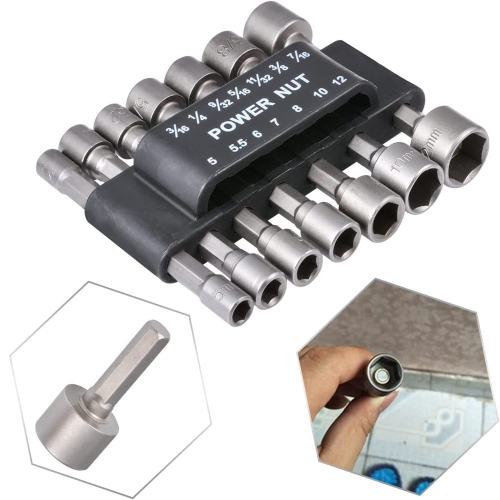
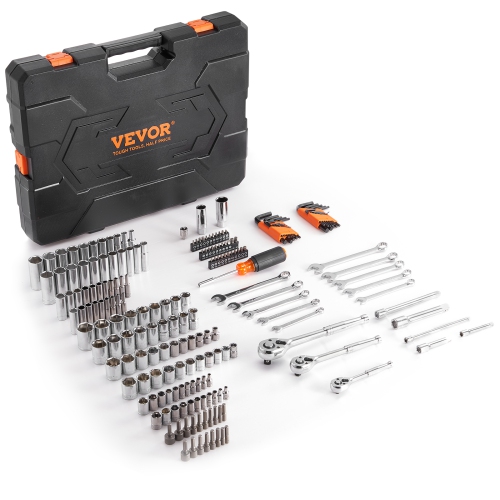
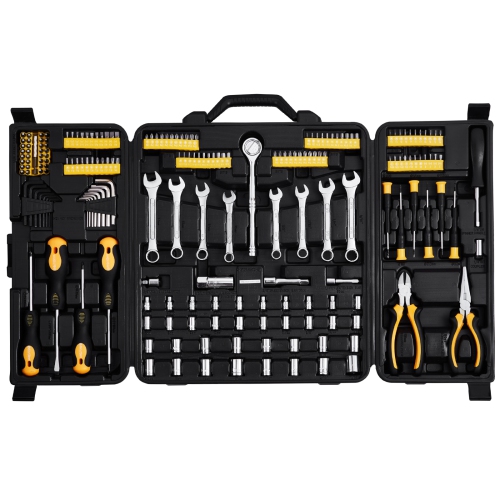
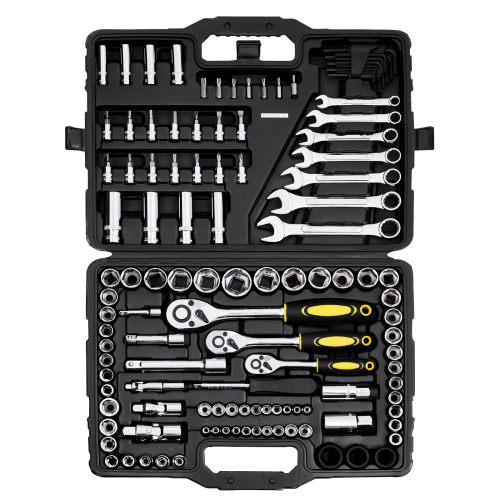
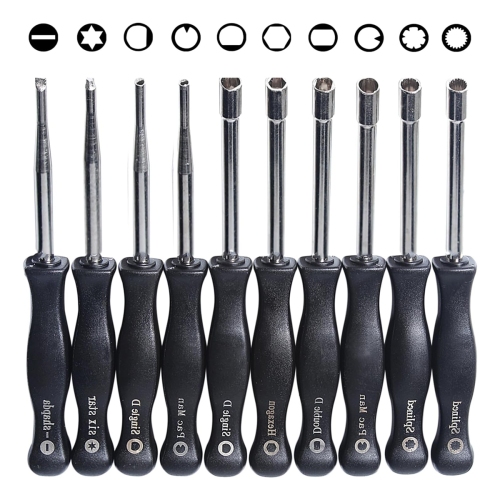
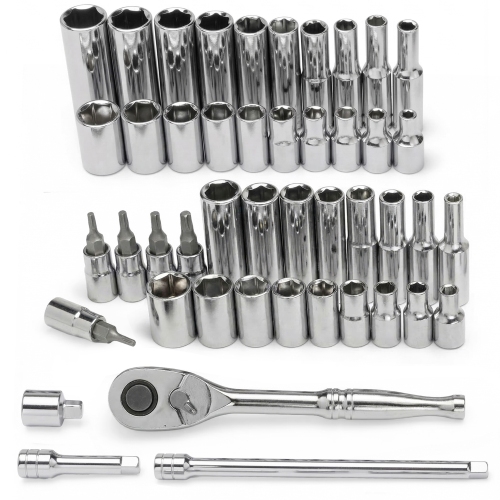
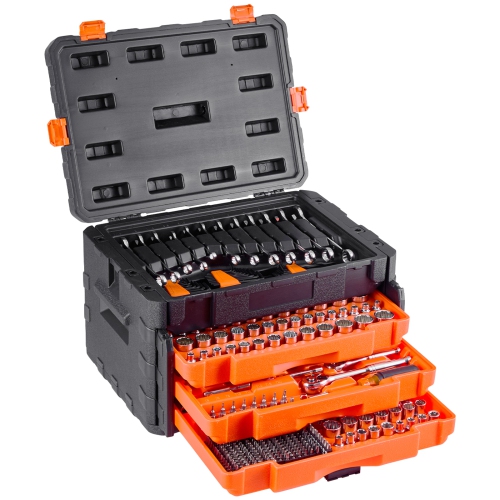
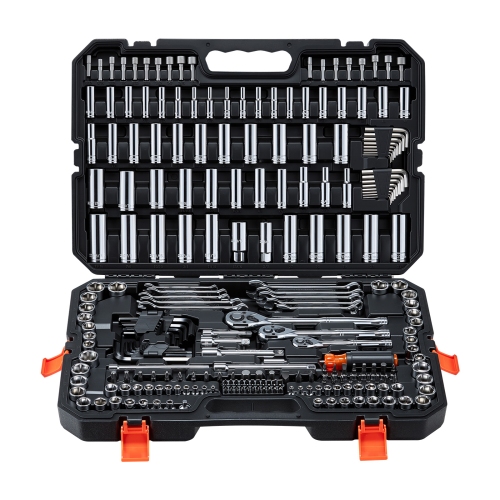
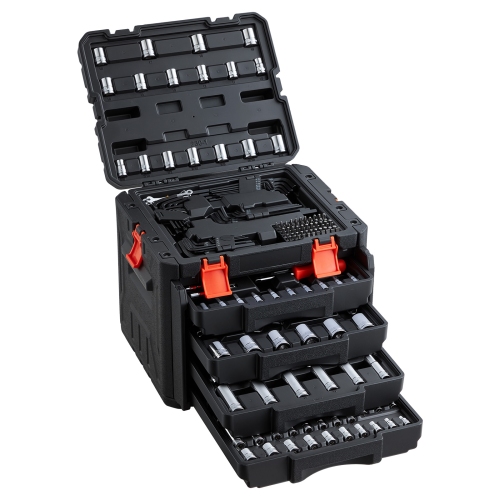
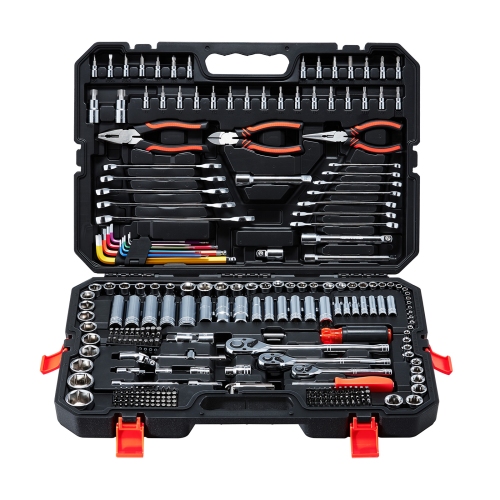
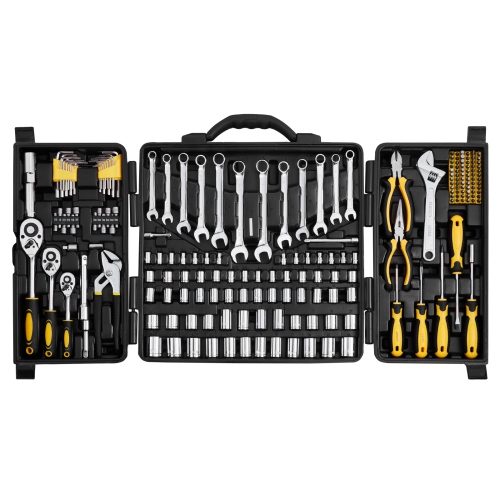
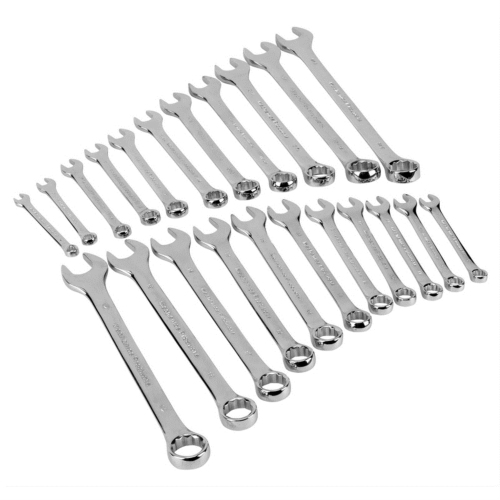
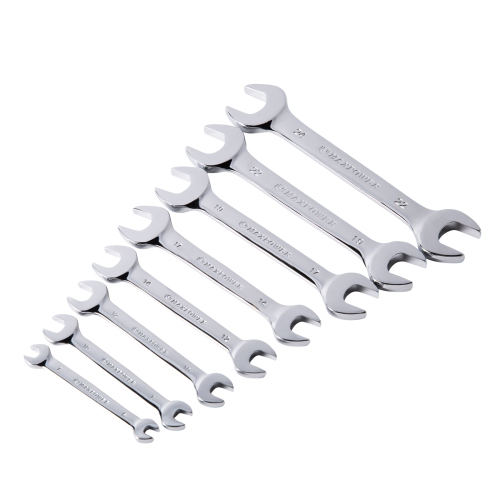
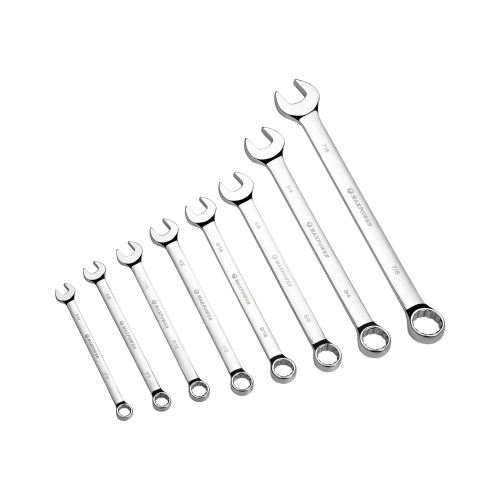
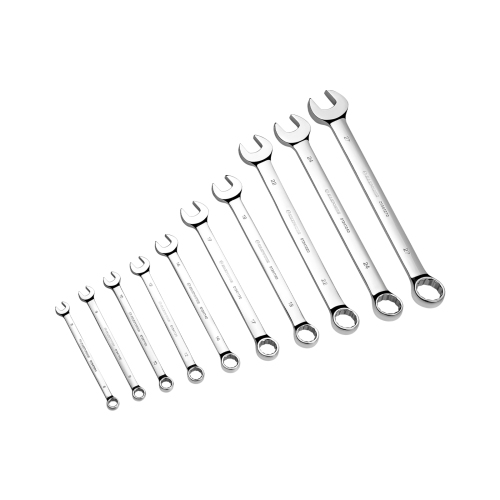
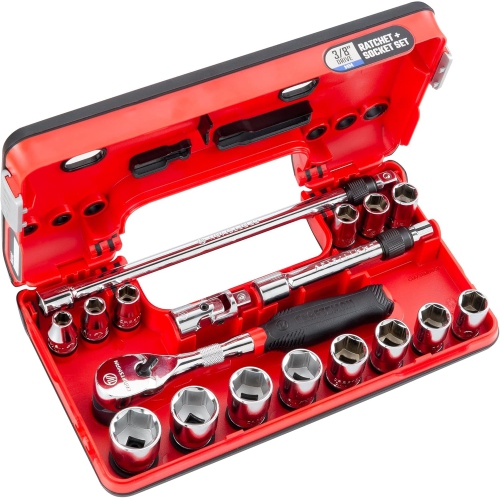
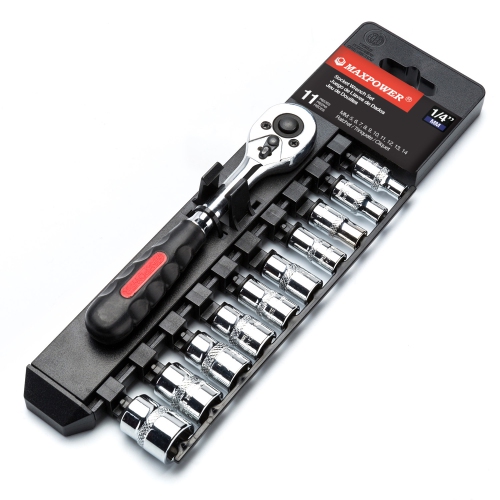
Professional mechanic tools are built for the repeated demands of automotive inspection, maintenance, diagnosis, and repair, where secure fit and dependable performance matter as much as strength. The category spans sockets and ratchets, combination wrenches, torque tools, pliers, powered fastening tools, diagnostic equipment, and storage designed to keep frequently used pieces within reach. For technicians working through several vehicles a day, the difference often comes down to practical details: a ratchet that turns a fastener without much handle movement, a wrench that sits securely on a nut, or a socket deep enough to clear a projecting stud. Common square-drive sizes include 1/4-inch for smaller fasteners and confined spaces, 3/8-inch for a broad range of general repairs, and 1/2-inch for applications requiring larger sockets and greater leverage. Drive size alone does not establish a tool’s torque capacity, so its rated limits still matter. Metric and SAE sizes serve different fasteners, and an exact match helps protect corners from rounding, particularly on hardware that has already seen years of service. Six-point sockets grip the flats of compatible hex fasteners, while shallow and deep profiles provide different combinations of clearance and reach. Fine-tooth ratchets need less swing space, which can make a noticeable difference beside an engine mount or behind an accessory bracket. Head thickness, handle length, and flex-head movement also affect access. Materials and finishing contribute to durability: chrome-vanadium steel is common in hand sockets and wrenches, while chrome-molybdenum steel is often used in impact sockets. Alloy names are only part of the picture, alongside heat treatment, manufacturing tolerances, and the intended application. Smooth plated finishes on hand tools are easier to wipe clean, while clearly marked sizes help distinguish neighbouring sockets in a busy drawer. Broader Automotive Tools also support the surrounding tasks, from inspection and fluid service to the small adjustments that keep repair work moving.
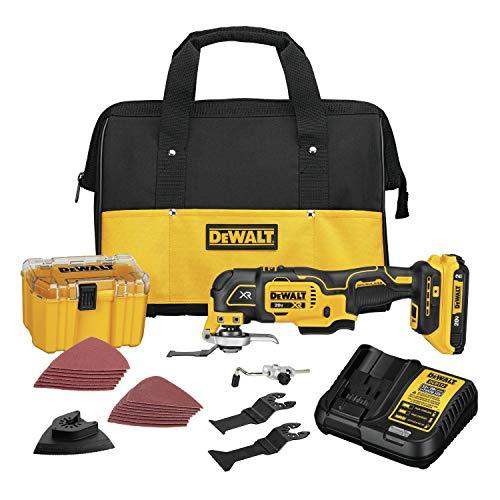
Professional automotive work involves more than loosening and tightening hardware. Torque wrenches support controlled assembly by applying a specified amount of turning force, helping technicians follow vehicle service requirements for wheel fasteners, engine components, and other joints. The useful working range, measurement units, accuracy specification, and calibration requirements are more meaningful than handle length alone. Some procedures also require angle measurement after an initial torque stage, making the service procedure an important part of tool selection. A torque wrench is a measuring instrument rather than a substitute for a breaker bar, and its long-term accuracy depends on appropriate handling and care. Powered tools serve a different role, helping reduce repetitive effort during removal and assembly. Cordless impact wrenches offer mobility around a vehicle, while pneumatic tools depend on a suitable air supply, hose, and fittings. Tool weight, balance, trigger control, and head size affect comfort when working beneath a vehicle or reaching across an engine bay. Impact-rated sockets and accessories are necessary with impact tools; ordinary hand sockets are not designed for that repeated loading. Diagnostic equipment adds another layer of capability. OBD-II code readers can retrieve supported vehicle trouble codes, while more capable scan tools may display live sensor readings, access additional control modules, or perform supported bidirectional tests. A trouble code identifies a detected condition, not necessarily the component that needs replacement. Vehicle year, make, model, system coverage, and software requirements determine whether a scanner suits a particular job. Electrical testing tools likewise need ratings and functions appropriate to the circuit being checked, and hybrid or electric vehicle high-voltage work requires specific training and equipment. Inspection lighting can be just as valuable as a more complex instrument when a leak or damaged connector is hidden behind other components. Together, mechanical and diagnostic tools support a methodical repair process, with each type serving a distinct purpose rather than replacing service information, sound judgement, or appropriate safety equipment.
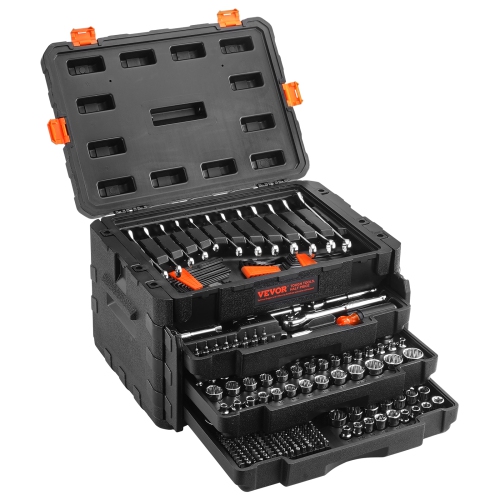
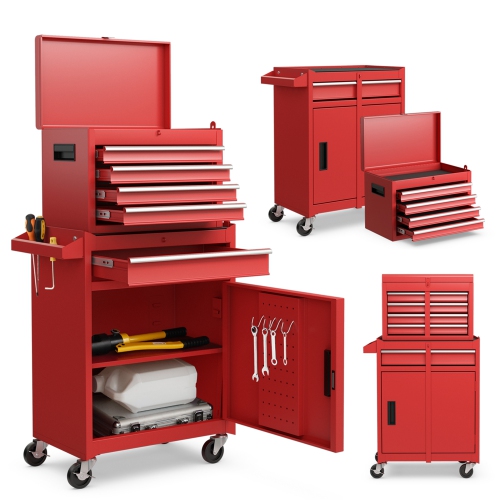
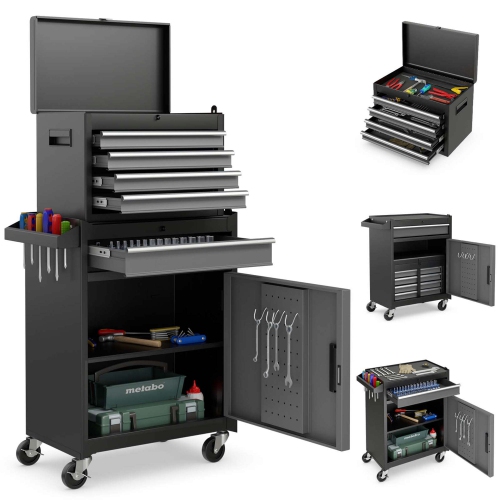
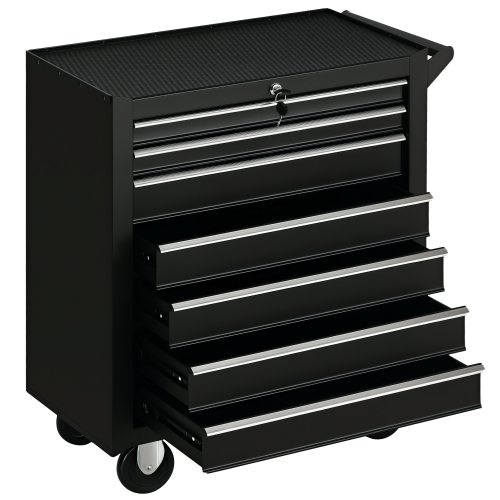
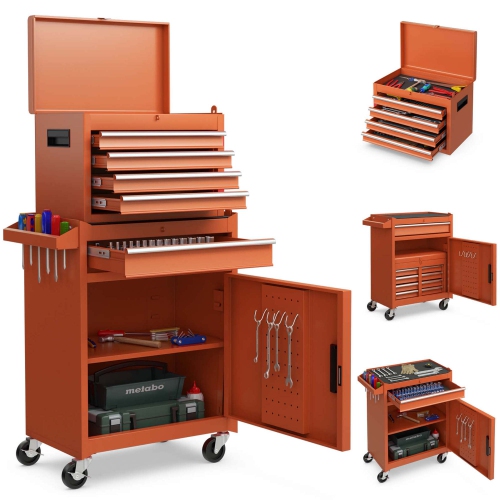
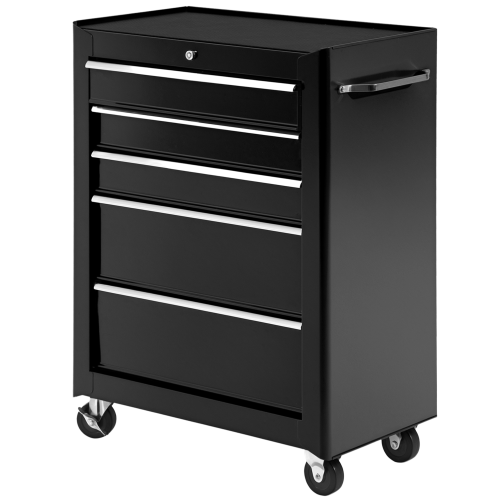
A well-organized professional mechanic tool collection reflects the work its owner actually performs. An apprentice may need broad coverage of everyday socket, wrench, and plier sizes, while an experienced technician may place greater value on access tools, diagnostic functions, or equipment suited to a particular vehicle system. Fleet maintenance, passenger vehicle repair, and work on older vehicles can each call for a different balance of sizes and capabilities. Set size tells only part of that story: useful coverage, duplicate working sizes, and the mix of shallow sockets, deep sockets, extensions, and adapters matter more than the total piece count. Storage shapes the daily experience, too. Fitted trays, socket rails, and divided drawers make a missing piece easier to spot before a vehicle leaves the bay. Readable markings and a consistent layout save time when hands are gloved or a task involves moving repeatedly between a bench and the vehicle. Portable cases suit tools that travel between locations, while workshop cabinets need drawer capacity and load ratings appropriate to their contents. Handles should feel secure without pressure points, and grip materials should be suitable for the oils and cleaning agents likely to contact them. During the cooler months, road salt and moisture carried into a garage make cleaning and dry storage especially worthwhile. Wiping tools after use, removing debris from moving parts, and following the manufacturer’s lubrication instructions help preserve smooth operation. Damaged drive ends, cracked sockets, loose handles, and worn gripping surfaces deserve attention before another demanding task. Measuring tools benefit from protective storage and calibration at the intervals specified for their use, while battery packs require charging and storage within their stated temperature limits. For a skilled home mechanic, these same considerations support careful weekend maintenance and more involved restoration projects. Tools can also make thoughtful gifts for an apprentice or an automotive enthusiast when the selection matches their existing drive sizes, battery platform, storage layout, and usual repairs. The most useful collection feels coherent at the workbench: essential sizes close at hand, task-specific tools easy to identify, and equipment chosen for the jobs it is designed to perform.
Professional automotive work involves more than loosening and tightening hardware. Torque wrenches support controlled assembly by applying a specified amount of turning force, helping technicians follow vehicle service requirements for wheel fasteners, engine components, and other joints. The useful working range, measurement units, accuracy specification, and calibration requirements are more meaningful than handle length alone. Some procedures also require angle measurement after an initial torque stage, making the service procedure an important part of tool selection. A torque wrench is a measuring instrument rather than a substitute for a breaker bar, and its long-term accuracy depends on appropriate handling and care. Powered tools serve a different role, helping reduce repetitive effort during removal and assembly. Cordless impact wrenches offer mobility around a vehicle, while pneumatic tools depend on a suitable air supply, hose, and fittings. Tool weight, balance, trigger control, and head size affect comfort when working beneath a vehicle or reaching across an engine bay. Impact-rated sockets and accessories are necessary with impact tools; ordinary hand sockets are not designed for that repeated loading. Diagnostic equipment adds another layer of capability. OBD-II code readers can retrieve supported vehicle trouble codes, while more capable scan tools may display live sensor readings, access additional control modules, or perform supported bidirectional tests. A trouble code identifies a detected condition, not necessarily the component that needs replacement. Vehicle year, make, model, system coverage, and software requirements determine whether a scanner suits a particular job. Electrical testing tools likewise need ratings and functions appropriate to the circuit being checked, and hybrid or electric vehicle high-voltage work requires specific training and equipment. Inspection lighting can be just as valuable as a more complex instrument when a leak or damaged connector is hidden behind other components. Together, mechanical and diagnostic tools support a methodical repair process, with each type serving a distinct purpose rather than replacing service information, sound judgement, or appropriate safety equipment.
A well-organized professional mechanic tool collection reflects the work its owner actually performs. An apprentice may need broad coverage of everyday socket, wrench, and plier sizes, while an experienced technician may place greater value on access tools, diagnostic functions, or equipment suited to a particular vehicle system. Fleet maintenance, passenger vehicle repair, and work on older vehicles can each call for a different balance of sizes and capabilities. Set size tells only part of that story: useful coverage, duplicate working sizes, and the mix of shallow sockets, deep sockets, extensions, and adapters matter more than the total piece count. Storage shapes the daily experience, too. Fitted trays, socket rails, and divided drawers make a missing piece easier to spot before a vehicle leaves the bay. Readable markings and a consistent layout save time when hands are gloved or a task involves moving repeatedly between a bench and the vehicle. Portable cases suit tools that travel between locations, while workshop cabinets need drawer capacity and load ratings appropriate to their contents. Handles should feel secure without pressure points, and grip materials should be suitable for the oils and cleaning agents likely to contact them. During the cooler months, road salt and moisture carried into a garage make cleaning and dry storage especially worthwhile. Wiping tools after use, removing debris from moving parts, and following the manufacturer’s lubrication instructions help preserve smooth operation. Damaged drive ends, cracked sockets, loose handles, and worn gripping surfaces deserve attention before another demanding task. Measuring tools benefit from protective storage and calibration at the intervals specified for their use, while battery packs require charging and storage within their stated temperature limits. For a skilled home mechanic, these same considerations support careful weekend maintenance and more involved restoration projects. Tools can also make thoughtful gifts for an apprentice or an automotive enthusiast when the selection matches their existing drive sizes, battery platform, storage layout, and usual repairs. The most useful collection feels coherent at the workbench: essential sizes close at hand, task-specific tools easy to identify, and equipment chosen for the jobs it is designed to perform.
Top selling and popular products
-
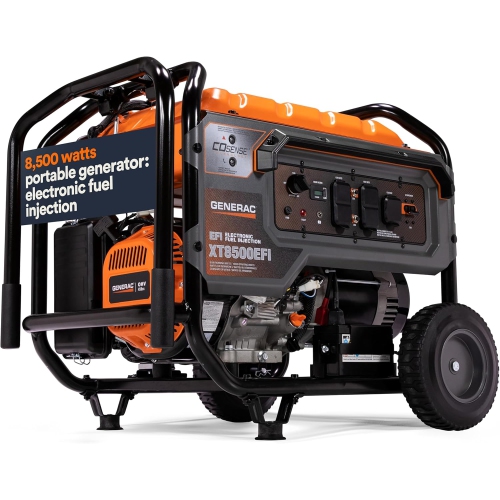 Your price for this item is $3000
 -
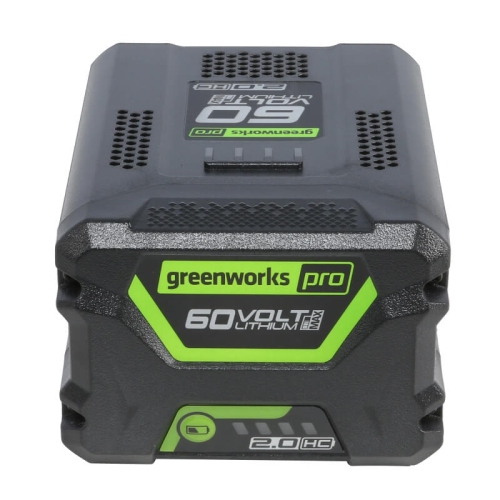 Your price for this item is $124.45
 -
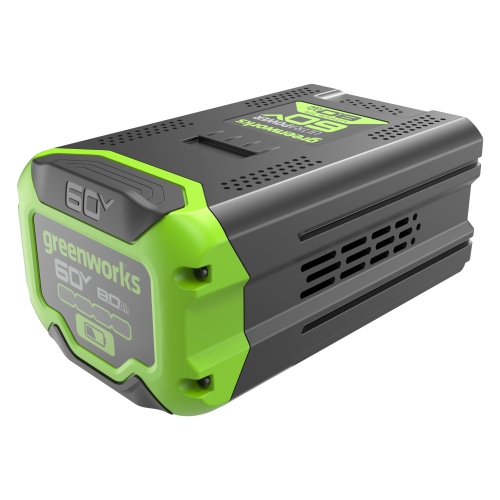 Your price for this item is $329.99
 -
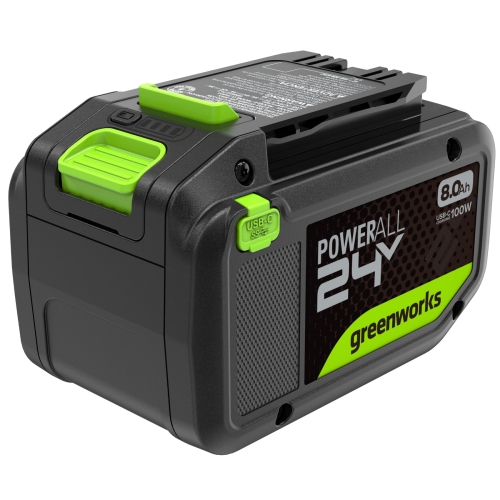 Your price for this item is $139.99
 -
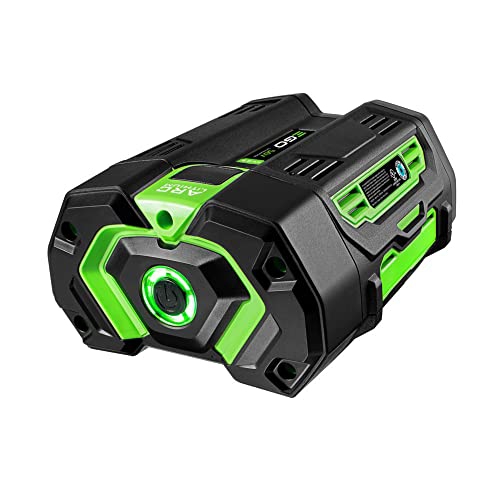 Your price for this item is $264
 -
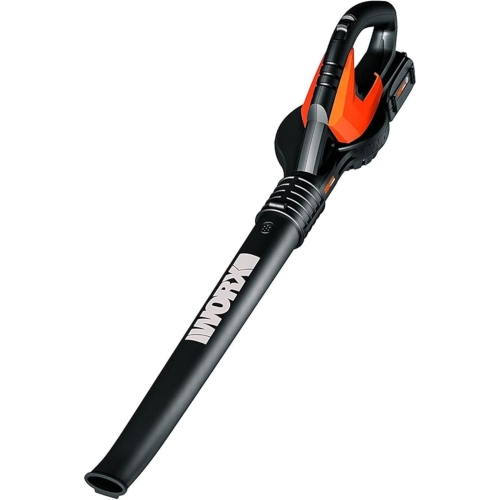 Your price for this item is $217.55
 -
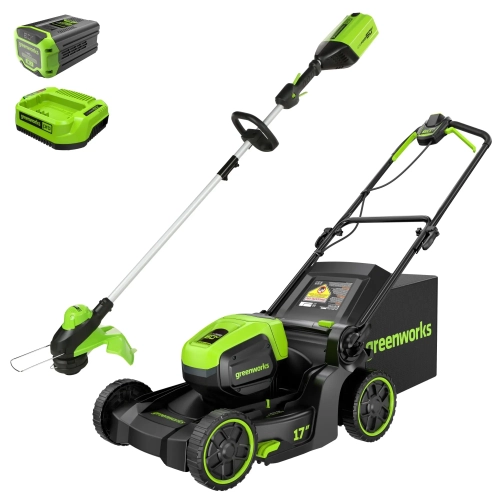 Your price for this item is $739.99
 -
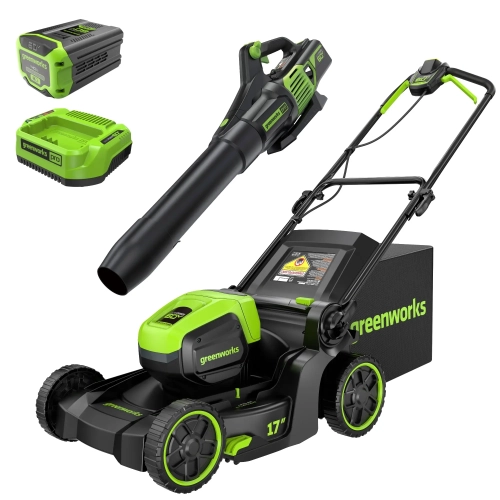 Your price for this item is $599.99
Discover more categories related to Professional Mechanic Tools
Top Collections:
Pokemon Centers, Kindle Devices, Best Budget Office Chairs, Apple iPhones 16, Best Laptops for Writers, iPhone 15 Apple, Canon G7X Cameras, Refurbished Apple Laptops, Alarm Clock, Motorola Razr Phones
Some products may be subject to Environmental Handling Fees
(EHF) depending on your province.
Learn more about EHFs.