Pruning Chainsaws
When it comes to tackling tough outdoor tasks like tree pruning and cutting firewood, a pruning chainsaw is an essential tool for any homeowner or professional landscaper. These versatile machines combine the power of a chainsaw with the precision of pruning shears, making them ideal for trimming branches, shaping shrubs, and maintaining trees with ease. Whether you're a seasoned arborist or a weekend warrior looking to spruce up your yard, a pruning chainsaw offers efficiency and convenience for all your cutting needs. Explore our selection of pruning chainsaws to find the perfect tool for your next outdoor project.
Sort

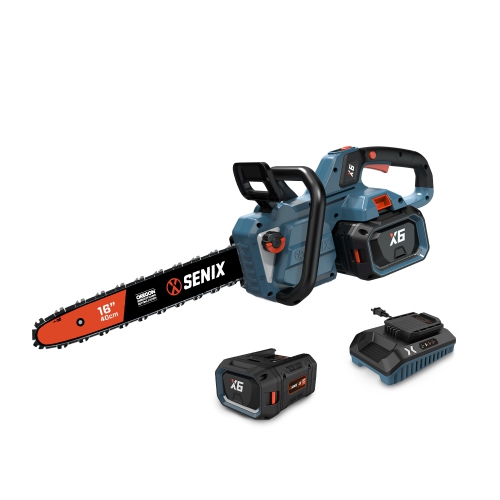
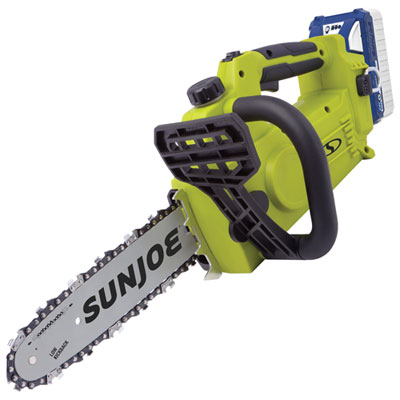
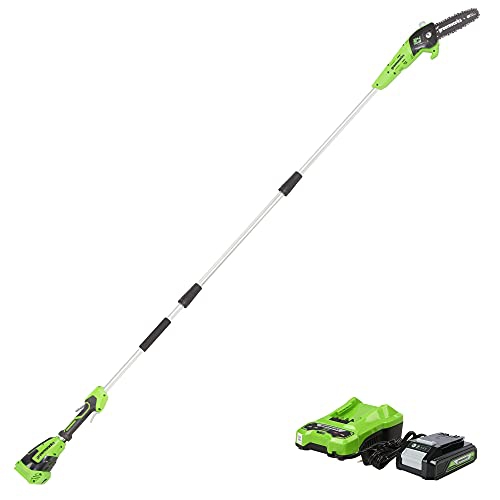
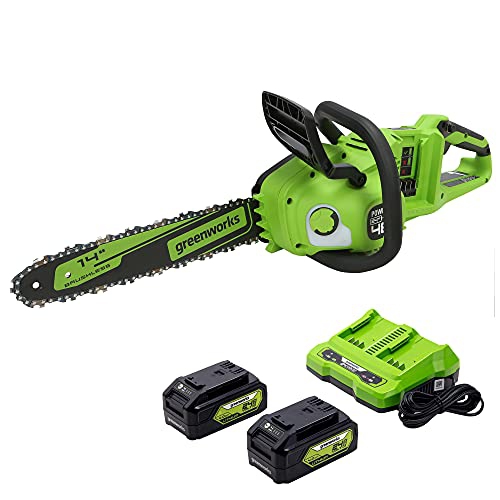
![SHITU [Wireless Mini Chainsaw Kit] Portable Cordless Handheld Chainsaw w 2 Upgraded Batteries, Plastic Carry Case & 2 Chains | Ideal for Tree](https://multimedia.bbycastatic.ca/multimedia/products/500x500/195/19579/19579804.webp)
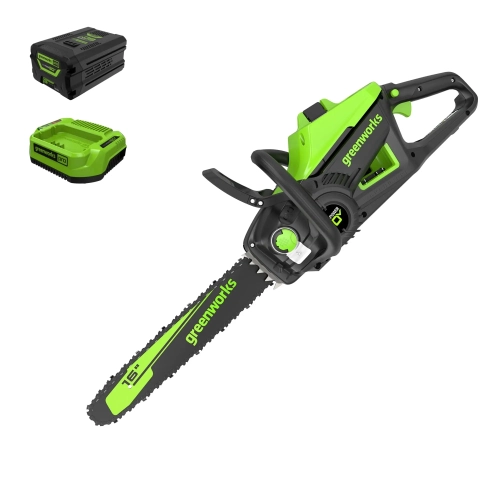
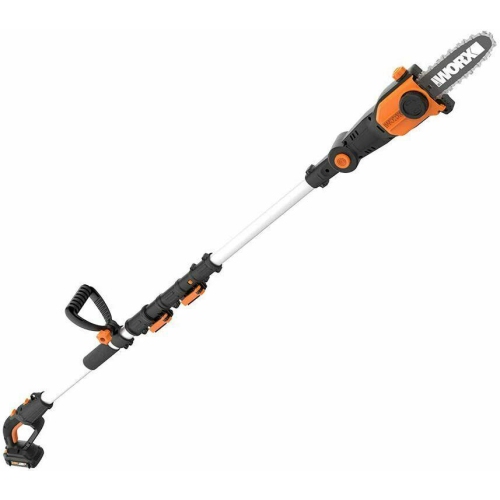
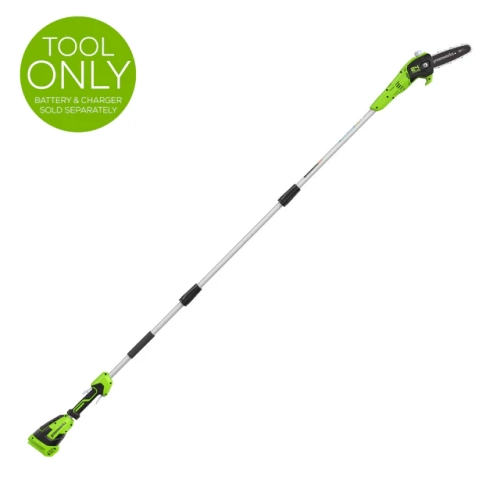
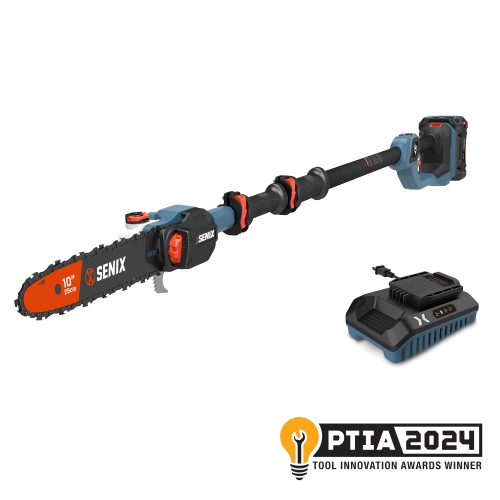
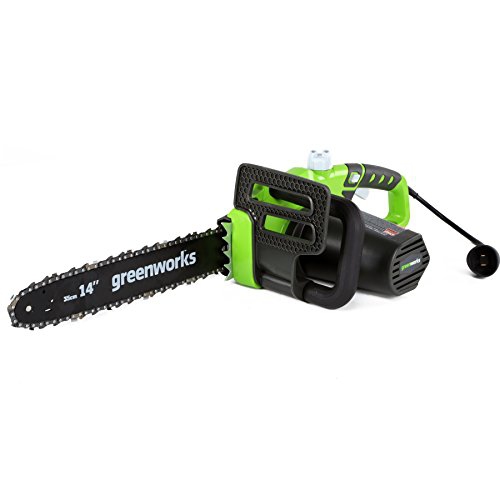
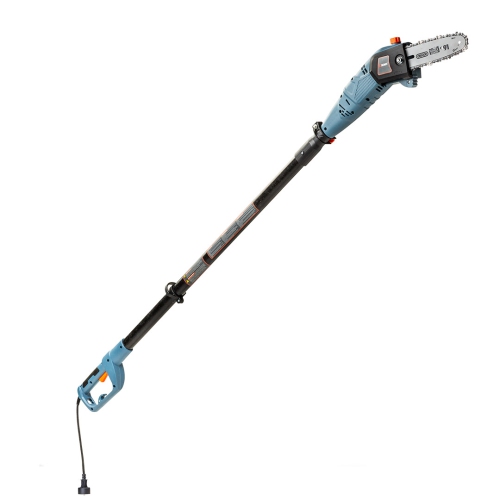
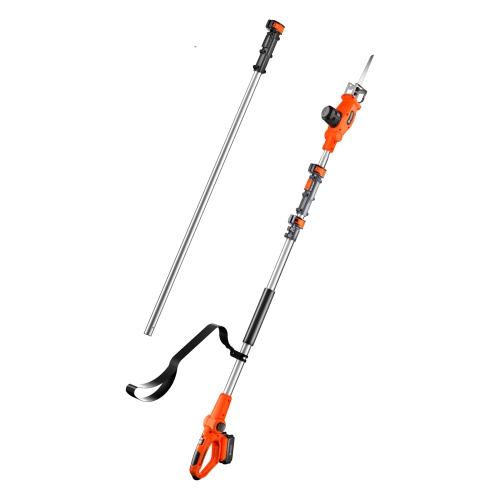
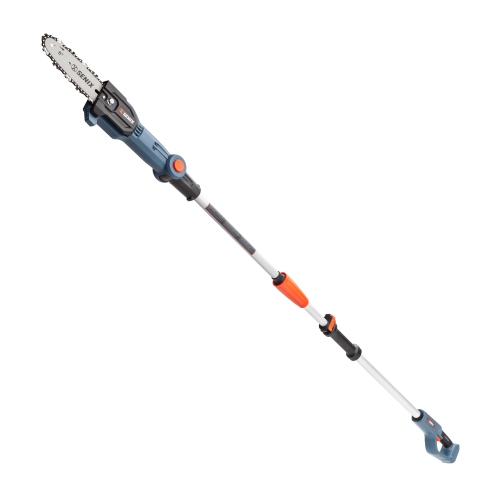
Compact cutting power for precise branch trimming and yard clearing
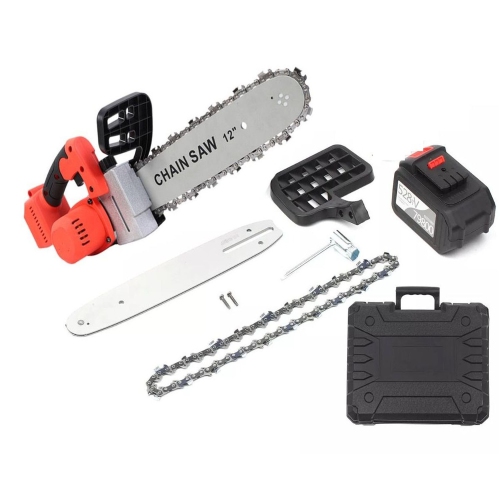
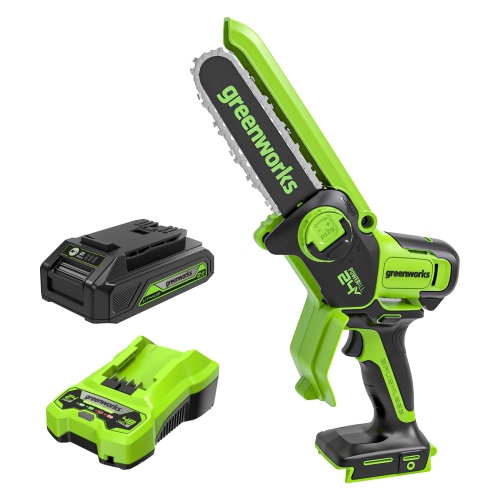
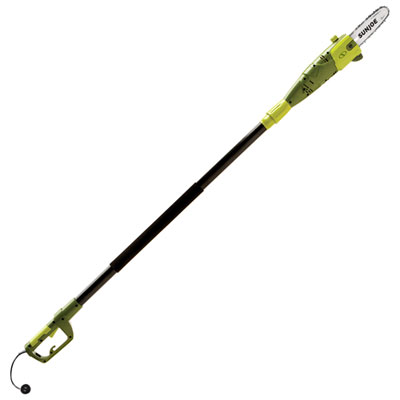
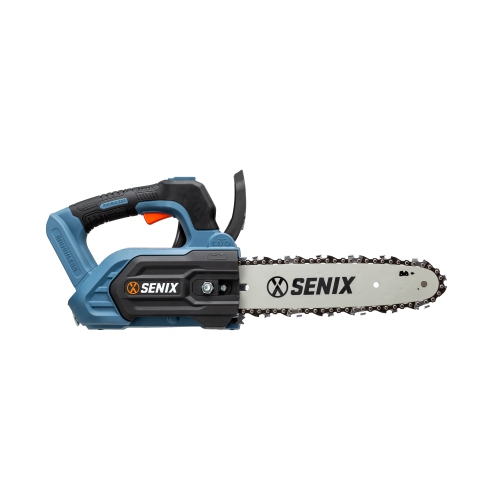
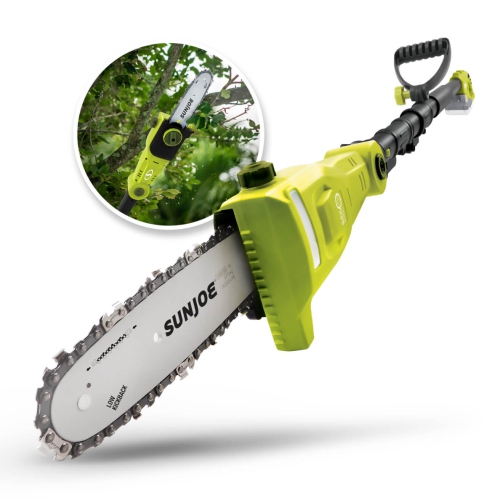
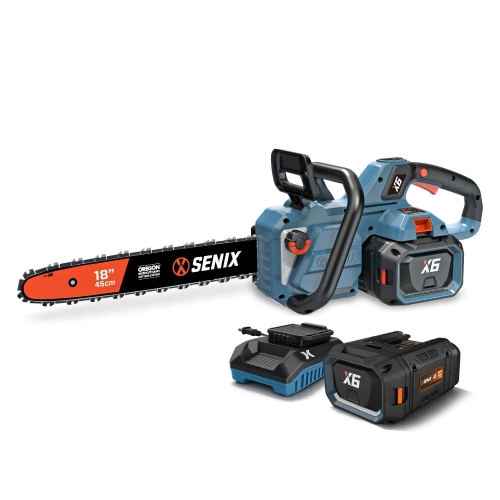
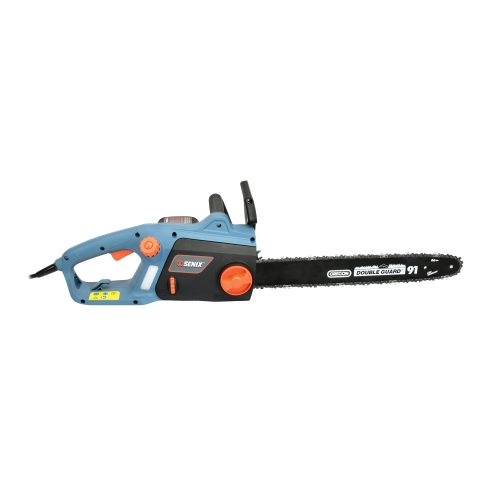
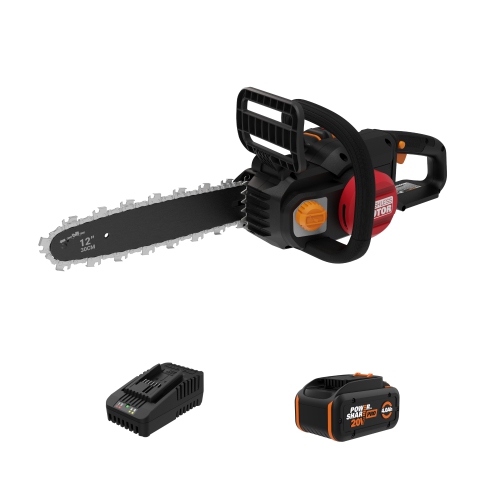
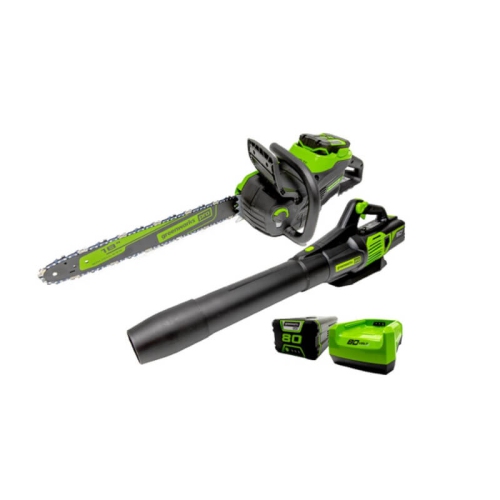
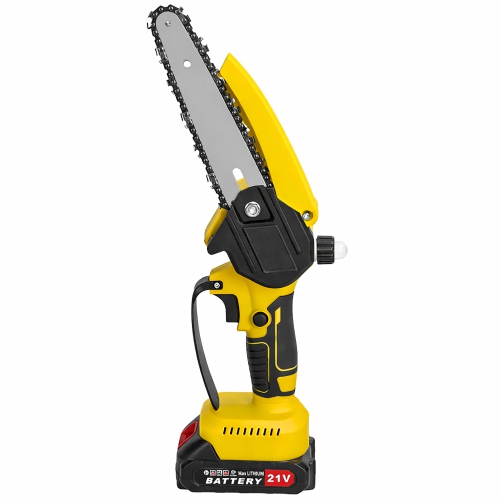
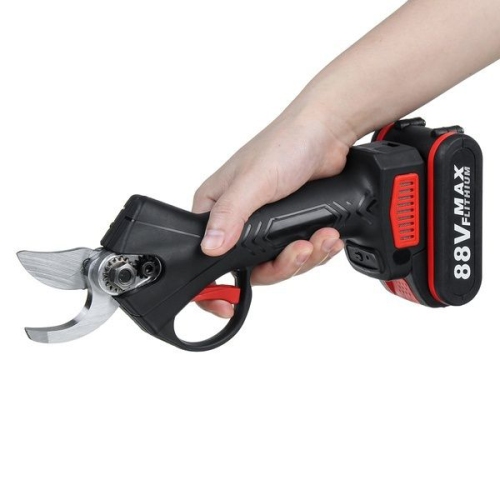
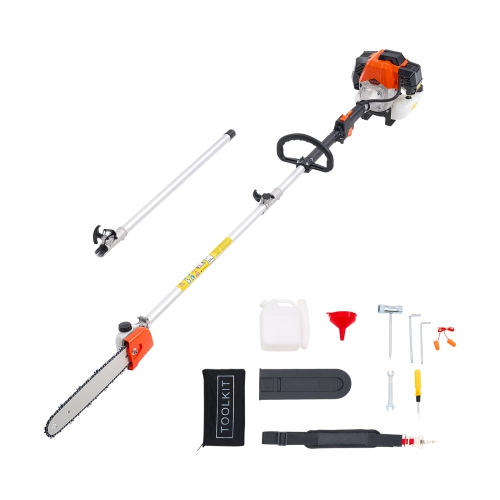
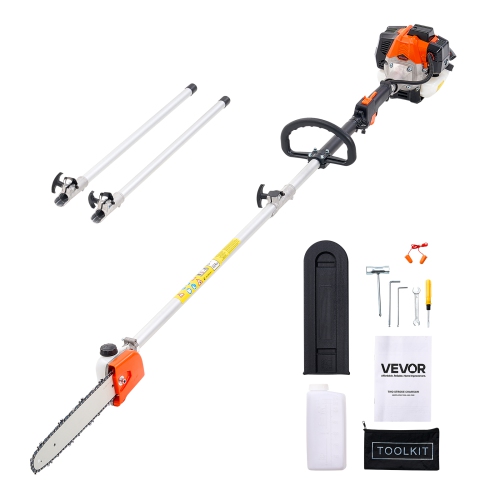
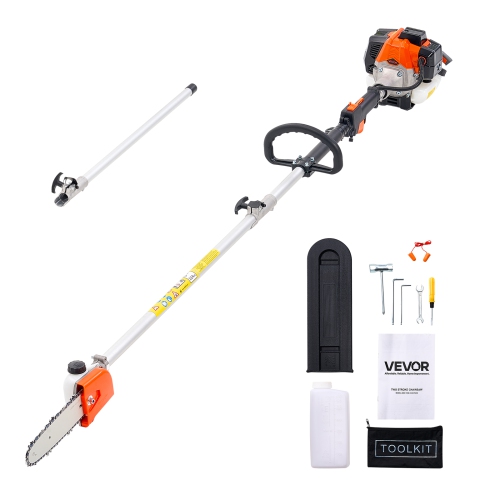
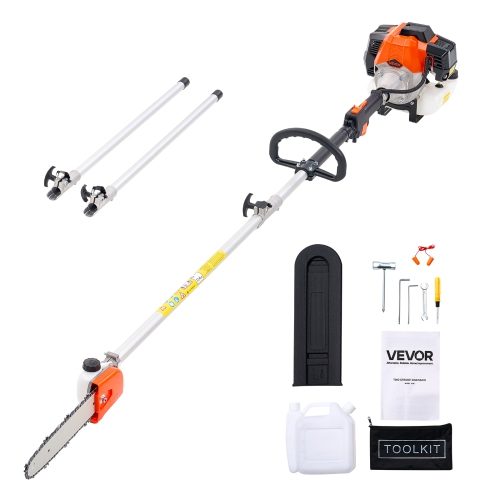
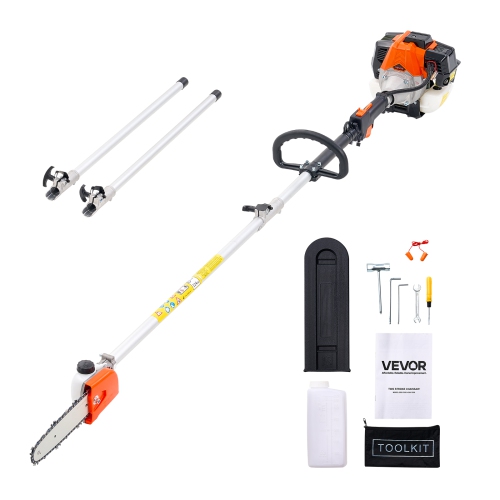
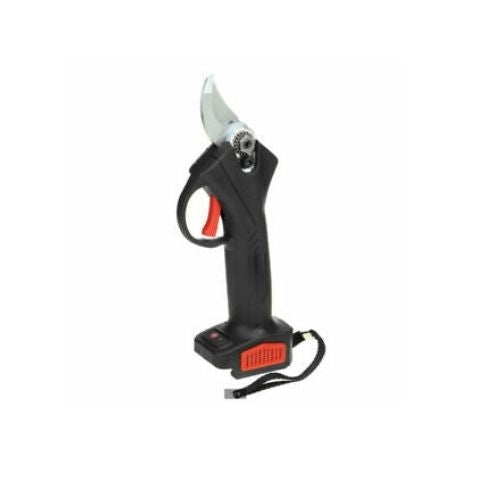
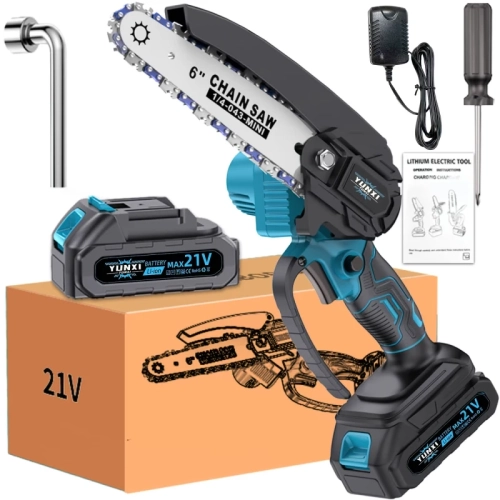
Pruning chainsaws are compact cutting tools designed for branch trimming, light yard clearing, and other jobs that can feel awkward with a full-size chainsaw or a traditional hand saw. Their smaller profile makes them easier to guide around crowded branches, shrubs, fence lines, and garden beds, while a short guide bar can provide the control needed for precise cuts in tighter spaces. Many cordless pruning chainsaws are built for one-handed operation, though using two hands whenever the design allows can improve balance and control. Depending on the bar length and cutting capacity, these tools are generally suited to branches and small logs measuring roughly 4 to 8 inches thick. A 4- or 6-inch bar can be a practical choice for light pruning, narrow gaps, and quick touch-ups, while an 8-inch bar can move through larger limbs more efficiently. They are useful for homeowners maintaining mature trees, gardeners clearing overgrown growth, property owners dealing with storm-damaged branches, and anyone who regularly prepares firewood or clears brush from a rural or suburban property. A compact pruning chainsaw can also be a thoughtful gift for a new homeowner, an avid gardener, or someone who enjoys keeping a yard neat without bringing out a larger, heavier tool for every task. For smaller twigs and delicate stems, a pair of Pruning Shears may be more suitable, while a pruning chainsaw is better matched to woody limbs that require powered cutting.
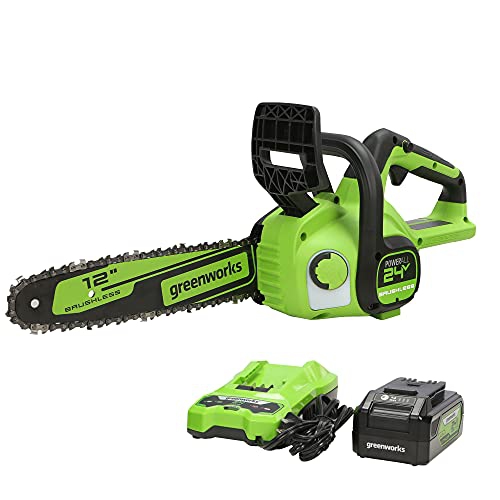
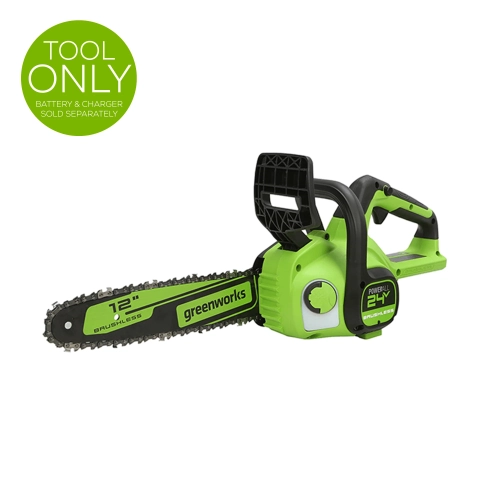
When comparing pruning chainsaws, start with the size and type of material you expect to cut. A short bar is easier to manoeuvre and can be especially comfortable for overhead-free work close to the ground, around dense branches, or in areas where a longer tool may catch on surrounding growth. A longer bar offers more reach across wider limbs, but it can also add weight and require more space to operate safely. Battery-powered models are popular for home use because they start at the press of a control, avoid the need to mix fuel, and are generally convenient to carry from one side of the property to another. If you already own compatible cordless tools, choosing a pruning chainsaw that uses the same battery platform may allow you to share batteries and chargers, which can make storage and charging simpler. Check whether the listing includes a battery and charger or whether the tool is sold on its own, since this affects the complete setup you will need. Battery capacity, measured in amp-hours, can influence how long the tool runs between charges, while a brushless motor may provide efficient performance and reduced maintenance compared with some brushed designs. Weight matters just as much as cutting power; a tool that feels manageable for the first few cuts may become tiring during a longer session, particularly when working at shoulder height. Look for a balanced handle, a comfortable grip, a visible chain-tension adjustment, and controls that are easy to identify while wearing work gloves. An automatic oiler can reduce the need for frequent manual oil application, although the chain still needs regular inspection and the oil reservoir must be maintained according to the instructions. A chain brake, hand guard, trigger lock, and protective sheath are useful features to look for, but they do not replace careful handling, proper clothing, or the operating guidance supplied with the tool.
Before cutting, inspect the branch and the surrounding area for hidden wire, fencing, nails, loose bark, unstable limbs, and anything that could shift when the cut is completed. Keep children, pets, and bystanders well away from the work area, and avoid cutting above shoulder height or from a ladder. Stable footing is particularly important on damp grass, uneven ground, and leaf-covered paths during the cooler months. Wear eye and hearing protection, sturdy footwear, gloves that allow secure control, and suitable clothing that will not catch on branches or moving parts. Never force the chain through wood; let the tool do the cutting while you maintain a firm, controlled grip. Branches under tension can move suddenly as they separate, and larger limbs may require a planned series of cuts or the help of a qualified professional. Do not use a pruning chainsaw in rain or other conditions that are outside the manufacturer’s instructions, and remove the battery before cleaning, clearing a jam, adjusting the chain, or transporting the tool. After each use, brush away sawdust and debris, check the chain for sharpness and damage, inspect the bar and fasteners, and store the tool with its guard in place in a dry location. During the transition from warmer weather to cooler conditions, pruning chainsaws can be useful for tidying fallen limbs, clearing brush from walkways, and preparing outdoor areas for winter, while careful planning helps prevent rushed cuts when daylight is limited. By matching the bar length, power system, battery arrangement, safety features, and overall weight to the work at hand, you can choose a compact cutting tool that feels practical for routine property maintenance and occasional heavier pruning.
When comparing pruning chainsaws, start with the size and type of material you expect to cut. A short bar is easier to manoeuvre and can be especially comfortable for overhead-free work close to the ground, around dense branches, or in areas where a longer tool may catch on surrounding growth. A longer bar offers more reach across wider limbs, but it can also add weight and require more space to operate safely. Battery-powered models are popular for home use because they start at the press of a control, avoid the need to mix fuel, and are generally convenient to carry from one side of the property to another. If you already own compatible cordless tools, choosing a pruning chainsaw that uses the same battery platform may allow you to share batteries and chargers, which can make storage and charging simpler. Check whether the listing includes a battery and charger or whether the tool is sold on its own, since this affects the complete setup you will need. Battery capacity, measured in amp-hours, can influence how long the tool runs between charges, while a brushless motor may provide efficient performance and reduced maintenance compared with some brushed designs. Weight matters just as much as cutting power; a tool that feels manageable for the first few cuts may become tiring during a longer session, particularly when working at shoulder height. Look for a balanced handle, a comfortable grip, a visible chain-tension adjustment, and controls that are easy to identify while wearing work gloves. An automatic oiler can reduce the need for frequent manual oil application, although the chain still needs regular inspection and the oil reservoir must be maintained according to the instructions. A chain brake, hand guard, trigger lock, and protective sheath are useful features to look for, but they do not replace careful handling, proper clothing, or the operating guidance supplied with the tool.
Before cutting, inspect the branch and the surrounding area for hidden wire, fencing, nails, loose bark, unstable limbs, and anything that could shift when the cut is completed. Keep children, pets, and bystanders well away from the work area, and avoid cutting above shoulder height or from a ladder. Stable footing is particularly important on damp grass, uneven ground, and leaf-covered paths during the cooler months. Wear eye and hearing protection, sturdy footwear, gloves that allow secure control, and suitable clothing that will not catch on branches or moving parts. Never force the chain through wood; let the tool do the cutting while you maintain a firm, controlled grip. Branches under tension can move suddenly as they separate, and larger limbs may require a planned series of cuts or the help of a qualified professional. Do not use a pruning chainsaw in rain or other conditions that are outside the manufacturer’s instructions, and remove the battery before cleaning, clearing a jam, adjusting the chain, or transporting the tool. After each use, brush away sawdust and debris, check the chain for sharpness and damage, inspect the bar and fasteners, and store the tool with its guard in place in a dry location. During the transition from warmer weather to cooler conditions, pruning chainsaws can be useful for tidying fallen limbs, clearing brush from walkways, and preparing outdoor areas for winter, while careful planning helps prevent rushed cuts when daylight is limited. By matching the bar length, power system, battery arrangement, safety features, and overall weight to the work at hand, you can choose a compact cutting tool that feels practical for routine property maintenance and occasional heavier pruning.
Top selling and popular products
-
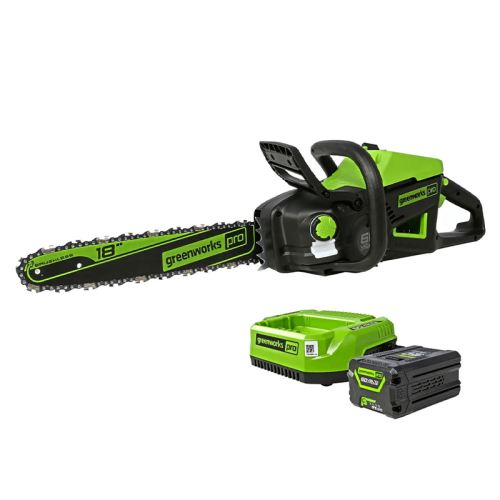 Your price for this item is $389.99
 -
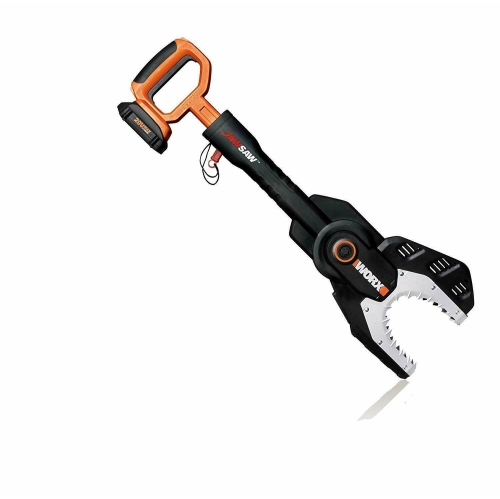 Your price for this item is $279.99
 -
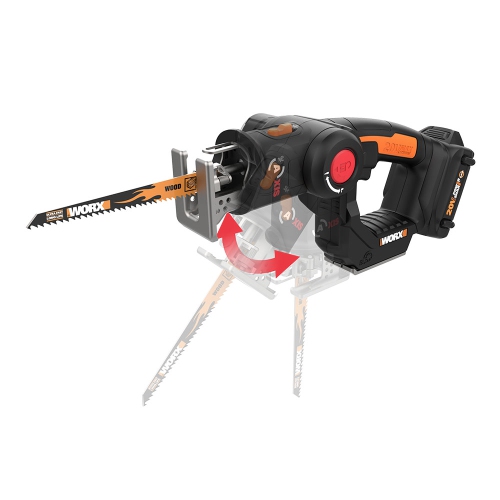 Your price for this item is $179.99
 -
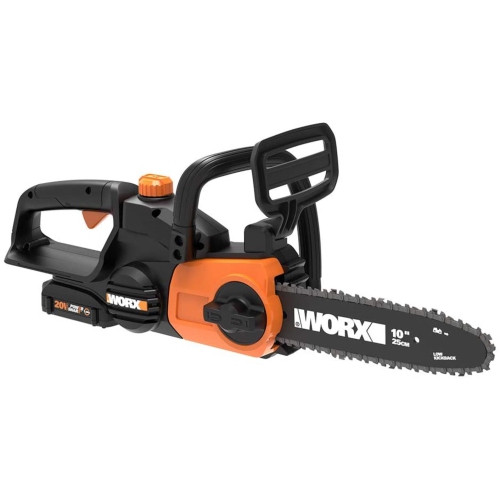 Your price for this item is $244.99
 -
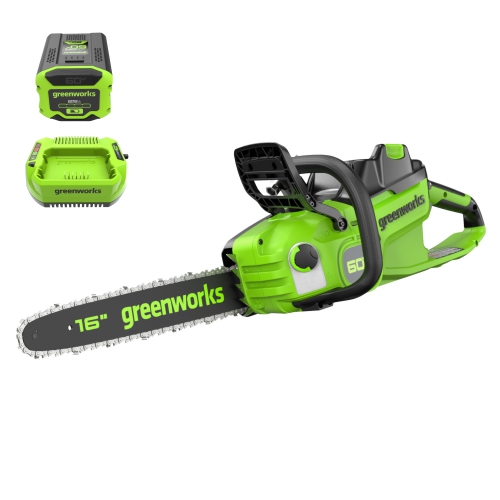 Your price for this item is $299.99
 -
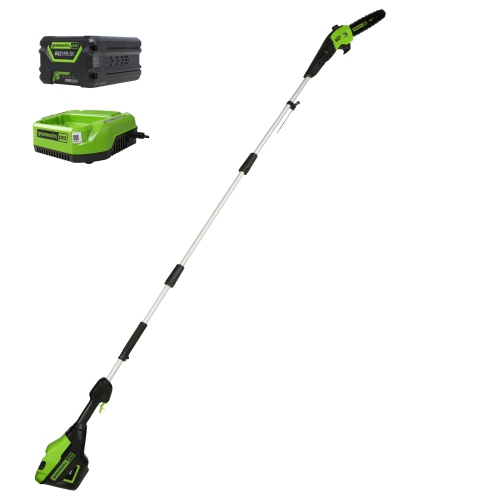 Your price for this item is $299.99
 -
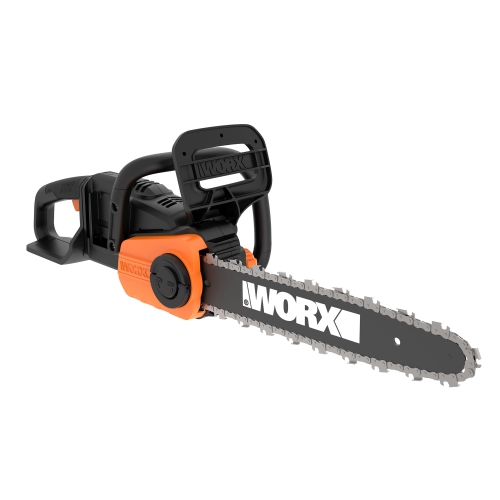 Your price for this item is $449.99
 -
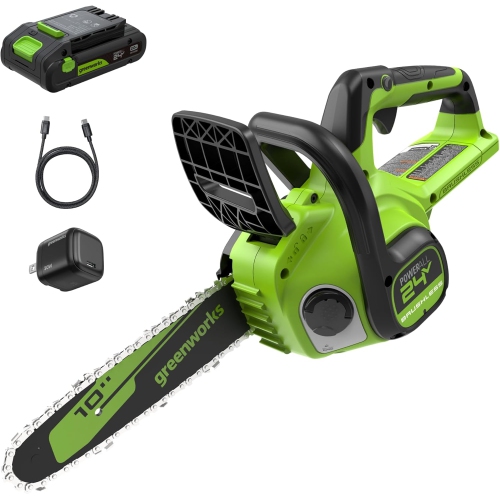 Your price for this item is $189.99
Discover more categories related to Pruning Chainsaws
Top Collections:
Pokemon Centers, Kindle Devices, Best Budget Office Chairs, Apple iPhones 16, Best Laptops for Writers, iPhone 15 Apple, Canon G7X Cameras, Refurbished Apple Laptops, Alarm Clock, Motorola Razr Phones
Some products may be subject to Environmental Handling Fees
(EHF) depending on your province.
Learn more about EHFs.