Queen Headboards With Storage
Queen headboards with storage are an ideal choice for almost any bedroom. These headboards offer a combination of style and convenience, allowing you to keep your bedroom organized and clutter-free. Here are some great options available.
Sort
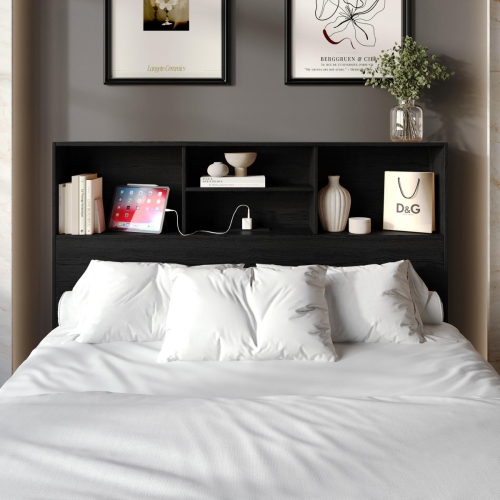
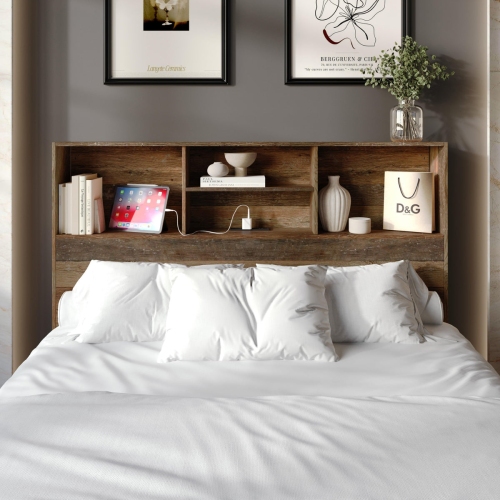
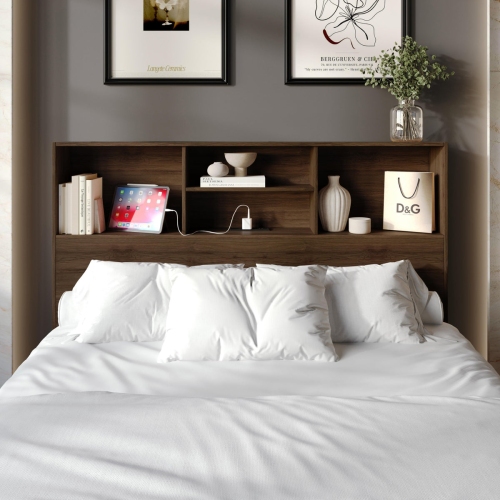
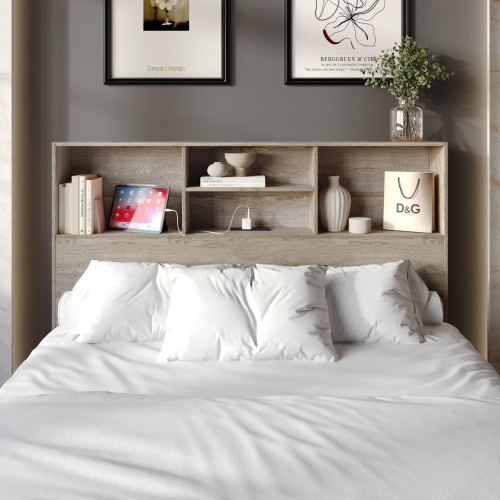
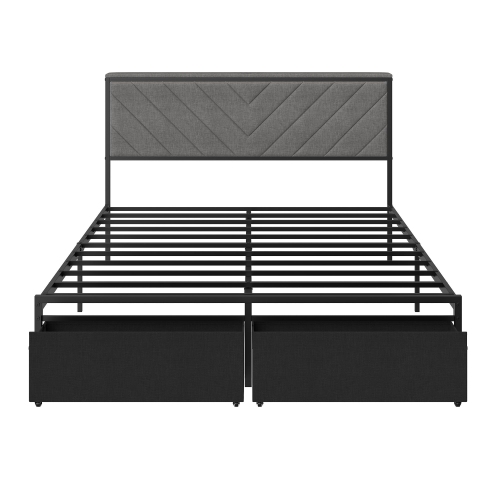
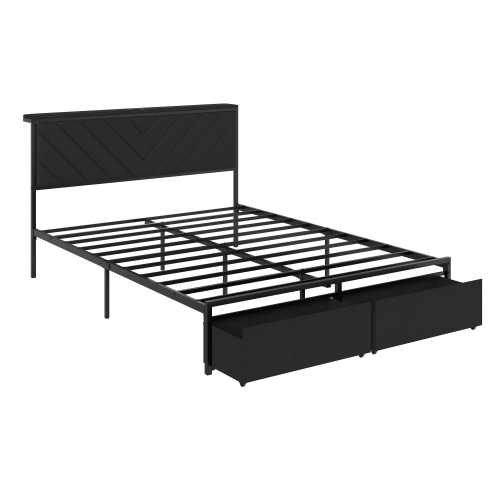
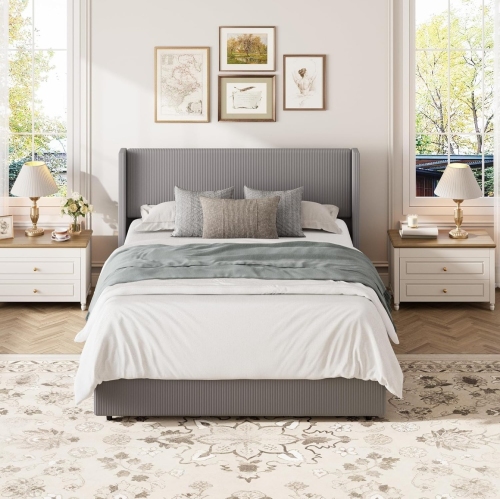
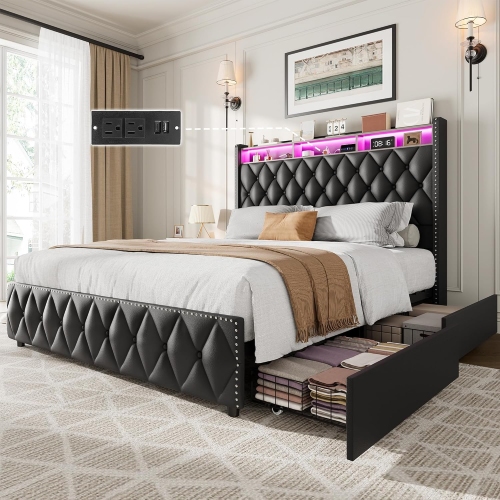
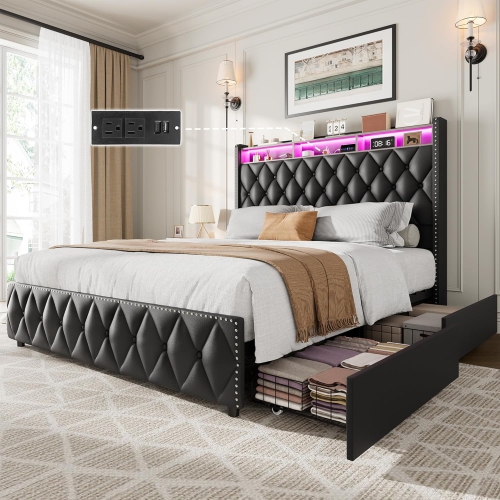
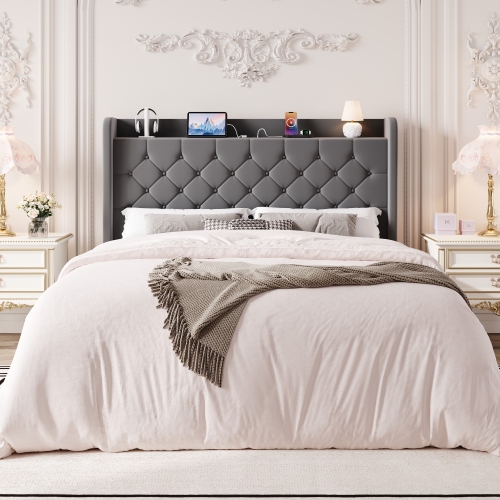
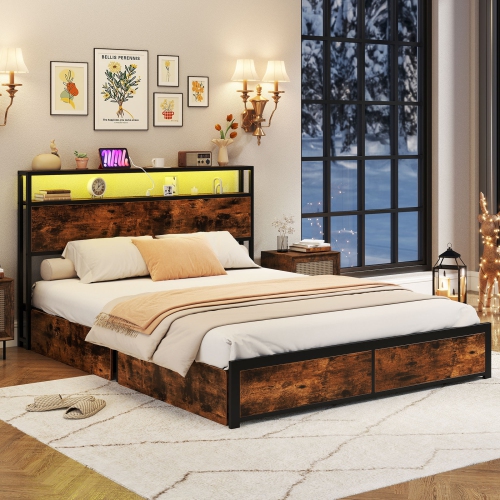
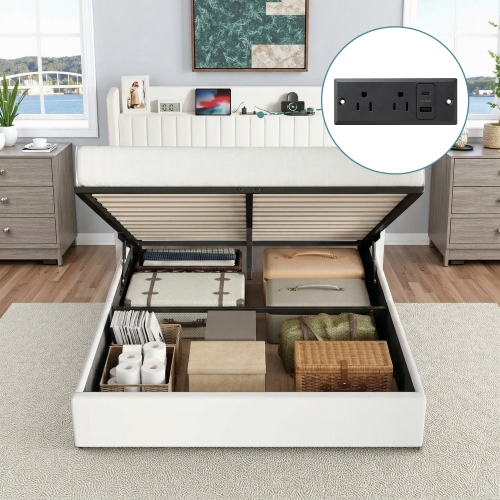
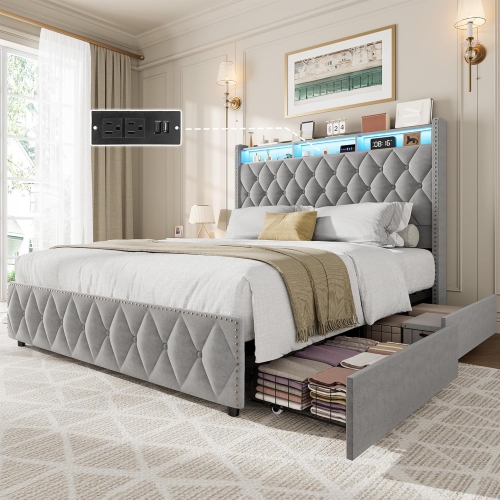
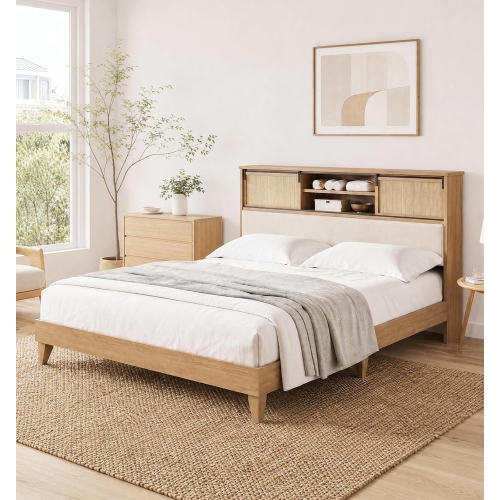
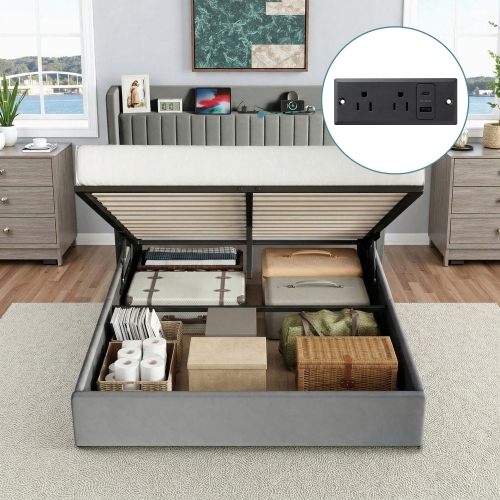

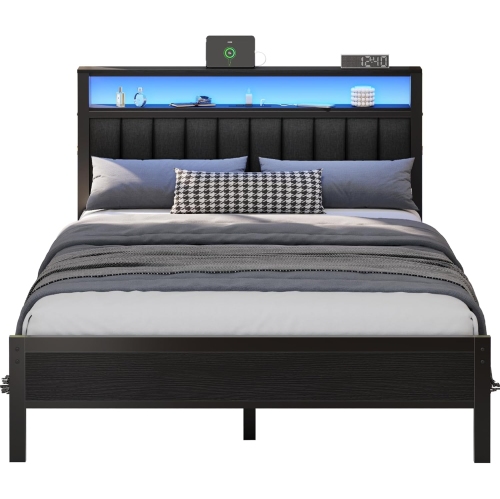
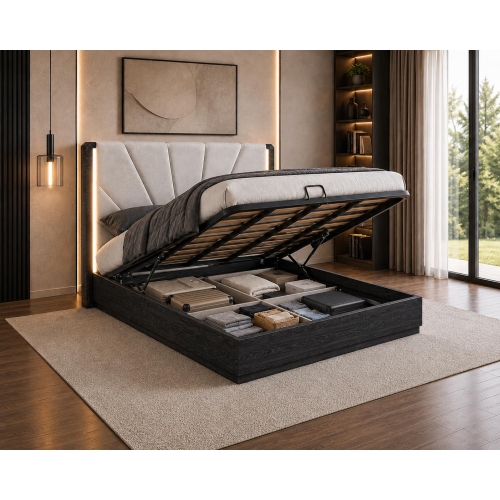
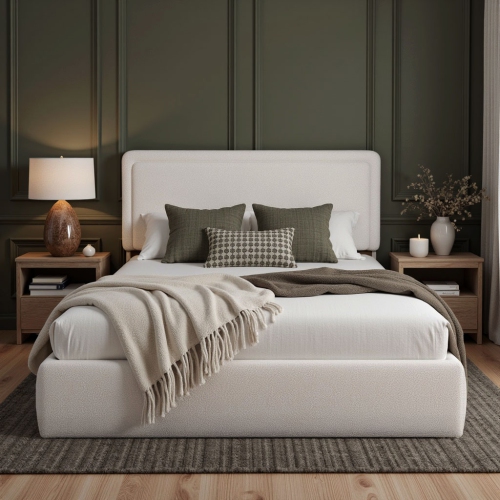
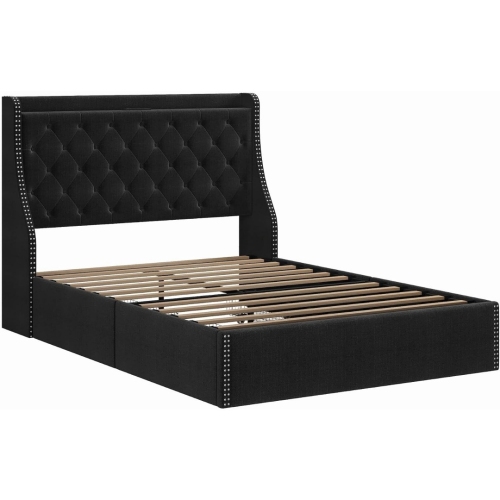
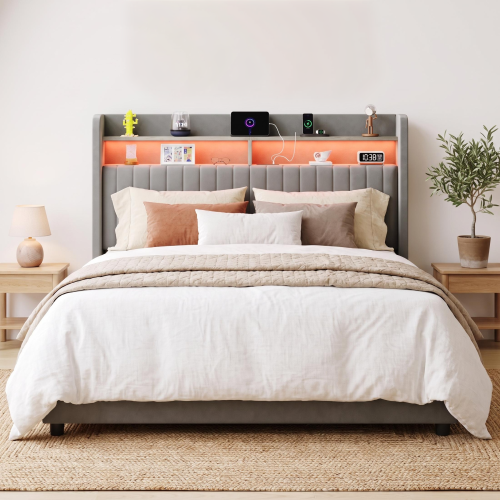
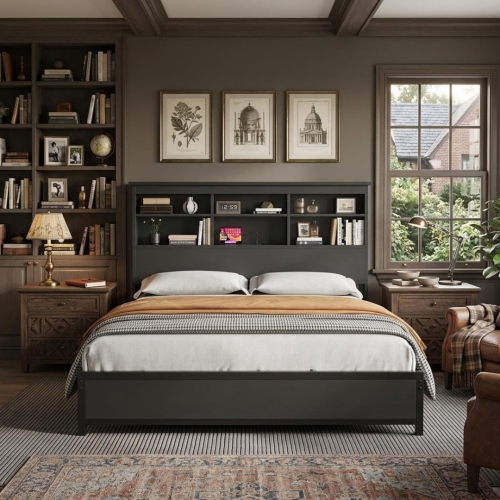
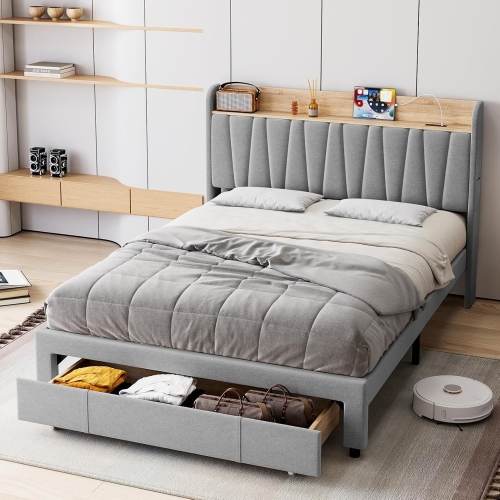
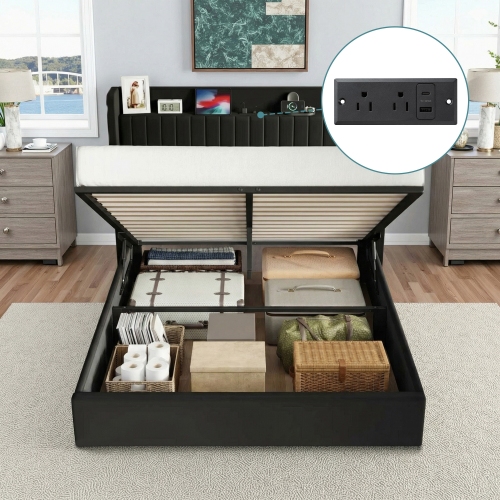
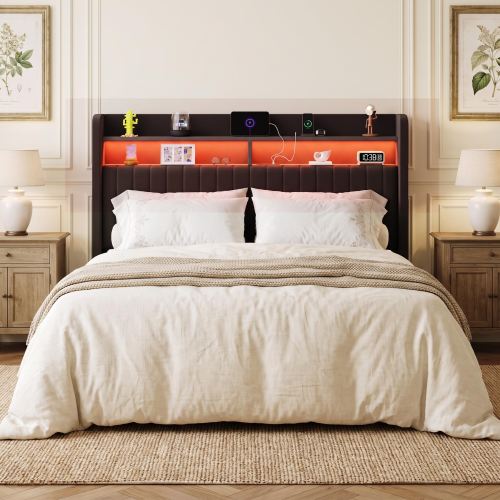
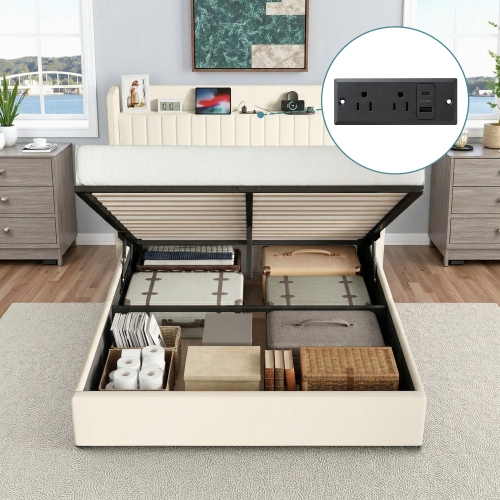
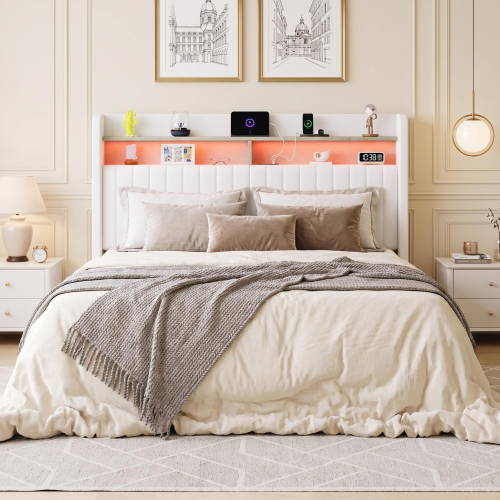
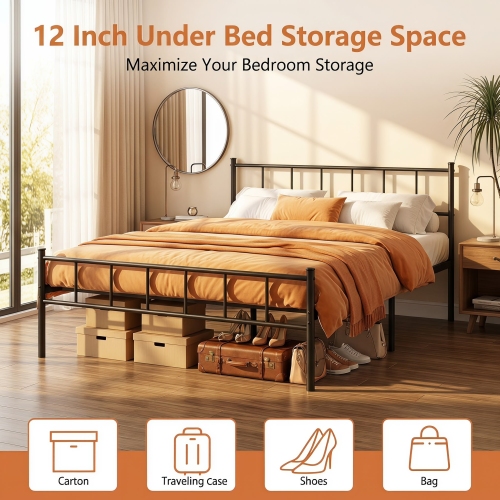
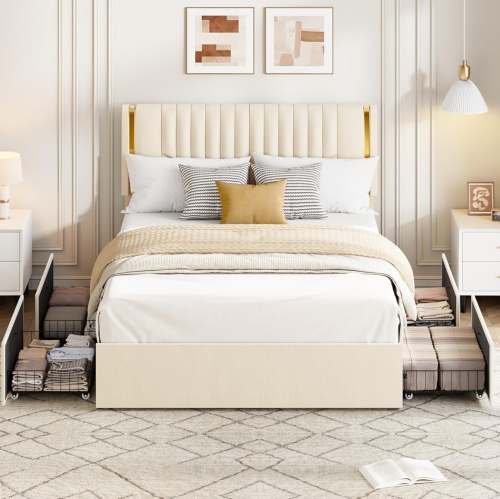
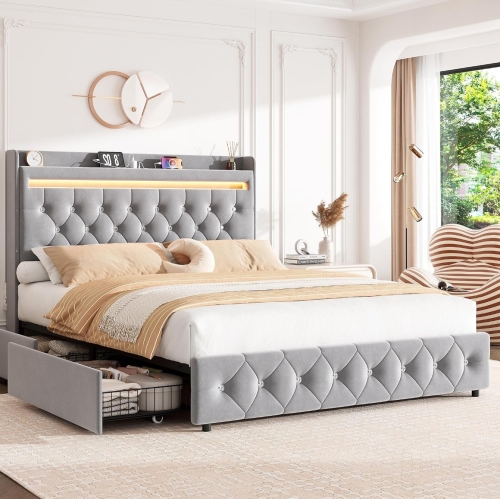
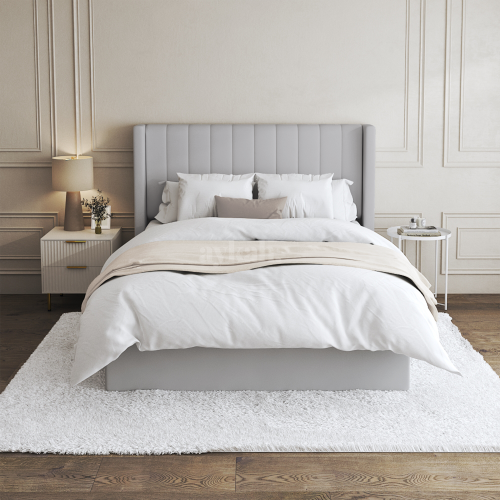
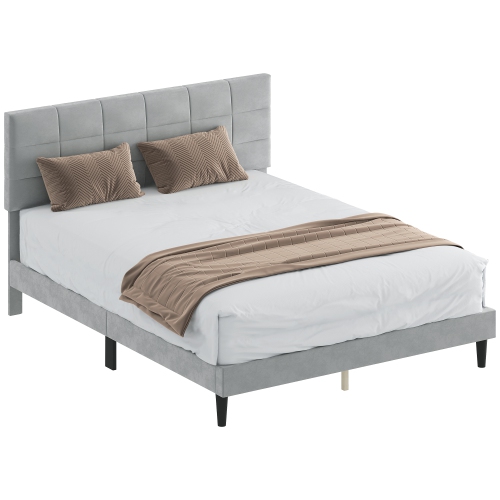
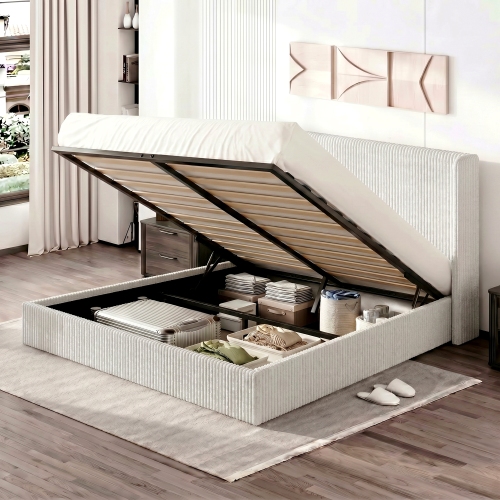
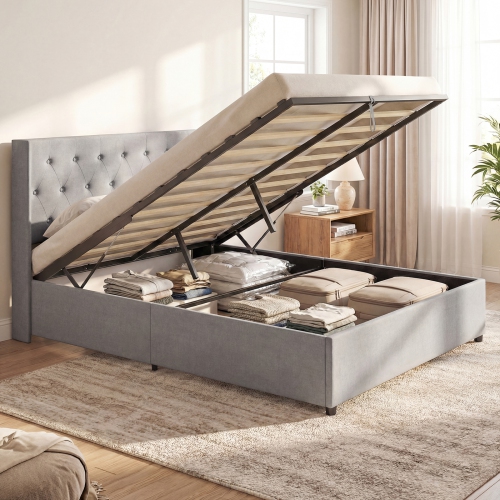
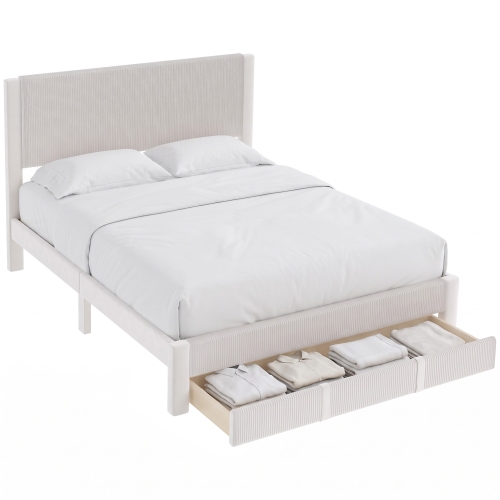


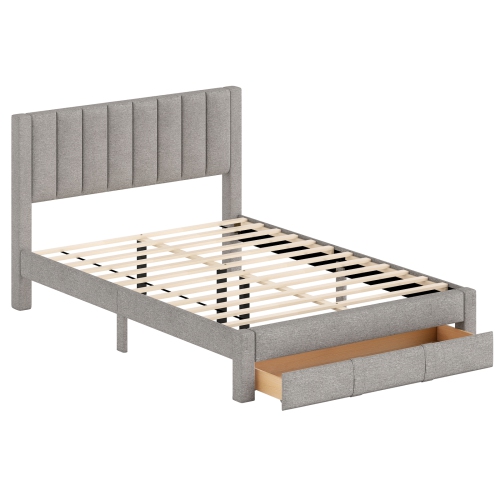
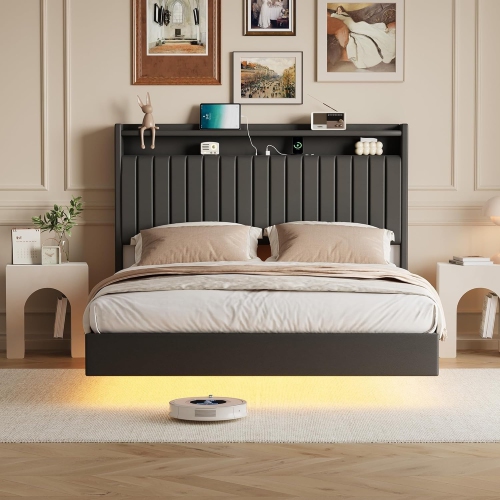

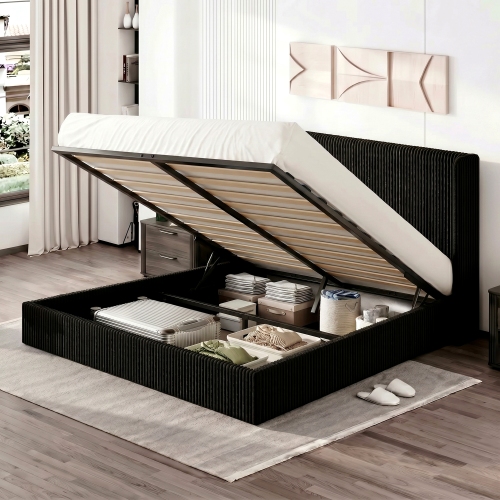
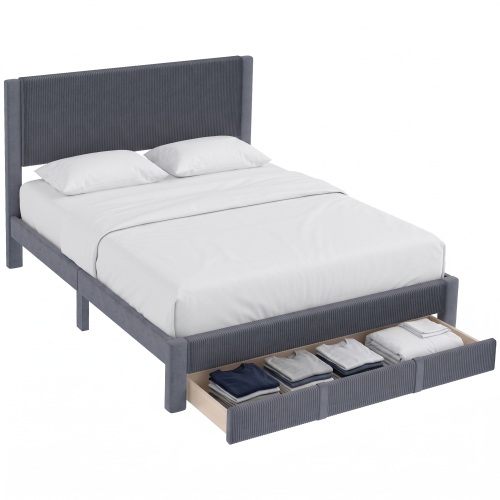

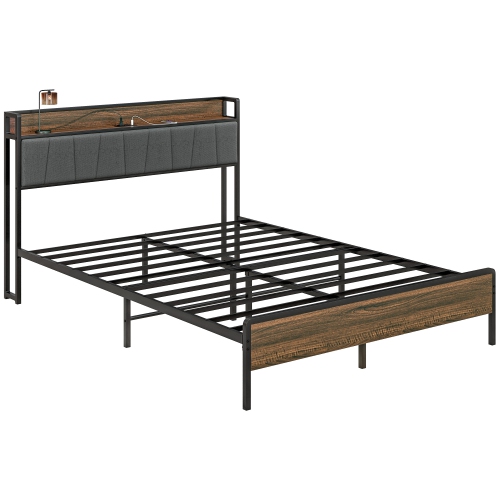
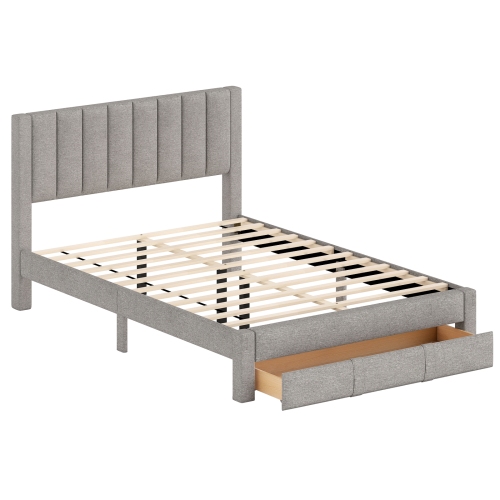
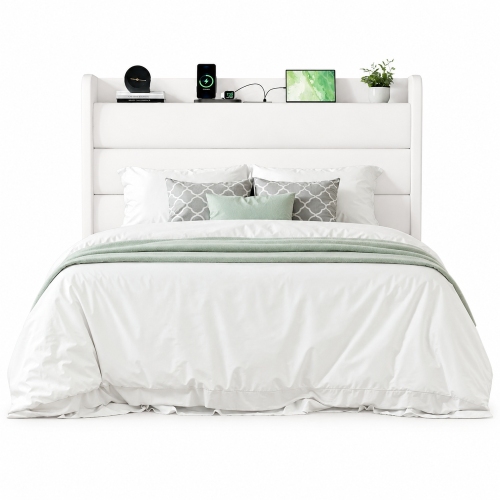
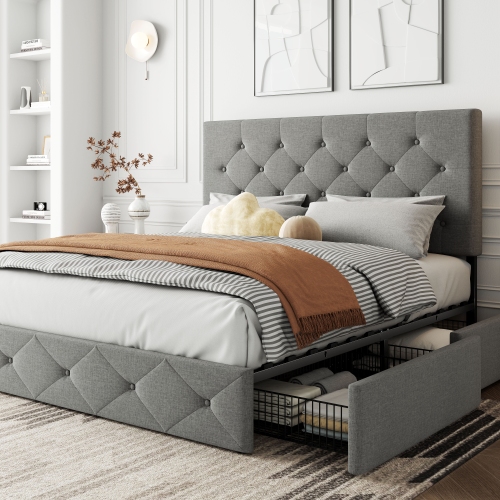
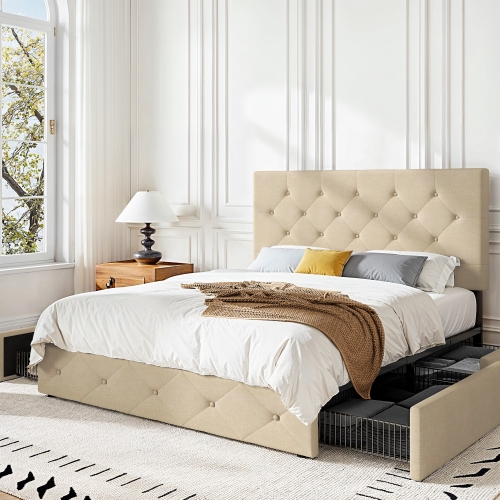

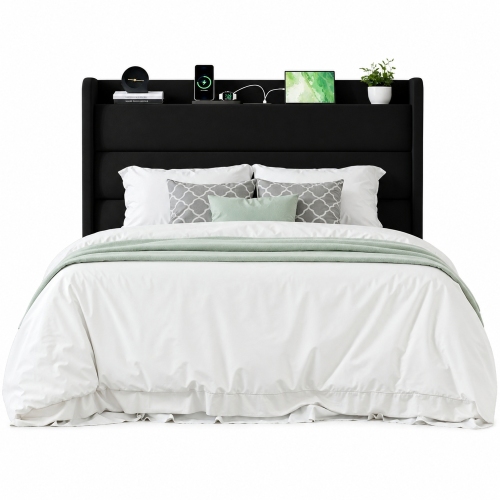
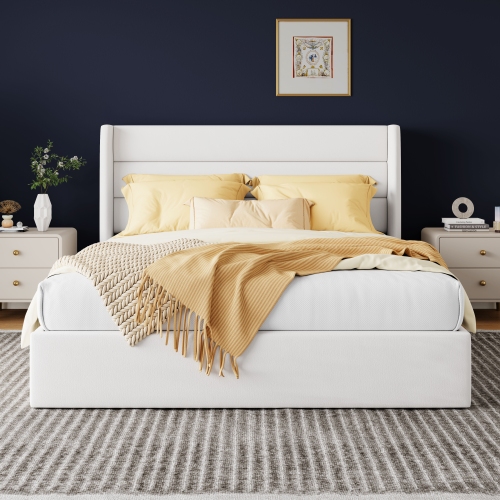
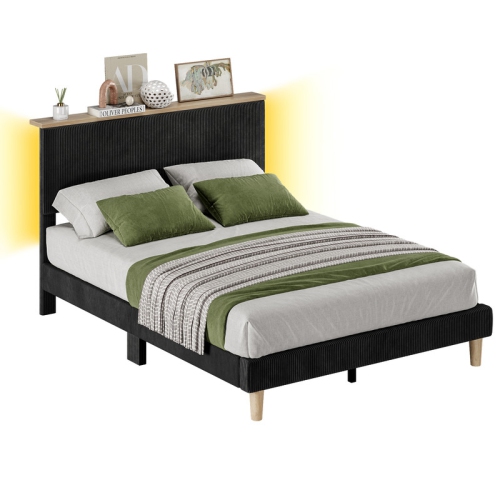
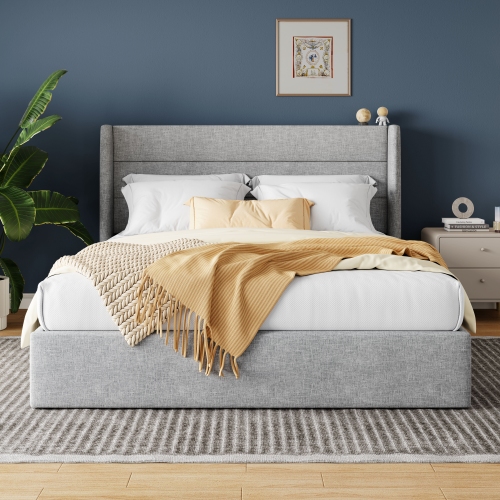
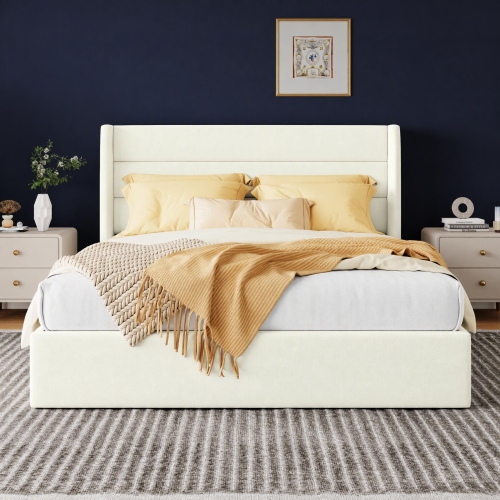
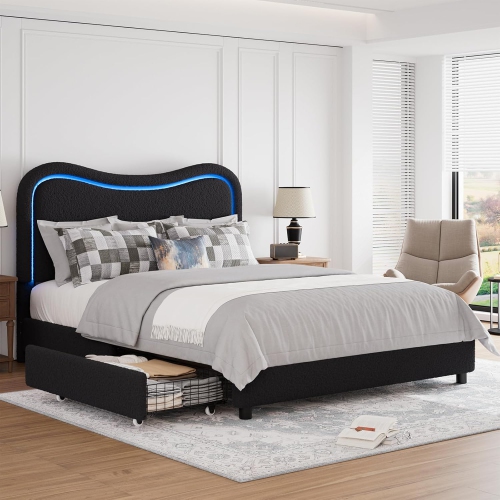
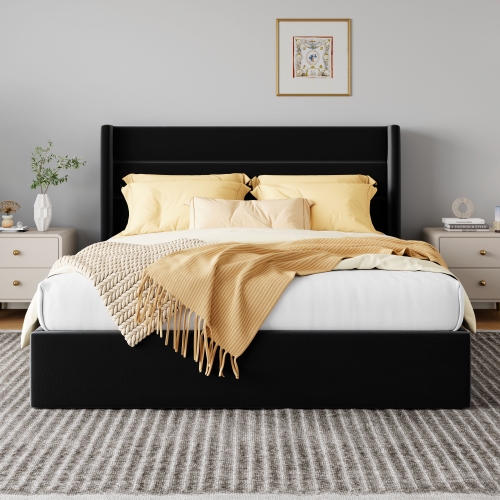
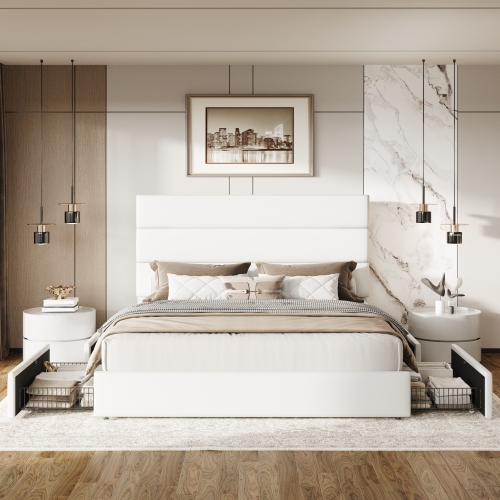
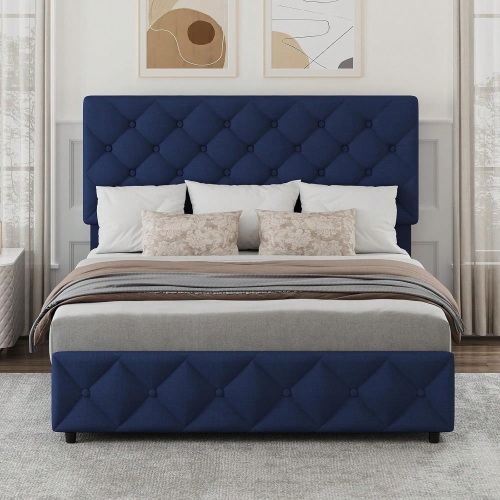
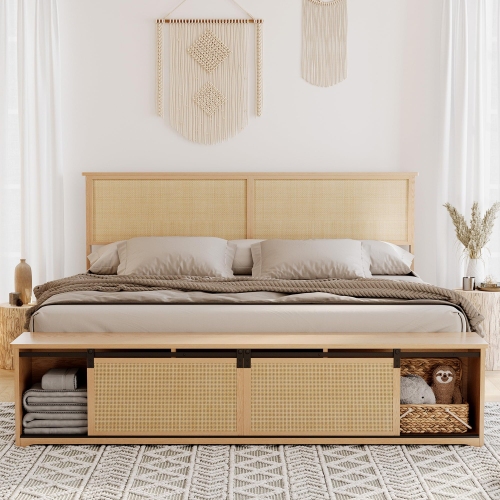
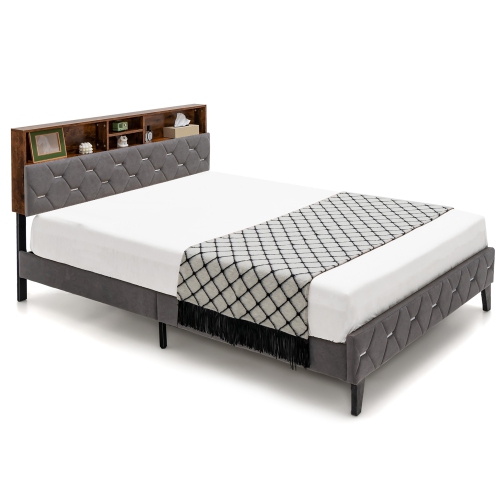
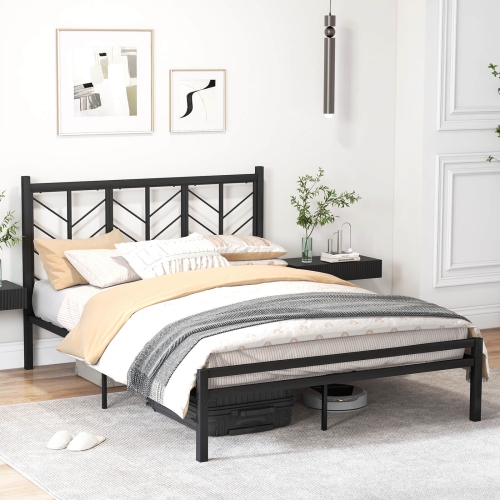
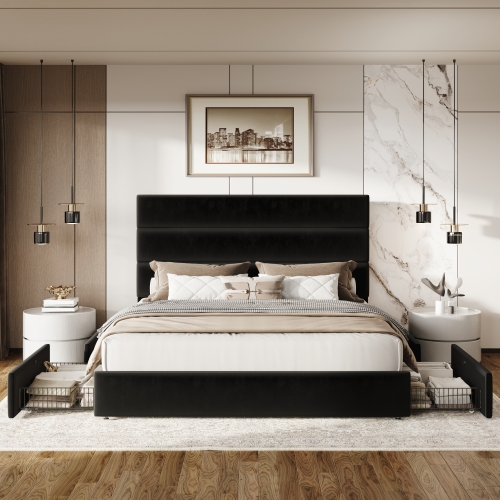
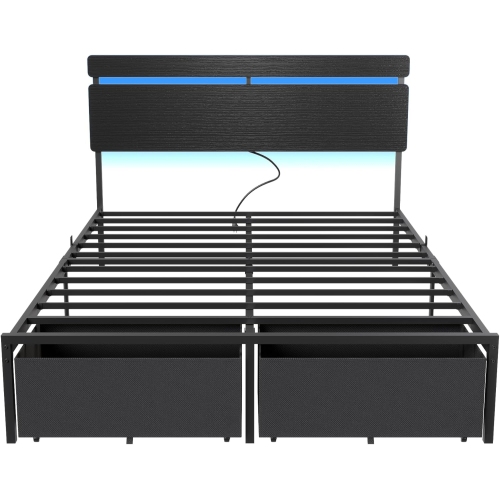
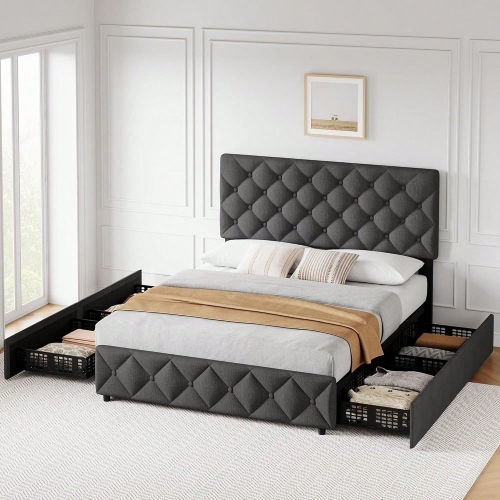
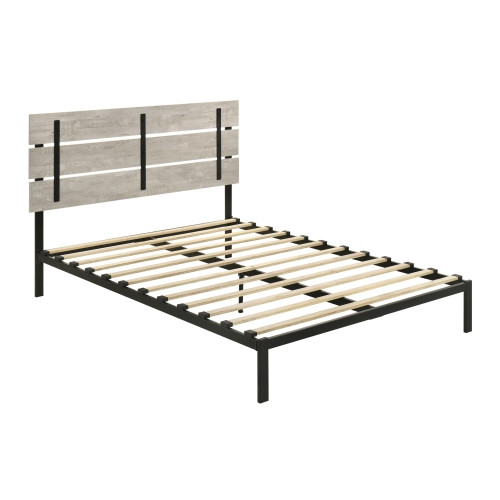
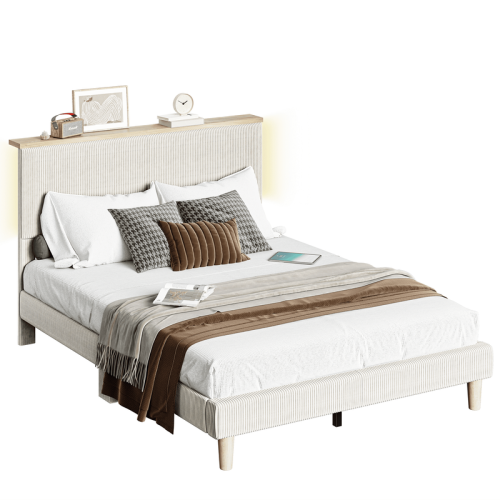
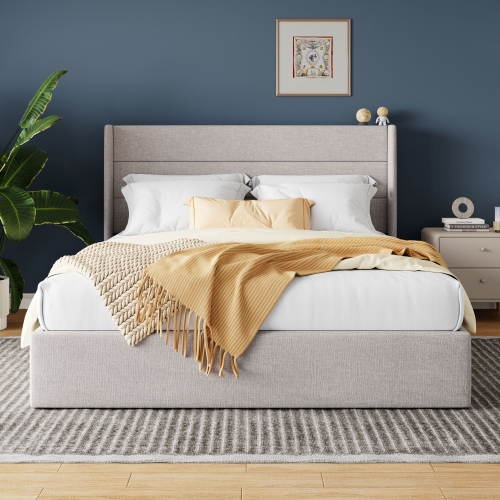
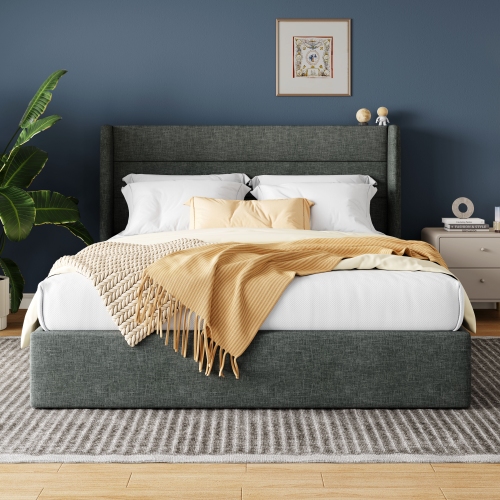
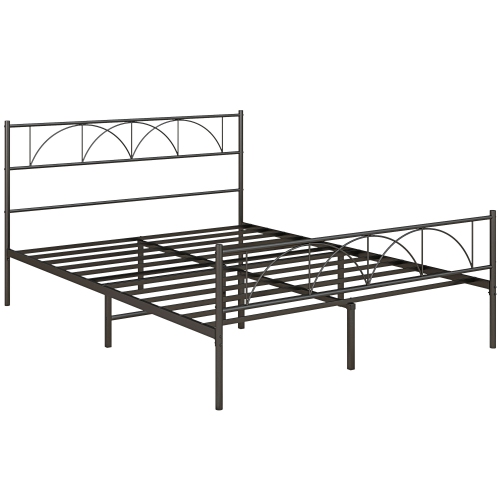

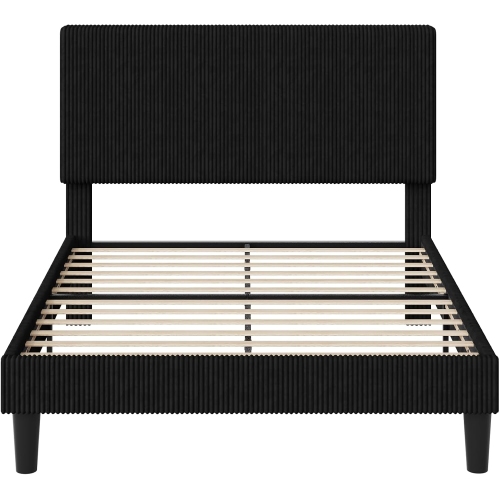
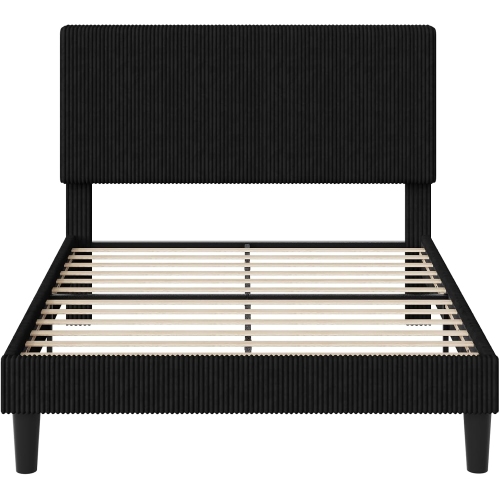
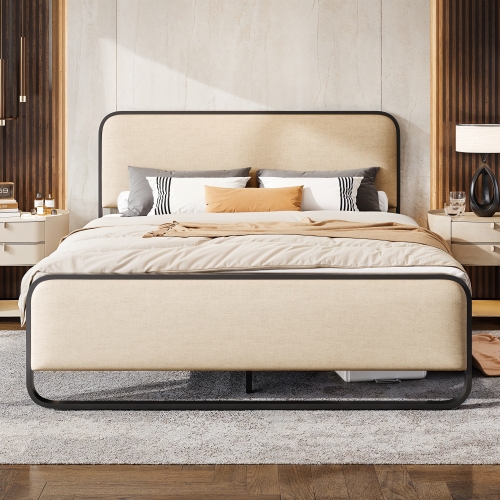
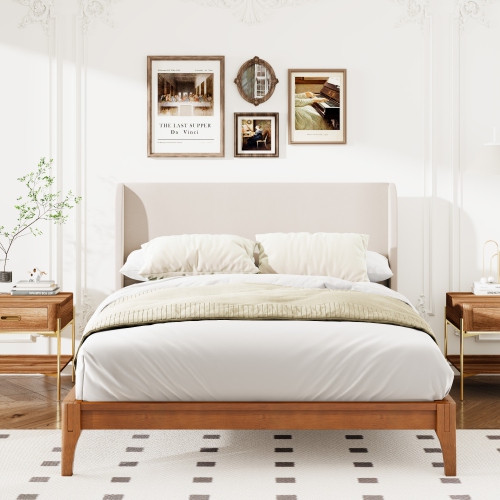
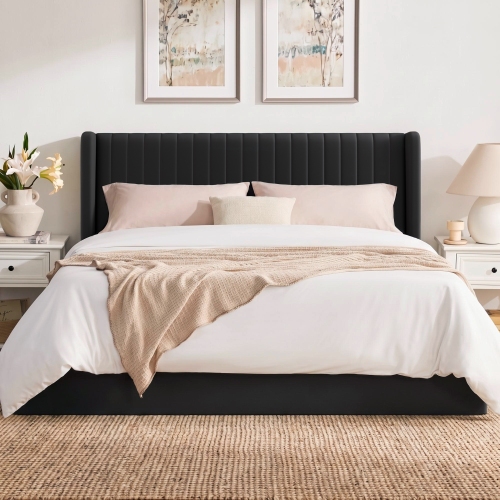
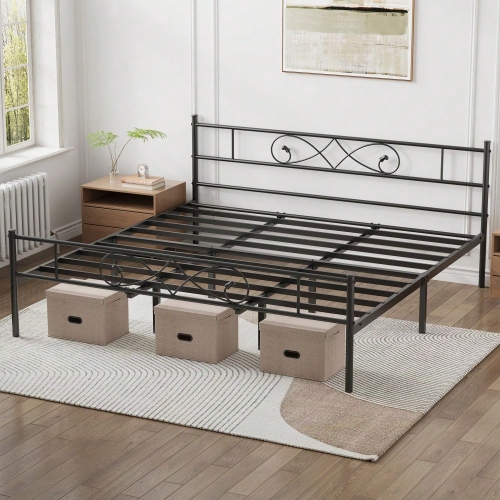
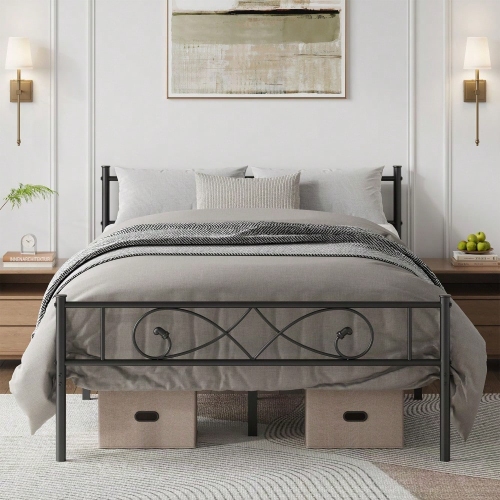
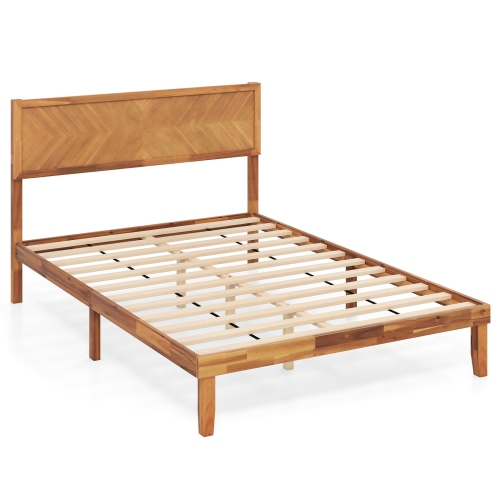

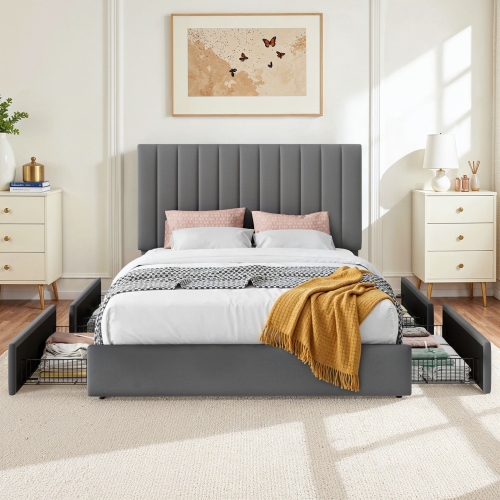
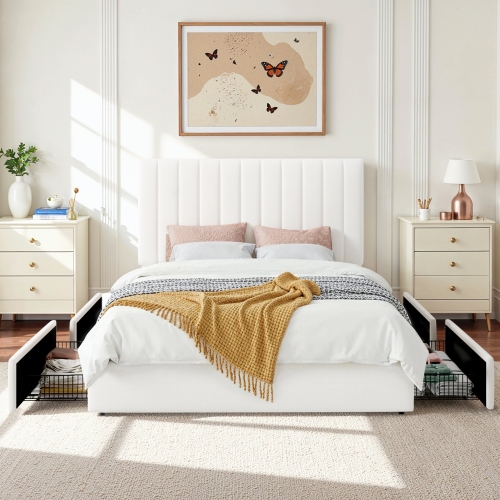
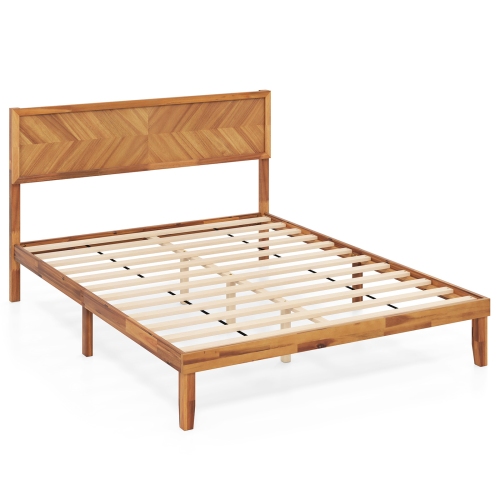
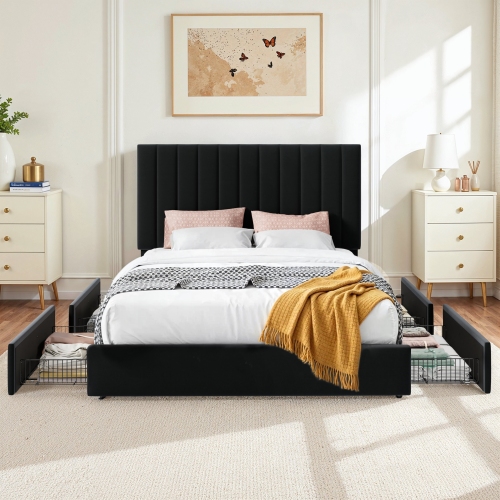
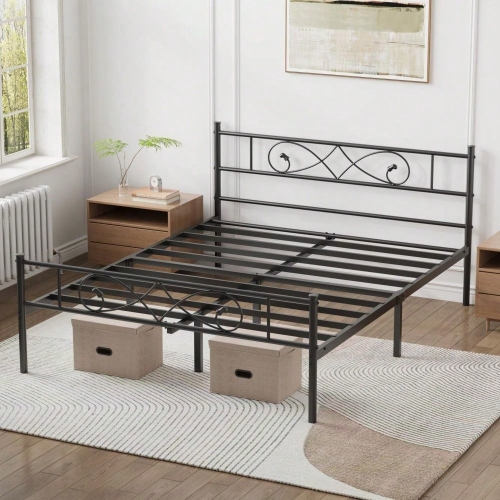

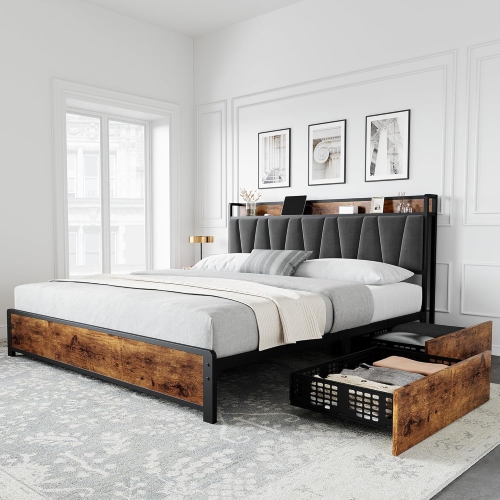
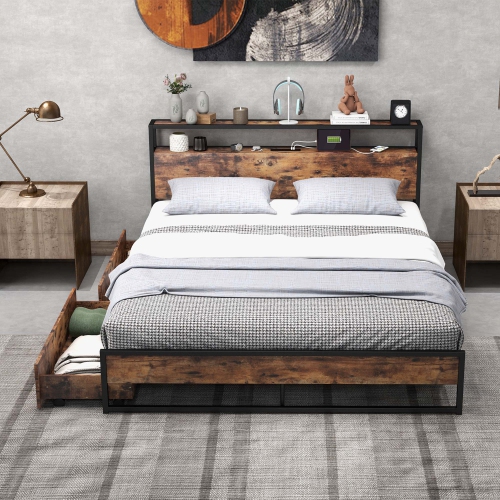
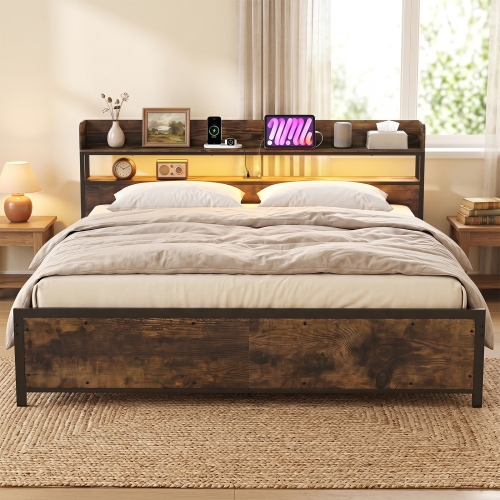
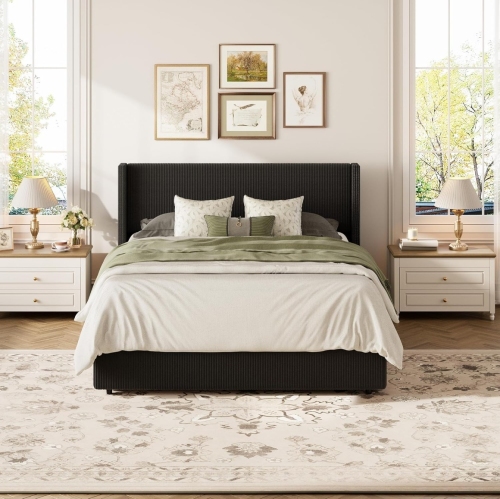
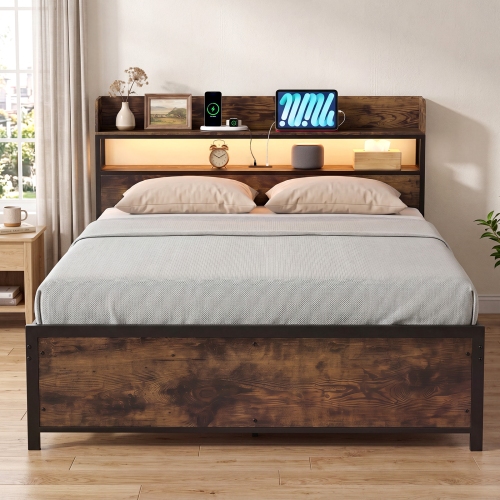
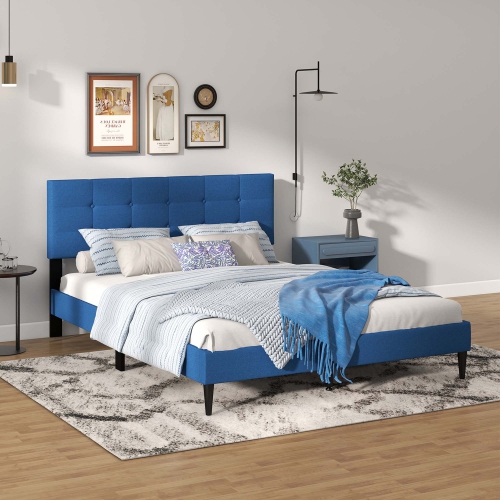
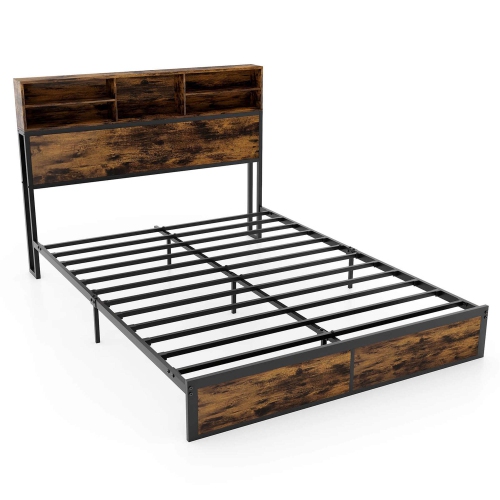
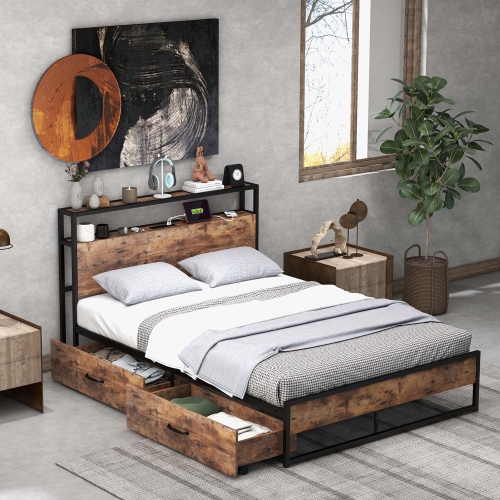
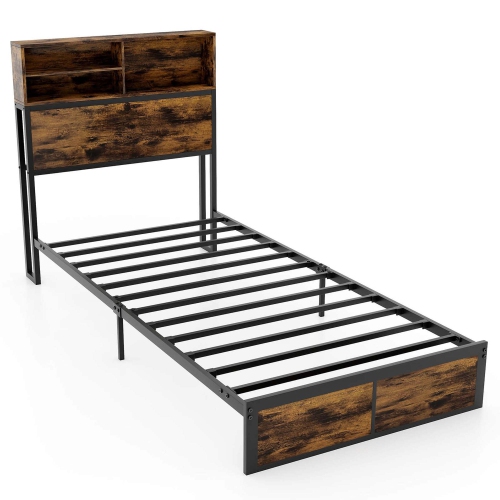

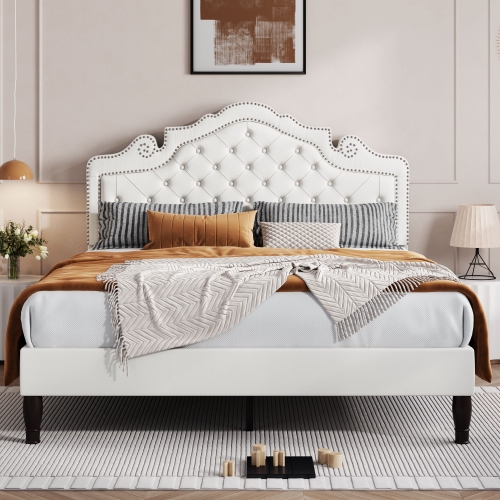
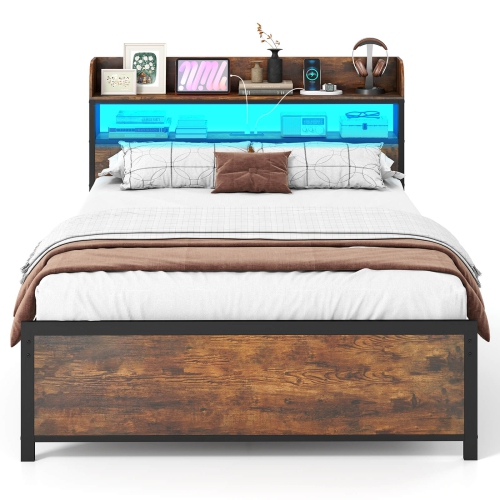
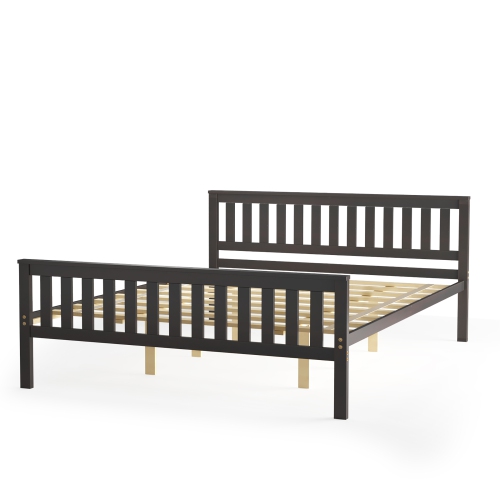
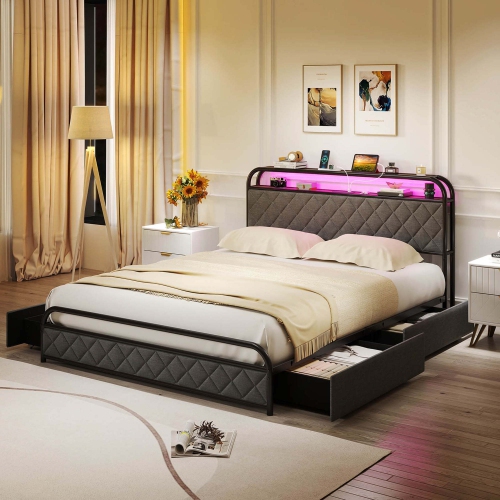
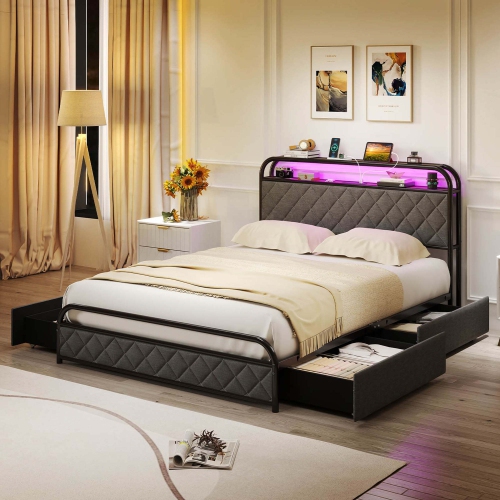
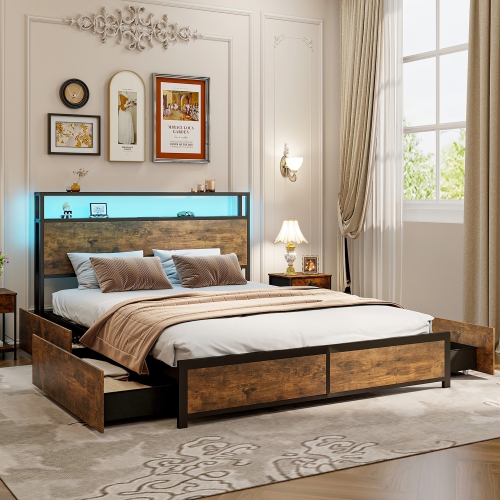
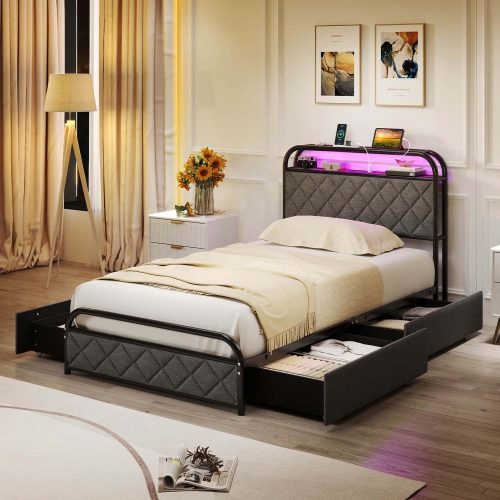
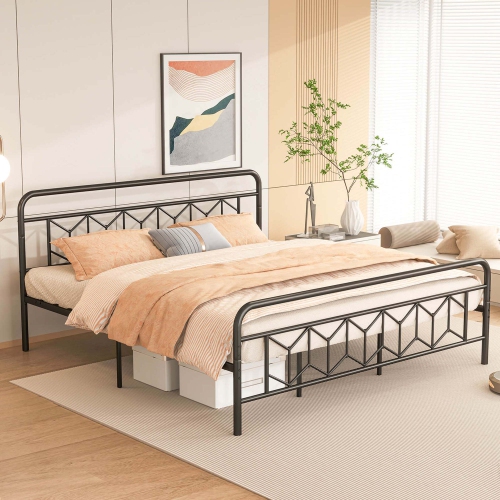
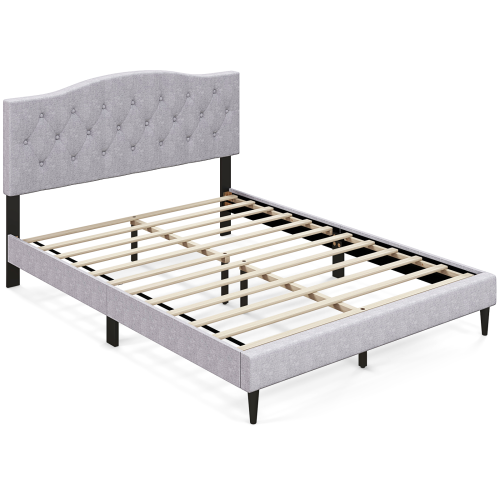
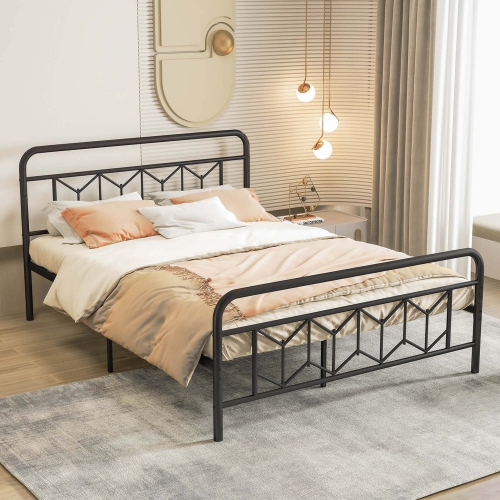
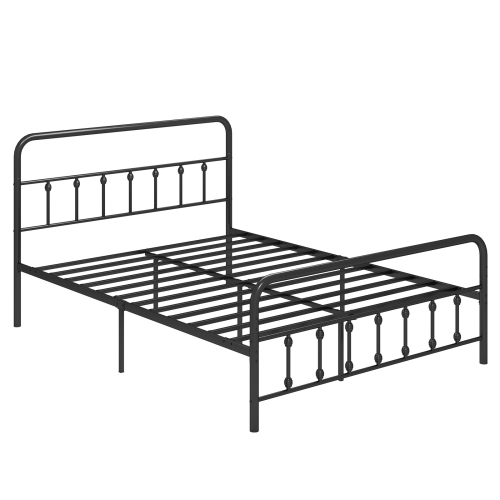
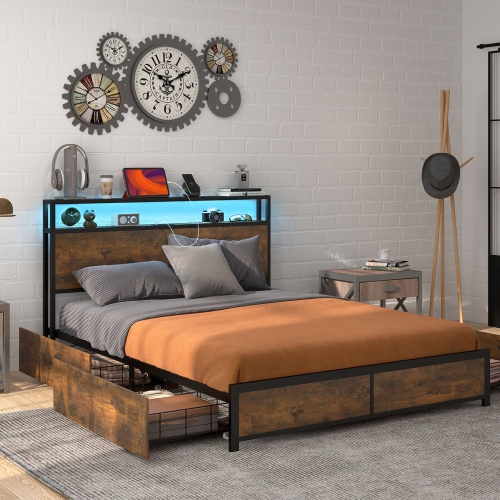
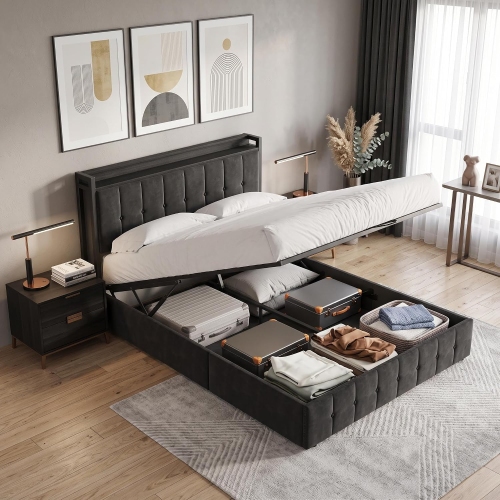
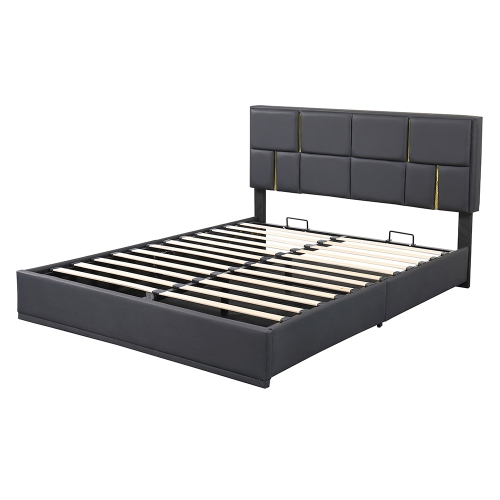
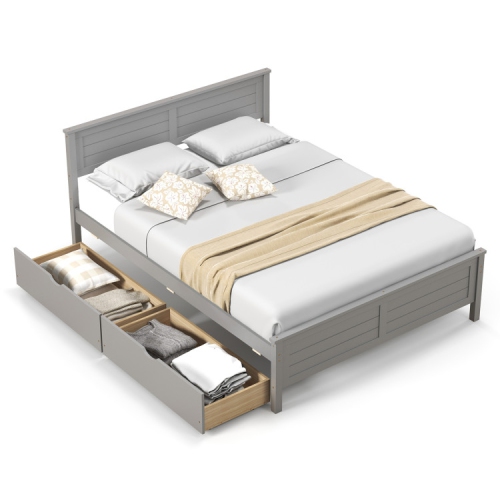
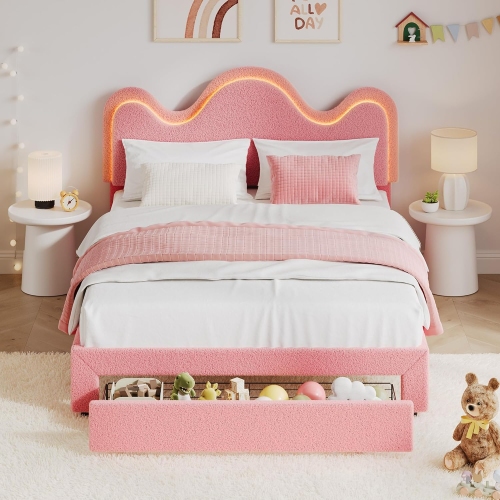
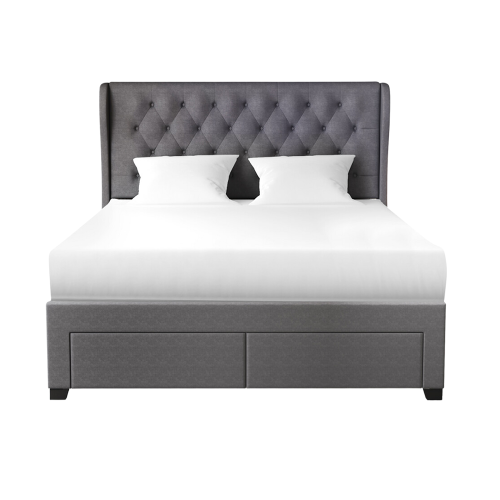
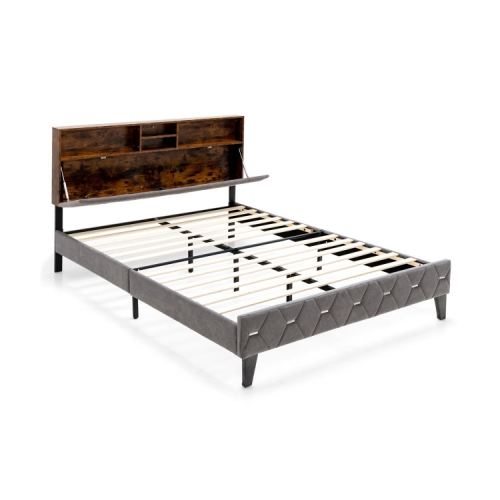
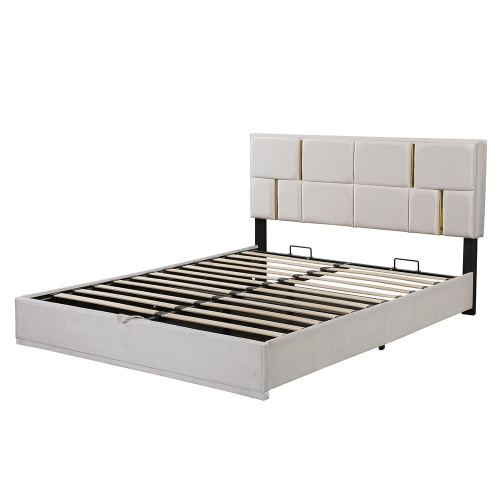

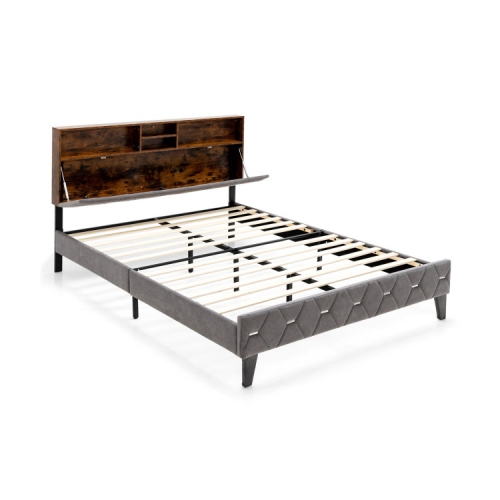
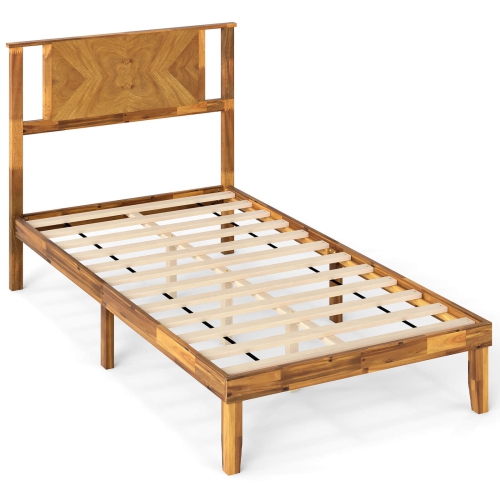
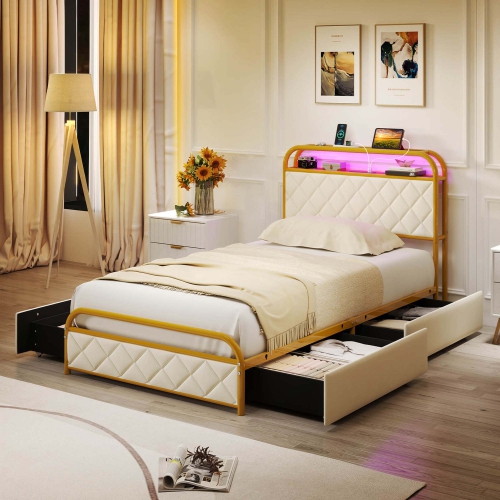
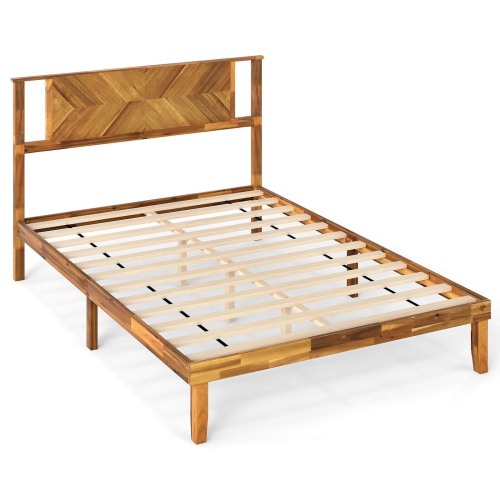
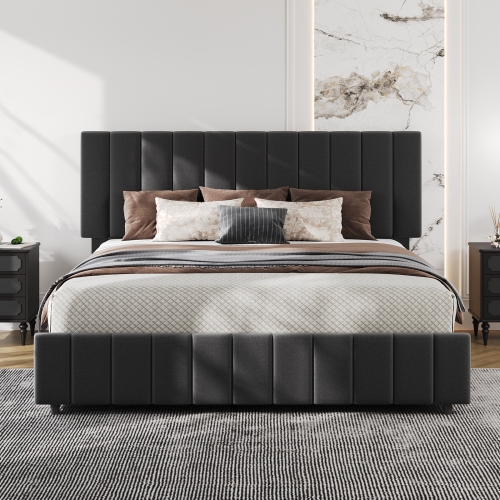
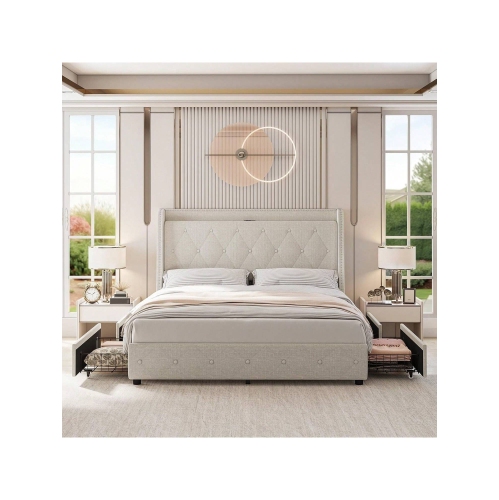
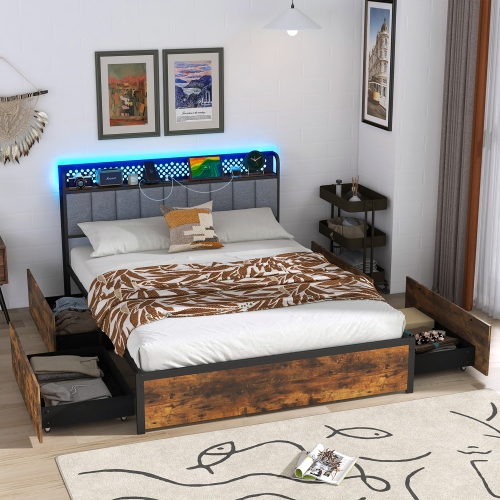
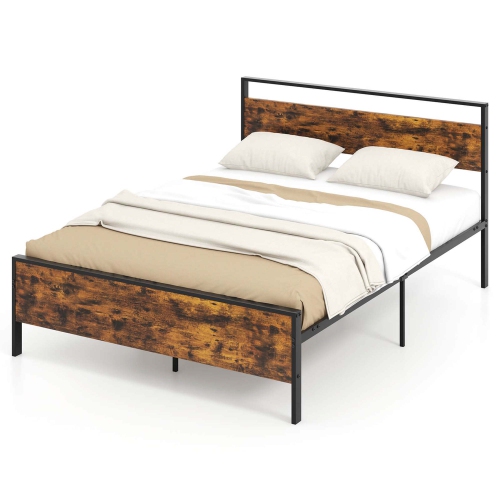

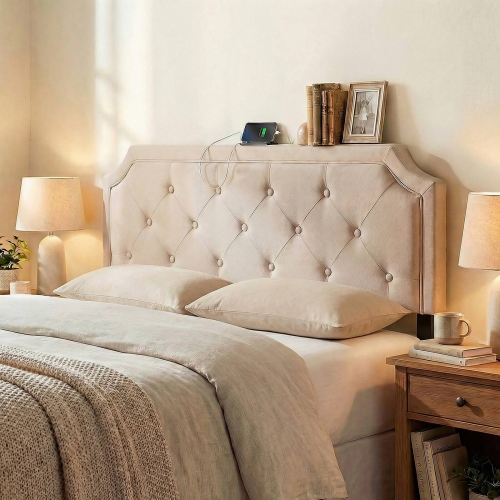
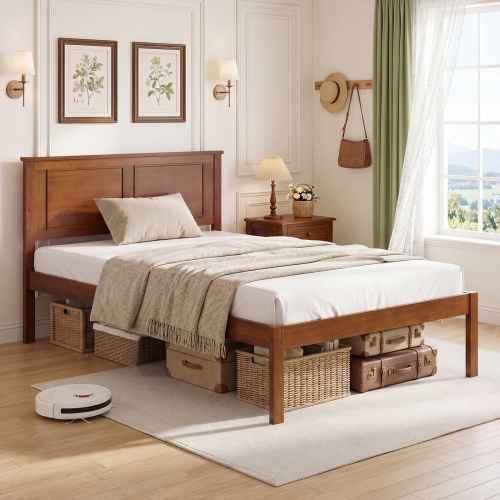
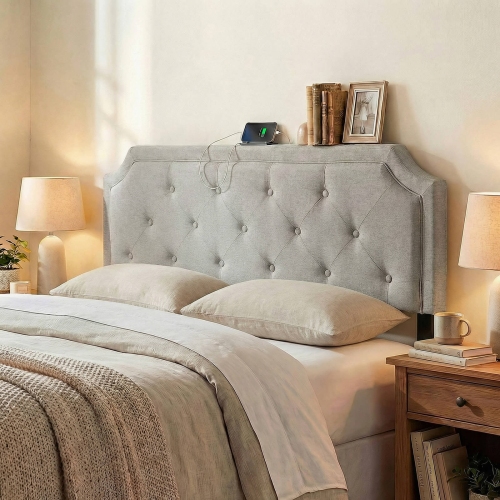
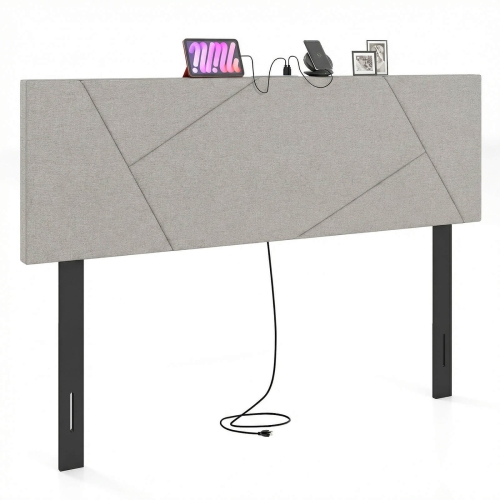
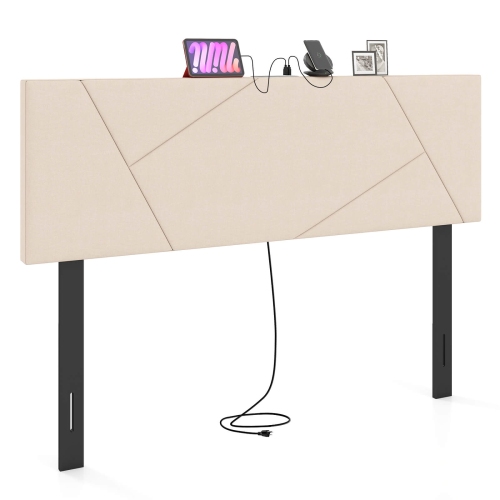

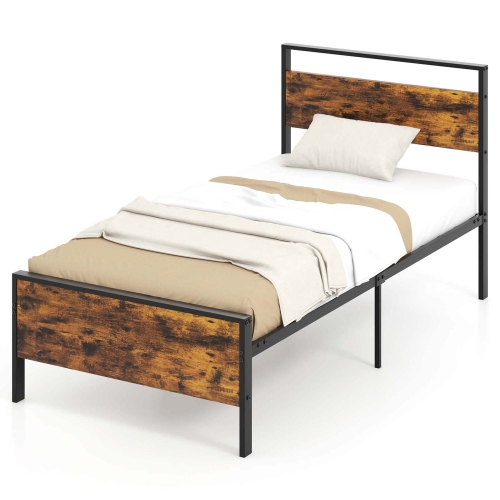
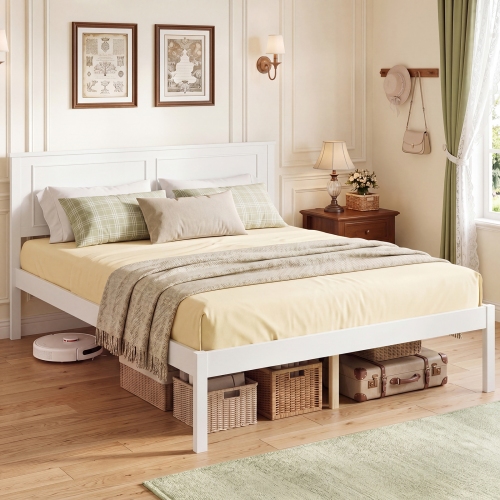
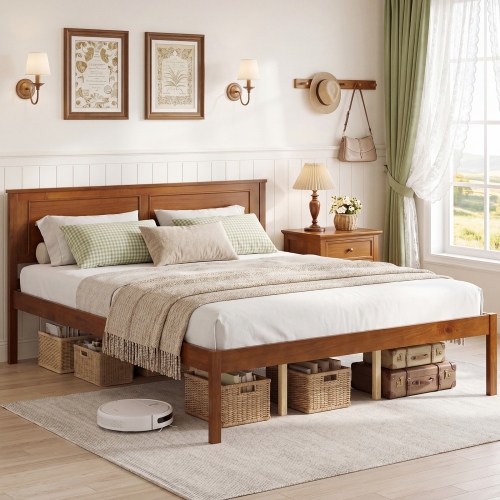
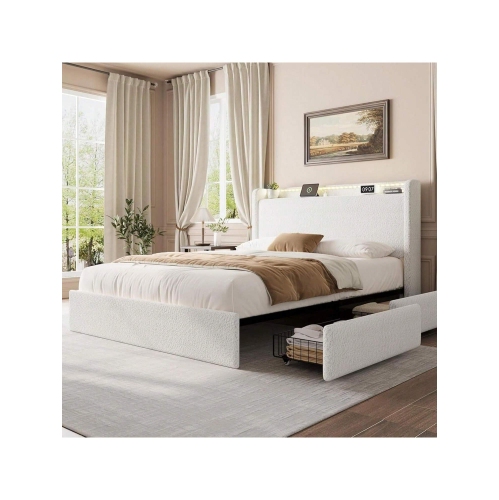
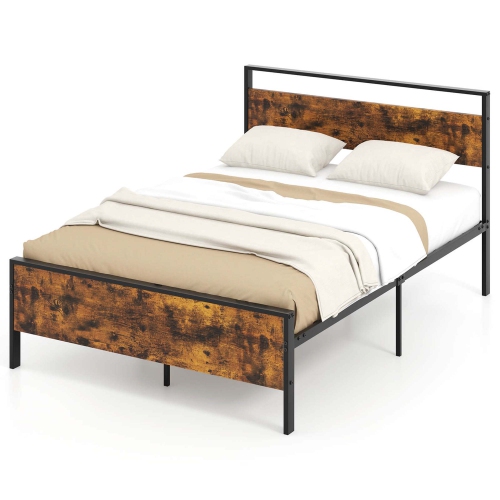
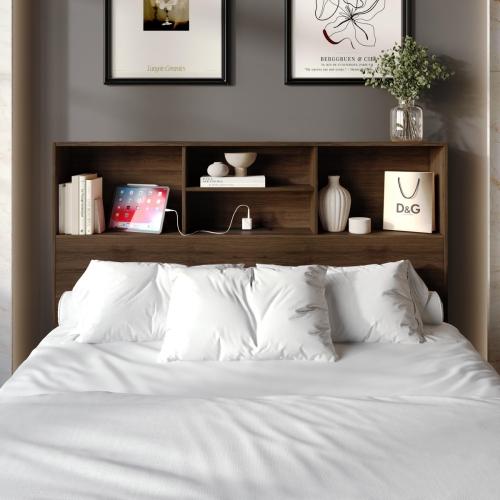
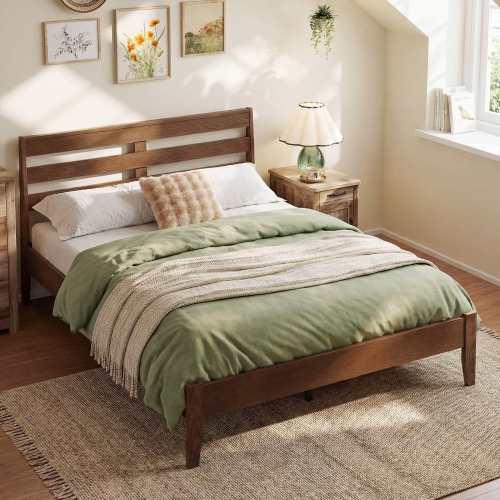
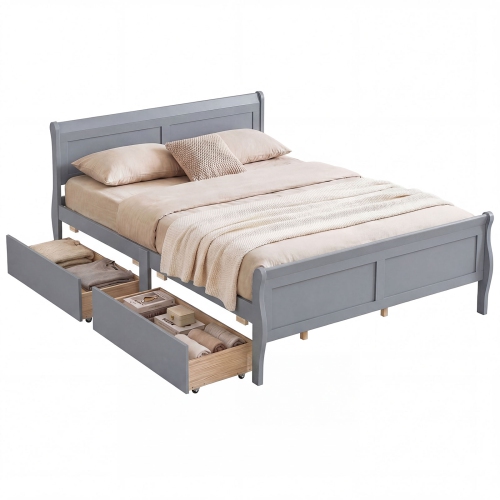
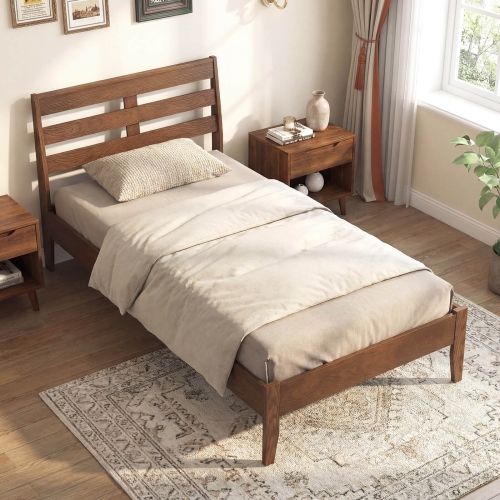
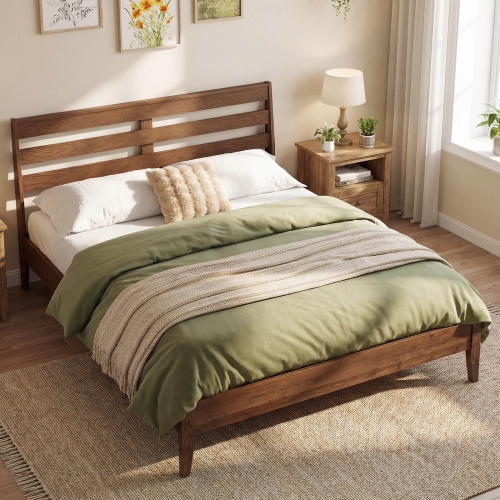
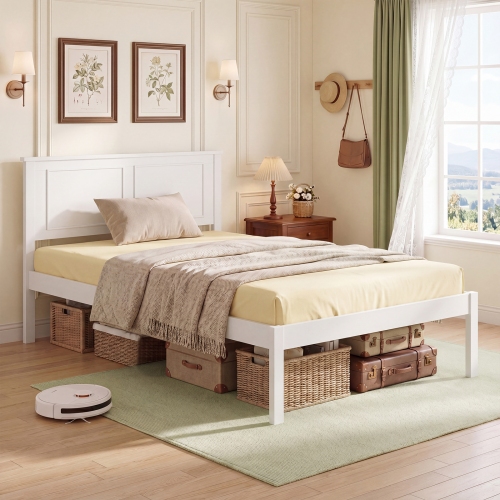
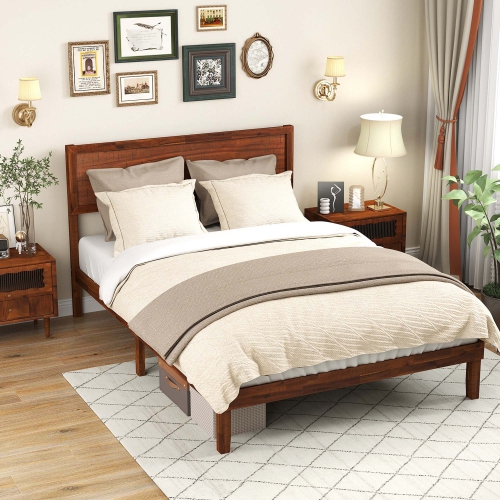
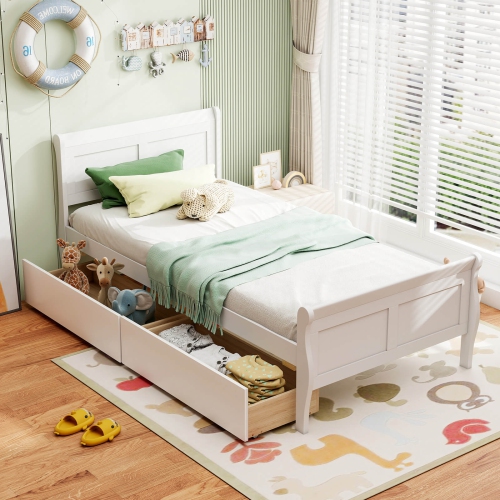
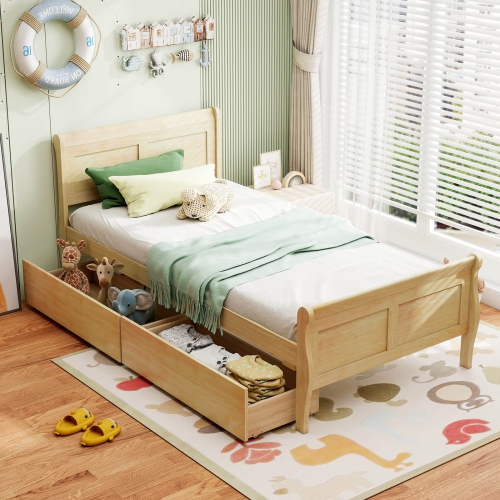
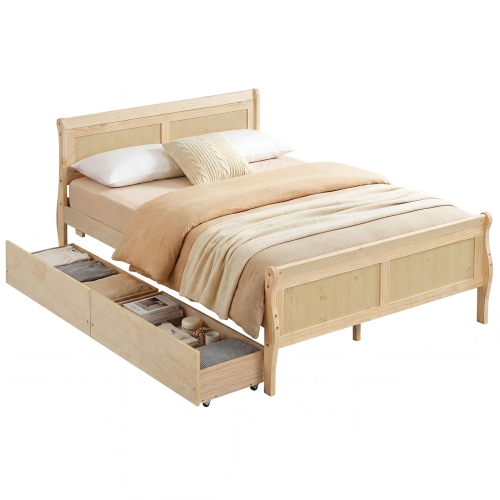
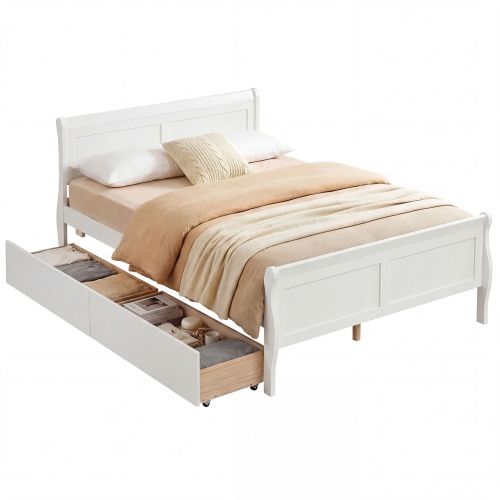
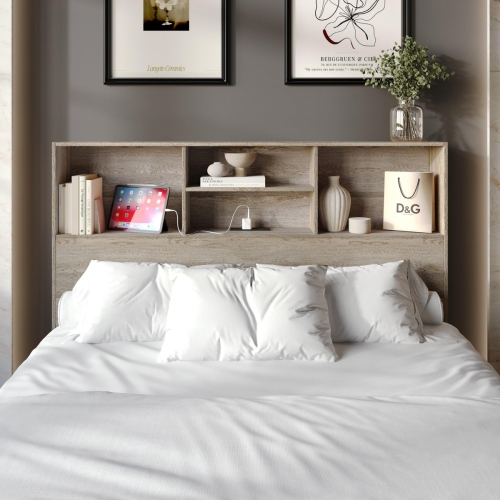
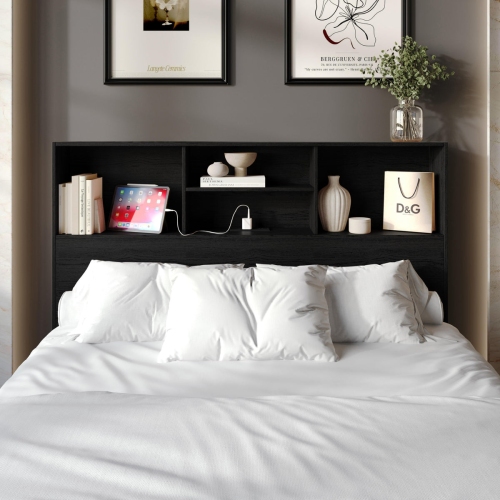
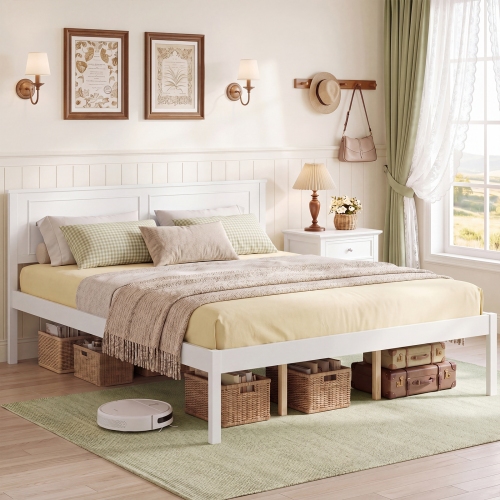
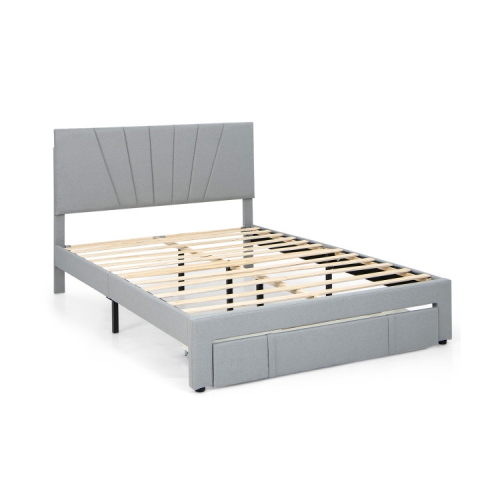
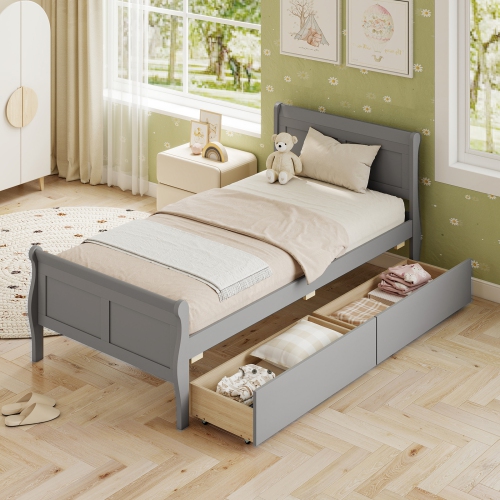
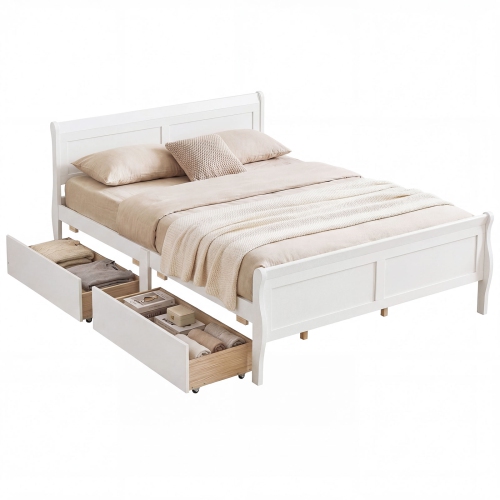
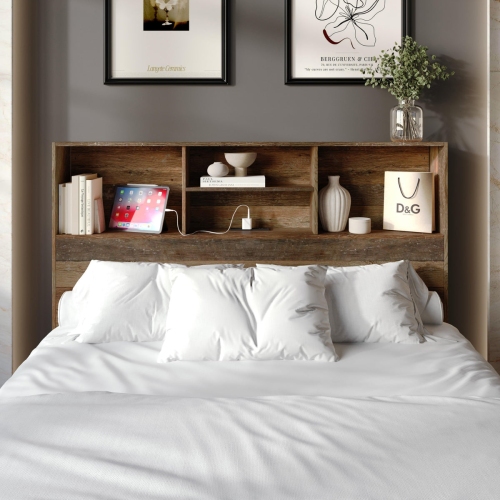
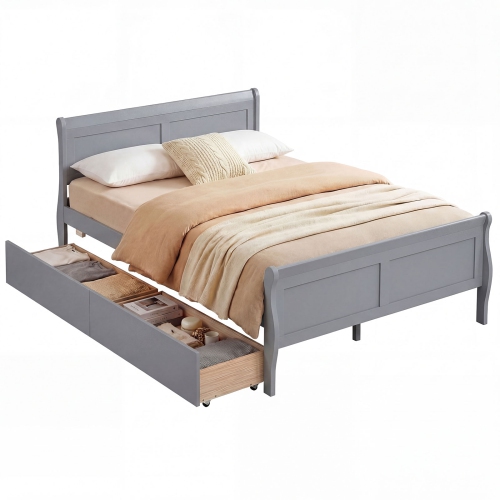
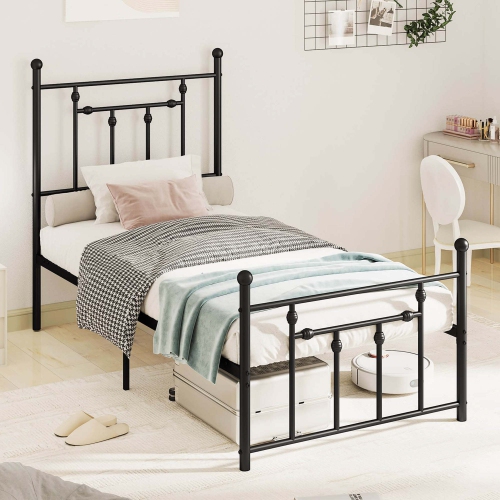

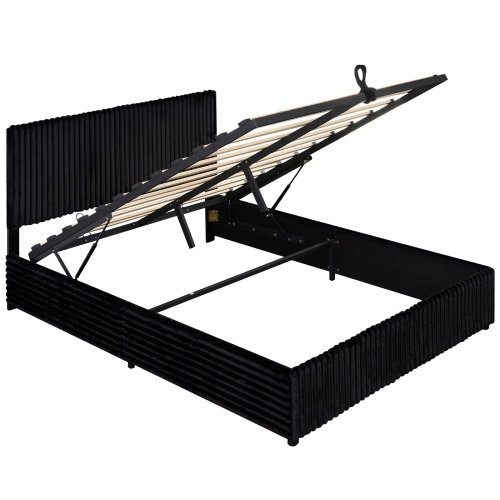

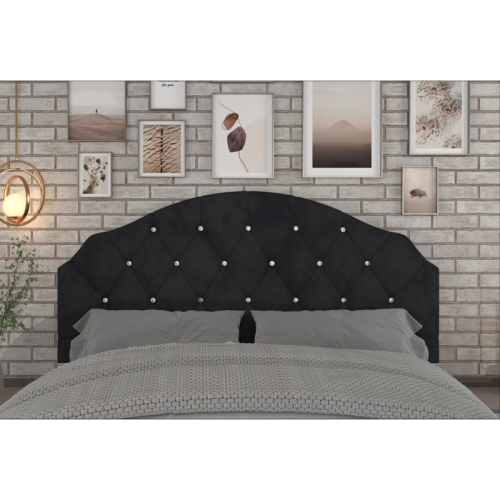
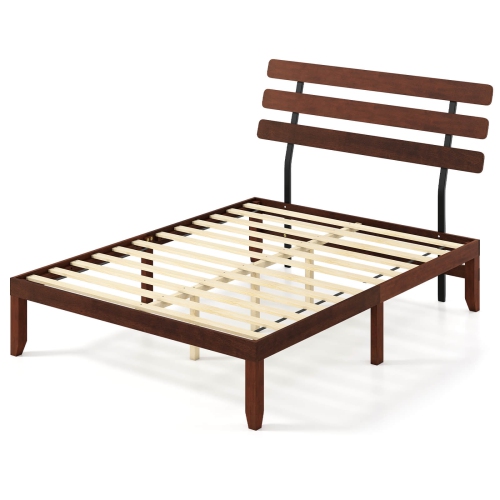
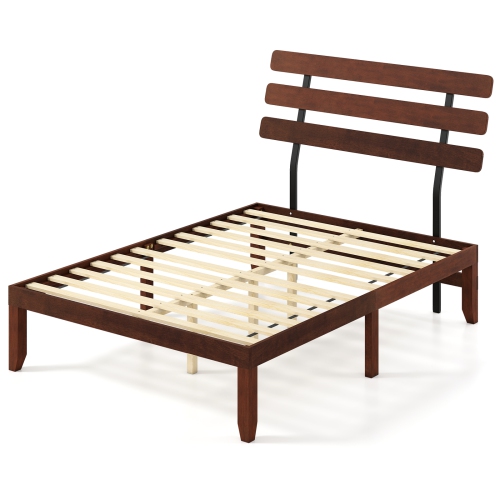
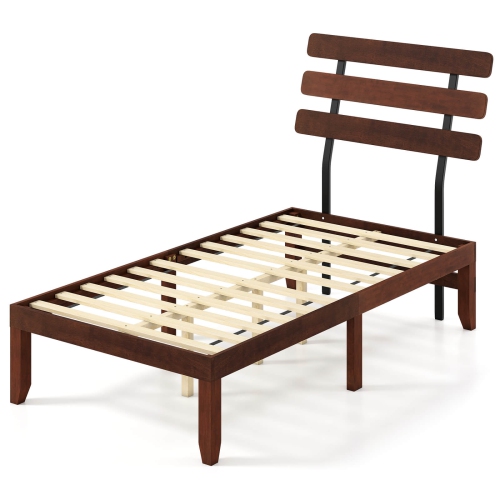

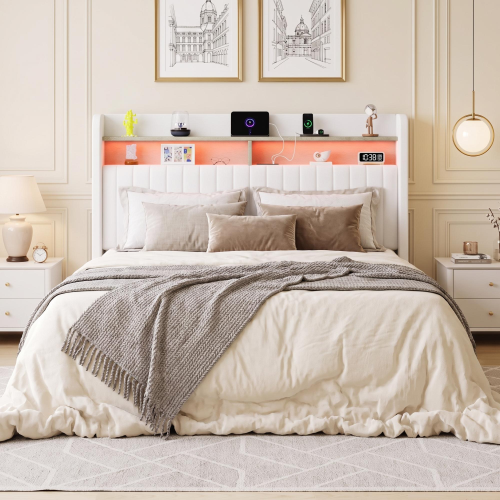
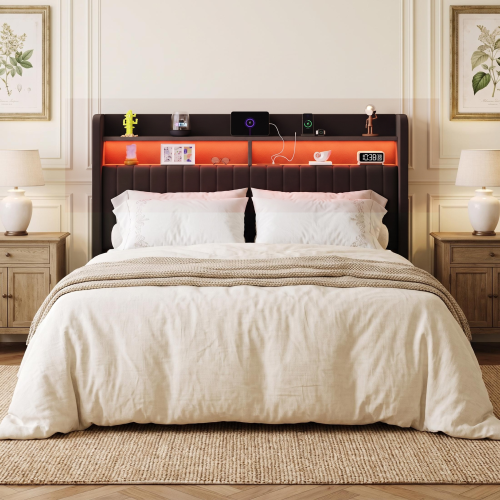
Bedtime essentials within reach without crowded bedside tables
Queen headboards with storage give the space behind the bed a practical purpose, keeping everyday essentials close without leaving everything on the bedside table. A shelf for a book, a cubby for glasses, or a closed compartment for small accessories can make a bedroom feel more organized while preserving the familiar comfort of a queen-size bed. The appeal is especially clear in a condo bedroom where two generous nightstands would crowd the room, or in a guest room where visitors need somewhere convenient to set a phone and a few personal belongings. Open shelves keep frequently used things visible and easy to reach, while doors and sliding panels create a quieter-looking backdrop by concealing smaller belongings. Within the broader category of Queen Headboards, storage designs combine that visual backdrop with space that works throughout the day, not just at bedtime. Their appearance can vary from simple, low-profile shelving to taller bookcase-inspired structures that frame the bed more prominently. A wood-grain finish can bring warmth beside crisp bedding, while a smooth painted surface can blend with dressers and wardrobes without needing an exact match. The layout matters as much as the finish: a pair of separate compartments gives each sleeper a personal spot, while a continuous shelf leaves room for a shared arrangement of reading material and a small decorative accent. For someone who reads before bed, a reachable ledge can keep a paperback within arm’s length rather than on the floor. For a bedroom that doubles as a quiet retreat, concealed storage can keep charging cables and other small necessities from dominating the view. The most useful arrangement reflects ordinary habits, with the things reached for every evening close by and less-used belongings tucked farther away. That balance helps the headboard feel like part of the bedroom rather than an extra cabinet squeezed behind the pillows.
Fit involves more than matching the word “queen” on the bed and headboard. A standard queen mattress measures approximately 60 inches wide and 80 inches long, but the bed frame, headboard posts, and storage structure can extend beyond that footprint. Storage compartments also add depth, which may move the mattress farther from the wall and reduce the space at the foot of the bed. In a compact room, that difference can affect a dresser drawer, a closet door, or the walking route beside the mattress. Headboard height deserves equal attention because a thick mattress, foundation, or stack of pillows can cover a low shelf and make it awkward to use. A comfortable arrangement leaves useful openings accessible without placing a hard shelf edge directly where someone leans back. Bed-frame mounting points, bracket spacing, and the intended installation method determine whether the parts will work together; matching dimensions alone does not establish compatibility. Wall-mounted and freestanding configurations have different support requirements, and any anchoring specified by the manufacturer remains important even when the structure appears substantial. Materials influence both the look and the day-to-day feel of the furniture. Solid wood can offer distinctive grain and may develop small surface marks with use, while engineered wood with a laminate or veneer finish provides a different construction and care profile. Veneer is a thin layer of wood over a core, whereas laminate is a surface covering whose cleaning needs depend on its finish. Neither a wood-look surface nor a thick-looking panel, on its own, establishes how much weight a shelf can support. Sound joints, appropriate hardware, supported shelves, and the stated load limits are more useful indicators of how storage should be used. Smooth edges and well-aligned doors also make a difference when reaching for something beside the bed. If upholstered sections are part of the design, their position matters: fabric behind the pillows provides a softer contact surface, while nearby shelves still need enough clearance to remain usable.
Living with a storage headboard is often about small details that become noticeable after the room is furnished. A deep compartment can hold larger reading material, but anything pushed to the back may be difficult to reach from a seated position. Shallower shelves make smaller belongings easier to see, although they leave less room for bulky accessories. Closed doors need clearance to open, and sliding panels may cover one section while exposing another. In a shared bedroom, separate storage zones can prevent one person’s books and cables from spreading across the whole headboard. Storage can reduce pressure on bedside tables, though a table may still be useful for a lamp or a drink kept away from books and electrical connections. Where a headboard includes cable openings or built-in charging features, their position should suit the wall outlet and allow cords to follow a clear route without being pinched by the frame. Electrical features should be used only as directed, and charging devices should not be covered by bedding. Heavier belongings belong only where the stated shelf capacity permits; lightweight reading material is generally more practical within easy reach than heavy objects positioned above pillows. Care is usually straightforward when it follows the surface manufacturer’s instructions. Regular dusting helps keep shelf corners tidy, and a soft cloth is less likely to leave marks than abrasive pads. Spills should be addressed promptly, particularly around joints and panel edges where moisture can enter, and cleaning liquid should not be sprayed into charging ports or other electrical components. Upholstered areas may need gentle vacuuming and fabric-specific spot care rather than the same treatment used on shelves. Assembly access matters too: enough room to position the headboard, secure its fittings, and reach required mounting points makes installation more manageable. With suitable proportions and thoughtfully arranged compartments, a queen storage headboard can support bedtime routines while giving the bedroom a more settled, uncluttered appearance.
Top selling and popular products
-
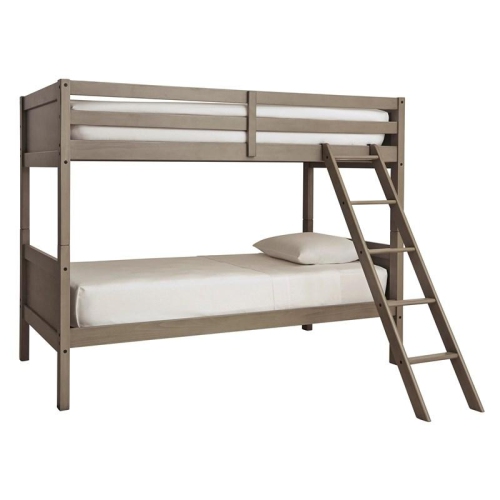 Your price for this item is $799.99
-
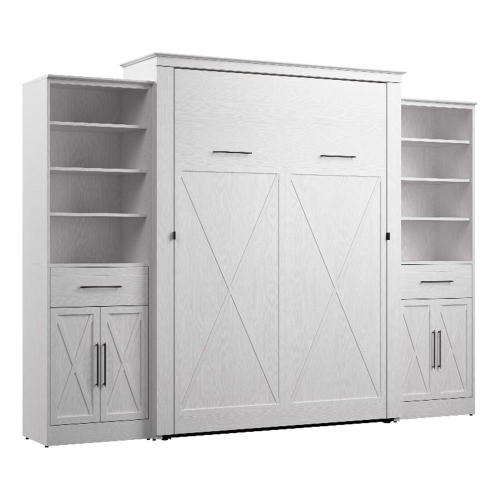 Your price for this item is $3519.99
-
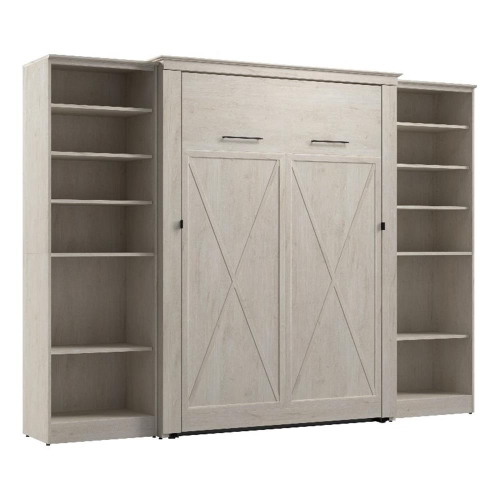 Your price for this item is $3099.99
-
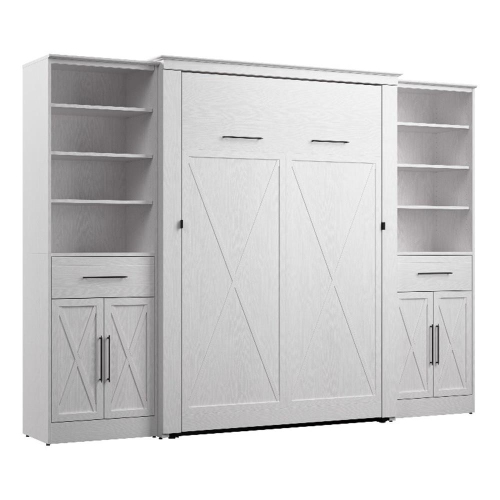 Your price for this item is $3349.99
-
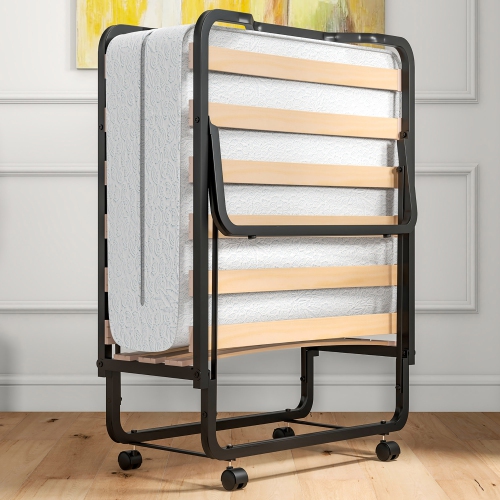 Your price for this item is $235.99
-
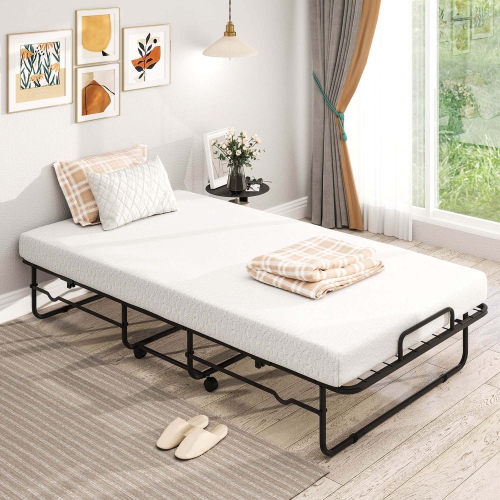 Your price for this item is $243.99
-
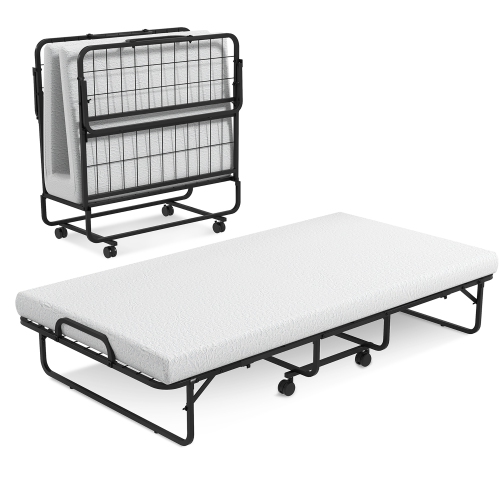 Your price for this item is $233.99
-
 Your price for this item is $364.99
Discover more categories related to Queen Headboards With Storage
Top Collections:
Best Black Friday Deals This Year, Best Black Friday Deals On Electronics, Kindle Devices, Best Black Friday Deals On Apple Products, Best Budget Office Chairs, Best Cameras for Sports Photography, Dyson Airwrap, Canon G7X Cameras, Best Laptops for Writers, Samsung Galaxy Phones
Some products may be subject to Environmental Handling Fees
(EHF) depending on your province.
Learn more about EHFs.