Modern Queen Beds With Storage
Modern Queen Beds With Storage offer a stylish and practical solution for maximizing space in your bedroom. These beds combine contemporary design with convenient storage options, making it easy to keep your room organized and clutter-free. Whether you're looking to refresh your decor or simply need extra room for bedding and essentials, Modern Queen Beds With Storage provide both comfort and functionality to suit your lifestyle. Explore a variety of designs and finishes to find the perfect addition to your home.
Sort
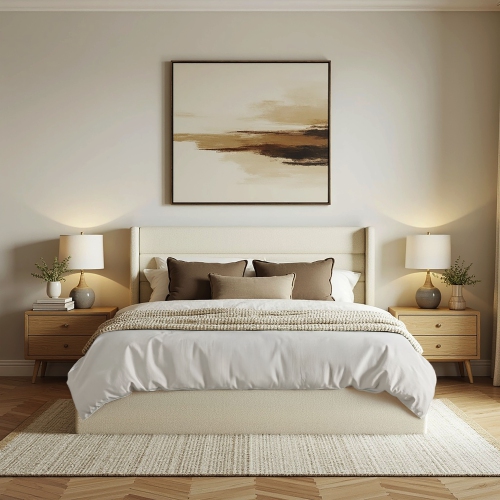
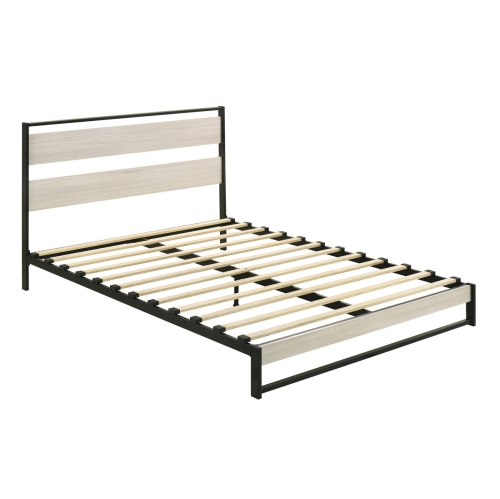
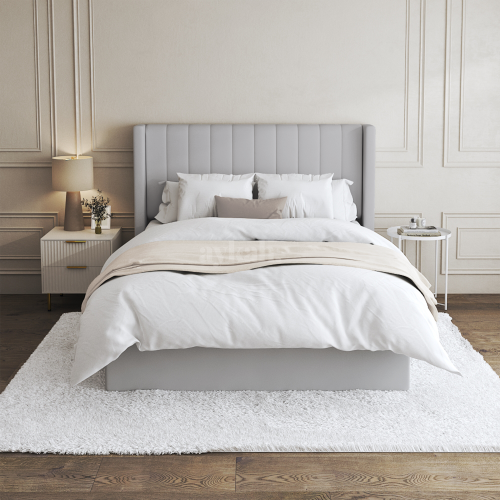
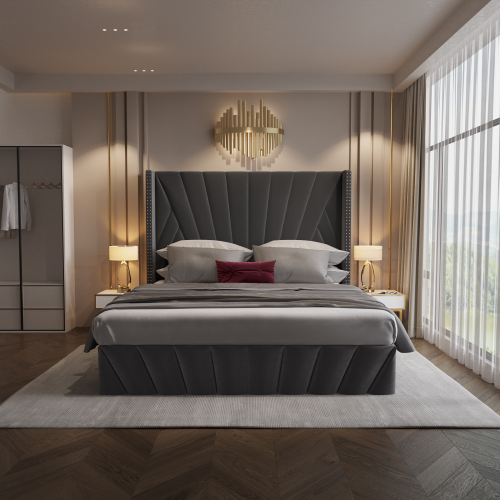




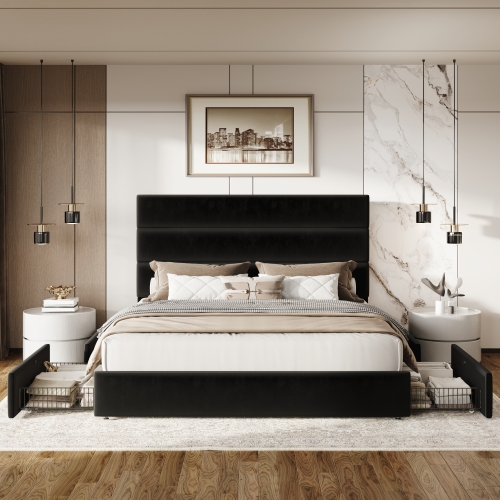

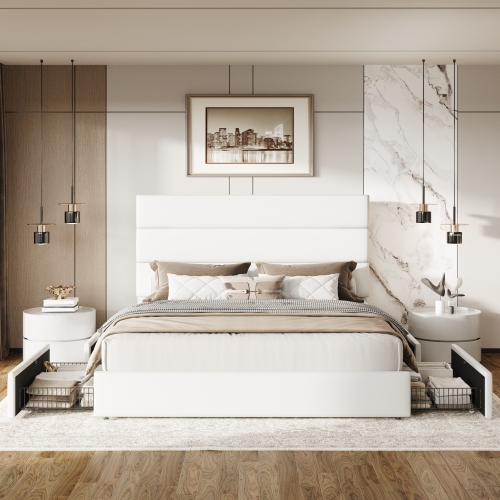
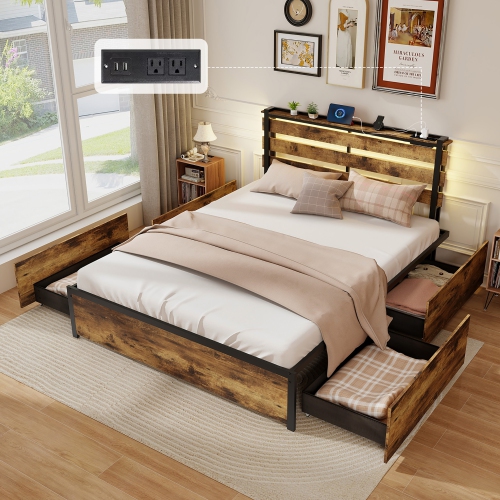

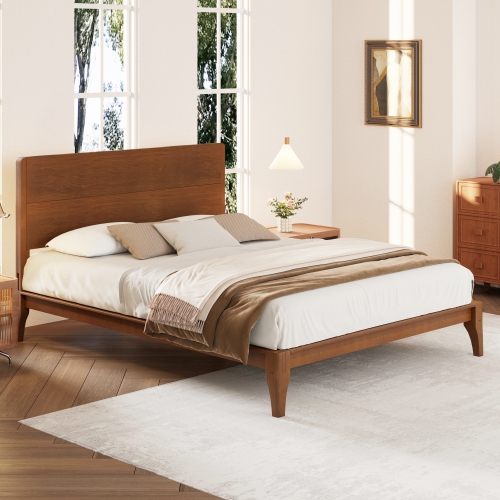
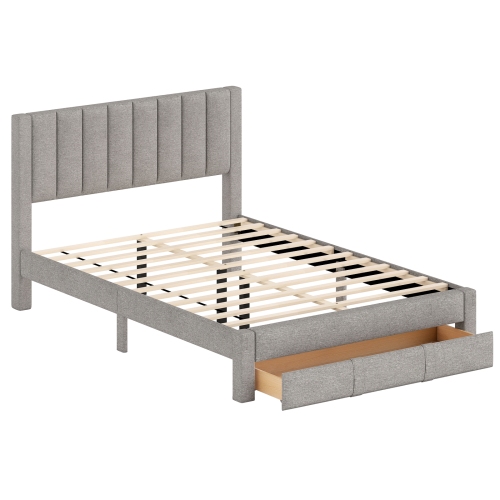
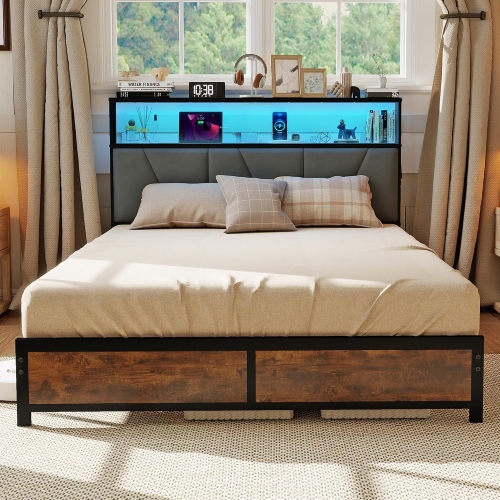
Built-in bed storage works best with room to move
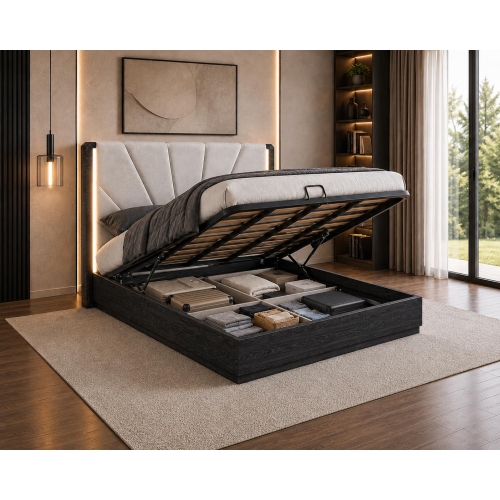
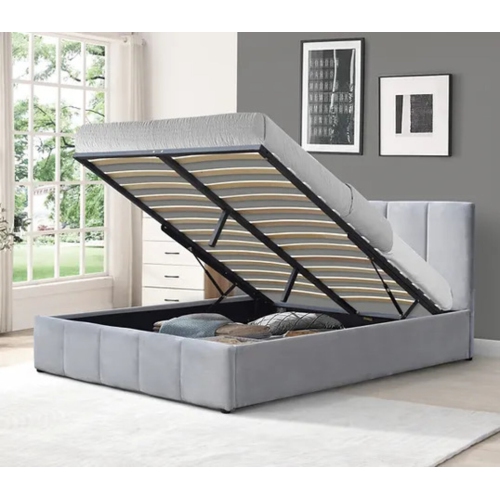
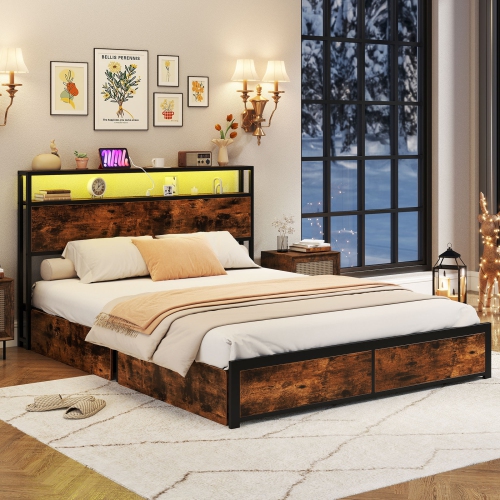
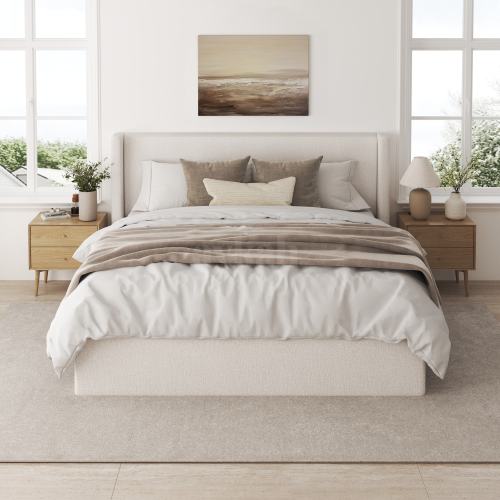
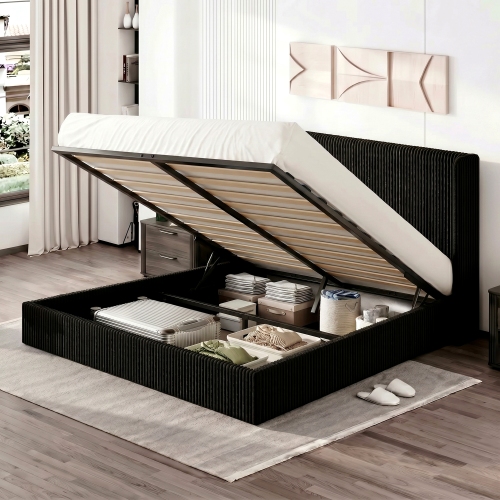
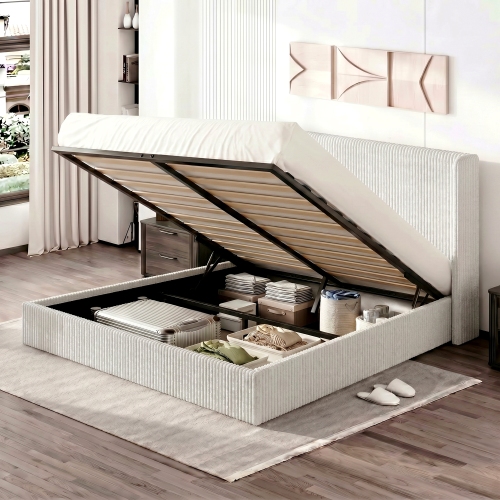
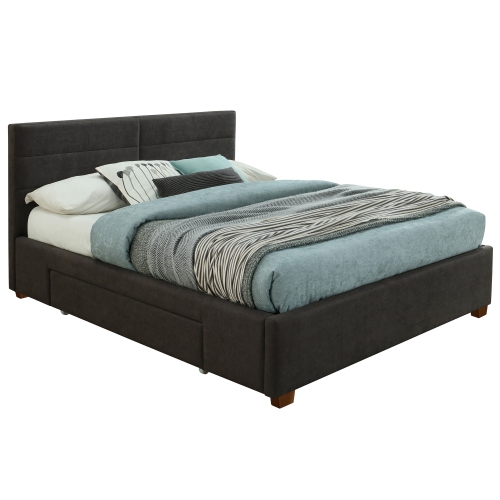
Modern queen beds with storage combine a queen-size sleeping surface with built-in drawers, a lift-up mattress platform, or headboard compartments, keeping bedroom essentials close without adding a separate cabinet. Their contemporary look often comes from straight lines, simple hardware, low-profile proportions, and finishes that sit comfortably alongside existing furniture. The storage can be especially useful in a condo bedroom, a shared primary bedroom, or a guest room that also needs to hold extra bedding. A standard queen mattress measures approximately 60 by 80 inches, offering room for one person to spread out or for two people to share, but the bed frame extends beyond those measurements. Upholstered sides, a substantial headboard, and a projecting footboard can all increase the space needed. Measuring the complete frame footprint is therefore just as important as checking the mattress size. Drawer clearance deserves its own place in the room layout: a bed may fit neatly between two walls yet leave too little room to open a drawer beside a dresser. When comparing Queen Bed Frames With Storage, consider the position of doors, closet openings, bedside tables, and walking routes, rather than judging fit by floor area alone. A low footboard can keep sightlines open in a compact room, while a taller headboard can give the bed a stronger presence against an otherwise plain wall. The overall sleeping height matters, too. A deep mattress on a raised storage base may be comfortable for someone who prefers sitting at chair height, but less convenient for someone who wants a lower surface. Allowing enough space to move around the bed also makes changing sheets, cleaning, and accessing storage easier. These everyday details help a storage bed feel like a natural part of the room instead of a large piece of furniture that everything else has to work around.
The storage layout determines how useful the bed will be day to day. Side drawers suit folded clothing, spare pillowcases, and frequently used bedding when there is clear space along the bed’s edges. Drawers at the foot can work well where bedside tables would block side access, provided there is enough clearance between the footboard and the opposite wall. Check internal drawer dimensions as well as the number of drawers; several shallow compartments serve a different purpose from a pair of deeper ones. Drawer construction also affects use. Smooth-running slides, secure handles, and a stable base make opening a filled drawer more comfortable, while floor-supported drawers need a suitable surface beneath them. Thick rugs or uneven flooring may interfere with their movement. Lift-up storage offers a different arrangement, with a larger compartment beneath the mattress platform that can hold bulky bedding or soft storage bags. It can be a practical choice where side clearance is limited, although the platform still needs room to rise without hitting a shelf, light fitting, or sloped ceiling. The lifting mechanism must be suitable for the mattress weight specified by the manufacturer; a mattress that is too light or too heavy can affect operation. Handles should be easy to reach, and the platform should be operated according to its instructions, with children and pets kept away from moving parts. Headboard shelving adds accessible space for a book or reading glasses, but open compartments remain visible and need regular dusting. For any layout, storage works best when contents are easy to identify and retrieve. Keeping frequently used sheets near the opening and less-used bedding farther inside avoids the need to empty a compartment for one pillowcase. Textiles should be clean and fully dry before being stored, and compartments should not be overfilled. Leaving mechanisms and drawer tracks unobstructed helps preserve smooth movement and makes the space easier to maintain.
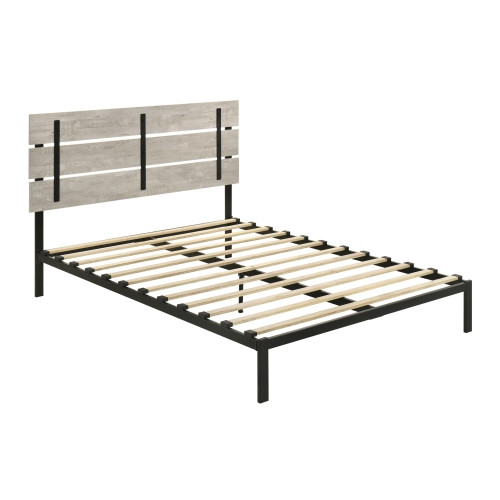
Materials and construction shape both the appearance of modern queen beds with storage and how they hold up to regular use. Solid wood can bring visible grain and variation to a room, while engineered wood offers a consistent surface that may be finished with veneer, laminate, or another protective layer. Metal components can provide structural support with relatively slim profiles. Upholstered frames introduce texture and soften the look of a large bed, particularly in rooms with hard flooring and plain walls. Tightly woven fabric, textured upholstery, and smooth wipeable coverings each have different care needs, so the finish should suit the household as well as the colour scheme. In a home with pets, accessible corners and fabric that can be vacuumed easily may matter more than elaborate detailing. Wood-based surfaces generally benefit from prompt spill cleanup and care that avoids excess moisture; upholstery should be cleaned using the method specified for its covering. Beneath the finish, look at the support system. A centre rail, properly fitted legs, securely fastened joints, and slats with spacing suitable for the mattress all contribute to a stable sleeping surface. Mattress compatibility is important because not every platform is designed for the same mattress type, and some frames require a foundation while others do not. Weight limits should account for the mattress and sleepers, while drawers and compartments may have separate load limits. Assembly and delivery access also deserve attention: large headboard panels must pass through doorways, stairwells, and tight corners before the bed can take shape in the room. Once assembled, periodic hardware checks can help address movement before it becomes persistent noise. Visually, a restrained finish makes it easier to coordinate the bed with a favourite dresser, bedside lighting, and bedding without requiring a matching furniture set. Recessed pulls can keep the outline uncluttered, while a padded headboard provides a more comfortable surface for sitting up to read. The most useful balance is a frame that supports the mattress properly, stores what the room needs, and remains straightforward to live with every day.
Top selling and popular products
-
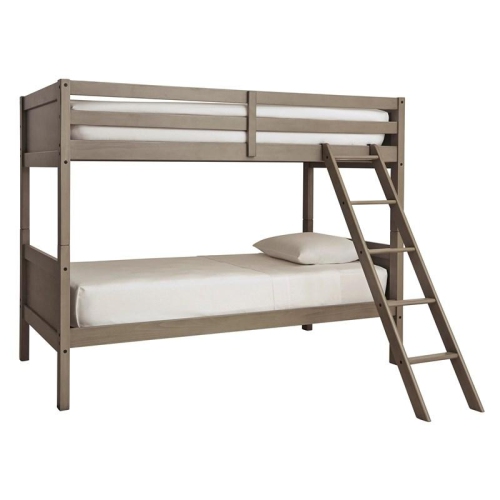 Your price for this item is $799.99
-
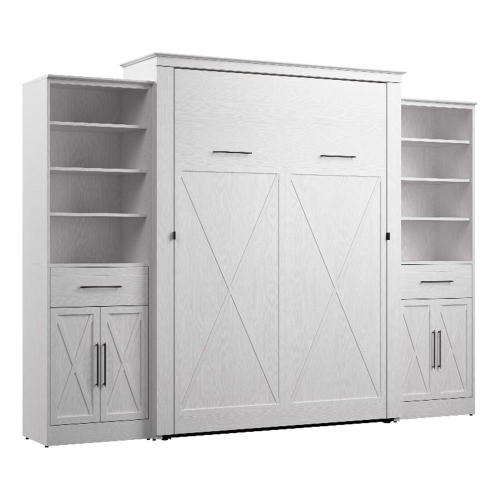 Your price for this item is $3519.99
-
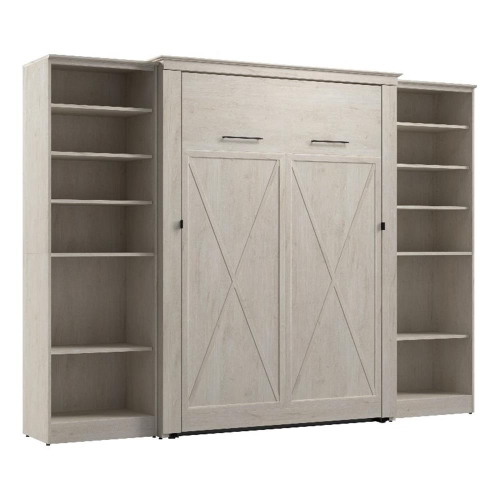 Your price for this item is $3099.99
-
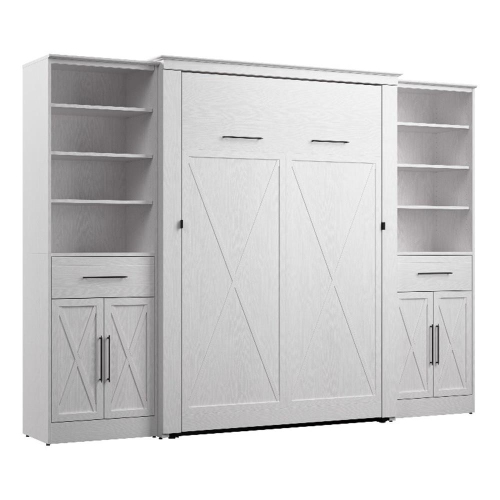 Your price for this item is $3349.99
-
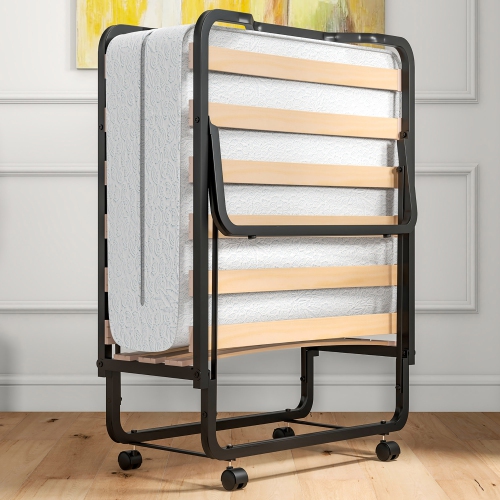 Your price for this item is $235.99
-
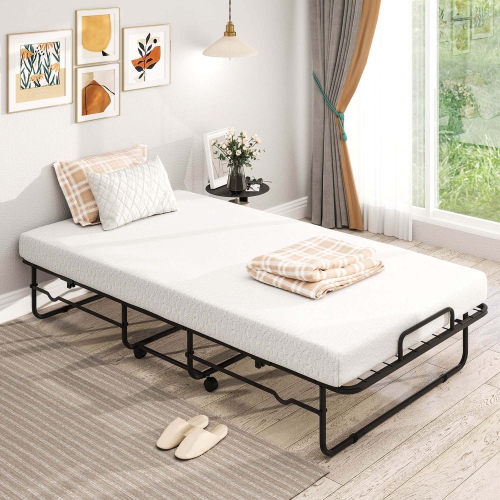 Your price for this item is $243.99
-
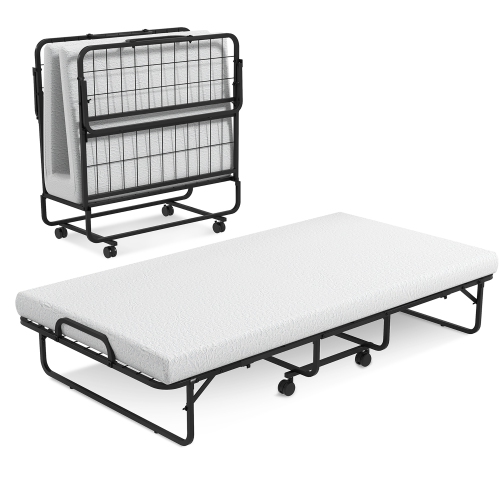 Your price for this item is $233.99
-
 Your price for this item is $364.99
Discover more categories related to Modern Queen Beds With Storage
Top Collections:
Best Black Friday Deals This Year, Best Black Friday Deals On Electronics, Kindle Devices, Best Black Friday Deals On Apple Products, Best Budget Office Chairs, Best Cameras for Sports Photography, Dyson Airwrap, Canon G7X Cameras, Best Laptops for Writers, Samsung Galaxy Phones
Some products may be subject to Environmental Handling Fees
(EHF) depending on your province.
Learn more about EHFs.