Queen Size Air Mattresses
Elevate your sleep experience with a queen-size air mattress, the perfect solution for accommodating guests or enhancing your camping adventures. Designed for ultimate comfort and convenience, these mattresses offer a versatile sleeping option that can be easily inflated and deflated to suit your needs. Whether you're hosting overnight visitors or exploring the great outdoors, a queen-size air mattress provides ample space and support for a restful night's sleep. Discover the ideal combination of portability and plushness, ensuring you or your guests enjoy a cozy sleep no matter where you are.
Sort
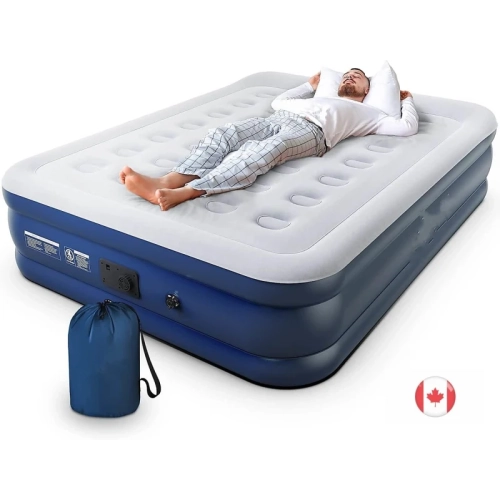
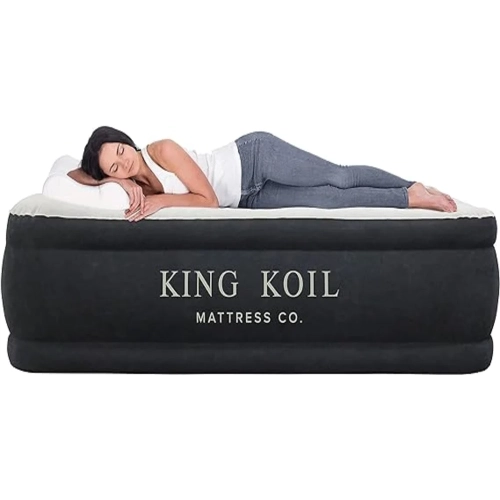
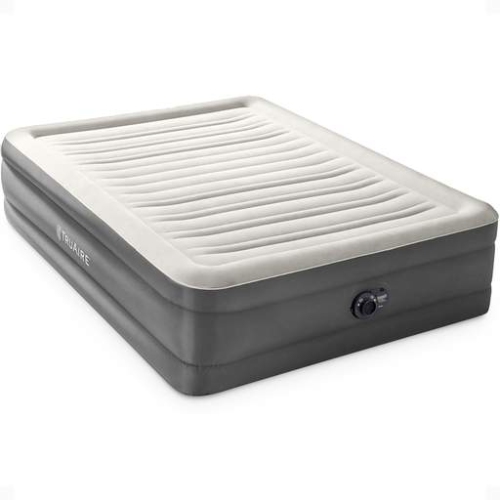
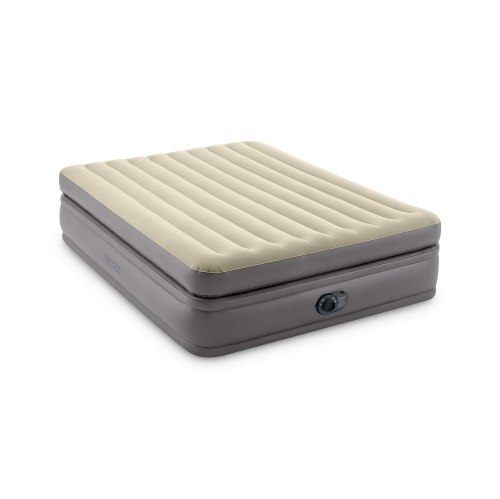
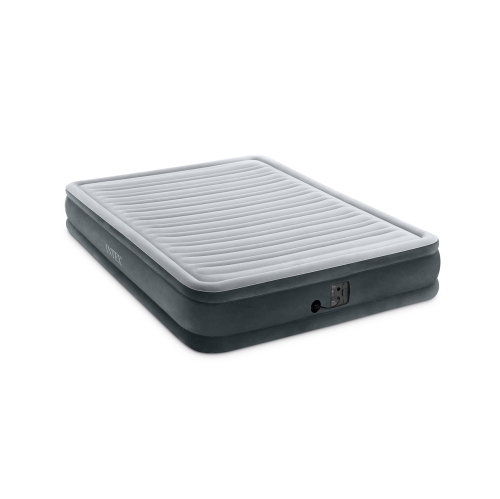
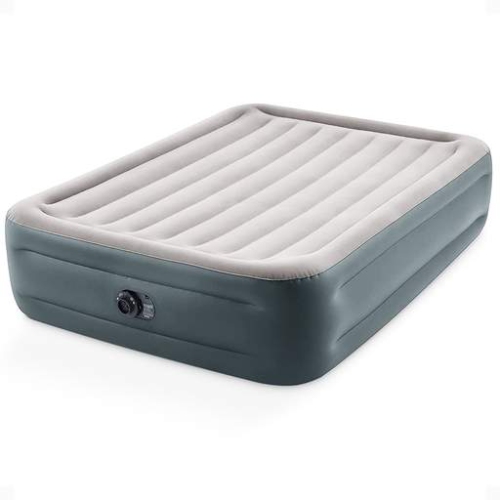
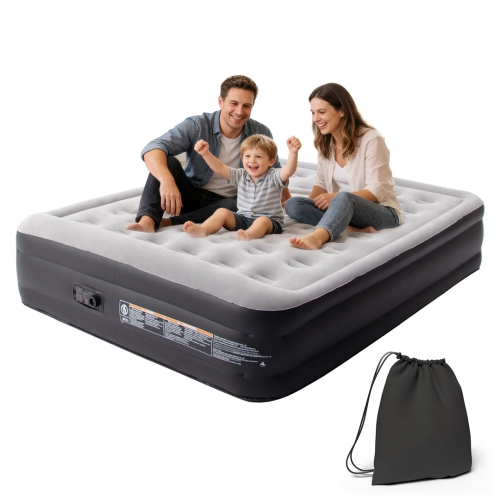
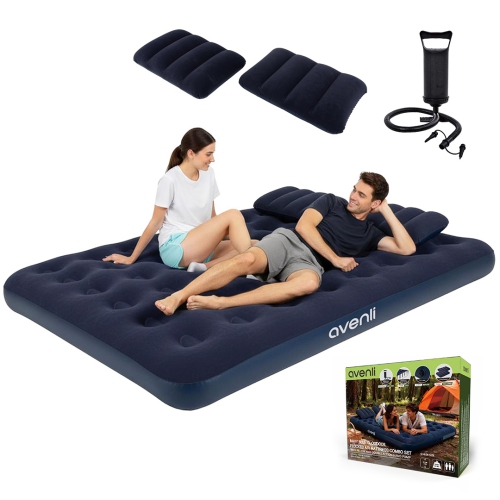
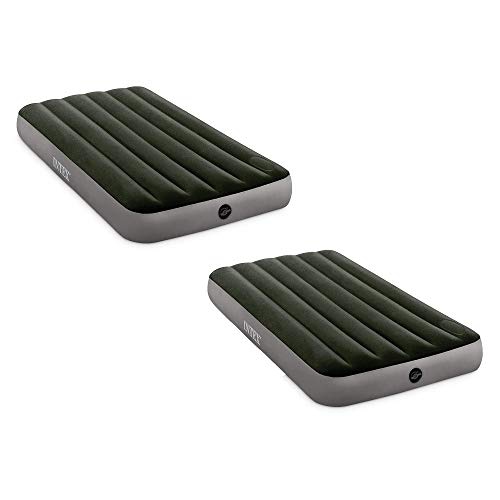
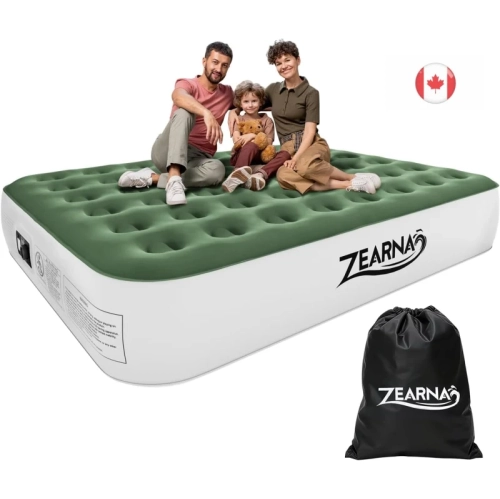
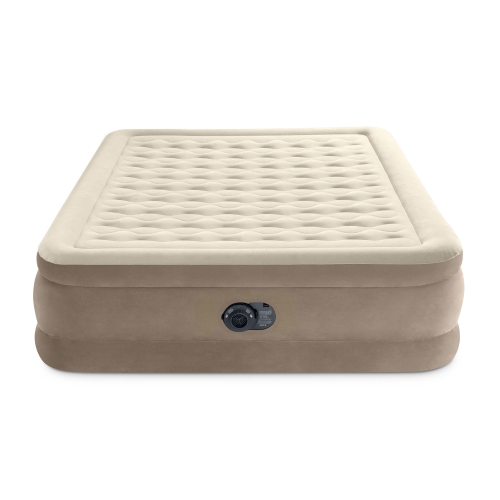
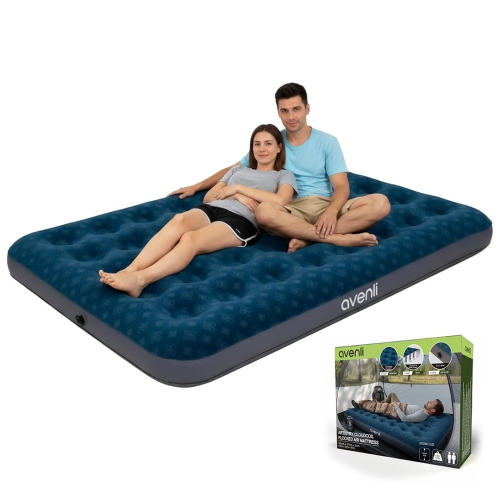
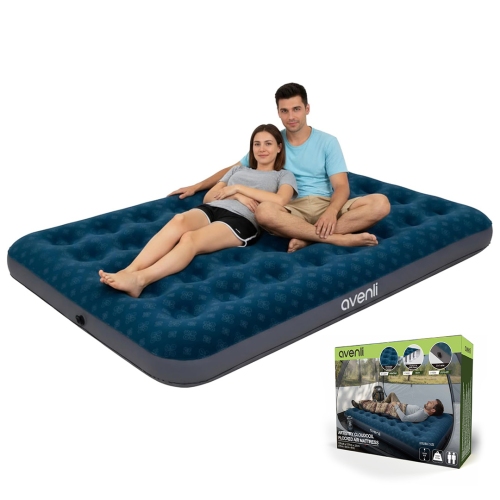

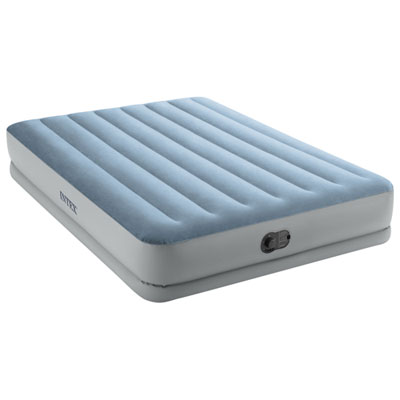
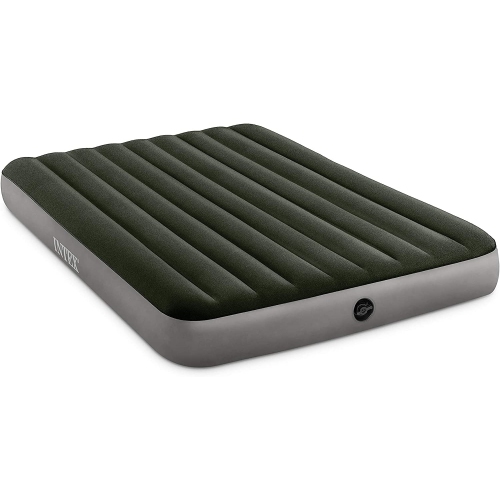
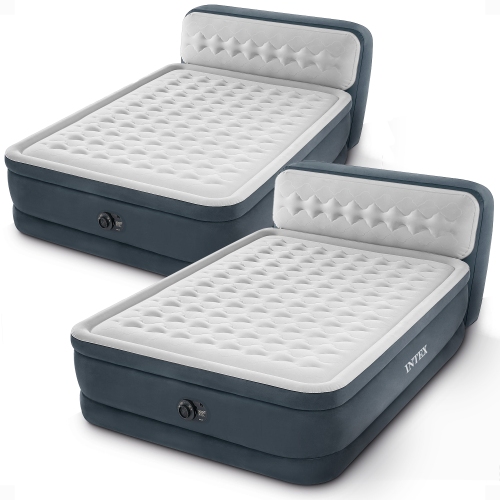
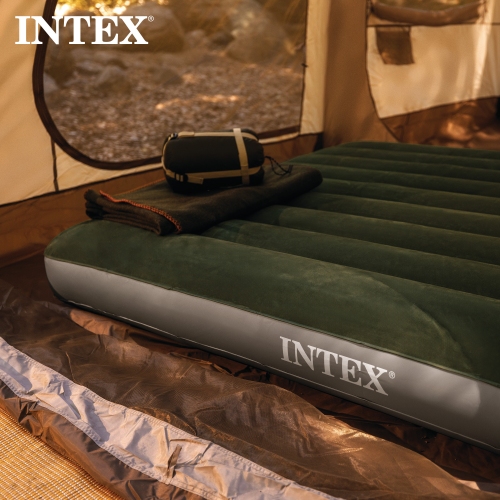
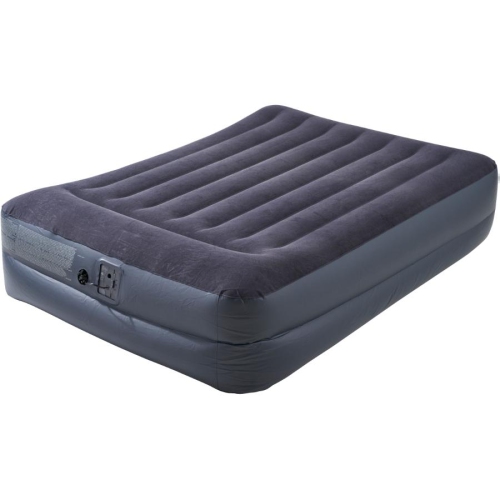
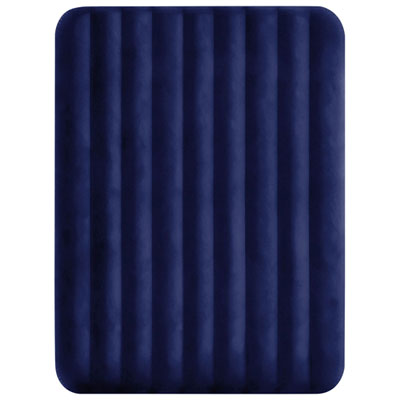

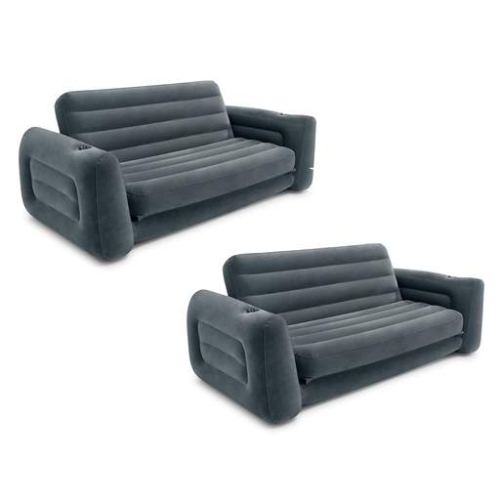
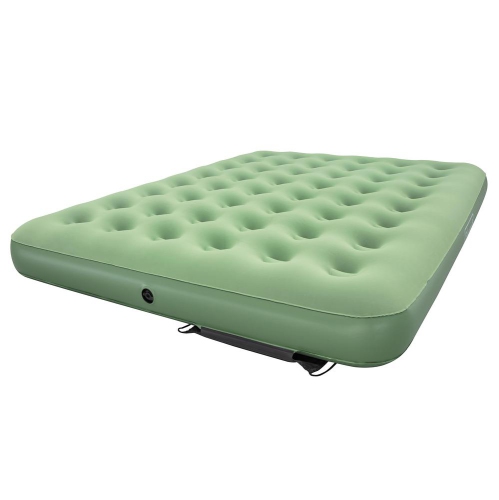
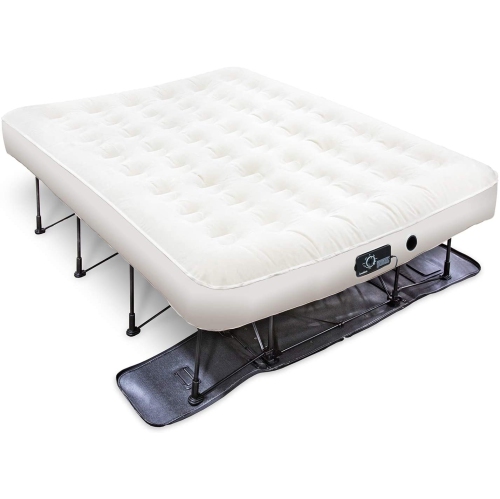
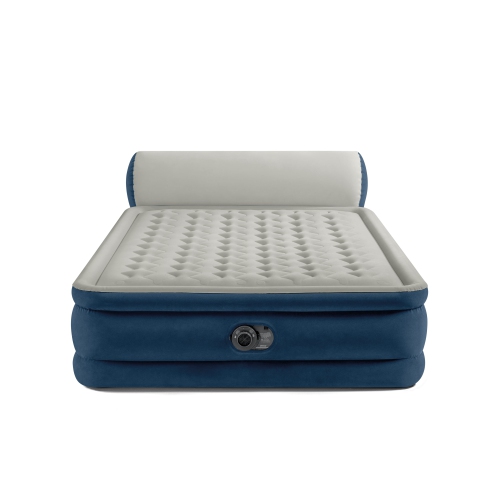
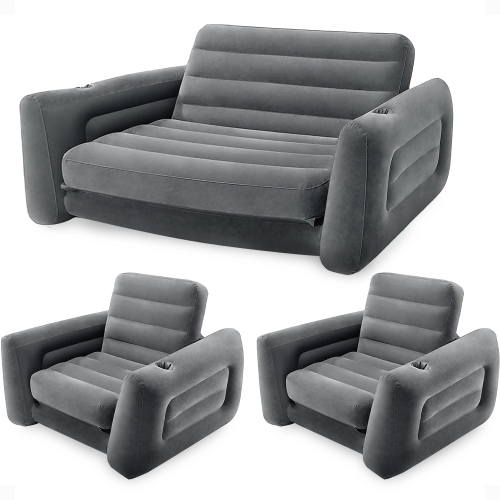

Room to stretch out without a permanent bed
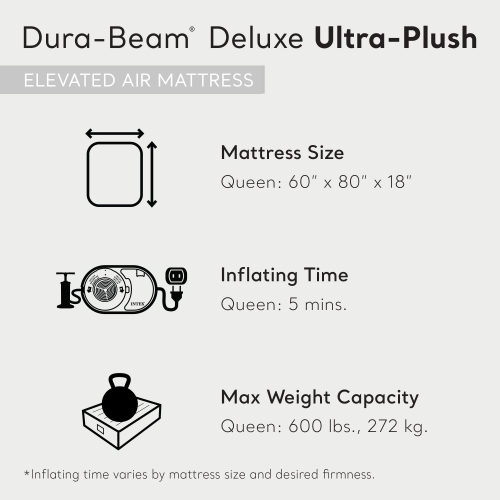
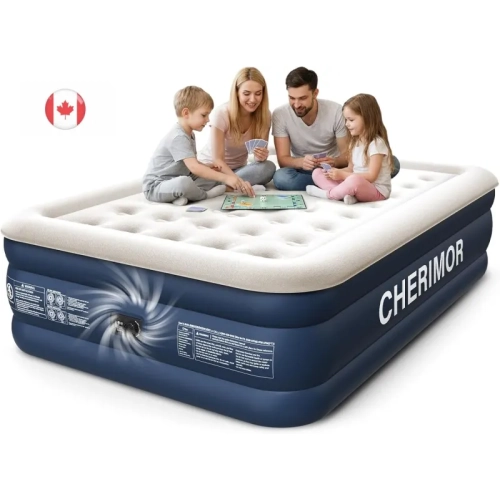
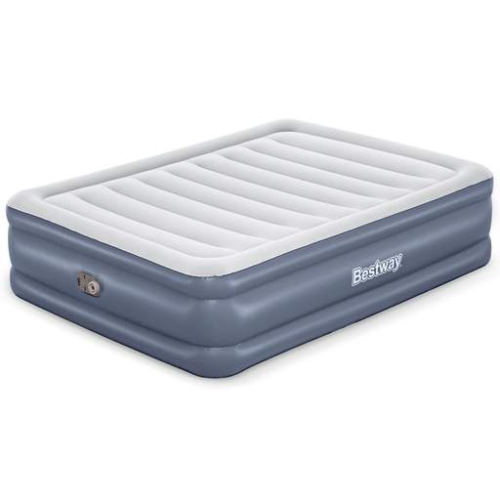
Queen-size air mattresses provide a temporary sleeping surface with nominal dimensions of 60 inches wide by 80 inches long, giving one adult room to stretch out or two adults space to share, subject to the mattress’s stated weight capacity. Low-profile designs often stand around 8 to 10 inches high, while many raised models measure about 18 to 20 inches high; exact dimensions vary by design. That difference in height affects more than appearance. A lower mattress can suit a compact setup or a tent with limited headroom, while a raised sleeping surface may make sitting down and getting back up more comfortable for some guests. Neither height alone determines firmness or support, which also depend on the internal construction and inflation level. For shoppers comparing Queen Air Mattresses, the most useful starting point is the space where the bed will actually be used. A queen footprint needs enough clear floor area for the inflated mattress, with additional room to walk alongside it, open a door, and reach the pump or valve. A living room that comfortably holds a folded mattress may need furniture moved before the bed is inflated. In a guest room or home office, the longer queen dimensions can help accommodate taller sleepers without requiring a permanent bed frame. Standard queen bedding generally matches the nominal width and length, but fitted-sheet compatibility also depends on the mattress’s contours and how the sheet grips its edges. A raised air mattress does not necessarily need a sheet that wraps around its entire height; some designs have a defined upper edge that holds bedding in place. Pillows, a suitable fitted sheet, and a familiar blanket help turn an occasional sleeping arrangement into a welcoming place to rest. For overnight visitors, family gatherings, or a short stay during a move, the appeal is a usable bed that can be packed away once the room returns to its everyday purpose.
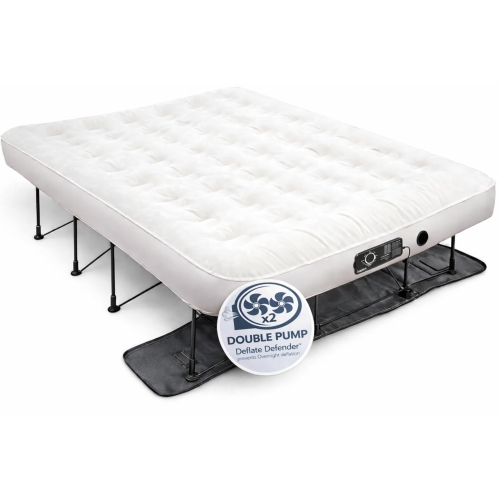
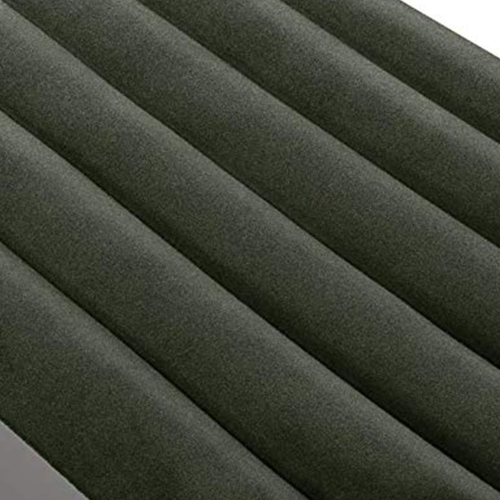
Materials and internal support make a noticeable difference to how a queen-size air mattress feels under two sleepers. Many designs use PVC or other flexible plastic materials, sometimes combined with laminated fabric layers or internal polyester fibres. These components help contain the air and maintain the mattress’s shape, while beams, chambers, or coil-style supports distribute weight across the sleeping surface. Their arrangement can influence how much the centre dips, how the edges respond when someone sits down, and how movement travels from one side to the other. A flocked top adds a soft, textured finish that can help bedding stay in place, but it is not the same as a thick cushioning layer. Sleepers who prefer more padding may appreciate a compatible topper, provided it fits securely and is used according to the mattress instructions. Firmness is adjustable through inflation, although adding more air does not automatically create better support. An overfilled mattress may feel rigid and place unnecessary strain on its seams; the appropriate inflation level is the one specified by the manufacturer. Some initial adjustment can be normal as new materials stretch, so a small top-up does not by itself establish that a mattress has a leak. Pump design is another practical distinction. A built-in electric pump keeps inflation controls attached to the bed and can simplify setup near a suitable electrical outlet. An external pump may offer flexibility, but its nozzle must match the valve, and it needs to be packed separately. Battery-powered, rechargeable, vehicle-powered, and manual pumps each have different power requirements and compatibility considerations. Powered deflation can make packing easier, though some designs rely on an open valve and gentle pressure to release air. A clear route to the controls matters when the mattress is positioned beside a sofa or wall, and pump noise is worth considering when guests arrive after other household members have gone to bed. Inflation times vary with mattress volume, pump performance, and the chosen firmness.
Durability depends on both construction and everyday handling. Reinforced seams and layered materials can contribute to a sturdy design, but an air mattress still needs a clean, level surface free of sharp debris. On a hard floor, a suitable protective layer can help reduce rubbing, provided it does not interfere with the mattress’s stability or any manufacturer requirements. Around pets, claws and chewing are practical concerns, even when the sleeping surface feels substantial. Sitting briefly on an edge is different from using that edge as a regular seat, and jumping or concentrated pressure can stress the material. Weight limits should be assessed for everyone sharing the mattress, along with any additional load identified in the manufacturer’s instructions; a queen-size label describes dimensions, not a universal carrying capacity. Routine care is usually straightforward, with a soft, damp cloth and a mild cleaning solution where permitted. The surface should be allowed to dry fully before folding so moisture is not trapped between layers. Harsh cleaners, abrasive scrubbing, and machine washing can damage coatings, seams, or attached pump components. After deflation, folding along natural lines rather than forcing tight creases helps keep storage manageable without putting unnecessary stress on the material. A storage bag also keeps the valve, cord, and any separate accessories together, which is useful when the mattress is brought out for an unexpected overnight stay. Repair patches may address some small punctures in suitable areas, but seam damage, valve faults, and pump problems can require different solutions; repair compatibility depends on the material and the location of the fault. For camping, the tent’s usable floor dimensions and access to a compatible pump matter as much as the bed’s stated size. For home use, convenient storage and easy setup often matter more. Queen-size air mattresses are generally best understood as flexible beds for occasional use rather than automatic substitutes for a conventional mattress intended for nightly sleep. The right fit balances sleeping space, manageable height, support, power access, and the care needed between visits.
Top selling and popular products
-
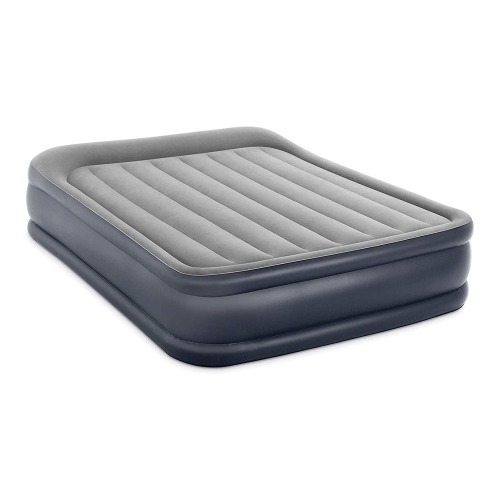 Your price for this item is $127.99
-
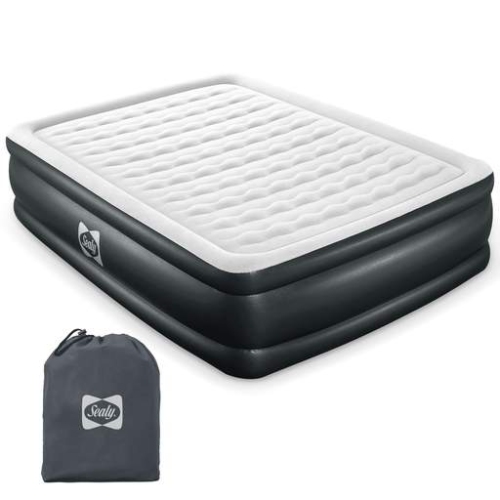 Your price for this item is $222.99
-
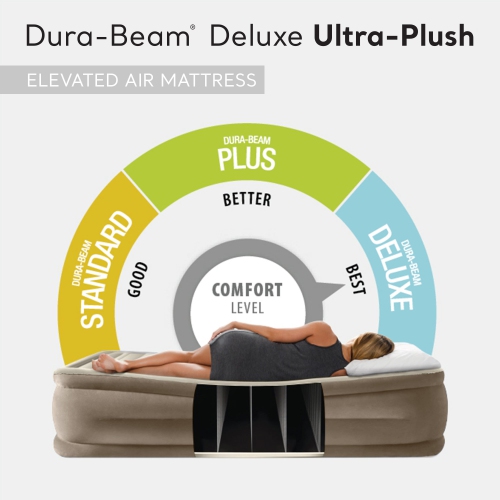 Your price for this item is $162.99
-
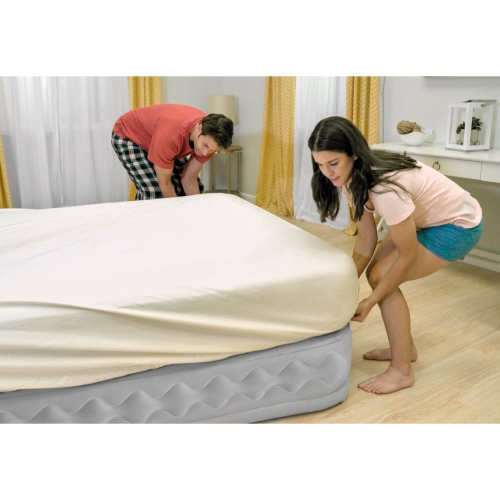 Your price for this item is $274.99
-
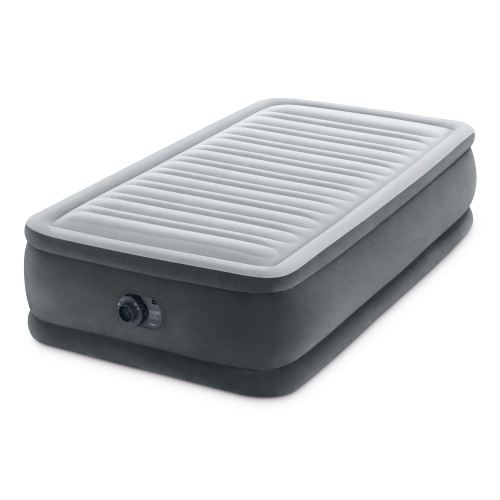 Your price for this item is $113.99
-
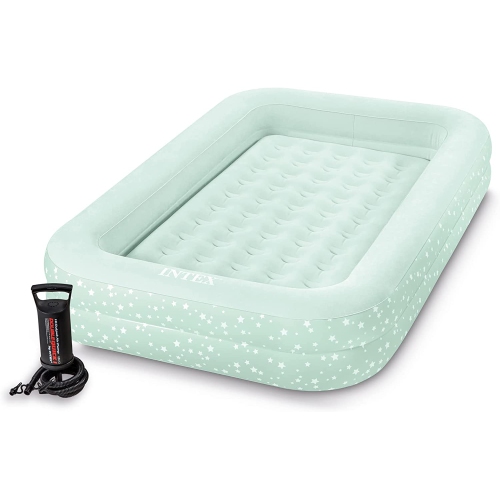 Your price for this item is $69.99
-
 Your price for this item is $182.99
-
 Your price for this item is $207.99
Discover more categories related to Queen Size Air Mattresses
Top Collections:
Best Black Friday Deals This Year, Best Black Friday Deals On Electronics, Kindle Devices, Best Black Friday Deals On Apple Products, Best Budget Office Chairs, Best Cameras for Sports Photography, Dyson Airwrap, Canon G7X Cameras, Best Laptops for Writers, Samsung Galaxy Phones
Some products may be subject to Environmental Handling Fees
(EHF) depending on your province.
Learn more about EHFs.