Raised Beds for Herb Gardens
Raised Beds for Herb Gardens offer a practical and stylish solution for growing your favorite herbs at home. Ideal for both beginners and seasoned gardeners, these raised beds help create an organized and accessible space for cultivating fresh basil, mint, rosemary, and more. Whether you're looking to enhance your outdoor patio, balcony, or backyard, Raised Beds for Herb Gardens make it easy to enjoy homegrown flavors year-round. Explore the options available to find the perfect fit for your gardening needs.
Sort
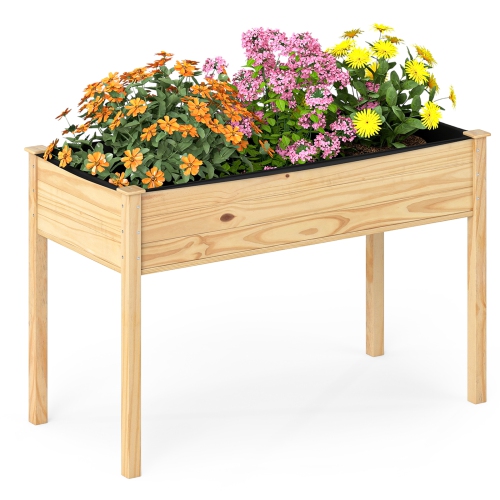
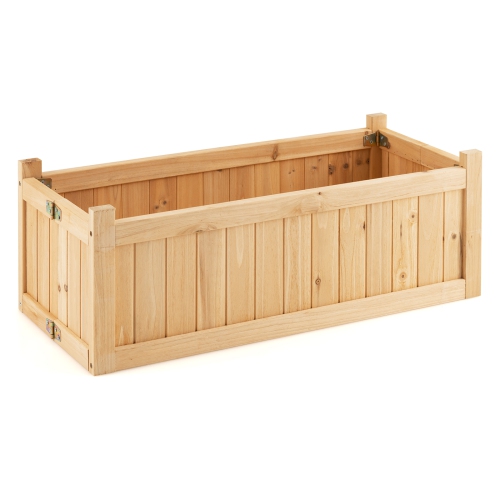
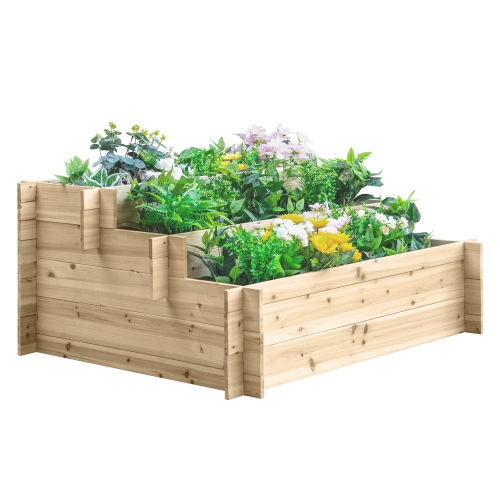
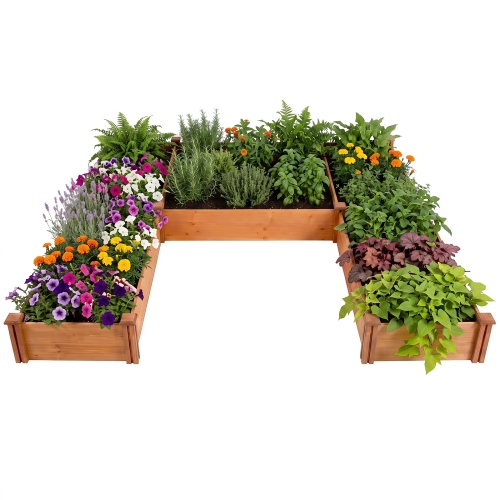

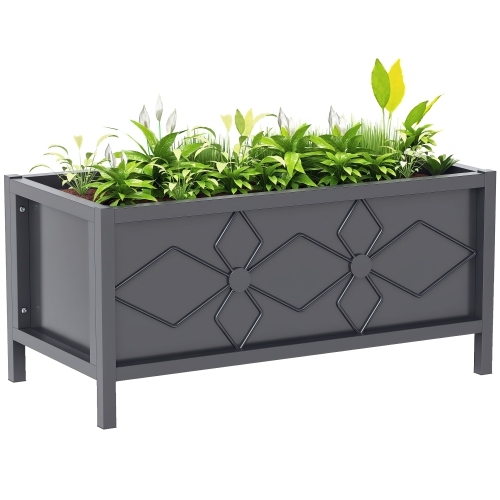
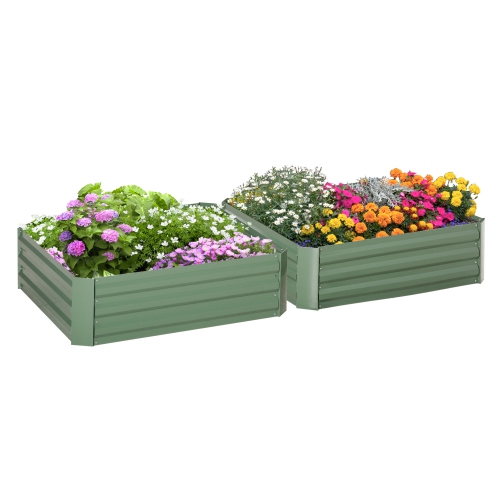
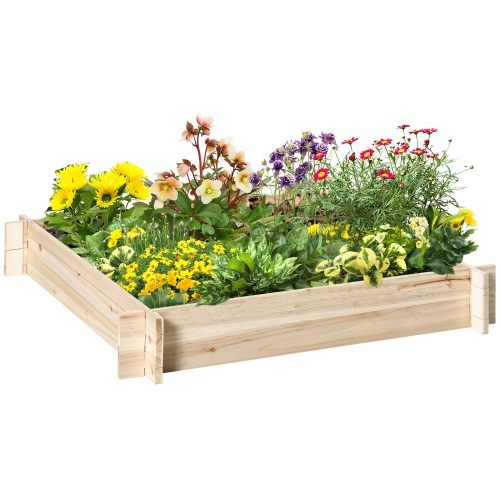
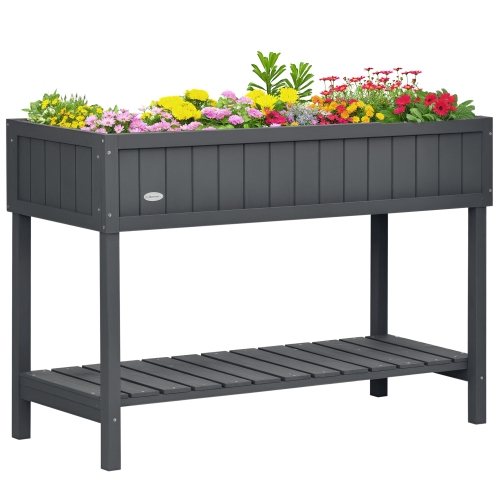
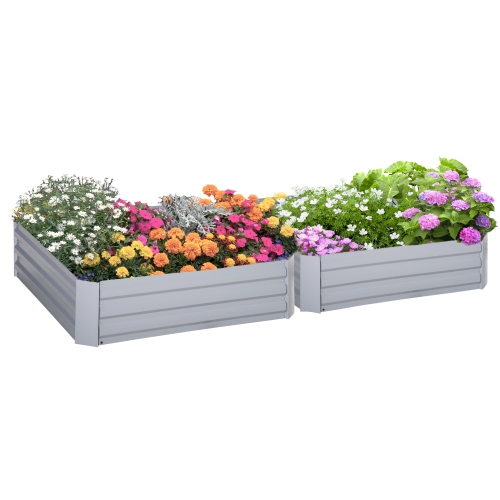
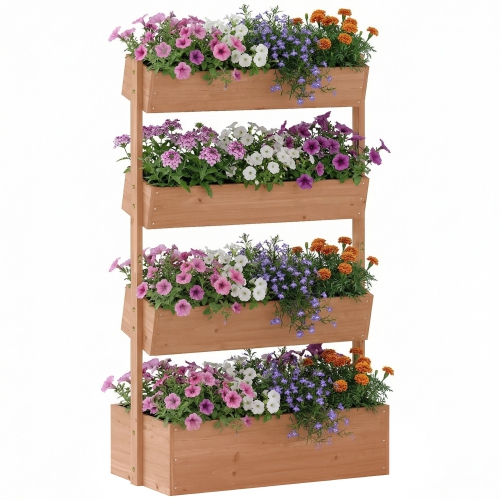
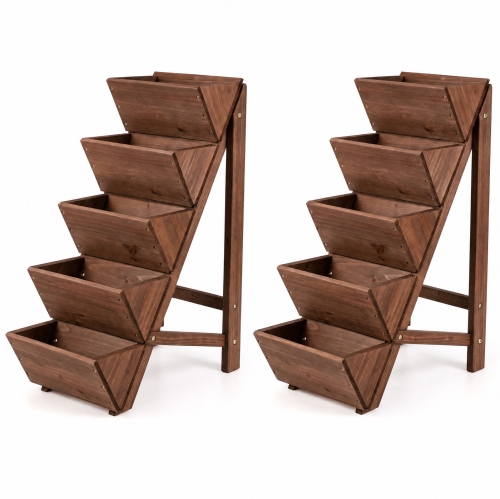
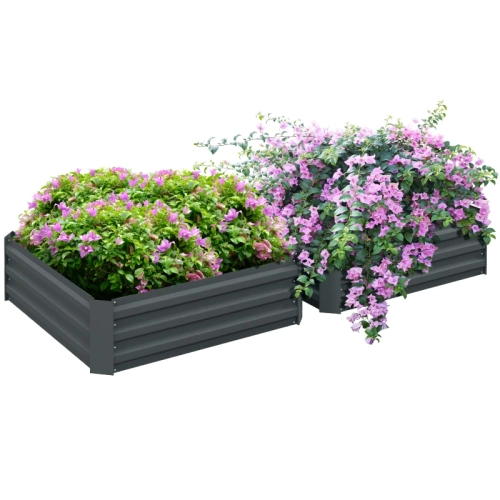
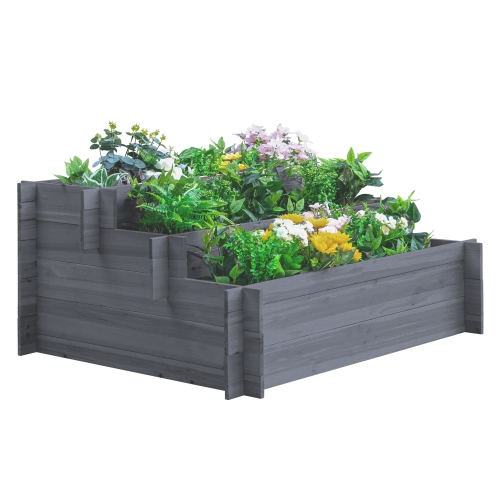
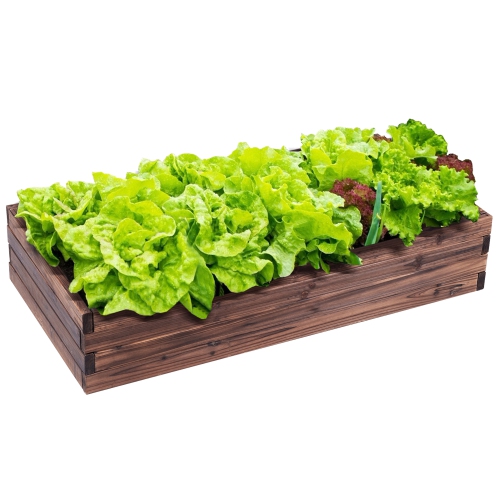

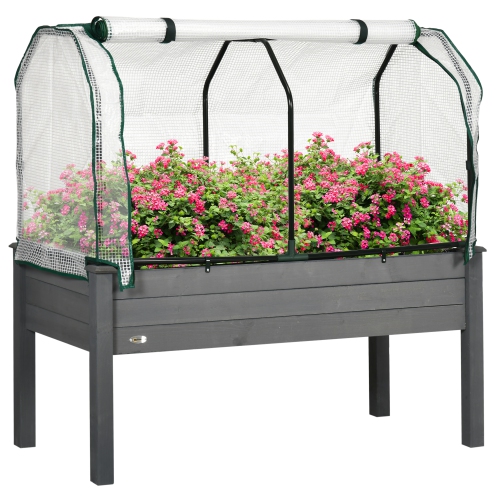
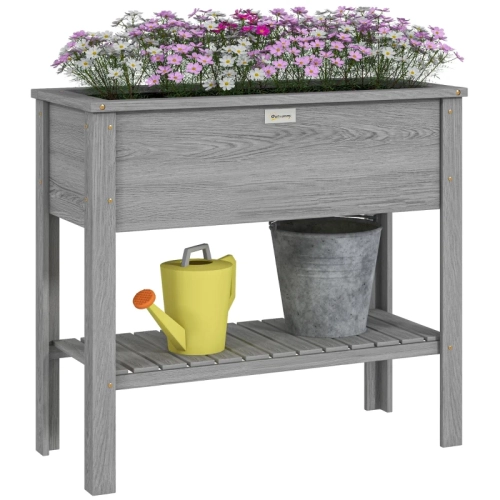
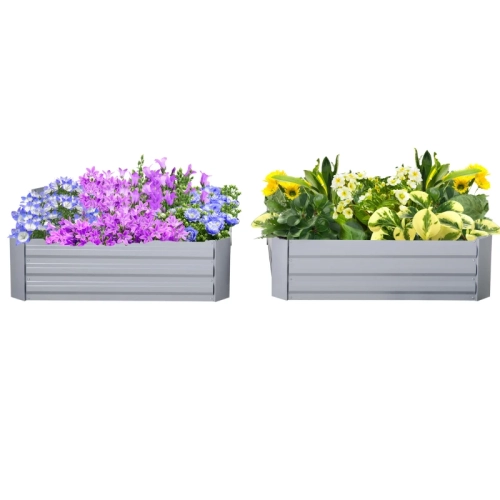
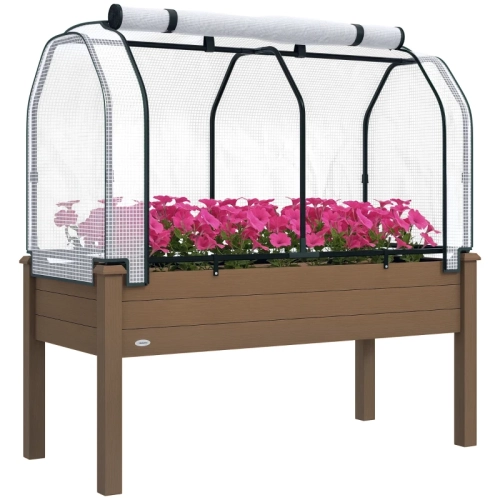
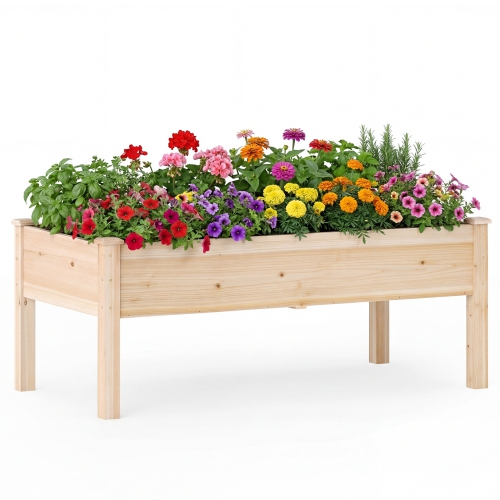
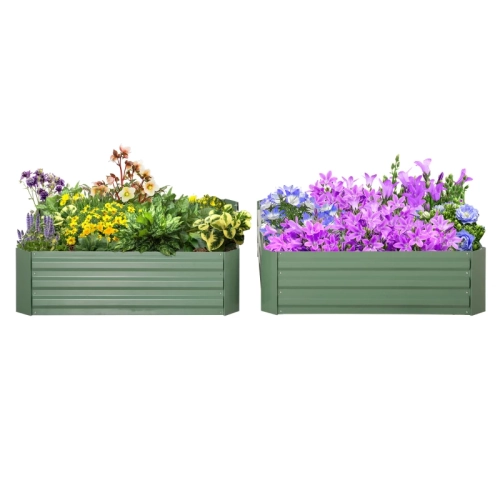
How planter design puts fresh herbs within reach
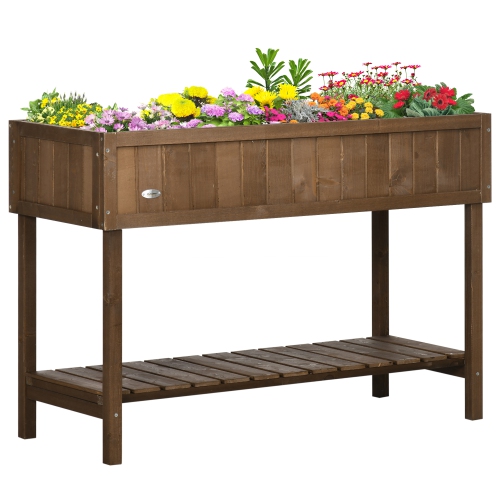
Raised beds for herb gardens offer a defined space for growing the herbs that get snipped most often, from chives for scrambled eggs to parsley for soups and salads. The main distinction is between a bed that sits on the ground and an elevated planter that holds soil in a box on legs or a stand. An open-bottom frame works well in a yard where water can drain into the ground beneath it. It gives gardeners control over the soil inside the frame without requiring the bed to support the weight of that soil. An elevated planter has a supported base, making it a practical choice for a patio or balcony without a planting area. It also brings the herbs closer to hand, which can make watering and picking easier for anyone who finds kneeling or bending uncomfortable. A narrow rectangular bed can run along a wall without taking over a walkway, while a wider bed makes more sense where there’s room to reach it from both sides. On a patio, a slim planter beside the kitchen door can put a handful of basil within easy reach without crowding the space needed to open the door. When comparing footprints, the outside measurements show what fits, while the inside measurements show how much room the roots will have. An elevated planter may stand at a comfortable working height yet have a shallow planting box, so it pays to check soil depth separately from overall height. For a balcony, the filled weight matters more than the weight of the empty planter: soil, plants and water can add considerable load. Building rules, weight limits and where excess water will drain all factor into the fit. A broader selection of Raised Garden Beds is useful when the plan includes larger plantings, such as a bed shared by culinary herbs and salad greens.
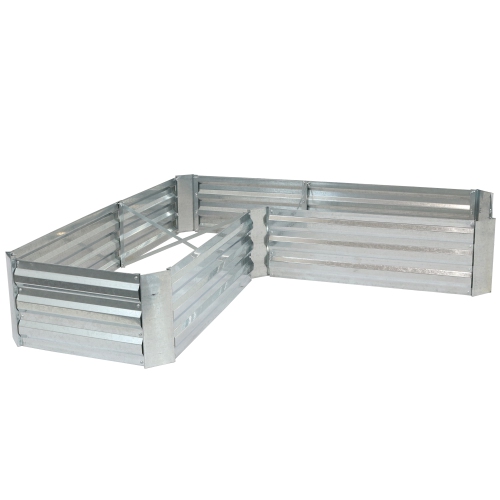
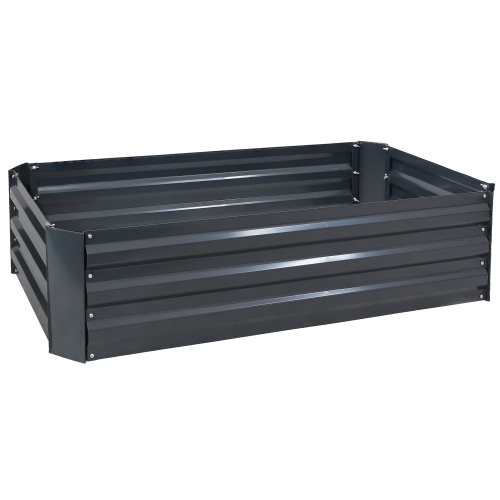
The choice of material affects how a raised herb bed feels in use and what it takes to keep it in good shape. Wood has a natural grain that suits a garden or patio, but boards can swell, split or soften over time where moisture lingers. For culinary herbs, look for materials and finishes intended for growing edible plants rather than relying on salvaged boards with an unknown treatment history. Galvanized or coated metal panels can offer rigid sides without the bulk of thick boards; smooth top edges and secure panel joints matter on a bed where hands will pass over the rim often. Plastic and composite beds don’t need the same surface care as wood, though thinner walls may bow if the bed isn’t braced for the weight of the soil. Fabric beds are easy to move when empty and allow water to drain through the sides, but the planting mix can also dry out more quickly than it would in a solid-sided box. On any elevated design, sturdy legs and a base rated to hold wet soil matter more than extras such as a shelf. Drainage openings should remain clear, and a liner, if used, should hold the planting mix without trapping water around the roots. On a finished surface, it helps to know where runoff will land so it doesn’t pool beneath the planter or drip onto the space below. Care is generally straightforward: clear blocked drain openings, brush soil away from joints and check fasteners if the frame starts to shift. A rigid bed has to sit level so its corners and supports share the load. Modularity can be useful for someone who expects to expand the planting area later, but a simple one-piece box or a compact frame can be a better fit for a small collection that’s meant to stay within easy reach.
The herbs themselves help determine whether a single planting box or a bed with distinct sections is the better fit. Thyme, oregano, rosemary and sage generally prefer a sunny spot and a mix that drains freely. Basil and parsley also need drainage, but they do better with more consistent moisture, so separate compartments or neighbouring planters can make it easier to water each group without soaking the other. Mint is best kept in a separate container rather than planted loose in a shared bed, where its spreading roots can crowd out nearby herbs. That distinction is worth keeping in mind when comparing a roomy undivided box with a design that has separate planting areas. A shallow box can suit a few compact herbs, while more soil depth and room between plants make sense for larger, established herbs that would otherwise fill the planting area quickly. Reach matters just as much as capacity. A deep bed against a fence may hold more plants, but it’s less convenient if the parsley at the back can’t be cut without leaning across the whole bed. For a gardener who prefers to work seated, the height of the rim, the depth of the box and the clearance beneath it can all affect how comfortable it is to use. For a household that cooks often, a compact bed with a few familiar herbs may see more use than a large bed filled with varieties that rarely make it to the cutting board. A raised herb bed can also make a thoughtful housewarming gift for someone who enjoys cooking or wants to start gardening in a small space, provided the footprint, filled weight and light suit the spot where it will go. Whether the bed is for quick kitchen harvests or a wider assortment of herbs, the best fit leaves enough room for the plants to grow and keeps the ones picked most often close at hand.
Top selling and popular products
-
 Your price for this item is $204.99
-
 Your price for this item is $65.98
-
 Your price for this item is $94.99
-
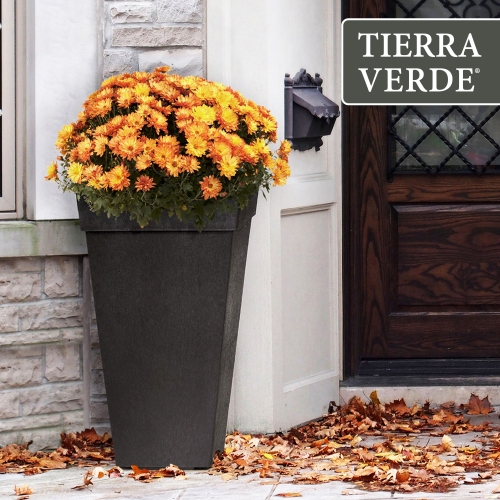 Your price for this item is $187.99
-
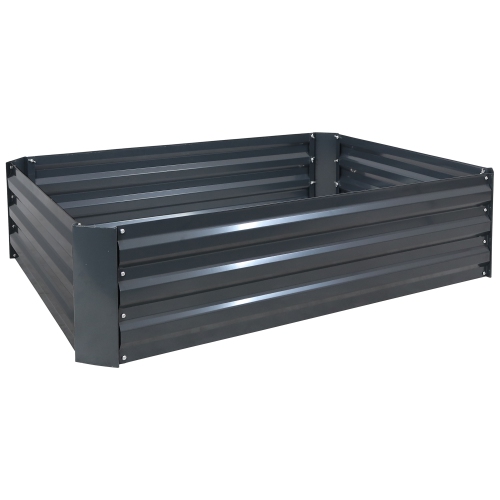 Your price for this item is $117.75
-
 Your price for this item is $117.75
-
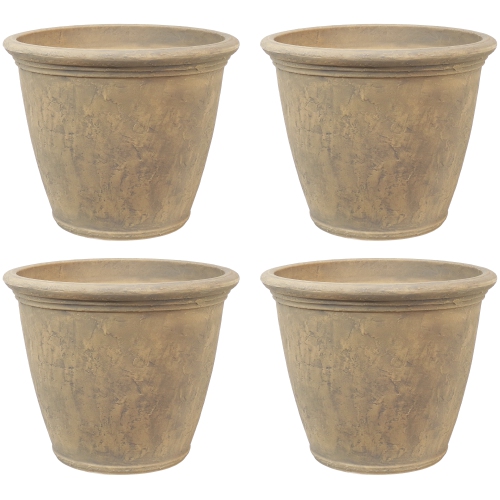 Your price for this item is $415.35
-
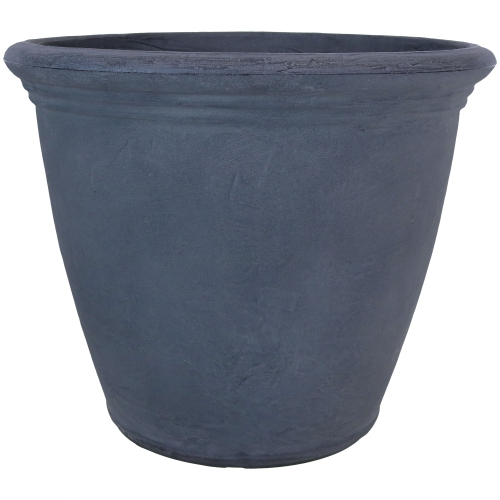 Your price for this item is $134.25
Discover more categories related to Raised Beds for Herb Gardens


Top Collections:
Best Black Friday Deals This Year, Best Black Friday Deals On Electronics, Kindle Devices, Pokemon Centers, Best Black Friday Deals On Apple Products, Best Cameras for Sports Photography, Dyson Airwrap, Pokémon 30th Celebration Cards, Apple iPhone 17 Pro, Canon G7X Cameras
Some products may be subject to Environmental Handling Fees
(EHF) depending on your province.
Learn more about EHFs.