Raised Beds for Small Spaces
Maximize your gardening potential with raised beds for small spaces. Perfectly suited for balconies, patios, and compact yards, these versatile solutions help you create a thriving garden without needing a large plot of land. Whether you're growing vegetables, herbs, or flowers, raised beds for small spaces offer an efficient way to organize your plants and elevate your outdoor area. Explore a variety of options designed to fit seamlessly into limited spaces while enhancing your gardening experience.
Sort

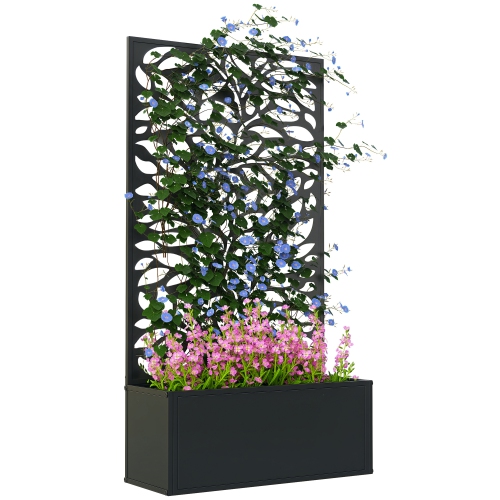
A good fit leaves room to garden comfortably
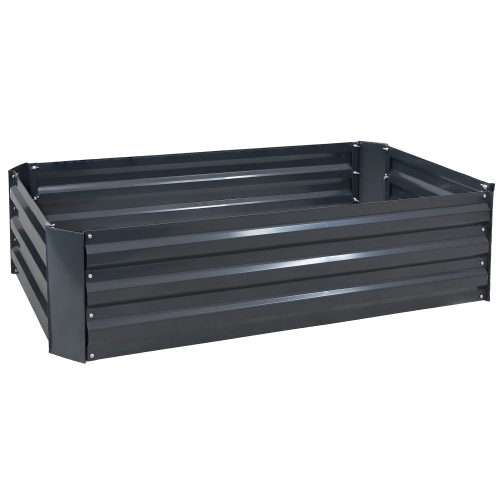
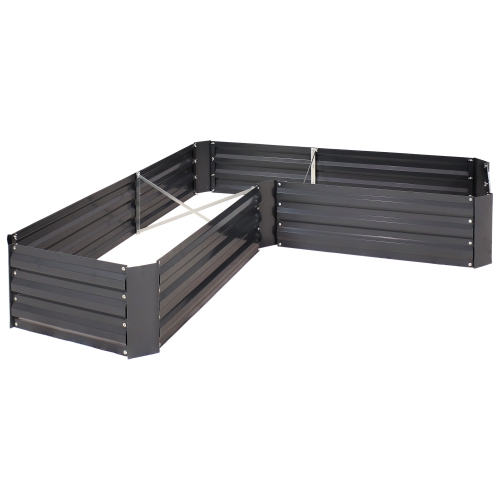
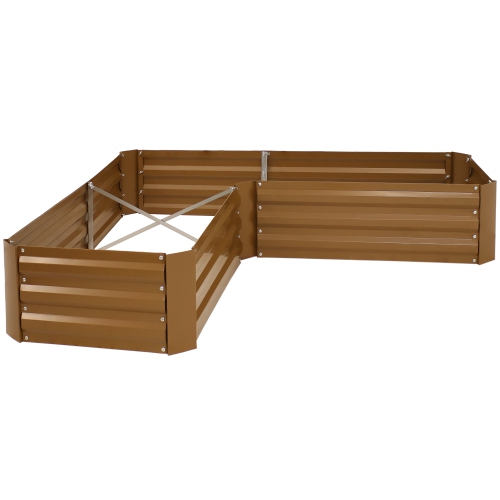
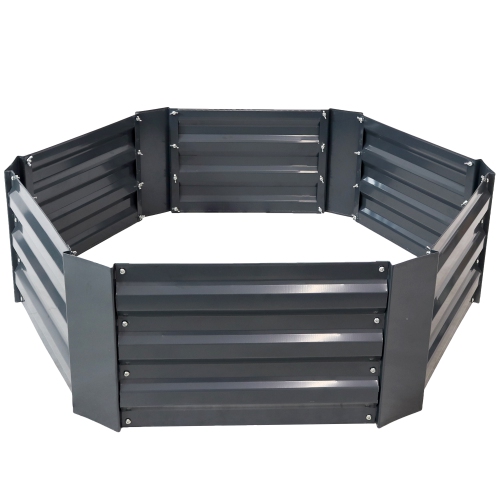
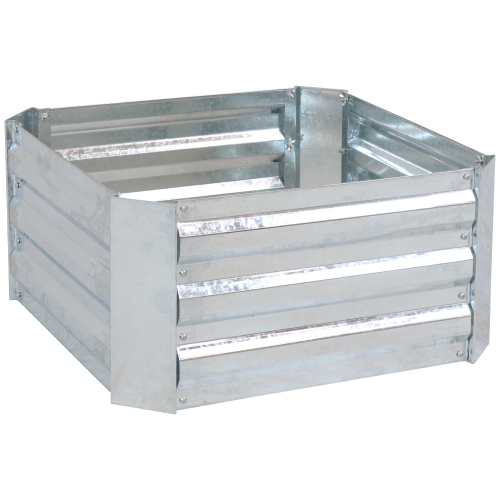
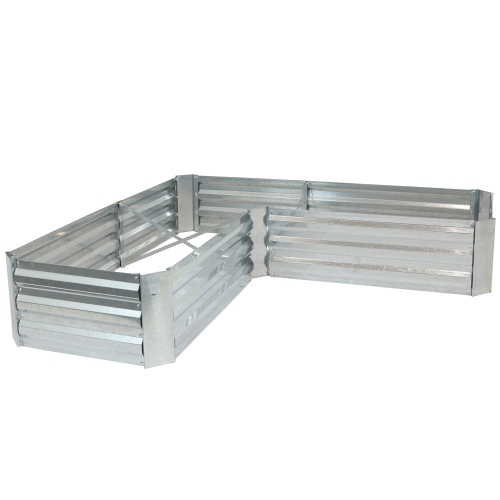
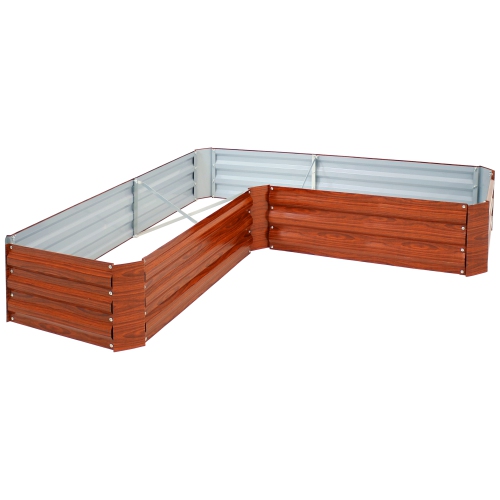
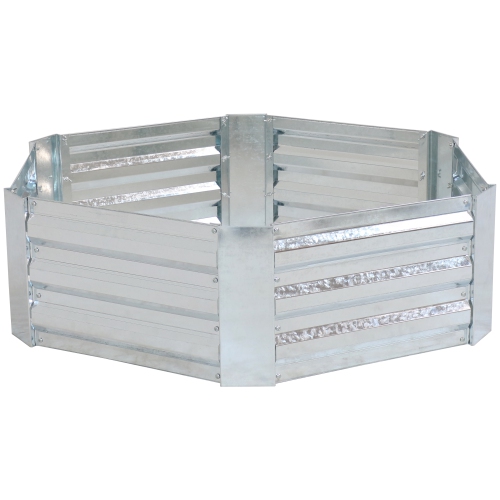
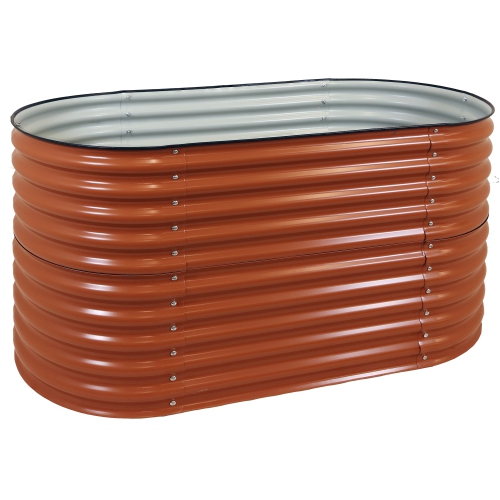
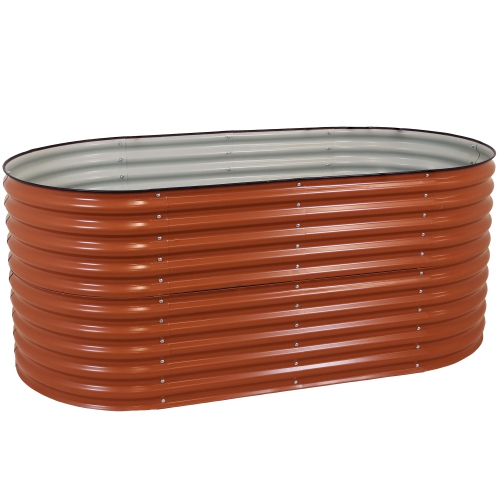
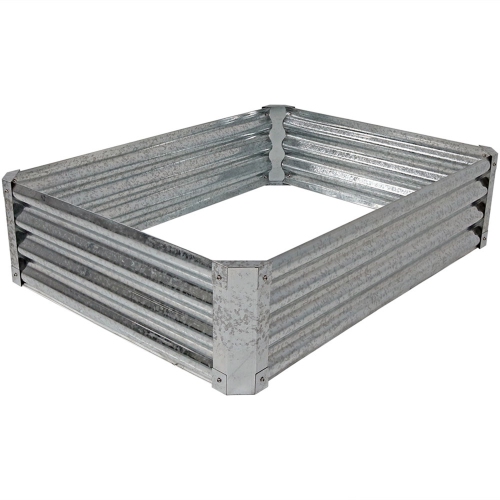
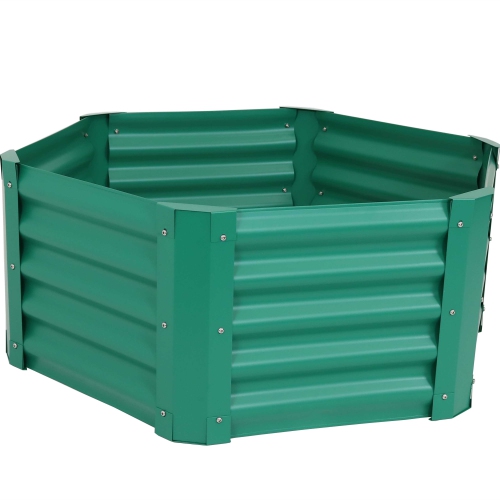
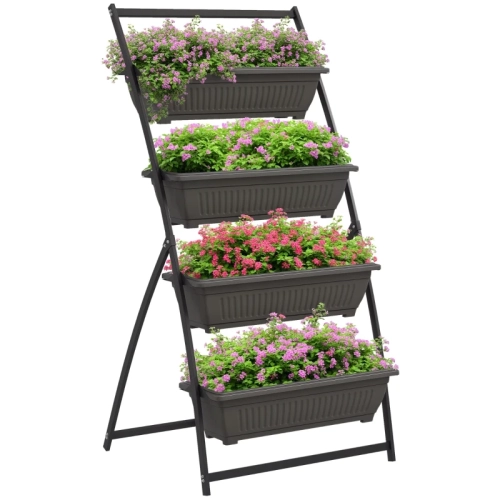
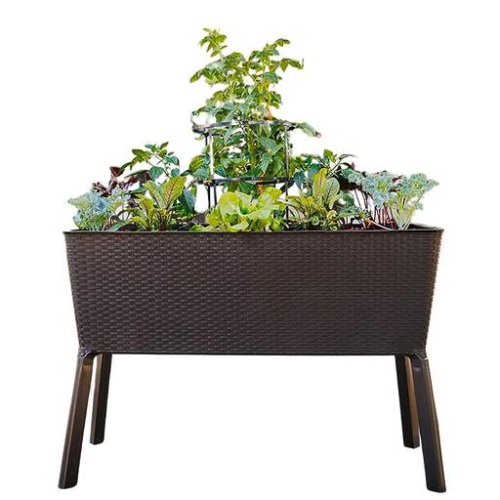
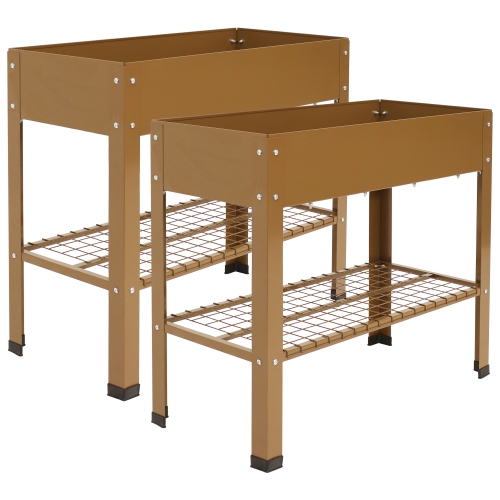
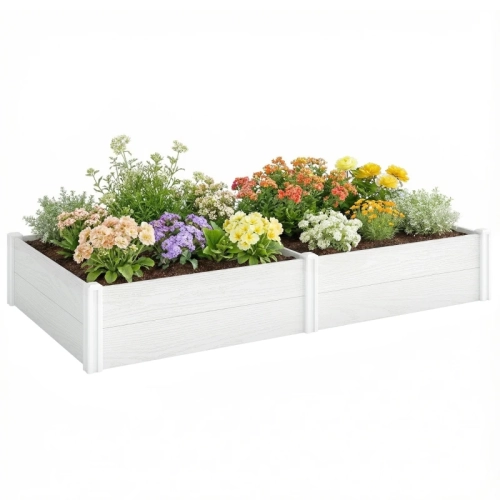
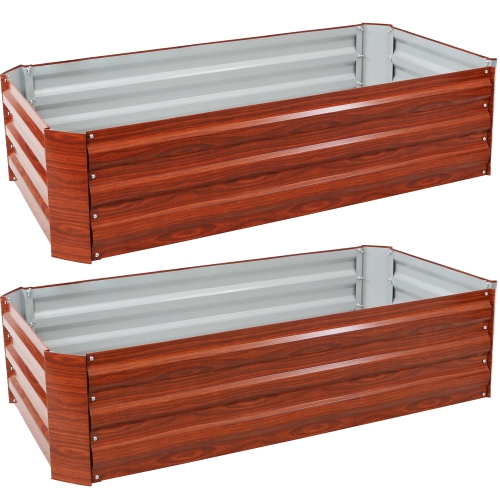
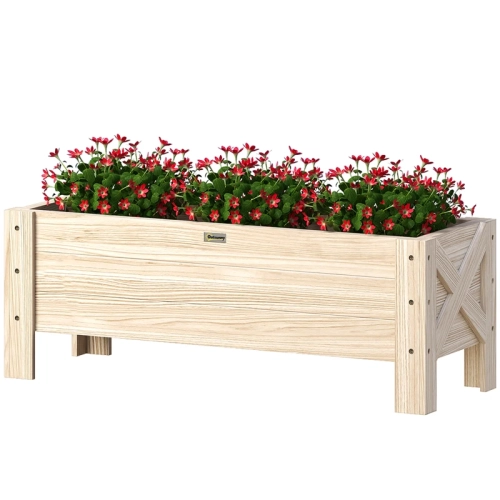
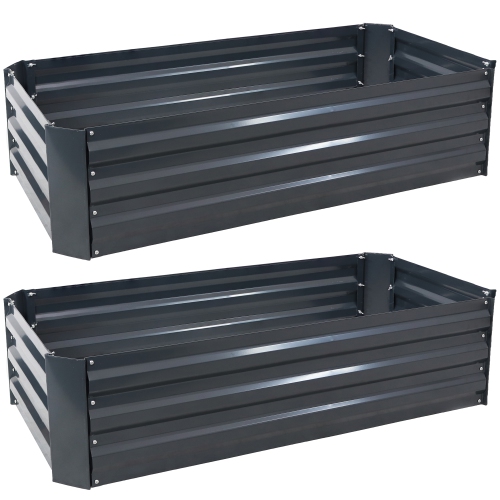
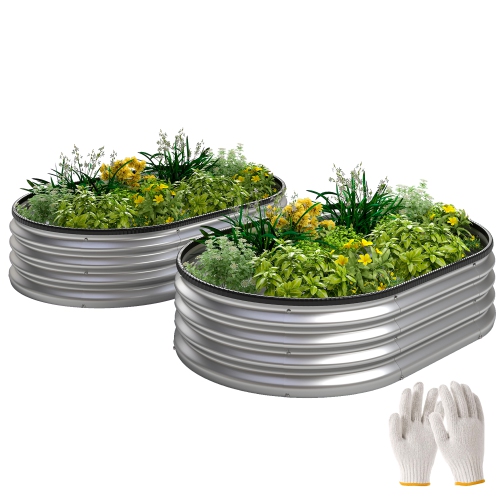
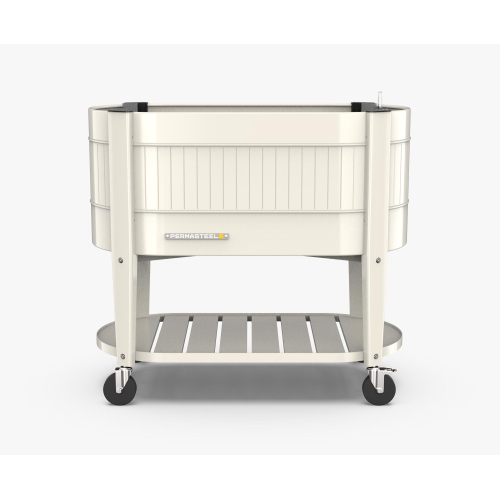
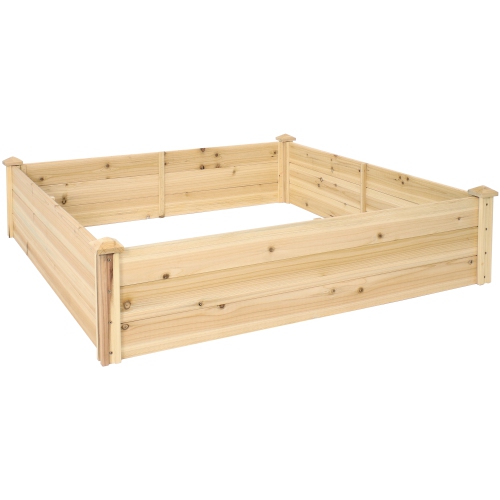
Raised beds for small spaces bring a defined planting area to compact yards, patios, and balconies without requiring a large garden plot. Their value comes from matching the growing space to the footprint: a narrow rectangular bed can sit beside a path, a compact square bed can anchor a courtyard corner, and an elevated planter can keep herbs within comfortable reach near a kitchen door. Open-bottom raised beds are generally intended to sit over suitable ground, where roots and water can pass into the soil below. Contained planters with a base and drainage openings are better suited to paved areas and balconies, provided the surface can safely support their filled weight. An elevated bed on legs offers a different benefit from a tall, ground-level bed: it raises the planting surface while leaving space underneath, although that space may be occupied by braces or a shelf. Vertical and tiered planters arrange several smaller planting pockets above one another, making room for herbs, leafy greens, and flowers within a modest floor area. The most useful dimensions are the outside footprint, usable planting depth, and overall height, rather than capacity alone. A planter that fits an empty corner may still interfere with a sliding door, a chair, or the route to a watering tap once plants begin to spread. Where access is possible from only one side, a shallower front-to-back dimension makes it easier to reach the far edge without leaning across foliage. On a balcony, a full-size outline marked on the floor can help show how much walking room will remain. Filled beds are heavy, so building rules and permitted loads matter, especially on balconies and rooftop terraces. Drainage also needs somewhere appropriate to go, without pooling against a wall or dripping onto a neighbouring space. These practical details distinguish a bed that merely fits from one that remains comfortable to plant, water, and enjoy.
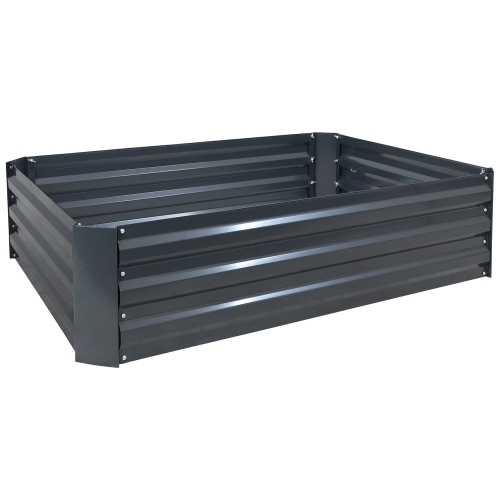
Material and construction influence how a compact raised bed looks, how much maintenance it needs, and how well it holds its shape under the pressure of damp growing mix. Wood offers a familiar garden appearance and can suit spaces with timber seating or fencing. Its service life depends on the wood species, board thickness, joints, and prolonged contact with moisture; any treatment or finish should be suitable for the intended planting use, particularly for edible crops. Metal beds can provide relatively thin walls that leave more of the footprint for planting. Protective coatings, well-finished edges, and sturdy corner connections are useful details, while scratches and exposed fasteners deserve attention during routine care. Plastic and composite designs vary considerably in weight and rigidity, so substantial panels and secure connections matter more than appearance alone. Fabric growing containers offer a flexible alternative where easy storage and repositioning before filling are priorities, although their sides do not provide the same rigid structure as a framed bed. They can also release moisture more readily, making watering access important. For elevated planters, leg stability, base support, and the stated load capacity are central considerations because the frame must carry growing mix, plants, and retained water. Castors can make some designs easier to move, but they need an appropriate load rating, effective locks, and a firm, level surface. Assembly details are worth considering in a confined space: projecting bolts, wide feet, and outward-sloping walls can take up more room than the planting box suggests. Care generally involves keeping drainage openings clear, checking connections, and cleaning surfaces according to the material’s care instructions. A liner may help separate growing mix from a planter wall, but it should not block drainage or turn the base into a water reservoir unless the planter is designed for that purpose. Any tray beneath a planter needs attention too, since standing water can keep roots overly wet and mark the surface below. Durable construction is most useful when paired with a design that remains easy to inspect and maintain.
Planting depth and layout help determine what a small raised bed can comfortably support. Herbs and leafy greens can work well in relatively shallow planters when their root-space requirements are met, while carrots, larger fruiting vegetables, and substantial root systems need more depth and volume. Compact lettuce, radishes, chives, parsley, and dwarf vegetable varieties offer possibilities for a limited footprint, but mature plant size remains more informative than the size of a seedling pot. A small tomato seedling can eventually occupy much of a narrow bed, and a climbing crop needs a secure support with enough clearance around it. Mint is often easier to manage in its own container rather than sharing a compact bed, where spreading roots can crowd neighbouring plants. Tiered layouts suit combinations with compatible watering needs, with attention to whether upper shelves shade the planting pockets below. A wall-side planter also needs adequate light for its intended crops; a tidy fit against a fence does not guarantee enough light for productive growth. For contained and elevated beds, a growing mix formulated for containers helps balance moisture retention with drainage, whereas dense garden soil alone can compact and make the bed unnecessarily heavy. Open-bottom beds may call for a different blend suited to their depth and the ground beneath them. Usable root space should remain a priority rather than being displaced by bulky filler. Where a neat, divided planting layout appeals, Raised Beds for Square Foot Gardening offers a related approach to organizing crops within a defined area, with spacing adjusted to each plant’s mature needs. Small-space beds can suit first-time growers, experienced gardeners adding a dedicated herb patch, or households that want children to see how food grows close to home. Elevated designs may also reduce bending, though comfortable seated use depends on knee clearance, reach, and the position of supports. As a gift for someone who enjoys gardening, a compact raised bed is most practical when its dimensions, assembly needs, and intended location are known. The result is a manageable planting space that belongs naturally alongside everyday outdoor living.
Material and construction influence how a compact raised bed looks, how much maintenance it needs, and how well it holds its shape under the pressure of damp growing mix. Wood offers a familiar garden appearance and can suit spaces with timber seating or fencing. Its service life depends on the wood species, board thickness, joints, and prolonged contact with moisture; any treatment or finish should be suitable for the intended planting use, particularly for edible crops. Metal beds can provide relatively thin walls that leave more of the footprint for planting. Protective coatings, well-finished edges, and sturdy corner connections are useful details, while scratches and exposed fasteners deserve attention during routine care. Plastic and composite designs vary considerably in weight and rigidity, so substantial panels and secure connections matter more than appearance alone. Fabric growing containers offer a flexible alternative where easy storage and repositioning before filling are priorities, although their sides do not provide the same rigid structure as a framed bed. They can also release moisture more readily, making watering access important. For elevated planters, leg stability, base support, and the stated load capacity are central considerations because the frame must carry growing mix, plants, and retained water. Castors can make some designs easier to move, but they need an appropriate load rating, effective locks, and a firm, level surface. Assembly details are worth considering in a confined space: projecting bolts, wide feet, and outward-sloping walls can take up more room than the planting box suggests. Care generally involves keeping drainage openings clear, checking connections, and cleaning surfaces according to the material’s care instructions. A liner may help separate growing mix from a planter wall, but it should not block drainage or turn the base into a water reservoir unless the planter is designed for that purpose. Any tray beneath a planter needs attention too, since standing water can keep roots overly wet and mark the surface below. Durable construction is most useful when paired with a design that remains easy to inspect and maintain.
Planting depth and layout help determine what a small raised bed can comfortably support. Herbs and leafy greens can work well in relatively shallow planters when their root-space requirements are met, while carrots, larger fruiting vegetables, and substantial root systems need more depth and volume. Compact lettuce, radishes, chives, parsley, and dwarf vegetable varieties offer possibilities for a limited footprint, but mature plant size remains more informative than the size of a seedling pot. A small tomato seedling can eventually occupy much of a narrow bed, and a climbing crop needs a secure support with enough clearance around it. Mint is often easier to manage in its own container rather than sharing a compact bed, where spreading roots can crowd neighbouring plants. Tiered layouts suit combinations with compatible watering needs, with attention to whether upper shelves shade the planting pockets below. A wall-side planter also needs adequate light for its intended crops; a tidy fit against a fence does not guarantee enough light for productive growth. For contained and elevated beds, a growing mix formulated for containers helps balance moisture retention with drainage, whereas dense garden soil alone can compact and make the bed unnecessarily heavy. Open-bottom beds may call for a different blend suited to their depth and the ground beneath them. Usable root space should remain a priority rather than being displaced by bulky filler. Where a neat, divided planting layout appeals, Raised Beds for Square Foot Gardening offers a related approach to organizing crops within a defined area, with spacing adjusted to each plant’s mature needs. Small-space beds can suit first-time growers, experienced gardeners adding a dedicated herb patch, or households that want children to see how food grows close to home. Elevated designs may also reduce bending, though comfortable seated use depends on knee clearance, reach, and the position of supports. As a gift for someone who enjoys gardening, a compact raised bed is most practical when its dimensions, assembly needs, and intended location are known. The result is a manageable planting space that belongs naturally alongside everyday outdoor living.
Top selling and popular products
-
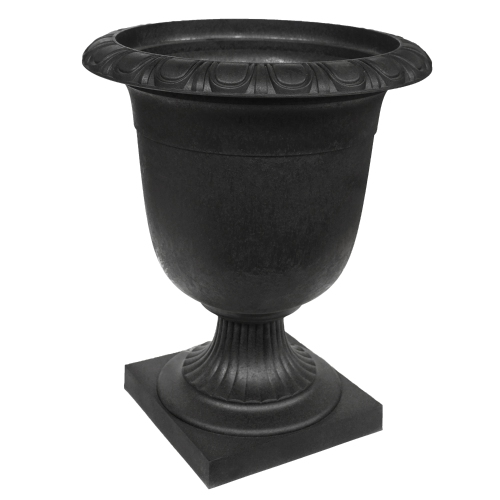 Your price for this item is $69.99
 -
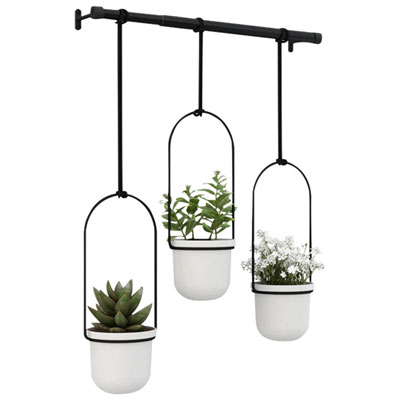 Your price for this item is $54.98
 -
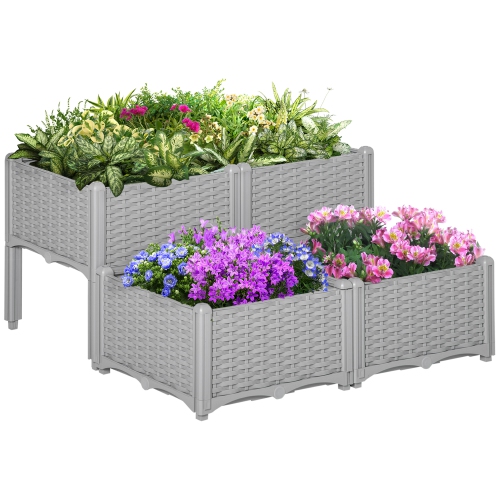 Your price for this item is $89.99
 -
 Your price for this item is $79.99
 -
 Your price for this item is $104.99
 -
 Your price for this item is $141.99
 -
 Your price for this item is $117.75
 -
 Your price for this item is $117.75
Discover more categories related to Raised Beds for Small Spaces
Top Collections:
Pokemon Centers, Kindle Devices, Best Budget Office Chairs, Apple iPhones 16, Best Laptops for Writers, iPhone 15 Apple, Canon G7X Cameras, Refurbished Apple Laptops, Alarm Clock, Motorola Razr Phones
Some products may be subject to Environmental Handling Fees
(EHF) depending on your province.
Learn more about EHFs.